Manipur
Temple
2 sites
📍 24.8044°N, 93.9217°E
Temple Near Imphal
The Imphal region hosts 2+ architecturally and spiritually significant temple, representing Manipur's profound heritage of sacred architecture and religious devotion. These monuments span multiple historical periods and stylistic traditions, maintaining varying degrees of original integrity while continuing to serve religious and cultural functions. Our documentation provides accurate travel distances from Imphal, architectural descriptions, visitor protocols, and cultural context. Whether approaching these sites as sacred spaces for worship, architectural studies, or cultural exploration, proper understanding enhances meaningful engagement. This guide supports respectful visiting practices while providing comprehensive information enabling informed site selection based on accessibility, architectural significance, and personal interest. Each documented templ offers unique insights into Hindu temple architecture, regional artistic traditions, and continuing spiritual practices that connect contemporary Manipur to its ancient heritage.
Discover 2+ temple near Imphal with complete documentation enabling informed site selection and respectful, enriching visits to Manipur's sacred and historical monuments.
Temple in Imphal
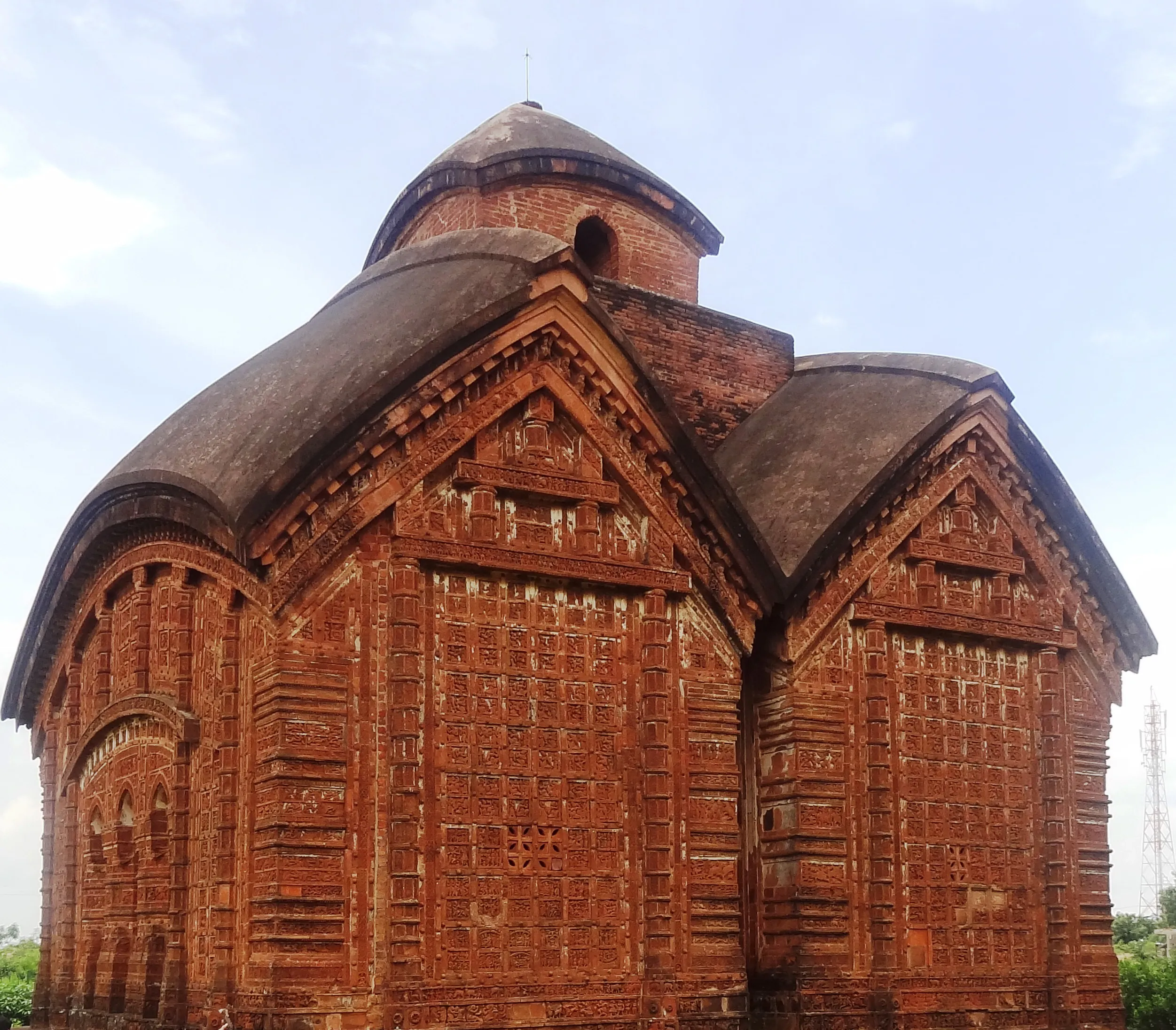
Jorebangla Temple Imphal
Manipur Road, Sagolband, Imphal (795001), Manipur, India
The vibrant vermilion and ochre hues of the Jorebangla Temple practically shimmered under the Manipuri sun. Having explored the basalt-carved wonders of Maharashtra’s caves and the intricate details of its ancient temples, I was eager to see how the architectural traditions of this northeastern state differed. And the Jorebangla, with its distinctive curved roof resembling the traditional Bengali hut or *bangla*, certainly didn't disappoint. The name itself, "twin huts" or "Jora Bangla," refers to the two identical structures that comprise the temple complex, dedicated to Lord Krishna. Stepping onto the temple grounds, I was immediately struck by the simplicity of the layout. Unlike the sprawling complexes I was accustomed to back home, the Jorebangla Temple occupies a relatively compact space, allowing for an intimate experience. The two structures face each other, separated by a small courtyard. This courtyard, I learned, is used for traditional Manipuri dance performances, especially during religious festivals, adding another layer of cultural significance to the site. The temples themselves are built on raised platforms, accessed by a few brick steps. The curved roofs, the defining feature of the Jorebangla style, are constructed from corrugated iron sheets now, though historically they would have been thatched. This gentle curve, so different from the pyramidal shikharas of Maharashtra’s temples, lends a unique grace to the structures. The vibrant paintwork, freshly applied, adds to the festive atmosphere. The ochre walls are offset by intricate white patterns, floral motifs, and geometric designs, showcasing a local artistic sensibility. I spent a considerable amount of time examining the intricate wood carvings that adorned the facades. While not as elaborate as some of the sculptural panels I’ve seen in Ajanta and Ellora, they possessed a distinct charm. Depictions of Krishna’s life, scenes from the Mahabharata, and various floral and faunal motifs were rendered with a naive yet expressive style. The wood, darkened by time and weather, spoke of generations of devotion and artistic tradition. Inside, the temples are surprisingly simple. The main deity within each structure is Lord Krishna, represented by a small, unadorned idol. The absence of elaborate ornamentation within the sanctum sanctorum contrasted sharply with the vibrant exterior. This simplicity, however, seemed to amplify the sense of reverence and spiritual focus. I observed local devotees offering prayers and flowers, their quiet devotion adding to the serene atmosphere. Beyond the main structures, the temple complex also houses several smaller shrines dedicated to other deities. These smaller structures echoed the architectural style of the main temples, creating a sense of harmony and unity. I noticed a small pond near the entrance, its surface covered with lilies, adding a touch of tranquility to the surroundings. My visit to the Jorebangla Temple offered a fascinating glimpse into the architectural and religious traditions of Manipur. The distinctive curved roofs, the vibrant paintwork, and the intricate wood carvings all spoke of a unique cultural heritage. While the scale and grandeur might have differed from the monumental temples of Maharashtra, the Jorebangla Temple possessed a quiet charm and spiritual resonance that left a lasting impression. It served as a reminder that architectural beauty can be found in simplicity and that devotion can be expressed in myriad ways. As I left the temple grounds, the image of the twin structures, bathed in the warm glow of the setting sun, remained etched in my memory, a testament to the rich cultural tapestry of India.
Specialized Data:
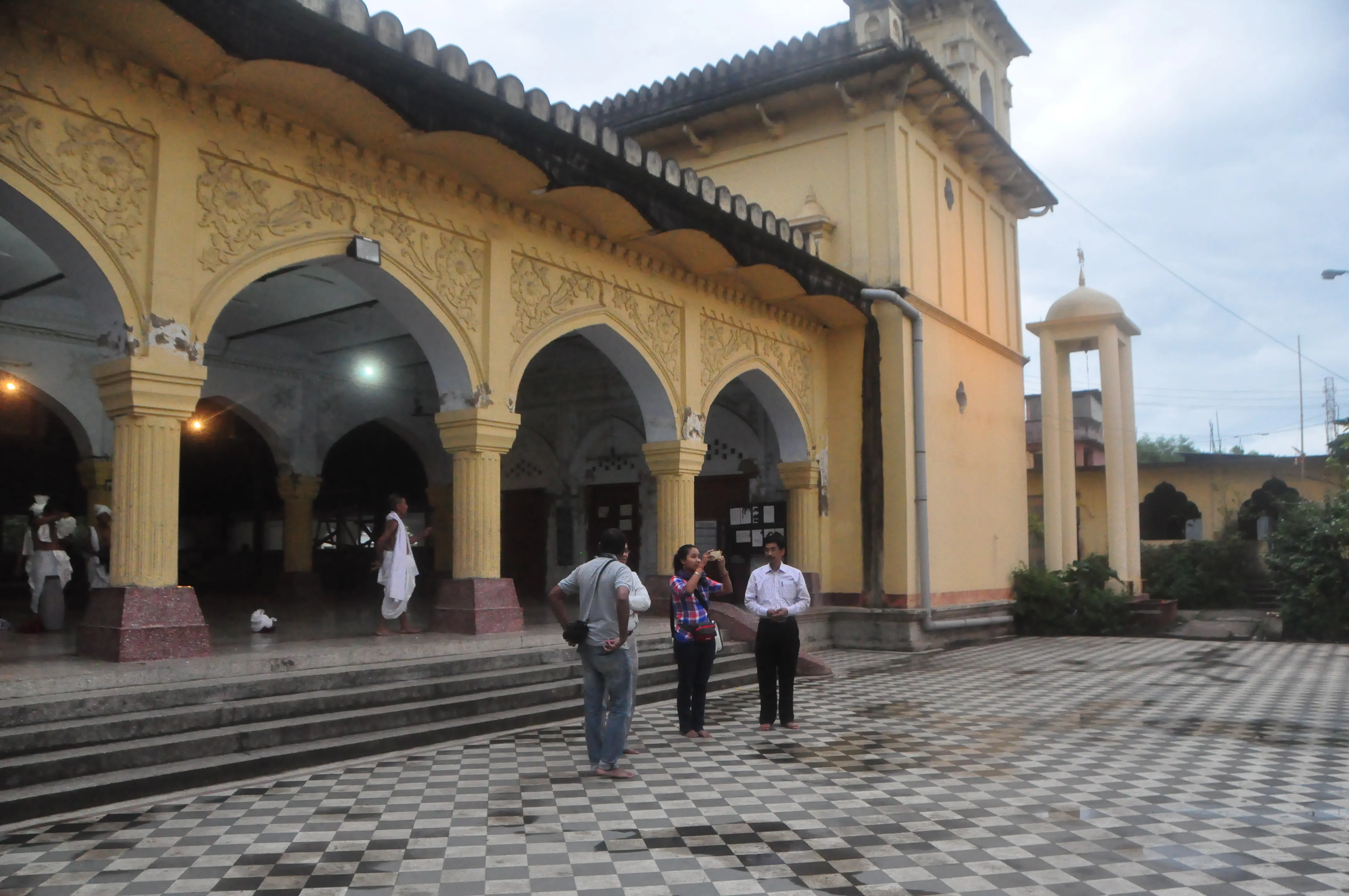
Shree Govindajee Temple Imphal
Manipur Road, Sagolband, Imphal (795001), Manipur, India
The shimmering gold roof of the Shree Govindajee Temple, rising above the sprawling complex within Imphal’s palace grounds, immediately captured my attention. Coming from Uttar Pradesh, a land steeped in its own vibrant temple architecture, I was eager to experience this Manipuri gem, a testament to the region’s unique cultural tapestry. The temple, dedicated to Lord Krishna in his Govindajee form, stands as a powerful symbol of Vaishnavism in this northeastern state. Entering the complex, I was struck by the spacious courtyard, a serene expanse that provided a buffer from the bustling city outside. The main temple structure, built in a traditional Manipuri architectural style, is flanked by two smaller shrines dedicated to Radha and Balarama. Unlike the towering stone edifices common in my home state, this temple showcased a different aesthetic. The structure is primarily built of brick, plastered and painted a pristine white, creating a stark contrast against the vibrant gold roof. The roof itself is a marvel, a multi-tiered, curved structure, reminiscent of the traditional Manipuri houses I’d seen dotted across the landscape. This architectural synchronicity, blending religious symbolism with local vernacular, resonated deeply. The temple’s interior, while relatively simple, exudes a palpable sense of devotion. Photography is strictly prohibited inside, a rule I respected, allowing myself to fully immerse in the atmosphere. The absence of visual documentation heightened my other senses. The scent of incense hung heavy in the air, mingling with the soft murmur of prayers. The rhythmic chanting of Sanskrit verses, though different in pronunciation from what I was accustomed to, carried the same spiritual weight, a testament to the universality of religious devotion. I spent some time observing the devotees. Their attire, a blend of traditional Manipuri phanek (sarong) and shawl for women, and dhoti-kurta for men, added another layer of cultural richness to the experience. The reverence in their eyes, the gentle clinking of bells, and the offering of flowers and fruits created a tapestry of faith that transcended geographical boundaries. It was fascinating to witness how Vaishnavism, a faith so deeply rooted in the Gangetic plains, had taken root and flourished in this distant land, adapting and integrating with local traditions. Beyond the main temple, the complex houses several smaller structures, including a dedicated kitchen where prasad is prepared. I was fortunate enough to partake in the noontime offering, a simple yet delicious meal of rice and lentils. Sharing this communal meal with the local devotees further solidified my sense of connection to this sacred space. The Shree Govindajee Temple is more than just a religious structure; it's a living testament to the cultural exchange and adaptation that has shaped Manipur’s identity. The temple’s architecture, rituals, and the very presence of Vaishnavism in this predominantly tribal region speak volumes about the historical and cultural influences that have converged here. As someone deeply interested in the interplay of culture and faith, my visit to the Shree Govindajee Temple was an enriching experience. It offered a glimpse into a unique expression of Hinduism, shaped by the geographical and cultural landscape of Manipur, a world away from the familiar temples of my homeland, yet connected by the same thread of devotion. The temple stands as a symbol of resilience, a beacon of faith that continues to illuminate the lives of the Manipuri people, and a testament to the enduring power of cultural exchange.
Specialized Data:
City
Imphal
State
Manipur
Country
India
Total Sites
2
Category
Temple
What is Heritage Sites Near Imphal, Manipur?
Discover 2 documented heritage sites within Imphal, Manipur. From ancient temples to historic forts, explore cultural treasures near you with complete visitor information, GPS coordinates, timings, and directions.
City:
ImphalState:
ManipurCountry:
IndiaTotal Sites:
2Category:
TempleCoordinates:
24.8044°N, 93.9217°EHow to Explore Heritage Sites in Imphal
- 1
Browse Sites on Map
View all 2 heritage sites with up-to-date GPS coordinates and filters for style, era, and accessibility.
- 2
Check Visitor Essentials
Confirm entry requirements, timings, photography rules, and accessibility notes before you travel.
- 3
Plan Efficient Routes
Group nearby monuments into half-day or full-day trails using local transport or hired vehicles.
- 4
Document & Share
Capture respectful visuals, collect local stories, and contribute updates to strengthen the archive.
Planning Snapshot
| Location | Imphal, Manipur |
| Sites Available | 2 documented |
| Transport | Metro · Bus · Auto · Taxi · Private |
| Best Season | October – March |
| Visit Duration | 2–3 hrs per site |
| Navigation Tips | Download offline maps, respect local signage |
Quick Facts
•2 temple within reach of Imphal
•Located in Manipur, a state/region rich in cultural heritage
•Average travel time: 30-90 minutes from Imphal city center
•Best visiting season: October through March
•Entry fees typically range ₹25-₹40 at protected sites
•Transportation options include auto-rickshaw, Indian Railways, state buses
•GPS coordinates provided for all sites for accurate navigation
•Local guides available at major heritage sites
•Photography permitted at most sites (tripod restrictions may apply)
•Imphal serves as convenient base with hotels and restaurants
Common Questions
About Imphal Heritage Region
Imphal occupies a heritage-rich region of Manipur, reflecting historical importance rooted in geographical advantages, pilgrimage networks, and royal patronage traditions. The concentration of temple throughout this region developed through centuries of religious devotion, political power, and cultural achievement. Sites range from locations within Imphal proper to monuments situated 30-90 minutes distant, enabling both brief visits and comprehensive day-long explorations. Accessible sites facilitate morning visits returning by afternoon, while more distant monuments reward full-day excursions potentially combining multiple sites along geographical routes. Transportation infrastructure throughout Imphal includes app-based ride services, traditional auto-rickshaws, and taxi services. Multiple-site visits often benefit from private vehicle hire enabling flexible scheduling and optimal route planning. Visiting patterns vary seasonally and weekly; weekday mornings typically offer peaceful experiences, while festival periods provide opportunities to witness continuing traditions, though with increased visitor density. This collection documents prominent sites alongside lesser-known monuments, enabling balanced itineraries combining well-documented heritage with discoveries off typical tourist circuits.
Getting Around from Imphal
Transportation from Imphal to regional heritage sites employs various modalities depending on distance and infrastructure. India offers well-developed transportation including auto-rickshaw, Indian Railways, state buses. Sites within Imphal limits remain accessible via local transport options. Outlying monuments may require private vehicle access: rental cars for independent travelers, or hired vehicles with experienced drivers. Organized tours offer structured itineraries with less scheduling flexibility. Distance ranges span 5-80 kilometers from Imphal; proximate sites (5-15km) involve 30-45 minute journeys, while more distant monuments (40-80km) require 1.5-2.5 hours depending on traffic conditions and road quality. Site-specific documentation provides exact coordinates, suggested routes, and access considerations. Local knowledge complements digital navigation; consulting residents regarding road conditions and optimal routes proves valuable.
When to Visit
Seasonal considerations significantly affect heritage site visiting experiences throughout Manipur. The optimal visiting period for India extends October through March, offering comfortable weather conditions and extended visiting hours, though popular sites may experience higher visitor density. Most temple remain accessible year-round, though specific closures or modified hours warrant verification before visiting. Weather patterns vary by region within India, so consulting local forecasts ensures appropriate planning. Festival periods at active worship sites provide enriching cultural experiences, though with substantially increased attendance meriting advance planning. Entry fees at protected monuments typically range from ₹25-₹40. Photography for personal use is generally permitted, though professional equipment may require advance permissions.