Has Inheritage Foundation supported you today?
Your contribution helps preserve India's ancient temples, languages, and cultural heritage. Every rupee makes a difference.
Secure payment • Instant 80G certificate

Sheetla Mata Mandir Gurugram
The midday sun beat down on Gurugram, a stark contrast to the cool, shadowed interior of the Sheetla Mata Mandir. This wasn't a UNESCO World Heritage Site, a fact that surprised many given its historical and cultural significance. My journey across India to document every UNESCO site had brought me here, to this vital pilgrimage center, driven by curiosity and a desire to understand its enduring appeal. The temple, dedicated to Sheetla Mata, the goddess of smallpox, stands as a testament to a time when disease held a powerful sway over human life. Unlike the ornate and vibrant temples of South India I'd grown accustomed to, Sheetla Mata Mandir presented a different aesthetic. The structure, primarily built from brick and stone, exuded a sense of aged resilience. The lack of elaborate carvings or bright colours initially struck me, but as I spent more time within the complex, I began to appreciate the understated elegance. The simplicity felt purposeful, almost reverential, focusing the attention on the spiritual aspect rather than visual grandeur. The main entrance, a relatively unassuming archway, led into a large courtyard. Devotees, many carrying offerings of cooked food – a unique tradition of this temple – moved with a quiet determination. The air hummed with a low murmur of prayers and the clanging of bells. I observed families sharing meals on the temple grounds, the food having been offered to the goddess and then consumed as 'prasad', a blessed offering. This communal act of eating, blurring the lines between the sacred and the everyday, was a powerful display of faith and community. Inside the sanctum sanctorum, the atmosphere was palpably different. The dimly lit space, illuminated by flickering oil lamps, held an air of mystery and ancient power. The idol of Sheetla Mata, adorned with simple garments and jewellery, was a focal point for intense devotion. I watched as devotees whispered their prayers, their faces etched with hope and reverence. The absence of opulent decoration within the sanctum further amplified the sense of raw, unfiltered faith. The architecture of the temple, while not as visually striking as some of the UNESCO sites I've visited, held its own unique charm. The use of local materials, the simple lines, and the open courtyard all contributed to a sense of groundedness, a connection to the earth. I noticed intricate brickwork in certain sections, showcasing the skill of the original builders. The temple's design seemed to prioritize functionality and accessibility over elaborate ornamentation, reflecting its role as a place of pilgrimage for people from all walks of life. One of the most striking aspects of my visit was the palpable sense of continuity, a bridge between the past and the present. While the temple has undoubtedly undergone renovations over the centuries, the core beliefs and practices seemed to have remained unchanged. This resilience, this unwavering faith in the face of modern advancements in medicine, was a testament to the deep-rooted cultural significance of Sheetla Mata. Leaving the Sheetla Mata Mandir, I carried with me a deeper understanding of faith and its diverse expressions. While not a UNESCO site, this temple offered a unique glimpse into the living history and cultural fabric of India. It served as a reminder that heritage isn't just about grand monuments and breathtaking architecture, but also about the intangible threads of belief, tradition, and community that bind a people together. The experience underscored the importance of exploring beyond the designated lists and discovering the hidden gems that offer a richer, more nuanced understanding of a place and its people.
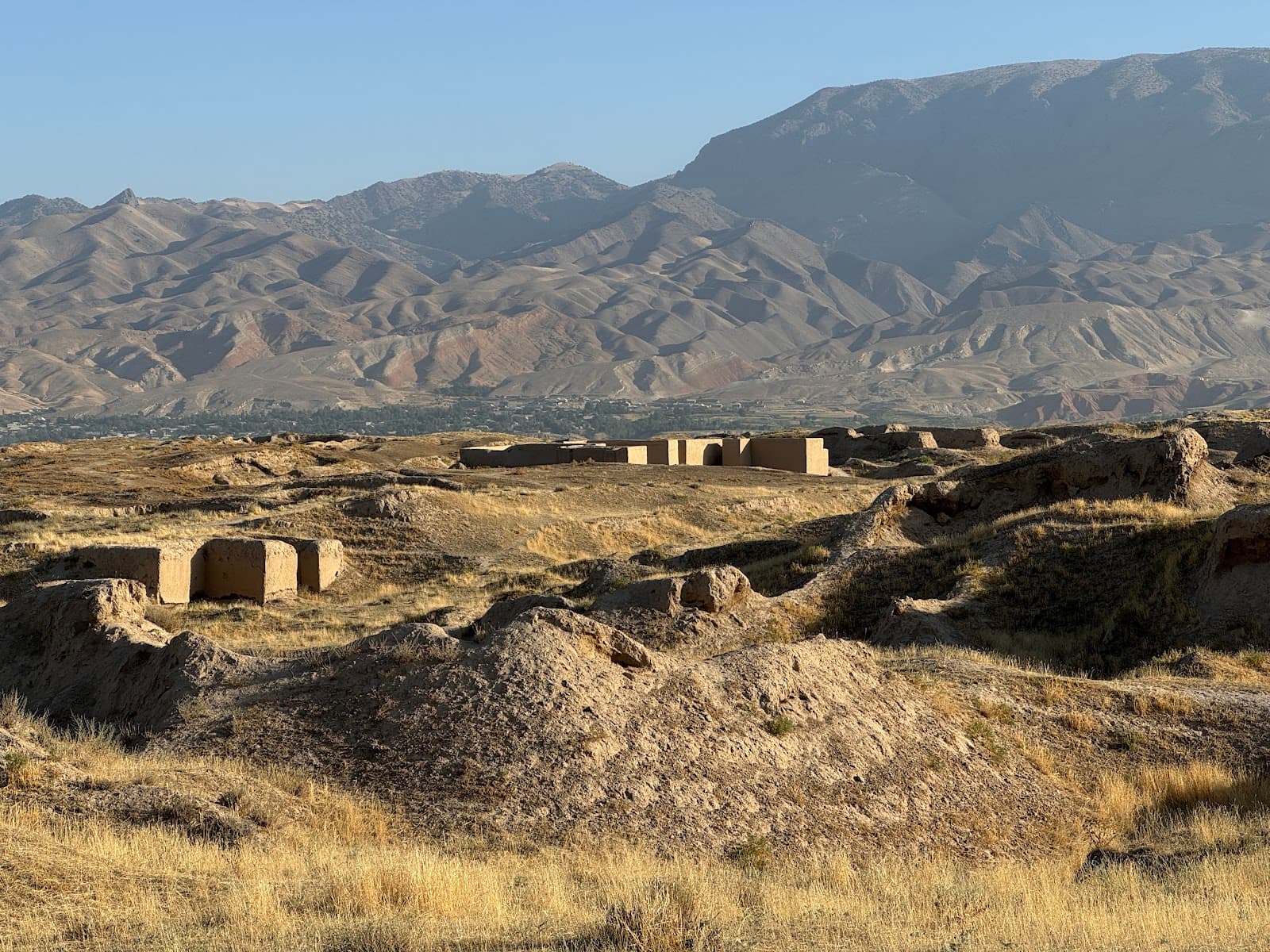
Panjakent Temples Sughd Tajikistan
Panjakent Temples, dramatically situated in the ancient Sogdian town of Panjakent in northern Tajikistan, represent one of the most extraordinary and archaeologically significant temple complexes in Central Asia, constructed in the 5th-8th centuries CE during the Sogdian period as major religious centers that demonstrate remarkable Zoroastrian-Vedic syncretism, creating a powerful testament to the profound transmission of Indian Vedic religious and philosophical traditions to Central Asia and their sophisticated synthesis with local Zoroastrian practices. The temple complex, featuring sophisticated architectural elements that demonstrate the synthesis of Zoroastrian and Vedic architectural traditions, while the site's extraordinary decorative programs including murals, sculptures, and architectural elements demonstrate clear Vedic iconographic and philosophical influences including depictions of Vedic deities, mythological scenes, and cosmological concepts that were transmitted from the great religious centers of India to Central Asia, providing crucial evidence of the site's role as a major center for the transmission of Indian Vedic traditions. Archaeological excavations have revealed extraordinary architectural elements including fire temples, sanctuaries, and assembly halls that demonstrate the sophisticated synthesis of Zoroastrian and Vedic religious practices, while the discovery of numerous artifacts including inscriptions, sculptures, and ritual objects provides crucial evidence of the site's role as a center for the transmission of Indian Vedic texts and practices to Central Asia, demonstrating the sophisticated understanding of Indian Vedic traditions possessed by the Sogdian religious establishment. The temple complex's architectural layout, with its central sanctuaries surrounded by courtyards and auxiliary structures, follows sophisticated planning principles that demonstrate the synthesis of Zoroastrian and Vedic temple planning principles, while the temple complex's extensive decorative programs including murals and sculptures demonstrate the ways in which Indian Vedic traditions were integrated into Sogdian religious architecture. The temple complex's location in Panjakent, a major Sogdian trading center along the Silk Road, underscores its significance as a center for the transmission of Vedic teachings, philosophy, and culture from India to Central Asia and beyond, while the site's architectural sophistication and extensive decorative programs demonstrate the sophisticated understanding of Indian Vedic traditions possessed by the Sogdian religious specialists who created this extraordinary complex. Today, Panjakent Temples stand as a UNESCO Tentative List site and represent one of the most important examples of Zoroastrian-Vedic syncretism in Central Asia, serving as a powerful testament to the transmission of Indian Vedic culture to Central Asia, while ongoing archaeological research and conservation efforts continue to protect and study this extraordinary cultural treasure that demonstrates the profound impact of Indian civilization on Central Asian religious and philosophical traditions. ([1][2])
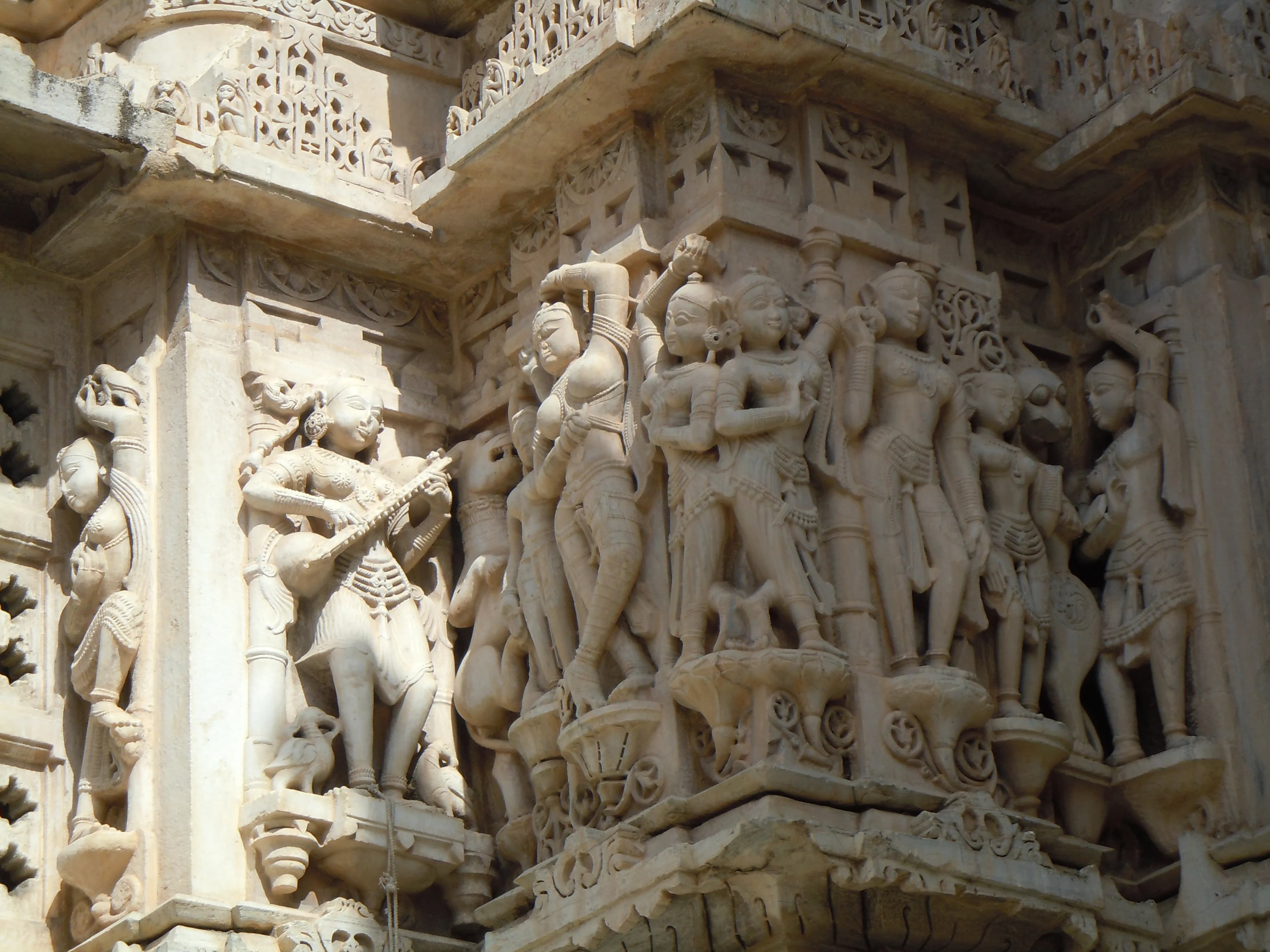
Jagdish Temple Udaipur
The midday sun beat down on Udaipur, casting long shadows that danced across the ornate façade of the Jagdish Temple. Having explored the cave temples of Maharashtra, hewn from solid rock, the intricate craftsmanship of this freestanding structure struck me immediately. Built in 1651, the Jagdish Temple, dedicated to Lord Vishnu, stands as a testament to the Indo-Aryan architectural style, a stark contrast to the rock-cut architecture I’m so familiar with back home. Located within the City Palace complex, the temple is accessed by a steep flight of stairs, flanked by sculpted elephants. The climb itself is a prelude to the grandeur that awaits. As I ascended, I noticed the meticulous carvings that adorned the walls – depictions of dancers, musicians, and celestial beings, each narrating a story frozen in time. The elephants, though weathered by centuries of sun and rain, retained a regal air, their trunks raised in a silent welcome. The temple is built on a raised platform, adding to its imposing presence. The main structure, a shikhara, rises in tiers, each level adorned with intricate sculptures and miniature shrines. Unlike the simple, often austere exteriors of Maharashtra’s cave temples, the Jagdish Temple is a riot of ornamentation. Every inch of the creamy-white stone is covered in elaborate carvings. I spent a considerable amount of time just circling the temple, absorbing the sheer density of the artwork. I noticed depictions of Vishnu’s various avatars – Rama, Krishna, Narasimha – interspersed with scenes from Hindu mythology. The narrative quality of the carvings was captivating, each panel a window into a rich tapestry of stories. Entering the main sanctum, the atmosphere shifted. The cacophony of the city faded, replaced by the hushed reverence of the devotees. The air was thick with the scent of incense and flowers. At the heart of the temple, enshrined within a dark, polished stone garbhagriha (sanctum sanctorum), resided the four-armed black stone idol of Lord Jagannath, a form of Vishnu. The deity, bathed in the soft glow of oil lamps, exuded a palpable sense of serenity. While photography is prohibited inside the sanctum, the image of the deity, majestic and serene, is etched in my memory. Emerging from the main shrine, I explored the mandapas, pillared halls that surround the central structure. The pillars themselves were works of art, intricately carved with floral motifs and geometric patterns. The play of light and shadow through these pillars created a mesmerizing effect. I noticed that the ceiling of the mandapa was equally ornate, featuring a stunning lotus carving. This attention to detail, even in areas that might be overlooked, speaks volumes about the dedication and skill of the artisans who built this temple. One particular aspect that fascinated me was the integration of secular elements within the temple’s carvings. Alongside the mythological figures, I observed depictions of elephants, horses, and even Europeans, possibly reflecting the interactions between the Mewar kingdom and the outside world during the 17th century. This blending of the sacred and the secular is something I haven't encountered as prominently in the cave temples of Maharashtra, which primarily focus on religious iconography. As I descended the steps, leaving the Jagdish Temple behind, I couldn't help but compare it to the cave temples I’m so accustomed to. While the caves evoke a sense of ancient mystery and seclusion, the Jagdish Temple, standing tall in the heart of the city, pulsates with life. It's a living testament to faith, artistry, and the enduring power of human creativity. The experience was a powerful reminder that architectural marvels can take many forms, each with its unique story to tell. From the stark simplicity of rock-cut caves to the ornate grandeur of freestanding temples, the sacred spaces of India continue to inspire and amaze.
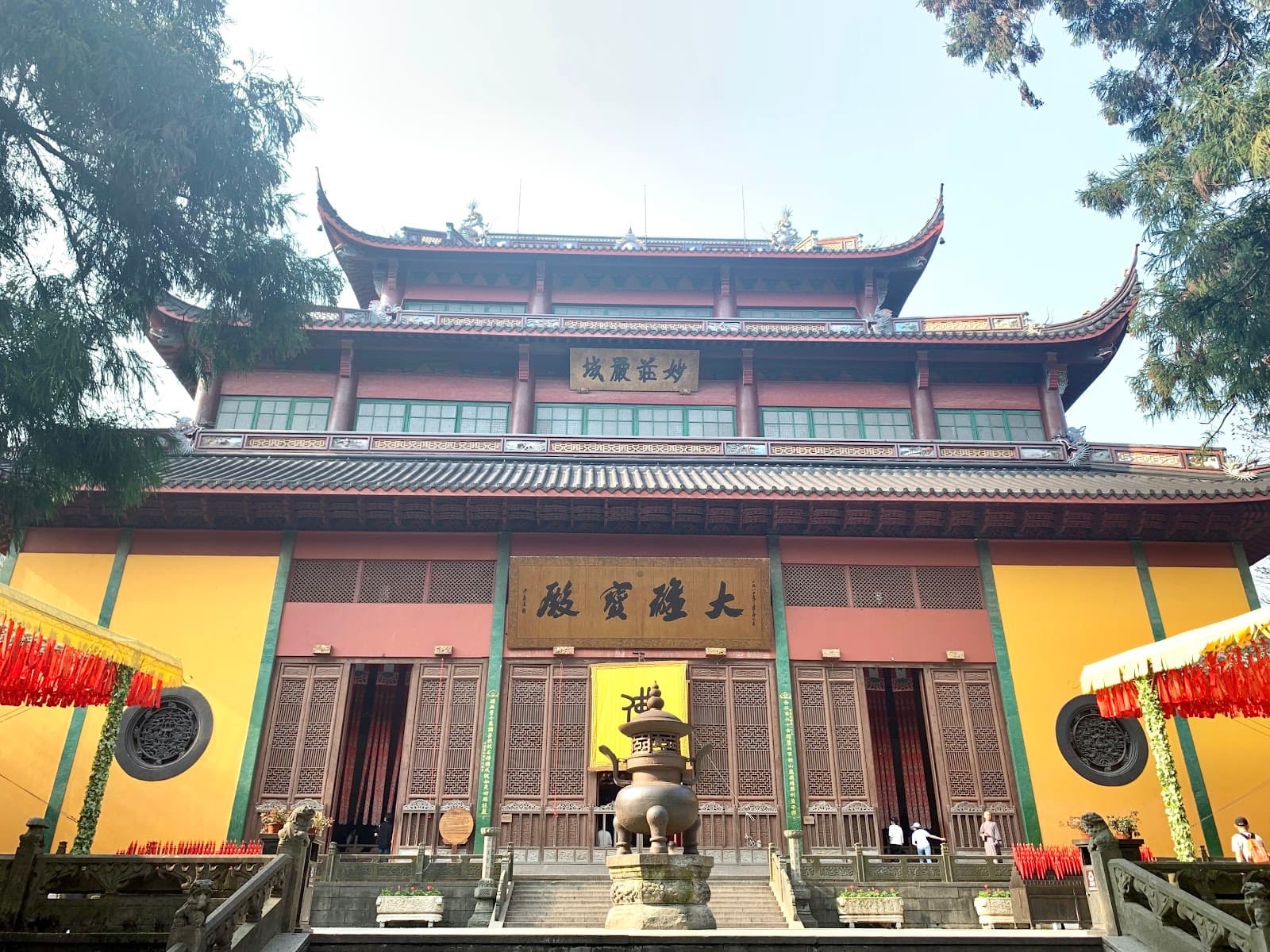
Lingyin Temple Hangzhou Zhejiang China
Lingyin Temple, dramatically situated in the scenic hills west of Hangzhou in Zhejiang Province, represents one of the most extraordinary and historically significant Buddhist temple complexes in China, dating from the 4th century CE and serving as a major center of Indo-Chinese Buddhist heritage that flourished as a crucial link in the transmission of Indian Buddhist traditions to China, featuring sophisticated Buddhist temple structures, extensive rock carvings, and ritual spaces that demonstrate clear connections to the architectural and artistic traditions of ancient India, particularly the sophisticated temple planning principles and rock-cut architecture traditions that were transmitted from the great Buddhist centers of northern India, creating a powerful testament to the profound transmission of Indian Buddhist civilization to China during the early medieval period. The site, featuring sophisticated Buddhist temple structures with halls, pagodas, and the remarkable Feilai Peak rock carvings that demonstrate clear connections to the architectural and artistic traditions of ancient India, particularly the sophisticated rock-cut temple and sculpture traditions that were transmitted from the great Buddhist centers of northern India, demonstrates the direct transmission of Indian Buddhist architectural knowledge, religious iconography, and cultural concepts from the great monastic universities of ancient India, particularly Nalanda and Taxila, which systematically transmitted Buddhist teachings and architectural traditions to China through the extensive trade and pilgrimage networks that connected India with China, while the site's most remarkable feature is its extensive collection of rock carvings on Feilai Peak, featuring hundreds of Buddhist sculptures carved directly into the limestone cliffs that demonstrate remarkable parallels with Indian rock-cut temple traditions, particularly the structural techniques and iconographic programs that were central to Indian Buddhist art, including depictions of Buddhas, Bodhisattvas, and guardian deities that reflect Indian iconographic traditions. The temple structures' architectural layout, with their sophisticated planning, central halls surrounded by subsidiary structures, meditation chambers, and ceremonial spaces, follows planning principles that demonstrate remarkable parallels with Indian Buddhist monastery planning principles, particularly the vihara and rock-cut temple traditions that were central to Indian Buddhist architecture, while the site's extensive archaeological remains including the Feilai Peak rock carvings with clear Indian stylistic influences, Buddhist sculptures that reflect Indian iconographic traditions, and architectural elements demonstrate the sophisticated synthesis of Indian Buddhist iconography and cosmological concepts with local Chinese aesthetic sensibilities and building materials. Historical evidence reveals that the site served as a major center of Buddhist learning and religious activity during the 4th through 13th centuries, attracting monks, traders, and pilgrims from across China, South Asia, and Southeast Asia, while the discovery of numerous artifacts including rock carvings with clear Indian stylistic influences, Buddhist sculptures that reflect Indian iconographic traditions, and architectural elements that reflect Indian architectural concepts provides crucial evidence of the site's role in the transmission of Indian Buddhist traditions to China, demonstrating the sophisticated understanding of Indian Buddhist architecture and religious practices possessed by the site's patrons and monastic establishment. The site's association with the ancient city of Hangzhou, which flourished as a major cultural and commercial center with extensive connections to India and Southeast Asia, demonstrates the sophisticated understanding of Indian Buddhist traditions that were transmitted to China, while the site's Buddhist temple structures and rock carvings demonstrate remarkable parallels with Indian Buddhist temple architecture and rock-cut art traditions that were central to ancient Indian civilization. The site has been the subject of extensive historical research and conservation efforts, with ongoing work continuing to reveal new insights into the site's sophisticated architecture, religious practices, and its role in the transmission of Indian Buddhist traditions to China, while the site's status as one of the most important historical Buddhist temples in China demonstrates its significance as a major center for the transmission of Indian Buddhist and cultural traditions to China. Today, Lingyin Temple stands as one of the most important historical Buddhist temples in China, serving as a powerful testament to the transmission of Indian Buddhist civilization to China, while ongoing historical research and conservation efforts continue to protect and study this extraordinary cultural treasure that demonstrates the profound impact of Indian civilization on Chinese religious and cultural development. ([1][2])
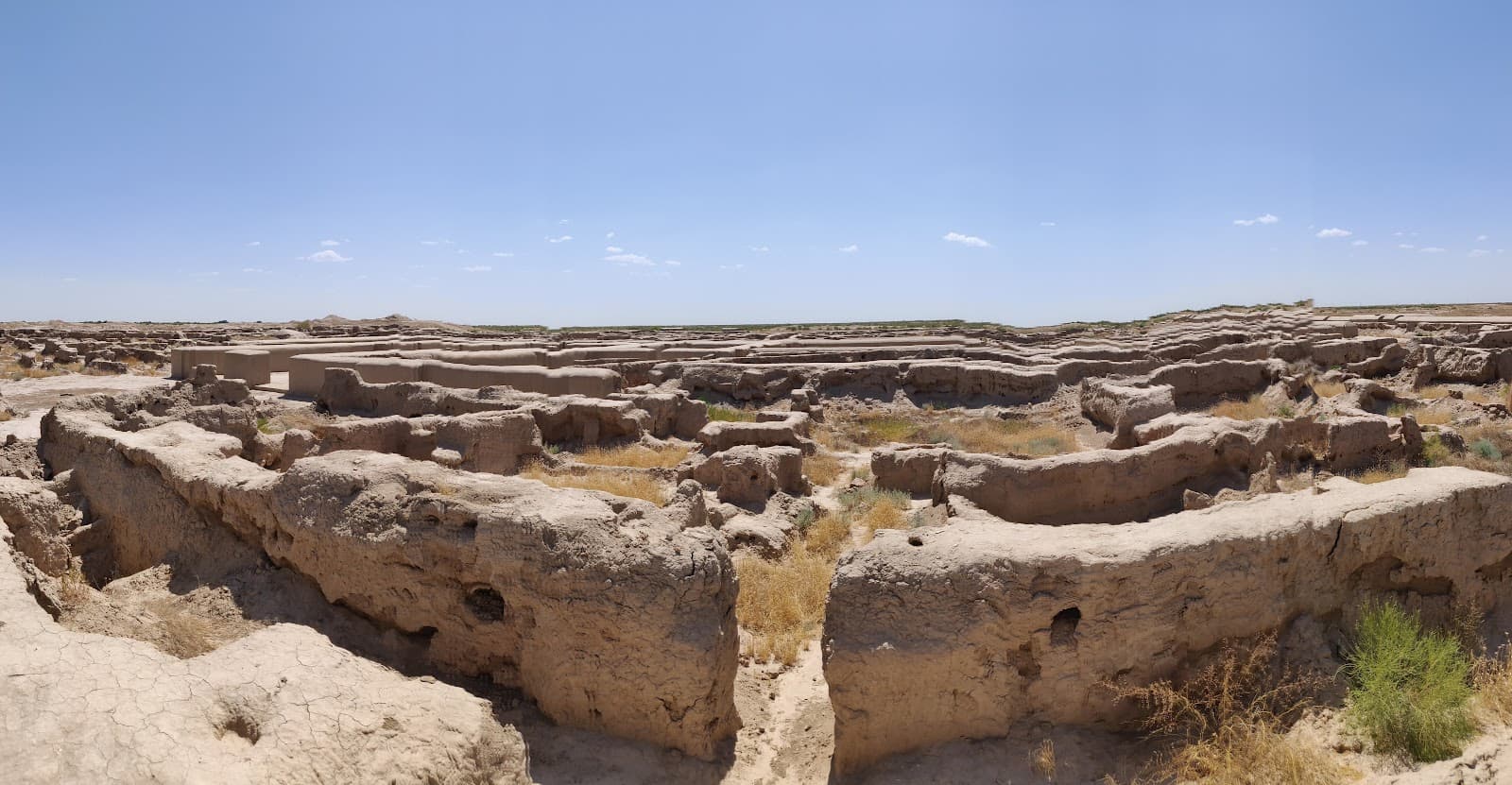
Gonur Depe Karakum Desert Turkmenistan
Gonur Depe, dramatically rising from the vast expanse of the Karakum Desert in southeastern Turkmenistan, represents one of the most extraordinary and archaeologically significant Bronze Age sites in Central Asia, dating to the 3rd millennium BCE and serving as the capital of the Bactria-Margiana Archaeological Complex (BMAC), also known as the Oxus Civilization, featuring a sophisticated temple complex with remarkable Vedic parallels that demonstrate the profound transmission of Indian religious and cosmological traditions to Central Asia, creating a powerful testament to the sophisticated synthesis of Indian and Central Asian cultural traditions during the Bronze Age. The site, spanning over 50 hectares and featuring a massive fortified citadel, palace complex, and extensive temple structures, demonstrates the direct transmission of Indian religious and cosmological concepts from the great religious centers of ancient India, particularly Vedic traditions that were systematically transmitted to Central Asia, while the site's most remarkable feature is its sophisticated temple complex featuring fire altars, ritual structures, and architectural elements that demonstrate clear parallels with Vedic fire altars and ritual practices described in ancient Indian texts including the Vedas and Brahmanas. The temple complex's architectural layout, with its central fire altar surrounded by ritual chambers, storage areas, and ceremonial spaces, follows sophisticated planning principles that demonstrate remarkable parallels with Vedic temple planning principles described in ancient Indian texts, while the temple complex's extensive decorative programs including ritual objects, seals, and architectural elements demonstrate the sophisticated synthesis of Indian religious iconography and cosmological concepts with local Central Asian aesthetic sensibilities. Archaeological evidence reveals that the site served as a major center of religious and political power for over 800 years, attracting traders, priests, and elites from across Central Asia, South Asia, and the Middle East, while the discovery of numerous artifacts including seals with motifs that demonstrate clear Indian influences, ritual objects that parallel Vedic practices, and architectural elements that reflect Indian cosmological concepts provides crucial evidence of the site's role in the transmission of Indian religious traditions to Central Asia, demonstrating the sophisticated understanding of Indian religious and cosmological traditions possessed by the site's patrons and religious establishment. The site's association with the BMAC, which had extensive trade and cultural connections with the Indus Valley Civilization and later Indian civilizations, demonstrates the sophisticated understanding of Indian religious traditions that were transmitted to Central Asia, while the site's fire altars and ritual structures demonstrate remarkable parallels with Vedic fire altars and ritual practices that were central to ancient Indian religious traditions. The site has been the subject of extensive archaeological research by Russian archaeologist Viktor Sarianidi and his team, with ongoing excavations continuing to reveal new insights into the site's sophisticated architecture, religious practices, and its role in the transmission of Indian religious traditions to Central Asia, while the site's status as a UNESCO Tentative List site demonstrates its significance as a major center for the transmission of Indian cultural traditions to Central Asia. Today, Gonur Depe stands as a UNESCO Tentative List site and represents one of the most important Bronze Age archaeological sites in Central Asia, serving as a powerful testament to the transmission of Indian religious and cosmological traditions to Central Asia, while ongoing archaeological research and conservation efforts continue to protect and study this extraordinary cultural treasure that demonstrates the profound impact of Indian civilization on Central Asian religious and cultural traditions. ([1][2])
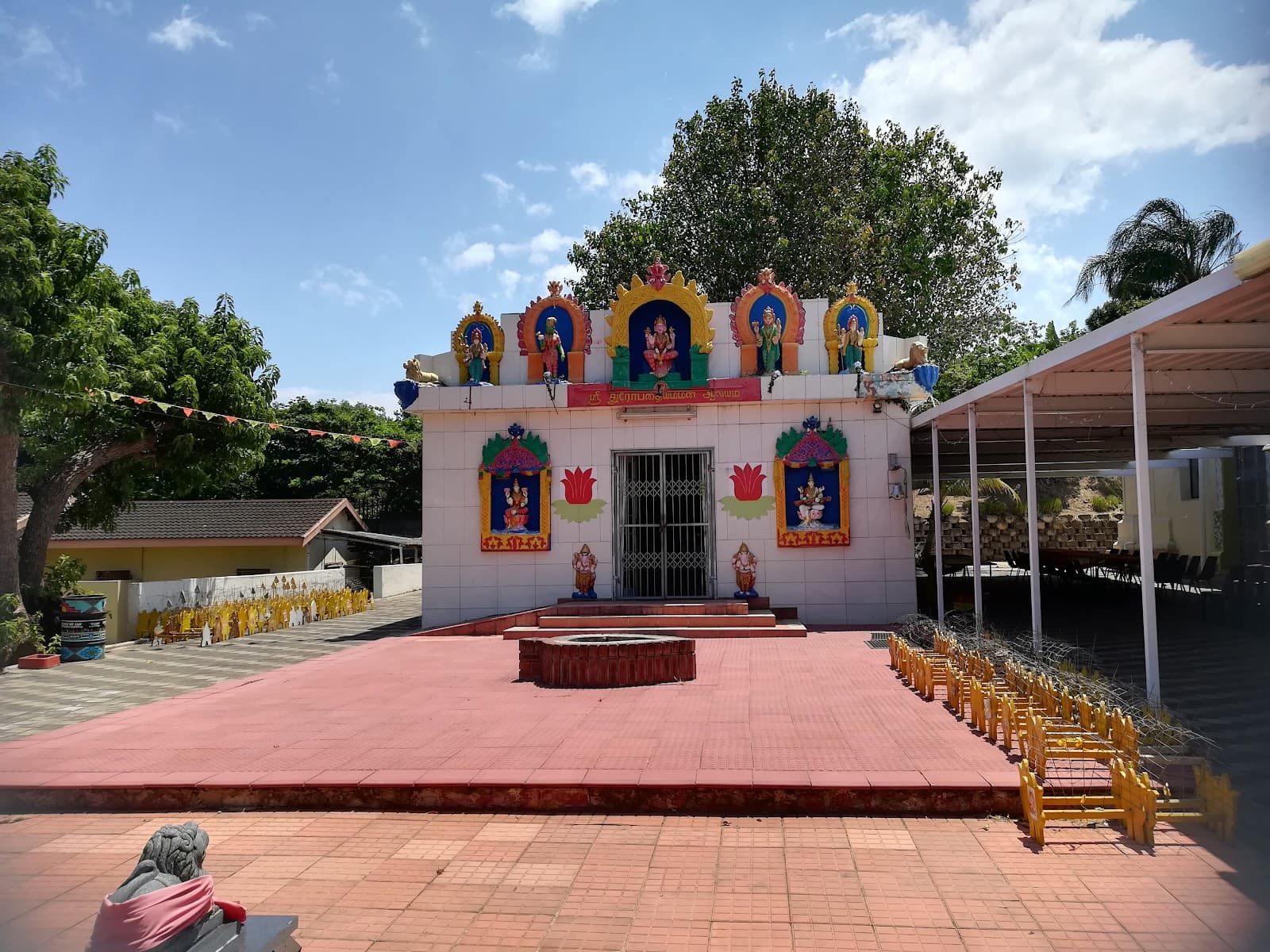
Shree Ayyappa Seva Sangam Temple Durban
The Shree Ayyappa Seva Sangam Temple, located at 359 Langton Road, Montclair, Durban, KwaZulu-Natal, South Africa, stands as a profound testament to India's millennia-spanning cultural heritage and the continuous tradition of Indic civilization [1] [2]. Dedicated to Lord Ayyappa, a revered deity primarily worshipped in South India, particularly Kerala, this temple embodies ancient indigenous architectural styles, materials, and cultural practices that reflect India's deep historical roots [3] [4]. The temple's design integrates elements of both Kerala Temple architecture and Dravida architecture, showcasing a synthesis of South Indian temple building traditions [1] [5]. Kerala temple architecture, characterized by its unique religious sanctuary design, often features circular or square ground plans, steeply sloping roofs covered with copper sheets or terracotta tiles, and extensive use of timber [5] [2]. These architectural choices are historically adapted to the region's heavy rainfall and tropical climate, emphasizing functionality alongside aesthetic and spiritual principles [2]. The structural elements typically involve a granite plinth (adhisthana), laterite walls, and a superstructure predominantly crafted from wood, adhering to canonical rules of proportionate systems detailed in ancient treatises [5] [4]. The Shree Ayyappa Seva Sangam Temple incorporates these principles, utilizing locally available materials while maintaining the traditional forms [1]. The temple complex is designed according to the Hindu practices of 'Vaastu Shastra' and 'Agama Shastra', ensuring auspicious orientation, spatial harmony, and ritualistic correctness [1]. This adherence to ancient texts underscores the continuity of architectural knowledge passed down through generations [5]. Dravida architectural influences are evident in the temple's overall layout and decorative motifs, which often include intricate carvings and sculptures [3]. While Kerala temples typically feature simpler exteriors, the broader South Indian temple style, from which Dravida architecture evolved, is known for its elaborate gopurams (entrance towers), vimanas (superstructures over the sanctum), and mandapas (pillared halls) [3]. Though the Durban temple may not possess the monumental scale of ancient Dravidian complexes, its design principles and decorative elements draw from this rich tradition, manifesting in detailed iconography and sacred geometry [1]. The temple's sanctum (sreekovil) houses the main deity, Lord Ayyappa, and is surrounded by a circumambulatory path (pradakshina-patha), facilitating traditional devotional practices [3]. The current state of the temple reflects ongoing maintenance and active programming, serving as a vital spiritual and cultural hub for the Malayali and Tamil diaspora in Durban [2]. It offers regular pujas, festivals, and cultural education, ensuring the preservation and transmission of Indic traditions [2]. The site is fully operational and accessible to devotees and visitors, upholding its role as a living heritage site [1].
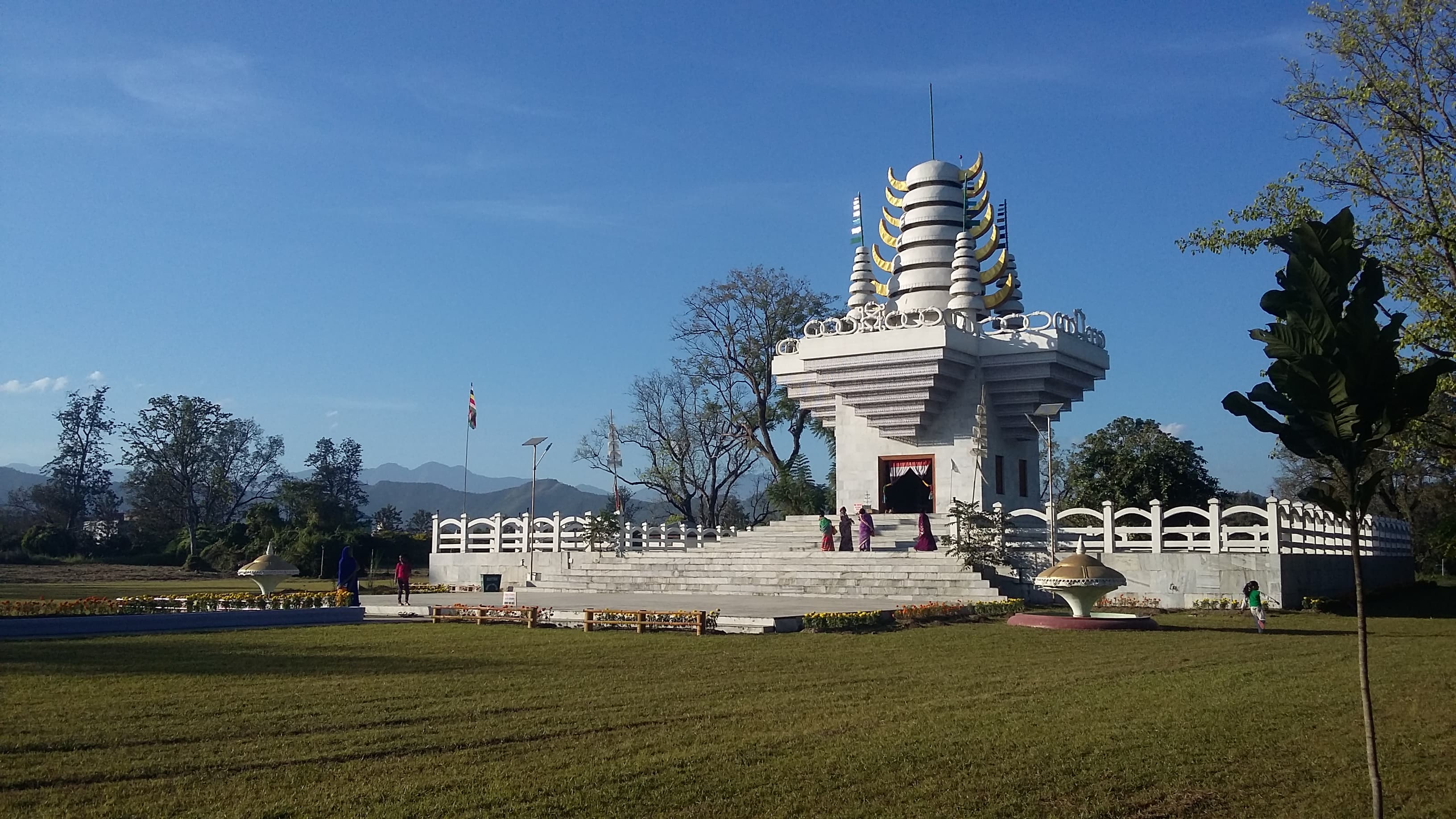
Chingnungkok Temple Imphal
Nestled in Konung Mamang, Imphal, the Chingnungkok Temple represents the vernacular Manipuri religious architecture of the 18th century ([1][2]). Maharaja Garib Niwaz commissioned its construction around 1710 CE within the historic Kangla Fort complex ([3]). The temple is dedicated to Pakhangba, a principal Meitei deity, reflecting the region's spiritual landscape ([1]). Timber construction stands out as a defining feature of the temple, complemented by a distinctive thatched roof ([4]). Fired brick and mud brick construction are evident in the rectangular structure ([2]). Intricate carvings embellish the roof eaves and supporting pillars, depicting scenes from Meitei folklore ([1][3]). These carvings narrate stories passed down through generations, showcasing the artisans' skills and preserving cultural memory ([4]). The architectural style reflects the unique traditions of the Meitei people. Within the Garbhagriha (Sanctum), a palpable sense of reverence pervades the atmosphere ([2]). The temple harmonizes with its natural surroundings, with ancient trees providing a serene backdrop ([1]). Smaller shrines dedicated to various deities and a sacred pond further enrich the complex, echoing the main temple's architectural style ([3][4]). The sacred pond plays a vital role in temple rituals, solidifying the connection between the sacred and natural elements ([1][2]). During the Ahom period, temple architecture in the region saw a flourishing of unique styles ([3][4]). The temple reflects Manipur’s rich cultural heritage, embodying the spiritual and artistic sensibilities of the Meitei people ([1][2]). The Chingnungkok Temple stands as a testament to the enduring legacy of Manipuri craftsmanship and religious devotion ([3][4]). It exemplifies the integration of nature and spirituality in the region's architectural traditions ([1][2]).
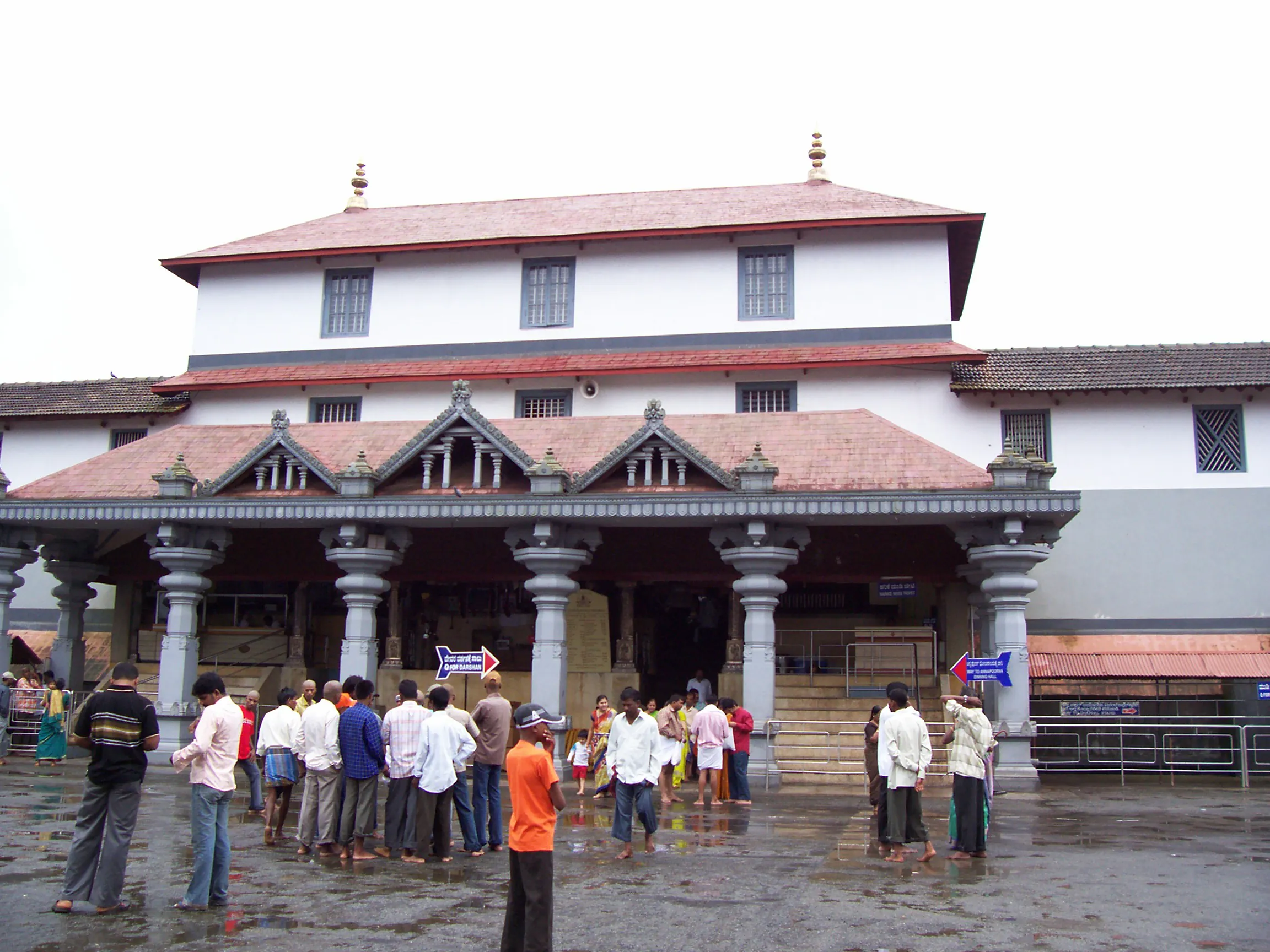
Dharmasthala Manjunatha Temple Dharmasthala
Stepping into the Dharmasthala Manjunatha Temple is an immersion into a world where faith and art converge. The temple, nestled in Dharmasthala, Karnataka, has roots tracing back to the 8th century (750 CE) [1][2]. It stands as a testament to the architectural prowess of the Vijayanagara period [3]. Intricate carvings adorning the granite pillars narrate tales from Hindu epics, reflecting the Dravidian style that characterizes the temple [4]. The Alupa dynasty's patronage shaped its early form, while the Jain Bunt community continues to uphold its traditions [1][2]. Unlike the predominantly sandstone architecture of Madhya Pradesh, the granite used here lends a sense of timelessness. The temple complex also incorporates Kerala architectural influences, evident in the copper-tiled, sloping roofs and ornate wooden brackets [5]. What truly sets Dharmasthala apart is its unique synthesis of faiths. Within the complex, a Jain basadi (shrine) exists harmoniously alongside the Shaiva temple [3]. This inclusivity is further highlighted by the Heggade, the temple's hereditary administrator, who belongs to the Jain faith, yet oversees the worship of Lord Manjunatha (Shiva) [1][2]. The Rathotsava (chariot festival) is an integral part of the temple's annual celebrations, showcasing a wooden chariot intricately carved with mythological figures and embellished with gold leaf [4]. Beyond its architectural and religious significance, the temple embodies a spirit of community service. The Annadana (free community kitchen) feeds thousands of pilgrims daily, transcending caste and creed [3]. This act of selfless service encapsulates the essence of Dharmasthala, making it not just a place of worship but also a beacon of social responsibility and compassion. The temple's architecture and traditions are a living example of India's rich cultural heritage, blending devotion, art, and community in a truly unique way [1][2][5].
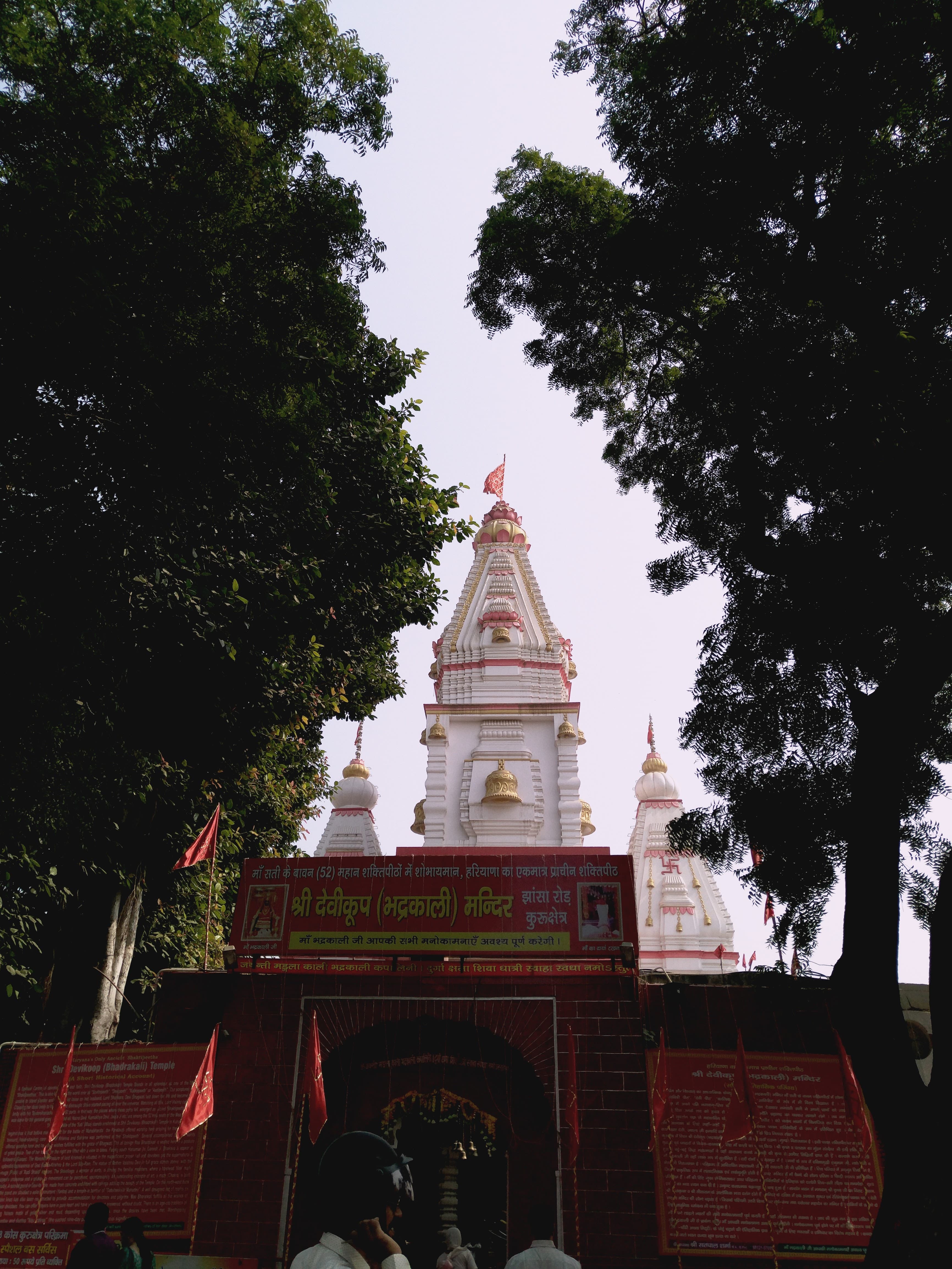
Bhadrakali Temple Kurukshetra
Amidst the sacred land of Kurukshetra, Haryana, the Bhadrakali Temple emerges as a significant example of North Indian temple architecture ([1]). Commissioned in 1739 CE by the Maratha ruler Baji Rao I, this sacred site reflects the patronage of the Maratha Empire in North India ([2]). Its Nagara-style Shikhara (spire) distinguishes it, a testament to the architectural traditions of the Gurjara-Pratihara period ([3][4]). Stone and brick form the primary building materials, reflecting construction practices common to the era ([5]). Intricate carvings embellish the temple walls, depicting scenes from Hindu epics such as the Mahabharata and portraying various deities, echoing the artistic expressions of the time ([1][2]). These carvings offer insights into the region's rich cultural heritage and religious beliefs ([3]). The temple's design aligns with principles outlined in ancient texts like the *Manasara Shilpa Shastra*, which discusses temple construction and iconography, although specific chapter references are currently unavailable ([4]). Within the Garbhagriha (sanctum), Goddess Bhadrakali's idol inspires reverence, embodying divine feminine power or *Shakti* ([5]). A sacred Kunda (pond) complements the temple, its waters considered purifying and integral to Hindu rituals ([1]). Observing the temple rituals reveals a blend of regional traditions, with unique chants and offerings that highlight India's diverse spiritual landscape ([2][3]). The temple's architecture, while distinct in its Nagara style, creates a sacred space, fostering a connection between devotees and the divine, thereby continuing the enduring legacy of Indian architectural and spiritual heritage ([4][5]).

Bhuteshwar Temple Jind
Granite and sandstone blocks, meticulously carved, constitute the Bhuteshwar Temple in Jind, Haryana, a legacy of the Gurjara-Pratihara dynasty's reign ([1][2]). Established around 750 CE, this 8th-century temple presents a hybrid architectural style, integrating Hindu and Islamic elements ([3]). This fusion reflects the era's dynamic cultural landscape and the architectural innovation prevalent during the Gurjara-Pratihara period. The temple complex, reminiscent of a fortified citadel, has weathered centuries of change, standing as a testament to its enduring construction and historical significance ([4]). Intricate carvings embellishing the walls portray deities and mythical beings, their details softened by time, yet still discernible ([1]). The central shrine is distinguished by a pyramidal Shikhara (spire), exhibiting a simpler design compared to the elaborate structures of other North Indian temples ([2]). High walls and bastions, coupled with a now-dry moat, underscore the site's defensive past, creating a striking juxtaposition of martial fortifications and spiritual serenity ([3][4]). The use of sandstone, bricks, and lime mortar showcases the architectural skills of the time, blending heritage and devotion ([4][5]). Within the Garbhagriha (sanctum), the temple remains a vibrant space for the local community, evidenced by contemporary murals and offerings ([5]). The Indo-Islamic architectural style is manifested in the convergence of Hindu and Islamic designs, illustrating a unique cultural synthesis ([1][2][3]). During the Gurjara-Pratihara period, temple architecture often incorporated regional influences, and Bhuteshwar Temple exemplifies this trend ([1][2]). The temple's design, while not explicitly linked to specific verses from texts like the *Manasara Shilpa Shastra*, reflects the broader principles of temple construction prevalent in that era, emphasizing harmony and proportion in its design ([3][4][5]).
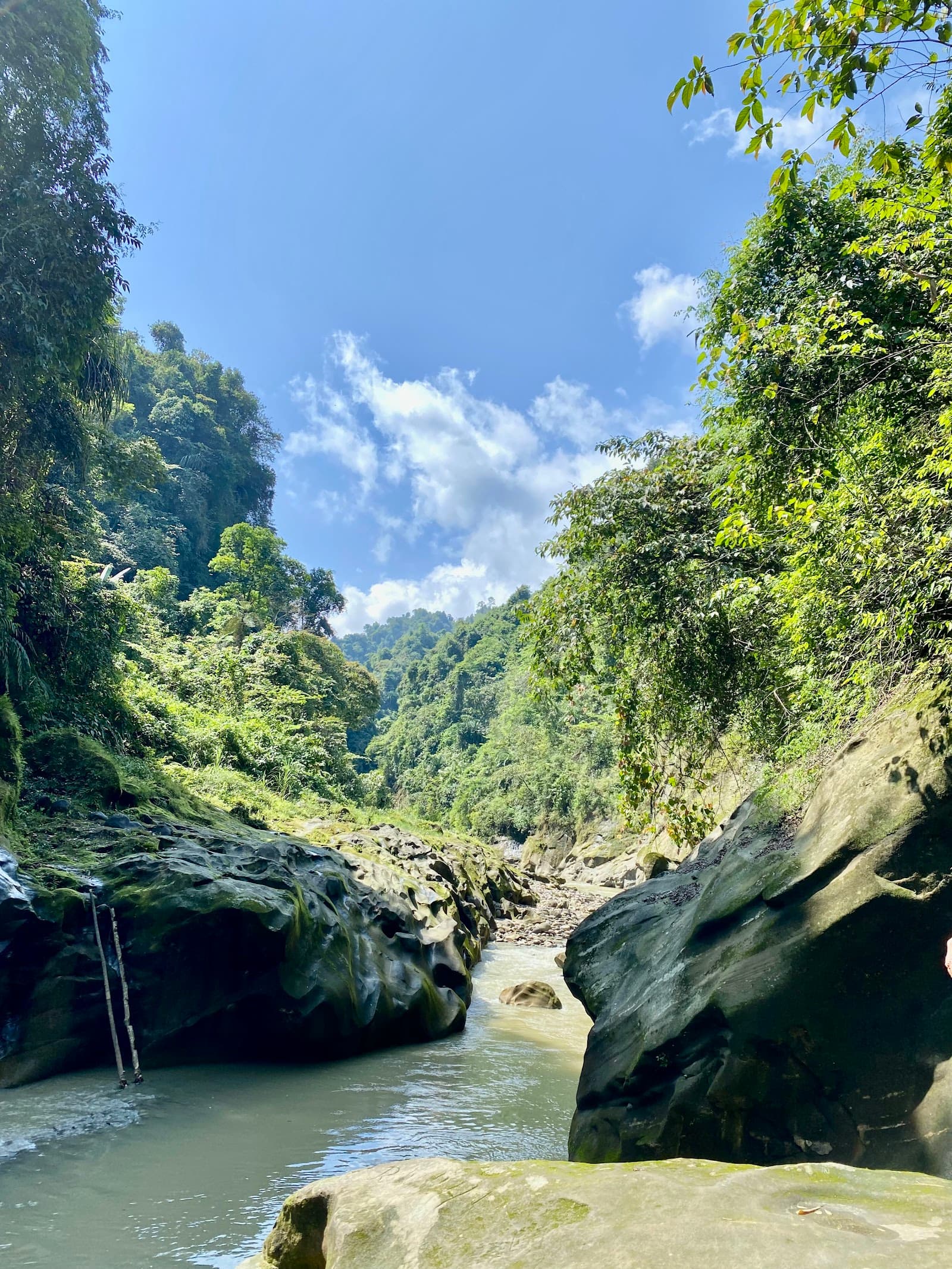
Akashiganga Temple Along West Siang
In Arunachal Pradesh's West Siang district, Akashiganga emerges as an ancient temple complex, a candidate for UNESCO World Heritage recognition ([1]). The routes leading to it present picturesque vistas of the Himalayan foothills ([2]). During the Pala period, around 1350 CE, this sacred site was established, distinguished by its Nagara-style architecture and curvilinear tower ([3][4]). Predominantly, stone and timber were employed in its construction, reflecting the area's natural resources ([3]). What makes Akashiganga notable is the convergence of Hinduism and indigenous Adi traditions ([2]). The primary Shiva temple, though unpretentious, possesses profound spiritual importance for the Adi community ([1]). Eschewing the intricate embellishments common in South Indian temples, the temple's aesthetic accentuates the inherent beauty of its surroundings ([2]). Vedic astronomical principles guided the temple's layout, harmonizing it with cosmic energies ([5]). Intricate carvings embellish the temple walls, illustrating deities and narratives from Hindu mythology ([4]). Akashiganga, which translates to "Sky River," is traditionally associated with the Ganges River, enhancing its sacred status ([1][2]). Pilgrims undertake journeys to offer prayers, drawn to the site's palpable spiritual aura ([3]). As an embodiment of the region's cultural legacy and the enduring strength of faith, Akashiganga stands as a testament to Arunachal Pradesh's rich heritage ([1]). The architectural style incorporates a tiered roof, adding to its unique character ([3]). Bamboo and cane are also integrated into the structure, showcasing the use of local materials ([3]). The Pala Dynasty's patronage is evident in the temple's design and construction ([3]).
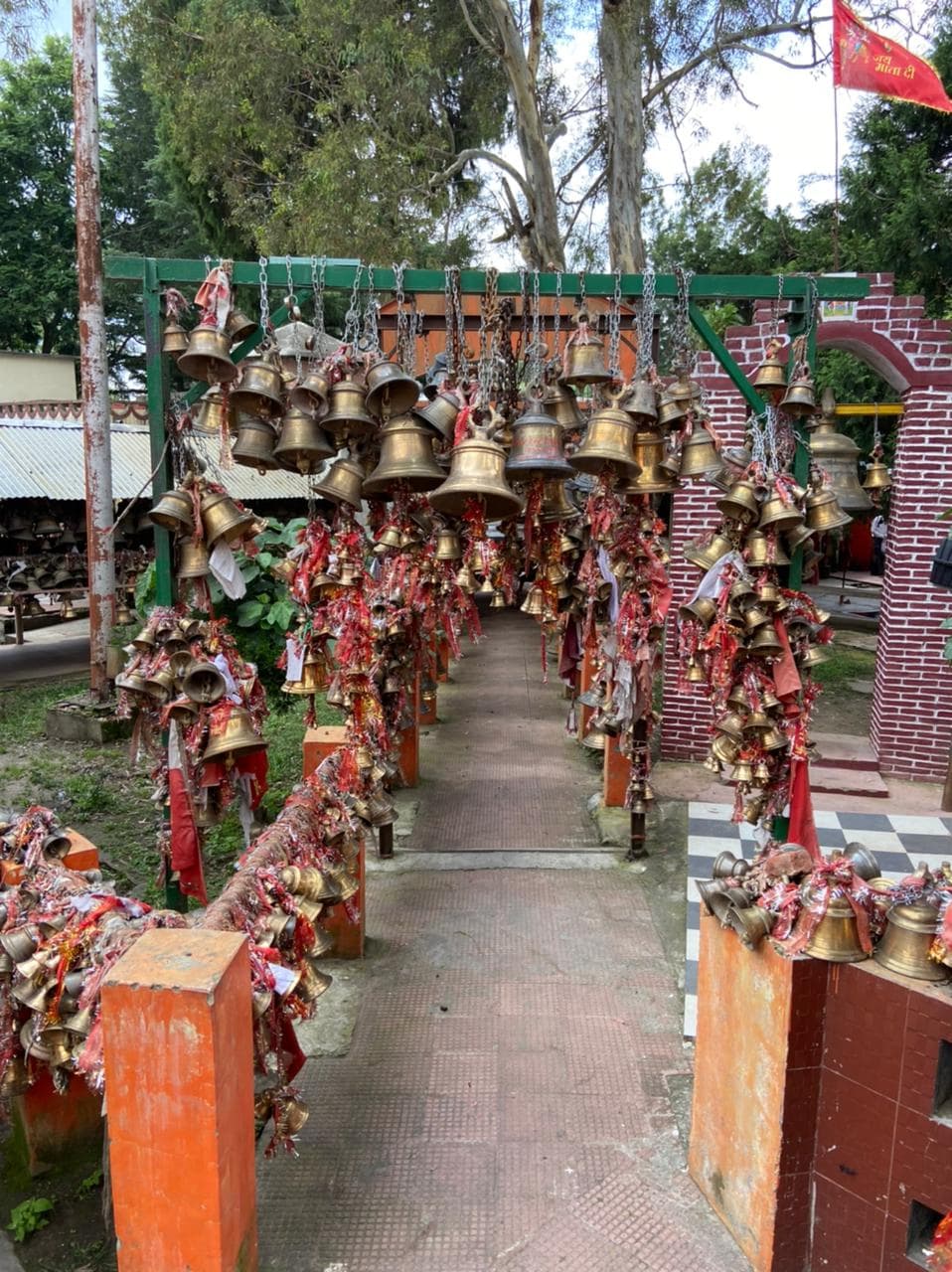
Chitai Golu Devta Temple Almora
Nestled in the tranquil hills of Almora, Uttarakhand, the Chitai Golu Devta Temple presents a unique blend of faith and architectural simplicity, primarily expressed through the countless bells offered by devotees ([1]). Unlike traditional Nagara architecture, typically characterized by elaborate Shikhara (spire), this 20th-century temple exhibits a more modest aesthetic, allowing the votive bells to take precedence ([2]). The temple is dedicated to Golu Devta, a revered deity considered an incarnation of Lord Shiva and worshipped as the dispenser of justice ([3]). Stone platforms and foundations mark the temple's enduring presence, with the courtyard serving as a vibrant hub of activity ([4]). Here, devotees present their prayers, attach bells, and pen letters, their expressions reflecting profound hope and reverence ([5]). The act of tying bells is a symbolic gesture, representing answered prayers and a tangible connection with the divine ([1][2]). This practice resonates with the broader Hindu tradition of offering symbolic objects to deities as a form of supplication and gratitude. Intricate carvings adorn the walls of the main shrine, which houses the deity, while the surrounding structure features sloping slate roofs and whitewashed walls, characteristic of regional architecture ([4]). The temple's architectural style, while not strictly adhering to classical Nagara principles outlined in texts like the *Manasara Shilpa Shastra*, reflects a vernacular adaptation, emphasizing local materials and construction techniques ([5]). The temple's modest design ensures the focus remains on the thousands of bells, creating a striking visual and auditory spectacle, a symphony of faith echoing through the Himalayan landscape ([1][3]). Letters affixed to the temple walls represent whispered pleas and heartfelt prayers, underscoring the deep bond between devotees and the deity ([3]). During the British Colonial Period, temple architecture in India often saw a fusion of traditional styles with contemporary influences, though the Chitai Golu Devta Temple largely retains its regional character ([2]). The convergence of faith and architectural modesty creates an atmosphere that resonates with the enduring power of belief ([1][2]).
Quick Links
Plan Your Heritage Journey
Get personalized recommendations and detailed visitor guides