Has Inheritage Foundation supported you today?
Your contribution helps preserve India's ancient temples, languages, and cultural heritage. Every rupee makes a difference.
Secure payment • Instant 80G certificate
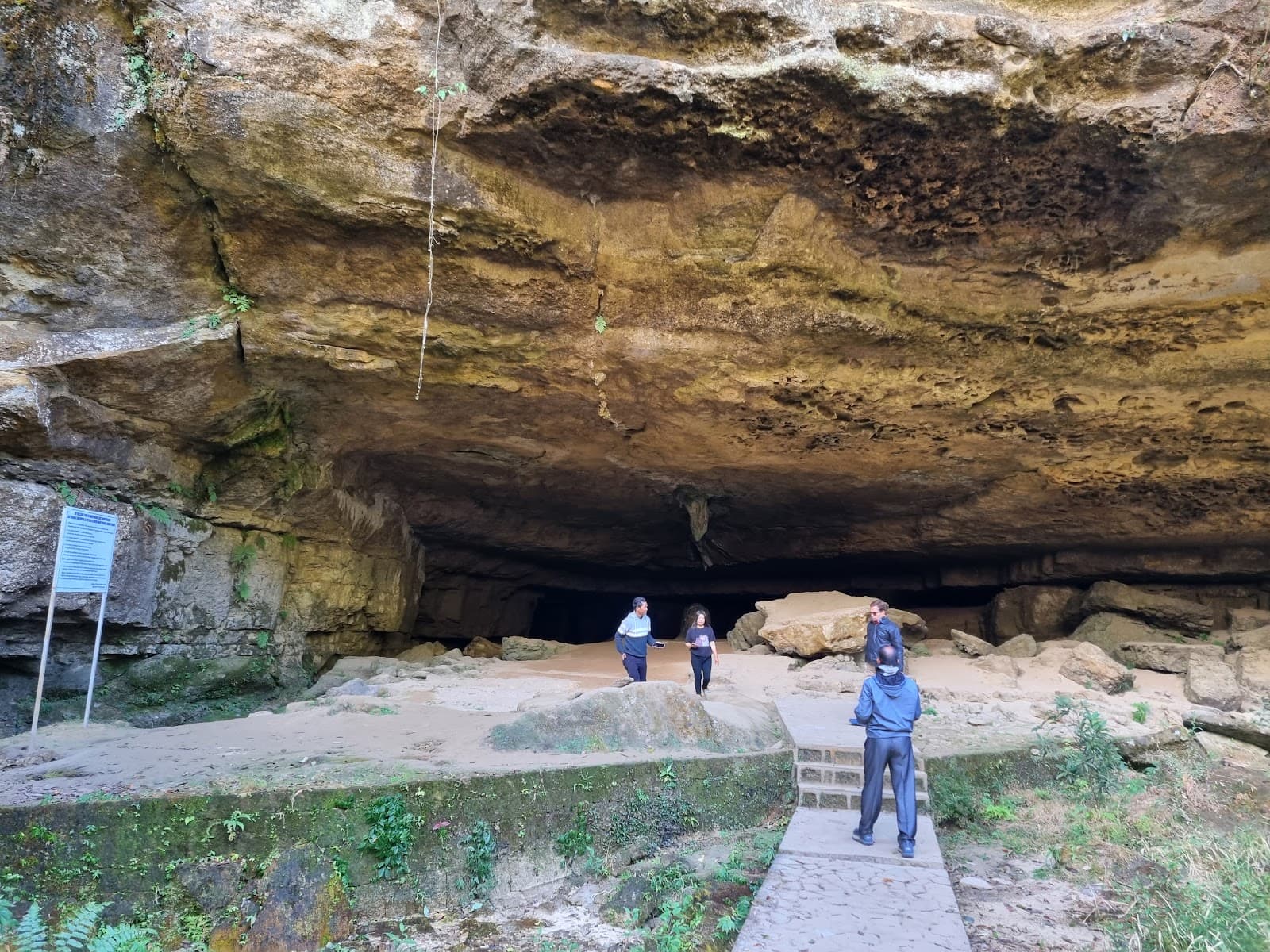
Mawsynram Shiva Temple Mawsynram
The air hung heavy, thick with the scent of petrichor and pine as I ascended the steps leading to the Mawsynram Shiva Temple. Nestled amidst the verdant embrace of Meghalaya's East Khasi Hills, the temple, though relatively new, exuded an aura of quiet power, a stark contrast to the dramatic, rain-lashed landscape that surrounded it. Having documented countless ancient temples across Gujarat, I was intrigued to see how this particular shrine, dedicated to Lord Shiva in a predominantly Christian state, would interpret and express Hindu architectural traditions. The first thing that struck me was the vibrant colour palette. Unlike the muted sandstone hues and intricate carvings of Gujarat's temples, the Mawsynram Shiva Temple was a riot of colour. The main structure, a multi-tiered shikhara, was painted a brilliant saffron, offset by intricate detailing in bright blue, green, and gold. This departure from traditional temple architecture, I later learned, was a conscious decision, reflecting the local Khasi artistic sensibilities while still adhering to the basic principles of North Indian temple design. The shikhara itself was a fascinating blend of styles. While its upward-sweeping form clearly echoed the Nagara style prevalent in North India, the proportions and decorative elements felt distinctly different. The tiers were less pronounced, giving the structure a more compact, almost pyramidal appearance. Instead of the elaborate figurative sculptures that adorn Gujarati temples, the surfaces here were decorated with geometric patterns and stylized floral motifs, reminiscent of the wood carvings found in traditional Khasi houses. Inside the sanctum sanctorum, the atmosphere shifted. The vibrant colours gave way to a more subdued palette of white and grey. A large Shiva lingam, the symbol of divine energy, dominated the space, bathed in the soft glow of oil lamps. The air was thick with the scent of incense and the murmur of prayers. Despite the temple's relatively recent construction, a palpable sense of reverence permeated the space, a testament to the devotion of the local Hindu community. Stepping out of the sanctum, I noticed a small shrine dedicated to the Goddess Durga, tucked away in a corner of the temple complex. This, I realized, was another interesting aspect of this temple – the incorporation of multiple deities within the same precinct, a practice less common in the more orthodox temples of Gujarat. The Durga shrine, though smaller, was equally vibrant, its walls adorned with depictions of the goddess in her various forms. The temple courtyard offered breathtaking panoramic views of the surrounding hills, shrouded in mist and punctuated by the occasional flash of lightning. The constant drizzle, a defining feature of Mawsynram, seemed to amplify the serenity of the place, creating an atmosphere of quiet contemplation. As I descended the steps, I reflected on the unique character of the Mawsynram Shiva Temple. It was not merely a replica of North Indian temple architecture transplanted to a new location, but rather a fascinating example of cultural fusion, a testament to the adaptability of religious traditions and their ability to absorb and reflect local influences. The vibrant colours, the stylized motifs, the incorporation of local deities – all these elements spoke to a dynamic interplay of cultures, creating a space that was both familiar and distinctly unique. It served as a powerful reminder that architecture, at its best, is not just about bricks and mortar, but about the stories it tells, the cultures it reflects, and the connections it forges. My journey through the architectural marvels of Gujarat had led me to this unexpected gem in the heart of Meghalaya, enriching my understanding of how faith and artistry can intertwine to create something truly special.
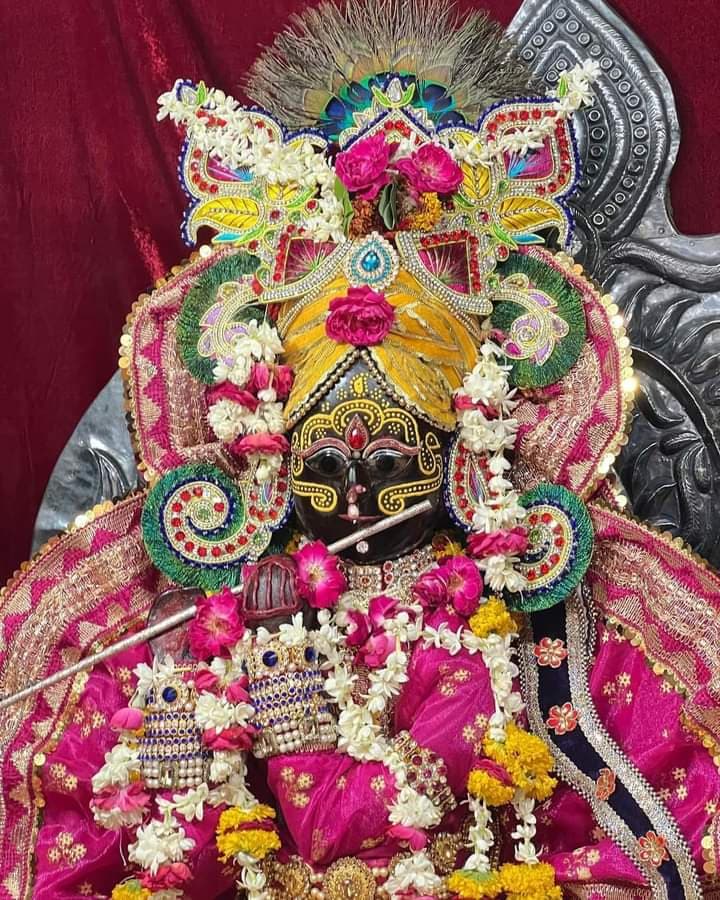
Radha Vallabh Haveli Mathura
The scent of sandalwood hung heavy in the air, a fragrant welcome to the Radha Vallabh Haveli in Mathura. Having explored the basalt-carved caves and intricate temples of Maharashtra extensively, I was curious to see how the architectural narrative shifted in this Braj Bhoomi landmark. The haveli, dedicated to the Radha-Vallabh sect of Vaishnavism, didn't disappoint. It whispered stories of devotion, artistry, and a bygone era of opulent patronage. Unlike the monolithic structures I was accustomed to, the haveli unfolded like a labyrinth. Courtyards, interconnected chambers, and narrow passageways created a sense of intimate discovery. The red sandstone, a stark contrast to the dark hues of Maharashtra's basalt, glowed warmly under the afternoon sun. Intricate carvings adorned every surface – floral motifs, depictions of Krishna’s leelas, and geometric patterns, each narrating a fragment of the sect's rich mythology. It felt as though the very stones were singing hymns to Radha and Krishna. The main courtyard, the heart of the haveli, was particularly captivating. A raised platform, once used for religious discourses and performances, dominated the space. I could almost hear the echoes of devotional music and the rhythmic clapping of devotees lost in spiritual fervor. The surrounding walls, adorned with frescoes depicting scenes from the Bhagavata Purana, were faded yet retained a captivating vibrancy. The colours, predominantly blues, greens, and ochres, spoke of a time when artistry was an integral part of religious expression. Climbing the narrow, winding staircases, I reached the upper levels, which offered a panoramic view of the bustling city of Mathura. From this vantage point, the haveli seemed like an oasis of tranquility amidst the urban chaos. The intricate jalis, or lattice screens, allowed for ventilation while maintaining privacy, a testament to the architectural ingenuity of the time. Peering through these screens, I observed the daily life of the city unfolding below – a vibrant tapestry of sounds, colours, and movement. One of the most striking features of the haveli was its integration with nature. Small, enclosed gardens, or baghs, punctuated the structure, offering pockets of serenity. These spaces, with their flowering plants and trickling fountains, provided a refreshing contrast to the enclosed spaces and served as a reminder of the divine presence in the natural world. I noticed how the architecture seamlessly blended indoor and outdoor spaces, creating a harmonious environment. While exploring the haveli, I encountered several priests and devotees who shared anecdotes and insights into the history and significance of the site. Their narratives added another layer of understanding, enriching my experience beyond the purely visual. Learning about the daily rituals, the festivals celebrated, and the stories passed down through generations, I felt a deeper connection to the spiritual heart of the haveli. The Radha Vallabh Haveli is more than just a historical structure; it's a living testament to a vibrant faith and a rich artistic tradition. It's a place where architecture transcends its functional purpose and becomes a medium for storytelling, a canvas for devotion, and a portal to a bygone era. As I left the haveli, the scent of sandalwood still clinging to my clothes, I carried with me not just images of intricate carvings and vibrant frescoes, but also a profound sense of the enduring power of faith and the beauty of human expression. It served as a powerful reminder that even after exploring countless caves and temples, there are always new architectural narratives waiting to be discovered, each with its unique story to tell.
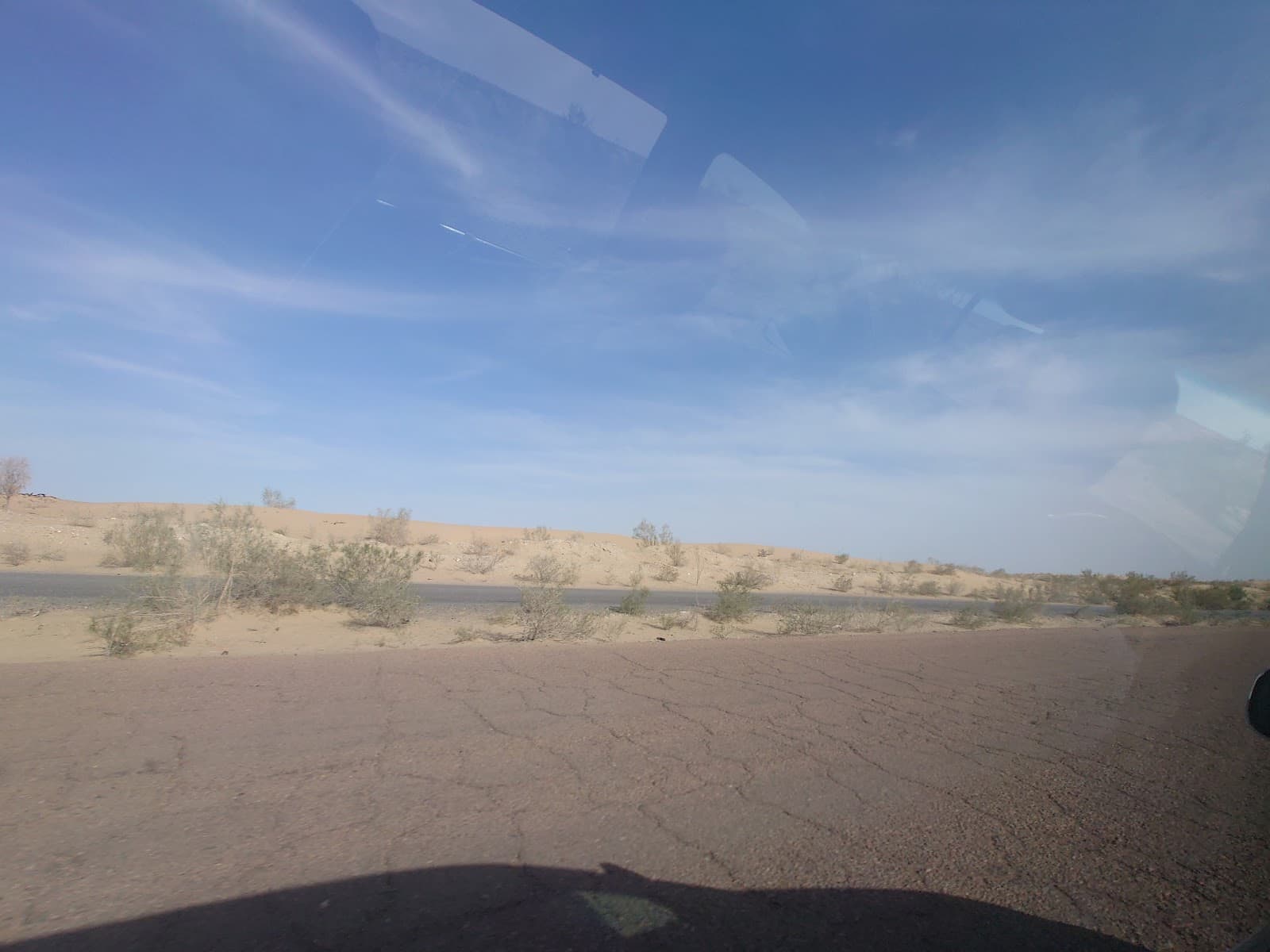
Adji Kui Karakum Desert Turkmenistan
The ancient site of Adji Kui, nestled within the Karakum Desert of Turkmenistan's Mary Region, stands as a profound testament to India's millennia-spanning cultural heritage, reflecting deep indigenous roots and continuous traditions that extend back to the late 3rd and early 2nd millennium BCE [2]. This archaeological complex, primarily associated with the Bactria-Margiana Archaeological Complex (BMAC), also known as the Oxus Civilization, exhibits significant architectural and cultural connections to the Indus Valley Civilization and the broader Indo-Bactrian sphere, underscoring its integral role in the continuous tradition of Indian civilization [3] . Adji Kui 1, a prominent component of the site, encompasses a fortified citadel spanning approximately six hectares, characterized by robust, thick walls and defensive towers, which were constructed between 2400 and 1500 BCE [2]. These fortifications represent sophisticated indigenous architectural styles, utilizing locally sourced mud-bricks as a primary building material, a technique prevalent in the region for creating durable and climate-adapted structures [4]. The site's architectural layout includes evidence of semi-subterranean houses, indicating adaptive construction techniques suited to the desert environment [2]. While the primary designation is a settlement, archaeological interpretations suggest the presence of cultic or ceremonial structures. At Adji Kui 9, for instance, researchers have identified structures interpreted as a 'sanctuary' comprising rooms such as 54 and 60, alongside 'isolated chapels' like Rooms 27 and 34, reflecting early forms of organized religious or ritualistic spaces . The mineralogy of stone materials found at Adji Kui further illustrates the local resource utilization and craftsmanship of the ancient inhabitants [5]. Although specific dimensions for individual cultic structures are subject to ongoing research and debate, the overall planning of the fortified settlements, with their distinct spatial arrangements, points to a well-organized community with a developed sense of civic and possibly sacred architecture [4]. Decorative elements, including terracotta figurines and zoomorphic and anthropomorphic figurines, have been unearthed, providing insights into the artistic and symbolic expressions of the period [3] . The site's strategic location within the Murghab Alluvial Fan also suggests advanced water management practices, crucial for sustaining its agropastoral economy, which included the cultivation of barley, wheat, millet, and various legumes [3]. Current conservation efforts involve ongoing archaeological projects, such as the ADJI KUI 1 Project led by the University of Bologna, which focuses on systematic excavation and documentation to understand the site's chronology and cultural variability [2] . The site is actively managed as a national heritage site, with archaeological findings continually contributing to scholarly research. Information regarding active programming, visitor flow, accessibility, or specific current compliance and maintenance protocols is not readily available in published academic sources, typical for remote archaeological sites primarily dedicated to research. Nevertheless, Adji Kui stands as an enduring testament to the depth, sophistication, and enduring legacy of ancient Indian architectural and cultural traditions, continuously revealing layers of human ingenuity and spiritual expression across millennia [3] . The site remains operationally ready for continued archaeological investigation and scholarly engagement, contributing to the global understanding of early civilizations [2].
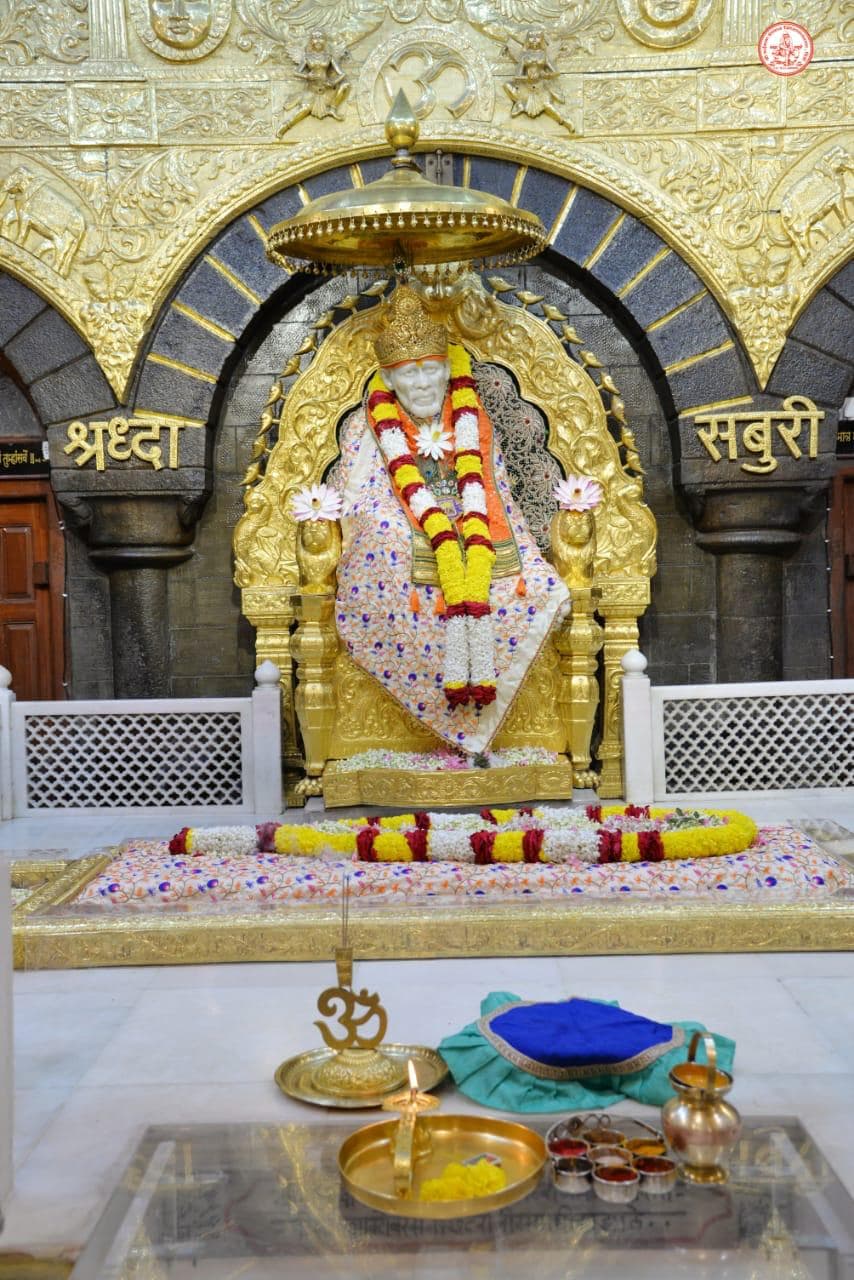
Shirdi Sai Baba Temple Dubai
The Shirdi Sai Baba Temple, located in Jumeirah 1, Dubai, is a significant spiritual center dedicated to Shirdi Sai Baba, embodying the enduring legacy of India's millennia-spanning cultural and spiritual heritage in a contemporary global setting. This temple serves as a vital nexus for the Indian diaspora, fostering a profound sense of belonging and cultural continuity through its adherence to ancient Indian spiritual traditions and architectural principles [1] [5]. The architectural design of the temple integrates the indigenous Nagara architecture style, Indo-Modern elements, and the specific characteristics of a Samadhi Mandir, reflecting a continuous tradition of Hindu temple construction [5] . The main temple structure, which houses the Garbhagriha (sanctum sanctorum), is centrally positioned within a larger 11.11-acre complex, itself part of a 338-acre master plan development [3]. The architectural form is a sophisticated reinterpretation of India's vernacular temple architecture, utilizing parametric design to manifest an 11-sided polygon, or hendecagon, articulated as a three-dimensional polyhedron [3]. This intricate design balances sacred geometry, deeply rooted in ancient Indian Vastu Shastra and numerological beliefs, with modern engineering logic [3]. The structural system was developed through an algorithmic process, considering spatial and structural constraints, and evaluating environmental factors such as daylight penetration, solar heat gain, and shadow patterns to optimize the internal environment [3]. Internally, the Garbhagriha presents a pure white space, illuminated by natural sunlight diffused through an oculus at the apex of the polygonal roof [3]. The roof itself features a double-fold origami structure, providing a rigid yet aesthetically fluid long-span shell-like enclosure supported by columns that seamlessly blend into the interior [3]. The flooring pattern within the main hall is a mathematical looping system derived from the 11 vertices of the hendecagon, creating interstitial spaces that subtly guide visitors towards the deity for prayers and offerings [3]. The precise placement of the primary deity within the sanctum sanctorum was determined by dividing the outer circumference into 11 equal segments, with radiating arcs forming a petal-like pattern that is mirrored in the oculus above, ensuring both symmetry and spiritual focus [3]. The temple complex includes a front promenade, designed with functional divisions for baggage storage, shoe removal, frisking areas, and ablution facilities, marking a ceremonial entry point [3]. A gopuram offers the initial framed view of the temple, with green strips and shops along a 525-foot promenade breaking visual monotony [3]. A podium provides panoramic views of the entire development, granting access to the main temple, three subsidiary shrines, meditation pockets, and gathering spaces [3]. A temple tank, integrated into the podium design, features steps that double as an amphitheater for larger spiritual gatherings and outdoor bhajans [3]. The temple houses multiple shrines dedicated to revered deities such as Lord Ganesh, Lord Shiva, Lord Vishnu, Goddess Durga, Goddess Lakshmi, Lord Murugan, Shirdi Sai Baba, and Lord Hanuman, adorned with intricate carvings and vibrant decorations that reflect India's rich cultural heritage [5] . The site is a registered worship center with the Community Development Authority (CDA) and is recognized as part of Dubai's religious tolerance initiatives [site info]. It actively hosts regular bhajans, aartis, spiritual discourses, and community festivals, fostering an environment for meditation and introspection [5] . The temple is fully operational, providing continuous spiritual services and cultural programming, and is maintained in accordance with contemporary standards for public worship centers [1].
Adam's Peak Sri Pada Central Province Sri Lanka
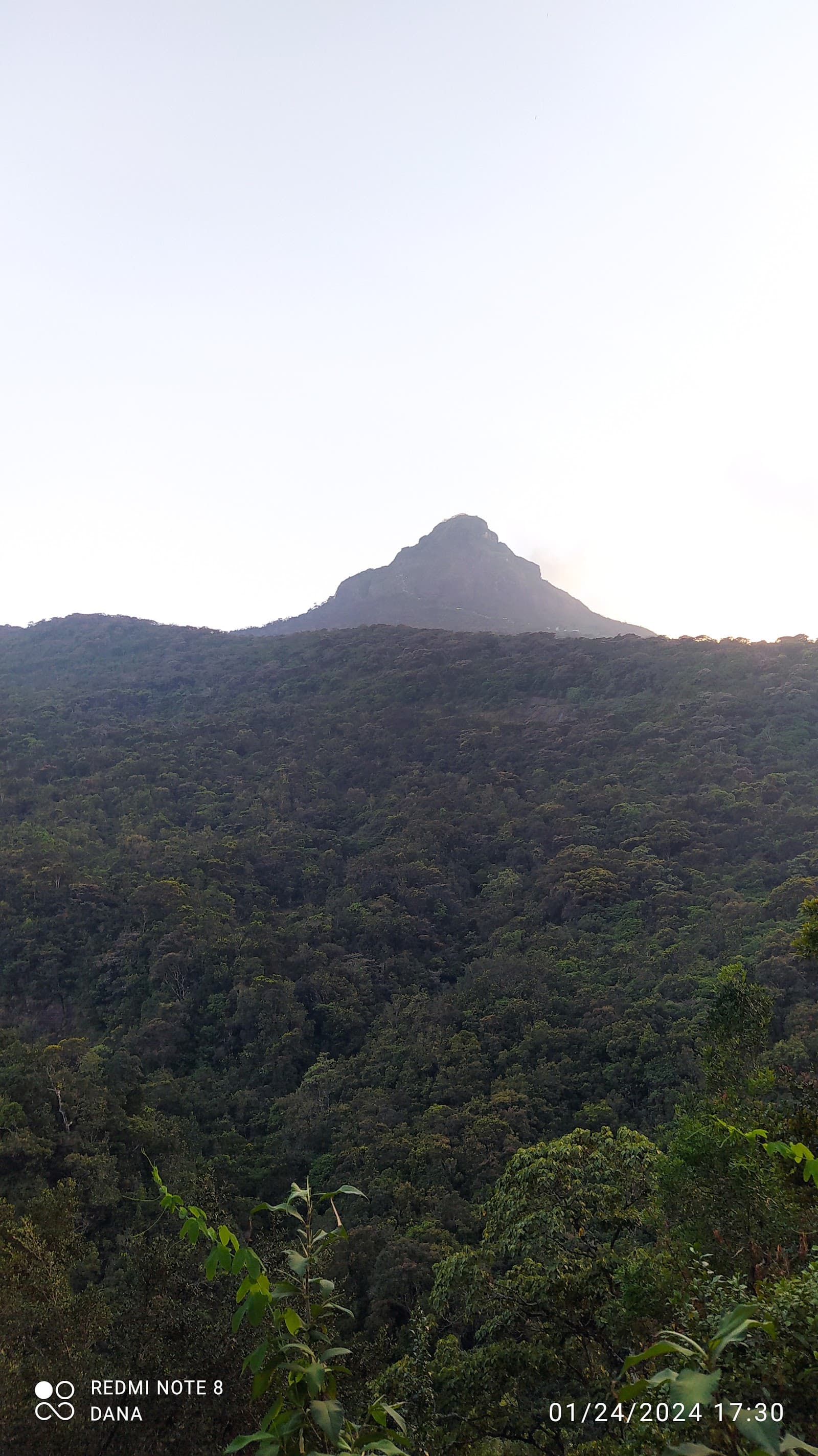
Adam's Peak, known as Sri Pada, is a revered conical sacred mountain situated in the Central Province of Sri Lanka, standing at an elevation of 2,243 meters (7,359 feet) [2]. This site holds profound significance within India's millennia-spanning heritage, embodying a continuous tradition of spiritual veneration and cultural exchange that dates back thousands of years [3]. At its summit lies the Sri Pada, a natural rock formation measuring approximately 1.8 meters (5 feet 11 inches) in length, or specifically 67 inches (170 cm) long and 18 inches (46 cm) wide, which is revered as a sacred footprint [1] [2]. This impression is a focal point of multi-faith pilgrimage, believed by Buddhists to be the footprint of the Buddha, by Hindus as that of Shiva or Hanuman, by Muslims as Adam's, and by some Christians as St. Thomas's [3] [4]. The architectural elements at Adam's Peak primarily facilitate pilgrimage, with thousands of steps constructed from cement or rough stones forming the primary ascent routes from the base to the summit [2]. These pathways are illuminated during the pilgrimage season, ensuring accessibility and safety for devotees [2]. Near the summit, a temple structure encloses and protects the sacred footprint, featuring a handsome roof that shelters the venerated impression [2] [3]. While specific dimensions of the temple structure itself are not widely documented, its function is to provide a sacred enclosure for the footprint, reflecting traditional Indic temple architecture principles of enshrining a central deity or sacred object [3]. The mountain's geological composition is primarily gneiss rock, known for its richness in precious stones such as garnets, rubies, and sapphires, which historically contributed to the island's ancient name, Ratnadvipa ('Island of Gems') [1]. The surrounding Peak Wilderness Sanctuary, established in 1940, is a critical conservation zone, recognized as a UNESCO World Heritage Site in 2010 as part of the Central Highlands of Sri Lanka [1] [5]. This sanctuary is a biodiversity hotspot, home to endemic species and the source of three major Sri Lankan rivers [1] [5]. Current conservation efforts focus on managing the environmental impact of large pilgrim numbers, addressing issues such as waste accumulation and the offering of endangered endemic flowers like *ran dothalu* (Loxococcus rupicola) [4]. Archaeological investigations have clarified that certain recently discovered 'footprints' near the peak are modern carvings and lack historical archaeological value, emphasizing the importance of preserving the authentic ancient site [4]. The site remains actively programmed for pilgrimage, with rest stops and wayside shops providing refreshments during the six-month pilgrimage season, ensuring operational readiness and continuous spiritual engagement [2].
Srikalahasti Temple Srikalahasti
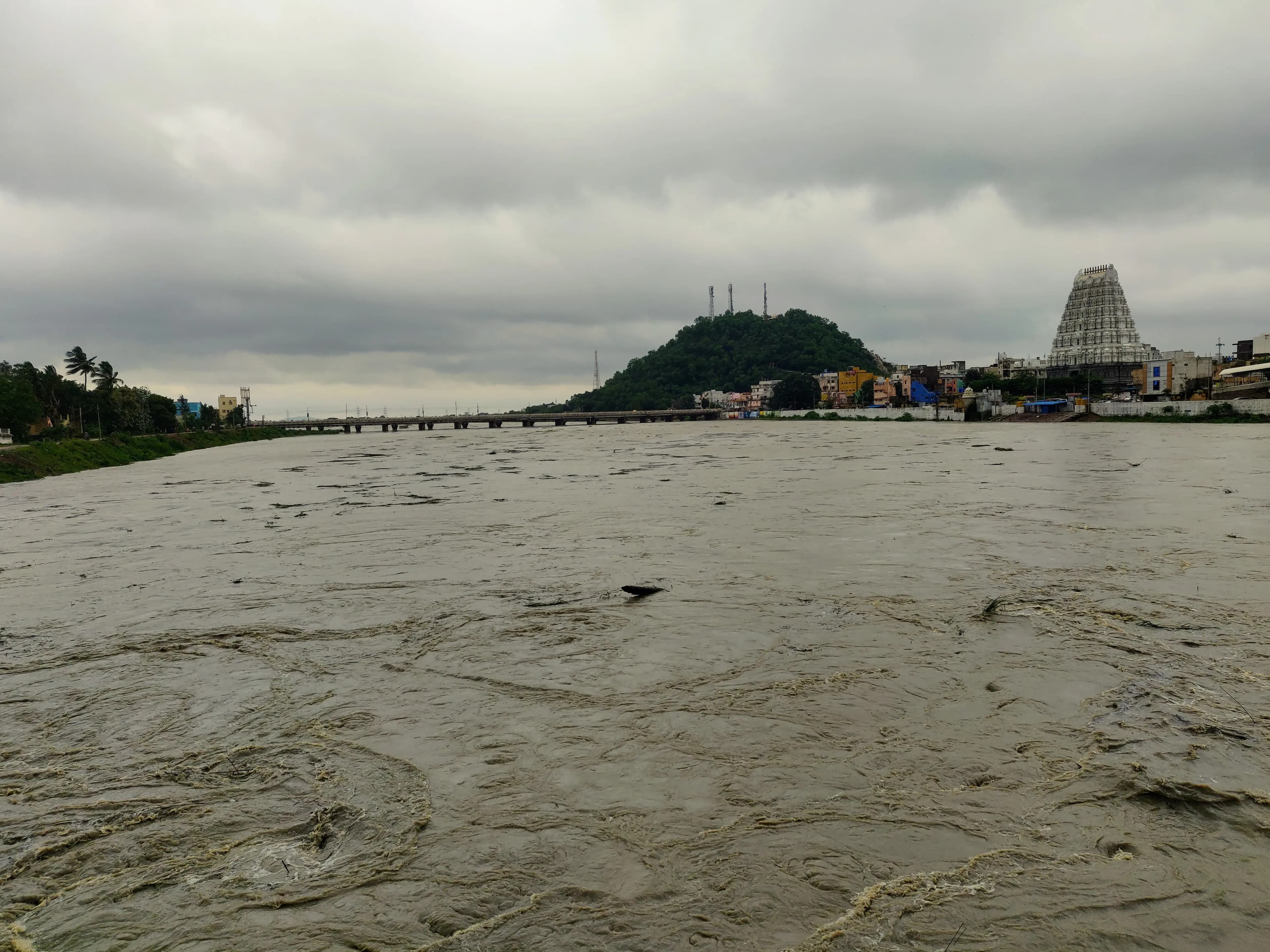
The air hung thick with incense and the murmur of chanting as I stepped through the towering gopuram of the Srikalahasti Temple. Sunlight, fractured by the intricate carvings, dappled the stone floor, creating an ethereal atmosphere. This wasn't just another temple on my UNESCO World Heritage journey across India; Srikalahasti held a different energy, a palpable sense of ancient power. Located in the Chittoor district of Andhra Pradesh, this temple, dedicated to Vayu, the wind god, is a testament to centuries of devotion and architectural brilliance. My eyes were immediately drawn upwards to the main Vimana, the Shikharam, soaring above the inner sanctum. This impressive structure, known as the Vayu Lingam, is not a sculpted idol but a natural rock formation believed to be a manifestation of Vayu. The flickering lamps surrounding it cast dancing shadows, adding to the mystique. The temple's Dravidian architecture is a marvel, with its intricate carvings depicting scenes from Hindu mythology. I spent a considerable amount of time studying the detailed friezes, each panel narrating a story, a testament to the skill of the artisans who crafted them centuries ago. The vibrant colours, though faded with time, still hinted at the temple's former glory. One of the most striking features of Srikalahasti is its massive, 100-pillar mandapam. The sheer scale of this hall is breathtaking. Each pillar is a work of art, adorned with elaborate carvings of deities, mythical creatures, and floral motifs. I could almost hear the echoes of ancient ceremonies and festivals that must have taken place within these hallowed walls. Walking through the mandapam, I felt a sense of connection to the generations of devotees who had walked this same path before me. The temple complex is vast, encompassing several smaller shrines dedicated to various deities. I explored each one, noting the unique architectural nuances and the distinct atmosphere they held. The shrine of Kalahasteeswara, a form of Shiva, is particularly noteworthy. The legend of the spider, the snake, and the elephant, each offering their devotion to Shiva in their own way, is deeply embedded in the temple's lore and adds another layer of spiritual significance to the site. Beyond the architectural grandeur, what truly captivated me at Srikalahasti was the palpable devotion of the pilgrims. From the elderly woman whispering prayers with closed eyes to the young family offering coconuts, the air was thick with faith. Witnessing this fervent devotion firsthand gave me a deeper understanding of the temple's significance, not just as a historical monument but as a living, breathing centre of spirituality. As I left the temple, the chanting still resonated in my ears. Srikalahasti is more than just a collection of stones and carvings; it's a testament to the enduring power of faith and the artistic brilliance of a bygone era. It's a place where history, mythology, and spirituality intertwine, creating an experience that stays with you long after you've left its sacred grounds. Of all the UNESCO sites I've visited in India, Srikalahasti holds a special place, a reminder of the rich tapestry of culture and belief that makes this country so unique. The wind, whispering through the temple towers, seemed to carry the echoes of centuries of prayers, a testament to the enduring spirit of this ancient sanctuary.
Kali Mata Mandir Patiala
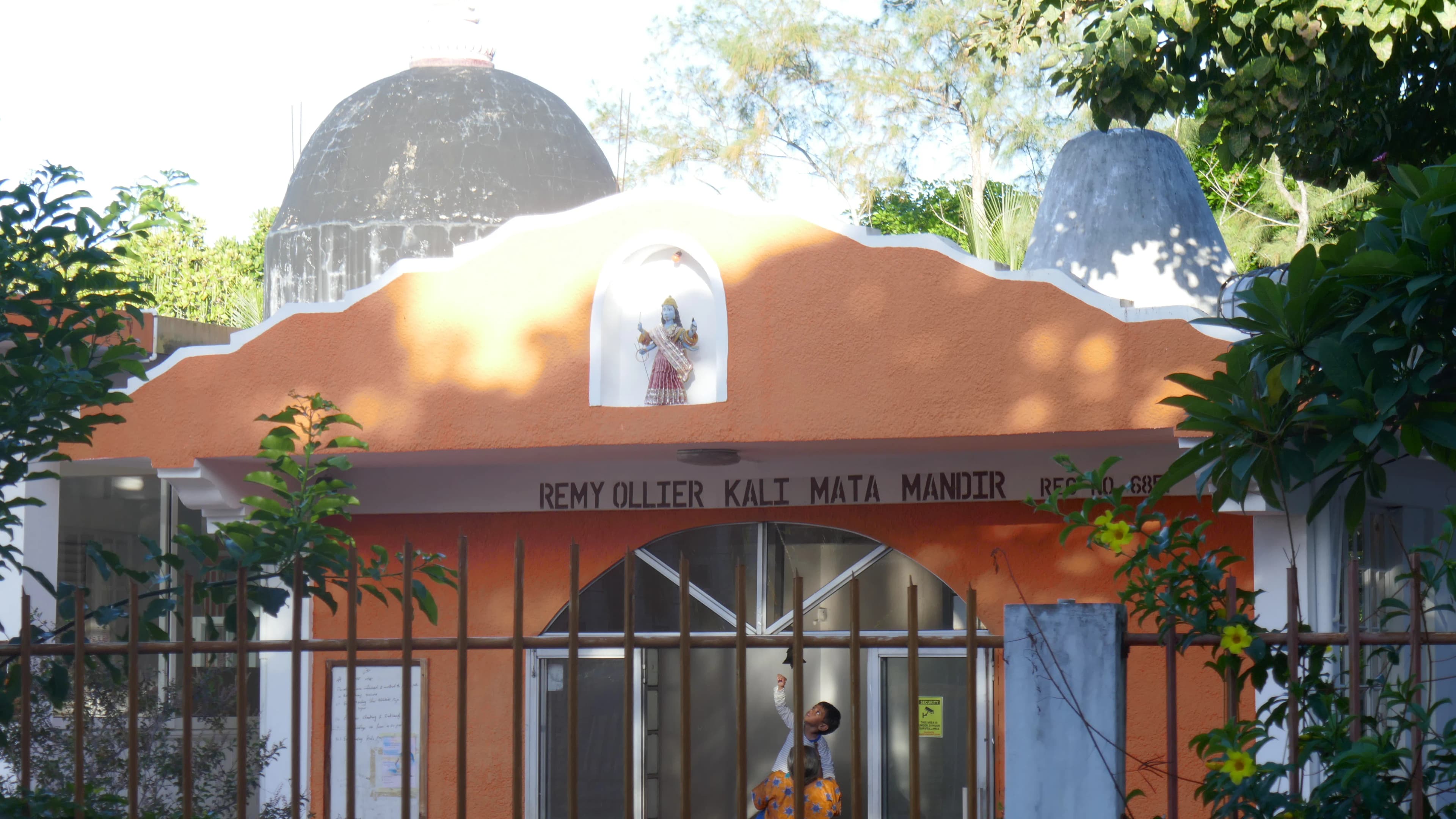
The rhythmic clang of a bell, a scent of incense and marigold – these were my first impressions of the Kali Mata Mandir in Patiala. Coming from Uttar Pradesh, a land steeped in its own vibrant temple traditions, I was eager to experience a different flavour of devotion, a glimpse into Punjab's spiritual landscape. This temple, nestled within the bustling city, offered just that. The first striking feature is the vibrant colour palette. Unlike the muted sandstone and earthy tones I'm accustomed to in U.P. temples, the Kali Mata Mandir is a riot of colour. Deep reds, bright yellows, and dazzling golds adorn every surface, creating an almost jubilant atmosphere. The main entrance, a towering gateway, is intricately carved with depictions of various deities, their forms painted in vivid hues, almost leaping out from the stone. The style felt distinctly North Indian, reminiscent of the hill architecture I've observed in Himachal, but with a Punjabi touch in its ornamentation. Stepping inside the courtyard, I was immediately drawn to the main shrine. The Goddess Kali, depicted in her fierce form, dominates the sanctum. Her black skin, her garland of skulls, her outstretched tongue – these familiar iconographic elements, powerful symbols of destruction and rebirth, felt different here. Perhaps it was the specific artistic style, the way her eyes seemed to gleam under the soft glow of the lamps, or maybe it was the palpable energy of the devotees surrounding the shrine, but the deity felt uniquely Punjabi in her expression. The temple’s architecture is a fascinating blend of styles. While the core structure seems to have older roots, possibly dating back a couple of centuries, later additions and renovations are evident. The intricate jali work, the ornate pillars, and the multi-tiered shikhara all point towards a layered history, a testament to the evolving devotion of the community. I noticed several marble panels inscribed with scriptures, a common feature in North Indian temples, but here, alongside Hindi and Sanskrit, I also saw Punjabi inscriptions, a clear marker of the temple's regional identity. The atmosphere within the temple was charged with a unique energy. Unlike the hushed reverence I often encounter in U.P. temples, here, devotion was expressed with a palpable fervour. The rhythmic chanting, the beating of drums, the clanging of bells – it created a vibrant soundscape that resonated deep within. Devotees offered flowers, coconuts, and sweets to the Goddess, their faces reflecting a mix of reverence and joy. I observed families sharing prasad, children playing in the courtyard, and elders engrossed in quiet prayer. It was a scene of community, of shared faith, and of vibrant cultural expression. As I walked around the temple complex, I noticed smaller shrines dedicated to other deities, including Lord Shiva, Hanuman, and Radha Krishna. This syncretism, the inclusion of various deities within the same sacred space, is a common feature in Indian temple architecture, reflecting the fluidity and inclusivity of Hindu belief systems. It also speaks to the diverse influences that have shaped the religious landscape of Punjab. Leaving the Kali Mata Mandir, I carried with me not just the scent of incense and the echo of chanting, but also a deeper understanding of the region's spiritual tapestry. The temple, with its vibrant colours, its unique architectural blend, and its palpable energy, offered a fascinating glimpse into the heart of Punjabi devotion. It served as a reminder that while the essence of faith may be universal, its expression is beautifully diverse, shaped by the unique cultural and historical context of each region. My experience in Patiala underscored the richness and complexity of India's spiritual landscape, a landscape I’m privileged to explore and document.
Tawang Monastery Tawang
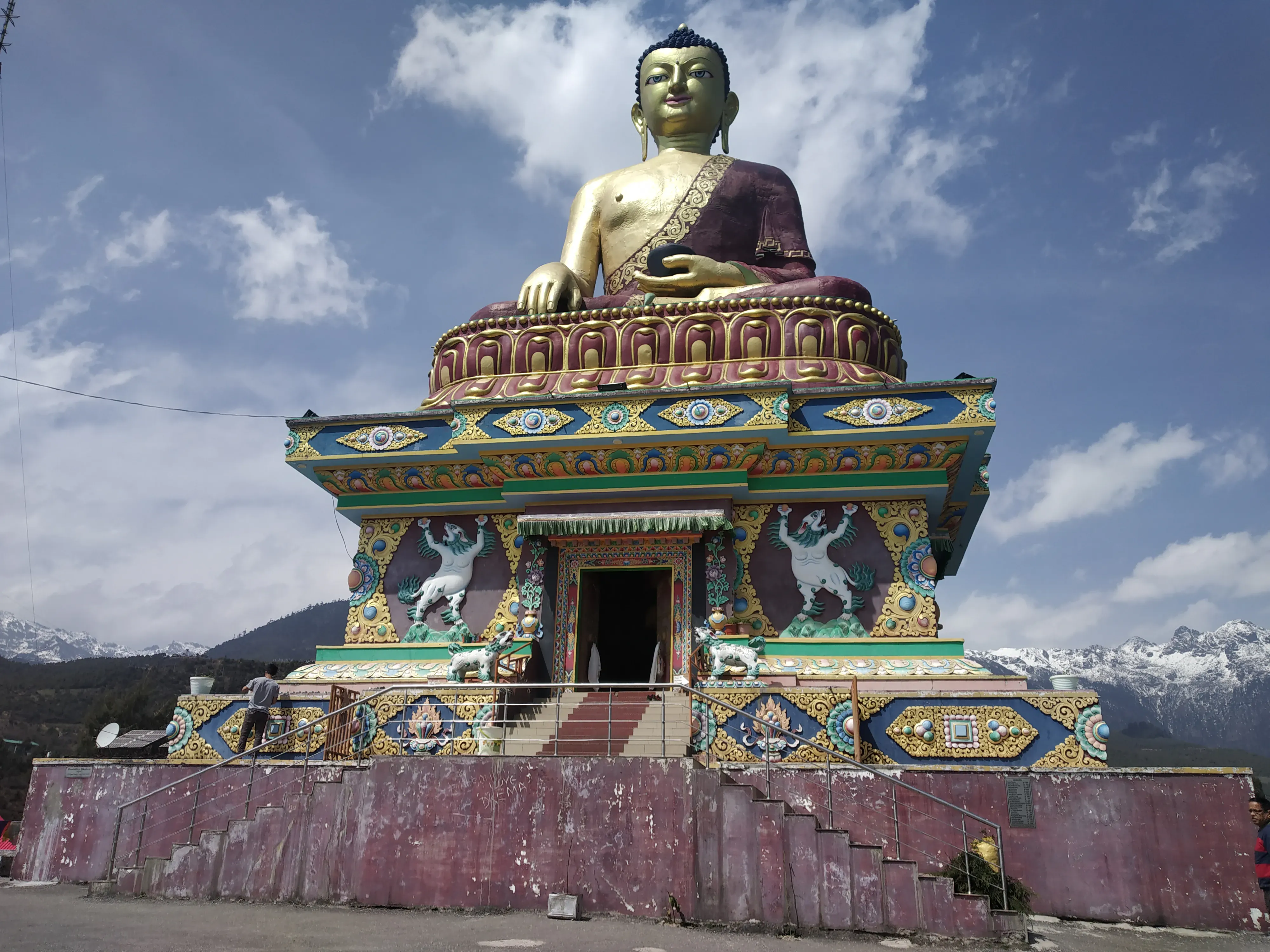
The biting Himalayan wind whipped prayer flags into a frenzy of colour against the backdrop of snow-dusted peaks. Before me, Tawang Monastery, a colossal structure of whitewashed walls and golden roofs, seemed to grow organically from the mountainside itself, a testament to centuries of Tibetan Buddhist tradition. Having spent years immersed in the Mughal and Buddhist heritage of Uttar Pradesh, I was eager to experience this jewel of the Eastern Himalayas, a place where Tibetan Buddhism flourishes in a uniquely Indian context. The sheer scale of the monastery, known as the Galden Namgey Lhatse, is breathtaking. Perched at 10,000 feet, it commands a panoramic view of the Tawang valley, a strategic position that has shaped its history as much as its spirituality. The approach is a gradual ascent, winding through narrow lanes lined with the homes of monks and the murmur of chanted prayers drifting on the air. This creates a sense of anticipation, a pilgrimage of sorts, before one finally stands before the main entrance. The architecture is distinctly Tibetan, a blend of fortress and monastery. Massive, sloping walls, punctuated by small, deeply recessed windows, give the impression of impenetrable strength. Yet, the vibrant colours – the ochre and maroon of the woodwork, the dazzling gold of the roofs, and the intricate murals adorning the walls – soften the austerity, hinting at the rich spiritual life within. I noticed the distinctive 'kangsheng' or parapet, typical of Tibetan architecture, which crowns the walls, adding a touch of elegance to the imposing structure. Stepping through the main gate, I found myself in a large courtyard, the Dukhang complex. The Dukhang, or assembly hall, is the heart of the monastery. Its massive, intricately carved wooden doors, guarded by fearsome depictions of guardian deities, immediately drew my attention. Inside, the atmosphere is hushed and reverent. Giant thangkas, depicting Buddhist deities and scenes from the Buddha's life, hang from the walls, their vibrant colours illuminated by the flickering butter lamps. The air is thick with the scent of incense and yak butter, a fragrance that seems to permeate every corner of the monastery. I spent hours exploring the library, the Mani Lhakhang, and the numerous smaller chapels that surround the main courtyard. The library, a treasure trove of ancient scriptures and manuscripts, is a testament to the monastery's role as a centre of learning. The Mani Lhakhang houses a giant prayer wheel, its surface covered in thousands of mantras. The rhythmic turning of the wheel, accompanied by the low chanting of monks, creates a hypnotic, meditative atmosphere. One of the most striking features of the monastery is the 28-foot high statue of the Buddha Shakyamuni, housed within the Dukhang. The gilded statue, serene and compassionate, dominates the space, its presence radiating a sense of peace and tranquility. The intricate details of the statue, from the folds of its robes to the expression on its face, are a testament to the skill of the artisans who created it. As I descended from the monastery, the sun began to set, casting long shadows across the valley. Looking back, the monastery seemed to glow against the darkening sky, a beacon of faith and tradition in the heart of the Himalayas. My visit to Tawang Monastery was more than just a sightseeing trip; it was an immersion into a living culture, a powerful reminder of the enduring strength of spirituality in a rapidly changing world. The echoes of chanted prayers, the scent of incense, and the vibrant colours of the thangkas stayed with me long after I left, a testament to the enduring power of this Himalayan sanctuary. The experience resonated deeply with my understanding of the Buddhist faith, drawing parallels and highlighting differences with the traditions I’ve observed in Uttar Pradesh. It reinforced the idea that while expressions of faith may vary across regions, the core principles of compassion, wisdom, and the pursuit of enlightenment remain universal.

Shantadurga Temple Kavlem
The humid Goan air, thick with the scent of incense and marigolds, clung to me as I ascended the sweeping laterite steps leading to the Shri Shantadurga Temple in Kavlem. Having spent years immersed in the sandstone grandeur of Rajasthan's forts and palaces, I was curious to see how this Goan temple, dedicated to the Goddess of Peace, would compare. The difference was immediate and striking – a shift from the arid, imposing structures of my home state to a serene, almost ethereal white edifice nestled amidst lush greenery. The temple complex, a sprawling expanse enclosed by high walls, felt like a world apart from the bustling activity just beyond its gates. A large, rectangular water tank, or *pushkarini*, lay before the main temple, its still surface reflecting the temple’s pristine facade. This element, so rare in Rajasthan’s desert landscape, immediately established a sense of tranquility. The temple itself, a harmonious blend of Indo-Portuguese architectural styles, stood as a testament to Goa's rich and layered history. The whitewashed walls, a stark contrast to the vibrant colours I’m accustomed to, exuded a sense of calm purity. The pyramidal roof, tiled in the distinctive terracotta style common in Goa, was crowned with a simple yet elegant golden *kalash*. Stepping inside the main prayer hall, or *sabhamandap*, I was struck by the relative simplicity of the interior. Unlike the ornately carved interiors of Rajasthan's temples, the focus here was on the deity. The silver palanquin of Shri Shantadurga, adorned with fresh flowers, held centre stage. The air was thick with the murmur of prayers and the rhythmic clang of bells, creating an atmosphere of quiet devotion. Intriguingly, the temple's pillars, while lacking the intricate carvings of Rajasthani structures, displayed a unique blend of styles. I noticed subtle European influences in the form of decorative motifs, a testament to the Portuguese presence in Goa. These details, though understated, spoke volumes about the cultural exchange that shaped this region. Moving beyond the main temple, I explored the surrounding complex. The smaller shrines dedicated to other deities, the sprawling gardens, and the old *deepstambha* (lamp tower) all added to the temple's serene atmosphere. The *deepstambha*, in particular, caught my attention. While Rajasthan boasts towering *deepstambhas* adorned with intricate sculptures, this one was more modest in size, yet equally evocative. Its simple, elegant design, illuminated by flickering oil lamps, created a captivating play of light and shadow. One aspect that truly fascinated me was the temple’s location. Unlike many Rajasthani temples perched atop hills or nestled within fortified cities, Shri Shantadurga Temple is situated on a plateau surrounded by verdant rice paddies. This setting, so different from the rugged landscapes I’m familiar with, contributed to the temple’s peaceful aura. The gentle rustling of palm trees and the distant calls of birds replaced the desert winds, creating a symphony of nature that enhanced the spiritual experience. As I descended the steps, leaving the temple complex behind, I couldn't help but reflect on the contrasts I had witnessed. The Shri Shantadurga Temple, with its serene white facade, tranquil setting, and subtle blend of architectural styles, offered a unique perspective on temple architecture and worship. It was a refreshing departure from the grandeur and opulence of Rajasthan's temples, a testament to the diversity and richness of India's cultural tapestry. The experience underscored the fact that spirituality can find expression in myriad forms, each beautiful and profound in its own way.
Kalighat Kali Temple Kolkata
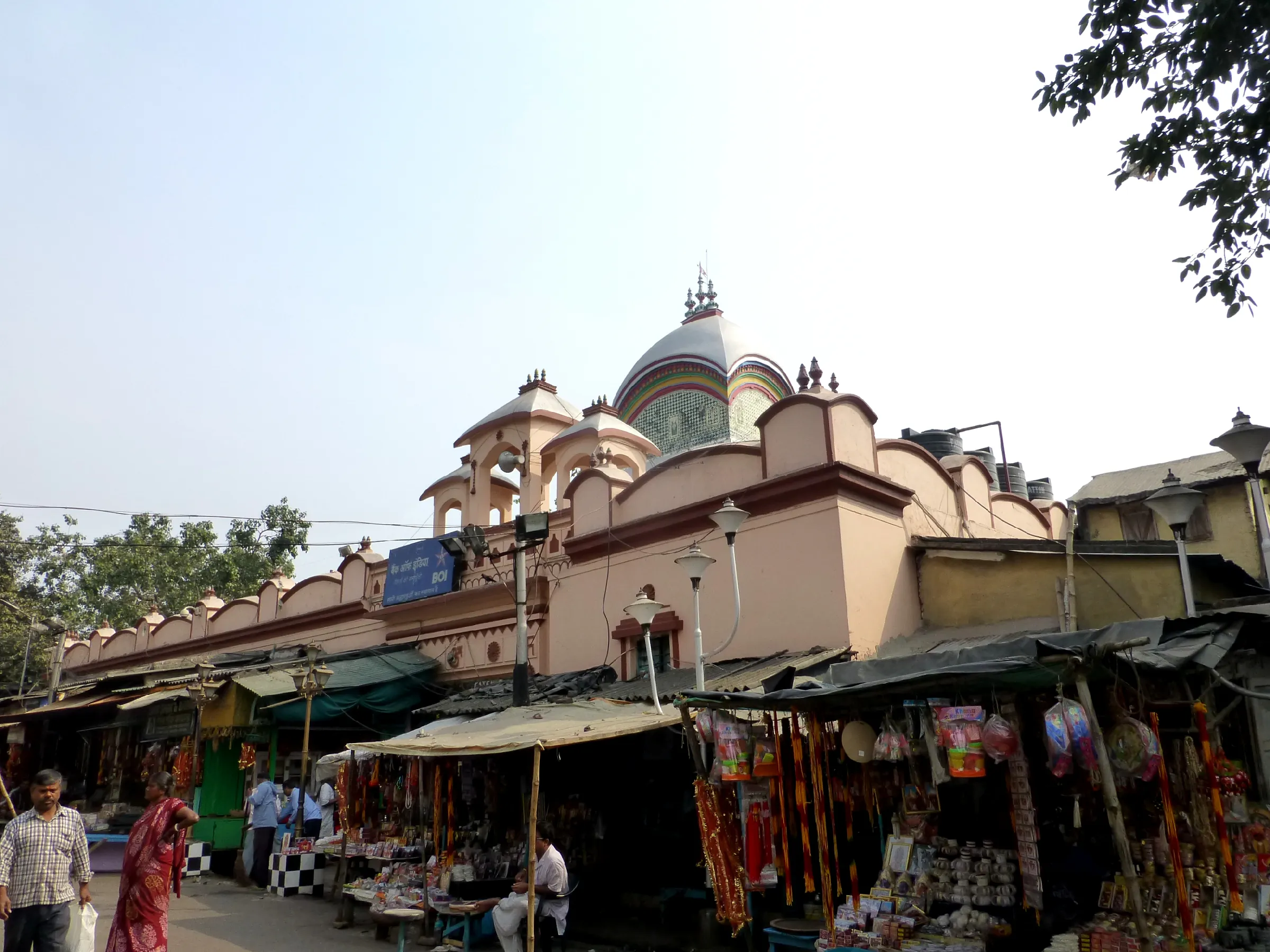
The air hung thick and heavy, not just with the Kolkata humidity, but with a palpable sense of devotion. Garlands of marigolds and hibiscus blazed against the backdrop of the soot-stained Kalighat Kali Temple, their vibrant colours a stark contrast to the aged brick and stone. This wasn't the pristine, symmetrical beauty of the Rajput forts I'm accustomed to back in Rajasthan. This was something rawer, more visceral. The temple, nestled in the heart of Kolkata, pulsated with a chaotic energy. A cacophony of sounds – chanting, bells, the hawkers’ cries – rose and fell like the tide. Navigating the narrow lanes leading to the main shrine was an experience in itself. The air was thick with incense, and the ground, slick with offerings and the remnants of rituals. It was a sensory overload, a far cry from the ordered serenity of, say, the Mehrangarh Fort. The architecture of the Kalighat temple is distinct. Unlike the imposing sandstone structures of Rajasthan, this temple is relatively modest in size. The current structure, built in the 19th century, features a distinctive Bengali style with a curved, sloping roof known as a *dochala*. The main shrine, however, felt ancient, imbued with centuries of worship. The idol of Kali herself is striking. Her jet-black face, adorned with a garland of skulls and a protruding tongue, is both terrifying and mesmerizing. Her three eyes seemed to pierce through the throngs of devotees, acknowledging their prayers and anxieties. What struck me most was the sheer intensity of the faith on display. Devotees, from all walks of life, pressed forward, their faces etched with a mixture of hope and desperation. Some offered flowers, others coconuts, still others whispered fervent prayers. The priests, their foreheads smeared with ash, performed rituals with practiced ease, their chants adding to the hypnotic rhythm of the temple. I watched a young woman, her eyes brimming with tears, offer a lock of her hair to the goddess. It was a powerful moment, a testament to the deep-seated belief that permeates this place. This wasn't just a temple; it was a living, breathing entity, a conduit between the human and the divine. The experience was further intensified by the presence of the *pandits*, the temple priests. While their role is integral to the rituals, their aggressive solicitation of donations felt jarring. It was a stark reminder of the commercialization that often accompanies religious fervor, a phenomenon not entirely unfamiliar in Rajasthan's tourist-heavy temples, but here it felt more pronounced, more intertwined with the very fabric of worship. Stepping back from the immediate crush of the main shrine, I noticed the smaller shrines dedicated to other deities scattered around the complex. Each had its own unique energy, its own dedicated following. The temple complex, despite its chaotic nature, felt like a microcosm of the city itself – a melting pot of different beliefs and practices, all coexisting within a shared space. As I left the Kalighat Kali Temple, the chanting and the scent of incense still clinging to my clothes, I felt a profound sense of awe. This wasn't just a visit to a temple; it was an immersion into a different world, a world where faith and tradition reign supreme. It was a world far removed from the majestic silence of Rajasthan's desert forts, yet equally captivating, equally powerful. The experience served as a potent reminder of the diverse tapestry of India's spiritual landscape, a tapestry woven with threads of devotion, ritual, and unwavering belief.
Surat Fort Surat
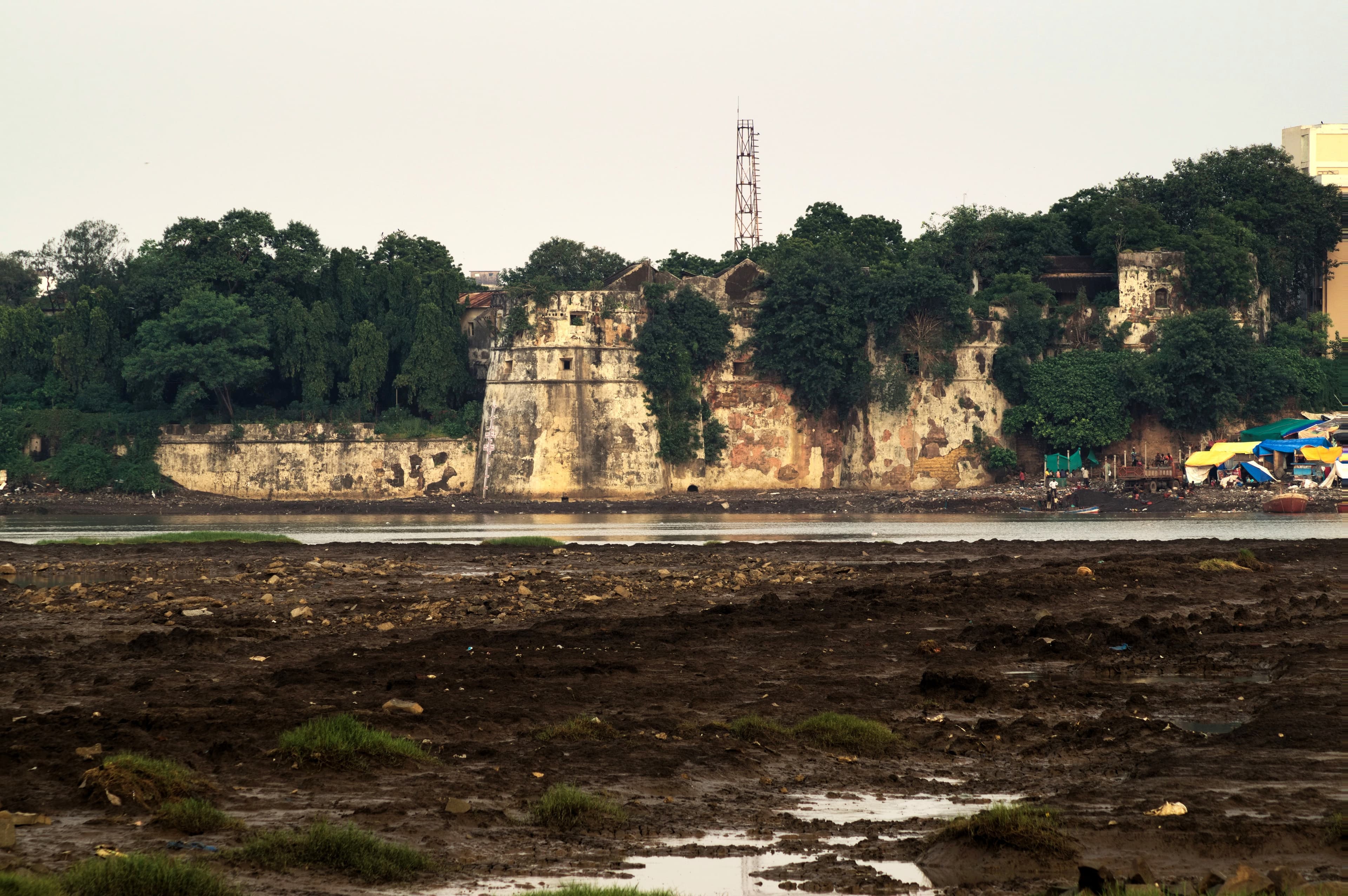
The midday sun beat down on the ochre walls of Surat Fort, casting long shadows that danced across the aged stone. Standing before its imposing gateway, I felt a familiar thrill – the anticipation of uncovering stories etched in brick and mortar. Having documented over 500 monuments across India, I've developed a keen eye for the whispers of history, and Surat Fort hummed with untold tales. Built in the 16th century by Khudawand Khan, a general under Sultan Mahmud III of Gujarat, the fort stands as a silent sentinel overlooking the Tapi River. Its strategic location, guarding the then-thriving port city of Surat, made it a coveted prize for various empires – Mughals, Marathas, and the British, all leaving their indelible mark on its architecture. This layered history is precisely what drew me to this particular fort. Passing through the arched entrance, I immediately noticed the distinct blend of architectural styles. The robust, almost brutalist, construction of the outer walls, punctuated by circular bastions, spoke of a purely defensive purpose. The thick, roughly hewn blocks of stone, fitted together without mortar in some sections, testified to the ingenuity of the original builders. Yet, within this formidable exterior, I found subtle hints of Mughal influence, particularly in the decorative arches and the remnants of intricate carvings around the windows of the inner structures. The fort's interior is a labyrinth of narrow passageways, crumbling barracks, and open courtyards. I spent hours exploring these spaces, my camera capturing the interplay of light and shadow on the weathered surfaces. The remnants of a mosque, its mihrab still faintly visible, hinted at the fort's role not just as a military stronghold, but also as a center of community life. I was particularly struck by the remnants of frescoes on some of the inner walls, now faded and fragmented, but still offering glimpses of vibrant colours and intricate patterns. These fragments, like pieces of a forgotten puzzle, fueled my imagination, prompting me to envision the bustling life that once filled these now-silent spaces. Climbing to the ramparts, I was rewarded with a panoramic view of Surat, the modern city sprawling beyond the fort's ancient walls. The Tapi River, once a lifeline for this bustling port, shimmered in the distance. Standing there, I could almost hear the echoes of the past – the shouts of soldiers, the clang of swords, the bustle of merchants. The fort, despite its weathered state, felt alive with these phantom sounds. One of the most intriguing aspects of Surat Fort is the stark contrast between its robust exterior and the almost delicate details hidden within. While the outer walls project an image of impenetrable strength, the inner structures reveal a surprising level of artistic refinement. I observed intricate jali work in some of the remaining windows, allowing for ventilation while maintaining privacy. The remnants of carved stone brackets, likely used to support balconies or awnings, spoke of a time when this fort was not just a fortress, but also a residence, perhaps even a palace. My exploration of Surat Fort wasn't just a visual experience; it was a tactile one. Running my hand along the rough stone walls, I felt a connection to the countless hands that had shaped and defended this structure over centuries. The uneven surfaces, the worn steps, the crumbling plaster – each imperfection told a story of resilience and decay, of human endeavor and the relentless march of time. Leaving the fort as the sun began to set, I carried with me more than just photographs. I carried a deeper understanding of Surat's rich history, a renewed appreciation for the artistry of the past, and a profound sense of the ephemeral nature of human creations. Surat Fort stands as a powerful reminder that even the most formidable structures eventually succumb to the passage of time, leaving behind only whispers of their former glory for those who know how to listen.
Dalverzin Tepe Surxondaryo Uzbekistan
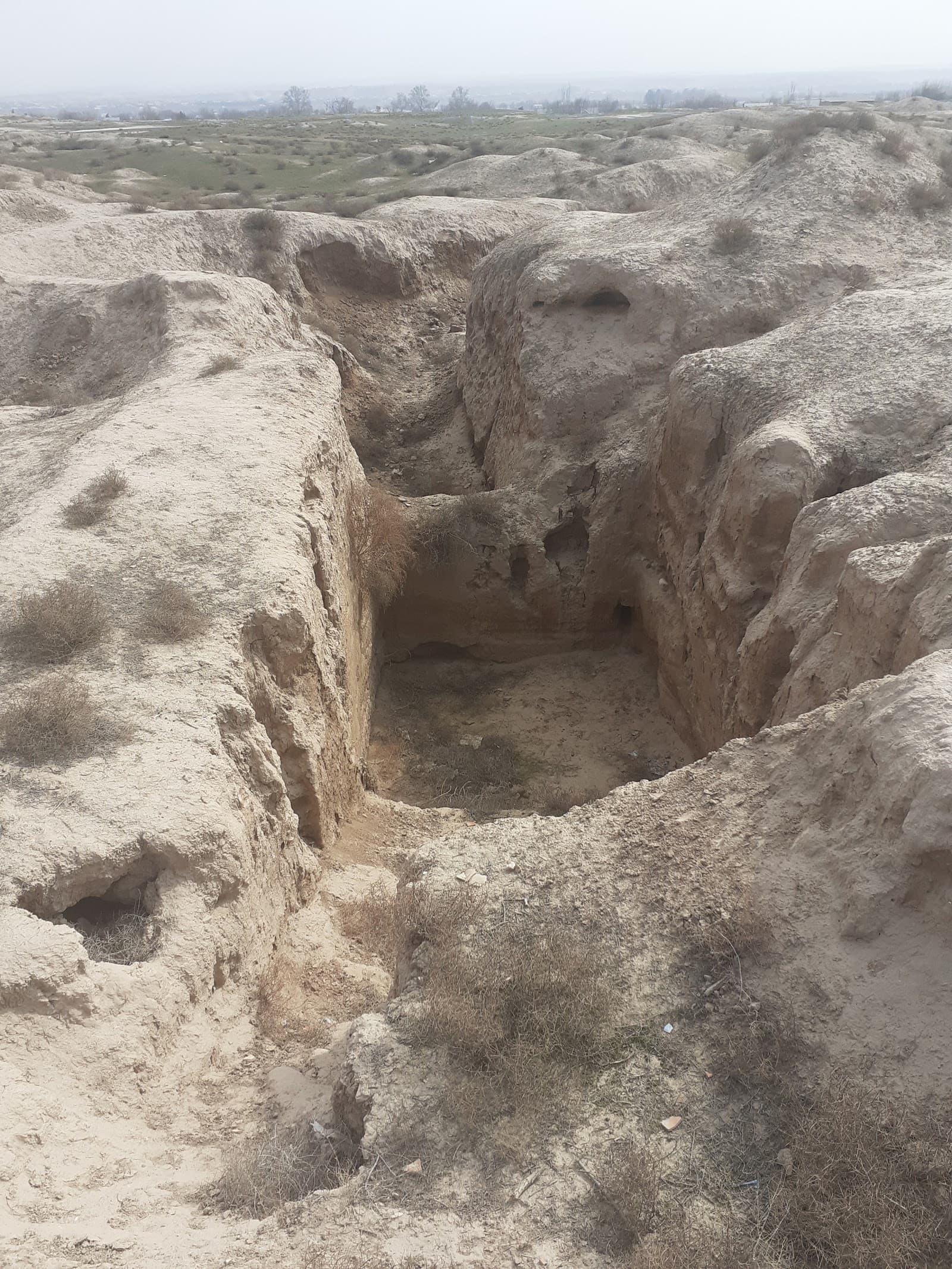
Dalverzin Tepe, an ancient archaeological site located in the Surxondaryo Region of Uzbekistan, stands as a profound testament to the millennia-spanning cultural heritage of India, particularly through its embrace and adaptation of Indian Buddhist and Gandhara-Kushan architectural styles [3] [5]. This significant urban center, flourishing under the Kushan Empire, exemplifies the continuous tradition of Indian civilization's artistic and religious dissemination across Central Asia [2] [4]. The site's indigenous architectural styles, materials, and cultural practices reflect India's deep historical roots, showcasing a sophisticated synthesis of traditions [3]. The city plan of Dalverzin Tepe is characterized by a rectangular layout, featuring a prominent citadel at its core, with residential and religious structures meticulously arranged in parallel rows around this central defensive element [2]. Among its most significant features are two well-preserved Buddhist temples, which represent a direct extension of Indian Buddhist architectural principles into the region [4] [5]. These temples, constructed primarily from mud brick and pakhsa (rammed earth), demonstrate robust construction techniques typical of the period, often incorporating gypsum-coated clay for intricate sculptural and decorative elements [2] [3]. Archaeological excavations have unearthed numerous statues of Buddha and bodhisattvas, crafted from clay and gypsum, reflecting the distinctive Gandhara style that blends Hellenistic artistic conventions with Indian iconography [2] [4]. Specific architectural details include Attic stone column bases and terracotta antefixes, indicating a fusion of Greco-Roman and indigenous Central Asian elements, all serving to adorn structures dedicated to Indian religious practices [3]. A notable discovery is a gypsum-coated clay head of a youth, found within a Buddhist temple, which exemplifies the refined artistic output of the era [3]. The site also yielded a remarkable treasure hoard of gold, underscoring its historical wealth and cultural significance [2]. Dalverzin Tepe's urban planning included sophisticated defensive features, with the town experiencing active urban and defensive construction during its peak Kushan period [3]. While specific dimensions for individual structures are subject to ongoing research, the overall scale of the city suggests a well-organized settlement capable of sustaining a significant population and cultural activity [2]. The site is currently on the UNESCO Tentative List, recognizing its outstanding universal value and the need for continued preservation [1]. Ongoing archaeological findings, supported by joint excavations involving Uzbek, Korean, and Japanese scholars, contribute to a deeper understanding of its layered history and architectural evolution [4]. Conservation efforts focus on stabilizing extant structures and protecting unearthed artifacts, ensuring the long-term preservation of this crucial link in India's cultural continuum [1]. The site is maintained for scholarly research and potential future public access, with current compliance and maintenance protocols in place to safeguard its heritage. Dalverzin Tepe stands as an enduring testament to India's profound and continuous cultural legacy, spanning thousands of years, and is operationally ready for continued study and eventual broader public engagement.
Quick Links
Plan Your Heritage Journey
Get personalized recommendations and detailed visitor guides