Has Inheritage Foundation supported you today?
Your contribution helps preserve India's ancient temples, languages, and cultural heritage. Every rupee makes a difference.
Secure payment • Instant 80G certificate

Sivadol Temple Sivasagar
The imposing Sivadol, bathed in the soft Assamese sun, rose before me like a terracotta giant. Its sheer scale, even from a distance, was breathtaking. Having documented countless ancient sites across Madhya Pradesh, I thought I was prepared for the grandeur of Ahom architecture, but the Sivadol Temple in Sivasagar surpassed all expectations. The pyramidal structure, unlike anything I’d encountered in my home state, dominated the landscape, a testament to the ingenuity and artistry of the 18th-century Ahom kingdom. As I approached, the intricate details began to emerge. The burnt-brick surface, weathered by centuries of monsoon rains and sun, held a story in every crack and crevice. The temple, dedicated to Lord Shiva, stands as the tallest Shiva temple in India, a fact that resonated deeply as I circled its base. The sheer verticality, achieved without any visible supporting beams or columns, was a marvel of engineering. The octagonal base, rising in tiers towards the pointed apex, created a sense of dynamic movement, as if the structure itself was striving towards the heavens. The main entrance, guarded by two massive stone lions, felt like a portal to another time. Stepping inside the dimly lit sanctum, I was struck by the stark contrast between the elaborate exterior and the simple, almost austere interior. There were no ornate carvings or vibrant frescoes, just a palpable sense of sacredness. The air was thick with the scent of incense and the murmur of prayers, a reminder that this was not just an architectural marvel, but a living, breathing place of worship. I spent hours exploring the temple complex, captivated by the smaller shrines surrounding the main structure. Each shrine, though smaller in scale, echoed the architectural language of the Sivadol, creating a harmonious ensemble. The intricate brickwork, featuring geometric patterns and floral motifs, showcased the skill of the Ahom artisans. I noticed how the bricks, varying subtly in colour and texture, created a visual tapestry that shifted with the changing light. This nuanced use of a single material, without the addition of plaster or paint, spoke volumes about the aesthetic sensibilities of the era. One of the most striking features of the Sivadol is its integration with the surrounding landscape. The temple stands on a raised platform, overlooking the Sivasagar tank, a large man-made lake. The reflection of the temple in the still waters of the tank created a mesmerizing visual echo, doubling its impact. This deliberate placement, I realized, was not just for aesthetic purposes. The tank, an integral part of the temple complex, served both practical and symbolic functions, providing water for rituals and representing the cosmic ocean surrounding Mount Meru, the abode of the gods. My lens, accustomed to capturing the sandstone temples of Khajuraho and the intricate carvings of Gwalior, found a new challenge and inspiration in the Sivadol. The play of light and shadow on the textured brick surface, the sheer scale of the structure against the vast Assamese sky, the quiet dignity of the devotees – all these elements combined to create a powerful visual narrative. As I packed my equipment, preparing to leave, I felt a deep sense of gratitude. The Sivadol was more than just a temple; it was a testament to human ingenuity, a symbol of cultural resilience, and a window into a rich and fascinating history. It was a privilege to witness its grandeur and to capture its essence through my lens, adding another chapter to my ongoing exploration of India’s architectural heritage.

Sivasagar Fort Sivasagar
The imposing ramparts of Sivasagar Fort, or rather, what remains of them, rose before me under the vast Assamese sky. Brick-red against the verdant landscape, they spoke of a grandeur that time and the elements had gnawed at, yet failed to completely erase. This wasn't the imposing, fully intact fortress I'd encountered in other parts of India. Sivasagar presented a different kind of beauty, a poignant echo of the Ahom kingdom's power. My journey through the complex began at the main entrance, a crumbling archway that felt more like a portal to the past than a functional gateway. The once formidable walls, now breached in places, allowed glimpses of the inner sanctum. The sheer scale of the fort, even in its ruined state, was breathtaking. It sprawled across a vast area, hinting at the bustling life it once contained. The ground beneath my feet, uneven and overgrown, was a tapestry of brick fragments and tenacious weeds, a testament to nature's slow reclamation. The central structure, known as the Talatal Ghar, immediately drew my attention. Unlike the exposed brickwork of the outer walls, the Talatal Ghar was earth-covered, its multi-tiered roof rising like a stepped pyramid. This subterranean marvel, I learned, served as a royal residence and a military bunker. The cool, damp air within its chambers contrasted sharply with the sun-drenched exterior. Light filtered through narrow openings, casting long shadows that danced on the aged walls, adding an air of mystery. I could almost hear the whispers of history echoing in the silence. Climbing the narrow, worn staircases within the Talatal Ghar was an adventure in itself. Each step felt laden with stories, each landing a stage for imagined scenes of royal life. The views from the upper levels, though partially obscured by vegetation, offered a panoramic vista of the surrounding landscape. I could envision the Ahom kings surveying their domain from these very vantage points, their power radiating outwards like ripples in a pond. Adjacent to the Talatal Ghar stood the Rang Ghar, a two-storied pavilion used for royal sports and entertainment. Its unique octagonal shape, a departure from the typical rectangular structures I'd encountered in other forts, was a testament to the Ahom kingdom's distinct architectural style. The intricate carvings on the remaining portions of the pavilion hinted at a rich artistic tradition, a glimpse into the cultural tapestry of the era. I spent a considerable amount of time photographing the delicate motifs, trying to capture the essence of this bygone artistry. Further exploration revealed the remnants of other structures – stables, storehouses, and perhaps even temples. The scattered fragments of pottery and terracotta figures I stumbled upon added another layer to the narrative, whispering tales of daily life within the fort's walls. These weren't just ruins; they were pieces of a puzzle, each contributing to a larger picture of a vibrant past. As the sun began its descent, casting long shadows across the grounds, I found myself drawn back to the ramparts. The warm hues of the setting sun bathed the crumbling walls in a golden glow, creating a scene of ethereal beauty. Standing there, amidst the whispers of history, I felt a profound connection to the past. Sivasagar Fort wasn't just a collection of ruins; it was a living testament to the rise and fall of a kingdom, a poignant reminder of the impermanence of power, and a celebration of the enduring spirit of a people. My lens, though it could capture the visual beauty, could only hint at the depth of history and emotion that permeated this ancient site.
Bhimakali Temple Sarahan
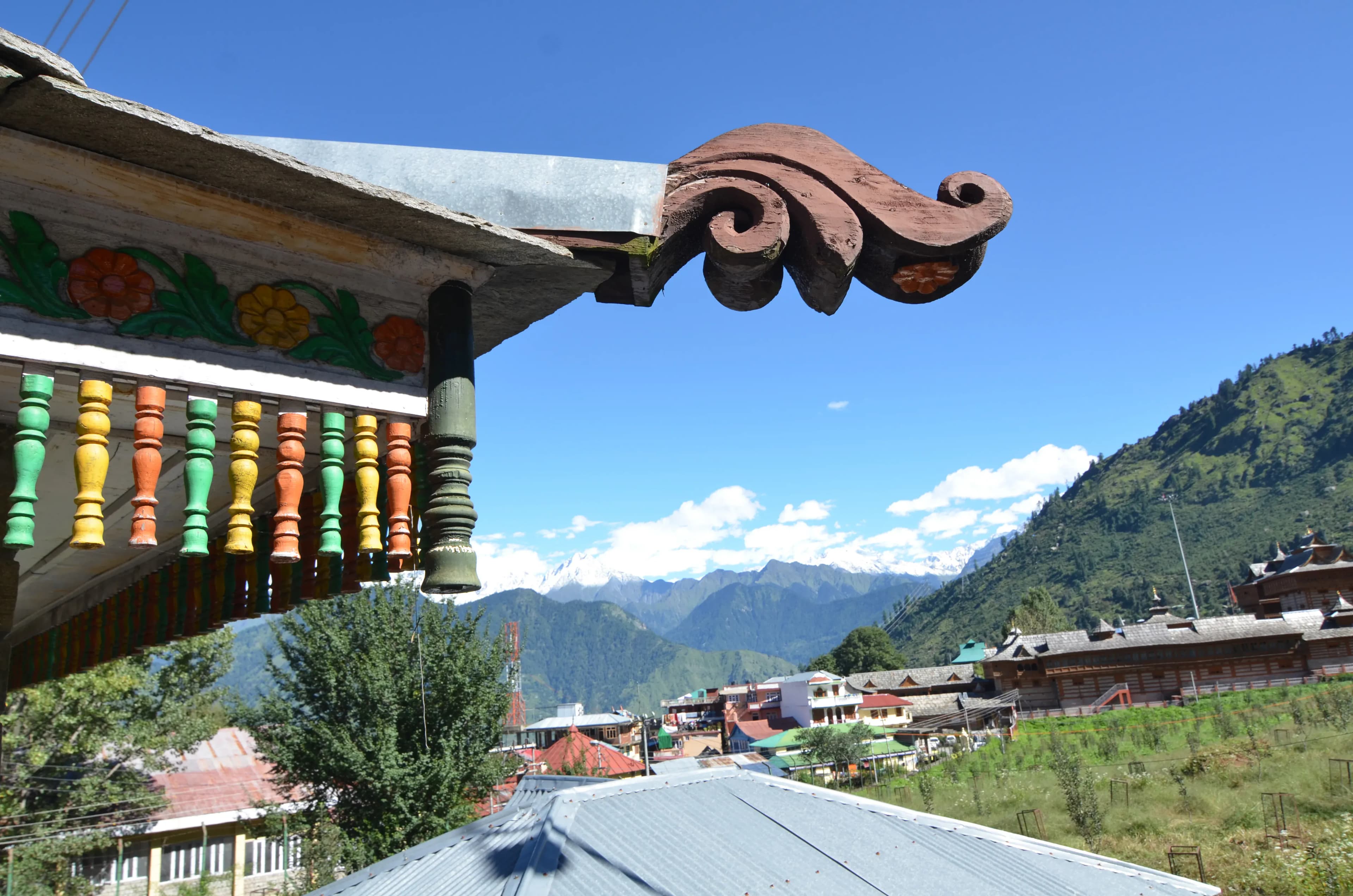
Nestled in the serene hills of Himachal Pradesh, the Bhimakali Temple at Sarahan is an architectural marvel dating back to 800 CE during the Rajput period ([1]). Its unique kath-khuni (wood-stacked) style, a vernacular adaptation to the region's climate, showcases a distinct Himalayan architectural tradition ([2]). The Bushahr rulers, as patrons, significantly influenced the temple's design and construction ([3]). Dominating the Sarahan landscape, the temple complex utilizes a combination of wood, stone, slate, and metal, reflecting the readily available resources and blending seamlessly with the surrounding environment ([4]). The tiered wooden roofs, a characteristic feature, not only provide structural stability but also effectively manage heavy snowfall ([5]). Intricate carvings embellish the wooden facades, depicting deities and mythical creatures, demonstrating the craftsmanship passed down through generations ([6]). Within the Garbhagriha (Sanctum), the temple enshrines Bhimakali, a fierce manifestation of Durga, represented by a revered brass image ([3]). Furthermore, smaller shrines dedicated to Lakshmi Narayan and Lord Shiva are also present within the complex, each displaying meticulous craftsmanship ([4]). The temple's design possibly incorporates principles similar to those outlined in ancient texts like the Manasara Shilpa Shastra, which discusses temple construction and iconography, although specific textual references for this temple remain to be confirmed ([7]). Enchanting panoramic views and the gentle flutter of prayer flags enhance the spiritual ambiance of the temple, creating a profound sense of tranquility ([5]). This architectural gem not only preserves the cultural heritage of the Himalayas but also stands as a testament to the ingenuity and artistic skills of its creators ([1][2]). The Bhimakali Temple continues to inspire awe and reverence, drawing visitors and devotees alike to experience its unique blend of art, architecture, and spirituality ([6]).
Rama Mandir Lunglei
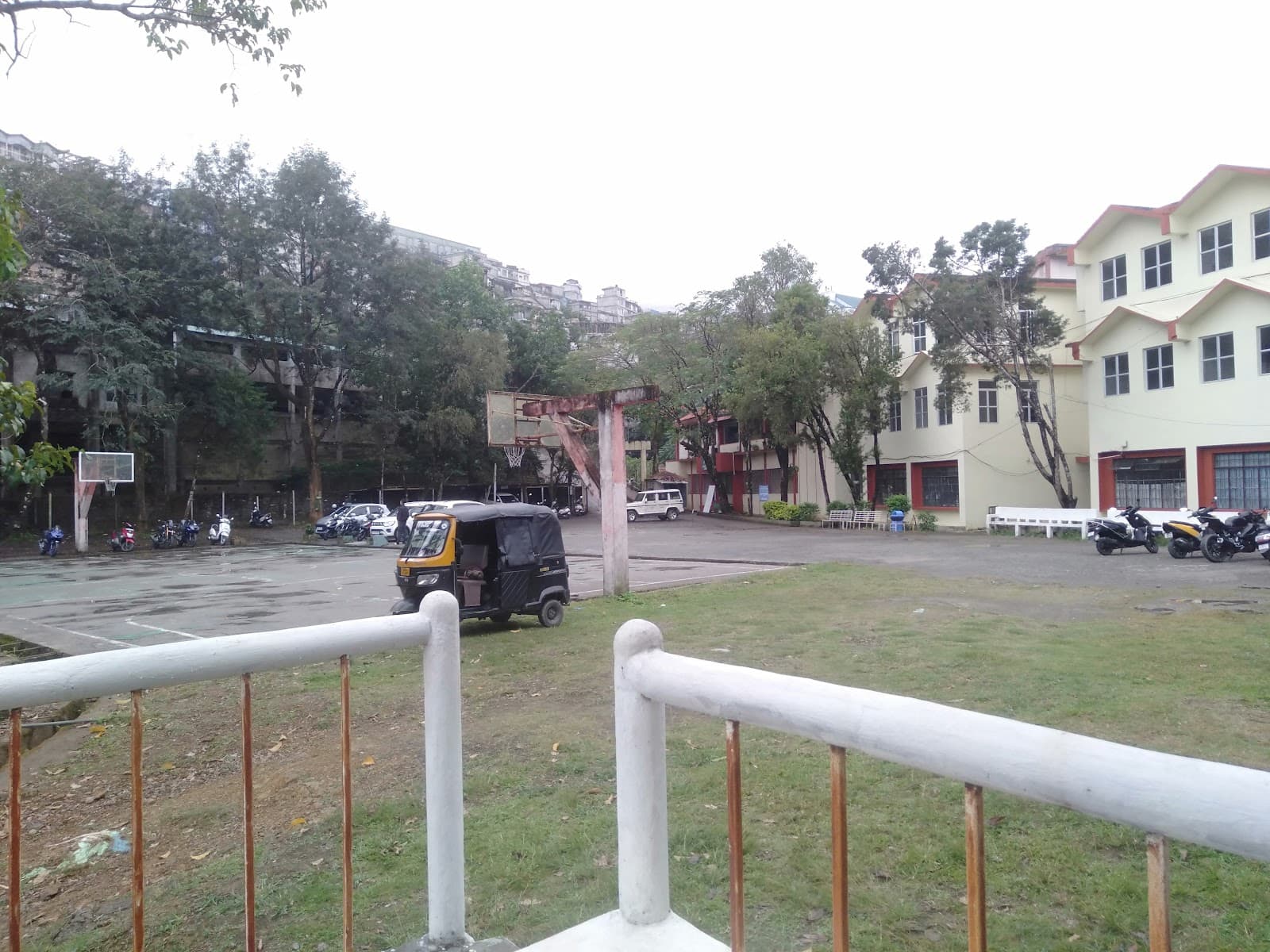
The emerald hills of Mizoram cradle many secrets, and among them, the Rama Mandir in Lunglei holds a special place. Not a UNESCO World Heritage Site, but a significant spiritual landmark nonetheless, this temple, perched atop a hill overlooking the town, offers a unique blend of architectural beauty and serene atmosphere, quite unlike anything I’ve encountered in my travels across India’s UNESCO-designated treasures. Reaching it requires a short but steep climb, a physical exertion rewarded by breathtaking panoramic views of Lunglei and the surrounding valleys. The temple’s architecture is a fascinating departure from the typical South Indian temple style I’ve grown accustomed to documenting. Instead of the towering gopurams and intricate carvings, the Rama Mandir presents a simpler, more austere aesthetic. The main structure is predominantly white, with a sloping roof reminiscent of traditional Mizo houses. This fusion of styles speaks volumes about the region's cultural confluence. The shikhara, however, retains a North Indian influence, its curvilinear form rising towards the sky, a beacon of faith visible from much of Lunglei. Stepping inside, I was struck by the tranquility that permeated the air. The main prayer hall is spacious and well-lit, with large windows offering glimpses of the verdant landscape outside. The deity, Lord Rama, is depicted in a serene pose, radiating a sense of calm that instantly puts visitors at ease. Unlike the bustling atmosphere of many temples in India, the Rama Mandir offers a space for quiet contemplation and introspection. The absence of overwhelming ornamentation allows one to focus on the spiritual aspect of the place, a refreshing change from the sensory overload that often accompanies visits to larger, more elaborate temples. What truly sets this temple apart, however, is its location. The panoramic view from the temple grounds is simply spectacular. The rolling hills, blanketed in lush greenery, stretch as far as the eye can see, creating a sense of boundless expanse. The town of Lunglei spreads out below, its colourful houses dotting the landscape like scattered jewels. I spent a considerable amount of time simply absorbing the beauty of the surroundings, feeling a sense of peace wash over me. The fresh mountain air, the gentle breeze rustling through the trees, and the distant sounds of nature all contributed to the serene atmosphere. During my visit, I had the opportunity to interact with the temple priest, a kind and knowledgeable man who shared insights into the temple's history and significance. He explained that the temple was built relatively recently, in the late 20th century, and has quickly become a focal point for the local Hindu community. He also spoke about the importance of preserving the region's natural beauty and the temple's role in promoting environmental awareness. This commitment to sustainability resonated deeply with me, as I've witnessed firsthand the impact of unchecked development on many of India's heritage sites. My visit to the Rama Mandir was a reminder that sacred spaces don't always have to be ancient or elaborately adorned to be powerful. The temple's simple elegance, its serene atmosphere, and its breathtaking location combine to create a truly special experience. While it may not yet bear the official UNESCO designation, the Rama Mandir in Lunglei undoubtedly holds cultural and spiritual significance, offering a glimpse into the rich tapestry of faith and tradition that makes India so unique. It’s a testament to the power of place and the enduring human need for connection with the divine, amidst the breathtaking beauty of the natural world. It's a site I highly recommend to anyone seeking a moment of peace and reflection amidst the stunning landscapes of Mizoram.
Bhoramdeo Temple Kabirdham
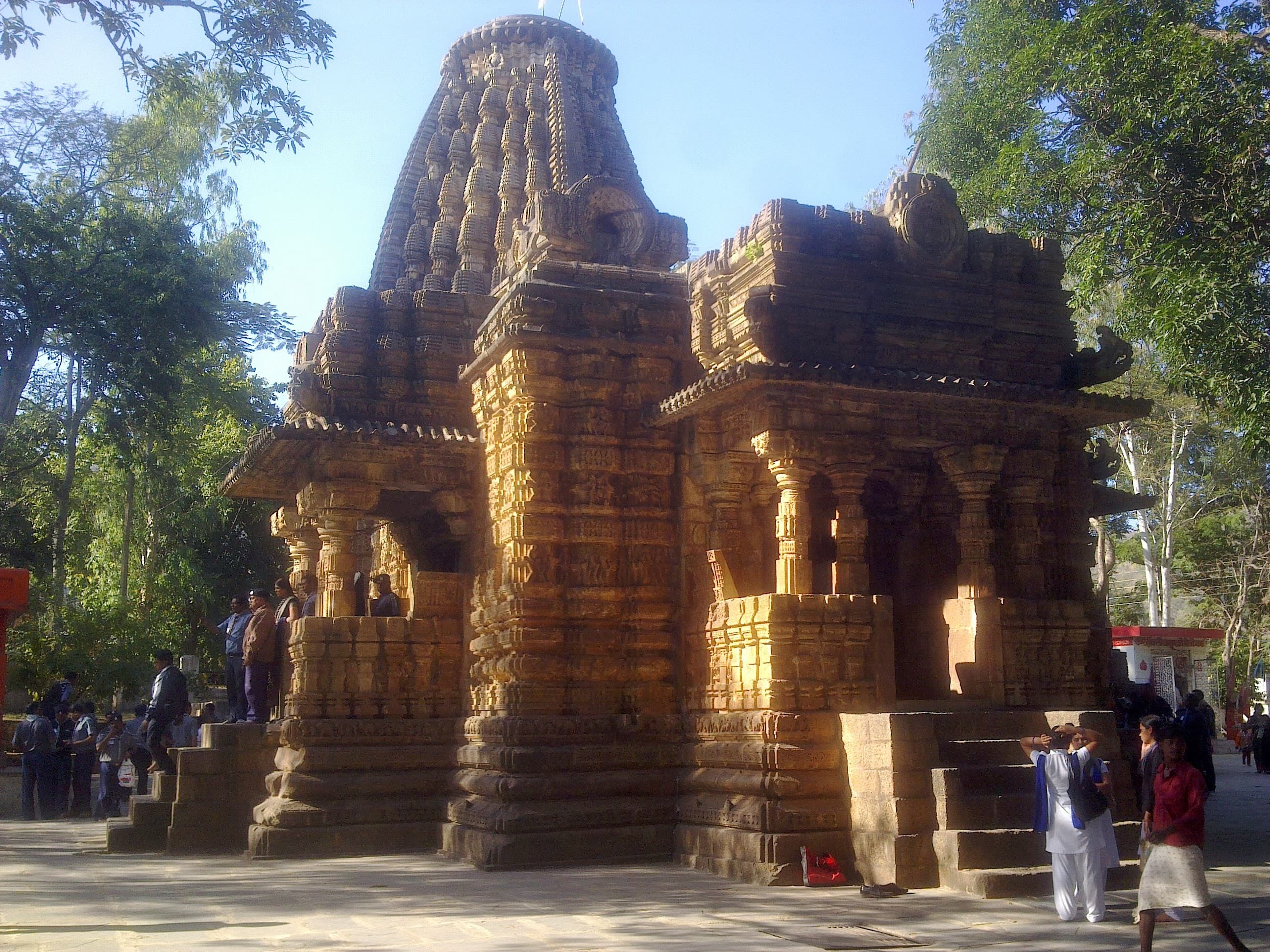
Granite and sandstone blocks, meticulously carved, form the Bhoramdeo Temple in Kabirdham, Chhattisgarh, a stunning example of 11th-century Indian architecture ([1][2]). Built around 1050 CE during the Kalachuri period, under the patronage of the Nagavanshi kings, this Hindu temple represents a seamless blend of Nagara and Bhumija architectural styles ([2][3]). The temple's intricate carvings narrate stories from the Ramayana and Mahabharata, offering insights into the daily life and artistic sensibilities of the era ([1][3][4]). During the Kalachuri period, temple architecture experienced significant development, influencing the construction of Bhoramdeo ([3][4]). The shikhara (spire) showcases the curvilinear elegance of the Nagara style, while the mandapa (pillared hall) features elaborate carvings ([2][5]). The Nagara style is characterized by its towering superstructure, while the Bhumija style, a regional variant, incorporates miniature spires attached to the main tower, adding complexity and visual richness ([5]). These architectural elements align with principles detailed in ancient texts like the *Vishnudharmottara Purana*, which discusses temple construction and iconography, as documented in the text ([6]). Also within the complex is the Madwa Mahal, adorned with celestial nymphs, enhancing the complex's spiritual allure ([1]). Beyond its artistic and architectural significance, Bhoramdeo's location amidst lush greenery, with the Maikal range as a backdrop, contributes to its tranquil ambiance ([4]). The gentle flow of the Jonk River further enhances the spiritual atmosphere, solidifying its status as a pilgrimage site ([5]). Bhoramdeo stands not only as the 'Khajuraho of Chhattisgarh' but also as a unique architectural marvel, embodying the rich heritage of ancient India, attracting pilgrims and tourists alike ([4][5]).
Shree Ghanapathy Temple Wimbledon
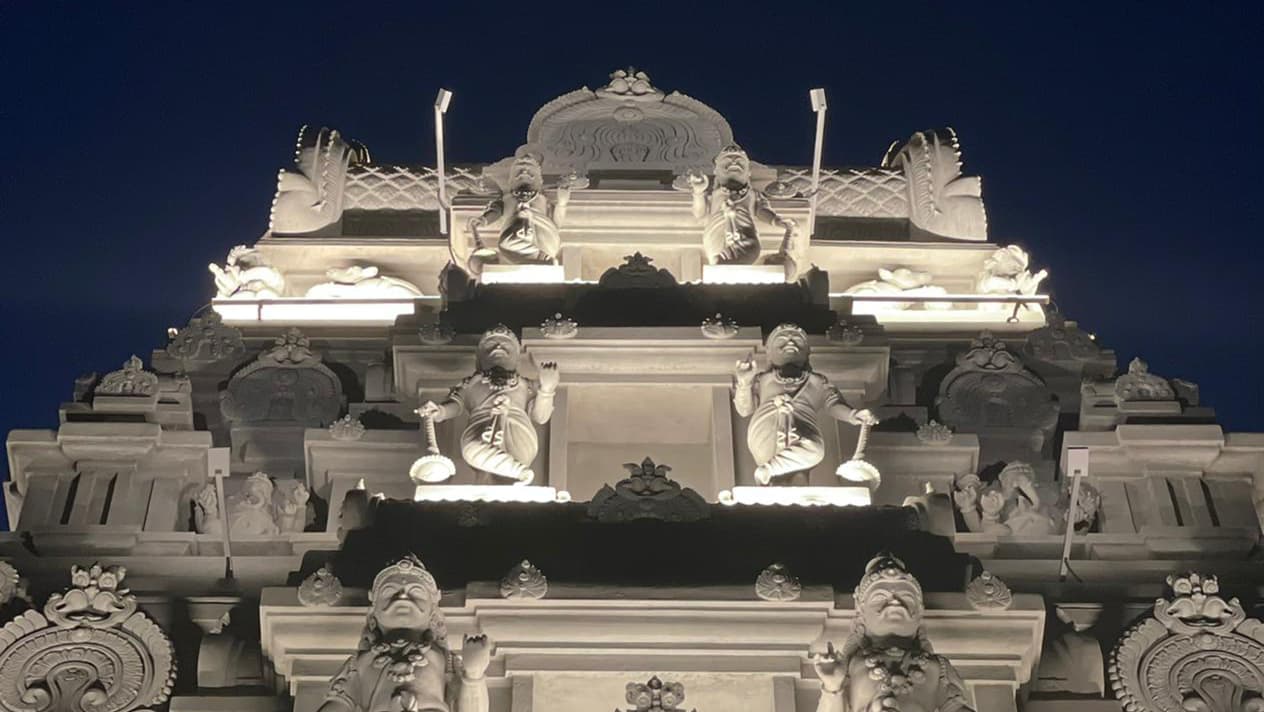
Shree Ghanapathy Temple Wimbledon was consecrated on 8 June 1981 by His Holiness Sri La Sri Sambamurthy Sivachariar, transforming a disused engineering works into the first purpose-built Hindu temple in Europe devoted to Sri Maha Ganapathy and the tutelary deities of London’s Saiva Tamil community ([1][2]). The temple opens daily 8:00 AM-1:00 PM and 4:00 PM-9:00 PM, with suprabhatam at 7:30 AM, ucha kaala puja at 12:00 PM, and evening arti at 7:00 PM. Pilgrims arrive through the granite-clad Rajagopuram (added 2005) into a marble mandapa that houses thirteen shrines including Ganapathy, Meenakshi-Sundareshwarar, Murugan with Valli and Deivanai, Durga, Navagraha, and the guardians of the 63 Nayanmars; priests conduct daily homa, abhishekam, and archana, while the Mahalakshmi community hall and Annapoorani kitchen serve weekday annadhanam and celebratory feasts ([1][3]). The temple broadcasts Araneri online radio, operates Saturday Tamil and Sanskrit schools, Bharatanatyam and mridangam academies, yoga therapy clinics, food bank collections, and immigration advice sessions. During Chithirai, Aadi, Navaratri, and Skanda Shasti, volunteer teams steward street processions that carry utsava murti around Wimbledon, coordinate flower-garland workshops, and prepare prasadam for thousands. Operational resilience comes from a building management hub overseeing HVAC, underfloor heating, lighting, and CCTV, while the charitable trust liaises with Merton Council to manage event road closures, waste recycling, and safeguarding for elders and children participating in temple activities ([1][4]).
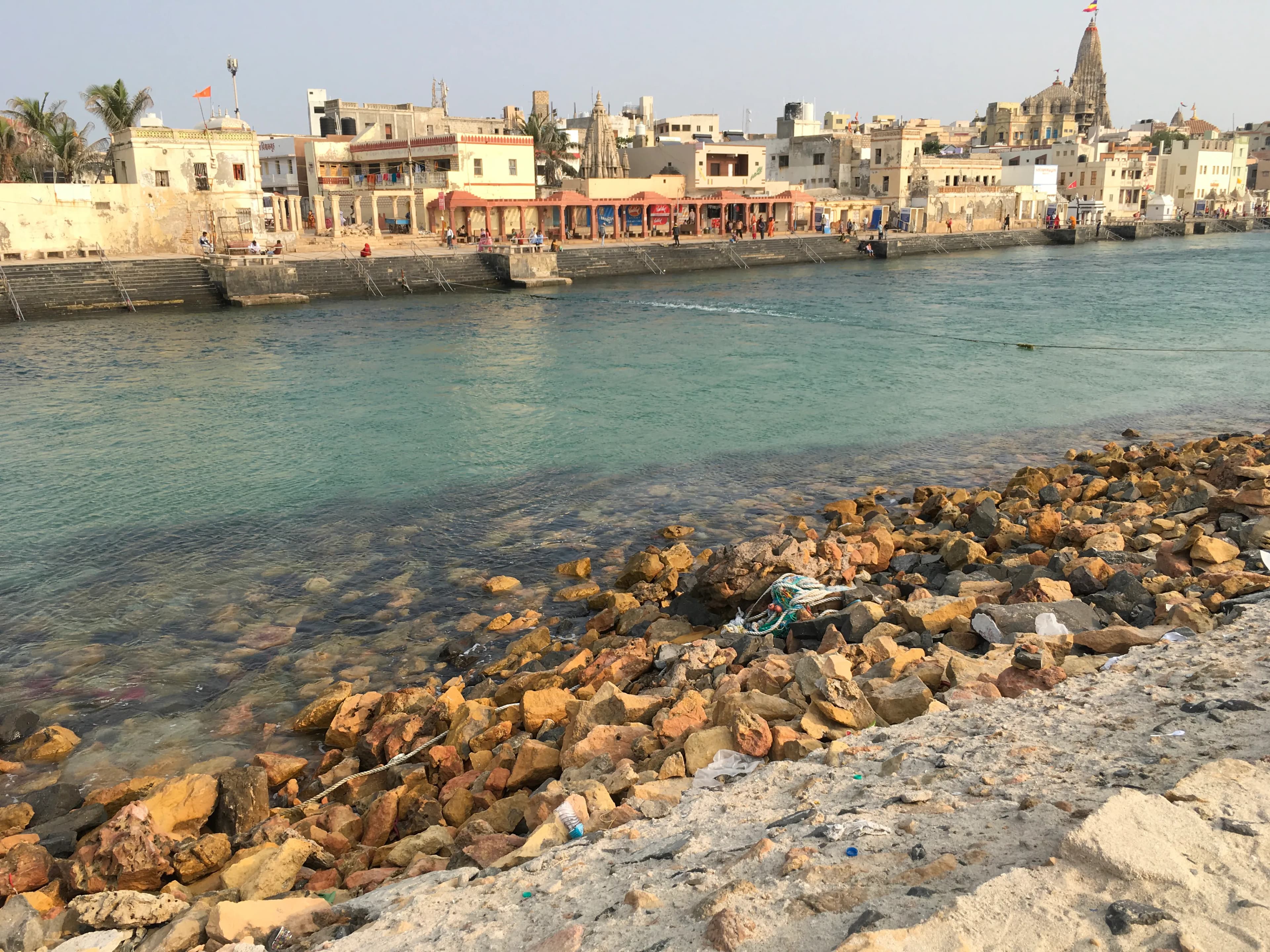
Dwarkadhish Temple Dwarka
The salty air, thick with the scent of incense and the murmur of chanting, welcomed me to the Dwarkadhish Temple. Rising from the western edge of Dwarka, where the Gomti River meets the Arabian Sea, the five-storied edifice, also known as the Jagat Mandir, seemed to breathe history. Its chalk-white facade, sculpted with intricate details, shimmered under the intense Gujarat sun. This wasn't just a temple; it was a narrative etched in stone, a testament to centuries of devotion and architectural prowess. My lens, accustomed to the sandstone hues of Madhya Pradesh's temples, was immediately captivated by the Chalukya style architecture. The temple's main spire, or shikhara, soared 78 meters high, a majestic beacon visible from miles away. Its surface, a tapestry of carved figures depicting deities, celestial beings, and scenes from Hindu mythology, was a visual feast. I spent hours circling the structure, adjusting my camera angles to capture the interplay of light and shadow on these miniature narratives. The intricate latticework jalis, or screens, offered glimpses of the inner sanctum, adding a layer of mystique to the already potent atmosphere. Ascending the steps, worn smooth by countless pilgrims, I entered the Sabha Mandap, the assembly hall. Here, the air was alive with the rhythmic chanting of mantras and the clang of bells. Fifty-six intricately carved pillars supported the hall's ceiling, each a masterpiece of craftsmanship. The sheer density of the carvings, depicting everything from floral motifs to epic battles, was overwhelming. I found myself drawn to the subtle variations in style, hinting at the contributions of different artisans across generations. The Garbhagriha, the inner sanctum where the deity of Lord Krishna, Dwarkadhish, resides, was a space of palpable reverence. Photography wasn't permitted inside, but the experience transcended the visual. The energy of the space, charged with centuries of prayer and devotion, was undeniable. It was a moment of quiet reflection, a pause in the whirlwind of capturing images. Beyond the main temple, the complex sprawled into a network of courtyards, shrines, and smaller temples. Each corner held a new discovery – a hidden carving, a weathered inscription, a glimpse into the temple's layered past. I was particularly fascinated by the ancient well, believed to be connected to the Gomti River, its water considered sacred. The stories woven around this well, passed down through generations, added another dimension to the temple's rich tapestry. The experience wasn't just about documenting the architecture; it was about absorbing the atmosphere. The constant flow of devotees, their faces etched with faith, the echoing chants, the scent of sandalwood – these sensory details became integral to my understanding of the Dwarkadhish Temple. It wasn't a static monument, but a living, breathing entity, constantly evolving with the ebb and flow of devotion. As the sun began to set, casting long shadows across the temple complex, I found myself on the Gomti Ghat, watching the evening aarti. The rhythmic chanting, the flickering lamps, and the vibrant colours of the setting sun created a scene of breathtaking beauty. It was a fitting end to a day spent immersed in the heart of Hindu devotion. My camera, though laden with images, could only capture a fraction of the experience. The true essence of Dwarkadhish Temple, its spiritual weight and historical significance, remained etched in my memory, a testament to the enduring power of faith and human artistry.
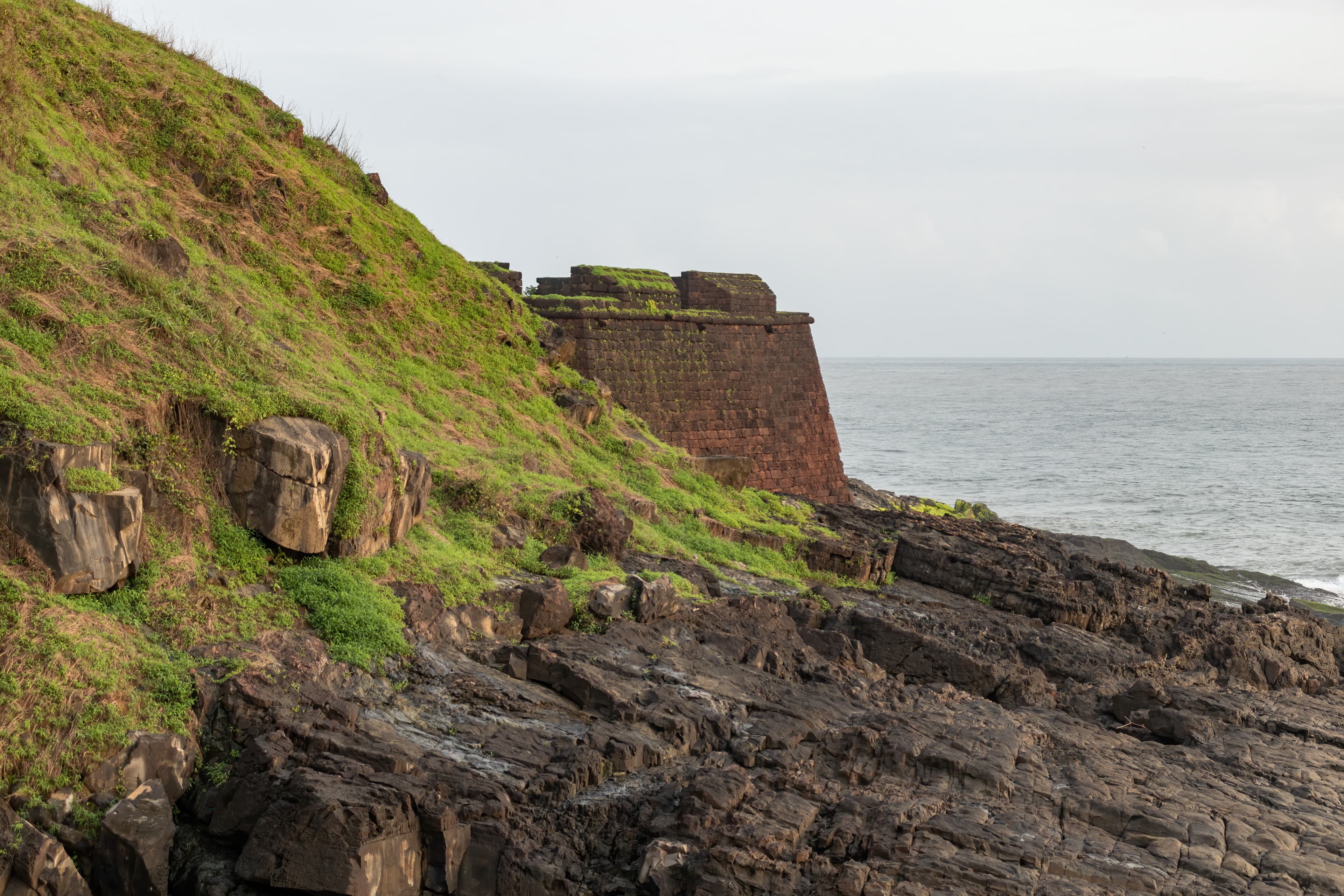
Aguada Fort Sinquerim Goa
Framing Goa's coastline is Aguada Fort, a *durg* (fortress) constructed in 1650 CE by the Portuguese, strategically positioned at the confluence of the Mandovi River and the Arabian Sea ([1][2]). The fort, built with laterite stone, exemplifies a fusion of European military design and subtle Indian influences ([3]). Its sturdy lower ramparts and strategic gun placements were intended to defend against Maratha incursions ([7]). Stone platforms and foundations underscore the fort's lasting resilience. Aguada, translating to 'water', features a freshwater spring, a prime example of *jala sthapathya* (hydraulic engineering), which supplied essential drinking water to ships ([8]). Added later, the lighthouse provides panoramic vistas. It's plausible that the fort's layout integrates *Vastu Shastra* principles, aligning structures with cardinal directions to optimize defensive capabilities and spatial harmony ([9]). However, specific textual references to *Vastu Shastra* applications within the fort's design require further documented evidence. Within the *Garbhagriha* (Sanctum) of Aguada Fort, a distinct cultural synthesis takes shape. The design elements reflect the architectural and cultural exchanges prevalent during the 17th century ([1][2]). The fort's architecture doesn't explicitly mirror the intricate details described in texts like the *Manasara Shilpa Shastra* or the *Mayamata*, which extensively cover temple construction and iconography. Instead, it represents an adaptation of European military architecture to the Indian context, utilizing locally available materials like laterite and basalt ([3]). The enduring laterite walls withstand the rigors of monsoon rains and coastal conditions, demonstrating remarkable durability ([3]). Preservation efforts at Aguada allow for appreciation of its architectural integrity. Aguada Fort embodies a unique chapter in Indo-Portuguese history, a testament to the architectural and cultural interactions of the 17th century, although direct correlations to Vedic texts or specific *Shilpa Shastras* remain limited ([1][2]).
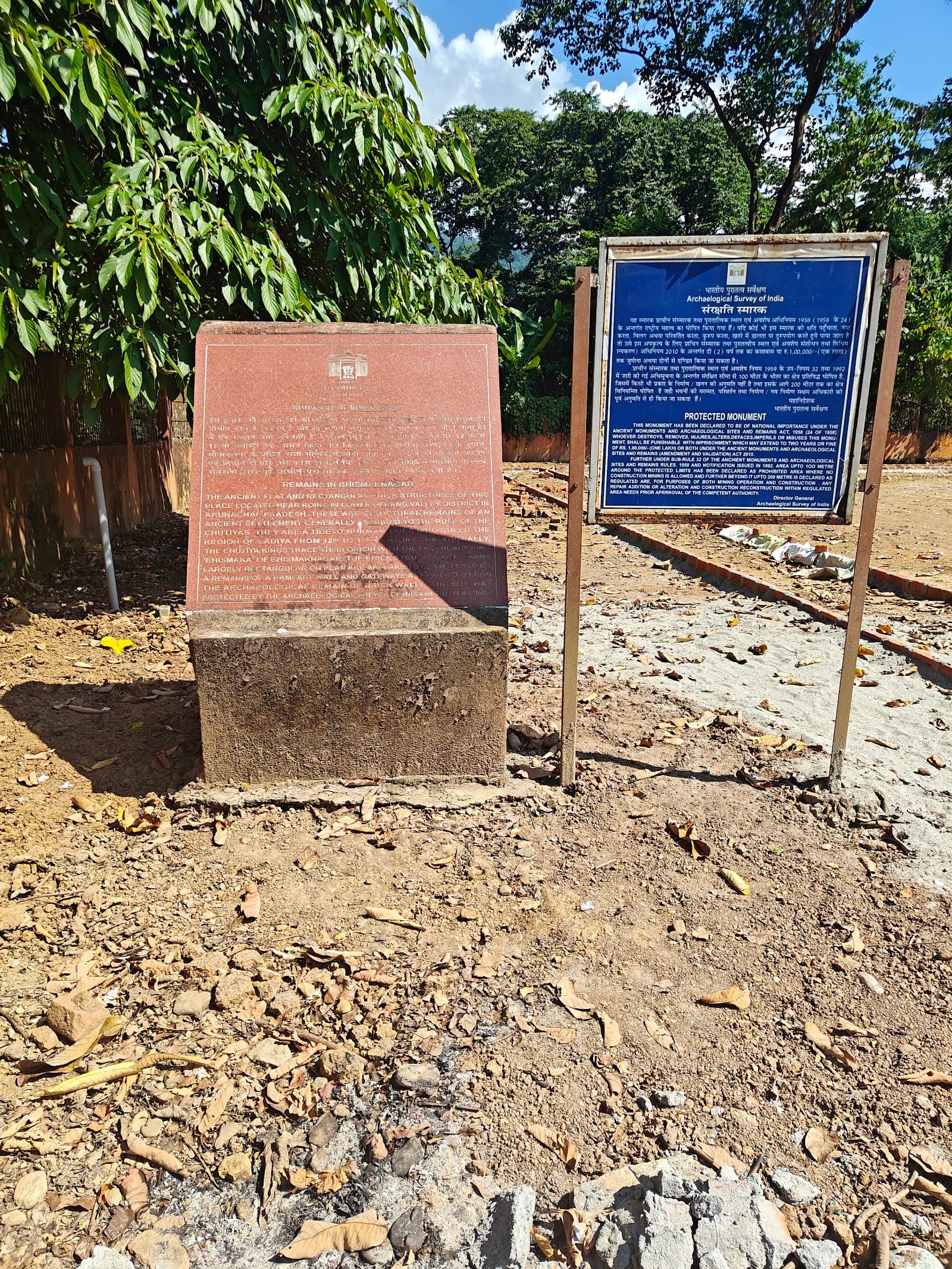
Bhismaknagar Fort Roing
Fired brick and mud brick construction techniques define Bhismaknagar Fort, erected around 1100 CE by the Chutia kingdom in Arunachal Pradesh ([1][2]). As an archaeological site in Khatan, Lower Dibang Valley, Roing, it represents a significant example of Tai Ahom architectural influence ([3]). Archaeological excavations have uncovered a sophisticated, sprawling complex, revealing the architectural prowess of this medieval kingdom ([4]). The fort's rectangular layout features ramparts and gateways, constructed primarily from brick, showcasing the ingenuity of the builders ([5]). Intricate carvings adorning the walls display geometric and floral motifs, reflecting the cultural richness of the Chutia kingdom ([2]). Unlike typical stone fortifications, Bhismaknagar utilized locally abundant clay, crafting large bricks without mortar ([1][5]). Stone platforms and foundations demonstrate a planned construction, hinting at residential and administrative functions ([3][4]). The use of burnt brick, stone, timber, and bamboo highlights the resourcefulness of the builders ([1][2][3]). During the Ahom Period, temple architecture, though not fully evident in Bhismaknagar's ruins, likely influenced the fort's design ([5]). The architectural style incorporates elements of medieval design, with a focus on functionality and defense ([3][4]). Vastu Shastra principles, the ancient Indian science of architecture, may have guided the layout and orientation of the fort, although specific textual references are not available ([5]). Bhismaknagar offers a glimpse into a forgotten era, a testament to the resilience and artistry of its creators ([1]). Bhismaknagar remains a significant archaeological site, linking us to India's diverse heritage ([2][3]). Further research and preservation efforts are crucial to understanding the full scope of its historical and architectural importance ([1][4]). The site stands as a reminder of the Chutia kingdom's legacy and their contribution to the region's cultural landscape ([2][5]).

Gunabati Temples Udaipur Tripura
The terracotta friezes of the Gunabati Group of Temples shimmered under the Tripura sun, a muted orange against the backdrop of lush green. Located a short distance from Udaipur, the former capital of the Tripura kingdom, this cluster of brick temples, though smaller in scale compared to some of Gujarat's colossal structures, held a unique charm. My journey from the arid landscapes of Kutch to the humid embrace of Tripura had already been a study in contrasts, and Gunabati proved to be yet another fascinating chapter. The complex, dedicated to various deities, is dominated by two main temples. The larger one, dedicated to Lord Shiva, immediately drew my attention. Its square base, typical of the region's architecture, rose in a gently curving pyramidal shikhara, culminating in a rounded finial. The surface was richly adorned with terracotta panels depicting scenes from Hindu mythology – Krishna leela, episodes from the Ramayana, and processions of celestial beings. Unlike the intricately carved stonework I'm accustomed to in Gujarat, these terracotta reliefs possessed a rustic, almost primal quality. The figures, though stylized, were expressive, their narratives unfolding across the temple walls like an ancient storybook. I circled the temple, my fingers tracing the weathered surfaces of the terracotta panels. The dampness in the air, a stark contrast to the dry heat of my homeland, seemed to cling to the brickwork, imbuing the temple with a sense of age and mystery. The smaller temple, dedicated to Chaturmukha Shiva (four-faced Shiva), stood nearby. Its unique feature was the four identical doorways, each facing a cardinal direction, leading to a central chamber housing the deity. The terracotta ornamentation here was sparser, but the architectural symmetry was striking. As I stepped inside the main temple, the air grew heavy with the scent of incense and marigold garlands. The inner sanctum, though dimly lit, revealed a simple Shiva lingam, the object of reverence for generations of devotees. The cool, dark interior offered respite from the midday sun, and I spent a few moments absorbing the quiet spirituality of the space. The echoes of ancient chants seemed to resonate within the thick walls, whispering tales of devotion and faith. What struck me most about Gunabati was its intimate scale. Unlike the sprawling temple complexes of Gujarat, this cluster felt more personal, more connected to the local community. I observed families performing pujas, their whispered prayers mingling with the rustling of leaves in the surrounding trees. Children played in the courtyard, their laughter echoing against the ancient brickwork. This vibrant tapestry of faith and everyday life woven into the fabric of the temple complex was truly captivating. The preservation efforts, however, seemed somewhat lacking. While the structural integrity of the temples appeared sound, the terracotta panels showed signs of weathering and erosion. Some panels were damaged, their intricate details lost to the ravages of time and neglect. It saddened me to see this rich artistic heritage slowly fading away. I compared this to the meticulous preservation efforts undertaken at sites like Rani ki Vav in Gujarat, and felt a pang of concern for the future of Gunabati. Leaving the temple complex, I carried with me a sense of quiet admiration for the artistry and devotion that had shaped this unique site. Gunabati stands as a testament to the rich cultural heritage of Tripura, a hidden gem waiting to be discovered and cherished. It is a reminder that architectural marvels don't always have to be grand in scale to be profound in their impact. And it is a plea, whispered in the rustle of the leaves and the crumbling terracotta, for greater attention to the preservation of these invaluable treasures.
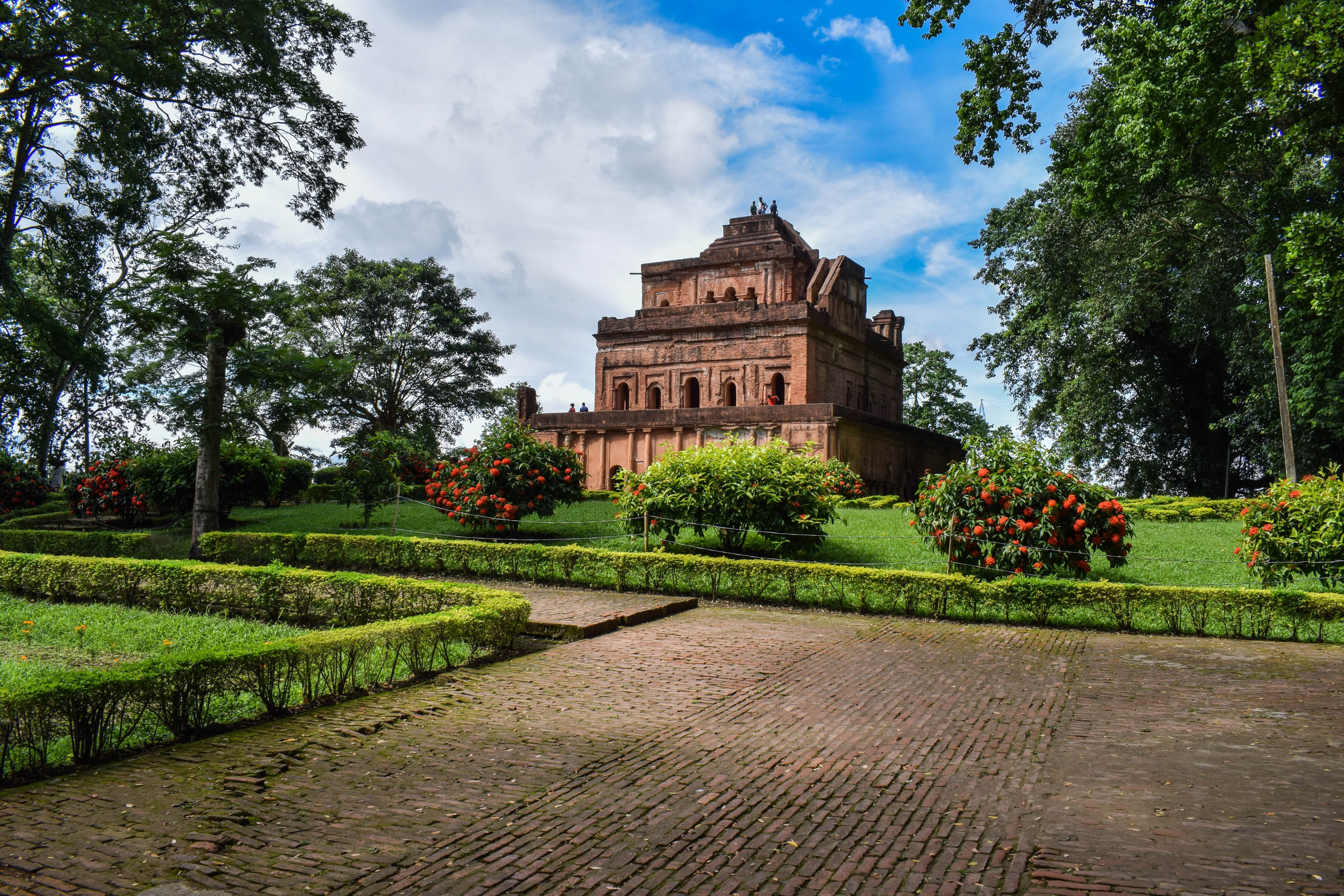
Kareng Ghar Garhgaon
The imposing brick-red ruins of Kareng Ghar rise from the Assam plains near Garhgaon, a silent testament to the grandeur of the Ahom kingdom. Having explored every UNESCO site in India, I can confidently say that Kareng Ghar holds a unique charm, a raw, almost melancholic beauty distinct from the polished magnificence of other historical palaces. It's not a pristine, perfectly preserved monument, but that's precisely what makes it so compelling. The crumbling walls whisper stories of a dynasty that ruled Assam for six centuries. My visit began at the main entrance, a once-grand gateway now reduced to a skeletal arch. Stepping through, I was immediately struck by the sheer scale of the complex. Although much of it lies in ruins, the layout still conveys the original opulence. Imagine courtyards bustling with activity, elephants adorned in finery, and the air thick with the scent of incense and spices – the remnants practically vibrate with the echoes of the past. Kareng Ghar, meaning "Royal Palace" in the Ahom language, wasn't just a single structure but a sprawling complex encompassing living quarters, audience halls, temples, and even an amphitheater. The architecture is a fascinating blend of Ahom traditions and influences from neighboring kingdoms. The use of burnt brick is striking, especially considering the prevalence of stone in many other Indian palaces. This choice, I learned, was dictated by the readily available materials in the region. The bricks, laid without mortar in some sections, showcase the ingenuity of Ahom construction techniques. I spent hours wandering through the ruins, tracing the outlines of former rooms and imagining their function. The palace walls, once plastered and decorated, now bear the scars of time and neglect. Yet, these imperfections only add to the site's poignant beauty. I noticed intricate carvings on some of the surviving brickwork, depicting floral motifs and mythical creatures, offering glimpses into the artistic sensibilities of the Ahom era. One of the most impressive structures within the complex is the Talatal Ghar, a multi-storied brick building believed to have served as a secret escape route and underground chambers. Descending into its cool, dimly lit interiors felt like stepping back in time. The ingenious system of tunnels and hidden passages evokes a sense of intrigue and mystery. It's easy to imagine the Ahom royals using these secret routes during times of conflict. Further exploration revealed the remains of the Garhgaon Rong Ghar, a two-storied pavilion used for royal sports and entertainment. Its octagonal shape and intricate roof design, though damaged, still hint at its former glory. I could almost picture the Ahom kings and nobles watching games and performances from this vantage point. My visit to Kareng Ghar wasn't just about admiring the architecture; it was about connecting with a tangible piece of history. Unlike meticulously restored sites, Kareng Ghar allows for a more visceral experience. The crumbling walls, the overgrown vegetation, and the palpable silence create an atmosphere of reflection. It's a place where one can truly contemplate the rise and fall of empires, the ephemeral nature of power, and the enduring legacy of human ingenuity. As I left Kareng Ghar, the setting sun casting long shadows across the ruins, I felt a profound sense of awe and melancholy. It's a site that deserves more attention, not just for its historical significance but also for its unique, haunting beauty. It's a reminder that sometimes, the most compelling stories are told not by pristine monuments, but by the whispers of ruins.
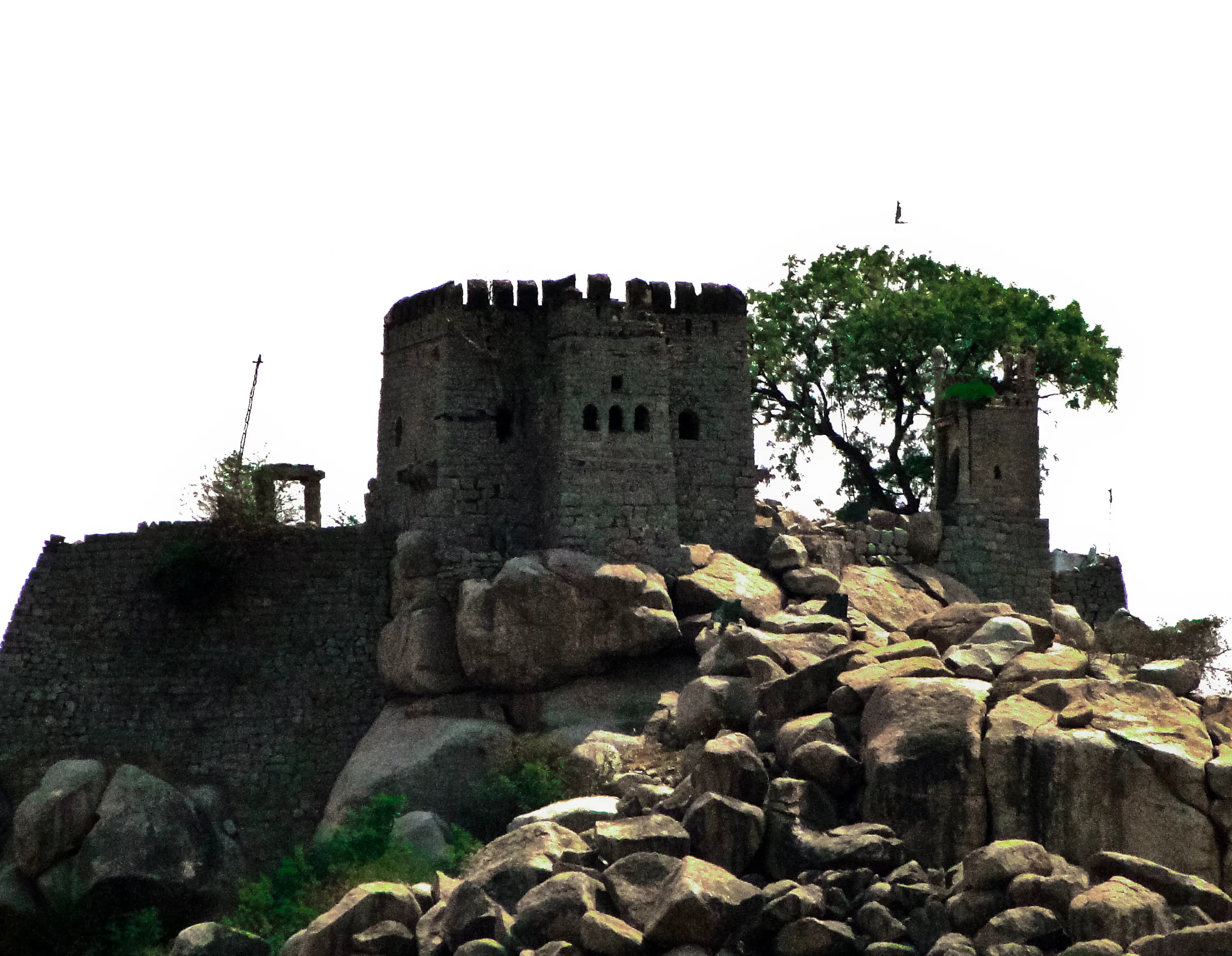
Raichur Fort Raichur
The sun beat down on the Deccan plateau, baking the ochre earth a shade darker as I approached the imposing Raichur Fort. Having explored countless Rajput strongholds in Rajasthan, I was eager to see how this Karnataka fortress, steeped in a different history and architectural tradition, would compare. The sheer scale of the fort, sprawling across a rocky hill overlooking the Krishna River, was immediately impressive. Unlike the sandstone grandeur of Rajasthan, Raichur’s walls were built of dark, rugged granite, giving it a more austere, almost forbidding appearance. My climb began through a series of gateways, each a testament to the fort’s layered past. The earliest structures, dating back to the Kakatiya dynasty, were simpler, more functional. As I ascended, I encountered the architectural fingerprints of later rulers – the Vijayanagara Empire, the Bahmani Sultanate, and even the Nizams of Hyderabad – all leaving their mark on this strategic location. The arches transitioned from the stepped pyramidal style of the Kakatiyas to the more ornate, curved arches favored by the Islamic rulers. This fusion of styles, a visual representation of the region’s complex history, was fascinating. Reaching the upper ramparts, I was rewarded with panoramic views of the surrounding plains. The strategic importance of Raichur Fort became instantly clear. From this vantage point, armies could control the fertile Krishna river valley and monitor movement for miles. I could almost envision the clash of armies, the siege engines pounding against the thick walls, the desperate struggles for control that played out over centuries. One of the most intriguing features of Raichur Fort is the presence of two large cylindrical structures, known as the Ek Minar and the Dhai Minar. While their exact purpose remains debated, some historians believe they served as granaries, while others suggest they were observation towers or even ceremonial structures. The Ek Minar, as the name suggests, stands solitary and incomplete, its top broken off, leaving it a silent witness to the ravages of time. The Dhai Minar, meaning “two-and-a-half minaret,” is taller and more intact, offering a breathtaking view from its summit. Climbing the narrow, winding staircase within the Dhai Minar was a slightly unnerving but ultimately rewarding experience. Within the fort’s walls, I discovered a maze of crumbling palaces, mosques, and underground chambers. The remnants of intricate carvings and faded frescoes hinted at the grandeur that once existed within these now-ruined halls. The Rani Mahal, or Queen’s Palace, though largely in ruins, still retained a sense of elegance, with its arched doorways and remnants of decorative plasterwork. The mosque, with its simple yet elegant arches and a large courtyard, offered a peaceful respite from the sun. Exploring the underground chambers, locally known as “patalganga,” was a particularly memorable experience. Descending into the cool darkness, guided only by the faint light filtering through the narrow openings, I felt a palpable sense of history. These chambers, believed to have been used for storage or as secret escape routes, evoked a sense of mystery and intrigue. Unlike the meticulously preserved forts of Rajasthan, Raichur Fort bears the scars of time and neglect. Yet, this very state of ruin adds to its charm, allowing the imagination to run wild, reconstructing the fort’s glorious past. It’s a place where history whispers from every crumbling wall, every broken arch, and every silent chamber. It’s a testament to the enduring power of the past, a place where the stories of empires rise and fall, etched in stone and whispered on the wind. Leaving Raichur Fort, I carried with me not just images of its impressive architecture, but a deeper understanding of the complex tapestry of history that has shaped this region of India. It’s a place that deserves to be explored, understood, and preserved for generations to come.
Quick Links
Plan Your Heritage Journey
Get personalized recommendations and detailed visitor guides