Has Inheritage Foundation supported you today?
Your contribution helps preserve India's ancient temples, languages, and cultural heritage. Every rupee makes a difference.
Secure payment • Instant 80G certificate
Shree Jagannatha Temple UAE
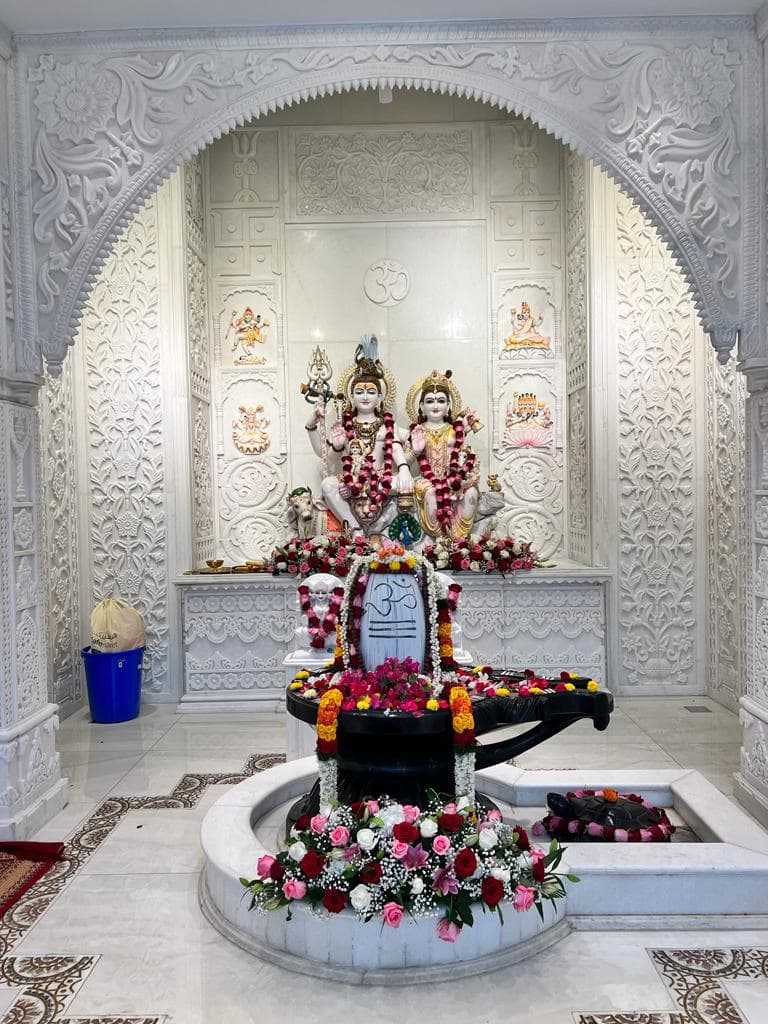
The Shree Jagannatha Temple, situated in Plot No. 37, Jebel Ali Industrial Area 1, Dubai, United Arab Emirates, stands as a profound embodiment of India's millennia-spanning cultural heritage, dedicated to Lord Jagannatha, a revered deity deeply rooted in the spiritual traditions of India [4] [5]. Consecrated in 2022 CE, this temple meticulously adheres to the indigenous Kalinga Nagara architectural style, reflecting a continuous tradition of Indian civilization that has evolved over thousands of years [2] [3]. The architectural design faithfully replicates the distinctive features of Odishan temple architecture, a prominent regional variation within the broader Nagara style [2] . The temple complex is distinguished by its construction primarily with white marble, featuring intricately carved pillars and elaborate geometric designs on its facade, which subtly integrate both Hindu and local aesthetic influences [1]. A notable architectural element is the expansive 3D-printed pink lotus motif that unfurls across the central dome, symbolizing purity and divinity while showcasing a blend of traditional artistry with modern fabrication techniques [1]. The Kalinga Nagara style is fundamentally composed of a Rekha Deula, which houses the sanctum sanctorum (garbhagriha), and a Pidha Deula, serving as the assembly hall (jagamohana) [2] [3]. The Rekha Deula is characterized by its curvilinear shikhara (spire), which ascends gracefully from a perpendicular wall section known as the bada, culminating in a mastaka (crowning element) adorned with an amalaka and kalasha [3]. In contrast, the Pidha Deula features a distinctive pyramidal roof, constructed from a series of diminishing flat platforms, typically topped with an amalaka [3]. While precise dimensions for the Dubai temple's individual components are not extensively publicized, its design principles rigorously follow these established Kalinga Nagara proportions and spatial arrangements, creating a sacred environment that resonates with ancient Indian temple layouts [2]. The interior of the temple enshrines sixteen deities, with the principal triad of Lord Jagannatha, Balabhadra, and Subhadra occupying the central position [1]. The iconography of Lord Jagannatha, uniquely depicted with large, circular eyes and the absence of fully formed limbs, is faithfully rendered, symbolizing his all-encompassing vigilance and reliance on the profound devotion of his followers, a spiritual meaning deeply embedded in Indian mythology [4] [5]. Decorative elements throughout the temple, including traditional bells suspended from the ceiling, enhance the authentic temple ambiance [1]. The construction techniques employed integrate contemporary engineering practices with traditional aesthetic principles to ensure both structural integrity and longevity, particularly adapted to the environmental conditions of the region. The Shree Jagannatha Temple UAE is fully operational, having received its license from the Dubai Community Development Authority, and actively participates in the UAE Year of Tolerance programming, underscoring its role in fostering interfaith understanding and cultural exchange [1]. It serves as a partner site for Incredible India tourism promotion, showcasing the enduring legacy of Indian culture on a global stage. The temple is designed to accommodate a substantial number of devotees, with a capacity for 1,000 to 1,200 worshippers daily, and utilizes a QR-code-based appointment system for efficient crowd management, ensuring both accessibility and a serene visitor experience [1]. This modern temple thus functions as a vibrant cultural and spiritual hub, preserving and propagating the ancient traditions of Jagannatha worship and Kalinga Nagara architecture, thereby extending India's profound and continuous cultural legacy into the 21st century.
Shri Guruvayurappan Temple UAE
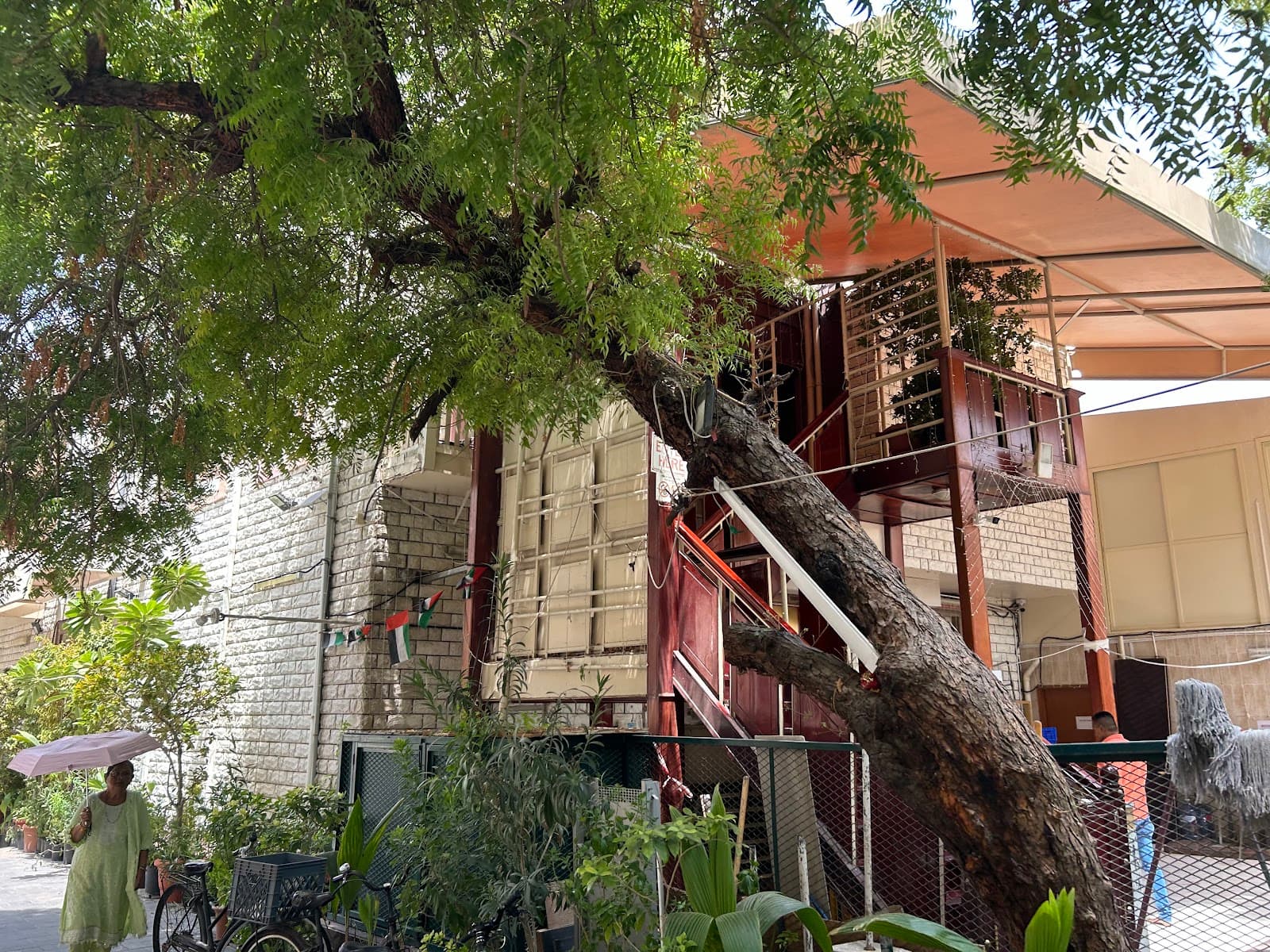
Shri Guruvayurappan Temple UAE, consecrated in 2013 after a decade of Kerala community fund-raising, transplants the ambiance of Guruvayur's Chuttambalam to Al Quoz with a granite-clad sanctum, Kerala-style copper-draped kodimaram (flagstaff), nadappura verandah circling the garbhagriha, and daily Sopana Sangeetham bhajans accompanied by edakka and chenda drummers ([1][2]). The 35,000-square-foot complex houses Lord Guruvayurappan with Guruvayur's Parthasarathi idol, Mahaganapathy, Ayyappa, Bhagavathy, and Navagraha shrines, as well as a Nalambalam corridor for clockwise pradakshina. The interior replicates Kerala temple proportions: teak beam ceilings, oil-lamp-lined corridors, and granite flooring cooled by traditional vedi (ventilation shafts). A 24-hour Nirmalya darshan schedule serves early commuters; Usha Pooja, Pantheeradi Pooja, Ucha Pooja, Deeparadhana, and Athazha Pooja bookend the day, with Thiruvathira and Ekadasi fasts drawing thousands. The cultural wing includes a Kathakali rehearsal hall, Carnatic classrooms, Sanskrit and Malayalam tutoring rooms, Ayurveda clinic, annadhanam kitchen, and digital library archiving palm-leaf manuscripts.
Neermahal Palace Melaghar Tripura
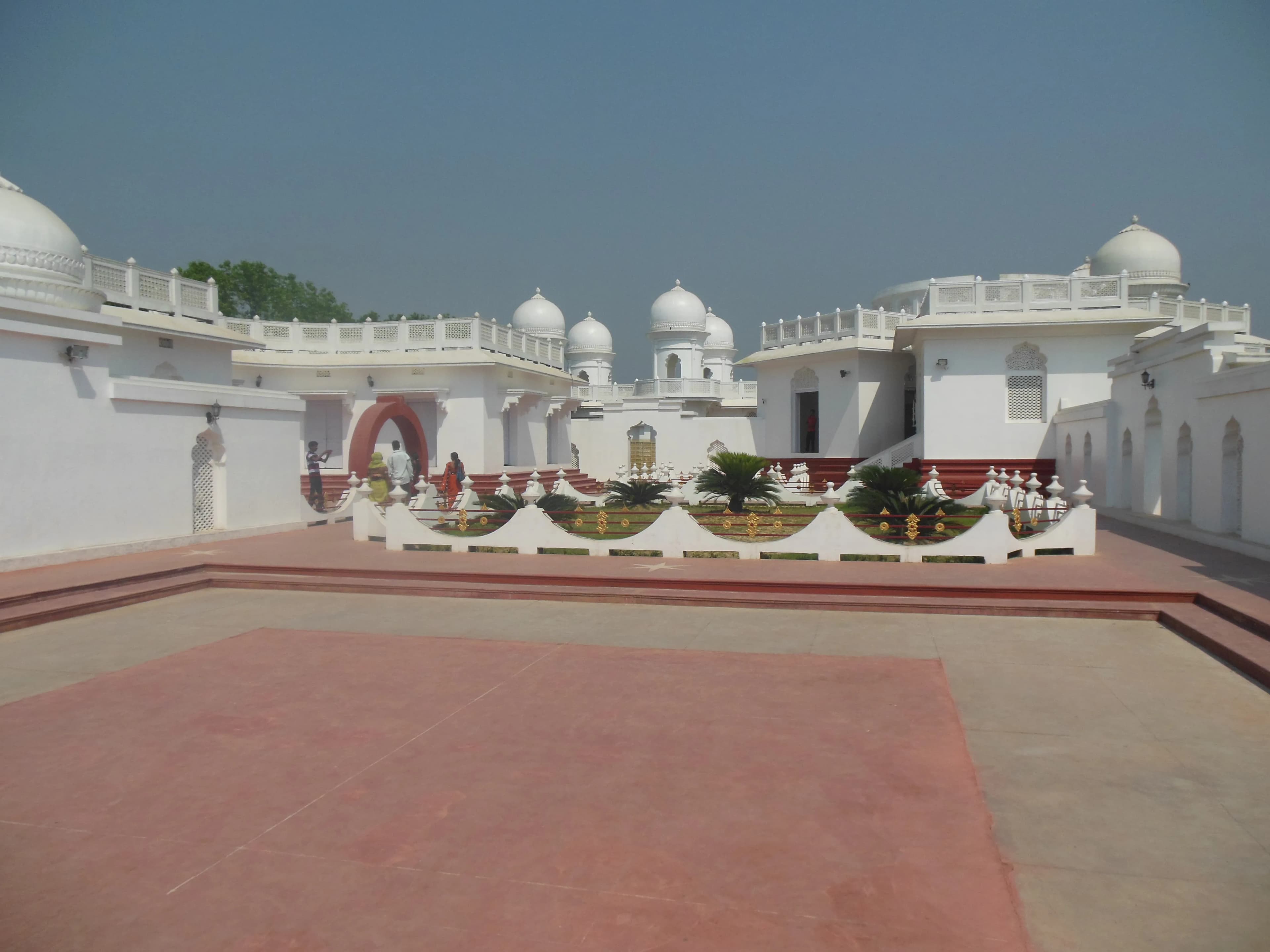
The shimmering reflection of Neermahal Palace rippled across Rudrasagar Lake, a sight that instantly justified the long journey to Melaghar, Tripura. The "Lake Palace," as it's often called, isn't the imposing sandstone behemoth one might expect from Rajasthan, but rather a unique blend of Hindu and Mughal architectural styles, a testament to Maharaja Bir Bikram Kishore Manikya Bahadur's vision in the early 20th century. Having documented over 500 monuments across India, I've become accustomed to the grandeur of empires past, but Neermahal held a distinct charm, a quiet dignity amidst the placid waters. The boat ride to the palace itself is an experience. The lake, vast and serene, creates a sense of anticipation, the palace gradually growing larger, its white and light pink facade becoming clearer against the backdrop of the green hills. As we approached, the intricate details began to emerge – the curved arches, the ornate domes, the delicate floral motifs. The blend of styles is striking. The domes and chhatris speak to the Mughal influence, while the overall structure, particularly the use of timber and the sloping roofs, leans towards traditional Hindu architecture. This fusion isn't jarring; it feels organic, a reflection of the cultural confluence that has shaped this region. Stepping onto the landing, I was immediately struck by the scale of the palace. It's larger than it appears from afar, spread across two courtyards. The western courtyard, designed for royal functions, is grand and open, while the eastern courtyard, the zenana, or women's quarters, is more intimate, with smaller rooms and balconies overlooking the lake. This segregation, typical of many Indian palaces, offers a glimpse into the social structures of the time. The interior, while sadly showing signs of neglect in places, still retains echoes of its former glory. The durbar hall, with its high ceilings and remnants of intricate plasterwork, speaks of lavish gatherings and royal pronouncements. The smaller rooms, once vibrant with life, now stand silent, their peeling paint and crumbling walls whispering stories of a bygone era. I spent hours exploring these spaces, my camera capturing the interplay of light and shadow, documenting the decay as much as the remaining beauty. One of the most captivating aspects of Neermahal is its setting. The lake isn't merely a backdrop; it's integral to the palace's identity. The reflection of the palace on the still water creates a mesmerizing visual, doubling its impact. The surrounding hills, covered in lush greenery, add another layer to the picturesque scene. I noticed several strategically placed balconies and viewing points, designed to maximize the views of the lake and surrounding landscape. It's clear that the Maharaja, a known connoisseur of beauty, intended for Neermahal to be a place of leisure and aesthetic appreciation. My visit to Neermahal wasn't just about documenting the architecture; it was about experiencing a place frozen in time. It was about imagining the lives lived within those walls, the laughter and music that once filled the courtyards, the boats gliding across the lake carrying royalty and guests. It was about witnessing the inevitable passage of time, the slow but relentless decay that affects even the grandest of structures. Neermahal, in its present state, is a poignant reminder of the impermanence of things, a beautiful ruin that continues to captivate and inspire. It's a place that deserves to be preserved, not just for its architectural significance, but for the stories it holds within its crumbling walls.
Arunachaleswarar Temple Tiruvannamalai
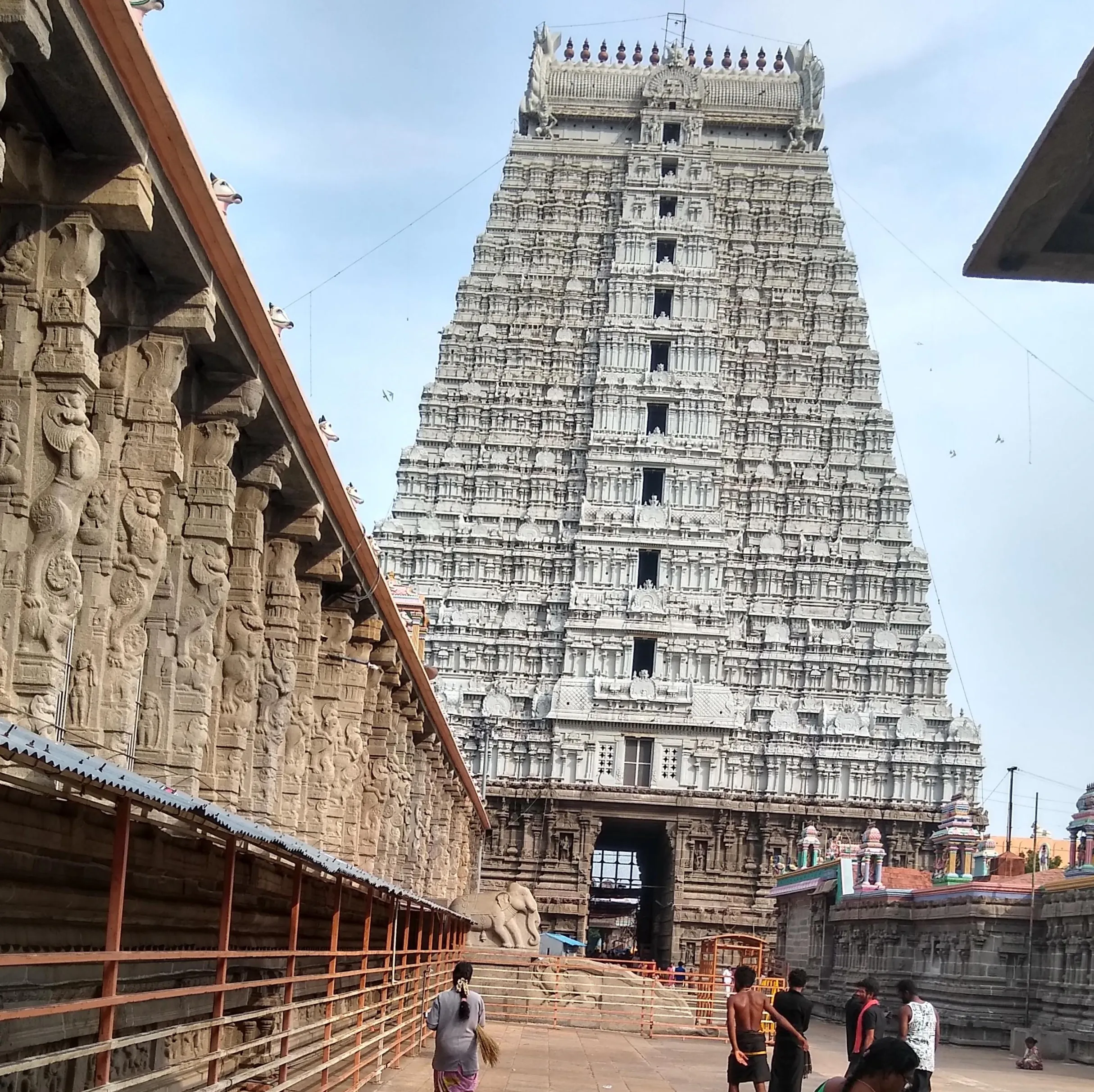
The colossal gopurams of Arunachaleswarar Temple in Tiruvannamalai dominate the landscape, a testament to Dravidian temple architecture ([1]). Approaching the temple, the sheer scale is striking, with nine towering gopurams intricately sculpted with deities ([2][3]). The Rajagopuram, an 11-tiered eastern gateway, exemplifies the temple's grandeur and serves as the primary entrance ([4]). Intricate carvings adorning the walls depict scenes from Hindu mythology, showcasing the artistic skills of the artisans who worked on the temple ([5]). Within the Garbhagriha (Sanctum), the lingam representing Shiva is the focal point of devotion, drawing devotees from far and wide ([6]). The temple, built around 850 CE during the Chola period, reflects the dynasty's patronage of art and architecture ([7][8]). Granite and sandstone blocks, meticulously carved, form the structural components of this sacred space ([9]). During the Chola period, temple architecture reached new heights, with an emphasis on elaborate ornamentation and towering structures ([10]). Vastu Shastra principles, the ancient Indian science of architecture, likely guided the temple's layout and design, ensuring harmony and balance ([11]). The thousand-pillared hall, or Mandapa (Pillared Hall), displays geometric patterns, a contrast to the figurative sculptures found elsewhere ([12]). The Kambathu Amman Sannadhi, dedicated to Parvati, offers a serene space for contemplation and prayer ([13]). Circling the temple on the Girivalam path reinforces the temple's spiritual significance, a practice deeply rooted in Hindu tradition ([14]). The walls of the temple serve as a canvas of history, with inscriptions in ancient Tamil script and architectural additions from various dynasties ([15]). These inscriptions provide valuable insights into the temple's history and the socio-cultural context of the time ([16]). Arunachaleswarar Temple embodies the artistic genius of Dravidian architecture, a legacy that continues to inspire awe and reverence ([17]).
Sri Karphaga Vinayakar Temple Homebush West
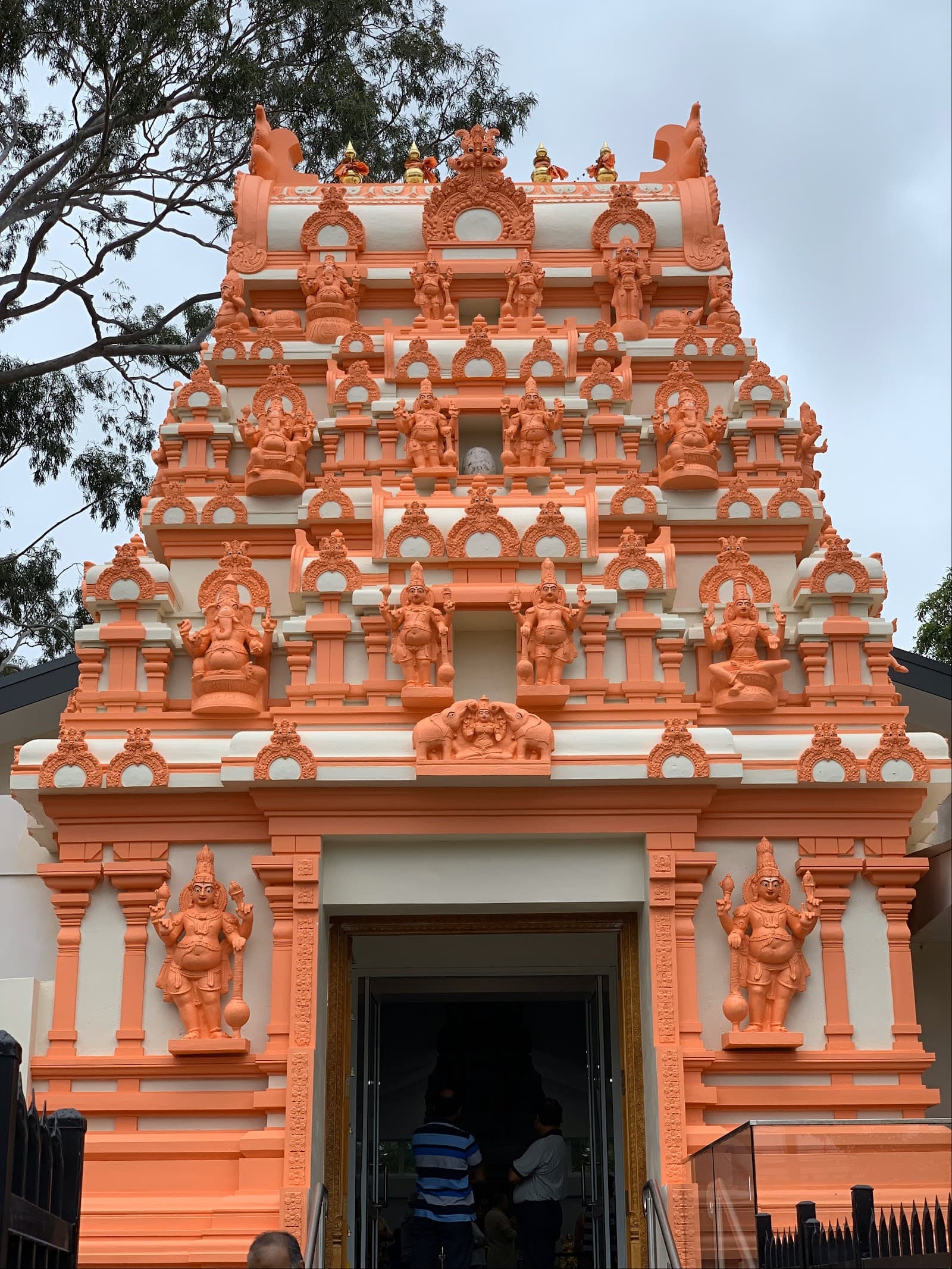
Sri Karphaga Vinayakar Temple Homebush West is dedicated to Lord Ganesha and anchors Sydney’s Inner West as a Dravidian mandir integrated within a heritage-listed former Presbyterian church shell ([1][2]). Daily darshan runs 6:00 AM-12:00 PM and 4:00 PM-9:00 PM, with special Vinayagar Chaturthi, Skanda Sashti, and Panguni Uthiram observances extending to 10:30 PM; ushers stage the nave with retractable queue rails so devotees flow through the nave, circumnavigate the sanctum, and exit via the south transept without cross-traffic ([1][3]). The annadhanam kitchen occupies the church hall annex, fitted with stainless benches, induction hobs, and grease arrestors, while a dumbwaiter lifts prasadam to the upper gallery for elders ([1][4]). Accessible entries include a 1:14 ramp along Arthur Street, tactile paving, and a small platform lift that bridges the chancel step, ensuring wheelchair users reach the brass railing before the sanctum ([2]). Climate control uses split-system HVAC with HEPA filtration and ceiling fans to maintain comfort in the vaulted interior, and acoustic panels tucked behind timber trusses keep devotional music within safe levels ([3]). Digital signage and QR codes deliver trilingual Tamil-English-Hindi schedules, contactless seva bookings, and City of Strathfield evacuation diagrams, while a broadcast booth near the former organ loft live-streams pujas for remote devotees ([1][5]). With fire wardens rostered, first aid kits stocked, and volunteer teams drilled, the temple remains operationally ready for daily worship, youth programs, and civic partnerships across the Homebush community ([1][2]).
Champa Museum Da Nang Temple Relics Da Nang Vietnam
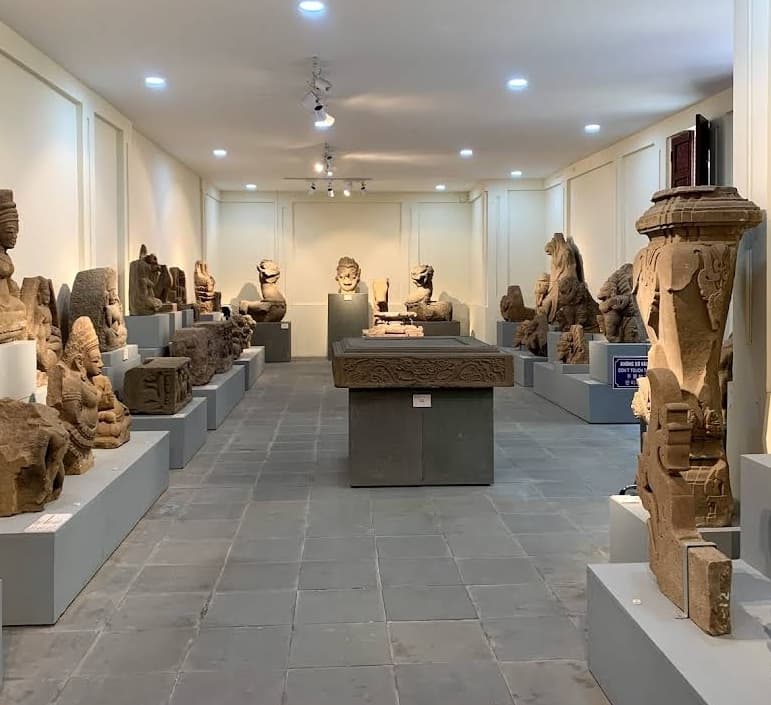
Housed within Da Nang, Vietnam, the Museum of Cham Sculpture stands as a repository of Cham art, illustrating the historical and cultural interchange between India and Southeast Asia ([1][2]). Established in 1919 by the École Française d'Extrême-Orient (EFEO), the museum exhibits over 300 sculptures and architectural relics originating from Cham temple sites constructed between the 7th and 15th centuries CE ([1]). These artifacts provide insights into the religious and artistic traditions of the Cham people, heavily influenced by Indian Hinduism ([2]). Intricate carvings adorning the walls depict Hindu deities such as Shiva, Vishnu, and Brahma, reflecting the dissemination of Indian iconographic conventions throughout the region ([2]). Granite and sandstone blocks, meticulously carved, constitute lintels, pediments, and door frames, portraying scenes drawn from Hindu mythology and Cham royal ceremonies ([1][2]). These sculptures suggest the adoption and adaptation of Indian artistic styles within the Cham civilization. Archaeological excavations have uncovered Sanskrit inscriptions, offering tangible proof of the transmission of Indian religious scriptures and practices ([2]). Vastu Shastra principles, the ancient Indian science of architecture, are discernable in the temple layouts, integrated with indigenous Cham construction methods ([1]). The influence of Indian architectural treatises, such as the Manasara Shilpa Shastra, can be observed in the proportional guidelines and spatial arrangements of several temple structures ([3]). During its history, temple architecture evolved, blending Indian Hindu elements with local Cham artistic sensibilities ([1][2]). The collection, arranged chronologically, enables visitors to trace the development of Cham Hindu art across centuries, emphasizing the cultural fusion between India and Cham ([1][2]). Today, the museum preserves this heritage, ensuring its accessibility for future study and appreciation ([1]). The museum serves as a vital link connecting the cultural heritage of India with that of Southeast Asia ([4][5]).
Durga Mandir Varanasi
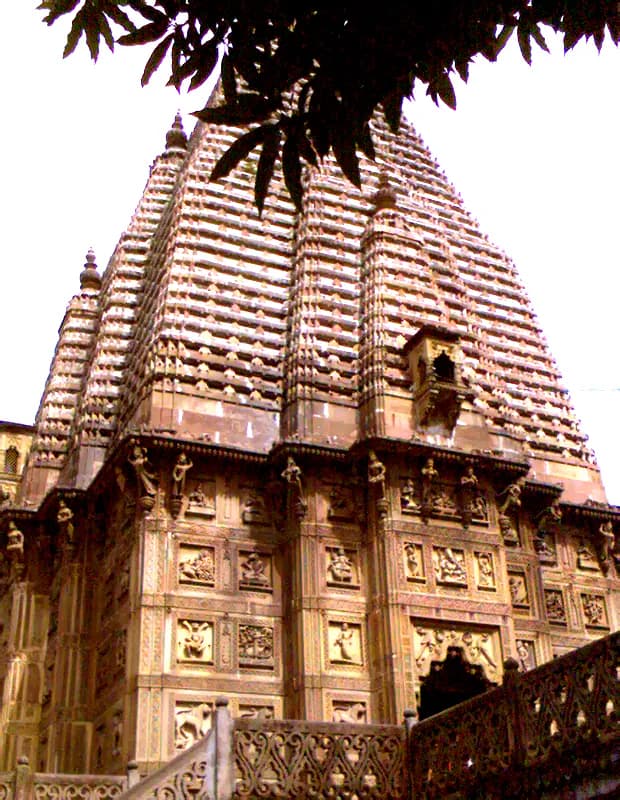
The air vibrates with a palpable energy. Not the frenetic energy of Varanasi’s bustling ghats, but something older, something rooted deeper. Here, nestled amidst the labyrinthine lanes a short boat ride from the main ghats, stands Durga Mandir, a 17th-century temple dedicated to the warrior goddess Durga. Its walls, a vibrant shade of ochre, rise against the sky, a beacon of power and devotion. My journey to Durga Mandir, another tick on my quest to experience every UNESCO site in India, began with a dawn boat ride. The Ganges, still shrouded in the morning mist, held a serene beauty, a stark contrast to the vibrant chaos that would soon erupt on its banks. As we approached Ramnagar, the temple's distinctive profile emerged, its multiple shikharas reaching towards the heavens. Stepping off the boat and onto the dusty lane leading to the temple, I was immediately struck by the sense of anticipation. The air buzzed with the low hum of chanting and the clang of bells. The temple, built on a high plinth, commanded attention. Its Nagara style architecture, typical of North Indian temples, is a feast for the eyes. The multi-tiered shikharas, adorned with intricate carvings, rise in a rhythmic crescendo, culminating in ornate finials. The ochre walls, though weathered by time and the elements, retain their vibrancy, a testament to the enduring faith of the devotees. A large rectangular pond, known as Durga Kund, flanks the temple. Local lore claims it was dug by the goddess herself and is connected to the nearby Ganges. The water, a murky green, reflects the temple’s imposing structure, creating a mesmerizing mirror image. Devotees circumambulate the kund, their prayers mingling with the chirping of birds and the distant sounds of the city. Entering the main sanctum, I was enveloped in a heady mix of incense, flowers, and the fervent energy of prayer. The dimly lit space, illuminated by flickering oil lamps, held an air of mystery. The idol of Goddess Durga, resplendent in red and gold, sits majestically on a lion, her multiple arms holding various weapons. The sheer power emanating from the deity is palpable, leaving an indelible impression on the visitor. While the main shrine is dedicated to Durga, the temple complex also houses smaller shrines dedicated to other deities, including Lord Hanuman and Lord Shiva. Each shrine, though smaller in scale, boasts the same intricate carvings and vibrant colours, showcasing the rich artistic traditions of the region. What struck me most about Durga Mandir wasn't just its architectural grandeur or the palpable devotion of its visitors. It was the seamless blend of history, mythology, and everyday life. Outside the temple walls, life continued at its usual pace. Vendors hawked their wares, children played in the dusty lanes, and cows ambled along, seemingly oblivious to the sacred space they shared. This juxtaposition of the sacred and the mundane, the ancient and the contemporary, is what makes Varanasi, and indeed India, so uniquely captivating. As I left Durga Mandir, the setting sun casting long shadows across the Ganges, I carried with me not just photographs and memories, but a deeper understanding of the enduring power of faith and the rich tapestry of Indian culture. This temple, a vibrant testament to devotion and artistry, is a must-see for anyone seeking to experience the true essence of Varanasi.
Mahabali Temple Imphal
The air hung heavy with the scent of incense and damp earth as I stepped onto the grounds of the Mahabali Temple in Imphal. The temple, dedicated to the ancient pre-Vaishnavite deity Mahabali, exuded an aura of quiet power, a palpable sense of history clinging to its weathered stones. Unlike the ornate, towering structures I’m accustomed to photographing in Madhya Pradesh, this temple possessed a grounded, almost elemental presence. Its pyramidal roof, constructed of corrugated iron sheets now rusted with age, seemed an incongruous addition to the ancient brick foundation. This juxtaposition, however, spoke volumes about the temple's enduring journey through time, adapting and evolving while retaining its core spiritual significance. The temple's brickwork, the primary focus of my lens, was a marvel. The bricks, uneven in size and texture, were laid without mortar, a testament to the ingenuity of the ancient Meitei builders. Centuries of weathering had eroded some, leaving intriguing patterns and textures that caught the light in fascinating ways. I spent a considerable amount of time circling the structure, observing how the sunlight interacted with these imperfections, highlighting the subtle variations in the brick’s hues, from deep terracotta to a faded, almost pinkish orange. The lack of mortar allowed for a certain flexibility, a give-and-take with the elements that perhaps contributed to the temple's longevity. It felt as if the structure was breathing, subtly shifting and settling with the earth beneath it. A small, unassuming entrance led into the inner sanctum. The interior was dimly lit, the air thick with the scent of offerings and the murmur of prayers. Photography wasn't permitted inside, which, in a way, amplified the sacredness of the space. It forced me to engage with the temple on a different level, to absorb the atmosphere, the energy, and the palpable devotion of the worshippers. I sat quietly for a while, observing the flickering oil lamps and listening to the rhythmic chanting, letting the weight of history and tradition settle upon me. Outside, the temple grounds were a hive of activity. Devotees moved with a quiet reverence, offering flowers, fruits, and incense at the base of the structure. I noticed several small shrines scattered around the main temple, each dedicated to a different deity, creating a complex tapestry of spiritual beliefs. This intermingling of faiths, the layering of traditions, is something I find particularly captivating about the Northeast. It speaks to a cultural fluidity, an acceptance of diverse spiritual paths that is both refreshing and inspiring. As I photographed the devotees, I was struck by the vibrant colours of their traditional attire, a stark contrast to the muted tones of the temple itself. The women, draped in intricately woven phanek (sarongs) and innaphi (shawls), moved with grace and dignity, their presence adding another layer of richness to the scene. I made a conscious effort to capture these moments respectfully, aiming to convey the spirit of devotion without intruding on the sanctity of their rituals. The Mahabali Temple is more than just an architectural marvel; it's a living testament to the enduring power of faith and tradition. It’s a place where the past and present intertwine, where ancient rituals are performed alongside modern-day life. My time at the temple was a humbling experience, a reminder of the deep spiritual connections that bind communities together and the importance of preserving these cultural treasures for generations to come. The photographs I captured, I hope, will serve as a visual echo of this experience, conveying not just the physical beauty of the temple, but also the intangible spirit that resides within its ancient walls.
Patwa Haveli Ahmedabad
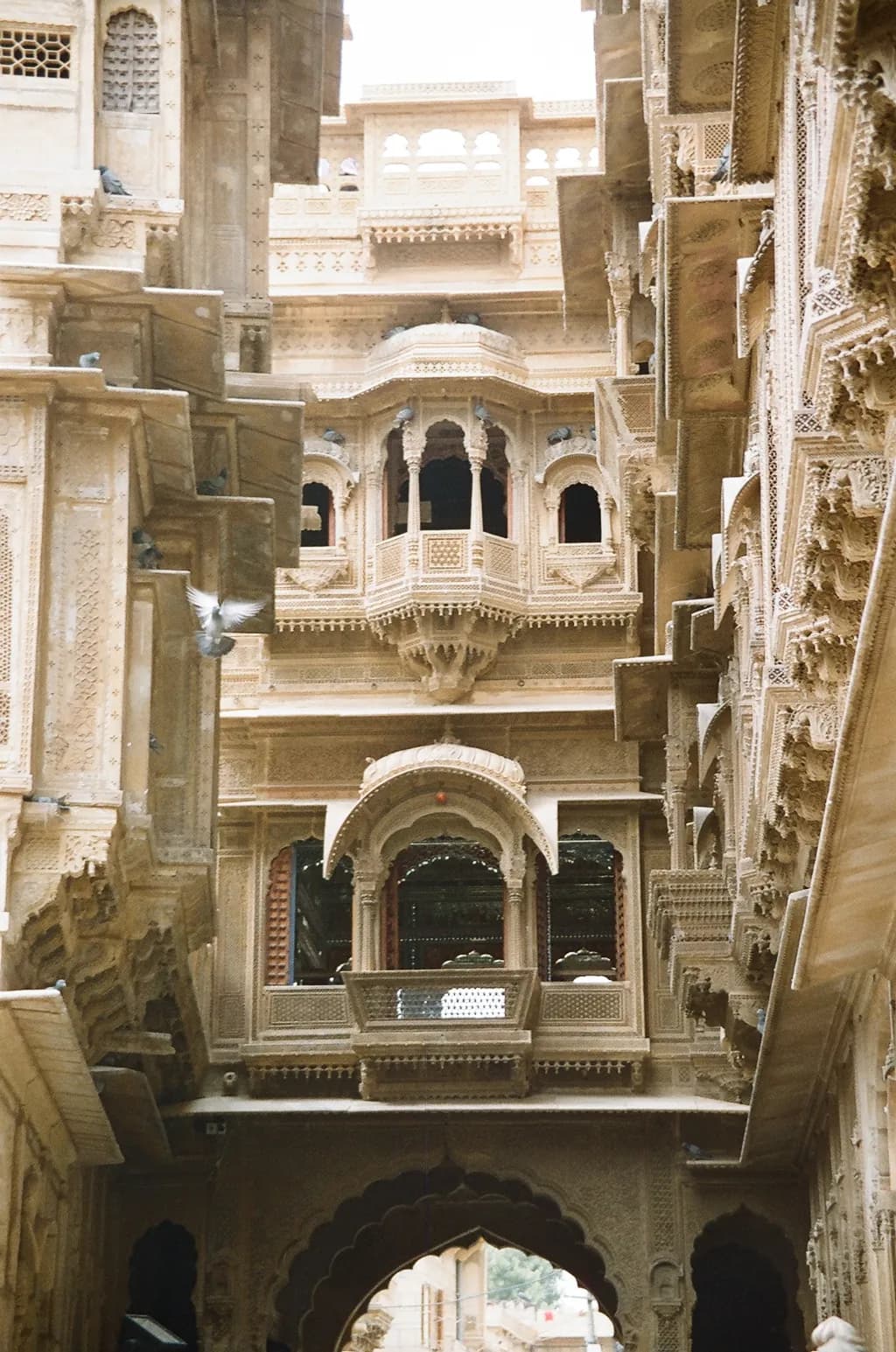
The Patwa Haveli, nestled within the bustling heart of Ahmedabad's old city, stands as a testament to a bygone era of mercantile prosperity. Stepping through its unassuming entrance, I felt an immediate shift, as if transported back to the 19th century. The cacophony of the city faded, replaced by the hushed whispers of history echoing within the haveli's intricately carved sandstone walls. Commissioned by a wealthy Jain merchant, Maneklal Bhagwandas Patwa, this five-story structure isn't just a house; it's a narrative etched in stone and wood, a story of a family's ambition and the artistry of a time when craftsmanship reigned supreme. My lens immediately gravitated towards the ornate facades. Each window, each jharokha (overhanging enclosed balcony), and each archway presented a unique tableau of intricate carvings. Floral motifs intertwined with depictions of birds, animals, and even scenes from daily life, all rendered with astonishing detail. The deep brown of the sandstone, weathered by time and the elements, provided a rich backdrop to these intricate designs, creating a visual feast that kept me captivated for hours. I found myself constantly adjusting my camera settings, trying to capture the interplay of light and shadow that danced across the carved surfaces, revealing new nuances with every passing hour. The sheer scale of the haveli is impressive. Five stories rise above the narrow streets, a symbol of the Patwa family's wealth and influence. As I ascended the wooden staircases, worn smooth by generations of footsteps, I noticed the subtle shifts in architectural style. The lower floors, dedicated to business and storage, are more austere, while the upper residential floors become progressively more ornate, culminating in the exquisitely carved family quarters on the topmost level. This gradual increase in decorative complexity speaks volumes about the social hierarchy of the time. One of the most striking features of the Patwa Haveli is its ingenious ventilation system. Long before the advent of air conditioning, the architects incorporated clever design elements to ensure a comfortable living environment even in the scorching Gujarat heat. High ceilings, strategically placed windows, and internal courtyards create a natural airflow, allowing cool air to circulate throughout the building. I could feel the subtle breeze as I explored the upper floors, a testament to the ingenuity of the craftsmen who built this magnificent structure. Beyond the architectural marvel, the Patwa Haveli offers glimpses into the lifestyle of its former inhabitants. The remnants of frescoes on the walls, though faded with time, hint at the vibrant colours that once adorned the interiors. Imagining the bustling activity that once filled these rooms – merchants discussing trade deals, families gathering for meals, children playing in the courtyards – brought the haveli to life in a way that mere observation could not. I spent a considerable amount of time documenting these remnants, hoping to preserve these fragments of a vanished world through my photographs. However, the passage of time has taken its toll. While some sections of the haveli have been meticulously restored, others bear the scars of neglect. Peeling paint, crumbling plaster, and damaged carvings serve as a poignant reminder of the fragility of our heritage. It underscores the importance of conservation efforts to ensure that these architectural treasures continue to inspire and educate future generations. Leaving the Patwa Haveli, I carried with me not just photographs, but a profound appreciation for the artistry and ingenuity of the past. It's a place where history whispers from every corner, a place that deserves to be cherished and protected. My hope is that my photographs will not only showcase the beauty of this architectural gem but also inspire others to explore and appreciate the rich heritage of India.
Tashilhunpo Monastery Shigatse Tibet
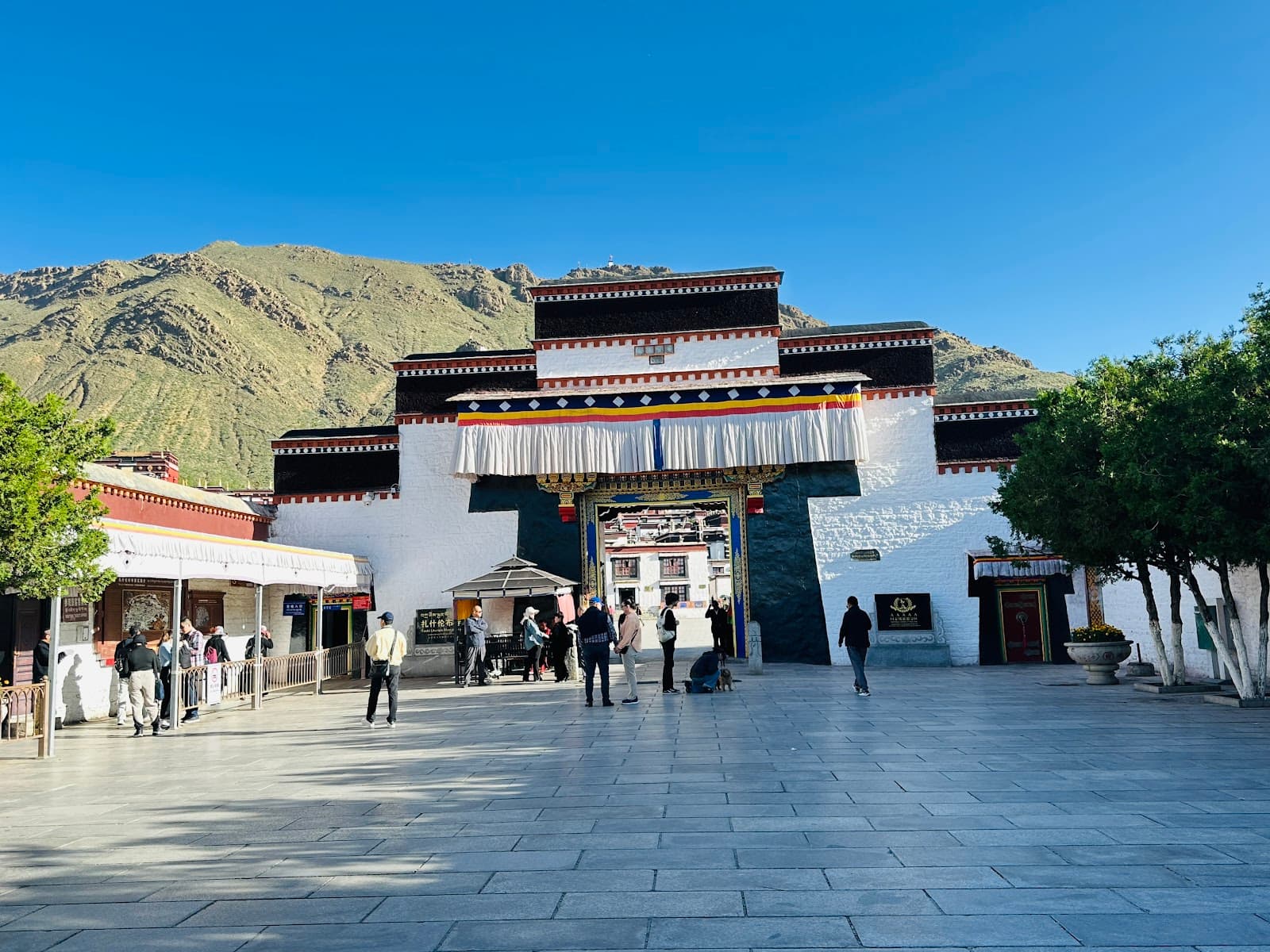
Tashilhunpo Monastery, located in Shigatse, Tibet, represents one of the most important monasteries in Tibet and stands as the traditional seat of the Panchen Lama, constructed in the 15th century CE during the period when Tibetan Buddhism was flourishing under the influence of Indian Buddhist traditions transmitted through centuries of cultural and religious exchange between Tibet and India. The monastery complex, constructed primarily from stone, wood, and earth with extensive decorative elements, features a massive structure containing numerous temples, chapels, assembly halls, and residential quarters arranged according to Indian Buddhist monastery planning principles, with the overall design reflecting mandala-based cosmological principles found in Indian Buddhist architecture. The monastery’s architectural design demonstrates direct influence from Indian Buddhist monastery architecture, particularly the Nalanda and Vikramashila models, with the overall plan and decorative elements reflecting traditions that were transmitted to Tibet through centuries of cultural exchange, while the extensive library and learning facilities demonstrate the transmission of Indian Buddhist scholarship traditions to Tibet. Archaeological and historical evidence indicates the monastery was constructed with knowledge of Indian Buddhist architectural treatises and learning traditions, reflecting the close cultural connections between Tibet and India during the medieval period, when Indian Buddhist scholars, texts, and architectural knowledge continued to influence Tibetan Buddhism. The monastery has served as a major center for Tibetan Buddhist learning and practice for over five centuries, maintaining strong connections to Indian Buddhist traditions through the study of Indian Buddhist texts, philosophy, and practices. The monastery has undergone multiple expansions and renovations over the centuries, with significant additions conducted to accommodate growing numbers of monks and expanding educational programs. Today, Tashilhunpo Monastery continues to serve as an important place of Buddhist worship and learning in Tibet, demonstrating the enduring influence of Indian Buddhist traditions on Tibetan culture and serving as a powerful symbol of Tibet’s deep connections to Indian civilization. ([1][2])
Mahadev Khola Dham Shillong
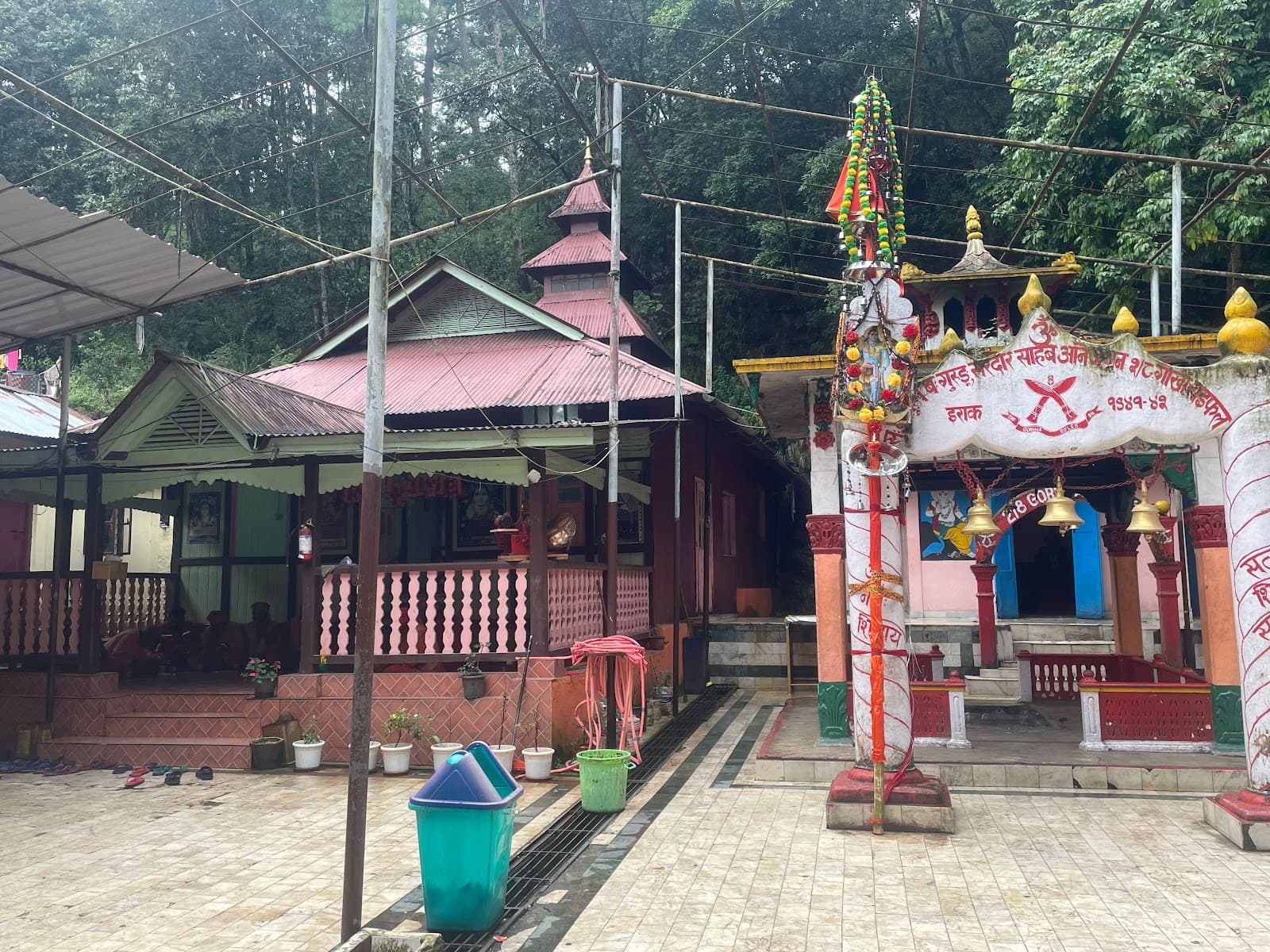
The air, thick with the scent of pine and damp earth, vibrated with a low hum as I descended the steep steps leading to Mahadev Khola Dham. Nestled in a verdant gorge just outside Shillong, this temple dedicated to Lord Shiva felt worlds away from the bustling city. Sunlight, filtered through the dense canopy, dappled the moss-covered stones, creating an ethereal atmosphere. This wasn't just a temple; it was a sanctuary woven into the very fabric of the landscape. My initial impression was one of awe at the sheer scale of the natural amphitheater surrounding the temple. Towering cliffs, draped in emerald green vegetation, embraced the site, creating a sense of intimacy and seclusion. A small stream, the namesake 'Khola,' gurgled its way through the gorge, its music adding to the symphony of the forest. The temple itself, while not imposing in size, possessed a quiet dignity. Built from locally sourced stone, its architecture blended seamlessly with the natural surroundings. The shikhara, unlike the towering structures of North Indian temples, was relatively modest, almost merging with the rocky backdrop. As I approached the main shrine, I noticed intricate carvings adorning the stone façade. While weathered by time and the elements, these depictions of deities and mythological scenes spoke volumes about the craftsmanship of the artisans who built this sacred space. The carvings, though distinctly Hindu in their iconography, also seemed to incorporate elements of local Khasi symbolism, a testament to the syncretic nature of faith in this region. A Nandi statue, typically found guarding Shiva temples, was present, but its form seemed subtly different, perhaps reflecting a local interpretation of the divine bull. Inside the garbhagriha, the sanctum sanctorum, the atmosphere was charged with a palpable sense of devotion. The lingam, the symbolic representation of Lord Shiva, was bathed in the soft glow of oil lamps, casting flickering shadows on the damp walls. The air was heavy with the fragrance of incense and the murmur of prayers. Devotees, a mix of locals and tourists, offered flowers and whispered their supplications, their faces reflecting a quiet reverence. What struck me most about Mahadev Khola Dham was the harmonious coexistence of nature and spirituality. The temple wasn't merely built *in* the landscape; it felt like an integral *part* of it. The natural elements – the flowing water, the towering trees, the whispering wind – were not just backdrop but active participants in the sacred narrative of the place. This was a stark contrast to many urban temples I’ve documented, where the sacred space often feels divorced from the surrounding environment. Climbing back up the steps, I paused to take one last look at the temple nestled in its verdant embrace. The experience transcended mere documentation; it was a visceral encounter with a place where faith and nature intertwined. Mahadev Khola Dham wasn't just a temple; it was a testament to the human capacity to find the sacred in the heart of the natural world. It was a reminder that sometimes, the most profound expressions of spirituality are found not in grand structures, but in the quiet whispers of a stream, the rustling of leaves, and the stillness of ancient stones. This was a story my lens was privileged to capture, a story etched not just in stone, but in the very soul of Meghalaya.
Shree Ghanapathy Temple Wimbledon
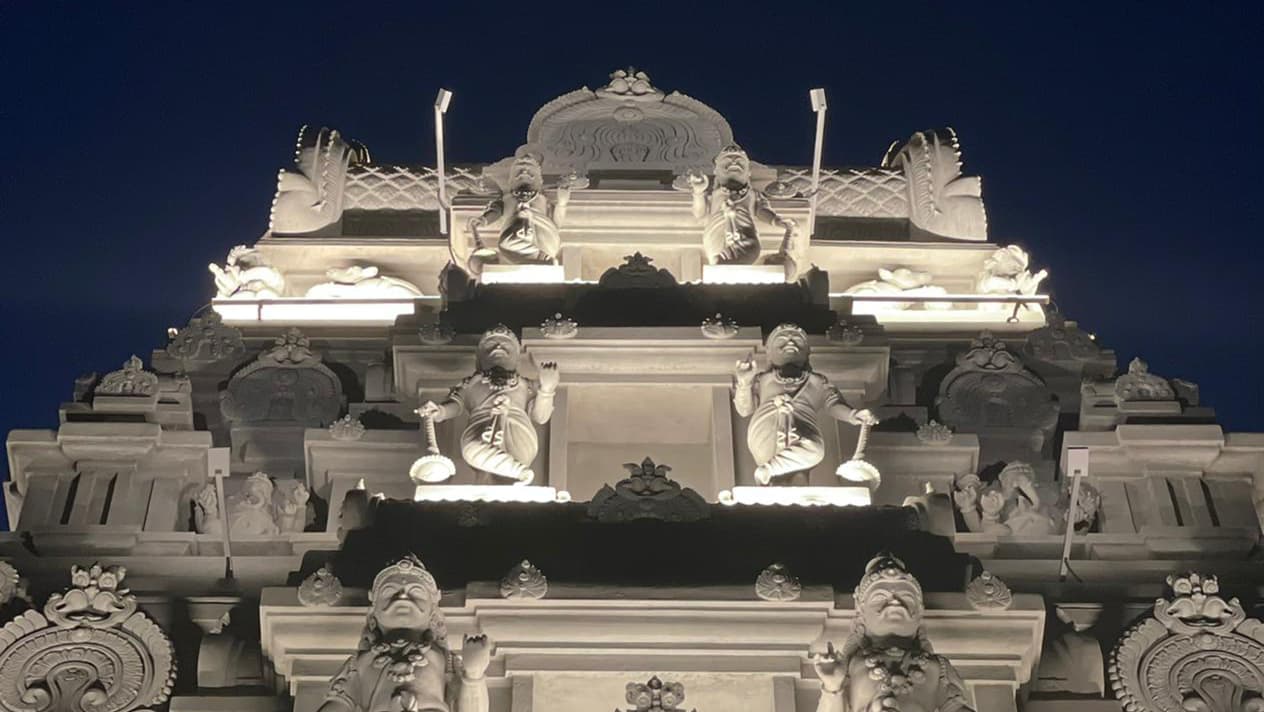
Shree Ghanapathy Temple Wimbledon was consecrated on 8 June 1981 by His Holiness Sri La Sri Sambamurthy Sivachariar, transforming a disused engineering works into the first purpose-built Hindu temple in Europe devoted to Sri Maha Ganapathy and the tutelary deities of London’s Saiva Tamil community ([1][2]). The temple opens daily 8:00 AM-1:00 PM and 4:00 PM-9:00 PM, with suprabhatam at 7:30 AM, ucha kaala puja at 12:00 PM, and evening arti at 7:00 PM. Pilgrims arrive through the granite-clad Rajagopuram (added 2005) into a marble mandapa that houses thirteen shrines including Ganapathy, Meenakshi-Sundareshwarar, Murugan with Valli and Deivanai, Durga, Navagraha, and the guardians of the 63 Nayanmars; priests conduct daily homa, abhishekam, and archana, while the Mahalakshmi community hall and Annapoorani kitchen serve weekday annadhanam and celebratory feasts ([1][3]). The temple broadcasts Araneri online radio, operates Saturday Tamil and Sanskrit schools, Bharatanatyam and mridangam academies, yoga therapy clinics, food bank collections, and immigration advice sessions. During Chithirai, Aadi, Navaratri, and Skanda Shasti, volunteer teams steward street processions that carry utsava murti around Wimbledon, coordinate flower-garland workshops, and prepare prasadam for thousands. Operational resilience comes from a building management hub overseeing HVAC, underfloor heating, lighting, and CCTV, while the charitable trust liaises with Merton Council to manage event road closures, waste recycling, and safeguarding for elders and children participating in temple activities ([1][4]).
Quick Links
Plan Your Heritage Journey
Get personalized recommendations and detailed visitor guides