Has Inheritage Foundation supported you today?
Your contribution helps preserve India's ancient temples, languages, and cultural heritage. Every rupee makes a difference.
Secure payment • Instant 80G certificate
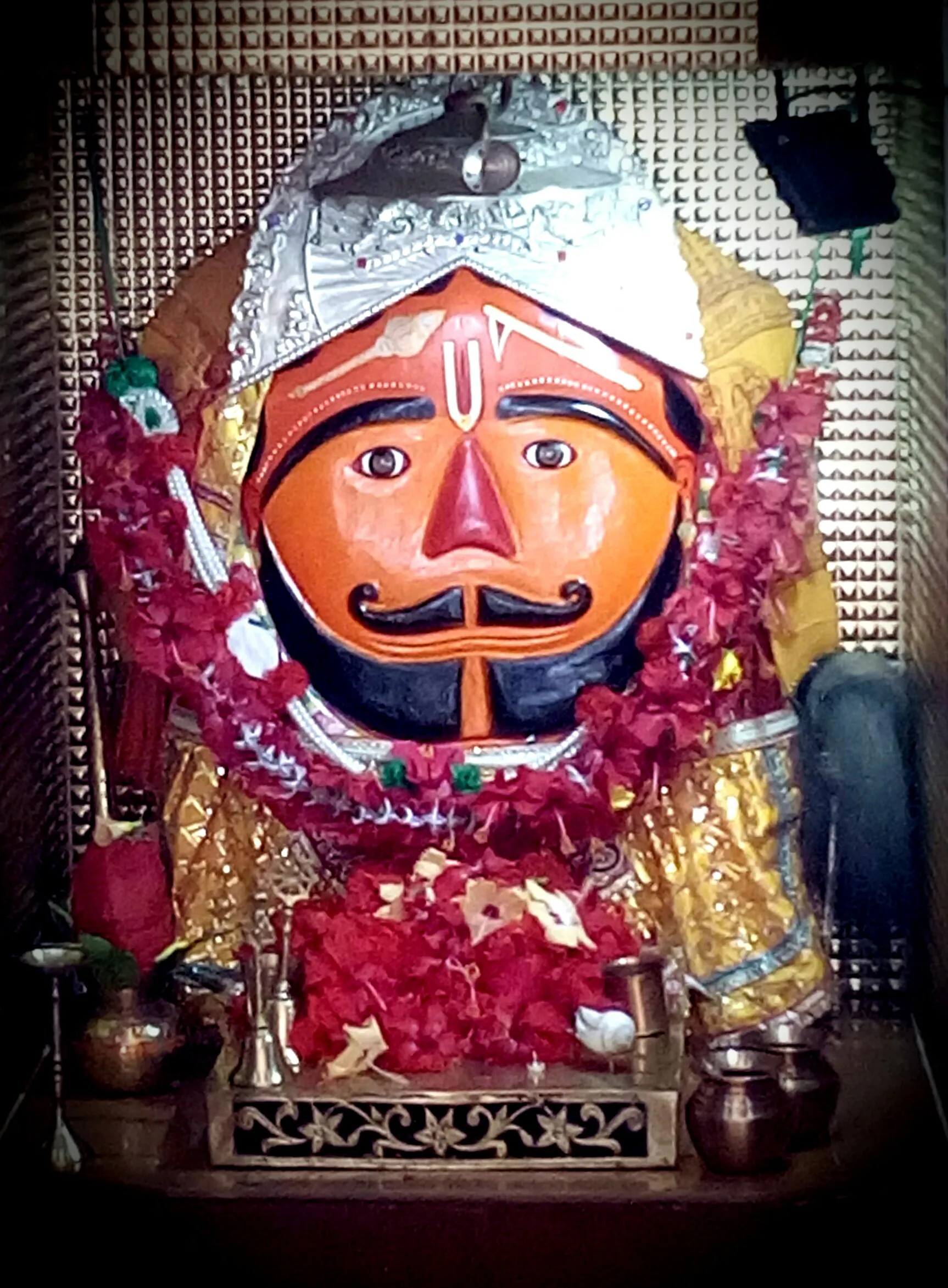
Salasar Balaji Temple Churu
The desert wind whipped around me, carrying fine sand that stung my eyes as I approached the Salasar Balaji Temple. Emerging from the flat, arid landscape of Rajasthan's Churu district, the temple complex felt like an oasis, a vibrant splash of colour against the muted ochre backdrop. It wasn't the grandeur of scale that struck me initially, but the palpable sense of devotion that permeated the air. The steady stream of pilgrims, their faces etched with faith, created a humming energy that resonated within the temple walls. The temple itself is a fascinating blend of architectural styles. While predominantly Rajput in character, with its characteristic chhatris (elevated, dome-shaped pavilions) and jharokhas (overhanging enclosed balconies), there are subtle Mughal influences woven into the fabric of the structure. The ornate carvings on the marble pillars, for instance, display a delicate floral intricacy reminiscent of Mughal artistry. This fusion isn't surprising, given the historical context of Rajasthan, a region where these two powerful empires often intersected and influenced each other. The main shrine, housing the revered idol of Lord Hanuman, known here as Salasar Balaji, is relatively small and unassuming. Unlike the towering gopurams of South Indian temples or the sprawling complexes of North Indian ones, Salasar Balaji’s sanctum sanctorum exudes a sense of intimacy. The walls are covered in silver plating, reflecting the flickering lamps and creating a warm, ethereal glow. The idol itself, a dark, imposing figure, is believed to have self-manifested from the earth, adding to its mystique and drawing devotees from across the country. What truly captivated me, however, was the intricate marble work that adorned every surface. The pillars, the arches, even the flooring, were covered in a tapestry of carved floral patterns, geometric designs, and depictions of mythological scenes. The craftsmanship was exquisite, each detail meticulously rendered, a testament to the skill of the artisans who had poured their devotion into this sacred space. I spent a considerable amount of time studying the panels depicting scenes from the Ramayana, marveling at the fluidity of the lines and the expressiveness of the figures. The narrative unfolded across the marble, bringing the epic to life in a way that mere words could not. The courtyard surrounding the main shrine was a hive of activity. Devotees offered prayers, chanted hymns, and performed rituals, their voices blending in a harmonious cacophony. The air was thick with the scent of incense and the vibrant colours of saffron, red, and marigold added to the sensory overload. I observed the intricate rituals with fascination, noting the specific gestures, offerings, and prayers that formed part of the devotional practice. It was a powerful reminder of the enduring strength of faith and the role that these sacred spaces play in the lives of millions. As I left the temple complex, the setting sun cast long shadows across the desert landscape. The experience had been more than just a visit to an architectural marvel; it was an immersion into a living, breathing tradition. The Salasar Balaji Temple is not merely a structure of stone and marble; it is a repository of faith, a testament to human devotion, and a vibrant expression of India’s rich cultural heritage. The image of the silver-clad idol, bathed in the warm glow of lamps, and the echoes of the devotional chants stayed with me long after I had left, a poignant reminder of the spiritual heart that beats within the arid landscape of Rajasthan.
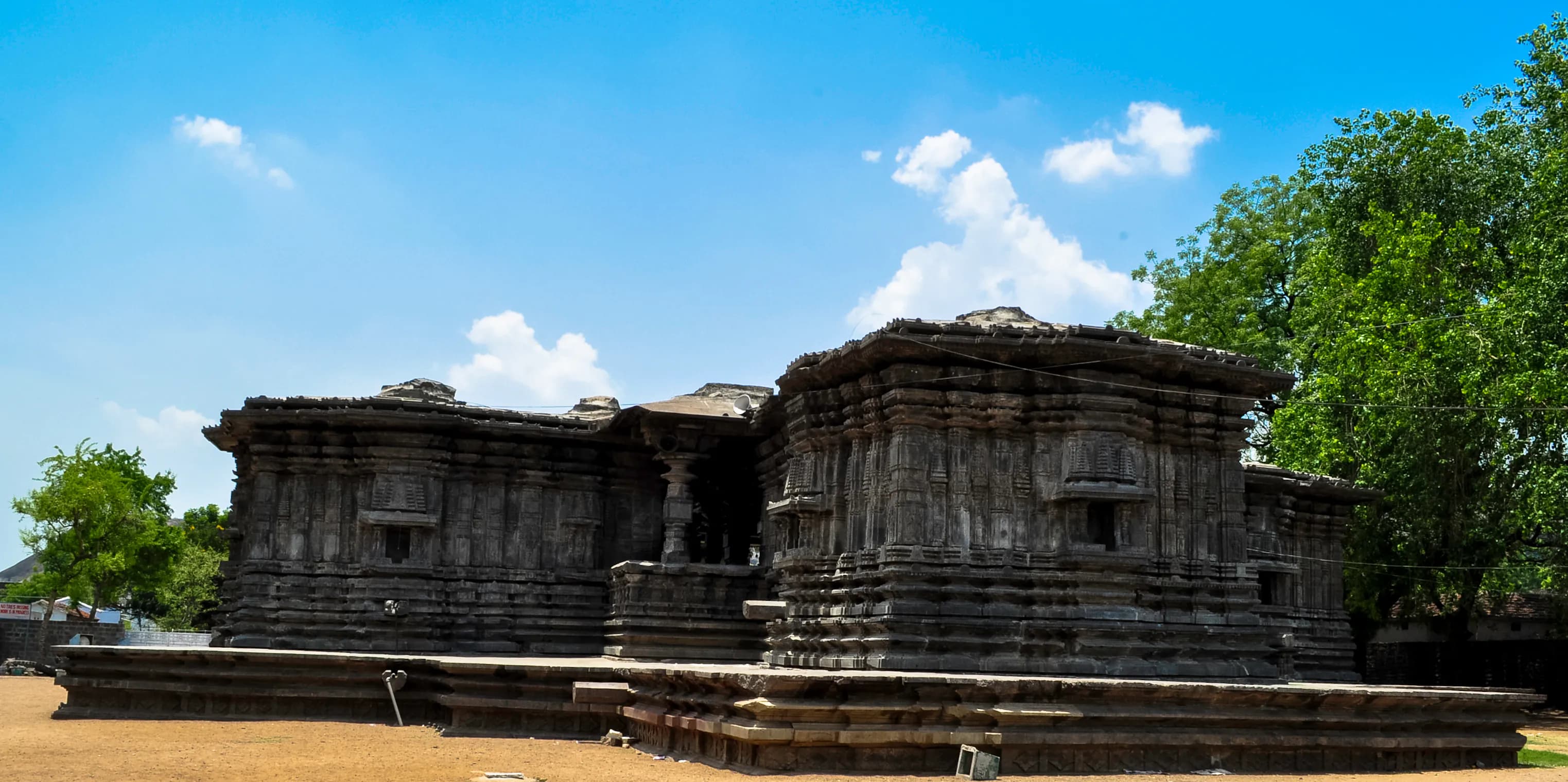
Thousand Pillar Temple Hanamkonda
The midday sun beat down on the stone, radiating heat that shimmered in the air above the Thousand Pillar Temple. Having explored countless caves and temples across Maharashtra, I’ve developed a keen eye for architectural nuances, and this temple in Hanamkonda, Telangana, promised a feast for the senses. Even before stepping through the imposing entrance, the sheer scale of the structure was breathtaking. It wasn't just a temple; it was a testament to the architectural prowess of the Kakatiya dynasty. The name "Thousand Pillar Temple" is a bit of a misnomer. While it evokes a sense of grandeur, there aren't actually a thousand pillars. Closer to 280 support this marvel, intricately carved and strategically placed to create a seemingly endless colonnade. These pillars aren't merely structural supports; they are storytellers. Each one is adorned with elaborate carvings depicting scenes from Hindu mythology, celestial beings, and scenes of courtly life. I spent a considerable amount of time just circling the pillars, tracing the stories etched into the stone, marveling at the skill of the artisans who breathed life into these granite monoliths centuries ago. The temple is dedicated to a trinity of deities: Lord Shiva (as Rudreshwara), Lord Vishnu (as Vaikuntha Vishnu), and Lord Surya (the Sun God). This dedication to three major deities within a single complex is a testament to the Kakatiyan's inclusive religious philosophy. The main shrines, each housing one of the deities, are connected by a central mandapam, a large pillared hall. The play of light and shadow within this space, filtered through the intricately carved pillars, creates an ethereal atmosphere. It's easy to imagine the vibrant religious ceremonies that would have once filled this hall with chanting and the scent of incense. One of the most striking features of the temple is the star-shaped sanctum of Lord Vishnu. The precision of the architecture is remarkable. The angles, the proportions, the intricate carvings on the outer walls – everything points to a deep understanding of geometry and aesthetics. I noticed a subtle shift in the architectural style in this section, hinting at the influence of different artisans or perhaps even a slightly later period of construction. This blend of styles adds another layer of intrigue to the temple's narrative. As I moved through the complex, I noticed the remnants of vibrant paint on some of the carvings. While much of the original color has faded with time, these remnants offer a glimpse into the temple’s past glory. I could envision the vibrant hues that once adorned these sculptures, transforming the temple into a kaleidoscope of color. It's a reminder that these weren't just grey stone structures; they were living, breathing expressions of faith and artistry. Beyond the main shrines, the temple complex also houses several smaller shrines and mandapas. I discovered a particularly captivating Nandi mandapa, housing a large monolithic Nandi (the sacred bull of Lord Shiva). The sheer size of the Nandi is impressive, and the intricate detailing on its form is a testament to the sculptor's skill. The Thousand Pillar Temple isn't just a collection of stones; it's a living testament to a rich cultural heritage. It's a place where history, mythology, and artistry converge. Walking through its hallowed halls, I felt a profound connection to the past, a sense of awe at the ingenuity and devotion of those who built this magnificent structure. It’s a must-see for anyone seeking to understand the architectural brilliance of the Kakatiya dynasty and experience the spiritual heart of Telangana. My journey through the caves and temples of Maharashtra has prepared me for many breathtaking sights, but the Thousand Pillar Temple stands out as a truly exceptional experience.
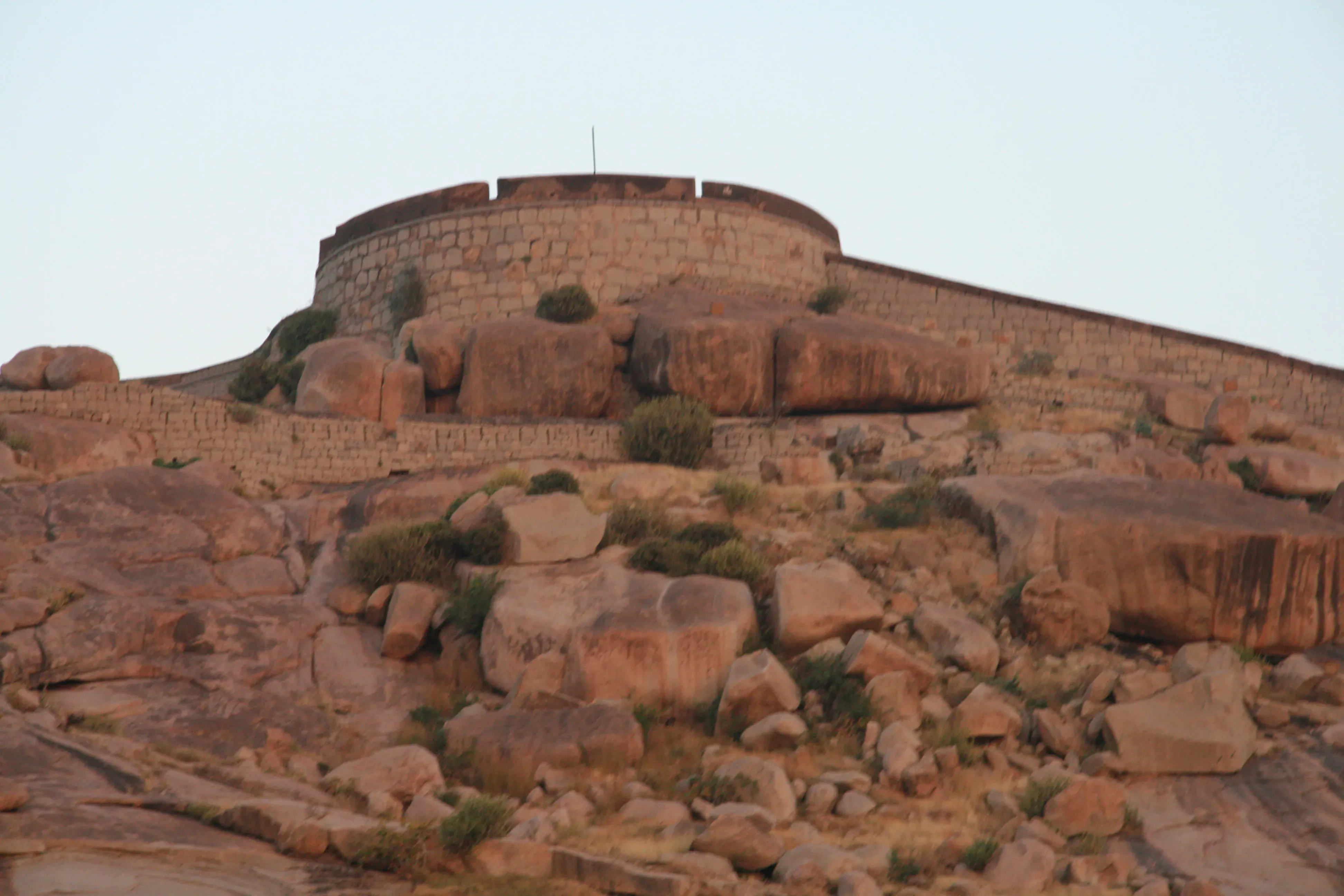
Bellary Fort Bellary
Granite and sandstone blocks, meticulously carved, form the imposing structure of Bellary Fort, rising dramatically from the Karnataka plains ([1]). Established around 1565 CE by Hanumappa Nayaka during the Vijayanagara period, the fort showcases a blend of Badami Chalukya and military architectural styles ([2][3]). Vastu Shastra principles, the ancient Indian science of architecture, likely influenced the fort's strategic layout and defensive design, though specific textual references are not available ([4]). This hilltop fortification embodies the Vijayanagara empire's strategic and artistic sensibilities. Sophisticated drainage systems ensure the preservation of the fort's structural integrity, demonstrating ancient engineering prowess ([5]). Intricate carvings adorning the walls, though weathered by time, hint at the fort's past grandeur ([6]). During the Vijayanagara Period, temple architecture and fort design shared common elements, emphasizing both aesthetic beauty and defensive strength ([7]). The use of locally available granite and stone highlights the region's traditional building practices. Stone platforms and foundations demonstrate the enduring legacy of the fort, a silent witness to centuries of Deccan history ([8]). Exploring Bellary Fort offers a captivating journey through layers of history, revealing the architectural traditions of different dynasties ([9]). The lower fort, with its roughly hewn granite walls, contrasts sharply with the upper fort, built by Hyder Ali and Tipu Sultan, displaying planned, geometric precision ([10]). The mosque within the upper fort blends Islamic and Deccan styles, adding another layer to the fort's rich heritage ([11]). This layering reflects the diverse cultural influences shaping the Deccan region over time. Within the fort complex, remnants of older structures suggest continuous occupation and adaptation over centuries ([12]). The fort's commanding position atop the hill provided a strategic advantage, allowing rulers to control the surrounding landscape. The design elements, while not directly linked to a specific verse in texts like the *Manasara Shilpa Shastra*, reflect the broader principles of site selection and fortification described in such treatises ([13]). Bellary Fort stands as a powerful reminder of India's rich architectural and military heritage ([14]).

Lien Khuong Cham Towers Lam Dong Vietnam
The Lien Khuong Cham Towers, situated in Lam Dong Province, Vietnam, represent a significant manifestation of the Dravida-Champa architectural style, a testament to the enduring legacy of India's millennia-spanning heritage and the continuous tradition of Indian civilization across Southeast Asia. Dedicated primarily to Hindu deities, often Shiva, these towers embody the profound cultural exchange that saw indigenous Indian architectural principles flourish in the Champa Kingdom during the Medieval Period [1]. The architectural style, deeply rooted in the Dravida tradition of South India, is characterized by its towering brick structures, typically constructed using a sophisticated dry masonry technique where bricks are precisely cut and laid without mortar, then often ground smooth and bonded with a resin from local plants [2]. This method allowed for remarkable structural integrity and intricate detailing. A typical Cham tower, or *kalan*, features a square or rectangular base, rising in several diminishing tiers to a pyramidal roof, often crowned with a finial [3]. The main sanctuary at Lien Khuong, like other 9th-century Cham temples, would have housed a *lingam* or a statue of a Hindu deity, reflecting the prevalent Shaivite worship [4]. False doors are commonly found on the north, west, and south sides, while the true entrance faces east, aligning with ancient Hindu cosmological principles. Niches on the exterior walls often contain sculptures of *devatas* (deities), *apsaras* (celestial nymphs), or mythical creatures like *makaras* (sea-monsters) and *kalas* (glorious faces), all echoing iconographic traditions from India [3]. The decorative elements, often carved in sandstone and inserted into the brickwork, showcase a blend of indigenous Cham artistry with classical Indian motifs, emphasizing the site's role in India's long cultural continuum [5]. While specific dimensions for the Lien Khuong towers are not widely documented, 9th-century Cham *kalans* typically range from 10 to 20 meters in height, with base dimensions of approximately 8 to 12 meters square [3]. The current state of the Lien Khuong Cham Towers, listed on the UNESCO Tentative List, suggests ongoing recognition of its heritage value, though detailed conservation efforts and archaeological findings specific to this site require further public documentation [1]. The site stands as a profound testament to the depth and sophistication of Indian architectural and cultural traditions, which profoundly influenced the Champa Kingdom. The site is operationally ready for scholarly study and heritage appreciation, contributing to the understanding of ancient Indic cultural diffusion [1].
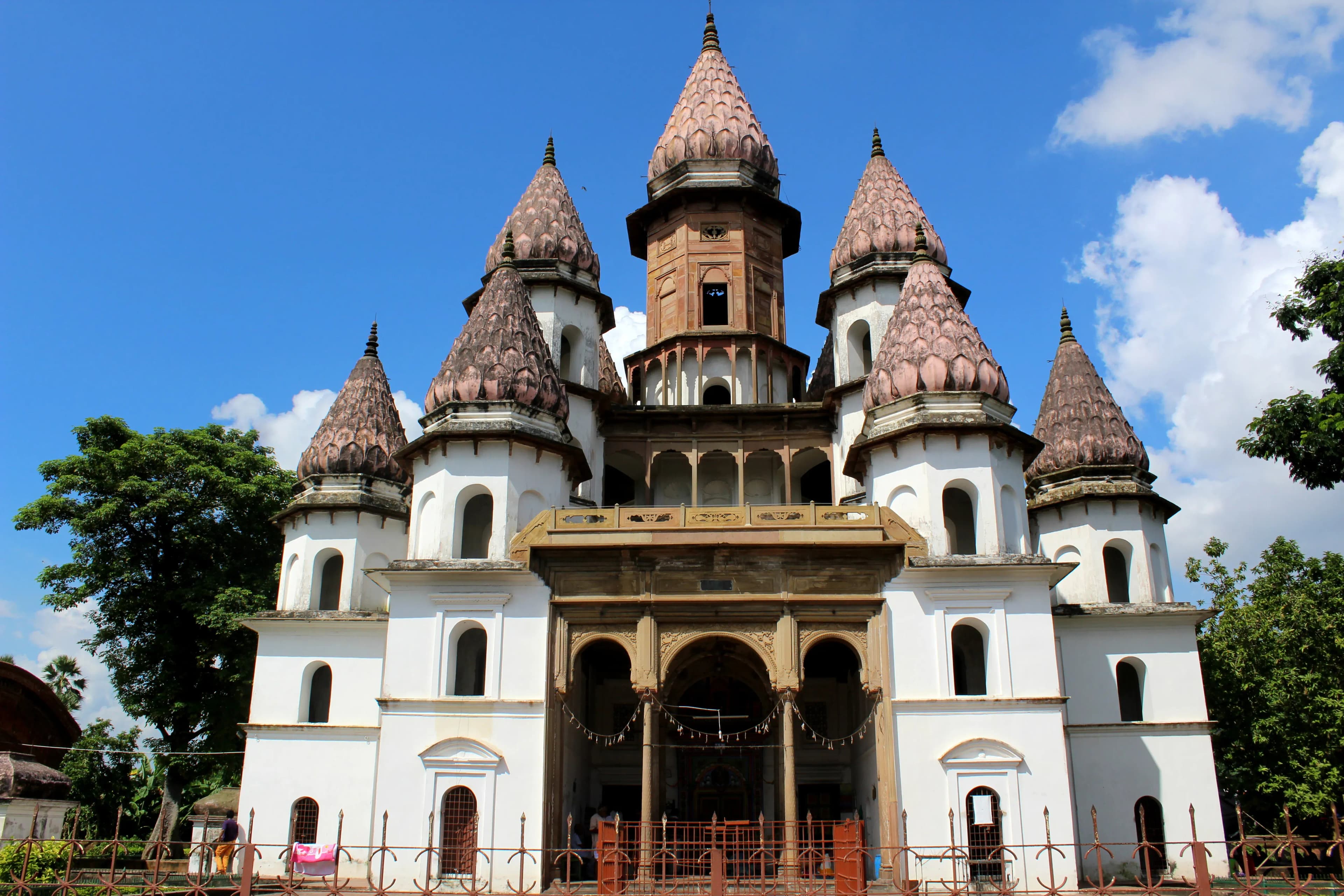
Hangseshwari Temple Bansberia
The terracotta-red spires of the Hangseshwari Temple, rising like a cluster of budding lotuses against the muted Bengal sky, were a sight I'd anticipated for months. As a Gujarati, steeped in the architectural traditions of my own land, I was eager to experience this unique 19th-century marvel in Bansberia, a town whispering stories of Bengal's rich past. The Hooghly River, flowing serenely nearby, seemed to amplify the temple's tranquil aura. Approaching the temple, the sheer audacity of its design became apparent. Unlike the traditional shikharas of North Indian temples or the gopurams of South India, Hangseshwari presented a novel form – a cluster of thirteen towers, arranged in an elliptical shape around a central, larger spire. Each of these miniature shikharas, or rather, ratnas, as they are locally known, is adorned with intricate terracotta panels depicting scenes from Hindu mythology. The deep red of the baked clay, now softened by time and weather, contrasted beautifully with the verdant green of the surrounding foliage. Stepping inside the elliptical ambulatory, I was immediately struck by the play of light and shadow. The narrow openings between the ratnas allowed slivers of sunlight to penetrate the inner sanctum, creating an ethereal atmosphere. The central chamber, housing the deity Hangseshwari (literally, "swan-riding goddess"), was relatively dark, adding to the sense of mystery and reverence. The goddess, however, was not in the traditional iconographic form. Instead, a symbolic representation, a lotus bud, takes her place, further adding to the temple's unique character. The terracotta work, undeniably the highlight of Hangseshwari, deserves special mention. The panels, though weathered, retain a remarkable level of detail. I spent a considerable amount of time examining the intricate depictions of deities, celestial beings, and scenes from epics like the Ramayana and the Mahabharata. The craftsmanship is exquisite, showcasing the skill of the Bengali artisans of the time. The narrative quality of these panels is particularly striking, transforming the temple walls into a visual chronicle of Hindu mythology. One aspect that intrigued me was the fusion of architectural styles evident in the temple's design. While the ratnas bear a resemblance to North Indian shikharas, the overall elliptical layout and the use of terracotta are distinctly Bengali. This blending of influences speaks to the region's history as a cultural crossroads, absorbing and adapting elements from various traditions. However, the temple isn't without its scars. Years of neglect and exposure to the elements have taken their toll. Some of the terracotta panels are damaged, and the once vibrant colours have faded. Restoration efforts are underway, but the sheer scale of the work makes it a slow and painstaking process. It's a poignant reminder of the fragility of our heritage and the importance of continuous preservation efforts. As I walked around the temple, absorbing its unique atmosphere, I couldn't help but draw parallels with the stepwells of Gujarat, particularly the intricate carvings and the play of light and shadow. While the architectural styles are vastly different, the underlying artistic principles seemed to resonate. It reinforced the idea that despite the diversity of India's architectural landscape, there's a common thread of artistic ingenuity and spiritual expression that binds them together. Leaving Hangseshwari, I carried with me not just photographs and notes, but a deeper appreciation for the architectural ingenuity of Bengal. This temple, a testament to the region's rich artistic heritage, stands as a unique blend of tradition and innovation, a must-see for anyone seeking to explore the architectural tapestry of India.

Gunabati Temples Udaipur Tripura
The terracotta friezes of the Gunabati Group of Temples shimmered under the Tripura sun, a muted orange against the backdrop of lush green. Located a short distance from Udaipur, the former capital of the Tripura kingdom, this cluster of brick temples, though smaller in scale compared to some of Gujarat's colossal structures, held a unique charm. My journey from the arid landscapes of Kutch to the humid embrace of Tripura had already been a study in contrasts, and Gunabati proved to be yet another fascinating chapter. The complex, dedicated to various deities, is dominated by two main temples. The larger one, dedicated to Lord Shiva, immediately drew my attention. Its square base, typical of the region's architecture, rose in a gently curving pyramidal shikhara, culminating in a rounded finial. The surface was richly adorned with terracotta panels depicting scenes from Hindu mythology – Krishna leela, episodes from the Ramayana, and processions of celestial beings. Unlike the intricately carved stonework I'm accustomed to in Gujarat, these terracotta reliefs possessed a rustic, almost primal quality. The figures, though stylized, were expressive, their narratives unfolding across the temple walls like an ancient storybook. I circled the temple, my fingers tracing the weathered surfaces of the terracotta panels. The dampness in the air, a stark contrast to the dry heat of my homeland, seemed to cling to the brickwork, imbuing the temple with a sense of age and mystery. The smaller temple, dedicated to Chaturmukha Shiva (four-faced Shiva), stood nearby. Its unique feature was the four identical doorways, each facing a cardinal direction, leading to a central chamber housing the deity. The terracotta ornamentation here was sparser, but the architectural symmetry was striking. As I stepped inside the main temple, the air grew heavy with the scent of incense and marigold garlands. The inner sanctum, though dimly lit, revealed a simple Shiva lingam, the object of reverence for generations of devotees. The cool, dark interior offered respite from the midday sun, and I spent a few moments absorbing the quiet spirituality of the space. The echoes of ancient chants seemed to resonate within the thick walls, whispering tales of devotion and faith. What struck me most about Gunabati was its intimate scale. Unlike the sprawling temple complexes of Gujarat, this cluster felt more personal, more connected to the local community. I observed families performing pujas, their whispered prayers mingling with the rustling of leaves in the surrounding trees. Children played in the courtyard, their laughter echoing against the ancient brickwork. This vibrant tapestry of faith and everyday life woven into the fabric of the temple complex was truly captivating. The preservation efforts, however, seemed somewhat lacking. While the structural integrity of the temples appeared sound, the terracotta panels showed signs of weathering and erosion. Some panels were damaged, their intricate details lost to the ravages of time and neglect. It saddened me to see this rich artistic heritage slowly fading away. I compared this to the meticulous preservation efforts undertaken at sites like Rani ki Vav in Gujarat, and felt a pang of concern for the future of Gunabati. Leaving the temple complex, I carried with me a sense of quiet admiration for the artistry and devotion that had shaped this unique site. Gunabati stands as a testament to the rich cultural heritage of Tripura, a hidden gem waiting to be discovered and cherished. It is a reminder that architectural marvels don't always have to be grand in scale to be profound in their impact. And it is a plea, whispered in the rustle of the leaves and the crumbling terracotta, for greater attention to the preservation of these invaluable treasures.
Harihar Dham Giridih
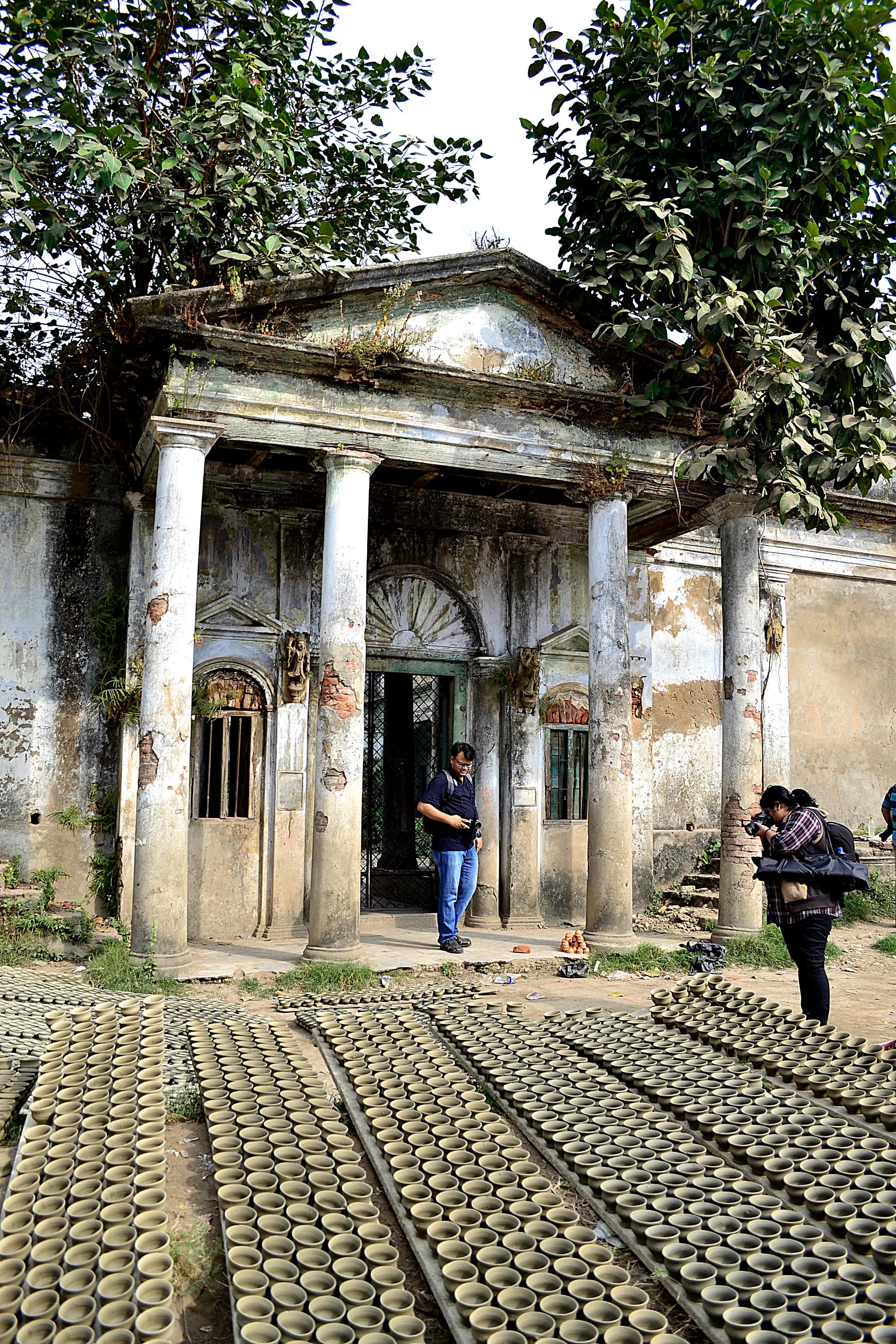
The air hung heavy with the scent of incense and marigold garlands as I approached Harihar Dham, a sprawling temple complex nestled amidst the rolling hills of Giridih, Jharkhand. The sheer scale of the site was immediately striking. Towering shikharas, reminiscent of the Nagara style prevalent in my home state of Madhya Pradesh, pierced the sky, their sandstone surfaces gleaming a warm ochre under the late afternoon sun. Unlike the intricate carvings that adorn many Madhya Pradesh temples, these shikharas possessed a certain stark elegance, their smooth surfaces punctuated only by rhythmic projections and a simple amalaka crowning each spire. My lens immediately gravitated towards the main temple dedicated to Harihar, the combined form of Vishnu (Hari) and Shiva (Har). The structure, a blend of North and South Indian architectural styles, showcased a fascinating interplay of influences. The curvilinear shikhara, a hallmark of the Nagara style, dominated the skyline, while the square mandapa, with its sturdy pillars and pyramidal roof, hinted at a Dravidian influence. This fusion, rarely seen in such a pronounced manner, spoke volumes about the region's rich cultural crossroads. As I circled the main temple, I noticed intricate carvings adorning the doorway. Depictions of deities, celestial beings, and scenes from Hindu mythology unfolded in meticulous detail. The sandstone, weathered by time and the elements, lent these carvings a unique patina, a testament to the temple's enduring presence. I spent a considerable amount of time documenting these narrative panels, each one a window into the rich tapestry of Hindu beliefs. Beyond the main temple, the complex sprawled across a vast area, encompassing smaller shrines dedicated to various deities. A particularly captivating structure was the temple dedicated to Radha-Krishna. Its smaller scale and ornate carvings provided a stark contrast to the imposing grandeur of the Harihar temple. The delicate latticework screens, known as jalis, allowed for a play of light and shadow within the sanctum, creating an ethereal atmosphere. I captured the interplay of light filtering through these jalis, highlighting the intricate carvings of the divine couple. One aspect that truly captivated me was the presence of numerous smaller shrines scattered throughout the complex, almost like miniature echoes of the main temple. Each shrine, though smaller in scale, possessed its own unique architectural character, showcasing variations in shikhara design and decorative elements. This decentralized approach to temple architecture created a sense of exploration and discovery, inviting visitors to wander through the complex and uncover hidden gems. The presence of a large water tank, or kunda, added another layer to the site's spiritual significance. Devotees were performing ritual ablutions in the kunda, their chants and prayers resonating through the air. The reflection of the towering shikharas in the still water of the kunda created a mesmerizing visual, a perfect blend of the built and natural environment. I captured this scene, aiming to convey the serene atmosphere and the deep spiritual connection that permeated the site. My experience at Harihar Dham was more than just a photographic documentation; it was an immersion into a vibrant spiritual landscape. The architectural nuances, the intricate carvings, and the palpable devotion of the pilgrims all contributed to a profound sense of place. As I packed my equipment, I felt a deep sense of gratitude for the opportunity to witness and document this remarkable testament to India's rich cultural heritage. The images I captured, I hope, will serve as a window into this sacred space, allowing others to glimpse the beauty and spiritual significance of Harihar Dham.
Dakshineswar Kali Temple Kolkata
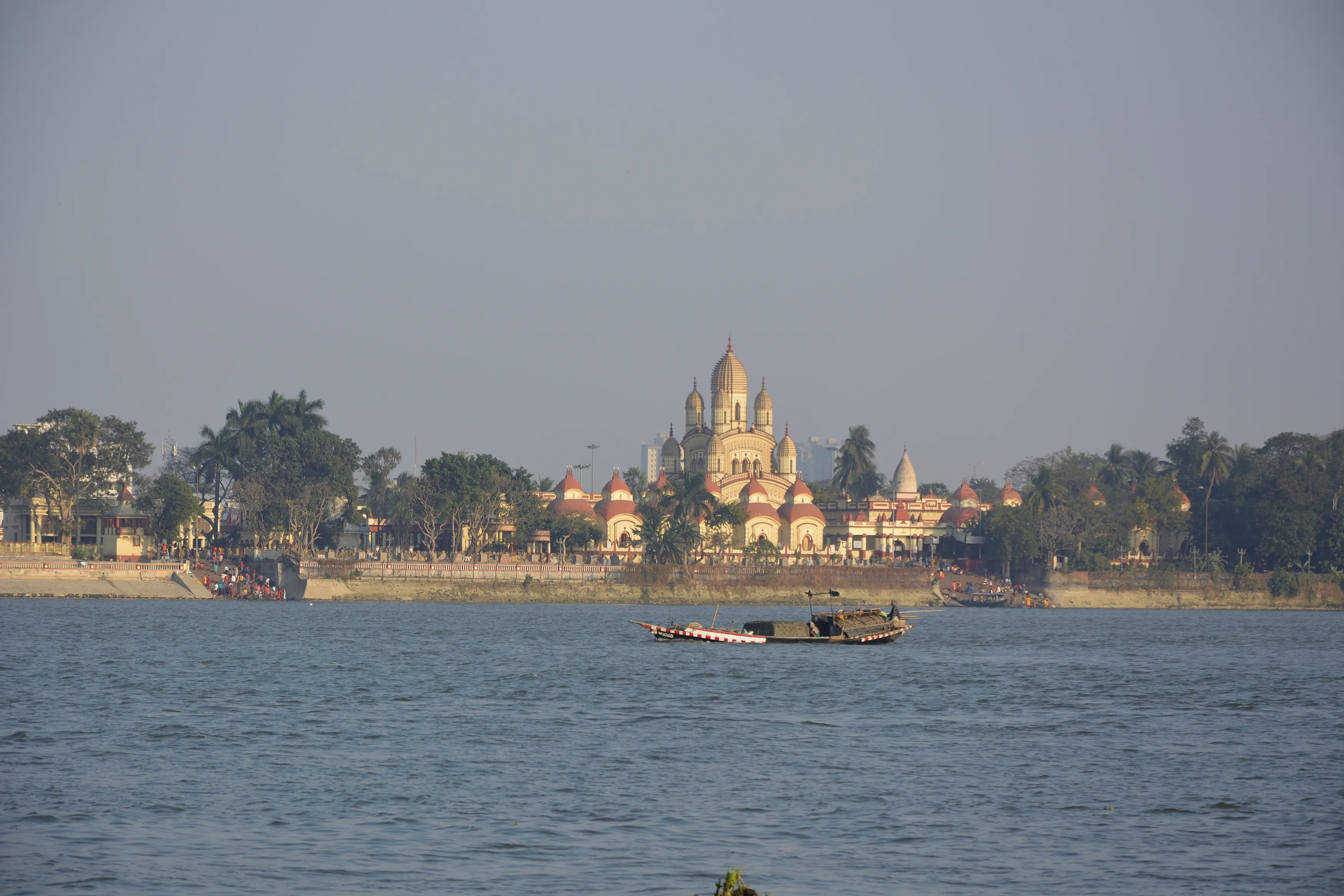
The Hooghly River's edge frames the Dakshineswar Kali Temple in Kolkata, a 19th-century testament to Bengali Navaratna architecture ([1][2]). Commissioned by Rani Rashmoni and completed in 1855 CE, the temple is dedicated to Bhavatarini, a form of Kali ([3]). The complex exemplifies a unique blend of devotion and architectural style distinct from Dravidian forms ([4]). Intricate carvings adorning the walls depict scenes from Hindu epics and Puranas, narrating tales of deities and cosmic events ([5]). The main temple, a nine-spired structure, showcases the curved roof characteristic of Bengali architecture, a design element that gained prominence during the British Colonial Period ([1][2]). This 'nava-ratna' (nine-jeweled) style distinguishes it from other regional temple designs ([3]). Within the Garbhagriha (Sanctum), Bhavatarini stands upon Shiva, symbolizing Shakti's (divine feminine energy) power ([4]). The silver embellishments and sindoor (red vermillion) create a mesmerizing spiritual ambiance ([5]). Surrounding the main shrine, twelve Shiva temples line the ghats, each echoing the Navaratna style in miniature form ([1][2]). A Radha-Krishna temple adds a contrasting element, its carvings depicting the divine love story ([3]). Stone platforms and foundations demonstrate the temple's solid construction, utilizing brick, terracotta, and wood ([4][5]). The temple reflects influences of Vastu Shastra principles, which guide the orientation and spatial arrangement ([1][2]). The complex harmoniously blends architectural elements with the spiritual essence of Bengal, offering a serene escape from Kolkata's bustle ([3]). The Dakshineswar Kali Temple remains a vibrant center of pilgrimage and a significant landmark of Indian heritage ([4][5]).

Dah Parvatiya Temple Ruins Tezpur
The Dah Parvatiya Temple Ruins, located in Tezpur municipality, Assam, stand as a profound testament to India's millennia-spanning cultural heritage, embodying the continuous tradition of Indian civilization through its ancient architectural remnants. This site, a Protected Monument of National Importance under the Archaeological Survey of India, showcases the sophisticated indigenous architectural styles that flourished in ancient India, particularly during the Gupta period [1]. The most celebrated feature is a meticulously carved stone door frame, which is considered one of the finest and oldest specimens of sculptural art in Assam, dating back to the 5th-6th century CE [2]. The ruins reveal the foundational layout of a temple complex, including the base of a *garbhagriha* (sanctum sanctorum) measuring approximately 8.925 feet (2.720 m) by 8.33 feet (2.54 m) [3]. This sanctum was originally enclosed by a circumambulatory passage, leading to a rectangular colonnaded *mandapa* (hall) and a smaller *mukhamantapa* (front hall) to its east [3]. Within the *garbhagriha*, a stone *kunda* or *vedi* (altar) is present, measuring 2.418 feet (0.737 m) by 2.66 feet (0.81 m) with a depth of 5 inches (130 mm) [3]. The original temple structure was constructed primarily of bricks, with dimensions of approximately 15 inches (380 mm) by 11.5 inches (290 mm) by 2.5 feet (0.76 m), a size characteristic of 5th-century construction, complemented by stone door frames and sills [3]. The surviving stone door frame, measuring 5.25 feet (1.60 m) in height and 1.25 feet (0.38 m) in width, is adorned with high-relief carvings [2]. Its lower parts feature elegant depictions of the river goddesses Ganga and Yamuna, standing with divine halos and holding garlands, flanked by female attendants, one holding a *chamara* (fly-whisk) and another a tray of flowers [2]. The upper sections of the door jambs are intricately carved with four vertical bands: a wavy creeper pattern with leaves, a lotus stem with emerging leaves and flowers supported by pygmy figures, embossed panels of human figures amidst ornamental leaves crowned by a vase, and decorative rosettes [3]. The lintel, spanning 3.75 feet (1.14 m) in length and 1.25 feet (0.38 m) in breadth, is symmetrically decorated with five *Chaitya*-windows [3]. These windows contain figures such as a four-armed male, Lakulisa Shiva flanked by mythical *suparna* figures, a flute player with a hooded snake, and Surya (the Sun god) in a cross-legged posture holding a lotus, attended by figures offering betel leaves and carrying a stick [3]. These carvings exhibit stylistic similarities to Gupta period art found in North India, including sites like Bhumra and Nachha Kuthara, and even show resemblances to Hellenistic art, underscoring the site's deep artistic connections within India's ancient cultural networks [4]. The site is currently maintained by the Archaeological Survey of India, which undertakes conservation efforts to preserve these fragile ruins, ensuring their structural integrity and accessibility for scholarly research and public viewing [5]. The ongoing archaeological findings continue to enrich the understanding of early Indian temple architecture and sculptural traditions. The site is operationally ready for visitors, offering a profound glimpse into India's enduring architectural and artistic legacy.
Siddheshwar Temple Solapur
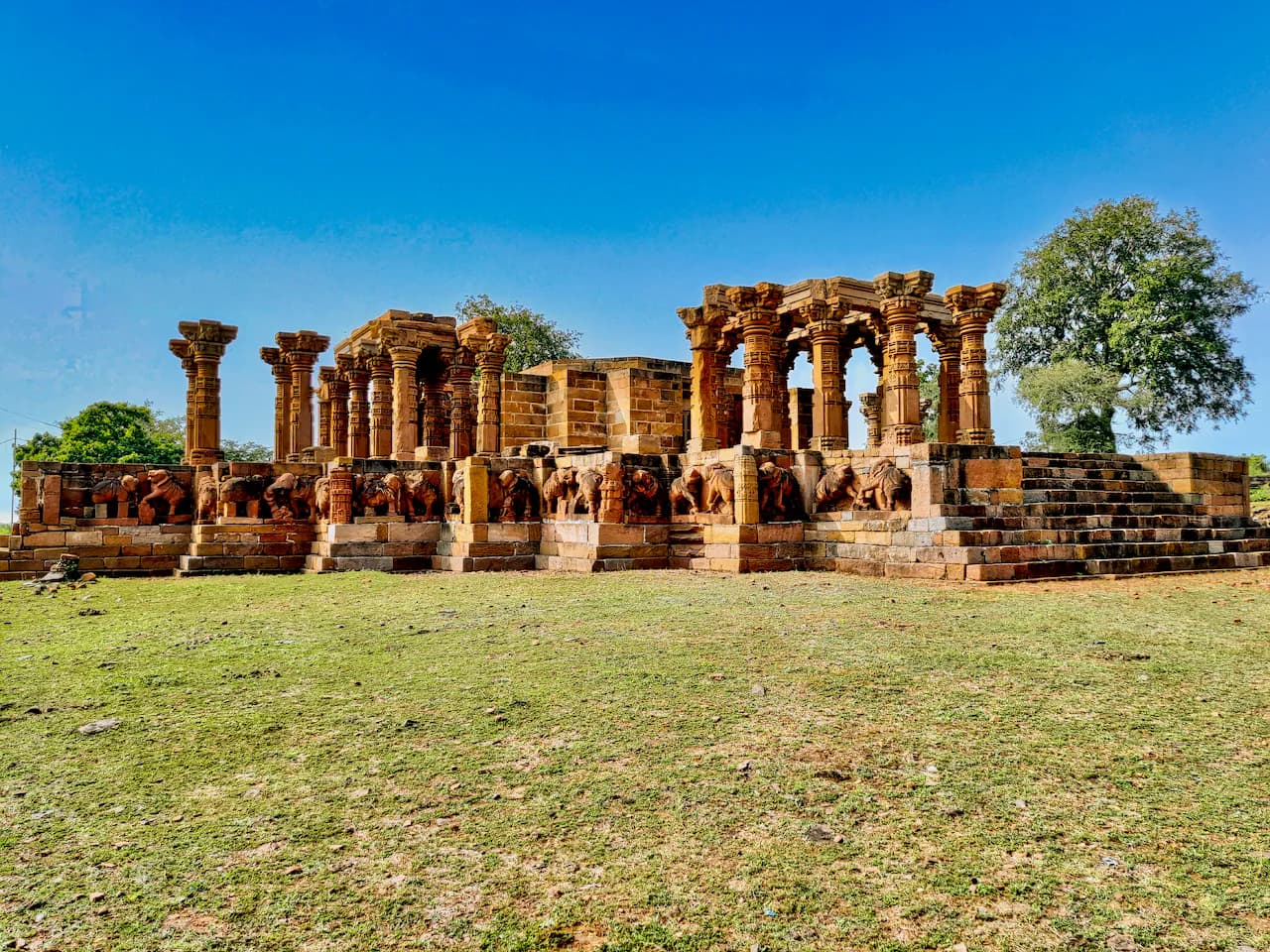
The midday sun beat down on Solapur, the heat radiating off the dusty streets as I made my way to the Siddheshwar Temple. Having explored countless sandstone marvels of Rajasthan, I was curious to see how this Hemadpanti style temple, a distinct architectural tradition of Maharashtra, would compare. And I wasn't disappointed. The temple, dedicated to Lord Shiva, stands nestled within a bustling marketplace, its imposing grey basalt structure a stark contrast to the vibrant colours of the surrounding shops. It felt like stepping into an oasis of calm amidst the city's energetic pulse. The first thing that struck me was the temple's robust, almost fortress-like exterior. Unlike the ornate carvings and delicate filigree work I'm accustomed to seeing in Rajasthani architecture, the Siddheshwar Temple exudes a sense of grounded strength. The walls are thick, the lines clean and geometric, and the overall impression is one of powerful simplicity. The Hemadpanti style, characterized by its use of black basalt stone and intricate interlocking joinery, is evident everywhere. I ran my hand over the smooth, cool stone, marveling at the precision with which each block was fitted together, no mortar visible, a testament to the architectural ingenuity of the era. Stepping through the main entrance, I found myself in a large open courtyard. A Nandi mandapa, housing the sacred bull Nandi, faces the main shrine. This mandapa, like the rest of the temple, is built entirely of basalt, its sturdy pillars supporting a pyramidal roof. The courtyard itself is paved with stone slabs, worn smooth by centuries of devotees. Despite the midday heat, the air within the temple felt cooler, the thick basalt walls providing a welcome respite from the sun. The main shrine, dedicated to Siddheshwar (Lord Shiva), is a masterpiece of Hemadpanti architecture. The shikhara, the towering structure above the sanctum sanctorum, is particularly striking. Its layered, pyramidal form, again built without any mortar, rises towards the sky, a beacon of faith amidst the urban sprawl. While simpler than the curvilinear shikharas of North Indian temples, it possesses a unique beauty, its stark geometry softened by the play of light and shadow. Inside the sanctum, a lingam, the symbolic representation of Lord Shiva, is the focal point of worship. The atmosphere here is hushed and reverent. I watched as devotees offered prayers, their faith palpable in the air. Even as a journalist, accustomed to observing and documenting, I couldn't help but feel a sense of peace and tranquility within the sacred space. As I explored further, I discovered intricate carvings adorning various parts of the temple. While not as profuse as the ornamentation found in Rajasthani temples, the carvings here are exquisite, depicting deities, mythical creatures, and floral motifs. I noticed a recurring motif of the lotus flower, a symbol of purity and enlightenment, carved into the pillars and ceilings. These subtle details, often overlooked in the grandeur of the overall structure, speak volumes about the artistry and devotion that went into the temple's construction. Leaving the cool confines of the Siddheshwar Temple and stepping back into the bustling marketplace, I felt a sense of having travelled through time. The temple, a silent witness to centuries of history, stands as a testament to the enduring power of faith and the architectural brilliance of the Hemadpanti tradition. It's a place where the weight of history is palpable, where the past and the present converge, and where the quiet strength of basalt speaks volumes. My experience with the sandstone forts and palaces of Rajasthan provided a valuable lens through which to appreciate the unique beauty and architectural ingenuity of this remarkable temple.

Janaki Mandir
As I walked through the arches into the Janaki Devi temple in Janakpur, Nepal, I was struck by its grand marble facade and intricate carvings. Crossing the cool stone floors barefoot, I listened to devotional songs and bells as worshippers gathered before the idols of Ram and Sita. Witnessing the Mangala aarti at sunrise left me with a lasting tranquillity. Legend has it that King Janaka found baby Sita in a golden casket at the temple site while ploughing the field, considering her a divine gift from Bhudevi, the Earth Goddess. In 1657, the ascetic Shurkishordas discovered the temple's golden idol of Sita, believed to be self-manifested, which led to the construction of the temple. The Ram Sita Vivah Mandap is a marble pavilion within the temple complex with pillars, arches, and domes. It marks the site of Ram and Sita's wedding - the Swayamvar. Inside the mandap are beautifully adorned and seated idols of Rama and Sita, as well as others depicting the ancient wedding ceremony. Pilgrims, especially newlyweds, seek blessings for marital harmony and happiness at the Vivah Mandap. As evening approached, the temple lit up into a magical spectacle. While local infrastructure poses challenges, the serenity and splendour of Janaki Mandir is an unforgettable journey, offering a genuine encounter with history, devotion, and Mithila heritage. Janaki Mandir, also known as Nau Lakha Mandir (Nine Lakh Temple), is a magnificent three-storied temple dedicated to Goddess Sita, located in Janakpur, Nepal. Commissioned in 1910 by Queen Vrisha Bhanu of Tikamgarh, India, the temple is built entirely of white marble and stone, blending Koiri Hindu, Mughal, and Rajput architectural styles. The temple complex spans approximately 1,480 square meters and contains 60 rooms adorned with Madhubani art, colored glass, engravings, and ornate lattice windows. The temple stands on ground believed to be sanctified by Sita's birth and her marriage to Rama, serving as a locus for both historical memory and living faith.
Perth Hindu Temple Canning Vale
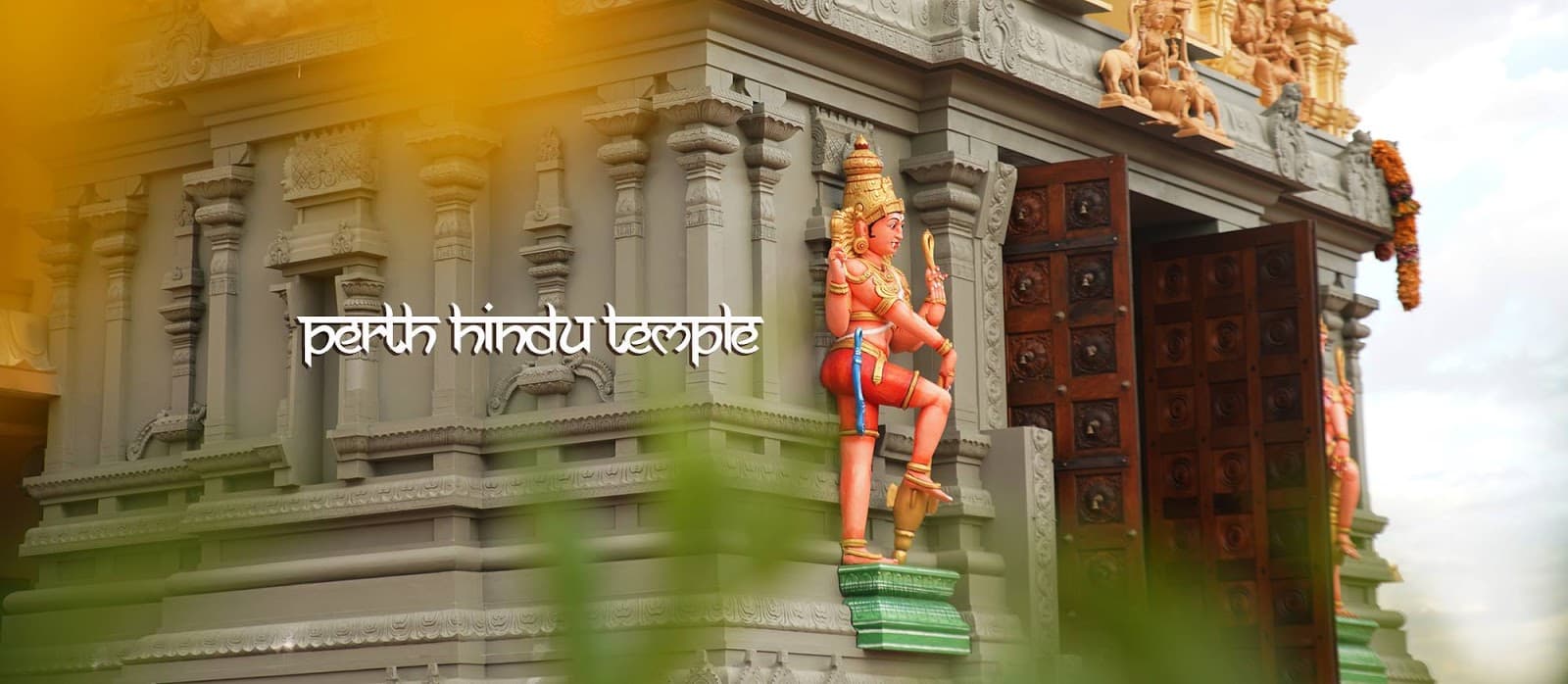
Perth Hindu Temple Canning Vale is dedicated to multiple deities with a principal focus on Lord Shiva and anchors Perth’s southern suburbs as a 5.5-acre mandir campus ([1][2]). Daily darshan opens 7:00 AM-12:00 PM and 5:00 PM-8:30 PM, with Mahashivaratri, Navaratri, and multicultural open days extending to 10:00 PM; crowd management teams run RFID counters and LED signage to route visitors between Shiva, Durga, Murugan, and Venkateswara sanctums without congestion across the granite mandapa ([1][5]). The community hall seats 800 with retractable risers, while a commercial kitchen outfitted with gas and induction appliances handles annadhanam service under WA FoodSafe audits; a dumbwaiter lifts prasadam to the cultural classrooms for seniors ([1][3]). Accessible design includes ramps, tactile paving, a platform lift, and dedicated accessible parking beside the hall, plus induction loop audio for hearing-impaired devotees ([2][5]). Fire wardens drill quarterly, water storage tanks are tested monthly, and the campus building management system logs energy, HVAC, and stormwater usage to meet City of Gosnells compliance ([3]). With multilingual signage, first aid posts, and volunteer marshals assigned per sanctum, the precinct remains fully operational for daily worship, festivals, cultural tuition, and civic partnerships ([1][2]).
Quick Links
Plan Your Heritage Journey
Get personalized recommendations and detailed visitor guides