Has Inheritage Foundation supported you today?
Your contribution helps preserve India's ancient temples, languages, and cultural heritage. Every rupee makes a difference.
Secure payment • Instant 80G certificate

Shree Ganesh Mandir Champhai
The air in Champhai, Mizoram, hung heavy with the scent of pine and a palpable sense of serenity. Perched atop a hillock overlooking the sprawling valley, the Shree Ganesh Mandir commands attention, not through towering grandeur, but through a quiet, understated presence. Unlike the ornate, bustling temples I've encountered across India on my UNESCO World Heritage journey, this one exuded a different kind of energy – a peaceful contemplation that resonated with the surrounding landscape. The first thing that struck me was the unusual architecture. This wasn't the typical Dravidian or Nagara style I’d grown accustomed to. The temple, dedicated to Lord Ganesha, incorporates elements of indigenous Mizo architecture, creating a unique hybrid. The sloping roof, reminiscent of traditional Mizo houses, is clad in corrugated iron sheets, a practical adaptation to the region's heavy rainfall. This pragmatic approach extends to the walls, constructed from locally sourced stone, lending the structure an organic, earthy feel. The entrance is framed by a simple archway, devoid of elaborate carvings, leading into a single, modest prayer hall. Inside, the atmosphere is hushed and reverent. The idol of Lord Ganesha, carved from a single block of white marble, occupies the central space. It's a relatively small statue, but its simplicity amplifies its spiritual weight. The absence of opulent decorations and the muted natural light filtering through the windows create an environment conducive to introspection. I sat there for a while, absorbing the quiet energy, the only sound the gentle rustling of prayer flags outside. What truly sets this temple apart, however, is its story. My conversations with the local priest and residents revealed a fascinating narrative of religious harmony. Champhai, predominantly Christian, embraced the construction of this Hindu temple, demonstrating a remarkable level of interfaith acceptance. The land for the temple was donated by a local Mizo family, a testament to the community's inclusive spirit. This narrative of coexistence, woven into the very fabric of the temple, resonated deeply with me. It was a powerful reminder that spirituality transcends religious boundaries. The panoramic view from the temple grounds adds another layer to the experience. The rolling hills, carpeted in vibrant green, stretch as far as the eye can see, punctuated by the occasional cluster of houses. The Myanmar border, a mere stone's throw away, is visible on a clear day, adding a geopolitical dimension to the vista. I spent a considerable amount of time simply gazing at the landscape, lost in the tranquility of the moment. Visiting the Shree Ganesh Mandir wasn't just about ticking off another UNESCO site on my list. It was an immersive cultural experience, a lesson in religious tolerance, and a moment of quiet reflection amidst the breathtaking beauty of Mizoram. The temple, in its unassuming simplicity, speaks volumes about the spirit of Champhai – a community that embraces diversity and finds harmony in its differences. This experience, more than the grandeur of some of the more famous sites, underscored the true essence of my journey – to discover the heart and soul of India, one temple, one monument, one story at a time. The lack of readily available information about this particular UNESCO site adds to its mystique. It's not a place overrun by tourists, which allows for a more intimate and authentic connection with the space and its significance. This, for me, is the true reward of exploring the lesser-known corners of our incredible heritage. The Shree Ganesh Mandir in Champhai is not just a temple; it's a testament to the power of faith, community, and the quiet beauty of coexistence.
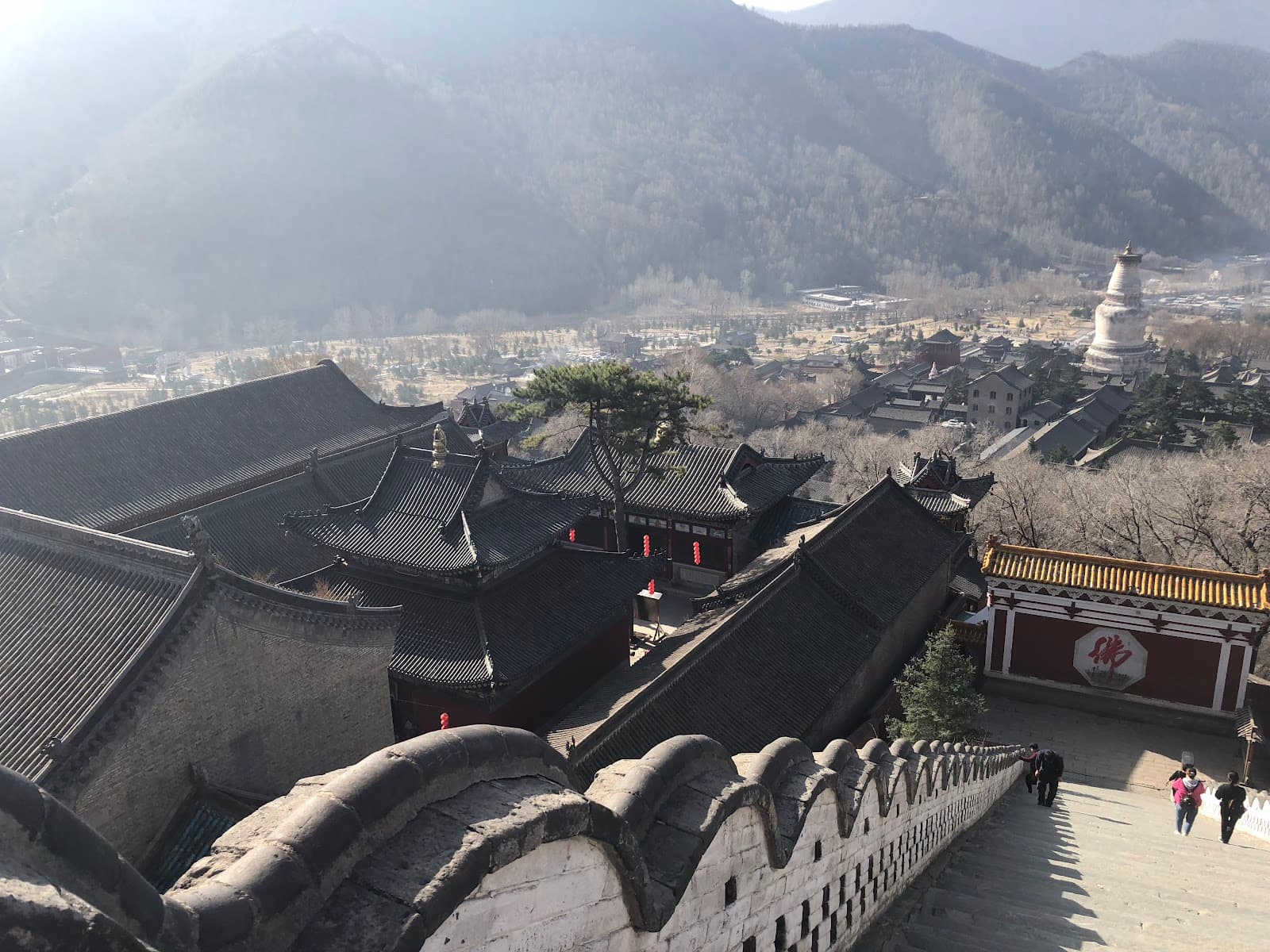
Mount Wutai Monasteries Shanxi China
Mount Wutai, dramatically rising from the rugged terrain of northern Shanxi Province, represents one of the most extraordinary and historically significant Buddhist mountain complexes in China, dating from the 1st century CE and serving as one of the Four Sacred Buddhist Mountains of China that flourished as a major center of Buddhist learning and practice with remarkable connections to Indian Buddhist traditions, particularly through its association with Manjushri, the Bodhisattva of Wisdom who is central to Indian Buddhist cosmology, and featuring over 53 monasteries and temples that demonstrate clear connections to the architectural and religious traditions of ancient India, particularly the sophisticated mountain monastery planning principles and Hindu guardian deity traditions that were transmitted from the great Buddhist centers of northern India, creating a powerful testament to the profound transmission of Indian Buddhist civilization to China during the early medieval period. The site, featuring sophisticated Buddhist temple structures with halls, pagodas, and ritual spaces that demonstrate clear connections to the architectural traditions of ancient India, particularly the sophisticated mountain monastery planning principles and the remarkable preservation of Hindu guardian deities that reflect the integration of Indian Hindu and Buddhist traditions, demonstrates the direct transmission of Indian Buddhist architectural knowledge, religious iconography, and cultural concepts from the great monastic universities of ancient India, particularly Nalanda and Taxila, which systematically transmitted Buddhist teachings and architectural traditions to China through the extensive trade and pilgrimage networks that connected India with China, while the site's most remarkable feature is its extraordinary collection of over 53 monasteries and temples, including the ancient Nanchan Temple dating from the 8th century, that demonstrate remarkable parallels with Indian mountain monastery traditions, particularly the structural techniques and iconographic programs that were central to Indian Buddhist architecture, including depictions of Hindu guardian deities that reflect the sophisticated synthesis of Indian Hindu and Buddhist traditions. The temple structures' architectural layout, with their sophisticated planning, central halls surrounded by subsidiary structures, meditation chambers, and ceremonial spaces, follows planning principles that demonstrate remarkable parallels with Indian Buddhist monastery planning principles, particularly the vihara and mountain monastery traditions that were central to Indian Buddhist architecture, while the site's extensive archaeological remains including Hindu guardian deity sculptures with clear Indian stylistic influences, Buddhist sculptures that reflect Indian iconographic traditions, and architectural elements demonstrate the sophisticated synthesis of Indian Hindu and Buddhist iconography and cosmological concepts with local Chinese aesthetic sensibilities and building materials. Historical evidence reveals that the site served as a major center of Buddhist learning and religious activity during the 1st through 13th centuries, attracting monks, traders, and pilgrims from across China, South Asia, and Central Asia, while the discovery of numerous artifacts including Hindu guardian deity sculptures with clear Indian connections, Buddhist sculptures that reflect Indian iconographic traditions, and architectural elements that reflect Indian architectural concepts provides crucial evidence of the site's role in the transmission of Indian Buddhist and Hindu traditions to China, demonstrating the sophisticated understanding of Indian religious architecture and practices possessed by the site's patrons and monastic establishment. The site's association with Manjushri, the Bodhisattva of Wisdom who is central to Indian Buddhist cosmology and is traditionally said to reside on Mount Wutai, demonstrates the sophisticated understanding of Indian Buddhist traditions that were transmitted to China, while the site's Buddhist temple structures and Hindu guardian deities demonstrate remarkable parallels with Indian Buddhist temple architecture and Hindu religious traditions that were central to ancient Indian civilization. The site has been the subject of extensive historical research and conservation efforts, with ongoing work continuing to reveal new insights into the site's sophisticated architecture, religious practices, and its role in the transmission of Indian religious traditions to China, while the site's status as a UNESCO World Heritage Site demonstrates its significance as a major center for the transmission of Indian Buddhist and cultural traditions to China. Today, Mount Wutai stands as one of the most important historical Buddhist sites in China, serving as a powerful testament to the transmission of Indian Buddhist civilization to China, while ongoing historical research and conservation efforts continue to protect and study this extraordinary cultural treasure that demonstrates the profound impact of Indian civilization on Chinese religious and cultural development. ([1][2])
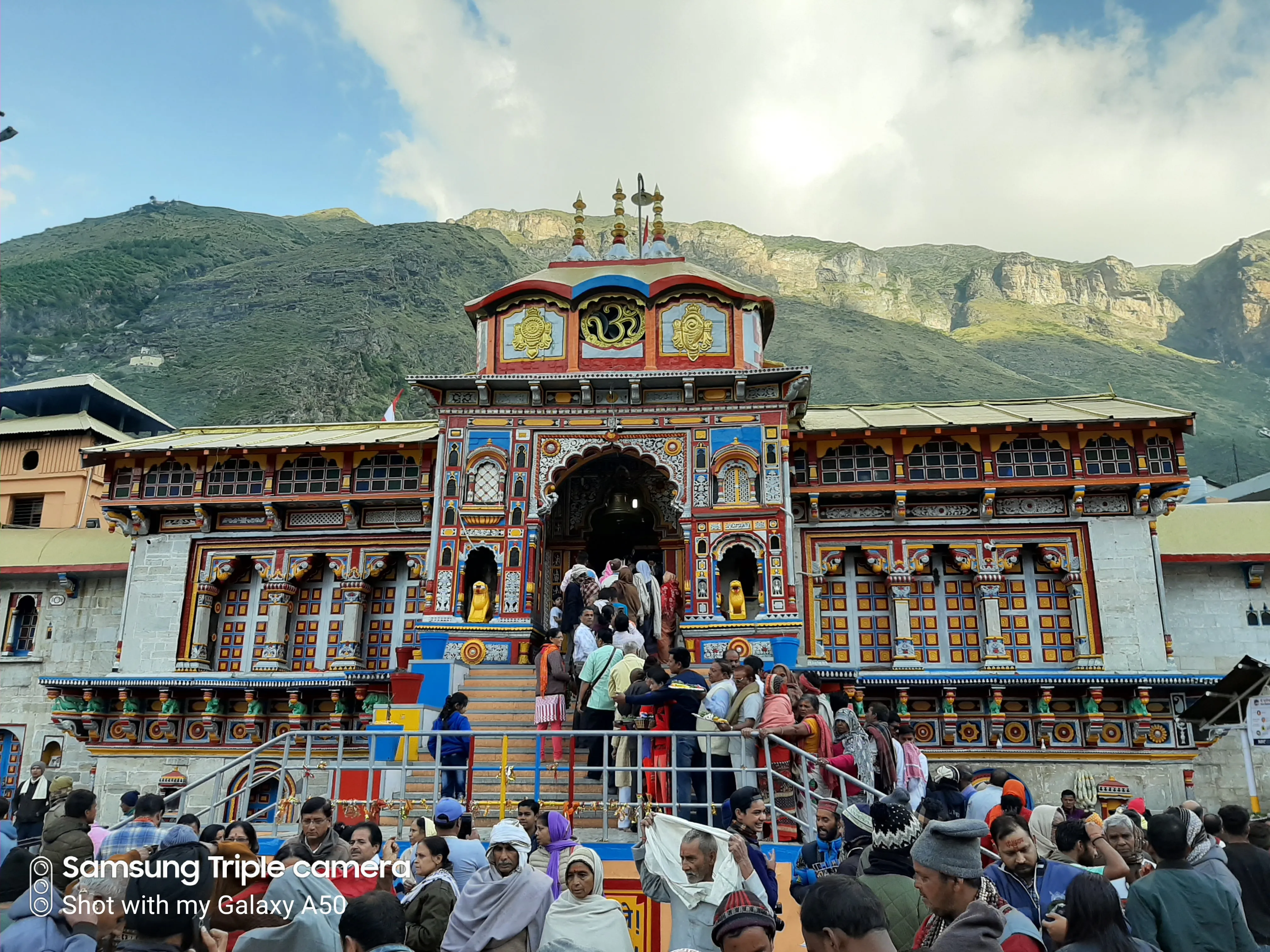
Badrinath Temple Chamoli
Enshrined in the majestic Garhwal Himalayas, the Badrinath Temple, a sacred abode dedicated to Lord Vishnu, allures devotees with its spiritual significance ([1]). Constructed in the 19th century (1803 CE), the temple exemplifies the Nagara style of North Indian architecture ([2]). Its towering Shikhara (spire) and multi-storied structure are visual testaments to the architectural prowess of the era ([3]). The vibrant facade, embellished with an arched gateway and cupola, presents a captivating contrast against the Himalayan backdrop ([4]). Stone and wood, the primary construction materials, are enhanced by copper and gold accents, reflecting the region's rich artistic heritage ([5]). Intricate carvings depicting Hindu mythological narratives adorn the temple walls, enriching its visual and spiritual depth ([6]). Within the Garbhagriha (sanctum), the revered black stone idol of Lord Vishnu radiates serenity, serving as the focal point for devotees ([7]). Tradition credits Adi Shankara with the temple's re-establishment, reinforcing its spiritual importance ([8]). Pilgrims willingly endure the challenging climate to immerse themselves in the sacred Tapt Kund, a thermal spring believed to possess healing properties ([9]). The patronage of the Garhwal Royals has significantly shaped the temple's legacy and contributed to its preservation ([10]). Furthermore, the Alaknanda River enhances the temple's spiritual ambiance, creating a harmonious blend of nature and faith ([11]). The temple stands as a symbol of resilience, unwavering faith, and the profound connection between humanity and the majestic Himalayas ([12]). The Badrinath Temple's architecture aligns with principles outlined in ancient texts, though specific verses require further research, its design echoes the spiritual and aesthetic values embedded in Indian temple traditions. During the pilgrimage season, the temple becomes a vibrant hub of cultural and religious activity, attracting visitors from across the globe ([13]). The surrounding landscape, with its snow-capped peaks and verdant valleys, further amplifies the temple's spiritual allure ([14]).
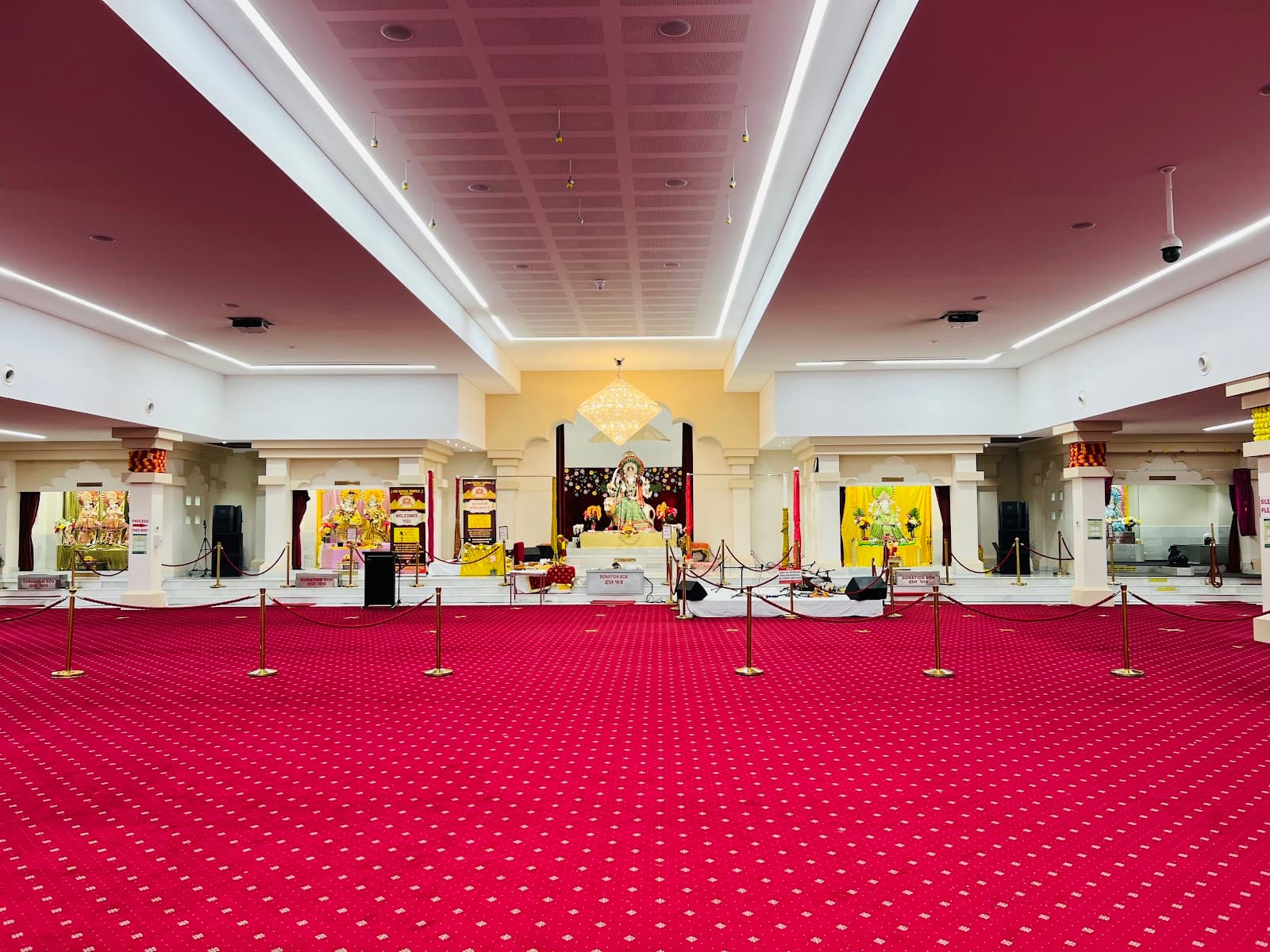
Sri Durga Temple Rockbank
Sri Durga Temple Rockbank is dedicated to Goddess Durga and anchors Rockbank, Victoria, as one of Australia’s largest Shakta complexes ([1][2]). The four-level precinct opens daily 7:00 AM-12:00 PM and 5:00 PM-9:00 PM, with Navaratri, Durga Ashtami, and Diwali programs extending to 11:00 PM; RFID turnstiles and queue marshals route devotees through separate Durga, Shiva, and Hanuman sanctums to maintain flow across the 20-metre mandapa span ([1][5]). The cultural centre’s 1,200-seat auditorium hosts bhajan concerts and community forums while backstage lifts move instruments, wheelchairs, and prasadam carts without intersecting pilgrim circulation ([1][2]). Annadhanam kitchens on level two use induction ranges, combi-ovens, and HACCP-monitored chillers, and a dumbwaiter delivers hot meals to the ground-floor food hall where volunteers manage waste separation and allergen signage ([1][3]). Accessible ramps at 1:20 gradient, tactile floor strips, dual lifts, and induction loop audio allow seniors and neurodiverse guests to access cultural classrooms and sanctum viewing rails; dedicated parent rooms and changing tables sit adjacent to restrooms on every level ([2][5]). Fire wardens drill quarterly, and the building management system logs air quality, energy consumption, and stormwater tank levels so operations stay compliant with Melton City Council permits ([3][4]). With 900 on-site parking bays, overflow shuttle plans, and bilingual digital signage, the complex remains fully prepared for daily worship, large diaspora festivals, and civic partnerships year-round ([1][2]).
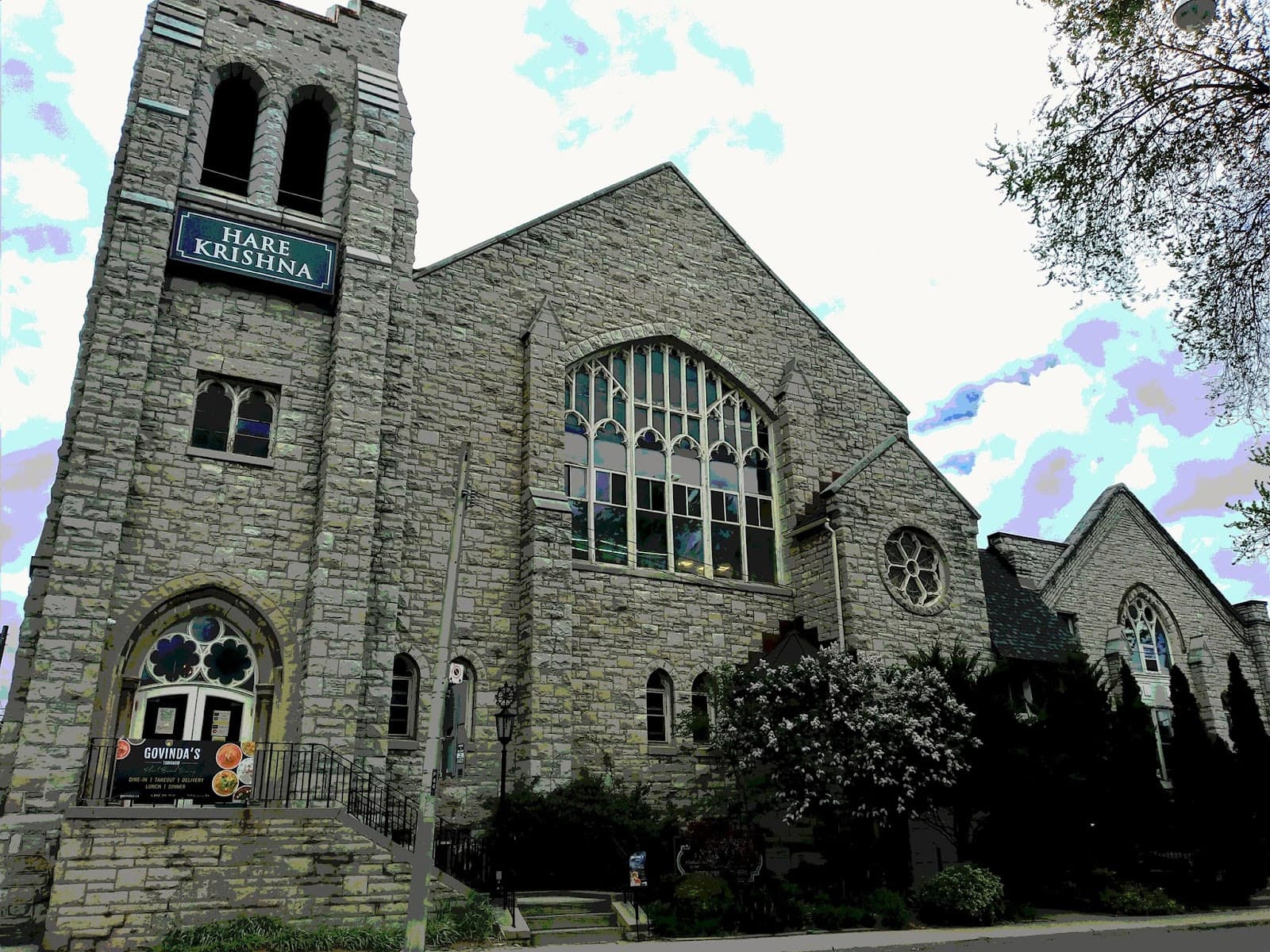
ISKCON Toronto Hare Krishna Temple
ISKCON Toronto Hare Krishna Temple is dedicated to Lord Krishna and anchors Midtown Toronto’s Annex district as a landmark Victorian mansion repurposed for Gaudiya Vaishnava worship since 1976 ([1][2]). The heritage-listed building opens daily 4:30 AM-9:00 PM, with mangala arati, japa, bhoga offerings, and evening kirtan filling the carved salons, while Govinda’s lunch program serves vegetarian prasadam to residents, students, and office workers ([1][3]). Volunteers stage queue ropes in the central hall, manage shoe storage, and coordinate Harinam teams headed downtown, while the operations desk handles guided tours, yoga sign-ups, and Food for Life outreach rosters ([1][5]). The kitchen runs HACCP-compliant vegetarian service using induction equipment and compostable serveware, and a dumbwaiter lifts trays to dining rooms to keep narrow staircases clear ([3]). Accessibility retrofits include a rear lift, 1:12 ramps, tactile markers, captioned signage, and hearing loops in the temple hall, while quiet rooms support sensory-sensitive guests ([2][5]). Building systems integrate geothermal wells, smart thermostats, and HEPA filtration to regulate the mansion through Toronto seasons, and digital screens share daily schedules, queue times, and community announcements. Blood drives, legal aid clinics, language classes, and art salons share the calendar with kirtan residencies and Rath Yatra planning, reflecting operational readiness for both civic service and devotional rhythm ([3][5]).
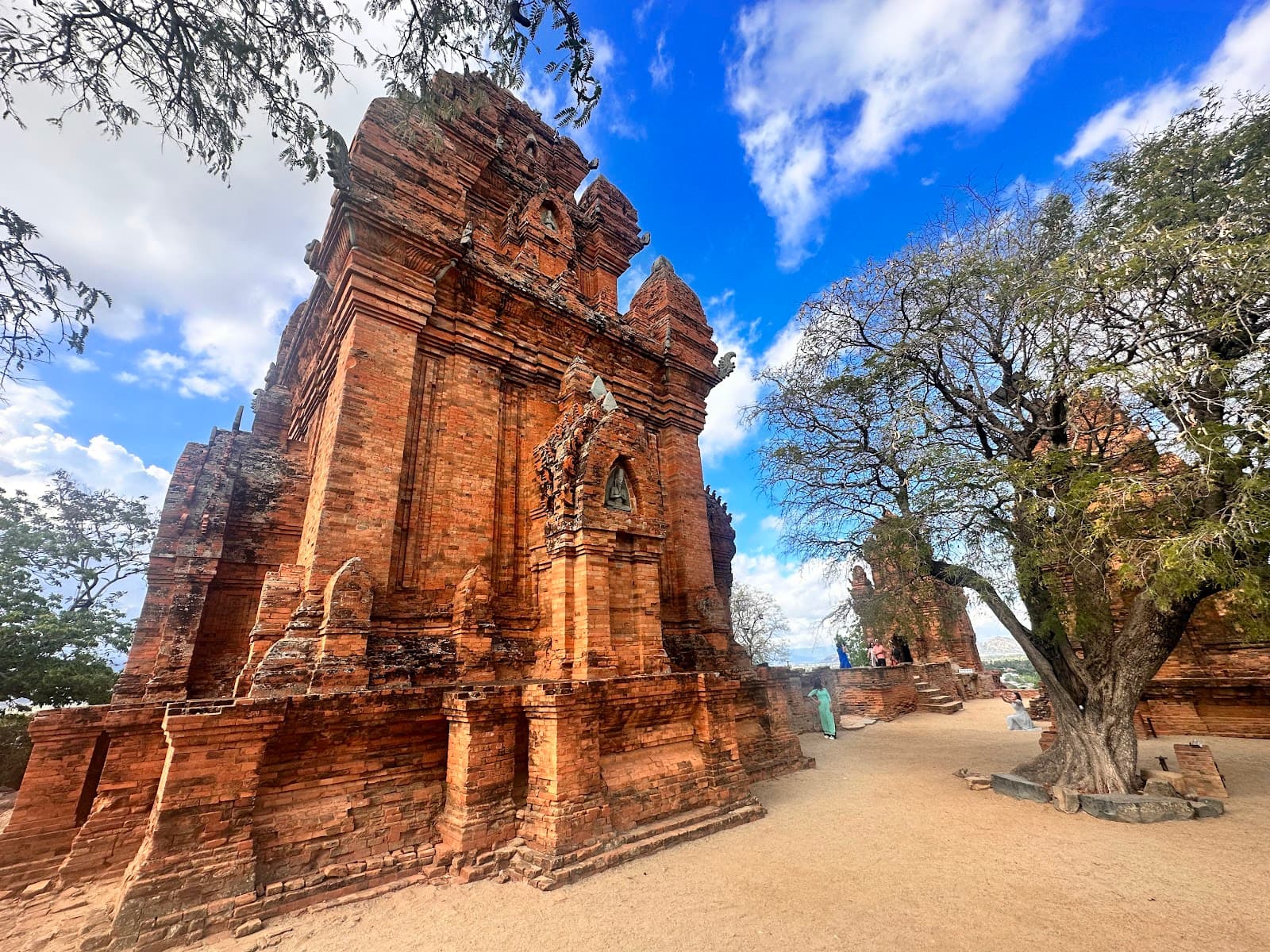
Po Klong Garai Towers Phan Rang Vietnam
Po Klong Garai Towers, dramatically situated on a hilltop overlooking the city of Phan Rang in Ninh Thuan Province, Vietnam, represent one of the most magnificent and well-preserved Cham Hindu temple complexes in Vietnam, constructed in the late 13th century CE to honor King Po Klong Garai, a revered Champa monarch who is remembered for his wisdom and contributions to Cham civilization, creating a stunning testament to the continued transmission of Indian Hindu religious and architectural traditions to Southeast Asia during the late medieval period. The temple complex, comprising three towers including a main tower dedicated to Shiva, a fire tower, and a gate tower, features extraordinary red brick structures adorned with intricate sandstone carvings and bas-reliefs that demonstrate the sophisticated synthesis of Indian Hindu temple architecture, particularly the Dravidian traditions of southern India, with indigenous Cham building techniques, creating a unique architectural expression that reflects Champa's deep and enduring engagement with Indian religious and cultural traditions. The main tower, standing approximately 21 meters tall and dedicated to Shiva, features elaborate decorative programs including bas-reliefs depicting Hindu deities, mythological scenes, and Cham royal iconography that demonstrate the direct transmission of Indian Hindu iconography and artistic traditions, while the discovery of Sanskrit inscriptions and Cham inscriptions provides crucial evidence of the site's role as a center for the transmission of Indian religious texts and practices to Southeast Asia. The temple complex served as a major center of Hindu worship for the Champa Kingdom, attracting devotees from across the region, while the site's location on a prominent hilltop, chosen according to Indian cosmological principles emphasizing the connection between earth and sky, underscores its spiritual significance as a place where the divine and earthly realms intersected, and the site's continued use as an active place of worship by Cham communities demonstrates the enduring vitality of Hindu religious practices in Vietnam. Archaeological evidence reveals that the complex represents one of the finest examples of late Cham architecture, demonstrating the continued refinement of Cham Hindu temple design and its continued engagement with Indian traditions even as Champa faced increasing pressure from neighboring powers, while the sophisticated brick construction techniques, including the unique Cham method of firing bricks in situ, created exceptionally durable structures that have withstood centuries of environmental stress and human activity. The towers feature distinctive Cham architectural elements including tiered pyramidal roofs, elaborate false doors, and extensive decorative programs that demonstrate the adaptation of Indian temple architecture to local materials and aesthetic preferences, while the site's excellent preservation provides crucial insights into the sophisticated engineering and artistic techniques employed in Cham temple construction. Today, Po Klong Garai stands as one of the most important Cham Hindu temples in Vietnam, serving as a powerful testament to the transmission of Indian Hindu culture and architecture to Southeast Asia, while the site's continued function as an active place of worship and its prominent location ensure its ongoing significance as both a cultural monument and a living religious center that bridges ancient Cham traditions with contemporary Vietnamese society. ([1][2])
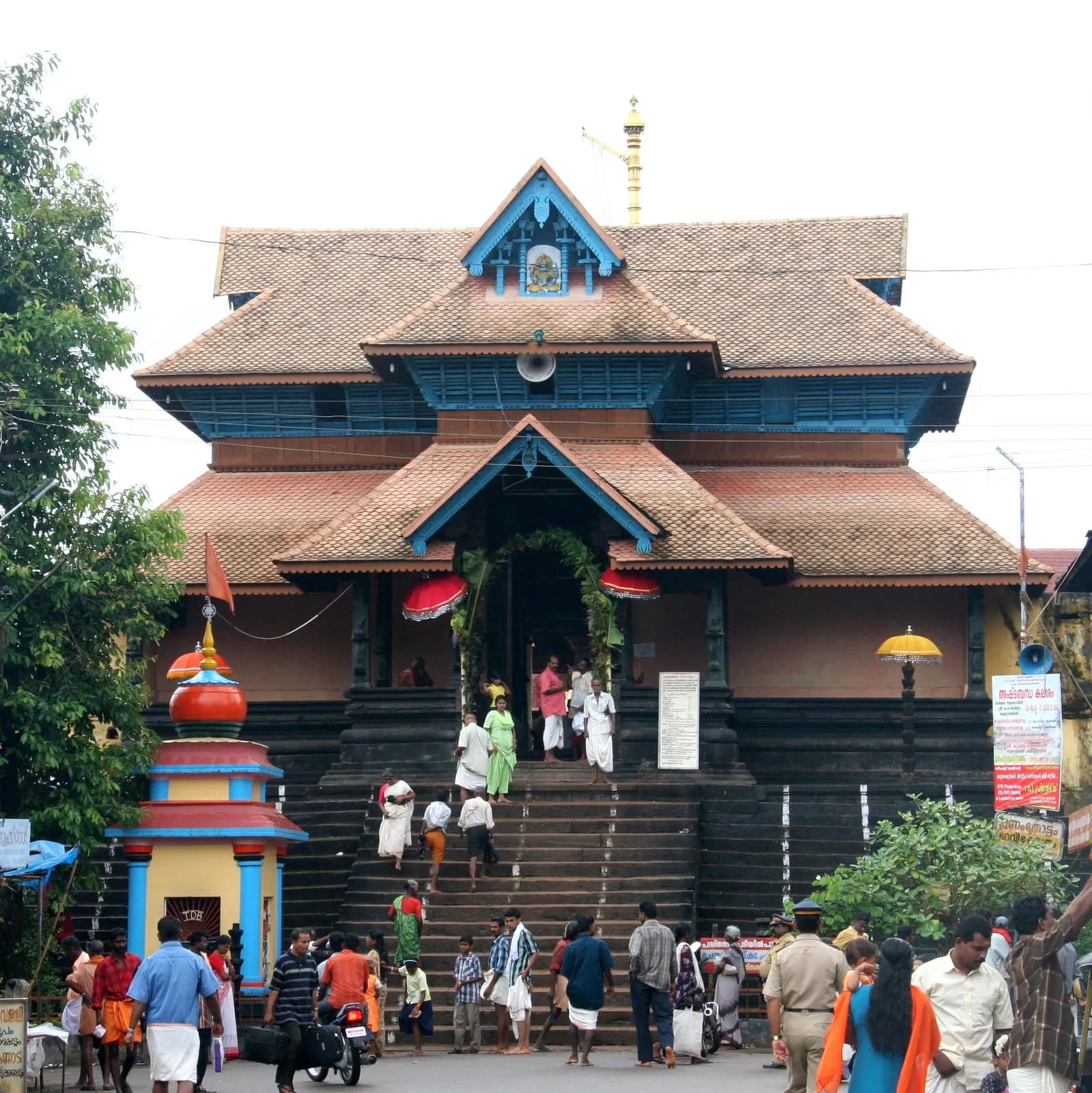
Aranmula Parthasarathy Temple Aranmula
Enclosed by Kerala's lush landscapes, the Aranmula Parthasarathy Temple, a shrine dedicated to Lord Krishna, exemplifies the region's distinct architectural heritage ([1][2]). Constructed around 1550 CE, during the Chera period, the temple diverges from the towering gopurams (gateway towers) typical of Tamil Nadu temples, embracing the Kerala style with its sloping, copper-shingled roofs ([3][4]). Commissioned by Pandya Dynasty kings, the temple showcases the architectural prowess of the time ([5]). Intricate carvings embellishing the wooden eaves and pillars narrate scenes from the Mahabharata, reflecting the region's deep-rooted mythological traditions ([1][2]). The use of laterite, wood, stone, and copper highlights the traditional materials employed in Kerala temple construction ([3][4][5]). Further, the Koothambalam (temple theatre) within the complex underscores the temple's function as a cultural center, its ornate pillars resonating with the echoes of Kathakali performances ([1][2]). Within the Garbhagriha (Sanctum Sanctorum), the deity is adorned with resplendent silks and jewels, creating a mystical ambiance heightened by the aroma of sandalwood and incense ([3][4]). The temple's design may subtly align with principles outlined in texts like the *Manasara Shilpa Shastra*, though specific verses are not directly documented ([5]). Also, Aranmula's connection to the Aranmula Kannadi, a unique metal mirror crafted through a secret process, adds to the temple's mystique ([1][2][3]). During the annual Onam festival, the Vallam Kali boat race on the Pampa River enhances the temple's spiritual significance, celebrating the enduring power of tradition ([4][5]). The temple stands as a repository of Kerala's cultural and architectural legacy, inviting visitors to immerse themselves in its rich history and spiritual aura ([1][2][3]). The gable roofs further accentuate the distinctiveness of the temple, setting it apart from other architectural styles in the region ([4][5]).
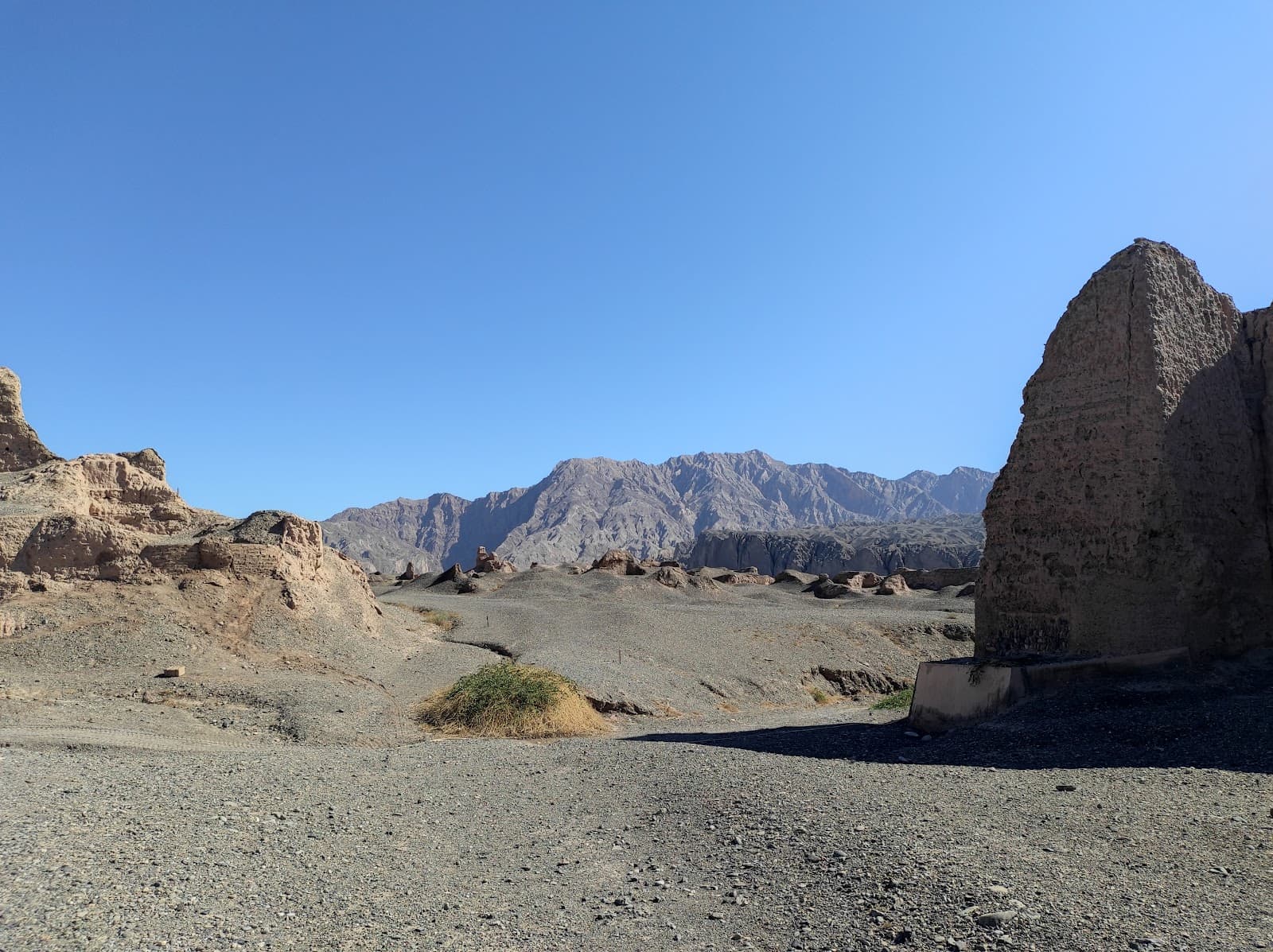
Subashi Buddhist Temple Kuqa Xinjiang China
Subashi Buddhist Temple, located near Kuqa in Aksu Prefecture, Xinjiang, China, represents one of the most magnificent and architecturally sophisticated Buddhist temple complexes along the northern branch of the Silk Road, constructed from the 2nd to 6th centuries CE when the ancient Kingdom of Kucha flourished as a major center for the transmission of Buddhism from India to China, creating a stunning testament to the direct transmission of Indian Buddhist architectural and artistic traditions to Central Asia. The temple complex, constructed primarily from rammed earth, fired brick, and wood with extensive stucco and painted decoration, features massive walls, towering pillars, and extensive ruins that once formed one of the largest Buddhist monastic complexes in the Tarim Basin, with the site's architectural grandeur and sophisticated design demonstrating the systematic transmission of Indian Buddhist monastery architecture, particularly the traditions of northern India, to Central Asia. The site's architectural design demonstrates direct influence from Indian Buddhist monastery architecture, with the overall plan, structural forms, and decorative programs reflecting Indian Buddhist practices that were systematically transmitted to Central Asia, while the discovery of numerous Indic sculptures, including a remarkable 6th to 7th century sarira (Buddhist relic box) depicting Central Asian figures in long tunics reminiscent of Tocharian friezes, provides crucial evidence of the site's role as a major center of Buddhist artistic production that was directly influenced by Indian traditions. Archaeological excavations have revealed extraordinary preservation of architectural elements including massive walls, pillars, and foundations that demonstrate the sophisticated engineering techniques employed in the temple's construction, while the discovery of numerous sculptures, inscriptions, and ritual objects provides further evidence of the site's importance as a center of Buddhist worship, learning, and artistic production. The temple complex flourished particularly during the 5th to 7th centuries CE, when it served as one of the most important centers for the transmission of Buddhism from India to China, attracting monks, traders, and pilgrims from across the Buddhist world, while the site's location along the northern Silk Road facilitated its role in the transmission of Buddhist teachings, art, and culture. The site continued to function as a Buddhist center through the 6th century CE, with evidence of continued use and modifications that reflect the evolving religious and political landscape of the region, while the site's eventual abandonment, likely during the 7th or 8th century CE following political changes and the decline of Buddhism in the region, left substantial ruins that continue to provide crucial insights into the site's history and significance. The discovery of the sarira casket and other Indic sculptures at Subashi provides particularly important evidence of the ways in which Indian Buddhist artistic traditions were adapted and synthesized with local Central Asian elements, demonstrating the complex cultural exchanges that occurred along the Silk Road, while the site's architectural grandeur underscores its historical importance as a major center of Buddhist learning and practice. Today, Subashi stands as a UNESCO Tentative List site and represents one of the most important archaeological sites in the Taklamakan Desert, serving as a powerful testament to the transmission of Indian Buddhist architecture and art along the Silk Road, while ongoing archaeological research and preservation efforts continue to protect and study this extraordinary cultural treasure that demonstrates the profound impact of Indian civilization on Central Asian Buddhist art and architecture. ([1][2])
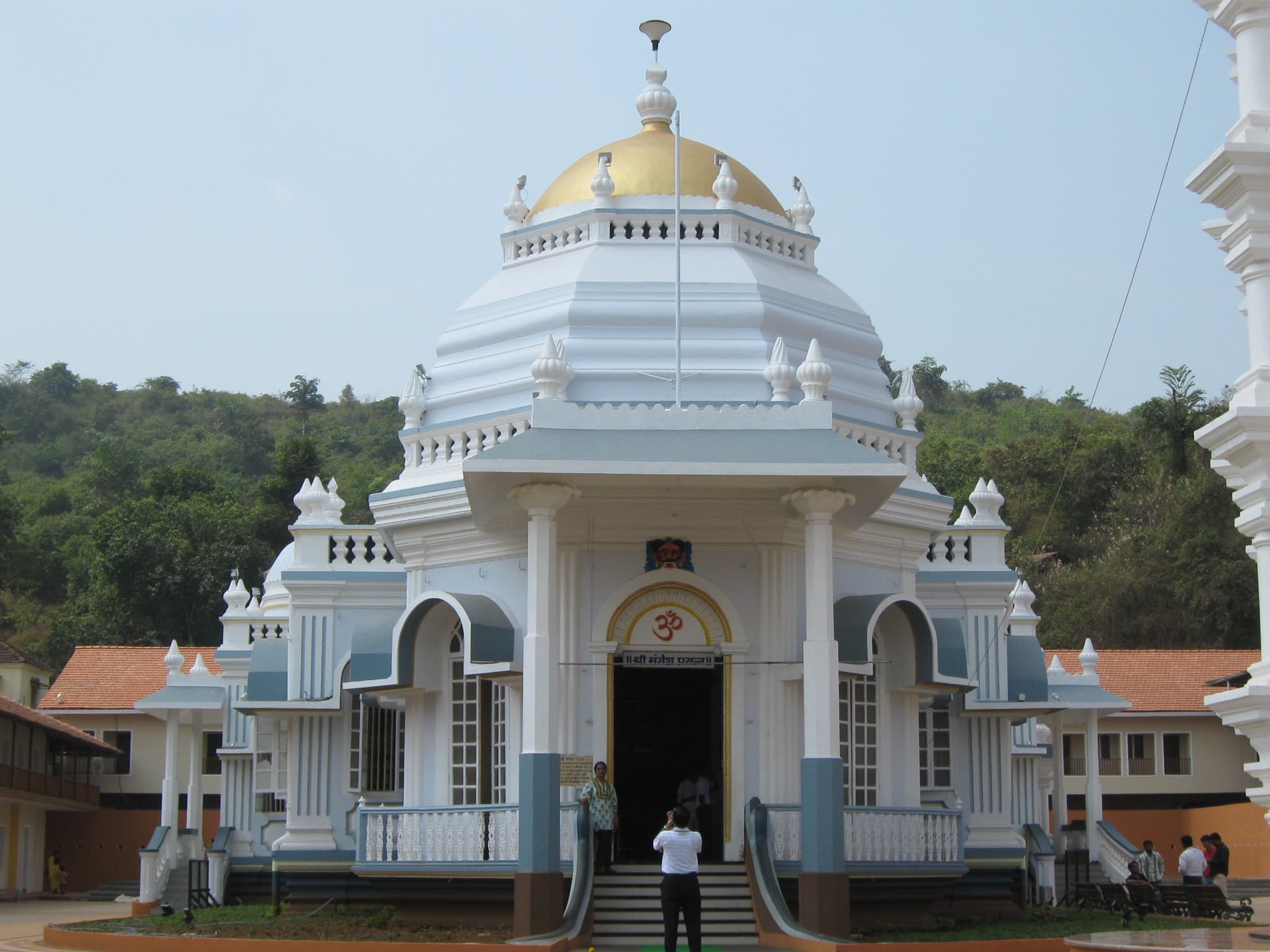
Mangeshi Temple Ponda Goa
The vibrant vermilion and white of the Mangeshi Temple, nestled amidst the emerald green paddy fields of Ponda, Goa, offers a striking contrast that immediately captivates. As a Maharashtrian who has spent years exploring the cave temples of my home state, I was intrigued to see how Goan temple architecture differed, and Mangeshi didn't disappoint. The temple, dedicated to Lord Shiva in his incarnation as Mangesh, exudes a unique blend of traditional Goan and South Indian architectural styles. The first thing that struck me was the impressive seven-story deepstambha (lamp tower) that dominates the courtyard. Unlike the monolithic rock-cut pillars I’m accustomed to seeing in Maharashtra, this one was constructed of laterite stone, a common building material in Goa, and painted a pristine white. Its intricate carvings, however, echoed the detailed artistry found in many Maharashtrian temples. The rhythmic flickering of oil lamps within the deepstambha cast dancing shadows across the courtyard, creating an ethereal ambiance. Passing through the ornate main gate, I entered the Sabhamandap, or assembly hall. The hall’s pillars, also of laterite, were adorned with intricate carvings depicting scenes from Hindu mythology. The ceiling, however, was a masterpiece. Unlike the heavy stone ceilings of many ancient temples, this one was crafted from wood, showcasing a remarkable level of craftsmanship. The rich, dark wood contrasted beautifully with the white pillars, creating a visually stunning space. I spent a considerable amount of time admiring the intricate floral patterns and mythological figures carved into the wood. Beyond the Sabhamandap lies the Garbhagriha, the sanctum sanctorum where the deity resides. Photography is prohibited within this sacred space, but the memory of the serene atmosphere and the palpable sense of devotion is etched in my mind. The air was thick with the fragrance of incense and the rhythmic chanting of Sanskrit mantras added to the spiritual aura. While the deity itself was not visible in its entirety, the glimpse I caught through the silver-plated doorway left a lasting impression. The temple’s architecture reflects its history. Originally located in Cortalim, the temple was shifted to its present location in Mangeshi in the 16th century to escape Portuguese persecution. This relocation and subsequent renovations have resulted in a fascinating blend of architectural styles. While the core structure retains its traditional Goan elements, later additions, such as the Sabhamandap, display influences from South Indian temple architecture. This fusion of styles is a testament to the temple's resilience and adaptability. One aspect that sets Mangeshi apart from many Maharashtrian temples is the presence of a prominent water tank within the temple complex. This tank, known as the Pushkarni, is believed to be sacred and is used for ritual ablutions. The calm, reflective surface of the water added a sense of tranquility to the bustling temple environment. I noticed devotees circumambulating the tank, offering prayers, and immersing themselves in its waters, a practice rarely seen in the rock-cut cave temples of Maharashtra. As I left the Mangeshi Temple, the image of the vibrant vermilion and white structure against the backdrop of lush greenery remained etched in my mind. The temple is not merely a place of worship; it's a living testament to the rich cultural heritage of Goa. It’s a place where history, architecture, and spirituality converge, offering a unique and enriching experience for every visitor. The temple’s ability to adapt and evolve while retaining its core essence is a powerful reminder of the enduring strength of faith and tradition. For anyone seeking a glimpse into the heart of Goan culture and spirituality, the Mangeshi Temple is an absolute must-visit.

Mangala Gowri Temple Gaya
The midday sun beat down on Gaya, casting long shadows across the ancient stones of the Mangala Gowri Temple. Perched atop the Mangla-Gauri hill, one of the three hills surrounding Gaya, the temple offered a panoramic view of the sprawling city below. The climb itself was a pilgrimage of sorts, winding through narrow lanes lined with shops selling religious paraphernalia. The air thrummed with a palpable energy, a blend of devotion and the everyday hustle of a bustling pilgrimage town. Reaching the summit, I was immediately struck by the temple's unique architecture, a stark contrast to the ornate structures I’m accustomed to in Uttar Pradesh. Unlike the towering shikharas of our temples, Mangala Gowri is characterized by its relatively low, flat roof and a series of small domes. The red-painted walls, weathered by time and the elements, spoke volumes about the temple's antiquity. The main entrance, a modest archway adorned with simple carvings, led into a small courtyard. Here, the energy intensified, fueled by the chants of devotees and the aroma of incense. The temple is dedicated to Goddess Mangala Gowri, a form of Shakti revered as the bestower of marital bliss and progeny. As I observed the rituals, I noticed a distinct regional flavor. Unlike the elaborate pujas common in Uttar Pradesh, the ceremonies here were simpler, more intimate. Women, predominantly, formed the majority of the devotees, their faces etched with a mixture of hope and devotion as they offered vermilion, bangles, and sweets to the deity. The priest, a wizened old man with kind eyes, patiently guided them through the rituals, his voice a low murmur against the backdrop of chanting. The sanctum sanctorum, a small chamber within the courtyard, housed the idol of Mangala Gowri. Photography wasn't permitted inside, which, in a way, amplified the sanctity of the space. Peering through the doorway, I could make out the dimly lit form of the goddess, adorned with flowers and garlands. The air inside felt thick with centuries of prayers and whispered wishes. Stepping back out into the courtyard, I noticed the intricate terracotta panels that adorned the outer walls of the temple. These panels, depicting scenes from Hindu mythology, were a testament to the rich artistic heritage of the region. While some were eroded, many remained remarkably well-preserved, their vibrant colors a stark contrast to the faded red of the temple walls. I recognized familiar narratives – scenes from the Ramayana and the Mahabharata – but rendered with a distinctly local aesthetic. The figures were stylized, almost folk-like, and the compositions were dynamic, full of movement and energy. The experience of visiting Mangala Gowri Temple was more than just observing a historical site; it was an immersion into a living, breathing tradition. The temple, with its unique architecture and regional rituals, offered a glimpse into the diverse tapestry of Hindu worship. It highlighted the subtle yet significant variations in religious practices across different regions of India, even within the same faith. The palpable devotion of the devotees, the simplicity of the rituals, and the ancient art that adorned the temple walls all contributed to a powerful and moving experience. As I descended the hill, the city of Gaya spread out before me, a vibrant mix of the ancient and the modern. The visit to Mangala Gowri Temple had left an indelible mark, a reminder of the enduring power of faith and the rich cultural heritage that continues to thrive in the heart of India. It reinforced the importance of exploring beyond the familiar, of seeking out the hidden gems that offer a deeper understanding of our shared history and the diverse expressions of human belief.
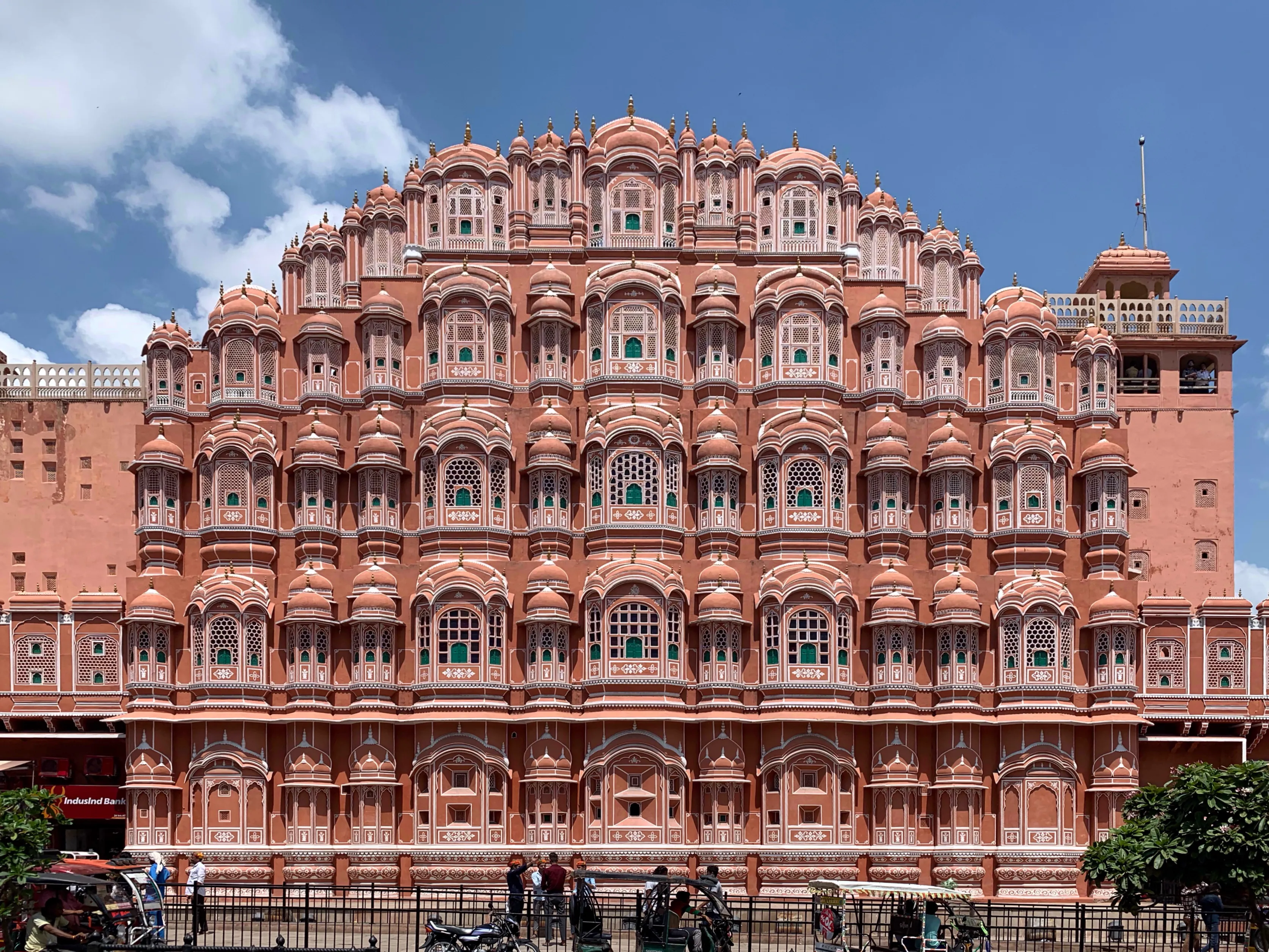
Hawa Mahal Jaipur
The blush-pink facade of Hawa Mahal, rising like a solidified mirage from the heart of Jaipur's bustling streets, is an arresting sight. As someone deeply immersed in South Indian temple architecture, I was eager to experience this iconic structure and understand its unique place within the broader Indian architectural narrative. The sheer scale of the facade, a five-story honeycomb of 953 intricately carved jharokhas or windows, is initially overwhelming. Unlike the towering gopurams of Dravidian temples, Hawa Mahal's height is subtly distributed across its breadth, creating a rippling, almost textile-like effect. My initial impression was of a delicate screen, a veil between the bustling city and the secluded world within. This impression was reinforced as I entered the structure. The interior, surprisingly, is a series of relatively small, interconnected courtyards and chambers. The famed jharokhas, viewed from within, transform into intimate viewing galleries, framing snippets of the street life below. This perspective shift highlighted the palace's intended function: to allow the royal women to observe the city's activities without being seen. This contrasts sharply with the extroverted nature of South Indian temple architecture, where deities are placed in prominent positions for public darshan. The architectural style of Hawa Mahal, a blend of Rajput and Mughal influences, is evident in the intricate stone carvings. The delicate floral patterns and geometric motifs adorning the jharokhas reminded me of the intricate latticework found in Mughal architecture, while the overall form and the use of red and pink sandstone echoed the Rajput aesthetic. However, unlike the robust stonework of South Indian temples, which often feature elaborate sculptures of deities and mythical creatures, the carvings here are finer, almost lace-like, emphasizing ornamentation over narrative. Moving through the narrow passageways and ascending the gently sloping ramps (the palace has no stairs), I observed the clever use of ventilation. The numerous jharokhas, designed to catch the cool desert breeze, create a natural air conditioning system, a feature that gives the palace its name, "Palace of Winds." This ingenious passive cooling system is a testament to the architectural wisdom of the past, a stark contrast to the energy-intensive cooling systems of modern buildings. The view from the upper levels is breathtaking. The pink cityscape of Jaipur stretches out before you, punctuated by the imposing structures of the City Palace and Jantar Mantar. Looking back at the facade from within, I noticed how the sunlight filtering through the jharokhas created a mesmerizing play of light and shadow, transforming the interior spaces into a kaleidoscope of colors. This dynamic interplay of light and architecture is a feature I've often admired in South Indian temples, where sunlight is strategically used to illuminate the sanctum sanctorum. While the scale and grandeur of Hawa Mahal are undeniably impressive, it was the intricate details that truly captivated me. The delicate filigree work around the windows, the subtle variations in the pink sandstone, and the ingenious use of light and ventilation all speak to a sophisticated understanding of architectural principles. My visit to Hawa Mahal was not just a visual treat but also a valuable learning experience. It offered a fascinating glimpse into a different architectural tradition, highlighting the diversity and ingenuity of Indian architecture across regions and styles. It reinforced the idea that architecture is not merely about creating beautiful structures, but also about responding to the environment, fulfilling specific functions, and reflecting the cultural values of a particular time and place.
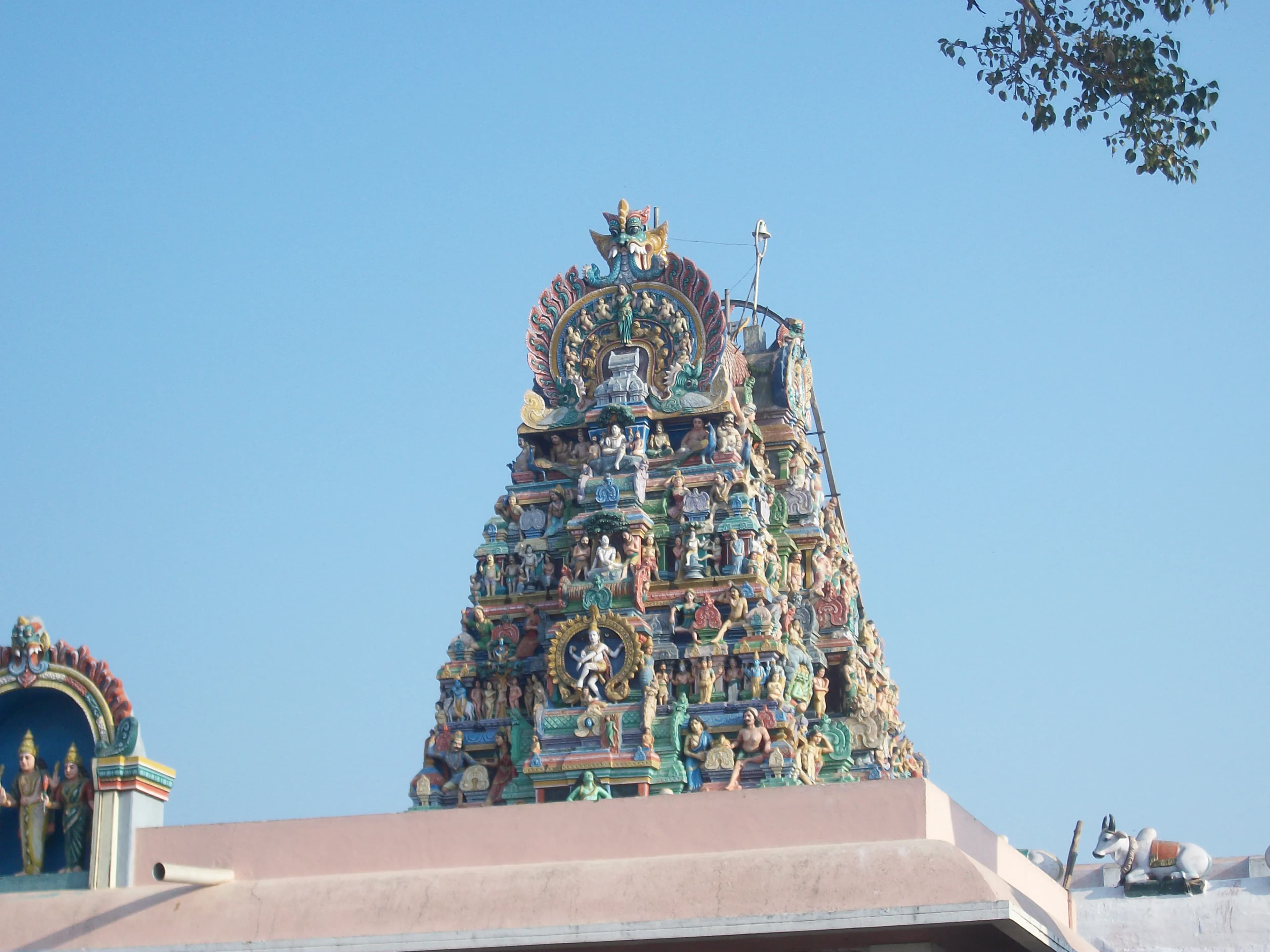
Palani Murugan Temple Palani
The air, thick with incense and the murmur of countless prayers, vibrated around me as I ascended the steep steps leading to the Palani Murugan Temple. Having explored the sandstone grandeur of Rajasthan's forts and palaces for years, I was eager to experience the distinct architectural and spiritual landscape of this South Indian pilgrimage site. The climb itself, a physical manifestation of devotion, offered glimpses of Palani sprawling below, the town cradled by the rolling hills. Pilgrims, some choosing the arduous penance of climbing barefoot, their faces etched with determination, moved with a quiet reverence that was palpable. Reaching the summit, I was immediately struck by the temple's unique construction. Unlike the ornate carvings and expansive courtyards I was accustomed to, the Palani temple, dedicated to Lord Muruga, presented a more austere aesthetic. The main shrine, known as the Dhandayuthapani Swami Temple, is built primarily from granite, its dark grey stone a stark contrast to the vibrant colours of the surrounding landscape. The architecture is characteristically Dravidian, with a gopuram, though smaller than those found in other major South Indian temples, marking the entrance. Instead of elaborate sculptures, the focus here seemed to be on the raw power of the deity and the unwavering faith of the devotees. Inside the sanctum sanctorum, the air crackled with an almost tangible energy. The deity, Lord Muruga, is represented by a statue not of stone or metal, but of a unique alloy called Navapashanam, said to possess potent medicinal properties. The simplicity of the idol, devoid of opulent adornments, seemed to amplify its spiritual significance. Photography is strictly prohibited within the inner sanctum, a rule I respected, allowing myself to fully absorb the atmosphere and the palpable devotion of the worshippers. The temple complex, though compact, is a labyrinth of smaller shrines, each dedicated to a different deity within the Hindu pantheon. I spent time exploring these, observing the intricate details of the metalwork on the doors and the subtle variations in the architectural styles. One particularly captivating feature was the golden chariot, used during festivals to carry the deity in procession. The craftsmanship was exquisite, the metal gleaming under the filtered sunlight that streamed through the temple corridors. Beyond the spiritual aspects, the temple also offered a fascinating glimpse into the social fabric of the region. The diversity of the pilgrims, representing different social and economic backgrounds, united in their devotion, was a powerful testament to the enduring influence of faith. I observed families sharing simple meals, vendors selling flowers and religious offerings, and the constant hum of chants and prayers creating a unique soundscape. Descending the hill, I chose the rope car, offering a panoramic view of the landscape. The experience, though physically demanding, was profoundly enriching. The Palani Murugan Temple, with its unique architecture, powerful spiritual energy, and the unwavering faith of its devotees, offered a starkly different, yet equally compelling, experience compared to the majestic forts and palaces of my home state. It was a reminder that the essence of heritage lies not just in the grandeur of structures, but in the intangible threads of faith, devotion, and the shared human experience that bind us across cultures and geographies.
Quick Links
Plan Your Heritage Journey
Get personalized recommendations and detailed visitor guides