Has Inheritage Foundation supported you today?
Your contribution helps preserve India's ancient temples, languages, and cultural heritage. Every rupee makes a difference.
Secure payment • Instant 80G certificate
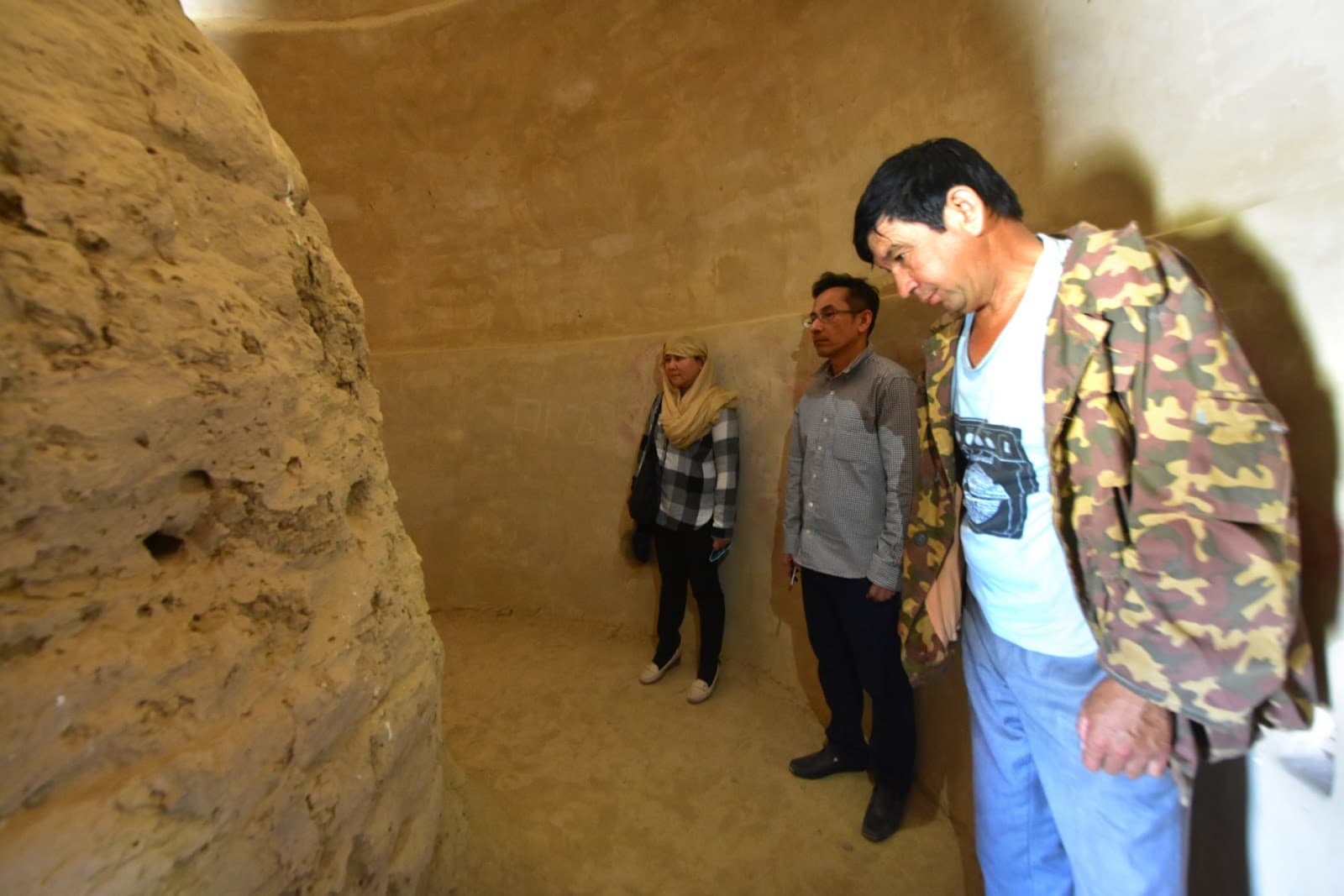
Kara Tepe Monastery Termez Uzbekistan
Kara Tepe Monastery, dramatically carved into the rocky hillsides near Termez in southern Uzbekistan, represents one of the most extraordinary and architecturally unique Buddhist monastic complexes in Central Asia, constructed from the 2nd to 5th centuries CE through the remarkable technique of rock-cut architecture that demonstrates the direct transmission of Indian Buddhist cave monastery traditions from the great rock-cut complexes of India including Ajanta, Ellora, and Karle to Central Asia. The monastery complex, comprising multiple levels of interconnected caves and chambers carved directly into the natural rock formations, features extraordinary architectural elements including meditation cells, assembly halls, stupa chambers, and living quarters that demonstrate the sophisticated synthesis of Indian Buddhist rock-cut architecture, particularly the traditions of western and central India, with local Central Asian adaptations that reflect the remarkable skill and dedication of the monks and artisans who created this underground spiritual city. The site's most remarkable feature is its extensive network of rock-cut chambers, some decorated with elaborate stucco reliefs and paintings that demonstrate the direct transmission of Indian Buddhist iconography and artistic traditions, while the architectural layout, with its central assembly halls surrounded by smaller cells and stupa chambers, follows the classic Indian Buddhist cave monastery plan that was systematically transmitted from the great rock-cut complexes of India. Archaeological excavations have revealed extraordinary Buddhist sculptures and reliefs executed in styles that demonstrate clear connections to Indian artistic traditions, while the discovery of numerous artifacts including inscriptions, ritual objects, and evidence of daily monastic life provides crucial evidence of the site's role as a major center of Buddhist learning and practice that attracted monks from across the Buddhist world. The monastery's location near Termez, a major Silk Road crossroads, underscores its significance as a center for the transmission of Buddhist teachings, art, and culture from India to Central Asia, while the site's remarkable rock-cut architecture demonstrates the sophisticated understanding of Indian Buddhist traditions and the remarkable engineering skills possessed by the monks and artisans who created this extraordinary underground complex. Today, Kara Tepe stands as a UNESCO Tentative List site and represents one of the most important rock-cut Buddhist monasteries in Central Asia, serving as a powerful testament to the transmission of Indian Buddhist culture and architecture to Central Asia, while ongoing archaeological research and conservation efforts continue to protect and study this extraordinary cultural treasure that demonstrates the profound impact of Indian civilization on Central Asian religious and artistic traditions. ([1][2])
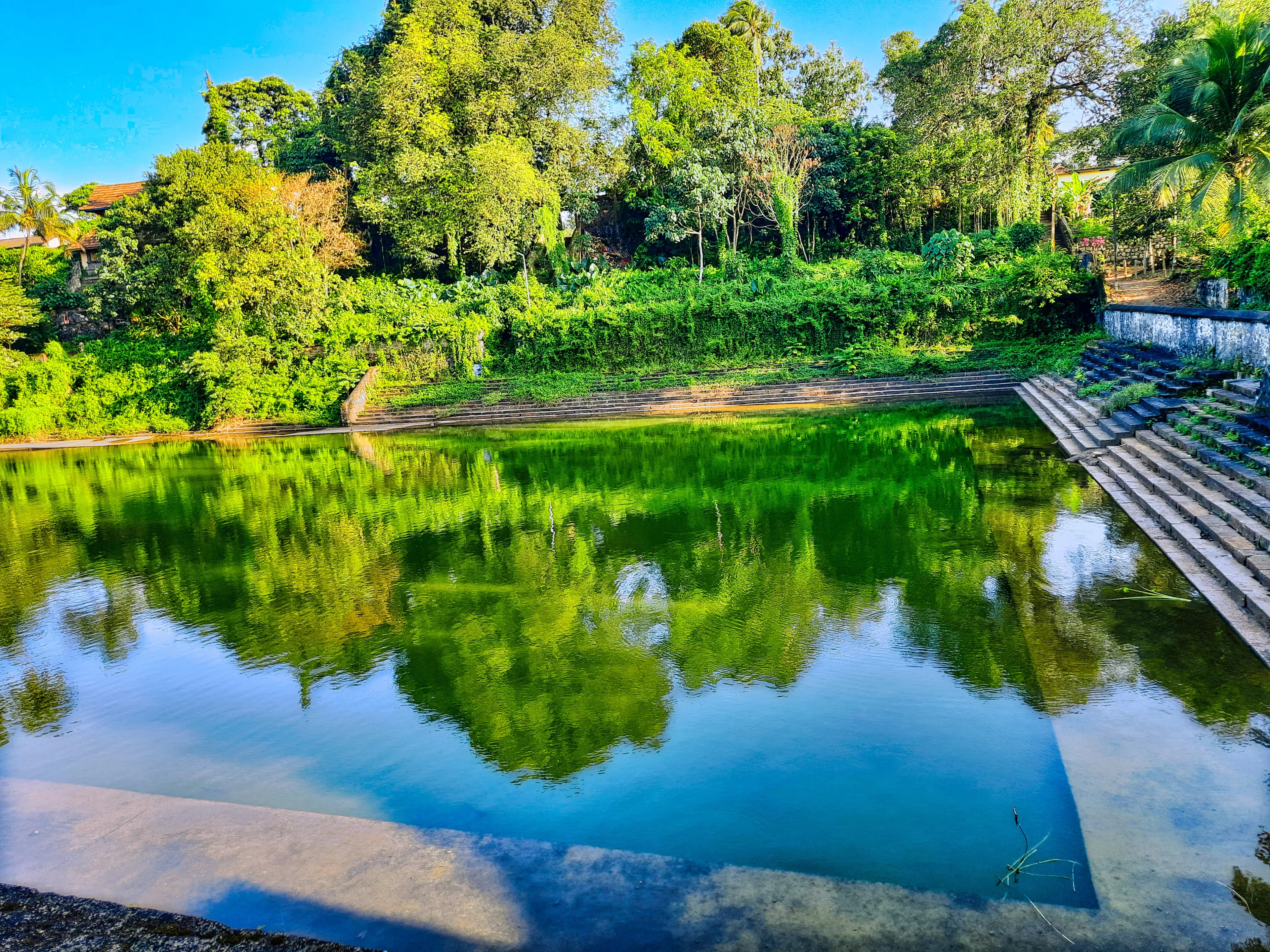
Sabarimala Sastha Temple Pathanamthitta
The arduous 18-step climb to the Sabarimala Sastha Temple, nestled deep within the Periyar Tiger Reserve, is more than just a physical feat; it’s a spiritual odyssey. As I ascended, the chanting of "Swamiye Saranam Ayyappan" reverberated through the dense foliage, a palpable energy that transcended the physical strain. This pilgrimage, undertaken by millions annually, culminates at a shrine that embodies a unique blend of Kerala’s architectural traditions and the temple's specific tantric influences. Unlike the towering gopurams that characterize many South Indian temples, Sabarimala’s main sanctum is relatively modest in height. Clad in copper plates, it sits atop a plateau, its simplicity contrasting sharply with the surrounding verdant wilderness. The absence of elaborate ornamentation initially surprised me, accustomed as I am to the intricate carvings of Tamil Nadu temples. However, the starkness of the structure seemed to amplify the spiritual focus, directing attention inwards rather than outwards. The copper sheathing, burnished by time and weather, glowed with a warm, inviting aura, especially striking in the early morning light. The temple’s architecture reflects its tantric associations. The sanctum sanctorum houses the deity Ayyappan in a yogic posture, and the overall layout, while adhering to some Kerala temple conventions, also incorporates elements that facilitate the specific rituals and practices associated with Ayyappan worship. The path leading to the main shrine is punctuated by smaller shrines dedicated to various deities, each contributing to the narrative of Ayyappan's life and legend. I noticed the prevalence of open spaces around the main shrine, designed to accommodate the vast crowds during the pilgrimage season. This spatial planning, while practical, also contributes to a sense of communal worship, fostering a shared experience amongst the devotees. One of the most striking features is the flight of 18 holy steps leading to the sanctum. Each step represents a specific virtue or principle, and ascending them is considered a symbolic act of purification. The steps are constructed of granite, and while their design is relatively simple, their significance is immense. As I climbed, I observed the diverse array of devotees, each carrying their irumudi kettu, the sacred bundle containing offerings for the deity. The collective devotion was palpable, creating an atmosphere of shared purpose and spiritual intensity. The temple’s location within the dense forest adds another layer to its unique character. The natural surroundings are integral to the pilgrimage experience, symbolizing the journey through the trials and tribulations of life towards spiritual enlightenment. The absence of urban encroachment allows for a deeper connection with nature, enhancing the sense of tranquility and spiritual immersion. I noticed the careful integration of the natural landscape into the temple complex, with pathways winding through the trees and the surrounding hills forming a dramatic backdrop. My visit to Sabarimala was more than just an architectural study; it was an immersive cultural experience. The temple's unique blend of architectural simplicity, tantric influences, and natural setting creates a powerful spiritual ambiance that resonates deeply with the millions who undertake this arduous pilgrimage. It offered a fresh perspective on temple architecture, highlighting the power of simplicity and the profound connection between spirituality and the natural world. The experience underscored how architecture can serve as a powerful conduit for faith and devotion, shaping not just the physical space but also the spiritual journey of the pilgrim.
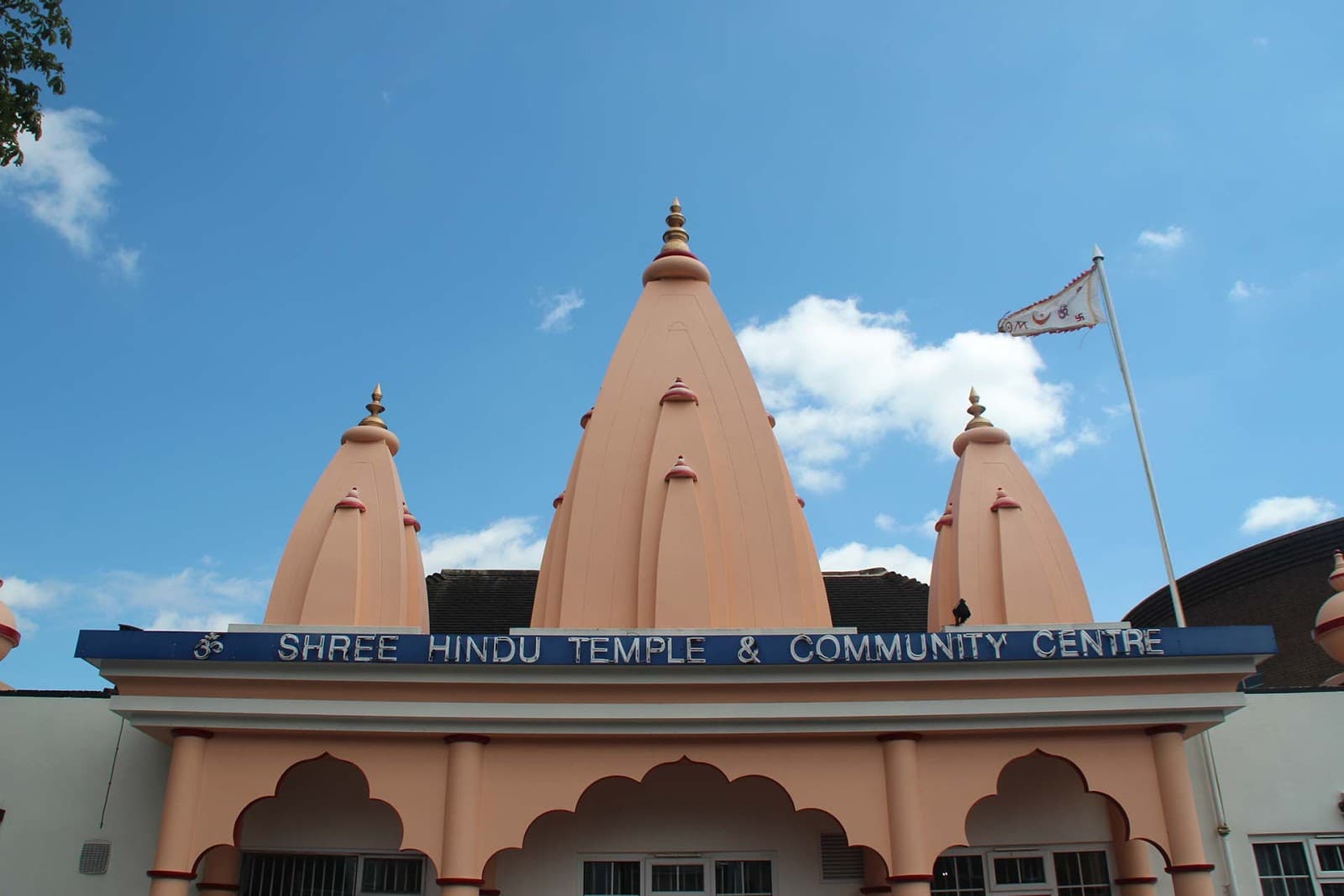
Shree Hindu Temple & Community Centre Leicester
Shree Hindu Temple & Community Centre Leicester, established in 1969 and inaugurated in 1980, is one of the UK’s longest-operating multi-deity mandirs and remains a cornerstone for Leicestershire Hindus with shrines to Ram Darbar, Mahadev Parivar, Radha Krishna, Hanuman, Durga, and Jain Parshvanath housed within a marble sanctum ringed by an octagonal rasa mandala ([1][2]). The temple opens 8:00 AM-1:00 PM and 4:00 PM-9:00 PM daily, with arti at 10:30 AM and 7:00 PM; volunteers oversee RFID entry, shoe racks, queue management, and welfare desks while priests conduct daily Ganesh puja, Vishnu sahasranam archana, and weekend yagya. The adjacent three-storey Community Centre contains classrooms for Gujarati, Hindi, and Sanskrit instruction, a gymnasium, yoga studios, Annapurna kitchen, library, IT lab, and the Govind Dham elder care lounge; Monday-to-Friday annadhanam feeds seniors while Saturday community kitchen produces 400+ free meals for Leicester’s Food Stop and Homeless Shelter ([1][3]). Cultural programmes range from Bhajan Sandhya, Garba rehearsals, and Sangeet Sabha to mental health clinics, legal advice surgeries, employment fairs, and British Hindu chaplaincy training. The temple’s festival planning committee works with Leicester City Council, East Midlands Ambulance Service, and Leicestershire Police to deliver Diwali village events on Belgrave Road, Rath Yatra floats, and multi-faith Remembrance Day services. An in-house communications team broadcasts arti and festivals on YouTube and Kirtan Mandali Radio, while building managers orchestrate security, CCTV, fire safety, and energy monitoring to keep the 4,645 square-metre campus resilient for daily worship and civic service ([1][4]).
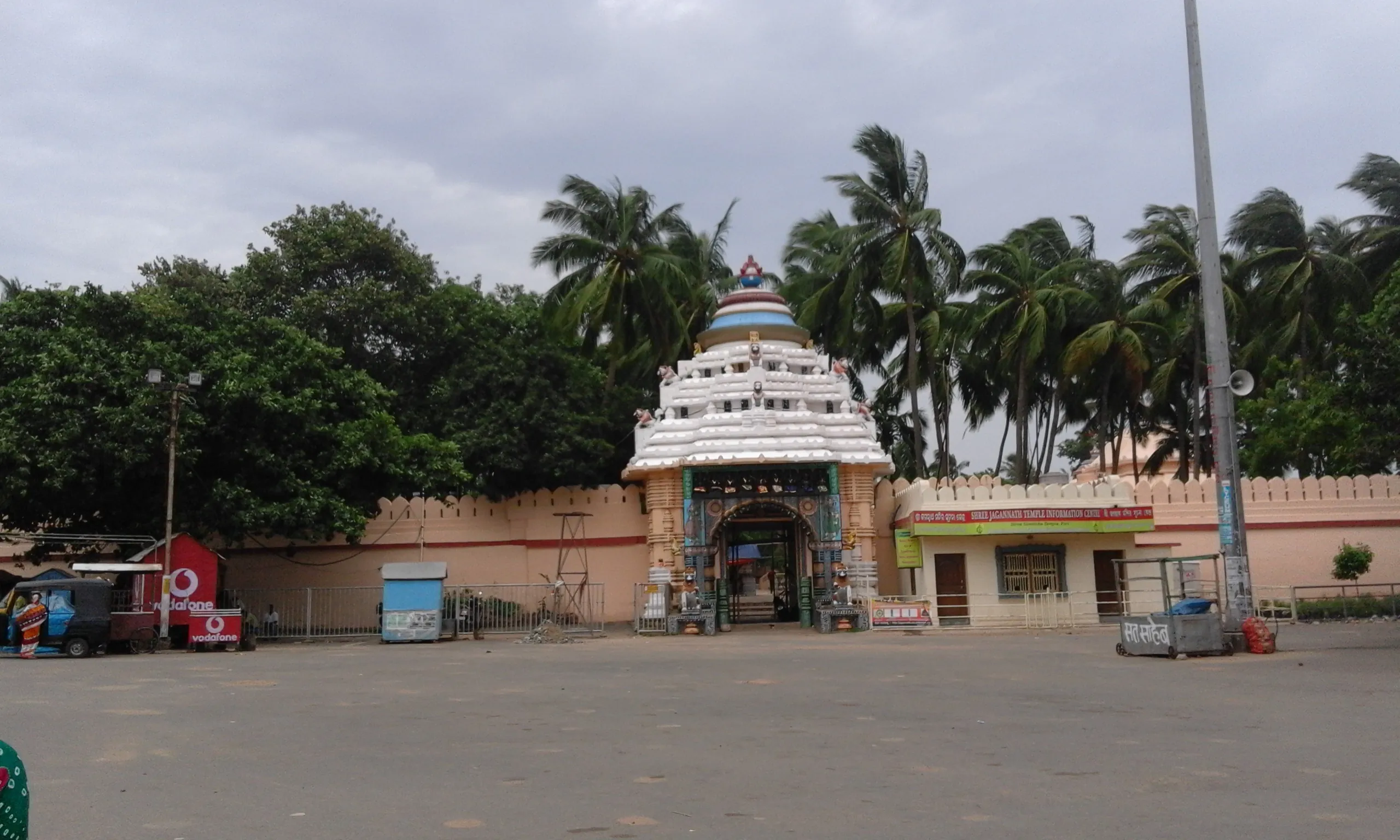
Gundicha Temple Puri
The midday sun beat down on the sand-coloured walls of the Gundicha Temple, lending a warm glow to the laterite stone. Standing within its precincts, I felt a palpable shift in atmosphere from the bustling Jagannath Temple a few kilometres away. While Jagannath’s abode vibrates with constant activity, Gundicha, known as the Garden House of Jagannath, exuded a serene, almost pastoral tranquility. This, I learned, is where the deities – Jagannath, Balabhadra, and Subhadra – spend their annual nine-day vacation during the Rath Yatra. My Chennai-trained eyes, accustomed to the granite grandeur of Dravidian architecture, were immediately struck by the Kalinga style’s unique characteristics. The temple, though smaller than Jagannath’s, shares a similar plan, with a deul (sanctum tower), jagamohan (assembly hall), and nata-mandir (festival hall). However, the deul’s curvilinear tower, a hallmark of Kalinga architecture, differed significantly from the pyramidal vimanas I was familiar with. The tower’s gentle upward sweep, culminating in a rounded amalaka and kalasa finial, created a sense of flowing movement, almost as if reaching towards the heavens. The absence of elaborate sculptural ornamentation, so characteristic of South Indian temples, further emphasized the temple's elegant simplicity. The jagamohan, with its pyramidal roof, provided a cool respite from the Odisha sun. Its plain walls, devoid of the intricate carvings seen in Dravidian mandapas, allowed the eye to focus on the overall proportions and the play of light and shadow. I noticed the use of iron beams in the construction of the roof, a feature rarely seen in South Indian temples of a similar period. This hinted at the region's historical expertise in metallurgy and its incorporation into temple architecture. The nata-mandir, a later addition to the complex, stood apart with its rectangular plan and sloping roof. Its open sides allowed for a free flow of air and provided a perfect vantage point for witnessing the rituals and festivities associated with the Rath Yatra. I could almost picture the deities being seated here, enjoying the devotional performances and the adulation of their devotees. As I walked around the temple, I observed the unique decorative elements that distinguished the Kalinga style. The pidha mundis, miniature replicas of the main tower, adorning the roofline, added a rhythmic visual interest. The khura, a decorative horse-shoe shaped element above the doorway, and the alasakanyas, celestial nymphs gracing the walls, provided subtle yet significant embellishments. While less profuse than the sculptural programs of South Indian temples, these elements possessed a distinct charm and conveyed a sense of refined elegance. The temple's connection to the Rath Yatra is palpable. The wide open space in front of the temple, known as the Bada Danda, serves as the main thoroughfare for the colossal chariots. Standing there, I imagined the electrifying atmosphere during the festival, the air thick with incense and the chants of devotees pulling the chariots. The Gundicha Temple, during those nine days, transforms from a tranquil retreat into the epicentre of a vibrant spiritual celebration. My visit to the Gundicha Temple was more than just an architectural exploration; it was an immersion into a different cultural and spiritual landscape. While the architectural vocabulary differed significantly from what I was accustomed to, the underlying devotion and the sanctity of the space resonated deeply. The temple’s simplicity, its connection to nature, and its role in the grand spectacle of the Rath Yatra offered a unique perspective on temple architecture and its role in shaping religious and cultural practices. It reinforced the idea that architectural styles, while diverse, ultimately serve as conduits for human spirituality and cultural expression.
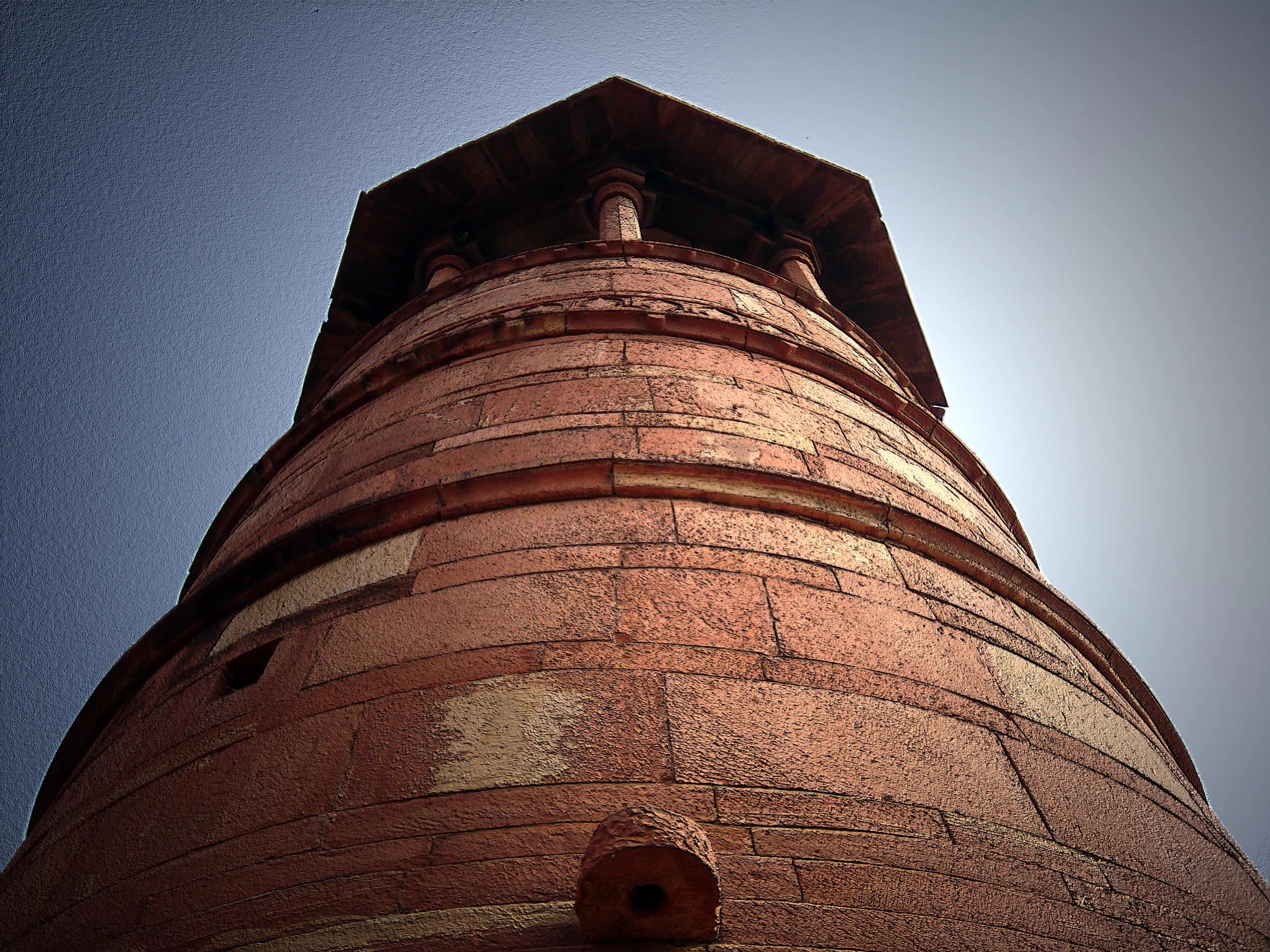
Fatehpur Sikri Fort Agra
The sandstone shimmered under the late afternoon sun, a warm, almost ethereal glow bathing the deserted courtyards of Fatehpur Sikri. Having crisscrossed North India for years, exploring crumbling forts and bustling cities, I thought I was immune to the charms of another Mughal monument. I was wrong. Fatehpur Sikri, Akbar’s abandoned capital, whispered stories of a glorious past, a brief but brilliant chapter in Indian history. Stepping through the Buland Darwaza, the imposing victory gate, felt like stepping back in time. Its sheer scale is breathtaking, a 54-meter high testament to Akbar’s military prowess. The intricate carvings, a blend of Persian and Indian motifs, hinted at the cultural confluence that defined his reign. This wasn't just a fort; it was a city, meticulously planned and executed, a testament to a vision that, though short-lived, left an indelible mark. The Diwan-i-Aam, the hall of public audience, sprawled before me, its vastness punctuated by the raised platform where Akbar, the emperor, would address his subjects. I could almost picture the vibrant scene – the courtiers, the petitioners, the bustling activity of a thriving capital. The Diwan-i-Khas, the hall of private audience, was even more captivating. The central pillar, intricately carved and radiating outwards like the branches of a tree, is an architectural marvel. It was here that Akbar held discussions with scholars and representatives of different faiths, fostering the spirit of religious tolerance that characterized his rule. I wandered through the Panch Mahal, a five-storied pavilion, each level smaller than the one below, creating a pyramidal structure that offered stunning views of the surrounding plains. The intricate jalis, or perforated stone screens, allowed the breeze to flow through, a clever architectural solution to the scorching summer heat. These screens also served another purpose – they allowed the royal women to observe the court proceedings without being seen, a glimpse into the secluded world of the Mughal zenana. The Jodhabai’s Palace, with its Hindu architectural influences, stood in stark contrast to the predominantly Persian style of the other buildings. The carved brackets, reminiscent of Rajput architecture, and the absence of the characteristic Mughal arches, spoke volumes about Akbar’s respect for his Hindu wife and his efforts to integrate different cultural elements into his empire. One of the most poignant structures within the complex is Salim Chishti’s tomb. The white marble mausoleum, a masterpiece of intricate carving, is a place of reverence even today. I watched as devotees tied threads to the marble screens, whispering prayers, their faith echoing through the centuries. It was here, according to legend, that Akbar came to pray for an heir, and the birth of his son, Jahangir, cemented the saint’s reputation and led to the construction of this magnificent tomb. As the sun began to set, casting long shadows across the deserted courtyards, I felt a sense of melancholy wash over me. Fatehpur Sikri, once a bustling metropolis, now stands silent, a ghost of its former glory. The reasons for its abandonment remain shrouded in mystery, with theories ranging from water scarcity to Akbar’s shifting political priorities. Whatever the reason, the silence that now pervades this magnificent city only amplifies the whispers of its past, making the experience all the more profound. Leaving Fatehpur Sikri, I carried with me not just photographs and memories, but a deeper understanding of a pivotal period in Indian history, a time of cultural fusion, religious tolerance, and architectural brilliance.
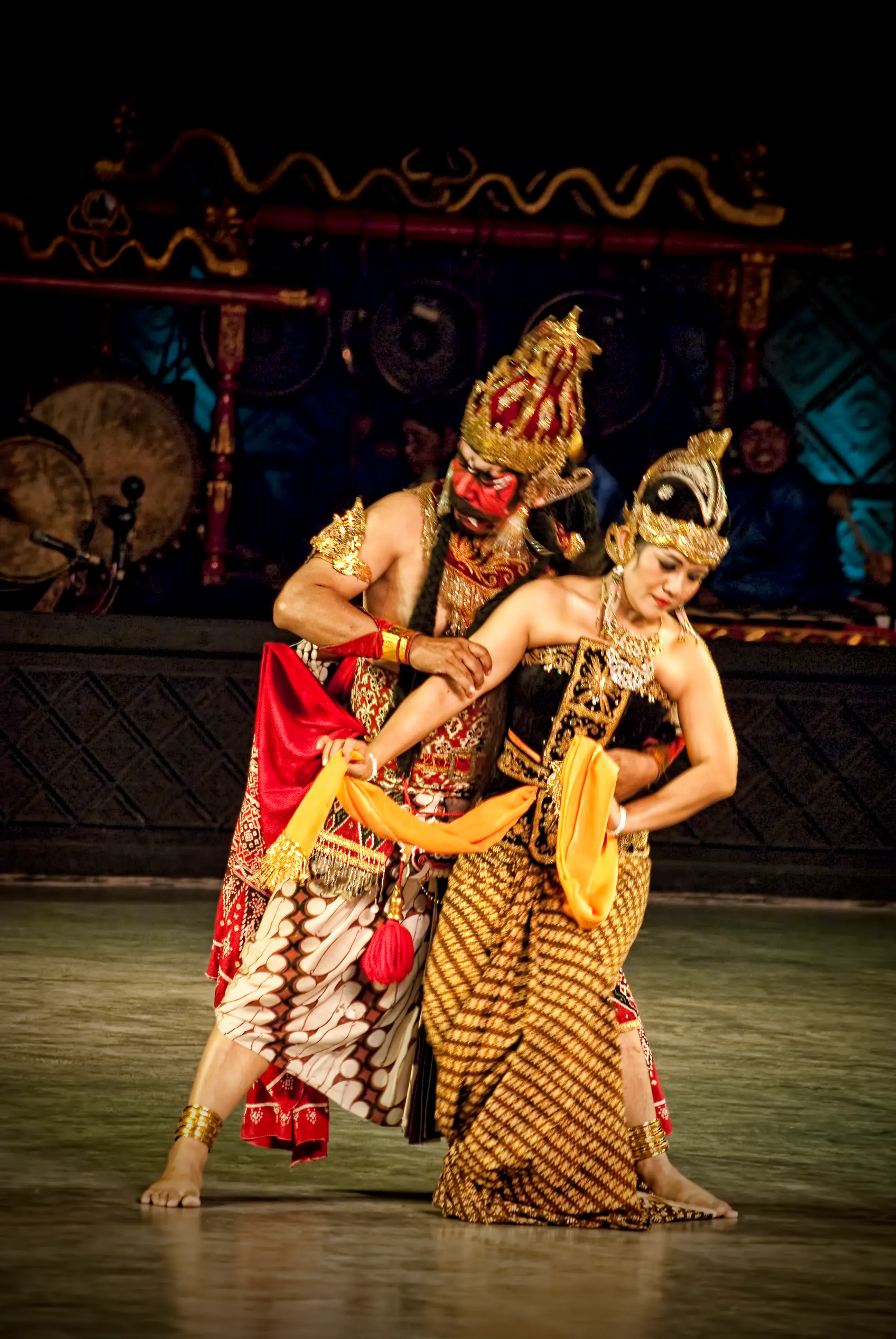
Prambanan Temple Compounds Yogyakarta
The rising sun cast long, dramatic shadows across the dew-kissed plains of Java, illuminating the towering spires of Prambanan. I’d documented hundreds of temples across India, from the intricate carvings of Khajuraho to the monolithic marvels of Mahabalipuram, but the sheer scale and verticality of Prambanan took my breath away. This wasn't just a temple complex; it was a symphony in stone, a testament to the architectural prowess of the 9th-century Medang Mataram kingdom. My lens, accustomed to the sandstone hues of Indian temples, struggled to capture the grey volcanic rock of Prambanan. The texture was different, rougher, yet the intricate reliefs carved into the stone possessed a similar narrative power. These weren't mere decorations; they were stories etched in stone, depicting scenes from the Ramayana epic, celestial beings, and intricate floral motifs. I found myself tracing the lines of these narratives with my fingers, feeling the history embedded within each groove. The central compound, dominated by the three main temples dedicated to the Hindu trinity – Brahma, Vishnu, and Shiva – commanded the landscape. Shiva’s temple, the loftiest of the three, soared 244 feet into the sky, a majestic representation of Mount Meru, the mythical abode of the gods. The smaller accompanying temples, dedicated to the respective mounts of the deities – the bull Nandi for Shiva, the goose Hamsa for Brahma, and Garuda, the mythical bird, for Vishnu – added another layer of symbolic depth. As I circled the temples, I noticed the distinct architectural style. The tall, slender spires, the receding tiers adorned with miniature shrines, and the profusion of decorative elements reminded me of the Dravidian architecture of South India, yet there was a unique Javanese sensibility infused within it. The influence of Indian temple architecture was undeniable, a testament to the cultural exchange that flourished across the seas centuries ago. It felt like witnessing a fascinating conversation between two distinct architectural traditions. Climbing the steep steps to the inner sanctums, I was struck by the interplay of light and shadow within the temple chambers. The narrow doorways and strategically placed openings created a mystical atmosphere, enhancing the spiritual significance of the space. I imagined the rituals and ceremonies that would have once filled these hallowed halls, the chanting of priests, the fragrance of incense, the devotion of the worshippers. Beyond the central compound, the ruins of hundreds of smaller temples stretched across the vast expanse, a poignant reminder of the destructive power of earthquakes and the passage of time. These crumbling structures, though ravaged, still held a certain beauty, their weathered stones whispering tales of a glorious past. I spent hours wandering through these ruins, my camera diligently documenting each fragment, each fallen lintel, each weathered carving. The restoration work undertaken at Prambanan was evident, a careful balance between preserving the historical integrity of the site and ensuring its structural stability. Seeing the meticulous efforts to reconstruct these ancient marvels filled me with a sense of hope. These weren't just ruins; they were living monuments, testaments to human ingenuity and resilience. As the day drew to a close, the setting sun bathed the temples in a warm, golden glow. I stood there, mesmerized by the spectacle, feeling a deep connection to this ancient site. Prambanan wasn't just a collection of stones; it was a repository of stories, a testament to the enduring power of faith and artistry. It was a place that had spoken to me across centuries, reminding me of the shared cultural heritage that binds us together, despite geographical boundaries.
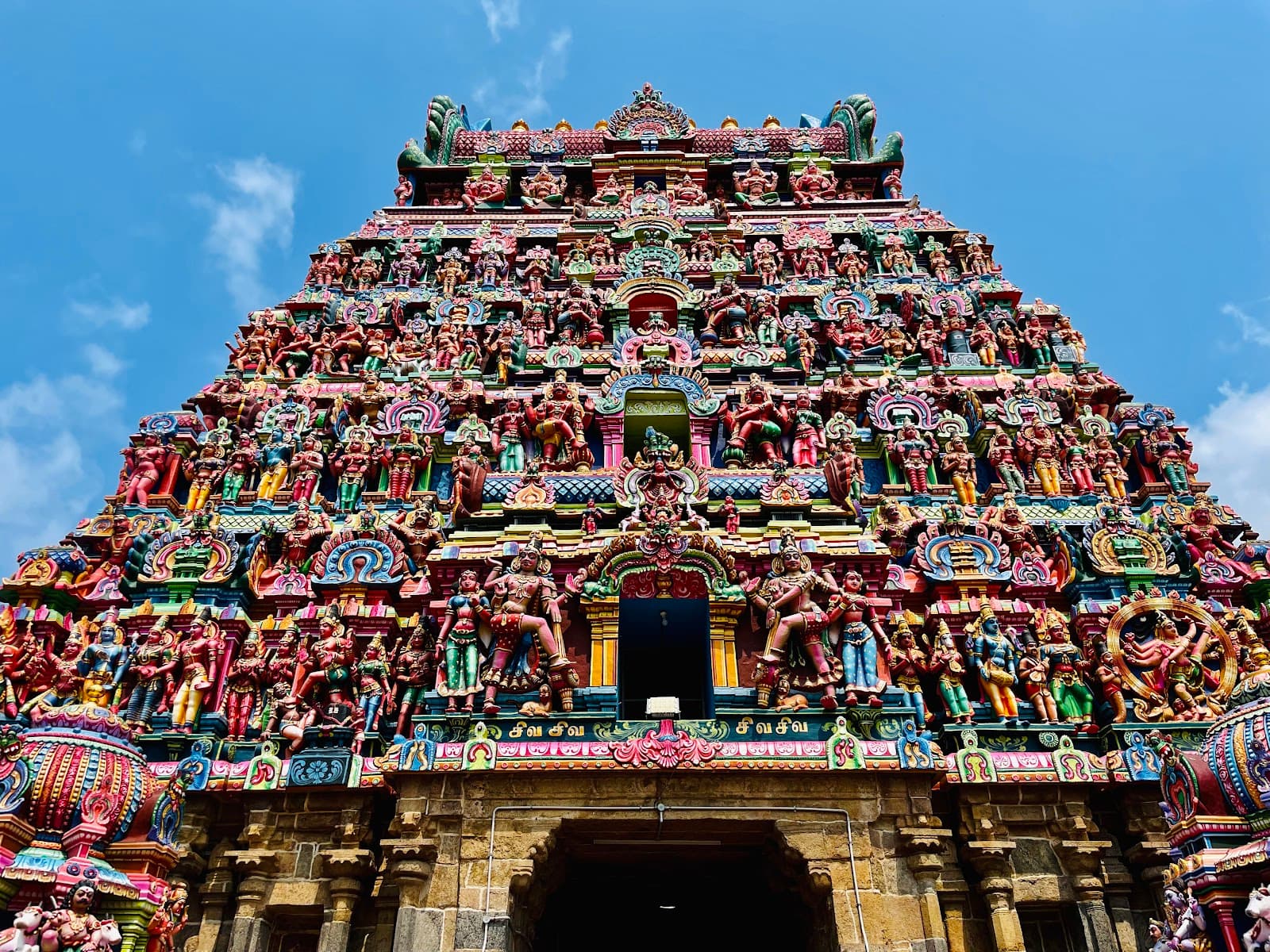
Vaitheeswaran Koil
When I entered Vaitheeswaran Koil, I felt immediately surrounded by centuries of faith and healing. Though not listed as a centrally protected monument, the temple's scale and atmosphere reveal its long, uninterrupted history. The five-tiered Rajagopuram, granite walls, and intricately carved mandapams reflect the Dravidian craftsmanship perfected under the Cholas, Nayakas, and Marathas. Inscriptions on the walls—left by rulers from Vikrama Chola to Thulaja—reminded me how many dynasties shaped this space. Inside, Lord Shiva is worshipped as Vaidyanathar, the divine healer. Watching devotees gather at the Siddhamirtham tank, offering prayers and silver replicas of body parts, I could sense how deeply this temple is tied to hope and recovery. Stories of Rama seeking relief from his dosha and Angaraka being cured here give the temple its role as the Mars Navagraha sthalam. The cultural life around me was vibrant. Festivals like Vaikasi Visakam, Panguni Uthiram, Brahmotsavam, Masi Magam, Skanda Sashti, and Karthigai Deepam animate the temple with processions, music, and lights. Even in quieter moments, the presence of Nadi astrologers and the sacred Vembu tree added layers of tradition. Leaving the temple, I carried a strong impression of a place where architecture, mythology, and healing merge seamlessly into a living heritage. Vaitheeswaran Koil, also known as Thirupullirukku Velur, is a revered Hindu temple dedicated to Lord Shiva as Vaidyanathar (the God of Healing), located in Vaitheeswarankoil near Mayiladuthurai. The temple complex spans 10.7 acres and features a five-tiered Rajagopuram, four additional gopurams marking the four directions, and multiple precincts with pillared halls, shrines, and corridors. The temple is renowned as one of the Navagraha temples, representing Mars (Angaraka), and is classified as a Paadal Petra Sthalam, revered in the Tevaram hymns of 7th-century Saiva nayanars. The temple is particularly famous for its association with healing, the sacred Siddhamirtham tank, Nadi astrology, and its role as a center of faith and pilgrimage.
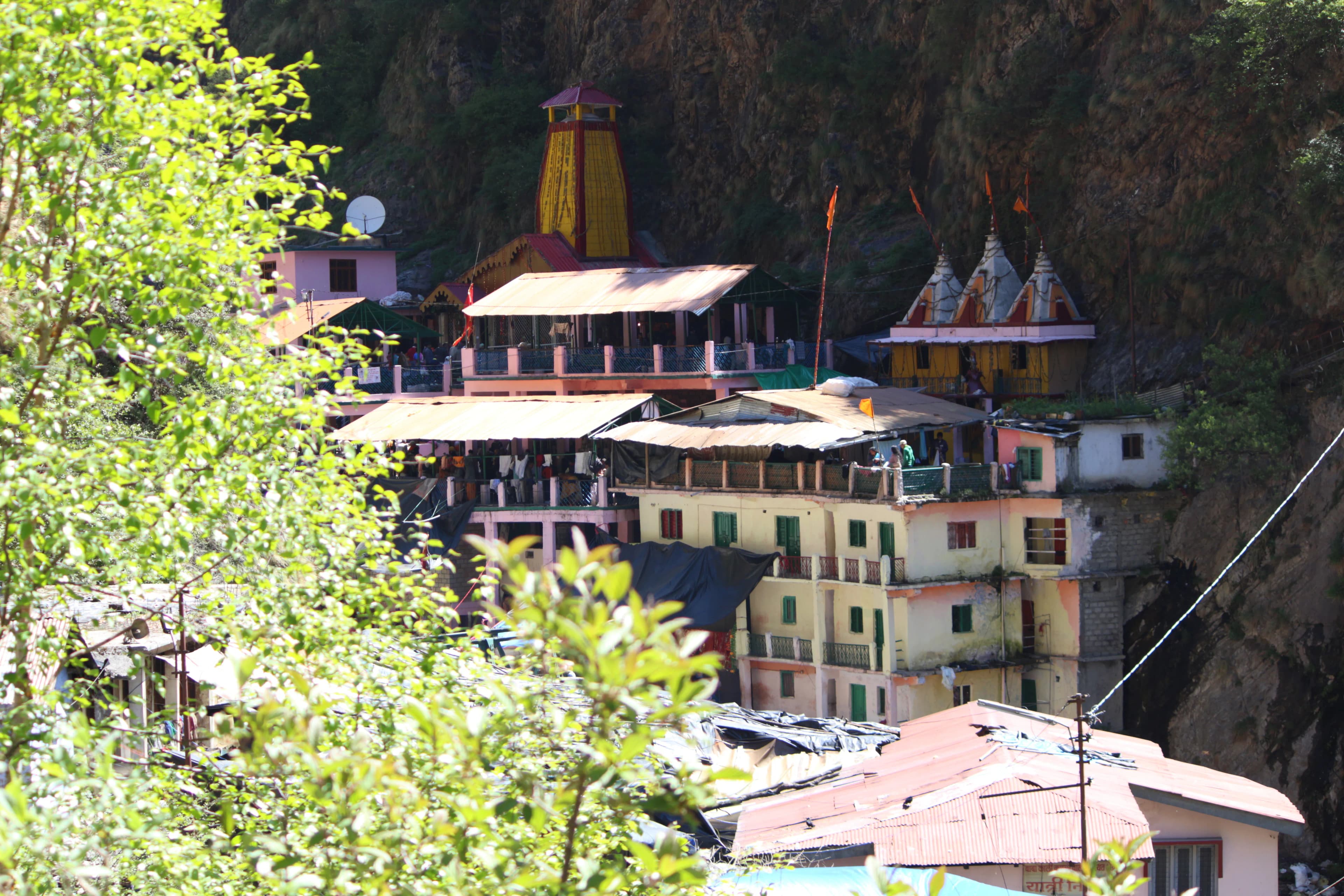
Yamunotri Temple Uttarkashi
The biting Himalayan wind whipped around me, a stark contrast to the warmth radiating from the heart of Yamunotri. Here, nestled amidst snow-capped peaks in Uttarakhand's Uttarkashi district, stands the modest yet magnificent Yamunotri Temple, the source of the revered Yamuna River. My journey from the sun-drenched landscapes of Gujarat to this icy abode of the Goddess Yamuna was a pilgrimage not just of faith, but of architectural discovery. The temple, constructed primarily of granite, stands as a testament to resilience against the harsh elements. Its simple, almost austere design, is a departure from the ornate temples I'm accustomed to back home. The stark white facade, punctuated by a vibrant orange roof, creates a striking visual against the backdrop of grey mountains and verdant pine forests. The structure is relatively small, almost intimate, allowing devotees to feel a close connection with the deity. I noticed the meticulous craftsmanship in the granite blocks, fitted together with precision, a feat considering the challenging terrain and weather conditions. The absence of elaborate carvings, common in Gujarati temples, allows the natural beauty of the stone to shine through. The temple’s resilience is evident; it has withstood centuries of harsh winters, avalanches, and earthquakes, each time being rebuilt with unwavering devotion. Inside the sanctum sanctorum resides the black marble idol of Goddess Yamuna, radiating a serene aura. The energy within the temple is palpable, a blend of reverence and the raw power of nature. Unlike the bustling temple complexes of Gujarat, Yamunotri offers a sense of quiet contemplation. The focus remains solely on the Goddess and the sacred source of the Yamuna. Just a few meters away from the temple, bubbling from the mountainside, is the actual source of the Yamuna – the Yamunotri glacier. Witnessing this glacial stream, the birthplace of a river that nourishes millions, was a profoundly moving experience. The icy water, even at its source, held a surprising warmth. Devotees were taking a holy dip in the nearby Surya Kund, a thermal spring where they also boil rice and potatoes as prasad, a ritual I observed with fascination. The juxtaposition of the icy river and the boiling hot spring is a testament to the fascinating interplay of nature's forces. The trek to the temple itself is an architectural marvel of a different kind. The paved pathway, though steep in parts, is a testament to human ingenuity and perseverance. The route is dotted with small shrines and rest stops, offering glimpses of local architecture and providing respite to weary pilgrims. I observed the clever use of local materials like wood and stone in these structures, blending seamlessly with the surrounding landscape. One particular architectural element that caught my eye was the use of dry stone walling along the trek. These walls, built without mortar, are a testament to the ingenuity of the local communities. They serve as retaining walls, preventing landslides and protecting the pathway. The intricate patterns formed by the carefully placed stones are a testament to the aesthetic sensibilities of the builders. As I descended from Yamunotri, I carried with me not just the memory of a sacred pilgrimage, but also a deep appreciation for the unique architectural heritage of the Himalayas. The Yamunotri Temple, in its simplicity and resilience, stands as a powerful symbol of faith and human connection with nature. It is a stark contrast to the architectural exuberance of my homeland, yet equally captivating. The experience reinforced the understanding that architecture, in its diverse forms, reflects the spirit of a place and its people. The quiet strength of Yamunotri's architecture spoke volumes, a silent testament to the enduring power of faith and the awe-inspiring beauty of the Himalayas.
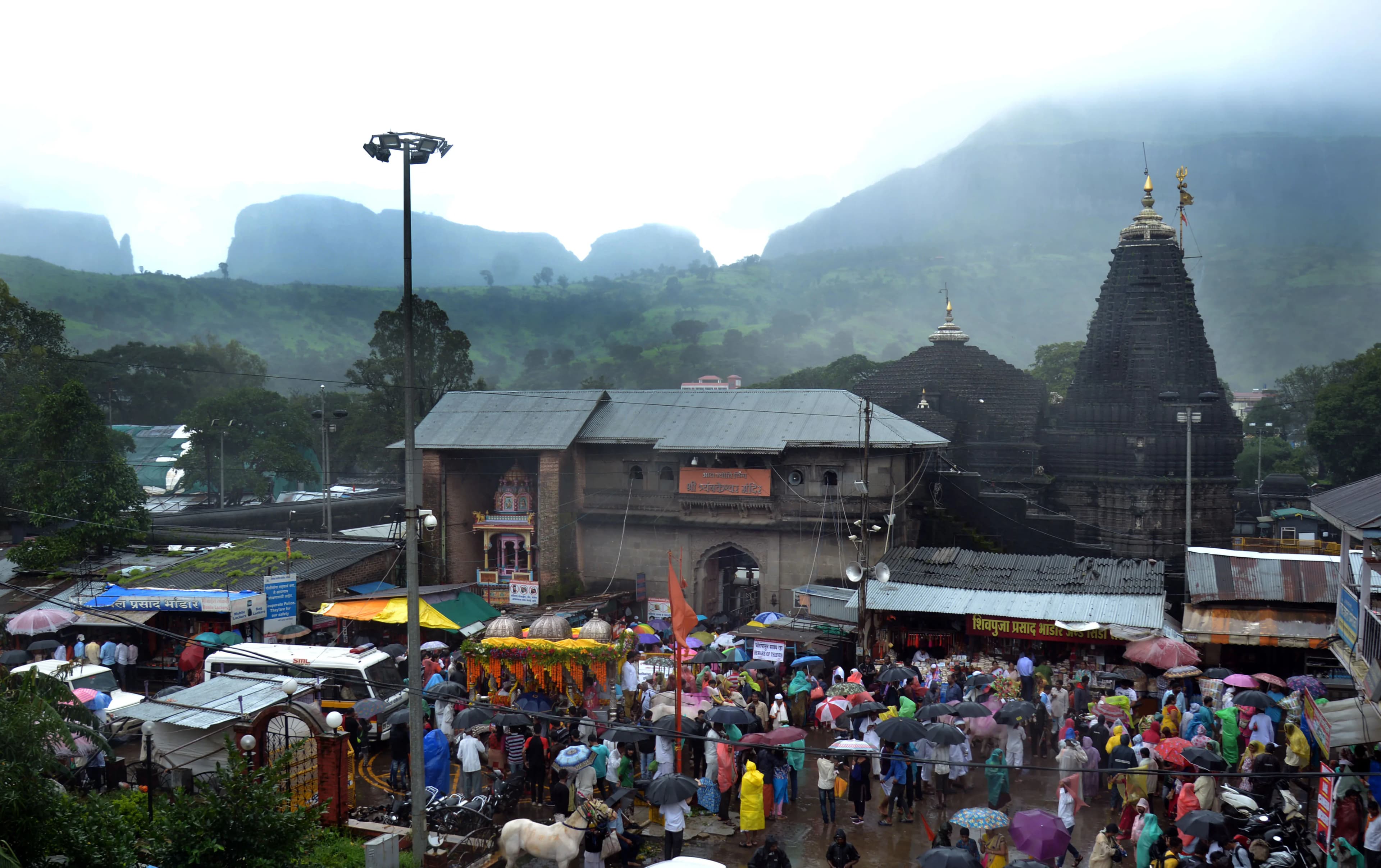
Trimbakeshwar Shiva Temple Nashik
The air, thick with incense and the murmur of Sanskrit chants, hung heavy as I stepped into the courtyard of the Trimbakeshwar Shiva Temple. Having explored countless ancient sites across North India, I’ve developed a keen eye for architectural nuances, and Trimbakeshwar immediately struck me as unique. Unlike the sandstone and marble structures I was accustomed to in the north, this temple, dedicated to one of the twelve Jyotirlingas, was crafted from black basalt stone, lending it a sombre, almost mystical aura. The intricately carved façade, darkened by time and weather, narrated stories of dynasties past. Eroded sculptures of deities, celestial beings, and mythical creatures intertwined, a testament to the skilled artisans who had painstakingly brought this temple to life centuries ago. The main entrance, guarded by imposing dwarapalas (gatekeepers), led into a mandap, its pillars intricately carved with floral motifs and geometric patterns. Sunlight filtered through the jaali screens, casting dancing shadows on the polished stone floor, creating an ethereal atmosphere. The heart of the temple, the garbhagriha, housed the revered Jyotirlinga. Unlike other Jyotirlingas, which are typically cylindrical lingams, the one at Trimbakeshwar is a depression in the ground, a small hollow from which a perpetual stream of water flows. This unique feature, explained by local priests as symbolic of the origin of the Godavari River, added to the sanctity of the place. The constant trickle of water, the chanting of priests, and the hushed reverence of the devotees created a palpable sense of spiritual energy. I spent a considerable amount of time observing the devotees. Their faces, etched with devotion and hope, reflected the deep-rooted faith that had drawn them to this sacred site. From elderly women whispering prayers to young couples seeking blessings, the temple served as a melting pot of human emotions and spiritual aspirations. I witnessed a young boy meticulously offering flowers to the deity, his eyes closed in concentration, a poignant reminder of the enduring power of faith across generations. The architecture of the temple, while predominantly Hemadpanti – characterized by its precision and use of interlocking stones – also displayed influences from other styles. I noticed elements of the Chalukyan style in the ornate carvings and the use of decorative motifs. This fusion of architectural styles, a testament to the region’s rich history and cultural exchanges, added another layer of intrigue to the temple's narrative. Beyond the main shrine, the temple complex housed several smaller shrines dedicated to various deities. I explored these smaller shrines, each with its own unique character and history. The surrounding courtyards, though bustling with activity, retained a sense of serenity. The rhythmic clang of temple bells, the fragrance of incense, and the soft murmur of prayers created a symphony of sounds and scents that enveloped me. As I left the temple, the image of the Jyotirlinga, the source of the sacred Godavari, remained etched in my mind. Trimbakeshwar, with its unique architecture, spiritual significance, and palpable energy, offered a glimpse into the rich tapestry of Indian faith and heritage. It was a journey not just to a geographical location, but also a journey into the heart of a culture deeply rooted in spirituality and tradition. My experience at Trimbakeshwar reinforced my belief that these ancient sites are not merely monuments of the past, but living, breathing entities that continue to inspire and connect us to something larger than ourselves.
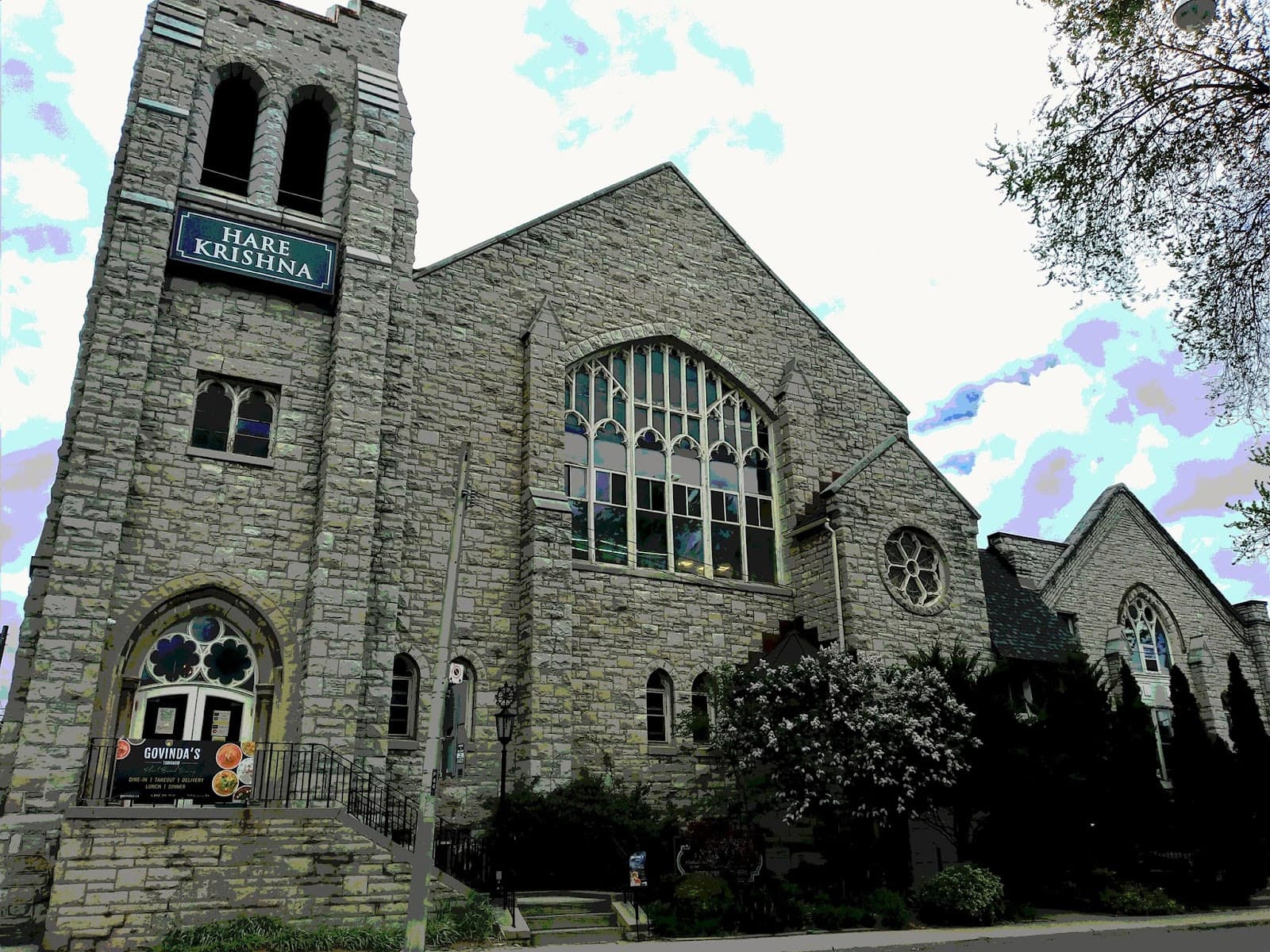
ISKCON Toronto Hare Krishna Temple
ISKCON Toronto Hare Krishna Temple is dedicated to Lord Krishna and anchors Midtown Toronto’s Annex district as a landmark Victorian mansion repurposed for Gaudiya Vaishnava worship since 1976 ([1][2]). The heritage-listed building opens daily 4:30 AM-9:00 PM, with mangala arati, japa, bhoga offerings, and evening kirtan filling the carved salons, while Govinda’s lunch program serves vegetarian prasadam to residents, students, and office workers ([1][3]). Volunteers stage queue ropes in the central hall, manage shoe storage, and coordinate Harinam teams headed downtown, while the operations desk handles guided tours, yoga sign-ups, and Food for Life outreach rosters ([1][5]). The kitchen runs HACCP-compliant vegetarian service using induction equipment and compostable serveware, and a dumbwaiter lifts trays to dining rooms to keep narrow staircases clear ([3]). Accessibility retrofits include a rear lift, 1:12 ramps, tactile markers, captioned signage, and hearing loops in the temple hall, while quiet rooms support sensory-sensitive guests ([2][5]). Building systems integrate geothermal wells, smart thermostats, and HEPA filtration to regulate the mansion through Toronto seasons, and digital screens share daily schedules, queue times, and community announcements. Blood drives, legal aid clinics, language classes, and art salons share the calendar with kirtan residencies and Rath Yatra planning, reflecting operational readiness for both civic service and devotional rhythm ([3][5]).

Jagannath Temple Agartala
The ochre and white hues of the Jagannath Temple in Agartala shimmered under the Tripura sun, a stark contrast to the sandstone forts and marble palaces I'm accustomed to in Rajasthan. This wasn't the Rajputana grandeur I knew, but a distinct architectural voice resonated here, a blend of Bengali and Mughal influences that captivated me from the moment I stepped onto the temple grounds. The main shrine, dedicated to Jagannath, Balabhadra, and Subhadra, sits atop a raised plinth, accessed by a sweeping flight of stairs. The structure itself is an intriguing mix of curved cornices, reminiscent of Mughal architecture, and the characteristic sloping roofs of traditional Bengali temples, creating a unique silhouette against the sky. The temple walls, painted in vibrant ochre, are adorned with intricate stucco work. Unlike the deeply carved reliefs of Rajasthani temples, these were shallower, more delicate depictions of floral motifs, deities, and scenes from Hindu mythology. I noticed the recurring use of lotus flowers, a symbol deeply embedded in both Hindu and Buddhist iconography, a testament to the region's rich cultural tapestry. The white borders framing the ochre panels provided a visual rhythm, accentuating the narrative unfolding on the walls. As I ascended the stairs, the rhythmic chanting of Sanskrit mantras filled the air, intermingling with the scent of incense and the murmur of devotees. The atmosphere was palpably different from the hushed reverence of Rajasthan's ancient temples. Here, there was a vibrant energy, a sense of community and shared devotion that resonated deeply. The main sanctum, while not as opulent as the inner chambers of, say, the Meenakshi Amman Temple, held a simple elegance. The deities, carved from wood and adorned in brightly coloured garments, exuded a serene presence. I observed the rituals with fascination, noting the distinct regional variations in worship practices. Surrounding the main temple, smaller shrines dedicated to other deities dotted the complex. One that particularly caught my eye was a small shrine dedicated to Ganesha, tucked away in a corner. The Ganesha idol, carved from black stone, was a departure from the brightly painted deities in the main shrine, lending a sense of quiet contemplation to the space. The temple courtyard, paved with stone slabs, offered a panoramic view of the surrounding area. I could see the Ujjayanta Palace in the distance, its white facade gleaming against the green backdrop of the hills. The juxtaposition of the temple's vibrant colours and the palace's serene white was a visual treat, highlighting the architectural diversity of Agartala. What struck me most about the Jagannath Temple was its accessibility. Unlike the imposing fortresses of Rajasthan, this temple felt welcoming, a place where people from all walks of life could come to seek solace and connect with their faith. I saw families sharing prasad, elderly devotees chanting prayers, and children playing in the courtyard, all coexisting in a harmonious blend of devotion and everyday life. As I left the temple grounds, the image of the ochre and white structure, bathed in the warm glow of the setting sun, stayed with me. It was a reminder that architectural beauty can take many forms, and that the essence of spirituality transcends geographical boundaries and stylistic differences. The Jagannath Temple, with its unique blend of architectural styles and its vibrant atmosphere, offered a glimpse into the rich cultural heritage of Tripura, a heritage that deserves to be celebrated and preserved.
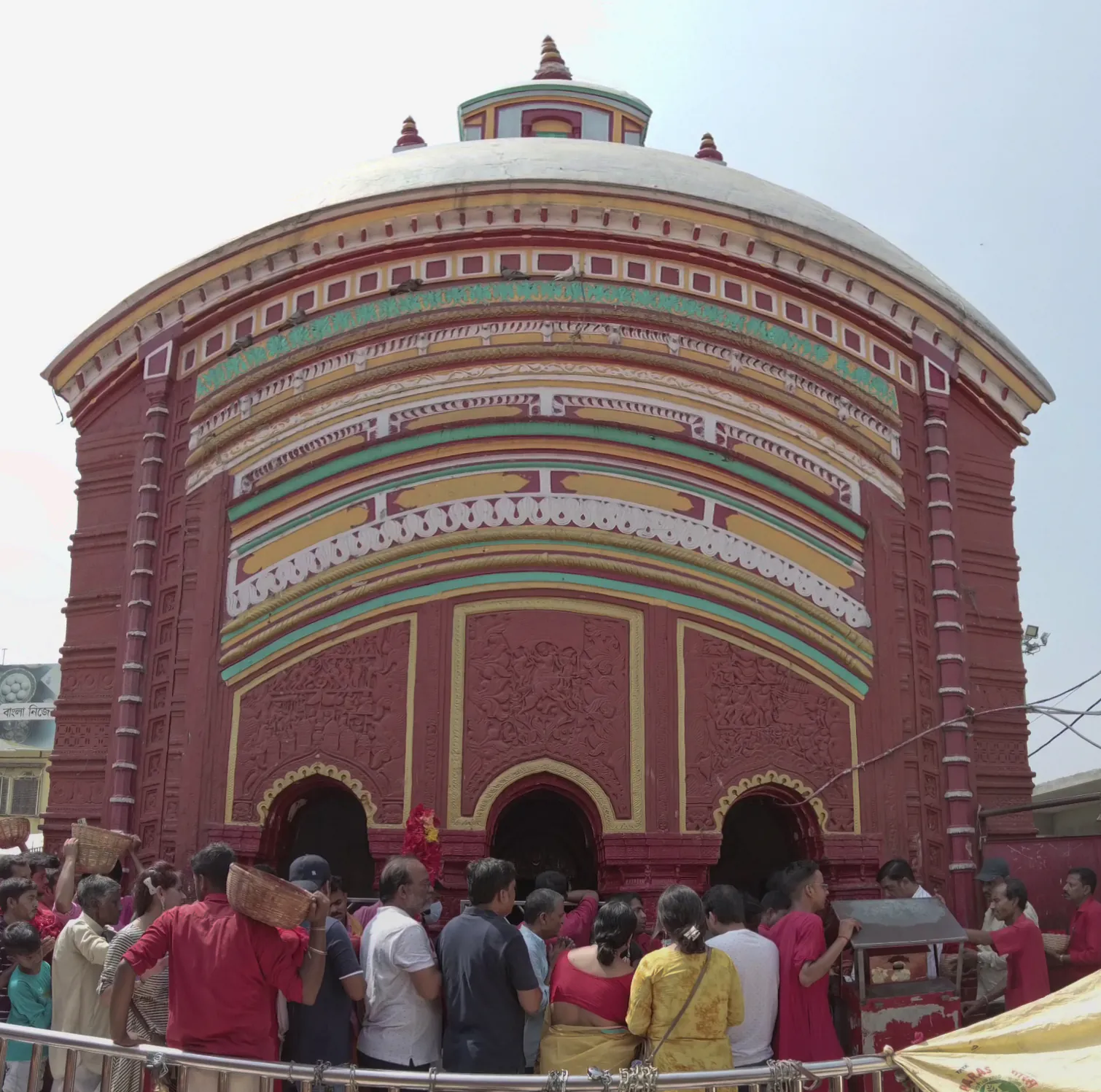
Tarapith Temple Tarapith
The air hung thick with the scent of incense and something more primal – a metallic tang that I later understood was dried blood, offered as part of the tantric rituals Tarapith Temple is renowned for. Located in the heart of rural West Bengal, this temple, dedicated to the fearsome goddess Tara, a form of Kali, is unlike any of the 500+ monuments I've documented across India. It’s not the grandeur of the architecture that strikes you first, but the raw, visceral energy that permeates the very ground you stand on. The temple itself is relatively modest in size, a traditional Bengali hut-style structure with a sloping, thatched roof. It houses the main deity, Goddess Tara, depicted in her usual fierce form, with a garland of skulls, a protruding tongue, and four arms. But what sets this idol apart is the small stone figure of Shiva lying at her feet, drinking the blood dripping from her tongue. This iconography, stark and unsettling, speaks volumes about the temple's association with tantric practices. Surrounding the main temple is a sprawling complex, a chaotic tapestry of smaller shrines, sacrificial altars, and cremation grounds. The cremation ghats, situated on the banks of the Dwaraka River, are a constant reminder of the cycle of life and death, a theme deeply intertwined with the worship of Tara. I watched as families performed last rites, the smoke from the pyres mingling with the incense, creating an almost surreal atmosphere. The architectural details, while not ornate, are symbolic. The predominant use of red brick and terracotta reflects the earthy, primal nature of the deity. The sloping roof, typical of Bengali architecture, provides a sense of groundedness, contrasting with the intense spiritual energy that swirls within. I noticed intricate terracotta plaques adorning some of the smaller shrines, depicting scenes from Hindu mythology, adding a layer of narrative to the otherwise austere surroundings. What truly captivated me, however, was the human element. Tarapith attracts a diverse crowd – devout pilgrims seeking blessings, families performing rituals for departed loved ones, and the aghoris, ascetic Shaiva sadhus known for their unconventional practices. I spent hours observing the interplay between these different groups, each with their own unique relationship with the goddess. The palpable devotion, mixed with a palpable sense of fear and awe, created an atmosphere unlike anything I'd experienced before. I witnessed devotees offering everything from flowers and sweets to animal sacrifices. The sight of the latter, while unsettling to some, is an integral part of the tantric tradition practiced here. It's a stark reminder of the raw, unfiltered nature of faith, a far cry from the sanitized versions often presented in mainstream religious discourse. One particular interaction stayed with me. An elderly woman, her face etched with wrinkles and her eyes filled with a quiet intensity, sat near the main temple, chanting mantras. I approached her cautiously, and after a brief conversation, she shared her story of seeking solace and healing at Tarapith for years. Her unwavering faith, despite the hardships she had faced, was a testament to the power of belief and the solace that places like Tarapith offer. Documenting Tarapith was a challenging but deeply rewarding experience. It pushed me beyond the comfortable confines of traditional temple photography and forced me to confront the complex and often unsettling realities of faith and ritual. It's a place where life and death, devotion and fear, tradition and transgression, all converge, creating a powerful and unforgettable experience. It's a place that stays with you long after you've left, a constant reminder of the multifaceted nature of human spirituality.
Quick Links
Plan Your Heritage Journey
Get personalized recommendations and detailed visitor guides