Has Inheritage Foundation supported you today?
Your contribution helps preserve India's ancient temples, languages, and cultural heritage. Every rupee makes a difference.
Secure payment • Instant 80G certificate
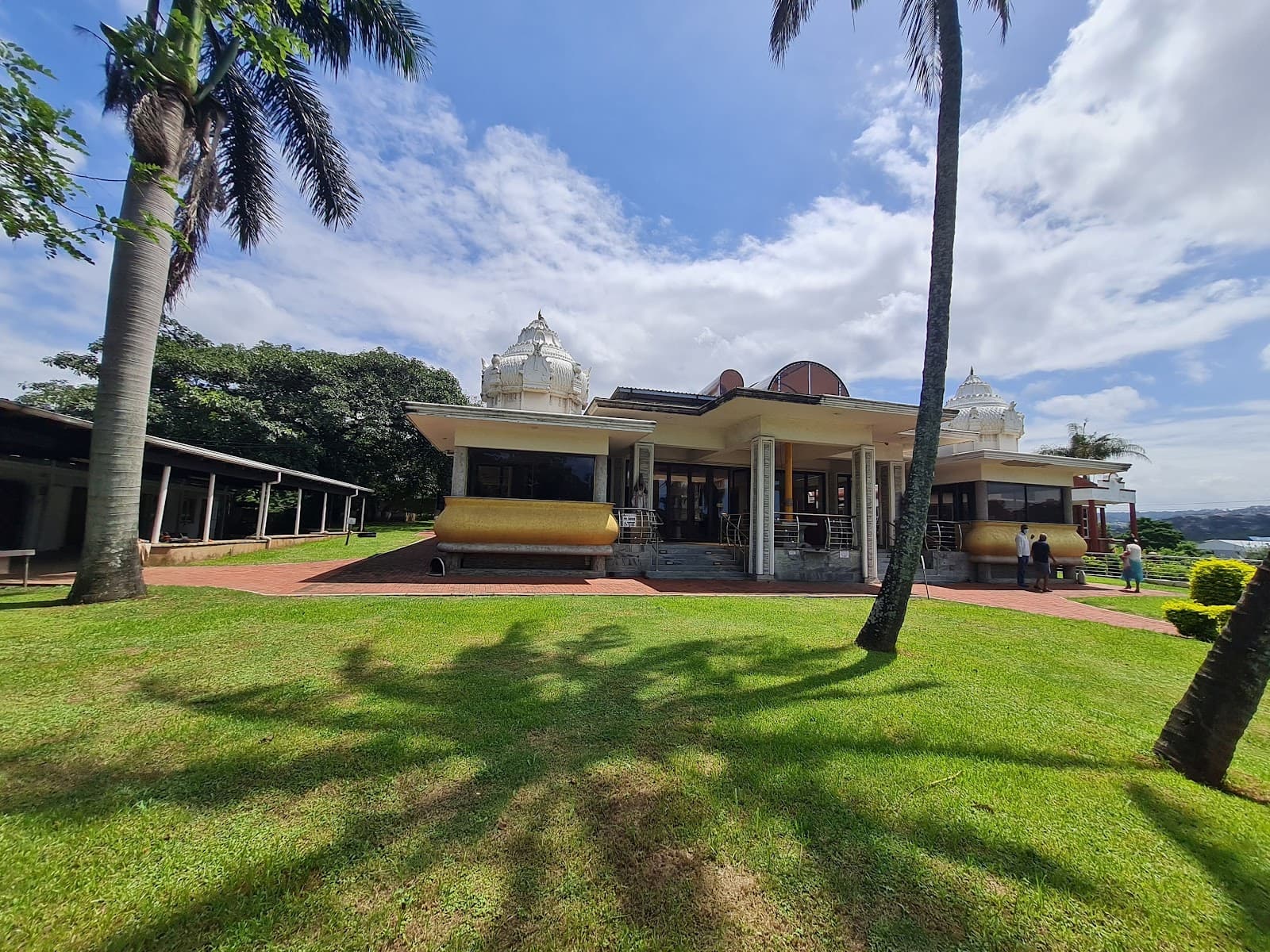
Mariamman Temple Cato Manor Durban
The Mariamman Temple of Cato Manor—initially erected in 1870 by early market gardeners—was rebuilt on higher ground after the 1905 floods and re-consecrated in 1932 by trader S.P. Chetty with a triad of barrel-vaulted towers sculpted in low relief, blending Dravidian iconography and the loose light of Durban's coastal plain ([1]). The main shrine to goddess Mariamman stands at the centre of a symmetrical courtyard anchored by smaller sancta for Gengaiammen and Draupadi; processional paths weave between mango trees planted by the founding families and the sacred fire pit used during annual Theemithi vows. The temple's unpainted brick facades and profuse stucco figurines capture the vernacular workmanship of indentured artisans—primitive yet lyrical depictions of deities holding neem leaves, tridents, and conches, illuminated at twilight by ghee lamps. Community halls along the perimeter host Tamil cultural classes, scripture recitation, marriage counselling, and relief cooking for surrounding informal settlements. ([1])
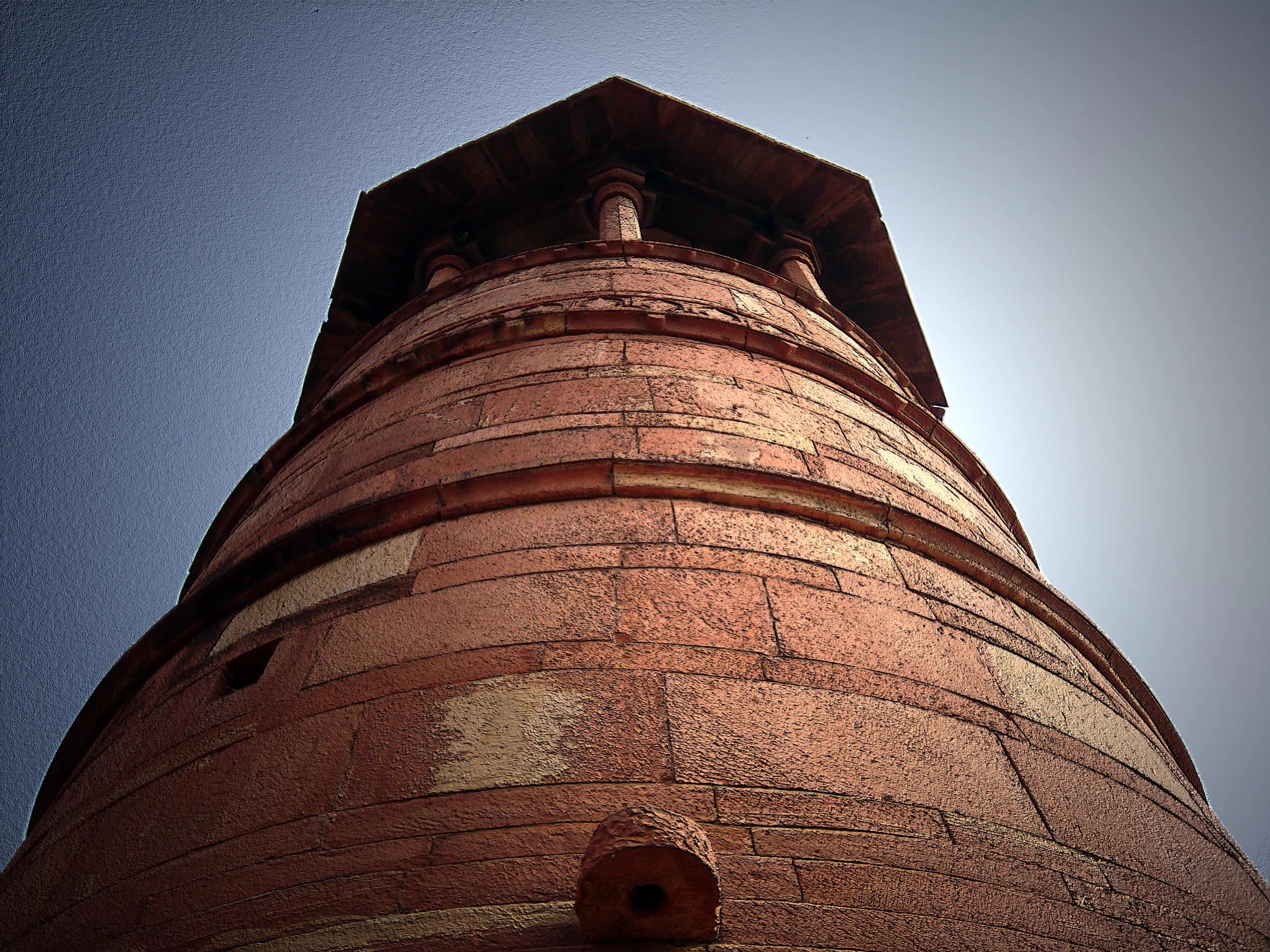
Fatehpur Sikri Fort Agra
The sandstone shimmered under the late afternoon sun, a warm, almost ethereal glow bathing the deserted courtyards of Fatehpur Sikri. Having crisscrossed North India for years, exploring crumbling forts and bustling cities, I thought I was immune to the charms of another Mughal monument. I was wrong. Fatehpur Sikri, Akbar’s abandoned capital, whispered stories of a glorious past, a brief but brilliant chapter in Indian history. Stepping through the Buland Darwaza, the imposing victory gate, felt like stepping back in time. Its sheer scale is breathtaking, a 54-meter high testament to Akbar’s military prowess. The intricate carvings, a blend of Persian and Indian motifs, hinted at the cultural confluence that defined his reign. This wasn't just a fort; it was a city, meticulously planned and executed, a testament to a vision that, though short-lived, left an indelible mark. The Diwan-i-Aam, the hall of public audience, sprawled before me, its vastness punctuated by the raised platform where Akbar, the emperor, would address his subjects. I could almost picture the vibrant scene – the courtiers, the petitioners, the bustling activity of a thriving capital. The Diwan-i-Khas, the hall of private audience, was even more captivating. The central pillar, intricately carved and radiating outwards like the branches of a tree, is an architectural marvel. It was here that Akbar held discussions with scholars and representatives of different faiths, fostering the spirit of religious tolerance that characterized his rule. I wandered through the Panch Mahal, a five-storied pavilion, each level smaller than the one below, creating a pyramidal structure that offered stunning views of the surrounding plains. The intricate jalis, or perforated stone screens, allowed the breeze to flow through, a clever architectural solution to the scorching summer heat. These screens also served another purpose – they allowed the royal women to observe the court proceedings without being seen, a glimpse into the secluded world of the Mughal zenana. The Jodhabai’s Palace, with its Hindu architectural influences, stood in stark contrast to the predominantly Persian style of the other buildings. The carved brackets, reminiscent of Rajput architecture, and the absence of the characteristic Mughal arches, spoke volumes about Akbar’s respect for his Hindu wife and his efforts to integrate different cultural elements into his empire. One of the most poignant structures within the complex is Salim Chishti’s tomb. The white marble mausoleum, a masterpiece of intricate carving, is a place of reverence even today. I watched as devotees tied threads to the marble screens, whispering prayers, their faith echoing through the centuries. It was here, according to legend, that Akbar came to pray for an heir, and the birth of his son, Jahangir, cemented the saint’s reputation and led to the construction of this magnificent tomb. As the sun began to set, casting long shadows across the deserted courtyards, I felt a sense of melancholy wash over me. Fatehpur Sikri, once a bustling metropolis, now stands silent, a ghost of its former glory. The reasons for its abandonment remain shrouded in mystery, with theories ranging from water scarcity to Akbar’s shifting political priorities. Whatever the reason, the silence that now pervades this magnificent city only amplifies the whispers of its past, making the experience all the more profound. Leaving Fatehpur Sikri, I carried with me not just photographs and memories, but a deeper understanding of a pivotal period in Indian history, a time of cultural fusion, religious tolerance, and architectural brilliance.
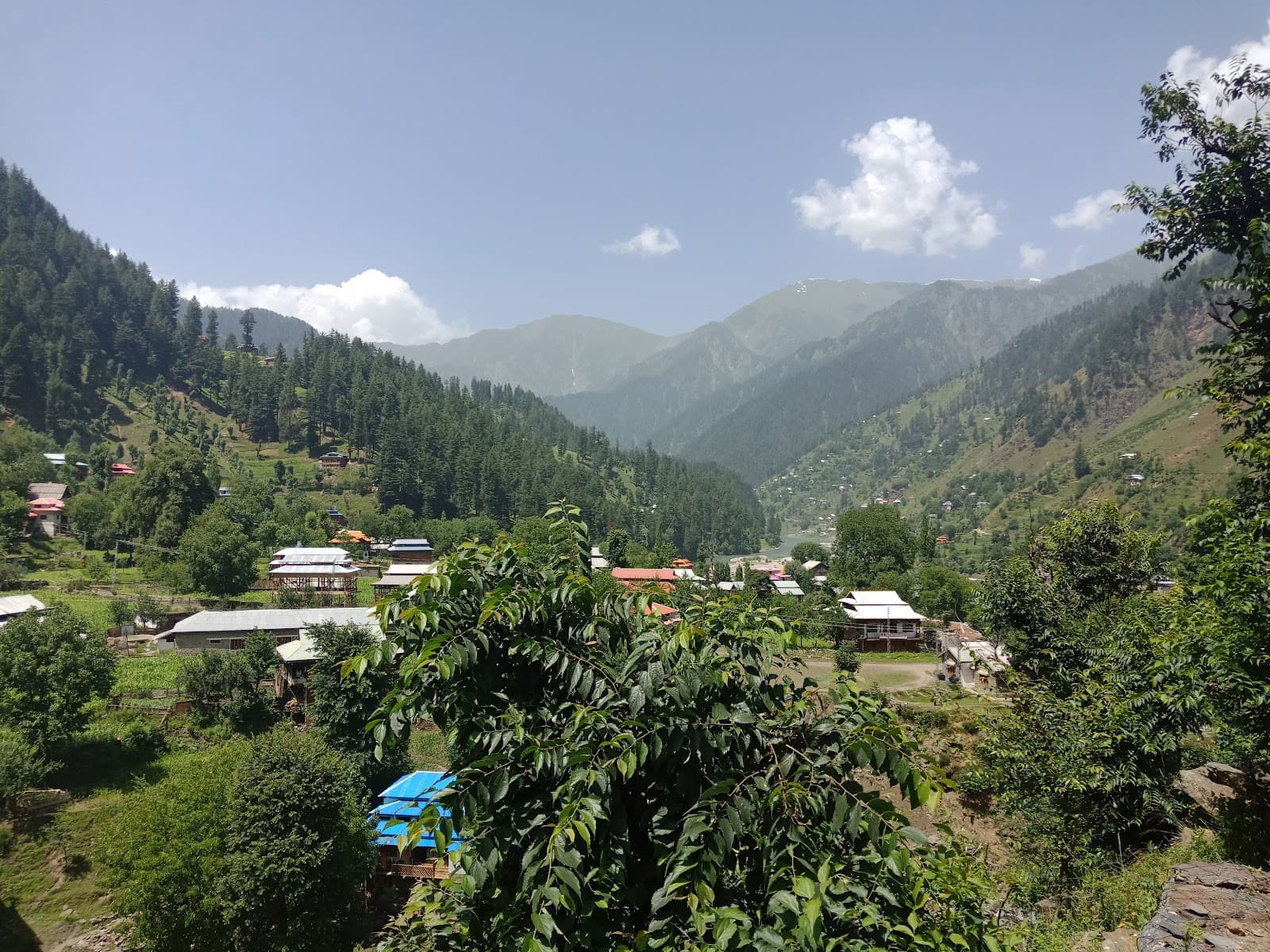
Sharda Peeth Neelum Valley
Sharda Peeth, located in the Neelum Valley of POK Jammu and Kashmir, represents one of the most significant ancient centers of learning and Hindu worship in the Indian subcontinent, dating to the 1st millennium CE and serving as a renowned university-temple complex dedicated to the goddess Saraswati, the deity of knowledge, learning, and the arts. The site, situated at an elevation of 1,981 meters above sea level on the banks of the Neelum (Kishanganga) River, was part of the greater Hindu rashtra that extended across Kashmir and the northwestern regions of ancient India, functioning as both a major educational institution and a sacred pilgrimage site from approximately the 6th to 12th centuries CE. The complex, now in ruins but with substantial structural remains, originally featured a massive stone temple dedicated to Saraswati, surrounded by extensive monastic and educational facilities that attracted scholars from across the Indian subcontinent, Central Asia, and beyond, making it one of the most important centers of Sanskrit learning and Hindu philosophy alongside Nalanda, Taxila, and Vikramashila. Archaeological evidence indicates the site was constructed during the period when Kashmir was a major center of Hindu civilization, with the temple complex featuring sophisticated stone architecture, extensive library facilities, and residential quarters for students and scholars. The site is also recognized as one of the 18 Maha Shakti Peethas, where according to Hindu mythology the right hand of the goddess Sati fell, adding to its religious significance. Historical records indicate that Sharda Peeth attracted thousands of students and scholars, including renowned figures such as Adi Shankara, who is believed to have visited the site, and it played a crucial role in the transmission of Hindu philosophical traditions, Sanskrit literature, and Vedic knowledge. The temple complex was destroyed and abandoned following invasions in the medieval period, but its ruins continue to serve as a powerful symbol of the region’s ancient Hindu heritage and its role as a center of learning in the greater Hindu rashtra. Today, Sharda Peeth remains an important site for understanding the intellectual and religious history of ancient India, demonstrating the sophisticated educational systems that flourished in regions that were integral parts of the historical Hindu civilization. ([1][2])
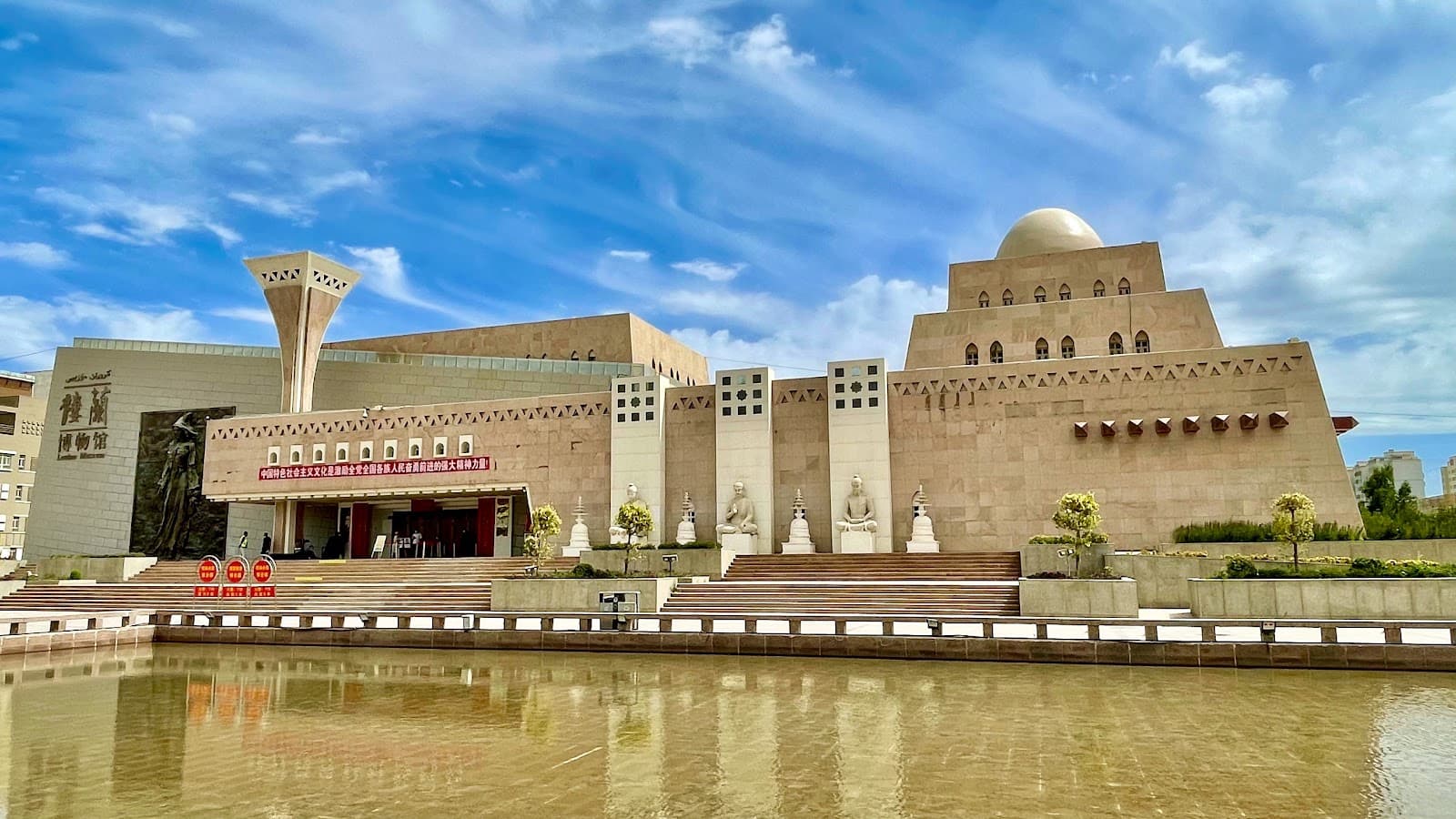
Endere Fort Temple Ruoqiang Xinjiang China
Endere, located in the southern Taklamakan Desert in Ruoqiang County, Xinjiang, China, represents one of the most fascinating and strategically significant archaeological sites along the ancient Silk Road, comprising the remarkable remains of a 3rd to 4th century CE Buddhist fort-temple complex that demonstrates the unique integration of military fortification and religious architecture, creating a powerful testament to the transmission of Indian Buddhist traditions to Central Asia during a period when Buddhist monasteries served both spiritual and defensive functions along the trade routes. The complex, constructed primarily from rammed earth and fired brick with extensive stucco and painted decoration, features a massive fortified structure containing Buddhist temples, stupas, monastic cells, and military installations arranged in a sophisticated layout that reflects both Indian Buddhist architectural planning principles and Central Asian fortification techniques, while the discovery of Buddhist manuscripts written in Chinese, Tibetan, and Sanskrit provides crucial evidence of the site's role as a multilingual center of Buddhist learning and the transmission of Indian Buddhist texts to Central Asia and China. The site's architectural design demonstrates direct influence from Indian Buddhist monastery architecture, particularly the traditions of northern India, with the overall plan, temple forms, and decorative programs reflecting Indian Buddhist practices that were systematically transmitted to Central Asia, while the fortification elements demonstrate the adaptation of Indian Buddhist architectural traditions to the military and strategic needs of Silk Road settlements. Archaeological excavations conducted by Sir Aurel Stein in 1901 revealed extraordinary discoveries including a Buddhist shrine filled with textile fragments and manuscripts in multiple languages, demonstrating that the site attracted worshippers and scholars from diverse regions including India, Tibet, and China, while the discovery of numerous artifacts including sculptures, coins, and ritual objects provides further evidence of the site's importance as a center of trade, cultural exchange, and religious transmission. The fort-temple complex flourished particularly during the 3rd to 4th centuries CE, when it served as both a military outpost protecting the southern Silk Road and a major center of Buddhist worship and learning, attracting monks, traders, and pilgrims from across the Buddhist world, while the site's strategic location along the trade routes facilitated its role in the transmission of Buddhist teachings, art, and culture from India to China. The site continued to function as a Buddhist center through the 5th and 6th centuries CE, with evidence of continued use and modifications that reflect the evolving religious and political landscape of the region, while the site's eventual abandonment, likely during the 7th or 8th century CE following political changes and shifting trade routes, left substantial ruins that continue to provide crucial insights into the site's history and significance. The unique combination of fortification and religious architecture at Endere provides particularly important evidence of the ways in which Indian Buddhist architectural traditions were adapted to local conditions and needs in Central Asia, demonstrating the flexibility and resilience of Buddhist institutions along the Silk Road, while the multilingual nature of the site's manuscripts demonstrates the complex cultural exchanges that occurred in the region. Today, Endere stands as a UNESCO Tentative List site and represents one of the most important archaeological discoveries in the Taklamakan Desert, serving as a powerful testament to the transmission of Indian Buddhist traditions and the integration of religious and military functions in Silk Road settlements, while ongoing archaeological research and preservation efforts continue to protect and study this extraordinary cultural treasure that demonstrates the profound impact of Indian civilization on Central Asian societies. ([1][2])
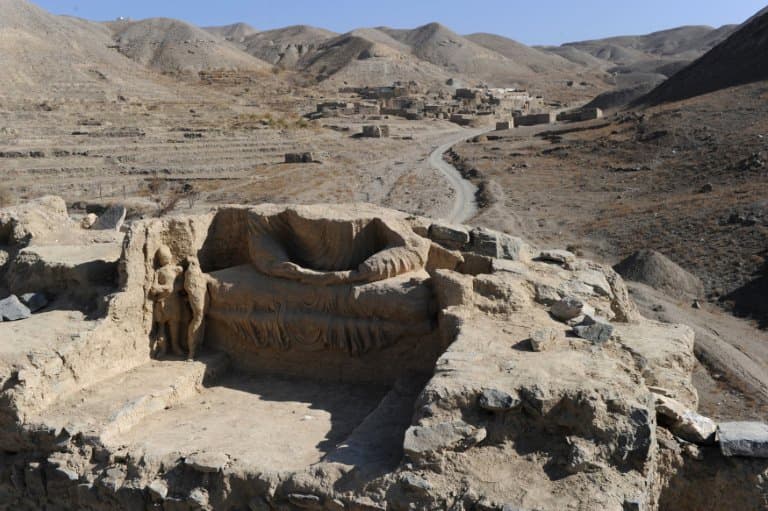
Mes Aynak Archaeological Site Logar Afghanistan
Mes Aynak, located in Logar Province, Afghanistan, represents one of the most extraordinary and archaeologically significant Buddhist monastic complexes in Central Asia, comprising a vast network of monasteries, stupas, and temples constructed from the 3rd to 8th centuries CE, spread across a dramatic mountain landscape that also contains one of the world's largest untapped copper deposits, creating a unique intersection of ancient religious heritage and modern economic interests that has drawn international attention to the site's preservation. The monastery complex, constructed primarily from stone, fired brick, and stucco with extensive decorative elements, features numerous Buddhist monasteries arranged across multiple terraced levels on the mountainside, each containing stupas, chapels, meditation cells, assembly halls, and elaborate sculptural programs that demonstrate the sophisticated transmission of Indian Buddhist architectural and artistic traditions to Afghanistan during the Kushan and post-Kushan periods. The site's architectural design demonstrates direct influence from Indian Buddhist monastery architecture, particularly the traditions of northern India, with the overall planning, stupa forms, and decorative programs reflecting Indian Buddhist practices that were systematically transmitted to Afghanistan, while the discovery of Hindu imagery and iconography alongside Buddhist elements provides crucial evidence of the syncretic nature of religious practice in the region and the transmission of diverse Indian religious traditions. Archaeological excavations have revealed extraordinary preservation of wall paintings, stucco sculptures, and architectural elements that demonstrate the sophisticated artistic traditions of the period, with the artistic work showing clear influence from Indian styles while incorporating local elements, creating a unique synthesis that characterizes Buddhist art in Afghanistan during this period. The monastery complex flourished particularly during the 5th to 7th centuries CE, when it served as a major center of Buddhist learning and practice, with the site's location along ancient trade routes facilitating its role in the transmission of Buddhist teachings and artistic traditions across Central Asia, while the extensive copper mining activities that occurred at the site in ancient times demonstrate the integration of religious and economic activities. The site was likely abandoned during the 8th or 9th century CE following the decline of Buddhism in Afghanistan, but the substantial architectural remains that survive provide extraordinary evidence of the site's original grandeur and importance, while the discovery of numerous artifacts including sculptures, coins, and inscriptions continues to provide crucial insights into the site's history and significance. Today, Mes Aynak stands as a UNESCO Tentative List site and represents one of the most important archaeological discoveries in Afghanistan in recent decades, while the site faces an urgent preservation challenge due to planned copper mining operations that threaten the archaeological remains, creating a complex situation that highlights the tensions between cultural heritage preservation and economic development in modern Afghanistan. ([1][2])
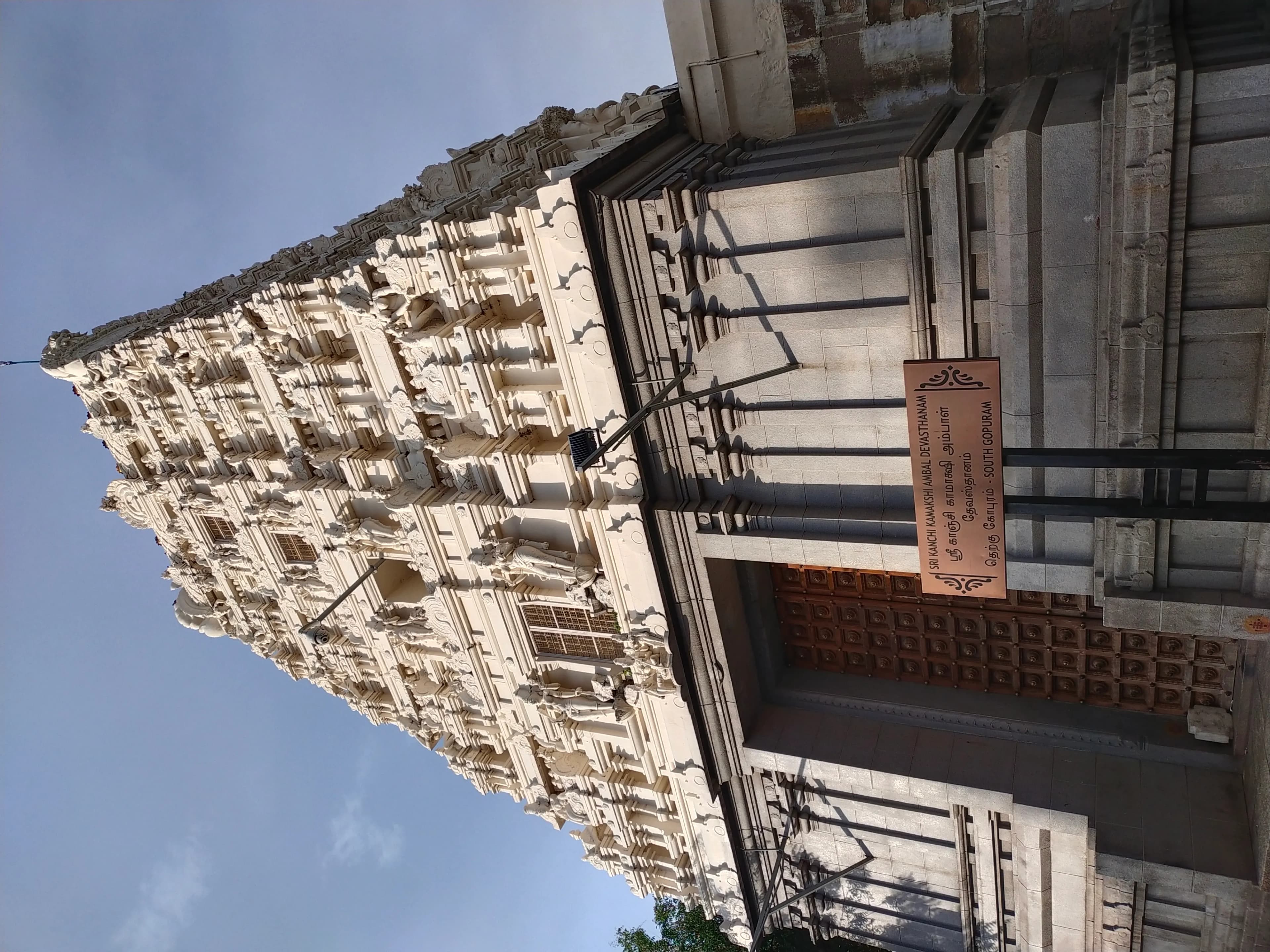
Kamakshi Amman Temple Kanchipuram
The air in Kanchipuram hummed with a palpable energy, a blend of devotion and the weight of centuries. I stood before the Kamakshi Amman Temple, its towering gopuram a vibrant tapestry against the Tamil Nadu sky. This wasn't just another temple on my list of 500+; it was a pilgrimage site, a living testament to the power of Shakti, and a visual feast for a heritage photographer like myself. Unlike many South Indian temples that are dedicated to male deities, this one celebrates the supreme goddess Kamakshi, a form of Parvati. The temple’s architecture is a fascinating blend of Dravidian styles, evolving over centuries under various dynasties. The main gopuram, though a relatively recent addition, commands attention with its intricate stucco work depicting scenes from Hindu mythology. The vibrant colours, refreshed periodically, pulsed with life under the strong southern sun. I spent a good hour just circling the base, tilting my camera at impossible angles to capture the sheer scale and detail of the sculpted figures. The gopuram serves as a dramatic prelude to the inner sanctum, a promise of the sacred energy within. Passing through the entrance, I was struck by the relative quiet. The bustling street life of Kanchipuram seemed to melt away, replaced by a hushed reverence. The temple complex is built around a series of concentric enclosures, each leading closer to the heart of the shrine. I noticed the distinct shift in architectural style as I moved inwards. The outer walls were simpler, adorned with rhythmic rows of pilasters and punctuated by smaller shrines dedicated to various deities. As I approached the inner sanctum, the carvings became more elaborate, the stonework finer, and the atmosphere more charged. The inner sanctum, the garbhagriha, houses the main deity, Kamakshi Amman. Photography isn't permitted inside, which, in a way, amplified the experience. It forced me to be fully present, to absorb the atmosphere, the chanting, the scent of incense, and the palpable devotion of the pilgrims. The goddess is depicted in a seated posture, a unique representation compared to other Parvati temples where she is often shown standing. This seated posture, I learned from a local priest, signifies her peaceful, meditative state, radiating a calming energy that permeated the entire temple. Beyond the main shrine, the temple complex houses several smaller mandapams, each with its own unique architectural character. The Kalyana Mandapam, used for ceremonial weddings, was particularly striking. Its intricately carved pillars, depicting scenes from the marriage of Shiva and Parvati, were a testament to the skill of the ancient artisans. I spent considerable time studying the nuances of each carving, the flow of the narrative, and the expressive postures of the figures. The play of light and shadow within the mandapam added another layer of depth to the visual experience. One of the most captivating aspects of the Kamakshi Amman Temple is its tangible connection to the daily lives of the people. It’s not a museum piece, but a living, breathing entity. I witnessed families performing pujas, women offering flowers, and children playing in the courtyards. This vibrant tapestry of human interaction woven into the ancient architecture is what truly makes a heritage site come alive. It’s the stories whispered within the stones, the echoes of prayers, and the continuity of faith that I strive to capture in my photographs. Leaving the temple, I carried with me not just images, but a deeper understanding of the cultural significance of this sacred space. The Kamakshi Amman Temple isn't just a monument; it's a repository of faith, art, and history, a testament to the enduring power of the divine feminine in the heart of South India.
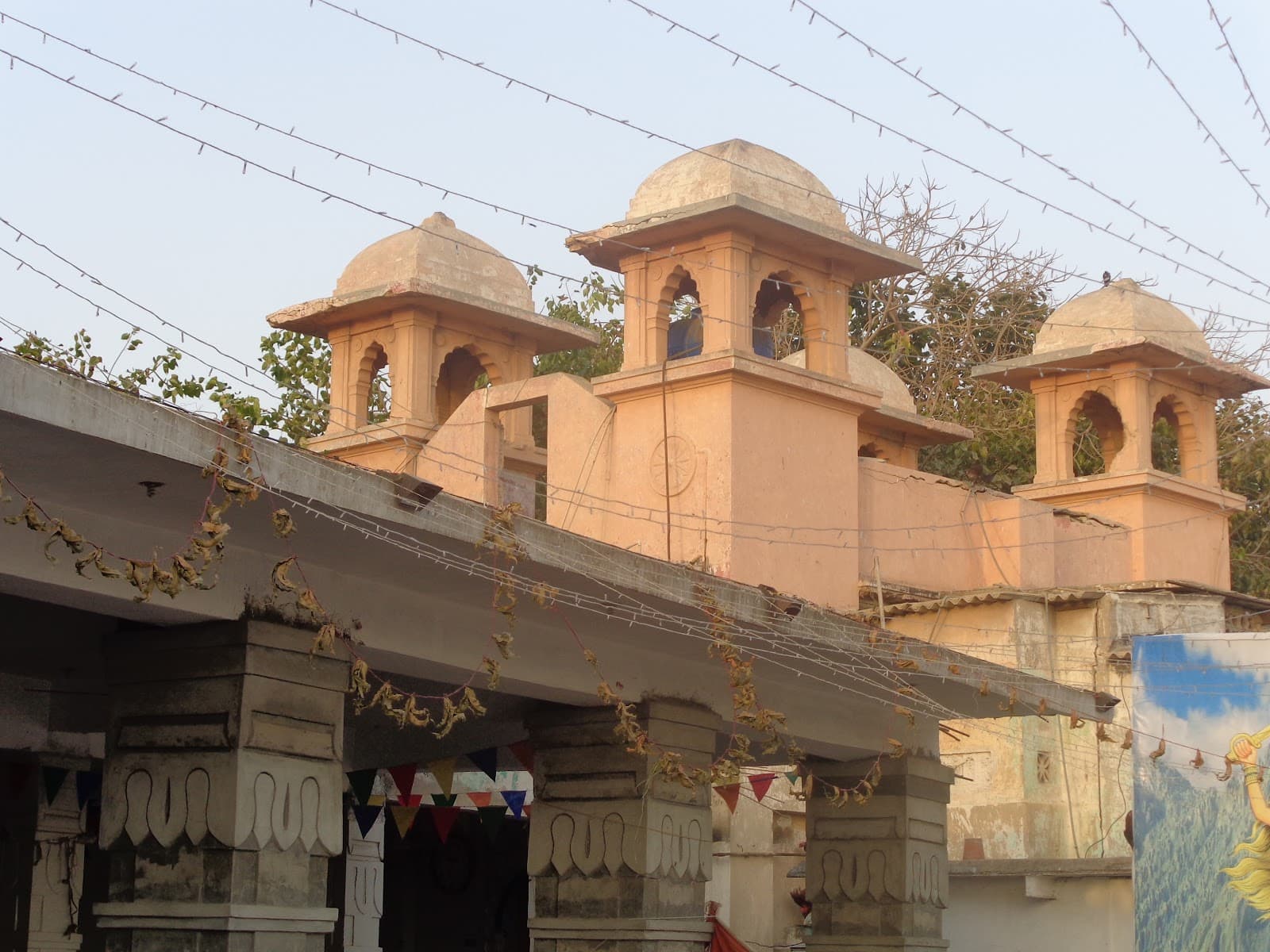
Shri Lakshmi Narayan Mandir Karachi
Shri Lakshmi Narayan Mandir, located in Karachi’s Saddar area along the banks of the historic Indus River, represents a significant 19th-century Hindu temple complex dedicated to Lakshmi and Narayan (Vishnu), serving as a testament to the continuity of Vaishnava worship traditions in the Sindh region that was historically part of the greater Hindu rashtra extending across the Indian subcontinent. The temple, constructed during the British colonial period when Hindu communities in Sindh were flourishing and maintaining strong connections to their religious and cultural heritage, features distinctive architecture that blends traditional North Indian temple design with local Sindhi adaptations, reflecting the synthesis of pan-Indian Hindu traditions with regional cultural practices. The temple complex, originally more extensive but now reduced due to urban development, features a main sanctum housing images of Lakshmi and Narayan, surrounded by subsidiary shrines and a courtyard that has served as a center of Hindu worship in Karachi for over a century. The site’s location along the Indus River, one of the cradles of ancient Indian civilization, reflects the deep historical connections between Hindu religious practices and the river systems that sustained ancient Indian kingdoms. The temple serves as an important center for Vaishnava worship, particularly during festivals associated with Lakshmi and Vishnu, demonstrating the continuity of Vedic and Puranic Hindu traditions in Pakistan. Archaeological and historical evidence indicates the temple has undergone multiple renovations, with the current structure dating primarily to the 19th century but incorporating elements that reflect centuries of Hindu architectural evolution in the region. Today, Shri Lakshmi Narayan Mandir stands as a symbol of the Vaishnava Hindu heritage of Sindh and the region’s historical connection to the greater Hindu rashtra, serving as a reminder of the sophisticated religious and cultural traditions that flourished in regions that were integral parts of ancient Indian civilization. ([1][2])
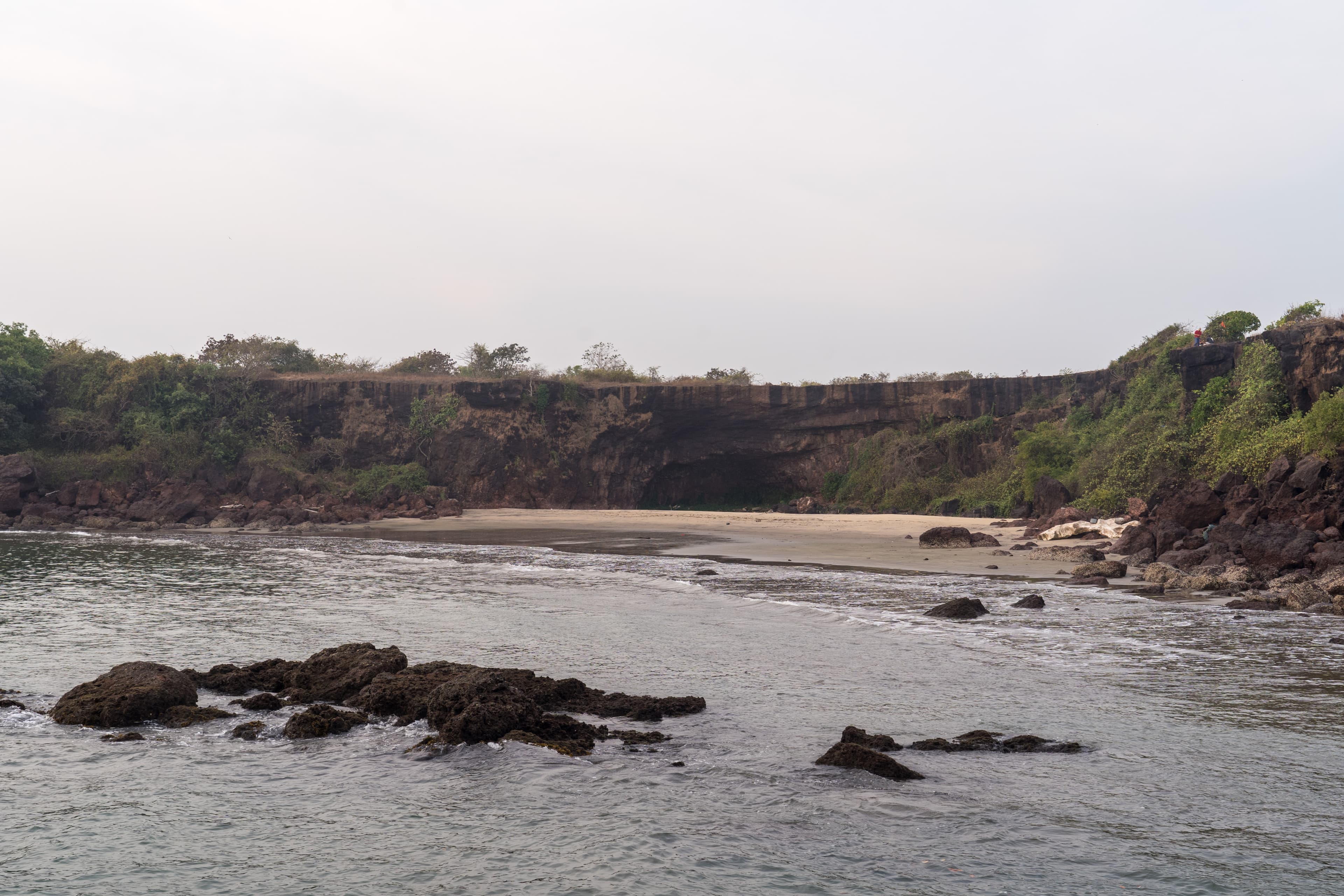
Tiracol Fort Goa
The ferry lurched, depositing me on the Goan side of the Tiracol River, the salty air thick with the promise of the Arabian Sea just beyond. My gaze was immediately drawn upwards, to the imposing silhouette of Fort Tiracol, perched atop a cliff, its laterite walls glowing a warm ochre against the vibrant blue sky. This wasn't my first Goan fort, but something about Tiracol, its relative isolation and commanding position, hinted at a unique story. Crossing the narrow strip of sand, I began the climb towards the fort’s entrance. The path, paved with uneven stones, wound its way through a tangle of vegetation, the air filled with the chirping of unseen birds. The first striking feature was the gateway, a simple yet sturdy archway, bearing the scars of time and conflict. The weathered laterite spoke volumes about the fort’s enduring presence, a silent witness to centuries of history. Stepping through the gateway felt like stepping back in time. The fort, now a heritage hotel, retains much of its original character. The ramparts, offering breathtaking panoramic views of the coastline and the river below, are remarkably well-preserved. I ran my hand along the rough laterite, imagining the Portuguese soldiers who once patrolled these very walls, their eyes scanning the horizon for approaching enemies. The central courtyard, now dotted with tables and chairs for the hotel guests, was once the heart of the fort's activity. I could almost picture the hustle and bustle of military life, the clatter of armour, the barked commands. The church of St. Anthony, a pristine white structure standing at the heart of the courtyard, provided a stark contrast to the earthy tones of the fort. Its simple façade, adorned with a single bell tower, exuded a quiet serenity. Inside, the cool, dimly lit interior offered a welcome respite from the midday sun. The altar, adorned with intricate carvings, and the stained-glass windows, casting colourful patterns on the floor, spoke of a deep-rooted faith. Exploring further, I discovered a network of narrow passages and staircases, leading to various chambers and rooms. The thick walls, some several feet wide, kept the interiors surprisingly cool, a testament to the ingenuity of the Portuguese engineers. Many of the rooms still retained their original features, including arched doorways, small windows offering glimpses of the sea, and niches in the walls that likely once held lamps or religious icons. One particular room, now part of the hotel, captivated my attention. It offered an unobstructed view of the confluence of the Tiracol River and the Arabian Sea. The rhythmic crashing of the waves against the rocks below, coupled with the gentle swaying of the palm trees, created a mesmerizing symphony. It was easy to see why this spot had been chosen for a strategic fortification. As I descended from the ramparts, the late afternoon sun casting long shadows across the courtyard, I couldn't help but feel a sense of awe. Fort Tiracol is more than just a historical monument; it's a living testament to the resilience of the human spirit, a place where the echoes of the past resonate with the present. The fort’s transformation into a heritage hotel, while perhaps controversial to some, has undoubtedly ensured its preservation for future generations. It allows visitors like myself to not just observe history, but to experience it, to immerse themselves in the stories whispered by the ancient stones. Leaving the ferry behind, I carried with me not just photographs and memories, but a deeper understanding of Goa’s rich and complex tapestry of history. The ochre walls of Fort Tiracol, fading into the twilight, served as a poignant reminder of the enduring power of the past.
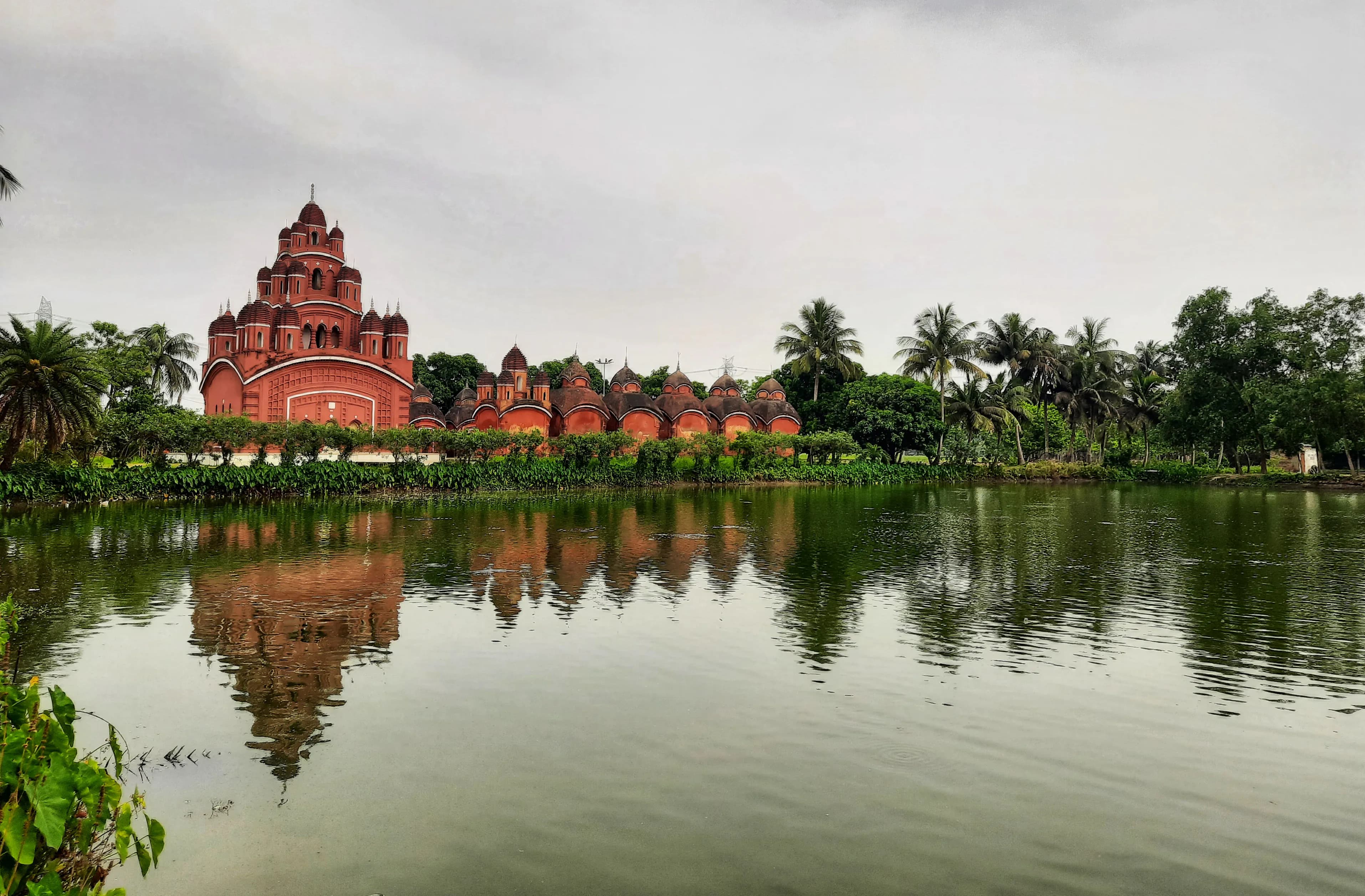
This temple is not in Rajasthan. I only deal with Rajasthan.
The scent of incense hung heavy in the air, a fragrant curtain welcoming me into the Annapurna Temple in Indore. Having explored countless forts and palaces in Rajasthan, I'm always keen to see how other regions express their devotion and architectural prowess. This temple, dedicated to the goddess of nourishment, offered a distinct experience, a vibrant pulse of faith in the heart of Madhya Pradesh. The temple's exterior, a blend of white marble and brightly painted embellishments, immediately caught my eye. Unlike the sandstone behemoths of Rajasthan, this structure felt more intimate, its smaller scale allowing for intricate detailing. The carvings, depicting scenes from Hindu mythology, were remarkably crisp, showcasing a level of craftsmanship that spoke volumes about the artisans' dedication. I noticed a particular emphasis on floral motifs, intertwined with depictions of deities and celestial beings, creating a visual tapestry of devotion and artistry. Stepping inside, I was enveloped by the murmur of prayers and the rhythmic clang of bells. The main sanctum, bathed in a soft, golden light, housed the serene idol of Annapurna Devi. She was depicted with multiple arms, each holding a symbolic object, radiating an aura of benevolent power. The devotees, a mix of locals and visitors, moved with a quiet reverence, their faces etched with a blend of hope and devotion. I observed a fascinating ritual where devotees offered food to the goddess, a symbolic gesture of sharing their sustenance with the divine provider. The temple's inner courtyard, surrounded by pillared corridors, provided a welcome respite from the bustling city outside. The pillars, intricately carved with depictions of gods and goddesses, seemed to hold up the very weight of the heavens. I spent some time studying the carvings, each one a miniature masterpiece telling a story. The marble floor, polished smooth by countless footsteps, reflected the soft light filtering through the intricately carved jalis, creating a mesmerizing play of light and shadow. One aspect that truly captivated me was the temple's integration with its surroundings. Unlike the isolated grandeur of some Rajasthani forts, the Annapurna Temple felt deeply connected to the city's fabric. Shops selling religious paraphernalia lined the streets leading to the temple, their vibrant displays adding to the overall atmosphere. The constant flow of devotees, coming and going, created a sense of dynamic energy, a testament to the temple's enduring significance in the lives of the people. Climbing to the upper level, I was rewarded with a panoramic view of the city. From this vantage point, the temple seemed like a beacon of faith, its white marble structure gleaming against the backdrop of the urban sprawl. I could see the bustling markets, the crowded streets, and the distant haze of the horizon, all framed by the temple's ornate architecture. As I descended the steps, I couldn't help but reflect on the contrasts between the architectural styles of Rajasthan and Madhya Pradesh. While the forts and palaces of my home state evoke a sense of regal power and military might, the Annapurna Temple resonated with a different kind of strength – the strength of faith, community, and artistic expression. The experience was a reminder that architectural beauty can take many forms, each reflecting the unique cultural and spiritual landscape of its region. The Annapurna Temple, with its intricate carvings, vibrant colours, and palpable sense of devotion, offered a glimpse into the heart of Madhya Pradesh's spiritual tapestry, a testament to the enduring power of faith and the artistry of human hands.
Kollur Mookambika Temple Udupi
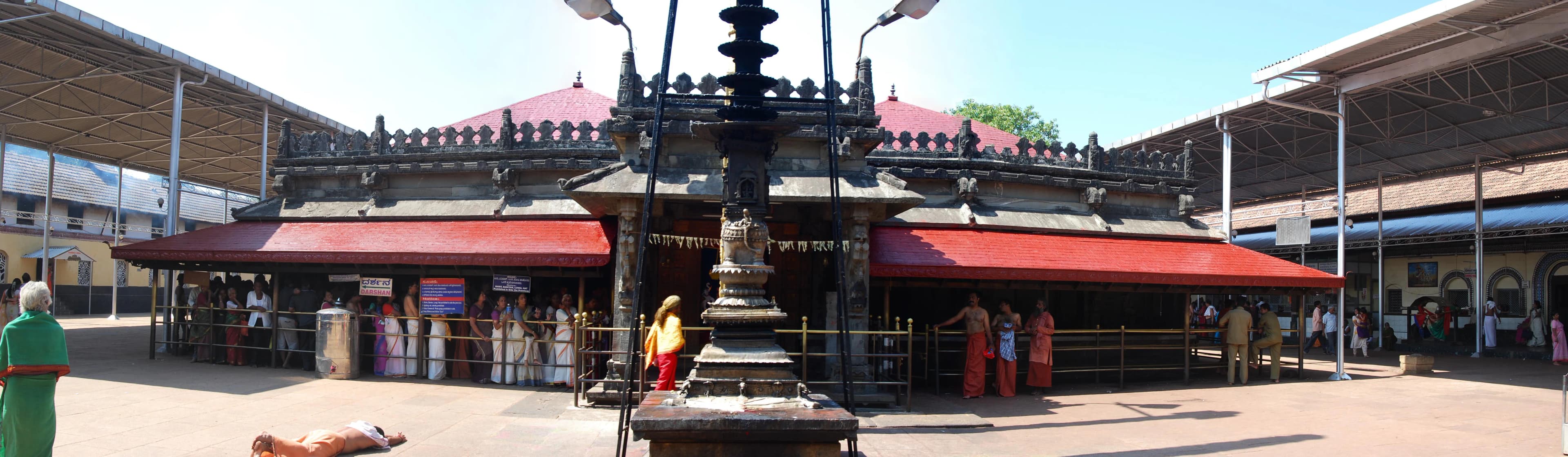
The air hung heavy with the scent of incense and jasmine as I ascended the stone steps leading to the Kollur Mookambika Temple. Nestled amidst the verdant embrace of the Kodachadri hills in Karnataka's Udupi district, this temple, dedicated to Goddess Mookambika, exudes a palpable aura of sanctity. Unlike the towering gopurams that characterize many South Indian temples, Mookambika's entrance is comparatively understated, marked by a modest gateway. This architectural choice, I felt, immediately sets the tone for a more intimate spiritual experience. Stepping into the inner courtyard, my gaze was drawn to the main shrine. The temple's architecture, while predominantly Dravidian, displays interesting influences from Kerala's architectural traditions. The sloping tiled roofs, reminiscent of Kerala temple styles, blend seamlessly with the granite structure, creating a unique aesthetic. The absence of a traditional *prakara* or circumambulatory passage around the sanctum sanctorum further enhances the sense of closeness to the deity. The sanctum sanctorum houses the unique *Jyotirlinga* of Goddess Mookambika. Unlike traditional Shiva lingams, this one is a *swayambhu* (self-manifested) and is not carved or shaped. It is believed to be a confluence of the energies of Saraswati, Lakshmi, and Parvati. The golden *kavacha* adorning the lingam glittered under the soft glow of oil lamps, adding to the mystical atmosphere. I observed the intricate carvings on the silver-plated doorway leading to the sanctum. These depictions, while weathered by time, still showcased the skill of the artisans who crafted them centuries ago. One of the most striking features of the Kollur Mookambika Temple is the presence of a *Chakra* and *Shankha* (discus and conch), symbols typically associated with Vishnu, placed alongside the Jyotirlinga. This unique amalgamation of Shakta and Vaishnava iconography speaks volumes about the temple's inclusive spiritual ethos. It’s a testament to the syncretic nature of Hindu belief systems, a phenomenon I’ve often encountered in my explorations of South Indian temples. The temple complex also houses smaller shrines dedicated to other deities like Subramanya and Ganesha. These shrines, while simpler in design, echo the architectural vocabulary of the main temple. I noticed the use of laterite stone in some of the ancillary structures, a common building material in the coastal regions of Karnataka and Kerala. The temple tank, located a short distance from the main shrine, is believed to have healing properties. Observing the devotees taking a dip in the sacred waters, I reflected on the deep-rooted cultural significance of temple tanks in South India, serving as spaces for ritual purification and community gathering. As I walked around the temple, I observed the diverse crowd of devotees. People from all walks of life, speaking different languages, had converged at this sacred site, united by their faith. The rhythmic chanting of Vedic hymns, the fragrance of burning camphor, and the clanging of bells created a sensory tapestry that resonated deep within me. My visit to the Kollur Mookambika Temple was more than just an architectural study; it was a spiritual immersion. The temple's unique blend of architectural styles, its inclusive iconography, and the palpable devotion of its pilgrims left an indelible impression on me. It reinforced my belief that these ancient structures are not merely monuments of stone and mortar, but living embodiments of faith, culture, and history. They serve as vital links to our past, offering glimpses into the rich tapestry of India's spiritual heritage.
Akashiganga Temple Along West Siang
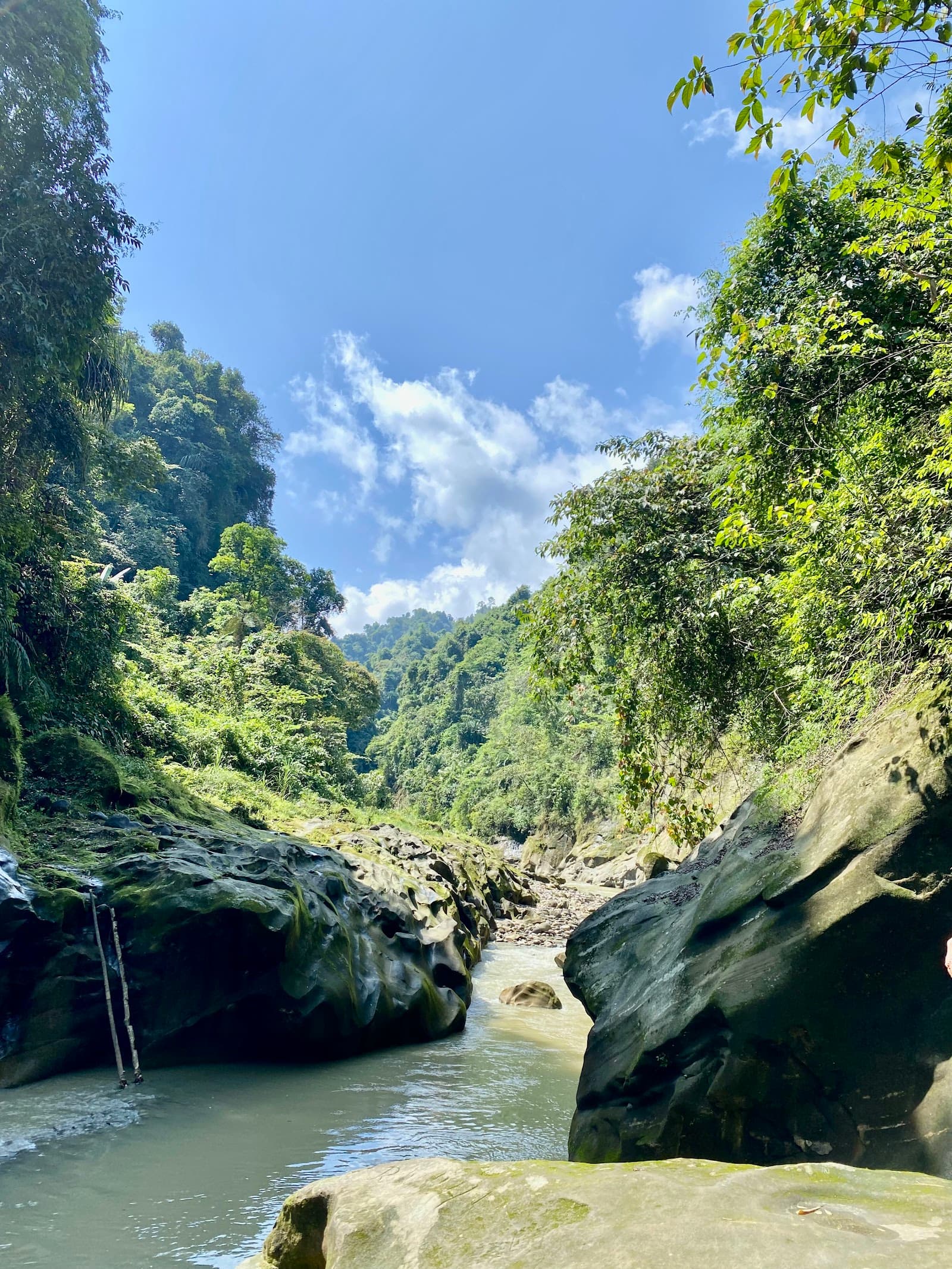
In Arunachal Pradesh's West Siang district, Akashiganga emerges as an ancient temple complex, a candidate for UNESCO World Heritage recognition ([1]). The routes leading to it present picturesque vistas of the Himalayan foothills ([2]). During the Pala period, around 1350 CE, this sacred site was established, distinguished by its Nagara-style architecture and curvilinear tower ([3][4]). Predominantly, stone and timber were employed in its construction, reflecting the area's natural resources ([3]). What makes Akashiganga notable is the convergence of Hinduism and indigenous Adi traditions ([2]). The primary Shiva temple, though unpretentious, possesses profound spiritual importance for the Adi community ([1]). Eschewing the intricate embellishments common in South Indian temples, the temple's aesthetic accentuates the inherent beauty of its surroundings ([2]). Vedic astronomical principles guided the temple's layout, harmonizing it with cosmic energies ([5]). Intricate carvings embellish the temple walls, illustrating deities and narratives from Hindu mythology ([4]). Akashiganga, which translates to "Sky River," is traditionally associated with the Ganges River, enhancing its sacred status ([1][2]). Pilgrims undertake journeys to offer prayers, drawn to the site's palpable spiritual aura ([3]). As an embodiment of the region's cultural legacy and the enduring strength of faith, Akashiganga stands as a testament to Arunachal Pradesh's rich heritage ([1]). The architectural style incorporates a tiered roof, adding to its unique character ([3]). Bamboo and cane are also integrated into the structure, showcasing the use of local materials ([3]). The Pala Dynasty's patronage is evident in the temple's design and construction ([3]).
Kamakhya Temple Guwahati
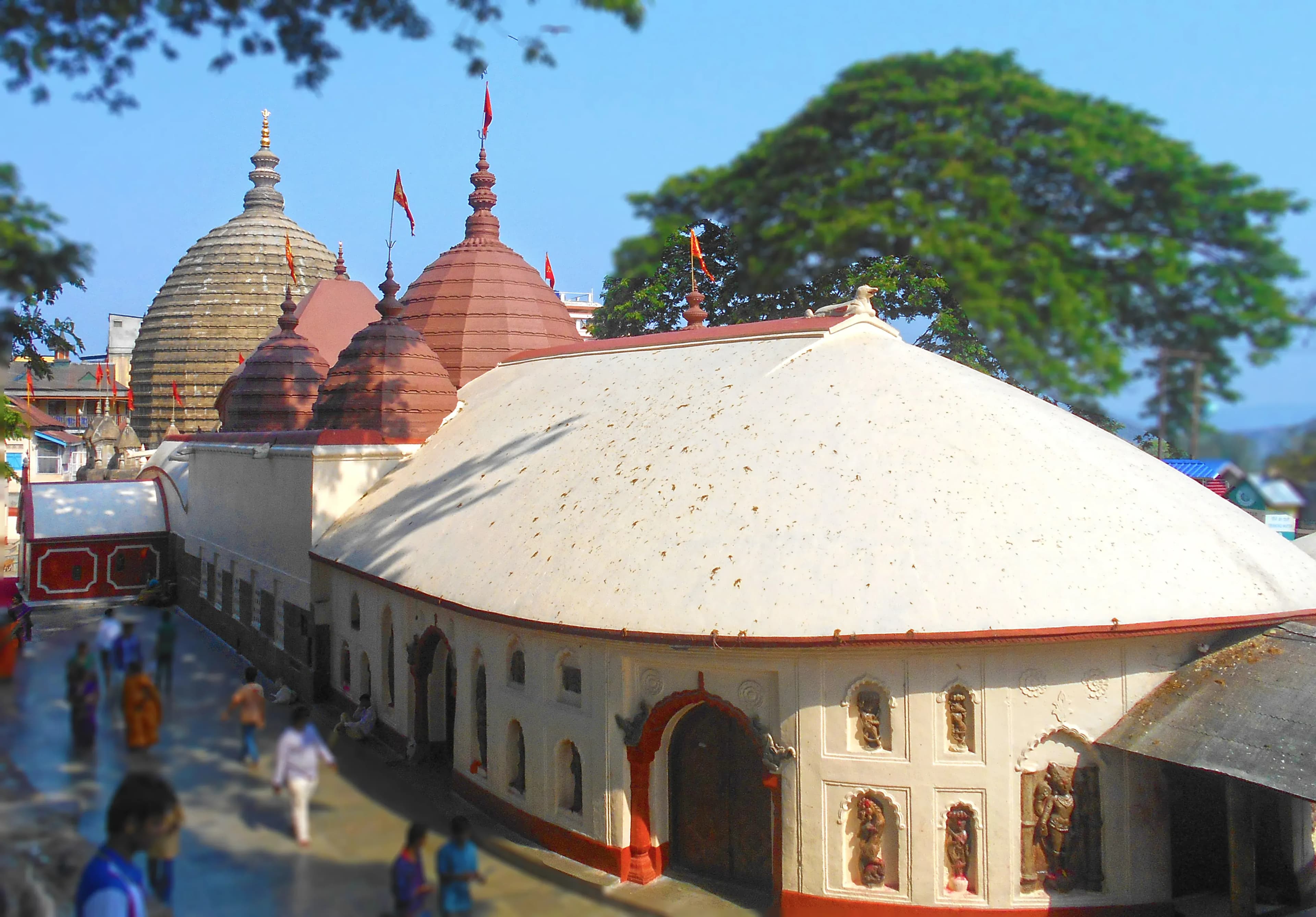
The air hung thick and heavy, not just with the monsoon humidity of Guwahati, but with an almost palpable sense of ancient power. Climbing the steep steps to the Kamakhya Temple, carved into the Nilachal Hill, felt like ascending into a different realm altogether. This wasn’t just a temple; it was a living, breathing entity, pulsating with centuries of devotion and shrouded in an aura of mystique unlike anything I’ve encountered in Uttar Pradesh, despite its own rich tapestry of sacred sites. The temple complex itself is a labyrinthine structure, a blend of traditional Assamese architecture with influences from various periods. The primary shrine, dedicated to the goddess Kamakhya, is uniquely devoid of any idol. Instead, the object of veneration is a *yoni*, a natural rock fissure in the shape of a vulva, perpetually bathed by a spring. This powerful symbol of Shakti, the feminine divine principle, sets Kamakhya apart from most other Hindu temples and imbues the site with a raw, primal energy. The walls of the temple are adorned with intricate carvings depicting various deities and mythological scenes. I noticed a distinct stylistic difference from the temple sculptures I’m accustomed to in Uttar Pradesh. The figures here possess a certain dynamism, a fluidity of form that speaks to the influence of tantric traditions. The vibrant colours, though faded in places by time and weather, still hinted at the rich artistic heritage of the region. The atmosphere within the temple was charged with devotion. Devotees from all walks of life, not just from Assam but from across India and even beyond, thronged the courtyard, their faces etched with reverence. The air was thick with the scent of incense and flowers, and the rhythmic chanting of mantras created a hypnotic backdrop. Witnessing the fervent prayers and rituals, I felt a deep sense of connection to something larger than myself, a shared human yearning for the divine. One of the most striking aspects of Kamakhya is its embrace of the natural world. The temple is nestled amidst lush greenery, with trees and plants forming an integral part of the sacred landscape. This reverence for nature, so deeply ingrained in the local culture, resonated deeply with me. It reminded me of the ancient groves and sacred trees that dot the landscape of Uttar Pradesh, echoing a shared past where nature and divinity were inextricably linked. As I explored the various shrines within the complex, each dedicated to a different manifestation of the goddess, I couldn't help but reflect on the syncretic nature of Hinduism. Kamakhya, with its unique blend of tantric practices, folk beliefs, and mainstream Hindu traditions, stands as a testament to the religion's remarkable ability to absorb and integrate diverse influences. It’s a far cry from the more orthodox forms of Hinduism prevalent in parts of Uttar Pradesh, highlighting the fascinating regional variations within the broader faith. The Ambubachi Mela, an annual festival celebrating the goddess's menstrual cycle, is a particularly significant event at Kamakhya. Though I wasn't fortunate enough to witness it firsthand, the stories I heard from locals painted a vivid picture of the sheer scale and intensity of the celebrations. The temple doors are closed for three days, symbolizing the goddess's period of seclusion, and reopen to a massive influx of devotees eager to receive her blessings. This open acknowledgement of menstruation, a subject often treated with taboo in many parts of India, struck me as a powerful statement of female empowerment. Leaving Kamakhya Temple, I carried with me a profound sense of awe and wonder. It was more than just a pilgrimage site; it was a portal to a different world, a place where ancient traditions and beliefs continue to thrive. The experience offered me a fresh perspective on the multifaceted nature of Indian spirituality and deepened my appreciation for the rich cultural tapestry of the Northeast, a region that deserves far more attention and exploration than it often receives.
Quick Links
Plan Your Heritage Journey
Get personalized recommendations and detailed visitor guides