Has Inheritage Foundation supported you today?
Your contribution helps preserve India's ancient temples, languages, and cultural heritage. Every rupee makes a difference.
Secure payment • Instant 80G certificate

Sun Temple Bundu
The terracotta hues of the Sun Temple at Bundu, Jharkhand, shimmered under the late afternoon sun, a fitting tribute to the celestial body it honors. Unlike the towering Konark Sun Temple in Odisha, this structure, still under construction, possesses a unique, almost unfinished charm. Its raw, earthy aesthetic, crafted from locally sourced laterite bricks, sets it apart from the polished grandeur of other ancient temples I've encountered across India. This was my 38th UNESCO World Heritage site in India, and it offered a refreshing perspective on temple architecture. The temple's main structure, a colossal chariot seemingly frozen mid-stride, is a marvel of engineering. Seventeen life-sized horses, also sculpted from laterite, appear to pull the chariot, their muscular forms radiating dynamic energy. The wheels, intricately carved with symbolic motifs, are particularly striking. I spent a good amount of time circling the chariot, examining the detailed carvings. While some sections displayed the smooth finish of completed work, others revealed the rough texture of the brick, showcasing the ongoing construction. This juxtaposition of finished and unfinished elements gave the temple a palpable sense of living history. Climbing the steps to the main platform, I was greeted by a panoramic view of the surrounding landscape. The sprawling countryside, dotted with small villages and lush greenery, provided a serene backdrop to the temple's imposing presence. The absence of towering walls or enclosures, typical of many ancient temples, further enhanced this connection with the natural world. It felt as though the temple was not just a place of worship, but an integral part of the landscape itself. Inside the chariot's main chamber, the deity of the Sun God awaits installation. The emptiness of the sanctum, however, did not detract from the spiritual aura of the space. The play of light filtering through the arched openings created an ethereal ambiance, inviting contemplation and quiet reflection. I noticed several artisans working diligently on intricate carvings within the chamber, their meticulous craftsmanship a testament to the dedication involved in bringing this grand vision to life. One of the most captivating aspects of the Bundu Sun Temple is its unique blend of traditional and contemporary architectural styles. While the chariot motif and the use of laterite hark back to ancient temple-building traditions, the sheer scale of the structure and the ongoing construction process give it a distinctly modern feel. It’s a fascinating example of how heritage can be reinterpreted and revitalized for future generations. My conversations with the local artisans and residents provided further insight into the temple's significance. They spoke of the temple not just as a religious site, but as a symbol of community pride and a source of livelihood. The ongoing construction has created employment opportunities for many local artisans, ensuring the preservation of traditional craftsmanship and contributing to the economic development of the region. As I left the Sun Temple, the setting sun cast long shadows across the terracotta structure, painting it in a warm, golden glow. The experience was unlike any other temple visit I’ve had. It wasn’t just about admiring a finished masterpiece; it was about witnessing the creation of one. The Bundu Sun Temple is a testament to the enduring power of human creativity and the evolving nature of heritage. It stands as a powerful reminder that history is not just something we inherit from the past, but something we actively shape in the present.
Enchey Monastery Gangtok
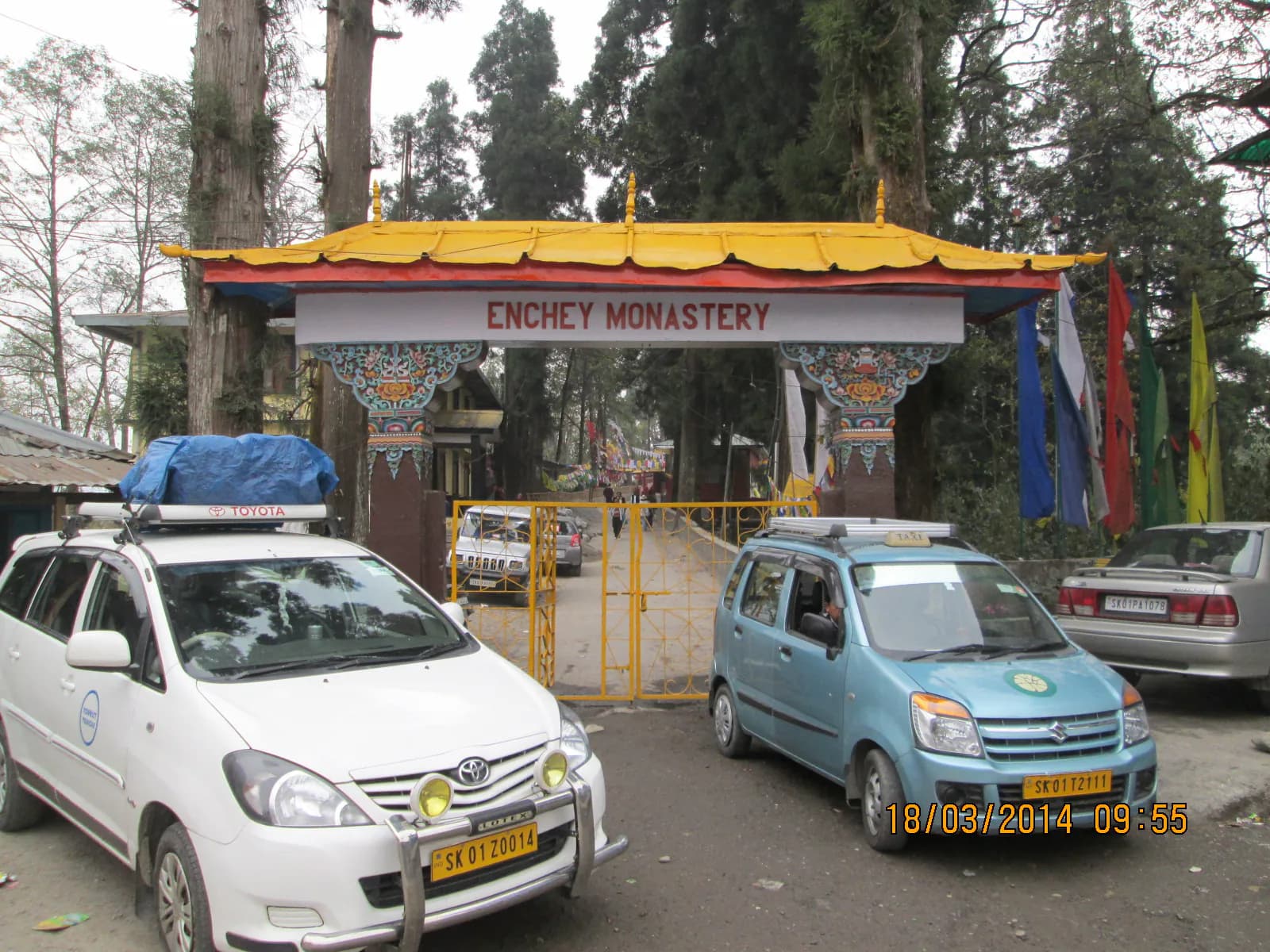
The crisp mountain air, tinged with the aroma of burning juniper incense, welcomed me to Enchey Monastery, nestled on a ridge overlooking Gangtok. Having explored every UNESCO site in India, I can confidently say that this monastery, while not holding that official designation, possesses a unique charm that rivals many that do. Its name, meaning "Solitary Monastery," feels apt, as it exudes an aura of quiet contemplation despite its proximity to the bustling capital of Sikkim. Unlike the grand, sprawling complexes of some Tibetan monasteries, Enchey maintains a sense of intimacy. The main structure, a two-storied edifice, is built in the traditional Sino-Tibetan style, with a vibrant color palette that pops against the verdant backdrop. The sweeping, multi-tiered roofs, adorned with intricate carvings and gilded details, are a testament to the craftsmanship of the past. I was particularly struck by the ornate dragons that guard the corners of the roof, their fierce expressions seemingly protecting the sacred space within. Stepping inside, I was immediately enveloped by the hushed reverence of the prayer hall. The walls are covered in vibrant murals depicting Buddhist deities, intricate mandalas, and scenes from the life of Buddha. These aren't mere decorations; they are narratives, teaching tools, and objects of devotion. I spent a considerable amount of time studying the details, each brushstroke telling a story, each symbol holding a deeper meaning. The soft glow of butter lamps cast dancing shadows on the richly embroidered thangkas (religious scrolls) that hung from the walls, adding to the mystical atmosphere. The main altar, dominated by a large statue of Sakyamuni Buddha, is a focal point for prayer and meditation. Watching the monks perform their rituals, their chanting resonating through the hall, was a truly immersive experience. The rhythmic cadence of their voices, the clang of cymbals, and the deep drone of horns created a soundscape that transported me to another realm. Beyond the main prayer hall, the monastery complex encompasses several smaller shrines and chambers. I explored these with a sense of quiet curiosity, discovering hidden alcoves adorned with statues of protective deities and ancient scriptures carefully preserved in glass cases. One particularly intriguing room housed a collection of antique masks used in Cham dances, their grotesque yet captivating features hinting at the vibrant masked dances performed during religious festivals. My visit coincided with the annual Pang Lhabsol festival, a unique Sikkimese celebration honoring Mount Kanchenjunga, the third highest peak in the world. Witnessing this vibrant spectacle within the monastery grounds was an unforgettable experience. Masked dancers, adorned in elaborate costumes, performed ritualistic dances to the accompaniment of drums and cymbals, their movements a mesmerizing blend of grace and power. The air was thick with the scent of incense and the energy of devotion, creating an atmosphere that was both electrifying and deeply spiritual. Enchey Monastery is more than just a place of worship; it's a living testament to the rich cultural heritage of Sikkim. It's a place where history, spirituality, and art converge, offering visitors a glimpse into the heart of Tibetan Buddhism. While it may not yet bear the official UNESCO title, it undoubtedly holds a special place in the tapestry of India's cultural landscape. As I descended the hill, leaving the serene embrace of the monastery behind, I carried with me not just photographs and memories, but a deeper understanding of the enduring power of faith and tradition.
Mahavir Mandir Patna
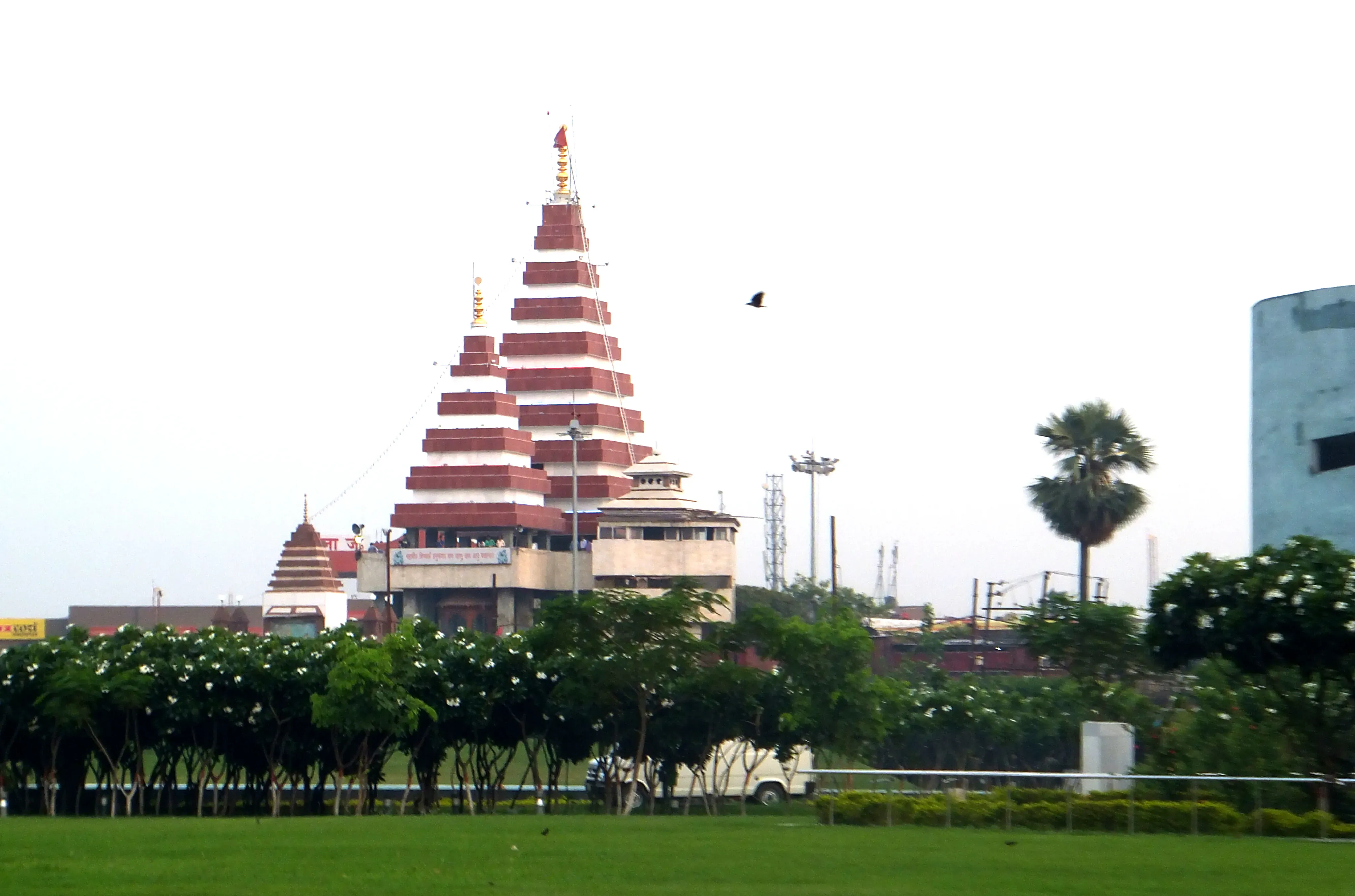
The cacophony of Patna faded as I stepped through the towering gates of Mahavir Mandir, a vibrant splash of colour against the dusty cityscape. This wasn't a UNESCO World Heritage site, a fact that surprised many considering its significance and scale. It's a testament to the living, breathing nature of faith in India, a place where devotion isn't confined to ancient stones and crumbling monuments. Here, amidst the constant hum of chanting and the aroma of incense, history felt present, woven into the fabric of everyday life. The temple, dedicated to Lord Hanuman, is a relatively modern structure, its gleaming white marble a stark contrast to the weathered brick and concrete of its surroundings. The architecture is a fascinating blend of traditional Nagara style with a distinct contemporary flair. Multiple shikharas, or towers, rise towards the sky, their intricate carvings catching the light. While not as ancient as some of the temples I’ve documented across India, the craftsmanship is undeniable. I noticed the meticulous detailing on the marble panels depicting scenes from the Ramayana, each figure imbued with a sense of movement and emotion. The main entrance is dominated by a massive archway, adorned with colourful depictions of deities and mythical creatures. Passing through it felt like stepping into another realm. The courtyard within was a hive of activity. Devotees, from all walks of life, thronged the space, their faces etched with reverence. The air was thick with the scent of marigold garlands and the rhythmic clang of bells. I watched as families offered prayers, their whispered chants mingling with the louder recitations of priests. There was a palpable energy, a collective hum of devotion that resonated deep within me. Unlike the hushed reverence of some ancient temples, Mahavir Mandir pulsated with a vibrant, almost frenetic energy. This wasn't a place for quiet contemplation; it was a place of active participation, of shared belief. The sheer volume of devotees was staggering. I navigated the crowds, observing the rituals, the offerings, the expressions of faith. I saw elderly women with wrinkled hands clasped in prayer, young couples seeking blessings, and children wide-eyed with wonder. It was a microcosm of Indian society, united by a shared devotion. One of the most striking features of the temple is its sheer size. It sprawls across a vast area, encompassing multiple shrines, halls, and courtyards. I spent hours exploring the complex, discovering hidden alcoves and intricate carvings. The main sanctum, where the idol of Lord Hanuman resides, was particularly captivating. The deity, adorned with vibrant orange sindoor and draped in glittering garments, seemed to radiate a powerful aura. The atmosphere within the sanctum was charged with emotion, a palpable sense of reverence and awe. Beyond its religious significance, Mahavir Mandir also serves as a vital community hub. I learned that the temple trust runs several charitable initiatives, including a hospital, a school, and a langar (free kitchen) that feeds thousands of people daily. This aspect of the temple, its commitment to social welfare, resonated deeply with me. It demonstrated that faith, at its core, is not just about ritual and worship, but also about service and compassion. Leaving the bustling courtyard and stepping back into the clamour of Patna, I carried with me a profound sense of having witnessed something truly special. Mahavir Mandir is more than just a temple; it’s a testament to the enduring power of faith, a vibrant expression of devotion, and a vital centre of community life. While it may not bear the official UNESCO designation, it holds a unique place in the tapestry of India's spiritual heritage, a place that deserves to be experienced and understood.
Bada Ganesh Mandir Ujjain
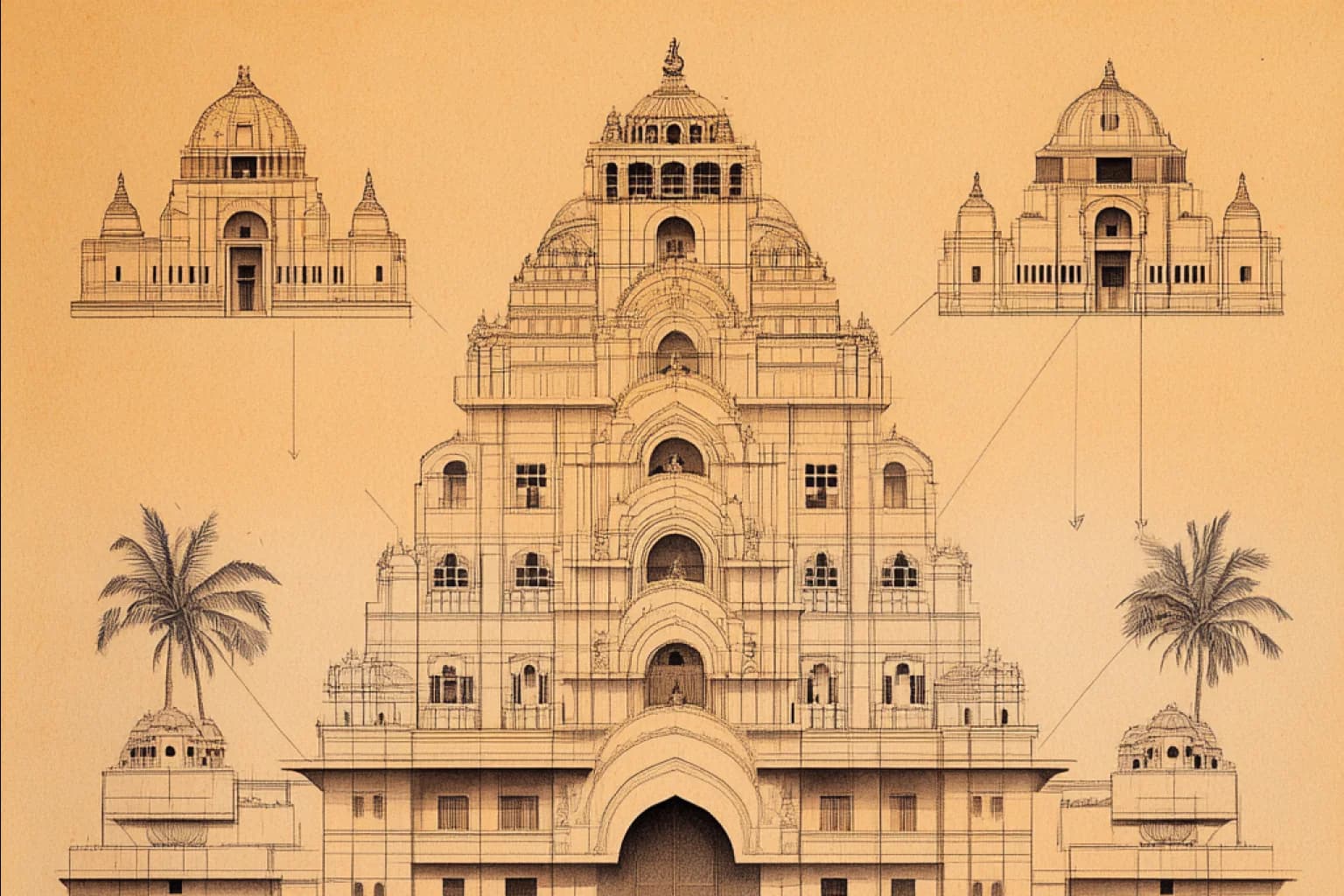
The Bada Ganesh Mandir, situated on Hari Phatak Road in Ujjain, Madhya Pradesh, stands as a profound testament to India's millennia-spanning cultural and religious heritage, embodying a continuous tradition of devotion to Lord Ganesha [1] [2]. This revered Hindu shrine, located in Ujjain—one of the seven sacred cities of Hinduism (Sapta Puri) and a site of the Kumbh Mela—underscores the city's enduring spiritual significance [1] [3]. The temple's central feature is a colossal idol of Lord Ganesha, depicted in a seated posture, measuring an impressive 25 feet in height and 10 feet in width [2]. This monumental sculpture was meticulously crafted from a composite of bricks, limestone, and sand [2]. A unique aspect of its creation involved the incorporation of holy waters sourced from all seven Mokshapuris, including Mathura, Haridwar, Ayodhya, Kanchipuram, Ujjain, Kashi, and Dwaraka, symbolizing a pan-Indian spiritual synthesis [2]. Further enhancing its grandeur, the idol features intricate ornamental works utilizing precious materials such as elephant emerald, Gaushala clay, various gemstones including diamond, emerald, topaz, pearl, and rubies, alongside metals like gold, silver, iron, and copper [2]. Maharishi Guru Maharaj Siddhant Vagesh Pt. Narayan Ji Vyas is credited with establishing this iconic Ganapathy idol through extensive experimentation [2]. The architectural style of the Bada Ganesh Mandir predominantly reflects Maratha influences, characterized by its distinctive sloping tiled roofs, a pragmatic design choice well-suited for the region's heavy monsoon rains [1]. While showcasing these Maratha characteristics, the core structure adheres to the foundational principles of traditional Hindu temple architecture, incorporating essential elements such as the *garbhagriha* (sanctum sanctorum), *mandapa* (pillared hall), and *shikhara* (tower) [1]. This fusion exemplifies the Maratha period's approach to integrating local traditions with their unique architectural identity [1]. Beyond the main deity, the temple complex also houses an idol of Panchmukhi Hanuman Ji, which is believed to predate the Ganesh idol, signifying the site's ancient and layered sacred history [4]. The temple is an active center of worship, with daily rituals commencing with an opening aarti accompanied by Vedic mantras, followed by the first puja dedicated to Lord Ganesha [3]. Devotees regularly present offerings of flowers, fruits, and incense [3]. The day concludes with an evening aarti and a closing ceremony [3]. The temple operates daily from 5:00 AM to 12:00 Noon and from 4:00 PM to 8:00 PM, attracting a substantial number of devotees, particularly during the Ganesh Chaturthi festival [2]. Conservation efforts are actively undertaken by organizations such as the Inheritage Foundation, which focuses on comprehensive documentation, including 3D scans and photographs, alongside physical repairs to address cracks, clean surfaces, and mitigate water damage [1]. These restoration and community engagement programs are crucial for the long-term preservation of this irreplaceable cultural heritage [1]. The site is fully operational and accessible to devotees and visitors, maintaining its role as a vibrant spiritual and cultural landmark in Ujjain [3] [5].
Jatmai Ghatarani Temple Raipur
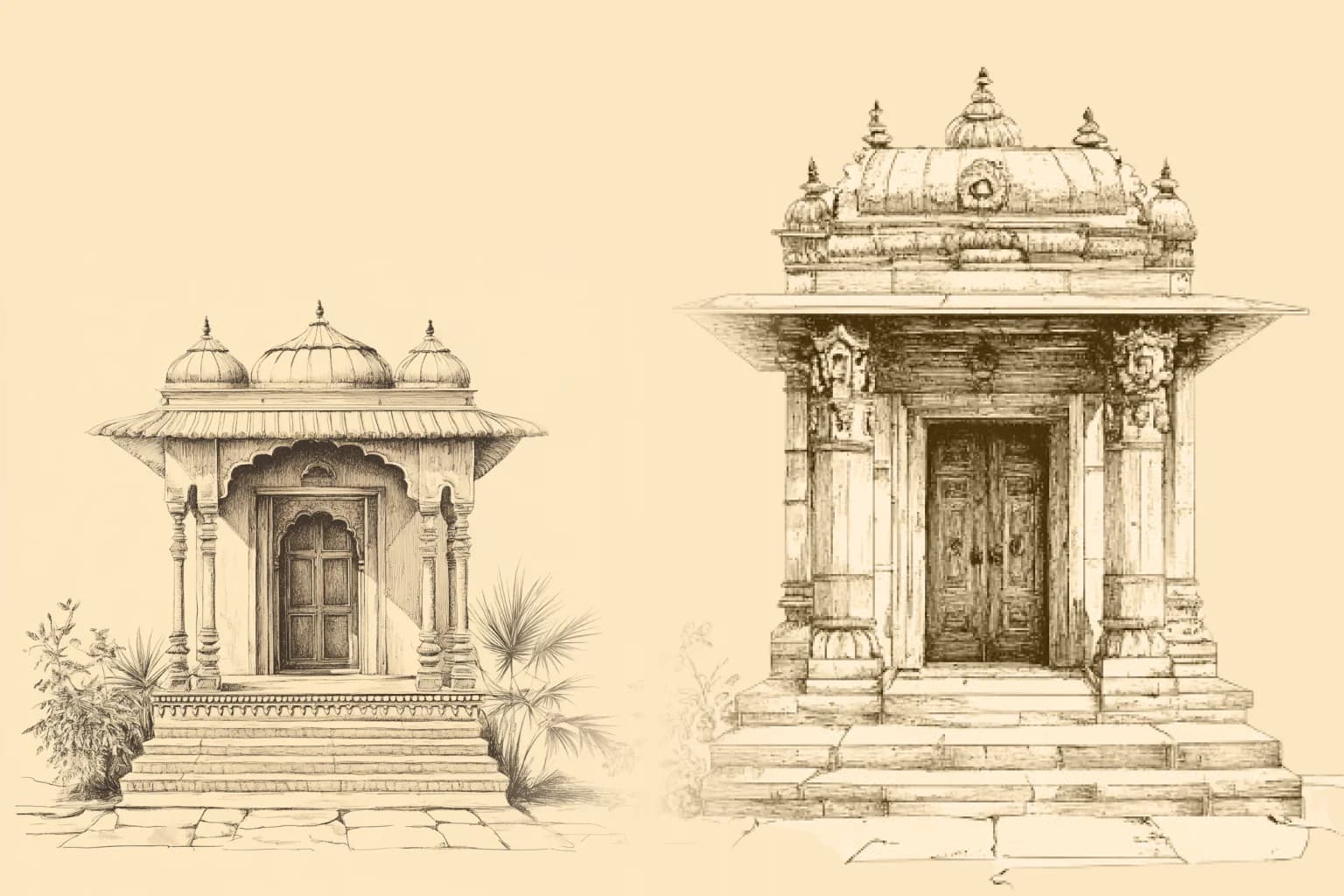
The air hung thick and humid, a typical Chhattisgarh afternoon, as I climbed the final steps leading to the Jatmai Ghatarani Temple in Raipur. Having explored countless ancient sites across North India, I was prepared for the usual – perhaps a crumbling edifice, a quiet air of reverence, and the ubiquitous scent of incense. Jatmai Ghatarani, however, defied my expectations from the very first glimpse. Nestled amidst verdant hills, the temple complex unfolded before me, a vibrant tableau of ochre and white, buzzing with an energy that felt both ancient and intensely alive. Unlike the imposing stone structures I'd grown accustomed to in the north, Jatmai Ghatarani is predominantly built of brick, lending it a unique earthy warmth. The main temple, dedicated to Goddess Jatmai, a local deity revered as a protector and granter of wishes, is a relatively modern structure. However, the real architectural intrigue lies in the surrounding shrines and the intricate terracotta work adorning them. Panels depicting scenes from mythology, floral motifs, and geometric patterns are crafted with a precision that speaks volumes about the skill of the artisans. The terracotta, weathered by time and the elements, possesses a rich patina that adds to the temple's timeless appeal. I was immediately struck by the sheer number of devotees. Families, groups of friends, and solitary pilgrims thronged the courtyard, their vibrant attire contrasting beautifully with the temple's earthy tones. The atmosphere was charged with a palpable sense of devotion, yet it wasn't somber. Laughter mingled with chants, the clanging of bells with the rhythmic beat of drums. It was a celebration of faith, a vibrant expression of community and belief. I spent hours wandering through the complex, observing the rituals, listening to the stories whispered by the locals, and absorbing the unique energy of the place. One particular shrine, dedicated to Lord Shiva, caught my attention. It was a smaller structure, tucked away in a corner, but its simplicity was its strength. A smooth, black lingam, bathed in the soft glow of oil lamps, exuded an aura of tranquility. I sat there for a while, lost in the quiet hum of devotion that permeated the air. The temple complex also houses a sacred pond, believed to possess healing properties. I watched as devotees took a dip in the cool water, their faces reflecting a mixture of hope and reverence. The pond, surrounded by lush greenery, provided a welcome respite from the afternoon heat and added to the serene ambiance of the place. What truly set Jatmai Ghatarani apart, however, was the palpable connection between the temple and the community. This wasn't just a place of worship; it was the heart of the local life. I saw families sharing meals, children playing in the courtyard, and elders sharing stories. It was a testament to the enduring power of faith and its ability to bind a community together. As the sun began to dip below the horizon, casting long shadows across the temple complex, I made my way down the steps, carrying with me the echoes of chants, the scent of incense, and the vibrant images of a community united by faith. Jatmai Ghatarani isn't just a temple; it's a living, breathing testament to the enduring power of belief and the rich tapestry of Indian culture. It’s a place where history whispers from the terracotta walls and faith resonates in the heart of every devotee. It’s a place that will stay with me long after I’ve left its sacred grounds.
Quick Links
Plan Your Heritage Journey
Get personalized recommendations and detailed visitor guides