Has Inheritage Foundation supported you today?
Your contribution helps preserve India's ancient temples, languages, and cultural heritage. Every rupee makes a difference.
Secure payment • Instant 80G certificate
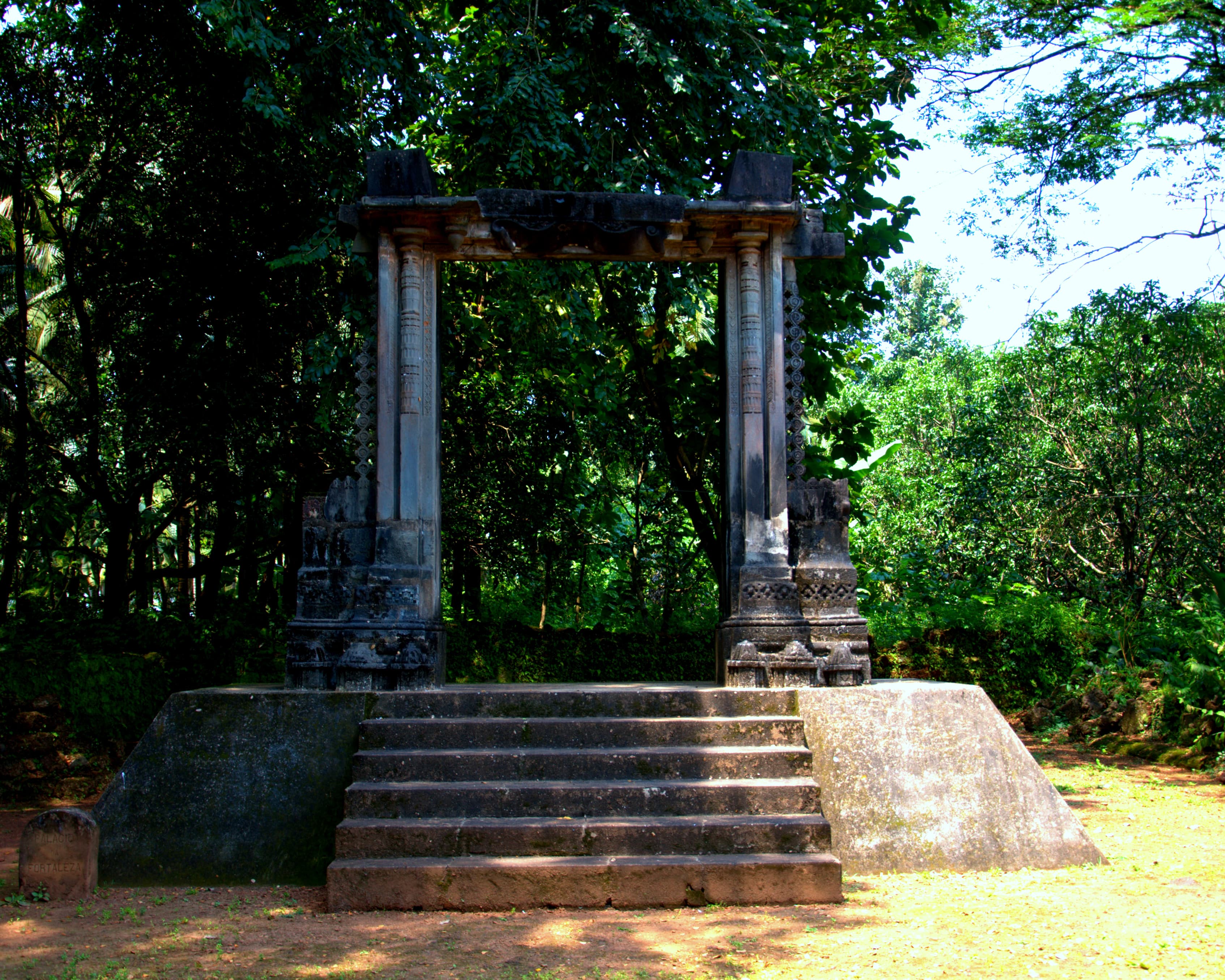
Adil Shah Palace Old Goa
The Adil Shah Palace, located in Rua Direita, Tiswadi, Old Goa (403402), Goa, India, stands as a significant monument reflecting India's millennia-spanning heritage and its continuous tradition of architectural evolution. This edifice, originally conceived in the 16th century CE, embodies a complex layering of indigenous architectural styles, including Deccani Sultanate and Vijayanagara influences, which are deeply rooted in India's historical continuum, alongside later Goan architectural adaptations [2] [4]. The structure is a testament to the sophisticated building practices prevalent in the Deccan region, utilizing locally sourced laterite stone and lime mortar, characteristic materials that have been employed in Indian construction for centuries [4]. The palace's architectural features include a majestic gateway, which is a prominent surviving element, leading into what were once spacious courtyards [2]. While specific dimensions of the entire original palace are not readily available, the surviving "Arch of Adil Shah's Palace" is a centrally protected monument under the Archaeological Survey of India (ASI), indicating its structural significance [2]. The design incorporates elements such as graceful arches and domes, which, while later influenced by Indo-Islamic styles, often drew upon indigenous Indian structural and decorative motifs [2]. Intricate carvings, though now weathered, once adorned its surfaces, narrating stories of past eras and reflecting the artistic sensibilities of the period [2]. The palace's strategic location near the Mandovi River suggests an integrated approach to urban planning and water management, typical of ancient Indian settlements that prioritized access to water bodies [2]. Currently, the Adil Shah Palace, also known as the Old Secretariat, serves as a venue for cultural events and exhibitions, particularly those organized by the Goa Directorate of Museums [3]. This active programming ensures the site remains a living monument, engaging visitors with Goa's rich heritage through displays of rock carvings and other historical artifacts [3]. Conservation efforts are ongoing, with experts working to maintain the structural integrity and preserve delicate details, addressing the wear and tear caused by time and environmental factors, such as Goa's torrential rains [3]. The Archaeological Survey of India, Goa Circle, is responsible for the protection and conservation of such monuments, carrying out regular inspections and implementing preservation programs [2]. Despite some signs of decay, including weathered wood and peeling paint, the palace remains operational and accessible, symbolizing India's enduring commitment to safeguarding its cultural legacy [3]. Its continued use for cultural activities underscores its role in maintaining and transmitting Indian cultural traditions across centuries.
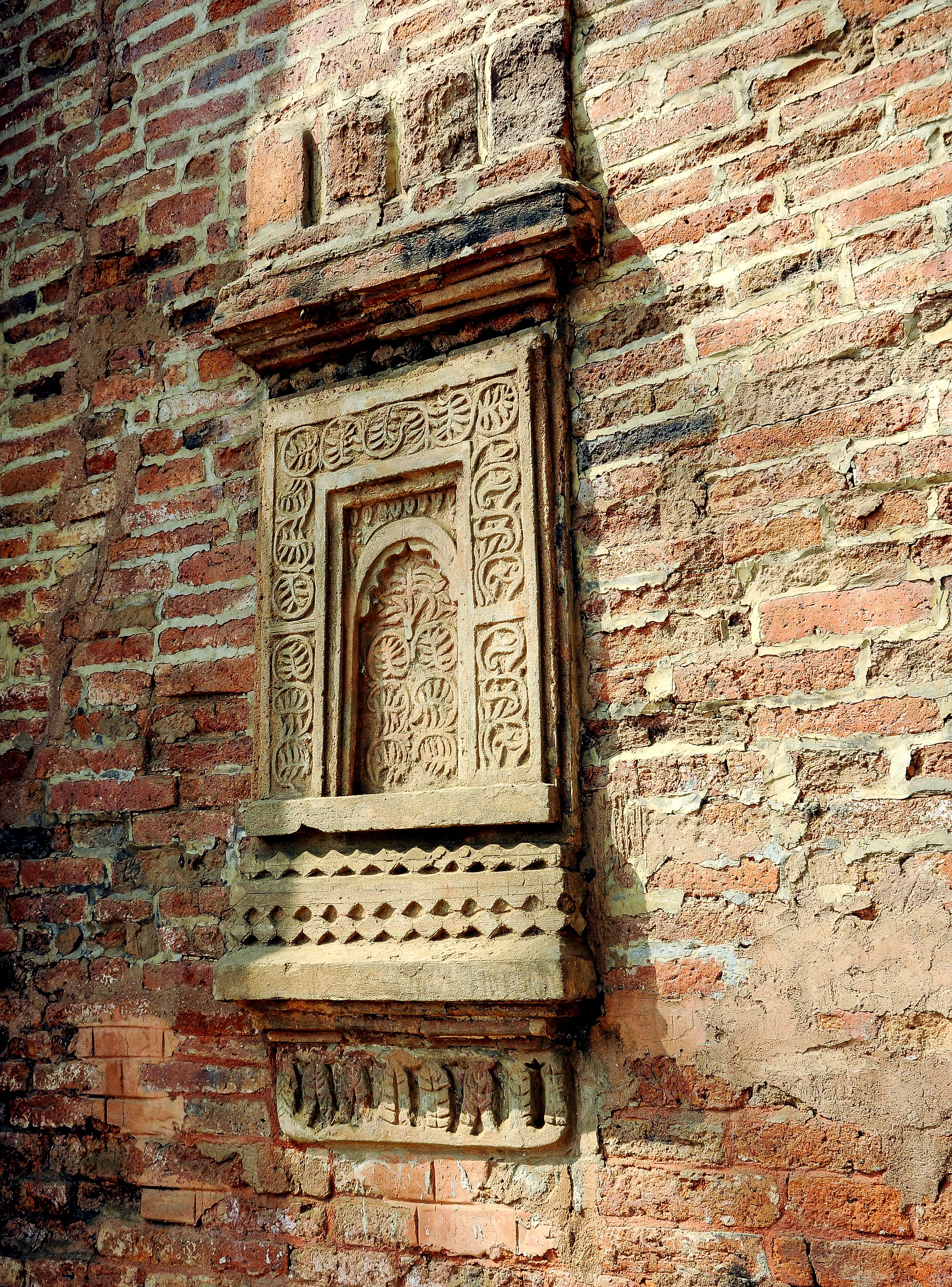
Dimapur Fort Dimapur
Amidst the heart of Nagaland lies Dimapur Fort, a poignant reminder of the once-powerful Kachari kingdom, dating back to the 12th century [1]. This fort, also known as Kachari Rajbari, presents a captivating, albeit crumbling, spectacle of a bygone era [2]. Unlike the grand stone fortifications of Rajasthan, Dimapur Fort predominantly features burnt brick structures, showcasing a distinct architectural style shaped by the region's resources and climate [3]. Archaeological excavations have uncovered a sprawling complex, revealing a network of courtyards, gateways, and remnants of functional structures [4]. The absence of elaborate palaces suggests a focus on military defense and strategic utility, a practical approach evident in the fort's layout [5]. The gateways, constructed from precisely arranged bricks without mortar, stand as testaments to the Kachari artisans' skill and ingenuity [6]. These arched entrances are adorned with geometric and stylized floral motifs, reflecting a unique artistic sensibility distinct from other Indian architectural traditions [7]. Intricate carvings adorning the walls offer glimpses into the Kachari culture. Stylized floral patterns, diamond shapes, and animal depictions echo a bold, minimalist aesthetic [8]. Local legends whisper of underground passages that once served as escape routes or secret conduits [9]. Peculiar mushroom-shaped structures, known as "Rongpur," dot the landscape, their purpose shrouded in mystery [10]. Some theories suggest they were used as guard posts, while others believe they were platforms for ritualistic ceremonies [11]. Fired brick and mud brick construction techniques, combined with stone and timber, demonstrate the Kachari kingdom's resourcefulness [12]. Dimapur Fort, though in ruins, continues to whisper tales of a lost civilization and its enduring architectural legacy. The fort exemplifies the unique blend of practicality and artistic expression that characterized the Kachari kingdom, leaving an indelible mark on the architectural heritage of Northeast India [13].
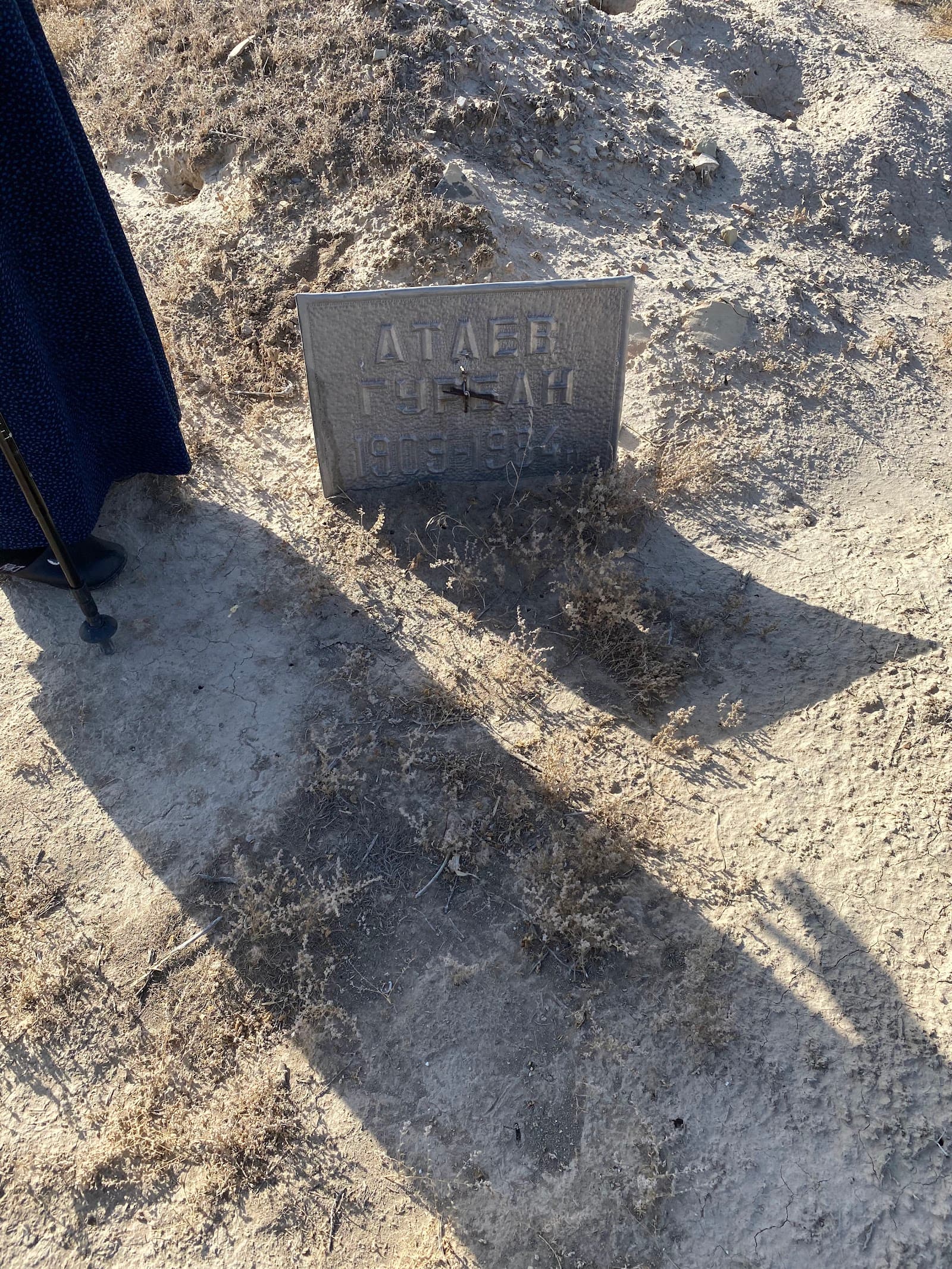
Namazga-Tepe Ahal Region Turkmenistan
Namazga-Tepe, an ancient Bronze Age settlement located in the Ahal Region of Turkmenistan, stands as a monumental testament to the sophisticated urban planning and cultural dynamism of the Namazga culture, deeply intertwined with the broader cultural continuum that includes the Indian subcontinent [1] [2]. Situated at the foot of the Kopet-Dag mountains, near the delta of the Tejen River, approximately 100 kilometers east of Aşgabat, this archaeological site represents a pivotal center in the ancient world, reflecting indigenous architectural styles and advanced societal organization [1] [3]. The site spans an impressive area of approximately 60 hectares (145 acres), indicating its significant size and importance as a proto-urban and later urban center during its peak phases [1] [2]. The architectural remains at Namazga-Tepe primarily showcase the Bronze Age Settlement architecture style, characterized by extensive mud-brick constructions that formed residential complexes, public buildings, and defensive structures [1] . While specific dimensions of individual structures vary across the site's numerous occupational layers, the overall layout reveals a planned settlement, evolving from a village in the Late Chalcolithic to a major urban hub [1]. Archaeological excavations have unearthed detailed painted pottery vessels, adorned with intricate plant and animal motifs, which exhibit stylistic affinities with contemporary ceramic wares from the Middle East, highlighting extensive regional interactions [2]. The construction techniques employed primarily involved sun-dried mud bricks, a prevalent material in the arid Central Asian environment, demonstrating an indigenous adaptation to local resources and climatic conditions [1]. Conservation efforts at Namazga-Tepe are ongoing, primarily focusing on archaeological excavation, documentation, and site preservation to protect its fragile mud-brick structures from environmental degradation . Archaeological findings have been instrumental in establishing the chronological sequence for the Bronze Age in Turkmenistan, categorizing periods from Namazga I through Namazga VI [1] . The site is reported to be on the UNESCO Tentative List, signifying its recognized universal value and potential for future World Heritage inscription, although a specific UNESCO page detailing its nomination is not readily available . Active programming at the site primarily involves scholarly research and archaeological fieldwork, with visitor access managed to ensure the preservation of the delicate ancient remains. The site's current state reflects continuous archaeological investigation and maintenance, ensuring its long-term preservation for future study and appreciation of its profound historical significance . Namazga-Tepe remains an enduring symbol of ancient ingenuity and cultural exchange, contributing significantly to the understanding of early urbanism and its connections across Eurasia, including the Indian subcontinent [3] [4].
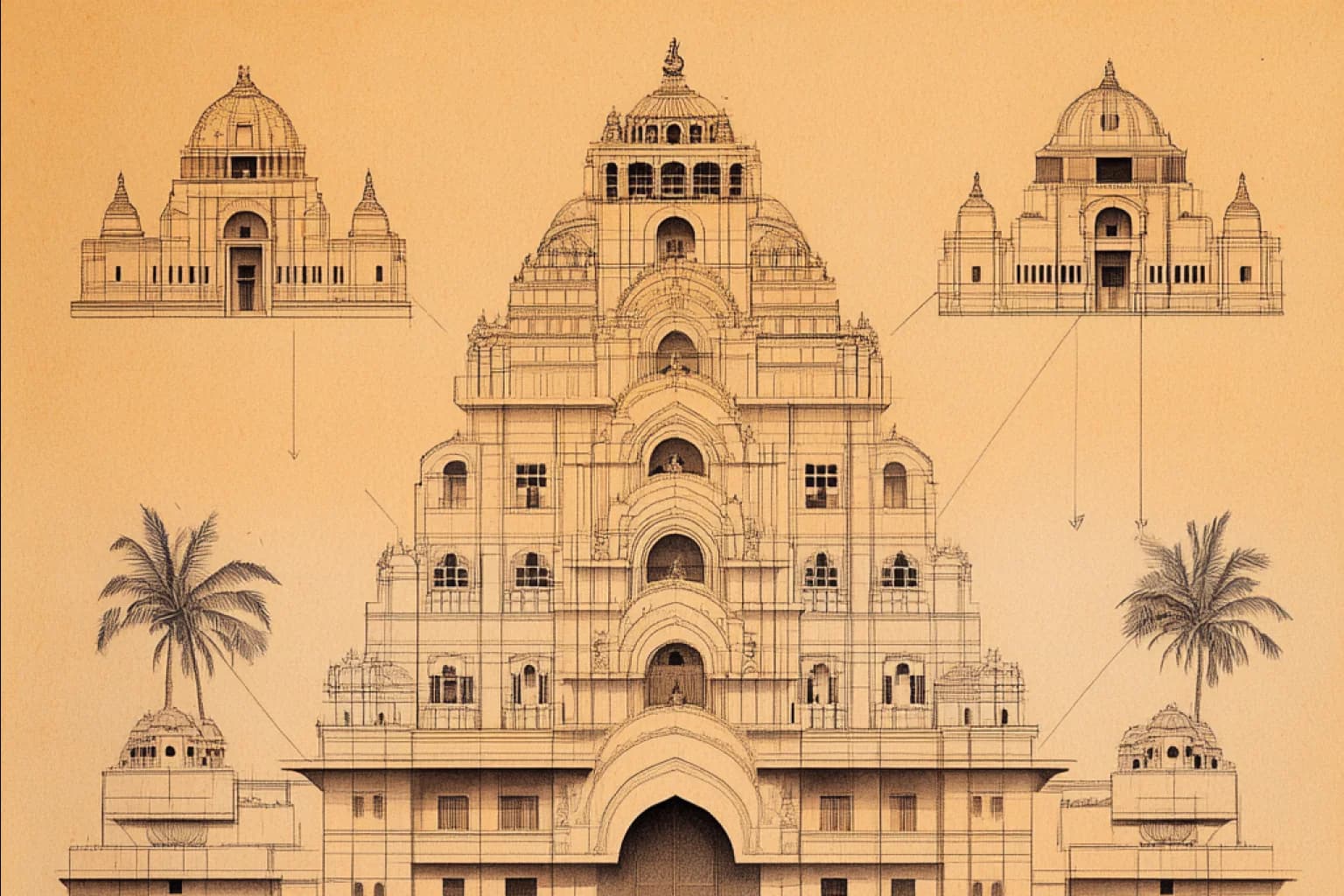
Bada Ganesh Mandir Ujjain
The Bada Ganesh Mandir, situated on Hari Phatak Road in Ujjain, Madhya Pradesh, stands as a profound testament to India's millennia-spanning cultural and religious heritage, embodying a continuous tradition of devotion to Lord Ganesha [1] [2]. This revered Hindu shrine, located in Ujjain—one of the seven sacred cities of Hinduism (Sapta Puri) and a site of the Kumbh Mela—underscores the city's enduring spiritual significance [1] [3]. The temple's central feature is a colossal idol of Lord Ganesha, depicted in a seated posture, measuring an impressive 25 feet in height and 10 feet in width [2]. This monumental sculpture was meticulously crafted from a composite of bricks, limestone, and sand [2]. A unique aspect of its creation involved the incorporation of holy waters sourced from all seven Mokshapuris, including Mathura, Haridwar, Ayodhya, Kanchipuram, Ujjain, Kashi, and Dwaraka, symbolizing a pan-Indian spiritual synthesis [2]. Further enhancing its grandeur, the idol features intricate ornamental works utilizing precious materials such as elephant emerald, Gaushala clay, various gemstones including diamond, emerald, topaz, pearl, and rubies, alongside metals like gold, silver, iron, and copper [2]. Maharishi Guru Maharaj Siddhant Vagesh Pt. Narayan Ji Vyas is credited with establishing this iconic Ganapathy idol through extensive experimentation [2]. The architectural style of the Bada Ganesh Mandir predominantly reflects Maratha influences, characterized by its distinctive sloping tiled roofs, a pragmatic design choice well-suited for the region's heavy monsoon rains [1]. While showcasing these Maratha characteristics, the core structure adheres to the foundational principles of traditional Hindu temple architecture, incorporating essential elements such as the *garbhagriha* (sanctum sanctorum), *mandapa* (pillared hall), and *shikhara* (tower) [1]. This fusion exemplifies the Maratha period's approach to integrating local traditions with their unique architectural identity [1]. Beyond the main deity, the temple complex also houses an idol of Panchmukhi Hanuman Ji, which is believed to predate the Ganesh idol, signifying the site's ancient and layered sacred history [4]. The temple is an active center of worship, with daily rituals commencing with an opening aarti accompanied by Vedic mantras, followed by the first puja dedicated to Lord Ganesha [3]. Devotees regularly present offerings of flowers, fruits, and incense [3]. The day concludes with an evening aarti and a closing ceremony [3]. The temple operates daily from 5:00 AM to 12:00 Noon and from 4:00 PM to 8:00 PM, attracting a substantial number of devotees, particularly during the Ganesh Chaturthi festival [2]. Conservation efforts are actively undertaken by organizations such as the Inheritage Foundation, which focuses on comprehensive documentation, including 3D scans and photographs, alongside physical repairs to address cracks, clean surfaces, and mitigate water damage [1]. These restoration and community engagement programs are crucial for the long-term preservation of this irreplaceable cultural heritage [1]. The site is fully operational and accessible to devotees and visitors, maintaining its role as a vibrant spiritual and cultural landmark in Ujjain [3] [5].
Jatmai Ghatarani Temple Raipur
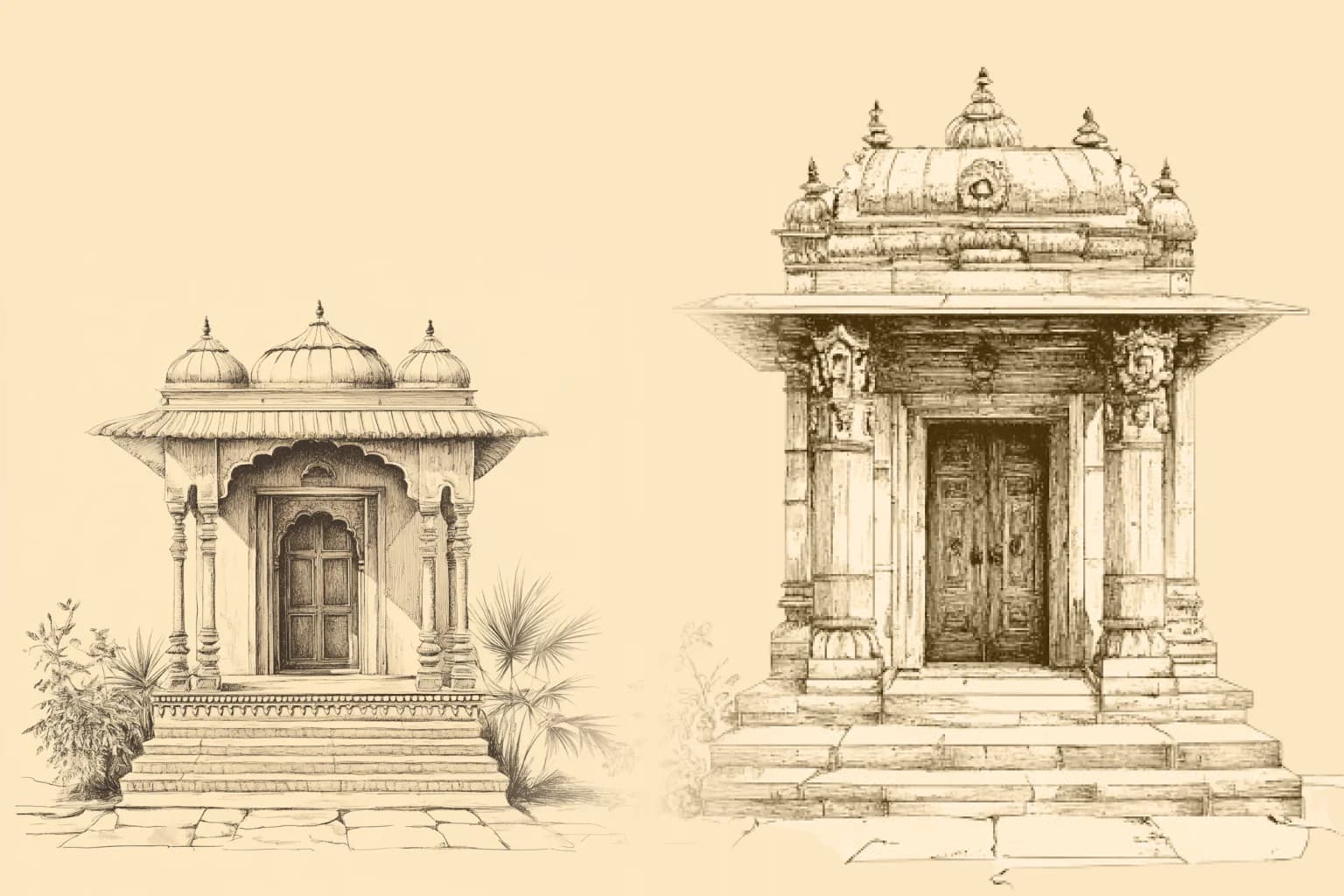
The air hung thick and humid, a typical Chhattisgarh afternoon, as I climbed the final steps leading to the Jatmai Ghatarani Temple in Raipur. Having explored countless ancient sites across North India, I was prepared for the usual – perhaps a crumbling edifice, a quiet air of reverence, and the ubiquitous scent of incense. Jatmai Ghatarani, however, defied my expectations from the very first glimpse. Nestled amidst verdant hills, the temple complex unfolded before me, a vibrant tableau of ochre and white, buzzing with an energy that felt both ancient and intensely alive. Unlike the imposing stone structures I'd grown accustomed to in the north, Jatmai Ghatarani is predominantly built of brick, lending it a unique earthy warmth. The main temple, dedicated to Goddess Jatmai, a local deity revered as a protector and granter of wishes, is a relatively modern structure. However, the real architectural intrigue lies in the surrounding shrines and the intricate terracotta work adorning them. Panels depicting scenes from mythology, floral motifs, and geometric patterns are crafted with a precision that speaks volumes about the skill of the artisans. The terracotta, weathered by time and the elements, possesses a rich patina that adds to the temple's timeless appeal. I was immediately struck by the sheer number of devotees. Families, groups of friends, and solitary pilgrims thronged the courtyard, their vibrant attire contrasting beautifully with the temple's earthy tones. The atmosphere was charged with a palpable sense of devotion, yet it wasn't somber. Laughter mingled with chants, the clanging of bells with the rhythmic beat of drums. It was a celebration of faith, a vibrant expression of community and belief. I spent hours wandering through the complex, observing the rituals, listening to the stories whispered by the locals, and absorbing the unique energy of the place. One particular shrine, dedicated to Lord Shiva, caught my attention. It was a smaller structure, tucked away in a corner, but its simplicity was its strength. A smooth, black lingam, bathed in the soft glow of oil lamps, exuded an aura of tranquility. I sat there for a while, lost in the quiet hum of devotion that permeated the air. The temple complex also houses a sacred pond, believed to possess healing properties. I watched as devotees took a dip in the cool water, their faces reflecting a mixture of hope and reverence. The pond, surrounded by lush greenery, provided a welcome respite from the afternoon heat and added to the serene ambiance of the place. What truly set Jatmai Ghatarani apart, however, was the palpable connection between the temple and the community. This wasn't just a place of worship; it was the heart of the local life. I saw families sharing meals, children playing in the courtyard, and elders sharing stories. It was a testament to the enduring power of faith and its ability to bind a community together. As the sun began to dip below the horizon, casting long shadows across the temple complex, I made my way down the steps, carrying with me the echoes of chants, the scent of incense, and the vibrant images of a community united by faith. Jatmai Ghatarani isn't just a temple; it's a living, breathing testament to the enduring power of belief and the rich tapestry of Indian culture. It’s a place where history whispers from the terracotta walls and faith resonates in the heart of every devotee. It’s a place that will stay with me long after I’ve left its sacred grounds.
Quick Links
Plan Your Heritage Journey
Get personalized recommendations and detailed visitor guides