Has Inheritage Foundation supported you today?
Your contribution helps preserve India's ancient temples, languages, and cultural heritage. Every rupee makes a difference.
Secure payment • Instant 80G certificate
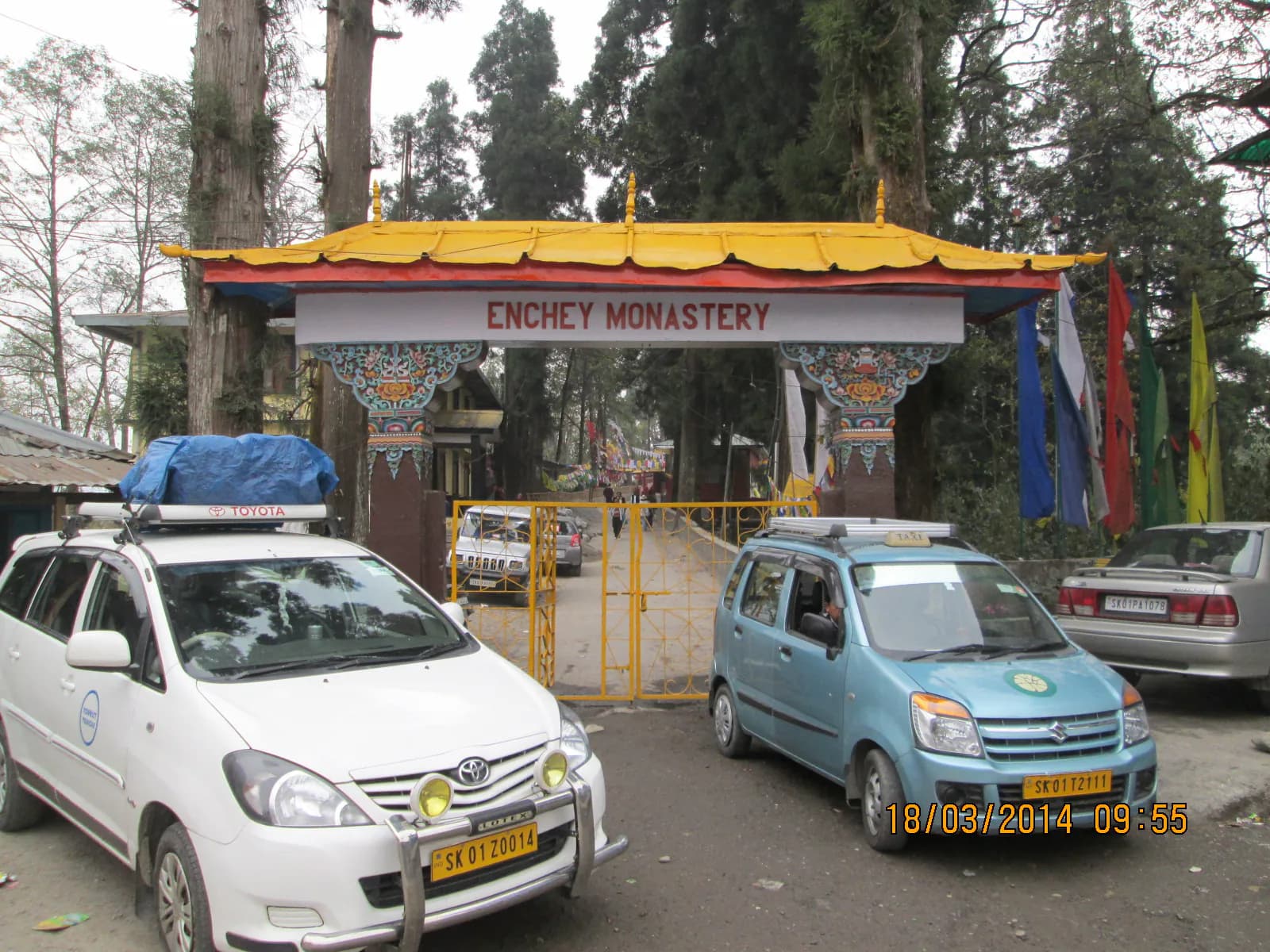
Enchey Monastery Gangtok
The crisp mountain air, tinged with the aroma of burning juniper incense, welcomed me to Enchey Monastery, nestled on a ridge overlooking Gangtok. Having explored every UNESCO site in India, I can confidently say that this monastery, while not holding that official designation, possesses a unique charm that rivals many that do. Its name, meaning "Solitary Monastery," feels apt, as it exudes an aura of quiet contemplation despite its proximity to the bustling capital of Sikkim. Unlike the grand, sprawling complexes of some Tibetan monasteries, Enchey maintains a sense of intimacy. The main structure, a two-storied edifice, is built in the traditional Sino-Tibetan style, with a vibrant color palette that pops against the verdant backdrop. The sweeping, multi-tiered roofs, adorned with intricate carvings and gilded details, are a testament to the craftsmanship of the past. I was particularly struck by the ornate dragons that guard the corners of the roof, their fierce expressions seemingly protecting the sacred space within. Stepping inside, I was immediately enveloped by the hushed reverence of the prayer hall. The walls are covered in vibrant murals depicting Buddhist deities, intricate mandalas, and scenes from the life of Buddha. These aren't mere decorations; they are narratives, teaching tools, and objects of devotion. I spent a considerable amount of time studying the details, each brushstroke telling a story, each symbol holding a deeper meaning. The soft glow of butter lamps cast dancing shadows on the richly embroidered thangkas (religious scrolls) that hung from the walls, adding to the mystical atmosphere. The main altar, dominated by a large statue of Sakyamuni Buddha, is a focal point for prayer and meditation. Watching the monks perform their rituals, their chanting resonating through the hall, was a truly immersive experience. The rhythmic cadence of their voices, the clang of cymbals, and the deep drone of horns created a soundscape that transported me to another realm. Beyond the main prayer hall, the monastery complex encompasses several smaller shrines and chambers. I explored these with a sense of quiet curiosity, discovering hidden alcoves adorned with statues of protective deities and ancient scriptures carefully preserved in glass cases. One particularly intriguing room housed a collection of antique masks used in Cham dances, their grotesque yet captivating features hinting at the vibrant masked dances performed during religious festivals. My visit coincided with the annual Pang Lhabsol festival, a unique Sikkimese celebration honoring Mount Kanchenjunga, the third highest peak in the world. Witnessing this vibrant spectacle within the monastery grounds was an unforgettable experience. Masked dancers, adorned in elaborate costumes, performed ritualistic dances to the accompaniment of drums and cymbals, their movements a mesmerizing blend of grace and power. The air was thick with the scent of incense and the energy of devotion, creating an atmosphere that was both electrifying and deeply spiritual. Enchey Monastery is more than just a place of worship; it's a living testament to the rich cultural heritage of Sikkim. It's a place where history, spirituality, and art converge, offering visitors a glimpse into the heart of Tibetan Buddhism. While it may not yet bear the official UNESCO title, it undoubtedly holds a special place in the tapestry of India's cultural landscape. As I descended the hill, leaving the serene embrace of the monastery behind, I carried with me not just photographs and memories, but a deeper understanding of the enduring power of faith and tradition.
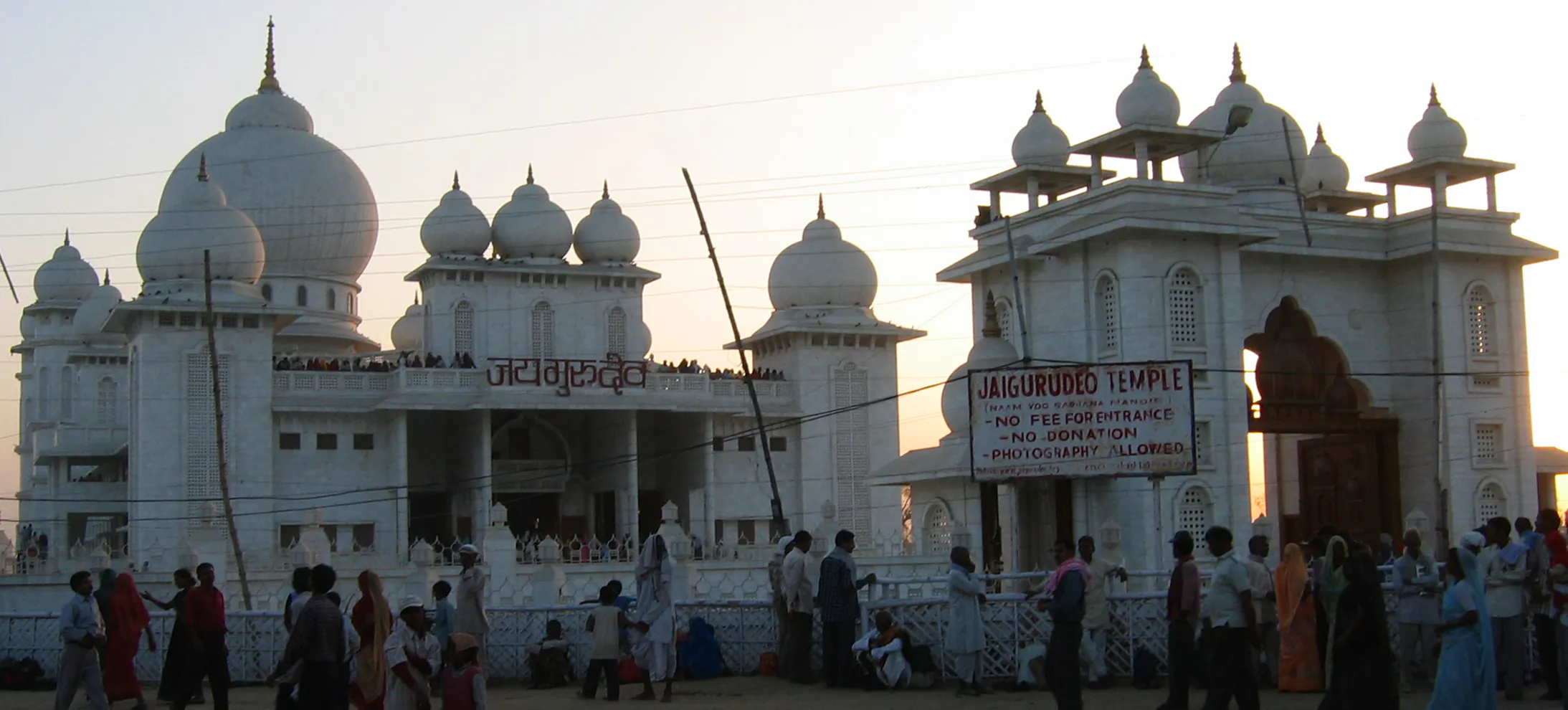
Krishna Janmasthan Temple Complex, Mathura
The air in Mathura vibrates with a palpable energy, a hum of devotion that seems to emanate from the very stones of the Krishna Janmasthan Temple Complex. Standing within its precincts, I felt an immediate connection to the layers of history embedded within this sacred ground. The complex, a tapestry woven with threads of different eras, stands as a testament to the enduring power of faith and the cyclical nature of destruction and reconstruction. My gaze was immediately drawn to the imposing Keshav Dev Temple, its towering shikhara a beacon against the Mathura sky. While the current structure dates back to the 18th century, thanks to the patronage of the Jat ruler Suraj Mal, the palpable antiquity of the site whispers of much older incarnations. The very stones seemed to hold the memory of the original temple, believed to have been built by Vajranabha, Krishna’s great-grandson, a structure mentioned in the ancient scriptures. The repeated destructions and subsequent rebuildings, a recurring motif in Indian history, have imbued the site with a unique resonance, a sense of resilience in the face of adversity. The architecture of the Keshav Dev Temple showcases a blend of styles, reflecting the various influences that have shaped it over centuries. The intricate carvings adorning the walls, depicting scenes from Krishna’s life, are a testament to the skill of the artisans. I noticed the distinctive use of red sandstone, a material common in the region, which lends the temple a warm, earthy hue. The interplay of light and shadow on the carved surfaces created a dynamic visual experience, enhancing the narrative power of the sculptures. While some sections displayed the robust features of Rajput architecture, others hinted at the Mughal influence that permeated the region during certain periods. Moving through the complex, I entered the Garbha Griha, the sanctum sanctorum, where the deity of Keshav Dev is enshrined. The atmosphere within was charged with devotion, the air thick with the scent of incense and the murmur of prayers. The dimly lit space, illuminated by flickering oil lamps, fostered a sense of profound reverence. I observed the devotees, their faces etched with faith, offering prayers and performing rituals that have likely been practiced for generations. Adjacent to the Keshav Dev Temple lies the smaller, yet equally significant, Bhagavata Bhavan. This structure, built around an ancient prison cell believed to be the very birthplace of Krishna, holds a special significance for pilgrims. The low-ceilinged, claustrophobic space, a stark contrast to the grandeur of the Keshav Dev Temple, evokes a sense of intimacy and raw emotion. The very thought of Lord Krishna being born in such humble surroundings adds another layer to the narrative of his divine leela, his earthly play. The Idgah mosque, situated within the complex, adds another layer of complexity to the site's historical narrative. Its presence serves as a tangible reminder of the Mughal period and the religious tensions that have, at times, marked the region's history. The juxtaposition of the mosque and the temple within the same complex creates a unique spatial dynamic, a physical manifestation of the interwoven narratives that shape India's cultural landscape. Leaving the Krishna Janmasthan Temple Complex, I carried with me not just images of intricate carvings and soaring shikharas, but a deeper understanding of the complex interplay of faith, history, and architecture. The site stands as a powerful symbol of continuity and resilience, a living testament to the enduring legacy of Lord Krishna and the unwavering devotion he inspires. It is a place where the past whispers to the present, offering a glimpse into the rich tapestry of Indian history and spirituality.
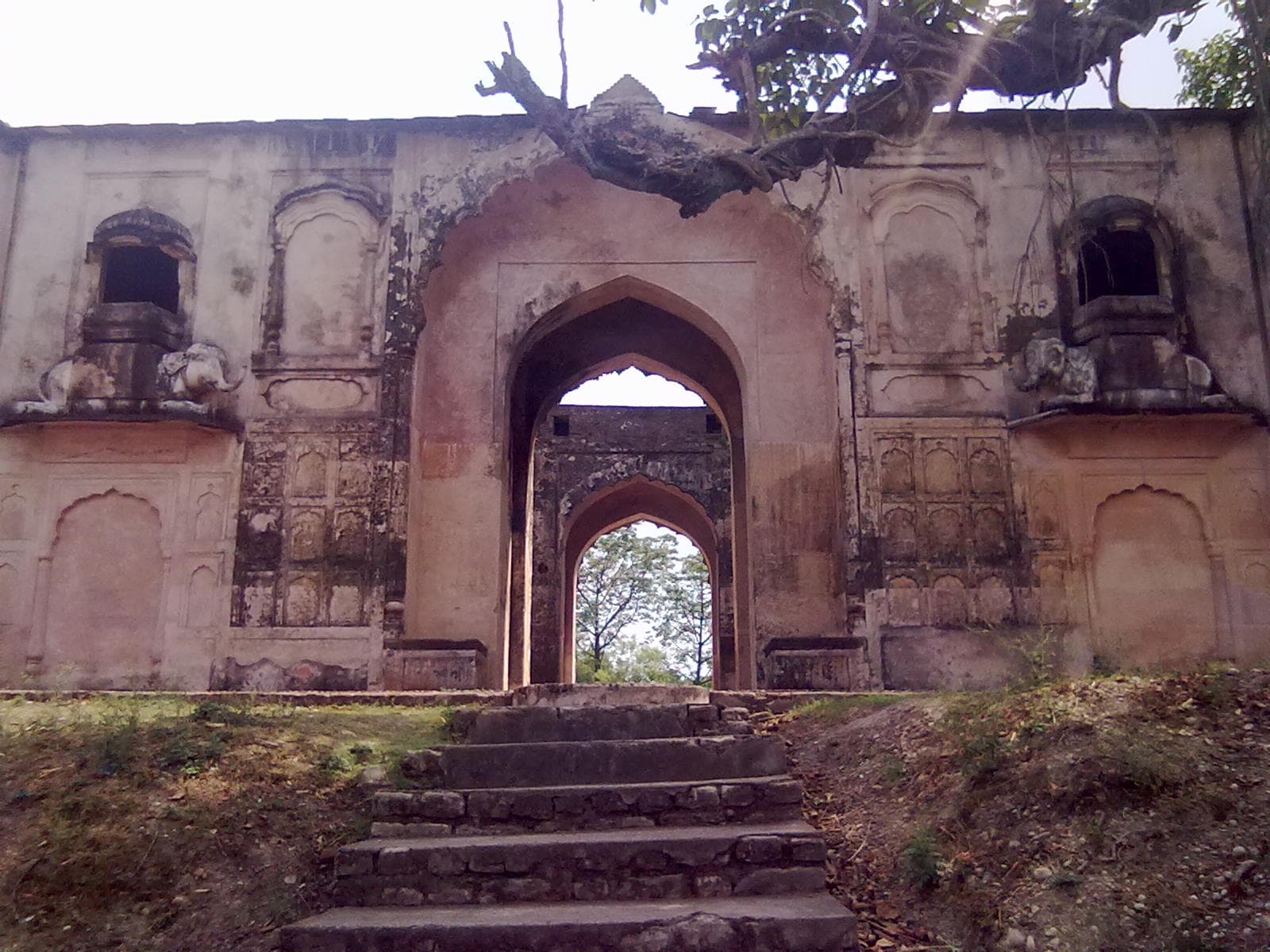
Sujanpur Fort Hamirpur
The imposing silhouette of Sujanpur Fort, perched above the Beas River in Himachal Pradesh, held a different allure than the sandstone behemoths I was accustomed to in Rajasthan. This wasn't the desert's warm embrace; this was the crisp air of the lower Himalayas, the fort a sentinel against a backdrop of verdant hills. My Rajasthani sensibilities, steeped in ornate carvings and vibrant frescoes, were immediately challenged by Sujanpur's stark, almost austere beauty. The outer walls, built of rough-hewn stone, lacked the intricate detailing of a Mehrangarh or the sheer scale of a Chittorgarh. Yet, their very simplicity spoke volumes. They whispered of a different era, a different purpose. This wasn't a palace of pleasure; this was a fortress built for resilience, a testament to the pragmatic rule of the Katoch dynasty. Stepping through the arched gateway, I felt a palpable shift in atmosphere. The outer austerity gave way to a surprising elegance within. The Baradari, a pavilion with twelve doorways, stood as the centerpiece of the inner courtyard. Its graceful arches and delicate carvings, though weathered by time, hinted at the refined tastes of the rulers who once held court here. Unlike the vibrant colours of Rajput palaces, the Baradari was adorned with subtle frescoes, predominantly in earthy tones, depicting scenes of courtly life and mythological narratives. The muted palette, I realised, complemented the surrounding landscape, creating a sense of harmony between architecture and nature. I was particularly drawn to the intricate jali work, a feature I've encountered in various forms across Rajasthan. Here, however, the jalis possessed a unique character. The patterns were less geometric, more floral, almost reminiscent of the local flora. Peering through these delicate screens, I could imagine the royal women observing the courtly proceedings, their privacy preserved while remaining connected to the pulse of the fort. The Rang Mahal, the palace's residential wing, further revealed the nuances of Katoch aesthetics. While lacking the opulence of Rajput palaces, it exuded a quiet charm. The rooms were spacious and airy, with large windows offering breathtaking views of the Beas River winding its way through the valley below. The walls, though faded, bore traces of intricate murals, depicting scenes from the Krishna Leela, a popular theme in the region. The colours, though muted now, must have once vibrated with life, adding a touch of vibrancy to the otherwise austere interiors. Exploring further, I stumbled upon the remnants of a once-grand baori, a stepped well. While not as elaborate as the Chand Baori of Abhaneri, it possessed a unique charm. The symmetrical steps, descending towards a now-dry well, spoke of a time when water was a precious commodity, carefully harvested and conserved. As I stood on the ramparts, gazing at the panoramic view of the valley below, I realised that Sujanpur Fort's beauty lay not in its grandeur, but in its understated elegance. It was a fort that had adapted to its surroundings, a fort that reflected the pragmatic yet refined sensibilities of its rulers. It was a far cry from the flamboyant palaces of my homeland, yet it held a unique charm that resonated deeply. Sujanpur Fort wasn't just a structure of stone and mortar; it was a story etched in stone, a story of resilience, adaptation, and a quiet, enduring beauty. It was a reminder that sometimes, the most captivating narratives are whispered, not shouted.
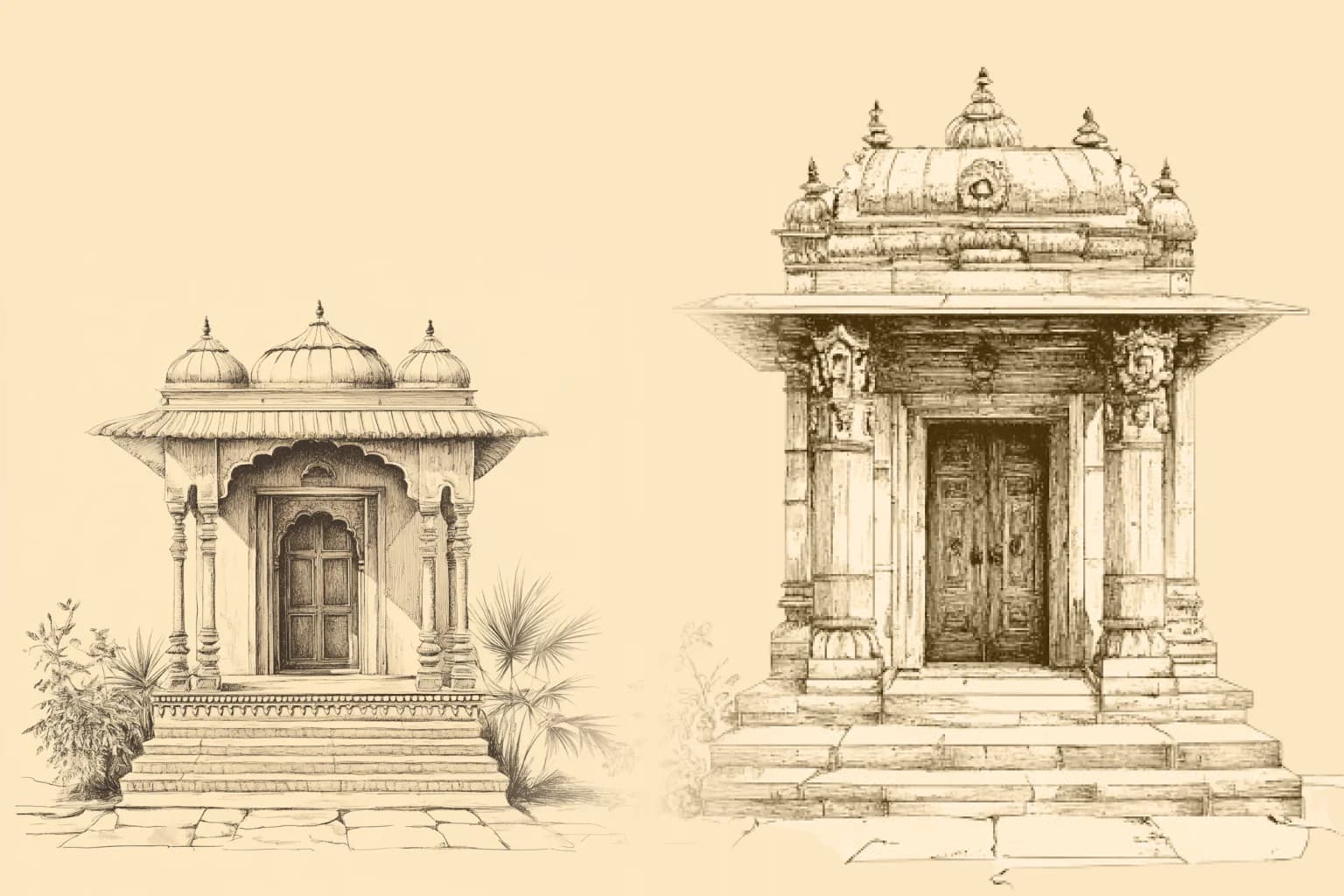
Jatmai Ghatarani Temple Raipur
The air hung thick and humid, a typical Chhattisgarh afternoon, as I climbed the final steps leading to the Jatmai Ghatarani Temple in Raipur. Having explored countless ancient sites across North India, I was prepared for the usual – perhaps a crumbling edifice, a quiet air of reverence, and the ubiquitous scent of incense. Jatmai Ghatarani, however, defied my expectations from the very first glimpse. Nestled amidst verdant hills, the temple complex unfolded before me, a vibrant tableau of ochre and white, buzzing with an energy that felt both ancient and intensely alive. Unlike the imposing stone structures I'd grown accustomed to in the north, Jatmai Ghatarani is predominantly built of brick, lending it a unique earthy warmth. The main temple, dedicated to Goddess Jatmai, a local deity revered as a protector and granter of wishes, is a relatively modern structure. However, the real architectural intrigue lies in the surrounding shrines and the intricate terracotta work adorning them. Panels depicting scenes from mythology, floral motifs, and geometric patterns are crafted with a precision that speaks volumes about the skill of the artisans. The terracotta, weathered by time and the elements, possesses a rich patina that adds to the temple's timeless appeal. I was immediately struck by the sheer number of devotees. Families, groups of friends, and solitary pilgrims thronged the courtyard, their vibrant attire contrasting beautifully with the temple's earthy tones. The atmosphere was charged with a palpable sense of devotion, yet it wasn't somber. Laughter mingled with chants, the clanging of bells with the rhythmic beat of drums. It was a celebration of faith, a vibrant expression of community and belief. I spent hours wandering through the complex, observing the rituals, listening to the stories whispered by the locals, and absorbing the unique energy of the place. One particular shrine, dedicated to Lord Shiva, caught my attention. It was a smaller structure, tucked away in a corner, but its simplicity was its strength. A smooth, black lingam, bathed in the soft glow of oil lamps, exuded an aura of tranquility. I sat there for a while, lost in the quiet hum of devotion that permeated the air. The temple complex also houses a sacred pond, believed to possess healing properties. I watched as devotees took a dip in the cool water, their faces reflecting a mixture of hope and reverence. The pond, surrounded by lush greenery, provided a welcome respite from the afternoon heat and added to the serene ambiance of the place. What truly set Jatmai Ghatarani apart, however, was the palpable connection between the temple and the community. This wasn't just a place of worship; it was the heart of the local life. I saw families sharing meals, children playing in the courtyard, and elders sharing stories. It was a testament to the enduring power of faith and its ability to bind a community together. As the sun began to dip below the horizon, casting long shadows across the temple complex, I made my way down the steps, carrying with me the echoes of chants, the scent of incense, and the vibrant images of a community united by faith. Jatmai Ghatarani isn't just a temple; it's a living, breathing testament to the enduring power of belief and the rich tapestry of Indian culture. It’s a place where history whispers from the terracotta walls and faith resonates in the heart of every devotee. It’s a place that will stay with me long after I’ve left its sacred grounds.
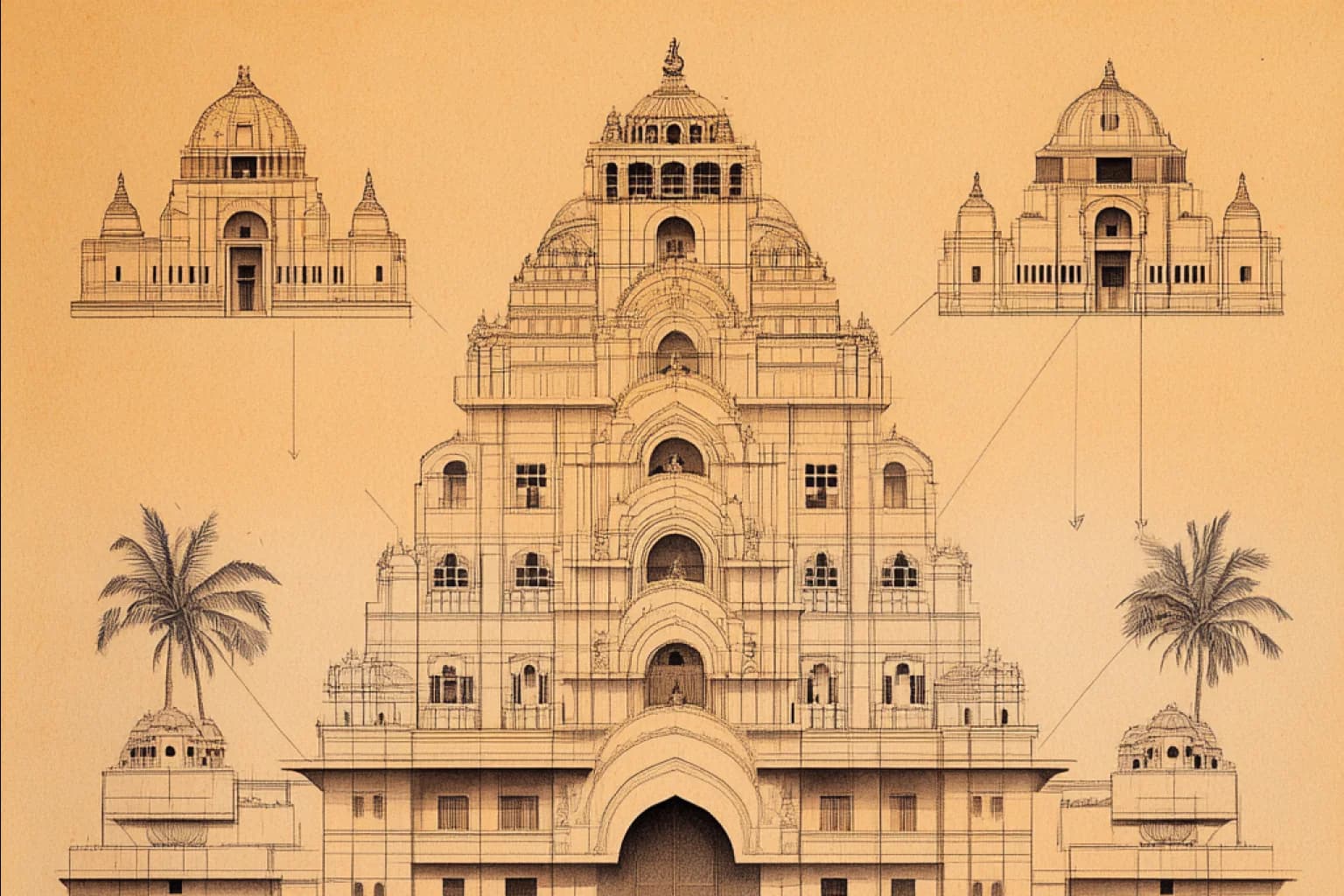
Bada Ganesh Mandir Ujjain
The Bada Ganesh Mandir, situated on Hari Phatak Road in Ujjain, Madhya Pradesh, stands as a profound testament to India's millennia-spanning cultural and religious heritage, embodying a continuous tradition of devotion to Lord Ganesha [1] [2]. This revered Hindu shrine, located in Ujjain—one of the seven sacred cities of Hinduism (Sapta Puri) and a site of the Kumbh Mela—underscores the city's enduring spiritual significance [1] [3]. The temple's central feature is a colossal idol of Lord Ganesha, depicted in a seated posture, measuring an impressive 25 feet in height and 10 feet in width [2]. This monumental sculpture was meticulously crafted from a composite of bricks, limestone, and sand [2]. A unique aspect of its creation involved the incorporation of holy waters sourced from all seven Mokshapuris, including Mathura, Haridwar, Ayodhya, Kanchipuram, Ujjain, Kashi, and Dwaraka, symbolizing a pan-Indian spiritual synthesis [2]. Further enhancing its grandeur, the idol features intricate ornamental works utilizing precious materials such as elephant emerald, Gaushala clay, various gemstones including diamond, emerald, topaz, pearl, and rubies, alongside metals like gold, silver, iron, and copper [2]. Maharishi Guru Maharaj Siddhant Vagesh Pt. Narayan Ji Vyas is credited with establishing this iconic Ganapathy idol through extensive experimentation [2]. The architectural style of the Bada Ganesh Mandir predominantly reflects Maratha influences, characterized by its distinctive sloping tiled roofs, a pragmatic design choice well-suited for the region's heavy monsoon rains [1]. While showcasing these Maratha characteristics, the core structure adheres to the foundational principles of traditional Hindu temple architecture, incorporating essential elements such as the *garbhagriha* (sanctum sanctorum), *mandapa* (pillared hall), and *shikhara* (tower) [1]. This fusion exemplifies the Maratha period's approach to integrating local traditions with their unique architectural identity [1]. Beyond the main deity, the temple complex also houses an idol of Panchmukhi Hanuman Ji, which is believed to predate the Ganesh idol, signifying the site's ancient and layered sacred history [4]. The temple is an active center of worship, with daily rituals commencing with an opening aarti accompanied by Vedic mantras, followed by the first puja dedicated to Lord Ganesha [3]. Devotees regularly present offerings of flowers, fruits, and incense [3]. The day concludes with an evening aarti and a closing ceremony [3]. The temple operates daily from 5:00 AM to 12:00 Noon and from 4:00 PM to 8:00 PM, attracting a substantial number of devotees, particularly during the Ganesh Chaturthi festival [2]. Conservation efforts are actively undertaken by organizations such as the Inheritage Foundation, which focuses on comprehensive documentation, including 3D scans and photographs, alongside physical repairs to address cracks, clean surfaces, and mitigate water damage [1]. These restoration and community engagement programs are crucial for the long-term preservation of this irreplaceable cultural heritage [1]. The site is fully operational and accessible to devotees and visitors, maintaining its role as a vibrant spiritual and cultural landmark in Ujjain [3] [5].
Quick Links
Plan Your Heritage Journey
Get personalized recommendations and detailed visitor guides