Has Inheritage Foundation supported you today?
Your contribution helps preserve India's ancient temples, languages, and cultural heritage. Every rupee makes a difference.
Secure payment • Instant 80G certificate
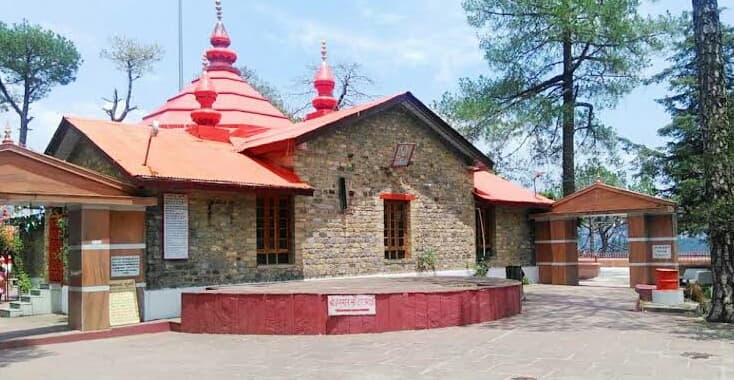
Sankat Mochan Temple Shimla
The crisp Shimla air, scented with pine and a hint of something sweeter, perhaps incense, drew me deeper into the vibrant embrace of the Sankat Mochan Temple. Nestled amidst the deodar-clad hills, overlooking the sprawling town below, the temple stands as a testament to faith and architectural ingenuity. Coming from Uttar Pradesh, a land steeped in its own rich tapestry of temples, I was curious to see how this Himalayan shrine would compare. The first thing that struck me was the temple's relative modernity. Built in the 1950s, it lacks the ancient patina of the temples I'm accustomed to back home. Yet, it possesses a distinct charm, a vibrancy that comes from being a living, breathing space of worship. The bright orange and yellow hues of the temple, set against the deep green of the surrounding forest, create a striking visual contrast. The architecture is a fascinating blend of North Indian and Himachali styles. The multi-tiered sloping roofs, reminiscent of traditional Himachali houses, are adorned with intricate carvings and colourful embellishments. The main entrance, however, features a distinctly North Indian archway, perhaps a nod to the deity enshrined within. The temple is dedicated to Lord Hanuman, the revered monkey god, a figure deeply embedded in the cultural consciousness of both Uttar Pradesh and Himachal Pradesh. Inside the main sanctum, a large, imposing statue of Hanuman dominates the space. The deity is depicted in his characteristic pose, hands folded in reverence, his orange fur gleaming under the soft glow of the lamps. The air inside is thick with the scent of incense and the murmur of prayers. Devotees from all walks of life, locals and tourists alike, thronged the temple, their faces etched with devotion. I observed a quiet reverence in their actions, a palpable sense of connection with the divine. Unlike the often elaborate rituals and ceremonies I've witnessed in Uttar Pradesh temples, the worship here seemed simpler, more direct. There was a quiet intimacy to the devotees' interactions with the deity, a sense of personal connection that transcended elaborate rituals. This, I felt, was the true essence of the temple – a space where individuals could connect with their faith in their own way, without the pressure of prescribed practices. Stepping out of the main sanctum, I explored the temple complex further. A large courtyard, paved with stone, offered stunning panoramic views of the valley below. The snow-capped peaks of the Himalayas loomed in the distance, adding a majestic backdrop to the vibrant scene. Smaller shrines dedicated to other deities dotted the courtyard, each with its own unique character and following. I noticed a small shrine dedicated to Lord Rama, Hanuman's beloved master, a testament to the enduring bond between the two figures. The presence of langurs, the grey-faced monkeys considered sacred in Hinduism, added another layer to the temple's unique atmosphere. They roamed freely within the complex, seemingly unfazed by the human activity around them. Their presence, I realized, was more than just a charming quirk; it was a tangible link to the deity enshrined within, a reminder of Hanuman's own simian form. As I descended the steps of the Sankat Mochan Temple, I carried with me more than just memories of a beautiful shrine. I carried a deeper understanding of the universality of faith, the ability of a sacred space to transcend geographical and cultural boundaries. While the architecture and rituals may differ, the underlying sentiment, the yearning for connection with the divine, remains the same, whether in the ancient temples of Uttar Pradesh or the vibrant, modern shrine nestled in the Himalayan foothills. The Sankat Mochan Temple, in its own unique way, echoed the spiritual heart of India, a heart that beats strong and true, across diverse landscapes and traditions.
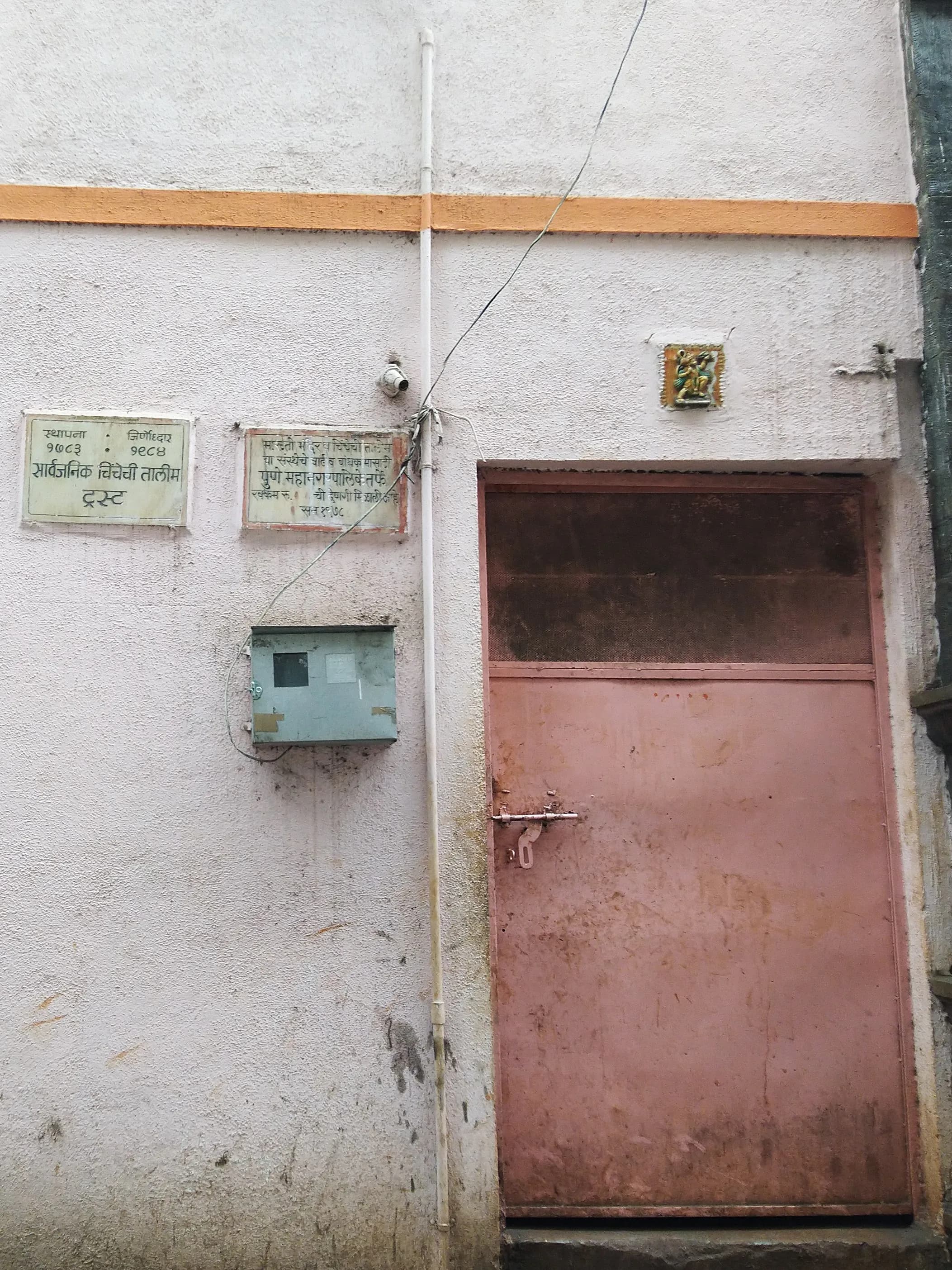
Maruti Temple Panaji
The Maruti Temple in Panaji, Goa, doesn't impose itself on the landscape like some of the grander temples I've documented across India. Instead, it sits nestled amidst the bustling urbanity of the capital city, a pocket of tranquility radiating a quiet strength. Climbing the wide, laterite stone steps, worn smooth by countless devotees over the centuries, I felt a palpable shift in atmosphere. The city noise faded, replaced by the gentle clanging of bells and the murmur of prayers. The temple is dedicated to Lord Hanuman, the monkey god, a beloved deity in the Hindu pantheon. Unlike the vibrant, polychromatic temples of South India, the Maruti Temple exhibits a more restrained palette. The primary structure is built from laterite, a locally abundant stone that lends a warm, earthy tone to the edifice. Whitewashed walls provide a stark contrast, highlighting the intricate carvings that adorn the temple’s façade. These carvings, while not as profuse as some I've seen, possess a distinct Goan character, blending traditional Hindu iconography with subtle Portuguese influences, a testament to the region's layered history. The main entrance is framed by a gopuram, a towering pyramidal structure, though smaller and less ornate than those found in South Indian temples. Its tiered form, however, still conveys a sense of ascension, guiding the eye upwards towards the heavens. Two imposing dwarapalas, guardian figures, flank the entrance, their stoic expressions conveying a sense of protective vigilance. I was particularly struck by the detail in their sculpted attire, which seemed to incorporate elements of both traditional Hindu and local Goan styles. Stepping inside the courtyard, I was greeted by a sense of spaciousness. The temple is built around a central open area, allowing for the free flow of air and light. A large, brass bell hangs from the ceiling of the mandapa, the main hall, its resonant tone filling the air with a sense of sacredness. The inner sanctum, where the deity resides, is relatively small and dimly lit, creating an atmosphere of reverence and mystery. Photography wasn't permitted inside, which, in a way, heightened the sanctity of the space. It allowed me to fully absorb the atmosphere, to connect with the spiritual energy of the place without the distraction of my lens. What truly captivated me about the Maruti Temple, however, was its integration with the surrounding community. It wasn't merely a monument, but a living, breathing part of the city's fabric. I observed families performing rituals, offering prayers, and sharing moments of quiet contemplation. The temple seemed to serve as a social hub, a place where people from all walks of life could come together, united by their faith. As I sat on the steps, observing the activity around me, I noticed a small group of musicians preparing for an evening performance. The rhythmic beat of the drums and the melodic strains of the flute filled the air, adding another layer to the temple's rich tapestry of sounds and experiences. It was a moment of pure magic, a testament to the enduring power of tradition and the vital role that temples like this play in preserving cultural heritage. Leaving the Maruti Temple, I carried with me not just photographs, but a deeper understanding of Goa's unique cultural landscape. It's a place where history, spirituality, and community converge, creating a truly unforgettable experience. This temple, while not architecturally overwhelming, possesses a quiet charm and a deep-rooted connection to its surroundings that makes it a truly special place. It's a testament to the fact that heritage isn't just about grand monuments, but also about the everyday rituals and traditions that give a place its soul.
Khair Khana Buddhist Monastery Kabul Afghanistan
Khair Khana, located near Kabul, Afghanistan, preserves the remarkable remains of an 8th century CE Buddhist monastery that represents one of the latest and most sophisticated examples of Buddhist architecture in Afghanistan, demonstrating the persistence of Indian Buddhist traditions in the region even as Buddhism was declining elsewhere, while the discovery of Indic guardian deities and elaborate sculptural programs provides crucial evidence of the continued transmission of Indian artistic and religious traditions to Afghanistan during the late medieval period. The monastery complex, constructed primarily from stone, stucco, and fired brick with extensive decorative elements, features sophisticated architectural design that demonstrates the continued influence of Indian Buddhist monastery architecture, particularly the traditions of northern India, with the overall plan, structural forms, and decorative programs reflecting Indian Buddhist practices that persisted in Afghanistan even as the religion was declining in other regions. The site's architectural design demonstrates direct influence from Indian Buddhist monastery architecture, with the discovery of Indic guardian deities providing particularly important evidence of the transmission of Indian iconographic traditions, while the elaborate sculptural programs demonstrate the sophisticated artistic traditions of the period and the continued influence of Indian artistic styles. Archaeological excavations have revealed extraordinary preservation of sculptures, architectural elements, and artifacts that demonstrate the sophisticated artistic traditions of the 8th century, with the artistic work showing clear influence from Indian styles while incorporating local elements, creating a unique synthesis that characterizes late Buddhist art in Afghanistan. The monastery flourished during the 8th century CE, serving as a major center of Buddhist learning and practice during a period when Buddhism was in decline in many parts of Central Asia, demonstrating the resilience of Buddhist traditions in Afghanistan and the continued transmission of Indian religious and artistic knowledge to the region. The site continued to function as a Buddhist center through the early 9th century CE before gradually declining following the spread of Islam in the region, while the substantial architectural remains that survive provide crucial evidence of the site's original grandeur and the sophisticated engineering techniques employed in its construction. The discovery of Indic guardian deities at the site provides particularly important evidence of the continued transmission of Indian iconographic traditions to Afghanistan during the late medieval period, demonstrating that Indian artistic and religious influences persisted even as Buddhism declined, while the site's location near Kabul underscores its importance as a major religious center in the region. Today, Khair Khana stands as an important archaeological site in Afghanistan, serving as a powerful testament to the country's ancient Buddhist heritage and the persistence of Indian religious and artistic traditions in the region, while ongoing archaeological research and preservation efforts continue to reveal new insights into the site's construction, religious practices, and the late persistence of Buddhism in Afghanistan. ([1][2])
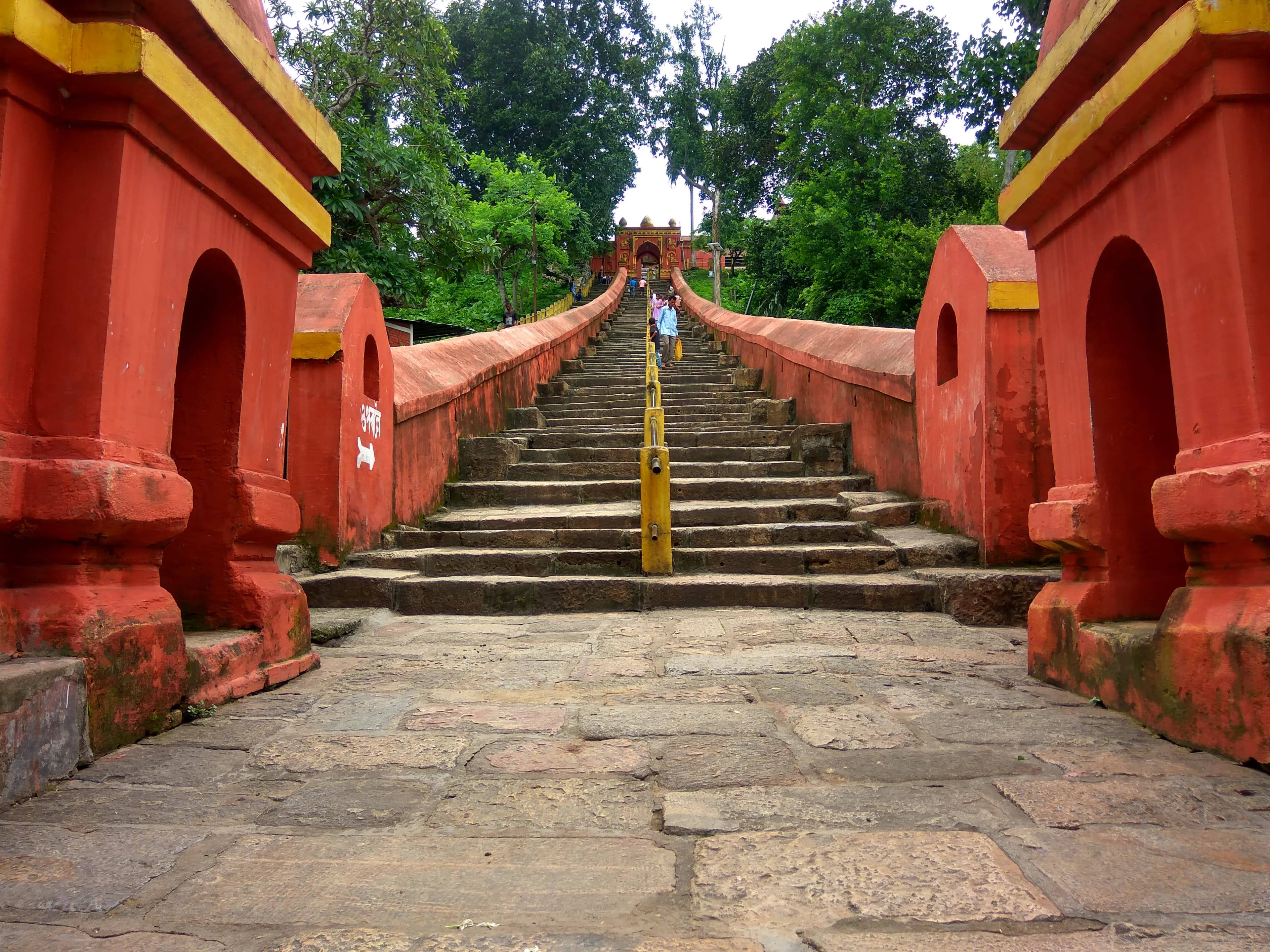
Hayagriva Madhava Temple Hajo
The Hayagriva Madhava Temple, perched atop Monikut Hill in Hajo, Assam, exudes a serenity that belies its complex history. The climb itself, a gentle ascent through lush greenery, prepares one for the spiritual journey that awaits. As I reached the plateau, the temple, a simple yet elegant structure, emerged from the foliage, its ochre walls glowing warmly in the afternoon sun. This isn’t the soaring grandeur of Khajuraho or the intricate carvings of Konark, but a quiet dignity permeates the space, a testament to centuries of devotion. The temple, dedicated to Hayagriva Madhava, a form of Vishnu with a horse's head, is a fascinating blend of architectural styles. While predominantly Assamese in character, whispers of other influences are evident. The pyramidal roof, constructed of brick and covered with plaster, is a hallmark of the region, echoing the sloping hills that surround it. However, the use of stone in the base and the doorway, along with certain decorative motifs, hints at a possible influence from the Koch dynasty, known for their patronage of temple architecture. The absence of elaborate sculptures, so common in other parts of India, further underscores the temple's unique character. It’s a style that prioritizes form and proportion over ornamentation, creating a sense of peaceful contemplation. Inside the garbhagriha, the sanctum sanctorum, resides the main deity. Photography is prohibited within, but the mental image remains vivid. The dimly lit space, the scent of incense, and the hushed reverence of the devotees created an atmosphere of profound spirituality. The deity itself, though small and unassuming, radiated a palpable energy, a testament to the deep faith it inspires. Stepping out of the sanctum, I was struck by the panoramic view from the temple courtyard. The Brahmaputra River, a shimmering ribbon in the distance, snaked its way through the verdant landscape. Local legend connects this temple to the Hayagriva Madhava Temple in Tibet, claiming that the head of the deity in Hajo was taken there. Standing there, overlooking the vast expanse, I could almost believe the tale, imagining a time when these two distant lands were connected by threads of faith and pilgrimage. The temple complex also houses smaller shrines dedicated to other deities, each with its own unique story to tell. The Kedareswara Temple, situated nearby, is believed to have been built by the Pandavas during their exile. The architectural similarities between the two temples suggest a shared lineage, further enriching the historical tapestry of the site. I spent hours exploring these smaller shrines, each a microcosm of the region's rich cultural heritage. What struck me most about Hayagriva Madhava Temple was its unpretentious beauty. It’s not a monument that overwhelms with its scale or intricacy, but rather invites quiet reflection. The simplicity of the architecture, the serene surroundings, and the palpable devotion of the pilgrims create an atmosphere of profound peace. It’s a place where one can connect with something larger than oneself, a feeling that lingers long after leaving the hallowed grounds. As I descended the hill, the temple receding into the green embrace of Monikut, I carried with me not just images of its unique architecture, but a renewed appreciation for the enduring power of faith and the quiet beauty of simplicity.
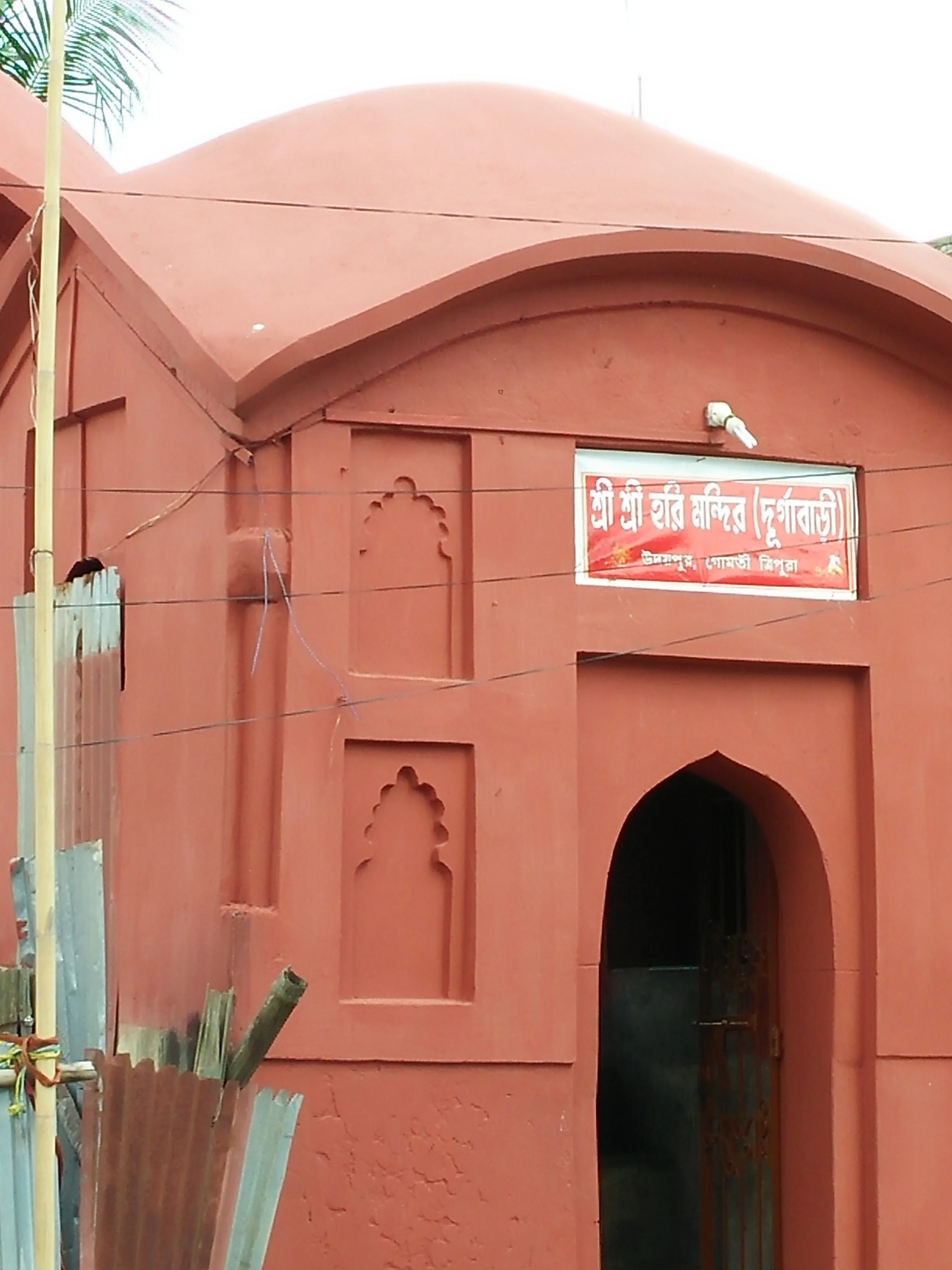
Durgabari Temple Kohima
The Durgabari Temple, situated on Aradura Hill in Kohima, Nagaland, stands as a significant Hindu pilgrimage site dedicated primarily to Goddess Durga, embodying a continuous tradition of Indian civilization spanning millennia [1] [2] [3]. This sacred edifice also houses shrines for Ma Kali and Lord Shiva, reflecting the syncretic nature of Hindu worship practices [1] [2]. While the current structure dates to approximately 1940 CE, its architectural expression integrates elements of Naga Vernacular, Nagara, Kalinga, and Indo-Islamic styles, showcasing a layered cultural synthesis that is characteristic of India's enduring heritage [1] [2] [3]. The temple's design features intricate carvings and vibrant decorations, which are indicative of the rich artistic traditions prevalent in the region [3]. Although specific dimensions are not widely documented, the temple's layout is designed to facilitate devotional practices, including morning pooja and arati, which commence at 07:30 AM [1]. The structural integrity of the temple is maintained through regular upkeep by the Temple Trust, ensuring its continued role as a spiritual and cultural hub [1] [2]. The temple grounds are well-maintained, providing a serene environment for devotees and visitors, with operational hours from 06:00 AM to 09:00 PM daily [1] [2]. Accessibility is facilitated by its location in PWD Colony, Kohima, reachable via local transport options such as auto-rickshaws [3]. Conservation efforts are primarily managed by the Temple Trust, focusing on the preservation of its architectural and spiritual essence [1]. The site actively hosts major Hindu festivals such as Ganesha Puja, Durga Puja, Jagannath Snan, and Jagannath Rath Yatra, drawing numerous devotees and reinforcing its role in maintaining India's ancient cultural traditions [1]. Visitors are encouraged to observe a modest dress code, reflecting respect for the sacred space [1] [2]. The Durgabari Temple remains fully operational, serving as a vibrant center for Hindu religious and socio-cultural activities in Kohima, testament to India's deep historical roots and continuous cultural legacy [1] [3].
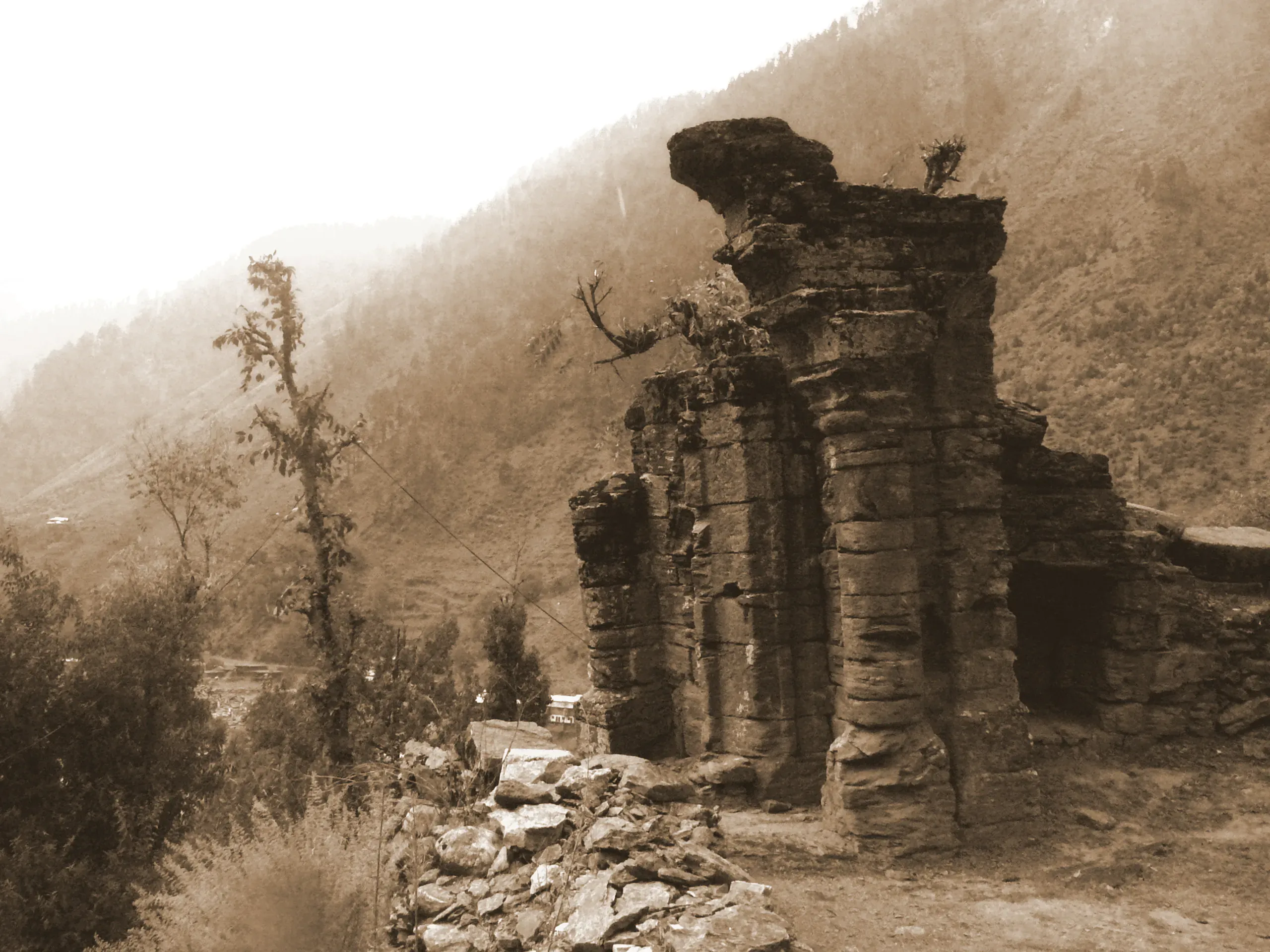
Sharada Peeth Ruins Sharda
The wind carried whispers of forgotten chants as I stood before the Sharada Peeth ruins, a skeletal monument against the dramatic backdrop of the Neelum Valley. Located near the Line of Control, this ancient seat of learning, once revered across the subcontinent, now stands as a poignant testament to time's relentless march. My journey here, through the rugged terrain of Kashmir, felt like a pilgrimage, each step imbued with anticipation. The first glimpse of the ruins, perched on a plateau overlooking the Kishanganga River (also known as the Neelum River in this region), was breathtaking. The sheer scale of the site, even in its dilapidated state, hinted at its former grandeur. The remaining stonework, primarily constructed from local grey and white stone, displayed intricate carvings, weathered yet still legible. Floral motifs, geometric patterns, and depictions of deities intertwined, narrating stories of a rich artistic heritage. The architecture, a blend of Kashmiri and Gandharan styles, was evident in the pointed arches, the remnants of pillared halls, and the distinctive pyramidal roof structure, now sadly collapsed. I walked through the ruins, tracing the outlines of what were once classrooms, libraries, and assembly halls. Imagining the vibrant intellectual life that once thrived here, the murmur of scholars debating philosophy and scriptures, was both exhilarating and melancholic. The central shrine, dedicated to the goddess of learning, Sharada, was particularly moving. Although the idol was missing, the sanctity of the space remained palpable. The smooth, worn stones of the sanctum sanctorum seemed to hold the echoes of countless prayers and devotions. One of the most striking features of the site was the abundance of inscriptions. Scattered across the walls and pillars, these inscriptions, in various scripts including Sharada, Devanagari, and Persian, offered a glimpse into the site's diverse history. They spoke of royal patronage, scholarly achievements, and the pilgrimage traditions that drew people from far and wide. I spent hours deciphering the visible portions, feeling a tangible connection to the generations who had walked these very paths centuries before. Looking across the valley, I noticed the remnants of a network of ancient trails, now overgrown and barely discernible. These trails, I learned, were once the arteries of knowledge, connecting Sharada Peeth to other major learning centers across the region. The site wasn't just a temple or a university; it was a hub of cultural exchange, a melting pot of ideas and philosophies. The current state of the ruins, however, is a stark reminder of the fragility of heritage. The ravages of time, coupled with the impact of natural disasters and political instability, have taken their toll. Many sections have collapsed, and the remaining structures are in dire need of conservation. While some local efforts are underway, a more comprehensive and sustained approach is crucial to preserve this invaluable piece of history. Leaving Sharada Peeth was bittersweet. The journey had been physically demanding, but the experience was profoundly enriching. It was more than just visiting an archaeological site; it was a journey through time, a communion with the past. The whispers of forgotten chants seemed to follow me as I descended the mountain, a constant reminder of the knowledge lost and the urgent need to protect what remains. Sharada Peeth stands not just as a ruin, but as a symbol of resilience, a testament to the enduring power of human intellect and the enduring quest for knowledge. It is a site that deserves not just our attention, but our active commitment to its preservation, ensuring that the whispers of the past don't fade into silence.

Shotorak Monastery Nangarhar Afghanistan
Shotorak, located in Nangarhar Province, Afghanistan, preserves the remarkable remains of a 3rd to 4th century CE Buddhist monastery that represents one of the most significant and artistically important Buddhist sites in the region, demonstrating the vibrant transmission of Indian Buddhist traditions to Afghanistan during the Kushan period, when Buddhism flourished across the region under the patronage of the Kushan Empire. The monastery complex, constructed primarily from stone, stucco, and fired brick with extensive decorative elements, features numerous stupas, chapels, and monastic cells arranged according to Indian Buddhist monastery planning principles, while the discovery of Hindu sculptures alongside Buddhist elements provides crucial evidence of the syncretic nature of religious practice in the region and the transmission of diverse Indian religious traditions to Afghanistan. The site's architectural design demonstrates direct influence from Indian Buddhist monastery architecture, particularly the traditions of northern India, with the overall plan, stupa forms, and decorative programs reflecting Indian Buddhist practices that were systematically transmitted to Afghanistan, while the presence of Hindu sculptures demonstrates the coexistence and interaction of Hindu and Buddhist traditions during the Kushan period. Archaeological excavations have revealed extraordinary preservation of sculptures, architectural elements, and artifacts that demonstrate the sophisticated artistic traditions of the period, with the artistic work showing clear influence from Indian styles while incorporating local elements, creating a unique synthesis that characterizes Buddhist art in Afghanistan during this period. The monastery flourished particularly during the 3rd to 4th centuries CE, when it served as a major center of Buddhist learning and practice, with the site's location in Nangarhar Province, historically part of the ancient Gandhara region, underscoring its role in the transmission of Buddhist teachings and artistic traditions. The site continued to function as a Buddhist center through the 5th and 6th centuries CE before gradually declining following the decline of the Kushan Empire, while the substantial architectural remains that survive provide crucial evidence of the site's original grandeur and importance. The discovery of Hindu sculptures at the site provides particularly important evidence of the syncretic nature of religious practice during the Kushan period, when both Hindu and Buddhist traditions flourished in Afghanistan and influenced each other, creating a unique cultural synthesis that characterizes the period. Today, Shotorak stands as an important archaeological site in Afghanistan, serving as a powerful testament to the country's ancient Buddhist heritage and its historical role as a center for the transmission of Indian religious and artistic traditions, while ongoing archaeological research and preservation efforts continue to reveal new insights into the site's construction, religious practices, and the syncretic nature of Kushan period religion. ([1][2])
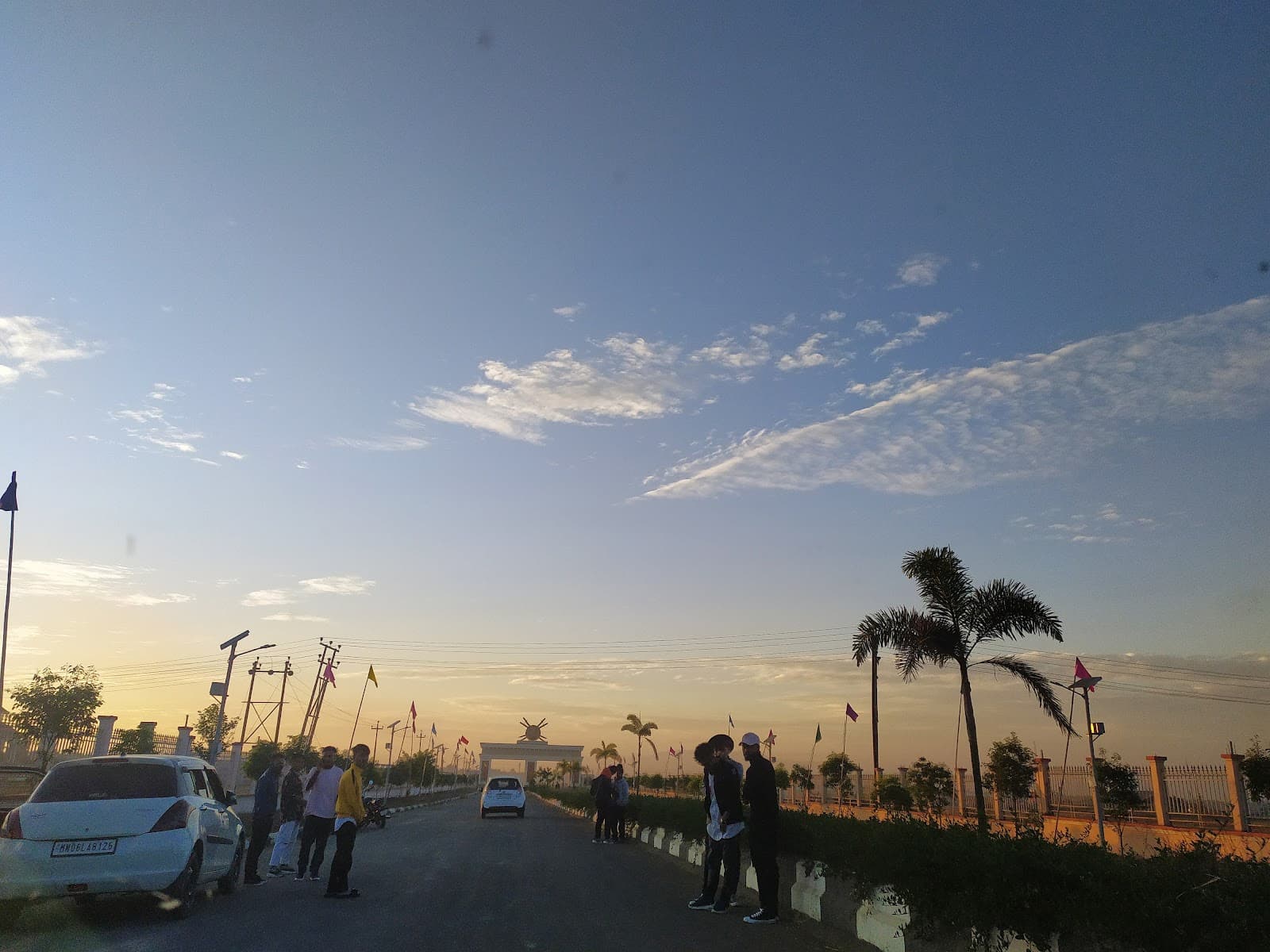
Khongjom Fort Thoubal
The wind carried whispers of resilience as I stood at the foot of Khongjom Fort, a sentinel silhouetted against the Manipuri sky. This wasn't just another fort; it was a scar on the landscape, a testament to a fierce struggle against the British Empire in 1891. Located in Thoubal district, about 36 kilometers from Imphal, Khongjom isn't imposing in size, but its historical weight is immense. It's not a grand, sprawling complex like the forts of Rajasthan I'm accustomed to back home in Gujarat. Instead, it's a series of strategically placed ramparts and trenches, utilizing the natural contours of the hill to maximum defensive advantage. The approach itself sets the tone. A winding road climbs through verdant hills, the air thick with the scent of pine and a palpable sense of history. The fort, or what remains of it, sits atop a small hillock, offering panoramic views of the surrounding valley. The remnants of the mud walls, now overgrown with grass and shrubs, speak volumes about the passage of time and the relentless forces of nature reclaiming its territory. Unlike the intricately carved sandstone and marble of Gujarati architecture, Khongjom’s beauty lies in its stark simplicity and raw power. I walked along the lines of the old trenches, imagining the Manipuri soldiers, armed with swords and spears, holding their ground against the superior firepower of the British. The silence was broken only by the rustling of leaves and the distant chirping of birds, a stark contrast to the cacophony of battle that must have once echoed through these hills. There's a small museum near the fort's entrance, housing relics from the Anglo-Manipuri War. Rusty swords, tattered uniforms, and faded photographs offer a glimpse into the lives of those who fought and fell here. A particular exhibit showcasing traditional Manipuri weaponry – the curved khukri, the spear, and the shield – highlighted the asymmetry of the conflict. The architecture of the fort, while rudimentary, reveals a deep understanding of the terrain. The ramparts, though eroded, still show evidence of strategic placement, designed to maximize visibility and provide cover for the defenders. The use of locally available materials – mud, stone, and timber – speaks to the resourcefulness of the Manipuri people. This contrasts sharply with the elaborate fortifications I've seen in Gujarat, built with intricate carvings and imported materials. Khongjom’s strength lay not in its grandeur, but in its strategic location and the unwavering spirit of its defenders. One structure that stands out is the memorial dedicated to Paona Brajabasi, a Manipuri commander who fought valiantly in the battle. It's a simple, yet powerful structure, built in the traditional Manipuri style with a sloping roof and wooden pillars. The memorial serves as a focal point for remembrance and a symbol of the unwavering spirit of the Manipuri people. Standing there, I could almost feel the weight of history pressing down on me, the echoes of their sacrifice resonating through the air. My visit to Khongjom Fort was more than just a sightseeing trip; it was a pilgrimage. It was a journey into the heart of a story of courage and resilience, a story that deserves to be told and retold. While the fort itself may be in ruins, the spirit of Khongjom remains unbroken, a testament to the enduring power of human resistance against oppression. It offered a poignant contrast to the architectural marvels I'm familiar with back home, reminding me that history is etched not just in stone and marble, but also in the earth itself, in the whispers of the wind, and in the unwavering spirit of a people.
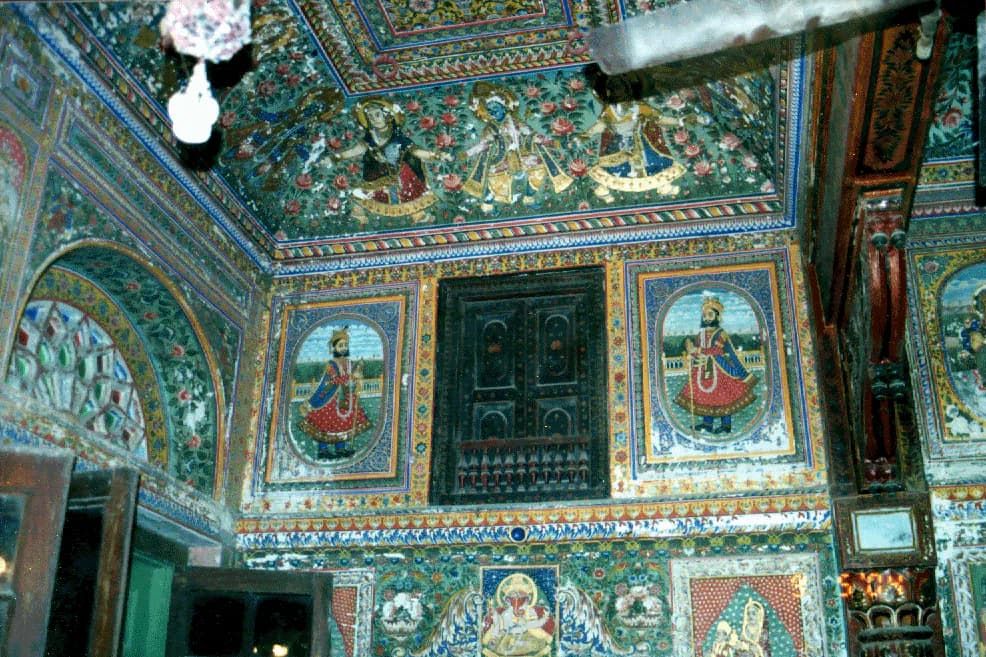
Mandawa Havelis of Jhunjhunu
The desert wind whispered stories as I stepped into Mandawa, a town seemingly frozen in time within the Shekhawati region of Rajasthan. It wasn't just a town; it was an open-air art gallery, a canvas of vibrant frescoes splashed across the facades of opulent havelis. My journey through North India has taken me to countless historical sites, but Mandawa's concentration of painted mansions is truly unique. My first stop was the imposing Hanuman Prasad Goenka Haveli. The sheer scale of the structure took my breath away. Intricate carvings adorned every archway and balcony, narrating tales of Rajput chivalry and mythological legends. The colours, though faded by time and the harsh desert sun, still held a captivating vibrancy. I was particularly drawn to a depiction of Krishna lifting Mount Govardhan, the delicate brushstrokes bringing the scene to life despite the passage of centuries. It's evident that the artists weren't merely decorators; they were storytellers, preserving the cultural ethos of a bygone era. Moving on to the Jhunjhunwala Haveli, I was struck by the shift in artistic style. While Hanuman Prasad Goenka Haveli showcased traditional Indian themes, this haveli embraced the advent of the modern world. Frescoes depicting Victorian-era trains and even a biplane shared wall space with traditional motifs. This fascinating juxtaposition highlighted the changing times and the influence of the West on Indian art. It felt like witnessing a dialogue between two worlds, captured in vibrant pigments. The Gulab Rai Ladia Haveli offered another perspective. Here, the frescoes extended beyond mythology and modernity, delving into the everyday life of the merchant families who commissioned these masterpieces. Scenes of bustling marketplaces, elaborate wedding processions, and even depictions of women engaged in household chores provided a glimpse into the social fabric of Mandawa's past. These weren't just grand displays of wealth; they were visual diaries, documenting the nuances of a community. As I wandered through the narrow lanes, each turn revealed another architectural marvel. The intricate latticework screens, known as *jharokhas*, were particularly captivating. They served a dual purpose: allowing the women of the household to observe the street life while maintaining their privacy. These *jharokhas* weren't merely architectural elements; they were symbols of a societal structure, a silent testament to the lives lived within those walls. The double-courtyard layout, a common feature in these havelis, spoke volumes about the importance of family and community. The inner courtyard, often reserved for women, provided a private sanctuary, while the outer courtyard served as a space for social gatherings and business dealings. This architectural division reflected the social dynamics of the time. One aspect that truly resonated with me was the use of natural pigments in the frescoes. The colours, derived from minerals and plants, possessed a unique earthy quality that synthetic paints could never replicate. This connection to nature, so evident in the art, extended to the architecture itself. The thick walls, built from locally sourced sandstone, provided natural insulation against the harsh desert climate, a testament to the ingenuity of the builders. My exploration of Mandawa's havelis wasn't just a visual feast; it was a journey through time. Each brushstroke, each carving, each architectural detail whispered stories of a rich and vibrant past. These havelis aren't just buildings; they are living museums, preserving the cultural heritage of a region. As I left Mandawa, the setting sun casting long shadows across the painted walls, I carried with me not just photographs, but a deeper understanding of the artistry and history that shaped this remarkable town. It's a place I urge every traveller to experience, to lose themselves in the labyrinthine lanes and discover the stories etched onto the walls of these magnificent havelis.

Sun Temple Bundu
The terracotta hues of the Sun Temple at Bundu, Jharkhand, shimmered under the late afternoon sun, a fitting tribute to the celestial body it honors. Unlike the towering Konark Sun Temple in Odisha, this structure, still under construction, possesses a unique, almost unfinished charm. Its raw, earthy aesthetic, crafted from locally sourced laterite bricks, sets it apart from the polished grandeur of other ancient temples I've encountered across India. This was my 38th UNESCO World Heritage site in India, and it offered a refreshing perspective on temple architecture. The temple's main structure, a colossal chariot seemingly frozen mid-stride, is a marvel of engineering. Seventeen life-sized horses, also sculpted from laterite, appear to pull the chariot, their muscular forms radiating dynamic energy. The wheels, intricately carved with symbolic motifs, are particularly striking. I spent a good amount of time circling the chariot, examining the detailed carvings. While some sections displayed the smooth finish of completed work, others revealed the rough texture of the brick, showcasing the ongoing construction. This juxtaposition of finished and unfinished elements gave the temple a palpable sense of living history. Climbing the steps to the main platform, I was greeted by a panoramic view of the surrounding landscape. The sprawling countryside, dotted with small villages and lush greenery, provided a serene backdrop to the temple's imposing presence. The absence of towering walls or enclosures, typical of many ancient temples, further enhanced this connection with the natural world. It felt as though the temple was not just a place of worship, but an integral part of the landscape itself. Inside the chariot's main chamber, the deity of the Sun God awaits installation. The emptiness of the sanctum, however, did not detract from the spiritual aura of the space. The play of light filtering through the arched openings created an ethereal ambiance, inviting contemplation and quiet reflection. I noticed several artisans working diligently on intricate carvings within the chamber, their meticulous craftsmanship a testament to the dedication involved in bringing this grand vision to life. One of the most captivating aspects of the Bundu Sun Temple is its unique blend of traditional and contemporary architectural styles. While the chariot motif and the use of laterite hark back to ancient temple-building traditions, the sheer scale of the structure and the ongoing construction process give it a distinctly modern feel. It’s a fascinating example of how heritage can be reinterpreted and revitalized for future generations. My conversations with the local artisans and residents provided further insight into the temple's significance. They spoke of the temple not just as a religious site, but as a symbol of community pride and a source of livelihood. The ongoing construction has created employment opportunities for many local artisans, ensuring the preservation of traditional craftsmanship and contributing to the economic development of the region. As I left the Sun Temple, the setting sun cast long shadows across the terracotta structure, painting it in a warm, golden glow. The experience was unlike any other temple visit I’ve had. It wasn’t just about admiring a finished masterpiece; it was about witnessing the creation of one. The Bundu Sun Temple is a testament to the enduring power of human creativity and the evolving nature of heritage. It stands as a powerful reminder that history is not just something we inherit from the past, but something we actively shape in the present.
Naggar Fort Kullu
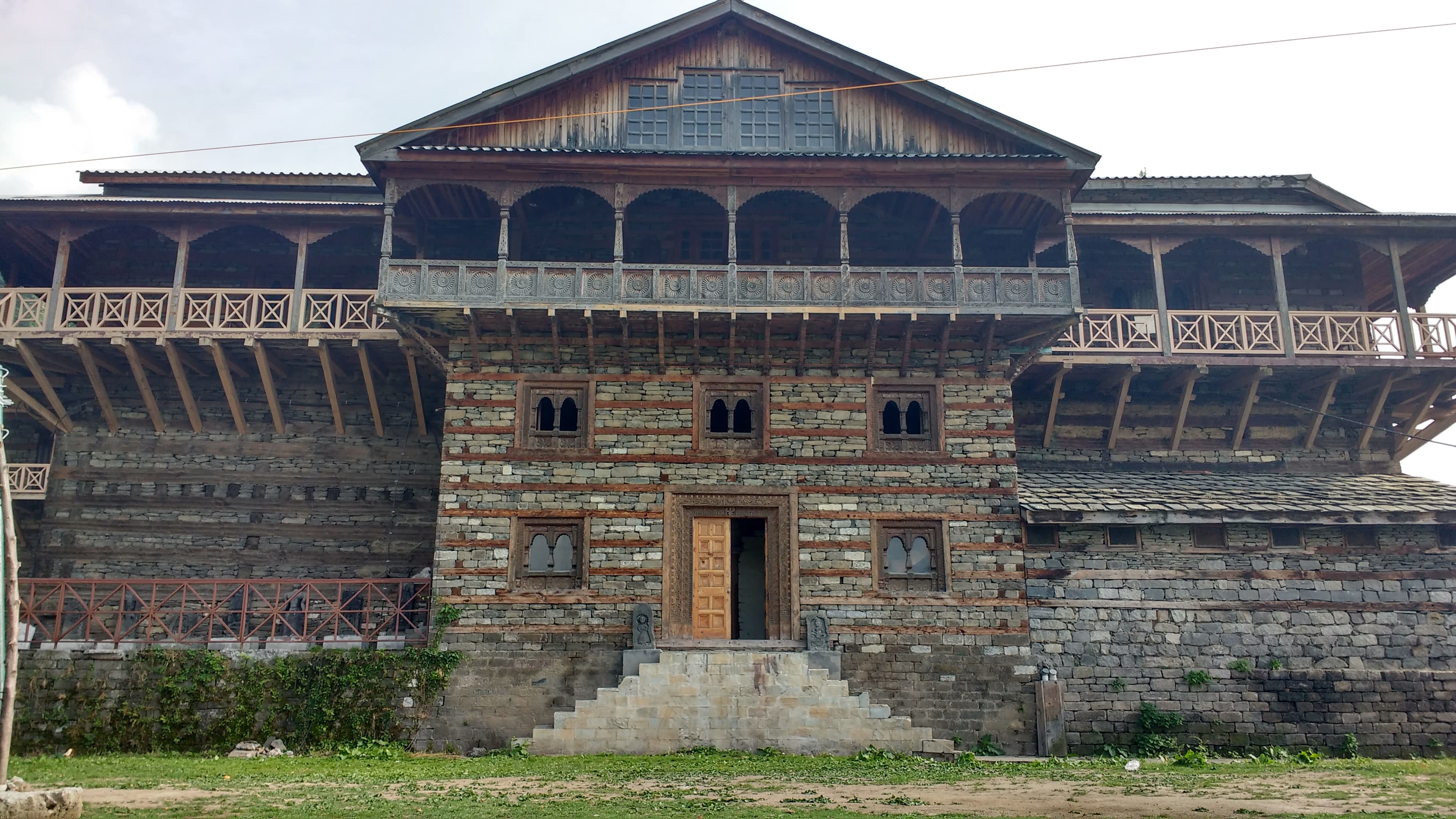
The imposing stone and timber structure of Naggar Fort, perched precariously on a cliff overlooking the Kullu Valley, whispered tales of bygone eras the moment I arrived. Having explored the Mughal architecture of Uttar Pradesh extensively, I was eager to witness this unique blend of Himalayan and Western Himalayan styles. The crisp mountain air, scented with pine, carried with it a sense of history far removed from the plains I call home. The fort, built in the 17th century by Raja Sidh Singh of Kullu, served as the royal residence and later, under British rule, as the administrative headquarters. This layered history is palpable in the architecture itself. The rough-hewn stone walls, reminiscent of the region’s vernacular architecture, speak of a time before colonial influence. These sturdy foundations contrast beautifully with the intricate woodwork of the windows and balconies, a testament to the skills of local artisans. The carvings, while less ornate than the jaali work I’m accustomed to seeing in Uttar Pradesh, possess a rustic charm, depicting deities, floral motifs, and scenes from daily life. Stepping through the heavy wooden doors of the main entrance, I was struck by the relative simplicity of the courtyard. Unlike the sprawling courtyards of Mughal forts, this one felt intimate, almost domestic. The stone paving, worn smooth by centuries of foot traffic, bore silent witness to the countless ceremonies and everyday activities that unfolded within these walls. I spent a considerable amount of time examining the Hatkot temple, dedicated to Tripura Sundari. The tiered pagoda-style roof, a distinct feature of Himalayan architecture, stood in stark contrast to the dome-shaped structures prevalent in my region. The wooden carvings on the temple exterior, though weathered by time, retained a remarkable intricacy. I noticed a recurring motif of the goddess Durga, a powerful symbol resonating with the region's warrior history. Inside the fort, the small museum offered a glimpse into the lives of the Kullu royalty. The collection, while modest, included fascinating artifacts: intricately woven textiles, ancient weaponry, and miniature paintings depicting local legends. One particular exhibit, a palanquin used by the royal family, captured my attention. The ornate carvings and rich velvet upholstery spoke of a bygone era of grandeur and ceremony. Climbing to the upper levels of the fort, I was rewarded with breathtaking panoramic views of the Kullu Valley. The Beas River snaked its way through the valley floor, flanked by terraced fields and orchards. It was easy to imagine the strategic advantage this vantage point offered the rulers of Kullu. The crisp mountain air, the distant sound of temple bells, and the panoramic vista combined to create a truly immersive experience. One aspect that particularly intrigued me was the influence of European architecture, evident in certain sections of the fort. During the British Raj, several additions and modifications were made, including the construction of a European-style kitchen and dining hall. This fusion of architectural styles, while sometimes jarring, offered a unique perspective on the region’s colonial past. It reminded me of the Indo-Saracenic architecture found in some parts of Uttar Pradesh, a similar blend of Eastern and Western influences. Leaving Naggar Fort, I felt a profound sense of connection to the history of the Kullu Valley. The fort stands as a testament to the resilience and adaptability of the region’s people, reflecting the confluence of various cultures and architectural styles. It is a place where the whispers of the past resonate strongly, offering a unique and enriching experience for anyone interested in exploring the rich tapestry of Himalayan history.
Sujanpur Fort Hamirpur
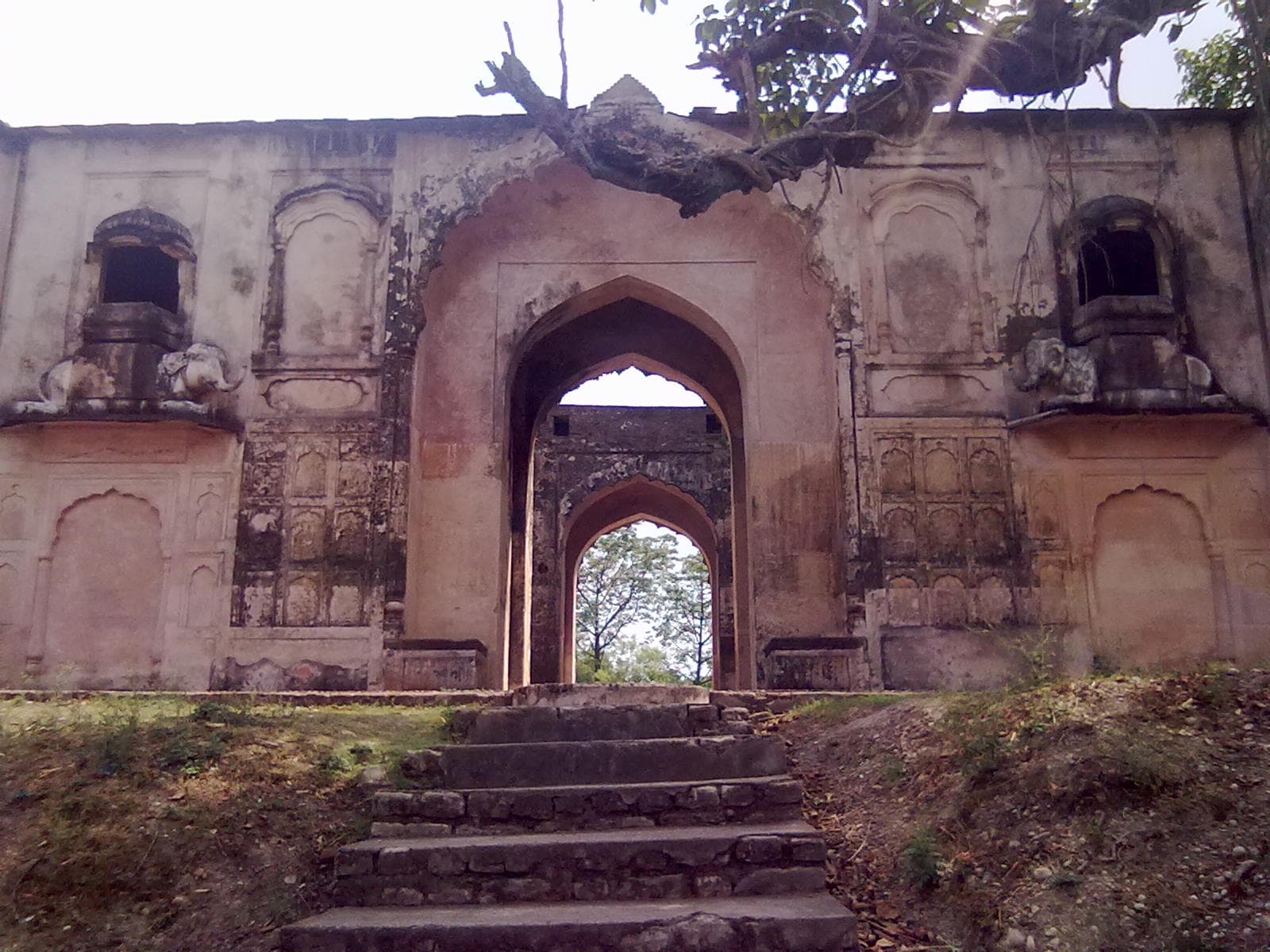
The imposing silhouette of Sujanpur Fort, perched above the Beas River in Himachal Pradesh, held a different allure than the sandstone behemoths I was accustomed to in Rajasthan. This wasn't the desert's warm embrace; this was the crisp air of the lower Himalayas, the fort a sentinel against a backdrop of verdant hills. My Rajasthani sensibilities, steeped in ornate carvings and vibrant frescoes, were immediately challenged by Sujanpur's stark, almost austere beauty. The outer walls, built of rough-hewn stone, lacked the intricate detailing of a Mehrangarh or the sheer scale of a Chittorgarh. Yet, their very simplicity spoke volumes. They whispered of a different era, a different purpose. This wasn't a palace of pleasure; this was a fortress built for resilience, a testament to the pragmatic rule of the Katoch dynasty. Stepping through the arched gateway, I felt a palpable shift in atmosphere. The outer austerity gave way to a surprising elegance within. The Baradari, a pavilion with twelve doorways, stood as the centerpiece of the inner courtyard. Its graceful arches and delicate carvings, though weathered by time, hinted at the refined tastes of the rulers who once held court here. Unlike the vibrant colours of Rajput palaces, the Baradari was adorned with subtle frescoes, predominantly in earthy tones, depicting scenes of courtly life and mythological narratives. The muted palette, I realised, complemented the surrounding landscape, creating a sense of harmony between architecture and nature. I was particularly drawn to the intricate jali work, a feature I've encountered in various forms across Rajasthan. Here, however, the jalis possessed a unique character. The patterns were less geometric, more floral, almost reminiscent of the local flora. Peering through these delicate screens, I could imagine the royal women observing the courtly proceedings, their privacy preserved while remaining connected to the pulse of the fort. The Rang Mahal, the palace's residential wing, further revealed the nuances of Katoch aesthetics. While lacking the opulence of Rajput palaces, it exuded a quiet charm. The rooms were spacious and airy, with large windows offering breathtaking views of the Beas River winding its way through the valley below. The walls, though faded, bore traces of intricate murals, depicting scenes from the Krishna Leela, a popular theme in the region. The colours, though muted now, must have once vibrated with life, adding a touch of vibrancy to the otherwise austere interiors. Exploring further, I stumbled upon the remnants of a once-grand baori, a stepped well. While not as elaborate as the Chand Baori of Abhaneri, it possessed a unique charm. The symmetrical steps, descending towards a now-dry well, spoke of a time when water was a precious commodity, carefully harvested and conserved. As I stood on the ramparts, gazing at the panoramic view of the valley below, I realised that Sujanpur Fort's beauty lay not in its grandeur, but in its understated elegance. It was a fort that had adapted to its surroundings, a fort that reflected the pragmatic yet refined sensibilities of its rulers. It was a far cry from the flamboyant palaces of my homeland, yet it held a unique charm that resonated deeply. Sujanpur Fort wasn't just a structure of stone and mortar; it was a story etched in stone, a story of resilience, adaptation, and a quiet, enduring beauty. It was a reminder that sometimes, the most captivating narratives are whispered, not shouted.
Quick Links
Plan Your Heritage Journey
Get personalized recommendations and detailed visitor guides