Has Inheritage Foundation supported you today?
Your contribution helps preserve India's ancient temples, languages, and cultural heritage. Every rupee makes a difference.
Secure payment • Instant 80G certificate
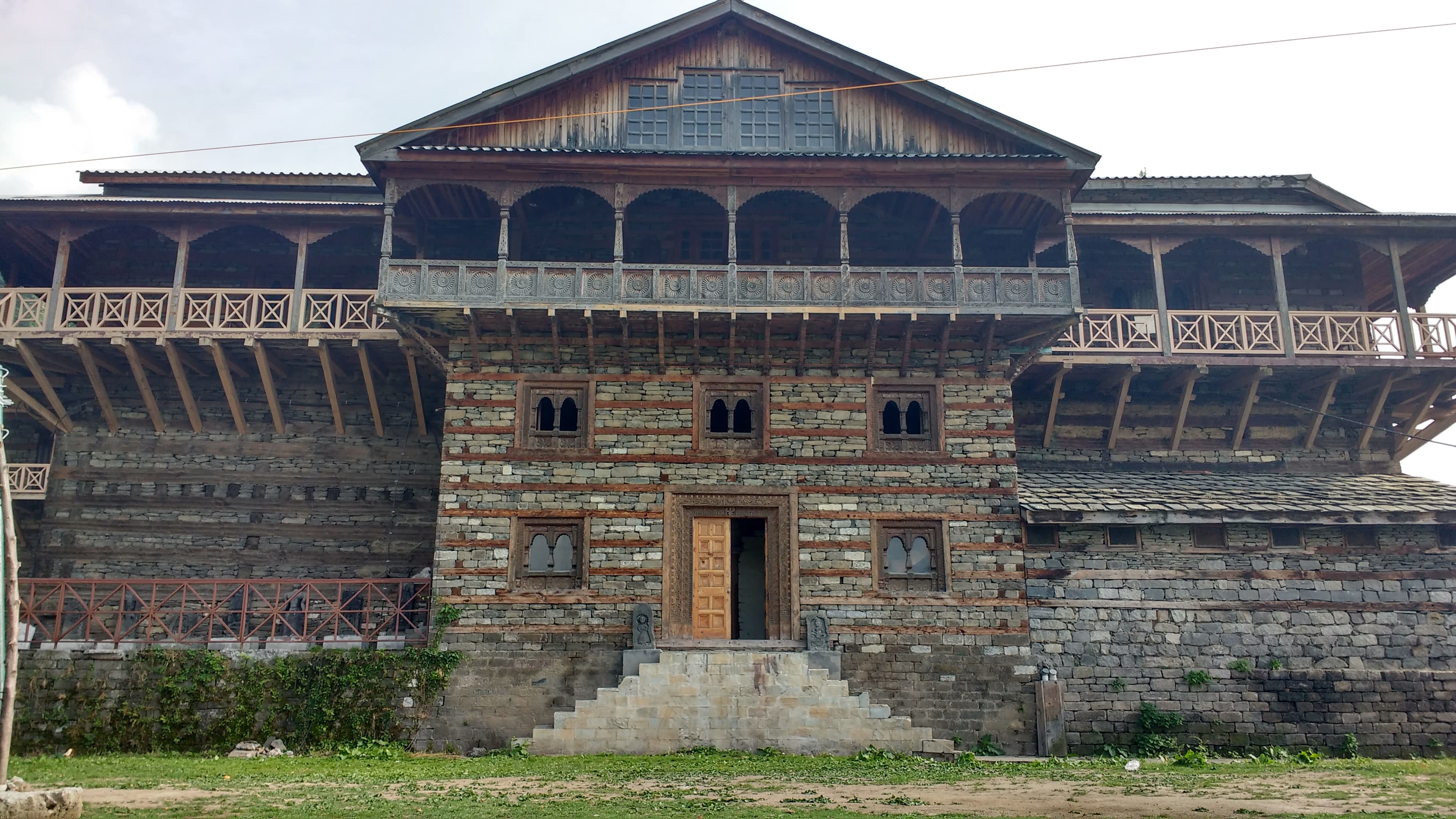
Naggar Fort Kullu
The imposing stone and timber structure of Naggar Fort, perched precariously on a cliff overlooking the Kullu Valley, whispered tales of bygone eras the moment I arrived. Having explored the Mughal architecture of Uttar Pradesh extensively, I was eager to witness this unique blend of Himalayan and Western Himalayan styles. The crisp mountain air, scented with pine, carried with it a sense of history far removed from the plains I call home. The fort, built in the 17th century by Raja Sidh Singh of Kullu, served as the royal residence and later, under British rule, as the administrative headquarters. This layered history is palpable in the architecture itself. The rough-hewn stone walls, reminiscent of the region’s vernacular architecture, speak of a time before colonial influence. These sturdy foundations contrast beautifully with the intricate woodwork of the windows and balconies, a testament to the skills of local artisans. The carvings, while less ornate than the jaali work I’m accustomed to seeing in Uttar Pradesh, possess a rustic charm, depicting deities, floral motifs, and scenes from daily life. Stepping through the heavy wooden doors of the main entrance, I was struck by the relative simplicity of the courtyard. Unlike the sprawling courtyards of Mughal forts, this one felt intimate, almost domestic. The stone paving, worn smooth by centuries of foot traffic, bore silent witness to the countless ceremonies and everyday activities that unfolded within these walls. I spent a considerable amount of time examining the Hatkot temple, dedicated to Tripura Sundari. The tiered pagoda-style roof, a distinct feature of Himalayan architecture, stood in stark contrast to the dome-shaped structures prevalent in my region. The wooden carvings on the temple exterior, though weathered by time, retained a remarkable intricacy. I noticed a recurring motif of the goddess Durga, a powerful symbol resonating with the region's warrior history. Inside the fort, the small museum offered a glimpse into the lives of the Kullu royalty. The collection, while modest, included fascinating artifacts: intricately woven textiles, ancient weaponry, and miniature paintings depicting local legends. One particular exhibit, a palanquin used by the royal family, captured my attention. The ornate carvings and rich velvet upholstery spoke of a bygone era of grandeur and ceremony. Climbing to the upper levels of the fort, I was rewarded with breathtaking panoramic views of the Kullu Valley. The Beas River snaked its way through the valley floor, flanked by terraced fields and orchards. It was easy to imagine the strategic advantage this vantage point offered the rulers of Kullu. The crisp mountain air, the distant sound of temple bells, and the panoramic vista combined to create a truly immersive experience. One aspect that particularly intrigued me was the influence of European architecture, evident in certain sections of the fort. During the British Raj, several additions and modifications were made, including the construction of a European-style kitchen and dining hall. This fusion of architectural styles, while sometimes jarring, offered a unique perspective on the region’s colonial past. It reminded me of the Indo-Saracenic architecture found in some parts of Uttar Pradesh, a similar blend of Eastern and Western influences. Leaving Naggar Fort, I felt a profound sense of connection to the history of the Kullu Valley. The fort stands as a testament to the resilience and adaptability of the region’s people, reflecting the confluence of various cultures and architectural styles. It is a place where the whispers of the past resonate strongly, offering a unique and enriching experience for anyone interested in exploring the rich tapestry of Himalayan history.
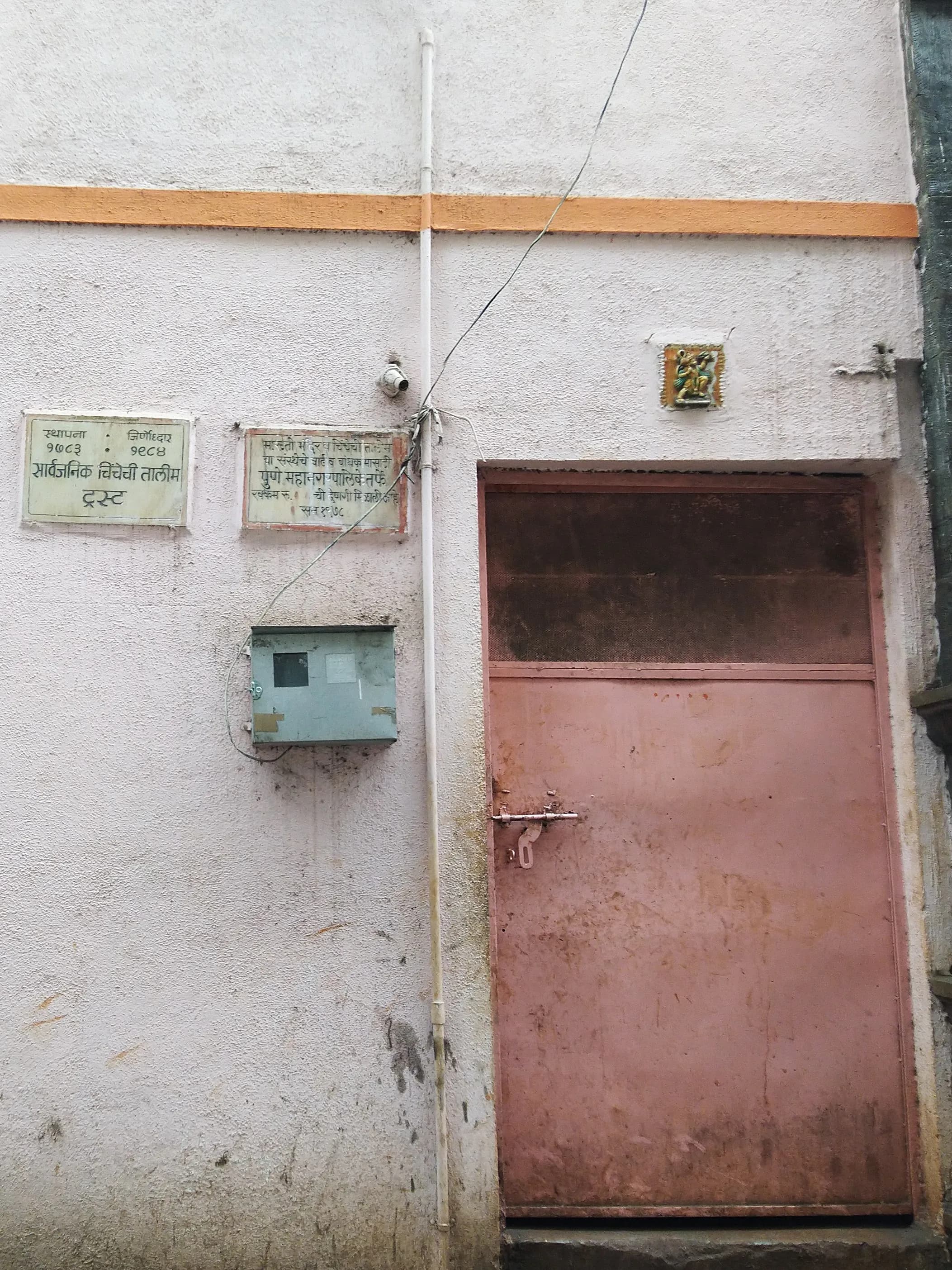
Maruti Temple Panaji
The Maruti Temple in Panaji, Goa, doesn't impose itself on the landscape like some of the grander temples I've documented across India. Instead, it sits nestled amidst the bustling urbanity of the capital city, a pocket of tranquility radiating a quiet strength. Climbing the wide, laterite stone steps, worn smooth by countless devotees over the centuries, I felt a palpable shift in atmosphere. The city noise faded, replaced by the gentle clanging of bells and the murmur of prayers. The temple is dedicated to Lord Hanuman, the monkey god, a beloved deity in the Hindu pantheon. Unlike the vibrant, polychromatic temples of South India, the Maruti Temple exhibits a more restrained palette. The primary structure is built from laterite, a locally abundant stone that lends a warm, earthy tone to the edifice. Whitewashed walls provide a stark contrast, highlighting the intricate carvings that adorn the temple’s façade. These carvings, while not as profuse as some I've seen, possess a distinct Goan character, blending traditional Hindu iconography with subtle Portuguese influences, a testament to the region's layered history. The main entrance is framed by a gopuram, a towering pyramidal structure, though smaller and less ornate than those found in South Indian temples. Its tiered form, however, still conveys a sense of ascension, guiding the eye upwards towards the heavens. Two imposing dwarapalas, guardian figures, flank the entrance, their stoic expressions conveying a sense of protective vigilance. I was particularly struck by the detail in their sculpted attire, which seemed to incorporate elements of both traditional Hindu and local Goan styles. Stepping inside the courtyard, I was greeted by a sense of spaciousness. The temple is built around a central open area, allowing for the free flow of air and light. A large, brass bell hangs from the ceiling of the mandapa, the main hall, its resonant tone filling the air with a sense of sacredness. The inner sanctum, where the deity resides, is relatively small and dimly lit, creating an atmosphere of reverence and mystery. Photography wasn't permitted inside, which, in a way, heightened the sanctity of the space. It allowed me to fully absorb the atmosphere, to connect with the spiritual energy of the place without the distraction of my lens. What truly captivated me about the Maruti Temple, however, was its integration with the surrounding community. It wasn't merely a monument, but a living, breathing part of the city's fabric. I observed families performing rituals, offering prayers, and sharing moments of quiet contemplation. The temple seemed to serve as a social hub, a place where people from all walks of life could come together, united by their faith. As I sat on the steps, observing the activity around me, I noticed a small group of musicians preparing for an evening performance. The rhythmic beat of the drums and the melodic strains of the flute filled the air, adding another layer to the temple's rich tapestry of sounds and experiences. It was a moment of pure magic, a testament to the enduring power of tradition and the vital role that temples like this play in preserving cultural heritage. Leaving the Maruti Temple, I carried with me not just photographs, but a deeper understanding of Goa's unique cultural landscape. It's a place where history, spirituality, and community converge, creating a truly unforgettable experience. This temple, while not architecturally overwhelming, possesses a quiet charm and a deep-rooted connection to its surroundings that makes it a truly special place. It's a testament to the fact that heritage isn't just about grand monuments, but also about the everyday rituals and traditions that give a place its soul.

Sun Temple Bundu
The terracotta hues of the Sun Temple at Bundu, Jharkhand, shimmered under the late afternoon sun, a fitting tribute to the celestial body it honors. Unlike the towering Konark Sun Temple in Odisha, this structure, still under construction, possesses a unique, almost unfinished charm. Its raw, earthy aesthetic, crafted from locally sourced laterite bricks, sets it apart from the polished grandeur of other ancient temples I've encountered across India. This was my 38th UNESCO World Heritage site in India, and it offered a refreshing perspective on temple architecture. The temple's main structure, a colossal chariot seemingly frozen mid-stride, is a marvel of engineering. Seventeen life-sized horses, also sculpted from laterite, appear to pull the chariot, their muscular forms radiating dynamic energy. The wheels, intricately carved with symbolic motifs, are particularly striking. I spent a good amount of time circling the chariot, examining the detailed carvings. While some sections displayed the smooth finish of completed work, others revealed the rough texture of the brick, showcasing the ongoing construction. This juxtaposition of finished and unfinished elements gave the temple a palpable sense of living history. Climbing the steps to the main platform, I was greeted by a panoramic view of the surrounding landscape. The sprawling countryside, dotted with small villages and lush greenery, provided a serene backdrop to the temple's imposing presence. The absence of towering walls or enclosures, typical of many ancient temples, further enhanced this connection with the natural world. It felt as though the temple was not just a place of worship, but an integral part of the landscape itself. Inside the chariot's main chamber, the deity of the Sun God awaits installation. The emptiness of the sanctum, however, did not detract from the spiritual aura of the space. The play of light filtering through the arched openings created an ethereal ambiance, inviting contemplation and quiet reflection. I noticed several artisans working diligently on intricate carvings within the chamber, their meticulous craftsmanship a testament to the dedication involved in bringing this grand vision to life. One of the most captivating aspects of the Bundu Sun Temple is its unique blend of traditional and contemporary architectural styles. While the chariot motif and the use of laterite hark back to ancient temple-building traditions, the sheer scale of the structure and the ongoing construction process give it a distinctly modern feel. It’s a fascinating example of how heritage can be reinterpreted and revitalized for future generations. My conversations with the local artisans and residents provided further insight into the temple's significance. They spoke of the temple not just as a religious site, but as a symbol of community pride and a source of livelihood. The ongoing construction has created employment opportunities for many local artisans, ensuring the preservation of traditional craftsmanship and contributing to the economic development of the region. As I left the Sun Temple, the setting sun cast long shadows across the terracotta structure, painting it in a warm, golden glow. The experience was unlike any other temple visit I’ve had. It wasn’t just about admiring a finished masterpiece; it was about witnessing the creation of one. The Bundu Sun Temple is a testament to the enduring power of human creativity and the evolving nature of heritage. It stands as a powerful reminder that history is not just something we inherit from the past, but something we actively shape in the present.
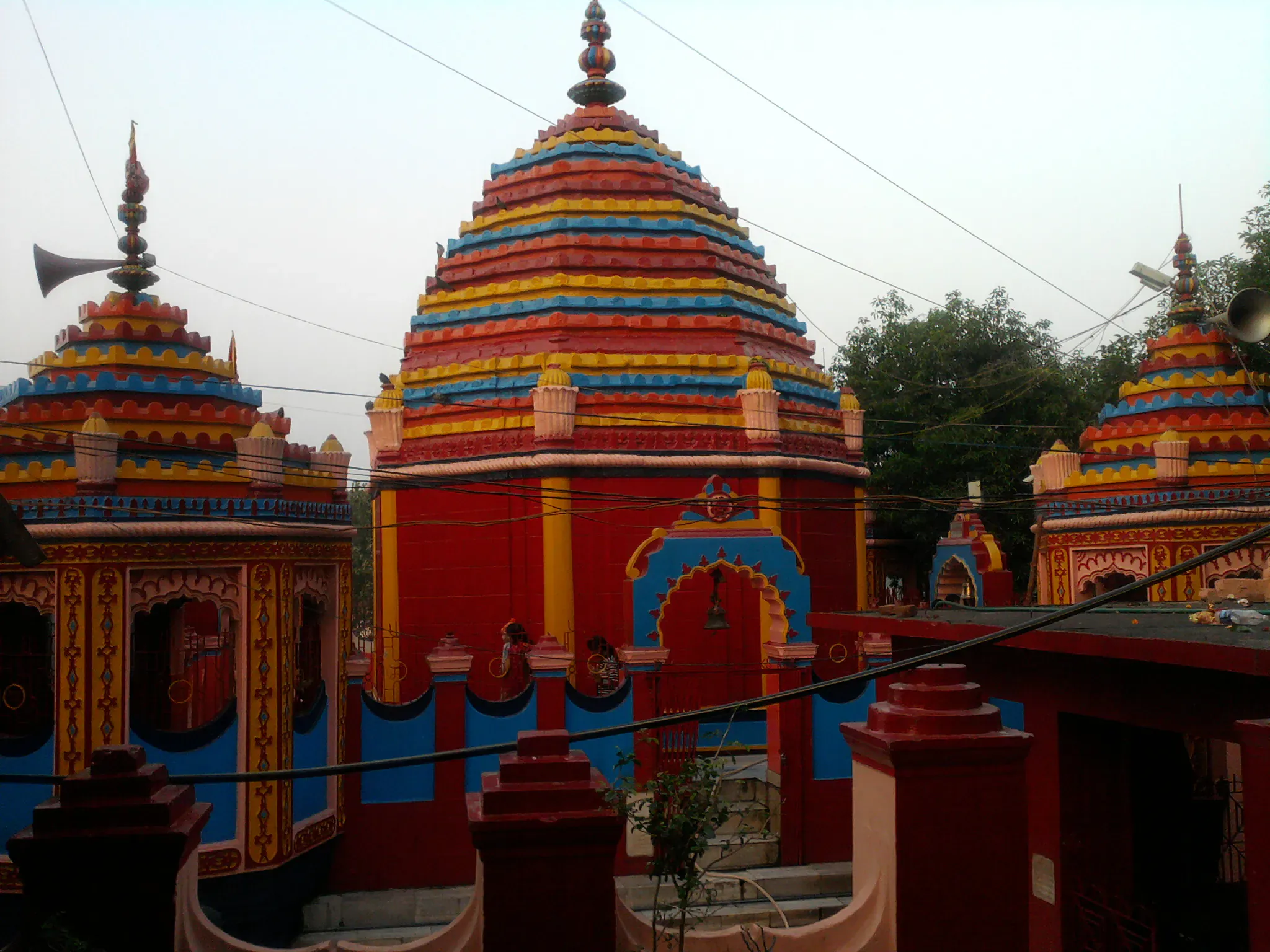
Chhinnamasta Temple Ramgarh
Nestled amidst the picturesque hills of Jharkhand, the Chhinnamasta Temple in Ramgarh provides a captivating glimpse into the region's rich architectural and spiritual heritage ([1][2]). Constructed around 1350 CE, during the Eastern Ganga Dynasty, this temple is dedicated to the unique tantric goddess Chhinnamasta, with patronage from the Chero Chiefs ([1][3]). The temple's architecture represents a fascinating Nagara-Kalinga hybrid style, showcasing the blending of distinct regional influences ([2][4]). Granite and sandstone blocks, meticulously carved by skilled artisans, constitute the primary building materials ([1][5]). The towering curvilinear Shikhara (spire), a defining feature of Nagara architecture, dominates the temple's skyline, rising majestically above the Garbhagriha (Sanctum) ([2][4]). Laterite stone, locally sourced, adds an earthy hue to the structure, contrasting with the intricate ornamentation that graces its surfaces ([3][5]). This harmonious blend of materials and styles reflects the architectural prowess of the Eastern Ganga period. Within the Garbhagriha, the striking iconography of the goddess Chhinnamasta takes center stage, depicting her self-decapitation as a profound symbol of self-sacrifice and cosmic renewal ([2][3]). The temple's design integrates tantric principles, emphasizing the interconnectedness of seemingly opposing forces, a concept deeply rooted in ancient Indian philosophy ([4][5]). Further, the temple exemplifies the enduring legacy of Indian temple architecture, seamlessly blending regional materials, artistic craftsmanship, and profound spiritual symbolism, offering a unique cultural experience ([1][2]). The Chhinnamasta Temple is a testament to India's architectural diversity.
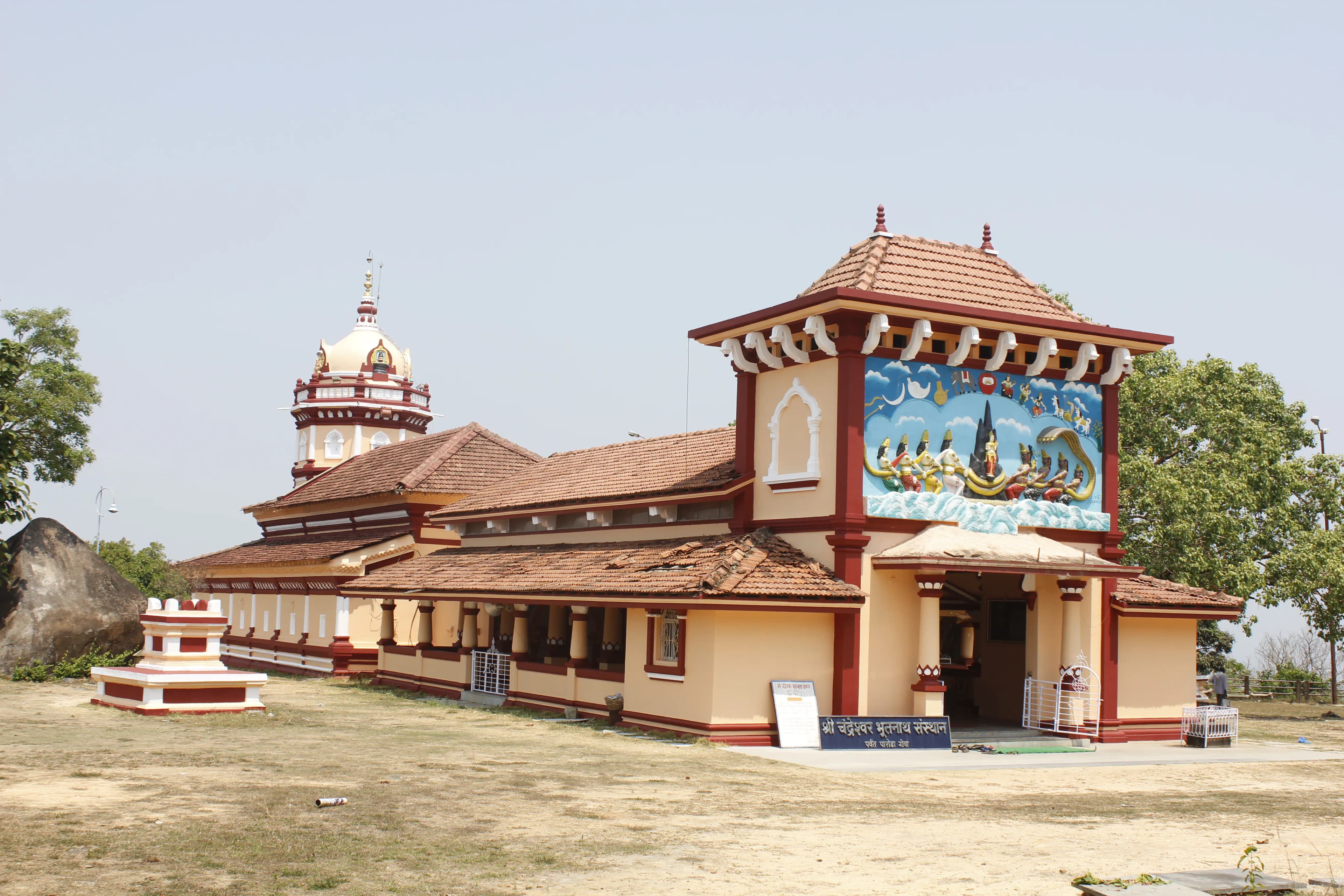
Chandreshwar Bhootnath Temple Quepem
Nestled atop Chandranath Hill, near Quepem, Goa, the Chandreshwar Bhootnath Temple, constructed around 1050 CE during the Kadamba period, provides insights into Goa's architectural legacy ([1][2]). Its stark beauty is derived from the utilization of grey laterite stone, harmonizing with the surrounding landscape ([3]). The temple showcases an Indo-Aryan Nagara style, distinguished by its curvilinear Shikhara (spire), echoing architectural designs prevalent in North Karnataka temples ([4]). During the Kadamba era, temple architecture strategically favored hilltop locations, possibly for defensive purposes and enhanced visibility ([4][5]). Stone platforms and foundations reflect the patronage of the Kadamba Dynasty, who were known for supporting religious and cultural endeavors ([5]). Within the Mandapa (pillared hall), the sturdy columns may indicate Vijayanagara influences, reflecting the interconnectedness of regional styles ([1]). Intricate carvings adorning the walls depict deities, mythical creatures, and floral patterns, demonstrating the craftsmanship of ancient artisans ([3]). One notable panel portrays Shiva’s Tandava, the cosmic dance, capturing dynamic energy in stone ([2]). A small shrine dedicated to the Saptamatrikas (seven mother goddesses) underscores Shakta traditions, highlighting the diverse religious practices of the time ([1]). The use of laterite, basalt, granite, and wood in the temple's construction reflects the availability of local materials and the Kadamba's resourcefulness ([3][4]). The temple, with its historical significance and artistic elements, stands as a testament to the Kadamba Dynasty's cultural contributions to the region ([1][2]).
Dimapur Fort Dimapur
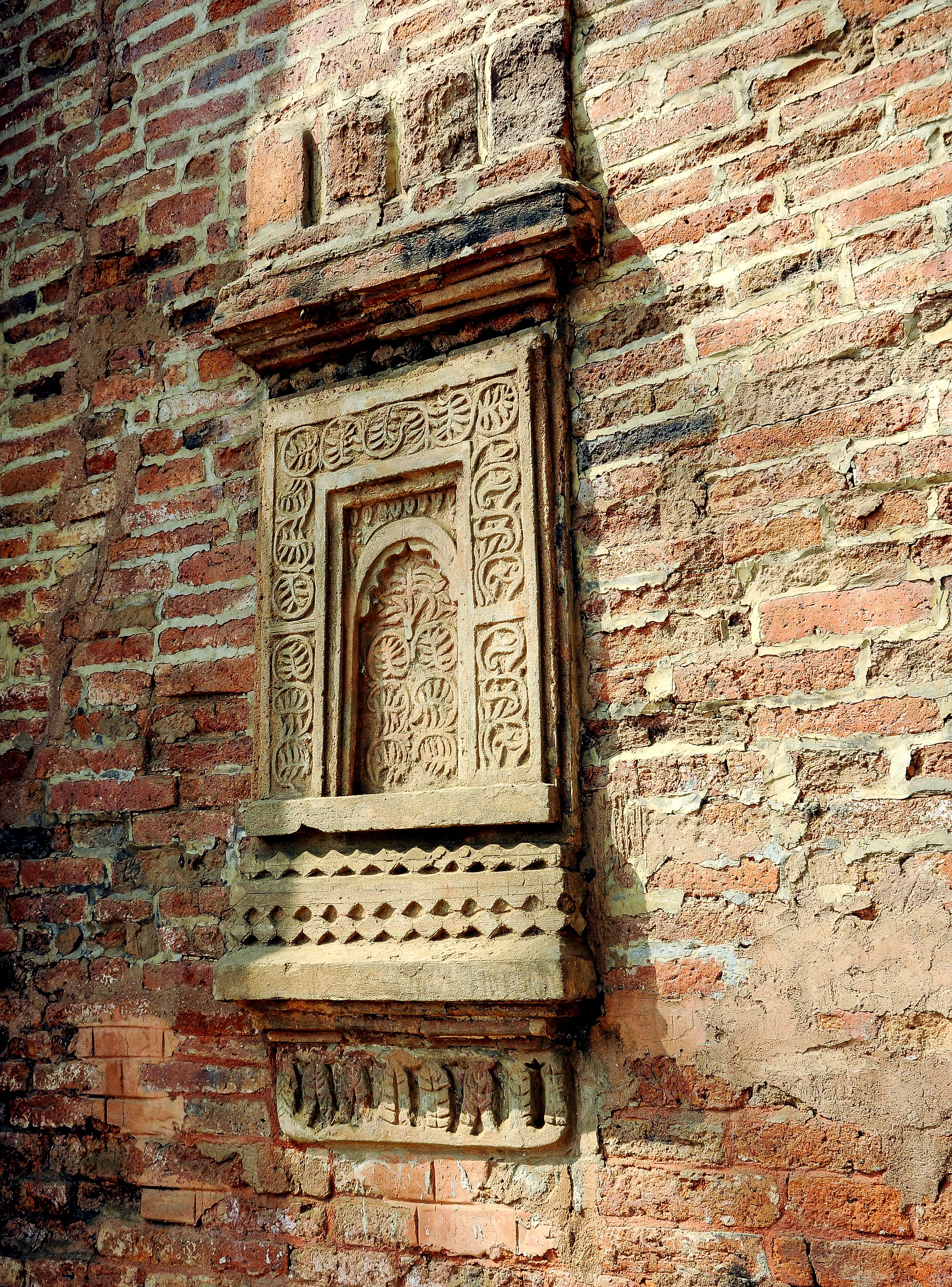
Amidst the heart of Nagaland lies Dimapur Fort, a poignant reminder of the once-powerful Kachari kingdom, dating back to the 12th century [1]. This fort, also known as Kachari Rajbari, presents a captivating, albeit crumbling, spectacle of a bygone era [2]. Unlike the grand stone fortifications of Rajasthan, Dimapur Fort predominantly features burnt brick structures, showcasing a distinct architectural style shaped by the region's resources and climate [3]. Archaeological excavations have uncovered a sprawling complex, revealing a network of courtyards, gateways, and remnants of functional structures [4]. The absence of elaborate palaces suggests a focus on military defense and strategic utility, a practical approach evident in the fort's layout [5]. The gateways, constructed from precisely arranged bricks without mortar, stand as testaments to the Kachari artisans' skill and ingenuity [6]. These arched entrances are adorned with geometric and stylized floral motifs, reflecting a unique artistic sensibility distinct from other Indian architectural traditions [7]. Intricate carvings adorning the walls offer glimpses into the Kachari culture. Stylized floral patterns, diamond shapes, and animal depictions echo a bold, minimalist aesthetic [8]. Local legends whisper of underground passages that once served as escape routes or secret conduits [9]. Peculiar mushroom-shaped structures, known as "Rongpur," dot the landscape, their purpose shrouded in mystery [10]. Some theories suggest they were used as guard posts, while others believe they were platforms for ritualistic ceremonies [11]. Fired brick and mud brick construction techniques, combined with stone and timber, demonstrate the Kachari kingdom's resourcefulness [12]. Dimapur Fort, though in ruins, continues to whisper tales of a lost civilization and its enduring architectural legacy. The fort exemplifies the unique blend of practicality and artistic expression that characterized the Kachari kingdom, leaving an indelible mark on the architectural heritage of Northeast India [13].
Polonnaruwa Ancient City North Central Province Sri Lanka
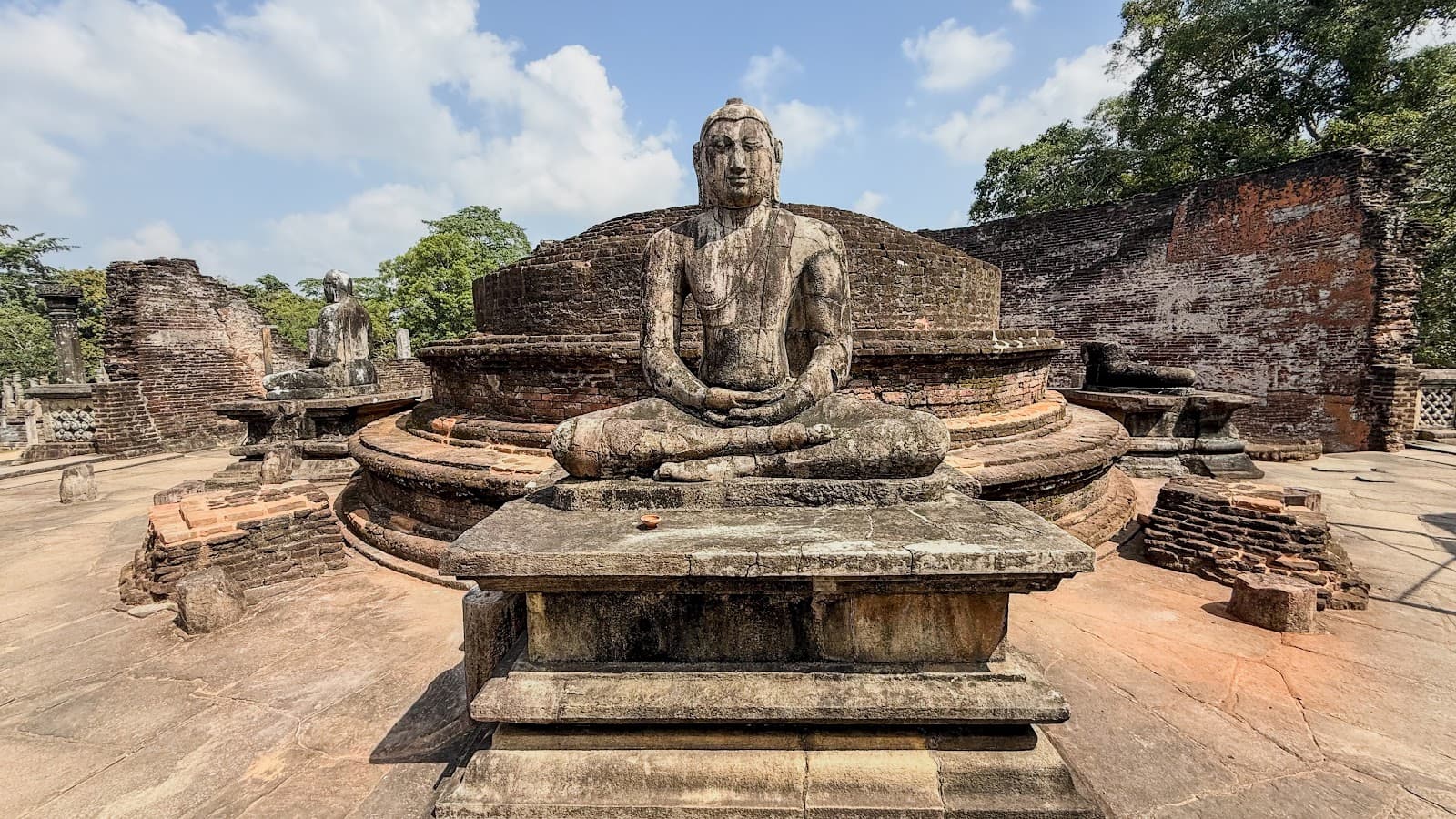
Polonnaruwa, majestically situated in the North Central Province of Sri Lanka, represents one of the most extraordinary and archaeologically significant medieval cities in South Asia, serving as the second capital of Sri Lanka from the 11th to the 13th centuries CE after the fall of Anuradhapura and demonstrating the profound transmission of Indian Buddhist and Hindu religious, architectural, and urban planning traditions to Sri Lanka, particularly during the period of Chola influence, creating a powerful testament to the sophisticated synthesis of Indian and Sri Lankan cultural traditions. The ancient city, featuring a walled inner and outer city surrounded by monasteries, temples, palaces, gardens, a hospital complex, and man-made lakes, demonstrates the direct transmission of Indian urban planning principles from the great cities of medieval India, particularly during the Chola period, with local adaptations that reflect the sophisticated synthesis of Indian Buddhist and Hindu religious and architectural traditions with Sri Lankan building techniques and environmental conditions. The city's most remarkable feature is its collection of extraordinary Buddhist and Hindu monuments, including the Gal Vihara with its colossal Buddha statues carved into granite, the Vatadage (circular relic house), and numerous Hindu temples that demonstrate the direct transmission of Indian Buddhist and Hindu iconographic programs and artistic traditions from the great artistic centers of India including the Chola temples of Tamil Nadu, the Buddhist monuments of eastern India, and the artistic traditions of the Gupta and post-Gupta periods. The city's architectural layout, with its sophisticated urban planning including palaces, administrative buildings, monasteries, and temples arranged according to sophisticated planning principles, demonstrates the direct transmission of Indian urban planning and architectural traditions from the great cities of medieval India, while the city's extensive decorative programs including sculptures, carvings, and architectural elements demonstrate the sophisticated synthesis of Indian Buddhist and Hindu iconography and artistic traditions with local Sri Lankan aesthetic sensibilities. Archaeological evidence reveals that the city served as a major center of both Buddhist and Hindu worship during the Chola period and subsequent Sinhalese periods, attracting monks, scholars, and pilgrims from across South Asia, while the discovery of numerous inscriptions in Pali, Sanskrit, Tamil, and Sinhala provides crucial evidence of the site's role in the transmission of Indian religious texts and practices to Sri Lanka, demonstrating the sophisticated understanding of Indian Buddhist and Hindu traditions possessed by the Sri Lankan religious establishment. The city's sophisticated hydraulic engineering, including massive reservoirs such as the Parakrama Samudra, canals, and water management systems, demonstrates the transmission of Indian knowledge systems to Sri Lanka, while the city's association with King Parakramabahu I, who unified Sri Lanka and constructed many of the city's most impressive monuments, underscores its significance as a major center for the transmission of Indian cultural traditions to Sri Lanka. Today, Polonnaruwa stands as a UNESCO World Heritage Site and represents one of the most important archaeological sites in South Asia, serving as a powerful testament to the transmission of Indian Buddhist and Hindu culture and architecture to Sri Lanka, while ongoing archaeological research and conservation efforts continue to protect and study this extraordinary cultural treasure that demonstrates the profound impact of Indian civilization on Sri Lankan religious, architectural, and urban planning traditions. ([1][2])
Chandpur Garhi Fort Tehri Garhwal
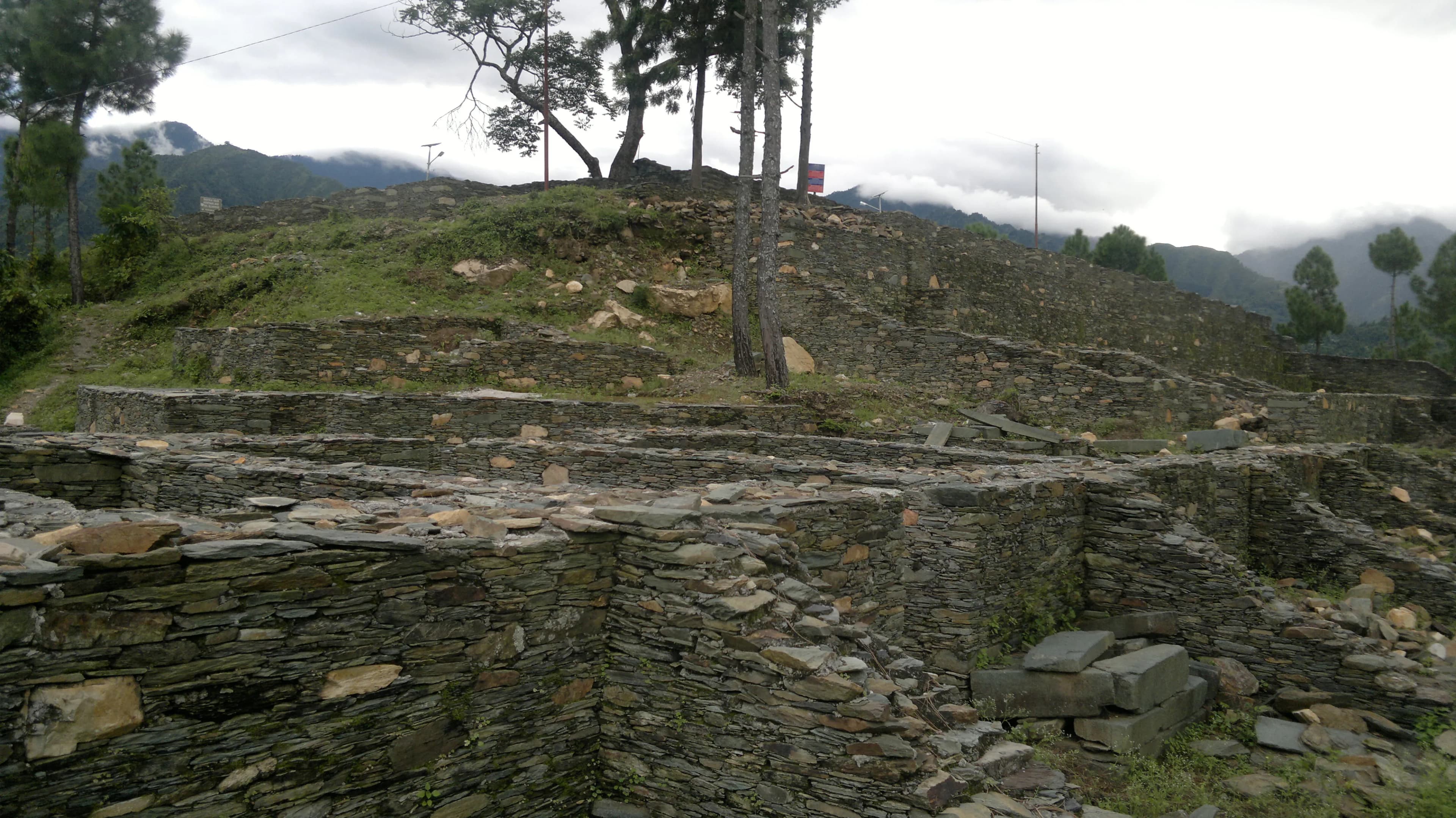
Perched atop a commanding hilltop, Chandpur Garhi fort in Tehri Garhwal, Uttarakhand, whispers tales of strategic importance and architectural fusion ([1]). Raja Kanakpal built this sentinel in 750 CE, during the Gurjara-Pratihara period ([2][3]). The fort showcases a unique blend of Indo-Islamic military architecture, incorporating both Rajput and Mughal features ([4]). Stone platforms and foundations demonstrate the fort's robust construction, primarily utilizing locally sourced stone, mortar, bricks, and wood ([1]). Entering through the arched gateway reveals a labyrinth of courtyards and chambers, remnants of a once-thriving community ([5]). Intricate carvings adorning the stonework, featuring delicate floral patterns and geometric designs, hint at the refined aesthetic sensibilities of its inhabitants ([1]). Sophisticated drainage systems ensure the efficient collection and storage of rainwater in strategically placed cisterns, showcasing remarkable ingenuity in a challenging environment ([1]). Within the complex, a small, almost hidden temple dedicated to a local deity highlights the importance of religious beliefs ([5]). The fort's strategic location offers panoramic views of the Bhagirathi valley, crucial for defense ([1]). Vastu Shastra principles, the ancient Indian science of architecture, likely influenced the fort's layout and orientation, though specific textual references require further research ([6]). The fort stands as a testament to the architectural prowess of the era, blending seamlessly with the surrounding terrain ([1]). Chandpur Garhi is more than just a historical site; it’s a poignant reminder of the rich heritage embedded within the Himalayan landscape, deserving exploration and preservation for generations ([5]).

Tilinga Mandir Tinsukia
The air, thick with the scent of incense and marigold garlands, vibrated with a low, resonant hum. It wasn't the chanting of priests, though that was present too, but the deeper, almost metallic thrum of countless bells. I stood at the entrance of the Tilinga Mandir in Tinsukia, Assam, mesmerized. Having explored countless temples across North India, from the grand structures of Rajasthan to the intricate carvings of Himachal, I thought I was prepared. I wasn't. This temple, dedicated to Lord Shiva, is unlike anything I’ve encountered. Forget towering shikharas or ornate gateways. The Tilinga Mandir’s architecture is almost…organic. It’s a sprawling complex, not planned so much as grown, with structures seemingly sprouting from the earth like sacred fungi. The walls are a patchwork of brick, stone, and concrete, plastered over and painted a vibrant saffron. But it’s the bells that truly define this space. Thousands upon thousands of them, in every conceivable size and shape, drape from every available surface. Tiny tinkling bells, hefty brass gongs, cowbells, ship bells, even bicycle bells – a cacophony of devotion hanging in the humid Assam air. I walked deeper into the complex, the sound of the bells intensifying with each step. Devotees, their faces etched with reverence, tied new bells to the already overflowing structures. Each bell, I learned, represents a prayer, a wish, a plea to the divine. The sheer volume of them, a testament to the faith of generations, was overwhelming. The main shrine, dedicated to Lord Shiva, is a relatively small structure at the heart of the complex. Unlike the riot of colour and sound outside, the inner sanctum exuded a quiet serenity. The lingam, bathed in the soft glow of oil lamps, was adorned with fresh flowers and bilva leaves. The air was thick with the scent of sandalwood, a welcome respite from the heady mix of incense and damp earth outside. I spent hours wandering through the labyrinthine corridors, each turn revealing a new cluster of bells, a new shrine, a new story whispered by the wind. One particularly striking structure was a multi-tiered tower entirely covered in bells. It swayed gently in the breeze, creating a mesmerizing symphony of metallic chimes. I noticed small slips of paper tucked between the bells, handwritten prayers and wishes entrusted to the divine. Beyond the main Shiva shrine, I discovered smaller shrines dedicated to other deities – Durga, Ganesh, Hanuman. Each had its own unique character, its own collection of bells, its own devoted following. One shrine, dedicated to the serpent god Naga, was particularly intriguing. It was located in a small, dimly lit chamber, the walls adorned with intricate carvings of snakes. The air here was heavy with the scent of burning camphor, adding to the mystical atmosphere. As I sat on a stone bench, taking in the sights and sounds, I realized that the Tilinga Mandir is more than just a temple. It's a living, breathing testament to the power of faith. It’s a place where the tangible and intangible intertwine, where the mundane transforms into the sacred. The bells, each one a symbol of individual devotion, collectively create a symphony of faith that resonates deep within the soul. Leaving the Tilinga Mandir, the lingering chime of the bells followed me, a reminder of the extraordinary tapestry of faith I had witnessed. It’s a sound, a feeling, an experience that will stay with me long after I’ve left Assam.
Maner Palace Maner Patna
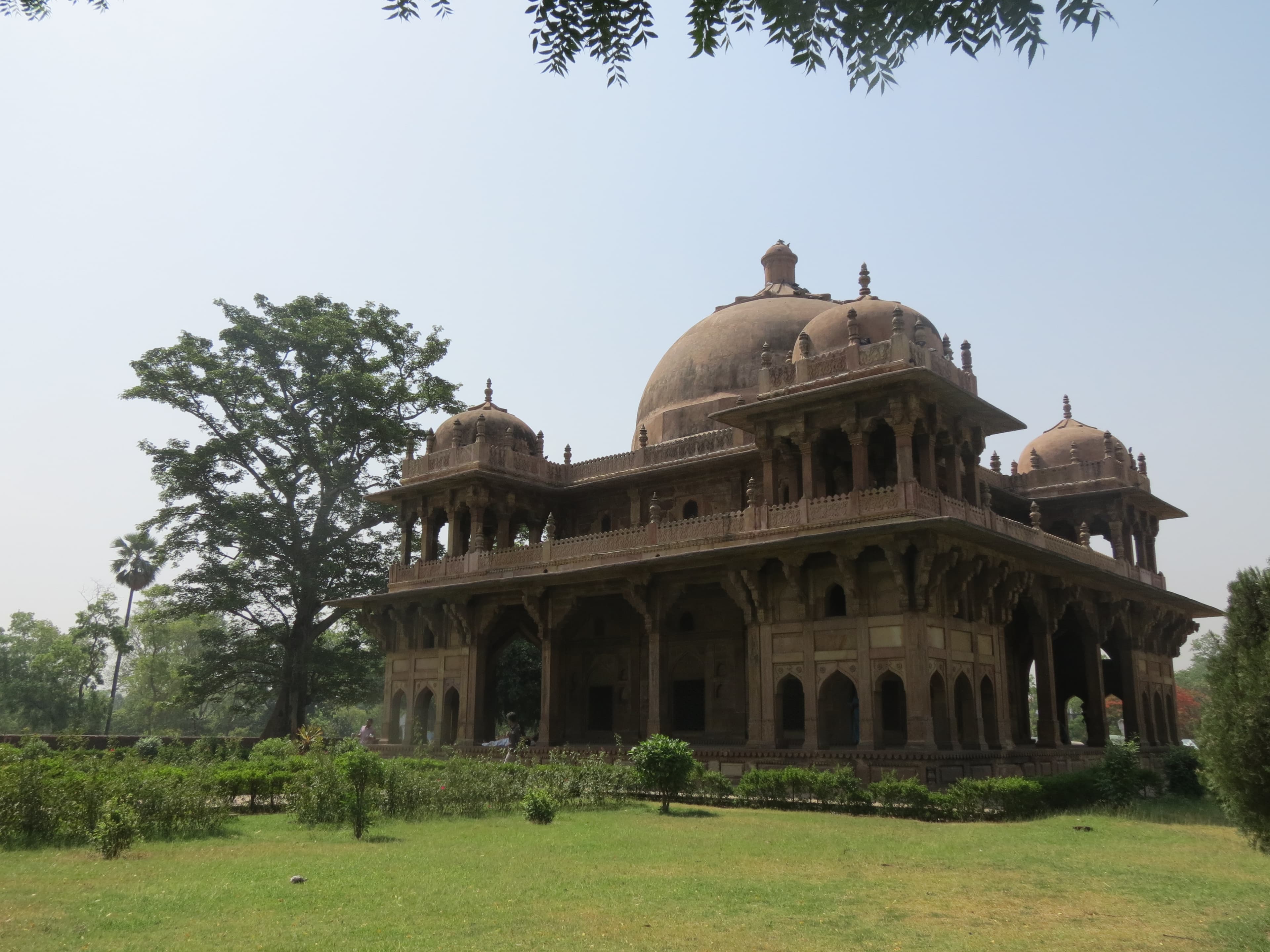
The Ganges flowed serenely beside me, a silent witness to centuries of history as I approached Maner Palace, a structure seemingly woven from the very fabric of time. Located in Maner, a small town a short distance from Patna, the palace stands as a poignant reminder of Bihar's rich and layered past, a confluence of Mughal and Rajput architectural styles. The crumbling ochre walls, kissed by the sun and etched with the passage of time, whispered stories of emperors, queens, and the ebb and flow of power. My camera, an extension of my own inquisitive gaze, immediately sought out the intricate details. The palace, though in a state of disrepair, still exuded a regal aura. The arched gateways, reminiscent of Mughal design, framed glimpses of inner courtyards, now overgrown with tenacious weeds that seemed to be reclaiming the space. The Rajput influence was evident in the chhatris, those elegant, domed pavilions that crowned the roofline, offering panoramic views of the river and the surrounding landscape. I imagined the royalty of bygone eras enjoying the same vista, perhaps contemplating the vastness of their empire. Stepping inside the main structure, I was struck by the stark contrast between the grandeur of the past and the decay of the present. Elaborate carvings, once vibrant with colour, now bore the muted hues of age and neglect. Floral motifs intertwined with geometric patterns, a testament to the skilled artisans who had painstakingly created these masterpieces. I ran my fingers along the cool stone walls, tracing the outlines of these forgotten stories. The air hung heavy with the scent of damp earth and the faint whisper of the river, creating an atmosphere both melancholic and strangely serene. One of the most captivating aspects of Maner Palace is its connection to the legendary Sher Shah Suri. The remnants of his mosque, a testament to his brief but impactful reign, stand within the palace complex. The mosque's simple yet elegant design, characterized by its imposing dome and slender minarets, spoke of a pragmatic ruler who valued functionality as much as aesthetics. I spent a considerable amount of time photographing the interplay of light and shadow on the mosque's weathered facade, trying to capture the essence of its historical significance. Climbing the narrow, winding staircase to the upper levels of the palace, I was rewarded with breathtaking views of the Ganges. The river, a lifeline for countless generations, shimmered under the midday sun. From this vantage point, I could appreciate the strategic importance of Maner, a town that had witnessed the rise and fall of empires. The wind carried with it the distant sounds of life from the town below, a stark reminder that history continues to unfold, even amidst the ruins of the past. My lens focused on the intricate jali work, the delicate lattice screens that once offered privacy to the palace's inhabitants. The patterns, intricate and varied, were a testament to the artistry of the period. I imagined the women of the court peering through these screens, observing the world outside while remaining unseen. The jali work, now fragmented and weathered, served as a poignant metaphor for the fragility of time and the ephemeral nature of power. Leaving Maner Palace, I carried with me a profound sense of awe and a renewed appreciation for the rich tapestry of Indian history. The palace, though in ruins, is not merely a collection of crumbling walls and faded frescoes. It is a living testament to the human spirit, a reminder of the enduring power of art, architecture, and the stories they tell. My photographs, I hope, will serve as a window into this forgotten world, inspiring others to explore the hidden gems of our heritage and to appreciate the beauty that lies within decay.

Shotorak Monastery Nangarhar Afghanistan
Shotorak, located in Nangarhar Province, Afghanistan, preserves the remarkable remains of a 3rd to 4th century CE Buddhist monastery that represents one of the most significant and artistically important Buddhist sites in the region, demonstrating the vibrant transmission of Indian Buddhist traditions to Afghanistan during the Kushan period, when Buddhism flourished across the region under the patronage of the Kushan Empire. The monastery complex, constructed primarily from stone, stucco, and fired brick with extensive decorative elements, features numerous stupas, chapels, and monastic cells arranged according to Indian Buddhist monastery planning principles, while the discovery of Hindu sculptures alongside Buddhist elements provides crucial evidence of the syncretic nature of religious practice in the region and the transmission of diverse Indian religious traditions to Afghanistan. The site's architectural design demonstrates direct influence from Indian Buddhist monastery architecture, particularly the traditions of northern India, with the overall plan, stupa forms, and decorative programs reflecting Indian Buddhist practices that were systematically transmitted to Afghanistan, while the presence of Hindu sculptures demonstrates the coexistence and interaction of Hindu and Buddhist traditions during the Kushan period. Archaeological excavations have revealed extraordinary preservation of sculptures, architectural elements, and artifacts that demonstrate the sophisticated artistic traditions of the period, with the artistic work showing clear influence from Indian styles while incorporating local elements, creating a unique synthesis that characterizes Buddhist art in Afghanistan during this period. The monastery flourished particularly during the 3rd to 4th centuries CE, when it served as a major center of Buddhist learning and practice, with the site's location in Nangarhar Province, historically part of the ancient Gandhara region, underscoring its role in the transmission of Buddhist teachings and artistic traditions. The site continued to function as a Buddhist center through the 5th and 6th centuries CE before gradually declining following the decline of the Kushan Empire, while the substantial architectural remains that survive provide crucial evidence of the site's original grandeur and importance. The discovery of Hindu sculptures at the site provides particularly important evidence of the syncretic nature of religious practice during the Kushan period, when both Hindu and Buddhist traditions flourished in Afghanistan and influenced each other, creating a unique cultural synthesis that characterizes the period. Today, Shotorak stands as an important archaeological site in Afghanistan, serving as a powerful testament to the country's ancient Buddhist heritage and its historical role as a center for the transmission of Indian religious and artistic traditions, while ongoing archaeological research and preservation efforts continue to reveal new insights into the site's construction, religious practices, and the syncretic nature of Kushan period religion. ([1][2])
Namazga-Tepe Ahal Region Turkmenistan
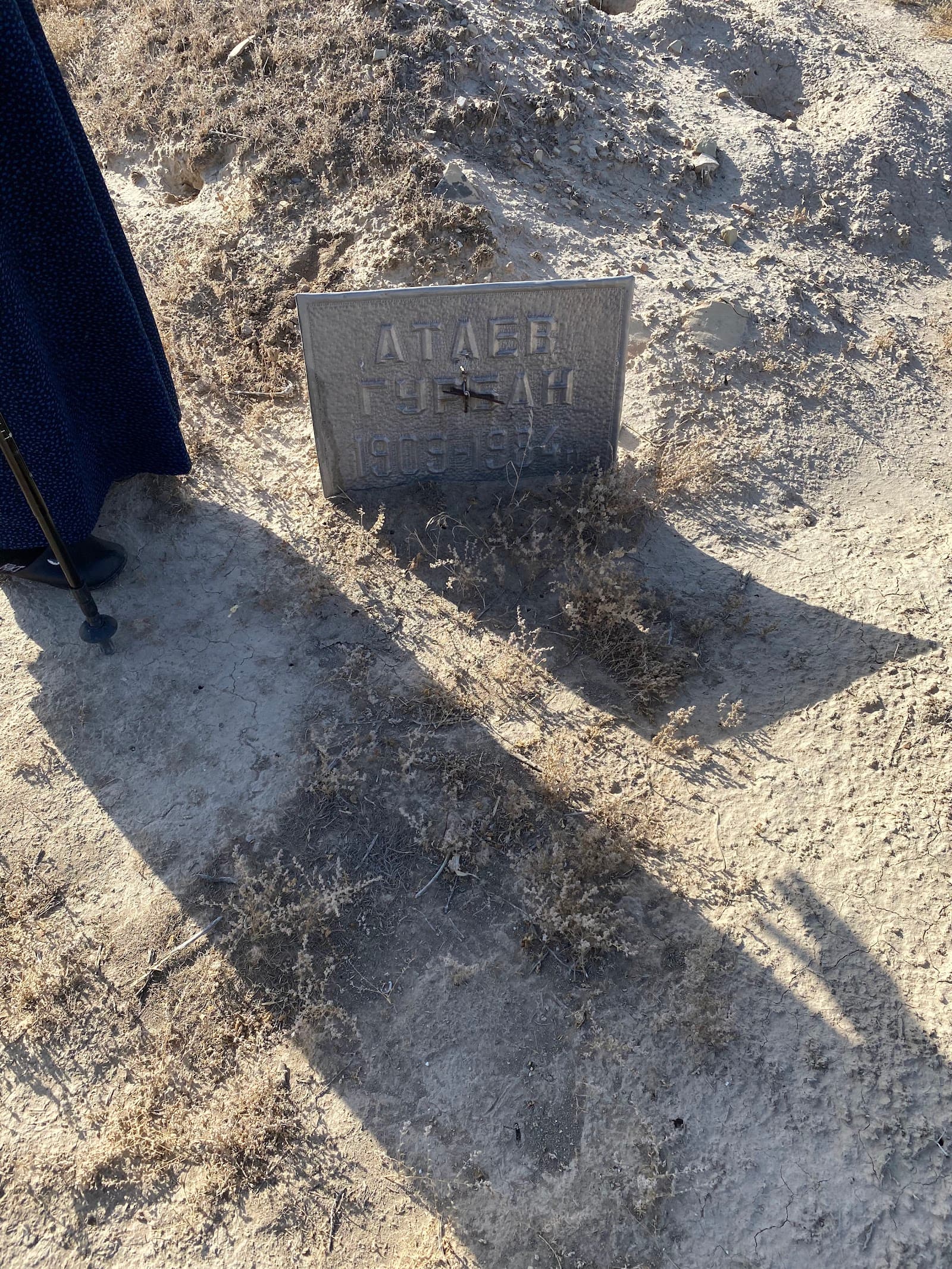
Namazga-Tepe, an ancient Bronze Age settlement located in the Ahal Region of Turkmenistan, stands as a monumental testament to the sophisticated urban planning and cultural dynamism of the Namazga culture, deeply intertwined with the broader cultural continuum that includes the Indian subcontinent [1] [2]. Situated at the foot of the Kopet-Dag mountains, near the delta of the Tejen River, approximately 100 kilometers east of Aşgabat, this archaeological site represents a pivotal center in the ancient world, reflecting indigenous architectural styles and advanced societal organization [1] [3]. The site spans an impressive area of approximately 60 hectares (145 acres), indicating its significant size and importance as a proto-urban and later urban center during its peak phases [1] [2]. The architectural remains at Namazga-Tepe primarily showcase the Bronze Age Settlement architecture style, characterized by extensive mud-brick constructions that formed residential complexes, public buildings, and defensive structures [1] . While specific dimensions of individual structures vary across the site's numerous occupational layers, the overall layout reveals a planned settlement, evolving from a village in the Late Chalcolithic to a major urban hub [1]. Archaeological excavations have unearthed detailed painted pottery vessels, adorned with intricate plant and animal motifs, which exhibit stylistic affinities with contemporary ceramic wares from the Middle East, highlighting extensive regional interactions [2]. The construction techniques employed primarily involved sun-dried mud bricks, a prevalent material in the arid Central Asian environment, demonstrating an indigenous adaptation to local resources and climatic conditions [1]. Conservation efforts at Namazga-Tepe are ongoing, primarily focusing on archaeological excavation, documentation, and site preservation to protect its fragile mud-brick structures from environmental degradation . Archaeological findings have been instrumental in establishing the chronological sequence for the Bronze Age in Turkmenistan, categorizing periods from Namazga I through Namazga VI [1] . The site is reported to be on the UNESCO Tentative List, signifying its recognized universal value and potential for future World Heritage inscription, although a specific UNESCO page detailing its nomination is not readily available . Active programming at the site primarily involves scholarly research and archaeological fieldwork, with visitor access managed to ensure the preservation of the delicate ancient remains. The site's current state reflects continuous archaeological investigation and maintenance, ensuring its long-term preservation for future study and appreciation of its profound historical significance . Namazga-Tepe remains an enduring symbol of ancient ingenuity and cultural exchange, contributing significantly to the understanding of early urbanism and its connections across Eurasia, including the Indian subcontinent [3] [4].
Quick Links
Plan Your Heritage Journey
Get personalized recommendations and detailed visitor guides