Has Inheritage Foundation supported you today?
Your contribution helps preserve India's ancient temples, languages, and cultural heritage. Every rupee makes a difference.
Secure payment • Instant 80G certificate
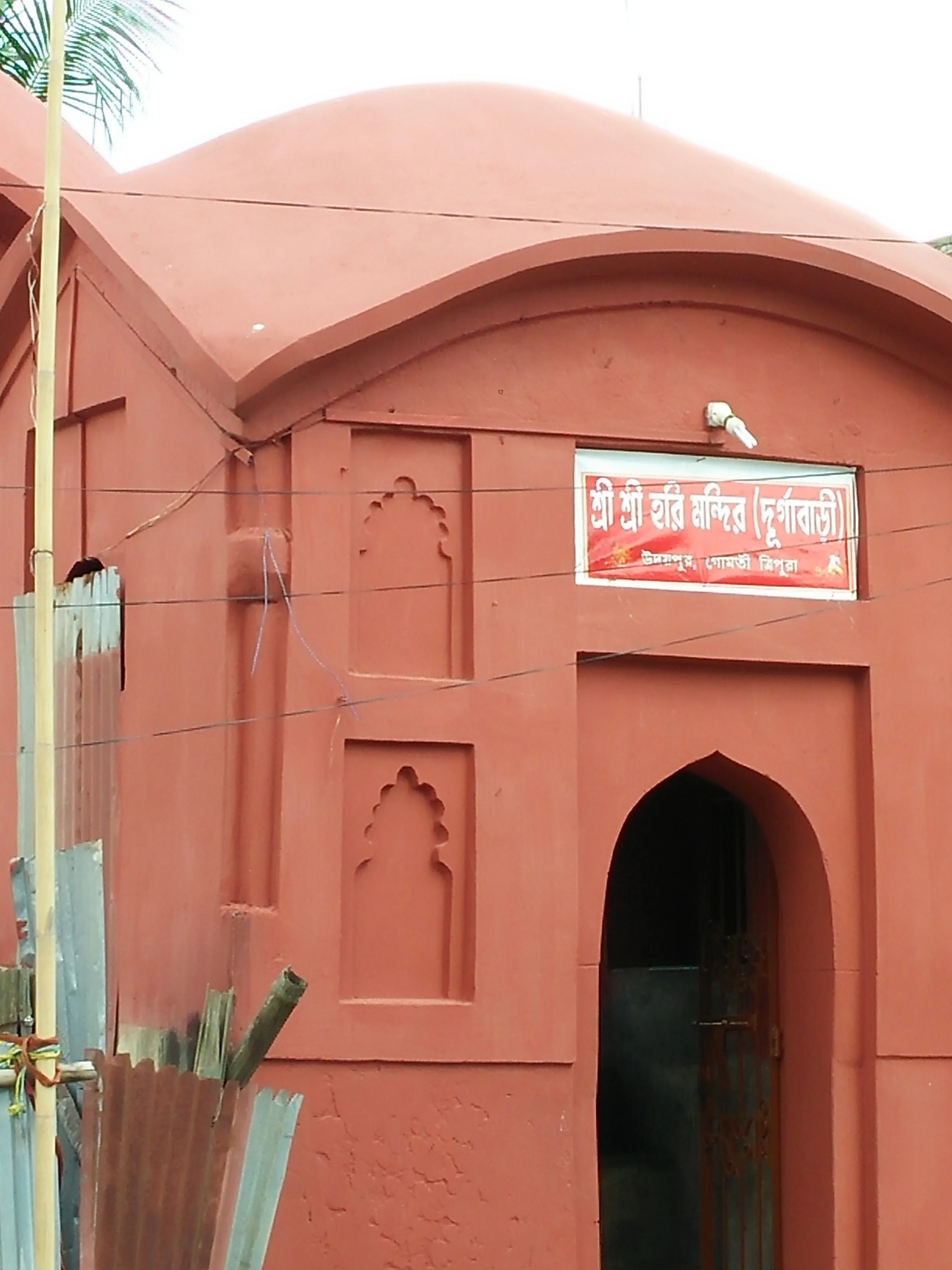
Durgabari Temple Kohima
The Durgabari Temple, situated on Aradura Hill in Kohima, Nagaland, stands as a significant Hindu pilgrimage site dedicated primarily to Goddess Durga, embodying a continuous tradition of Indian civilization spanning millennia [1] [2] [3]. This sacred edifice also houses shrines for Ma Kali and Lord Shiva, reflecting the syncretic nature of Hindu worship practices [1] [2]. While the current structure dates to approximately 1940 CE, its architectural expression integrates elements of Naga Vernacular, Nagara, Kalinga, and Indo-Islamic styles, showcasing a layered cultural synthesis that is characteristic of India's enduring heritage [1] [2] [3]. The temple's design features intricate carvings and vibrant decorations, which are indicative of the rich artistic traditions prevalent in the region [3]. Although specific dimensions are not widely documented, the temple's layout is designed to facilitate devotional practices, including morning pooja and arati, which commence at 07:30 AM [1]. The structural integrity of the temple is maintained through regular upkeep by the Temple Trust, ensuring its continued role as a spiritual and cultural hub [1] [2]. The temple grounds are well-maintained, providing a serene environment for devotees and visitors, with operational hours from 06:00 AM to 09:00 PM daily [1] [2]. Accessibility is facilitated by its location in PWD Colony, Kohima, reachable via local transport options such as auto-rickshaws [3]. Conservation efforts are primarily managed by the Temple Trust, focusing on the preservation of its architectural and spiritual essence [1]. The site actively hosts major Hindu festivals such as Ganesha Puja, Durga Puja, Jagannath Snan, and Jagannath Rath Yatra, drawing numerous devotees and reinforcing its role in maintaining India's ancient cultural traditions [1]. Visitors are encouraged to observe a modest dress code, reflecting respect for the sacred space [1] [2]. The Durgabari Temple remains fully operational, serving as a vibrant center for Hindu religious and socio-cultural activities in Kohima, testament to India's deep historical roots and continuous cultural legacy [1] [3].
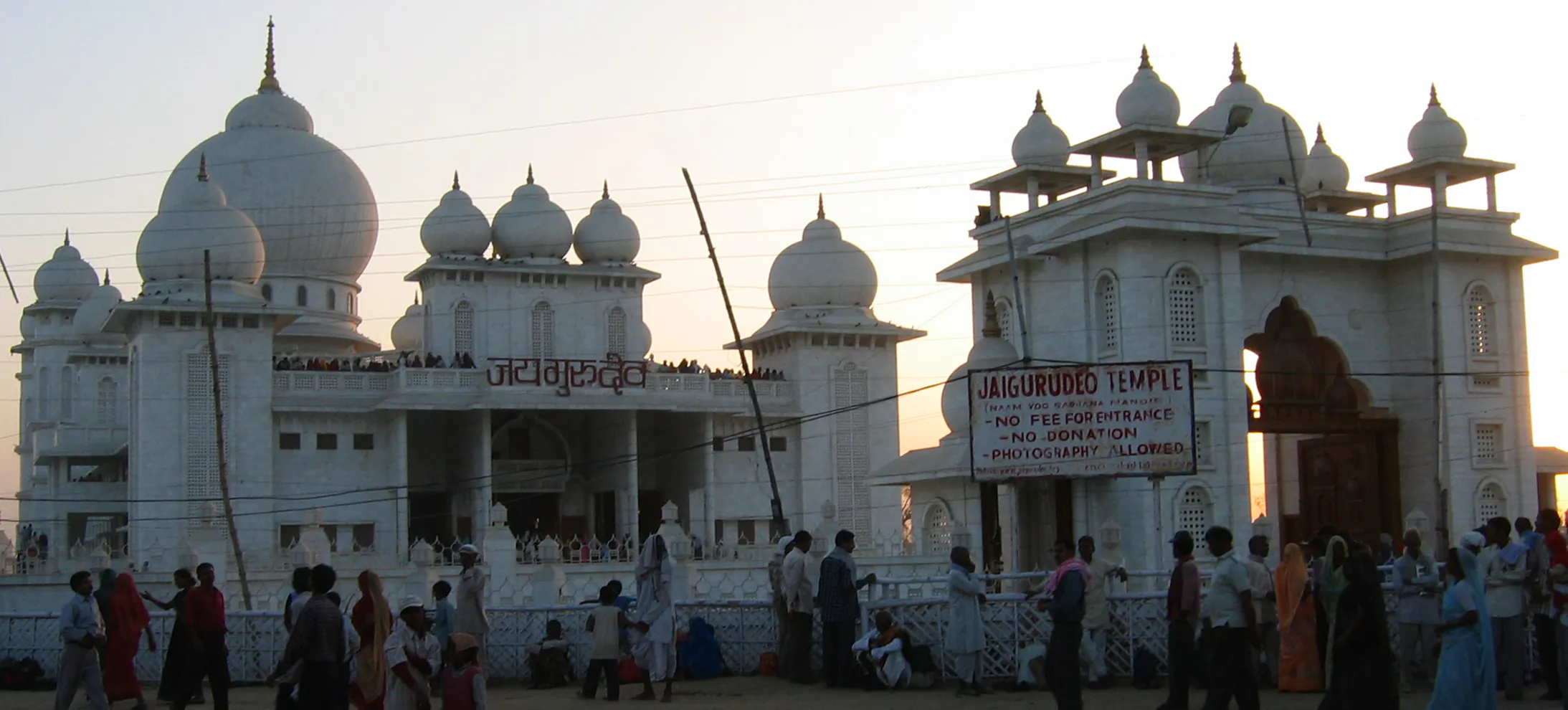
Krishna Janmasthan Temple Complex, Mathura
The air in Mathura vibrates with a palpable energy, a hum of devotion that seems to emanate from the very stones of the Krishna Janmasthan Temple Complex. Standing within its precincts, I felt an immediate connection to the layers of history embedded within this sacred ground. The complex, a tapestry woven with threads of different eras, stands as a testament to the enduring power of faith and the cyclical nature of destruction and reconstruction. My gaze was immediately drawn to the imposing Keshav Dev Temple, its towering shikhara a beacon against the Mathura sky. While the current structure dates back to the 18th century, thanks to the patronage of the Jat ruler Suraj Mal, the palpable antiquity of the site whispers of much older incarnations. The very stones seemed to hold the memory of the original temple, believed to have been built by Vajranabha, Krishna’s great-grandson, a structure mentioned in the ancient scriptures. The repeated destructions and subsequent rebuildings, a recurring motif in Indian history, have imbued the site with a unique resonance, a sense of resilience in the face of adversity. The architecture of the Keshav Dev Temple showcases a blend of styles, reflecting the various influences that have shaped it over centuries. The intricate carvings adorning the walls, depicting scenes from Krishna’s life, are a testament to the skill of the artisans. I noticed the distinctive use of red sandstone, a material common in the region, which lends the temple a warm, earthy hue. The interplay of light and shadow on the carved surfaces created a dynamic visual experience, enhancing the narrative power of the sculptures. While some sections displayed the robust features of Rajput architecture, others hinted at the Mughal influence that permeated the region during certain periods. Moving through the complex, I entered the Garbha Griha, the sanctum sanctorum, where the deity of Keshav Dev is enshrined. The atmosphere within was charged with devotion, the air thick with the scent of incense and the murmur of prayers. The dimly lit space, illuminated by flickering oil lamps, fostered a sense of profound reverence. I observed the devotees, their faces etched with faith, offering prayers and performing rituals that have likely been practiced for generations. Adjacent to the Keshav Dev Temple lies the smaller, yet equally significant, Bhagavata Bhavan. This structure, built around an ancient prison cell believed to be the very birthplace of Krishna, holds a special significance for pilgrims. The low-ceilinged, claustrophobic space, a stark contrast to the grandeur of the Keshav Dev Temple, evokes a sense of intimacy and raw emotion. The very thought of Lord Krishna being born in such humble surroundings adds another layer to the narrative of his divine leela, his earthly play. The Idgah mosque, situated within the complex, adds another layer of complexity to the site's historical narrative. Its presence serves as a tangible reminder of the Mughal period and the religious tensions that have, at times, marked the region's history. The juxtaposition of the mosque and the temple within the same complex creates a unique spatial dynamic, a physical manifestation of the interwoven narratives that shape India's cultural landscape. Leaving the Krishna Janmasthan Temple Complex, I carried with me not just images of intricate carvings and soaring shikharas, but a deeper understanding of the complex interplay of faith, history, and architecture. The site stands as a powerful symbol of continuity and resilience, a living testament to the enduring legacy of Lord Krishna and the unwavering devotion he inspires. It is a place where the past whispers to the present, offering a glimpse into the rich tapestry of Indian history and spirituality.

Shotorak Monastery Nangarhar Afghanistan
Shotorak, located in Nangarhar Province, Afghanistan, preserves the remarkable remains of a 3rd to 4th century CE Buddhist monastery that represents one of the most significant and artistically important Buddhist sites in the region, demonstrating the vibrant transmission of Indian Buddhist traditions to Afghanistan during the Kushan period, when Buddhism flourished across the region under the patronage of the Kushan Empire. The monastery complex, constructed primarily from stone, stucco, and fired brick with extensive decorative elements, features numerous stupas, chapels, and monastic cells arranged according to Indian Buddhist monastery planning principles, while the discovery of Hindu sculptures alongside Buddhist elements provides crucial evidence of the syncretic nature of religious practice in the region and the transmission of diverse Indian religious traditions to Afghanistan. The site's architectural design demonstrates direct influence from Indian Buddhist monastery architecture, particularly the traditions of northern India, with the overall plan, stupa forms, and decorative programs reflecting Indian Buddhist practices that were systematically transmitted to Afghanistan, while the presence of Hindu sculptures demonstrates the coexistence and interaction of Hindu and Buddhist traditions during the Kushan period. Archaeological excavations have revealed extraordinary preservation of sculptures, architectural elements, and artifacts that demonstrate the sophisticated artistic traditions of the period, with the artistic work showing clear influence from Indian styles while incorporating local elements, creating a unique synthesis that characterizes Buddhist art in Afghanistan during this period. The monastery flourished particularly during the 3rd to 4th centuries CE, when it served as a major center of Buddhist learning and practice, with the site's location in Nangarhar Province, historically part of the ancient Gandhara region, underscoring its role in the transmission of Buddhist teachings and artistic traditions. The site continued to function as a Buddhist center through the 5th and 6th centuries CE before gradually declining following the decline of the Kushan Empire, while the substantial architectural remains that survive provide crucial evidence of the site's original grandeur and importance. The discovery of Hindu sculptures at the site provides particularly important evidence of the syncretic nature of religious practice during the Kushan period, when both Hindu and Buddhist traditions flourished in Afghanistan and influenced each other, creating a unique cultural synthesis that characterizes the period. Today, Shotorak stands as an important archaeological site in Afghanistan, serving as a powerful testament to the country's ancient Buddhist heritage and its historical role as a center for the transmission of Indian religious and artistic traditions, while ongoing archaeological research and preservation efforts continue to reveal new insights into the site's construction, religious practices, and the syncretic nature of Kushan period religion. ([1][2])

Shree Hanuman Mandir Aizawl
The biting wind whipped prayer flags into a frenzy against the backdrop of a cerulean sky, a stark contrast to the sweltering Delhi summers I'm accustomed to. Here, perched atop a hill overlooking Aizawl, Mizoram's capital, stands the Shree Hanuman Mandir, a beacon of vibrant orange amidst the verdant landscape. Having explored countless temples across North India, from the ancient stones of Khajuraho to the gilded shrines of Amritsar, I was curious to see how this northeastern iteration would differ. The climb to the temple was a pilgrimage in itself. A winding road, carved into the hillside, led me past small houses clinging precariously to the slopes, each with a panoramic view that stole my breath. The air, crisp and clean, carried the scent of pine and a faint echo of chanting, growing louder with each upward step. The temple itself is a striking structure. Unlike the intricate carvings and towering shikharas of North Indian temples, this one possesses a simpler, more modern aesthetic. The dominant colour is a vibrant saffron, radiating warmth against the cool mountain air. The main entrance is framed by a large arch, adorned with depictions of Lord Hanuman in various poses, each radiating strength and devotion. The architecture, while contemporary, incorporates elements of traditional Mizo design, evident in the sloping roof and the use of local wood in certain sections. It's a fascinating blend of the familiar and the unexpected. Stepping inside, I was greeted by the resonant chanting of "Jai Shree Ram," a familiar sound that instantly transported me back to the bustling temples of my homeland. Yet, the atmosphere here was distinctly different. A sense of quiet reverence permeated the air, a palpable stillness that encouraged introspection. The main deity, a towering statue of Lord Hanuman, dominates the inner sanctum. His expression, a blend of strength and serenity, captivated me. Unlike the often ornate idols I've encountered elsewhere, this one felt remarkably grounded, almost human. The temple complex also houses a smaller shrine dedicated to Lord Rama, Sita, and Lakshmana. The intricate details of their attire and the delicate expressions on their faces were a testament to the artistry of the sculptors. I spent a considerable amount of time observing the devotees, a mix of locals and visitors, each offering their prayers with quiet devotion. The absence of the usual cacophony found in many North Indian temples was striking. Here, faith was expressed in hushed whispers and heartfelt gestures. From the temple grounds, the view of Aizawl is breathtaking. The city sprawls across the hills, a tapestry of colourful houses punctuated by the spires of churches, a testament to the region's diverse religious landscape. The distant mountains, shrouded in mist, added an ethereal touch to the panorama. It was a view that invited contemplation, a moment of quiet reflection amidst the grandeur of nature. My visit to the Shree Hanuman Mandir was more than just a journalistic assignment; it was a cultural immersion. It offered a glimpse into the unique blend of faith and tradition that defines this corner of India. The temple, a symbol of devotion and resilience, stands as a testament to the unifying power of faith, bridging geographical and cultural divides. Leaving the temple, I carried with me not just photographs and notes, but a deeper understanding of the diverse tapestry of Indian spirituality, a tapestry that extends far beyond the plains and into the heart of the northeastern hills.
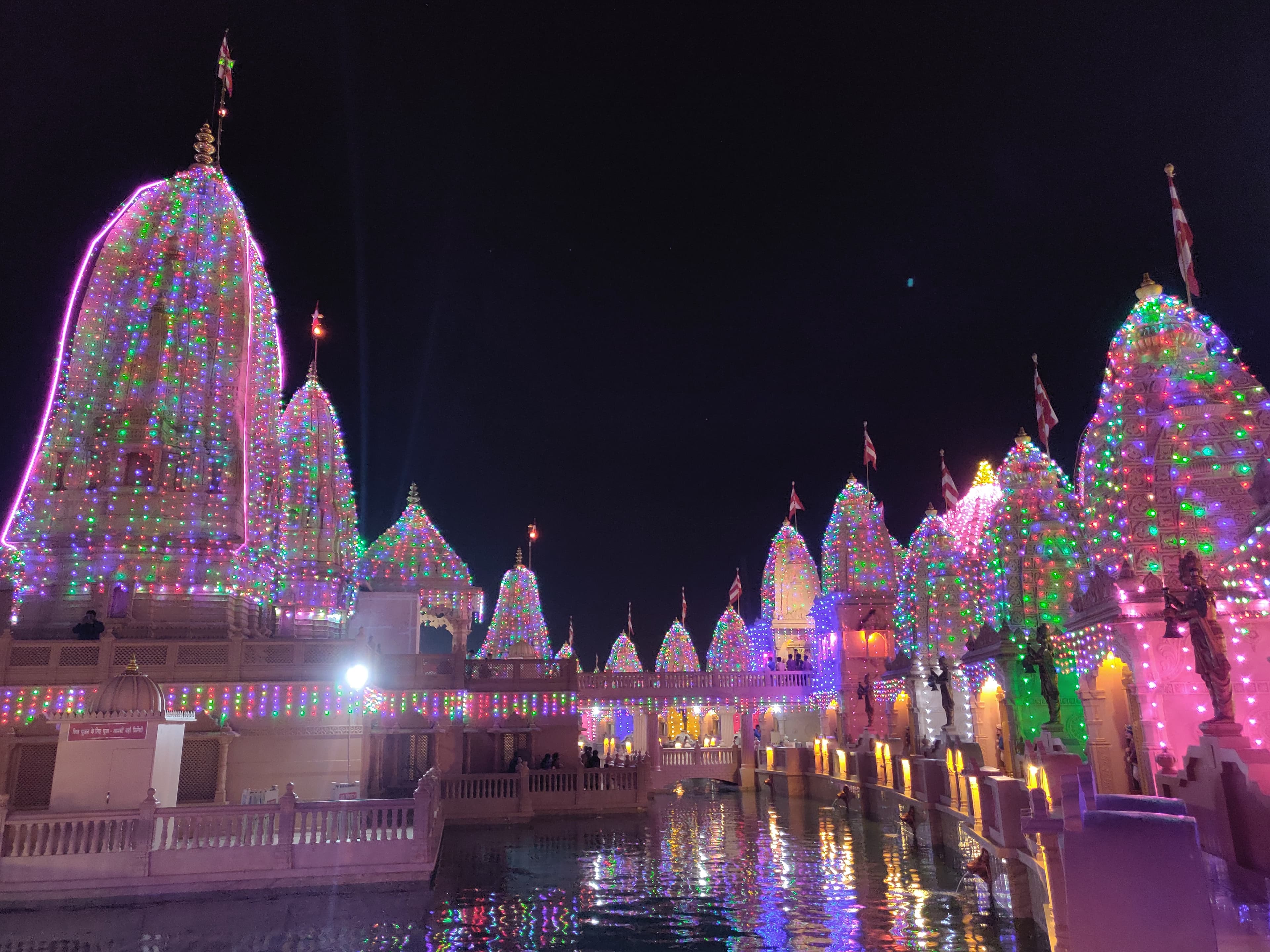
Nilkanth Dham Poicha
The midday sun beat down on the sprawling complex of Nilkanth Dham Swami Narayan Temple in Poicha, Gujarat, its reflection shimmering off the intricate carvings that adorned every surface. Stepping through the ornate main gate felt like crossing a threshold into another realm, one where marble whispered stories of devotion and craftsmanship reached a divine crescendo. This wasn't just a temple; it was a symphony in stone, a testament to the enduring power of faith and human artistry. My initial impression was one of overwhelming grandeur. The sheer scale of the complex, encompassing sprawling gardens, towering gateways, and the main temple itself, was breathtaking. The architecture, while undeniably contemporary, drew heavily from ancient Indian traditions, seamlessly blending elements of Gujarati, Rajasthani, and even Mughal styles. The dominant material was marble, polished to a gleaming sheen that amplified the vibrant colours of the inlaid precious stones and the intricate detail of the carvings. As I moved closer to the main temple, the narrative etched into the stone began to unfold. Every pillar, every architrave, every lintel was a canvas for intricate depictions of deities, mythological scenes, and floral motifs. The sheer density of the carvings was astonishing. It was as if an army of sculptors had poured their hearts and souls into every inch of the temple, leaving no surface untouched by their artistry. I was particularly struck by the depiction of the 'Dashavatar', the ten incarnations of Vishnu, carved with remarkable precision and dynamism. The expressions on the faces of the deities, from the serene countenance of Rama to the fierce visage of Narasimha, were remarkably lifelike, conveying a sense of divine power and grace. Inside the main temple, the atmosphere shifted from vibrant exuberance to hushed reverence. The towering ceilings, adorned with intricate frescoes and glittering chandeliers, created a sense of awe and wonder. The central deity, Lord Swaminarayan, was a vision in gold and precious stones, radiating a palpable aura of serenity. The devotees, moving with quiet devotion, added another layer to the rich tapestry of the temple’s ambiance. It was fascinating to observe the interplay of light and shadow within the sanctum, how the strategically placed openings allowed shafts of sunlight to illuminate the deity, creating an ethereal glow. Beyond the main temple, the sprawling gardens offered a welcome respite from the intensity of the central shrine. Meticulously manicured lawns, vibrant flowerbeds, and tranquil water features created an oasis of peace and serenity. The gardens were punctuated by smaller shrines, each dedicated to a different deity and showcasing a unique architectural style. I was particularly drawn to the Hanuman temple, its vibrant red sandstone contrasting beautifully with the lush greenery surrounding it. What struck me most about Nilkanth Dham was not just its opulence and grandeur, but the palpable sense of devotion that permeated every corner of the complex. It was evident in the meticulous craftsmanship, the vibrant colours, the intricate carvings, and the hushed reverence of the devotees. This wasn't just a monument to a deity; it was a living testament to the enduring power of faith, a place where art, architecture, and spirituality converged to create an experience that was both overwhelming and deeply moving. As I left the temple complex, the setting sun casting long shadows across the marble courtyards, I carried with me not just images of breathtaking beauty, but a profound sense of having witnessed something truly extraordinary. Nilkanth Dham is not just a temple; it is a pilgrimage for the soul, a journey into the heart of Indian devotion and artistic brilliance.
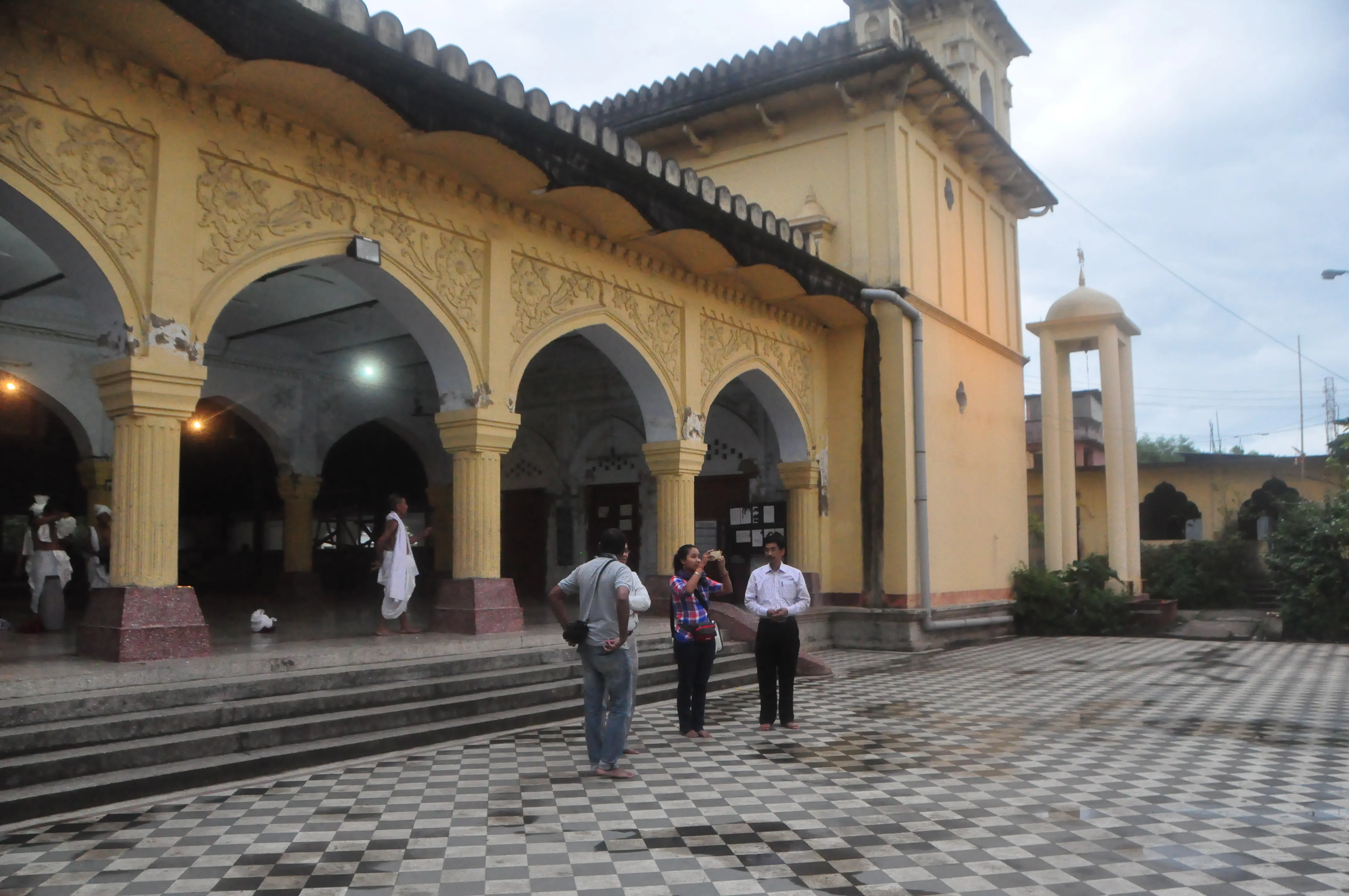
Shree Govindajee Temple Imphal
The shimmering gold roof of the Shree Govindajee Temple, rising above the sprawling complex within Imphal’s palace grounds, immediately captured my attention. Coming from Uttar Pradesh, a land steeped in its own vibrant temple architecture, I was eager to experience this Manipuri gem, a testament to the region’s unique cultural tapestry. The temple, dedicated to Lord Krishna in his Govindajee form, stands as a powerful symbol of Vaishnavism in this northeastern state. Entering the complex, I was struck by the spacious courtyard, a serene expanse that provided a buffer from the bustling city outside. The main temple structure, built in a traditional Manipuri architectural style, is flanked by two smaller shrines dedicated to Radha and Balarama. Unlike the towering stone edifices common in my home state, this temple showcased a different aesthetic. The structure is primarily built of brick, plastered and painted a pristine white, creating a stark contrast against the vibrant gold roof. The roof itself is a marvel, a multi-tiered, curved structure, reminiscent of the traditional Manipuri houses I’d seen dotted across the landscape. This architectural synchronicity, blending religious symbolism with local vernacular, resonated deeply. The temple’s interior, while relatively simple, exudes a palpable sense of devotion. Photography is strictly prohibited inside, a rule I respected, allowing myself to fully immerse in the atmosphere. The absence of visual documentation heightened my other senses. The scent of incense hung heavy in the air, mingling with the soft murmur of prayers. The rhythmic chanting of Sanskrit verses, though different in pronunciation from what I was accustomed to, carried the same spiritual weight, a testament to the universality of religious devotion. I spent some time observing the devotees. Their attire, a blend of traditional Manipuri phanek (sarong) and shawl for women, and dhoti-kurta for men, added another layer of cultural richness to the experience. The reverence in their eyes, the gentle clinking of bells, and the offering of flowers and fruits created a tapestry of faith that transcended geographical boundaries. It was fascinating to witness how Vaishnavism, a faith so deeply rooted in the Gangetic plains, had taken root and flourished in this distant land, adapting and integrating with local traditions. Beyond the main temple, the complex houses several smaller structures, including a dedicated kitchen where prasad is prepared. I was fortunate enough to partake in the noontime offering, a simple yet delicious meal of rice and lentils. Sharing this communal meal with the local devotees further solidified my sense of connection to this sacred space. The Shree Govindajee Temple is more than just a religious structure; it's a living testament to the cultural exchange and adaptation that has shaped Manipur’s identity. The temple’s architecture, rituals, and the very presence of Vaishnavism in this predominantly tribal region speak volumes about the historical and cultural influences that have converged here. As someone deeply interested in the interplay of culture and faith, my visit to the Shree Govindajee Temple was an enriching experience. It offered a glimpse into a unique expression of Hinduism, shaped by the geographical and cultural landscape of Manipur, a world away from the familiar temples of my homeland, yet connected by the same thread of devotion. The temple stands as a symbol of resilience, a beacon of faith that continues to illuminate the lives of the Manipuri people, and a testament to the enduring power of cultural exchange.
Basukinath Dham Deoghar
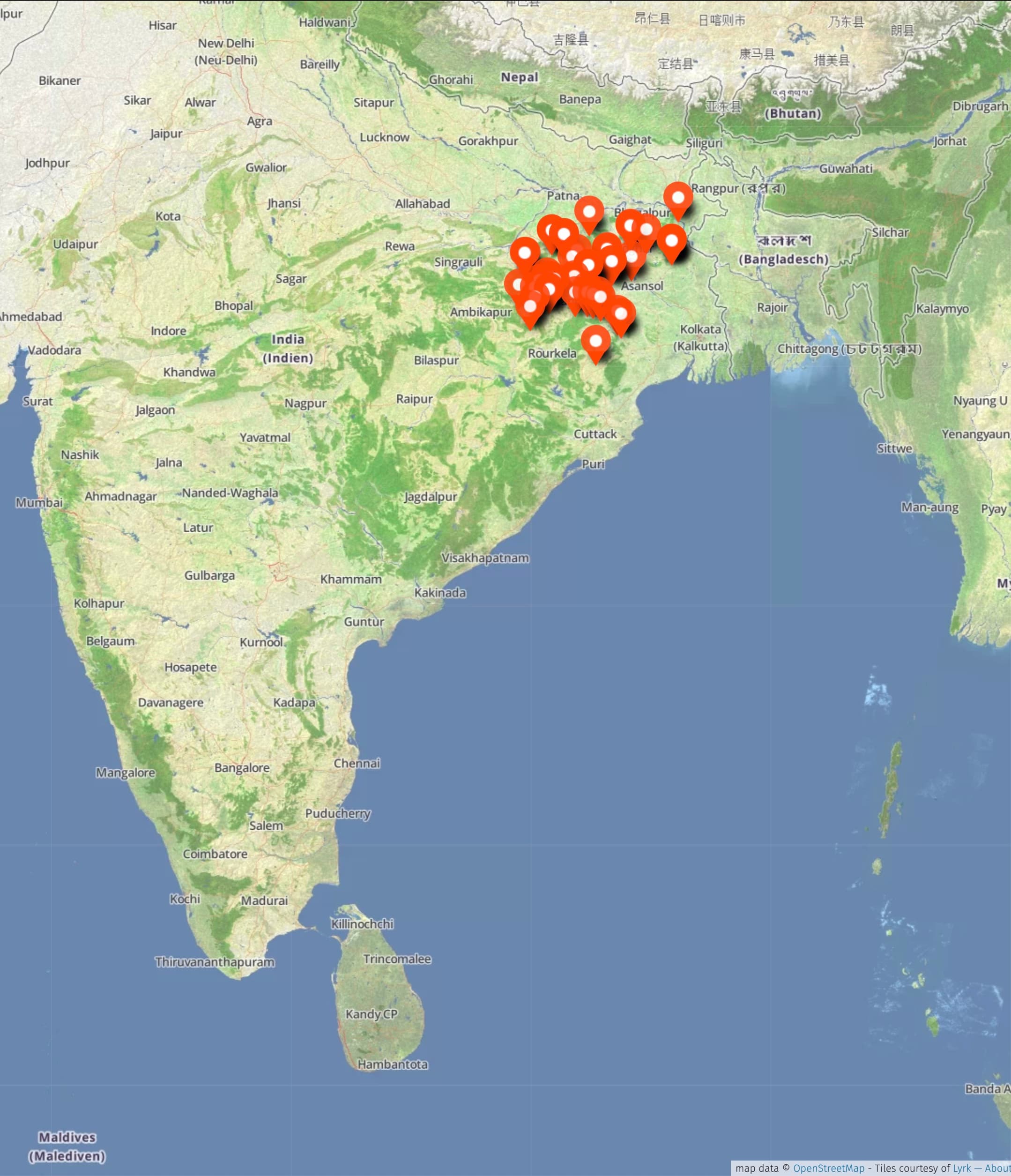
Vibrating with spiritual energy, Basukinath Dham in Deoghar, Jharkhand, stands as a testament to India's rich temple-building heritage. Constructed in 1585 CE under the patronage of Raja Puran Mal ([1]), this sacred Shiva temple attracts devotees seeking authentic spiritual connection. Having explored many North Indian temples, Basukinath's architecture exemplifies the Nagara style, characterized by its curvilinear towers and stepped pyramidal structures ([2][3]). Intricate carvings, smoothed by centuries of devotion, adorn the temple's doorway, depicting scenes from Hindu mythology ([4]). The main shrine, dedicated to Lord Shiva, features a modest white structure adorned with prayer flags ([1]). Within the Garbhagriha (Sanctum), a vibrant tapestry of devotees gathers, the air filled with incense and the chanting of "Bol Bam" ([3]). This creates an immersive spiritual experience. Beyond the primary shrine, smaller temples dedicated to various deities enrich the complex ([5]). One such shrine, dedicated to Parvati, showcases remarkably preserved terracotta carvings, reflecting the region's artistic heritage ([5][6]). During the late medieval period, temple architecture flourished under royal patronage, blending regional styles with pan-Indian traditions ([7]). Stone platforms and foundations demonstrate the temple's enduring construction, utilizing locally sourced materials ([8]). The narrow lanes surrounding the temple bustle with stalls selling religious items and local delicacies, adding to the sensory richness of the pilgrimage ([9]). Vastu Shastra principles, the ancient Indian science of architecture, likely guided the temple's layout and orientation, aligning it with cosmic energies ([10]). Basukinath Dham offers a profound connection to India's spiritual and architectural heritage, inviting visitors to experience its unique sanctity.
Negheriting Shiva Doul Dergaon
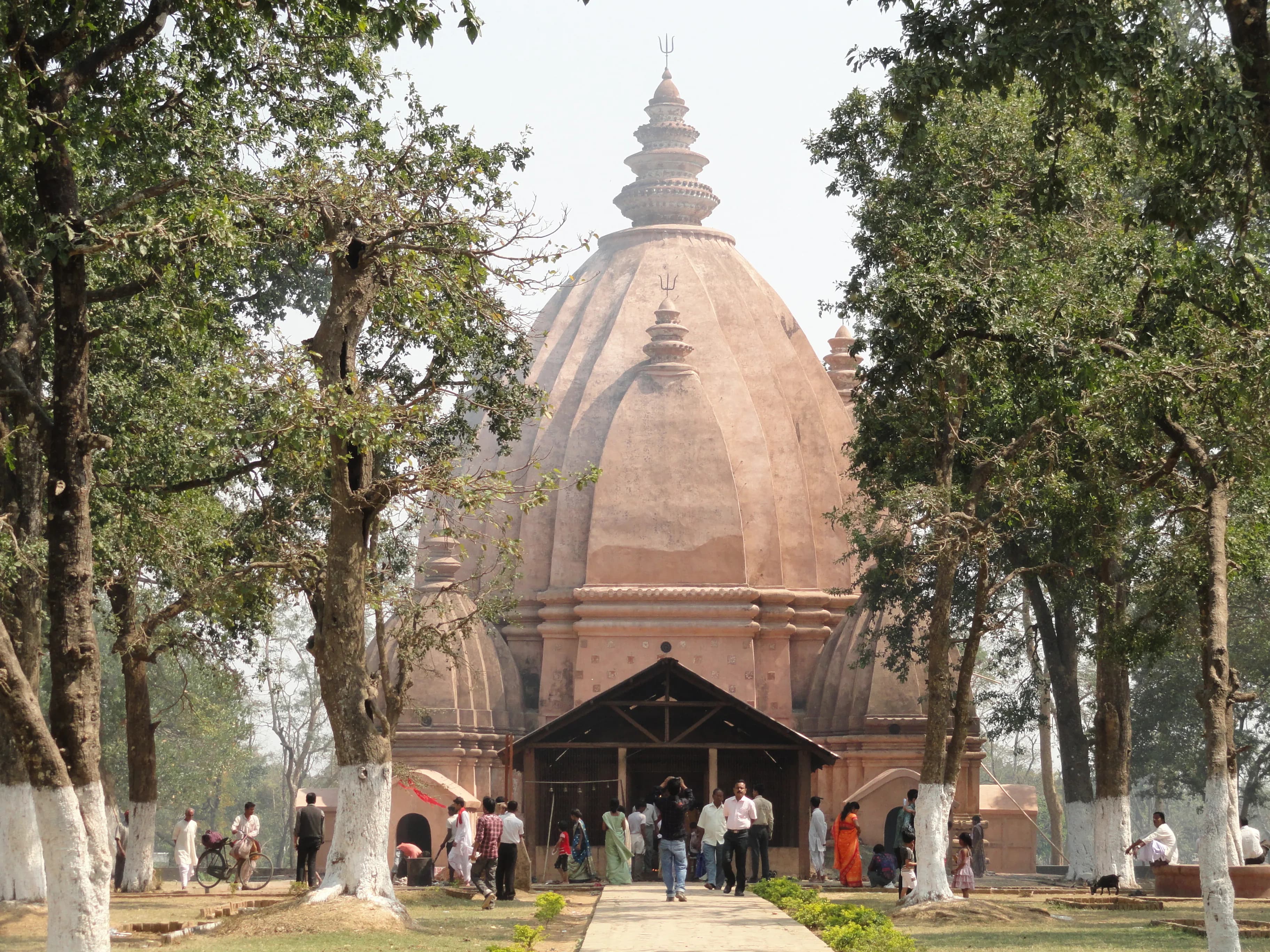
The terracotta tiles of the Negheriting Shiva Doul shimmered under the Assamese sun, a warm, earthy hue against the vibrant green backdrop of the surrounding countryside. Located a short distance from Dergaon, this Ahom-era temple, dedicated to Lord Shiva, exudes a quiet dignity, a testament to a bygone era of intricate craftsmanship and deep-seated faith. As I stepped onto the grounds, having journeyed across India to experience every UNESCO site firsthand, I felt a palpable sense of history whispering through the air. Unlike the towering stone structures of South India or the elaborately carved temples of the North, the Negheriting Shiva Doul possesses a unique fragility. Constructed primarily of burnt brick, it speaks to a different architectural vocabulary, one that embraces the natural materials of the region. The curved, sloping roof, characteristic of Ahom architecture, rises in tiers, culminating in a pointed finial. This style, reminiscent of the bamboo and thatch constructions that likely predated it, showcases a seamless blend of traditional techniques and evolving aesthetics. The main temple, or Doul, stands on a raised plinth, accessible by a flight of brick steps. The exterior walls, though weathered by time and the elements, still bear traces of intricate ornamentation. Floral motifs, geometric patterns, and depictions of mythical creatures are etched into the terracotta, a testament to the skill of the artisans who painstakingly crafted each detail. I ran my hand over the textured surface, imagining the hands that had molded and fired these very bricks centuries ago. Entering the sanctum sanctorum, I was struck by the simplicity of the space. The air was thick with the scent of incense and the murmur of prayers. While the exterior boasts elaborate decoration, the inner chamber is comparatively austere, focusing attention on the Shiva lingam, the symbolic representation of Lord Shiva. This contrast, I felt, underscored the essence of devotion – a journey from the ornate complexities of the external world to the quiet stillness of inner contemplation. Surrounding the main temple are several smaller shrines, dedicated to various deities. These structures, also built of brick, echo the architectural style of the main Doul, creating a harmonious ensemble. I noticed that many of these smaller shrines were in various states of repair, some showing signs of recent restoration efforts while others bore the deeper scars of time. This ongoing process of preservation, I realized, is a crucial aspect of maintaining the site's historical integrity, a constant dialogue between the past and the present. Beyond the architectural marvels, the Negheriting Shiva Doul is also a vibrant center of community life. During my visit, I witnessed devotees offering prayers, performing rituals, and engaging in lively conversations. The temple grounds buzzed with activity, a testament to the enduring significance of this sacred space in the lives of the local people. I spent some time talking with a few of the devotees, learning about the temple's history and its role in their cultural heritage. Their stories added another layer of richness to my understanding of the site, moving beyond the purely architectural and into the realm of lived experience. Leaving the Negheriting Shiva Doul, I carried with me a deep appreciation for its unique beauty and historical significance. It stands as a powerful reminder of the rich tapestry of Indian heritage, a testament to the ingenuity and artistry of the Ahom civilization. As I continued my journey across India, I knew that the memory of this terracotta temple, shimmering under the Assamese sun, would remain etched in my mind, a poignant symbol of the enduring power of faith and the beauty of cultural preservation.
Sujanpur Fort Hamirpur
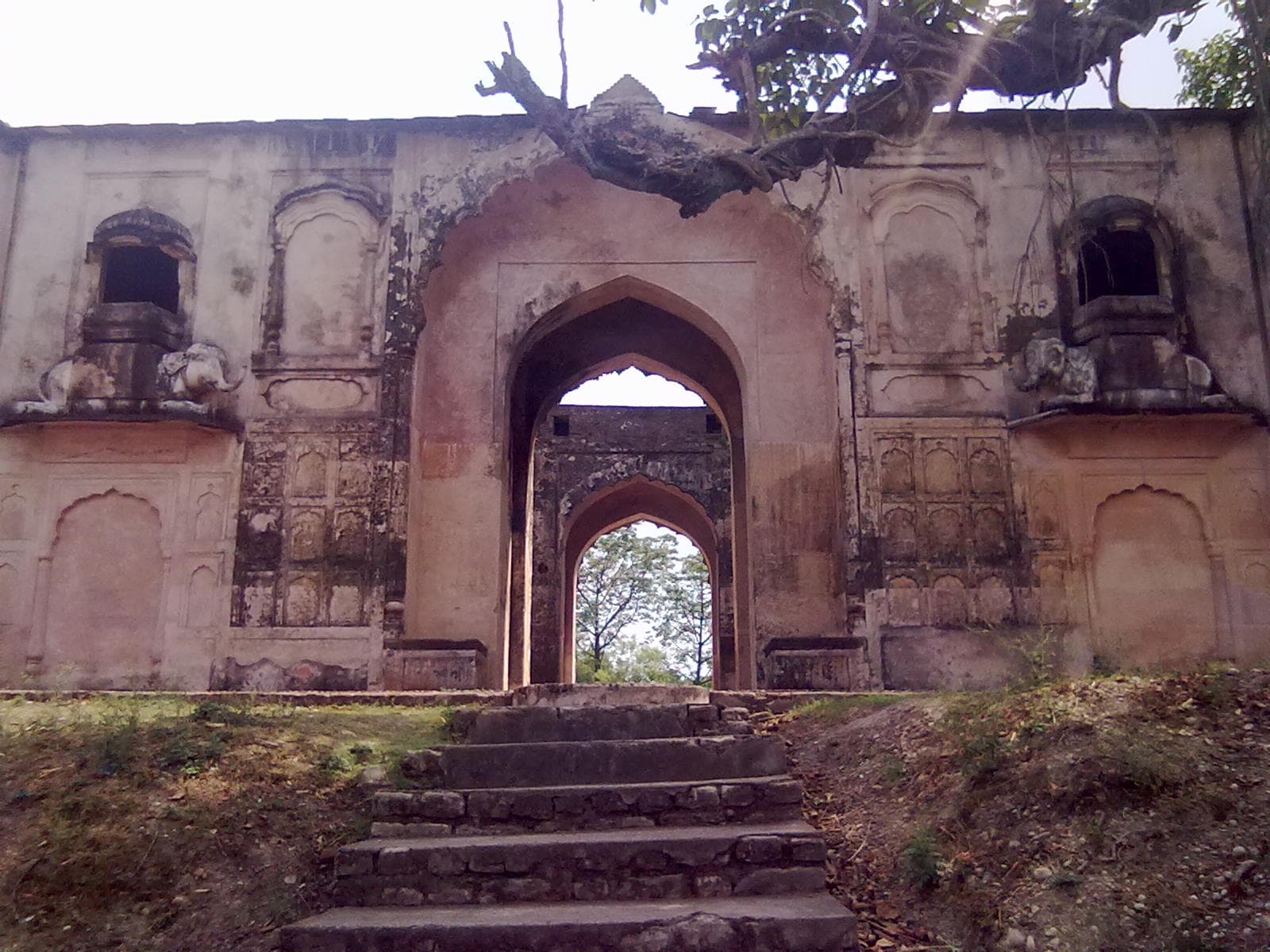
The imposing silhouette of Sujanpur Fort, perched above the Beas River in Himachal Pradesh, held a different allure than the sandstone behemoths I was accustomed to in Rajasthan. This wasn't the desert's warm embrace; this was the crisp air of the lower Himalayas, the fort a sentinel against a backdrop of verdant hills. My Rajasthani sensibilities, steeped in ornate carvings and vibrant frescoes, were immediately challenged by Sujanpur's stark, almost austere beauty. The outer walls, built of rough-hewn stone, lacked the intricate detailing of a Mehrangarh or the sheer scale of a Chittorgarh. Yet, their very simplicity spoke volumes. They whispered of a different era, a different purpose. This wasn't a palace of pleasure; this was a fortress built for resilience, a testament to the pragmatic rule of the Katoch dynasty. Stepping through the arched gateway, I felt a palpable shift in atmosphere. The outer austerity gave way to a surprising elegance within. The Baradari, a pavilion with twelve doorways, stood as the centerpiece of the inner courtyard. Its graceful arches and delicate carvings, though weathered by time, hinted at the refined tastes of the rulers who once held court here. Unlike the vibrant colours of Rajput palaces, the Baradari was adorned with subtle frescoes, predominantly in earthy tones, depicting scenes of courtly life and mythological narratives. The muted palette, I realised, complemented the surrounding landscape, creating a sense of harmony between architecture and nature. I was particularly drawn to the intricate jali work, a feature I've encountered in various forms across Rajasthan. Here, however, the jalis possessed a unique character. The patterns were less geometric, more floral, almost reminiscent of the local flora. Peering through these delicate screens, I could imagine the royal women observing the courtly proceedings, their privacy preserved while remaining connected to the pulse of the fort. The Rang Mahal, the palace's residential wing, further revealed the nuances of Katoch aesthetics. While lacking the opulence of Rajput palaces, it exuded a quiet charm. The rooms were spacious and airy, with large windows offering breathtaking views of the Beas River winding its way through the valley below. The walls, though faded, bore traces of intricate murals, depicting scenes from the Krishna Leela, a popular theme in the region. The colours, though muted now, must have once vibrated with life, adding a touch of vibrancy to the otherwise austere interiors. Exploring further, I stumbled upon the remnants of a once-grand baori, a stepped well. While not as elaborate as the Chand Baori of Abhaneri, it possessed a unique charm. The symmetrical steps, descending towards a now-dry well, spoke of a time when water was a precious commodity, carefully harvested and conserved. As I stood on the ramparts, gazing at the panoramic view of the valley below, I realised that Sujanpur Fort's beauty lay not in its grandeur, but in its understated elegance. It was a fort that had adapted to its surroundings, a fort that reflected the pragmatic yet refined sensibilities of its rulers. It was a far cry from the flamboyant palaces of my homeland, yet it held a unique charm that resonated deeply. Sujanpur Fort wasn't just a structure of stone and mortar; it was a story etched in stone, a story of resilience, adaptation, and a quiet, enduring beauty. It was a reminder that sometimes, the most captivating narratives are whispered, not shouted.
Sharada Peeth Ruins Sharda
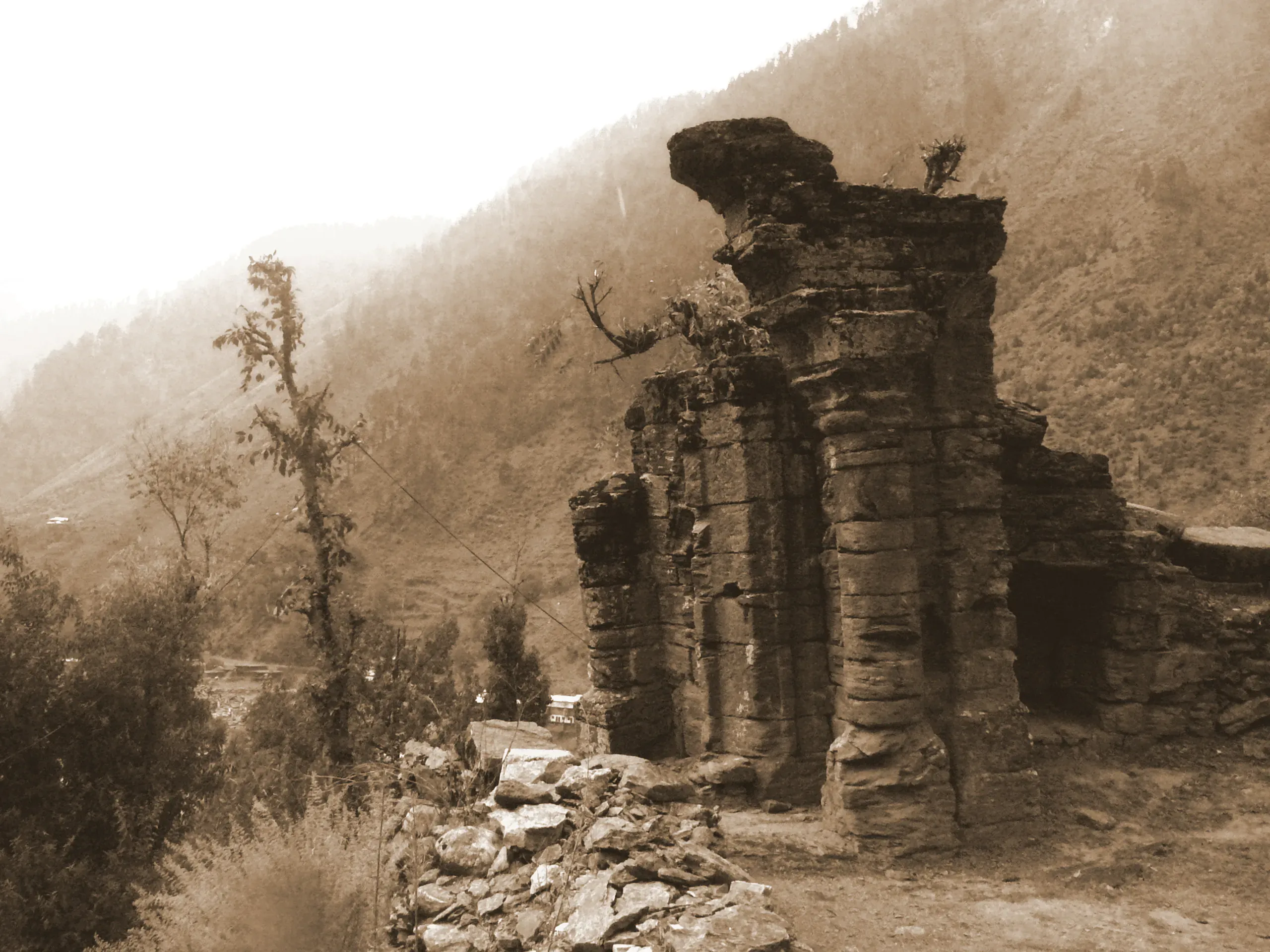
The wind carried whispers of forgotten chants as I stood before the Sharada Peeth ruins, a skeletal monument against the dramatic backdrop of the Neelum Valley. Located near the Line of Control, this ancient seat of learning, once revered across the subcontinent, now stands as a poignant testament to time's relentless march. My journey here, through the rugged terrain of Kashmir, felt like a pilgrimage, each step imbued with anticipation. The first glimpse of the ruins, perched on a plateau overlooking the Kishanganga River (also known as the Neelum River in this region), was breathtaking. The sheer scale of the site, even in its dilapidated state, hinted at its former grandeur. The remaining stonework, primarily constructed from local grey and white stone, displayed intricate carvings, weathered yet still legible. Floral motifs, geometric patterns, and depictions of deities intertwined, narrating stories of a rich artistic heritage. The architecture, a blend of Kashmiri and Gandharan styles, was evident in the pointed arches, the remnants of pillared halls, and the distinctive pyramidal roof structure, now sadly collapsed. I walked through the ruins, tracing the outlines of what were once classrooms, libraries, and assembly halls. Imagining the vibrant intellectual life that once thrived here, the murmur of scholars debating philosophy and scriptures, was both exhilarating and melancholic. The central shrine, dedicated to the goddess of learning, Sharada, was particularly moving. Although the idol was missing, the sanctity of the space remained palpable. The smooth, worn stones of the sanctum sanctorum seemed to hold the echoes of countless prayers and devotions. One of the most striking features of the site was the abundance of inscriptions. Scattered across the walls and pillars, these inscriptions, in various scripts including Sharada, Devanagari, and Persian, offered a glimpse into the site's diverse history. They spoke of royal patronage, scholarly achievements, and the pilgrimage traditions that drew people from far and wide. I spent hours deciphering the visible portions, feeling a tangible connection to the generations who had walked these very paths centuries before. Looking across the valley, I noticed the remnants of a network of ancient trails, now overgrown and barely discernible. These trails, I learned, were once the arteries of knowledge, connecting Sharada Peeth to other major learning centers across the region. The site wasn't just a temple or a university; it was a hub of cultural exchange, a melting pot of ideas and philosophies. The current state of the ruins, however, is a stark reminder of the fragility of heritage. The ravages of time, coupled with the impact of natural disasters and political instability, have taken their toll. Many sections have collapsed, and the remaining structures are in dire need of conservation. While some local efforts are underway, a more comprehensive and sustained approach is crucial to preserve this invaluable piece of history. Leaving Sharada Peeth was bittersweet. The journey had been physically demanding, but the experience was profoundly enriching. It was more than just visiting an archaeological site; it was a journey through time, a communion with the past. The whispers of forgotten chants seemed to follow me as I descended the mountain, a constant reminder of the knowledge lost and the urgent need to protect what remains. Sharada Peeth stands not just as a ruin, but as a symbol of resilience, a testament to the enduring power of human intellect and the enduring quest for knowledge. It is a site that deserves not just our attention, but our active commitment to its preservation, ensuring that the whispers of the past don't fade into silence.
Seth Ram Gopal Haveli Mathura
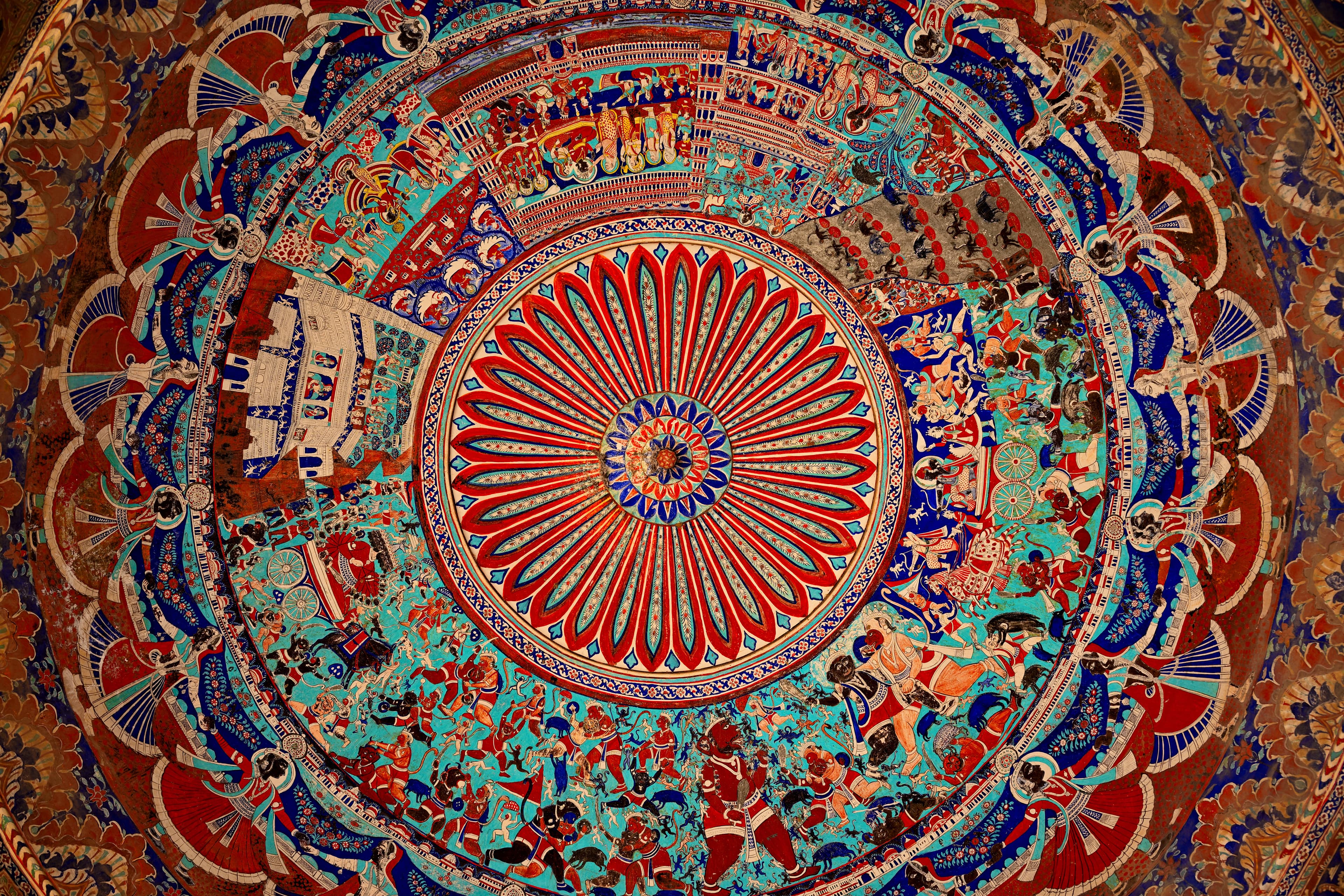
The midday sun beat down on Mathura, casting long shadows across the narrow lanes as I finally stood before the imposing wooden doors of Seth Ram Gopal Haveli. A palpable sense of history hung in the air, a stark contrast to the bustling marketplace just a stone's throw away. This wasn't just another haveli; it was a whisper of a bygone era, a testament to the opulent lifestyle of Mathura's affluent merchant class. Pushing open the heavy doors, I stepped into a cool, dimly lit courtyard. The transition was immediate, from the chaotic energy of the streets to an almost monastic stillness. The haveli embraced me, its intricate carvings and aged brickwork whispering stories of generations past. My eyes were immediately drawn upwards to the five-story structure, a magnificent display of traditional Braj architecture. Each level, supported by elaborately carved wooden pillars, seemed to lean in slightly, as if in confidential conversation with its neighbour. The courtyard, the heart of the haveli, was paved with worn flagstones, a testament to countless footsteps that had traversed this space over centuries. A small, neglected tulsi plant occupied a corner, a poignant reminder of the family’s daily rituals. The walls surrounding the courtyard were adorned with frescoes, their colours faded yet still vibrant enough to depict scenes from Krishna’s life, a common motif in this region so deeply connected to the deity. I noticed the intricate jali work, delicate screens of carved stone allowing for both ventilation and privacy, a hallmark of Mughal architectural influence. Ascending the wide, wooden staircase, the scent of aged wood filled my nostrils. Each step creaked under my weight, a rhythmic soundtrack to my exploration. The upper floors revealed a labyrinth of interconnected rooms, each with its own unique character. Some rooms boasted ornate ceilings with intricate floral patterns, while others showcased remnants of painted murals, now fragmented and ghostly. I peered into a room that likely served as a kitchen, its walls blackened by years of cooking fires, imagining the aromas of traditional Braj cuisine that must have once permeated these spaces. One of the most striking features of the haveli was its collection of exquisitely carved wooden balconies. Leaning against the intricately patterned railing of one such balcony, I overlooked the bustling street below. It was easy to imagine the wealthy Seth, perhaps Ram Gopal himself, observing the daily life of the city from this very vantage point. The rhythmic clang of a blacksmith’s hammer, the melodic calls of street vendors, the laughter of children playing – these sounds, though centuries removed from the haveli’s heyday, still echoed in the spaces between the carved wood. While the haveli undoubtedly bore the marks of time and neglect, its grandeur was undeniable. Peeling paint, crumbling plaster, and the silence of empty rooms only added to its melancholic charm. It wasn't merely a structure; it was a living archive, a tangible link to a rich cultural heritage. I could almost hear the rustle of silk sarees, the murmur of conversations, and the joyous strains of celebratory music within its walls. As I descended the creaking staircase and stepped back into the vibrant chaos of Mathura’s streets, I carried with me a profound sense of connection to the city’s past. Seth Ram Gopal Haveli wasn't just a tourist attraction; it was a time capsule, offering a glimpse into a world of exquisite craftsmanship, opulent lifestyles, and a deep-rooted connection to tradition. It’s a place that deserves not just a visit, but a moment of quiet contemplation, a chance to listen to the stories whispered by its ancient walls.
Dimapur Fort Dimapur
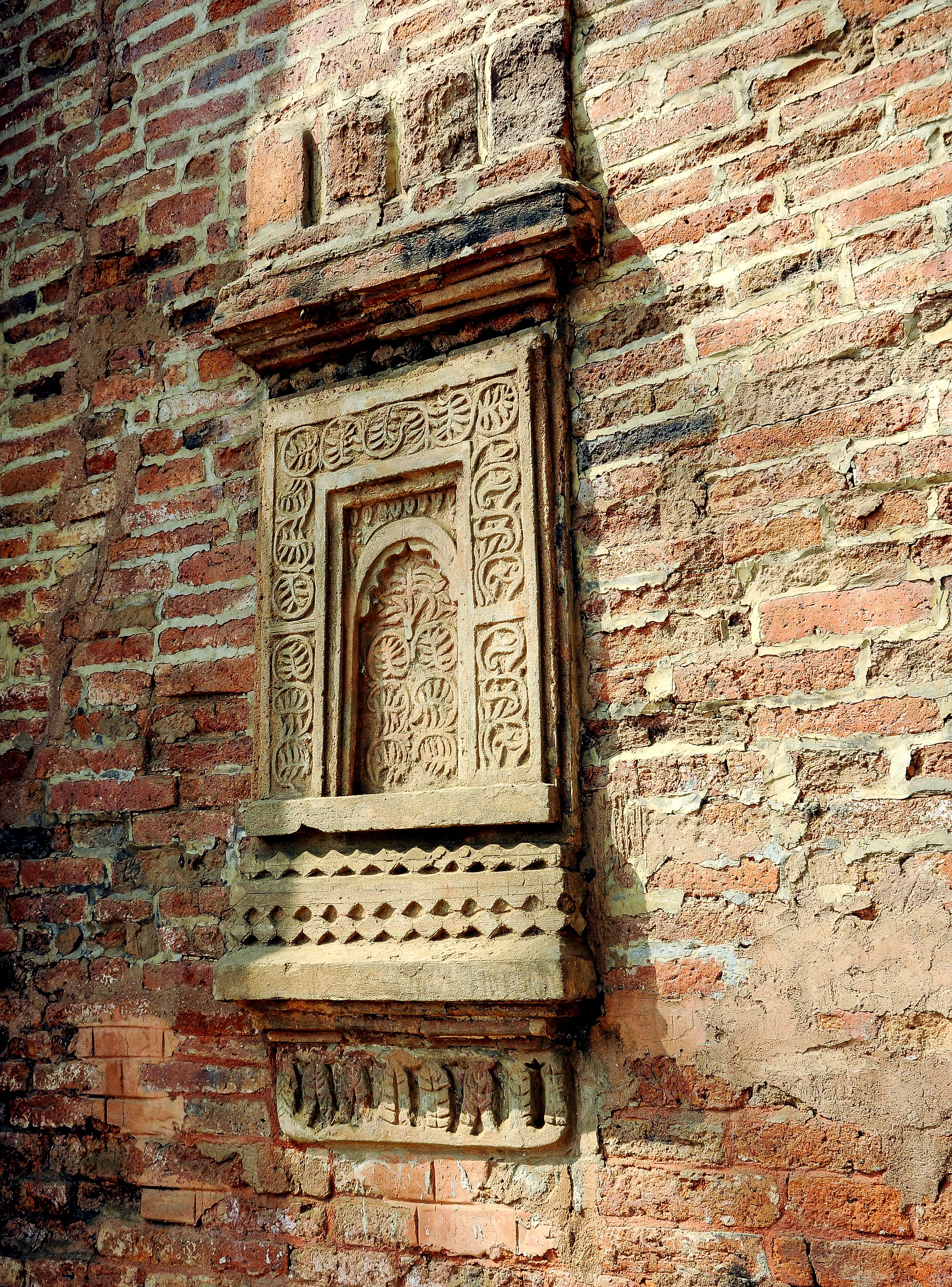
Amidst the heart of Nagaland lies Dimapur Fort, a poignant reminder of the once-powerful Kachari kingdom, dating back to the 12th century [1]. This fort, also known as Kachari Rajbari, presents a captivating, albeit crumbling, spectacle of a bygone era [2]. Unlike the grand stone fortifications of Rajasthan, Dimapur Fort predominantly features burnt brick structures, showcasing a distinct architectural style shaped by the region's resources and climate [3]. Archaeological excavations have uncovered a sprawling complex, revealing a network of courtyards, gateways, and remnants of functional structures [4]. The absence of elaborate palaces suggests a focus on military defense and strategic utility, a practical approach evident in the fort's layout [5]. The gateways, constructed from precisely arranged bricks without mortar, stand as testaments to the Kachari artisans' skill and ingenuity [6]. These arched entrances are adorned with geometric and stylized floral motifs, reflecting a unique artistic sensibility distinct from other Indian architectural traditions [7]. Intricate carvings adorning the walls offer glimpses into the Kachari culture. Stylized floral patterns, diamond shapes, and animal depictions echo a bold, minimalist aesthetic [8]. Local legends whisper of underground passages that once served as escape routes or secret conduits [9]. Peculiar mushroom-shaped structures, known as "Rongpur," dot the landscape, their purpose shrouded in mystery [10]. Some theories suggest they were used as guard posts, while others believe they were platforms for ritualistic ceremonies [11]. Fired brick and mud brick construction techniques, combined with stone and timber, demonstrate the Kachari kingdom's resourcefulness [12]. Dimapur Fort, though in ruins, continues to whisper tales of a lost civilization and its enduring architectural legacy. The fort exemplifies the unique blend of practicality and artistic expression that characterized the Kachari kingdom, leaving an indelible mark on the architectural heritage of Northeast India [13].
Quick Links
Plan Your Heritage Journey
Get personalized recommendations and detailed visitor guides