Has Inheritage Foundation supported you today?
Your contribution helps preserve India's ancient temples, languages, and cultural heritage. Every rupee makes a difference.
Secure payment • Instant 80G certificate
Padam Palace Rampur
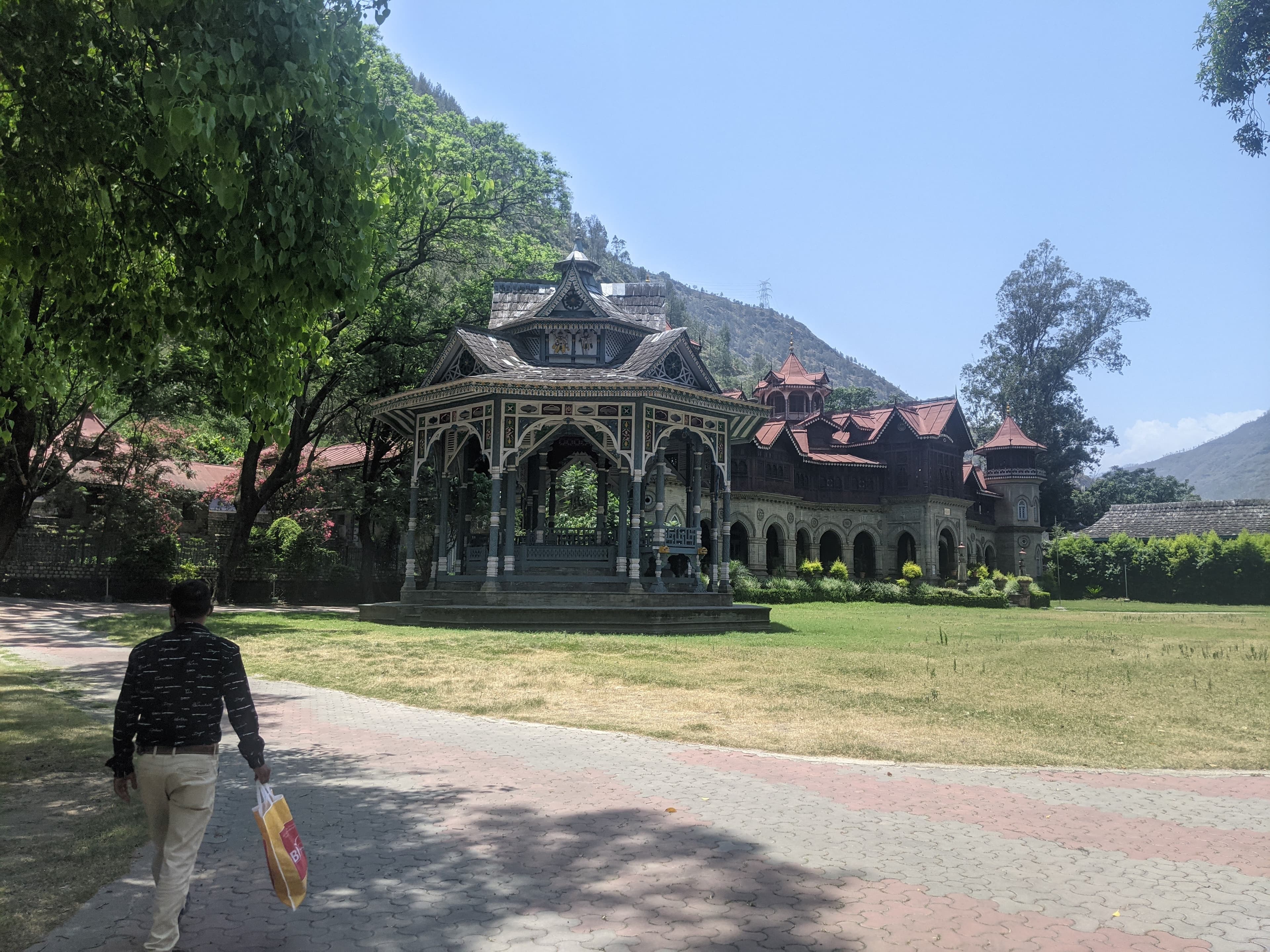
The wind carried the scent of pine and a whisper of history as I approached Padam Palace in Rampur. Nestled amidst the imposing Himalayas in Himachal Pradesh, this former royal residence isn't as widely known as some of its Rajasthani counterparts, but it possesses a quiet charm and a unique story that captivated me from the moment I stepped onto its grounds. Unlike the flamboyant, sandstone structures of Rajasthan, Padam Palace is built of grey stone, giving it a more subdued, almost melancholic grandeur. It stands as a testament to the Bushahr dynasty, a lineage that traces its roots back centuries. The palace isn't a monolithic structure but rather a complex of buildings added over time, reflecting the evolving architectural tastes of the ruling family. The oldest section, dating back to the early 20th century, showcases a distinct colonial influence, with its arched windows, pitched roofs, and intricate woodwork. I noticed the subtle blend of indigenous Himachali architecture with European elements – a common feature in many hill state palaces. The carved wooden balconies, for instance, offered a beautiful contrast against the stark grey stone, while the sloping roofs were clearly designed to withstand the heavy snowfall this region experiences. Stepping inside, I was immediately struck by the hushed atmosphere. Sunlight streamed through the large windows, illuminating the dust motes dancing in the air. The palace is now a heritage hotel, and while some areas have been modernized for guest comfort, much of the original character has been preserved. The Durbar Hall, where the Raja once held court, is particularly impressive. The high ceilings, adorned with intricate chandeliers, and the walls lined with portraits of past rulers, evoke a sense of the power and prestige that once resided within these walls. I spent a considerable amount of time exploring the palace’s museum, housed within a section of the complex. It’s a treasure trove of artifacts, offering a glimpse into the lives of the Bushahr royals. From antique weaponry and intricately embroidered textiles to vintage photographs and handwritten documents, the collection is a fascinating testament to the region's rich history and cultural heritage. I was particularly drawn to a display of traditional Himachali jewelry, crafted with exquisite detail and showcasing the region’s unique artistic sensibilities. One of the most memorable aspects of my visit was exploring the palace gardens. Unlike the manicured lawns of many formal gardens, these felt wilder, more organic. Ancient deodar trees towered overhead, their branches laden with fragrant cones. Paths meandered through the grounds, leading to hidden nooks and offering breathtaking views of the surrounding valleys. I could easily imagine the royal family strolling through these same gardens, enjoying the crisp mountain air and the panoramic vistas. As I sat on a stone bench, overlooking the valley bathed in the golden light of the setting sun, I reflected on the stories these walls held. Padam Palace isn't just a building; it's a living testament to a bygone era, a repository of memories and traditions. It's a place where the whispers of history mingle with the rustling of leaves and the distant call of a mountain bird. While Rampur may not be on the typical tourist trail, for those seeking a glimpse into the heart of Himachal Pradesh, a visit to Padam Palace is an experience not to be missed. It offers a unique blend of architectural beauty, historical significance, and natural splendor, leaving a lasting impression on any visitor fortunate enough to discover its hidden charms. It’s a place that stays with you long after you’ve left, a reminder of the enduring power of history and the quiet beauty of the Himalayas.
Adil Shah Palace Old Goa
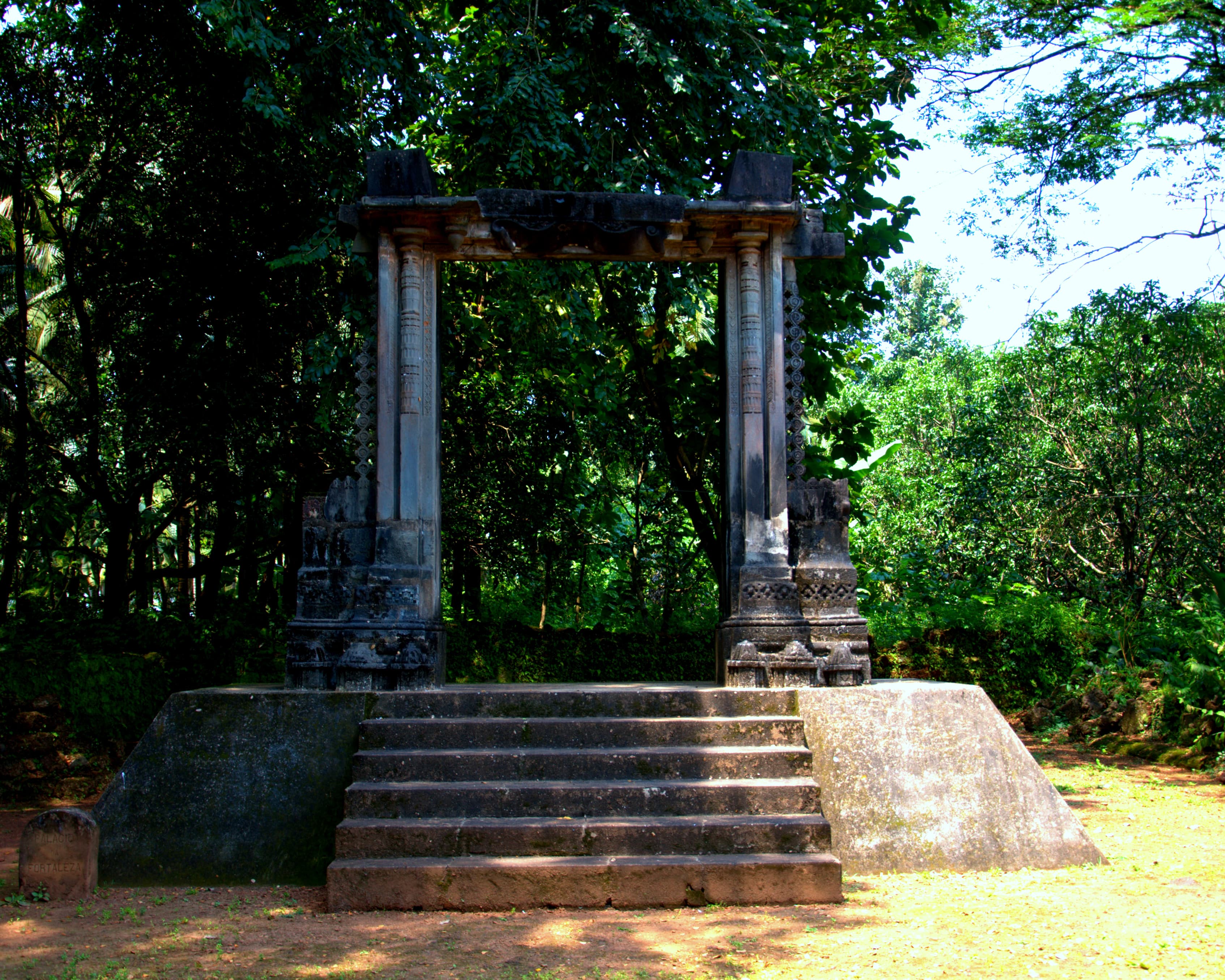
The Adil Shah Palace, located in Rua Direita, Tiswadi, Old Goa (403402), Goa, India, stands as a significant monument reflecting India's millennia-spanning heritage and its continuous tradition of architectural evolution. This edifice, originally conceived in the 16th century CE, embodies a complex layering of indigenous architectural styles, including Deccani Sultanate and Vijayanagara influences, which are deeply rooted in India's historical continuum, alongside later Goan architectural adaptations [2] [4]. The structure is a testament to the sophisticated building practices prevalent in the Deccan region, utilizing locally sourced laterite stone and lime mortar, characteristic materials that have been employed in Indian construction for centuries [4]. The palace's architectural features include a majestic gateway, which is a prominent surviving element, leading into what were once spacious courtyards [2]. While specific dimensions of the entire original palace are not readily available, the surviving "Arch of Adil Shah's Palace" is a centrally protected monument under the Archaeological Survey of India (ASI), indicating its structural significance [2]. The design incorporates elements such as graceful arches and domes, which, while later influenced by Indo-Islamic styles, often drew upon indigenous Indian structural and decorative motifs [2]. Intricate carvings, though now weathered, once adorned its surfaces, narrating stories of past eras and reflecting the artistic sensibilities of the period [2]. The palace's strategic location near the Mandovi River suggests an integrated approach to urban planning and water management, typical of ancient Indian settlements that prioritized access to water bodies [2]. Currently, the Adil Shah Palace, also known as the Old Secretariat, serves as a venue for cultural events and exhibitions, particularly those organized by the Goa Directorate of Museums [3]. This active programming ensures the site remains a living monument, engaging visitors with Goa's rich heritage through displays of rock carvings and other historical artifacts [3]. Conservation efforts are ongoing, with experts working to maintain the structural integrity and preserve delicate details, addressing the wear and tear caused by time and environmental factors, such as Goa's torrential rains [3]. The Archaeological Survey of India, Goa Circle, is responsible for the protection and conservation of such monuments, carrying out regular inspections and implementing preservation programs [2]. Despite some signs of decay, including weathered wood and peeling paint, the palace remains operational and accessible, symbolizing India's enduring commitment to safeguarding its cultural legacy [3]. Its continued use for cultural activities underscores its role in maintaining and transmitting Indian cultural traditions across centuries.
Khongjom Fort Thoubal
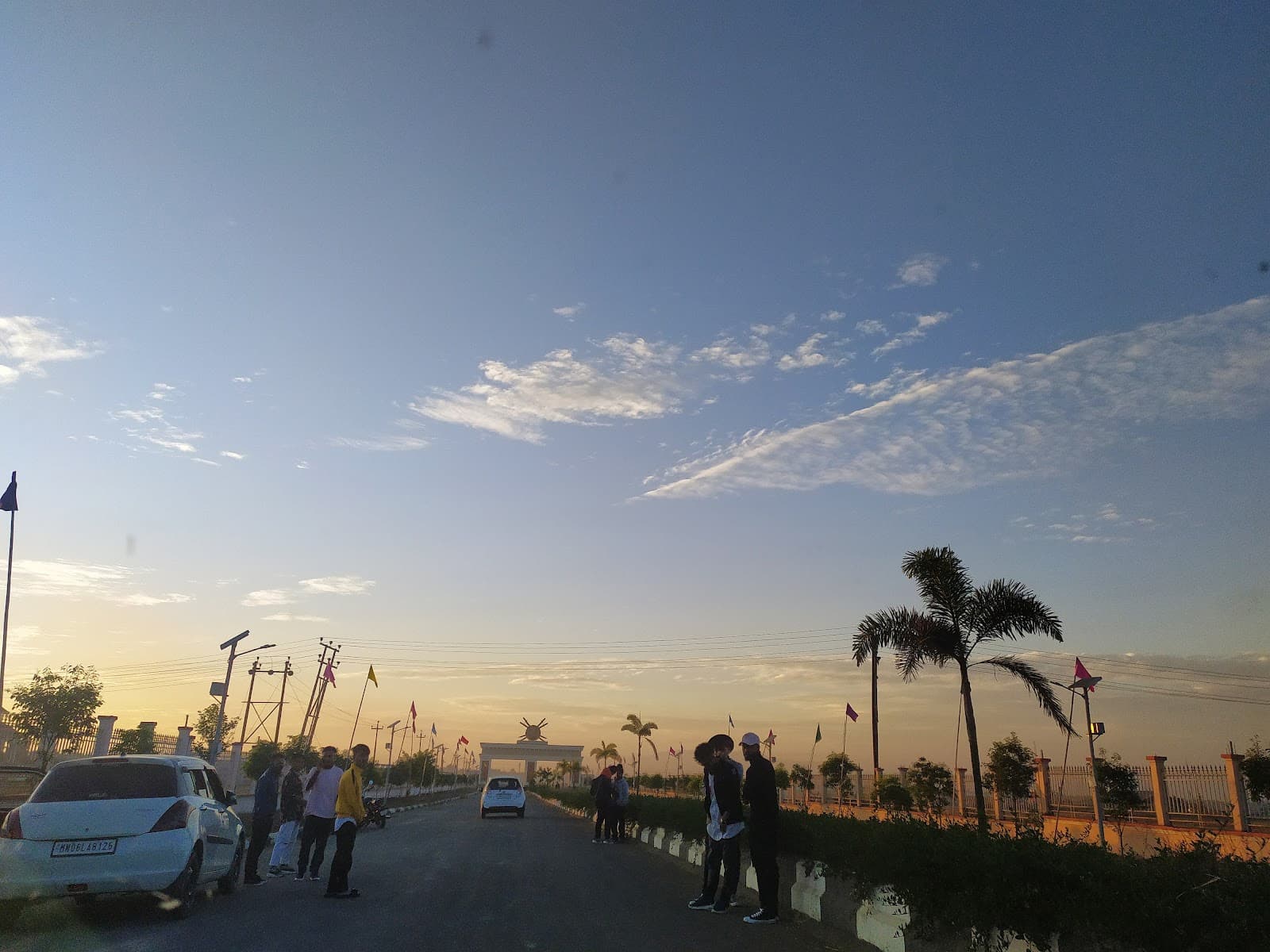
The wind carried whispers of resilience as I stood at the foot of Khongjom Fort, a sentinel silhouetted against the Manipuri sky. This wasn't just another fort; it was a scar on the landscape, a testament to a fierce struggle against the British Empire in 1891. Located in Thoubal district, about 36 kilometers from Imphal, Khongjom isn't imposing in size, but its historical weight is immense. It's not a grand, sprawling complex like the forts of Rajasthan I'm accustomed to back home in Gujarat. Instead, it's a series of strategically placed ramparts and trenches, utilizing the natural contours of the hill to maximum defensive advantage. The approach itself sets the tone. A winding road climbs through verdant hills, the air thick with the scent of pine and a palpable sense of history. The fort, or what remains of it, sits atop a small hillock, offering panoramic views of the surrounding valley. The remnants of the mud walls, now overgrown with grass and shrubs, speak volumes about the passage of time and the relentless forces of nature reclaiming its territory. Unlike the intricately carved sandstone and marble of Gujarati architecture, Khongjom’s beauty lies in its stark simplicity and raw power. I walked along the lines of the old trenches, imagining the Manipuri soldiers, armed with swords and spears, holding their ground against the superior firepower of the British. The silence was broken only by the rustling of leaves and the distant chirping of birds, a stark contrast to the cacophony of battle that must have once echoed through these hills. There's a small museum near the fort's entrance, housing relics from the Anglo-Manipuri War. Rusty swords, tattered uniforms, and faded photographs offer a glimpse into the lives of those who fought and fell here. A particular exhibit showcasing traditional Manipuri weaponry – the curved khukri, the spear, and the shield – highlighted the asymmetry of the conflict. The architecture of the fort, while rudimentary, reveals a deep understanding of the terrain. The ramparts, though eroded, still show evidence of strategic placement, designed to maximize visibility and provide cover for the defenders. The use of locally available materials – mud, stone, and timber – speaks to the resourcefulness of the Manipuri people. This contrasts sharply with the elaborate fortifications I've seen in Gujarat, built with intricate carvings and imported materials. Khongjom’s strength lay not in its grandeur, but in its strategic location and the unwavering spirit of its defenders. One structure that stands out is the memorial dedicated to Paona Brajabasi, a Manipuri commander who fought valiantly in the battle. It's a simple, yet powerful structure, built in the traditional Manipuri style with a sloping roof and wooden pillars. The memorial serves as a focal point for remembrance and a symbol of the unwavering spirit of the Manipuri people. Standing there, I could almost feel the weight of history pressing down on me, the echoes of their sacrifice resonating through the air. My visit to Khongjom Fort was more than just a sightseeing trip; it was a pilgrimage. It was a journey into the heart of a story of courage and resilience, a story that deserves to be told and retold. While the fort itself may be in ruins, the spirit of Khongjom remains unbroken, a testament to the enduring power of human resistance against oppression. It offered a poignant contrast to the architectural marvels I'm familiar with back home, reminding me that history is etched not just in stone and marble, but also in the earth itself, in the whispers of the wind, and in the unwavering spirit of a people.
Krishna Janmasthan Temple Complex, Mathura
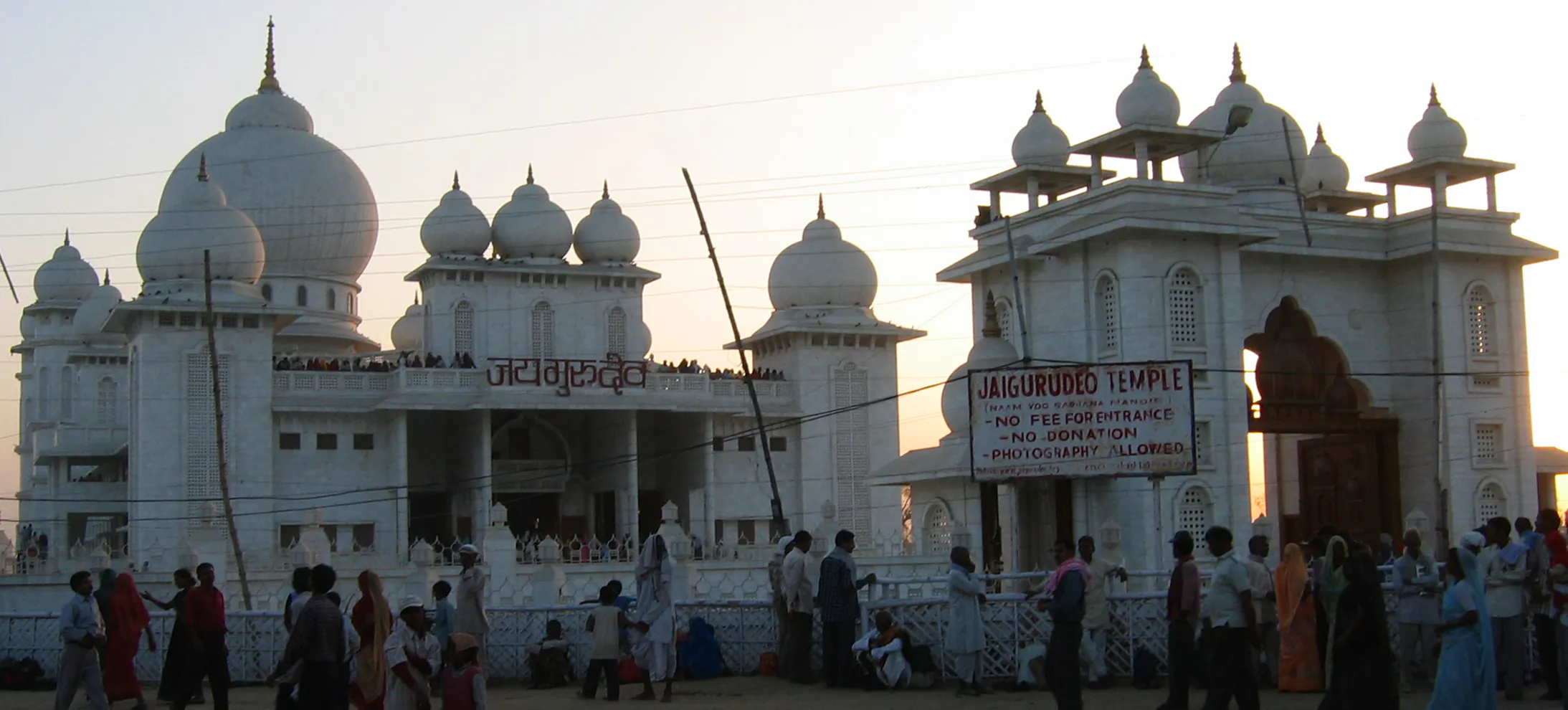
The air in Mathura vibrates with a palpable energy, a hum of devotion that seems to emanate from the very stones of the Krishna Janmasthan Temple Complex. Standing within its precincts, I felt an immediate connection to the layers of history embedded within this sacred ground. The complex, a tapestry woven with threads of different eras, stands as a testament to the enduring power of faith and the cyclical nature of destruction and reconstruction. My gaze was immediately drawn to the imposing Keshav Dev Temple, its towering shikhara a beacon against the Mathura sky. While the current structure dates back to the 18th century, thanks to the patronage of the Jat ruler Suraj Mal, the palpable antiquity of the site whispers of much older incarnations. The very stones seemed to hold the memory of the original temple, believed to have been built by Vajranabha, Krishna’s great-grandson, a structure mentioned in the ancient scriptures. The repeated destructions and subsequent rebuildings, a recurring motif in Indian history, have imbued the site with a unique resonance, a sense of resilience in the face of adversity. The architecture of the Keshav Dev Temple showcases a blend of styles, reflecting the various influences that have shaped it over centuries. The intricate carvings adorning the walls, depicting scenes from Krishna’s life, are a testament to the skill of the artisans. I noticed the distinctive use of red sandstone, a material common in the region, which lends the temple a warm, earthy hue. The interplay of light and shadow on the carved surfaces created a dynamic visual experience, enhancing the narrative power of the sculptures. While some sections displayed the robust features of Rajput architecture, others hinted at the Mughal influence that permeated the region during certain periods. Moving through the complex, I entered the Garbha Griha, the sanctum sanctorum, where the deity of Keshav Dev is enshrined. The atmosphere within was charged with devotion, the air thick with the scent of incense and the murmur of prayers. The dimly lit space, illuminated by flickering oil lamps, fostered a sense of profound reverence. I observed the devotees, their faces etched with faith, offering prayers and performing rituals that have likely been practiced for generations. Adjacent to the Keshav Dev Temple lies the smaller, yet equally significant, Bhagavata Bhavan. This structure, built around an ancient prison cell believed to be the very birthplace of Krishna, holds a special significance for pilgrims. The low-ceilinged, claustrophobic space, a stark contrast to the grandeur of the Keshav Dev Temple, evokes a sense of intimacy and raw emotion. The very thought of Lord Krishna being born in such humble surroundings adds another layer to the narrative of his divine leela, his earthly play. The Idgah mosque, situated within the complex, adds another layer of complexity to the site's historical narrative. Its presence serves as a tangible reminder of the Mughal period and the religious tensions that have, at times, marked the region's history. The juxtaposition of the mosque and the temple within the same complex creates a unique spatial dynamic, a physical manifestation of the interwoven narratives that shape India's cultural landscape. Leaving the Krishna Janmasthan Temple Complex, I carried with me not just images of intricate carvings and soaring shikharas, but a deeper understanding of the complex interplay of faith, history, and architecture. The site stands as a powerful symbol of continuity and resilience, a living testament to the enduring legacy of Lord Krishna and the unwavering devotion he inspires. It is a place where the past whispers to the present, offering a glimpse into the rich tapestry of Indian history and spirituality.
Kamalasagar Kali Temple Kasba
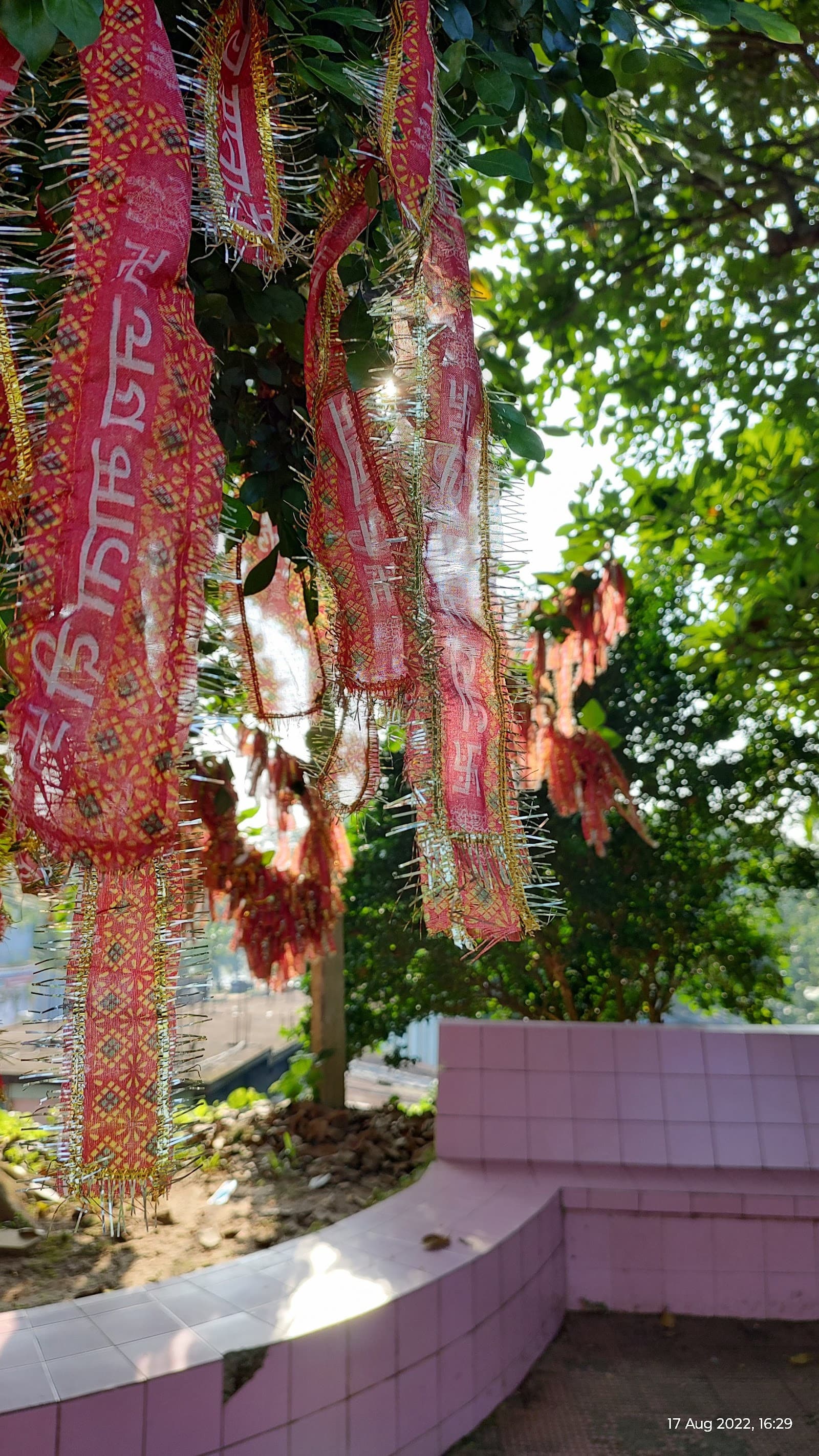
The midday sun beat down on the shimmering waters of Kamalasagar, reflecting the vibrant hues of the temple dedicated to Goddess Kali that stood proudly on its western bank. This wasn't just another stop on my exhaustive journey to document every UNESCO site in India; Kasba Kali Bari, as it's locally known, held a different energy, a palpable sense of devotion that resonated deeply. Located in Tripura, a state often overlooked on the tourist trail, this temple proved to be a hidden gem. The first thing that struck me was the temple's unique location. Perched on a small hillock overlooking the lake created by Maharaja Dhanya Manikya in the 15th century, it commands a breathtaking view. The serene expanse of water, dotted with occasional boats, provided a tranquil backdrop to the vibrant energy of the temple complex. The air, thick with the scent of incense and marigold garlands, buzzed with the murmur of prayers and the rhythmic clang of temple bells. The architecture of Kasba Kali Bari is a fascinating blend of traditional Bengali and Mughal styles. The temple itself is relatively small, a double-storied structure built of brick and plastered with lime. The lower level houses the sanctum sanctorum where the deity resides, while the upper level serves as a space for devotees to gather and offer prayers. What sets it apart are the intricate terracotta panels that adorn the outer walls. These panels, though weathered by time and the elements, still depict scenes from Hindu mythology, showcasing remarkable craftsmanship. I spent a considerable amount of time examining these panels, tracing the stories they told with my fingers, marveling at the detail preserved despite the centuries. Inside the sanctum, the atmosphere was charged with devotion. The idol of Goddess Kali, depicted in her fierce form with a garland of skulls and a protruding tongue, is mesmerizing. Unlike some larger, more opulent temples, the intimacy of this space allows for a more personal connection with the divine. I witnessed devotees from all walks of life offering prayers, their faces etched with reverence and hope. The rhythmic chanting of mantras, the fragrance of incense, and the flickering lamps created an almost hypnotic atmosphere. Beyond the main temple, the complex includes several smaller shrines dedicated to other deities. I noticed a small shrine dedicated to Lord Shiva, tucked away in a quiet corner, and another dedicated to Lord Hanuman. These smaller shrines, though less elaborate, added to the overall spiritual ambiance of the place. My visit to Kamalasagar Kali Temple wasn't just about ticking off another UNESCO site on my list. It was an immersive experience that allowed me to witness the living heritage of Tripura. It was a reminder that sometimes, the most profound experiences are found not in grand monuments, but in smaller, less-traveled places where faith and tradition continue to thrive. The serenity of the lake, the vibrant energy of the temple, and the palpable devotion of the devotees created an unforgettable experience. As I left the temple grounds, the image of the fierce yet benevolent Goddess Kali, reflected in the still waters of the lake, stayed etched in my mind, a testament to the enduring power of faith and the beauty of India's diverse cultural tapestry. This is a site that deserves more recognition, a place where one can connect with the spiritual heart of India.

Taip Depe Karakum Desert Turkmenistan
Taip Depe, dramatically rising from the vast expanse of the Karakum Desert in southeastern Turkmenistan, represents one of the most extraordinary and archaeologically significant Bronze Age sites in Central Asia, dating to the 3rd millennium BCE and serving as a major center of the Bactria-Margiana Archaeological Complex (BMAC), featuring sophisticated temple structures and ritual complexes that demonstrate remarkable Vedic parallels and connections to ancient Indian religious traditions, creating a powerful testament to the profound transmission of Indian religious and cosmological traditions to Central Asia during the Bronze Age. The site, featuring sophisticated temple structures with central fire altars, ritual chambers, and ceremonial spaces that demonstrate clear parallels with Vedic fire altars and ritual practices described in ancient Indian texts, demonstrates the direct transmission of Indian religious and cosmological concepts from the great religious centers of ancient India, particularly Vedic traditions that were systematically transmitted to Central Asia, while the site's most remarkable feature is its sophisticated temple structures featuring fire altars, ritual complexes, and architectural elements that demonstrate remarkable parallels with Vedic temple architecture and ritual practices. The temple structures' architectural layout, with their central fire altars surrounded by ritual chambers, storage areas, and ceremonial spaces, follows sophisticated planning principles that demonstrate remarkable parallels with Vedic temple planning principles, while the temple structures' extensive decorative programs including ritual objects, seals, and architectural elements demonstrate the sophisticated synthesis of Indian religious iconography and cosmological concepts with local Central Asian aesthetic sensibilities. Archaeological evidence reveals that the site served as a major center of religious and ritual activity during the Bronze Age, attracting traders, priests, and elites from across Central Asia, South Asia, and the Middle East, while the discovery of numerous artifacts including seals with motifs that demonstrate clear Indian influences, ritual objects that parallel Vedic practices, and architectural elements that reflect Indian cosmological concepts provides crucial evidence of the site's role in the transmission of Indian religious traditions to Central Asia, demonstrating the sophisticated understanding of Indian religious and cosmological traditions possessed by the site's patrons and religious establishment. The site's association with the BMAC, which had extensive trade and cultural connections with the Indus Valley Civilization and later Indian civilizations, demonstrates the sophisticated understanding of Indian religious traditions that were transmitted to Central Asia, while the site's fire altars and ritual structures demonstrate remarkable parallels with Vedic fire altars and ritual practices that were central to ancient Indian religious traditions. The site has been the subject of extensive archaeological research, with ongoing excavations continuing to reveal new insights into the site's sophisticated architecture, religious practices, and its role in the transmission of Indian religious traditions to Central Asia, while the site's status as part of the broader BMAC cultural complex demonstrates its significance as a major center for the transmission of Indian cultural traditions to Central Asia. Today, Taip Depe stands as one of the most important Bronze Age archaeological sites in Central Asia, serving as a powerful testament to the transmission of Indian religious and cosmological traditions to Central Asia, while ongoing archaeological research and conservation efforts continue to protect and study this extraordinary cultural treasure that demonstrates the profound impact of Indian civilization on Central Asian religious and cultural traditions. ([1][2])
Shree Govindajee Temple Imphal
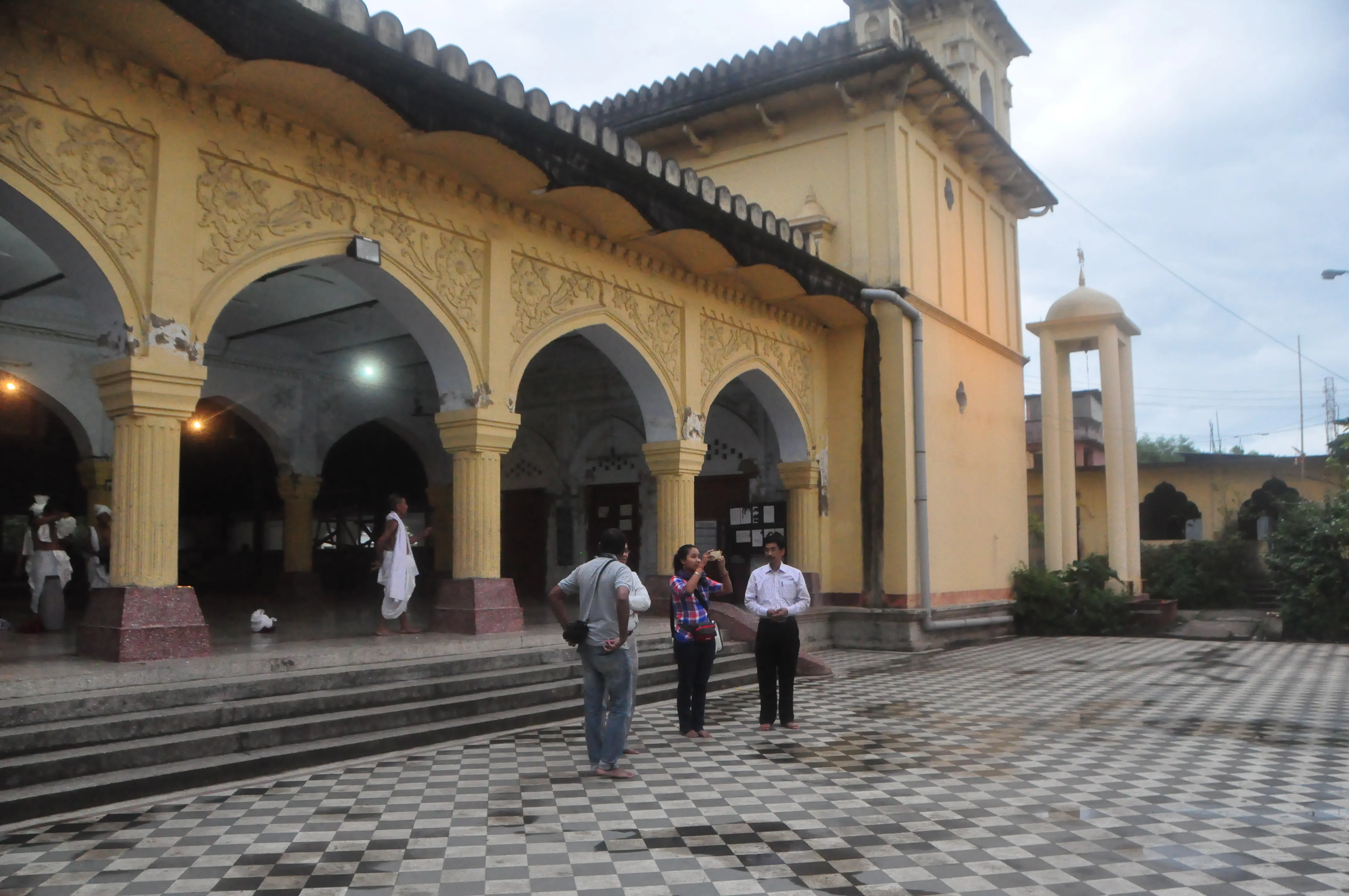
The shimmering gold roof of the Shree Govindajee Temple, rising above the sprawling complex within Imphal’s palace grounds, immediately captured my attention. Coming from Uttar Pradesh, a land steeped in its own vibrant temple architecture, I was eager to experience this Manipuri gem, a testament to the region’s unique cultural tapestry. The temple, dedicated to Lord Krishna in his Govindajee form, stands as a powerful symbol of Vaishnavism in this northeastern state. Entering the complex, I was struck by the spacious courtyard, a serene expanse that provided a buffer from the bustling city outside. The main temple structure, built in a traditional Manipuri architectural style, is flanked by two smaller shrines dedicated to Radha and Balarama. Unlike the towering stone edifices common in my home state, this temple showcased a different aesthetic. The structure is primarily built of brick, plastered and painted a pristine white, creating a stark contrast against the vibrant gold roof. The roof itself is a marvel, a multi-tiered, curved structure, reminiscent of the traditional Manipuri houses I’d seen dotted across the landscape. This architectural synchronicity, blending religious symbolism with local vernacular, resonated deeply. The temple’s interior, while relatively simple, exudes a palpable sense of devotion. Photography is strictly prohibited inside, a rule I respected, allowing myself to fully immerse in the atmosphere. The absence of visual documentation heightened my other senses. The scent of incense hung heavy in the air, mingling with the soft murmur of prayers. The rhythmic chanting of Sanskrit verses, though different in pronunciation from what I was accustomed to, carried the same spiritual weight, a testament to the universality of religious devotion. I spent some time observing the devotees. Their attire, a blend of traditional Manipuri phanek (sarong) and shawl for women, and dhoti-kurta for men, added another layer of cultural richness to the experience. The reverence in their eyes, the gentle clinking of bells, and the offering of flowers and fruits created a tapestry of faith that transcended geographical boundaries. It was fascinating to witness how Vaishnavism, a faith so deeply rooted in the Gangetic plains, had taken root and flourished in this distant land, adapting and integrating with local traditions. Beyond the main temple, the complex houses several smaller structures, including a dedicated kitchen where prasad is prepared. I was fortunate enough to partake in the noontime offering, a simple yet delicious meal of rice and lentils. Sharing this communal meal with the local devotees further solidified my sense of connection to this sacred space. The Shree Govindajee Temple is more than just a religious structure; it's a living testament to the cultural exchange and adaptation that has shaped Manipur’s identity. The temple’s architecture, rituals, and the very presence of Vaishnavism in this predominantly tribal region speak volumes about the historical and cultural influences that have converged here. As someone deeply interested in the interplay of culture and faith, my visit to the Shree Govindajee Temple was an enriching experience. It offered a glimpse into a unique expression of Hinduism, shaped by the geographical and cultural landscape of Manipur, a world away from the familiar temples of my homeland, yet connected by the same thread of devotion. The temple stands as a symbol of resilience, a beacon of faith that continues to illuminate the lives of the Manipuri people, and a testament to the enduring power of cultural exchange.
Sujanpur Fort Hamirpur
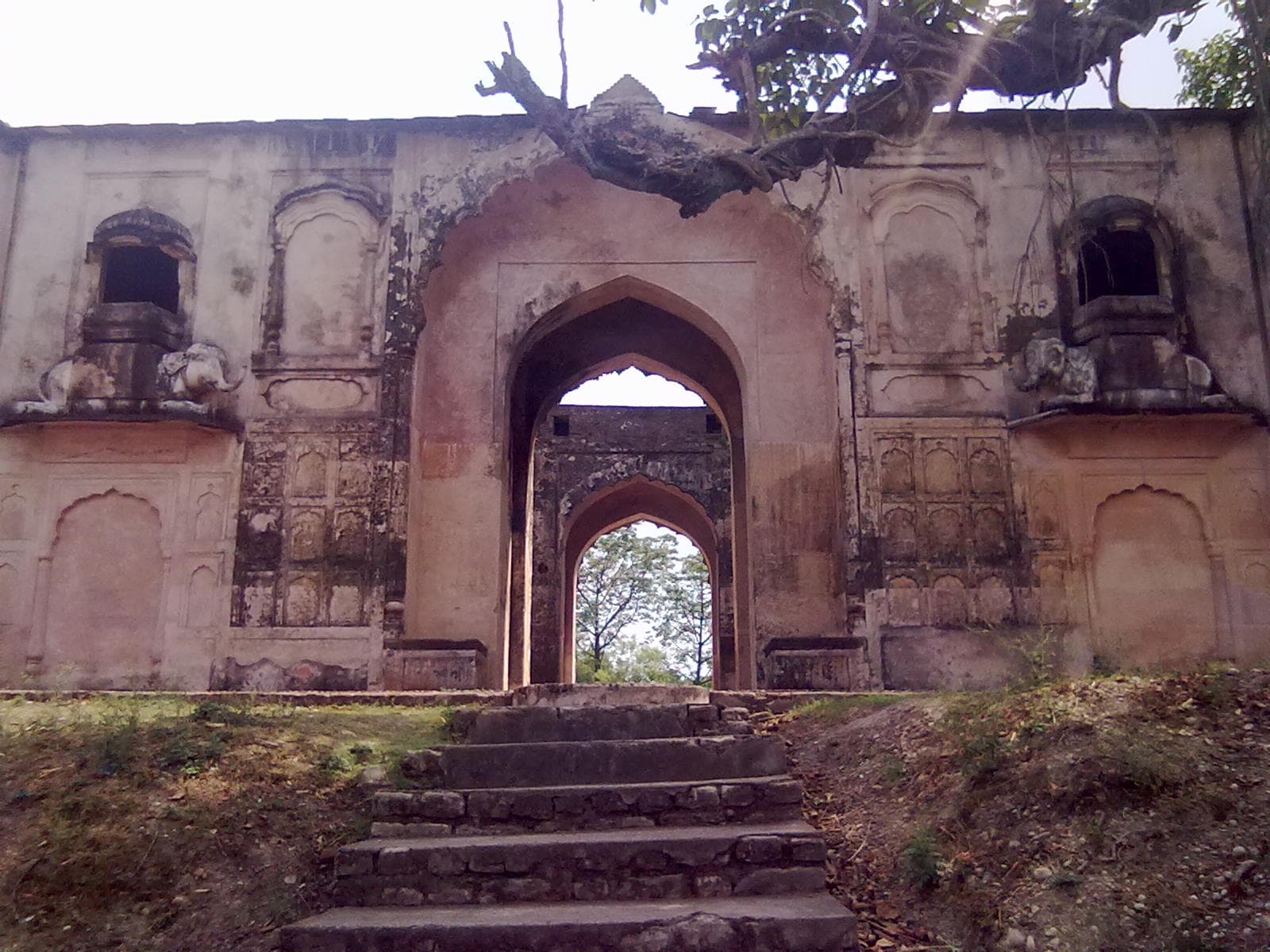
The imposing silhouette of Sujanpur Fort, perched above the Beas River in Himachal Pradesh, held a different allure than the sandstone behemoths I was accustomed to in Rajasthan. This wasn't the desert's warm embrace; this was the crisp air of the lower Himalayas, the fort a sentinel against a backdrop of verdant hills. My Rajasthani sensibilities, steeped in ornate carvings and vibrant frescoes, were immediately challenged by Sujanpur's stark, almost austere beauty. The outer walls, built of rough-hewn stone, lacked the intricate detailing of a Mehrangarh or the sheer scale of a Chittorgarh. Yet, their very simplicity spoke volumes. They whispered of a different era, a different purpose. This wasn't a palace of pleasure; this was a fortress built for resilience, a testament to the pragmatic rule of the Katoch dynasty. Stepping through the arched gateway, I felt a palpable shift in atmosphere. The outer austerity gave way to a surprising elegance within. The Baradari, a pavilion with twelve doorways, stood as the centerpiece of the inner courtyard. Its graceful arches and delicate carvings, though weathered by time, hinted at the refined tastes of the rulers who once held court here. Unlike the vibrant colours of Rajput palaces, the Baradari was adorned with subtle frescoes, predominantly in earthy tones, depicting scenes of courtly life and mythological narratives. The muted palette, I realised, complemented the surrounding landscape, creating a sense of harmony between architecture and nature. I was particularly drawn to the intricate jali work, a feature I've encountered in various forms across Rajasthan. Here, however, the jalis possessed a unique character. The patterns were less geometric, more floral, almost reminiscent of the local flora. Peering through these delicate screens, I could imagine the royal women observing the courtly proceedings, their privacy preserved while remaining connected to the pulse of the fort. The Rang Mahal, the palace's residential wing, further revealed the nuances of Katoch aesthetics. While lacking the opulence of Rajput palaces, it exuded a quiet charm. The rooms were spacious and airy, with large windows offering breathtaking views of the Beas River winding its way through the valley below. The walls, though faded, bore traces of intricate murals, depicting scenes from the Krishna Leela, a popular theme in the region. The colours, though muted now, must have once vibrated with life, adding a touch of vibrancy to the otherwise austere interiors. Exploring further, I stumbled upon the remnants of a once-grand baori, a stepped well. While not as elaborate as the Chand Baori of Abhaneri, it possessed a unique charm. The symmetrical steps, descending towards a now-dry well, spoke of a time when water was a precious commodity, carefully harvested and conserved. As I stood on the ramparts, gazing at the panoramic view of the valley below, I realised that Sujanpur Fort's beauty lay not in its grandeur, but in its understated elegance. It was a fort that had adapted to its surroundings, a fort that reflected the pragmatic yet refined sensibilities of its rulers. It was a far cry from the flamboyant palaces of my homeland, yet it held a unique charm that resonated deeply. Sujanpur Fort wasn't just a structure of stone and mortar; it was a story etched in stone, a story of resilience, adaptation, and a quiet, enduring beauty. It was a reminder that sometimes, the most captivating narratives are whispered, not shouted.
Thai Lan Cham Tower Complex Ninh Thuan Vietnam
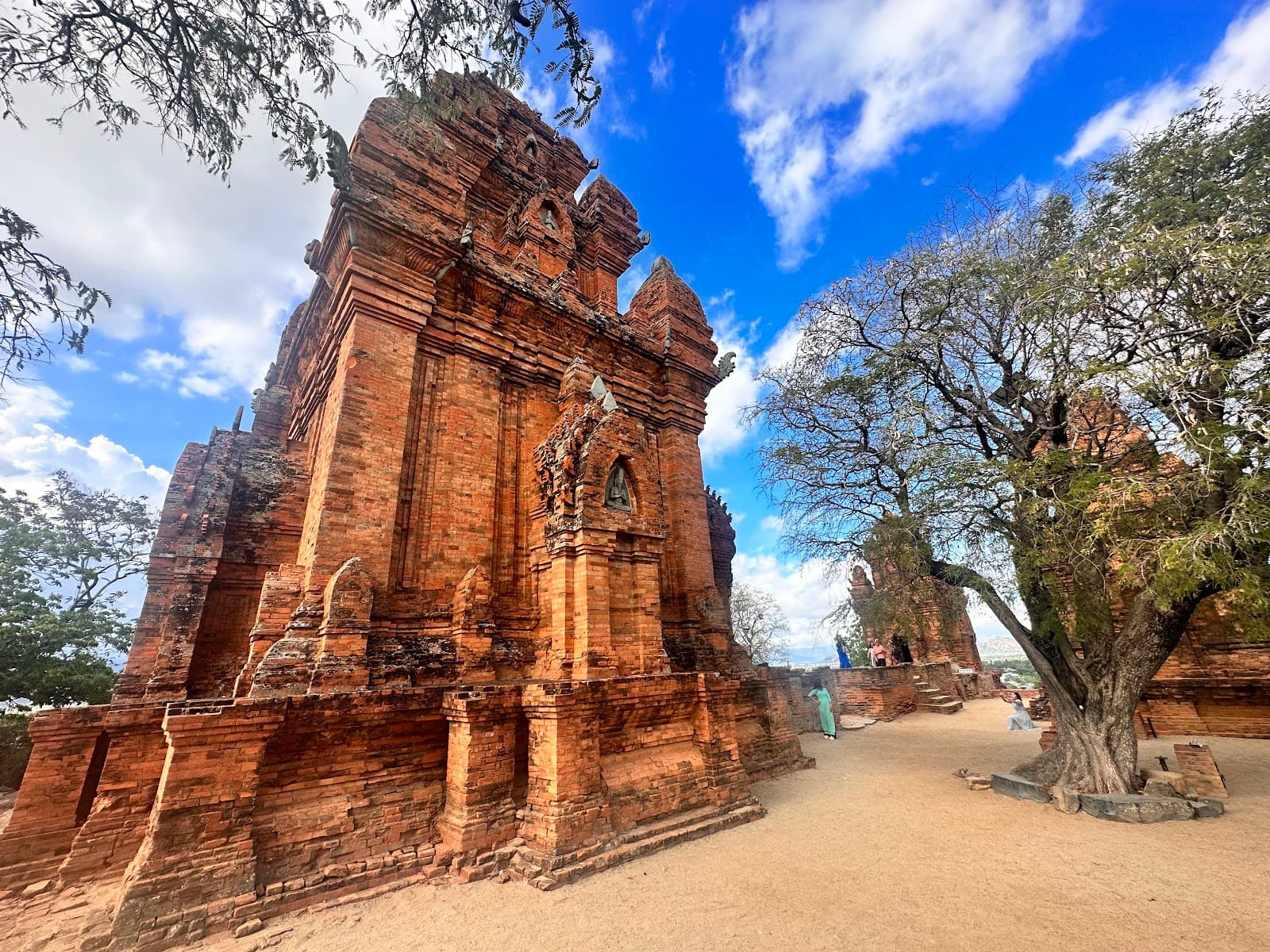
Thai Lan Cham Tower Complex, located in Ninh Thuan Province, Vietnam, represents one of the most architecturally refined and historically significant Cham Hindu temple complexes in Vietnam, constructed in the 13th century CE during a period of continued Champa prosperity and artistic achievement, creating a powerful testament to the sustained transmission of Indian Hindu religious and architectural traditions to Southeast Asia during the high medieval period. The temple complex, constructed primarily from red brick with sandstone decorative elements, features distinctive Cham tower architecture that demonstrates the sophisticated synthesis of Indian Hindu temple architecture, particularly the Dravidian traditions of southern India, with indigenous Cham building techniques, creating a unique architectural expression that reflects Champa's mature engagement with Indian religious and cultural traditions. The towers feature elaborate decorative programs including bas-reliefs and sculptures that demonstrate the direct transmission of Indian Hindu iconography and artistic traditions, while the discovery of inscriptions provides crucial evidence of the site's role as a center for the transmission of Indian religious texts and practices to Southeast Asia, and the complex's architectural refinement demonstrates the continued evolution and localization of Indian architectural traditions in the Cham context. The site's location, chosen according to Indian cosmological principles, underscores its spiritual significance, while the complex's architectural design demonstrates the sophisticated understanding of Indian temple planning principles possessed by 13th-century Cham architects, who had refined and adapted Indian traditions over centuries of cultural exchange. Archaeological evidence reveals that the complex served as a major center of Hindu worship for the Champa Kingdom, while the site's historical significance as a 13th-century temple provides crucial insights into the continued vitality and refinement of Indian Hindu traditions in Southeast Asia during the high medieval period, demonstrating that Indian-Cham cultural exchange remained vibrant and productive even as Champa faced increasing challenges from neighboring powers. Today, Thai Lan Cham Tower Complex stands as an important Cham Hindu temple in Vietnam, serving as a powerful testament to the sustained transmission of Indian Hindu culture and architecture to Southeast Asia, while the site's architectural refinement and excellent preservation ensure its ongoing significance as a cultural monument that documents the mature phase of Indian-Cham cultural exchange and the sophisticated artistic achievements of the Champa Kingdom during the 13th century. ([1][2])
Hayagriva Madhava Temple Hajo
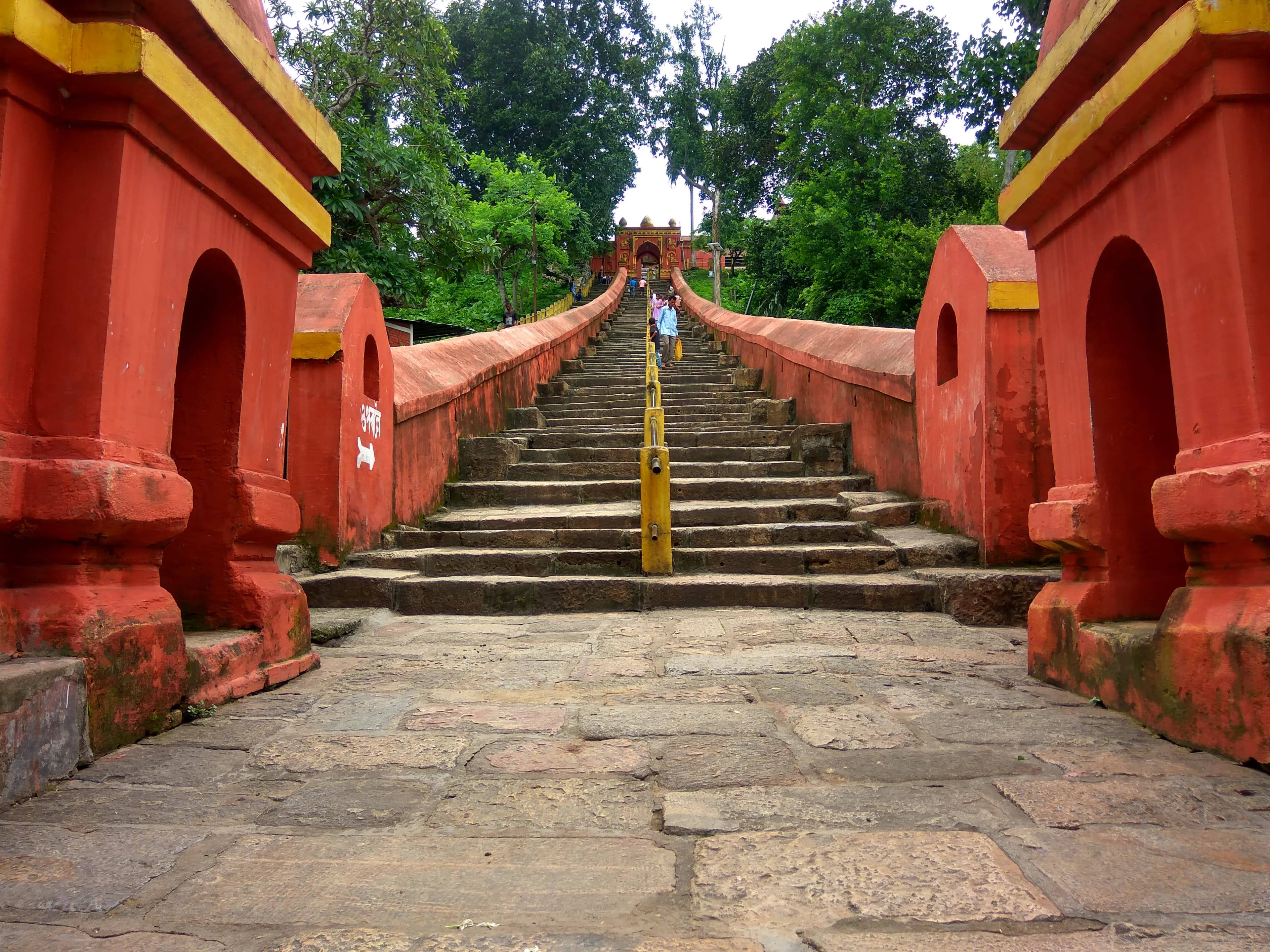
The Hayagriva Madhava Temple, perched atop Monikut Hill in Hajo, Assam, exudes a serenity that belies its complex history. The climb itself, a gentle ascent through lush greenery, prepares one for the spiritual journey that awaits. As I reached the plateau, the temple, a simple yet elegant structure, emerged from the foliage, its ochre walls glowing warmly in the afternoon sun. This isn’t the soaring grandeur of Khajuraho or the intricate carvings of Konark, but a quiet dignity permeates the space, a testament to centuries of devotion. The temple, dedicated to Hayagriva Madhava, a form of Vishnu with a horse's head, is a fascinating blend of architectural styles. While predominantly Assamese in character, whispers of other influences are evident. The pyramidal roof, constructed of brick and covered with plaster, is a hallmark of the region, echoing the sloping hills that surround it. However, the use of stone in the base and the doorway, along with certain decorative motifs, hints at a possible influence from the Koch dynasty, known for their patronage of temple architecture. The absence of elaborate sculptures, so common in other parts of India, further underscores the temple's unique character. It’s a style that prioritizes form and proportion over ornamentation, creating a sense of peaceful contemplation. Inside the garbhagriha, the sanctum sanctorum, resides the main deity. Photography is prohibited within, but the mental image remains vivid. The dimly lit space, the scent of incense, and the hushed reverence of the devotees created an atmosphere of profound spirituality. The deity itself, though small and unassuming, radiated a palpable energy, a testament to the deep faith it inspires. Stepping out of the sanctum, I was struck by the panoramic view from the temple courtyard. The Brahmaputra River, a shimmering ribbon in the distance, snaked its way through the verdant landscape. Local legend connects this temple to the Hayagriva Madhava Temple in Tibet, claiming that the head of the deity in Hajo was taken there. Standing there, overlooking the vast expanse, I could almost believe the tale, imagining a time when these two distant lands were connected by threads of faith and pilgrimage. The temple complex also houses smaller shrines dedicated to other deities, each with its own unique story to tell. The Kedareswara Temple, situated nearby, is believed to have been built by the Pandavas during their exile. The architectural similarities between the two temples suggest a shared lineage, further enriching the historical tapestry of the site. I spent hours exploring these smaller shrines, each a microcosm of the region's rich cultural heritage. What struck me most about Hayagriva Madhava Temple was its unpretentious beauty. It’s not a monument that overwhelms with its scale or intricacy, but rather invites quiet reflection. The simplicity of the architecture, the serene surroundings, and the palpable devotion of the pilgrims create an atmosphere of profound peace. It’s a place where one can connect with something larger than oneself, a feeling that lingers long after leaving the hallowed grounds. As I descended the hill, the temple receding into the green embrace of Monikut, I carried with me not just images of its unique architecture, but a renewed appreciation for the enduring power of faith and the quiet beauty of simplicity.
Naga Heritage Village Kohima
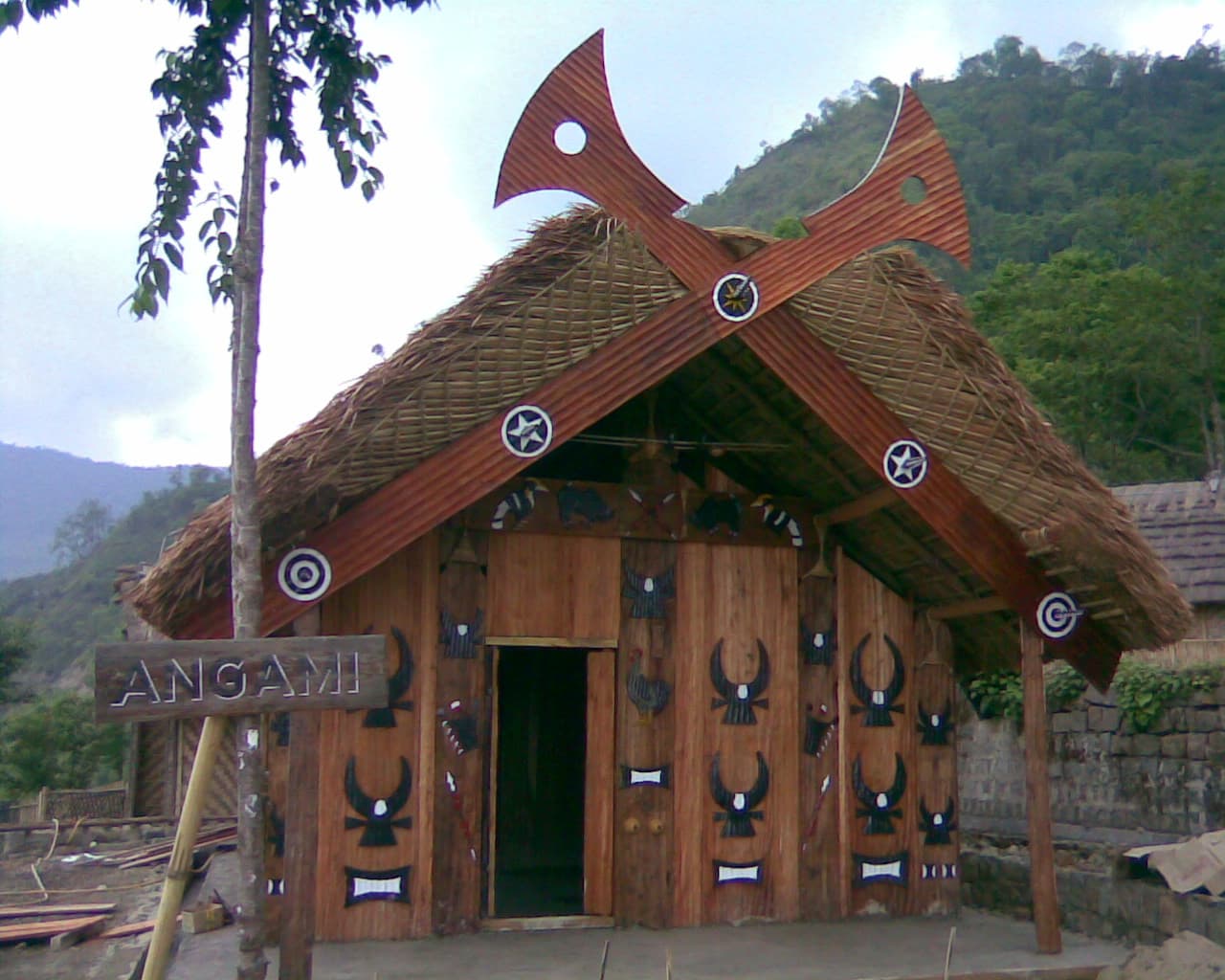
The rhythmic chanting, a low thrumming undercurrent to the crisp mountain air, was my first introduction to the Nagaland Police Central Temple in Kohima. Nestled amidst the undulating landscape, the temple doesn't immediately strike one with the grandeur often associated with UNESCO sites. It's a quiet presence, a subtle assertion of faith amidst the bustling capital city. Having visited every UNESCO site in India, I can confidently say this one holds a unique position, not for its architectural flamboyance, but for its cultural significance and the palpable sense of community it fosters. The temple's architecture is a fascinating blend of traditional Naga motifs and contemporary design. Unlike the ornate stone carvings of South Indian temples or the intricate sandstone work of those in the North, the Nagaland Police Central Temple employs simpler, cleaner lines. The main structure is predominantly concrete, painted a pristine white that contrasts beautifully with the vibrant green of the surrounding hills. However, the Naga influence is evident in the decorative elements. Stylized wooden carvings, depicting tribal symbols and mythical creatures, adorn the entrance and the prayer hall. These carvings, though less elaborate than some I've seen at other sites, possess a raw, almost primal energy that speaks volumes about the rich artistic heritage of the Naga people. Stepping inside, I was immediately struck by the serene atmosphere. The prayer hall is a large, open space, devoid of the usual clutter of idols and offerings. Instead, a single, unadorned platform serves as the focal point for worship. This minimalist approach, I learned, reflects the core beliefs of the Nagaland Baptist Church Council, which oversees the temple. The emphasis here is on communal prayer and reflection, rather than elaborate rituals. The soft sunlight filtering through the large windows, coupled with the gentle murmur of prayers, created an atmosphere of profound tranquility. What truly sets the Nagaland Police Central Temple apart, however, is its role as a unifying force within the community. It serves not just as a place of worship, but also as a social hub, a place where people from different tribes and backgrounds come together. During my visit, I witnessed a group of women, dressed in their traditional attire, sharing stories and laughter in the courtyard. Children played games on the steps leading up to the temple, their carefree joy echoing through the air. This sense of shared identity and belonging is something I haven't encountered at many other UNESCO sites. Often, these sites, while architecturally magnificent, feel somewhat detached from the daily lives of the people around them. The Nagaland Police Central Temple, on the other hand, is deeply interwoven with the fabric of the community. As I sat there, observing the interplay of light and shadow on the temple walls, listening to the gentle rhythm of life unfolding around me, I realized that the true beauty of this UNESCO site lies not in its physical structure, but in the intangible spirit it embodies. It's a testament to the power of faith, community, and the enduring legacy of Naga culture. It's a reminder that sometimes, the most profound experiences are found not in the grandest monuments, but in the quiet corners where life unfolds in its simplest, most authentic form. My journey through India's UNESCO sites has taken me to magnificent palaces, ancient forts, and breathtaking natural wonders. But the Nagaland Police Central Temple, in its quiet dignity, offered a different kind of marvel – a glimpse into the heart of a community and the enduring power of shared belief.
Charaideo Ahom Royal Palace
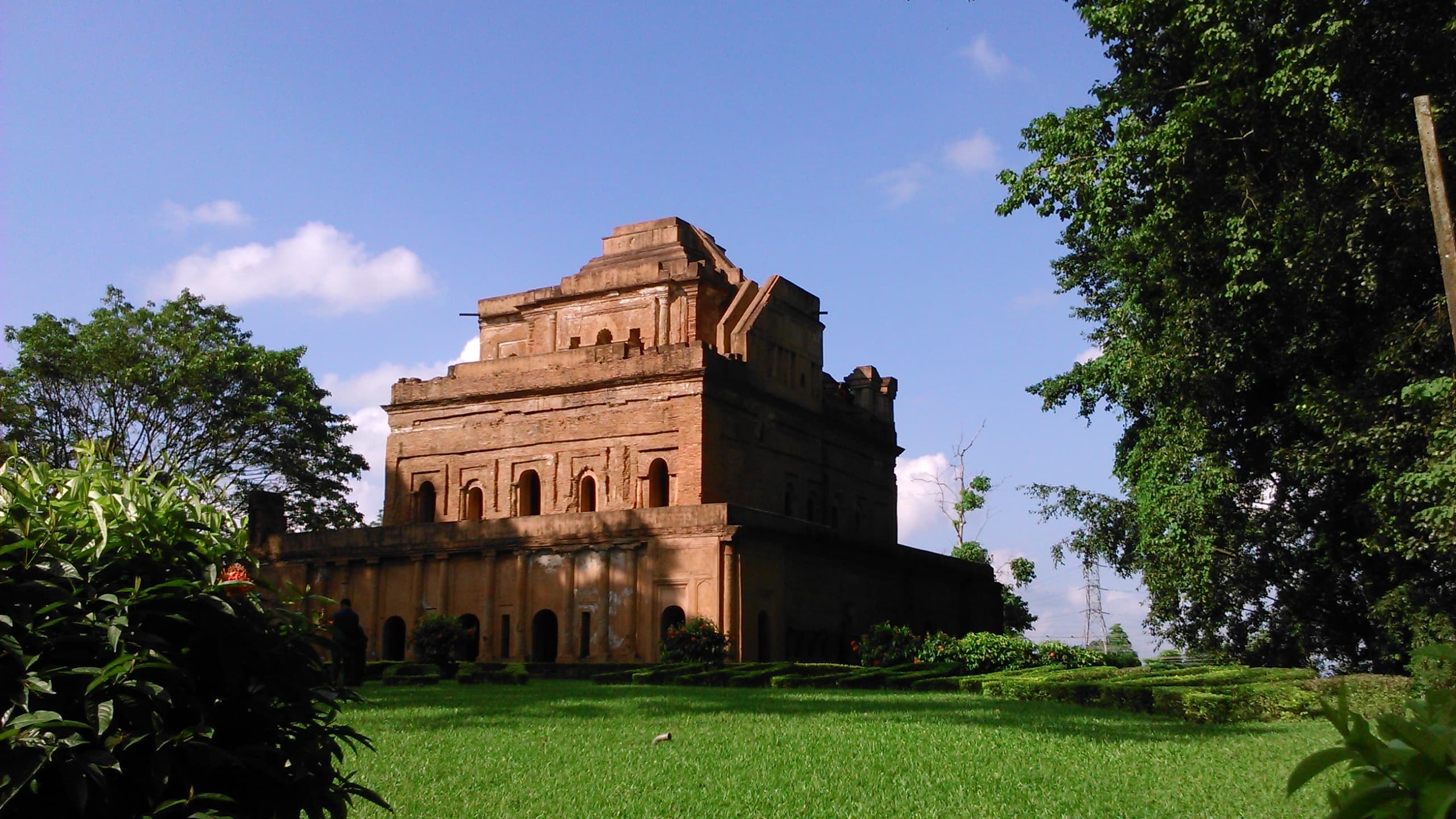
Nestled amidst the undulating hills of Assam, the Ahom Royal Palace at Charaideo whispers narratives of a kingdom that commanded the region for six centuries ([1]). Unlike the well-documented Mughal and Rajput structures, Charaideo presents a unique and often overlooked chapter of Indian history ([2]). The palace ruins, scattered pavilions, gateways, and protective walls, evoke a profound connection to the surrounding environment ([3]). Stone platforms and foundations demonstrate the architectural ingenuity of the Ahom civilization, dating back to the 13th century ([4]). Fired brick and mud brick construction techniques, combined with locally sourced materials such as bamboo and wood, highlight the Ahom's resourcefulness ([3]). The brickwork features subtle floral motifs, a distinctive characteristic that sets it apart from the geometric patterns prevalent in Islamic architecture ([5]). River stones, seamlessly integrated into the walls, further emphasize the Ahom's deep-rooted connection with the natural landscape ([3]). Archaeological excavations have unveiled the foundations of courtyards and royal pavilions, offering glimpses into the palace's former grandeur and sophisticated planning ([6]). Vastu Shastra principles, the ancient Indian science of architecture, likely influenced the palace's layout, optimizing spatial arrangements in harmony with nature ([7]). Within the complex, sophisticated drainage systems ensured the longevity of the structures, a testament to the Ahom's advanced engineering skills ([8]). The strategic location of Charaideo, providing panoramic vistas of the surrounding landscape, underscores its significance as a vital seat of power ([2]). The Charaideo Ahom Royal Palace stands as a poignant reminder of Assam's rich heritage, meriting greater recognition as a precious jewel of Indian history ([1]).
Quick Links
Plan Your Heritage Journey
Get personalized recommendations and detailed visitor guides