Has Inheritage Foundation supported you today?
Your contribution helps preserve India's ancient temples, languages, and cultural heritage. Every rupee makes a difference.
Secure payment • Instant 80G certificate
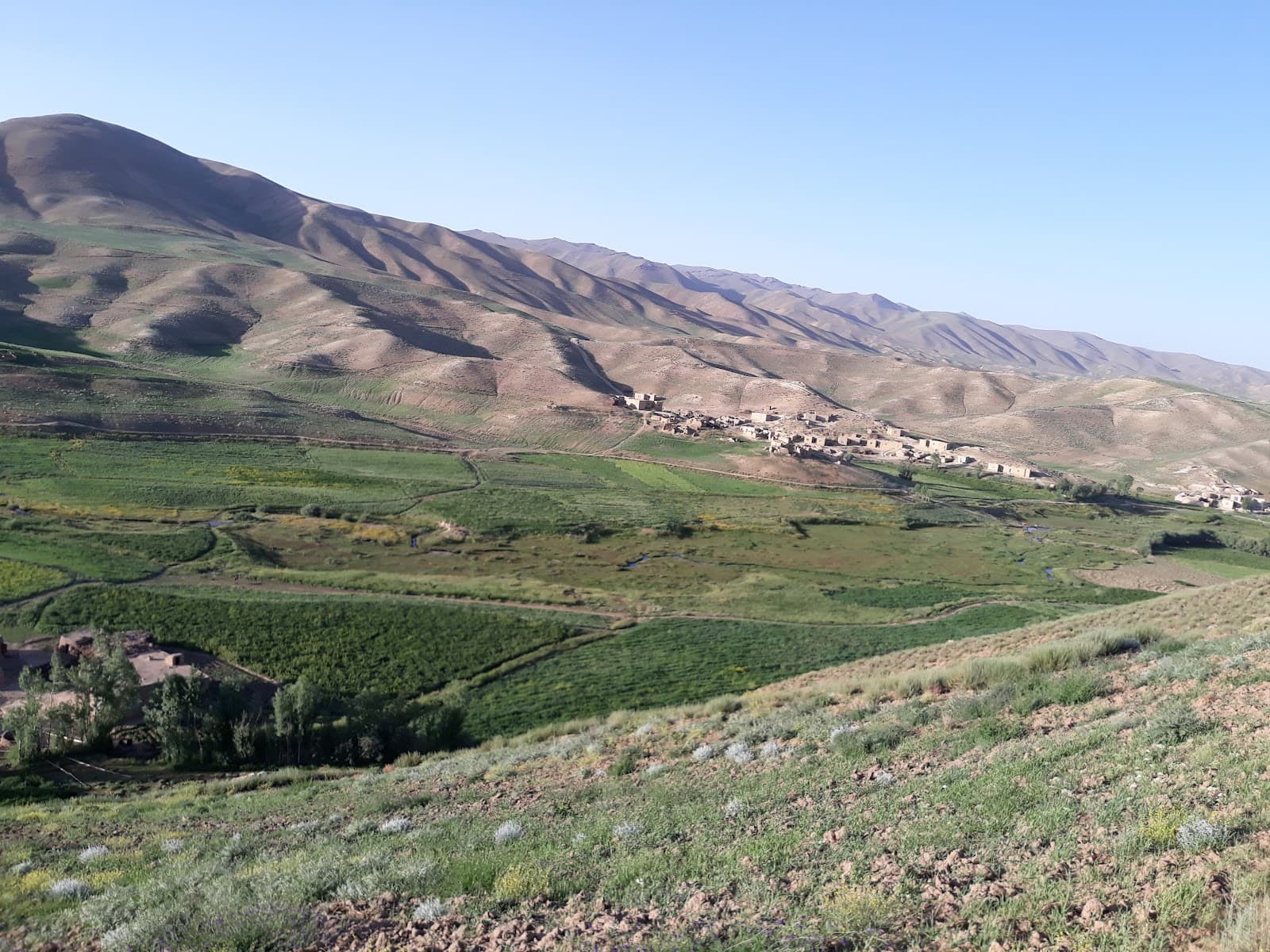
Bamiyan Valley Temples Monasteries Bamiyan Afghanistan
Bamiyan Valley, cradled within the Hindu Kush mountains of Afghanistan, flourished as a significant Buddhist center from the 3rd to 9th centuries CE ([1][2]). Over 3,000 cave temples and monasteries are carved into the cliff faces, adorned with elaborate wall paintings and stucco sculptures, demonstrating a confluence of Indian and Central Asian artistic styles ([3]). These rock-cut structures, erected by the Kushan and Post-Kushan dynasties, integrated elements reminiscent of Indian Ajanta-Ellora cave architecture ([1]). Intricate carvings, fashioned from natural rock, stucco, paint, metal, wood, and clay, embellished the interiors, epitomizing the zenith of Central Asian Buddhist artistry ([2][4]). Vedic traditions likely influenced the layout and iconography, adapting Indian concepts of sacred space to the region. Two colossal Buddha statues, towering at 55 and 38 meters, once stood as the largest of their kind, illustrating the widespread transmission of Indian Buddhist iconography ([1][3]). These statues reflected the Gandhara school of art, a fusion of Greco-Roman and Indian styles, which further disseminated Buddhist imagery ([5]). Archaeological excavations have revealed Bamiyan's pivotal role as a hub for Buddhist scholarship, drawing pilgrims along the Silk Road ([2]). During its apogee, the valley was visited by Chinese pilgrims such as Xuanzang in the 7th century CE, who chronicled its magnificence ([1][5]). The site's layout echoes Indian Buddhist practices, adapted to create monumental expressions of devotion, similar to the Chaitya halls (prayer halls) and Viharas (monasteries) found in India ([3]). Though tragically damaged in 2001, Bamiyan Valley endures as a UNESCO World Heritage Site, a poignant reminder of Afghanistan's ancient Buddhist heritage and the propagation of Indian artistic and spiritual traditions ([4][5]). The enduring legacy reflects the interconnectedness of cultures along the ancient Silk Road, with Indian artistic and philosophical influences playing a vital role.
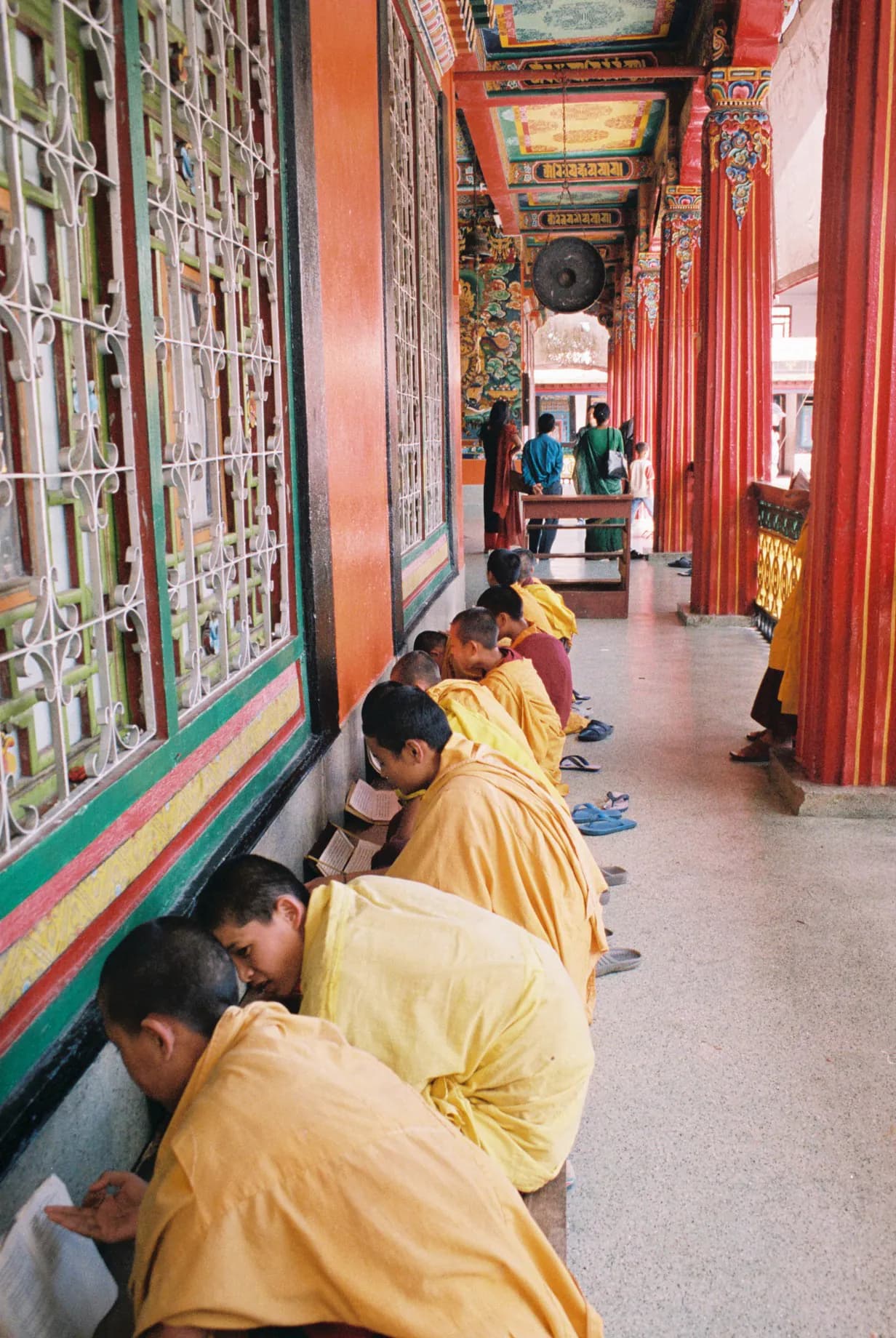
Rumtek Monastery Gangtok
The biting Himalayan wind whipped prayer flags into a frenzy of colour as I climbed the final steps to Rumtek Monastery, a structure that seemed to breathe with the very spirit of the mountains surrounding it. Perched on a ridge overlooking Gangtok, the monastery, also known as the Dharma Chakra Centre, exudes an aura of serene power, a beacon of Tibetan Buddhism in the Indian Himalayas. This wasn't just a visit; it was an immersion into a living tradition, a palpable connection to a lineage stretching back centuries. The vibrant colours immediately struck me – deep reds, rich golds, and brilliant blues – a stark contrast to the muted greens and greys of the landscape. The main building, a magnificent three-storied structure, is a replica of the original Tsurphu Monastery in Tibet, the traditional seat of the Karmapa Lama. This deliberate mirroring is not mere imitation, but a powerful act of cultural preservation, a testament to the resilience of a people displaced from their homeland. As I stepped through the ornate entrance, the cacophony of the wind was replaced by the low, resonant hum of chanting. The courtyard, a paved expanse surrounded by monastic quarters, vibrated with a quiet energy. Intricate murals adorned the walls, depicting scenes from Buddhist mythology – wrathful deities, serene bodhisattvas, and intricate mandalas, each a window into a complex spiritual world. The craftsmanship was breathtaking; the vibrant colours, applied with meticulous detail, seemed to pulsate with life. I noticed the distinct Tibetan architectural style in the sloping roofs, adorned with golden finials, and the use of brightly painted woodwork, a stark departure from the more subdued aesthetics of traditional Indian temples. Inside the main shrine, the air was thick with the scent of incense and yak butter lamps. The sheer scale of the Golden Stupa, dominating the central space, was awe-inspiring. Covered in gold leaf and studded with precious stones, it radiated a palpable sense of sacredness. The surrounding walls were lined with rows of smaller stupas, each containing relics of past Karmapas, creating a tangible link to the lineage of this important Buddhist sect. I observed the intricate woodwork of the throne reserved for the Karmapa, a masterpiece of carving and inlay work, symbolizing his spiritual authority. The details were mesmerizing – from the miniature depictions of mythical creatures to the complex geometric patterns, each element imbued with symbolic meaning. Spending time observing the monks in their daily rituals was a privilege. Their deep devotion, evident in their rhythmic chanting and precise movements, offered a glimpse into a life dedicated to spiritual practice. The rhythmic beating of drums and the sonorous clang of cymbals punctuated the silence, creating an atmosphere both meditative and invigorating. Beyond the main structures, I explored the surrounding gardens, a haven of tranquility amidst the bustling monastery. The carefully tended flowerbeds, dotted with colourful prayer wheels, offered a moment of quiet contemplation. The panoramic view from the monastery grounds, stretching across the rolling hills and valleys of Sikkim, was simply breathtaking. It was easy to understand why this location was chosen – a place where the natural beauty of the Himalayas converges with the spiritual aspirations of Tibetan Buddhism. Leaving Rumtek Monastery, I carried with me more than just photographs and memories. I carried a deeper understanding of the power of cultural preservation, the resilience of the human spirit, and the enduring beauty of ancient traditions in a rapidly changing world. The monastery stands not just as a testament to Tibetan architecture and artistry, but as a living embodiment of faith, a beacon of hope amidst the towering peaks of the Himalayas.

ISKCON Temple Aizawl
The vibrant ochre and saffron hues of the ISKCON Temple in Aizawl cut a striking figure against Mizoram's verdant hills. Perched atop a hill, the temple commands a panoramic view of the city, a vista that immediately instilled a sense of tranquility. Unlike the bustling, often chaotic atmosphere surrounding many Indian temples, a palpable sense of peace permeates this space. My visit here, as part of my project to document all of India's UNESCO World Heritage sites, offered a unique perspective on the interplay of faith and architecture in the Northeast. The temple’s architecture is a fascinating blend of traditional Nagara style with subtle Mizo influences. The towering shikharas, adorned with intricate carvings, reach towards the sky, a testament to the devotion that fueled their construction. While the core architectural elements are distinctly North Indian, the use of local materials, particularly in the construction of the surrounding walls and the landscaping, creates a sense of harmony with the environment. I noticed the extensive use of locally sourced timber, lending a warm, earthy tone to the complex. The sloping roofs, reminiscent of traditional Mizo houses, further enhance this integration. Stepping inside the main prayer hall, I was struck by the serene atmosphere. The soft chanting of Hare Krishna filled the air, punctuated by the rhythmic clanging of cymbals. The deity of Radha Krishna, resplendent in vibrant attire and adorned with flowers, held court at the center. The devotees, a mix of locals and visitors, engaged in prayer with an air of quiet devotion. I observed that the temple served as a focal point not just for religious practice, but also as a community gathering space. Families sat together, sharing stories and Prasad, creating a warm and inclusive environment. The temple complex extends beyond the main prayer hall, encompassing a guesthouse, a library, and a vegetarian restaurant. The guesthouse, designed with simple elegance, offers comfortable accommodation for visitors. The library, stocked with a vast collection of religious texts and philosophical treatises, provides a space for contemplation and learning. I spent a fascinating hour browsing through ancient scriptures, gaining a deeper understanding of the Vaishnava tradition. The Govinda’s restaurant, serving delicious and affordable vegetarian meals, is a popular spot for both devotees and locals. I savored a simple thali, appreciating the fresh, local ingredients and the peaceful ambiance. One of the most memorable aspects of my visit was witnessing the evening aarti. As the sun dipped below the horizon, casting a golden glow over the city, the temple came alive with the sounds of devotional music and chanting. The rhythmic clapping and the fervent prayers created an electrifying atmosphere. The sight of hundreds of devotees, their faces illuminated by the flickering lamps, was truly moving. It was a powerful reminder of the unifying power of faith. My visit to the ISKCON Temple in Aizawl was more than just a stop on my UNESCO journey; it was an immersive cultural experience. It offered a glimpse into the vibrant religious landscape of Mizoram and the harmonious coexistence of different traditions. The temple's architectural beauty, the serene atmosphere, and the warm hospitality of the devotees left a lasting impression. It underscored the importance of these spiritual sanctuaries not just as places of worship, but as vital community hubs, fostering a sense of belonging and shared identity. This experience further solidified my belief that exploring these sites offers a profound understanding of India's rich cultural tapestry.
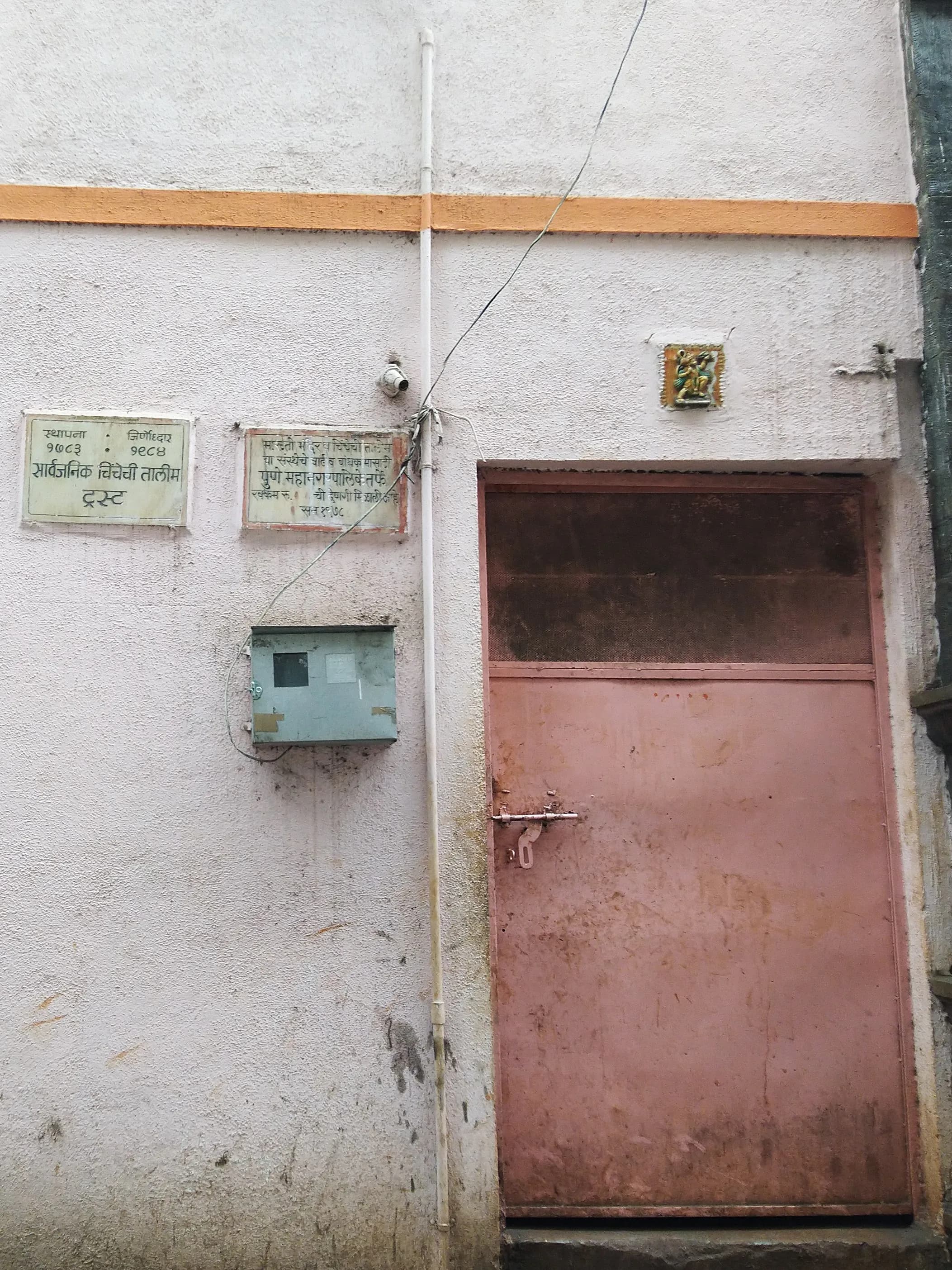
Maruti Temple Panaji
The Maruti Temple in Panaji, Goa, doesn't impose itself on the landscape like some of the grander temples I've documented across India. Instead, it sits nestled amidst the bustling urbanity of the capital city, a pocket of tranquility radiating a quiet strength. Climbing the wide, laterite stone steps, worn smooth by countless devotees over the centuries, I felt a palpable shift in atmosphere. The city noise faded, replaced by the gentle clanging of bells and the murmur of prayers. The temple is dedicated to Lord Hanuman, the monkey god, a beloved deity in the Hindu pantheon. Unlike the vibrant, polychromatic temples of South India, the Maruti Temple exhibits a more restrained palette. The primary structure is built from laterite, a locally abundant stone that lends a warm, earthy tone to the edifice. Whitewashed walls provide a stark contrast, highlighting the intricate carvings that adorn the temple’s façade. These carvings, while not as profuse as some I've seen, possess a distinct Goan character, blending traditional Hindu iconography with subtle Portuguese influences, a testament to the region's layered history. The main entrance is framed by a gopuram, a towering pyramidal structure, though smaller and less ornate than those found in South Indian temples. Its tiered form, however, still conveys a sense of ascension, guiding the eye upwards towards the heavens. Two imposing dwarapalas, guardian figures, flank the entrance, their stoic expressions conveying a sense of protective vigilance. I was particularly struck by the detail in their sculpted attire, which seemed to incorporate elements of both traditional Hindu and local Goan styles. Stepping inside the courtyard, I was greeted by a sense of spaciousness. The temple is built around a central open area, allowing for the free flow of air and light. A large, brass bell hangs from the ceiling of the mandapa, the main hall, its resonant tone filling the air with a sense of sacredness. The inner sanctum, where the deity resides, is relatively small and dimly lit, creating an atmosphere of reverence and mystery. Photography wasn't permitted inside, which, in a way, heightened the sanctity of the space. It allowed me to fully absorb the atmosphere, to connect with the spiritual energy of the place without the distraction of my lens. What truly captivated me about the Maruti Temple, however, was its integration with the surrounding community. It wasn't merely a monument, but a living, breathing part of the city's fabric. I observed families performing rituals, offering prayers, and sharing moments of quiet contemplation. The temple seemed to serve as a social hub, a place where people from all walks of life could come together, united by their faith. As I sat on the steps, observing the activity around me, I noticed a small group of musicians preparing for an evening performance. The rhythmic beat of the drums and the melodic strains of the flute filled the air, adding another layer to the temple's rich tapestry of sounds and experiences. It was a moment of pure magic, a testament to the enduring power of tradition and the vital role that temples like this play in preserving cultural heritage. Leaving the Maruti Temple, I carried with me not just photographs, but a deeper understanding of Goa's unique cultural landscape. It's a place where history, spirituality, and community converge, creating a truly unforgettable experience. This temple, while not architecturally overwhelming, possesses a quiet charm and a deep-rooted connection to its surroundings that makes it a truly special place. It's a testament to the fact that heritage isn't just about grand monuments, but also about the everyday rituals and traditions that give a place its soul.
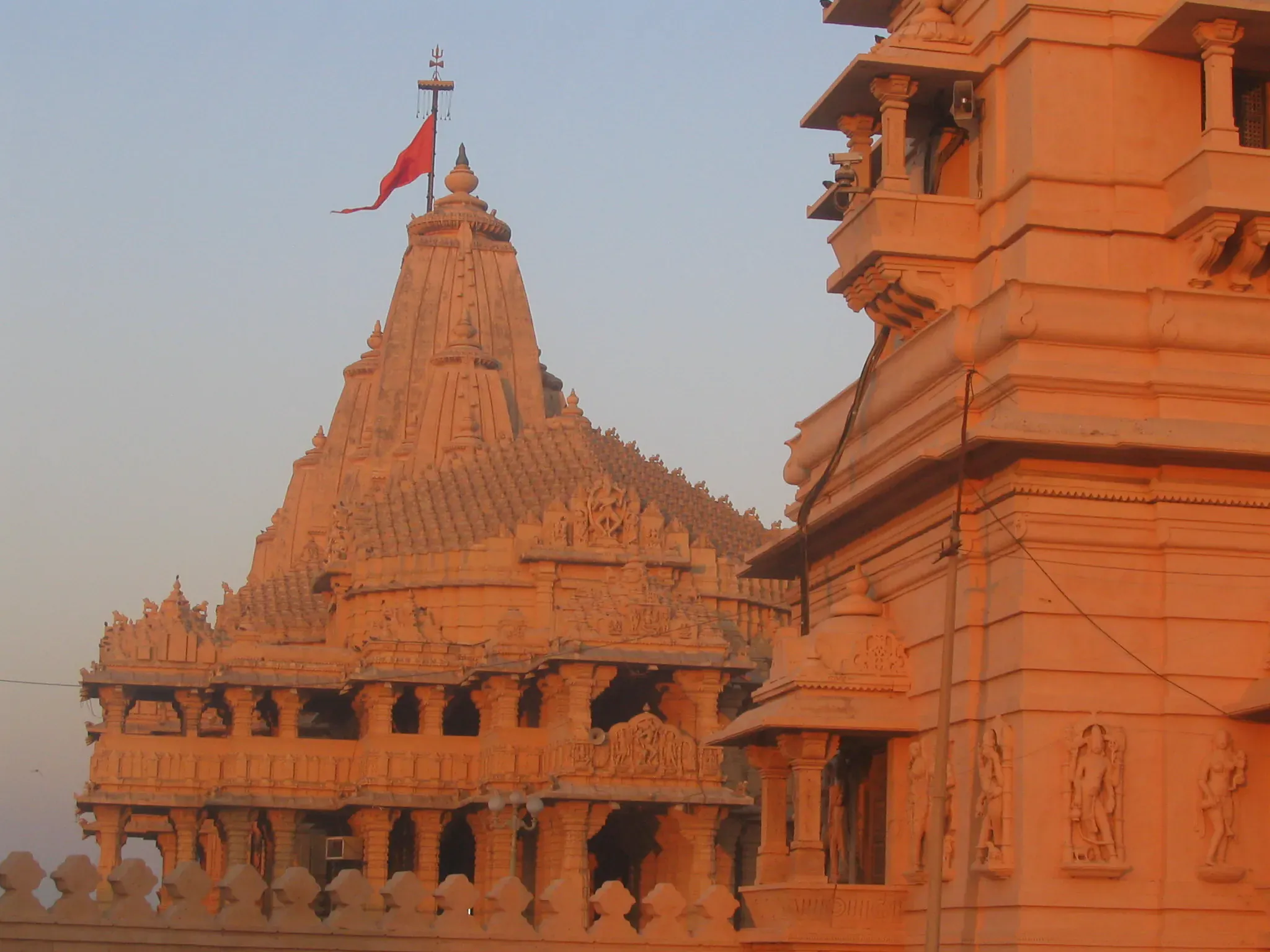
Somnath Temple Veraval
The salty air, thick with the scent of the Arabian Sea, whipped around me as I stood before the Somnath Temple, its majestic shikhara piercing the cerulean sky. Having grown up amidst the ancient temples and vibrant cultural tapestry of Uttar Pradesh, I’ve always been drawn to the narratives whispered by stones and etched into carvings. But even with that background, the sheer grandeur of Somnath, resurrected time and again from the ashes of history, left me breathless. The temple, dedicated to Lord Shiva in his form as Somnath, "Lord of the Moon," stands as a testament to both exquisite craftsmanship and unwavering faith. The Chalukya style of architecture is evident in the intricate carvings that adorn every inch of the sandstone structure. Unlike the ornate and often densely populated sculptures of North Indian temples, the carvings here possess a certain elegant restraint. Geometric patterns, floral motifs, and depictions of deities flow seamlessly across the walls, pillars, and even the towering shikhara, narrating tales from Hindu mythology. I spent a considerable amount of time examining the sabha mandap, its pillars intricately carved with scenes from the epics. The play of light and shadow across these carvings, especially during the late afternoon, created an almost ethereal atmosphere. One cannot experience Somnath without acknowledging its tumultuous past. The temple has been plundered and destroyed multiple times throughout history, each time rising phoenix-like from the ruins. This cycle of destruction and reconstruction has imbued the very stones with a palpable sense of resilience. As I walked through the temple courtyard, I could almost feel the weight of history pressing down, a poignant reminder of the enduring power of faith. A small museum within the temple complex chronicles these events, displaying remnants of previous structures and offering a glimpse into the temple’s layered past. Seeing fragments of intricately carved pillars and broken sculptures, remnants of earlier incarnations of the temple, brought a lump to my throat. It was a stark visualization of the destructive forces that had repeatedly attempted to erase this beacon of faith. The evening aarti at Somnath is an experience unlike any other. The rhythmic chanting of Sanskrit hymns, the fragrance of incense, and the flickering lamps created an atmosphere of profound devotion. The sound of the conch shell reverberated through the courtyard, carrying with it centuries of prayers and hopes. As I stood amidst the throngs of devotees, I felt a sense of connection not just to the divine, but to the countless generations who had stood in this very spot, offering their prayers to Lord Shiva. The sheer collective energy of the moment was palpable, a testament to the enduring power of faith and tradition. Looking out from the temple towards the vast expanse of the Arabian Sea, I was struck by a sense of peace. The rhythmic crashing of the waves against the shore seemed to echo the cyclical nature of creation and destruction, a theme so deeply intertwined with the history of Somnath. The setting sun painted the sky in hues of orange and gold, casting a warm glow over the temple, as if blessing it with its final rays. My visit to Somnath was more than just a journalistic assignment; it was a pilgrimage of sorts. It was a journey into the heart of India’s rich spiritual and architectural heritage. It was a reminder of the power of faith to endure even the most devastating of storms, and a testament to the human spirit's unwavering quest for the divine. As I left the temple, the image of the majestic shikhara silhouetted against the twilight sky remained etched in my mind, a symbol of resilience, devotion, and the enduring power of belief.
Dimapur Fort Dimapur
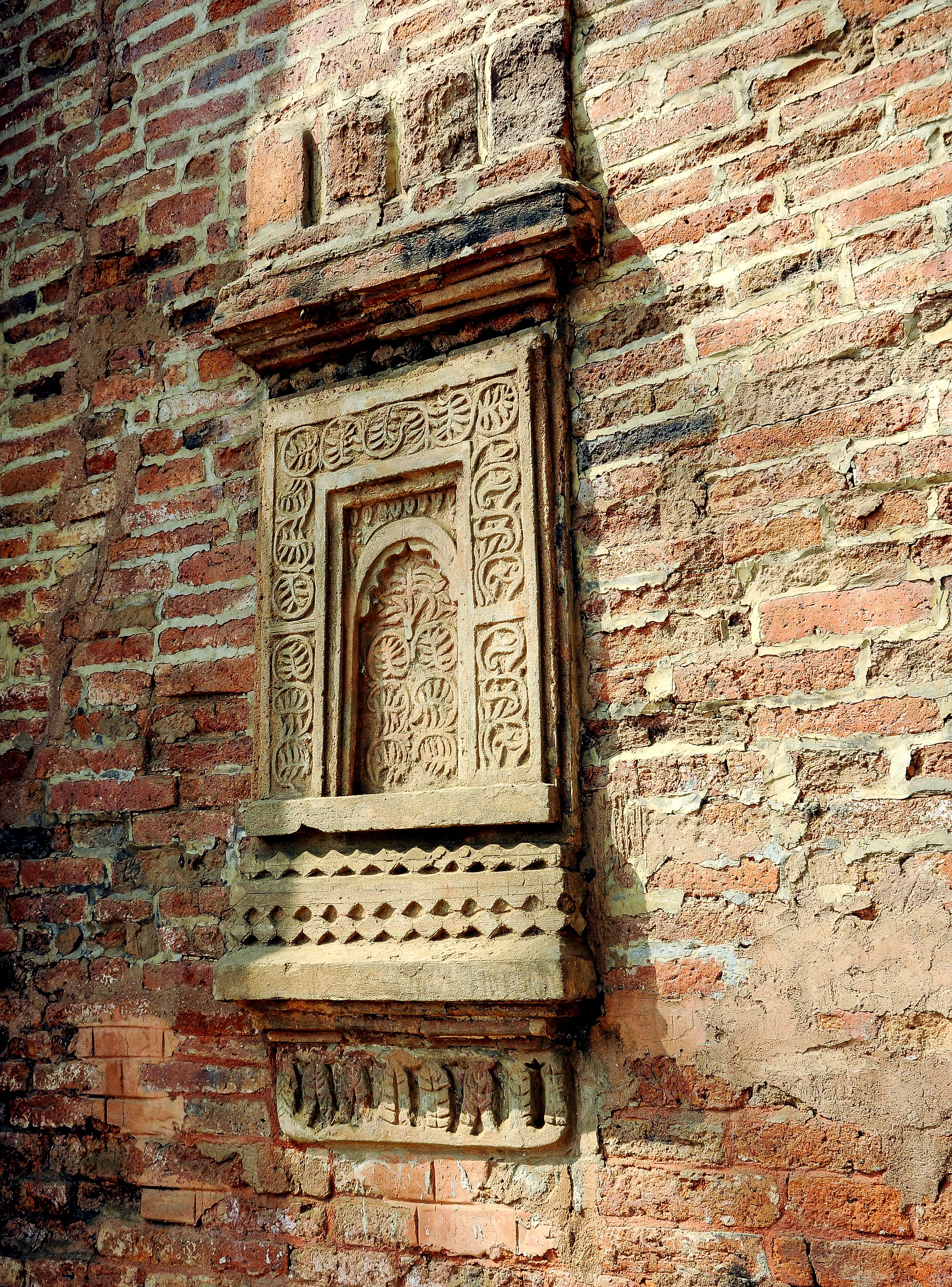
Amidst the heart of Nagaland lies Dimapur Fort, a poignant reminder of the once-powerful Kachari kingdom, dating back to the 12th century [1]. This fort, also known as Kachari Rajbari, presents a captivating, albeit crumbling, spectacle of a bygone era [2]. Unlike the grand stone fortifications of Rajasthan, Dimapur Fort predominantly features burnt brick structures, showcasing a distinct architectural style shaped by the region's resources and climate [3]. Archaeological excavations have uncovered a sprawling complex, revealing a network of courtyards, gateways, and remnants of functional structures [4]. The absence of elaborate palaces suggests a focus on military defense and strategic utility, a practical approach evident in the fort's layout [5]. The gateways, constructed from precisely arranged bricks without mortar, stand as testaments to the Kachari artisans' skill and ingenuity [6]. These arched entrances are adorned with geometric and stylized floral motifs, reflecting a unique artistic sensibility distinct from other Indian architectural traditions [7]. Intricate carvings adorning the walls offer glimpses into the Kachari culture. Stylized floral patterns, diamond shapes, and animal depictions echo a bold, minimalist aesthetic [8]. Local legends whisper of underground passages that once served as escape routes or secret conduits [9]. Peculiar mushroom-shaped structures, known as "Rongpur," dot the landscape, their purpose shrouded in mystery [10]. Some theories suggest they were used as guard posts, while others believe they were platforms for ritualistic ceremonies [11]. Fired brick and mud brick construction techniques, combined with stone and timber, demonstrate the Kachari kingdom's resourcefulness [12]. Dimapur Fort, though in ruins, continues to whisper tales of a lost civilization and its enduring architectural legacy. The fort exemplifies the unique blend of practicality and artistic expression that characterized the Kachari kingdom, leaving an indelible mark on the architectural heritage of Northeast India [13].
Chhinnamasta Temple Ramgarh
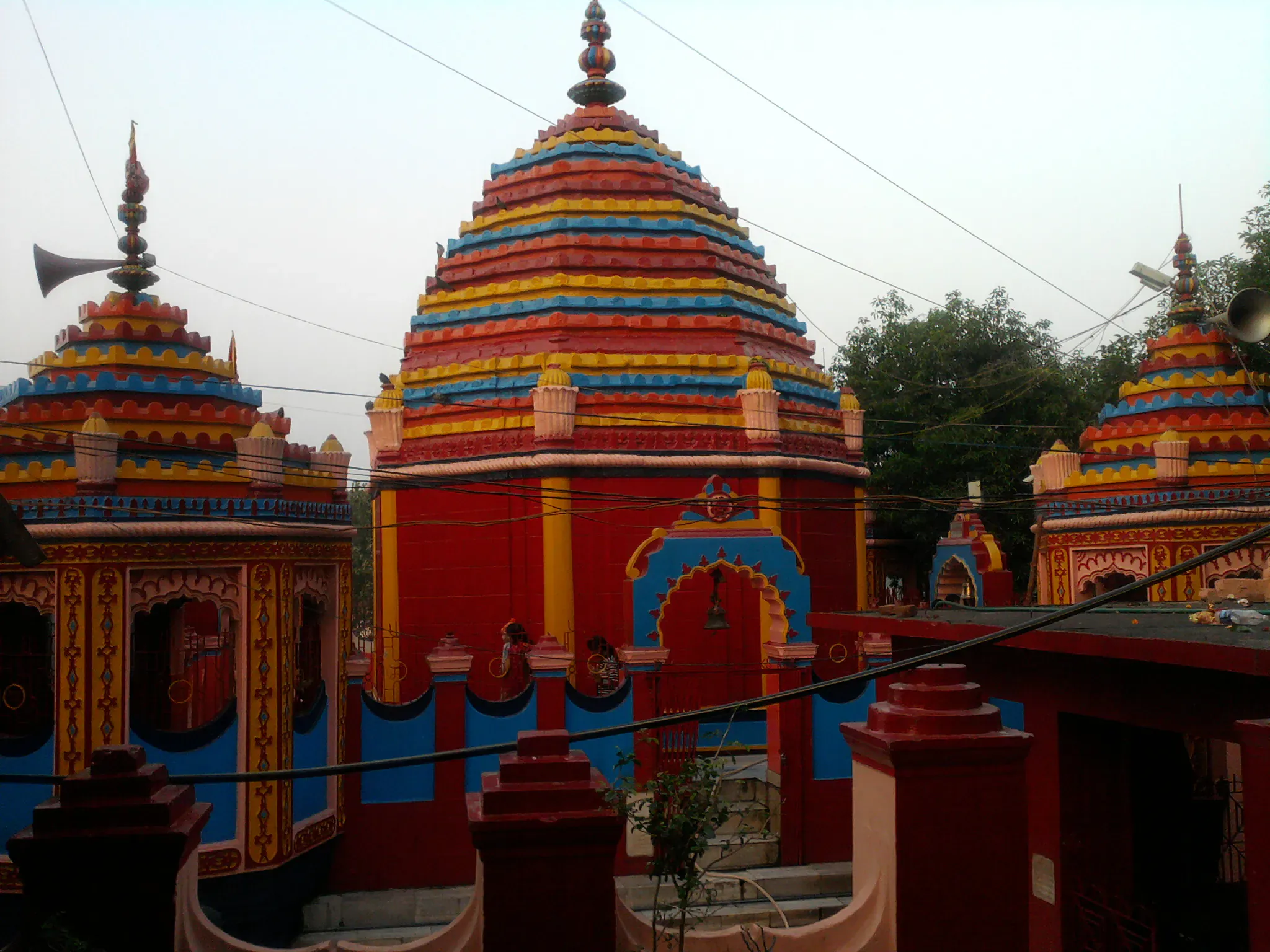
Nestled amidst the picturesque hills of Jharkhand, the Chhinnamasta Temple in Ramgarh provides a captivating glimpse into the region's rich architectural and spiritual heritage ([1][2]). Constructed around 1350 CE, during the Eastern Ganga Dynasty, this temple is dedicated to the unique tantric goddess Chhinnamasta, with patronage from the Chero Chiefs ([1][3]). The temple's architecture represents a fascinating Nagara-Kalinga hybrid style, showcasing the blending of distinct regional influences ([2][4]). Granite and sandstone blocks, meticulously carved by skilled artisans, constitute the primary building materials ([1][5]). The towering curvilinear Shikhara (spire), a defining feature of Nagara architecture, dominates the temple's skyline, rising majestically above the Garbhagriha (Sanctum) ([2][4]). Laterite stone, locally sourced, adds an earthy hue to the structure, contrasting with the intricate ornamentation that graces its surfaces ([3][5]). This harmonious blend of materials and styles reflects the architectural prowess of the Eastern Ganga period. Within the Garbhagriha, the striking iconography of the goddess Chhinnamasta takes center stage, depicting her self-decapitation as a profound symbol of self-sacrifice and cosmic renewal ([2][3]). The temple's design integrates tantric principles, emphasizing the interconnectedness of seemingly opposing forces, a concept deeply rooted in ancient Indian philosophy ([4][5]). Further, the temple exemplifies the enduring legacy of Indian temple architecture, seamlessly blending regional materials, artistic craftsmanship, and profound spiritual symbolism, offering a unique cultural experience ([1][2]). The Chhinnamasta Temple is a testament to India's architectural diversity.

Nazarbaug Palace Vadodara
The midday sun beat down on Vadodara, casting long shadows across the manicured lawns leading up to Nazarbaug Palace. Having explored countless Mughal and Rajput architectural marvels across North India, I was curious to see what this Gaekwad dynasty legacy held within its walls. The palace, though not as imposing as some of the Rajasthan forts I’ve traversed, exuded a quiet dignity, a subtle grandeur that hinted at the stories it held. The first thing that struck me was the intriguing blend of architectural styles. While the overall structure retained a distinctly Indian sensibility, European influences were evident in the arched windows, the ornate balconies, and the delicate filigree work adorning the façade. It was a testament to the Gaekwads' embrace of modernity while holding onto their heritage. The palace, I learned, was built in phases, starting in the early 18th century and undergoing several expansions and renovations over the years, resulting in this fascinating architectural amalgamation. Stepping inside, I was transported to a world of opulent interiors. The Darbar Hall, the heart of the palace, was breathtaking. Chandeliers, imported from Europe, cascaded from the high ceilings, casting a warm glow on the intricate mosaic floors. The walls were adorned with portraits of the Gaekwad rulers, their stern gazes seemingly following me as I walked through the hall. I could almost imagine the grand durbars held here, the hall echoing with music and laughter, a hub of political power and social gatherings. One of the most captivating aspects of Nazarbaug Palace is its collection of personal belongings of the Gaekwad family. Unlike many museums that showcase artifacts behind ropes and glass, here, you get a glimpse into the lives of the royals. From intricately carved furniture to delicate porcelain dinner sets, each item whispered stories of a bygone era. I was particularly fascinated by the collection of vintage clocks, each a miniature masterpiece of craftsmanship, frozen in time. It was a poignant reminder of the ephemeral nature of power and grandeur. Moving beyond the Darbar Hall, I explored the residential wings of the palace. The rooms, though now largely empty, retained an echo of their former occupants. I peered into the royal bedrooms, imagining the lives lived within these walls, the joys and sorrows, the triumphs and tribulations of a dynasty. The faded remnants of wallpaper and the worn patches on the wooden floors spoke volumes about the passage of time and the inevitable decay that even palaces are subject to. The palace grounds, though not expansive, offered a welcome respite from the city’s hustle. The manicured gardens, dotted with fountains and statues, provided a tranquil setting. I spent some time wandering through the pathways, admiring the vibrant bougainvillea and the fragrant jasmine, trying to capture the essence of this historical oasis. However, the highlight of my visit was undoubtedly the opportunity to see the Gaekwad’s collection of jewels. Housed in a secure vault within the palace, the collection includes some of the most exquisite pieces I have ever seen. The legendary Star of Baroda, a 78.5-carat diamond necklace, though no longer part of the collection (it was auctioned off years ago), was represented through photographs and historical accounts, leaving me awestruck by its former glory. The remaining jewels, including intricately designed necklaces, bracelets, and earrings, were a testament to the Gaekwads' immense wealth and their refined taste. Leaving Nazarbaug Palace, I felt a sense of melancholy. The palace, with its blend of architectural styles, its opulent interiors, and its poignant stories, offered a captivating glimpse into a vanished world. It was a reminder of the ebb and flow of history, the rise and fall of dynasties, and the enduring power of heritage. As I stepped back into the bustling streets of Vadodara, the quiet grandeur of Nazarbaug Palace lingered in my mind, a testament to the rich tapestry of India's past.
Shree Govindajee Temple Imphal
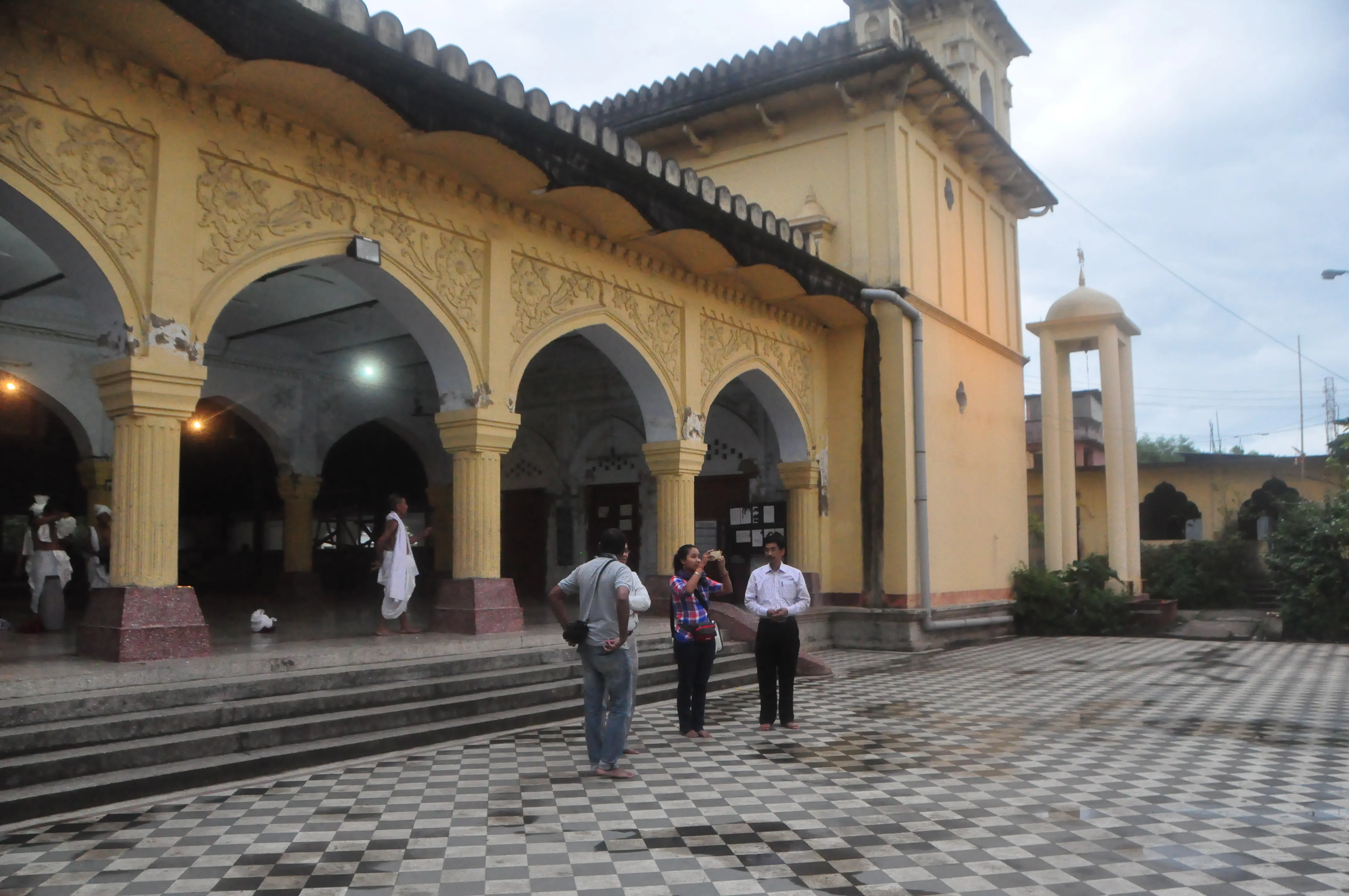
The shimmering gold roof of the Shree Govindajee Temple, rising above the sprawling complex within Imphal’s palace grounds, immediately captured my attention. Coming from Uttar Pradesh, a land steeped in its own vibrant temple architecture, I was eager to experience this Manipuri gem, a testament to the region’s unique cultural tapestry. The temple, dedicated to Lord Krishna in his Govindajee form, stands as a powerful symbol of Vaishnavism in this northeastern state. Entering the complex, I was struck by the spacious courtyard, a serene expanse that provided a buffer from the bustling city outside. The main temple structure, built in a traditional Manipuri architectural style, is flanked by two smaller shrines dedicated to Radha and Balarama. Unlike the towering stone edifices common in my home state, this temple showcased a different aesthetic. The structure is primarily built of brick, plastered and painted a pristine white, creating a stark contrast against the vibrant gold roof. The roof itself is a marvel, a multi-tiered, curved structure, reminiscent of the traditional Manipuri houses I’d seen dotted across the landscape. This architectural synchronicity, blending religious symbolism with local vernacular, resonated deeply. The temple’s interior, while relatively simple, exudes a palpable sense of devotion. Photography is strictly prohibited inside, a rule I respected, allowing myself to fully immerse in the atmosphere. The absence of visual documentation heightened my other senses. The scent of incense hung heavy in the air, mingling with the soft murmur of prayers. The rhythmic chanting of Sanskrit verses, though different in pronunciation from what I was accustomed to, carried the same spiritual weight, a testament to the universality of religious devotion. I spent some time observing the devotees. Their attire, a blend of traditional Manipuri phanek (sarong) and shawl for women, and dhoti-kurta for men, added another layer of cultural richness to the experience. The reverence in their eyes, the gentle clinking of bells, and the offering of flowers and fruits created a tapestry of faith that transcended geographical boundaries. It was fascinating to witness how Vaishnavism, a faith so deeply rooted in the Gangetic plains, had taken root and flourished in this distant land, adapting and integrating with local traditions. Beyond the main temple, the complex houses several smaller structures, including a dedicated kitchen where prasad is prepared. I was fortunate enough to partake in the noontime offering, a simple yet delicious meal of rice and lentils. Sharing this communal meal with the local devotees further solidified my sense of connection to this sacred space. The Shree Govindajee Temple is more than just a religious structure; it's a living testament to the cultural exchange and adaptation that has shaped Manipur’s identity. The temple’s architecture, rituals, and the very presence of Vaishnavism in this predominantly tribal region speak volumes about the historical and cultural influences that have converged here. As someone deeply interested in the interplay of culture and faith, my visit to the Shree Govindajee Temple was an enriching experience. It offered a glimpse into a unique expression of Hinduism, shaped by the geographical and cultural landscape of Manipur, a world away from the familiar temples of my homeland, yet connected by the same thread of devotion. The temple stands as a symbol of resilience, a beacon of faith that continues to illuminate the lives of the Manipuri people, and a testament to the enduring power of cultural exchange.
Shree Shree Hanuman Mandir Shillong
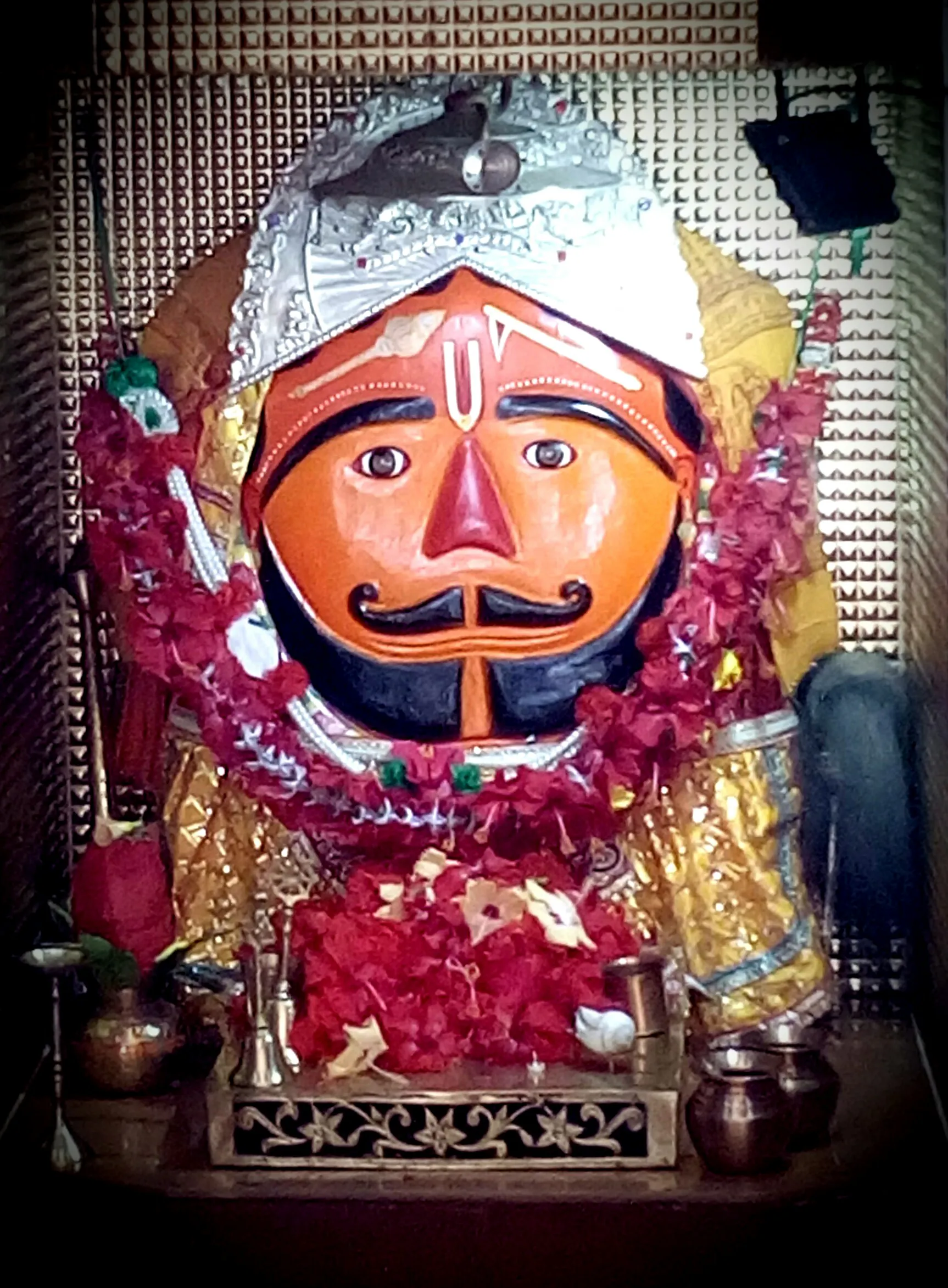
The vibrant hues of prayer flags snapped in the wind, a stark contrast against the deep green pines surrounding the Shree Shree Hanuman Mandir in Shillong. Having explored the basalt-carved caves and ancient temples of Maharashtra extensively, I was curious to see how this northeastern temple, dedicated to the monkey god, would compare. The air, crisp and cool even in the afternoon sun, held a different kind of reverence, a quiet hum of devotion that resonated differently from the fervent energy of Maharashtra's religious sites. The temple, perched atop a hill, commands a breathtaking view of Shillong. The climb itself is a pilgrimage of sorts, winding through a path lined with smaller shrines and stalls selling offerings. Unlike the intricate carvings and towering gopurams I'm accustomed to seeing back home, this temple possesses a simpler, more understated elegance. The main structure is predominantly white, with splashes of vibrant red and orange – colours synonymous with Hanuman. The architecture, while incorporating elements of traditional North Indian temple design, also displays a distinct local influence, perhaps in the sloping roof designed to withstand the region's heavy rainfall. Stepping inside, I was struck by the palpable sense of peace. The main deity, a towering statue of Lord Hanuman, dominates the sanctum. His vibrant orange form, chest puffed out in a display of strength and devotion, exudes an aura of powerful tranquility. Unlike the often dimly lit interiors of Maharashtra's ancient caves, this temple is bathed in natural light, filtering through large windows that offer panoramic views of the surrounding hills. The chanting of hymns, though present, was softer, more melodic, almost blending with the rustling of the pines outside. What truly captivated me was the syncretism evident in the temple's atmosphere. While dedicated to a Hindu deity, the temple attracts devotees from various faiths and backgrounds, reflecting the diverse tapestry of Meghalaya's population. I observed Khasi locals alongside devotees from other parts of India, all offering prayers and seeking blessings in their own unique ways. This intermingling of cultures and faiths, a beautiful testament to the region's inclusive spirit, was a refreshing change from the often more homogenous religious landscapes I've encountered elsewhere. The temple complex also houses a smaller shrine dedicated to Lord Shiva, further highlighting this blend of traditions. The lingam, bathed in the soft glow of oil lamps, offered a stark contrast to the vibrant Hanuman statue, yet both deities seemed to coexist harmoniously within the same sacred space. This subtle interplay of different energies, a quiet conversation between different forms of devotion, added another layer of depth to the temple's spiritual ambiance. Outside, the temple grounds offer ample space for reflection and contemplation. I spent some time wandering around, taking in the panoramic views and observing the interactions between devotees. Children played amongst the prayer flags, their laughter echoing through the crisp mountain air, while elders sat quietly, lost in prayer or simply enjoying the serene atmosphere. This sense of community, of shared devotion and peaceful coexistence, was perhaps the most striking aspect of my visit. Leaving the Shree Shree Hanuman Mandir, I felt a sense of quiet rejuvenation. While different from the ancient, rock-cut marvels of my home state, this temple offered a unique spiritual experience, a testament to the power of faith to transcend geographical and cultural boundaries. The vibrant colours, the tranquil atmosphere, and the inclusive spirit of the place left an indelible mark, a reminder that devotion can find expression in myriad forms, each as powerful and moving as the next.
Nilkanth Dham Poicha
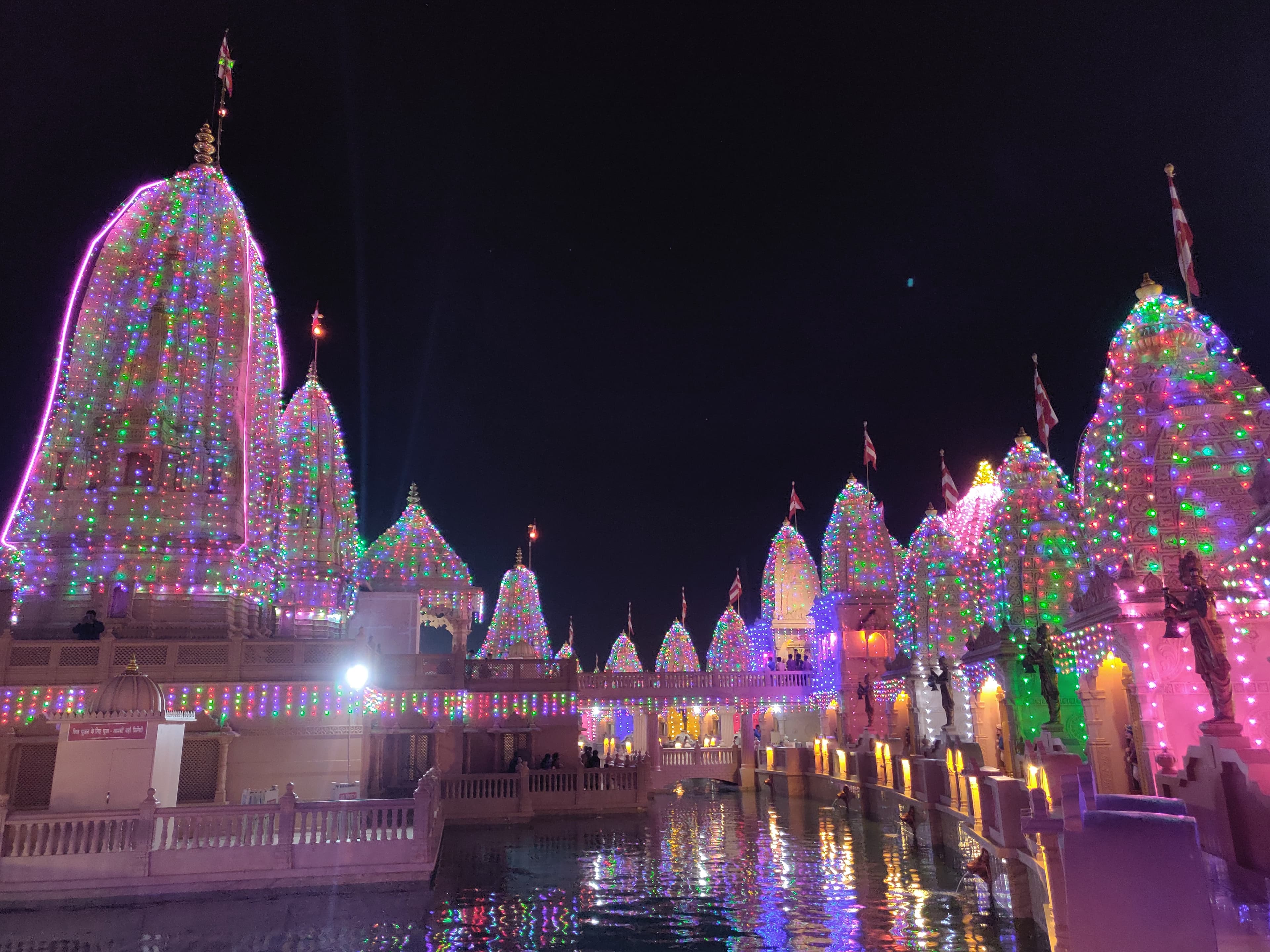
The midday sun beat down on the sprawling complex of Nilkanth Dham Swami Narayan Temple in Poicha, Gujarat, its reflection shimmering off the intricate carvings that adorned every surface. Stepping through the ornate main gate felt like crossing a threshold into another realm, one where marble whispered stories of devotion and craftsmanship reached a divine crescendo. This wasn't just a temple; it was a symphony in stone, a testament to the enduring power of faith and human artistry. My initial impression was one of overwhelming grandeur. The sheer scale of the complex, encompassing sprawling gardens, towering gateways, and the main temple itself, was breathtaking. The architecture, while undeniably contemporary, drew heavily from ancient Indian traditions, seamlessly blending elements of Gujarati, Rajasthani, and even Mughal styles. The dominant material was marble, polished to a gleaming sheen that amplified the vibrant colours of the inlaid precious stones and the intricate detail of the carvings. As I moved closer to the main temple, the narrative etched into the stone began to unfold. Every pillar, every architrave, every lintel was a canvas for intricate depictions of deities, mythological scenes, and floral motifs. The sheer density of the carvings was astonishing. It was as if an army of sculptors had poured their hearts and souls into every inch of the temple, leaving no surface untouched by their artistry. I was particularly struck by the depiction of the 'Dashavatar', the ten incarnations of Vishnu, carved with remarkable precision and dynamism. The expressions on the faces of the deities, from the serene countenance of Rama to the fierce visage of Narasimha, were remarkably lifelike, conveying a sense of divine power and grace. Inside the main temple, the atmosphere shifted from vibrant exuberance to hushed reverence. The towering ceilings, adorned with intricate frescoes and glittering chandeliers, created a sense of awe and wonder. The central deity, Lord Swaminarayan, was a vision in gold and precious stones, radiating a palpable aura of serenity. The devotees, moving with quiet devotion, added another layer to the rich tapestry of the temple’s ambiance. It was fascinating to observe the interplay of light and shadow within the sanctum, how the strategically placed openings allowed shafts of sunlight to illuminate the deity, creating an ethereal glow. Beyond the main temple, the sprawling gardens offered a welcome respite from the intensity of the central shrine. Meticulously manicured lawns, vibrant flowerbeds, and tranquil water features created an oasis of peace and serenity. The gardens were punctuated by smaller shrines, each dedicated to a different deity and showcasing a unique architectural style. I was particularly drawn to the Hanuman temple, its vibrant red sandstone contrasting beautifully with the lush greenery surrounding it. What struck me most about Nilkanth Dham was not just its opulence and grandeur, but the palpable sense of devotion that permeated every corner of the complex. It was evident in the meticulous craftsmanship, the vibrant colours, the intricate carvings, and the hushed reverence of the devotees. This wasn't just a monument to a deity; it was a living testament to the enduring power of faith, a place where art, architecture, and spirituality converged to create an experience that was both overwhelming and deeply moving. As I left the temple complex, the setting sun casting long shadows across the marble courtyards, I carried with me not just images of breathtaking beauty, but a profound sense of having witnessed something truly extraordinary. Nilkanth Dham is not just a temple; it is a pilgrimage for the soul, a journey into the heart of Indian devotion and artistic brilliance.
Seth Ram Gopal Haveli Mathura
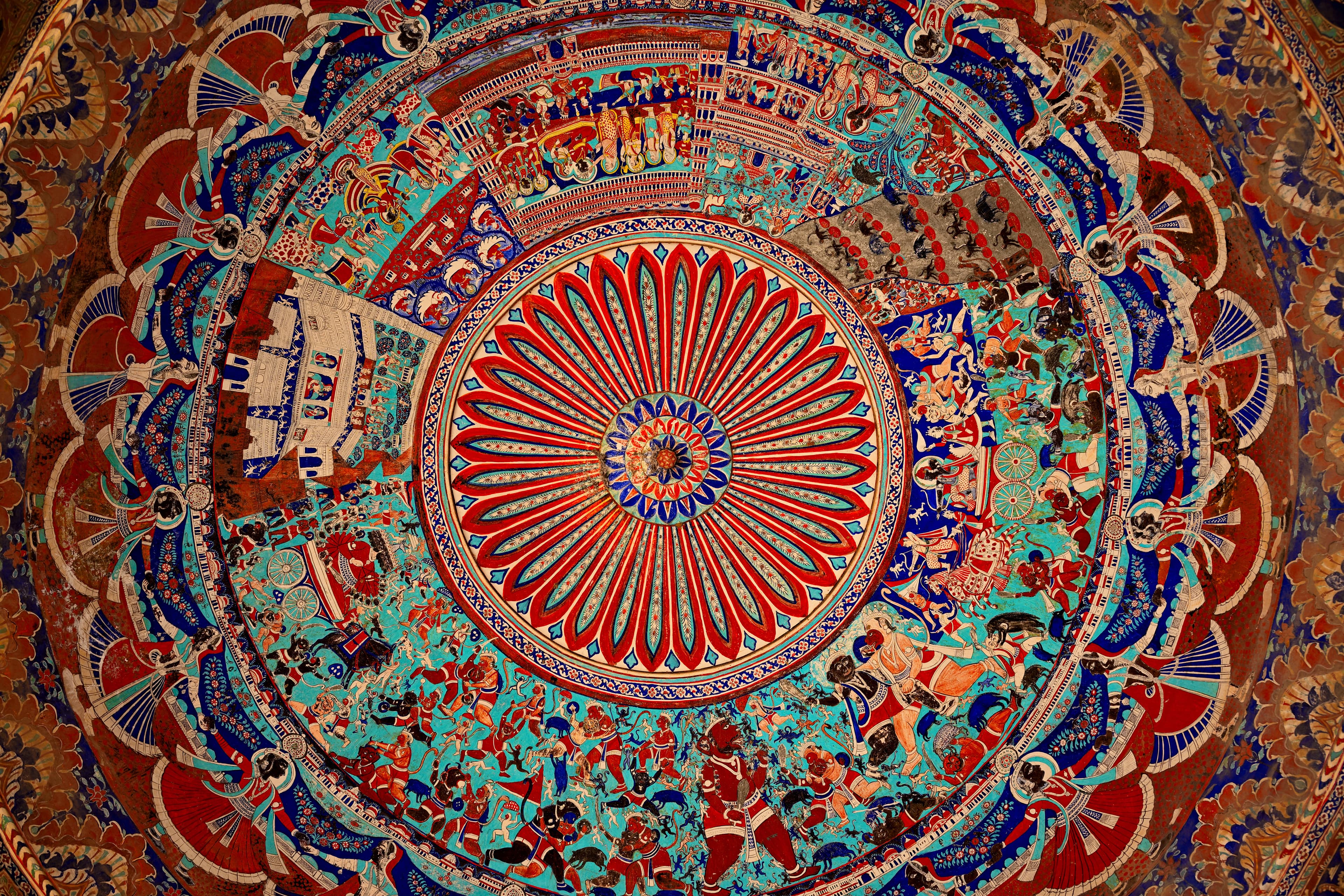
The midday sun beat down on Mathura, casting long shadows across the narrow lanes as I finally stood before the imposing wooden doors of Seth Ram Gopal Haveli. A palpable sense of history hung in the air, a stark contrast to the bustling marketplace just a stone's throw away. This wasn't just another haveli; it was a whisper of a bygone era, a testament to the opulent lifestyle of Mathura's affluent merchant class. Pushing open the heavy doors, I stepped into a cool, dimly lit courtyard. The transition was immediate, from the chaotic energy of the streets to an almost monastic stillness. The haveli embraced me, its intricate carvings and aged brickwork whispering stories of generations past. My eyes were immediately drawn upwards to the five-story structure, a magnificent display of traditional Braj architecture. Each level, supported by elaborately carved wooden pillars, seemed to lean in slightly, as if in confidential conversation with its neighbour. The courtyard, the heart of the haveli, was paved with worn flagstones, a testament to countless footsteps that had traversed this space over centuries. A small, neglected tulsi plant occupied a corner, a poignant reminder of the family’s daily rituals. The walls surrounding the courtyard were adorned with frescoes, their colours faded yet still vibrant enough to depict scenes from Krishna’s life, a common motif in this region so deeply connected to the deity. I noticed the intricate jali work, delicate screens of carved stone allowing for both ventilation and privacy, a hallmark of Mughal architectural influence. Ascending the wide, wooden staircase, the scent of aged wood filled my nostrils. Each step creaked under my weight, a rhythmic soundtrack to my exploration. The upper floors revealed a labyrinth of interconnected rooms, each with its own unique character. Some rooms boasted ornate ceilings with intricate floral patterns, while others showcased remnants of painted murals, now fragmented and ghostly. I peered into a room that likely served as a kitchen, its walls blackened by years of cooking fires, imagining the aromas of traditional Braj cuisine that must have once permeated these spaces. One of the most striking features of the haveli was its collection of exquisitely carved wooden balconies. Leaning against the intricately patterned railing of one such balcony, I overlooked the bustling street below. It was easy to imagine the wealthy Seth, perhaps Ram Gopal himself, observing the daily life of the city from this very vantage point. The rhythmic clang of a blacksmith’s hammer, the melodic calls of street vendors, the laughter of children playing – these sounds, though centuries removed from the haveli’s heyday, still echoed in the spaces between the carved wood. While the haveli undoubtedly bore the marks of time and neglect, its grandeur was undeniable. Peeling paint, crumbling plaster, and the silence of empty rooms only added to its melancholic charm. It wasn't merely a structure; it was a living archive, a tangible link to a rich cultural heritage. I could almost hear the rustle of silk sarees, the murmur of conversations, and the joyous strains of celebratory music within its walls. As I descended the creaking staircase and stepped back into the vibrant chaos of Mathura’s streets, I carried with me a profound sense of connection to the city’s past. Seth Ram Gopal Haveli wasn't just a tourist attraction; it was a time capsule, offering a glimpse into a world of exquisite craftsmanship, opulent lifestyles, and a deep-rooted connection to tradition. It’s a place that deserves not just a visit, but a moment of quiet contemplation, a chance to listen to the stories whispered by its ancient walls.
Quick Links
Plan Your Heritage Journey
Get personalized recommendations and detailed visitor guides