Has Inheritage Foundation supported you today?
Your contribution helps preserve India's ancient temples, languages, and cultural heritage. Every rupee makes a difference.
Secure payment • Instant 80G certificate
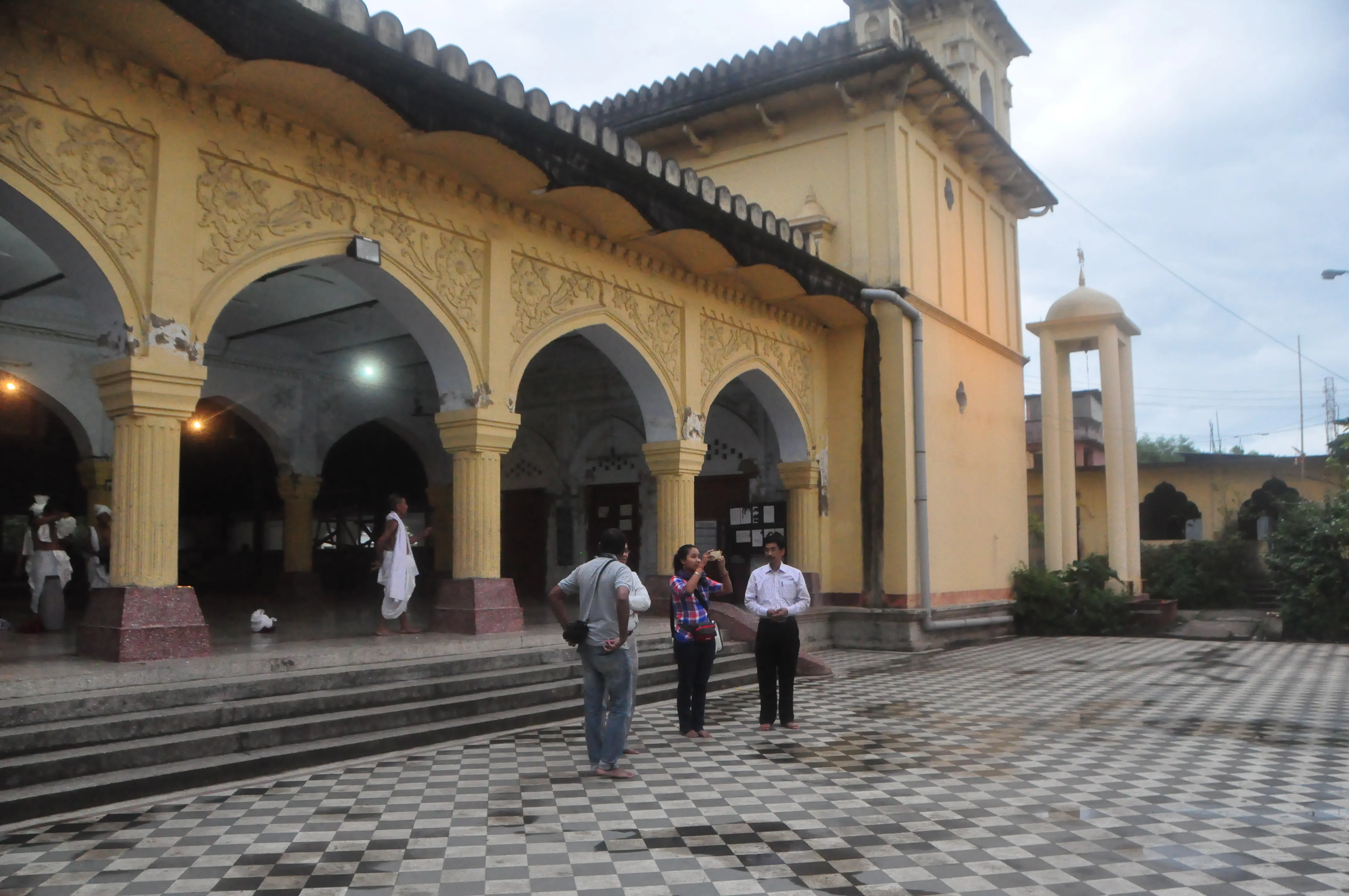
Shree Govindajee Temple Imphal
The shimmering gold roof of the Shree Govindajee Temple, rising above the sprawling complex within Imphal’s palace grounds, immediately captured my attention. Coming from Uttar Pradesh, a land steeped in its own vibrant temple architecture, I was eager to experience this Manipuri gem, a testament to the region’s unique cultural tapestry. The temple, dedicated to Lord Krishna in his Govindajee form, stands as a powerful symbol of Vaishnavism in this northeastern state. Entering the complex, I was struck by the spacious courtyard, a serene expanse that provided a buffer from the bustling city outside. The main temple structure, built in a traditional Manipuri architectural style, is flanked by two smaller shrines dedicated to Radha and Balarama. Unlike the towering stone edifices common in my home state, this temple showcased a different aesthetic. The structure is primarily built of brick, plastered and painted a pristine white, creating a stark contrast against the vibrant gold roof. The roof itself is a marvel, a multi-tiered, curved structure, reminiscent of the traditional Manipuri houses I’d seen dotted across the landscape. This architectural synchronicity, blending religious symbolism with local vernacular, resonated deeply. The temple’s interior, while relatively simple, exudes a palpable sense of devotion. Photography is strictly prohibited inside, a rule I respected, allowing myself to fully immerse in the atmosphere. The absence of visual documentation heightened my other senses. The scent of incense hung heavy in the air, mingling with the soft murmur of prayers. The rhythmic chanting of Sanskrit verses, though different in pronunciation from what I was accustomed to, carried the same spiritual weight, a testament to the universality of religious devotion. I spent some time observing the devotees. Their attire, a blend of traditional Manipuri phanek (sarong) and shawl for women, and dhoti-kurta for men, added another layer of cultural richness to the experience. The reverence in their eyes, the gentle clinking of bells, and the offering of flowers and fruits created a tapestry of faith that transcended geographical boundaries. It was fascinating to witness how Vaishnavism, a faith so deeply rooted in the Gangetic plains, had taken root and flourished in this distant land, adapting and integrating with local traditions. Beyond the main temple, the complex houses several smaller structures, including a dedicated kitchen where prasad is prepared. I was fortunate enough to partake in the noontime offering, a simple yet delicious meal of rice and lentils. Sharing this communal meal with the local devotees further solidified my sense of connection to this sacred space. The Shree Govindajee Temple is more than just a religious structure; it's a living testament to the cultural exchange and adaptation that has shaped Manipur’s identity. The temple’s architecture, rituals, and the very presence of Vaishnavism in this predominantly tribal region speak volumes about the historical and cultural influences that have converged here. As someone deeply interested in the interplay of culture and faith, my visit to the Shree Govindajee Temple was an enriching experience. It offered a glimpse into a unique expression of Hinduism, shaped by the geographical and cultural landscape of Manipur, a world away from the familiar temples of my homeland, yet connected by the same thread of devotion. The temple stands as a symbol of resilience, a beacon of faith that continues to illuminate the lives of the Manipuri people, and a testament to the enduring power of cultural exchange.
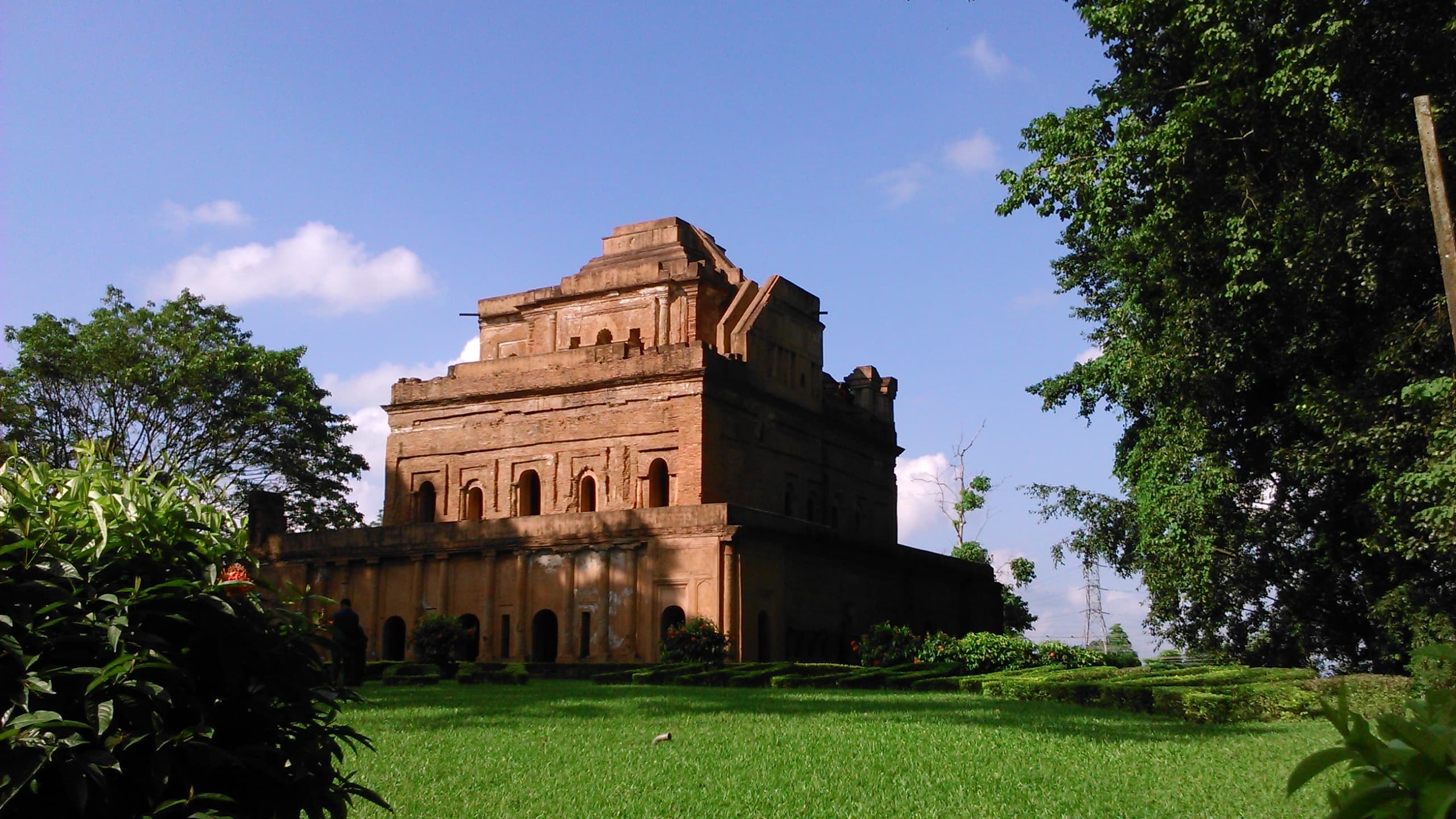
Charaideo Ahom Royal Palace
Nestled amidst the undulating hills of Assam, the Ahom Royal Palace at Charaideo whispers narratives of a kingdom that commanded the region for six centuries ([1]). Unlike the well-documented Mughal and Rajput structures, Charaideo presents a unique and often overlooked chapter of Indian history ([2]). The palace ruins, scattered pavilions, gateways, and protective walls, evoke a profound connection to the surrounding environment ([3]). Stone platforms and foundations demonstrate the architectural ingenuity of the Ahom civilization, dating back to the 13th century ([4]). Fired brick and mud brick construction techniques, combined with locally sourced materials such as bamboo and wood, highlight the Ahom's resourcefulness ([3]). The brickwork features subtle floral motifs, a distinctive characteristic that sets it apart from the geometric patterns prevalent in Islamic architecture ([5]). River stones, seamlessly integrated into the walls, further emphasize the Ahom's deep-rooted connection with the natural landscape ([3]). Archaeological excavations have unveiled the foundations of courtyards and royal pavilions, offering glimpses into the palace's former grandeur and sophisticated planning ([6]). Vastu Shastra principles, the ancient Indian science of architecture, likely influenced the palace's layout, optimizing spatial arrangements in harmony with nature ([7]). Within the complex, sophisticated drainage systems ensured the longevity of the structures, a testament to the Ahom's advanced engineering skills ([8]). The strategic location of Charaideo, providing panoramic vistas of the surrounding landscape, underscores its significance as a vital seat of power ([2]). The Charaideo Ahom Royal Palace stands as a poignant reminder of Assam's rich heritage, meriting greater recognition as a precious jewel of Indian history ([1]).
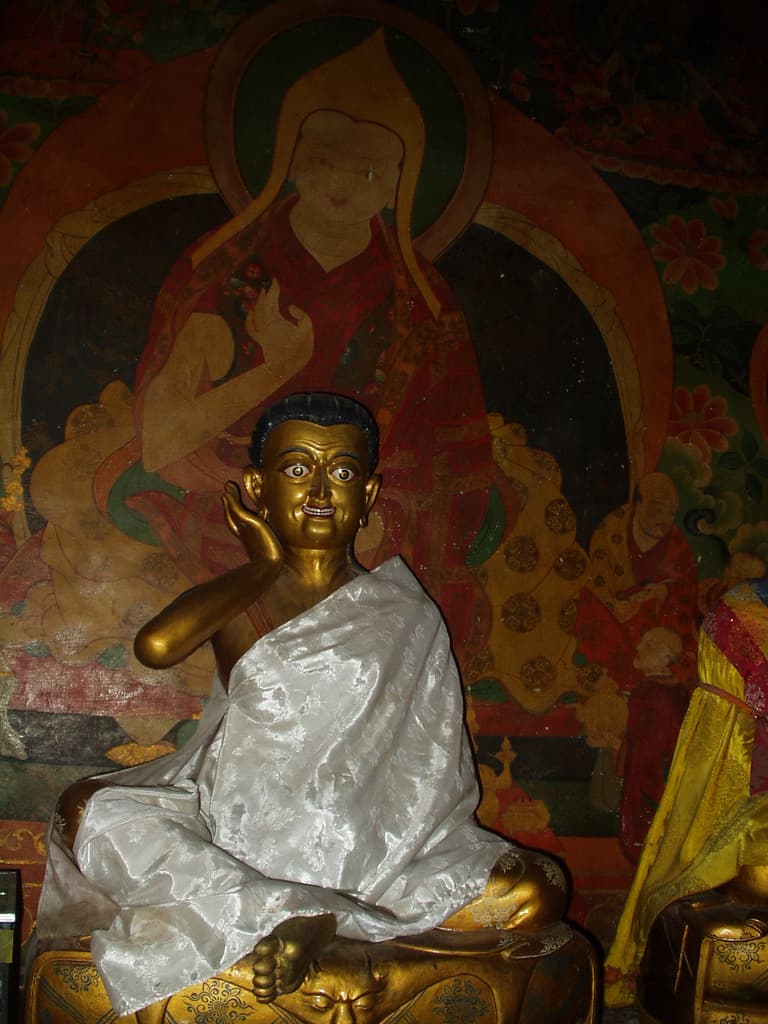
Samye Monastery Dranang Tibet
Samye Monastery, located in Dranang County, Tibet, represents the first Buddhist monastery established in Tibet and stands as one of the most significant religious sites in Tibetan Buddhism, constructed in the 8th century CE during the reign of King Trisong Detsen and modeled directly on the Indian Buddhist monastery of Odantapuri (modern-day Bihar, India), demonstrating the profound transmission of Indian Buddhist monastic architecture and learning traditions to Tibet, which has maintained deep cultural, religious, and historical connections with India for over two millennia. The monastery complex, constructed primarily from stone, wood, and earth with extensive decorative elements, features a unique mandala-based design that replicates the cosmological layout of Odantapuri Monastery, with the central temple representing Mount Meru (the cosmic mountain in Indian cosmology) surrounded by four continents, four directional temples, and numerous subsidiary structures arranged according to Indian Buddhist cosmological principles. The monastery’s architectural design demonstrates direct replication of Indian Buddhist monastery architecture, particularly the Odantapuri model, with the overall plan reflecting mandala-based cosmological principles found in Indian Buddhist architecture, while the construction techniques and decorative elements demonstrate the transmission of Indian architectural and artistic knowledge to Tibet. Archaeological and historical evidence indicates the monastery was constructed under the guidance of Indian Buddhist masters including Shantarakshita (the abbot of Nalanda Monastery in India) and Padmasambhava (Guru Rinpoche), who traveled from India to Tibet specifically to establish Buddhist monastic traditions, reflecting the active religious and cultural exchange between Tibet and India during the 8th century. The monastery served as the first center for the translation of Indian Buddhist texts from Sanskrit into Tibetan, establishing the foundation for Tibetan Buddhist scholarship and learning that would flourish for over a millennium, with Indian scholars and texts continuing to influence Tibetan Buddhism throughout history. The monastery has undergone multiple reconstructions following damage, with significant restoration work conducted in recent decades, while preserving its connection to Indian Buddhist architectural and religious traditions. Today, Samye Monastery continues to serve as an important place of Buddhist worship and learning in Tibet, demonstrating the enduring influence of Indian Buddhist traditions on Tibetan culture and serving as a powerful symbol of Tibet’s deep connections to Indian civilization. ([1][2])

Sun Temple Bundu
The terracotta hues of the Sun Temple at Bundu, Jharkhand, shimmered under the late afternoon sun, a fitting tribute to the celestial body it honors. Unlike the towering Konark Sun Temple in Odisha, this structure, still under construction, possesses a unique, almost unfinished charm. Its raw, earthy aesthetic, crafted from locally sourced laterite bricks, sets it apart from the polished grandeur of other ancient temples I've encountered across India. This was my 38th UNESCO World Heritage site in India, and it offered a refreshing perspective on temple architecture. The temple's main structure, a colossal chariot seemingly frozen mid-stride, is a marvel of engineering. Seventeen life-sized horses, also sculpted from laterite, appear to pull the chariot, their muscular forms radiating dynamic energy. The wheels, intricately carved with symbolic motifs, are particularly striking. I spent a good amount of time circling the chariot, examining the detailed carvings. While some sections displayed the smooth finish of completed work, others revealed the rough texture of the brick, showcasing the ongoing construction. This juxtaposition of finished and unfinished elements gave the temple a palpable sense of living history. Climbing the steps to the main platform, I was greeted by a panoramic view of the surrounding landscape. The sprawling countryside, dotted with small villages and lush greenery, provided a serene backdrop to the temple's imposing presence. The absence of towering walls or enclosures, typical of many ancient temples, further enhanced this connection with the natural world. It felt as though the temple was not just a place of worship, but an integral part of the landscape itself. Inside the chariot's main chamber, the deity of the Sun God awaits installation. The emptiness of the sanctum, however, did not detract from the spiritual aura of the space. The play of light filtering through the arched openings created an ethereal ambiance, inviting contemplation and quiet reflection. I noticed several artisans working diligently on intricate carvings within the chamber, their meticulous craftsmanship a testament to the dedication involved in bringing this grand vision to life. One of the most captivating aspects of the Bundu Sun Temple is its unique blend of traditional and contemporary architectural styles. While the chariot motif and the use of laterite hark back to ancient temple-building traditions, the sheer scale of the structure and the ongoing construction process give it a distinctly modern feel. It’s a fascinating example of how heritage can be reinterpreted and revitalized for future generations. My conversations with the local artisans and residents provided further insight into the temple's significance. They spoke of the temple not just as a religious site, but as a symbol of community pride and a source of livelihood. The ongoing construction has created employment opportunities for many local artisans, ensuring the preservation of traditional craftsmanship and contributing to the economic development of the region. As I left the Sun Temple, the setting sun cast long shadows across the terracotta structure, painting it in a warm, golden glow. The experience was unlike any other temple visit I’ve had. It wasn’t just about admiring a finished masterpiece; it was about witnessing the creation of one. The Bundu Sun Temple is a testament to the enduring power of human creativity and the evolving nature of heritage. It stands as a powerful reminder that history is not just something we inherit from the past, but something we actively shape in the present.
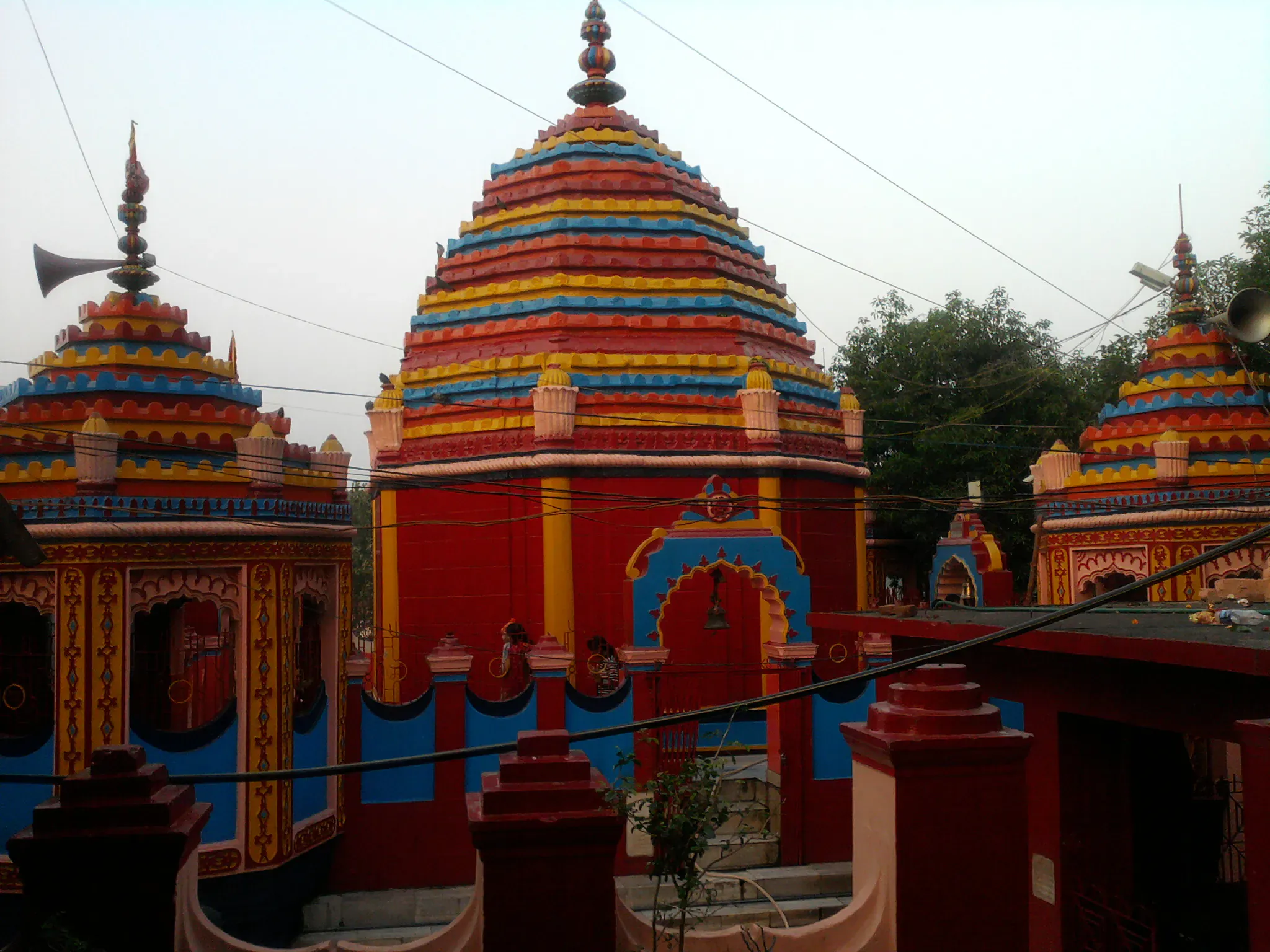
Chhinnamasta Temple Ramgarh
Nestled amidst the picturesque hills of Jharkhand, the Chhinnamasta Temple in Ramgarh provides a captivating glimpse into the region's rich architectural and spiritual heritage ([1][2]). Constructed around 1350 CE, during the Eastern Ganga Dynasty, this temple is dedicated to the unique tantric goddess Chhinnamasta, with patronage from the Chero Chiefs ([1][3]). The temple's architecture represents a fascinating Nagara-Kalinga hybrid style, showcasing the blending of distinct regional influences ([2][4]). Granite and sandstone blocks, meticulously carved by skilled artisans, constitute the primary building materials ([1][5]). The towering curvilinear Shikhara (spire), a defining feature of Nagara architecture, dominates the temple's skyline, rising majestically above the Garbhagriha (Sanctum) ([2][4]). Laterite stone, locally sourced, adds an earthy hue to the structure, contrasting with the intricate ornamentation that graces its surfaces ([3][5]). This harmonious blend of materials and styles reflects the architectural prowess of the Eastern Ganga period. Within the Garbhagriha, the striking iconography of the goddess Chhinnamasta takes center stage, depicting her self-decapitation as a profound symbol of self-sacrifice and cosmic renewal ([2][3]). The temple's design integrates tantric principles, emphasizing the interconnectedness of seemingly opposing forces, a concept deeply rooted in ancient Indian philosophy ([4][5]). Further, the temple exemplifies the enduring legacy of Indian temple architecture, seamlessly blending regional materials, artistic craftsmanship, and profound spiritual symbolism, offering a unique cultural experience ([1][2]). The Chhinnamasta Temple is a testament to India's architectural diversity.
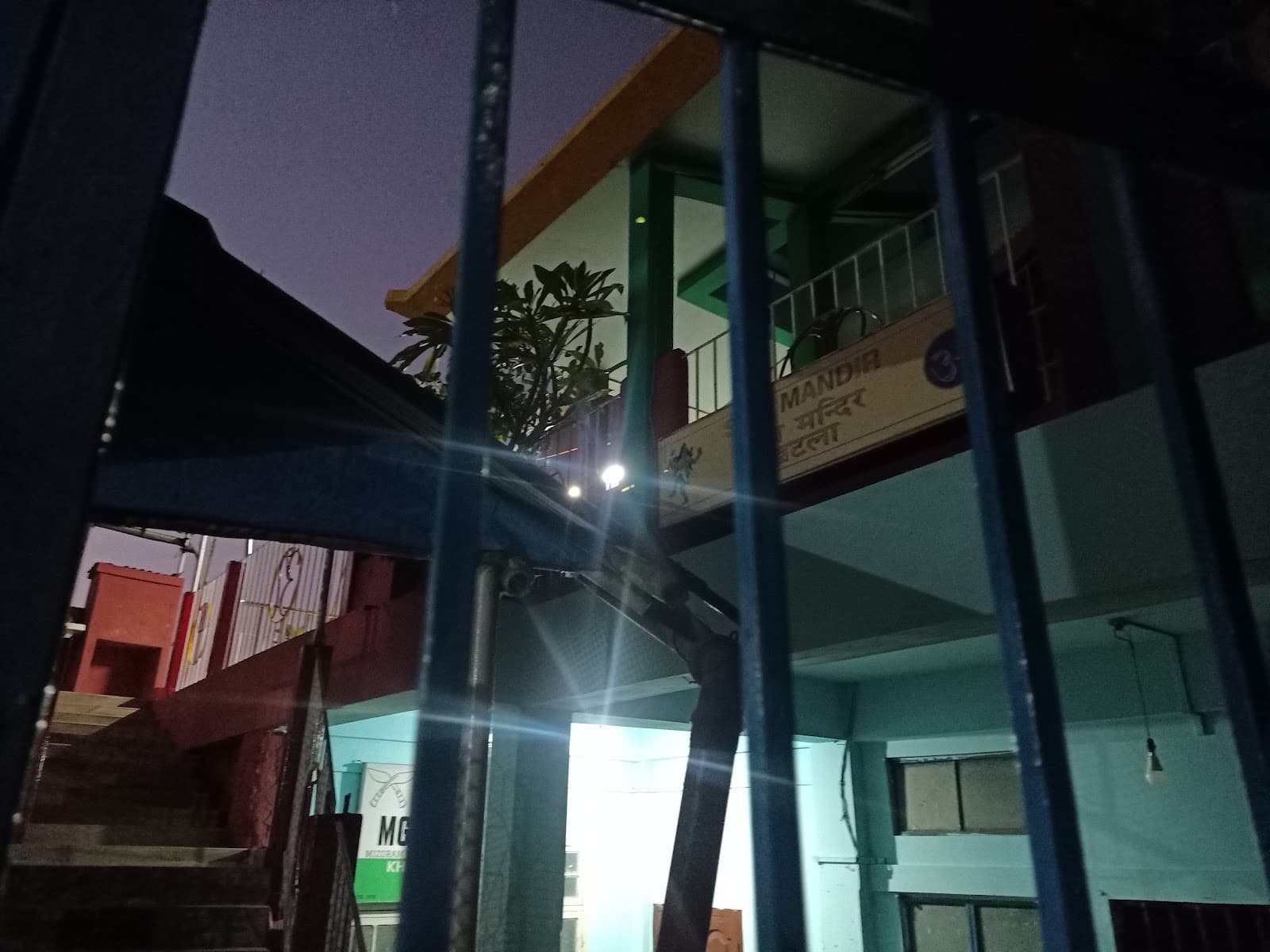
Shree Hanuman Mandir Aizawl
The biting wind whipped prayer flags into a frenzy against the backdrop of a cerulean sky, a stark contrast to the sweltering Delhi summers I'm accustomed to. Here, perched atop a hill overlooking Aizawl, Mizoram's capital, stands the Shree Hanuman Mandir, a beacon of vibrant orange amidst the verdant landscape. Having explored countless temples across North India, from the ancient stones of Khajuraho to the gilded shrines of Amritsar, I was curious to see how this northeastern iteration would differ. The climb to the temple was a pilgrimage in itself. A winding road, carved into the hillside, led me past small houses clinging precariously to the slopes, each with a panoramic view that stole my breath. The air, crisp and clean, carried the scent of pine and a faint echo of chanting, growing louder with each upward step. The temple itself is a striking structure. Unlike the intricate carvings and towering shikharas of North Indian temples, this one possesses a simpler, more modern aesthetic. The dominant colour is a vibrant saffron, radiating warmth against the cool mountain air. The main entrance is framed by a large arch, adorned with depictions of Lord Hanuman in various poses, each radiating strength and devotion. The architecture, while contemporary, incorporates elements of traditional Mizo design, evident in the sloping roof and the use of local wood in certain sections. It's a fascinating blend of the familiar and the unexpected. Stepping inside, I was greeted by the resonant chanting of "Jai Shree Ram," a familiar sound that instantly transported me back to the bustling temples of my homeland. Yet, the atmosphere here was distinctly different. A sense of quiet reverence permeated the air, a palpable stillness that encouraged introspection. The main deity, a towering statue of Lord Hanuman, dominates the inner sanctum. His expression, a blend of strength and serenity, captivated me. Unlike the often ornate idols I've encountered elsewhere, this one felt remarkably grounded, almost human. The temple complex also houses a smaller shrine dedicated to Lord Rama, Sita, and Lakshmana. The intricate details of their attire and the delicate expressions on their faces were a testament to the artistry of the sculptors. I spent a considerable amount of time observing the devotees, a mix of locals and visitors, each offering their prayers with quiet devotion. The absence of the usual cacophony found in many North Indian temples was striking. Here, faith was expressed in hushed whispers and heartfelt gestures. From the temple grounds, the view of Aizawl is breathtaking. The city sprawls across the hills, a tapestry of colourful houses punctuated by the spires of churches, a testament to the region's diverse religious landscape. The distant mountains, shrouded in mist, added an ethereal touch to the panorama. It was a view that invited contemplation, a moment of quiet reflection amidst the grandeur of nature. My visit to the Shree Hanuman Mandir was more than just a journalistic assignment; it was a cultural immersion. It offered a glimpse into the unique blend of faith and tradition that defines this corner of India. The temple, a symbol of devotion and resilience, stands as a testament to the unifying power of faith, bridging geographical and cultural divides. Leaving the temple, I carried with me not just photographs and notes, but a deeper understanding of the diverse tapestry of Indian spirituality, a tapestry that extends far beyond the plains and into the heart of the northeastern hills.
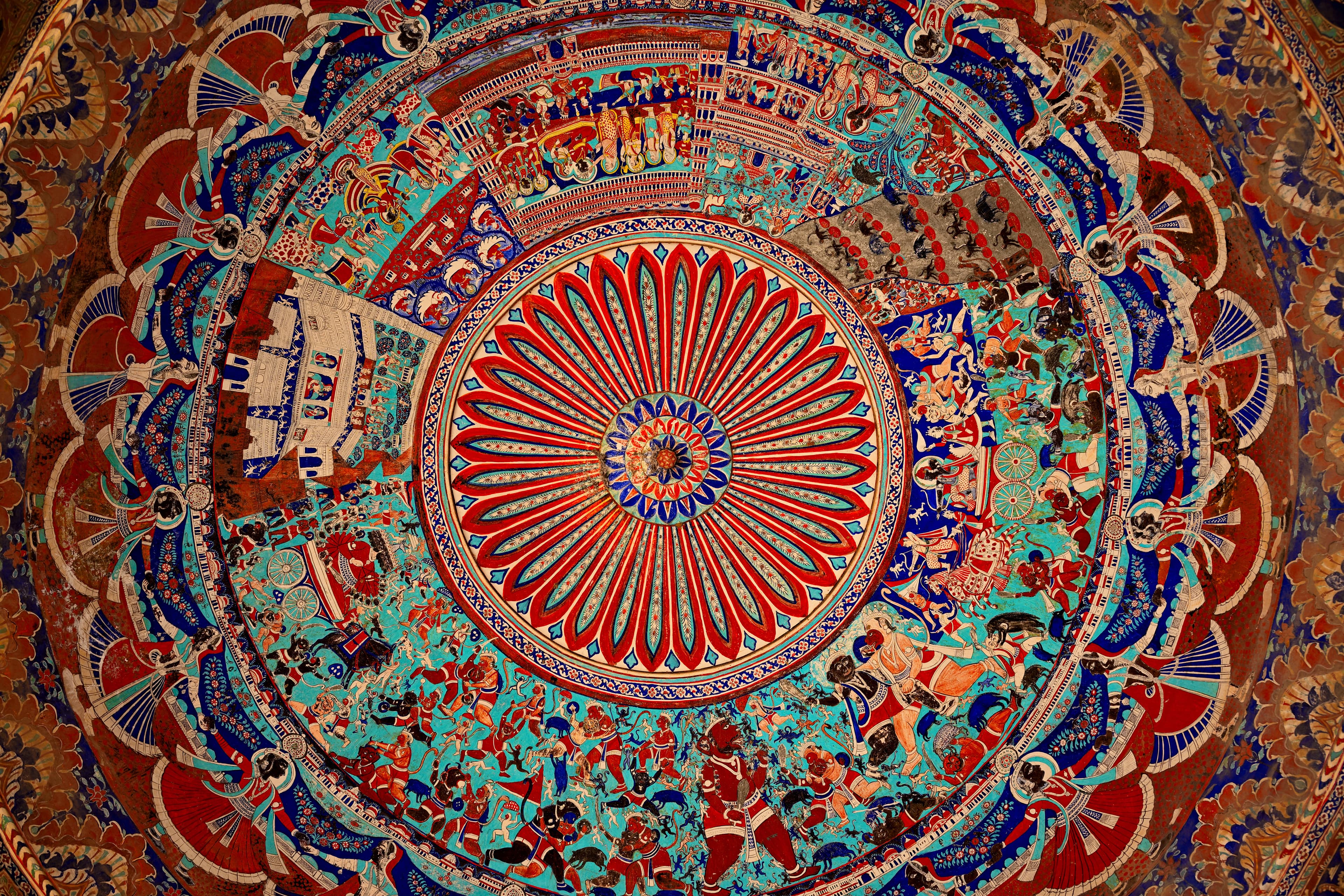
Seth Ram Gopal Haveli Mathura
The midday sun beat down on Mathura, casting long shadows across the narrow lanes as I finally stood before the imposing wooden doors of Seth Ram Gopal Haveli. A palpable sense of history hung in the air, a stark contrast to the bustling marketplace just a stone's throw away. This wasn't just another haveli; it was a whisper of a bygone era, a testament to the opulent lifestyle of Mathura's affluent merchant class. Pushing open the heavy doors, I stepped into a cool, dimly lit courtyard. The transition was immediate, from the chaotic energy of the streets to an almost monastic stillness. The haveli embraced me, its intricate carvings and aged brickwork whispering stories of generations past. My eyes were immediately drawn upwards to the five-story structure, a magnificent display of traditional Braj architecture. Each level, supported by elaborately carved wooden pillars, seemed to lean in slightly, as if in confidential conversation with its neighbour. The courtyard, the heart of the haveli, was paved with worn flagstones, a testament to countless footsteps that had traversed this space over centuries. A small, neglected tulsi plant occupied a corner, a poignant reminder of the family’s daily rituals. The walls surrounding the courtyard were adorned with frescoes, their colours faded yet still vibrant enough to depict scenes from Krishna’s life, a common motif in this region so deeply connected to the deity. I noticed the intricate jali work, delicate screens of carved stone allowing for both ventilation and privacy, a hallmark of Mughal architectural influence. Ascending the wide, wooden staircase, the scent of aged wood filled my nostrils. Each step creaked under my weight, a rhythmic soundtrack to my exploration. The upper floors revealed a labyrinth of interconnected rooms, each with its own unique character. Some rooms boasted ornate ceilings with intricate floral patterns, while others showcased remnants of painted murals, now fragmented and ghostly. I peered into a room that likely served as a kitchen, its walls blackened by years of cooking fires, imagining the aromas of traditional Braj cuisine that must have once permeated these spaces. One of the most striking features of the haveli was its collection of exquisitely carved wooden balconies. Leaning against the intricately patterned railing of one such balcony, I overlooked the bustling street below. It was easy to imagine the wealthy Seth, perhaps Ram Gopal himself, observing the daily life of the city from this very vantage point. The rhythmic clang of a blacksmith’s hammer, the melodic calls of street vendors, the laughter of children playing – these sounds, though centuries removed from the haveli’s heyday, still echoed in the spaces between the carved wood. While the haveli undoubtedly bore the marks of time and neglect, its grandeur was undeniable. Peeling paint, crumbling plaster, and the silence of empty rooms only added to its melancholic charm. It wasn't merely a structure; it was a living archive, a tangible link to a rich cultural heritage. I could almost hear the rustle of silk sarees, the murmur of conversations, and the joyous strains of celebratory music within its walls. As I descended the creaking staircase and stepped back into the vibrant chaos of Mathura’s streets, I carried with me a profound sense of connection to the city’s past. Seth Ram Gopal Haveli wasn't just a tourist attraction; it was a time capsule, offering a glimpse into a world of exquisite craftsmanship, opulent lifestyles, and a deep-rooted connection to tradition. It’s a place that deserves not just a visit, but a moment of quiet contemplation, a chance to listen to the stories whispered by its ancient walls.
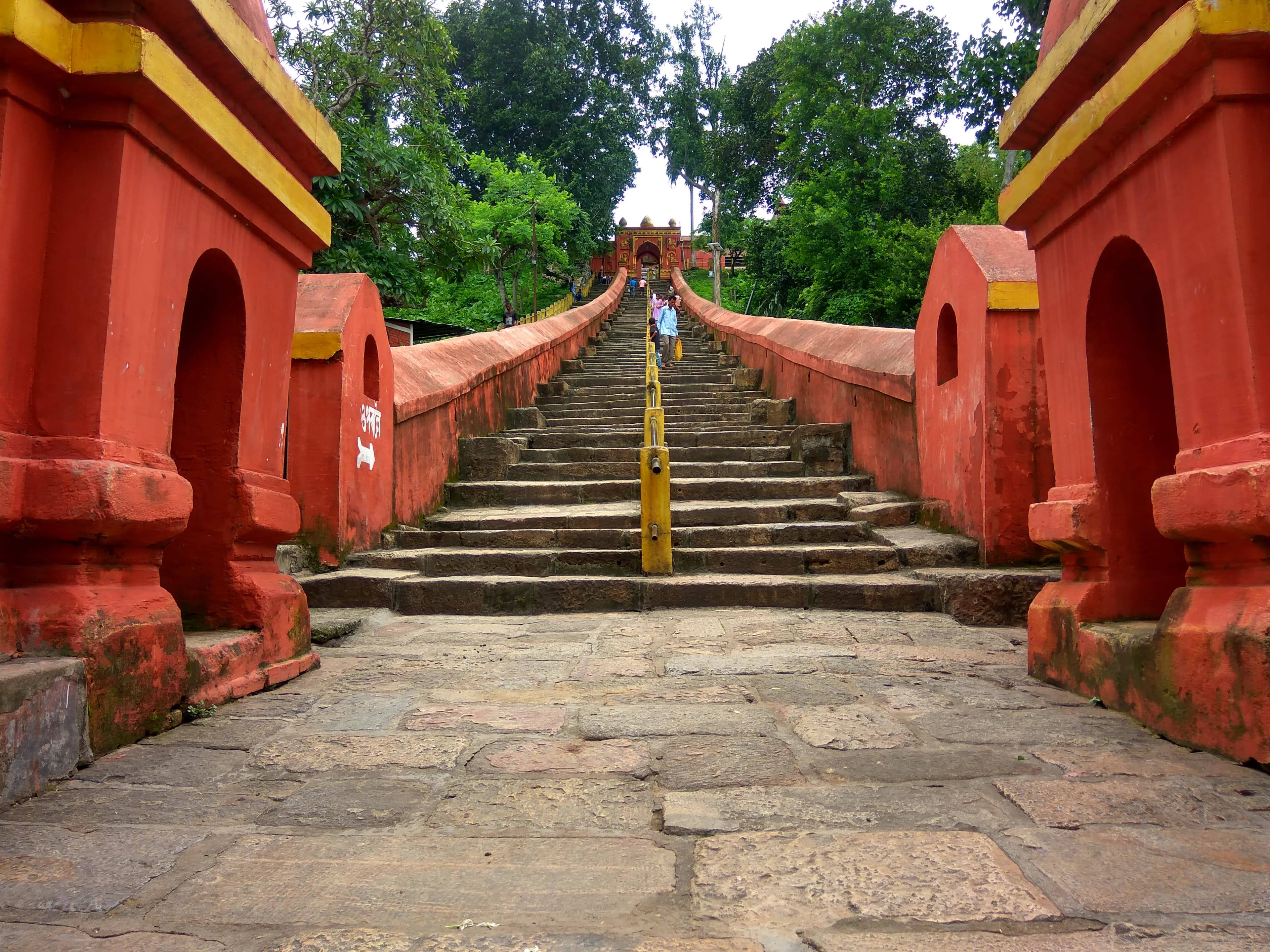
Hayagriva Madhava Temple Hajo
The Hayagriva Madhava Temple, perched atop Monikut Hill in Hajo, Assam, exudes a serenity that belies its complex history. The climb itself, a gentle ascent through lush greenery, prepares one for the spiritual journey that awaits. As I reached the plateau, the temple, a simple yet elegant structure, emerged from the foliage, its ochre walls glowing warmly in the afternoon sun. This isn’t the soaring grandeur of Khajuraho or the intricate carvings of Konark, but a quiet dignity permeates the space, a testament to centuries of devotion. The temple, dedicated to Hayagriva Madhava, a form of Vishnu with a horse's head, is a fascinating blend of architectural styles. While predominantly Assamese in character, whispers of other influences are evident. The pyramidal roof, constructed of brick and covered with plaster, is a hallmark of the region, echoing the sloping hills that surround it. However, the use of stone in the base and the doorway, along with certain decorative motifs, hints at a possible influence from the Koch dynasty, known for their patronage of temple architecture. The absence of elaborate sculptures, so common in other parts of India, further underscores the temple's unique character. It’s a style that prioritizes form and proportion over ornamentation, creating a sense of peaceful contemplation. Inside the garbhagriha, the sanctum sanctorum, resides the main deity. Photography is prohibited within, but the mental image remains vivid. The dimly lit space, the scent of incense, and the hushed reverence of the devotees created an atmosphere of profound spirituality. The deity itself, though small and unassuming, radiated a palpable energy, a testament to the deep faith it inspires. Stepping out of the sanctum, I was struck by the panoramic view from the temple courtyard. The Brahmaputra River, a shimmering ribbon in the distance, snaked its way through the verdant landscape. Local legend connects this temple to the Hayagriva Madhava Temple in Tibet, claiming that the head of the deity in Hajo was taken there. Standing there, overlooking the vast expanse, I could almost believe the tale, imagining a time when these two distant lands were connected by threads of faith and pilgrimage. The temple complex also houses smaller shrines dedicated to other deities, each with its own unique story to tell. The Kedareswara Temple, situated nearby, is believed to have been built by the Pandavas during their exile. The architectural similarities between the two temples suggest a shared lineage, further enriching the historical tapestry of the site. I spent hours exploring these smaller shrines, each a microcosm of the region's rich cultural heritage. What struck me most about Hayagriva Madhava Temple was its unpretentious beauty. It’s not a monument that overwhelms with its scale or intricacy, but rather invites quiet reflection. The simplicity of the architecture, the serene surroundings, and the palpable devotion of the pilgrims create an atmosphere of profound peace. It’s a place where one can connect with something larger than oneself, a feeling that lingers long after leaving the hallowed grounds. As I descended the hill, the temple receding into the green embrace of Monikut, I carried with me not just images of its unique architecture, but a renewed appreciation for the enduring power of faith and the quiet beauty of simplicity.
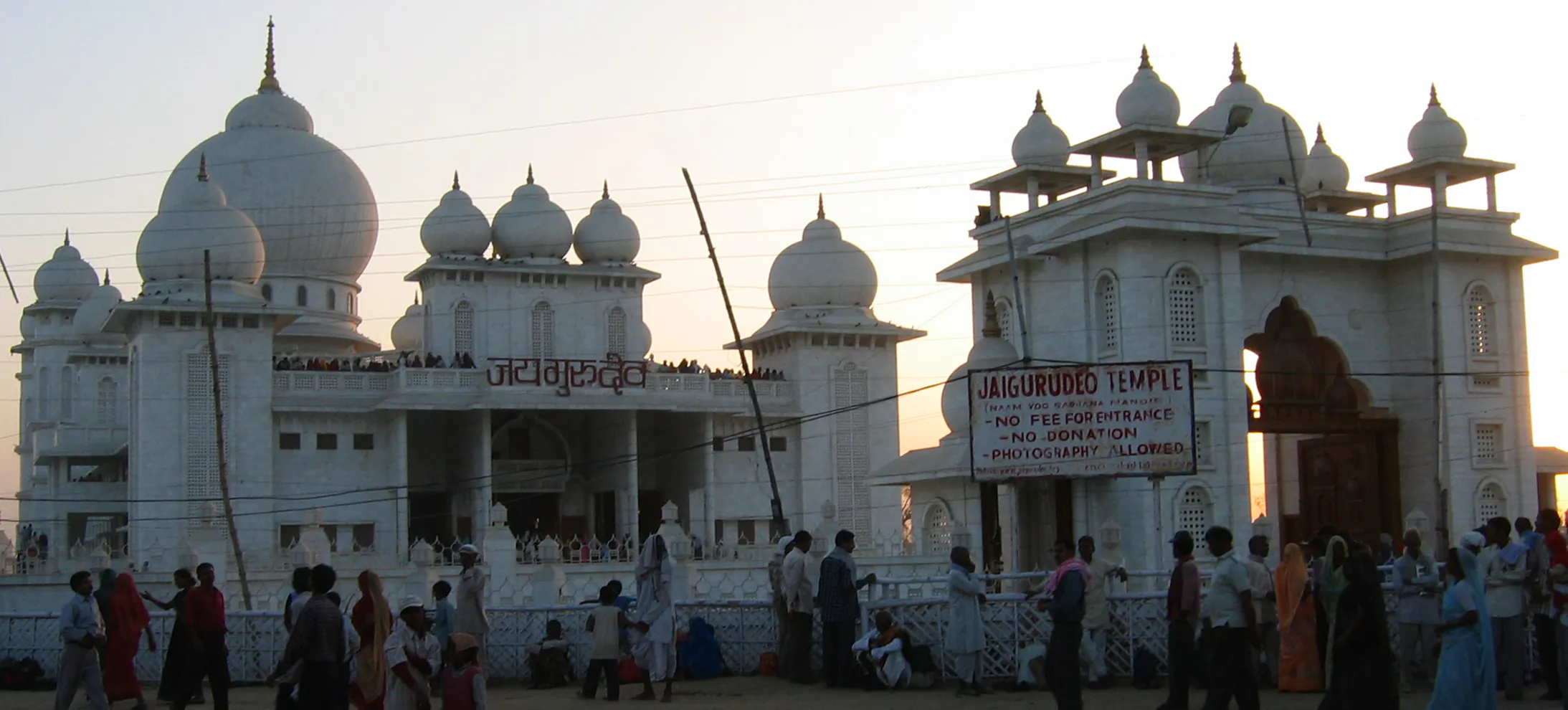
Krishna Janmasthan Temple Complex, Mathura
The air in Mathura vibrates with a palpable energy, a hum of devotion that seems to emanate from the very stones of the Krishna Janmasthan Temple Complex. Standing within its precincts, I felt an immediate connection to the layers of history embedded within this sacred ground. The complex, a tapestry woven with threads of different eras, stands as a testament to the enduring power of faith and the cyclical nature of destruction and reconstruction. My gaze was immediately drawn to the imposing Keshav Dev Temple, its towering shikhara a beacon against the Mathura sky. While the current structure dates back to the 18th century, thanks to the patronage of the Jat ruler Suraj Mal, the palpable antiquity of the site whispers of much older incarnations. The very stones seemed to hold the memory of the original temple, believed to have been built by Vajranabha, Krishna’s great-grandson, a structure mentioned in the ancient scriptures. The repeated destructions and subsequent rebuildings, a recurring motif in Indian history, have imbued the site with a unique resonance, a sense of resilience in the face of adversity. The architecture of the Keshav Dev Temple showcases a blend of styles, reflecting the various influences that have shaped it over centuries. The intricate carvings adorning the walls, depicting scenes from Krishna’s life, are a testament to the skill of the artisans. I noticed the distinctive use of red sandstone, a material common in the region, which lends the temple a warm, earthy hue. The interplay of light and shadow on the carved surfaces created a dynamic visual experience, enhancing the narrative power of the sculptures. While some sections displayed the robust features of Rajput architecture, others hinted at the Mughal influence that permeated the region during certain periods. Moving through the complex, I entered the Garbha Griha, the sanctum sanctorum, where the deity of Keshav Dev is enshrined. The atmosphere within was charged with devotion, the air thick with the scent of incense and the murmur of prayers. The dimly lit space, illuminated by flickering oil lamps, fostered a sense of profound reverence. I observed the devotees, their faces etched with faith, offering prayers and performing rituals that have likely been practiced for generations. Adjacent to the Keshav Dev Temple lies the smaller, yet equally significant, Bhagavata Bhavan. This structure, built around an ancient prison cell believed to be the very birthplace of Krishna, holds a special significance for pilgrims. The low-ceilinged, claustrophobic space, a stark contrast to the grandeur of the Keshav Dev Temple, evokes a sense of intimacy and raw emotion. The very thought of Lord Krishna being born in such humble surroundings adds another layer to the narrative of his divine leela, his earthly play. The Idgah mosque, situated within the complex, adds another layer of complexity to the site's historical narrative. Its presence serves as a tangible reminder of the Mughal period and the religious tensions that have, at times, marked the region's history. The juxtaposition of the mosque and the temple within the same complex creates a unique spatial dynamic, a physical manifestation of the interwoven narratives that shape India's cultural landscape. Leaving the Krishna Janmasthan Temple Complex, I carried with me not just images of intricate carvings and soaring shikharas, but a deeper understanding of the complex interplay of faith, history, and architecture. The site stands as a powerful symbol of continuity and resilience, a living testament to the enduring legacy of Lord Krishna and the unwavering devotion he inspires. It is a place where the past whispers to the present, offering a glimpse into the rich tapestry of Indian history and spirituality.
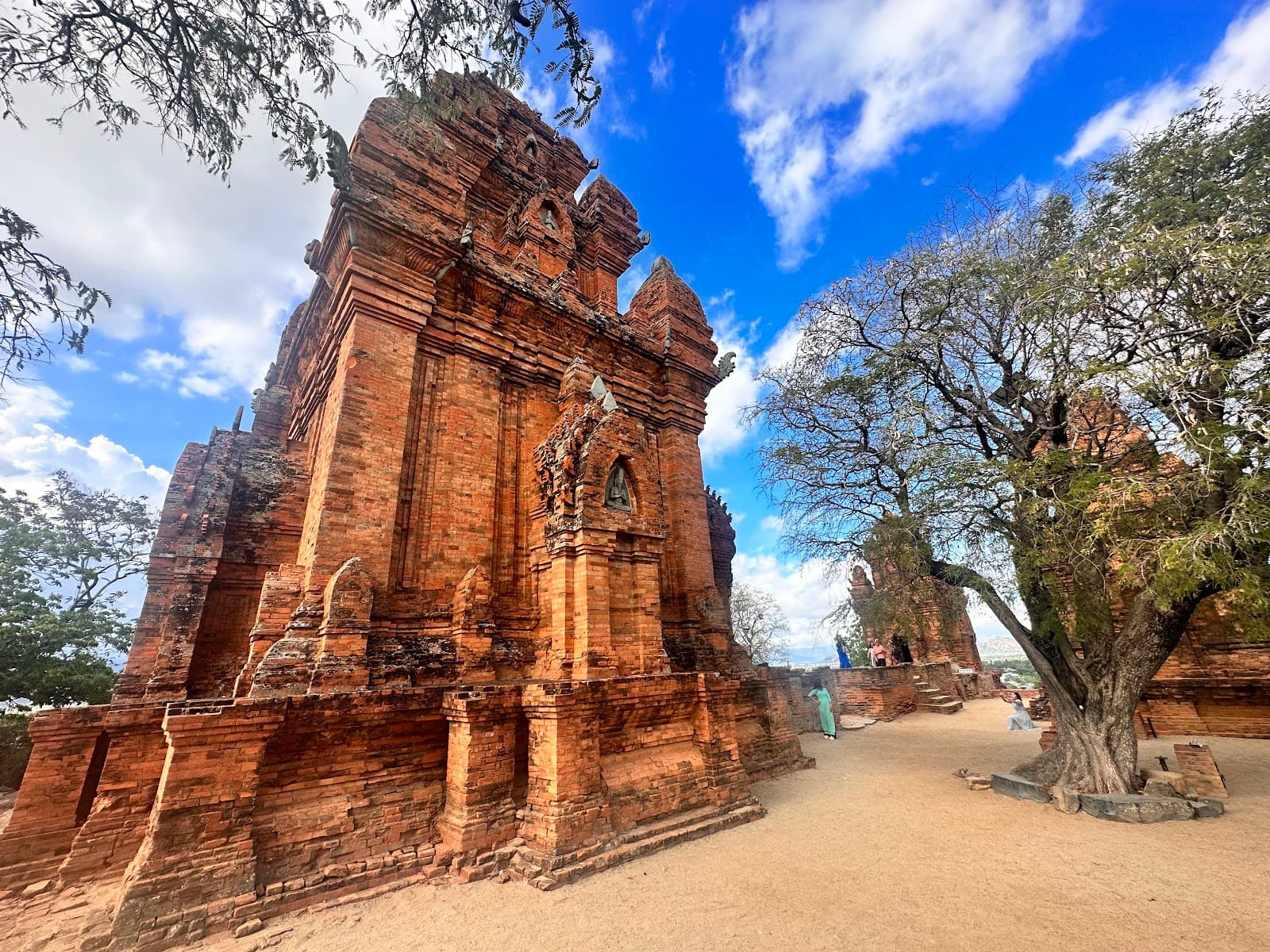
Thai Lan Cham Tower Complex Ninh Thuan Vietnam
Thai Lan Cham Tower Complex, located in Ninh Thuan Province, Vietnam, represents one of the most architecturally refined and historically significant Cham Hindu temple complexes in Vietnam, constructed in the 13th century CE during a period of continued Champa prosperity and artistic achievement, creating a powerful testament to the sustained transmission of Indian Hindu religious and architectural traditions to Southeast Asia during the high medieval period. The temple complex, constructed primarily from red brick with sandstone decorative elements, features distinctive Cham tower architecture that demonstrates the sophisticated synthesis of Indian Hindu temple architecture, particularly the Dravidian traditions of southern India, with indigenous Cham building techniques, creating a unique architectural expression that reflects Champa's mature engagement with Indian religious and cultural traditions. The towers feature elaborate decorative programs including bas-reliefs and sculptures that demonstrate the direct transmission of Indian Hindu iconography and artistic traditions, while the discovery of inscriptions provides crucial evidence of the site's role as a center for the transmission of Indian religious texts and practices to Southeast Asia, and the complex's architectural refinement demonstrates the continued evolution and localization of Indian architectural traditions in the Cham context. The site's location, chosen according to Indian cosmological principles, underscores its spiritual significance, while the complex's architectural design demonstrates the sophisticated understanding of Indian temple planning principles possessed by 13th-century Cham architects, who had refined and adapted Indian traditions over centuries of cultural exchange. Archaeological evidence reveals that the complex served as a major center of Hindu worship for the Champa Kingdom, while the site's historical significance as a 13th-century temple provides crucial insights into the continued vitality and refinement of Indian Hindu traditions in Southeast Asia during the high medieval period, demonstrating that Indian-Cham cultural exchange remained vibrant and productive even as Champa faced increasing challenges from neighboring powers. Today, Thai Lan Cham Tower Complex stands as an important Cham Hindu temple in Vietnam, serving as a powerful testament to the sustained transmission of Indian Hindu culture and architecture to Southeast Asia, while the site's architectural refinement and excellent preservation ensure its ongoing significance as a cultural monument that documents the mature phase of Indian-Cham cultural exchange and the sophisticated artistic achievements of the Champa Kingdom during the 13th century. ([1][2])
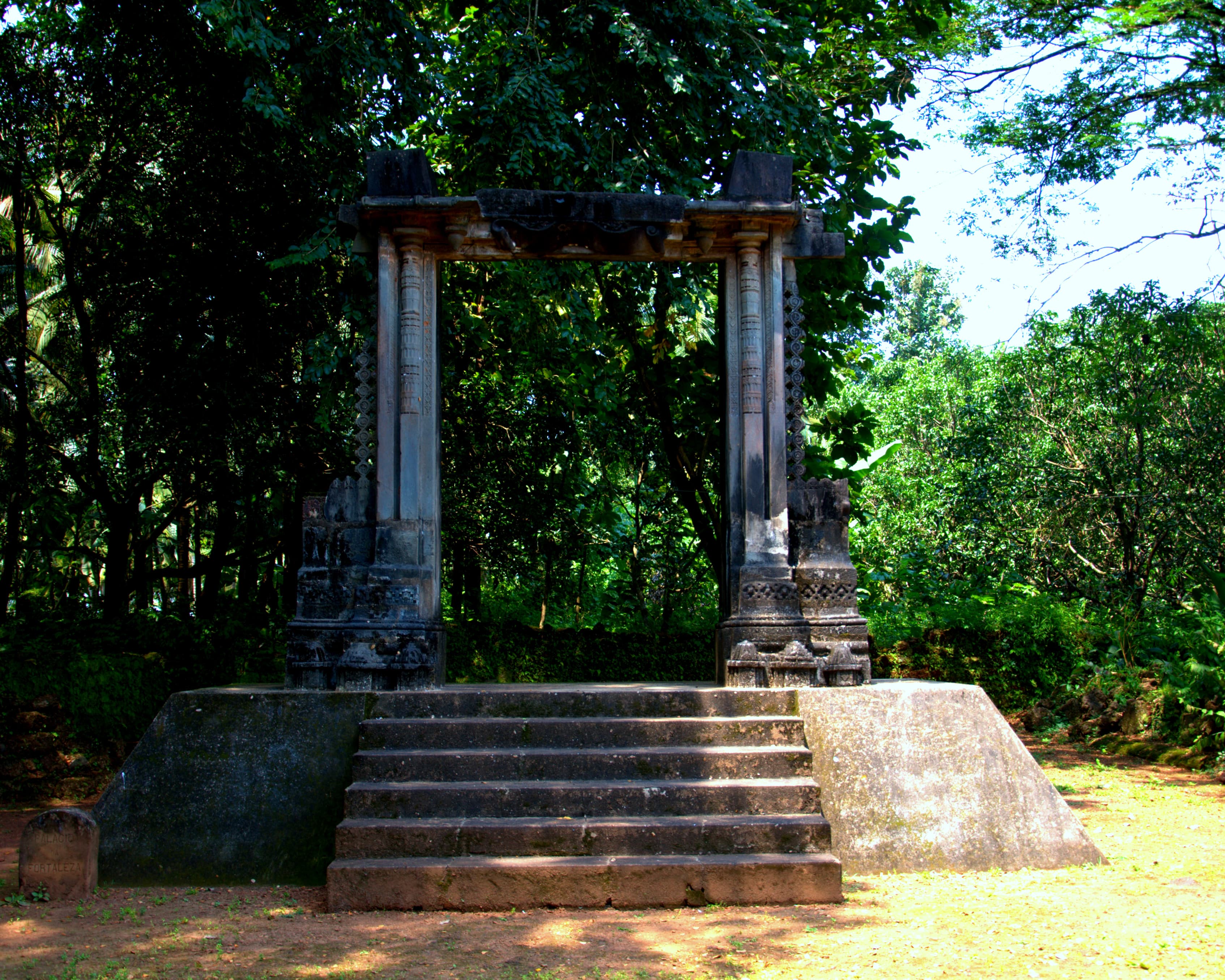
Adil Shah Palace Old Goa
The Adil Shah Palace, located in Rua Direita, Tiswadi, Old Goa (403402), Goa, India, stands as a significant monument reflecting India's millennia-spanning heritage and its continuous tradition of architectural evolution. This edifice, originally conceived in the 16th century CE, embodies a complex layering of indigenous architectural styles, including Deccani Sultanate and Vijayanagara influences, which are deeply rooted in India's historical continuum, alongside later Goan architectural adaptations [2] [4]. The structure is a testament to the sophisticated building practices prevalent in the Deccan region, utilizing locally sourced laterite stone and lime mortar, characteristic materials that have been employed in Indian construction for centuries [4]. The palace's architectural features include a majestic gateway, which is a prominent surviving element, leading into what were once spacious courtyards [2]. While specific dimensions of the entire original palace are not readily available, the surviving "Arch of Adil Shah's Palace" is a centrally protected monument under the Archaeological Survey of India (ASI), indicating its structural significance [2]. The design incorporates elements such as graceful arches and domes, which, while later influenced by Indo-Islamic styles, often drew upon indigenous Indian structural and decorative motifs [2]. Intricate carvings, though now weathered, once adorned its surfaces, narrating stories of past eras and reflecting the artistic sensibilities of the period [2]. The palace's strategic location near the Mandovi River suggests an integrated approach to urban planning and water management, typical of ancient Indian settlements that prioritized access to water bodies [2]. Currently, the Adil Shah Palace, also known as the Old Secretariat, serves as a venue for cultural events and exhibitions, particularly those organized by the Goa Directorate of Museums [3]. This active programming ensures the site remains a living monument, engaging visitors with Goa's rich heritage through displays of rock carvings and other historical artifacts [3]. Conservation efforts are ongoing, with experts working to maintain the structural integrity and preserve delicate details, addressing the wear and tear caused by time and environmental factors, such as Goa's torrential rains [3]. The Archaeological Survey of India, Goa Circle, is responsible for the protection and conservation of such monuments, carrying out regular inspections and implementing preservation programs [2]. Despite some signs of decay, including weathered wood and peeling paint, the palace remains operational and accessible, symbolizing India's enduring commitment to safeguarding its cultural legacy [3]. Its continued use for cultural activities underscores its role in maintaining and transmitting Indian cultural traditions across centuries.
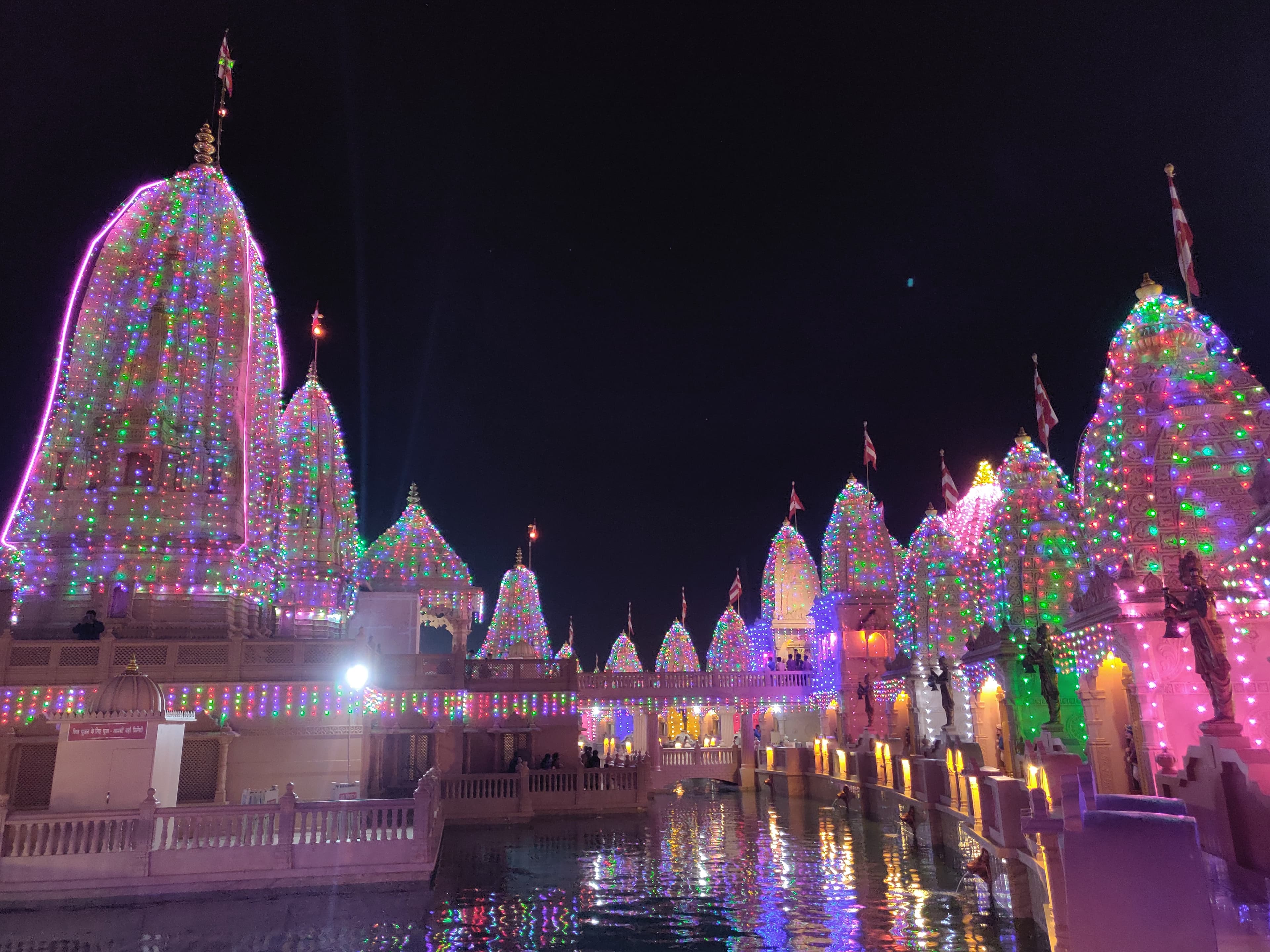
Nilkanth Dham Poicha
The midday sun beat down on the sprawling complex of Nilkanth Dham Swami Narayan Temple in Poicha, Gujarat, its reflection shimmering off the intricate carvings that adorned every surface. Stepping through the ornate main gate felt like crossing a threshold into another realm, one where marble whispered stories of devotion and craftsmanship reached a divine crescendo. This wasn't just a temple; it was a symphony in stone, a testament to the enduring power of faith and human artistry. My initial impression was one of overwhelming grandeur. The sheer scale of the complex, encompassing sprawling gardens, towering gateways, and the main temple itself, was breathtaking. The architecture, while undeniably contemporary, drew heavily from ancient Indian traditions, seamlessly blending elements of Gujarati, Rajasthani, and even Mughal styles. The dominant material was marble, polished to a gleaming sheen that amplified the vibrant colours of the inlaid precious stones and the intricate detail of the carvings. As I moved closer to the main temple, the narrative etched into the stone began to unfold. Every pillar, every architrave, every lintel was a canvas for intricate depictions of deities, mythological scenes, and floral motifs. The sheer density of the carvings was astonishing. It was as if an army of sculptors had poured their hearts and souls into every inch of the temple, leaving no surface untouched by their artistry. I was particularly struck by the depiction of the 'Dashavatar', the ten incarnations of Vishnu, carved with remarkable precision and dynamism. The expressions on the faces of the deities, from the serene countenance of Rama to the fierce visage of Narasimha, were remarkably lifelike, conveying a sense of divine power and grace. Inside the main temple, the atmosphere shifted from vibrant exuberance to hushed reverence. The towering ceilings, adorned with intricate frescoes and glittering chandeliers, created a sense of awe and wonder. The central deity, Lord Swaminarayan, was a vision in gold and precious stones, radiating a palpable aura of serenity. The devotees, moving with quiet devotion, added another layer to the rich tapestry of the temple’s ambiance. It was fascinating to observe the interplay of light and shadow within the sanctum, how the strategically placed openings allowed shafts of sunlight to illuminate the deity, creating an ethereal glow. Beyond the main temple, the sprawling gardens offered a welcome respite from the intensity of the central shrine. Meticulously manicured lawns, vibrant flowerbeds, and tranquil water features created an oasis of peace and serenity. The gardens were punctuated by smaller shrines, each dedicated to a different deity and showcasing a unique architectural style. I was particularly drawn to the Hanuman temple, its vibrant red sandstone contrasting beautifully with the lush greenery surrounding it. What struck me most about Nilkanth Dham was not just its opulence and grandeur, but the palpable sense of devotion that permeated every corner of the complex. It was evident in the meticulous craftsmanship, the vibrant colours, the intricate carvings, and the hushed reverence of the devotees. This wasn't just a monument to a deity; it was a living testament to the enduring power of faith, a place where art, architecture, and spirituality converged to create an experience that was both overwhelming and deeply moving. As I left the temple complex, the setting sun casting long shadows across the marble courtyards, I carried with me not just images of breathtaking beauty, but a profound sense of having witnessed something truly extraordinary. Nilkanth Dham is not just a temple; it is a pilgrimage for the soul, a journey into the heart of Indian devotion and artistic brilliance.
Quick Links
Plan Your Heritage Journey
Get personalized recommendations and detailed visitor guides