Has Inheritage Foundation supported you today?
Your contribution helps preserve India's ancient temples, languages, and cultural heritage. Every rupee makes a difference.
Secure payment • Instant 80G certificate
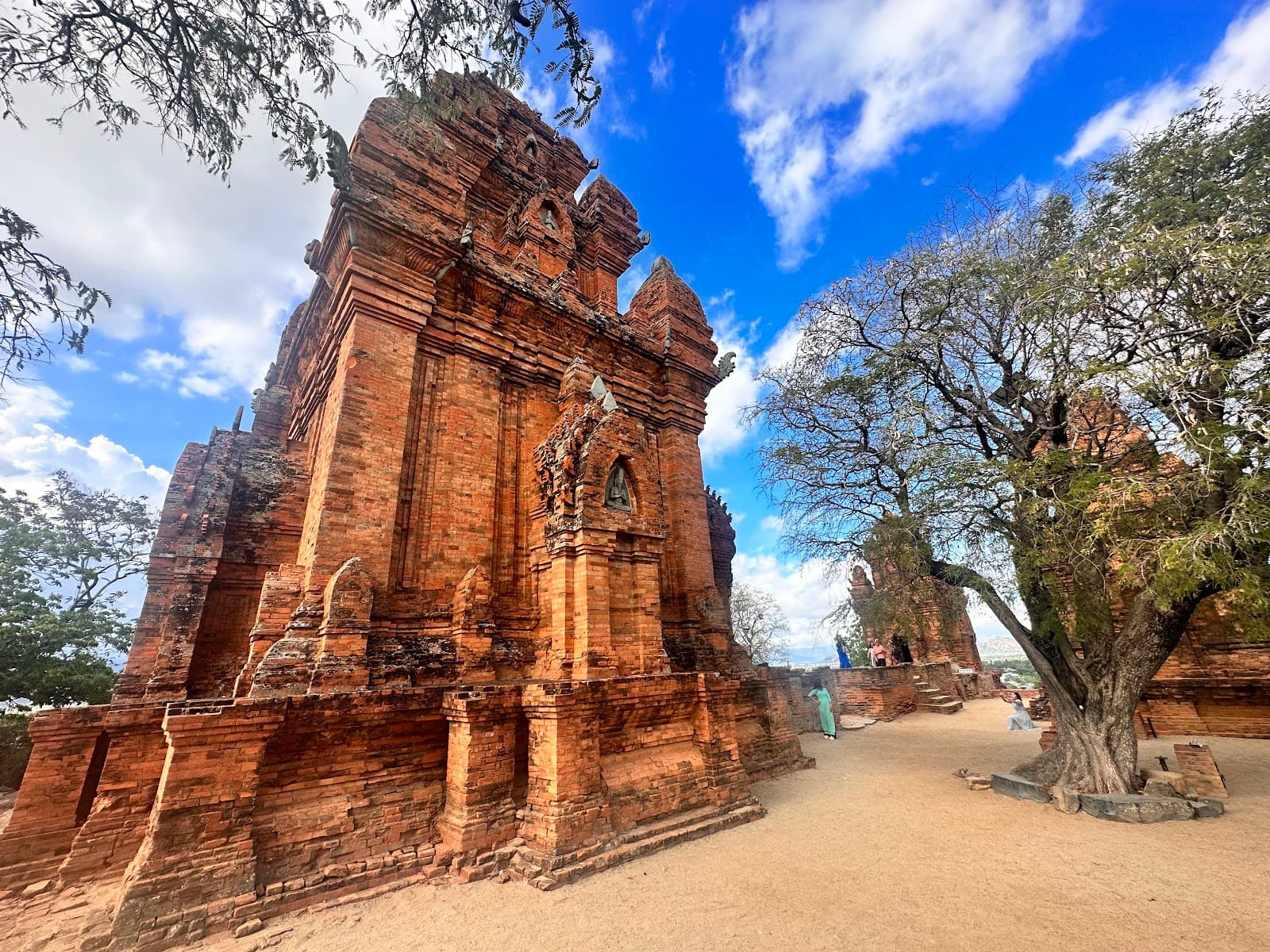
Thai Lan Cham Tower Complex Ninh Thuan Vietnam
Thai Lan Cham Tower Complex, located in Ninh Thuan Province, Vietnam, represents one of the most architecturally refined and historically significant Cham Hindu temple complexes in Vietnam, constructed in the 13th century CE during a period of continued Champa prosperity and artistic achievement, creating a powerful testament to the sustained transmission of Indian Hindu religious and architectural traditions to Southeast Asia during the high medieval period. The temple complex, constructed primarily from red brick with sandstone decorative elements, features distinctive Cham tower architecture that demonstrates the sophisticated synthesis of Indian Hindu temple architecture, particularly the Dravidian traditions of southern India, with indigenous Cham building techniques, creating a unique architectural expression that reflects Champa's mature engagement with Indian religious and cultural traditions. The towers feature elaborate decorative programs including bas-reliefs and sculptures that demonstrate the direct transmission of Indian Hindu iconography and artistic traditions, while the discovery of inscriptions provides crucial evidence of the site's role as a center for the transmission of Indian religious texts and practices to Southeast Asia, and the complex's architectural refinement demonstrates the continued evolution and localization of Indian architectural traditions in the Cham context. The site's location, chosen according to Indian cosmological principles, underscores its spiritual significance, while the complex's architectural design demonstrates the sophisticated understanding of Indian temple planning principles possessed by 13th-century Cham architects, who had refined and adapted Indian traditions over centuries of cultural exchange. Archaeological evidence reveals that the complex served as a major center of Hindu worship for the Champa Kingdom, while the site's historical significance as a 13th-century temple provides crucial insights into the continued vitality and refinement of Indian Hindu traditions in Southeast Asia during the high medieval period, demonstrating that Indian-Cham cultural exchange remained vibrant and productive even as Champa faced increasing challenges from neighboring powers. Today, Thai Lan Cham Tower Complex stands as an important Cham Hindu temple in Vietnam, serving as a powerful testament to the sustained transmission of Indian Hindu culture and architecture to Southeast Asia, while the site's architectural refinement and excellent preservation ensure its ongoing significance as a cultural monument that documents the mature phase of Indian-Cham cultural exchange and the sophisticated artistic achievements of the Champa Kingdom during the 13th century. ([1][2])
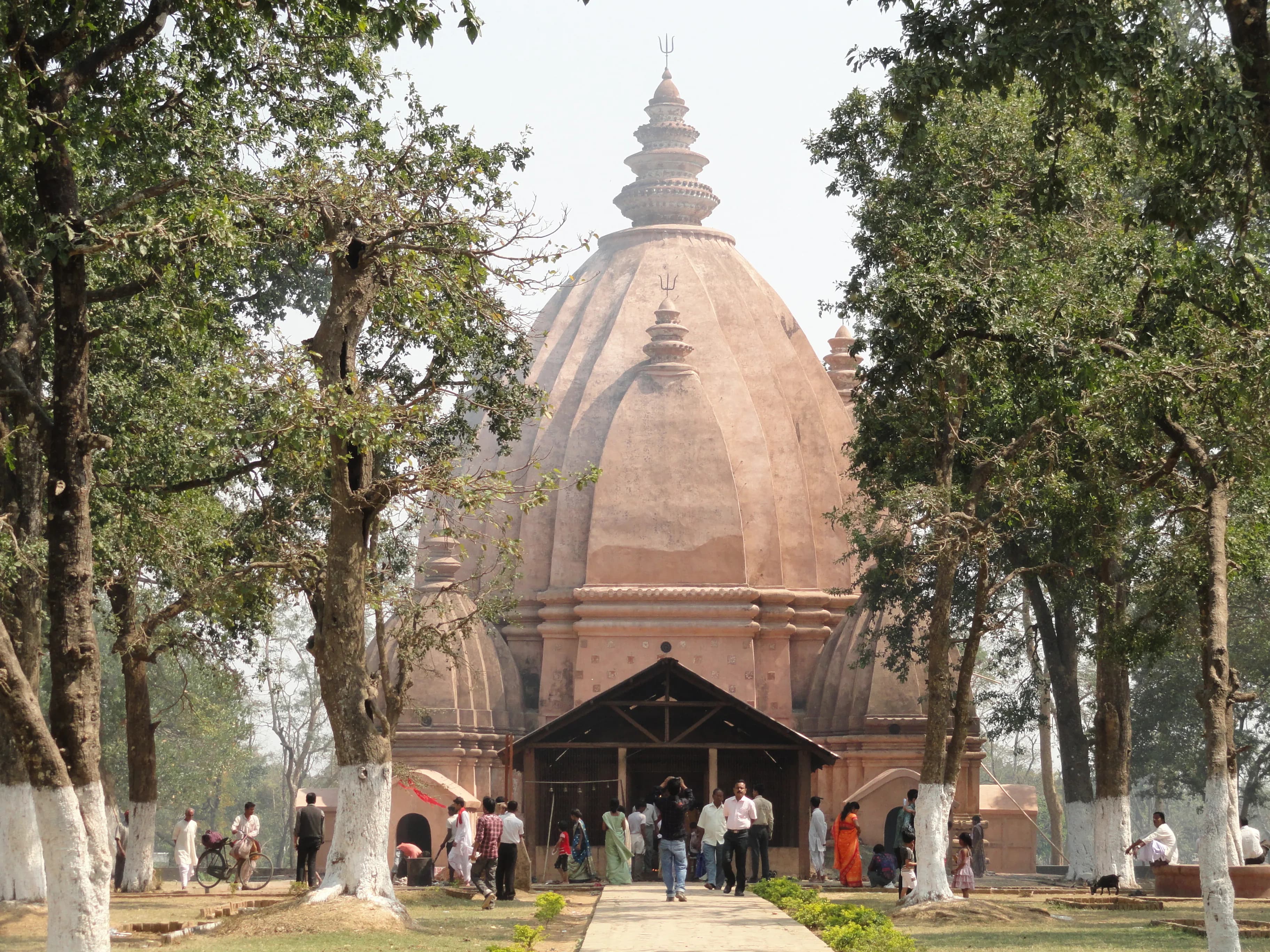
Negheriting Shiva Doul Dergaon
The terracotta tiles of the Negheriting Shiva Doul shimmered under the Assamese sun, a warm, earthy hue against the vibrant green backdrop of the surrounding countryside. Located a short distance from Dergaon, this Ahom-era temple, dedicated to Lord Shiva, exudes a quiet dignity, a testament to a bygone era of intricate craftsmanship and deep-seated faith. As I stepped onto the grounds, having journeyed across India to experience every UNESCO site firsthand, I felt a palpable sense of history whispering through the air. Unlike the towering stone structures of South India or the elaborately carved temples of the North, the Negheriting Shiva Doul possesses a unique fragility. Constructed primarily of burnt brick, it speaks to a different architectural vocabulary, one that embraces the natural materials of the region. The curved, sloping roof, characteristic of Ahom architecture, rises in tiers, culminating in a pointed finial. This style, reminiscent of the bamboo and thatch constructions that likely predated it, showcases a seamless blend of traditional techniques and evolving aesthetics. The main temple, or Doul, stands on a raised plinth, accessible by a flight of brick steps. The exterior walls, though weathered by time and the elements, still bear traces of intricate ornamentation. Floral motifs, geometric patterns, and depictions of mythical creatures are etched into the terracotta, a testament to the skill of the artisans who painstakingly crafted each detail. I ran my hand over the textured surface, imagining the hands that had molded and fired these very bricks centuries ago. Entering the sanctum sanctorum, I was struck by the simplicity of the space. The air was thick with the scent of incense and the murmur of prayers. While the exterior boasts elaborate decoration, the inner chamber is comparatively austere, focusing attention on the Shiva lingam, the symbolic representation of Lord Shiva. This contrast, I felt, underscored the essence of devotion – a journey from the ornate complexities of the external world to the quiet stillness of inner contemplation. Surrounding the main temple are several smaller shrines, dedicated to various deities. These structures, also built of brick, echo the architectural style of the main Doul, creating a harmonious ensemble. I noticed that many of these smaller shrines were in various states of repair, some showing signs of recent restoration efforts while others bore the deeper scars of time. This ongoing process of preservation, I realized, is a crucial aspect of maintaining the site's historical integrity, a constant dialogue between the past and the present. Beyond the architectural marvels, the Negheriting Shiva Doul is also a vibrant center of community life. During my visit, I witnessed devotees offering prayers, performing rituals, and engaging in lively conversations. The temple grounds buzzed with activity, a testament to the enduring significance of this sacred space in the lives of the local people. I spent some time talking with a few of the devotees, learning about the temple's history and its role in their cultural heritage. Their stories added another layer of richness to my understanding of the site, moving beyond the purely architectural and into the realm of lived experience. Leaving the Negheriting Shiva Doul, I carried with me a deep appreciation for its unique beauty and historical significance. It stands as a powerful reminder of the rich tapestry of Indian heritage, a testament to the ingenuity and artistry of the Ahom civilization. As I continued my journey across India, I knew that the memory of this terracotta temple, shimmering under the Assamese sun, would remain etched in my mind, a poignant symbol of the enduring power of faith and the beauty of cultural preservation.
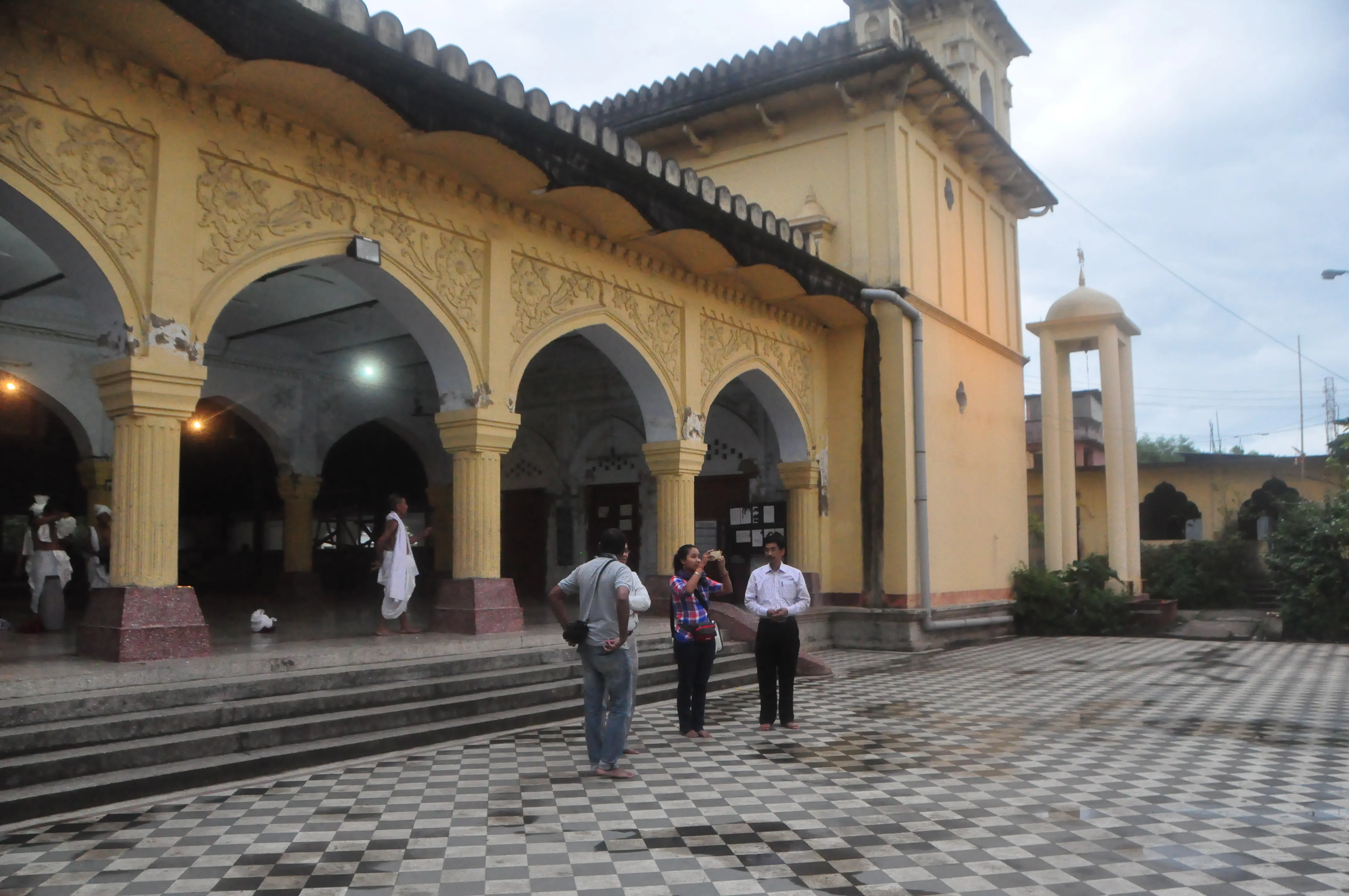
Shree Govindajee Temple Imphal
The shimmering gold roof of the Shree Govindajee Temple, rising above the sprawling complex within Imphal’s palace grounds, immediately captured my attention. Coming from Uttar Pradesh, a land steeped in its own vibrant temple architecture, I was eager to experience this Manipuri gem, a testament to the region’s unique cultural tapestry. The temple, dedicated to Lord Krishna in his Govindajee form, stands as a powerful symbol of Vaishnavism in this northeastern state. Entering the complex, I was struck by the spacious courtyard, a serene expanse that provided a buffer from the bustling city outside. The main temple structure, built in a traditional Manipuri architectural style, is flanked by two smaller shrines dedicated to Radha and Balarama. Unlike the towering stone edifices common in my home state, this temple showcased a different aesthetic. The structure is primarily built of brick, plastered and painted a pristine white, creating a stark contrast against the vibrant gold roof. The roof itself is a marvel, a multi-tiered, curved structure, reminiscent of the traditional Manipuri houses I’d seen dotted across the landscape. This architectural synchronicity, blending religious symbolism with local vernacular, resonated deeply. The temple’s interior, while relatively simple, exudes a palpable sense of devotion. Photography is strictly prohibited inside, a rule I respected, allowing myself to fully immerse in the atmosphere. The absence of visual documentation heightened my other senses. The scent of incense hung heavy in the air, mingling with the soft murmur of prayers. The rhythmic chanting of Sanskrit verses, though different in pronunciation from what I was accustomed to, carried the same spiritual weight, a testament to the universality of religious devotion. I spent some time observing the devotees. Their attire, a blend of traditional Manipuri phanek (sarong) and shawl for women, and dhoti-kurta for men, added another layer of cultural richness to the experience. The reverence in their eyes, the gentle clinking of bells, and the offering of flowers and fruits created a tapestry of faith that transcended geographical boundaries. It was fascinating to witness how Vaishnavism, a faith so deeply rooted in the Gangetic plains, had taken root and flourished in this distant land, adapting and integrating with local traditions. Beyond the main temple, the complex houses several smaller structures, including a dedicated kitchen where prasad is prepared. I was fortunate enough to partake in the noontime offering, a simple yet delicious meal of rice and lentils. Sharing this communal meal with the local devotees further solidified my sense of connection to this sacred space. The Shree Govindajee Temple is more than just a religious structure; it's a living testament to the cultural exchange and adaptation that has shaped Manipur’s identity. The temple’s architecture, rituals, and the very presence of Vaishnavism in this predominantly tribal region speak volumes about the historical and cultural influences that have converged here. As someone deeply interested in the interplay of culture and faith, my visit to the Shree Govindajee Temple was an enriching experience. It offered a glimpse into a unique expression of Hinduism, shaped by the geographical and cultural landscape of Manipur, a world away from the familiar temples of my homeland, yet connected by the same thread of devotion. The temple stands as a symbol of resilience, a beacon of faith that continues to illuminate the lives of the Manipuri people, and a testament to the enduring power of cultural exchange.
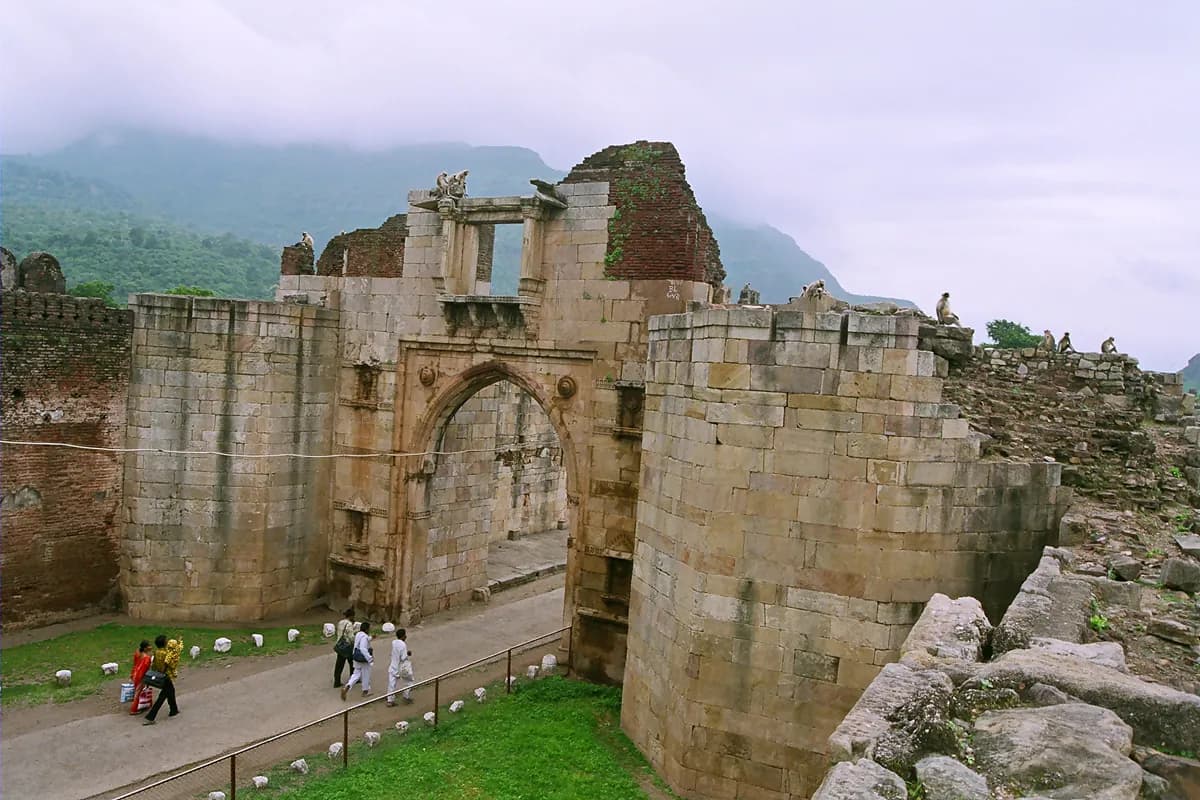
Champaner Fort Champaner Gujarat
The imposing Champaner Fort in Gujarat, a UNESCO World Heritage site, showcases a unique confluence of Indo-Islamic architecture ([1][2]). Built by Sultan Mahmud Begada in 1484 CE during the 15th century, the fort exemplifies a blend of Hindu and Muslim styles, rooted in the Solanki period ([3][4]). The fortifications, sprawling across the Pavagadh Hill, are constructed primarily of sandstone and brick, reflecting a strategic military design ([5]). Intricate carvings adorning the walls of the Jama Masjid reveal a harmonious synthesis of Islamic and local architectural traditions ([2]). The mosque features delicate jalis (perforated stone screens) and imposing minarets, creating a captivating interplay of light and shadow ([1]). The prayer hall, characterized by rows of pillars and soaring arches, evokes a sense of tranquility ([3]). The Saher ki Masjid, perched on the hillside, showcases intricate detailing on its mihrab (prayer niche) and geometric patterns ([4]). Sophisticated drainage systems ensure the preservation of water resources within the fort, exemplified by numerous stepwells known as vavs ([5]). The Kabutarkhana Vav, with its ornate balconies and intricate carvings, stands as a marvel of engineering and artistry ([1][2]). Exploring the ruins of palaces, tombs, and temples offers glimpses into a bygone era ([3]). The Kevada Masjid, blending Hindu and Islamic architectural elements, features carved pillars reminiscent of Hindu temple architecture juxtaposed with Islamic arches and domes ([4][5]). Champaner Fort is a testament to India’s rich and diverse history, where the past whispers its stories.

Nazarbaug Palace Vadodara
The midday sun beat down on Vadodara, casting long shadows across the manicured lawns leading up to Nazarbaug Palace. Having explored countless Mughal and Rajput architectural marvels across North India, I was curious to see what this Gaekwad dynasty legacy held within its walls. The palace, though not as imposing as some of the Rajasthan forts I’ve traversed, exuded a quiet dignity, a subtle grandeur that hinted at the stories it held. The first thing that struck me was the intriguing blend of architectural styles. While the overall structure retained a distinctly Indian sensibility, European influences were evident in the arched windows, the ornate balconies, and the delicate filigree work adorning the façade. It was a testament to the Gaekwads' embrace of modernity while holding onto their heritage. The palace, I learned, was built in phases, starting in the early 18th century and undergoing several expansions and renovations over the years, resulting in this fascinating architectural amalgamation. Stepping inside, I was transported to a world of opulent interiors. The Darbar Hall, the heart of the palace, was breathtaking. Chandeliers, imported from Europe, cascaded from the high ceilings, casting a warm glow on the intricate mosaic floors. The walls were adorned with portraits of the Gaekwad rulers, their stern gazes seemingly following me as I walked through the hall. I could almost imagine the grand durbars held here, the hall echoing with music and laughter, a hub of political power and social gatherings. One of the most captivating aspects of Nazarbaug Palace is its collection of personal belongings of the Gaekwad family. Unlike many museums that showcase artifacts behind ropes and glass, here, you get a glimpse into the lives of the royals. From intricately carved furniture to delicate porcelain dinner sets, each item whispered stories of a bygone era. I was particularly fascinated by the collection of vintage clocks, each a miniature masterpiece of craftsmanship, frozen in time. It was a poignant reminder of the ephemeral nature of power and grandeur. Moving beyond the Darbar Hall, I explored the residential wings of the palace. The rooms, though now largely empty, retained an echo of their former occupants. I peered into the royal bedrooms, imagining the lives lived within these walls, the joys and sorrows, the triumphs and tribulations of a dynasty. The faded remnants of wallpaper and the worn patches on the wooden floors spoke volumes about the passage of time and the inevitable decay that even palaces are subject to. The palace grounds, though not expansive, offered a welcome respite from the city’s hustle. The manicured gardens, dotted with fountains and statues, provided a tranquil setting. I spent some time wandering through the pathways, admiring the vibrant bougainvillea and the fragrant jasmine, trying to capture the essence of this historical oasis. However, the highlight of my visit was undoubtedly the opportunity to see the Gaekwad’s collection of jewels. Housed in a secure vault within the palace, the collection includes some of the most exquisite pieces I have ever seen. The legendary Star of Baroda, a 78.5-carat diamond necklace, though no longer part of the collection (it was auctioned off years ago), was represented through photographs and historical accounts, leaving me awestruck by its former glory. The remaining jewels, including intricately designed necklaces, bracelets, and earrings, were a testament to the Gaekwads' immense wealth and their refined taste. Leaving Nazarbaug Palace, I felt a sense of melancholy. The palace, with its blend of architectural styles, its opulent interiors, and its poignant stories, offered a captivating glimpse into a vanished world. It was a reminder of the ebb and flow of history, the rise and fall of dynasties, and the enduring power of heritage. As I stepped back into the bustling streets of Vadodara, the quiet grandeur of Nazarbaug Palace lingered in my mind, a testament to the rich tapestry of India's past.
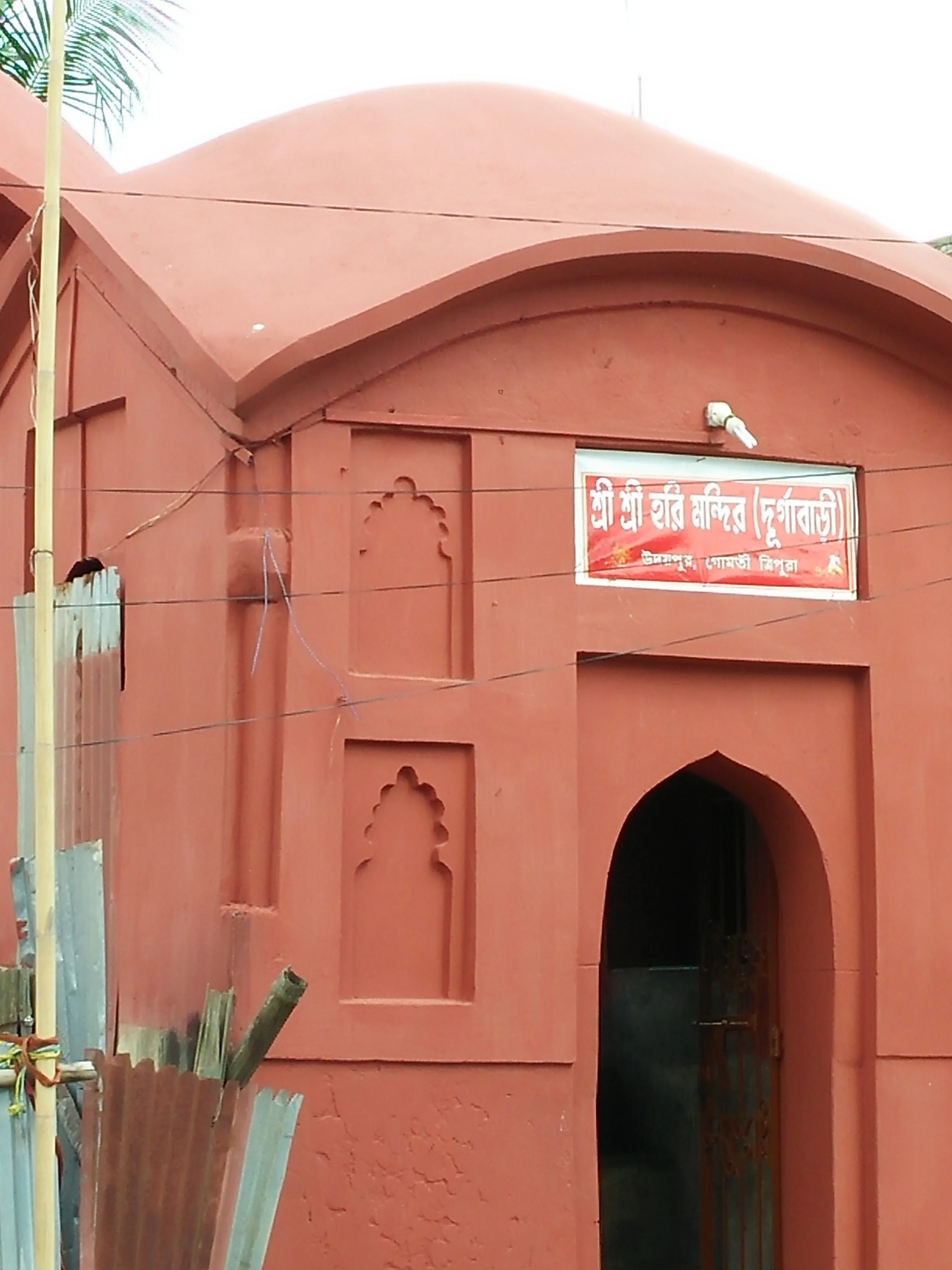
Durgabari Temple Kohima
The Durgabari Temple, situated on Aradura Hill in Kohima, Nagaland, stands as a significant Hindu pilgrimage site dedicated primarily to Goddess Durga, embodying a continuous tradition of Indian civilization spanning millennia [1] [2] [3]. This sacred edifice also houses shrines for Ma Kali and Lord Shiva, reflecting the syncretic nature of Hindu worship practices [1] [2]. While the current structure dates to approximately 1940 CE, its architectural expression integrates elements of Naga Vernacular, Nagara, Kalinga, and Indo-Islamic styles, showcasing a layered cultural synthesis that is characteristic of India's enduring heritage [1] [2] [3]. The temple's design features intricate carvings and vibrant decorations, which are indicative of the rich artistic traditions prevalent in the region [3]. Although specific dimensions are not widely documented, the temple's layout is designed to facilitate devotional practices, including morning pooja and arati, which commence at 07:30 AM [1]. The structural integrity of the temple is maintained through regular upkeep by the Temple Trust, ensuring its continued role as a spiritual and cultural hub [1] [2]. The temple grounds are well-maintained, providing a serene environment for devotees and visitors, with operational hours from 06:00 AM to 09:00 PM daily [1] [2]. Accessibility is facilitated by its location in PWD Colony, Kohima, reachable via local transport options such as auto-rickshaws [3]. Conservation efforts are primarily managed by the Temple Trust, focusing on the preservation of its architectural and spiritual essence [1]. The site actively hosts major Hindu festivals such as Ganesha Puja, Durga Puja, Jagannath Snan, and Jagannath Rath Yatra, drawing numerous devotees and reinforcing its role in maintaining India's ancient cultural traditions [1]. Visitors are encouraged to observe a modest dress code, reflecting respect for the sacred space [1] [2]. The Durgabari Temple remains fully operational, serving as a vibrant center for Hindu religious and socio-cultural activities in Kohima, testament to India's deep historical roots and continuous cultural legacy [1] [3].

Taip Depe Karakum Desert Turkmenistan
Taip Depe, dramatically rising from the vast expanse of the Karakum Desert in southeastern Turkmenistan, represents one of the most extraordinary and archaeologically significant Bronze Age sites in Central Asia, dating to the 3rd millennium BCE and serving as a major center of the Bactria-Margiana Archaeological Complex (BMAC), featuring sophisticated temple structures and ritual complexes that demonstrate remarkable Vedic parallels and connections to ancient Indian religious traditions, creating a powerful testament to the profound transmission of Indian religious and cosmological traditions to Central Asia during the Bronze Age. The site, featuring sophisticated temple structures with central fire altars, ritual chambers, and ceremonial spaces that demonstrate clear parallels with Vedic fire altars and ritual practices described in ancient Indian texts, demonstrates the direct transmission of Indian religious and cosmological concepts from the great religious centers of ancient India, particularly Vedic traditions that were systematically transmitted to Central Asia, while the site's most remarkable feature is its sophisticated temple structures featuring fire altars, ritual complexes, and architectural elements that demonstrate remarkable parallels with Vedic temple architecture and ritual practices. The temple structures' architectural layout, with their central fire altars surrounded by ritual chambers, storage areas, and ceremonial spaces, follows sophisticated planning principles that demonstrate remarkable parallels with Vedic temple planning principles, while the temple structures' extensive decorative programs including ritual objects, seals, and architectural elements demonstrate the sophisticated synthesis of Indian religious iconography and cosmological concepts with local Central Asian aesthetic sensibilities. Archaeological evidence reveals that the site served as a major center of religious and ritual activity during the Bronze Age, attracting traders, priests, and elites from across Central Asia, South Asia, and the Middle East, while the discovery of numerous artifacts including seals with motifs that demonstrate clear Indian influences, ritual objects that parallel Vedic practices, and architectural elements that reflect Indian cosmological concepts provides crucial evidence of the site's role in the transmission of Indian religious traditions to Central Asia, demonstrating the sophisticated understanding of Indian religious and cosmological traditions possessed by the site's patrons and religious establishment. The site's association with the BMAC, which had extensive trade and cultural connections with the Indus Valley Civilization and later Indian civilizations, demonstrates the sophisticated understanding of Indian religious traditions that were transmitted to Central Asia, while the site's fire altars and ritual structures demonstrate remarkable parallels with Vedic fire altars and ritual practices that were central to ancient Indian religious traditions. The site has been the subject of extensive archaeological research, with ongoing excavations continuing to reveal new insights into the site's sophisticated architecture, religious practices, and its role in the transmission of Indian religious traditions to Central Asia, while the site's status as part of the broader BMAC cultural complex demonstrates its significance as a major center for the transmission of Indian cultural traditions to Central Asia. Today, Taip Depe stands as one of the most important Bronze Age archaeological sites in Central Asia, serving as a powerful testament to the transmission of Indian religious and cosmological traditions to Central Asia, while ongoing archaeological research and conservation efforts continue to protect and study this extraordinary cultural treasure that demonstrates the profound impact of Indian civilization on Central Asian religious and cultural traditions. ([1][2])

Shotorak Monastery Nangarhar Afghanistan
Shotorak, located in Nangarhar Province, Afghanistan, preserves the remarkable remains of a 3rd to 4th century CE Buddhist monastery that represents one of the most significant and artistically important Buddhist sites in the region, demonstrating the vibrant transmission of Indian Buddhist traditions to Afghanistan during the Kushan period, when Buddhism flourished across the region under the patronage of the Kushan Empire. The monastery complex, constructed primarily from stone, stucco, and fired brick with extensive decorative elements, features numerous stupas, chapels, and monastic cells arranged according to Indian Buddhist monastery planning principles, while the discovery of Hindu sculptures alongside Buddhist elements provides crucial evidence of the syncretic nature of religious practice in the region and the transmission of diverse Indian religious traditions to Afghanistan. The site's architectural design demonstrates direct influence from Indian Buddhist monastery architecture, particularly the traditions of northern India, with the overall plan, stupa forms, and decorative programs reflecting Indian Buddhist practices that were systematically transmitted to Afghanistan, while the presence of Hindu sculptures demonstrates the coexistence and interaction of Hindu and Buddhist traditions during the Kushan period. Archaeological excavations have revealed extraordinary preservation of sculptures, architectural elements, and artifacts that demonstrate the sophisticated artistic traditions of the period, with the artistic work showing clear influence from Indian styles while incorporating local elements, creating a unique synthesis that characterizes Buddhist art in Afghanistan during this period. The monastery flourished particularly during the 3rd to 4th centuries CE, when it served as a major center of Buddhist learning and practice, with the site's location in Nangarhar Province, historically part of the ancient Gandhara region, underscoring its role in the transmission of Buddhist teachings and artistic traditions. The site continued to function as a Buddhist center through the 5th and 6th centuries CE before gradually declining following the decline of the Kushan Empire, while the substantial architectural remains that survive provide crucial evidence of the site's original grandeur and importance. The discovery of Hindu sculptures at the site provides particularly important evidence of the syncretic nature of religious practice during the Kushan period, when both Hindu and Buddhist traditions flourished in Afghanistan and influenced each other, creating a unique cultural synthesis that characterizes the period. Today, Shotorak stands as an important archaeological site in Afghanistan, serving as a powerful testament to the country's ancient Buddhist heritage and its historical role as a center for the transmission of Indian religious and artistic traditions, while ongoing archaeological research and preservation efforts continue to reveal new insights into the site's construction, religious practices, and the syncretic nature of Kushan period religion. ([1][2])
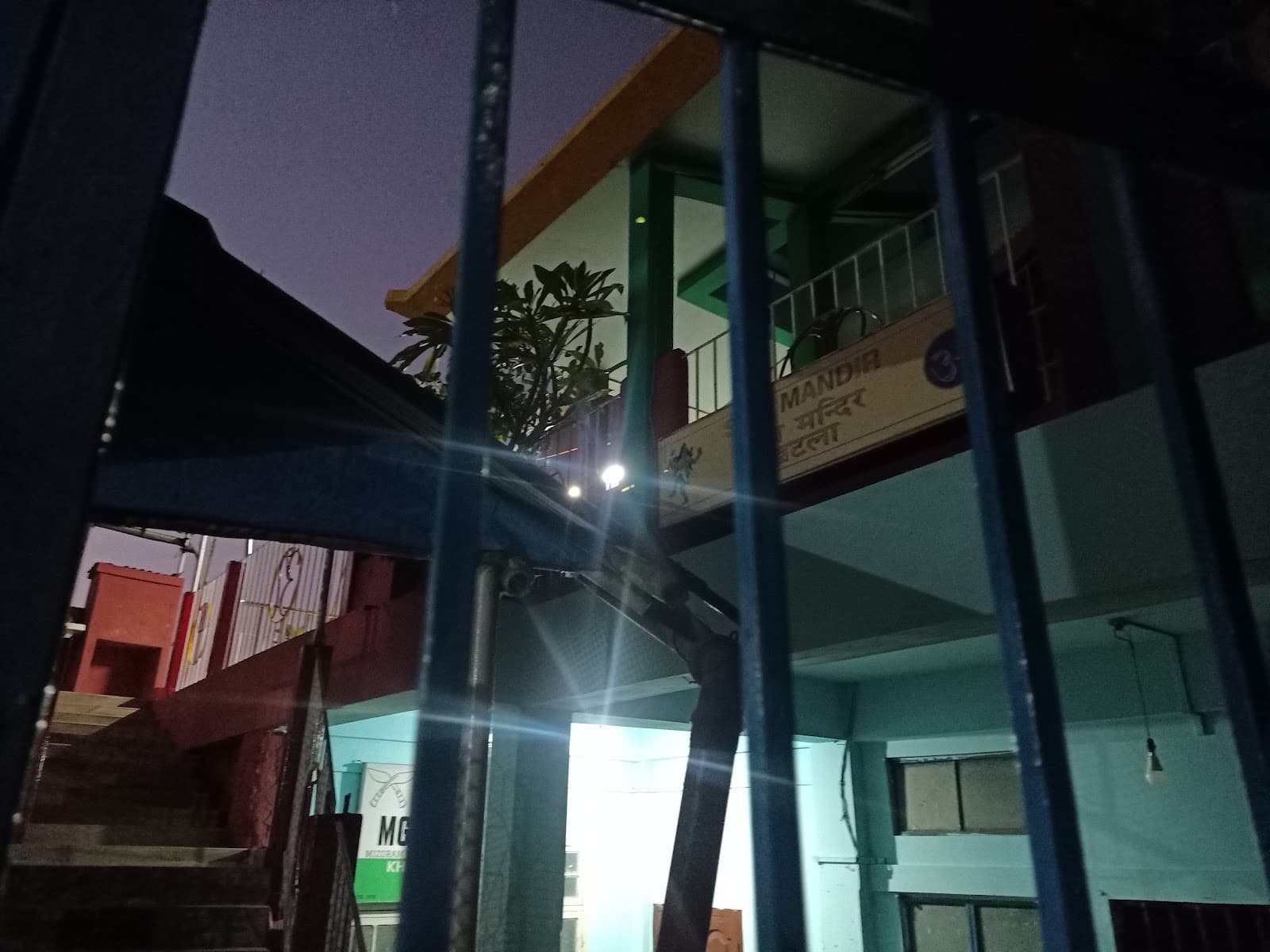
Shree Hanuman Mandir Aizawl
The biting wind whipped prayer flags into a frenzy against the backdrop of a cerulean sky, a stark contrast to the sweltering Delhi summers I'm accustomed to. Here, perched atop a hill overlooking Aizawl, Mizoram's capital, stands the Shree Hanuman Mandir, a beacon of vibrant orange amidst the verdant landscape. Having explored countless temples across North India, from the ancient stones of Khajuraho to the gilded shrines of Amritsar, I was curious to see how this northeastern iteration would differ. The climb to the temple was a pilgrimage in itself. A winding road, carved into the hillside, led me past small houses clinging precariously to the slopes, each with a panoramic view that stole my breath. The air, crisp and clean, carried the scent of pine and a faint echo of chanting, growing louder with each upward step. The temple itself is a striking structure. Unlike the intricate carvings and towering shikharas of North Indian temples, this one possesses a simpler, more modern aesthetic. The dominant colour is a vibrant saffron, radiating warmth against the cool mountain air. The main entrance is framed by a large arch, adorned with depictions of Lord Hanuman in various poses, each radiating strength and devotion. The architecture, while contemporary, incorporates elements of traditional Mizo design, evident in the sloping roof and the use of local wood in certain sections. It's a fascinating blend of the familiar and the unexpected. Stepping inside, I was greeted by the resonant chanting of "Jai Shree Ram," a familiar sound that instantly transported me back to the bustling temples of my homeland. Yet, the atmosphere here was distinctly different. A sense of quiet reverence permeated the air, a palpable stillness that encouraged introspection. The main deity, a towering statue of Lord Hanuman, dominates the inner sanctum. His expression, a blend of strength and serenity, captivated me. Unlike the often ornate idols I've encountered elsewhere, this one felt remarkably grounded, almost human. The temple complex also houses a smaller shrine dedicated to Lord Rama, Sita, and Lakshmana. The intricate details of their attire and the delicate expressions on their faces were a testament to the artistry of the sculptors. I spent a considerable amount of time observing the devotees, a mix of locals and visitors, each offering their prayers with quiet devotion. The absence of the usual cacophony found in many North Indian temples was striking. Here, faith was expressed in hushed whispers and heartfelt gestures. From the temple grounds, the view of Aizawl is breathtaking. The city sprawls across the hills, a tapestry of colourful houses punctuated by the spires of churches, a testament to the region's diverse religious landscape. The distant mountains, shrouded in mist, added an ethereal touch to the panorama. It was a view that invited contemplation, a moment of quiet reflection amidst the grandeur of nature. My visit to the Shree Hanuman Mandir was more than just a journalistic assignment; it was a cultural immersion. It offered a glimpse into the unique blend of faith and tradition that defines this corner of India. The temple, a symbol of devotion and resilience, stands as a testament to the unifying power of faith, bridging geographical and cultural divides. Leaving the temple, I carried with me not just photographs and notes, but a deeper understanding of the diverse tapestry of Indian spirituality, a tapestry that extends far beyond the plains and into the heart of the northeastern hills.

Swaminarayan Akshardham Gandhinagar
The first glimpse of the Swaminarayan Akshardham Temple in Gandhinagar stopped me in my tracks. Emerging from the meticulously manicured gardens, the temple complex, a symphony in pink sandstone and Italian Carrara marble, felt less like a structure and more like a sculpted dream. Having spent years documenting the ancient temples of Madhya Pradesh, I thought I was prepared for the grandeur of Akshardham, but the sheer scale and intricate detail surpassed all expectations. The sun, already high in the Gujarat sky, kissed the ornate carvings that covered every inch of the temple’s exterior. It was as if an army of artisans had dedicated lifetimes to etching narratives from Hindu scriptures, epics, and mythology onto the stone. Deities, celestial musicians, dancers, flora, and fauna – a breathtaking panorama of life and devotion unfolded before my lens. I found myself constantly shifting position, trying to capture the interplay of light and shadow on the deeply carved surfaces, the way the sun highlighted a particular expression on a deity's face or the delicate tracery of a floral motif. Stepping inside the main mandir, the experience shifted from visual opulence to a palpable sense of serenity. The vast, pillared halls, despite the throngs of visitors, held a quiet reverence. The central chamber, housing the murti of Bhagwan Swaminarayan, radiated a golden glow. The intricate detailing continued within, with carved pillars depicting different avatars and scenes from Hindu lore. I spent a considerable amount of time simply observing the devotees, their faces etched with devotion as they offered prayers. It was a powerful reminder of the living faith that breathed life into these magnificent stones. Beyond the main temple, the complex unfolded like a meticulously planned narrative. The exhibition halls, employing a fascinating blend of traditional artistry and modern technology, brought to life the teachings and life of Bhagwan Swaminarayan. Dioramas, animatronics, and immersive displays transported me to different eras, allowing me to witness key moments in his life and understand the philosophy he espoused. As a photographer accustomed to capturing static moments in time, I was particularly impressed by the dynamic storytelling employed in these exhibits. The surrounding gardens, a sprawling oasis of green, provided a welcome respite from the intensity of the temple architecture. The meticulously manicured lawns, punctuated by fountains and reflecting pools, offered a tranquil setting for contemplation. The evening water show, a spectacular symphony of light, sound, and water jets, was a fitting culmination to the day. Projected onto a massive water screen, the story of India's cultural heritage unfolded in vibrant colours and captivating choreography. What struck me most about Akshardham was not just its architectural magnificence, but the palpable sense of harmony that permeated the entire complex. From the intricate carvings on the temple walls to the serene gardens and the technologically advanced exhibitions, every element seemed to work in concert to create a holistic experience. It was a testament to the dedication and vision of the countless individuals who contributed to its creation. As a heritage photographer, I have visited numerous ancient sites across Madhya Pradesh and beyond. Each place holds its own unique charm and historical significance. But Akshardham stands apart. It is not merely a temple; it is a living testament to the enduring power of faith, art, and culture. It is a place where tradition meets modernity, where spirituality intertwines with technology, and where the past and present converge to create an experience that is both awe-inspiring and deeply moving. Leaving the illuminated complex behind, I carried with me not just photographs, but a profound sense of wonder and a renewed appreciation for the rich tapestry of Indian heritage.
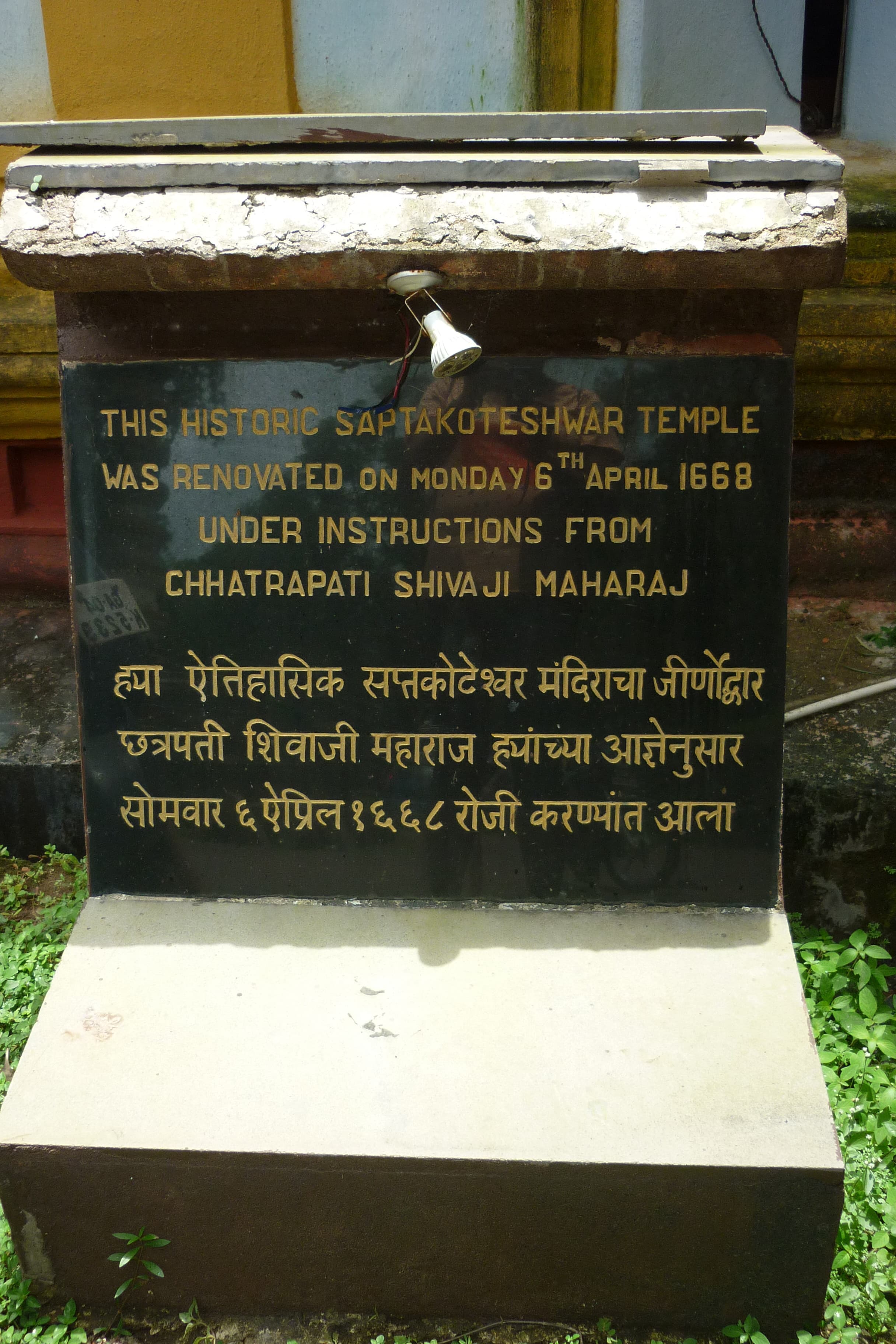
Shri Saptakoteshwar Temple Narve Goa
The humid Goan air, thick with the scent of incense and marigolds, clung to me as I stepped through the imposing gateway of the Shri Saptakoteshwar Temple in Narve. Having explored the intricate temple architecture of North India extensively, I was eager to see how this Goan gem, dedicated to Lord Shiva, compared. The temple, nestled amidst lush greenery, presented a striking contrast to the sun-drenched beaches Goa is renowned for. Its stark white walls, punctuated by vibrant splashes of colour from the fluttering prayer flags and the devotees’ attire, exuded a sense of serene power. The first thing that struck me was the distinct lack of the ornate carvings and towering *shikharas* so characteristic of North Indian temples. Instead, the Saptakoteshwar Temple showcased a simpler, yet equally compelling architectural style. The influence of the Portuguese colonial era was evident in the clean lines and the symmetrical structure, reminiscent of a neoclassical European building. Yet, the temple retained its distinct Hindu identity. The sloping tiled roof, the *deepstambha* (lamp tower) standing tall at the entrance, and the intricate carvings adorning the wooden doors, all whispered tales of ancient traditions and unwavering faith. I walked through the main courtyard, the smooth, cool stone beneath my feet a welcome respite from the midday heat. The central shrine, housing the *lingam* of Lord Shiva, was the focal point, drawing devotees in a steady stream. The air hummed with the rhythmic chanting of prayers, creating an atmosphere of profound reverence. I observed the rituals, fascinated by the blend of Hindu traditions and local Goan customs. The offering of coconuts, the lighting of lamps, and the application of *kumkum* on the foreheads – each act was imbued with a deep spiritual significance. The temple complex also housed smaller shrines dedicated to other deities, each with its own unique charm. I spent some time exploring these, admiring the intricate details of the sculptures and the vibrant colours of the murals. One particular shrine, dedicated to Lord Ganesha, caught my attention. The elephant-headed deity, carved from a single block of black stone, radiated an aura of gentle wisdom and playful energy. Beyond the spiritual significance, the Saptakoteshwar Temple also holds historical importance. Originally built in the 12th century by the Kadamba dynasty, it was later destroyed by the Portuguese. The current structure, rebuilt in the 18th century by the Maratha ruler Chhatrapati Shahu, stands as a testament to the resilience of faith and the enduring power of cultural heritage. This layered history added another dimension to my experience, making it more than just a visit to a religious site. As I sat on a stone bench in the courtyard, letting the tranquility of the temple wash over me, I reflected on the unique blend of architectural styles and cultural influences that had shaped this sacred space. The Saptakoteshwar Temple was not just a place of worship; it was a living testament to Goa's rich and complex history, a melting pot of traditions, and a beacon of spiritual devotion. It offered a fascinating glimpse into the cultural tapestry of Goa, distinct from the vibrant beaches and bustling markets, yet equally captivating. Leaving the temple, I carried with me not just the scent of incense and marigolds, but also a deeper understanding of the spiritual heart of Goa.
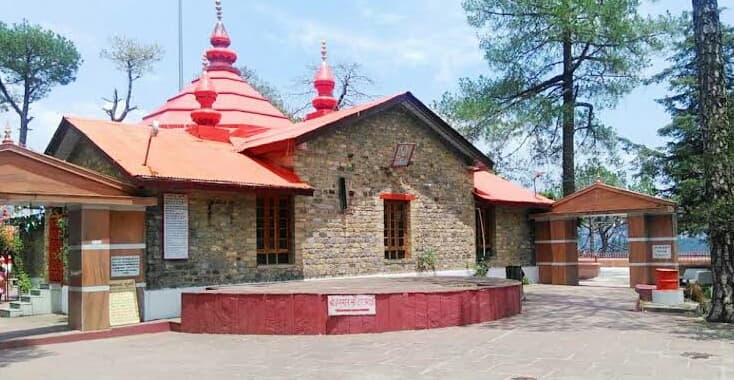
Sankat Mochan Temple Shimla
The crisp Shimla air, scented with pine and a hint of something sweeter, perhaps incense, drew me deeper into the vibrant embrace of the Sankat Mochan Temple. Nestled amidst the deodar-clad hills, overlooking the sprawling town below, the temple stands as a testament to faith and architectural ingenuity. Coming from Uttar Pradesh, a land steeped in its own rich tapestry of temples, I was curious to see how this Himalayan shrine would compare. The first thing that struck me was the temple's relative modernity. Built in the 1950s, it lacks the ancient patina of the temples I'm accustomed to back home. Yet, it possesses a distinct charm, a vibrancy that comes from being a living, breathing space of worship. The bright orange and yellow hues of the temple, set against the deep green of the surrounding forest, create a striking visual contrast. The architecture is a fascinating blend of North Indian and Himachali styles. The multi-tiered sloping roofs, reminiscent of traditional Himachali houses, are adorned with intricate carvings and colourful embellishments. The main entrance, however, features a distinctly North Indian archway, perhaps a nod to the deity enshrined within. The temple is dedicated to Lord Hanuman, the revered monkey god, a figure deeply embedded in the cultural consciousness of both Uttar Pradesh and Himachal Pradesh. Inside the main sanctum, a large, imposing statue of Hanuman dominates the space. The deity is depicted in his characteristic pose, hands folded in reverence, his orange fur gleaming under the soft glow of the lamps. The air inside is thick with the scent of incense and the murmur of prayers. Devotees from all walks of life, locals and tourists alike, thronged the temple, their faces etched with devotion. I observed a quiet reverence in their actions, a palpable sense of connection with the divine. Unlike the often elaborate rituals and ceremonies I've witnessed in Uttar Pradesh temples, the worship here seemed simpler, more direct. There was a quiet intimacy to the devotees' interactions with the deity, a sense of personal connection that transcended elaborate rituals. This, I felt, was the true essence of the temple – a space where individuals could connect with their faith in their own way, without the pressure of prescribed practices. Stepping out of the main sanctum, I explored the temple complex further. A large courtyard, paved with stone, offered stunning panoramic views of the valley below. The snow-capped peaks of the Himalayas loomed in the distance, adding a majestic backdrop to the vibrant scene. Smaller shrines dedicated to other deities dotted the courtyard, each with its own unique character and following. I noticed a small shrine dedicated to Lord Rama, Hanuman's beloved master, a testament to the enduring bond between the two figures. The presence of langurs, the grey-faced monkeys considered sacred in Hinduism, added another layer to the temple's unique atmosphere. They roamed freely within the complex, seemingly unfazed by the human activity around them. Their presence, I realized, was more than just a charming quirk; it was a tangible link to the deity enshrined within, a reminder of Hanuman's own simian form. As I descended the steps of the Sankat Mochan Temple, I carried with me more than just memories of a beautiful shrine. I carried a deeper understanding of the universality of faith, the ability of a sacred space to transcend geographical and cultural boundaries. While the architecture and rituals may differ, the underlying sentiment, the yearning for connection with the divine, remains the same, whether in the ancient temples of Uttar Pradesh or the vibrant, modern shrine nestled in the Himalayan foothills. The Sankat Mochan Temple, in its own unique way, echoed the spiritual heart of India, a heart that beats strong and true, across diverse landscapes and traditions.
Quick Links
Plan Your Heritage Journey
Get personalized recommendations and detailed visitor guides