Has Inheritage Foundation supported you today?
Your contribution helps preserve India's ancient temples, languages, and cultural heritage. Every rupee makes a difference.
Secure payment • Instant 80G certificate
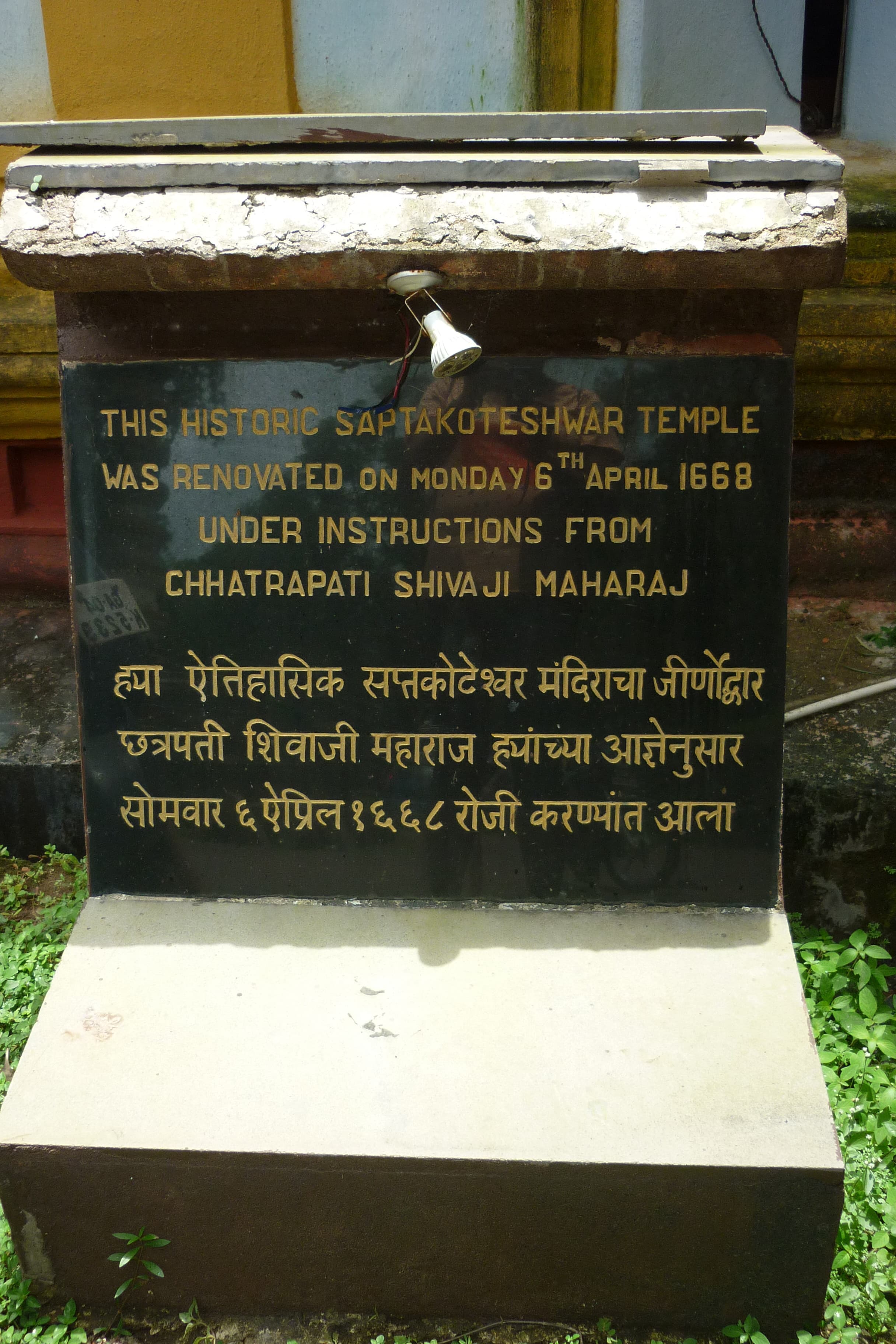
Shri Saptakoteshwar Temple Narve Goa
The humid Goan air, thick with the scent of incense and marigolds, clung to me as I stepped through the imposing gateway of the Shri Saptakoteshwar Temple in Narve. Having explored the intricate temple architecture of North India extensively, I was eager to see how this Goan gem, dedicated to Lord Shiva, compared. The temple, nestled amidst lush greenery, presented a striking contrast to the sun-drenched beaches Goa is renowned for. Its stark white walls, punctuated by vibrant splashes of colour from the fluttering prayer flags and the devotees’ attire, exuded a sense of serene power. The first thing that struck me was the distinct lack of the ornate carvings and towering *shikharas* so characteristic of North Indian temples. Instead, the Saptakoteshwar Temple showcased a simpler, yet equally compelling architectural style. The influence of the Portuguese colonial era was evident in the clean lines and the symmetrical structure, reminiscent of a neoclassical European building. Yet, the temple retained its distinct Hindu identity. The sloping tiled roof, the *deepstambha* (lamp tower) standing tall at the entrance, and the intricate carvings adorning the wooden doors, all whispered tales of ancient traditions and unwavering faith. I walked through the main courtyard, the smooth, cool stone beneath my feet a welcome respite from the midday heat. The central shrine, housing the *lingam* of Lord Shiva, was the focal point, drawing devotees in a steady stream. The air hummed with the rhythmic chanting of prayers, creating an atmosphere of profound reverence. I observed the rituals, fascinated by the blend of Hindu traditions and local Goan customs. The offering of coconuts, the lighting of lamps, and the application of *kumkum* on the foreheads – each act was imbued with a deep spiritual significance. The temple complex also housed smaller shrines dedicated to other deities, each with its own unique charm. I spent some time exploring these, admiring the intricate details of the sculptures and the vibrant colours of the murals. One particular shrine, dedicated to Lord Ganesha, caught my attention. The elephant-headed deity, carved from a single block of black stone, radiated an aura of gentle wisdom and playful energy. Beyond the spiritual significance, the Saptakoteshwar Temple also holds historical importance. Originally built in the 12th century by the Kadamba dynasty, it was later destroyed by the Portuguese. The current structure, rebuilt in the 18th century by the Maratha ruler Chhatrapati Shahu, stands as a testament to the resilience of faith and the enduring power of cultural heritage. This layered history added another dimension to my experience, making it more than just a visit to a religious site. As I sat on a stone bench in the courtyard, letting the tranquility of the temple wash over me, I reflected on the unique blend of architectural styles and cultural influences that had shaped this sacred space. The Saptakoteshwar Temple was not just a place of worship; it was a living testament to Goa's rich and complex history, a melting pot of traditions, and a beacon of spiritual devotion. It offered a fascinating glimpse into the cultural tapestry of Goa, distinct from the vibrant beaches and bustling markets, yet equally captivating. Leaving the temple, I carried with me not just the scent of incense and marigolds, but also a deeper understanding of the spiritual heart of Goa.

Tilinga Mandir Tinsukia
The air, thick with the scent of incense and marigold garlands, vibrated with a low, resonant hum. It wasn't the chanting of priests, though that was present too, but the deeper, almost metallic thrum of countless bells. I stood at the entrance of the Tilinga Mandir in Tinsukia, Assam, mesmerized. Having explored countless temples across North India, from the grand structures of Rajasthan to the intricate carvings of Himachal, I thought I was prepared. I wasn't. This temple, dedicated to Lord Shiva, is unlike anything I’ve encountered. Forget towering shikharas or ornate gateways. The Tilinga Mandir’s architecture is almost…organic. It’s a sprawling complex, not planned so much as grown, with structures seemingly sprouting from the earth like sacred fungi. The walls are a patchwork of brick, stone, and concrete, plastered over and painted a vibrant saffron. But it’s the bells that truly define this space. Thousands upon thousands of them, in every conceivable size and shape, drape from every available surface. Tiny tinkling bells, hefty brass gongs, cowbells, ship bells, even bicycle bells – a cacophony of devotion hanging in the humid Assam air. I walked deeper into the complex, the sound of the bells intensifying with each step. Devotees, their faces etched with reverence, tied new bells to the already overflowing structures. Each bell, I learned, represents a prayer, a wish, a plea to the divine. The sheer volume of them, a testament to the faith of generations, was overwhelming. The main shrine, dedicated to Lord Shiva, is a relatively small structure at the heart of the complex. Unlike the riot of colour and sound outside, the inner sanctum exuded a quiet serenity. The lingam, bathed in the soft glow of oil lamps, was adorned with fresh flowers and bilva leaves. The air was thick with the scent of sandalwood, a welcome respite from the heady mix of incense and damp earth outside. I spent hours wandering through the labyrinthine corridors, each turn revealing a new cluster of bells, a new shrine, a new story whispered by the wind. One particularly striking structure was a multi-tiered tower entirely covered in bells. It swayed gently in the breeze, creating a mesmerizing symphony of metallic chimes. I noticed small slips of paper tucked between the bells, handwritten prayers and wishes entrusted to the divine. Beyond the main Shiva shrine, I discovered smaller shrines dedicated to other deities – Durga, Ganesh, Hanuman. Each had its own unique character, its own collection of bells, its own devoted following. One shrine, dedicated to the serpent god Naga, was particularly intriguing. It was located in a small, dimly lit chamber, the walls adorned with intricate carvings of snakes. The air here was heavy with the scent of burning camphor, adding to the mystical atmosphere. As I sat on a stone bench, taking in the sights and sounds, I realized that the Tilinga Mandir is more than just a temple. It's a living, breathing testament to the power of faith. It’s a place where the tangible and intangible intertwine, where the mundane transforms into the sacred. The bells, each one a symbol of individual devotion, collectively create a symphony of faith that resonates deep within the soul. Leaving the Tilinga Mandir, the lingering chime of the bells followed me, a reminder of the extraordinary tapestry of faith I had witnessed. It’s a sound, a feeling, an experience that will stay with me long after I’ve left Assam.
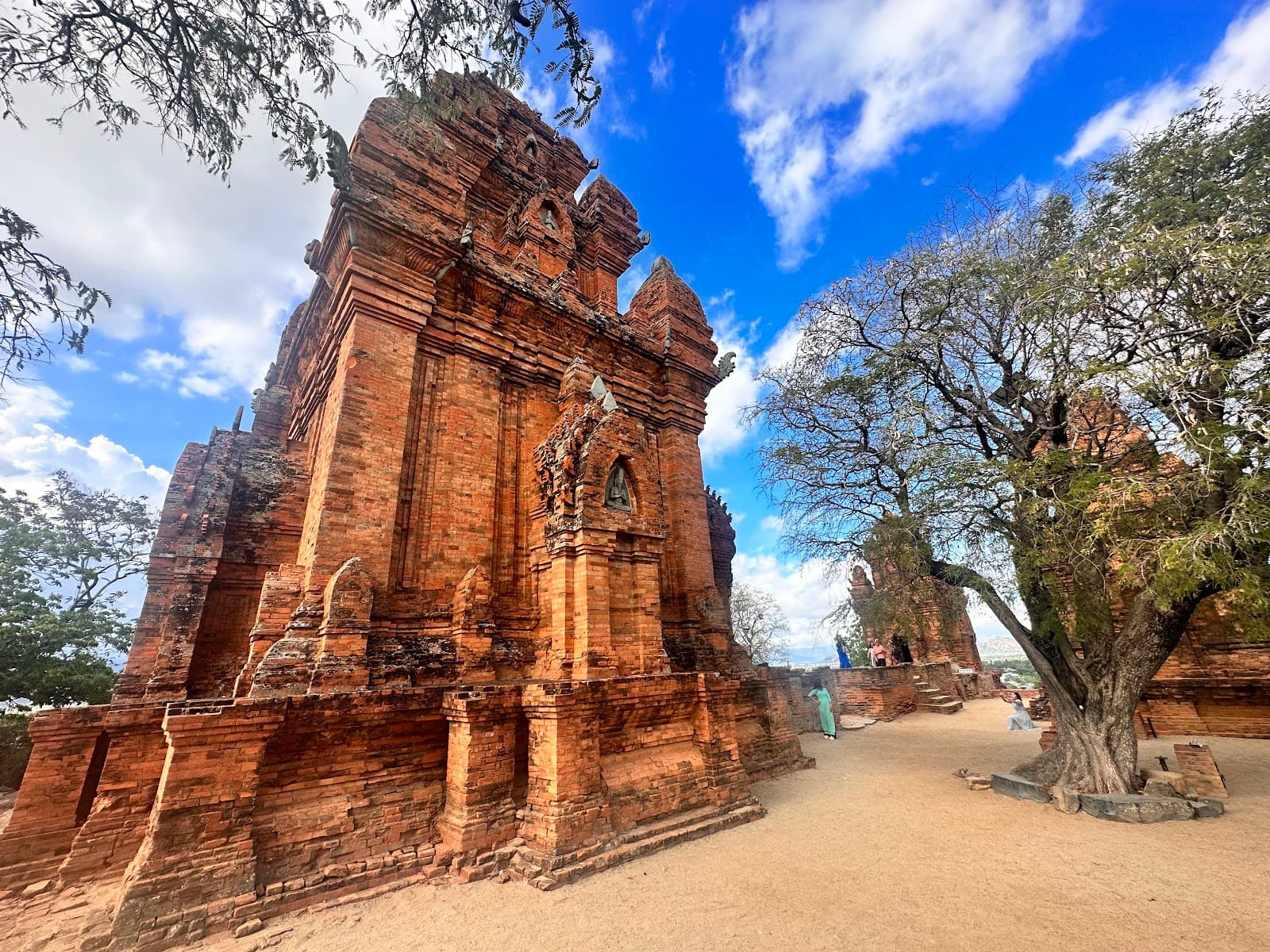
Thai Lan Cham Tower Complex Ninh Thuan Vietnam
Thai Lan Cham Tower Complex, located in Ninh Thuan Province, Vietnam, represents one of the most architecturally refined and historically significant Cham Hindu temple complexes in Vietnam, constructed in the 13th century CE during a period of continued Champa prosperity and artistic achievement, creating a powerful testament to the sustained transmission of Indian Hindu religious and architectural traditions to Southeast Asia during the high medieval period. The temple complex, constructed primarily from red brick with sandstone decorative elements, features distinctive Cham tower architecture that demonstrates the sophisticated synthesis of Indian Hindu temple architecture, particularly the Dravidian traditions of southern India, with indigenous Cham building techniques, creating a unique architectural expression that reflects Champa's mature engagement with Indian religious and cultural traditions. The towers feature elaborate decorative programs including bas-reliefs and sculptures that demonstrate the direct transmission of Indian Hindu iconography and artistic traditions, while the discovery of inscriptions provides crucial evidence of the site's role as a center for the transmission of Indian religious texts and practices to Southeast Asia, and the complex's architectural refinement demonstrates the continued evolution and localization of Indian architectural traditions in the Cham context. The site's location, chosen according to Indian cosmological principles, underscores its spiritual significance, while the complex's architectural design demonstrates the sophisticated understanding of Indian temple planning principles possessed by 13th-century Cham architects, who had refined and adapted Indian traditions over centuries of cultural exchange. Archaeological evidence reveals that the complex served as a major center of Hindu worship for the Champa Kingdom, while the site's historical significance as a 13th-century temple provides crucial insights into the continued vitality and refinement of Indian Hindu traditions in Southeast Asia during the high medieval period, demonstrating that Indian-Cham cultural exchange remained vibrant and productive even as Champa faced increasing challenges from neighboring powers. Today, Thai Lan Cham Tower Complex stands as an important Cham Hindu temple in Vietnam, serving as a powerful testament to the sustained transmission of Indian Hindu culture and architecture to Southeast Asia, while the site's architectural refinement and excellent preservation ensure its ongoing significance as a cultural monument that documents the mature phase of Indian-Cham cultural exchange and the sophisticated artistic achievements of the Champa Kingdom during the 13th century. ([1][2])
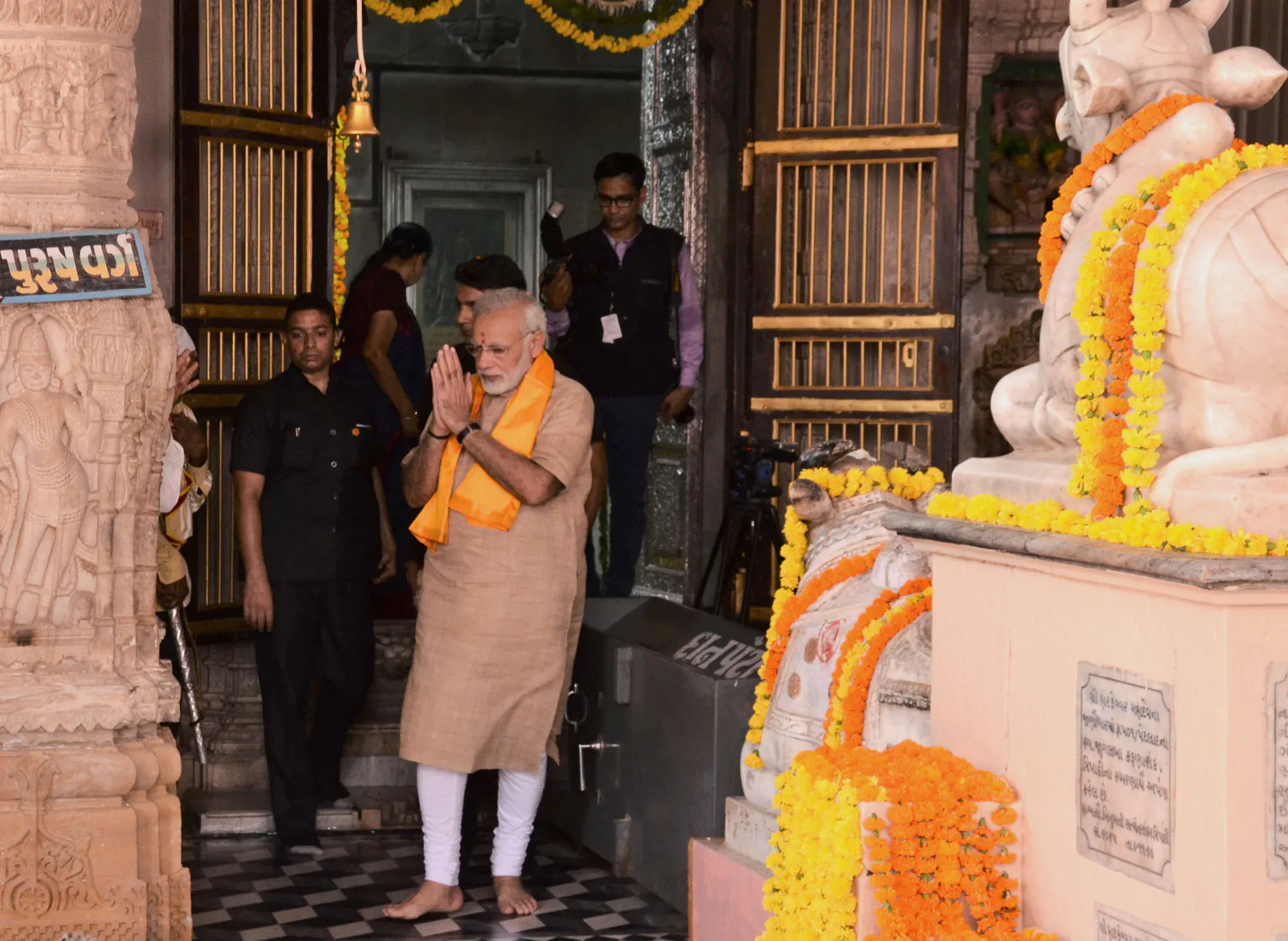
Hatkeshwar Mahadev Temple Raipur
The late afternoon sun cast long shadows across the courtyard of the Hatkeshwar Mahadev Temple in Raipur, illuminating the weathered sandstone in hues of gold and amber. A palpable sense of history hung in the air, a quiet hum that resonated with the centuries of devotion that have unfolded within these walls. My visit here, as a cultural writer specializing in ancient Indian architecture, was not merely a stop on an itinerary; it was a pilgrimage into the heart of Chhattisgarh’s architectural heritage. The temple, dedicated to Lord Shiva, stands as a testament to the architectural prowess of the Kalchuri dynasty, who ruled this region between the 10th and 12th centuries CE. Unlike the towering, elaborately sculpted temples of South India, Hatkeshwar Mahadev exhibits a more restrained elegance. Its sandstone structure, though weathered by time and the elements, retains a dignified simplicity. The main shikhara, or tower, rises above the sanctum sanctorum, its curvilinear form a classic example of the Nagara style prevalent in North India. However, what struck me most was the subtle integration of regional influences. The shikhara, while undeniably Nagara, possesses a certain robustness, a groundedness that felt distinctly Chhattisgarhi. Stepping inside the dimly lit garbhagriha, the sanctum sanctorum, I was met with the cool, earthy scent of incense and the hushed whispers of devotees. The presiding deity, a Shiva lingam, is bathed in the soft glow of oil lamps, creating an atmosphere of profound reverence. The walls of the garbhagriha, though plain in comparison to later temple architecture, are not devoid of artistry. Close inspection revealed intricate carvings of floral motifs and geometric patterns, subtly etched into the sandstone. These understated embellishments spoke volumes about the aesthetic sensibilities of the Kalchuri artisans, who prioritized elegance over ostentation. Moving through the temple complex, I observed the mandap, or pillared hall, which precedes the garbhagriha. The pillars, though weathered, still bear traces of intricate carvings depicting scenes from Hindu mythology. I was particularly drawn to a panel depicting the marriage of Shiva and Parvati, its narrative vividly brought to life through the skilled hands of the sculptors. The mandap, open on three sides, allows for a seamless flow of air and light, creating a space that is both contemplative and connected to the surrounding environment. One of the most intriguing aspects of Hatkeshwar Mahadev is its layered history. While the core structure dates back to the Kalchuri period, subsequent additions and renovations, spanning several centuries, have left their mark on the temple. This palimpsest of architectural styles, rather than detracting from the temple’s beauty, adds a layer of complexity and intrigue. For instance, a small shrine dedicated to Goddess Durga, built in a later period, stands adjacent to the main temple, showcasing a slightly different architectural idiom. This juxtaposition of styles offers a fascinating glimpse into the evolution of religious and artistic practices in the region. My time at Hatkeshwar Mahadev was more than just an architectural study; it was an immersive experience that connected me to the spiritual and cultural fabric of Chhattisgarh. The temple, in its weathered grandeur, stands as a silent witness to the passage of time, a repository of stories whispered across generations. It is a place where the past and the present converge, where the echoes of ancient chants mingle with the murmurings of contemporary devotees. As I left the temple grounds, the setting sun casting a final, golden glow on the sandstone walls, I carried with me not just photographs and notes, but a profound sense of awe and a deeper understanding of the rich architectural heritage of this often-overlooked region of India.
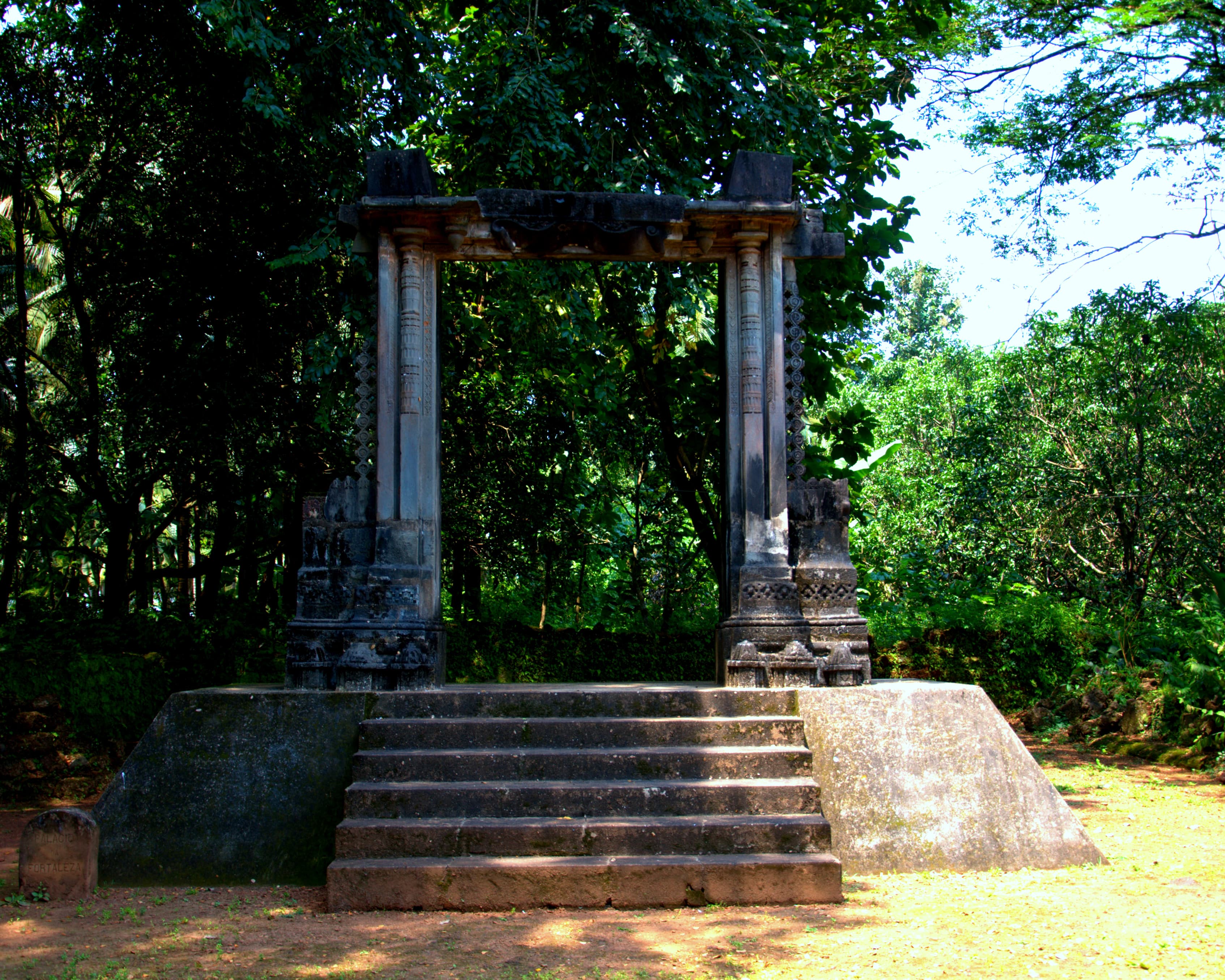
Adil Shah Palace Old Goa
The Adil Shah Palace, located in Rua Direita, Tiswadi, Old Goa (403402), Goa, India, stands as a significant monument reflecting India's millennia-spanning heritage and its continuous tradition of architectural evolution. This edifice, originally conceived in the 16th century CE, embodies a complex layering of indigenous architectural styles, including Deccani Sultanate and Vijayanagara influences, which are deeply rooted in India's historical continuum, alongside later Goan architectural adaptations [2] [4]. The structure is a testament to the sophisticated building practices prevalent in the Deccan region, utilizing locally sourced laterite stone and lime mortar, characteristic materials that have been employed in Indian construction for centuries [4]. The palace's architectural features include a majestic gateway, which is a prominent surviving element, leading into what were once spacious courtyards [2]. While specific dimensions of the entire original palace are not readily available, the surviving "Arch of Adil Shah's Palace" is a centrally protected monument under the Archaeological Survey of India (ASI), indicating its structural significance [2]. The design incorporates elements such as graceful arches and domes, which, while later influenced by Indo-Islamic styles, often drew upon indigenous Indian structural and decorative motifs [2]. Intricate carvings, though now weathered, once adorned its surfaces, narrating stories of past eras and reflecting the artistic sensibilities of the period [2]. The palace's strategic location near the Mandovi River suggests an integrated approach to urban planning and water management, typical of ancient Indian settlements that prioritized access to water bodies [2]. Currently, the Adil Shah Palace, also known as the Old Secretariat, serves as a venue for cultural events and exhibitions, particularly those organized by the Goa Directorate of Museums [3]. This active programming ensures the site remains a living monument, engaging visitors with Goa's rich heritage through displays of rock carvings and other historical artifacts [3]. Conservation efforts are ongoing, with experts working to maintain the structural integrity and preserve delicate details, addressing the wear and tear caused by time and environmental factors, such as Goa's torrential rains [3]. The Archaeological Survey of India, Goa Circle, is responsible for the protection and conservation of such monuments, carrying out regular inspections and implementing preservation programs [2]. Despite some signs of decay, including weathered wood and peeling paint, the palace remains operational and accessible, symbolizing India's enduring commitment to safeguarding its cultural legacy [3]. Its continued use for cultural activities underscores its role in maintaining and transmitting Indian cultural traditions across centuries.
Khongjom Fort Thoubal
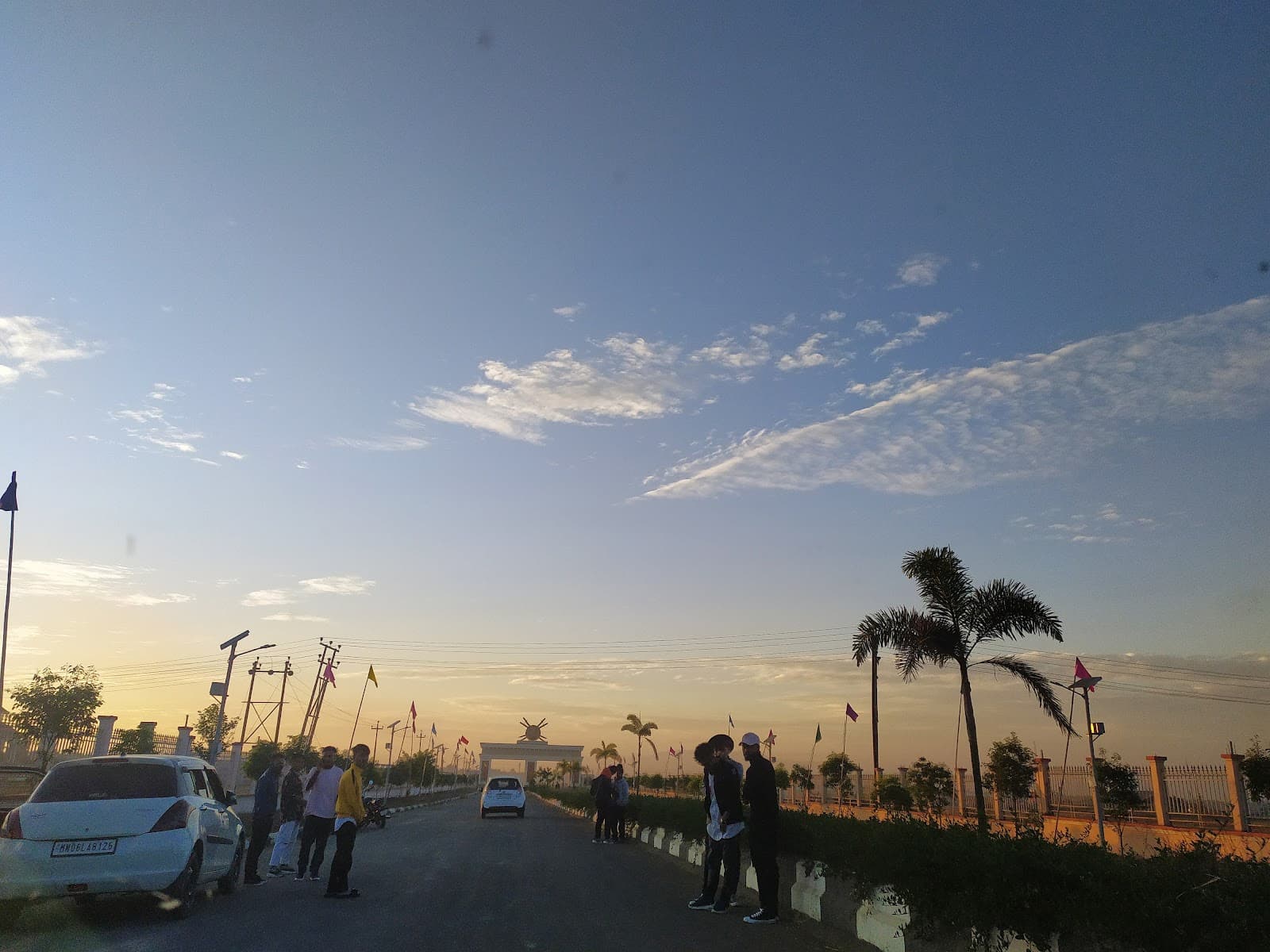
The wind carried whispers of resilience as I stood at the foot of Khongjom Fort, a sentinel silhouetted against the Manipuri sky. This wasn't just another fort; it was a scar on the landscape, a testament to a fierce struggle against the British Empire in 1891. Located in Thoubal district, about 36 kilometers from Imphal, Khongjom isn't imposing in size, but its historical weight is immense. It's not a grand, sprawling complex like the forts of Rajasthan I'm accustomed to back home in Gujarat. Instead, it's a series of strategically placed ramparts and trenches, utilizing the natural contours of the hill to maximum defensive advantage. The approach itself sets the tone. A winding road climbs through verdant hills, the air thick with the scent of pine and a palpable sense of history. The fort, or what remains of it, sits atop a small hillock, offering panoramic views of the surrounding valley. The remnants of the mud walls, now overgrown with grass and shrubs, speak volumes about the passage of time and the relentless forces of nature reclaiming its territory. Unlike the intricately carved sandstone and marble of Gujarati architecture, Khongjom’s beauty lies in its stark simplicity and raw power. I walked along the lines of the old trenches, imagining the Manipuri soldiers, armed with swords and spears, holding their ground against the superior firepower of the British. The silence was broken only by the rustling of leaves and the distant chirping of birds, a stark contrast to the cacophony of battle that must have once echoed through these hills. There's a small museum near the fort's entrance, housing relics from the Anglo-Manipuri War. Rusty swords, tattered uniforms, and faded photographs offer a glimpse into the lives of those who fought and fell here. A particular exhibit showcasing traditional Manipuri weaponry – the curved khukri, the spear, and the shield – highlighted the asymmetry of the conflict. The architecture of the fort, while rudimentary, reveals a deep understanding of the terrain. The ramparts, though eroded, still show evidence of strategic placement, designed to maximize visibility and provide cover for the defenders. The use of locally available materials – mud, stone, and timber – speaks to the resourcefulness of the Manipuri people. This contrasts sharply with the elaborate fortifications I've seen in Gujarat, built with intricate carvings and imported materials. Khongjom’s strength lay not in its grandeur, but in its strategic location and the unwavering spirit of its defenders. One structure that stands out is the memorial dedicated to Paona Brajabasi, a Manipuri commander who fought valiantly in the battle. It's a simple, yet powerful structure, built in the traditional Manipuri style with a sloping roof and wooden pillars. The memorial serves as a focal point for remembrance and a symbol of the unwavering spirit of the Manipuri people. Standing there, I could almost feel the weight of history pressing down on me, the echoes of their sacrifice resonating through the air. My visit to Khongjom Fort was more than just a sightseeing trip; it was a pilgrimage. It was a journey into the heart of a story of courage and resilience, a story that deserves to be told and retold. While the fort itself may be in ruins, the spirit of Khongjom remains unbroken, a testament to the enduring power of human resistance against oppression. It offered a poignant contrast to the architectural marvels I'm familiar with back home, reminding me that history is etched not just in stone and marble, but also in the earth itself, in the whispers of the wind, and in the unwavering spirit of a people.
Bamiyan Valley Temples Monasteries Bamiyan Afghanistan
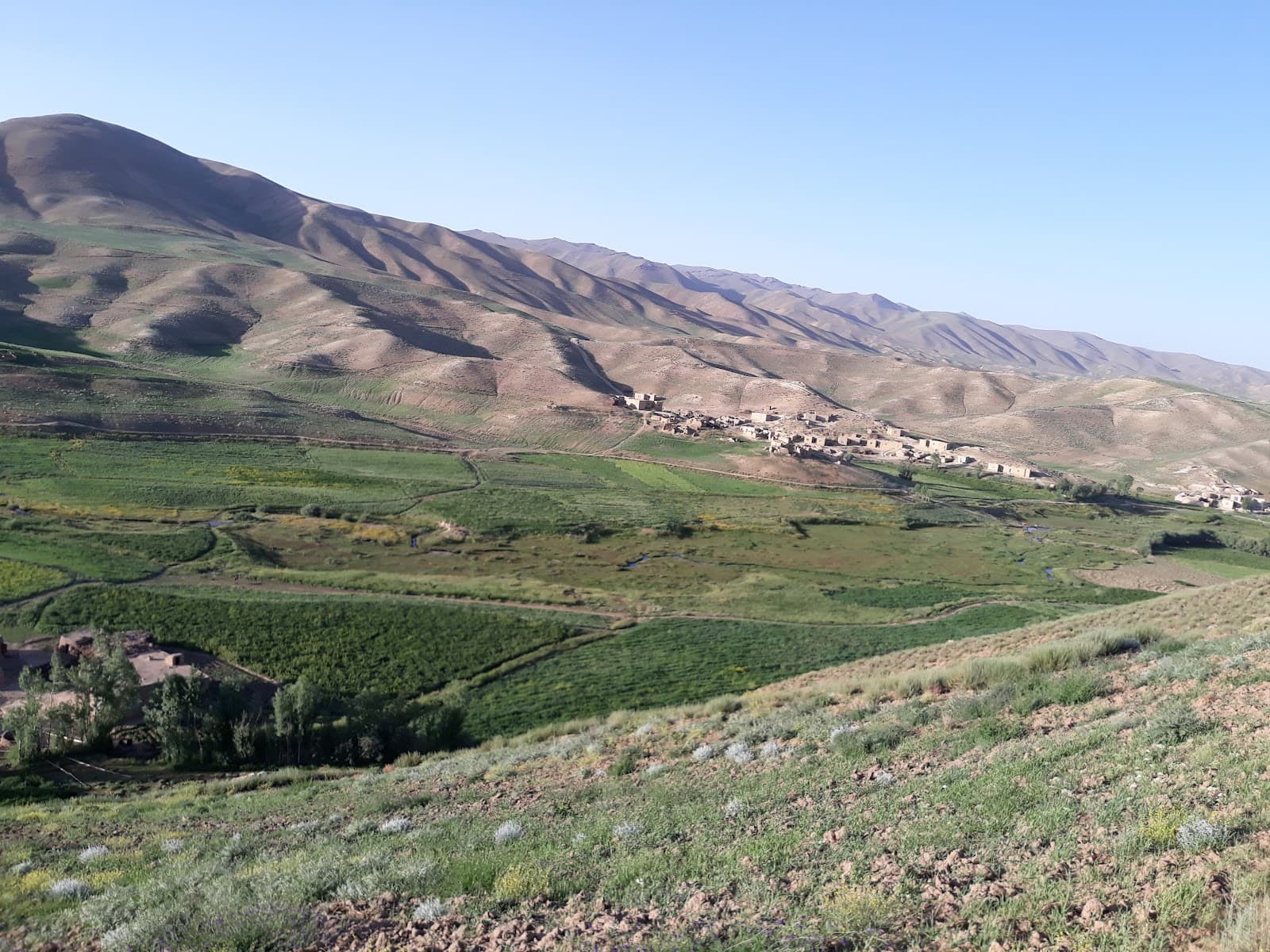
Bamiyan Valley, cradled within the Hindu Kush mountains of Afghanistan, flourished as a significant Buddhist center from the 3rd to 9th centuries CE ([1][2]). Over 3,000 cave temples and monasteries are carved into the cliff faces, adorned with elaborate wall paintings and stucco sculptures, demonstrating a confluence of Indian and Central Asian artistic styles ([3]). These rock-cut structures, erected by the Kushan and Post-Kushan dynasties, integrated elements reminiscent of Indian Ajanta-Ellora cave architecture ([1]). Intricate carvings, fashioned from natural rock, stucco, paint, metal, wood, and clay, embellished the interiors, epitomizing the zenith of Central Asian Buddhist artistry ([2][4]). Vedic traditions likely influenced the layout and iconography, adapting Indian concepts of sacred space to the region. Two colossal Buddha statues, towering at 55 and 38 meters, once stood as the largest of their kind, illustrating the widespread transmission of Indian Buddhist iconography ([1][3]). These statues reflected the Gandhara school of art, a fusion of Greco-Roman and Indian styles, which further disseminated Buddhist imagery ([5]). Archaeological excavations have revealed Bamiyan's pivotal role as a hub for Buddhist scholarship, drawing pilgrims along the Silk Road ([2]). During its apogee, the valley was visited by Chinese pilgrims such as Xuanzang in the 7th century CE, who chronicled its magnificence ([1][5]). The site's layout echoes Indian Buddhist practices, adapted to create monumental expressions of devotion, similar to the Chaitya halls (prayer halls) and Viharas (monasteries) found in India ([3]). Though tragically damaged in 2001, Bamiyan Valley endures as a UNESCO World Heritage Site, a poignant reminder of Afghanistan's ancient Buddhist heritage and the propagation of Indian artistic and spiritual traditions ([4][5]). The enduring legacy reflects the interconnectedness of cultures along the ancient Silk Road, with Indian artistic and philosophical influences playing a vital role.
Samye Monastery Dranang Tibet
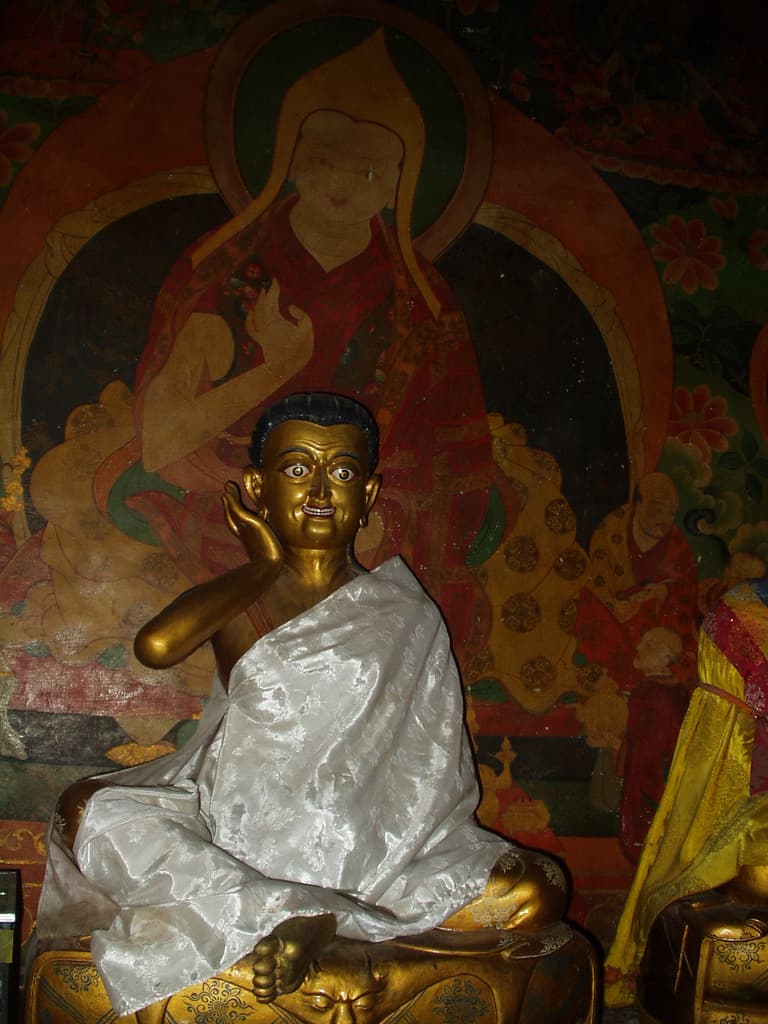
Samye Monastery, located in Dranang County, Tibet, represents the first Buddhist monastery established in Tibet and stands as one of the most significant religious sites in Tibetan Buddhism, constructed in the 8th century CE during the reign of King Trisong Detsen and modeled directly on the Indian Buddhist monastery of Odantapuri (modern-day Bihar, India), demonstrating the profound transmission of Indian Buddhist monastic architecture and learning traditions to Tibet, which has maintained deep cultural, religious, and historical connections with India for over two millennia. The monastery complex, constructed primarily from stone, wood, and earth with extensive decorative elements, features a unique mandala-based design that replicates the cosmological layout of Odantapuri Monastery, with the central temple representing Mount Meru (the cosmic mountain in Indian cosmology) surrounded by four continents, four directional temples, and numerous subsidiary structures arranged according to Indian Buddhist cosmological principles. The monastery’s architectural design demonstrates direct replication of Indian Buddhist monastery architecture, particularly the Odantapuri model, with the overall plan reflecting mandala-based cosmological principles found in Indian Buddhist architecture, while the construction techniques and decorative elements demonstrate the transmission of Indian architectural and artistic knowledge to Tibet. Archaeological and historical evidence indicates the monastery was constructed under the guidance of Indian Buddhist masters including Shantarakshita (the abbot of Nalanda Monastery in India) and Padmasambhava (Guru Rinpoche), who traveled from India to Tibet specifically to establish Buddhist monastic traditions, reflecting the active religious and cultural exchange between Tibet and India during the 8th century. The monastery served as the first center for the translation of Indian Buddhist texts from Sanskrit into Tibetan, establishing the foundation for Tibetan Buddhist scholarship and learning that would flourish for over a millennium, with Indian scholars and texts continuing to influence Tibetan Buddhism throughout history. The monastery has undergone multiple reconstructions following damage, with significant restoration work conducted in recent decades, while preserving its connection to Indian Buddhist architectural and religious traditions. Today, Samye Monastery continues to serve as an important place of Buddhist worship and learning in Tibet, demonstrating the enduring influence of Indian Buddhist traditions on Tibetan culture and serving as a powerful symbol of Tibet’s deep connections to Indian civilization. ([1][2])
Durgabari Temple Kohima
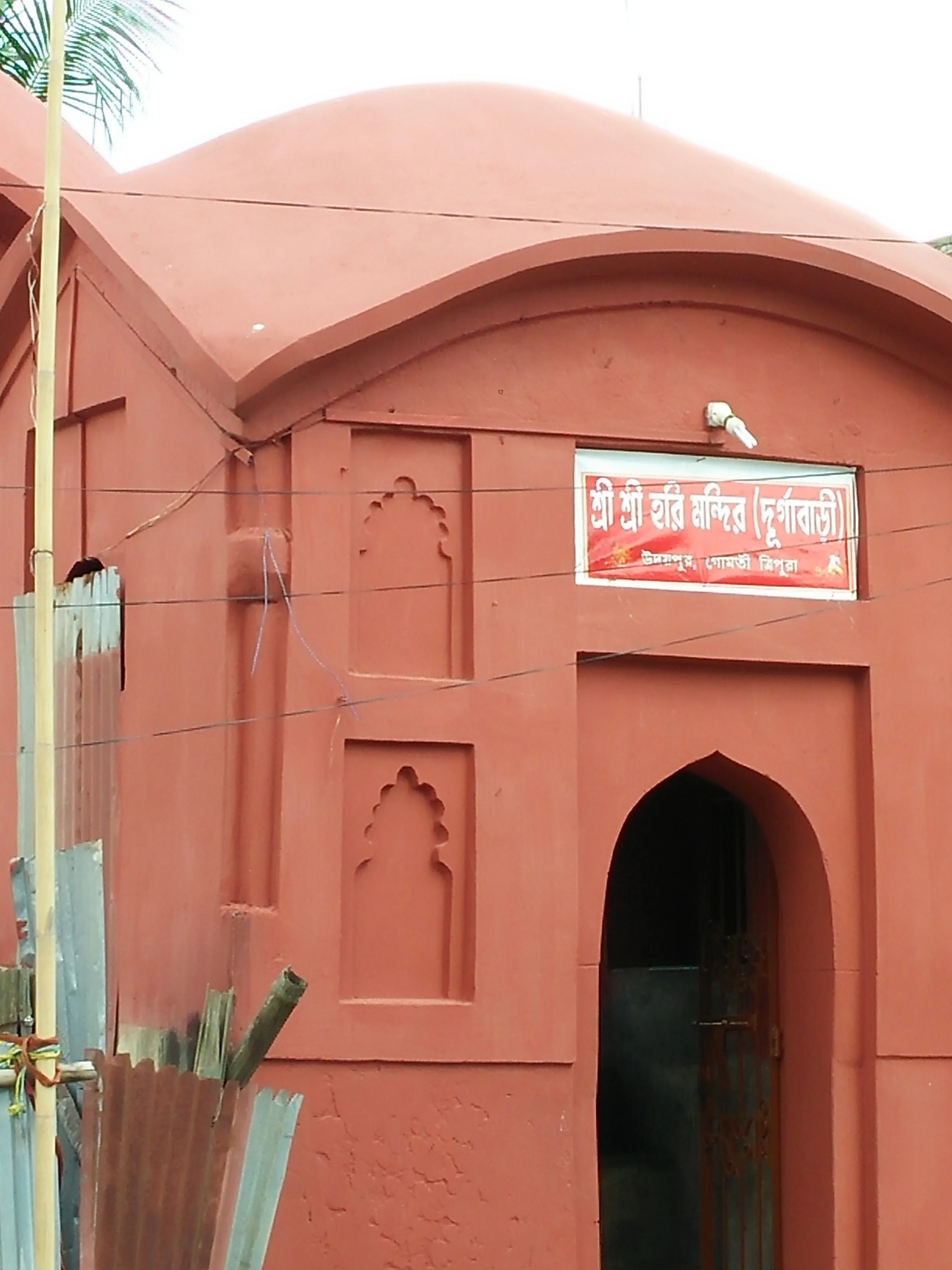
The Durgabari Temple, situated on Aradura Hill in Kohima, Nagaland, stands as a significant Hindu pilgrimage site dedicated primarily to Goddess Durga, embodying a continuous tradition of Indian civilization spanning millennia [1] [2] [3]. This sacred edifice also houses shrines for Ma Kali and Lord Shiva, reflecting the syncretic nature of Hindu worship practices [1] [2]. While the current structure dates to approximately 1940 CE, its architectural expression integrates elements of Naga Vernacular, Nagara, Kalinga, and Indo-Islamic styles, showcasing a layered cultural synthesis that is characteristic of India's enduring heritage [1] [2] [3]. The temple's design features intricate carvings and vibrant decorations, which are indicative of the rich artistic traditions prevalent in the region [3]. Although specific dimensions are not widely documented, the temple's layout is designed to facilitate devotional practices, including morning pooja and arati, which commence at 07:30 AM [1]. The structural integrity of the temple is maintained through regular upkeep by the Temple Trust, ensuring its continued role as a spiritual and cultural hub [1] [2]. The temple grounds are well-maintained, providing a serene environment for devotees and visitors, with operational hours from 06:00 AM to 09:00 PM daily [1] [2]. Accessibility is facilitated by its location in PWD Colony, Kohima, reachable via local transport options such as auto-rickshaws [3]. Conservation efforts are primarily managed by the Temple Trust, focusing on the preservation of its architectural and spiritual essence [1]. The site actively hosts major Hindu festivals such as Ganesha Puja, Durga Puja, Jagannath Snan, and Jagannath Rath Yatra, drawing numerous devotees and reinforcing its role in maintaining India's ancient cultural traditions [1]. Visitors are encouraged to observe a modest dress code, reflecting respect for the sacred space [1] [2]. The Durgabari Temple remains fully operational, serving as a vibrant center for Hindu religious and socio-cultural activities in Kohima, testament to India's deep historical roots and continuous cultural legacy [1] [3].
Nilkanth Dham Poicha
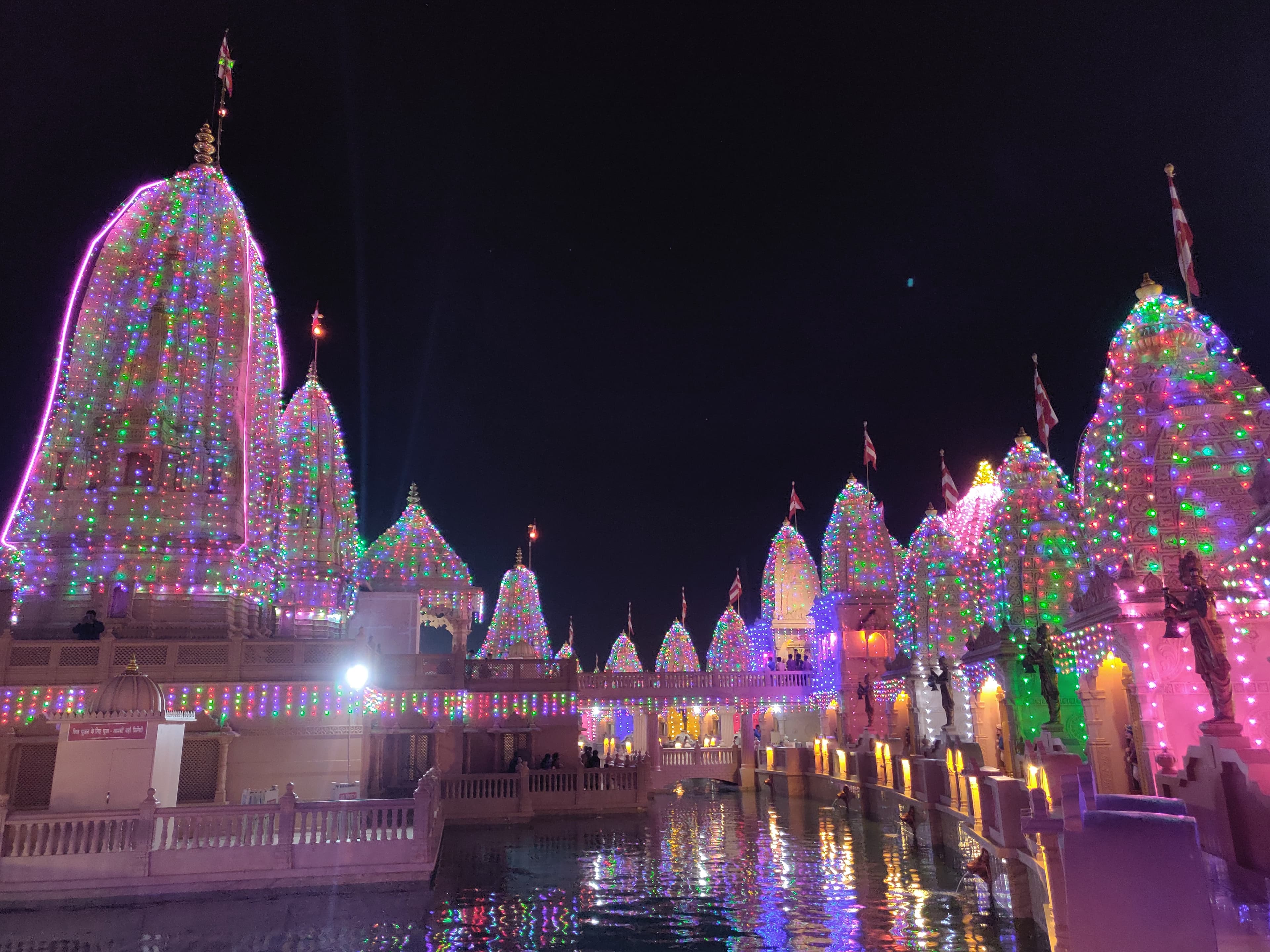
The midday sun beat down on the sprawling complex of Nilkanth Dham Swami Narayan Temple in Poicha, Gujarat, its reflection shimmering off the intricate carvings that adorned every surface. Stepping through the ornate main gate felt like crossing a threshold into another realm, one where marble whispered stories of devotion and craftsmanship reached a divine crescendo. This wasn't just a temple; it was a symphony in stone, a testament to the enduring power of faith and human artistry. My initial impression was one of overwhelming grandeur. The sheer scale of the complex, encompassing sprawling gardens, towering gateways, and the main temple itself, was breathtaking. The architecture, while undeniably contemporary, drew heavily from ancient Indian traditions, seamlessly blending elements of Gujarati, Rajasthani, and even Mughal styles. The dominant material was marble, polished to a gleaming sheen that amplified the vibrant colours of the inlaid precious stones and the intricate detail of the carvings. As I moved closer to the main temple, the narrative etched into the stone began to unfold. Every pillar, every architrave, every lintel was a canvas for intricate depictions of deities, mythological scenes, and floral motifs. The sheer density of the carvings was astonishing. It was as if an army of sculptors had poured their hearts and souls into every inch of the temple, leaving no surface untouched by their artistry. I was particularly struck by the depiction of the 'Dashavatar', the ten incarnations of Vishnu, carved with remarkable precision and dynamism. The expressions on the faces of the deities, from the serene countenance of Rama to the fierce visage of Narasimha, were remarkably lifelike, conveying a sense of divine power and grace. Inside the main temple, the atmosphere shifted from vibrant exuberance to hushed reverence. The towering ceilings, adorned with intricate frescoes and glittering chandeliers, created a sense of awe and wonder. The central deity, Lord Swaminarayan, was a vision in gold and precious stones, radiating a palpable aura of serenity. The devotees, moving with quiet devotion, added another layer to the rich tapestry of the temple’s ambiance. It was fascinating to observe the interplay of light and shadow within the sanctum, how the strategically placed openings allowed shafts of sunlight to illuminate the deity, creating an ethereal glow. Beyond the main temple, the sprawling gardens offered a welcome respite from the intensity of the central shrine. Meticulously manicured lawns, vibrant flowerbeds, and tranquil water features created an oasis of peace and serenity. The gardens were punctuated by smaller shrines, each dedicated to a different deity and showcasing a unique architectural style. I was particularly drawn to the Hanuman temple, its vibrant red sandstone contrasting beautifully with the lush greenery surrounding it. What struck me most about Nilkanth Dham was not just its opulence and grandeur, but the palpable sense of devotion that permeated every corner of the complex. It was evident in the meticulous craftsmanship, the vibrant colours, the intricate carvings, and the hushed reverence of the devotees. This wasn't just a monument to a deity; it was a living testament to the enduring power of faith, a place where art, architecture, and spirituality converged to create an experience that was both overwhelming and deeply moving. As I left the temple complex, the setting sun casting long shadows across the marble courtyards, I carried with me not just images of breathtaking beauty, but a profound sense of having witnessed something truly extraordinary. Nilkanth Dham is not just a temple; it is a pilgrimage for the soul, a journey into the heart of Indian devotion and artistic brilliance.
Somnath Temple Veraval
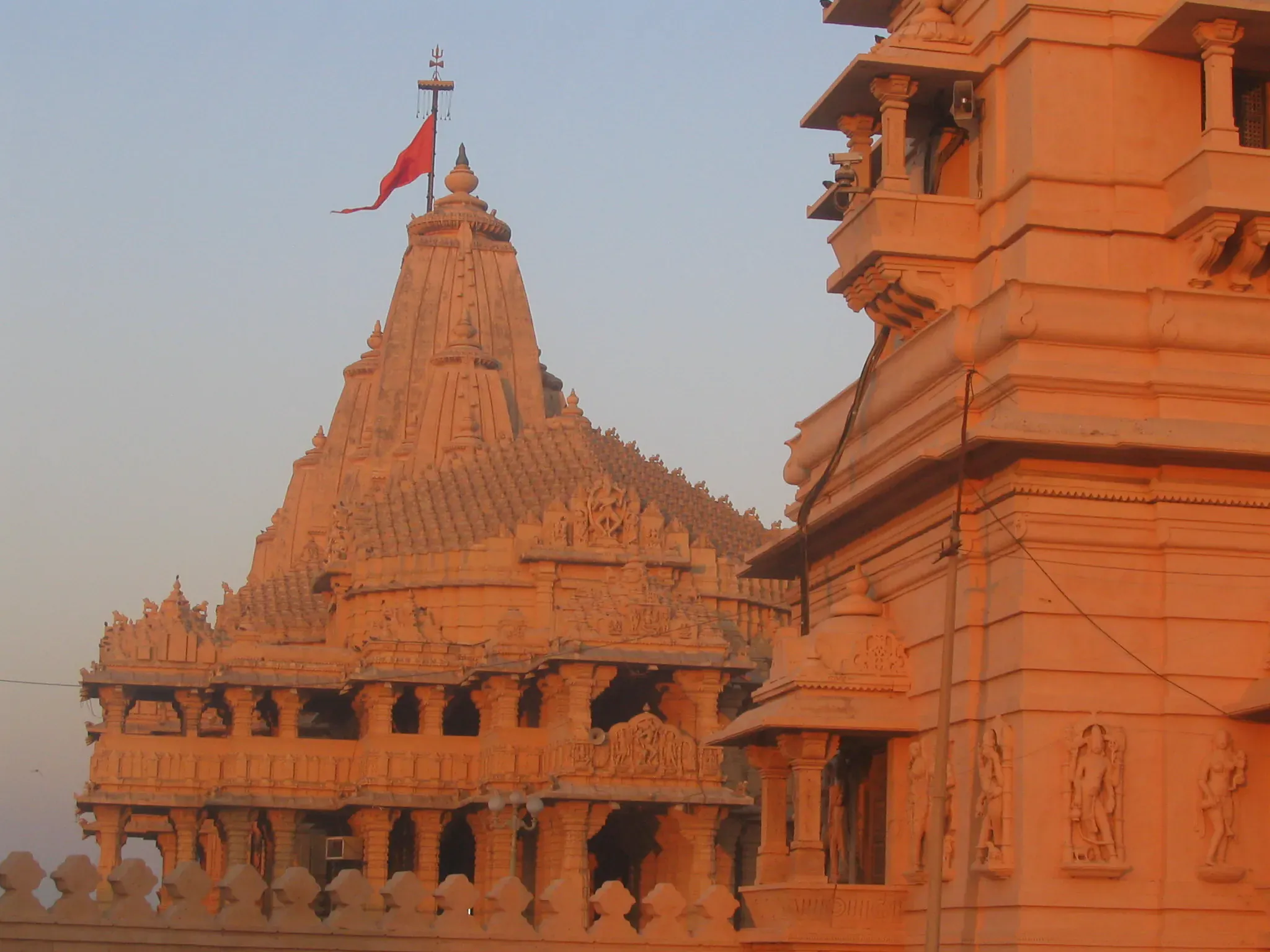
The salty air, thick with the scent of the Arabian Sea, whipped around me as I stood before the Somnath Temple, its majestic shikhara piercing the cerulean sky. Having grown up amidst the ancient temples and vibrant cultural tapestry of Uttar Pradesh, I’ve always been drawn to the narratives whispered by stones and etched into carvings. But even with that background, the sheer grandeur of Somnath, resurrected time and again from the ashes of history, left me breathless. The temple, dedicated to Lord Shiva in his form as Somnath, "Lord of the Moon," stands as a testament to both exquisite craftsmanship and unwavering faith. The Chalukya style of architecture is evident in the intricate carvings that adorn every inch of the sandstone structure. Unlike the ornate and often densely populated sculptures of North Indian temples, the carvings here possess a certain elegant restraint. Geometric patterns, floral motifs, and depictions of deities flow seamlessly across the walls, pillars, and even the towering shikhara, narrating tales from Hindu mythology. I spent a considerable amount of time examining the sabha mandap, its pillars intricately carved with scenes from the epics. The play of light and shadow across these carvings, especially during the late afternoon, created an almost ethereal atmosphere. One cannot experience Somnath without acknowledging its tumultuous past. The temple has been plundered and destroyed multiple times throughout history, each time rising phoenix-like from the ruins. This cycle of destruction and reconstruction has imbued the very stones with a palpable sense of resilience. As I walked through the temple courtyard, I could almost feel the weight of history pressing down, a poignant reminder of the enduring power of faith. A small museum within the temple complex chronicles these events, displaying remnants of previous structures and offering a glimpse into the temple’s layered past. Seeing fragments of intricately carved pillars and broken sculptures, remnants of earlier incarnations of the temple, brought a lump to my throat. It was a stark visualization of the destructive forces that had repeatedly attempted to erase this beacon of faith. The evening aarti at Somnath is an experience unlike any other. The rhythmic chanting of Sanskrit hymns, the fragrance of incense, and the flickering lamps created an atmosphere of profound devotion. The sound of the conch shell reverberated through the courtyard, carrying with it centuries of prayers and hopes. As I stood amidst the throngs of devotees, I felt a sense of connection not just to the divine, but to the countless generations who had stood in this very spot, offering their prayers to Lord Shiva. The sheer collective energy of the moment was palpable, a testament to the enduring power of faith and tradition. Looking out from the temple towards the vast expanse of the Arabian Sea, I was struck by a sense of peace. The rhythmic crashing of the waves against the shore seemed to echo the cyclical nature of creation and destruction, a theme so deeply intertwined with the history of Somnath. The setting sun painted the sky in hues of orange and gold, casting a warm glow over the temple, as if blessing it with its final rays. My visit to Somnath was more than just a journalistic assignment; it was a pilgrimage of sorts. It was a journey into the heart of India’s rich spiritual and architectural heritage. It was a reminder of the power of faith to endure even the most devastating of storms, and a testament to the human spirit's unwavering quest for the divine. As I left the temple, the image of the majestic shikhara silhouetted against the twilight sky remained etched in my mind, a symbol of resilience, devotion, and the enduring power of belief.
Namazga-Tepe Ahal Region Turkmenistan
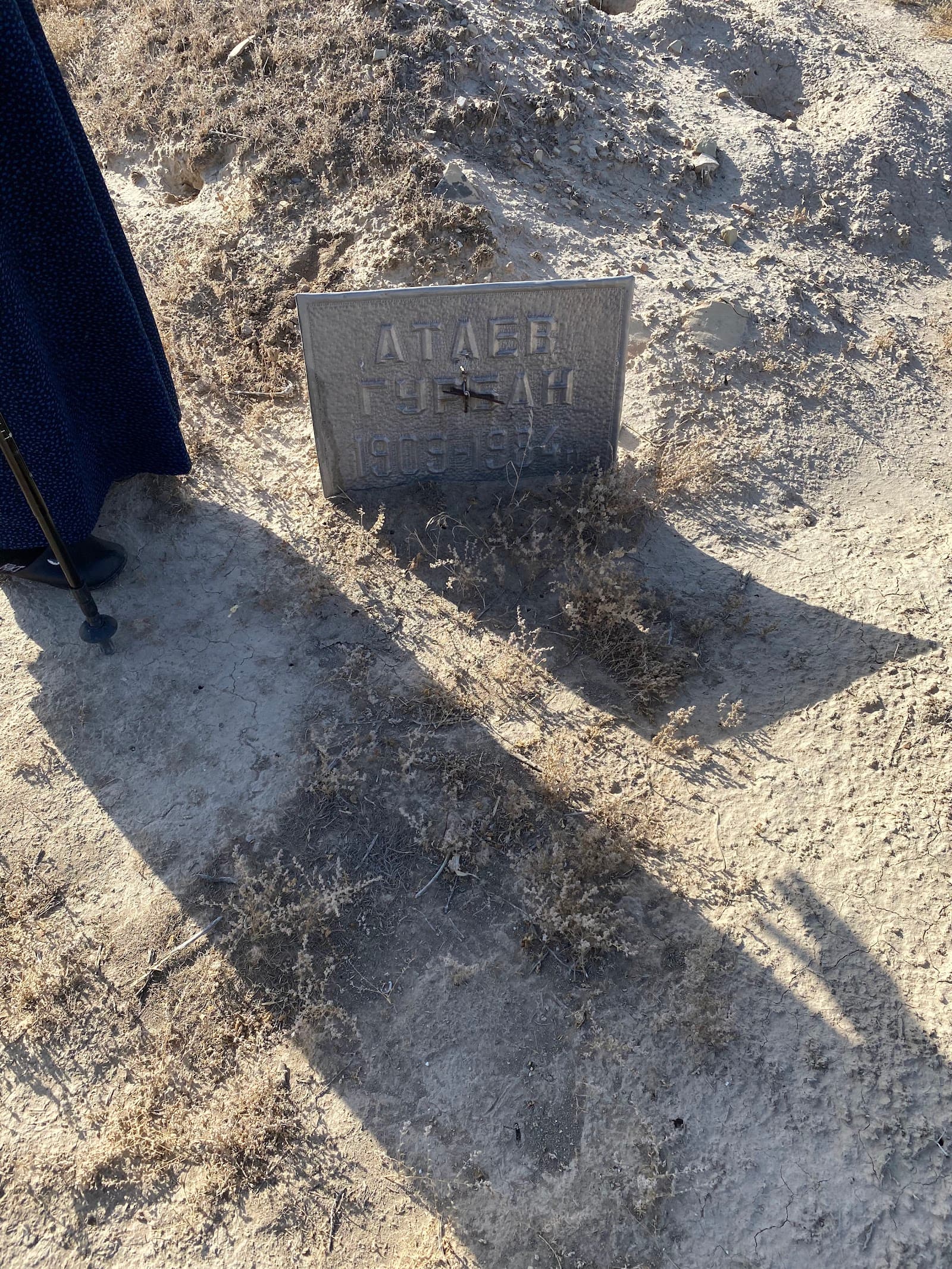
Namazga-Tepe, an ancient Bronze Age settlement located in the Ahal Region of Turkmenistan, stands as a monumental testament to the sophisticated urban planning and cultural dynamism of the Namazga culture, deeply intertwined with the broader cultural continuum that includes the Indian subcontinent [1] [2]. Situated at the foot of the Kopet-Dag mountains, near the delta of the Tejen River, approximately 100 kilometers east of Aşgabat, this archaeological site represents a pivotal center in the ancient world, reflecting indigenous architectural styles and advanced societal organization [1] [3]. The site spans an impressive area of approximately 60 hectares (145 acres), indicating its significant size and importance as a proto-urban and later urban center during its peak phases [1] [2]. The architectural remains at Namazga-Tepe primarily showcase the Bronze Age Settlement architecture style, characterized by extensive mud-brick constructions that formed residential complexes, public buildings, and defensive structures [1] . While specific dimensions of individual structures vary across the site's numerous occupational layers, the overall layout reveals a planned settlement, evolving from a village in the Late Chalcolithic to a major urban hub [1]. Archaeological excavations have unearthed detailed painted pottery vessels, adorned with intricate plant and animal motifs, which exhibit stylistic affinities with contemporary ceramic wares from the Middle East, highlighting extensive regional interactions [2]. The construction techniques employed primarily involved sun-dried mud bricks, a prevalent material in the arid Central Asian environment, demonstrating an indigenous adaptation to local resources and climatic conditions [1]. Conservation efforts at Namazga-Tepe are ongoing, primarily focusing on archaeological excavation, documentation, and site preservation to protect its fragile mud-brick structures from environmental degradation . Archaeological findings have been instrumental in establishing the chronological sequence for the Bronze Age in Turkmenistan, categorizing periods from Namazga I through Namazga VI [1] . The site is reported to be on the UNESCO Tentative List, signifying its recognized universal value and potential for future World Heritage inscription, although a specific UNESCO page detailing its nomination is not readily available . Active programming at the site primarily involves scholarly research and archaeological fieldwork, with visitor access managed to ensure the preservation of the delicate ancient remains. The site's current state reflects continuous archaeological investigation and maintenance, ensuring its long-term preservation for future study and appreciation of its profound historical significance . Namazga-Tepe remains an enduring symbol of ancient ingenuity and cultural exchange, contributing significantly to the understanding of early urbanism and its connections across Eurasia, including the Indian subcontinent [3] [4].
Quick Links
Plan Your Heritage Journey
Get personalized recommendations and detailed visitor guides