Has Inheritage Foundation supported you today?
Your contribution helps preserve India's ancient temples, languages, and cultural heritage. Every rupee makes a difference.
Secure payment • Instant 80G certificate
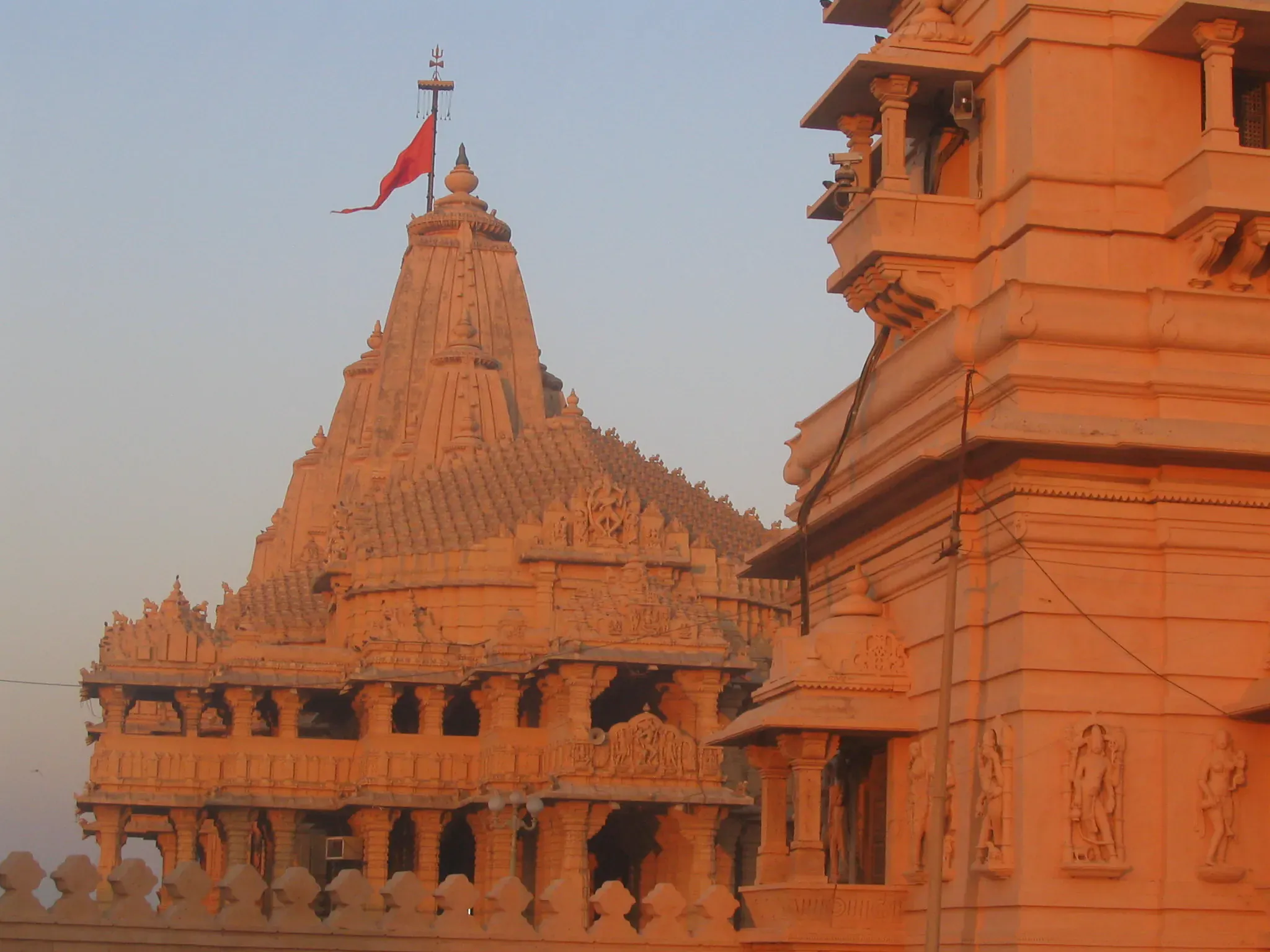
Somnath Temple Veraval
The salty air, thick with the scent of the Arabian Sea, whipped around me as I stood before the Somnath Temple, its majestic shikhara piercing the cerulean sky. Having grown up amidst the ancient temples and vibrant cultural tapestry of Uttar Pradesh, I’ve always been drawn to the narratives whispered by stones and etched into carvings. But even with that background, the sheer grandeur of Somnath, resurrected time and again from the ashes of history, left me breathless. The temple, dedicated to Lord Shiva in his form as Somnath, "Lord of the Moon," stands as a testament to both exquisite craftsmanship and unwavering faith. The Chalukya style of architecture is evident in the intricate carvings that adorn every inch of the sandstone structure. Unlike the ornate and often densely populated sculptures of North Indian temples, the carvings here possess a certain elegant restraint. Geometric patterns, floral motifs, and depictions of deities flow seamlessly across the walls, pillars, and even the towering shikhara, narrating tales from Hindu mythology. I spent a considerable amount of time examining the sabha mandap, its pillars intricately carved with scenes from the epics. The play of light and shadow across these carvings, especially during the late afternoon, created an almost ethereal atmosphere. One cannot experience Somnath without acknowledging its tumultuous past. The temple has been plundered and destroyed multiple times throughout history, each time rising phoenix-like from the ruins. This cycle of destruction and reconstruction has imbued the very stones with a palpable sense of resilience. As I walked through the temple courtyard, I could almost feel the weight of history pressing down, a poignant reminder of the enduring power of faith. A small museum within the temple complex chronicles these events, displaying remnants of previous structures and offering a glimpse into the temple’s layered past. Seeing fragments of intricately carved pillars and broken sculptures, remnants of earlier incarnations of the temple, brought a lump to my throat. It was a stark visualization of the destructive forces that had repeatedly attempted to erase this beacon of faith. The evening aarti at Somnath is an experience unlike any other. The rhythmic chanting of Sanskrit hymns, the fragrance of incense, and the flickering lamps created an atmosphere of profound devotion. The sound of the conch shell reverberated through the courtyard, carrying with it centuries of prayers and hopes. As I stood amidst the throngs of devotees, I felt a sense of connection not just to the divine, but to the countless generations who had stood in this very spot, offering their prayers to Lord Shiva. The sheer collective energy of the moment was palpable, a testament to the enduring power of faith and tradition. Looking out from the temple towards the vast expanse of the Arabian Sea, I was struck by a sense of peace. The rhythmic crashing of the waves against the shore seemed to echo the cyclical nature of creation and destruction, a theme so deeply intertwined with the history of Somnath. The setting sun painted the sky in hues of orange and gold, casting a warm glow over the temple, as if blessing it with its final rays. My visit to Somnath was more than just a journalistic assignment; it was a pilgrimage of sorts. It was a journey into the heart of India’s rich spiritual and architectural heritage. It was a reminder of the power of faith to endure even the most devastating of storms, and a testament to the human spirit's unwavering quest for the divine. As I left the temple, the image of the majestic shikhara silhouetted against the twilight sky remained etched in my mind, a symbol of resilience, devotion, and the enduring power of belief.
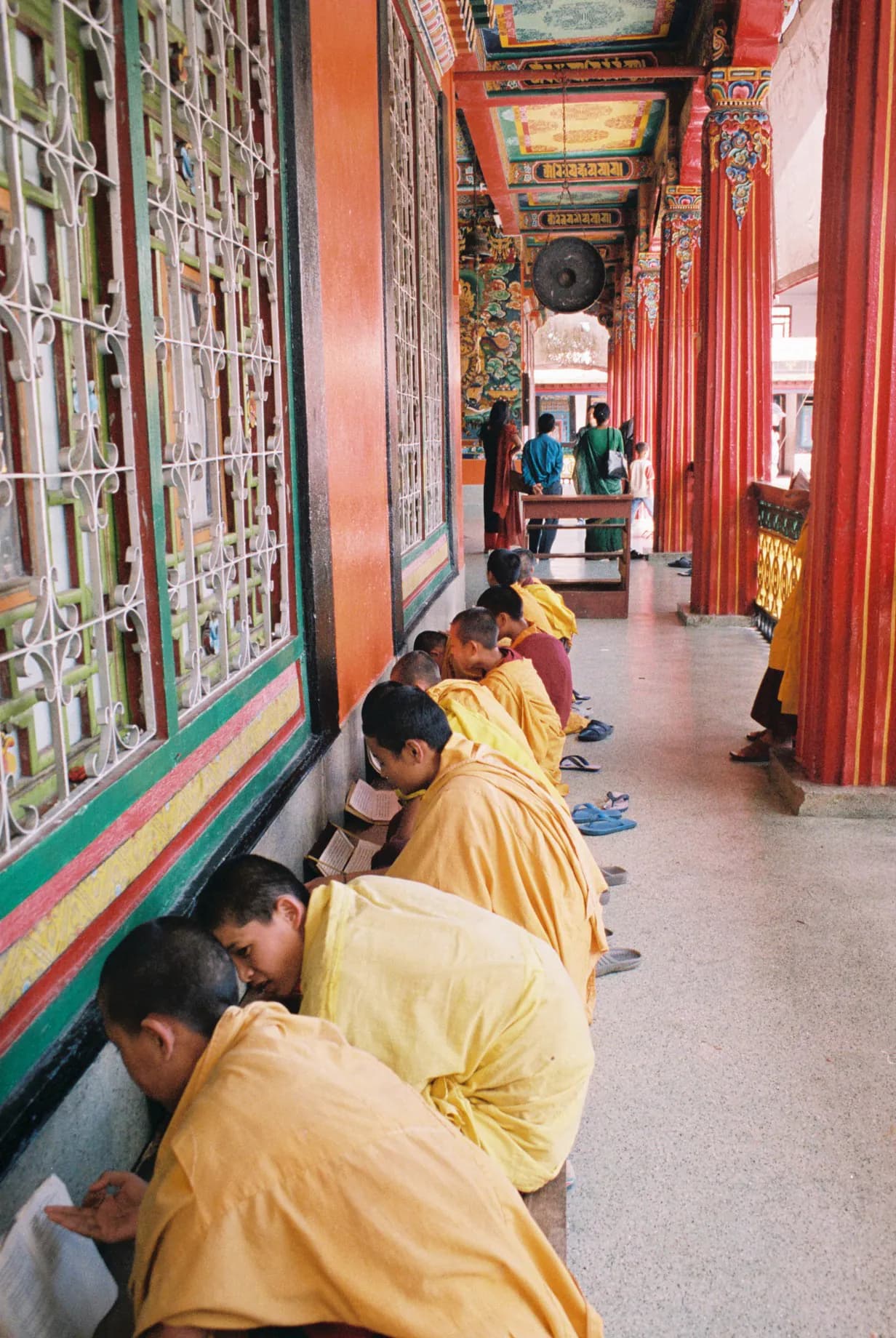
Rumtek Monastery Gangtok
The biting Himalayan wind whipped prayer flags into a frenzy of colour as I climbed the final steps to Rumtek Monastery, a structure that seemed to breathe with the very spirit of the mountains surrounding it. Perched on a ridge overlooking Gangtok, the monastery, also known as the Dharma Chakra Centre, exudes an aura of serene power, a beacon of Tibetan Buddhism in the Indian Himalayas. This wasn't just a visit; it was an immersion into a living tradition, a palpable connection to a lineage stretching back centuries. The vibrant colours immediately struck me – deep reds, rich golds, and brilliant blues – a stark contrast to the muted greens and greys of the landscape. The main building, a magnificent three-storied structure, is a replica of the original Tsurphu Monastery in Tibet, the traditional seat of the Karmapa Lama. This deliberate mirroring is not mere imitation, but a powerful act of cultural preservation, a testament to the resilience of a people displaced from their homeland. As I stepped through the ornate entrance, the cacophony of the wind was replaced by the low, resonant hum of chanting. The courtyard, a paved expanse surrounded by monastic quarters, vibrated with a quiet energy. Intricate murals adorned the walls, depicting scenes from Buddhist mythology – wrathful deities, serene bodhisattvas, and intricate mandalas, each a window into a complex spiritual world. The craftsmanship was breathtaking; the vibrant colours, applied with meticulous detail, seemed to pulsate with life. I noticed the distinct Tibetan architectural style in the sloping roofs, adorned with golden finials, and the use of brightly painted woodwork, a stark departure from the more subdued aesthetics of traditional Indian temples. Inside the main shrine, the air was thick with the scent of incense and yak butter lamps. The sheer scale of the Golden Stupa, dominating the central space, was awe-inspiring. Covered in gold leaf and studded with precious stones, it radiated a palpable sense of sacredness. The surrounding walls were lined with rows of smaller stupas, each containing relics of past Karmapas, creating a tangible link to the lineage of this important Buddhist sect. I observed the intricate woodwork of the throne reserved for the Karmapa, a masterpiece of carving and inlay work, symbolizing his spiritual authority. The details were mesmerizing – from the miniature depictions of mythical creatures to the complex geometric patterns, each element imbued with symbolic meaning. Spending time observing the monks in their daily rituals was a privilege. Their deep devotion, evident in their rhythmic chanting and precise movements, offered a glimpse into a life dedicated to spiritual practice. The rhythmic beating of drums and the sonorous clang of cymbals punctuated the silence, creating an atmosphere both meditative and invigorating. Beyond the main structures, I explored the surrounding gardens, a haven of tranquility amidst the bustling monastery. The carefully tended flowerbeds, dotted with colourful prayer wheels, offered a moment of quiet contemplation. The panoramic view from the monastery grounds, stretching across the rolling hills and valleys of Sikkim, was simply breathtaking. It was easy to understand why this location was chosen – a place where the natural beauty of the Himalayas converges with the spiritual aspirations of Tibetan Buddhism. Leaving Rumtek Monastery, I carried with me more than just photographs and memories. I carried a deeper understanding of the power of cultural preservation, the resilience of the human spirit, and the enduring beauty of ancient traditions in a rapidly changing world. The monastery stands not just as a testament to Tibetan architecture and artistry, but as a living embodiment of faith, a beacon of hope amidst the towering peaks of the Himalayas.
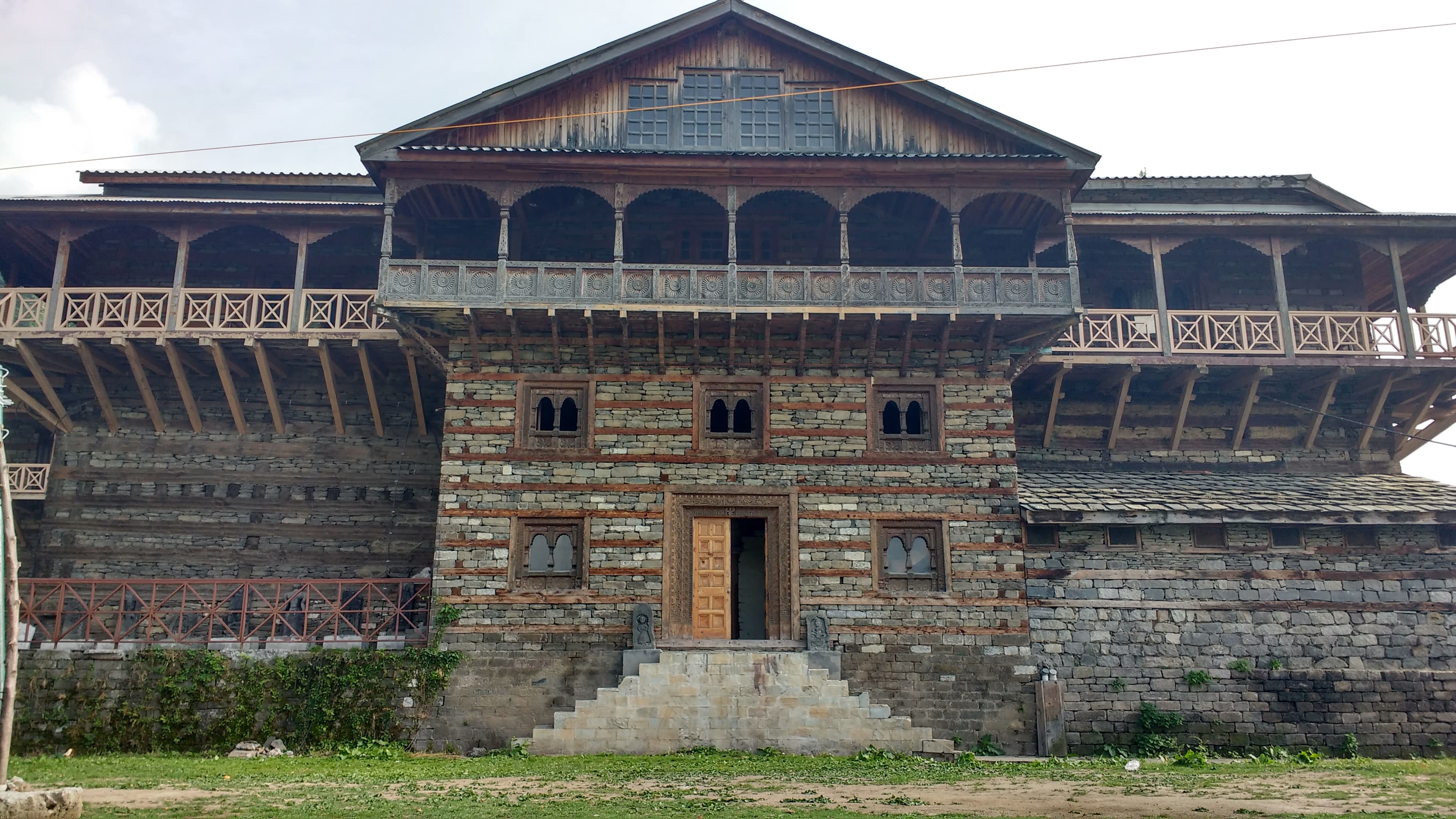
Naggar Fort Kullu
The imposing stone and timber structure of Naggar Fort, perched precariously on a cliff overlooking the Kullu Valley, whispered tales of bygone eras the moment I arrived. Having explored the Mughal architecture of Uttar Pradesh extensively, I was eager to witness this unique blend of Himalayan and Western Himalayan styles. The crisp mountain air, scented with pine, carried with it a sense of history far removed from the plains I call home. The fort, built in the 17th century by Raja Sidh Singh of Kullu, served as the royal residence and later, under British rule, as the administrative headquarters. This layered history is palpable in the architecture itself. The rough-hewn stone walls, reminiscent of the region’s vernacular architecture, speak of a time before colonial influence. These sturdy foundations contrast beautifully with the intricate woodwork of the windows and balconies, a testament to the skills of local artisans. The carvings, while less ornate than the jaali work I’m accustomed to seeing in Uttar Pradesh, possess a rustic charm, depicting deities, floral motifs, and scenes from daily life. Stepping through the heavy wooden doors of the main entrance, I was struck by the relative simplicity of the courtyard. Unlike the sprawling courtyards of Mughal forts, this one felt intimate, almost domestic. The stone paving, worn smooth by centuries of foot traffic, bore silent witness to the countless ceremonies and everyday activities that unfolded within these walls. I spent a considerable amount of time examining the Hatkot temple, dedicated to Tripura Sundari. The tiered pagoda-style roof, a distinct feature of Himalayan architecture, stood in stark contrast to the dome-shaped structures prevalent in my region. The wooden carvings on the temple exterior, though weathered by time, retained a remarkable intricacy. I noticed a recurring motif of the goddess Durga, a powerful symbol resonating with the region's warrior history. Inside the fort, the small museum offered a glimpse into the lives of the Kullu royalty. The collection, while modest, included fascinating artifacts: intricately woven textiles, ancient weaponry, and miniature paintings depicting local legends. One particular exhibit, a palanquin used by the royal family, captured my attention. The ornate carvings and rich velvet upholstery spoke of a bygone era of grandeur and ceremony. Climbing to the upper levels of the fort, I was rewarded with breathtaking panoramic views of the Kullu Valley. The Beas River snaked its way through the valley floor, flanked by terraced fields and orchards. It was easy to imagine the strategic advantage this vantage point offered the rulers of Kullu. The crisp mountain air, the distant sound of temple bells, and the panoramic vista combined to create a truly immersive experience. One aspect that particularly intrigued me was the influence of European architecture, evident in certain sections of the fort. During the British Raj, several additions and modifications were made, including the construction of a European-style kitchen and dining hall. This fusion of architectural styles, while sometimes jarring, offered a unique perspective on the region’s colonial past. It reminded me of the Indo-Saracenic architecture found in some parts of Uttar Pradesh, a similar blend of Eastern and Western influences. Leaving Naggar Fort, I felt a profound sense of connection to the history of the Kullu Valley. The fort stands as a testament to the resilience and adaptability of the region’s people, reflecting the confluence of various cultures and architectural styles. It is a place where the whispers of the past resonate strongly, offering a unique and enriching experience for anyone interested in exploring the rich tapestry of Himalayan history.
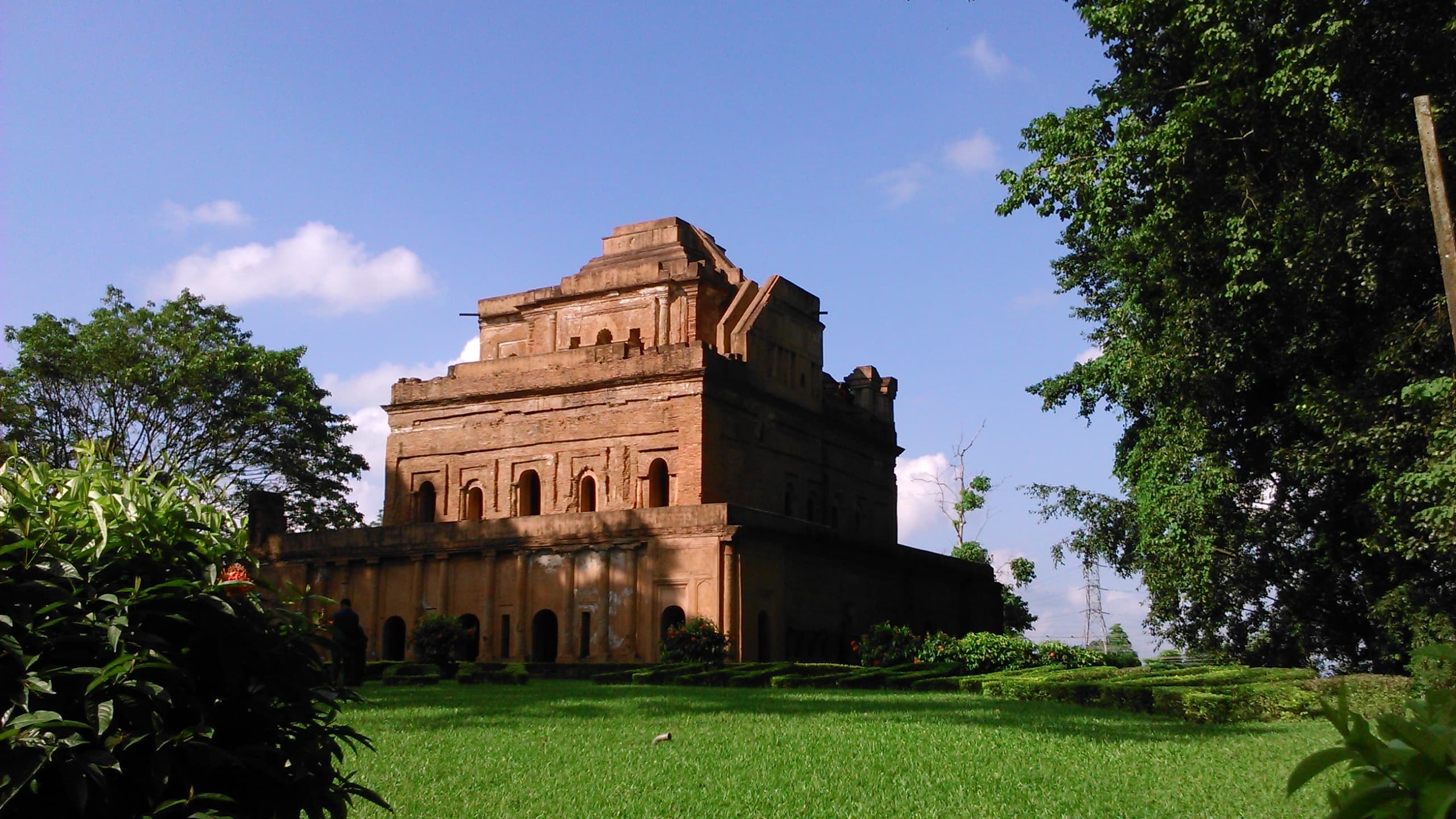
Charaideo Ahom Royal Palace
Nestled amidst the undulating hills of Assam, the Ahom Royal Palace at Charaideo whispers narratives of a kingdom that commanded the region for six centuries ([1]). Unlike the well-documented Mughal and Rajput structures, Charaideo presents a unique and often overlooked chapter of Indian history ([2]). The palace ruins, scattered pavilions, gateways, and protective walls, evoke a profound connection to the surrounding environment ([3]). Stone platforms and foundations demonstrate the architectural ingenuity of the Ahom civilization, dating back to the 13th century ([4]). Fired brick and mud brick construction techniques, combined with locally sourced materials such as bamboo and wood, highlight the Ahom's resourcefulness ([3]). The brickwork features subtle floral motifs, a distinctive characteristic that sets it apart from the geometric patterns prevalent in Islamic architecture ([5]). River stones, seamlessly integrated into the walls, further emphasize the Ahom's deep-rooted connection with the natural landscape ([3]). Archaeological excavations have unveiled the foundations of courtyards and royal pavilions, offering glimpses into the palace's former grandeur and sophisticated planning ([6]). Vastu Shastra principles, the ancient Indian science of architecture, likely influenced the palace's layout, optimizing spatial arrangements in harmony with nature ([7]). Within the complex, sophisticated drainage systems ensured the longevity of the structures, a testament to the Ahom's advanced engineering skills ([8]). The strategic location of Charaideo, providing panoramic vistas of the surrounding landscape, underscores its significance as a vital seat of power ([2]). The Charaideo Ahom Royal Palace stands as a poignant reminder of Assam's rich heritage, meriting greater recognition as a precious jewel of Indian history ([1]).
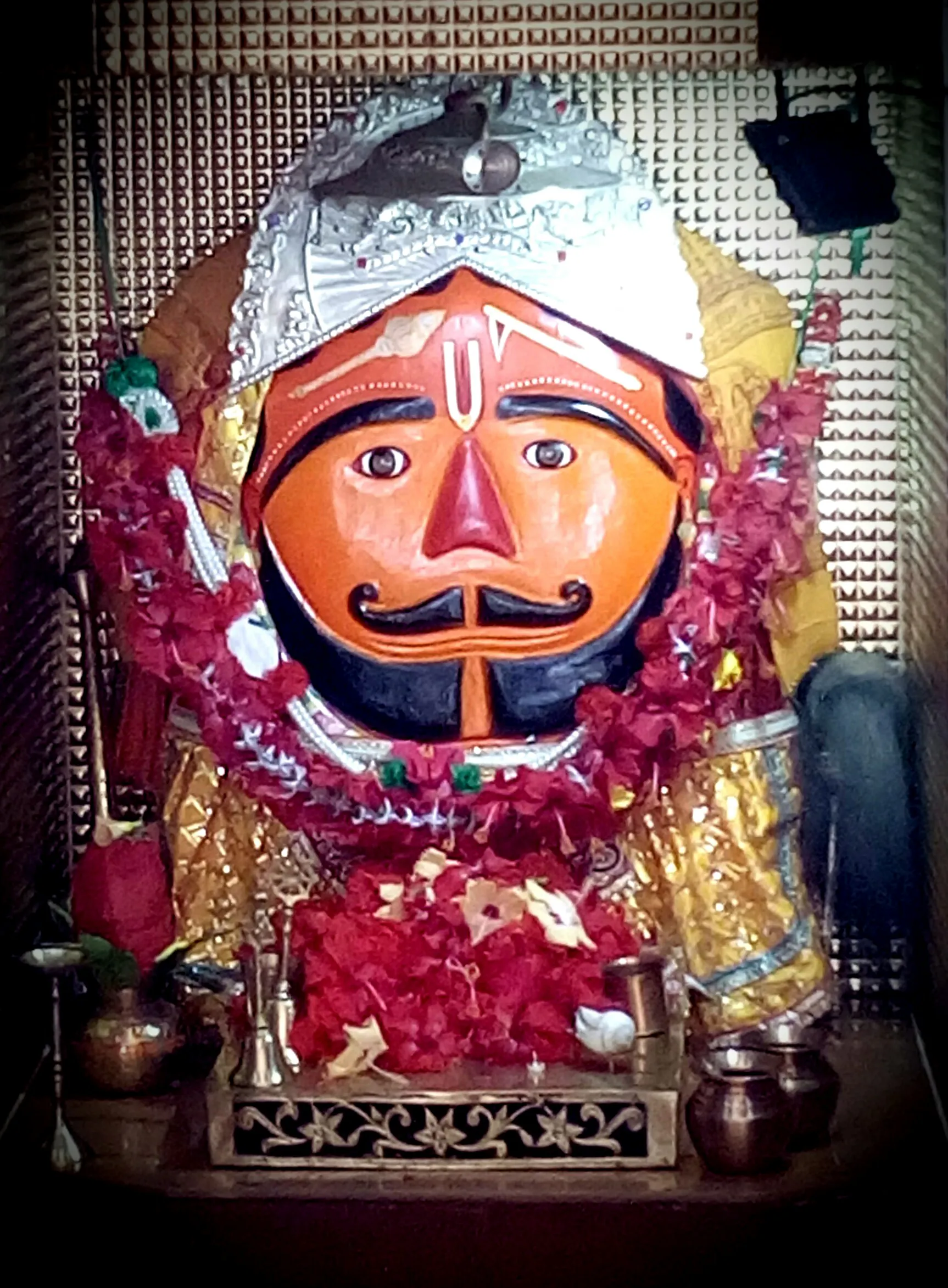
Shree Shree Hanuman Mandir Shillong
The vibrant hues of prayer flags snapped in the wind, a stark contrast against the deep green pines surrounding the Shree Shree Hanuman Mandir in Shillong. Having explored the basalt-carved caves and ancient temples of Maharashtra extensively, I was curious to see how this northeastern temple, dedicated to the monkey god, would compare. The air, crisp and cool even in the afternoon sun, held a different kind of reverence, a quiet hum of devotion that resonated differently from the fervent energy of Maharashtra's religious sites. The temple, perched atop a hill, commands a breathtaking view of Shillong. The climb itself is a pilgrimage of sorts, winding through a path lined with smaller shrines and stalls selling offerings. Unlike the intricate carvings and towering gopurams I'm accustomed to seeing back home, this temple possesses a simpler, more understated elegance. The main structure is predominantly white, with splashes of vibrant red and orange – colours synonymous with Hanuman. The architecture, while incorporating elements of traditional North Indian temple design, also displays a distinct local influence, perhaps in the sloping roof designed to withstand the region's heavy rainfall. Stepping inside, I was struck by the palpable sense of peace. The main deity, a towering statue of Lord Hanuman, dominates the sanctum. His vibrant orange form, chest puffed out in a display of strength and devotion, exudes an aura of powerful tranquility. Unlike the often dimly lit interiors of Maharashtra's ancient caves, this temple is bathed in natural light, filtering through large windows that offer panoramic views of the surrounding hills. The chanting of hymns, though present, was softer, more melodic, almost blending with the rustling of the pines outside. What truly captivated me was the syncretism evident in the temple's atmosphere. While dedicated to a Hindu deity, the temple attracts devotees from various faiths and backgrounds, reflecting the diverse tapestry of Meghalaya's population. I observed Khasi locals alongside devotees from other parts of India, all offering prayers and seeking blessings in their own unique ways. This intermingling of cultures and faiths, a beautiful testament to the region's inclusive spirit, was a refreshing change from the often more homogenous religious landscapes I've encountered elsewhere. The temple complex also houses a smaller shrine dedicated to Lord Shiva, further highlighting this blend of traditions. The lingam, bathed in the soft glow of oil lamps, offered a stark contrast to the vibrant Hanuman statue, yet both deities seemed to coexist harmoniously within the same sacred space. This subtle interplay of different energies, a quiet conversation between different forms of devotion, added another layer of depth to the temple's spiritual ambiance. Outside, the temple grounds offer ample space for reflection and contemplation. I spent some time wandering around, taking in the panoramic views and observing the interactions between devotees. Children played amongst the prayer flags, their laughter echoing through the crisp mountain air, while elders sat quietly, lost in prayer or simply enjoying the serene atmosphere. This sense of community, of shared devotion and peaceful coexistence, was perhaps the most striking aspect of my visit. Leaving the Shree Shree Hanuman Mandir, I felt a sense of quiet rejuvenation. While different from the ancient, rock-cut marvels of my home state, this temple offered a unique spiritual experience, a testament to the power of faith to transcend geographical and cultural boundaries. The vibrant colours, the tranquil atmosphere, and the inclusive spirit of the place left an indelible mark, a reminder that devotion can find expression in myriad forms, each as powerful and moving as the next.
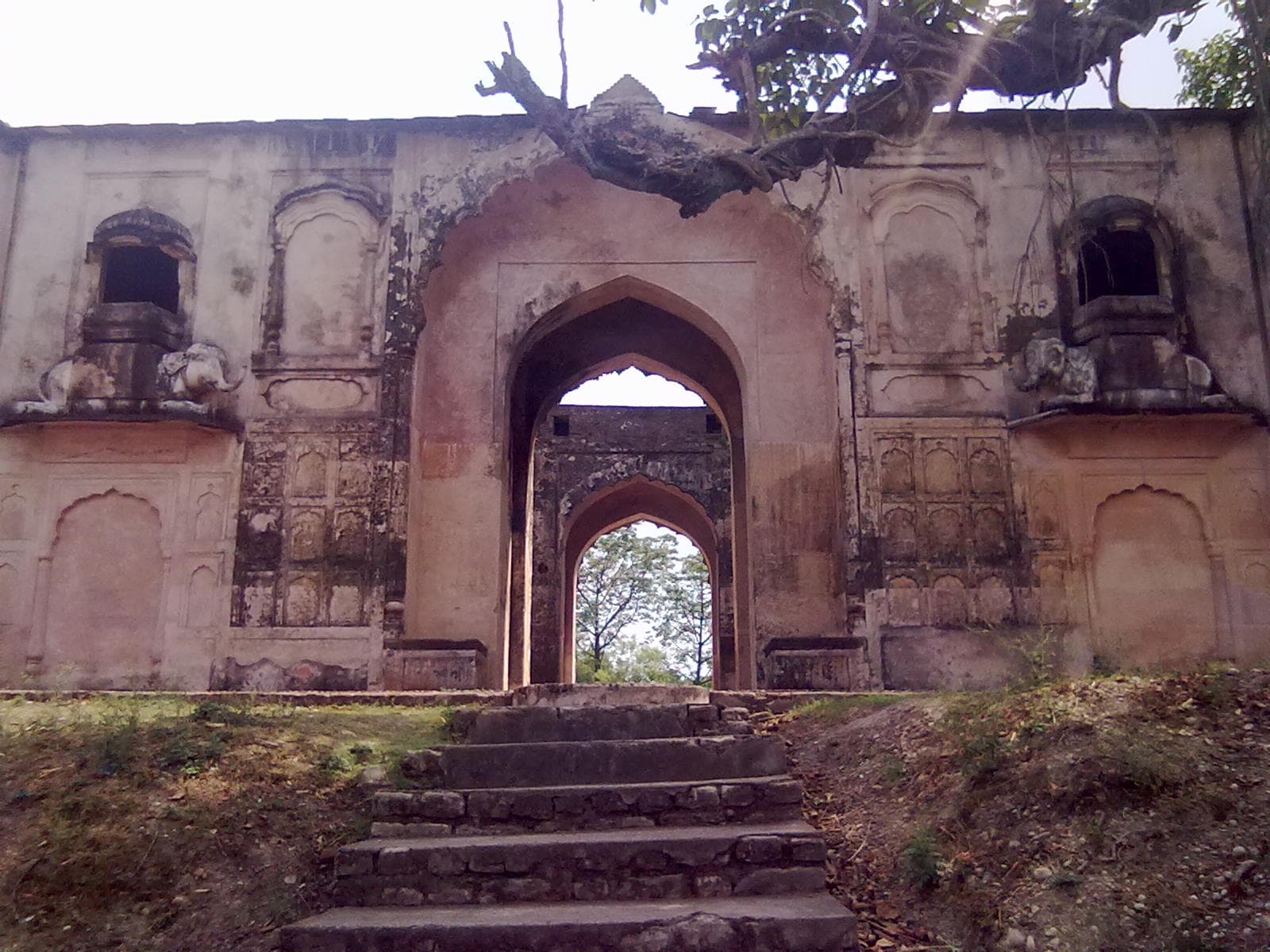
Sujanpur Fort Hamirpur
The imposing silhouette of Sujanpur Fort, perched above the Beas River in Himachal Pradesh, held a different allure than the sandstone behemoths I was accustomed to in Rajasthan. This wasn't the desert's warm embrace; this was the crisp air of the lower Himalayas, the fort a sentinel against a backdrop of verdant hills. My Rajasthani sensibilities, steeped in ornate carvings and vibrant frescoes, were immediately challenged by Sujanpur's stark, almost austere beauty. The outer walls, built of rough-hewn stone, lacked the intricate detailing of a Mehrangarh or the sheer scale of a Chittorgarh. Yet, their very simplicity spoke volumes. They whispered of a different era, a different purpose. This wasn't a palace of pleasure; this was a fortress built for resilience, a testament to the pragmatic rule of the Katoch dynasty. Stepping through the arched gateway, I felt a palpable shift in atmosphere. The outer austerity gave way to a surprising elegance within. The Baradari, a pavilion with twelve doorways, stood as the centerpiece of the inner courtyard. Its graceful arches and delicate carvings, though weathered by time, hinted at the refined tastes of the rulers who once held court here. Unlike the vibrant colours of Rajput palaces, the Baradari was adorned with subtle frescoes, predominantly in earthy tones, depicting scenes of courtly life and mythological narratives. The muted palette, I realised, complemented the surrounding landscape, creating a sense of harmony between architecture and nature. I was particularly drawn to the intricate jali work, a feature I've encountered in various forms across Rajasthan. Here, however, the jalis possessed a unique character. The patterns were less geometric, more floral, almost reminiscent of the local flora. Peering through these delicate screens, I could imagine the royal women observing the courtly proceedings, their privacy preserved while remaining connected to the pulse of the fort. The Rang Mahal, the palace's residential wing, further revealed the nuances of Katoch aesthetics. While lacking the opulence of Rajput palaces, it exuded a quiet charm. The rooms were spacious and airy, with large windows offering breathtaking views of the Beas River winding its way through the valley below. The walls, though faded, bore traces of intricate murals, depicting scenes from the Krishna Leela, a popular theme in the region. The colours, though muted now, must have once vibrated with life, adding a touch of vibrancy to the otherwise austere interiors. Exploring further, I stumbled upon the remnants of a once-grand baori, a stepped well. While not as elaborate as the Chand Baori of Abhaneri, it possessed a unique charm. The symmetrical steps, descending towards a now-dry well, spoke of a time when water was a precious commodity, carefully harvested and conserved. As I stood on the ramparts, gazing at the panoramic view of the valley below, I realised that Sujanpur Fort's beauty lay not in its grandeur, but in its understated elegance. It was a fort that had adapted to its surroundings, a fort that reflected the pragmatic yet refined sensibilities of its rulers. It was a far cry from the flamboyant palaces of my homeland, yet it held a unique charm that resonated deeply. Sujanpur Fort wasn't just a structure of stone and mortar; it was a story etched in stone, a story of resilience, adaptation, and a quiet, enduring beauty. It was a reminder that sometimes, the most captivating narratives are whispered, not shouted.
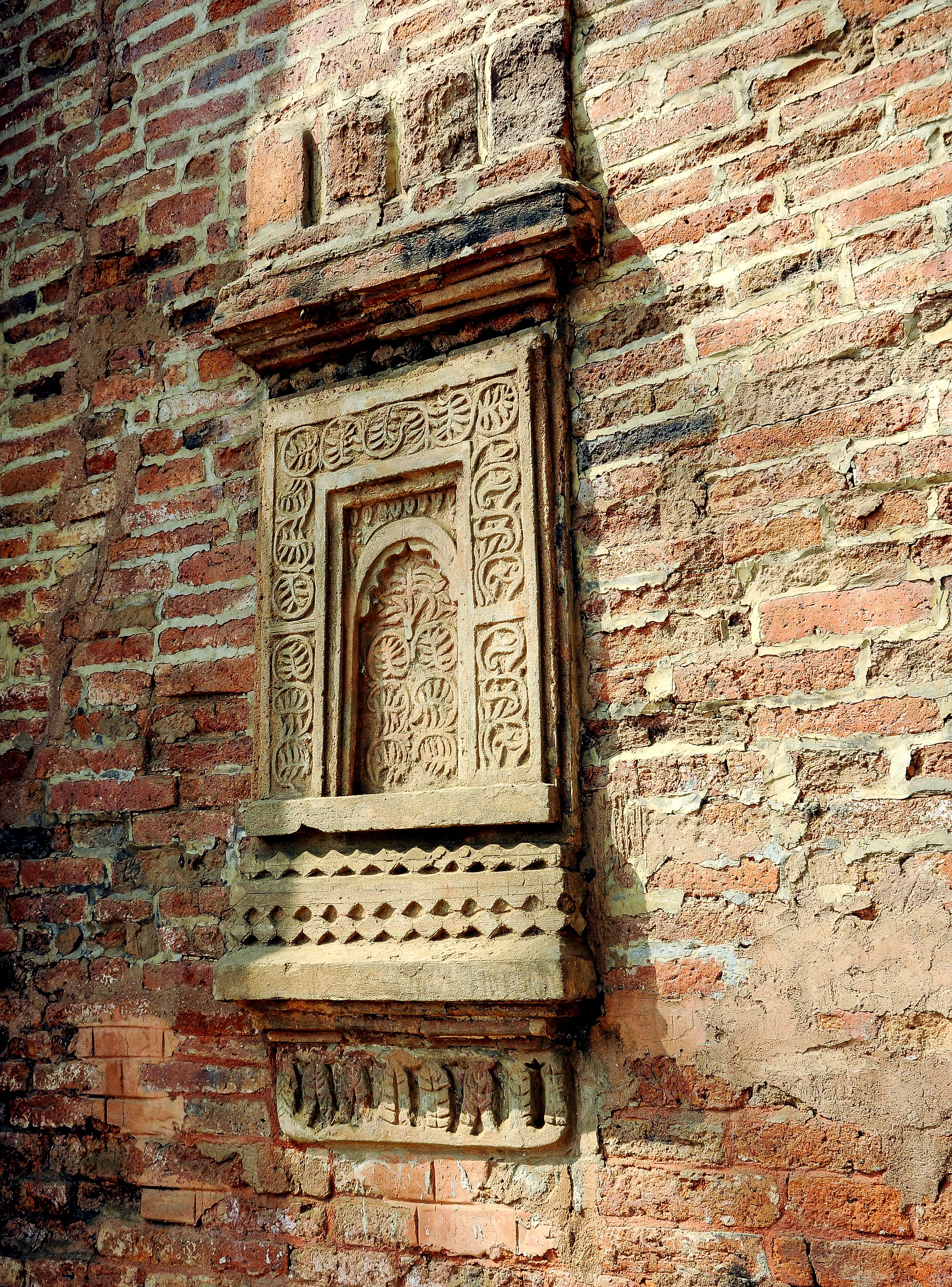
Dimapur Fort Dimapur
Amidst the heart of Nagaland lies Dimapur Fort, a poignant reminder of the once-powerful Kachari kingdom, dating back to the 12th century [1]. This fort, also known as Kachari Rajbari, presents a captivating, albeit crumbling, spectacle of a bygone era [2]. Unlike the grand stone fortifications of Rajasthan, Dimapur Fort predominantly features burnt brick structures, showcasing a distinct architectural style shaped by the region's resources and climate [3]. Archaeological excavations have uncovered a sprawling complex, revealing a network of courtyards, gateways, and remnants of functional structures [4]. The absence of elaborate palaces suggests a focus on military defense and strategic utility, a practical approach evident in the fort's layout [5]. The gateways, constructed from precisely arranged bricks without mortar, stand as testaments to the Kachari artisans' skill and ingenuity [6]. These arched entrances are adorned with geometric and stylized floral motifs, reflecting a unique artistic sensibility distinct from other Indian architectural traditions [7]. Intricate carvings adorning the walls offer glimpses into the Kachari culture. Stylized floral patterns, diamond shapes, and animal depictions echo a bold, minimalist aesthetic [8]. Local legends whisper of underground passages that once served as escape routes or secret conduits [9]. Peculiar mushroom-shaped structures, known as "Rongpur," dot the landscape, their purpose shrouded in mystery [10]. Some theories suggest they were used as guard posts, while others believe they were platforms for ritualistic ceremonies [11]. Fired brick and mud brick construction techniques, combined with stone and timber, demonstrate the Kachari kingdom's resourcefulness [12]. Dimapur Fort, though in ruins, continues to whisper tales of a lost civilization and its enduring architectural legacy. The fort exemplifies the unique blend of practicality and artistic expression that characterized the Kachari kingdom, leaving an indelible mark on the architectural heritage of Northeast India [13].

Shotorak Monastery Nangarhar Afghanistan
Shotorak, located in Nangarhar Province, Afghanistan, preserves the remarkable remains of a 3rd to 4th century CE Buddhist monastery that represents one of the most significant and artistically important Buddhist sites in the region, demonstrating the vibrant transmission of Indian Buddhist traditions to Afghanistan during the Kushan period, when Buddhism flourished across the region under the patronage of the Kushan Empire. The monastery complex, constructed primarily from stone, stucco, and fired brick with extensive decorative elements, features numerous stupas, chapels, and monastic cells arranged according to Indian Buddhist monastery planning principles, while the discovery of Hindu sculptures alongside Buddhist elements provides crucial evidence of the syncretic nature of religious practice in the region and the transmission of diverse Indian religious traditions to Afghanistan. The site's architectural design demonstrates direct influence from Indian Buddhist monastery architecture, particularly the traditions of northern India, with the overall plan, stupa forms, and decorative programs reflecting Indian Buddhist practices that were systematically transmitted to Afghanistan, while the presence of Hindu sculptures demonstrates the coexistence and interaction of Hindu and Buddhist traditions during the Kushan period. Archaeological excavations have revealed extraordinary preservation of sculptures, architectural elements, and artifacts that demonstrate the sophisticated artistic traditions of the period, with the artistic work showing clear influence from Indian styles while incorporating local elements, creating a unique synthesis that characterizes Buddhist art in Afghanistan during this period. The monastery flourished particularly during the 3rd to 4th centuries CE, when it served as a major center of Buddhist learning and practice, with the site's location in Nangarhar Province, historically part of the ancient Gandhara region, underscoring its role in the transmission of Buddhist teachings and artistic traditions. The site continued to function as a Buddhist center through the 5th and 6th centuries CE before gradually declining following the decline of the Kushan Empire, while the substantial architectural remains that survive provide crucial evidence of the site's original grandeur and importance. The discovery of Hindu sculptures at the site provides particularly important evidence of the syncretic nature of religious practice during the Kushan period, when both Hindu and Buddhist traditions flourished in Afghanistan and influenced each other, creating a unique cultural synthesis that characterizes the period. Today, Shotorak stands as an important archaeological site in Afghanistan, serving as a powerful testament to the country's ancient Buddhist heritage and its historical role as a center for the transmission of Indian religious and artistic traditions, while ongoing archaeological research and preservation efforts continue to reveal new insights into the site's construction, religious practices, and the syncretic nature of Kushan period religion. ([1][2])
Khair Khana Buddhist Monastery Kabul Afghanistan
Khair Khana, located near Kabul, Afghanistan, preserves the remarkable remains of an 8th century CE Buddhist monastery that represents one of the latest and most sophisticated examples of Buddhist architecture in Afghanistan, demonstrating the persistence of Indian Buddhist traditions in the region even as Buddhism was declining elsewhere, while the discovery of Indic guardian deities and elaborate sculptural programs provides crucial evidence of the continued transmission of Indian artistic and religious traditions to Afghanistan during the late medieval period. The monastery complex, constructed primarily from stone, stucco, and fired brick with extensive decorative elements, features sophisticated architectural design that demonstrates the continued influence of Indian Buddhist monastery architecture, particularly the traditions of northern India, with the overall plan, structural forms, and decorative programs reflecting Indian Buddhist practices that persisted in Afghanistan even as the religion was declining in other regions. The site's architectural design demonstrates direct influence from Indian Buddhist monastery architecture, with the discovery of Indic guardian deities providing particularly important evidence of the transmission of Indian iconographic traditions, while the elaborate sculptural programs demonstrate the sophisticated artistic traditions of the period and the continued influence of Indian artistic styles. Archaeological excavations have revealed extraordinary preservation of sculptures, architectural elements, and artifacts that demonstrate the sophisticated artistic traditions of the 8th century, with the artistic work showing clear influence from Indian styles while incorporating local elements, creating a unique synthesis that characterizes late Buddhist art in Afghanistan. The monastery flourished during the 8th century CE, serving as a major center of Buddhist learning and practice during a period when Buddhism was in decline in many parts of Central Asia, demonstrating the resilience of Buddhist traditions in Afghanistan and the continued transmission of Indian religious and artistic knowledge to the region. The site continued to function as a Buddhist center through the early 9th century CE before gradually declining following the spread of Islam in the region, while the substantial architectural remains that survive provide crucial evidence of the site's original grandeur and the sophisticated engineering techniques employed in its construction. The discovery of Indic guardian deities at the site provides particularly important evidence of the continued transmission of Indian iconographic traditions to Afghanistan during the late medieval period, demonstrating that Indian artistic and religious influences persisted even as Buddhism declined, while the site's location near Kabul underscores its importance as a major religious center in the region. Today, Khair Khana stands as an important archaeological site in Afghanistan, serving as a powerful testament to the country's ancient Buddhist heritage and the persistence of Indian religious and artistic traditions in the region, while ongoing archaeological research and preservation efforts continue to reveal new insights into the site's construction, religious practices, and the late persistence of Buddhism in Afghanistan. ([1][2])
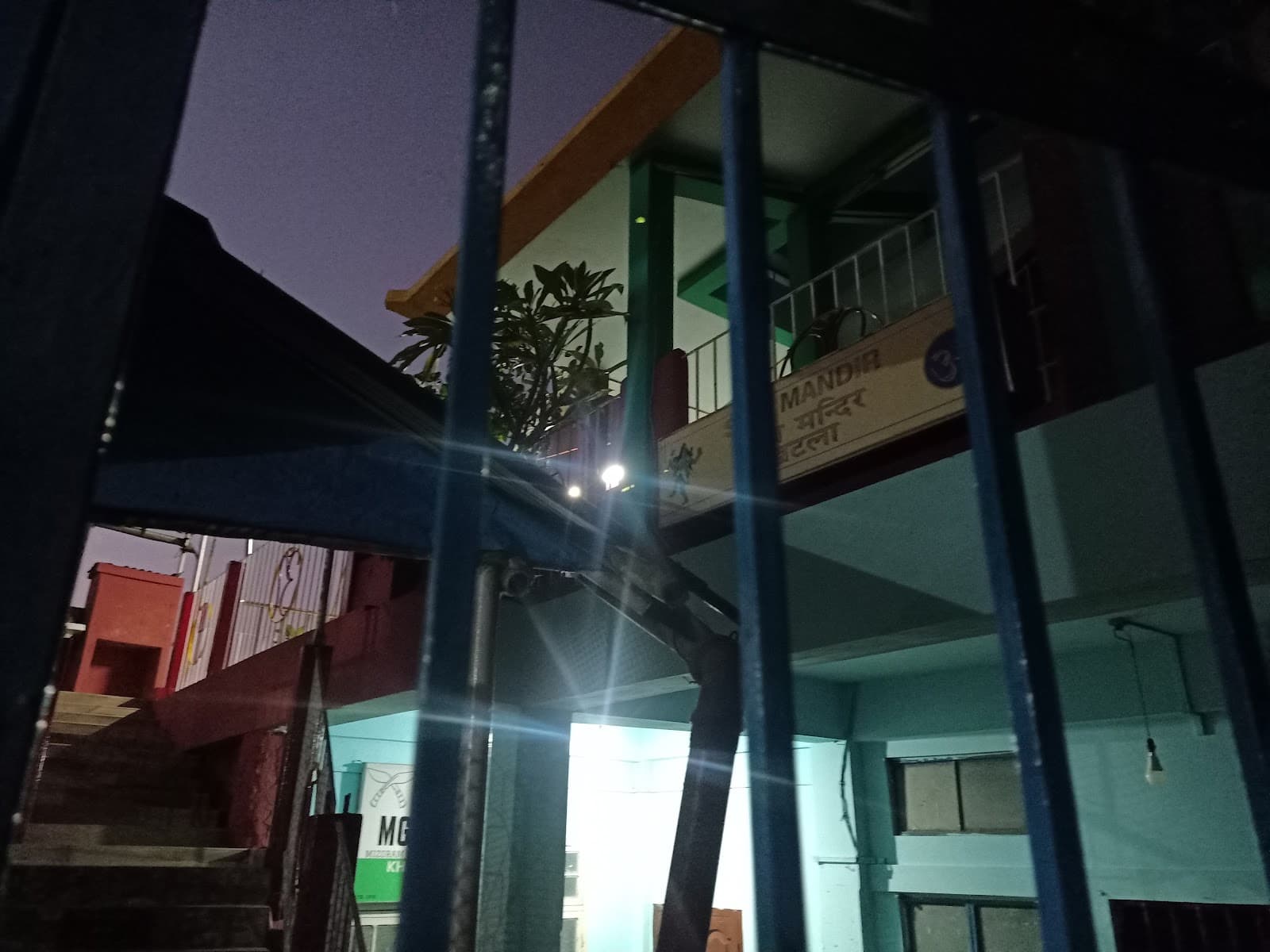
ISKCON Temple Aizawl
The vibrant ochre and saffron hues of the ISKCON Temple in Aizawl cut a striking figure against Mizoram's verdant hills. Perched atop a hill, the temple commands a panoramic view of the city, a vista that immediately instilled a sense of tranquility. Unlike the bustling, often chaotic atmosphere surrounding many Indian temples, a palpable sense of peace permeates this space. My visit here, as part of my project to document all of India's UNESCO World Heritage sites, offered a unique perspective on the interplay of faith and architecture in the Northeast. The temple’s architecture is a fascinating blend of traditional Nagara style with subtle Mizo influences. The towering shikharas, adorned with intricate carvings, reach towards the sky, a testament to the devotion that fueled their construction. While the core architectural elements are distinctly North Indian, the use of local materials, particularly in the construction of the surrounding walls and the landscaping, creates a sense of harmony with the environment. I noticed the extensive use of locally sourced timber, lending a warm, earthy tone to the complex. The sloping roofs, reminiscent of traditional Mizo houses, further enhance this integration. Stepping inside the main prayer hall, I was struck by the serene atmosphere. The soft chanting of Hare Krishna filled the air, punctuated by the rhythmic clanging of cymbals. The deity of Radha Krishna, resplendent in vibrant attire and adorned with flowers, held court at the center. The devotees, a mix of locals and visitors, engaged in prayer with an air of quiet devotion. I observed that the temple served as a focal point not just for religious practice, but also as a community gathering space. Families sat together, sharing stories and Prasad, creating a warm and inclusive environment. The temple complex extends beyond the main prayer hall, encompassing a guesthouse, a library, and a vegetarian restaurant. The guesthouse, designed with simple elegance, offers comfortable accommodation for visitors. The library, stocked with a vast collection of religious texts and philosophical treatises, provides a space for contemplation and learning. I spent a fascinating hour browsing through ancient scriptures, gaining a deeper understanding of the Vaishnava tradition. The Govinda’s restaurant, serving delicious and affordable vegetarian meals, is a popular spot for both devotees and locals. I savored a simple thali, appreciating the fresh, local ingredients and the peaceful ambiance. One of the most memorable aspects of my visit was witnessing the evening aarti. As the sun dipped below the horizon, casting a golden glow over the city, the temple came alive with the sounds of devotional music and chanting. The rhythmic clapping and the fervent prayers created an electrifying atmosphere. The sight of hundreds of devotees, their faces illuminated by the flickering lamps, was truly moving. It was a powerful reminder of the unifying power of faith. My visit to the ISKCON Temple in Aizawl was more than just a stop on my UNESCO journey; it was an immersive cultural experience. It offered a glimpse into the vibrant religious landscape of Mizoram and the harmonious coexistence of different traditions. The temple's architectural beauty, the serene atmosphere, and the warm hospitality of the devotees left a lasting impression. It underscored the importance of these spiritual sanctuaries not just as places of worship, but as vital community hubs, fostering a sense of belonging and shared identity. This experience further solidified my belief that exploring these sites offers a profound understanding of India's rich cultural tapestry.
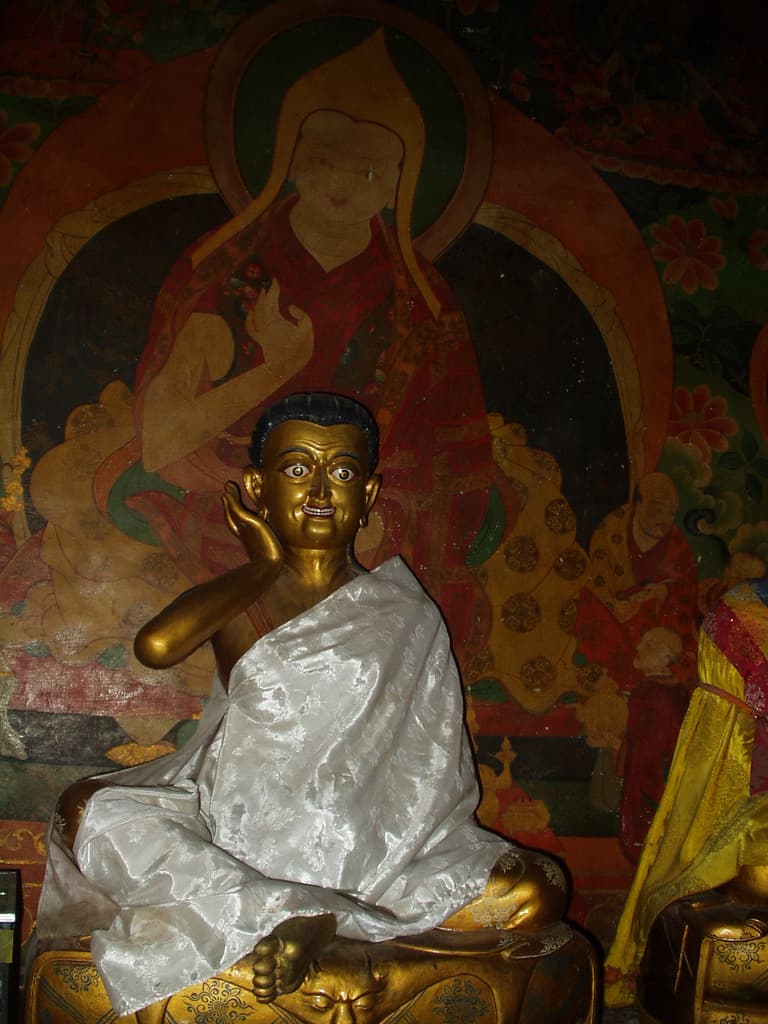
Samye Monastery Dranang Tibet
Samye Monastery, located in Dranang County, Tibet, represents the first Buddhist monastery established in Tibet and stands as one of the most significant religious sites in Tibetan Buddhism, constructed in the 8th century CE during the reign of King Trisong Detsen and modeled directly on the Indian Buddhist monastery of Odantapuri (modern-day Bihar, India), demonstrating the profound transmission of Indian Buddhist monastic architecture and learning traditions to Tibet, which has maintained deep cultural, religious, and historical connections with India for over two millennia. The monastery complex, constructed primarily from stone, wood, and earth with extensive decorative elements, features a unique mandala-based design that replicates the cosmological layout of Odantapuri Monastery, with the central temple representing Mount Meru (the cosmic mountain in Indian cosmology) surrounded by four continents, four directional temples, and numerous subsidiary structures arranged according to Indian Buddhist cosmological principles. The monastery’s architectural design demonstrates direct replication of Indian Buddhist monastery architecture, particularly the Odantapuri model, with the overall plan reflecting mandala-based cosmological principles found in Indian Buddhist architecture, while the construction techniques and decorative elements demonstrate the transmission of Indian architectural and artistic knowledge to Tibet. Archaeological and historical evidence indicates the monastery was constructed under the guidance of Indian Buddhist masters including Shantarakshita (the abbot of Nalanda Monastery in India) and Padmasambhava (Guru Rinpoche), who traveled from India to Tibet specifically to establish Buddhist monastic traditions, reflecting the active religious and cultural exchange between Tibet and India during the 8th century. The monastery served as the first center for the translation of Indian Buddhist texts from Sanskrit into Tibetan, establishing the foundation for Tibetan Buddhist scholarship and learning that would flourish for over a millennium, with Indian scholars and texts continuing to influence Tibetan Buddhism throughout history. The monastery has undergone multiple reconstructions following damage, with significant restoration work conducted in recent decades, while preserving its connection to Indian Buddhist architectural and religious traditions. Today, Samye Monastery continues to serve as an important place of Buddhist worship and learning in Tibet, demonstrating the enduring influence of Indian Buddhist traditions on Tibetan culture and serving as a powerful symbol of Tibet’s deep connections to Indian civilization. ([1][2])
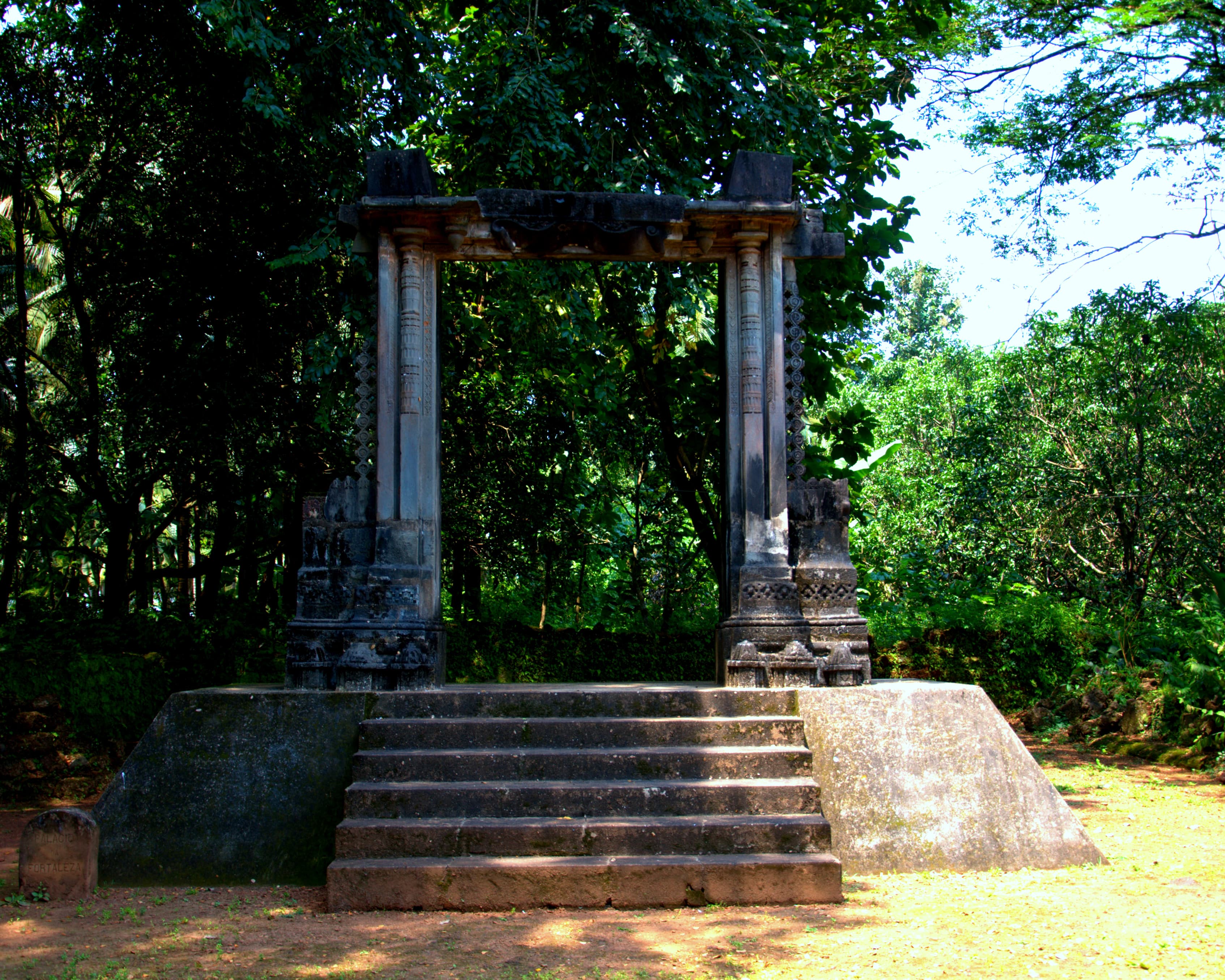
Adil Shah Palace Old Goa
The Adil Shah Palace, located in Rua Direita, Tiswadi, Old Goa (403402), Goa, India, stands as a significant monument reflecting India's millennia-spanning heritage and its continuous tradition of architectural evolution. This edifice, originally conceived in the 16th century CE, embodies a complex layering of indigenous architectural styles, including Deccani Sultanate and Vijayanagara influences, which are deeply rooted in India's historical continuum, alongside later Goan architectural adaptations [2] [4]. The structure is a testament to the sophisticated building practices prevalent in the Deccan region, utilizing locally sourced laterite stone and lime mortar, characteristic materials that have been employed in Indian construction for centuries [4]. The palace's architectural features include a majestic gateway, which is a prominent surviving element, leading into what were once spacious courtyards [2]. While specific dimensions of the entire original palace are not readily available, the surviving "Arch of Adil Shah's Palace" is a centrally protected monument under the Archaeological Survey of India (ASI), indicating its structural significance [2]. The design incorporates elements such as graceful arches and domes, which, while later influenced by Indo-Islamic styles, often drew upon indigenous Indian structural and decorative motifs [2]. Intricate carvings, though now weathered, once adorned its surfaces, narrating stories of past eras and reflecting the artistic sensibilities of the period [2]. The palace's strategic location near the Mandovi River suggests an integrated approach to urban planning and water management, typical of ancient Indian settlements that prioritized access to water bodies [2]. Currently, the Adil Shah Palace, also known as the Old Secretariat, serves as a venue for cultural events and exhibitions, particularly those organized by the Goa Directorate of Museums [3]. This active programming ensures the site remains a living monument, engaging visitors with Goa's rich heritage through displays of rock carvings and other historical artifacts [3]. Conservation efforts are ongoing, with experts working to maintain the structural integrity and preserve delicate details, addressing the wear and tear caused by time and environmental factors, such as Goa's torrential rains [3]. The Archaeological Survey of India, Goa Circle, is responsible for the protection and conservation of such monuments, carrying out regular inspections and implementing preservation programs [2]. Despite some signs of decay, including weathered wood and peeling paint, the palace remains operational and accessible, symbolizing India's enduring commitment to safeguarding its cultural legacy [3]. Its continued use for cultural activities underscores its role in maintaining and transmitting Indian cultural traditions across centuries.
Quick Links
Plan Your Heritage Journey
Get personalized recommendations and detailed visitor guides