Has Inheritage Foundation supported you today?
Your contribution helps preserve India's ancient temples, languages, and cultural heritage. Every rupee makes a difference.
Secure payment • Instant 80G certificate

Hiyangthang Lairembi Temple Imphal
The air hung heavy with the scent of incense and marigold as I approached the Hiyangthang Lairembi Temple. Situated on the banks of the Loktak Lake in Manipur, this sacred site dedicated to the goddess Lairembi, the protector of the Meitei community, immediately captivated me. Unlike the towering granite structures of my native Tamil Nadu, this temple presented a different architectural vocabulary, a testament to the unique traditions of the Meitei people. The temple complex, enclosed within a low brick wall, felt intimate and inviting. The main shrine, a rectangular structure raised on a platform, was constructed primarily of wood, a material rarely used for major temples in South India. The sloping roof, covered with thatch, extended outwards, creating deep eaves that provided shelter from the elements. This reminded me of the Kerala style of temple architecture, though the overall aesthetic was distinctly Manipuri. Intricate wood carvings adorned the eaves and the supporting pillars, depicting mythical creatures and floral motifs. The absence of the elaborate gopurams and vimanas so characteristic of Dravidian architecture allowed the intricate woodwork to take center stage. Ascending the steps to the main shrine, I noticed the absence of a traditional doorway. Instead, a richly embroidered cloth hung as a curtain, partially obscuring the inner sanctum. This created a sense of mystery and reverence, heightening the anticipation of encountering the deity within. The interior, dimly lit by oil lamps, housed the image of Lairembi. Unlike the stone or metal idols common in South Indian temples, the goddess here was represented by a symbolic form wrapped in cloth, a practice that resonated with certain tribal traditions. Surrounding the main shrine were smaller structures dedicated to other deities of the Meitei pantheon. These smaller shrines, also built of wood and thatch, echoed the architectural style of the main temple, creating a harmonious ensemble. The entire complex was arranged around a central courtyard, which served as a space for rituals and community gatherings. I observed several devotees performing traditional dances and offering prayers, their movements fluid and graceful, accompanied by the rhythmic beating of drums. The temple's location on the edge of Loktak Lake added another layer of significance. The lake, a vital part of the Meitei ecosystem and mythology, is considered sacred. This connection between the temple and the natural world was palpable. The gentle lapping of the waves against the shore created a soothing backdrop to the religious activities, reinforcing the sense of tranquility and spiritual connection. As I explored the temple complex, I noticed several elements that reflected the syncretic nature of Meitei culture. While the architecture and rituals were distinctly indigenous, there were subtle influences from Hinduism, particularly in the iconography and some of the religious practices. This blending of traditions spoke to the region's rich history and its position as a cultural crossroads. My visit to the Hiyangthang Lairembi Temple was a powerful reminder of the diversity of India's sacred architecture. It challenged my preconceived notions, shaped by my familiarity with South Indian temples, and broadened my understanding of the ways in which different communities express their faith and connect with the divine. The temple's unique blend of wood and thatch, its intimate scale, and its profound connection to the natural world created an atmosphere of reverence and tranquility that I will long remember. It was a privilege to witness this living testament to the rich cultural heritage of Manipur.
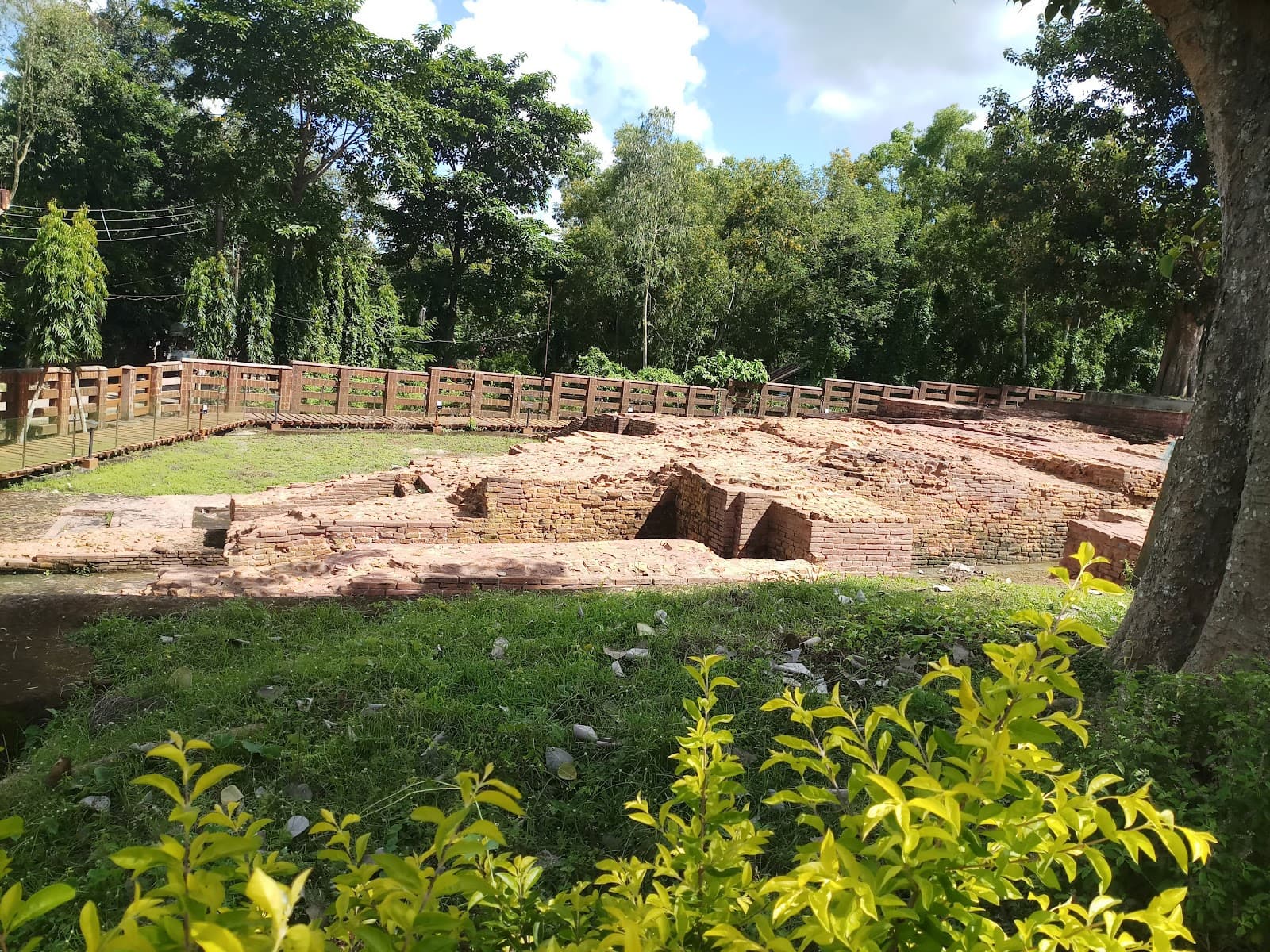
Moghalmari Monastery
I visited the site on a very sunny summer afternoon. The ruins, despite being beautiful, were devoid of any other admirers. We were the only people around. There were layers upon layers of brick maze basking in the warm sun, it had been exposed to again after a very long time, when it was unearthed in 1999. A large portion had been excavated, while the rest still lay beneath the surrounding village. Beside the excavation site stood a small museum, filled with exhibits of artifacts found during the excavation. The exhibits had various seals, terracotta tablets, coins, bricks and many other objects of interest. The caretaker joined us after a while and gave us a short but very informative tour of the excavation site. His stories were very vivid, his words gave us a very surreal glimpse into the past when the place was teeming with Buddhist monks, and Buddha's followers from all over Eastern India. The warm breeze brushed against my skin as I took a deep breath and observed the ruins. The mounds under which these ruins rested were once locally known as "Sakhisener dhibi", as an ode to a local folklore about two lovers. There was something very ironic about a place dedicated to detachment, serenity and a search for happiness being named after one of the deepest human experiences. One that is filled with sorrow, hurt, grief and also immense happiness, one being the epitome of rationality, the other being one of the most confounded irrationality. Despite the irony, the name is fitting; it remains a testament of enduring love among the locals. Moghalmari Monastery is a significant Buddhist archaeological site dating from the 6th to 12th centuries CE, located near the Subarnarekha River in Paschim Medinipur District. The site represents one of the most important Buddhist viharas in Eastern India, revealing extensive monastic architecture, stupas, and artifacts that illuminate the spread of Buddhism and trade networks during the medieval period. The monastery complex covers approximately 3,595 square meters and features triratha-type structures, multiple stupas, intricate stucco decorations, and terracotta artifacts that reflect Vajrayana Buddhist influences and connections to contemporary monastic centers like Nalanda, Vikramshila, and Paharpur.
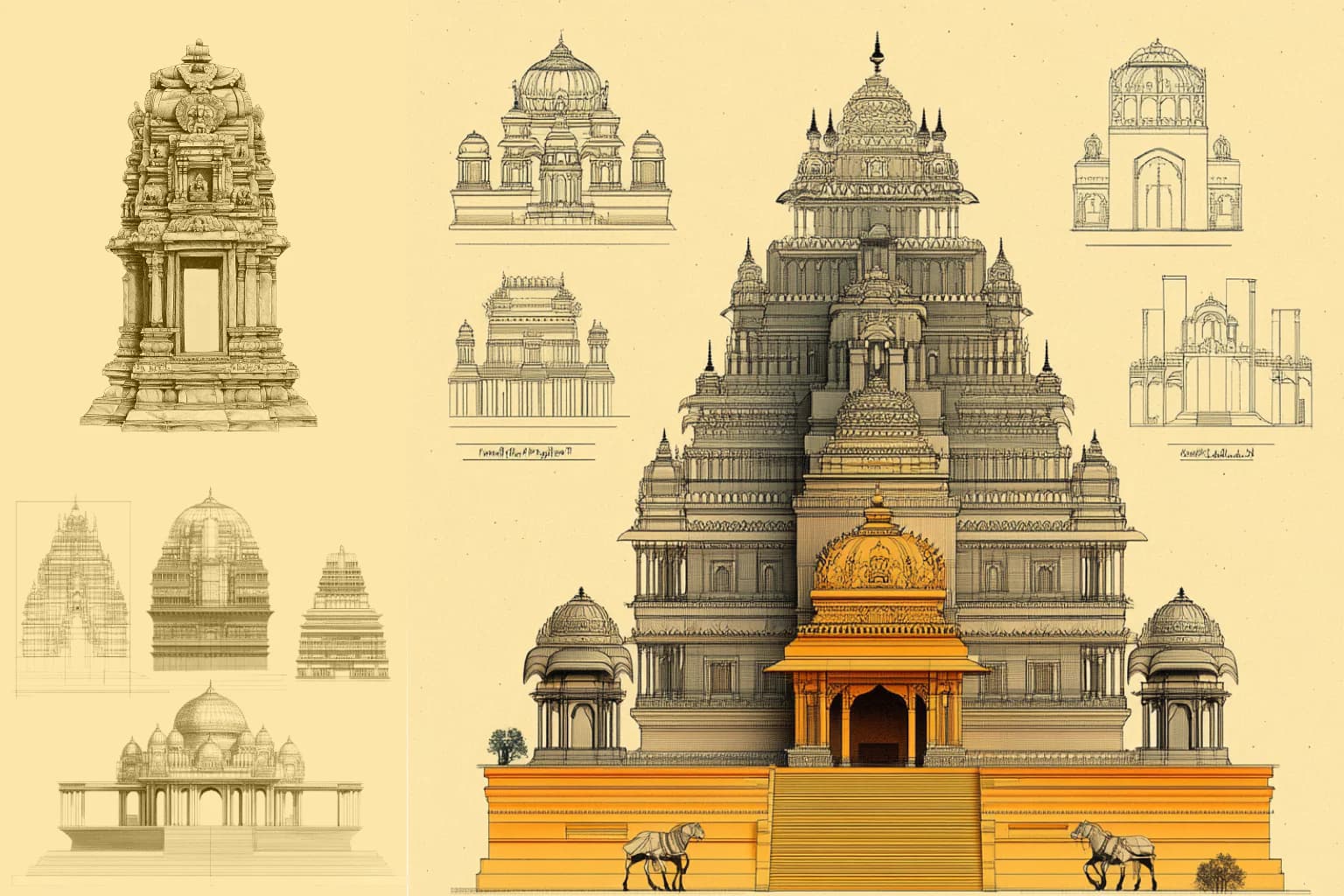
Ganesh Tok Gangtok
The crisp Himalayan air, thin and invigorating, whipped prayer flags into a frenzy of colour as I climbed the winding path to Ganesh Tok. Perched precariously on a ridge overlooking Gangtok, this small but vibrant temple dedicated to Lord Ganesha commands a breathtaking panorama. The city sprawled below, a tapestry of rooftops punctuated by the occasional flash of monastic gold, while the distant, snow-capped peaks of the Himalayas formed a majestic backdrop. It was a scene that demanded to be captured, a testament to both human devotion and the raw power of nature. Ganesh Tok isn't grand in scale. It's a compact structure, almost diminutive against the immensity of the landscape. Built from traditional Sikkimese materials – predominantly wood and stone – it exudes a rustic charm that contrasts beautifully with the ornate embellishments typical of temples in other parts of India. The roof, layered with wooden shingles, slopes steeply downwards, a design I've noticed is common in this region, likely a practical adaptation to the heavy snowfall. Brightly coloured prayer flags, strung between trees and tied to the temple eaves, flutter in the wind, adding a dynamic element to the otherwise static structure. Their vibrant hues – reds, yellows, greens, and blues – stand out vividly against the muted tones of the surrounding forest. Entering the temple requires a degree of humility, quite literally. The entrance is a low, narrow opening that necessitates stooping, a symbolic gesture of bowing before the deity within. Inside, the space is intimate, barely enough room for a handful of devotees. The air is thick with the scent of incense, and the soft chanting of prayers creates a palpable sense of reverence. A small, intricately carved statue of Lord Ganesha occupies the central altar, adorned with fresh flowers and offerings. The walls are covered in colourful murals depicting scenes from Hindu mythology, adding another layer of visual richness to the already vibrant space. What struck me most about Ganesh Tok wasn't its architectural grandeur or elaborate ornamentation, but the palpable sense of peace that permeated the air. Perhaps it was the altitude, the proximity to the heavens, or simply the collective devotion of those who came to pray, but there was an undeniable tranquility that settled over me as I sat there, absorbing the atmosphere. I observed families whispering prayers, elderly pilgrims spinning prayer wheels, and young couples gazing out at the view, each lost in their own private communion with the divine. From a photographic perspective, Ganesh Tok presented a unique set of challenges and opportunities. The limited space within the temple required careful composition and the use of a wide-angle lens to capture the full scope of the interior. The constantly shifting light, filtered through the prayer flags and the surrounding trees, created a dynamic interplay of light and shadow that I found particularly captivating. And, of course, the panoramic view from the ridge demanded multiple exposures to capture the full range of tones, from the deep greens of the valleys to the brilliant white of the snow-capped peaks. Beyond the temple itself, the surrounding area offered a wealth of photographic possibilities. The winding path leading up to the tok was lined with vibrant rhododendrons and prayer wheels, each turn sending a silent prayer into the wind. The viewpoints along the ridge provided stunning vistas of the surrounding valleys, and the occasional glimpse of a soaring eagle added a touch of wildness to the scene. My visit to Ganesh Tok was more than just a photographic assignment; it was a spiritual experience. It was a reminder of the power of place, the importance of tradition, and the enduring human need to connect with something larger than ourselves. And as I packed away my camera, I knew that the images I had captured would serve not only as a record of my visit but also as a testament to the enduring beauty and spiritual significance of this remarkable Himalayan shrine.
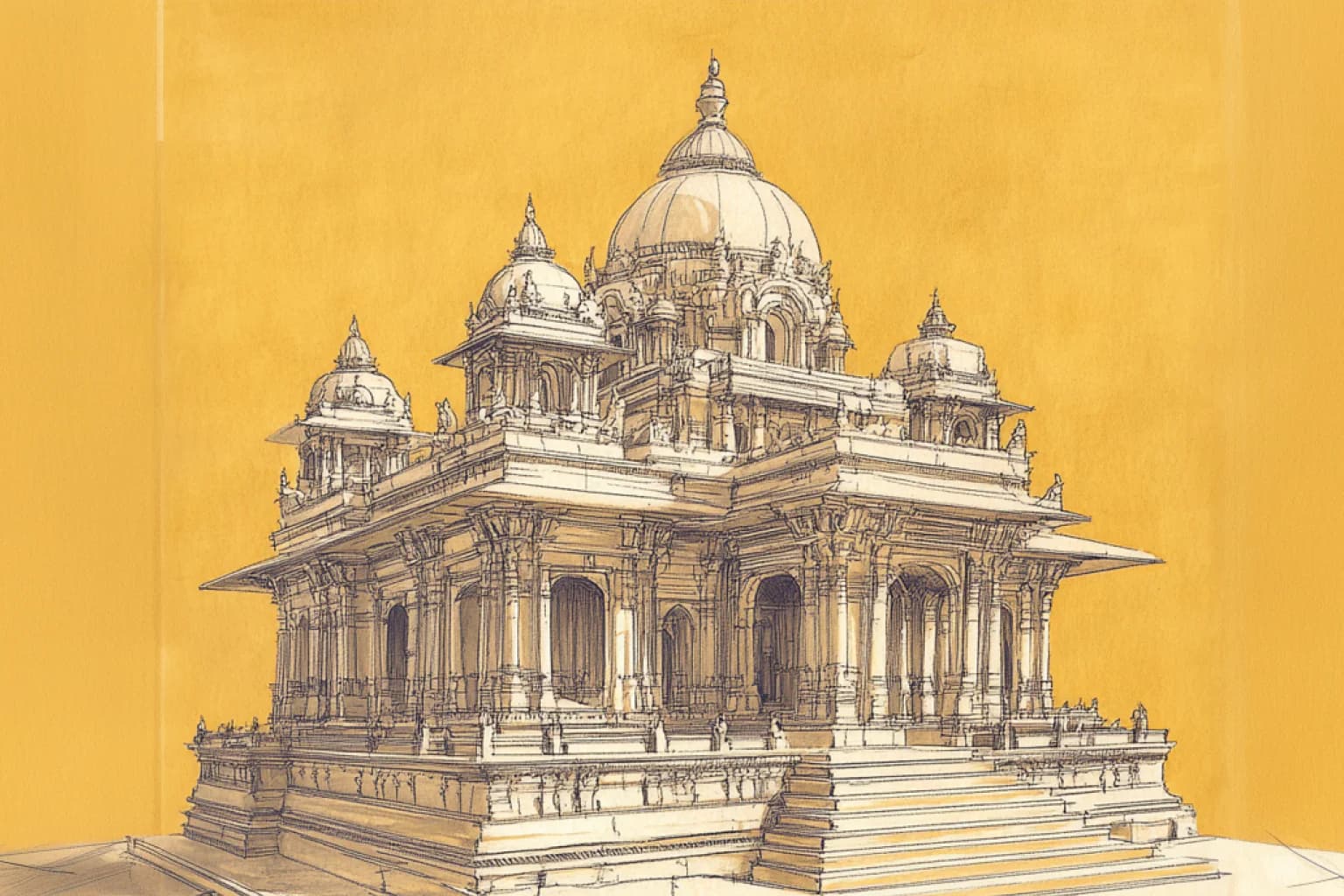
Almora Fort Almora
Nestled amidst the serene landscapes of Uttarakhand, Almora Fort, also known as Kote Ka Ghar, presents a unique confluence of historical narratives and architectural styles ([1]). Constructed in 1815 CE by the British East India Company during the British Colonial Period, the fort occupies a strategic ridge overlooking the Almora valley ([2]). Unlike the elaborate Dravidian temples of South India, Almora Fort exhibits a more modest design, primarily utilizing locally sourced quartzite stone, wood, copper, and iron in its construction ([3]). Stone platforms and foundations reveal a fusion of Indo-Islamic architectural elements, subtly blending Hindu and Islamic design principles ([4]). The imposing eastern gate, fashioned from precisely cut stone blocks, exemplifies a robust architectural approach, prioritizing defensive functionality over intricate ornamentation ([5]). Pointed arches, reminiscent of Mughal architectural influences, potentially reflect the legacy of the Chand dynasty, who held sway over the region after the Katyuri kings ([6]). This blend mirrors the cultural exchanges prevalent in India's history. Within the fort's confines, remnants of a palace or administrative building hint at its multi-layered past ([7]). Subtle details, such as worn grooves etched into the stone steps and strategically positioned openings, evoke glimpses into the daily life within the fort's walls ([8]). Architectural elements subtly echo principles found in texts like the *Manasara Shilpa Shastra*, which detail the construction of fortifications ([9]). Almora Fort embodies resilience and adaptation, a testament to human endeavor etched onto the landscape, resonating even as empires rise and fall ([10]). The fort stands as a reminder of the evolving architectural landscape of India, where various influences have shaped its identity ([11]). During its time, the fort served as a crucial administrative and military center, witnessing shifts in power and cultural dynamics ([12]). Today, it stands as a museum, inviting visitors to delve into its rich history and architectural nuances ([13]).
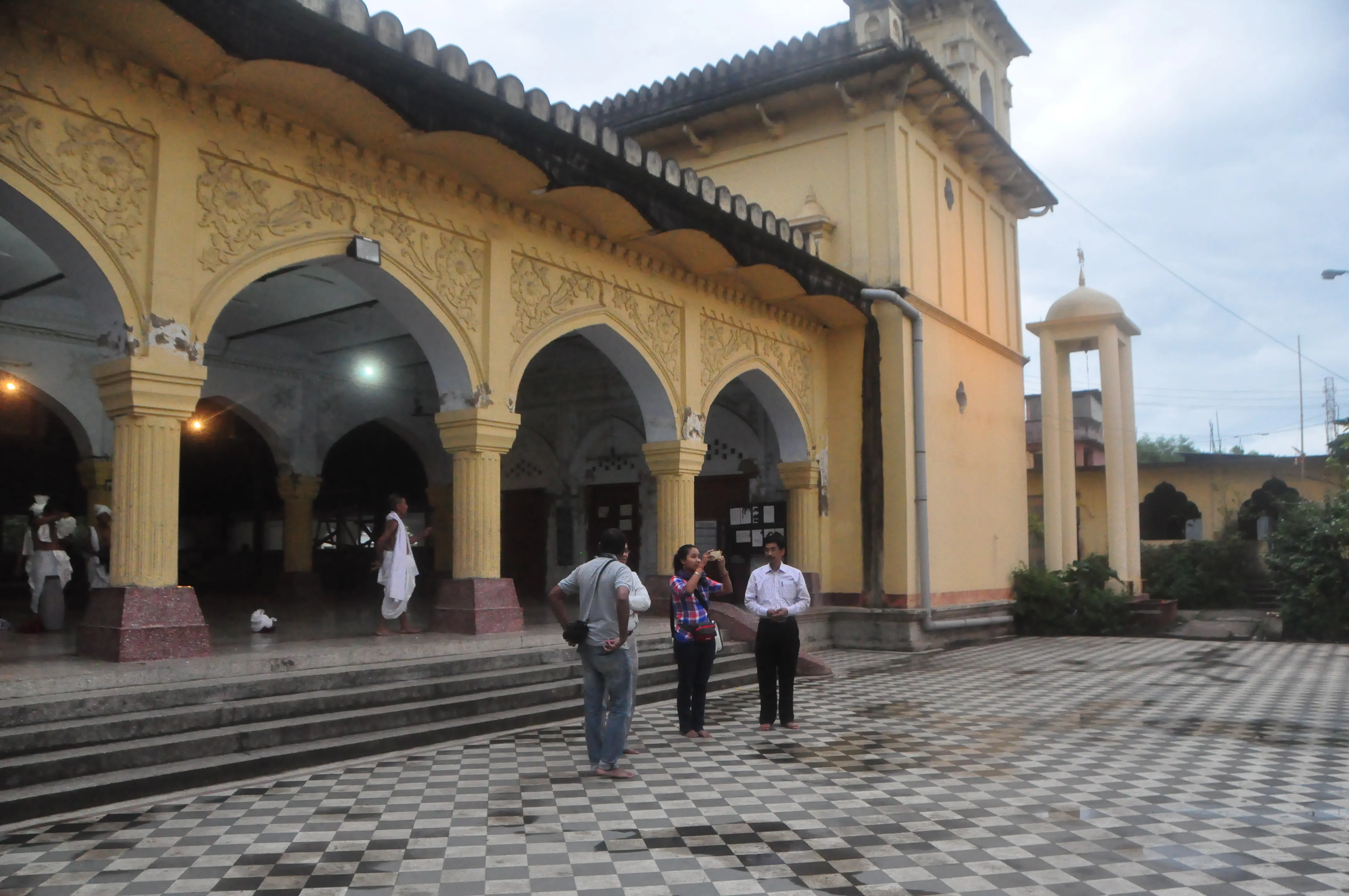
Shree Govindajee Temple Imphal
The shimmering gold roof of the Shree Govindajee Temple, rising above the sprawling complex within Imphal’s palace grounds, immediately captured my attention. Coming from Uttar Pradesh, a land steeped in its own vibrant temple architecture, I was eager to experience this Manipuri gem, a testament to the region’s unique cultural tapestry. The temple, dedicated to Lord Krishna in his Govindajee form, stands as a powerful symbol of Vaishnavism in this northeastern state. Entering the complex, I was struck by the spacious courtyard, a serene expanse that provided a buffer from the bustling city outside. The main temple structure, built in a traditional Manipuri architectural style, is flanked by two smaller shrines dedicated to Radha and Balarama. Unlike the towering stone edifices common in my home state, this temple showcased a different aesthetic. The structure is primarily built of brick, plastered and painted a pristine white, creating a stark contrast against the vibrant gold roof. The roof itself is a marvel, a multi-tiered, curved structure, reminiscent of the traditional Manipuri houses I’d seen dotted across the landscape. This architectural synchronicity, blending religious symbolism with local vernacular, resonated deeply. The temple’s interior, while relatively simple, exudes a palpable sense of devotion. Photography is strictly prohibited inside, a rule I respected, allowing myself to fully immerse in the atmosphere. The absence of visual documentation heightened my other senses. The scent of incense hung heavy in the air, mingling with the soft murmur of prayers. The rhythmic chanting of Sanskrit verses, though different in pronunciation from what I was accustomed to, carried the same spiritual weight, a testament to the universality of religious devotion. I spent some time observing the devotees. Their attire, a blend of traditional Manipuri phanek (sarong) and shawl for women, and dhoti-kurta for men, added another layer of cultural richness to the experience. The reverence in their eyes, the gentle clinking of bells, and the offering of flowers and fruits created a tapestry of faith that transcended geographical boundaries. It was fascinating to witness how Vaishnavism, a faith so deeply rooted in the Gangetic plains, had taken root and flourished in this distant land, adapting and integrating with local traditions. Beyond the main temple, the complex houses several smaller structures, including a dedicated kitchen where prasad is prepared. I was fortunate enough to partake in the noontime offering, a simple yet delicious meal of rice and lentils. Sharing this communal meal with the local devotees further solidified my sense of connection to this sacred space. The Shree Govindajee Temple is more than just a religious structure; it's a living testament to the cultural exchange and adaptation that has shaped Manipur’s identity. The temple’s architecture, rituals, and the very presence of Vaishnavism in this predominantly tribal region speak volumes about the historical and cultural influences that have converged here. As someone deeply interested in the interplay of culture and faith, my visit to the Shree Govindajee Temple was an enriching experience. It offered a glimpse into a unique expression of Hinduism, shaped by the geographical and cultural landscape of Manipur, a world away from the familiar temples of my homeland, yet connected by the same thread of devotion. The temple stands as a symbol of resilience, a beacon of faith that continues to illuminate the lives of the Manipuri people, and a testament to the enduring power of cultural exchange.
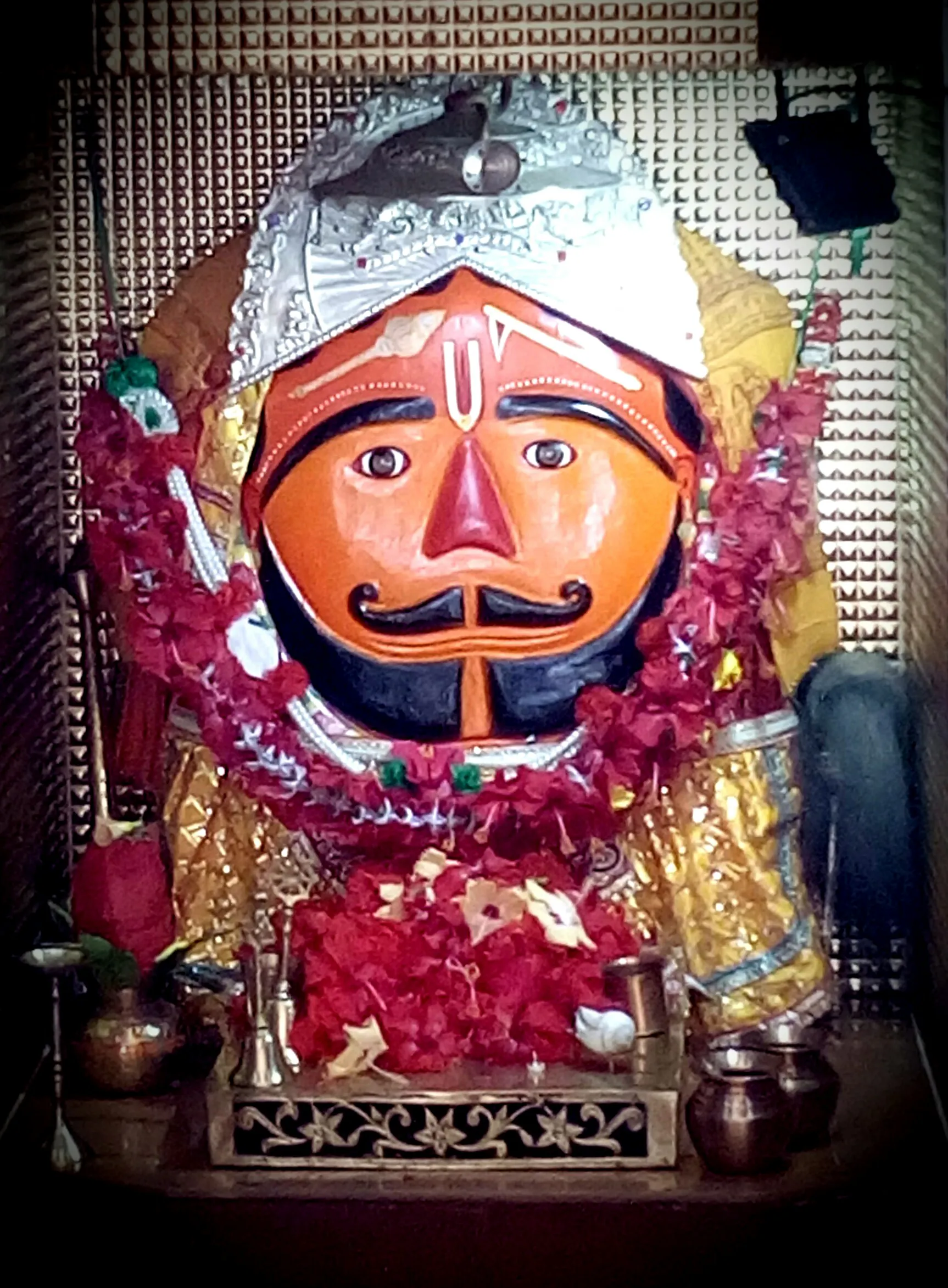
Shree Shree Hanuman Mandir Shillong
The vibrant hues of prayer flags snapped in the wind, a stark contrast against the deep green pines surrounding the Shree Shree Hanuman Mandir in Shillong. Having explored the basalt-carved caves and ancient temples of Maharashtra extensively, I was curious to see how this northeastern temple, dedicated to the monkey god, would compare. The air, crisp and cool even in the afternoon sun, held a different kind of reverence, a quiet hum of devotion that resonated differently from the fervent energy of Maharashtra's religious sites. The temple, perched atop a hill, commands a breathtaking view of Shillong. The climb itself is a pilgrimage of sorts, winding through a path lined with smaller shrines and stalls selling offerings. Unlike the intricate carvings and towering gopurams I'm accustomed to seeing back home, this temple possesses a simpler, more understated elegance. The main structure is predominantly white, with splashes of vibrant red and orange – colours synonymous with Hanuman. The architecture, while incorporating elements of traditional North Indian temple design, also displays a distinct local influence, perhaps in the sloping roof designed to withstand the region's heavy rainfall. Stepping inside, I was struck by the palpable sense of peace. The main deity, a towering statue of Lord Hanuman, dominates the sanctum. His vibrant orange form, chest puffed out in a display of strength and devotion, exudes an aura of powerful tranquility. Unlike the often dimly lit interiors of Maharashtra's ancient caves, this temple is bathed in natural light, filtering through large windows that offer panoramic views of the surrounding hills. The chanting of hymns, though present, was softer, more melodic, almost blending with the rustling of the pines outside. What truly captivated me was the syncretism evident in the temple's atmosphere. While dedicated to a Hindu deity, the temple attracts devotees from various faiths and backgrounds, reflecting the diverse tapestry of Meghalaya's population. I observed Khasi locals alongside devotees from other parts of India, all offering prayers and seeking blessings in their own unique ways. This intermingling of cultures and faiths, a beautiful testament to the region's inclusive spirit, was a refreshing change from the often more homogenous religious landscapes I've encountered elsewhere. The temple complex also houses a smaller shrine dedicated to Lord Shiva, further highlighting this blend of traditions. The lingam, bathed in the soft glow of oil lamps, offered a stark contrast to the vibrant Hanuman statue, yet both deities seemed to coexist harmoniously within the same sacred space. This subtle interplay of different energies, a quiet conversation between different forms of devotion, added another layer of depth to the temple's spiritual ambiance. Outside, the temple grounds offer ample space for reflection and contemplation. I spent some time wandering around, taking in the panoramic views and observing the interactions between devotees. Children played amongst the prayer flags, their laughter echoing through the crisp mountain air, while elders sat quietly, lost in prayer or simply enjoying the serene atmosphere. This sense of community, of shared devotion and peaceful coexistence, was perhaps the most striking aspect of my visit. Leaving the Shree Shree Hanuman Mandir, I felt a sense of quiet rejuvenation. While different from the ancient, rock-cut marvels of my home state, this temple offered a unique spiritual experience, a testament to the power of faith to transcend geographical and cultural boundaries. The vibrant colours, the tranquil atmosphere, and the inclusive spirit of the place left an indelible mark, a reminder that devotion can find expression in myriad forms, each as powerful and moving as the next.
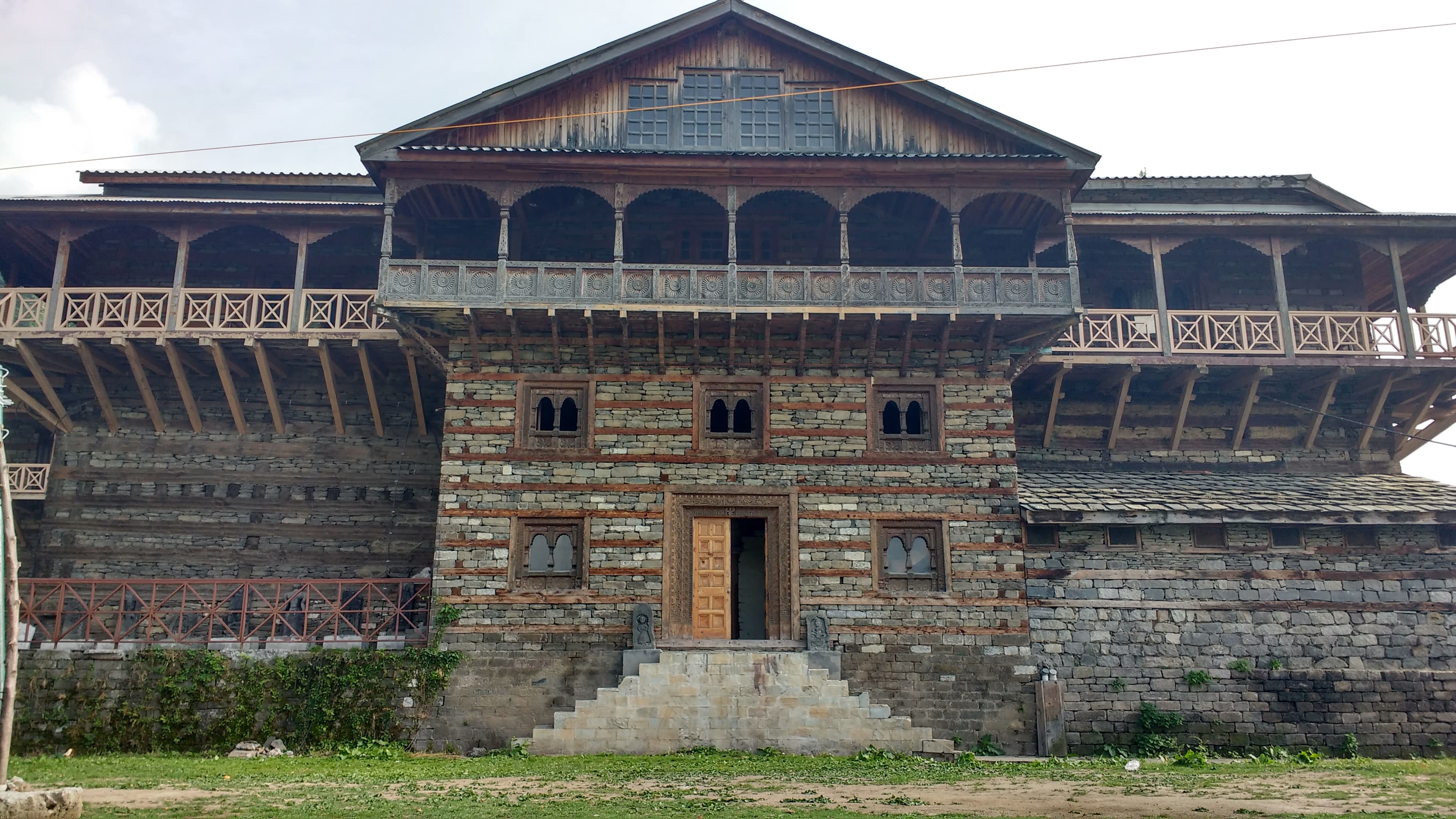
Naggar Fort Kullu
The imposing stone and timber structure of Naggar Fort, perched precariously on a cliff overlooking the Kullu Valley, whispered tales of bygone eras the moment I arrived. Having explored the Mughal architecture of Uttar Pradesh extensively, I was eager to witness this unique blend of Himalayan and Western Himalayan styles. The crisp mountain air, scented with pine, carried with it a sense of history far removed from the plains I call home. The fort, built in the 17th century by Raja Sidh Singh of Kullu, served as the royal residence and later, under British rule, as the administrative headquarters. This layered history is palpable in the architecture itself. The rough-hewn stone walls, reminiscent of the region’s vernacular architecture, speak of a time before colonial influence. These sturdy foundations contrast beautifully with the intricate woodwork of the windows and balconies, a testament to the skills of local artisans. The carvings, while less ornate than the jaali work I’m accustomed to seeing in Uttar Pradesh, possess a rustic charm, depicting deities, floral motifs, and scenes from daily life. Stepping through the heavy wooden doors of the main entrance, I was struck by the relative simplicity of the courtyard. Unlike the sprawling courtyards of Mughal forts, this one felt intimate, almost domestic. The stone paving, worn smooth by centuries of foot traffic, bore silent witness to the countless ceremonies and everyday activities that unfolded within these walls. I spent a considerable amount of time examining the Hatkot temple, dedicated to Tripura Sundari. The tiered pagoda-style roof, a distinct feature of Himalayan architecture, stood in stark contrast to the dome-shaped structures prevalent in my region. The wooden carvings on the temple exterior, though weathered by time, retained a remarkable intricacy. I noticed a recurring motif of the goddess Durga, a powerful symbol resonating with the region's warrior history. Inside the fort, the small museum offered a glimpse into the lives of the Kullu royalty. The collection, while modest, included fascinating artifacts: intricately woven textiles, ancient weaponry, and miniature paintings depicting local legends. One particular exhibit, a palanquin used by the royal family, captured my attention. The ornate carvings and rich velvet upholstery spoke of a bygone era of grandeur and ceremony. Climbing to the upper levels of the fort, I was rewarded with breathtaking panoramic views of the Kullu Valley. The Beas River snaked its way through the valley floor, flanked by terraced fields and orchards. It was easy to imagine the strategic advantage this vantage point offered the rulers of Kullu. The crisp mountain air, the distant sound of temple bells, and the panoramic vista combined to create a truly immersive experience. One aspect that particularly intrigued me was the influence of European architecture, evident in certain sections of the fort. During the British Raj, several additions and modifications were made, including the construction of a European-style kitchen and dining hall. This fusion of architectural styles, while sometimes jarring, offered a unique perspective on the region’s colonial past. It reminded me of the Indo-Saracenic architecture found in some parts of Uttar Pradesh, a similar blend of Eastern and Western influences. Leaving Naggar Fort, I felt a profound sense of connection to the history of the Kullu Valley. The fort stands as a testament to the resilience and adaptability of the region’s people, reflecting the confluence of various cultures and architectural styles. It is a place where the whispers of the past resonate strongly, offering a unique and enriching experience for anyone interested in exploring the rich tapestry of Himalayan history.
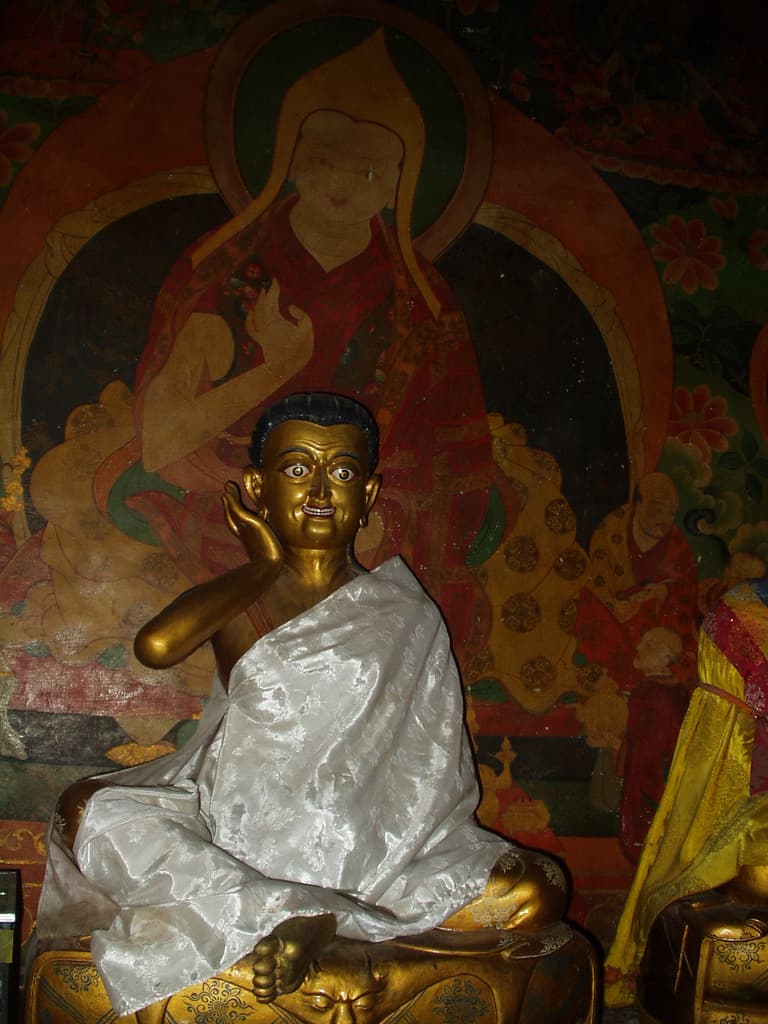
Samye Monastery Dranang Tibet
Samye Monastery, located in Dranang County, Tibet, represents the first Buddhist monastery established in Tibet and stands as one of the most significant religious sites in Tibetan Buddhism, constructed in the 8th century CE during the reign of King Trisong Detsen and modeled directly on the Indian Buddhist monastery of Odantapuri (modern-day Bihar, India), demonstrating the profound transmission of Indian Buddhist monastic architecture and learning traditions to Tibet, which has maintained deep cultural, religious, and historical connections with India for over two millennia. The monastery complex, constructed primarily from stone, wood, and earth with extensive decorative elements, features a unique mandala-based design that replicates the cosmological layout of Odantapuri Monastery, with the central temple representing Mount Meru (the cosmic mountain in Indian cosmology) surrounded by four continents, four directional temples, and numerous subsidiary structures arranged according to Indian Buddhist cosmological principles. The monastery’s architectural design demonstrates direct replication of Indian Buddhist monastery architecture, particularly the Odantapuri model, with the overall plan reflecting mandala-based cosmological principles found in Indian Buddhist architecture, while the construction techniques and decorative elements demonstrate the transmission of Indian architectural and artistic knowledge to Tibet. Archaeological and historical evidence indicates the monastery was constructed under the guidance of Indian Buddhist masters including Shantarakshita (the abbot of Nalanda Monastery in India) and Padmasambhava (Guru Rinpoche), who traveled from India to Tibet specifically to establish Buddhist monastic traditions, reflecting the active religious and cultural exchange between Tibet and India during the 8th century. The monastery served as the first center for the translation of Indian Buddhist texts from Sanskrit into Tibetan, establishing the foundation for Tibetan Buddhist scholarship and learning that would flourish for over a millennium, with Indian scholars and texts continuing to influence Tibetan Buddhism throughout history. The monastery has undergone multiple reconstructions following damage, with significant restoration work conducted in recent decades, while preserving its connection to Indian Buddhist architectural and religious traditions. Today, Samye Monastery continues to serve as an important place of Buddhist worship and learning in Tibet, demonstrating the enduring influence of Indian Buddhist traditions on Tibetan culture and serving as a powerful symbol of Tibet’s deep connections to Indian civilization. ([1][2])
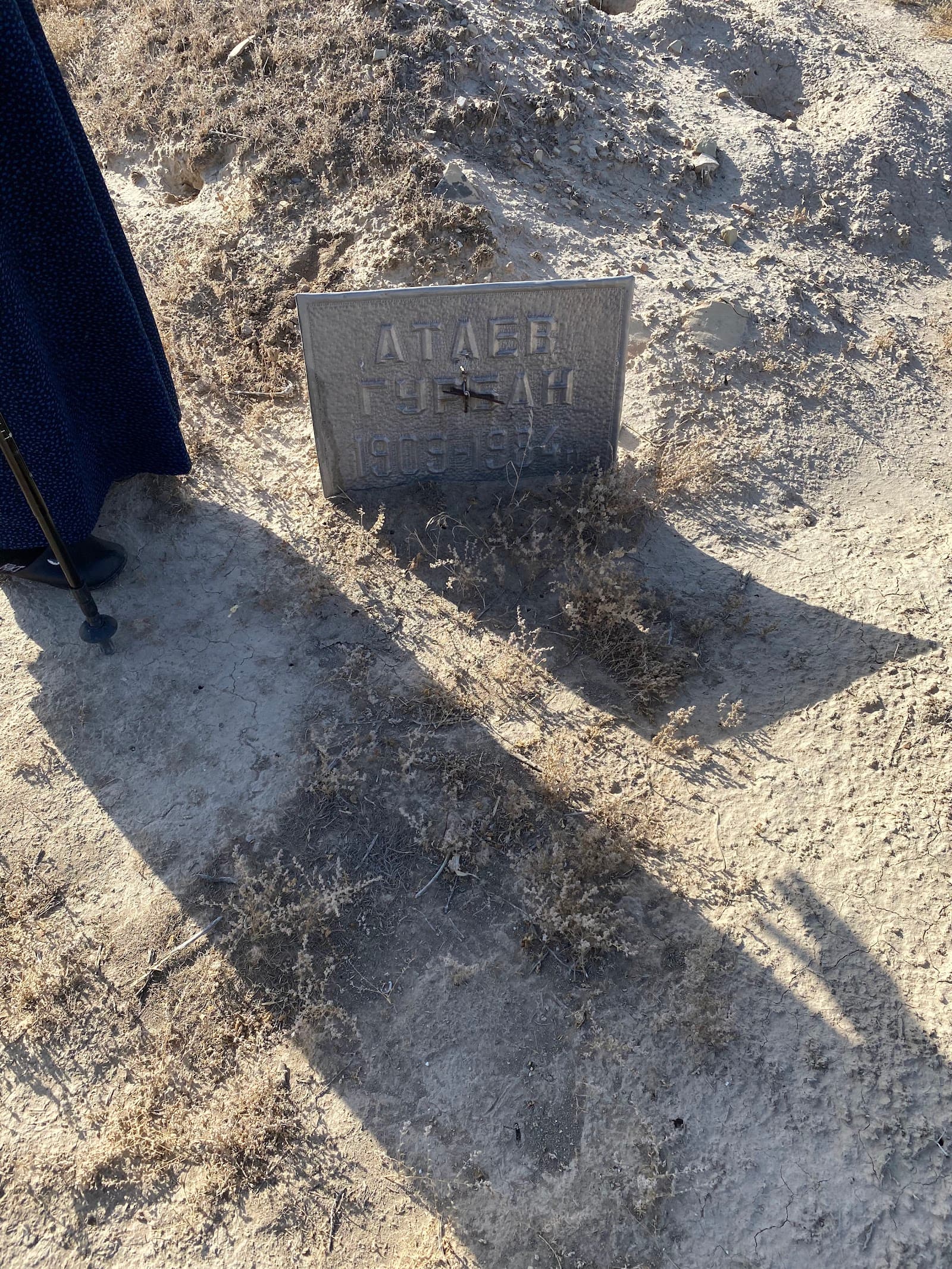
Namazga-Tepe Ahal Region Turkmenistan
Namazga-Tepe, an ancient Bronze Age settlement located in the Ahal Region of Turkmenistan, stands as a monumental testament to the sophisticated urban planning and cultural dynamism of the Namazga culture, deeply intertwined with the broader cultural continuum that includes the Indian subcontinent [1] [2]. Situated at the foot of the Kopet-Dag mountains, near the delta of the Tejen River, approximately 100 kilometers east of Aşgabat, this archaeological site represents a pivotal center in the ancient world, reflecting indigenous architectural styles and advanced societal organization [1] [3]. The site spans an impressive area of approximately 60 hectares (145 acres), indicating its significant size and importance as a proto-urban and later urban center during its peak phases [1] [2]. The architectural remains at Namazga-Tepe primarily showcase the Bronze Age Settlement architecture style, characterized by extensive mud-brick constructions that formed residential complexes, public buildings, and defensive structures [1] . While specific dimensions of individual structures vary across the site's numerous occupational layers, the overall layout reveals a planned settlement, evolving from a village in the Late Chalcolithic to a major urban hub [1]. Archaeological excavations have unearthed detailed painted pottery vessels, adorned with intricate plant and animal motifs, which exhibit stylistic affinities with contemporary ceramic wares from the Middle East, highlighting extensive regional interactions [2]. The construction techniques employed primarily involved sun-dried mud bricks, a prevalent material in the arid Central Asian environment, demonstrating an indigenous adaptation to local resources and climatic conditions [1]. Conservation efforts at Namazga-Tepe are ongoing, primarily focusing on archaeological excavation, documentation, and site preservation to protect its fragile mud-brick structures from environmental degradation . Archaeological findings have been instrumental in establishing the chronological sequence for the Bronze Age in Turkmenistan, categorizing periods from Namazga I through Namazga VI [1] . The site is reported to be on the UNESCO Tentative List, signifying its recognized universal value and potential for future World Heritage inscription, although a specific UNESCO page detailing its nomination is not readily available . Active programming at the site primarily involves scholarly research and archaeological fieldwork, with visitor access managed to ensure the preservation of the delicate ancient remains. The site's current state reflects continuous archaeological investigation and maintenance, ensuring its long-term preservation for future study and appreciation of its profound historical significance . Namazga-Tepe remains an enduring symbol of ancient ingenuity and cultural exchange, contributing significantly to the understanding of early urbanism and its connections across Eurasia, including the Indian subcontinent [3] [4].
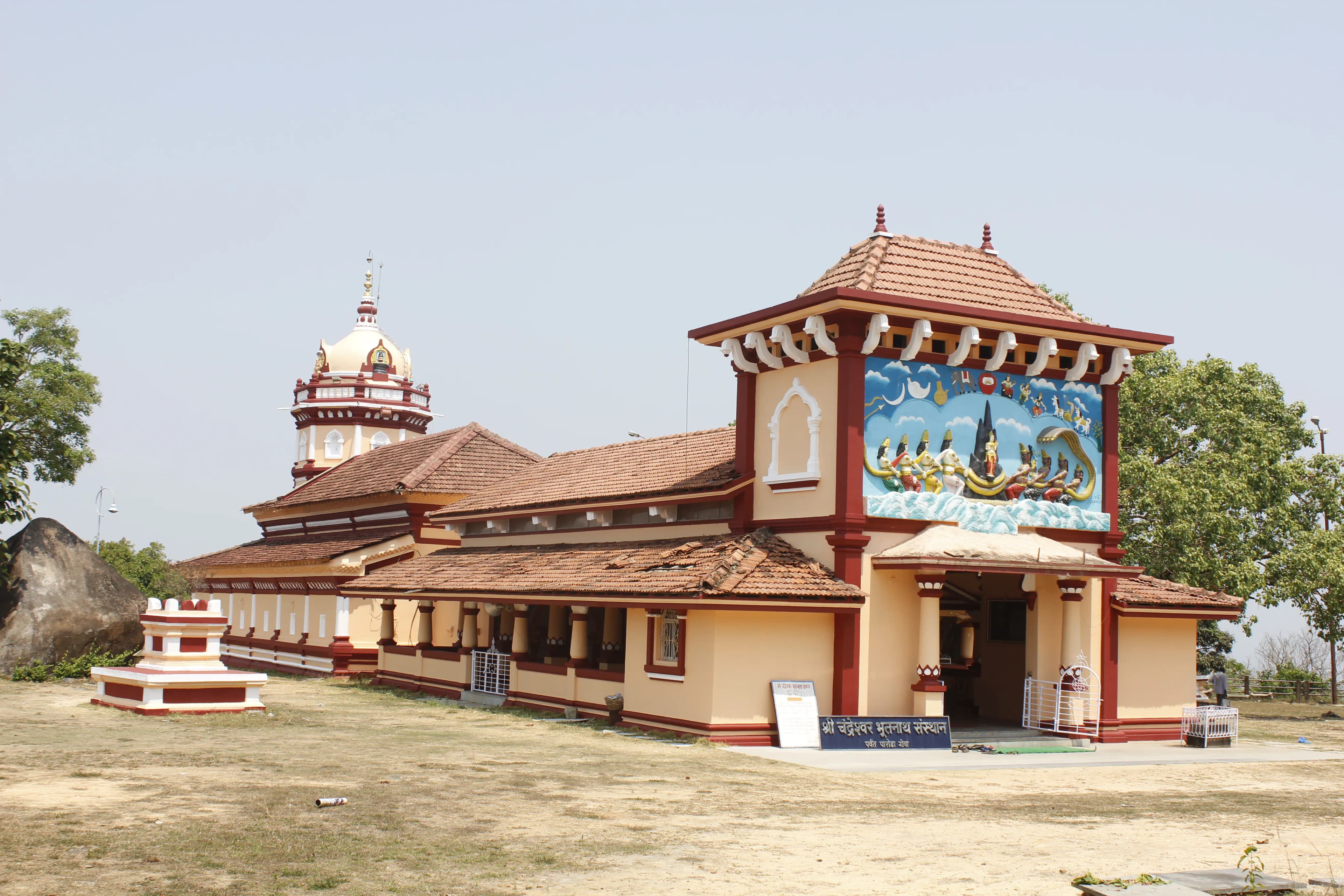
Chandreshwar Bhootnath Temple Quepem
Nestled atop Chandranath Hill, near Quepem, Goa, the Chandreshwar Bhootnath Temple, constructed around 1050 CE during the Kadamba period, provides insights into Goa's architectural legacy ([1][2]). Its stark beauty is derived from the utilization of grey laterite stone, harmonizing with the surrounding landscape ([3]). The temple showcases an Indo-Aryan Nagara style, distinguished by its curvilinear Shikhara (spire), echoing architectural designs prevalent in North Karnataka temples ([4]). During the Kadamba era, temple architecture strategically favored hilltop locations, possibly for defensive purposes and enhanced visibility ([4][5]). Stone platforms and foundations reflect the patronage of the Kadamba Dynasty, who were known for supporting religious and cultural endeavors ([5]). Within the Mandapa (pillared hall), the sturdy columns may indicate Vijayanagara influences, reflecting the interconnectedness of regional styles ([1]). Intricate carvings adorning the walls depict deities, mythical creatures, and floral patterns, demonstrating the craftsmanship of ancient artisans ([3]). One notable panel portrays Shiva’s Tandava, the cosmic dance, capturing dynamic energy in stone ([2]). A small shrine dedicated to the Saptamatrikas (seven mother goddesses) underscores Shakta traditions, highlighting the diverse religious practices of the time ([1]). The use of laterite, basalt, granite, and wood in the temple's construction reflects the availability of local materials and the Kadamba's resourcefulness ([3][4]). The temple, with its historical significance and artistic elements, stands as a testament to the Kadamba Dynasty's cultural contributions to the region ([1][2]).
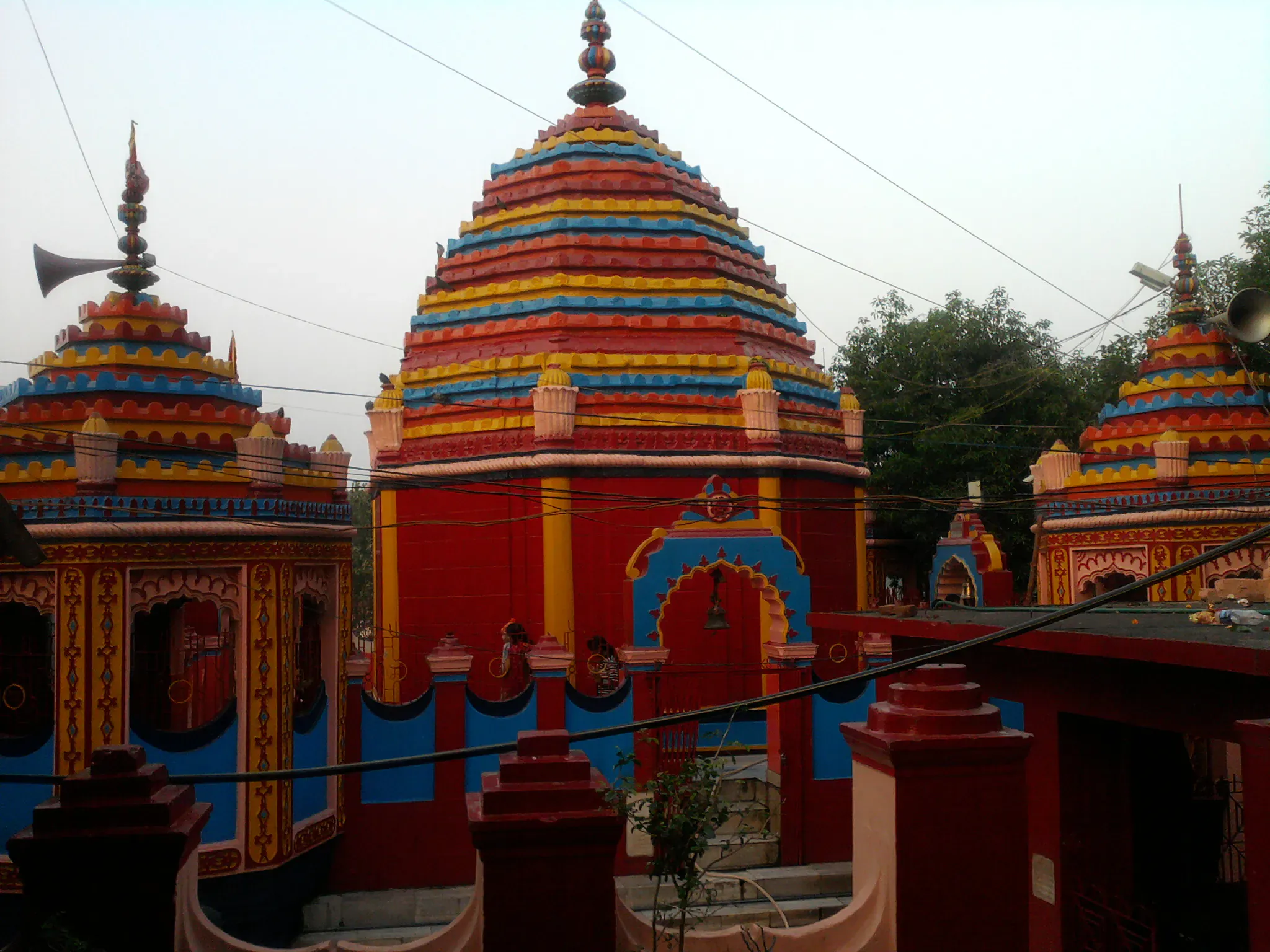
Chhinnamasta Temple Ramgarh
Nestled amidst the picturesque hills of Jharkhand, the Chhinnamasta Temple in Ramgarh provides a captivating glimpse into the region's rich architectural and spiritual heritage ([1][2]). Constructed around 1350 CE, during the Eastern Ganga Dynasty, this temple is dedicated to the unique tantric goddess Chhinnamasta, with patronage from the Chero Chiefs ([1][3]). The temple's architecture represents a fascinating Nagara-Kalinga hybrid style, showcasing the blending of distinct regional influences ([2][4]). Granite and sandstone blocks, meticulously carved by skilled artisans, constitute the primary building materials ([1][5]). The towering curvilinear Shikhara (spire), a defining feature of Nagara architecture, dominates the temple's skyline, rising majestically above the Garbhagriha (Sanctum) ([2][4]). Laterite stone, locally sourced, adds an earthy hue to the structure, contrasting with the intricate ornamentation that graces its surfaces ([3][5]). This harmonious blend of materials and styles reflects the architectural prowess of the Eastern Ganga period. Within the Garbhagriha, the striking iconography of the goddess Chhinnamasta takes center stage, depicting her self-decapitation as a profound symbol of self-sacrifice and cosmic renewal ([2][3]). The temple's design integrates tantric principles, emphasizing the interconnectedness of seemingly opposing forces, a concept deeply rooted in ancient Indian philosophy ([4][5]). Further, the temple exemplifies the enduring legacy of Indian temple architecture, seamlessly blending regional materials, artistic craftsmanship, and profound spiritual symbolism, offering a unique cultural experience ([1][2]). The Chhinnamasta Temple is a testament to India's architectural diversity.

Nazarbaug Palace Vadodara
The midday sun beat down on Vadodara, casting long shadows across the manicured lawns leading up to Nazarbaug Palace. Having explored countless Mughal and Rajput architectural marvels across North India, I was curious to see what this Gaekwad dynasty legacy held within its walls. The palace, though not as imposing as some of the Rajasthan forts I’ve traversed, exuded a quiet dignity, a subtle grandeur that hinted at the stories it held. The first thing that struck me was the intriguing blend of architectural styles. While the overall structure retained a distinctly Indian sensibility, European influences were evident in the arched windows, the ornate balconies, and the delicate filigree work adorning the façade. It was a testament to the Gaekwads' embrace of modernity while holding onto their heritage. The palace, I learned, was built in phases, starting in the early 18th century and undergoing several expansions and renovations over the years, resulting in this fascinating architectural amalgamation. Stepping inside, I was transported to a world of opulent interiors. The Darbar Hall, the heart of the palace, was breathtaking. Chandeliers, imported from Europe, cascaded from the high ceilings, casting a warm glow on the intricate mosaic floors. The walls were adorned with portraits of the Gaekwad rulers, their stern gazes seemingly following me as I walked through the hall. I could almost imagine the grand durbars held here, the hall echoing with music and laughter, a hub of political power and social gatherings. One of the most captivating aspects of Nazarbaug Palace is its collection of personal belongings of the Gaekwad family. Unlike many museums that showcase artifacts behind ropes and glass, here, you get a glimpse into the lives of the royals. From intricately carved furniture to delicate porcelain dinner sets, each item whispered stories of a bygone era. I was particularly fascinated by the collection of vintage clocks, each a miniature masterpiece of craftsmanship, frozen in time. It was a poignant reminder of the ephemeral nature of power and grandeur. Moving beyond the Darbar Hall, I explored the residential wings of the palace. The rooms, though now largely empty, retained an echo of their former occupants. I peered into the royal bedrooms, imagining the lives lived within these walls, the joys and sorrows, the triumphs and tribulations of a dynasty. The faded remnants of wallpaper and the worn patches on the wooden floors spoke volumes about the passage of time and the inevitable decay that even palaces are subject to. The palace grounds, though not expansive, offered a welcome respite from the city’s hustle. The manicured gardens, dotted with fountains and statues, provided a tranquil setting. I spent some time wandering through the pathways, admiring the vibrant bougainvillea and the fragrant jasmine, trying to capture the essence of this historical oasis. However, the highlight of my visit was undoubtedly the opportunity to see the Gaekwad’s collection of jewels. Housed in a secure vault within the palace, the collection includes some of the most exquisite pieces I have ever seen. The legendary Star of Baroda, a 78.5-carat diamond necklace, though no longer part of the collection (it was auctioned off years ago), was represented through photographs and historical accounts, leaving me awestruck by its former glory. The remaining jewels, including intricately designed necklaces, bracelets, and earrings, were a testament to the Gaekwads' immense wealth and their refined taste. Leaving Nazarbaug Palace, I felt a sense of melancholy. The palace, with its blend of architectural styles, its opulent interiors, and its poignant stories, offered a captivating glimpse into a vanished world. It was a reminder of the ebb and flow of history, the rise and fall of dynasties, and the enduring power of heritage. As I stepped back into the bustling streets of Vadodara, the quiet grandeur of Nazarbaug Palace lingered in my mind, a testament to the rich tapestry of India's past.
Quick Links
Plan Your Heritage Journey
Get personalized recommendations and detailed visitor guides