Has Inheritage Foundation supported you today?
Your contribution helps preserve India's ancient temples, languages, and cultural heritage. Every rupee makes a difference.
Secure payment • Instant 80G certificate
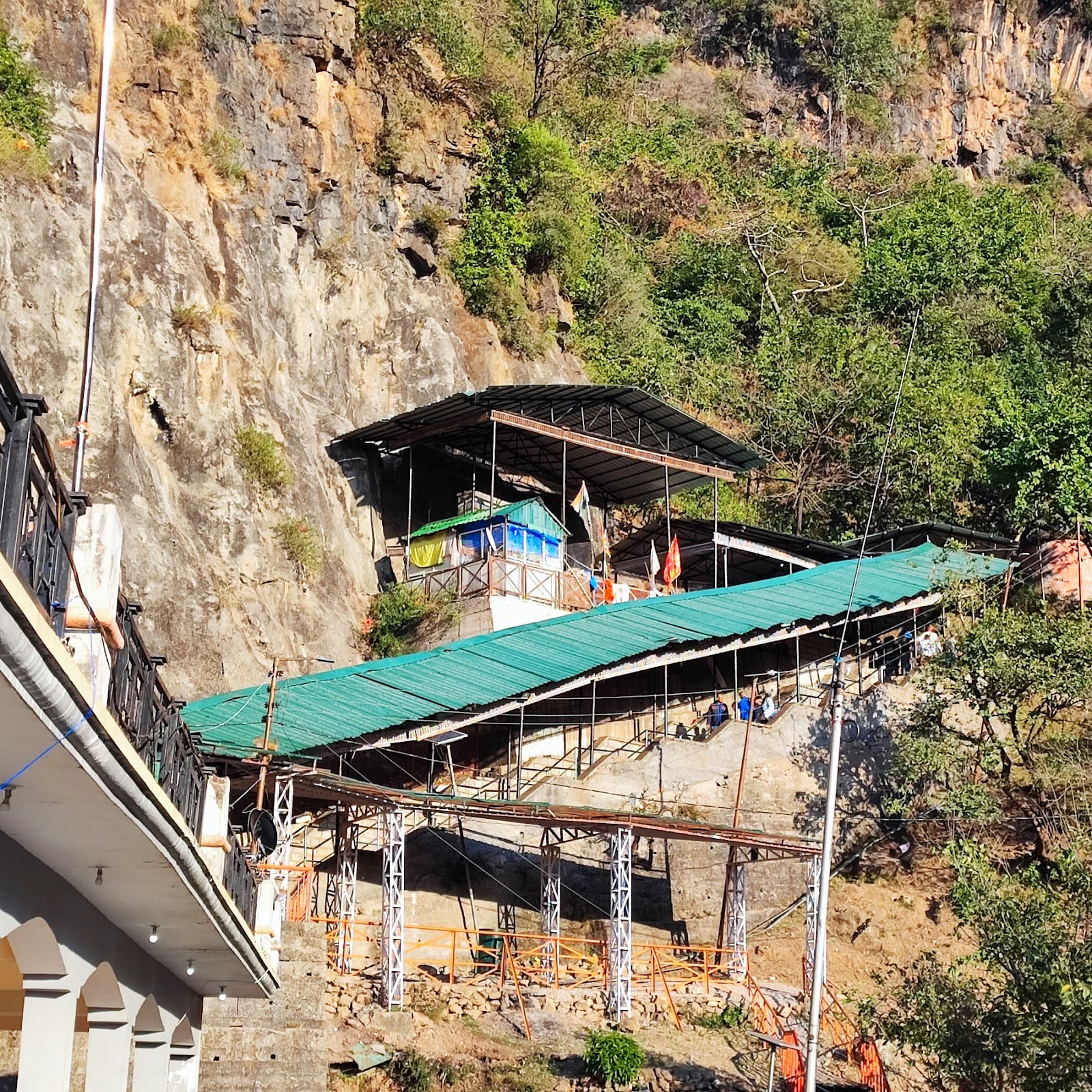
Shivkhori Cave Shrine Ransoo
The air hung heavy with the scent of pine and incense as I began the 2.5 km trek to Shivkhori, a cave shrine nestled in the Trikuta hills of Jammu's Reasi district. The path, though paved, was steep in places, winding through a landscape punctuated by vendors selling prasad and trinkets. The rhythmic chants of "Bum Bum Bhole" echoing from portable speakers carried on the breeze, creating an atmosphere of anticipation. Having explored countless ancient sites across North India, I was eager to experience this revered natural wonder. The entrance to the Shivkhori cave itself is unassuming, a narrow fissure in the rock face. Ducking low, I entered a world dramatically different from the sun-drenched landscape outside. The cool, damp air within the cave offered a welcome respite from the heat. As my eyes adjusted to the dimness, the sheer scale of the cavern began to unfold. The cave, a natural formation, stretches nearly 150 meters deep, its ceiling soaring high above. The path underfoot, now smoothly paved and well-lit, led deeper into the earth's embrace. The first thing that struck me was the remarkable natural architecture of the cave. Stalactites, formed over millennia by dripping water, hung like ornate chandeliers from the ceiling, their surfaces glistening under the strategically placed lights. The walls, sculpted by the relentless forces of nature, displayed a fascinating array of textures and patterns. At certain points, the cave narrowed, creating a sense of intimacy, while in other areas, it opened into vast chambers, evoking a sense of awe. The cave's main chamber houses the naturally formed Shiva lingam, the central object of worship. It's a remarkable sight – a cylindrical stalagmite, continuously bathed by a steady drip of water from the cave ceiling. The water, considered sacred, collects in a small pool at the base of the lingam. The air here was thick with the fragrance of incense and the murmur of prayers. Devotees, their faces illuminated by the soft glow of lamps, offered their respects with a palpable sense of reverence. I observed the intricate silver ornamentation adorning the lingam, a testament to the shrine's significance. Beyond the main chamber, the cave continues to twist and turn, revealing further wonders. I noticed several smaller formations, each bearing a resemblance to various deities in the Hindu pantheon, pointed out by the local guides. While some might dismiss these as mere coincidences, the unwavering faith of the pilgrims imbues them with profound meaning. My experience at Shivkhori was more than just a visit to a geological marvel. It was an immersion into a living, breathing tradition. The journey through the cave, from the bright sunlight outside to the hushed sanctity within, felt like a symbolic pilgrimage, a shedding of the mundane to connect with something larger than oneself. The natural beauty of the cave, combined with the deep-rooted faith of the devotees, creates an atmosphere that is both captivating and deeply moving. Leaving the cool darkness of the cave and emerging back into the sunlight, I carried with me not just photographs and memories, but a profound sense of the power of nature and faith. Shivkhori is more than just a cave; it's a testament to the enduring human need for connection, both with the natural world and the divine. It’s a place I would recommend to anyone seeking a unique spiritual experience amidst the breathtaking landscapes of Jammu and Kashmir.
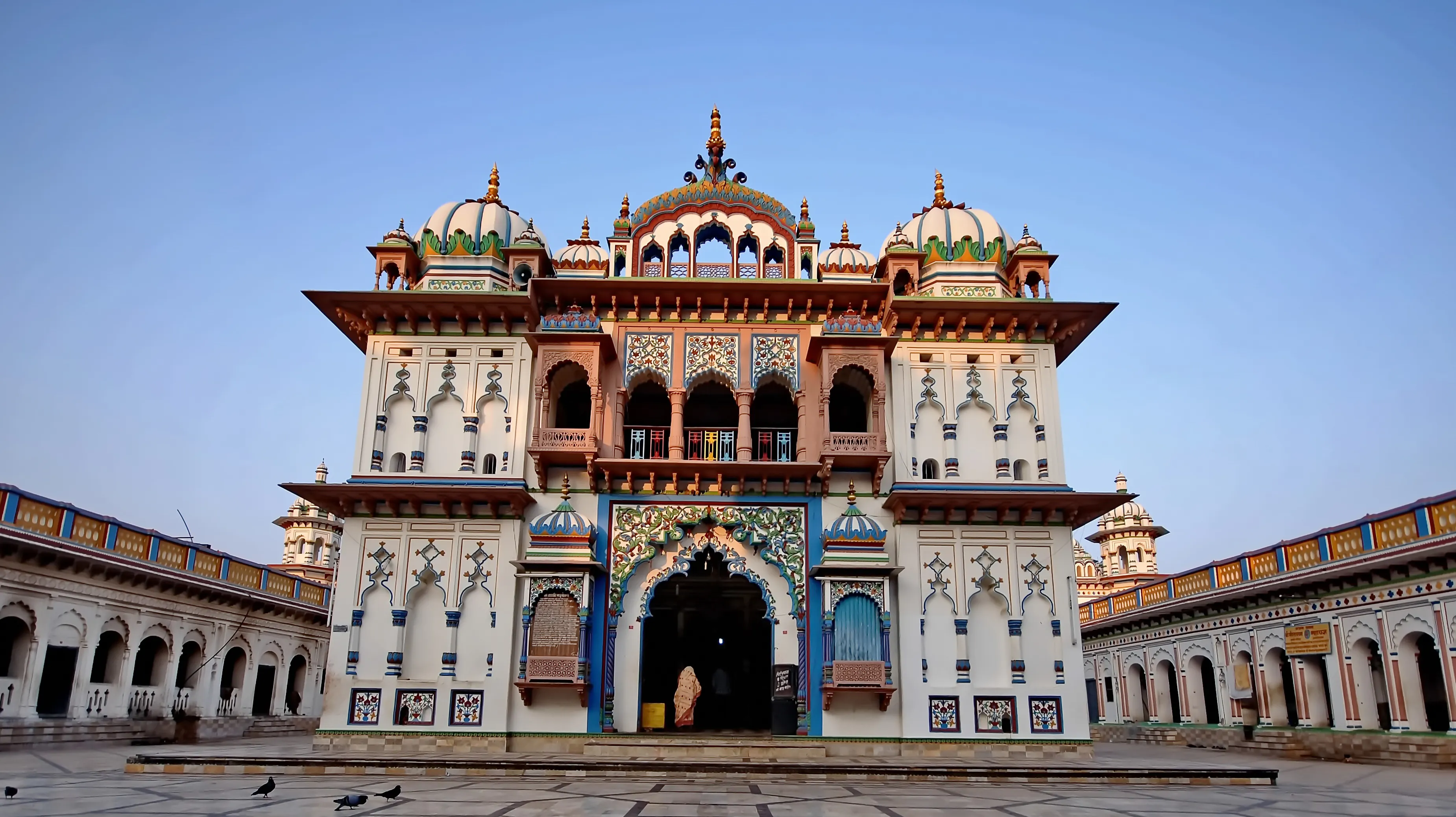
Sita Kund Munger
The midday sun beat down on Munger, casting long shadows that danced across the ancient stones of Sita Kund. Having explored the labyrinthine caves and soaring temples of Maharashtra, I arrived at this Bihar pilgrimage site with a sense of anticipation, eager to experience a different flavour of sacred India. Sita Kund, nestled amidst the bustling city, is a compact temple complex radiating a quiet, unassuming spirituality. It doesn't boast the grandeur of Ellora or the intricate carvings of Ajanta, but its simplicity holds a unique charm. The main attraction, the Kund itself, is a rectangular water tank enclosed within a modest structure. The water, believed to be sacred, is surprisingly clear despite the constant flow of devotees taking a holy dip. Local legend claims Sita, the exiled queen from the epic Ramayana, bathed here, lending the site its name and sanctity. While I couldn't verify the mythological claims, the palpable reverence of the pilgrims was undeniable. Women in vibrant sarees offered prayers, the scent of incense mingling with the humid air, creating an atmosphere thick with devotion. The architecture of the temple surrounding the Kund is a blend of simple practicality and subtle artistry. Unlike the elaborate rock-cut marvels I'm accustomed to in Maharashtra, Sita Kund showcases a more straightforward brick and mortar construction. The walls are adorned with faded frescoes depicting scenes from the Ramayana, their muted colours whispering tales of ancient devotion. While time and weather have taken their toll, these remnants offer glimpses into the artistic sensibilities of a bygone era. I noticed the recurring motif of the lotus flower, a symbol of purity and divinity, subtly incorporated into the pillars and archways. The architectural style, while not overtly ornate, reflects a quiet elegance, a testament to the enduring power of faith. Climbing the narrow staircase to the rooftop offered a panoramic view of Munger. The sprawling cityscape contrasted sharply with the serene atmosphere of the Kund below. From this vantage point, I could appreciate the temple's strategic location, a spiritual oasis amidst the urban hustle. The rooftop also houses a small shrine dedicated to Lord Rama, Sita's husband. The simple idol, adorned with fresh flowers, seemed to gaze serenely over the city, a silent guardian of its inhabitants. What struck me most about Sita Kund wasn't its architectural magnificence or historical significance, but the genuine devotion of the people. I witnessed families sharing quiet moments of prayer, elderly women chanting mantras with closed eyes, and young children offering flowers with innocent enthusiasm. This unpretentious display of faith, devoid of any ostentation, was deeply moving. It reminded me that spirituality isn't confined to grand temples and elaborate rituals; it can be found in the simplest of acts, in the quiet corners of a bustling city. As I left Sita Kund, the chants of the devotees still resonated in my ears. The experience was a refreshing departure from the grandeur I'm used to in Maharashtra's caves and temples. It was a reminder that the essence of faith lies not in the size or splendor of a structure, but in the sincerity of the hearts that seek solace within its walls. Sita Kund, in its unassuming simplicity, offers a powerful testament to the enduring human need for connection with the divine. It's a place where mythology and reality intertwine, where the whispers of ancient legends blend with the fervent prayers of modern devotees, creating a tapestry of faith that transcends time.
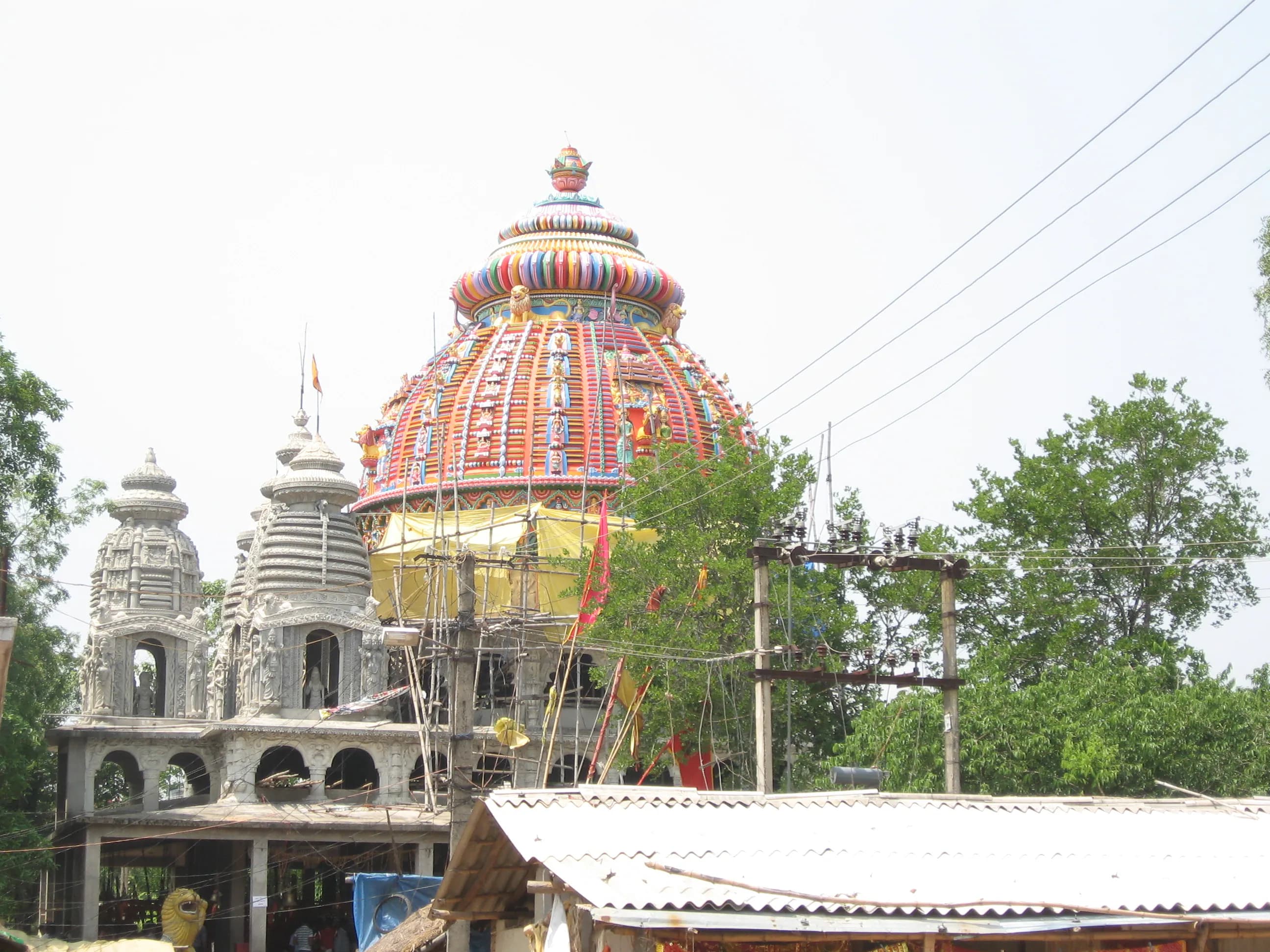
Dewri Temple Ranchi
Amidst the verdant landscapes of Jharkhand stands Dewri Mandir, a unique testament to India's architectural heritage, built around 1750 CE during the British Colonial Period ([1][2]). This temple, dedicated to the Sun God Surya, showcases a captivating blend of Nagara style architecture with regional influences ([3]). The Nagvanshi King Pratap Karna's patronage shaped this sacred space, imbuing it with a distinct identity ([1]). Intricate carvings adorning the walls narrate tales from Hindu epics, the Ramayana and Mahabharata, rendered in terracotta, clay bricks and stone ([4]). This temple deviates from typical Nagara structures, evident in its curvilinear Shikhara (spire) reminiscent of Odishan architecture, yet embraces the terracotta artistry of Bengal ([3]). The temple's construction utilizes laterite stone, a common material in the region, adding to its unique character ([2]). Within the Garbhagriha (sanctum), the deities Shiva, Durga, and Ganesha are venerated, their iconography reflecting localized interpretations of pan-Indian traditions ([5]). Vastu Shastra principles, the ancient Indian science of architecture, likely guided the temple's layout, though specific textual references are yet to be definitively established ([6]). The use of vibrant colors, though faded with time, hints at the temple's former splendor, creating a visually stunning spectacle ([4]). Stone platforms and foundations demonstrate the enduring construction techniques employed, ensuring the temple's resilience through the centuries ([2]). This sacred site remains an active center of worship, where devotees gather to perform puja (prayers), bridging the past and present ([5]). Dewri Mandir stands as a reminder of India's diverse architectural traditions, inviting exploration and reverence. The temple is located on Dewri Mandir Road, Ranchi (835222), Jharkhand, India ([1]).
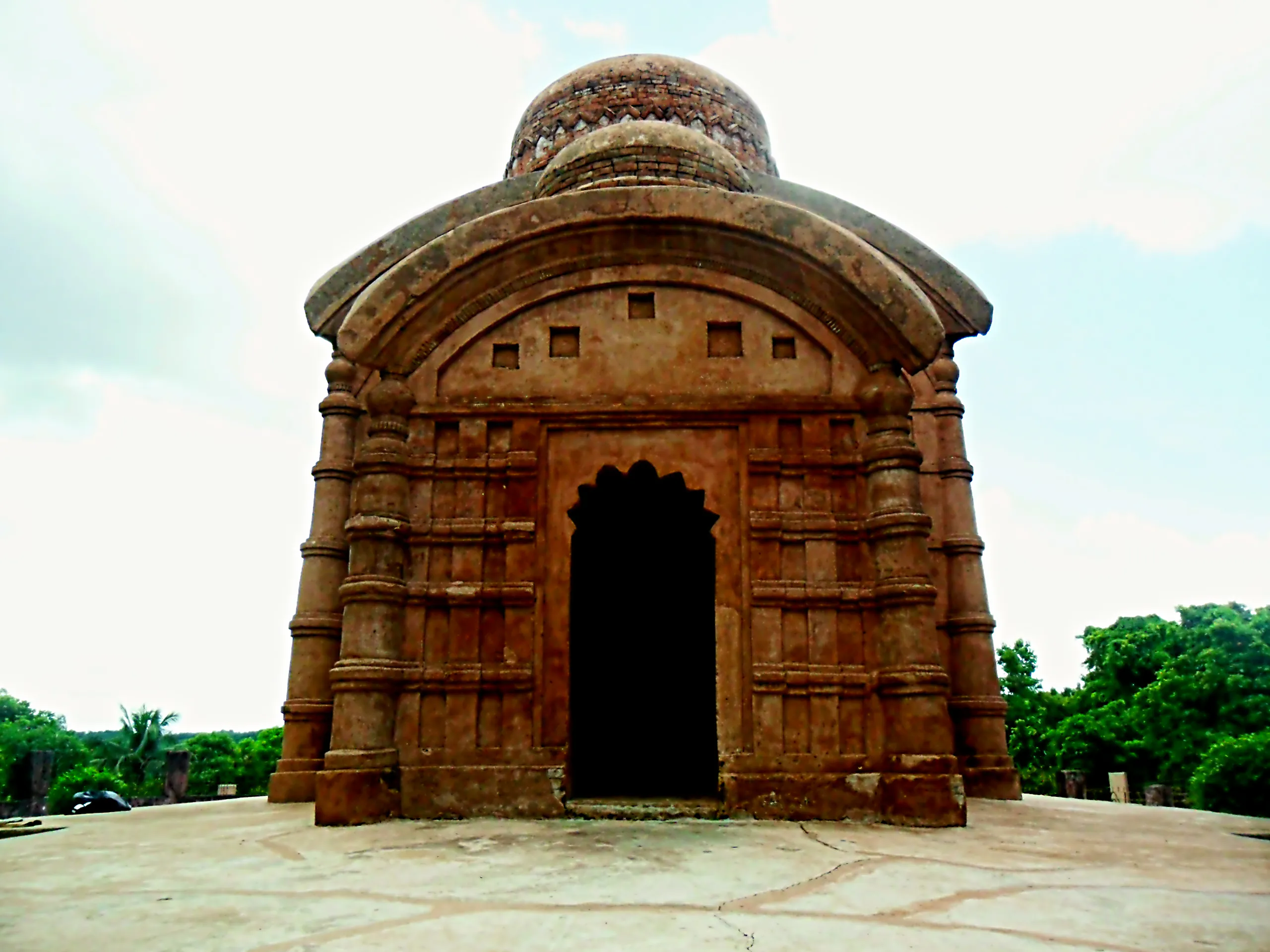
Bhubaneswari Temple Udaipur Tripura
Enshrined in the heart of Tripura, the Bhubaneswari Temple stands as a testament to the region's rich cultural and architectural heritage ([1]). Constructed in 1660 CE by Maharaja Govinda Manikya of the Tripura Royal Family, this sacred space is dedicated to Goddess Bhubaneswari ([2]). The temple's Nagara architectural style, infused with Bengali influences, distinguishes it from traditional North Indian temples ([3][4]). Instead of towering Shikhara (Spire), it features a curvilinear roof, characteristic of the region's unique aesthetic ([4]). Intricate carvings adorning the walls narrate tales from Hindu mythology and local folklore, reflecting the syncretic traditions of Tripura ([1][2]). These terracotta panels, crafted from fired brick and mud brick, showcase the skill of local artisans ([3][5]). While lacking the elaborate stone carvings of other regions, their rustic charm adds to the temple's unique appeal ([1]). The use of terracotta speaks to the readily available materials and the ingenuity of the builders ([3][5]). Within the Garbhagriha (Sanctum), the deity resides in the form of a simple yet revered idol, adorned with vibrant silks and fragrant flowers ([1]). Smaller shrines dot the temple complex, indicating a confluence of Hindu and tribal beliefs, further enriching the site's spiritual significance ([2][3]). During the Ahom period, temple architecture in the region saw a flourishing of unique styles, blending indigenous traditions with wider Indian influences ([2][4]). Vastu Shastra principles, the ancient Indian science of architecture, likely guided the temple's layout and orientation, ensuring harmony and balance ([5]). This sacred space serves as a living embodiment of Tripura's cultural tapestry, a blend of traditions and beliefs that continues to resonate through the ages ([1][2]).
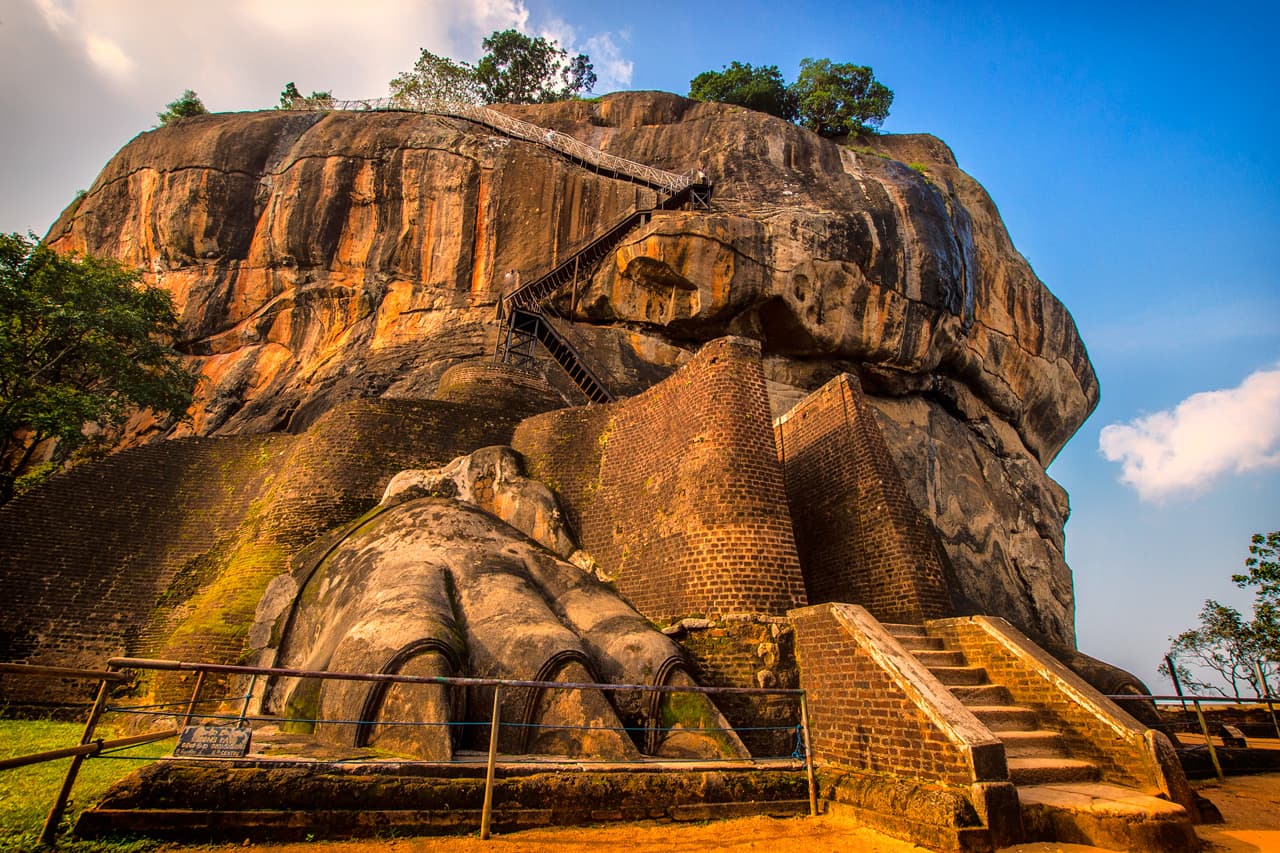
Sigiriya Rock Fortress Central Province Sri Lanka
Sigiriya, dramatically rising 200 meters above the surrounding plains as a massive granite monolith in central Sri Lanka, represents one of the most extraordinary and archaeologically significant rock fortresses and palace complexes in South Asia, constructed in the 5th century CE during the reign of King Kashyapa as a sophisticated fortress-palace that demonstrates the profound transmission of Indian artistic, architectural, and urban planning traditions to Sri Lanka, creating a powerful testament to the sophisticated synthesis of Indian and Sri Lankan cultural traditions. The rock fortress, also known as the Lion Rock, features extraordinary architectural elements including a sophisticated palace complex atop the rock summit, elaborate water gardens at the base, and the famous Sigiriya frescoes depicting celestial maidens (apsaras) that demonstrate clear Indian artistic influences, particularly from the great artistic centers of India including Ajanta, Ellora, and the Gupta period artistic traditions, while the frescoes' sophisticated execution, vibrant colors, and iconographic accuracy demonstrate the sophisticated understanding of Indian artistic traditions possessed by Sri Lankan artists. The fortress's most remarkable feature is its sophisticated urban planning, including elaborate water gardens with sophisticated hydraulic engineering, terraced gardens, and architectural elements that demonstrate the direct transmission of Indian garden design and urban planning principles from the great cities of ancient India, while the fortress's palace complex, with its sophisticated layout including audience halls, residential quarters, and defensive structures, demonstrates the direct transmission of Indian palace architecture and planning principles to Sri Lanka. Archaeological evidence reveals that the fortress served as both a royal residence and a defensive stronghold, while the discovery of numerous inscriptions, graffiti, and architectural elements provides crucial evidence of the site's role in the transmission of Indian artistic and architectural traditions to Sri Lanka, demonstrating the sophisticated understanding of Indian cultural traditions possessed by the Sri Lankan court and artistic establishment. The fortress's association with the Ramayana epic, with local traditions identifying the site as associated with Ravana, the legendary king of Lanka, demonstrates the sophisticated understanding of Indian epic traditions that were transmitted to Sri Lanka, while the fortress's location and design demonstrate the sophisticated synthesis of Indian and local Sri Lankan architectural and artistic traditions. The fortress complex has been the subject of extensive archaeological research and conservation efforts, with ongoing work continuing to reveal new insights into the site's sophisticated architecture, art, and engineering, while the site's status as one of the best-preserved examples of ancient urban planning demonstrates its significance as a major center for the transmission of Indian cultural traditions to Sri Lanka. Today, Sigiriya stands as a UNESCO World Heritage Site and represents one of the most important archaeological sites in South Asia, serving as a powerful testament to the transmission of Indian artistic, architectural, and urban planning traditions to Sri Lanka, while ongoing archaeological research and conservation efforts continue to protect and study this extraordinary cultural treasure that demonstrates the profound impact of Indian civilization on Sri Lankan cultural traditions. ([1][2])
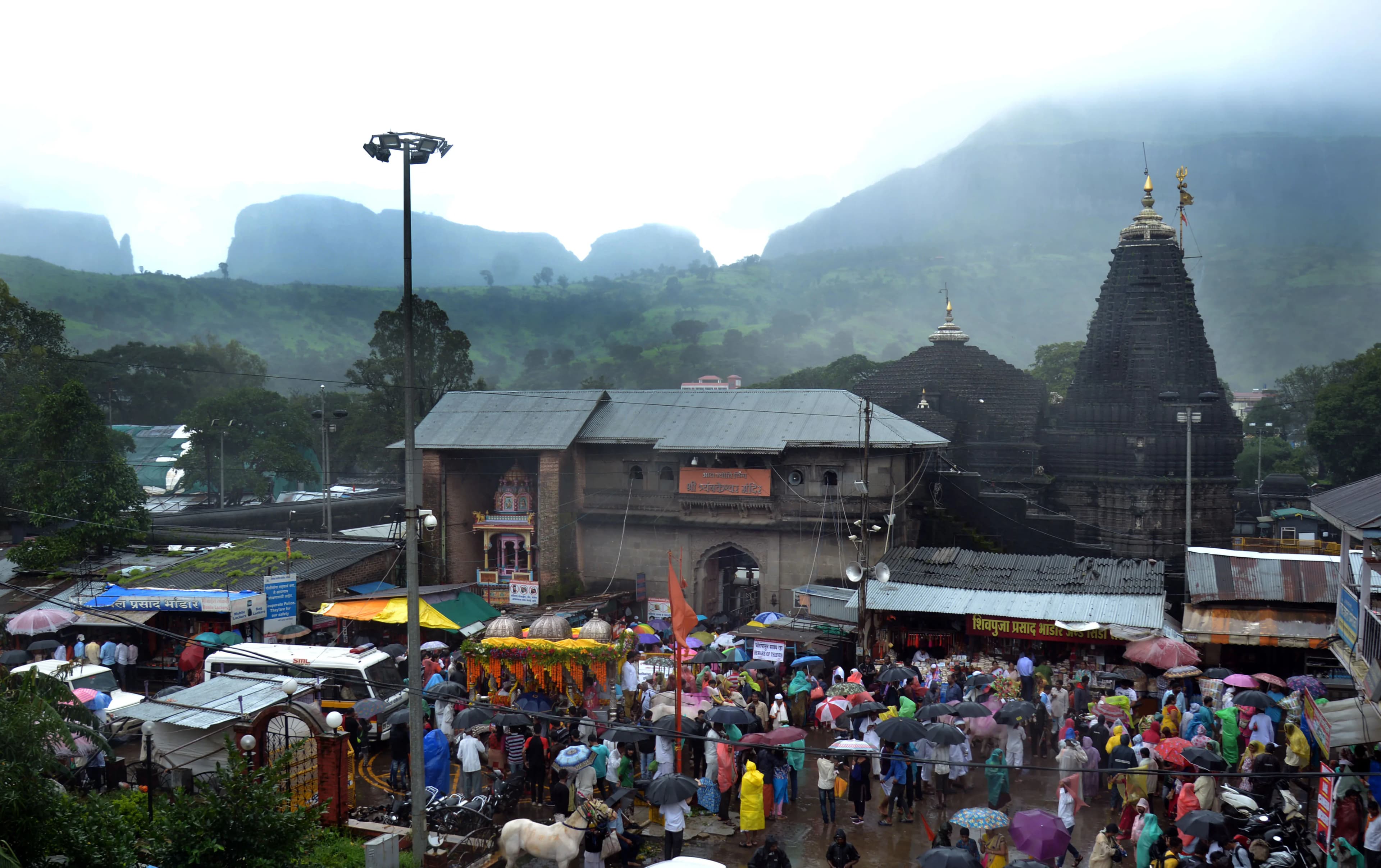
Trimbakeshwar Shiva Temple Nashik
The air, thick with incense and the murmur of Sanskrit chants, hung heavy as I stepped into the courtyard of the Trimbakeshwar Shiva Temple. Having explored countless ancient sites across North India, I’ve developed a keen eye for architectural nuances, and Trimbakeshwar immediately struck me as unique. Unlike the sandstone and marble structures I was accustomed to in the north, this temple, dedicated to one of the twelve Jyotirlingas, was crafted from black basalt stone, lending it a sombre, almost mystical aura. The intricately carved façade, darkened by time and weather, narrated stories of dynasties past. Eroded sculptures of deities, celestial beings, and mythical creatures intertwined, a testament to the skilled artisans who had painstakingly brought this temple to life centuries ago. The main entrance, guarded by imposing dwarapalas (gatekeepers), led into a mandap, its pillars intricately carved with floral motifs and geometric patterns. Sunlight filtered through the jaali screens, casting dancing shadows on the polished stone floor, creating an ethereal atmosphere. The heart of the temple, the garbhagriha, housed the revered Jyotirlinga. Unlike other Jyotirlingas, which are typically cylindrical lingams, the one at Trimbakeshwar is a depression in the ground, a small hollow from which a perpetual stream of water flows. This unique feature, explained by local priests as symbolic of the origin of the Godavari River, added to the sanctity of the place. The constant trickle of water, the chanting of priests, and the hushed reverence of the devotees created a palpable sense of spiritual energy. I spent a considerable amount of time observing the devotees. Their faces, etched with devotion and hope, reflected the deep-rooted faith that had drawn them to this sacred site. From elderly women whispering prayers to young couples seeking blessings, the temple served as a melting pot of human emotions and spiritual aspirations. I witnessed a young boy meticulously offering flowers to the deity, his eyes closed in concentration, a poignant reminder of the enduring power of faith across generations. The architecture of the temple, while predominantly Hemadpanti – characterized by its precision and use of interlocking stones – also displayed influences from other styles. I noticed elements of the Chalukyan style in the ornate carvings and the use of decorative motifs. This fusion of architectural styles, a testament to the region’s rich history and cultural exchanges, added another layer of intrigue to the temple's narrative. Beyond the main shrine, the temple complex housed several smaller shrines dedicated to various deities. I explored these smaller shrines, each with its own unique character and history. The surrounding courtyards, though bustling with activity, retained a sense of serenity. The rhythmic clang of temple bells, the fragrance of incense, and the soft murmur of prayers created a symphony of sounds and scents that enveloped me. As I left the temple, the image of the Jyotirlinga, the source of the sacred Godavari, remained etched in my mind. Trimbakeshwar, with its unique architecture, spiritual significance, and palpable energy, offered a glimpse into the rich tapestry of Indian faith and heritage. It was a journey not just to a geographical location, but also a journey into the heart of a culture deeply rooted in spirituality and tradition. My experience at Trimbakeshwar reinforced my belief that these ancient sites are not merely monuments of the past, but living, breathing entities that continue to inspire and connect us to something larger than ourselves.
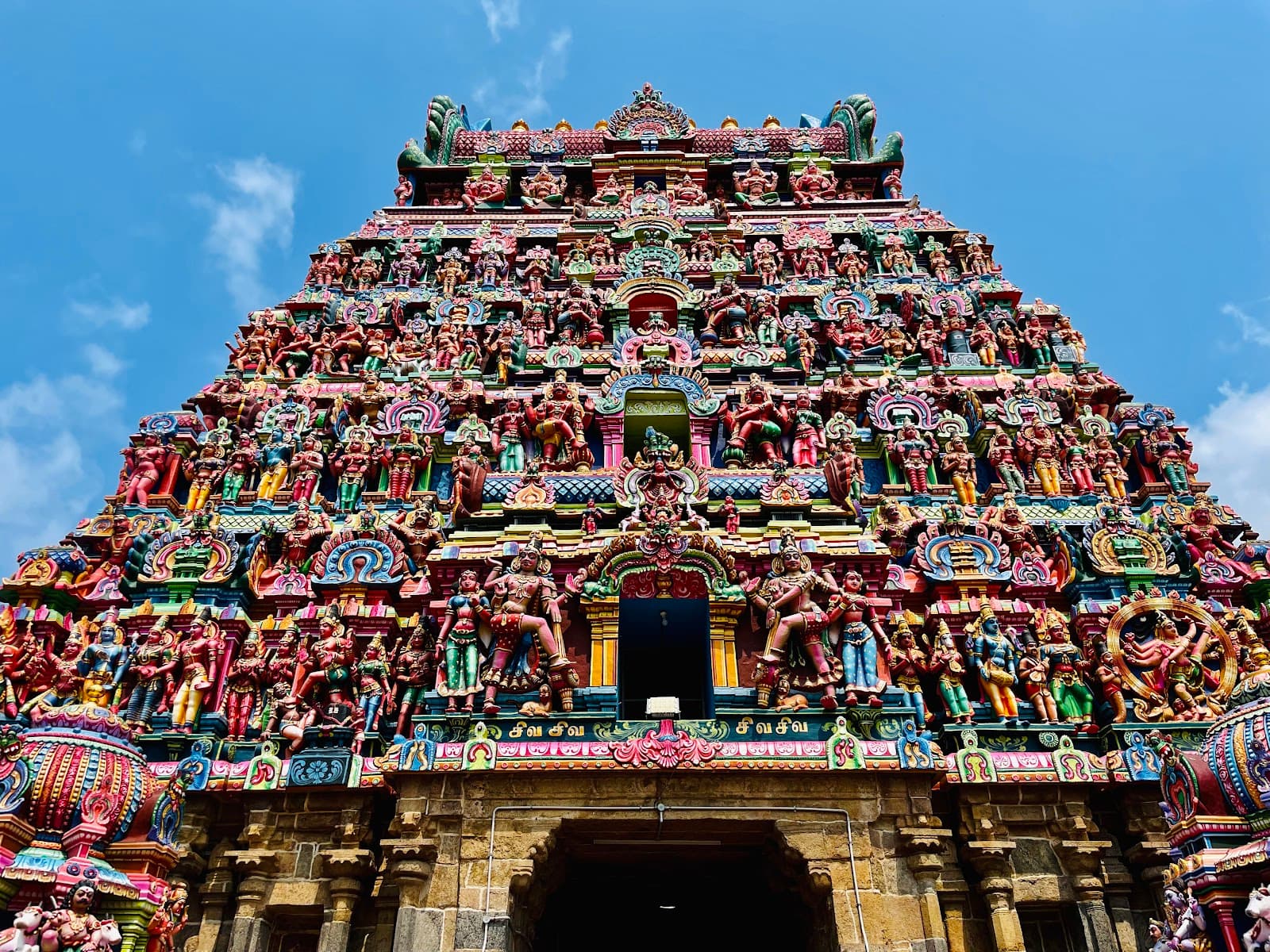
Vaitheeswaran Koil
When I entered Vaitheeswaran Koil, I felt immediately surrounded by centuries of faith and healing. Though not listed as a centrally protected monument, the temple's scale and atmosphere reveal its long, uninterrupted history. The five-tiered Rajagopuram, granite walls, and intricately carved mandapams reflect the Dravidian craftsmanship perfected under the Cholas, Nayakas, and Marathas. Inscriptions on the walls—left by rulers from Vikrama Chola to Thulaja—reminded me how many dynasties shaped this space. Inside, Lord Shiva is worshipped as Vaidyanathar, the divine healer. Watching devotees gather at the Siddhamirtham tank, offering prayers and silver replicas of body parts, I could sense how deeply this temple is tied to hope and recovery. Stories of Rama seeking relief from his dosha and Angaraka being cured here give the temple its role as the Mars Navagraha sthalam. The cultural life around me was vibrant. Festivals like Vaikasi Visakam, Panguni Uthiram, Brahmotsavam, Masi Magam, Skanda Sashti, and Karthigai Deepam animate the temple with processions, music, and lights. Even in quieter moments, the presence of Nadi astrologers and the sacred Vembu tree added layers of tradition. Leaving the temple, I carried a strong impression of a place where architecture, mythology, and healing merge seamlessly into a living heritage. Vaitheeswaran Koil, also known as Thirupullirukku Velur, is a revered Hindu temple dedicated to Lord Shiva as Vaidyanathar (the God of Healing), located in Vaitheeswarankoil near Mayiladuthurai. The temple complex spans 10.7 acres and features a five-tiered Rajagopuram, four additional gopurams marking the four directions, and multiple precincts with pillared halls, shrines, and corridors. The temple is renowned as one of the Navagraha temples, representing Mars (Angaraka), and is classified as a Paadal Petra Sthalam, revered in the Tevaram hymns of 7th-century Saiva nayanars. The temple is particularly famous for its association with healing, the sacred Siddhamirtham tank, Nadi astrology, and its role as a center of faith and pilgrimage.
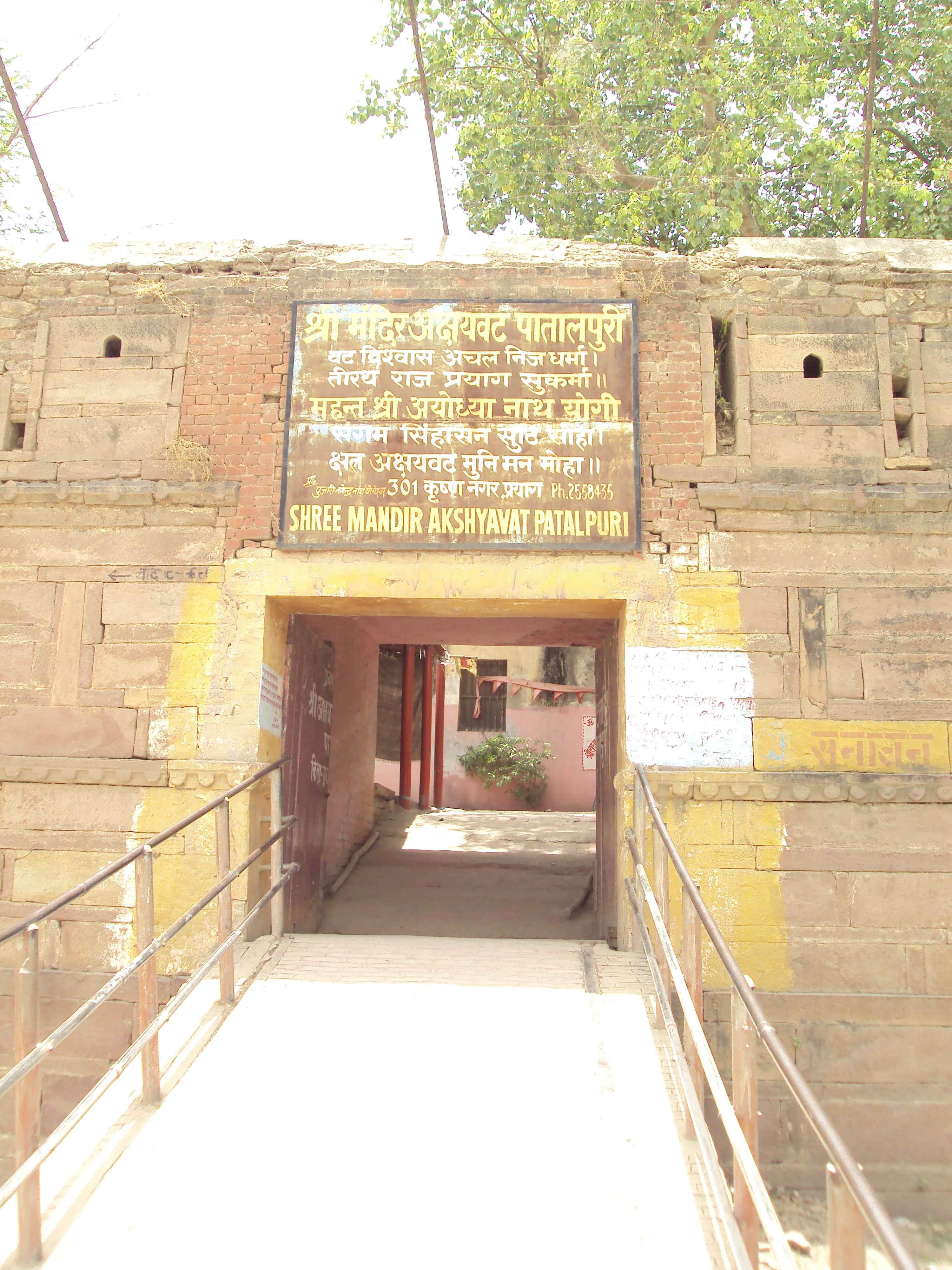
Allahabad Fort Prayagraj
The imposing sandstone ramparts of Allahabad Fort, erected in 1583 CE by the Mughal Emperor Akbar ([1][2]), dominate the sacred confluence, or *Triveni Sangam*, of the Ganga and Yamuna rivers. This strategic military construction exemplifies Mughal architectural prowess, designed to consolidate imperial power over the region ([1]). Within this fortified expanse, the sheer scale of Mughal military architecture is striking ([3]). Granite and sandstone blocks, meticulously carved, constitute the Ashoka Pillar, predating the fort and bearing inscriptions from Emperor Ashoka ([5]). This pillar connects the fort to the Mauryan Empire, underscoring the region's layered history ([5]). Intricate carvings adorning the Zenana (women's quarters) reveal the refined artistry of the Mughal era ([3]). The delicate *jaali* (latticework) exemplifies Mughal craftsmanship, providing both ventilation and privacy ([3]). Also within the fort's walls, the Akshayavat, an ancient banyan tree, holds deep reverence for its mythological significance ([4]). Local traditions connect it to Hindu cosmology, adding a spiritual dimension to the site ([4]). Presenting a contrasting architectural style, the Patalpuri Temple, an underground shrine, features a simpler and more ancient design than the Mughal structures above ([4]). As a confluence of cultures, religions, and empires, the fort's stones and light reverberate with history ([1][2][3][4][5]). The fort's design, while primarily Mughal, may incorporate certain principles of spatial arrangement reminiscent of *Vastu Shastra*, the ancient Indian science of architecture, adapted to the demands of military defense. Sophisticated planning ensured the fort's strategic importance and resilience, reflecting both Mughal innovation and the enduring legacy of the region's earlier empires. The fort stands as a powerful reminder of India's complex and interwoven past, where different traditions have converged and left their indelible marks.
Khammam Fort Khammam
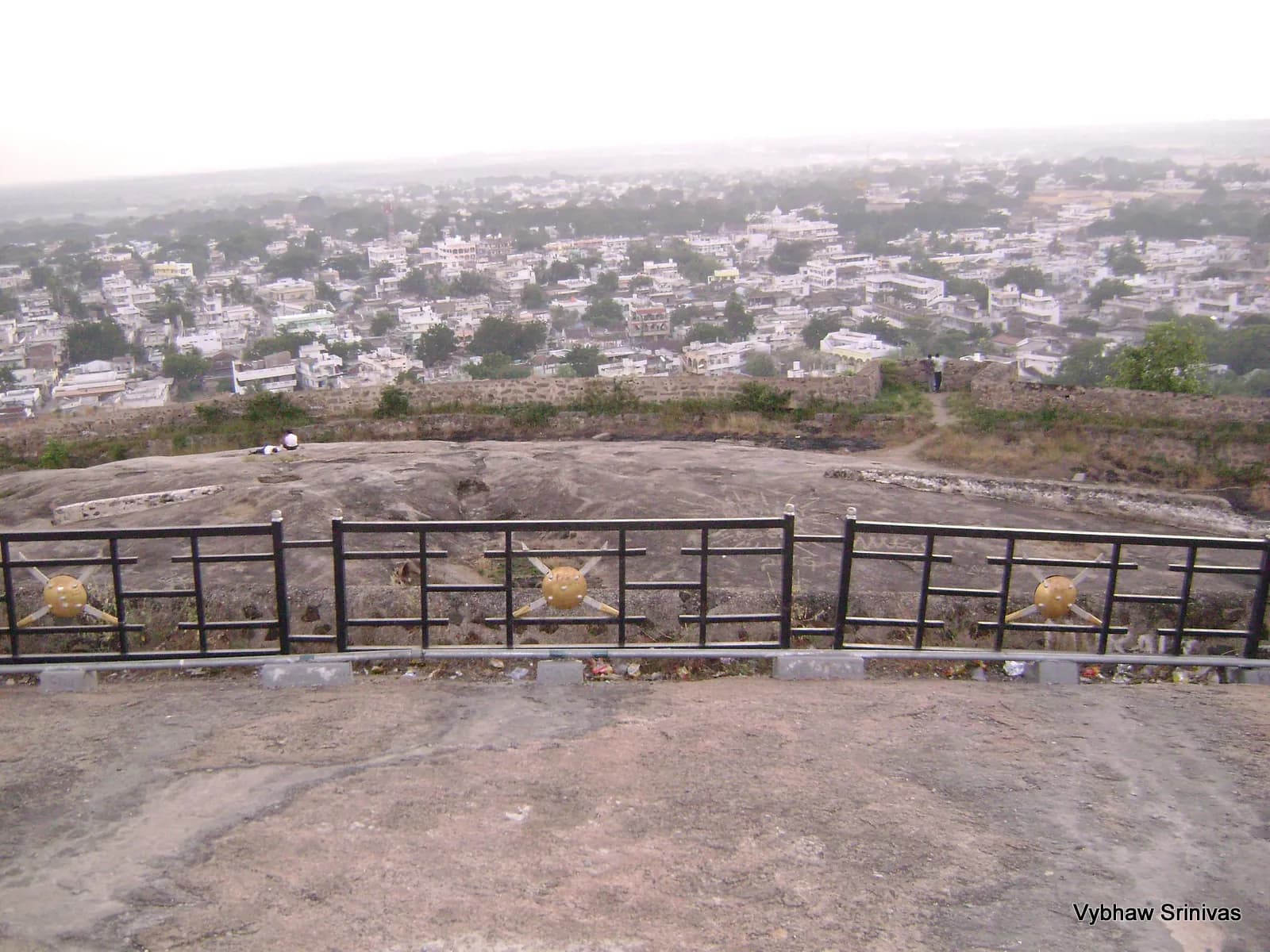
The imposing silhouette of Khammam Fort against the Telangana sky held me captive long before I even reached its gates. The laterite stone, baked to a deep, earthy red by centuries of sun, seemed to pulse with stories whispered down through generations. My journey as a heritage photographer has taken me to many magnificent sites across Madhya Pradesh, but Khammam Fort, with its unique blend of architectural styles, held a particular allure. The fort's strategic location atop a hillock overlooking the city was immediately apparent. Built in 950 AD by the Kakatiya dynasty, it bore witness to the rise and fall of several empires – from the Qutb Shahis to the Mughals and finally, the Asaf Jahis of Hyderabad. This layered history was etched into the very fabric of the structure. Passing through the imposing main gate, I was struck by the contrast between the rough-hewn exterior and the intricate details within. The massive granite pillars, some intricately carved, others bearing the scars of time and conflict, spoke volumes about the fort's enduring strength. I spent hours exploring the various sections, each revealing a different chapter of the fort's story. The remnants of the Kakatiya-era architecture were particularly fascinating. The stepped wells, or *bawdis*, were marvels of engineering, showcasing the ingenuity of the ancient builders in water harvesting. The intricate carvings on the pillars and lintels, though weathered, still hinted at the grandeur of the Kakatiya period. I was particularly drawn to the remnants of a temple dedicated to Lord Shiva, its sanctum sanctorum now open to the sky, the stone worn smooth by the elements. The influence of subsequent rulers was also evident. The Qutb Shahi period saw the addition of mosques and palaces, their arched doorways and intricate stucco work a stark contrast to the earlier, more austere Kakatiya style. The Mughal influence was subtle yet discernible in the layout of certain sections, particularly the gardens, which, though now overgrown, still hinted at a formal, structured design. One of the most captivating aspects of Khammam Fort was its integration with the natural landscape. The fort walls seemed to grow organically from the rocky outcrop, the laterite stone blending seamlessly with the surrounding terrain. From the ramparts, the panoramic view of the city and the surrounding countryside was breathtaking. I could almost imagine the sentinels of old, keeping watch from these very walls, their gaze sweeping across the landscape. As I moved through the fort's various chambers, I noticed the intricate system of tunnels and secret passages. These subterranean routes, once used for escape or strategic movement during times of siege, now lay silent, their darkness holding secrets untold. Exploring these passages, I felt a palpable sense of history, a connection to the lives lived within these walls. My lens captured the grandeur of the fort, the intricate details of its architecture, and the breathtaking views from its ramparts. But beyond the visual documentation, I felt a deeper connection to the site. Khammam Fort wasn't just a collection of stones and mortar; it was a living testament to the resilience of human spirit, a repository of stories waiting to be discovered. The echoes of its past resonated within its walls, a reminder of the ebb and flow of empires, the enduring power of human ingenuity, and the beauty that emerges from the confluence of history and nature. Leaving Khammam Fort, I carried with me not just photographs, but a profound sense of awe and a deeper understanding of the rich tapestry of India's heritage.
Danteshwari Temple Dantewada
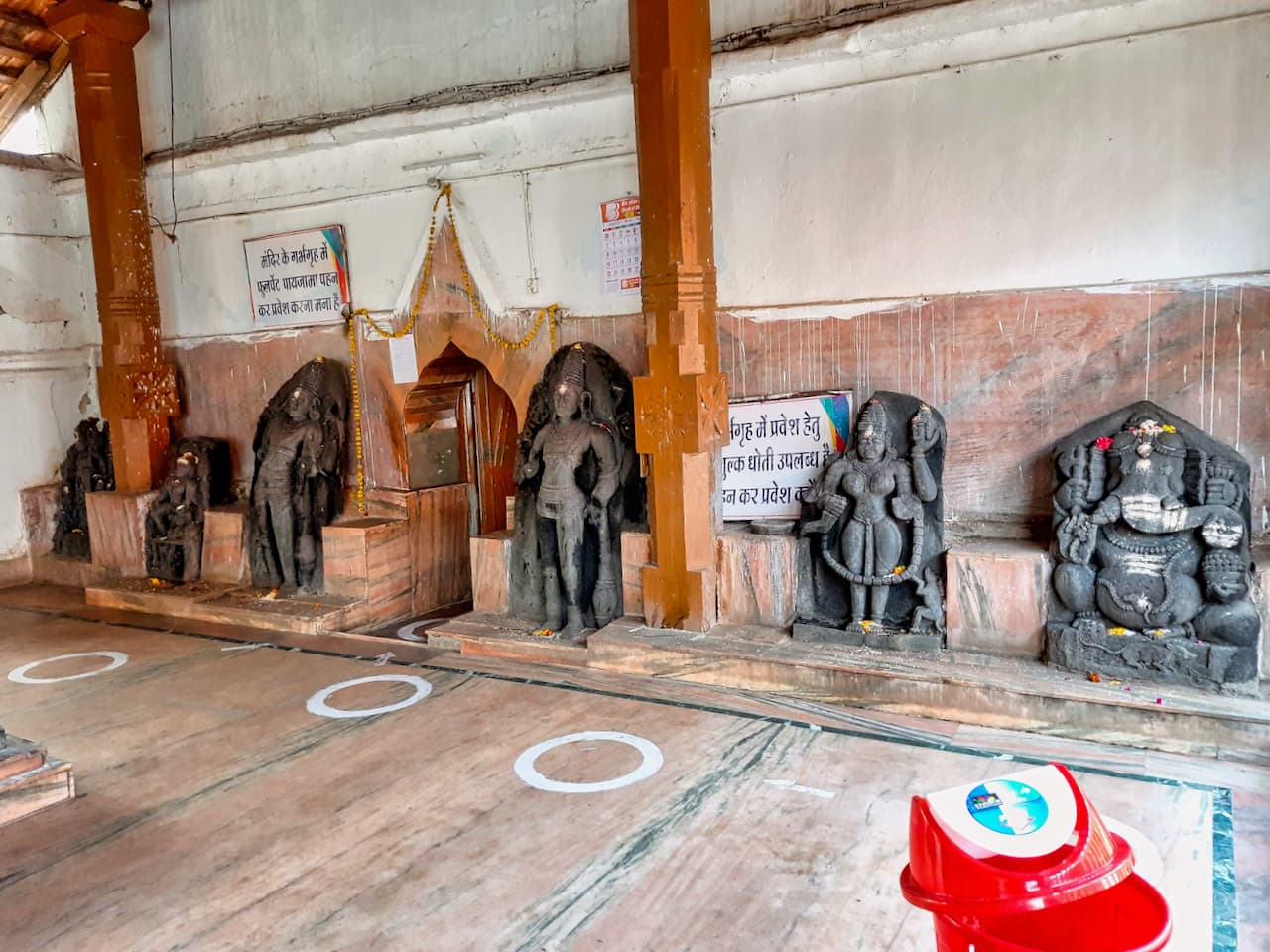
Crimson flags flutter, as the Danteshwari Temple in Dantewada, Chhattisgarh, beckons with the scent of incense and the resonance of ancient chants. Dedicated to Goddess Danteshwari, the presiding deity of the Bastar region, this temple stands as a powerful embodiment of faith and history ([1]). Built around 1050 CE during the Kalachuri period ([2]), the temple showcases a unique blend of Nagara architectural style and local tribal influences ([3]). Chalukya rulers of South Kosala were patrons of the temple ([4]). Stone platforms and foundations demonstrate the temple's enduring strength, constructed using laterite stone, brick, and wood ([5]). Unlike the elaborately carved temples of other regions, Danteshwari Temple exudes a raw, primal beauty, its weathered walls whispering tales of dynasties and devotions ([6]). The main temple features a curvilinear tower and a sanctum, characteristic of Hindu temple architecture ([7]). Intricate carvings adorning the walls of the Mandapa (Pillared Hall) depict scenes from the Mahabharata and local folklore ([8]). These narratives, etched in stone, provide a visual chronicle of the region's rich cultural heritage, seamlessly blending mythology with the traditions of the Bastar tribes ([9]). Devotees, adorned in vibrant attire, fill the inner courtyard, their faces reflecting reverence and anticipation ([10]). The rhythmic clang of bells, the chanting of priests, and the murmur of prayers create an atmosphere charged with spiritual energy. Within the Garbhagriha (Sanctum), the deity resides, radiating palpable energy of devotion ([11]). The temple complex houses several smaller shrines dedicated to various deities, each with its unique character and significance ([12]). Danteshwari Temple isn't merely a static monument; it's a living entity, constantly evolving with the changing tides of time and tradition, symbolizing resilience and the unwavering spirit of the Bastar people ([13]).
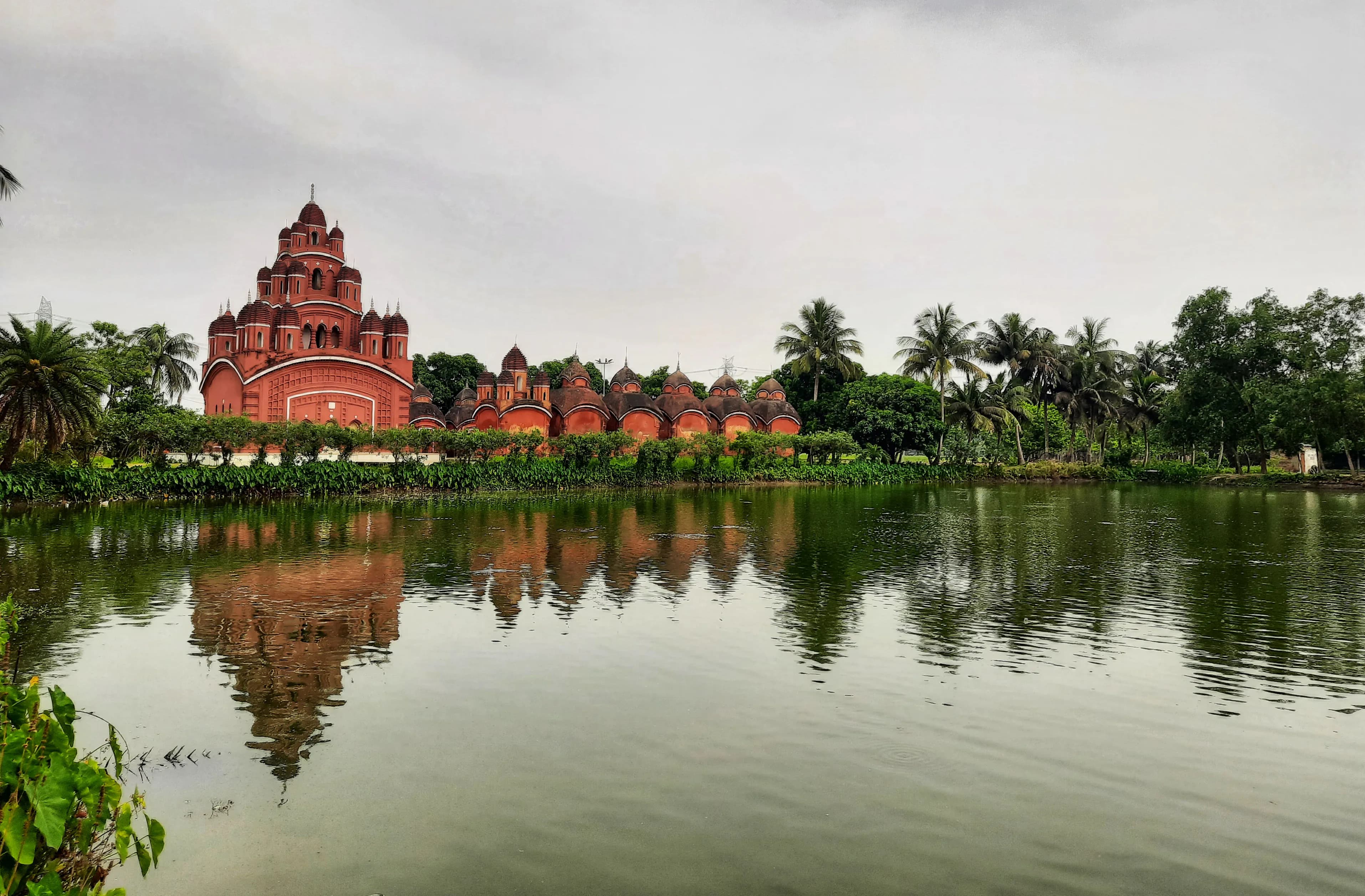
This temple is not in Rajasthan. I only deal with Rajasthan.
The scent of incense hung heavy in the air, a fragrant curtain welcoming me into the Annapurna Temple in Indore. Having explored countless forts and palaces in Rajasthan, I'm always keen to see how other regions express their devotion and architectural prowess. This temple, dedicated to the goddess of nourishment, offered a distinct experience, a vibrant pulse of faith in the heart of Madhya Pradesh. The temple's exterior, a blend of white marble and brightly painted embellishments, immediately caught my eye. Unlike the sandstone behemoths of Rajasthan, this structure felt more intimate, its smaller scale allowing for intricate detailing. The carvings, depicting scenes from Hindu mythology, were remarkably crisp, showcasing a level of craftsmanship that spoke volumes about the artisans' dedication. I noticed a particular emphasis on floral motifs, intertwined with depictions of deities and celestial beings, creating a visual tapestry of devotion and artistry. Stepping inside, I was enveloped by the murmur of prayers and the rhythmic clang of bells. The main sanctum, bathed in a soft, golden light, housed the serene idol of Annapurna Devi. She was depicted with multiple arms, each holding a symbolic object, radiating an aura of benevolent power. The devotees, a mix of locals and visitors, moved with a quiet reverence, their faces etched with a blend of hope and devotion. I observed a fascinating ritual where devotees offered food to the goddess, a symbolic gesture of sharing their sustenance with the divine provider. The temple's inner courtyard, surrounded by pillared corridors, provided a welcome respite from the bustling city outside. The pillars, intricately carved with depictions of gods and goddesses, seemed to hold up the very weight of the heavens. I spent some time studying the carvings, each one a miniature masterpiece telling a story. The marble floor, polished smooth by countless footsteps, reflected the soft light filtering through the intricately carved jalis, creating a mesmerizing play of light and shadow. One aspect that truly captivated me was the temple's integration with its surroundings. Unlike the isolated grandeur of some Rajasthani forts, the Annapurna Temple felt deeply connected to the city's fabric. Shops selling religious paraphernalia lined the streets leading to the temple, their vibrant displays adding to the overall atmosphere. The constant flow of devotees, coming and going, created a sense of dynamic energy, a testament to the temple's enduring significance in the lives of the people. Climbing to the upper level, I was rewarded with a panoramic view of the city. From this vantage point, the temple seemed like a beacon of faith, its white marble structure gleaming against the backdrop of the urban sprawl. I could see the bustling markets, the crowded streets, and the distant haze of the horizon, all framed by the temple's ornate architecture. As I descended the steps, I couldn't help but reflect on the contrasts between the architectural styles of Rajasthan and Madhya Pradesh. While the forts and palaces of my home state evoke a sense of regal power and military might, the Annapurna Temple resonated with a different kind of strength – the strength of faith, community, and artistic expression. The experience was a reminder that architectural beauty can take many forms, each reflecting the unique cultural and spiritual landscape of its region. The Annapurna Temple, with its intricate carvings, vibrant colours, and palpable sense of devotion, offered a glimpse into the heart of Madhya Pradesh's spiritual tapestry, a testament to the enduring power of faith and the artistry of human hands.
Baba Harihar Nath Temple Sonepur
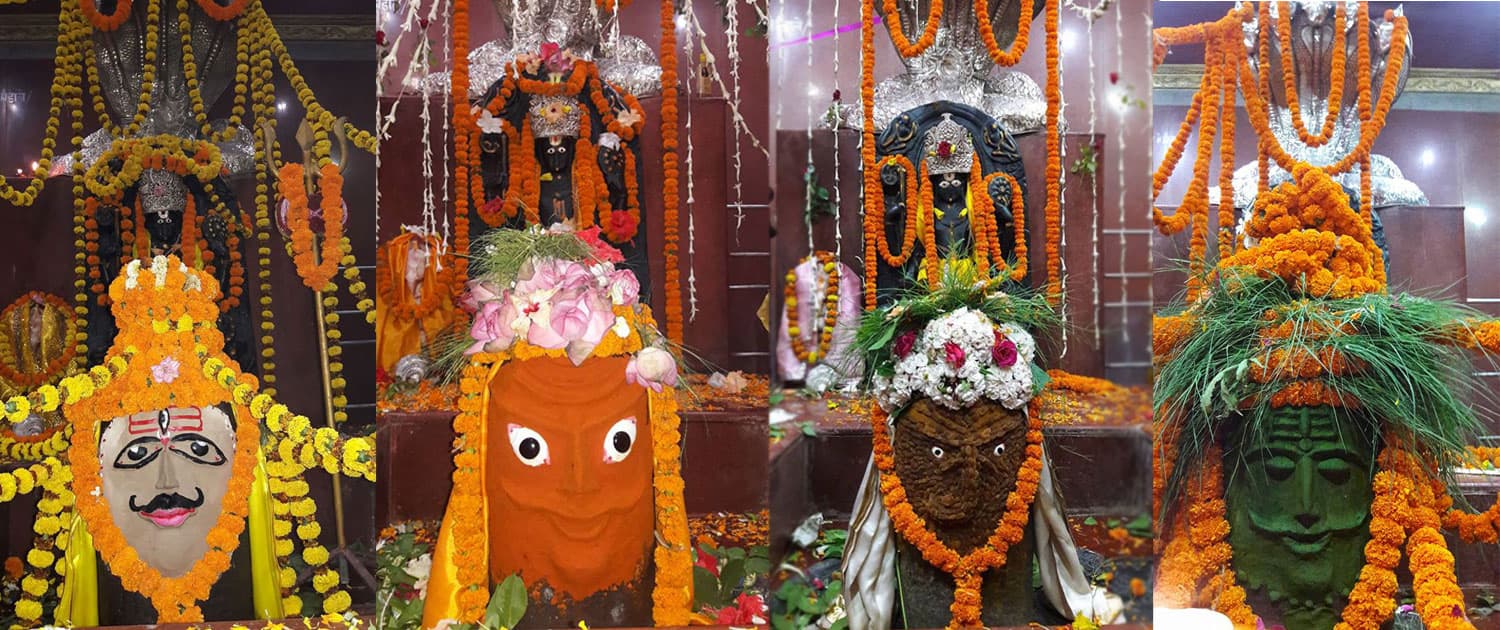
On the sacred confluence of the Gandak and Ganges rivers, the Baba Harihar Nath Temple in Sonepur, Bihar, stands as a testament to India's rich architectural and religious heritage ([1][2]). Constructed in 1089 CE during the Rajput Period, this 11th-century edifice exemplifies the Nagara style of North Indian temple architecture ([3]). Raja Man Singh's patronage led to the creation of this temple, which continues to be a significant pilgrimage site ([1]). Intricate carvings embellishing the outer walls narrate tales from Hindu mythology, particularly those associated with Shiva ([4]). Floral and geometric patterns intertwine, reflecting the exceptional skills of the artisans who shaped the temple's form ([5]). The weathered figures retain their dynamism, a testament to the enduring artistry of the period ([4]). The Shikhara (spire), while Nagara in its essence, subtly integrates Mughal influences, crowned by a golden Kalash (finial) ([5]). Within the Garbhagriha (sanctum), a Shiva lingam resides in a simple chamber, contrasting with the ornate exterior and emphasizing the core of Hindu worship ([1]). Stone, brick, mortar, and plaster were meticulously employed in the temple's construction, showcasing the sophisticated building techniques of the time ([3]). The temple's architectural style aligns with principles outlined in ancient texts like the Manasara Shilpa Shastra, which detail the proportions and design elements of Nagara temples ([4][5]). During the annual Sonepur Cattle Fair, one of Asia's largest, the temple transforms into its epicenter, drawing devotees and visitors alike ([2][3]). The Baba Harihar Nath Temple embodies the cultural synthesis of India, seamlessly blending history, mythology, and unwavering faith, a lasting legacy of ancestral artistry ([1][4][5]). It remains a vibrant symbol of devotion and architectural excellence in the heart of Bihar.
Quick Links
Plan Your Heritage Journey
Get personalized recommendations and detailed visitor guides