Has Inheritage Foundation supported you today?
Your contribution helps preserve India's ancient temples, languages, and cultural heritage. Every rupee makes a difference.
Secure payment • Instant 80G certificate
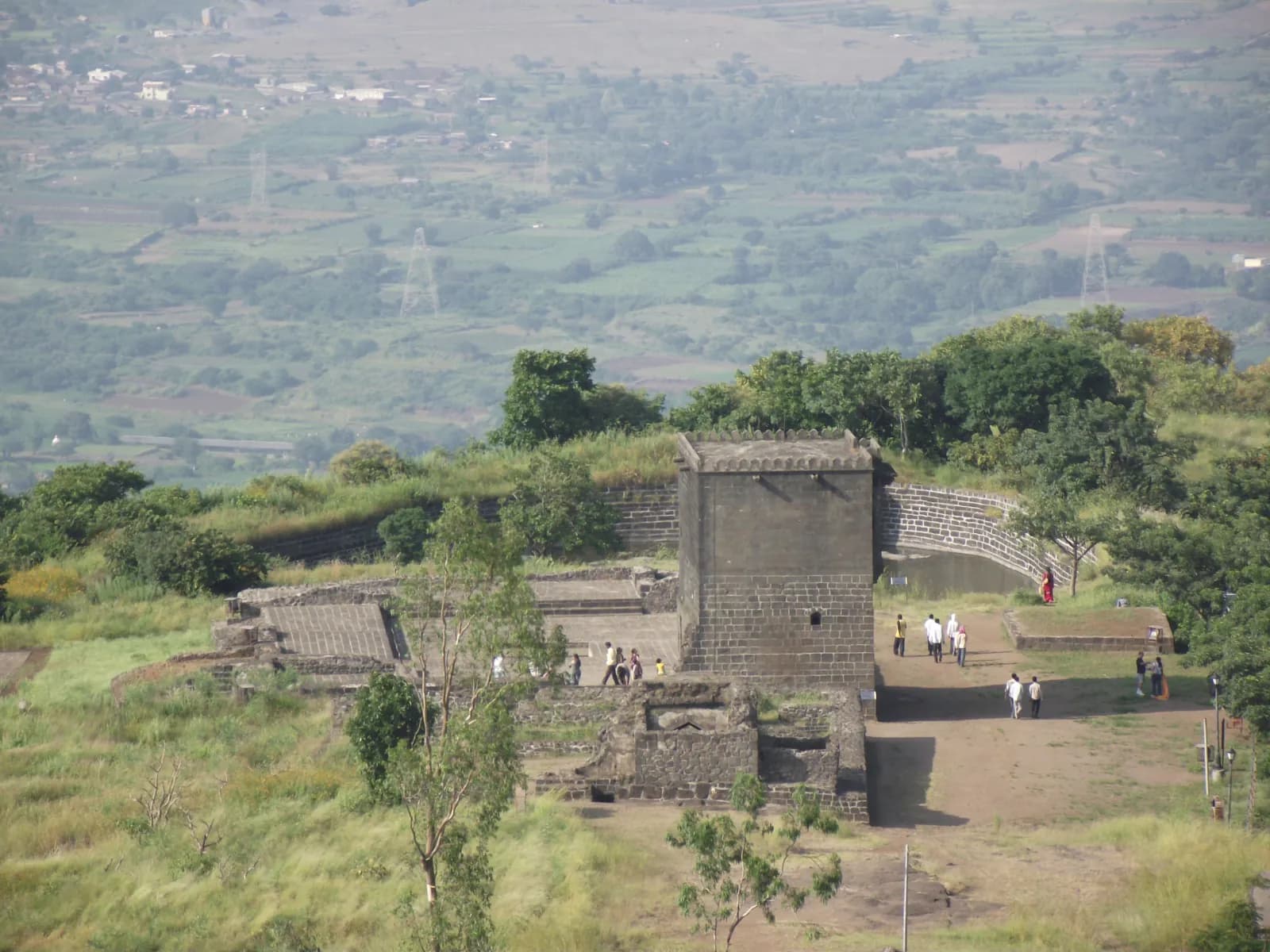
Shivneri Fort Junnar
The imposing basalt ramparts of Shivneri Fort, rising dramatically from the Deccan plateau, held me captivated from the moment I arrived in Junnar. Having spent years immersed in the granite wonders of South Indian temple architecture, I was eager to experience this different, yet equally compelling, facet of India's heritage. The fort, a formidable military stronghold for centuries, offered a fascinating glimpse into a world shaped by strategic necessities rather than the spiritual aspirations that drove the Dravidian temple builders. The ascent to the fort itself was an experience. The winding path, carved into the rock, felt like a journey back in time. Unlike the elaborate gopurams and mandapas I was accustomed to, the entrance to Shivneri was a study in practicality. The fortifications, though lacking the ornate carvings of southern temples, possessed a raw beauty, their strength evident in the sheer thickness of the walls and the clever placement of bastions. The strategically positioned 'Shivai Devi' and 'Maha Darwaja' gates, with their sturdy wooden doors reinforced with iron, spoke volumes about the fort's defensive history. Within the fort walls, a different world unfolded. The rugged terrain enclosed a surprisingly self-sufficient community. Water tanks, carved meticulously into the rock, showcased impressive water management techniques, a stark contrast to the temple tanks of the south, which often served ritualistic purposes as well. The 'Badami Talav,' with its intricate stepped sides, was a particularly striking example. The granaries, built to withstand sieges, were another testament to the fort's pragmatic design. The architectural style within the fort was a blend of various influences. While the overall structure was dictated by military needs, glimpses of later architectural embellishments were visible, particularly in the residential areas. The 'Shivai Mata Mandir,' where Chhatrapati Shivaji Maharaj was born, held a special significance. While simpler than the grand temples of the south, it possessed a quiet dignity, its stone construction echoing the fort's overall aesthetic. The carvings on the pillars and lintels, though less intricate than the temple sculptures I was familiar with, displayed a distinct local style. One of the most striking features of Shivneri Fort was its integration with the natural landscape. The architects had skillfully utilized the natural contours of the hill, incorporating the rock formations into the fort's defenses. This symbiotic relationship between architecture and nature was a recurring theme, reminding me of the hilltop temples of South India, where the natural surroundings often played a crucial role in the temple's design and symbolism. Exploring the 'Ambarkhana,' the grain storage, and the 'Kalyan Buruj,' I couldn't help but compare the ingenuity of the Maratha military architects with the temple builders of the south. While the latter focused on creating spaces that inspired awe and devotion, the former prioritized functionality and defense. The lack of elaborate ornamentation at Shivneri, however, did not diminish its architectural merit. The fort's strength lay in its simplicity and its seamless integration with the landscape. My visit to Shivneri Fort was a powerful reminder that architectural brilliance can manifest in diverse forms. While my heart remains deeply connected to the ornate temples of South India, the stark beauty and strategic ingenuity of Shivneri Fort offered a valuable new perspective on India's rich architectural heritage. The echoes of history resonated within those basalt walls, narrating tales of resilience, strategy, and a deep connection to the land. It was an experience that broadened my understanding of Indian architecture and left me with a profound appreciation for the diverse expressions of human ingenuity.
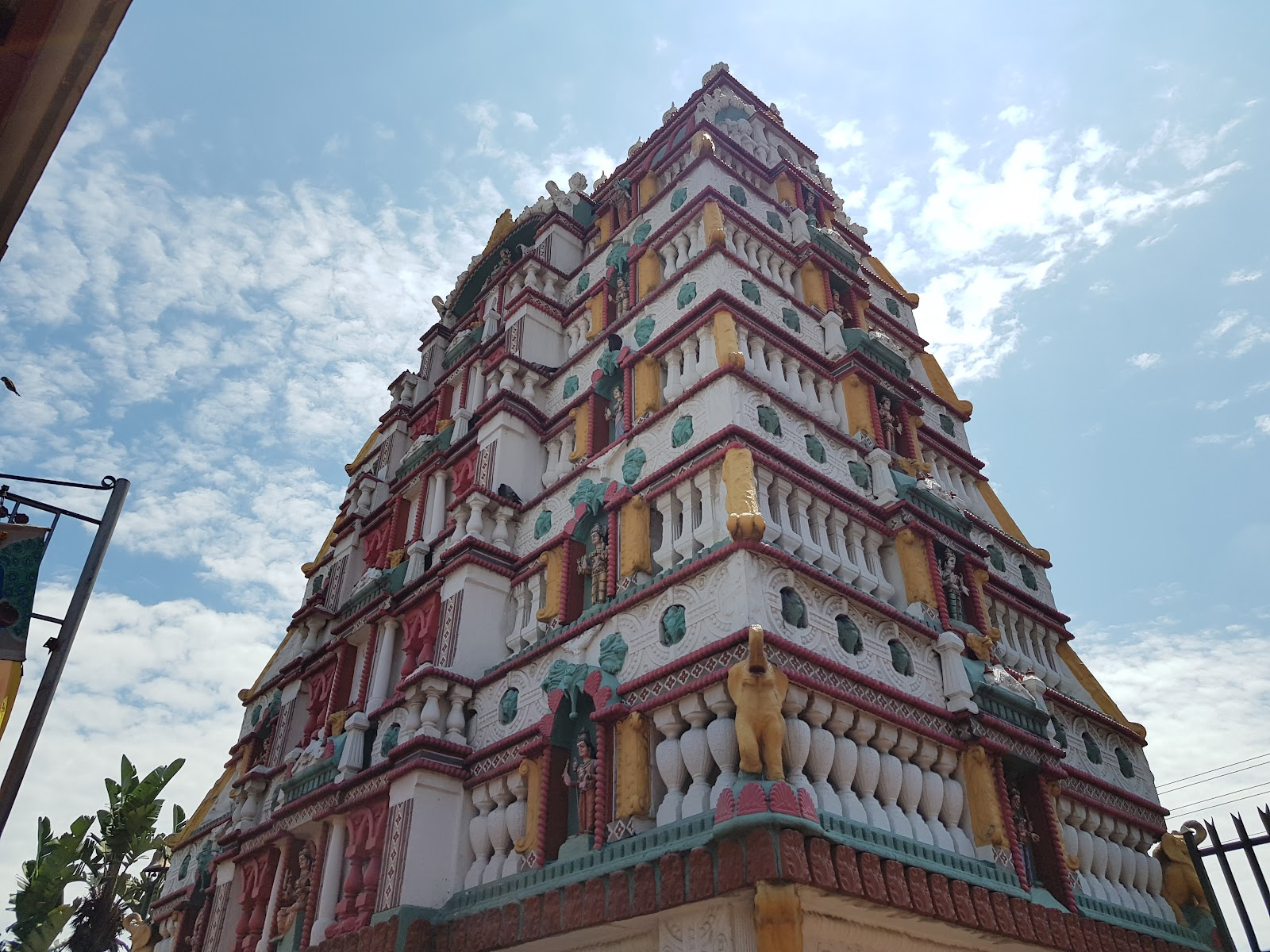
Tshwane India Charity & Cultural Centre (Mariamman Temple Pretoria)
The Tshwane India Charity & Cultural Centre, popularly known as the Mariamman Temple of Pretoria, is the city's oldest Hindu temple—completed in 1905 by indentured Indian traders who modelled its stucco gopuram, pillared mandapam, and circumambulatory corridor on South Indian Amman shrines while adapting to the semi-arid Highveld climate ([1][2]). The complex, restored in recent decades, now anchors a broader community campus with classrooms, a library, medical clinic, and charity hall. Devotees enter through an east-facing gopuram painted in vivid blues and reds, pass the flagstaff and Nandi pavilion, and offer coconuts, turmeric, and neem at the granite sanctum of goddess Mariamman—protector against epidemics—alongside shrines to Ganesha, Muruga, and Venkateswara. The trust operates Tamil language and Bharatanatyam classes, a senior lunch programme, Food for Life distribution, bursaries for township students, and interfaith dialogues. Annual highlights include Panguni Uttiram, Theemithi firewalking staged in an adjacent courtyard, and Deepavali charity drives that supply hampers across Tshwane.
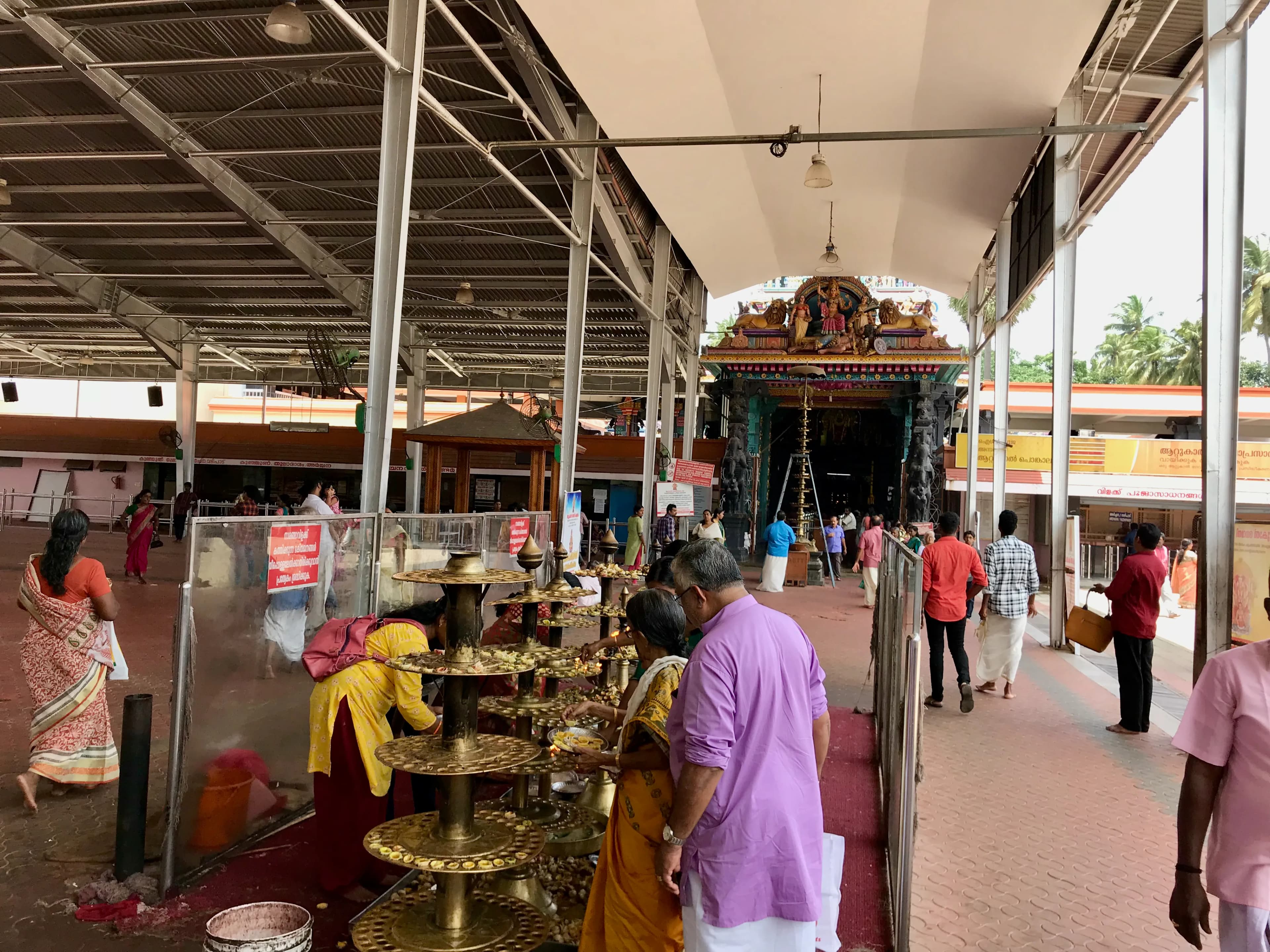
Attukal Bhagavathy Temple Thiruvananthapuram
Emerging from the cultural tapestry of Thiruvananthapuram, the Attukal Bhagavathy Temple, consecrated around 1550 CE, stands as a testament to Kerala's rich architectural and spiritual heritage ([1][2]). During the Travancore period, temple architecture flourished under royal patronage, and this temple exemplifies the Keralan style with Dravidian influences evident in its *gopuram* (gateway tower) ([2][3]). Sloping roofs, a distinctive feature of Kerala's architecture, dominate the temple's structure, designed to manage the region's heavy rainfall ([1]). Stone platforms and foundations demonstrate the temple's enduring construction, employing locally sourced materials like stone, wood, copper, and laterite ([2]). Intricate carvings adorning the *gopuram* depict scenes from Hindu mythology, reflecting the artistic traditions prevalent in Kerala ([3][4]). These vibrant depictions narrate stories and beliefs central to the region's cultural identity ([1]). The Travancore Royal Family's continued patronage is visible in the temple's well-maintained state and the ongoing devotional practices ([2]). Within the *Garbhagriha* (Sanctum), Attukal Bhagavathy (Kannaki) is enshrined, adorned with resplendent gold ornaments, serving as the central focus of worship ([4]). *Mandapas* (pillared halls) surrounding the sanctum provide spaces for devotees to gather and participate in rituals, fostering a sense of community and spiritual connection ([3]). Vedic traditions emphasize the importance of sacred spaces in fostering devotion and connecting with the divine ([5]). The temple tank, situated to the west, enhances the serene atmosphere, integrating the temple harmoniously with its natural surroundings, creating a tranquil space for reflection and prayer ([1][5]). This sacred space embodies Kerala's architectural and spiritual legacy, drawing devotees and admirers alike ([2]).
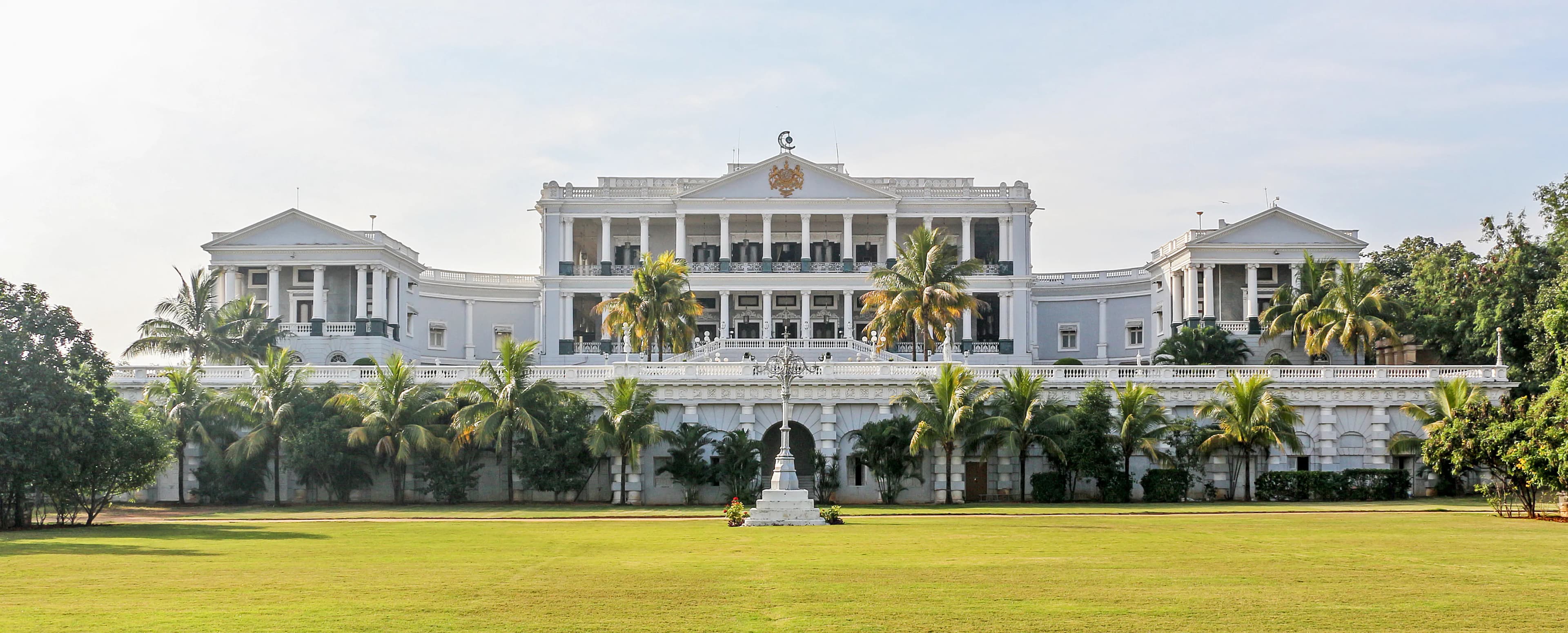
Falaknuma Palace Hyderabad
The Nizam’s carriages, gleaming under the Hyderabad sun, offered a fitting prelude to the grandeur that awaited me at Falaknuma Palace. Perched 2,000 feet above the city, this scorpion-shaped architectural marvel, meaning "Mirror of the Sky" in Urdu, truly lives up to its name. As I ascended the hill, the palace gradually revealed itself, a blend of Italian and Tudor influences against the backdrop of the Deccan plateau. The pale Italian marble, so striking against the azure sky, hinted at the opulence within. Stepping through the grand arched entrance felt like stepping back in time. The sheer scale of the entrance hall, with its soaring ceilings and intricate frescoes, was breathtaking. The jade collection, displayed in cabinets lining the walls, immediately caught my eye – a testament to the Nizam’s legendary wealth. Each piece, from delicate snuff bottles to intricately carved figurines, whispered stories of a bygone era. My guide, a seasoned historian, pointed out the intricate details of the palace's architecture. The blend of styles was seamless, a testament to the architects' vision. The stained-glass windows, imported from Venice, cast kaleidoscopic patterns on the marble floors. The intricate woodwork, particularly on the grand staircase, showcased the skill of local artisans. Everywhere I looked, there were stories etched in wood, marble, and glass. The state reception room, where the Nizam once entertained dignitaries, was a spectacle of Victorian grandeur. The furniture, upholstered in rich velvet and adorned with mother-of-pearl inlay, looked as if it had been prepared for a royal reception just yesterday. The massive chandeliers, glittering with hundreds of crystals, dominated the room, casting a warm glow on the priceless artifacts displayed around the room. I could almost imagine the Nizam, dressed in his finery, holding court in this magnificent space. The library, a personal favorite, was a haven for bibliophiles. Its walnut shelves, stacked with rare books and manuscripts, stretched towards the high, coffered ceiling. The scent of old paper and leather hung in the air, a comforting aroma that transported me to a world of scholarly pursuits. I spent a considerable amount of time admiring the collection, marveling at the breadth of knowledge contained within those walls. It was easy to see why the Nizam, a known patron of the arts and sciences, cherished this space. The dining hall, with its impossibly long table capable of seating 100 guests, was another highlight. The Nizam, known for his lavish hospitality, hosted extravagant banquets here. The stories of these legendary feasts, recounted by my guide, brought the space to life. I could almost hear the clinking of glasses, the murmur of conversations, and the strains of music that once filled this grand hall. Beyond the opulent interiors, the palace grounds offered breathtaking views of the city below. The manicured gardens, a blend of Mughal and English landscaping styles, provided a tranquil escape from the bustling city. The fountains, once a symbol of the Nizam's wealth and power, still gurgled softly, adding to the serene atmosphere. As I descended the hill, leaving the grandeur of Falaknuma behind, I couldn't help but feel a sense of awe. This wasn't just a palace; it was a time capsule, preserving a slice of India's rich history. It was a testament to the vision of the Nizams, their patronage of the arts, and their lavish lifestyle. Falaknuma Palace, truly a mirror of the sky, reflected not just the heavens above but also the grandeur of a bygone era. Having visited every UNESCO site in India, I can confidently say that Falaknuma holds a unique place, offering a glimpse into a world of princely splendor that is both captivating and unforgettable.
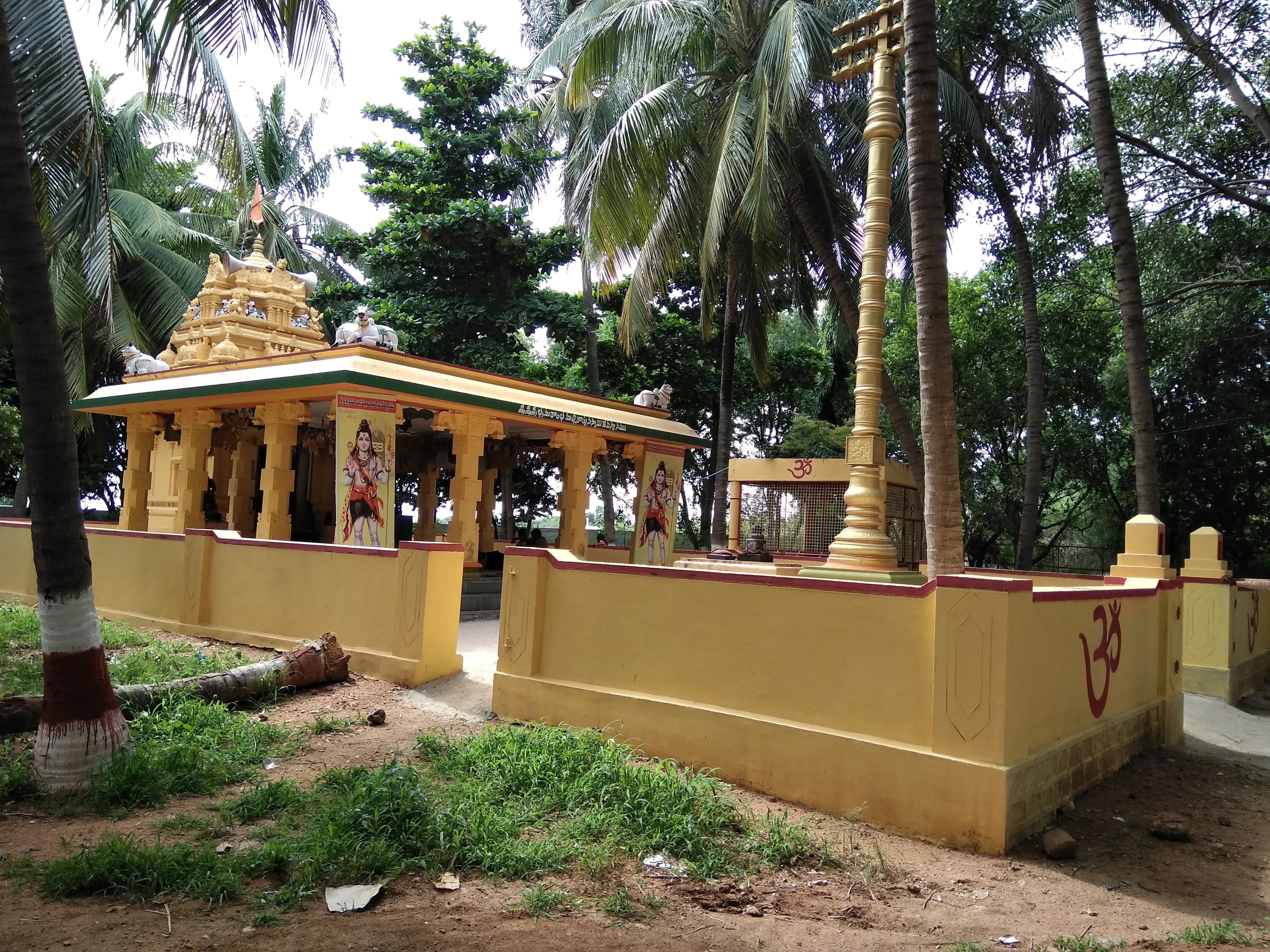
Mallikarjuna Swamy Temple Srisailam
The imposing gopuram of the Mallikarjuna Swamy Temple, a beacon of Dravidian architecture, pierced the brilliant Andhra Pradesh sky as I approached. Situated atop Srisailam hill, part of the Nallamala range, the temple complex unfolded before me like a tapestry woven with stone, history, and faith. The sheer scale of the structure, a sprawling labyrinth of courtyards, shrines, and pillared halls, was breathtaking. Having documented countless architectural marvels across Gujarat, I was prepared for grandeur, but Srisailam's energy was unique, a palpable hum of devotion that resonated through the very stones. My exploration began at the main entrance, dominated by the majestic Rajagopuram. Its intricate carvings, depicting scenes from Hindu mythology, held my gaze. Every inch of the gopuram, from the vibrant deities to the stylized floral motifs, spoke of the skill and dedication of the artisans who crafted it centuries ago. The Vijayanagara influence was evident in the robust construction and the elaborate ornamentation, a testament to the empire's patronage of the arts. I noted the distinct Dravidian features – the pyramidal shikhara, the towering gopurams, and the mandapas supported by intricately carved pillars. The stone, a warm, earthy hue, seemed to absorb and radiate the sun's heat, adding to the atmosphere of ancient power. Stepping into the Mukhamandapa, the main hall, I was enveloped by a forest of pillars. Each one was a masterpiece of sculpture, narrating stories through its carvings. Celestial beings, mythical creatures, and scenes from epics like the Ramayana and Mahabharata unfolded before my eyes. I spent a considerable amount of time examining the minute details – the expressive faces of the deities, the dynamic postures of the dancers, the intricate patterns of the foliage. The sheer artistry was overwhelming. The play of light and shadow within the mandapa added another layer of depth to the experience, highlighting the three-dimensional quality of the carvings. The inner sanctum, where the presiding deity, Lord Mallikarjuna (a form of Shiva), resides, was a place of palpable reverence. While photography wasn't permitted inside, the mental image I retained was vivid. The atmosphere was charged with spiritual energy, a stark contrast to the bustling activity of the outer courtyards. The air was thick with the scent of incense and the murmur of prayers. I observed the devotees, their faces etched with devotion, offering prayers and performing rituals passed down through generations. This tangible connection to the past, the unbroken thread of faith, was perhaps the most compelling aspect of my visit. Beyond the main shrine, the complex houses numerous smaller shrines dedicated to various deities. I was particularly drawn to the Sahasra Linga, a stone slab carved with a thousand miniature lingams, a testament to the devotion of the artisans. The Patalaganga, a sacred spring flowing from the bedrock, added a natural element to the predominantly stone landscape. The cool water, believed to possess healing properties, offered a refreshing respite from the Andhra heat. As I wandered through the complex, I noticed the intricate patterns of the stone flooring. Geometric designs, floral motifs, and even depictions of animals were meticulously carved into the stone. These details, often overlooked, spoke volumes about the attention to detail that characterized the temple's construction. Even the seemingly mundane elements were imbued with artistic significance. Leaving the Mallikarjuna Swamy Temple, I felt a sense of awe and gratitude. The experience was more than just a visual feast; it was a journey through time, a glimpse into the rich cultural and spiritual heritage of India. The temple stands as a testament to the enduring power of faith and the extraordinary artistic achievements of a bygone era. It’s a site I would urge any traveler, particularly those with an interest in architecture and history, to experience firsthand.
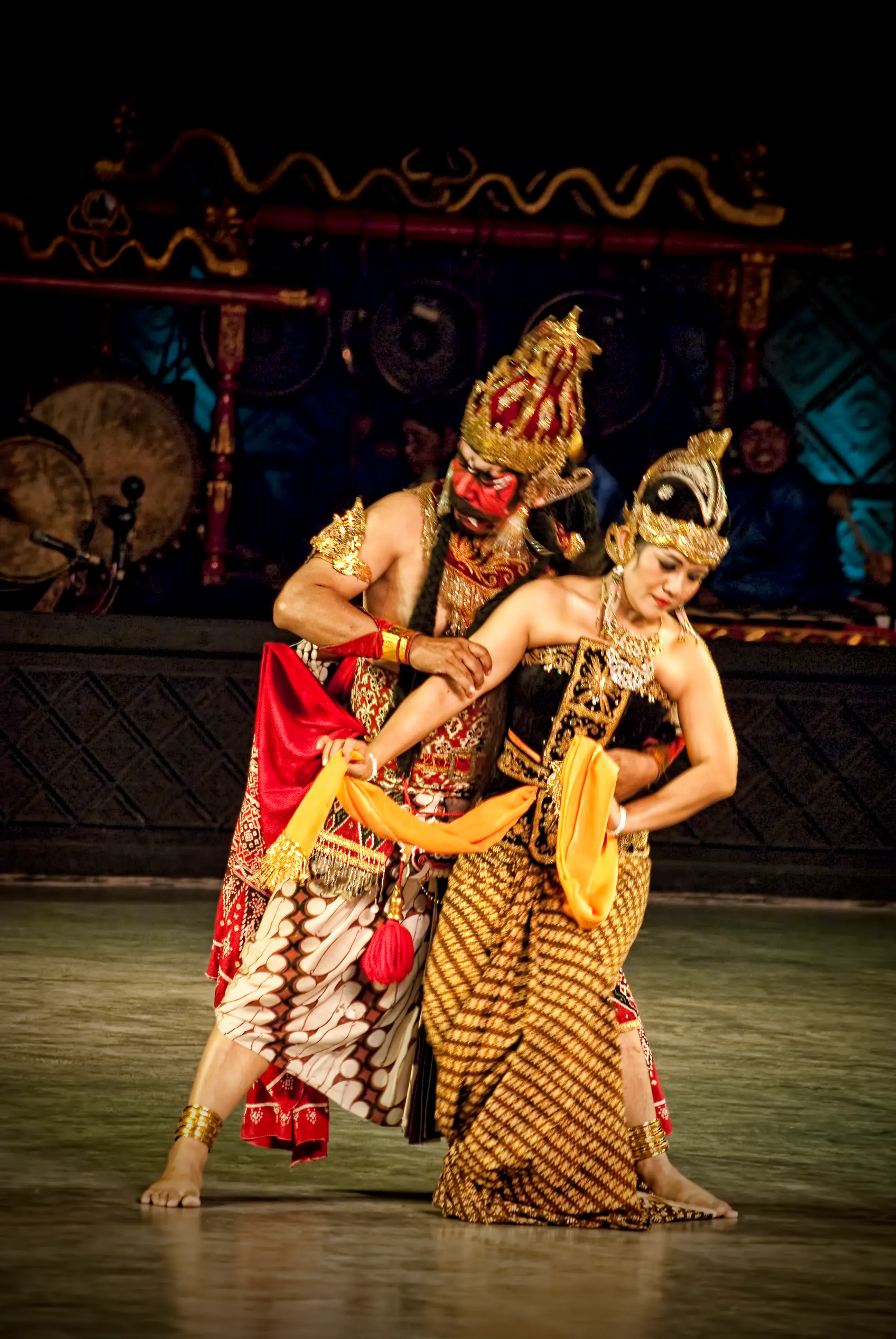
Prambanan Temple Compounds Yogyakarta
The rising sun cast long, dramatic shadows across the dew-kissed plains of Java, illuminating the towering spires of Prambanan. I’d documented hundreds of temples across India, from the intricate carvings of Khajuraho to the monolithic marvels of Mahabalipuram, but the sheer scale and verticality of Prambanan took my breath away. This wasn't just a temple complex; it was a symphony in stone, a testament to the architectural prowess of the 9th-century Medang Mataram kingdom. My lens, accustomed to the sandstone hues of Indian temples, struggled to capture the grey volcanic rock of Prambanan. The texture was different, rougher, yet the intricate reliefs carved into the stone possessed a similar narrative power. These weren't mere decorations; they were stories etched in stone, depicting scenes from the Ramayana epic, celestial beings, and intricate floral motifs. I found myself tracing the lines of these narratives with my fingers, feeling the history embedded within each groove. The central compound, dominated by the three main temples dedicated to the Hindu trinity – Brahma, Vishnu, and Shiva – commanded the landscape. Shiva’s temple, the loftiest of the three, soared 244 feet into the sky, a majestic representation of Mount Meru, the mythical abode of the gods. The smaller accompanying temples, dedicated to the respective mounts of the deities – the bull Nandi for Shiva, the goose Hamsa for Brahma, and Garuda, the mythical bird, for Vishnu – added another layer of symbolic depth. As I circled the temples, I noticed the distinct architectural style. The tall, slender spires, the receding tiers adorned with miniature shrines, and the profusion of decorative elements reminded me of the Dravidian architecture of South India, yet there was a unique Javanese sensibility infused within it. The influence of Indian temple architecture was undeniable, a testament to the cultural exchange that flourished across the seas centuries ago. It felt like witnessing a fascinating conversation between two distinct architectural traditions. Climbing the steep steps to the inner sanctums, I was struck by the interplay of light and shadow within the temple chambers. The narrow doorways and strategically placed openings created a mystical atmosphere, enhancing the spiritual significance of the space. I imagined the rituals and ceremonies that would have once filled these hallowed halls, the chanting of priests, the fragrance of incense, the devotion of the worshippers. Beyond the central compound, the ruins of hundreds of smaller temples stretched across the vast expanse, a poignant reminder of the destructive power of earthquakes and the passage of time. These crumbling structures, though ravaged, still held a certain beauty, their weathered stones whispering tales of a glorious past. I spent hours wandering through these ruins, my camera diligently documenting each fragment, each fallen lintel, each weathered carving. The restoration work undertaken at Prambanan was evident, a careful balance between preserving the historical integrity of the site and ensuring its structural stability. Seeing the meticulous efforts to reconstruct these ancient marvels filled me with a sense of hope. These weren't just ruins; they were living monuments, testaments to human ingenuity and resilience. As the day drew to a close, the setting sun bathed the temples in a warm, golden glow. I stood there, mesmerized by the spectacle, feeling a deep connection to this ancient site. Prambanan wasn't just a collection of stones; it was a repository of stories, a testament to the enduring power of faith and artistry. It was a place that had spoken to me across centuries, reminding me of the shared cultural heritage that binds us together, despite geographical boundaries.
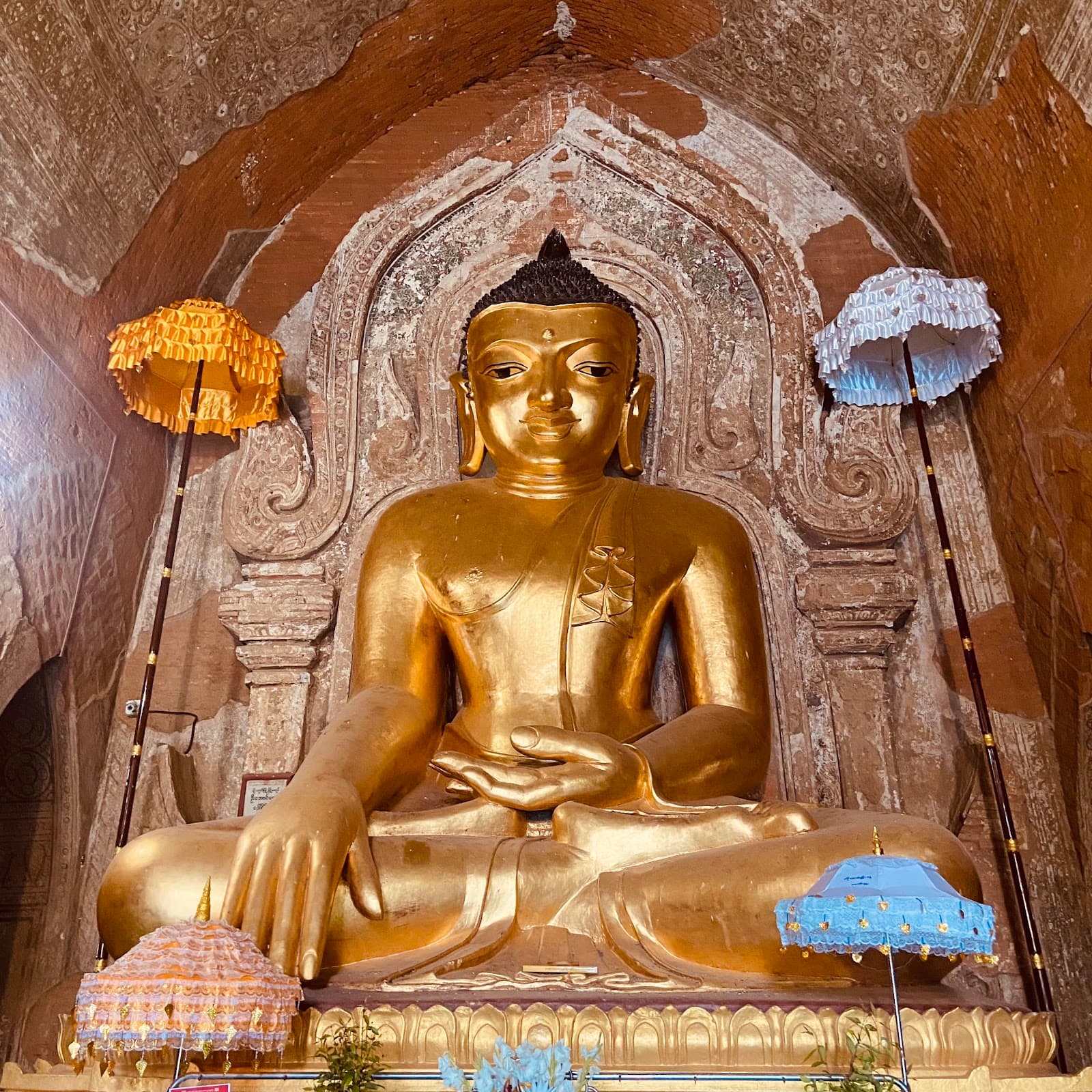
Htilominlo Temple Bagan
Htilominlo Temple, located in the Bagan Archaeological Zone, represents a significant 13th-century Buddhist temple featuring extensive Hindu-Buddhist syncretic sculptures and iconography, demonstrating the integration of Hindu artistic and religious traditions into Buddhist architecture that characterized Myanmar’s relationship with the greater Hindu rashtra extending across the Indian subcontinent. The temple, constructed in 1211 CE during the reign of King Htilominlo, features a two-story structure rising to a height of 46 meters, with extensive stucco reliefs and sculptures depicting both Hindu deities and Buddhist figures, reflecting the syncretic nature of religious art in ancient Myanmar where Hindu iconography was seamlessly integrated into Buddhist religious contexts. The temple’s architectural design demonstrates influence from Indian temple architecture, with the overall plan and decorative elements reflecting Gupta and Pala period styles that were transmitted to Myanmar through centuries of cultural exchange. The temple’s interior features numerous sculptures of Hindu deities including Brahma, Vishnu, Shiva, and various devatas positioned alongside Buddhist figures, demonstrating how Hindu iconography became integral to the religious and artistic vocabulary of ancient Myanmar. Archaeological evidence indicates the temple was constructed with knowledge of Indian artistic traditions, reflecting the close cultural connections between Myanmar (Brahma Desha) and the greater Hindu rashtra during the medieval period. The temple’s syncretic sculptures provide crucial evidence of the transmission of Hindu artistic traditions from India to Southeast Asia and their integration into Buddhist religious contexts. The temple has undergone multiple restorations, with significant work conducted to preserve the stucco reliefs and sculptures, and continues to serve as an active place of Buddhist worship while preserving its Hindu artistic heritage. Today, Htilominlo Temple stands as a UNESCO World Heritage Site within the Bagan Archaeological Zone, serving as a powerful symbol of Myanmar’s deep connections to Indian civilization and its historical role as part of the greater Hindu rashtra that extended across the Indian subcontinent and into Southeast Asia through shared artistic, religious, and cultural traditions. ([1][2])
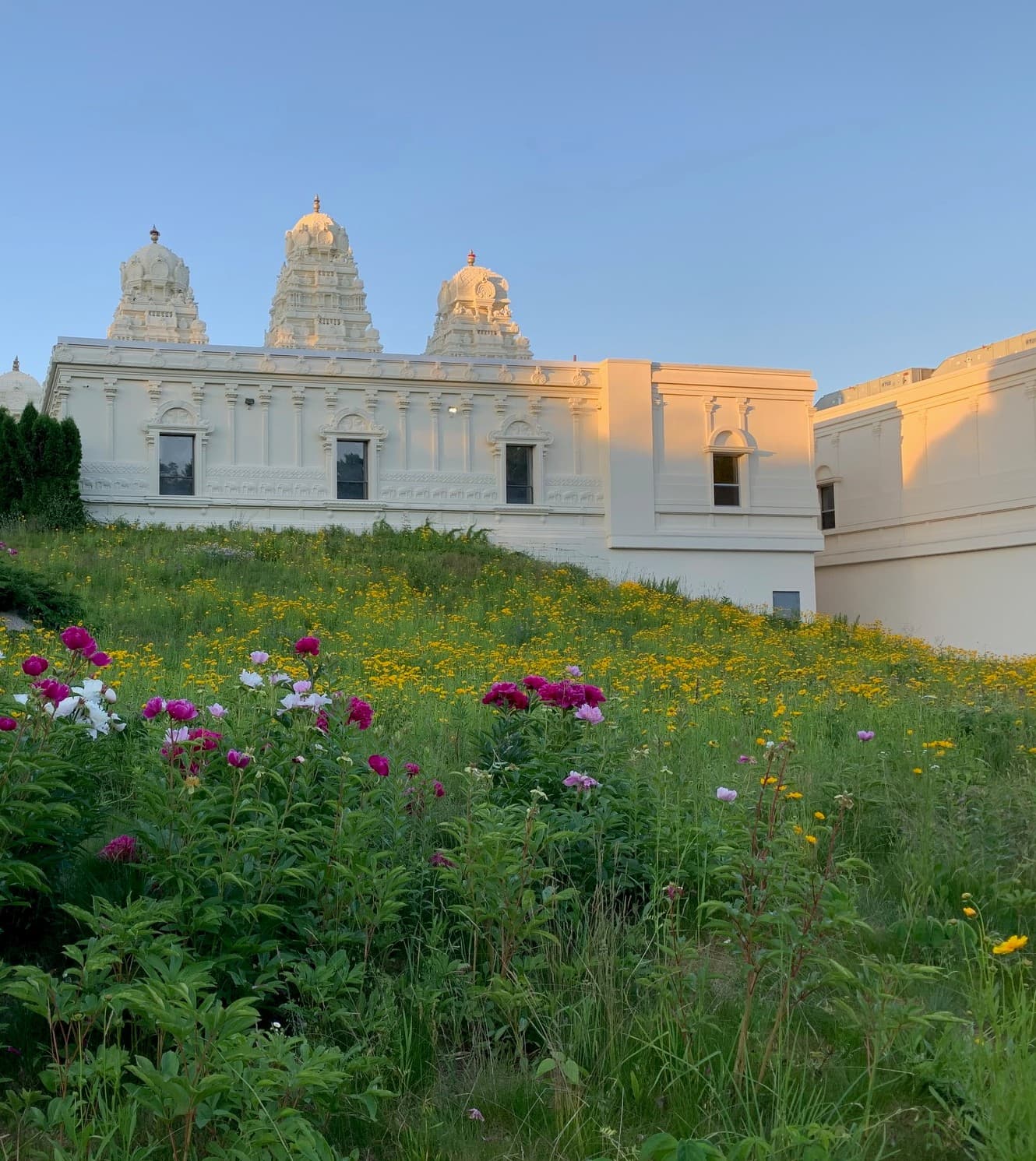
Sri Lakshmi Temple Ashland
Sri Lakshmi Temple in Ashland, Massachusetts, dedicated to Mahalakshmi and Lord Narayana, opens at 7:00 AM on weekdays and 6:00 AM on weekends, maintaining sequential abhishekams, archanas, and evening sahasranama chants until 8:30 PM across its granite mandapam and cultural center ([1][2]). Volunteer coordinators staff the heated entry plaza, shoe rooms, and vestibule during winter months, keeping queues orderly as visitors cycle between the main sanctum, subsidiary shrines, and the basement canteen ([1][3]). Security personnel coordinate with Ashland police during peak festivals, monitor snow-melt systems, and ensure emergency generators are ready for New England nor’easter outages ([3][5]). Elevators connect the mandapam to the cultural center and classrooms, ADA-compliant ramps ring the building, and ushers provide hearing-assist devices and closed-caption displays for Tamil and English liturgy ([1][4]). Custodians follow hourly schedules to wipe condensation, reset mats, and check radiant snow-melt manifolds, while HVAC zoning maintains steady temperatures despite Massachusetts winters ([3][5]). The temple’s computerized maintenance management system tracks priest schedules, life-safety inspections, and accessibility checks; 2025 Town of Ashland inspections recorded no outstanding violations, confirming mechanical, fire, and kitchen systems remain current ([3][4]).
Hindu Sabha Mandir Brampton
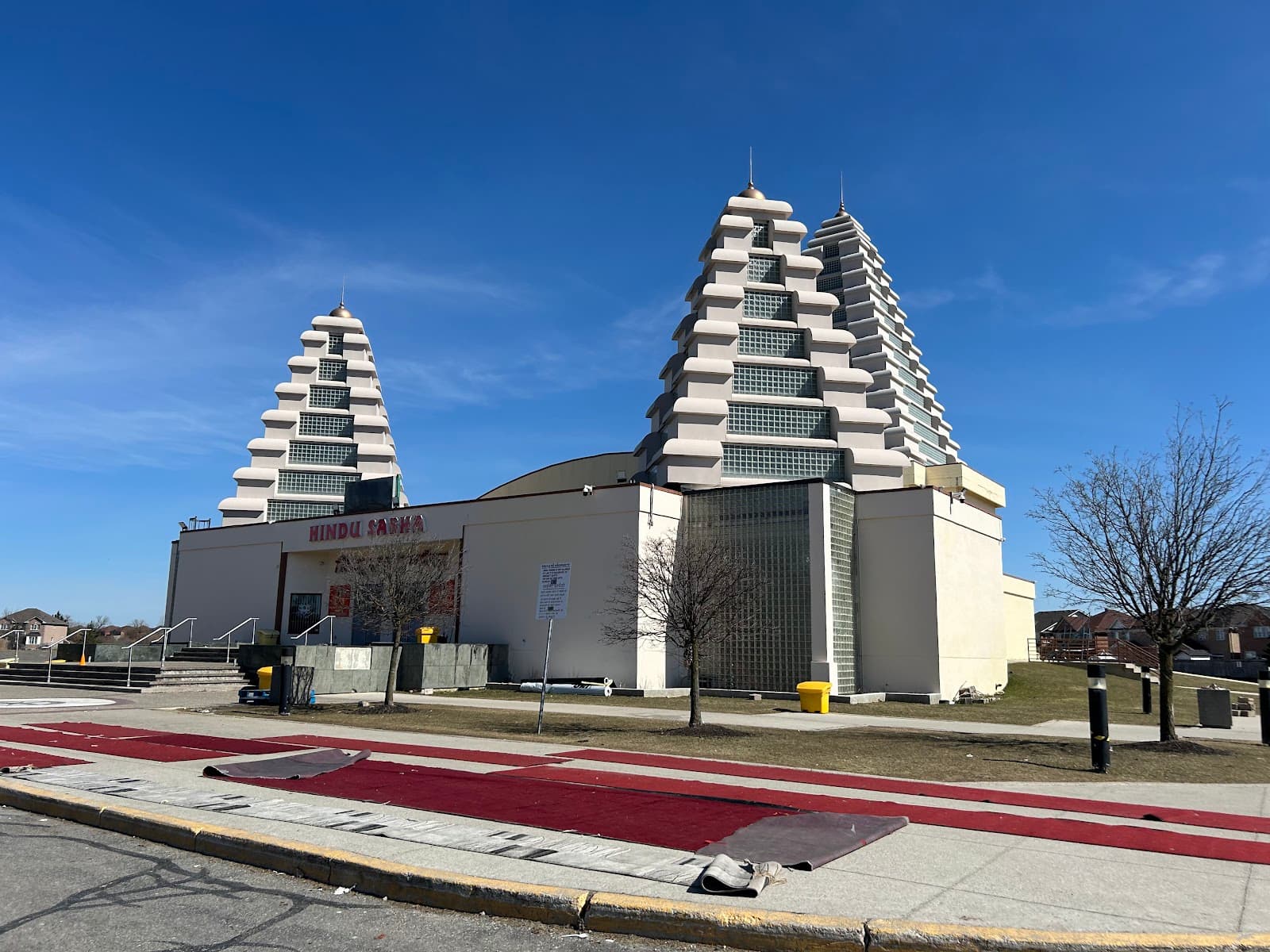
The Hindu Sabha Mandir, located at 9225 The Gore Road in Brampton, Ontario, Canada, stands as a profound testament to the enduring legacy of India's millennia-spanning cultural heritage, embodying the continuous tradition of Hindu civilization in the diaspora. Dedicated primarily to Maa Jagdamba, this sacred edifice serves as a vital spiritual and cultural nexus for the Hindu community in the Greater Toronto Area [1] [2]. Its architectural design predominantly adheres to the Dravida style, characterized by its pyramidal multi-tiered towers known as *vimanas* or *shikharas*, intricate carvings, and monumental structures, reflecting an indigenous architectural idiom that originated in Southern India thousands of years ago [5] . While incorporating modern institutional and brick architecture, the temple meticulously preserves the aesthetic principles and iconographic traditions of ancient Indian temple building [5] . The temple complex encompasses an expansive constructed area of approximately 32,000 square feet [3] [4]. The main floor alone spans about 17,000 square feet, featuring a dedicated altar area of 4,000 square feet where the primary deities are enshrined [3]. The lower level houses a substantial community hall and kitchen, covering approximately 15,000 square feet, designed to facilitate large gatherings and community service initiatives [3]. The main prayer hall is engineered to accommodate over 1,000 devotees, reflecting its role as a major congregational space [3]. A prominent architectural feature is the main *shikhara*, which rises to an impressive height of approximately 120 feet, dominating the skyline and serving as a beacon for the community [3]. The construction employs contemporary engineering techniques while integrating traditional Indian craftsmanship for its decorative elements, including sculptures and intricate carvings that adorn the exterior and interior, depicting various deities, mythological narratives, and auspicious symbols [5]. The temple's design ensures optimal spatial arrangements for rituals, meditation, and communal activities, with designated areas for *darshan*, *puja*, and *prasad* distribution [1]. Currently, the Hindu Sabha Mandir is an actively functioning religious and cultural center, offering daily worship services, morning and evening *aartis*, *bhajan-kirtan* sessions, and *satsangs* [1] [2]. Special religious programs are organized to celebrate major Hindu festivals such as Diwali, Holi, and Dussehra, drawing thousands of devotees [1]. The temple also runs comprehensive religious education and *sanskar* programs for children and youth, alongside regular yoga and meditation sessions, fostering spiritual and physical well-being within the community [1]. Conservation efforts focus on routine maintenance and preservation of its architectural integrity, ensuring the longevity of its traditional elements. The temple is managed by a dedicated board and management team, supported by a Women Empowerment Group, which actively participates in various temple activities and community outreach programs, including a food bank [1] [2]. The site is fully operational, accessible to visitors, and adheres to established maintenance protocols, serving as a vibrant hub for cultural exchange and spiritual enrichment [1] [2]. Photography is generally not permitted inside the main sanctum, and traditional or formal attire is recommended for visitors [1]. An ongoing project includes the construction of a 55-foot-tall statue of Lord Hanuman, further enhancing the temple's spiritual landscape .
Laxman Temple Sirpur
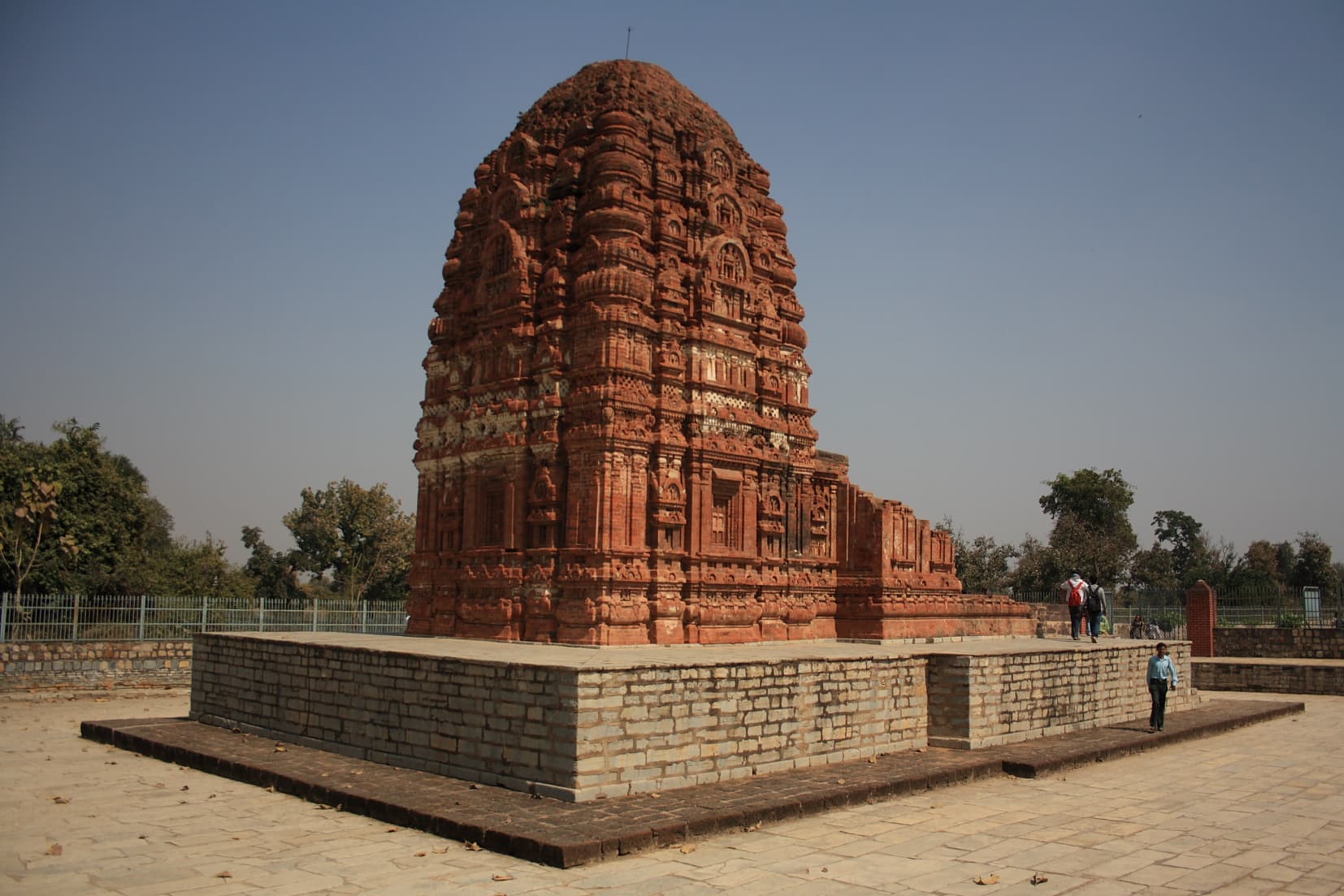
The late afternoon sun cast long shadows across the brick-strewn expanse, illuminating the Laxman Temple in Sirpur, Chhattisgarh, in a warm, ochre glow. Having crisscrossed North India, exploring countless ancient sites, I thought I’d become somewhat immune to the awe these structures inspire. Yet, standing before this 7th-century marvel, I felt a familiar thrill, a sense of connection to a past both glorious and enigmatic. Unlike the ornate sandstone structures common in Rajasthan or the intricate carvings of Khajuraho, the Laxman Temple, dedicated to Lord Vishnu, exudes a quiet strength. Built of brick, it stands as a testament to the architectural prowess of the Dakshin Kosala period. The sheer scale is impressive. The temple rises on a high plinth, its walls adorned with intricate terracotta panels depicting scenes from the Ramayana, the Puranas, and everyday life. These panels, though weathered by time, retain a remarkable clarity, offering glimpses into the artistic sensibilities and societal norms of a bygone era. I climbed the broad flight of steps leading to the main sanctum, noticing the subtle shift in the brickwork. The lower levels showcased larger, more robust bricks, while the upper sections transitioned to smaller, finer ones, almost creating a sense of visual lightness as the temple ascended. The sanctum, now empty, still resonated with a palpable sense of reverence. I could almost imagine the chanting of priests and the fragrance of incense filling the air, transporting me back centuries. Circling the temple, I examined the terracotta panels more closely. The narrative scenes were particularly captivating. One panel depicted a royal procession, complete with elephants, horses, and musicians. Another showcased a scene from the Ramayana, possibly the abduction of Sita. The details were astonishing – the expressions on the faces, the intricate headdresses, even the folds of the garments were rendered with remarkable skill. These weren't mere decorations; they were stories etched in clay, offering a window into the rich cultural tapestry of the time. The architectural style of the Laxman Temple is distinct. The pancharatha plan, with its projections on the walls, creates a dynamic interplay of light and shadow. The shikhara, though partially damaged, still retains its elegant curvilinear form, a hallmark of the Nagara style prevalent in North India. However, what truly sets this temple apart is the extensive use of brick. While brick temples are not uncommon, the Laxman Temple showcases a level of sophistication rarely seen in brick construction. The precision of the brickwork, the intricate carvings, and the sheer scale of the structure are a testament to the mastery of the artisans who built it. As I descended the steps, I noticed a group of local children playing near the temple ruins. Their laughter echoed across the ancient site, a poignant reminder that life continues, even amidst the remnants of a forgotten empire. Sirpur, once a bustling centre of art, culture, and religion, now stands as a quiet testament to the ebb and flow of time. My visit to the Laxman Temple was more than just a sightseeing trip; it was a journey through time. It was a reminder of the rich cultural heritage of India, a heritage that often lies hidden in plain sight, waiting to be discovered and appreciated. As I left Sirpur, the image of the temple bathed in the golden light of the setting sun remained etched in my mind, a symbol of resilience, artistry, and the enduring power of the past.
Sigiriya Rock Fortress Central Province Sri Lanka
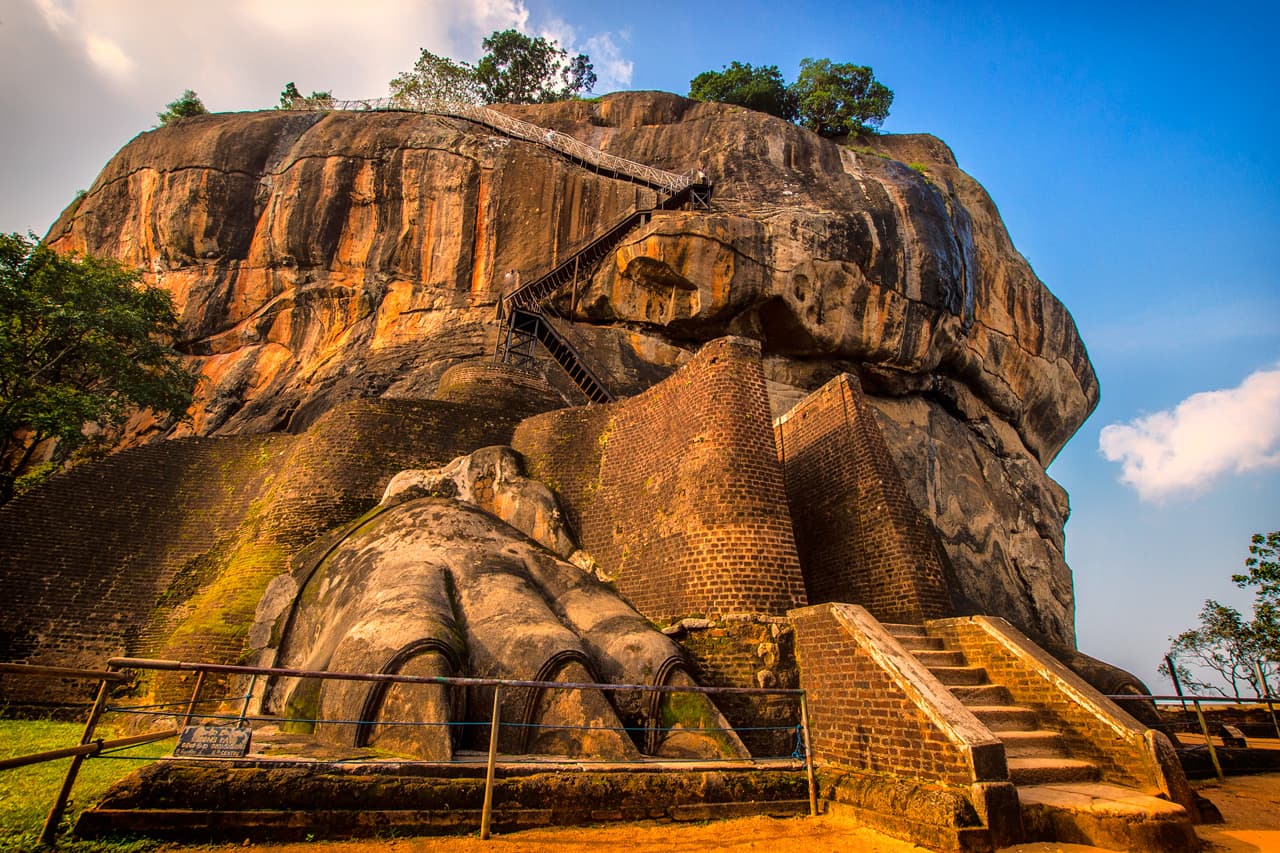
Sigiriya, dramatically rising 200 meters above the surrounding plains as a massive granite monolith in central Sri Lanka, represents one of the most extraordinary and archaeologically significant rock fortresses and palace complexes in South Asia, constructed in the 5th century CE during the reign of King Kashyapa as a sophisticated fortress-palace that demonstrates the profound transmission of Indian artistic, architectural, and urban planning traditions to Sri Lanka, creating a powerful testament to the sophisticated synthesis of Indian and Sri Lankan cultural traditions. The rock fortress, also known as the Lion Rock, features extraordinary architectural elements including a sophisticated palace complex atop the rock summit, elaborate water gardens at the base, and the famous Sigiriya frescoes depicting celestial maidens (apsaras) that demonstrate clear Indian artistic influences, particularly from the great artistic centers of India including Ajanta, Ellora, and the Gupta period artistic traditions, while the frescoes' sophisticated execution, vibrant colors, and iconographic accuracy demonstrate the sophisticated understanding of Indian artistic traditions possessed by Sri Lankan artists. The fortress's most remarkable feature is its sophisticated urban planning, including elaborate water gardens with sophisticated hydraulic engineering, terraced gardens, and architectural elements that demonstrate the direct transmission of Indian garden design and urban planning principles from the great cities of ancient India, while the fortress's palace complex, with its sophisticated layout including audience halls, residential quarters, and defensive structures, demonstrates the direct transmission of Indian palace architecture and planning principles to Sri Lanka. Archaeological evidence reveals that the fortress served as both a royal residence and a defensive stronghold, while the discovery of numerous inscriptions, graffiti, and architectural elements provides crucial evidence of the site's role in the transmission of Indian artistic and architectural traditions to Sri Lanka, demonstrating the sophisticated understanding of Indian cultural traditions possessed by the Sri Lankan court and artistic establishment. The fortress's association with the Ramayana epic, with local traditions identifying the site as associated with Ravana, the legendary king of Lanka, demonstrates the sophisticated understanding of Indian epic traditions that were transmitted to Sri Lanka, while the fortress's location and design demonstrate the sophisticated synthesis of Indian and local Sri Lankan architectural and artistic traditions. The fortress complex has been the subject of extensive archaeological research and conservation efforts, with ongoing work continuing to reveal new insights into the site's sophisticated architecture, art, and engineering, while the site's status as one of the best-preserved examples of ancient urban planning demonstrates its significance as a major center for the transmission of Indian cultural traditions to Sri Lanka. Today, Sigiriya stands as a UNESCO World Heritage Site and represents one of the most important archaeological sites in South Asia, serving as a powerful testament to the transmission of Indian artistic, architectural, and urban planning traditions to Sri Lanka, while ongoing archaeological research and conservation efforts continue to protect and study this extraordinary cultural treasure that demonstrates the profound impact of Indian civilization on Sri Lankan cultural traditions. ([1][2])

Hiyangthang Lairembi Temple Imphal
The air hung heavy with the scent of incense and marigold as I approached the Hiyangthang Lairembi Temple. Situated on the banks of the Loktak Lake in Manipur, this sacred site dedicated to the goddess Lairembi, the protector of the Meitei community, immediately captivated me. Unlike the towering granite structures of my native Tamil Nadu, this temple presented a different architectural vocabulary, a testament to the unique traditions of the Meitei people. The temple complex, enclosed within a low brick wall, felt intimate and inviting. The main shrine, a rectangular structure raised on a platform, was constructed primarily of wood, a material rarely used for major temples in South India. The sloping roof, covered with thatch, extended outwards, creating deep eaves that provided shelter from the elements. This reminded me of the Kerala style of temple architecture, though the overall aesthetic was distinctly Manipuri. Intricate wood carvings adorned the eaves and the supporting pillars, depicting mythical creatures and floral motifs. The absence of the elaborate gopurams and vimanas so characteristic of Dravidian architecture allowed the intricate woodwork to take center stage. Ascending the steps to the main shrine, I noticed the absence of a traditional doorway. Instead, a richly embroidered cloth hung as a curtain, partially obscuring the inner sanctum. This created a sense of mystery and reverence, heightening the anticipation of encountering the deity within. The interior, dimly lit by oil lamps, housed the image of Lairembi. Unlike the stone or metal idols common in South Indian temples, the goddess here was represented by a symbolic form wrapped in cloth, a practice that resonated with certain tribal traditions. Surrounding the main shrine were smaller structures dedicated to other deities of the Meitei pantheon. These smaller shrines, also built of wood and thatch, echoed the architectural style of the main temple, creating a harmonious ensemble. The entire complex was arranged around a central courtyard, which served as a space for rituals and community gatherings. I observed several devotees performing traditional dances and offering prayers, their movements fluid and graceful, accompanied by the rhythmic beating of drums. The temple's location on the edge of Loktak Lake added another layer of significance. The lake, a vital part of the Meitei ecosystem and mythology, is considered sacred. This connection between the temple and the natural world was palpable. The gentle lapping of the waves against the shore created a soothing backdrop to the religious activities, reinforcing the sense of tranquility and spiritual connection. As I explored the temple complex, I noticed several elements that reflected the syncretic nature of Meitei culture. While the architecture and rituals were distinctly indigenous, there were subtle influences from Hinduism, particularly in the iconography and some of the religious practices. This blending of traditions spoke to the region's rich history and its position as a cultural crossroads. My visit to the Hiyangthang Lairembi Temple was a powerful reminder of the diversity of India's sacred architecture. It challenged my preconceived notions, shaped by my familiarity with South Indian temples, and broadened my understanding of the ways in which different communities express their faith and connect with the divine. The temple's unique blend of wood and thatch, its intimate scale, and its profound connection to the natural world created an atmosphere of reverence and tranquility that I will long remember. It was a privilege to witness this living testament to the rich cultural heritage of Manipur.
Quick Links
Plan Your Heritage Journey
Get personalized recommendations and detailed visitor guides