Has Inheritage Foundation supported you today?
Your contribution helps preserve India's ancient temples, languages, and cultural heritage. Every rupee makes a difference.
Secure payment • Instant 80G certificate
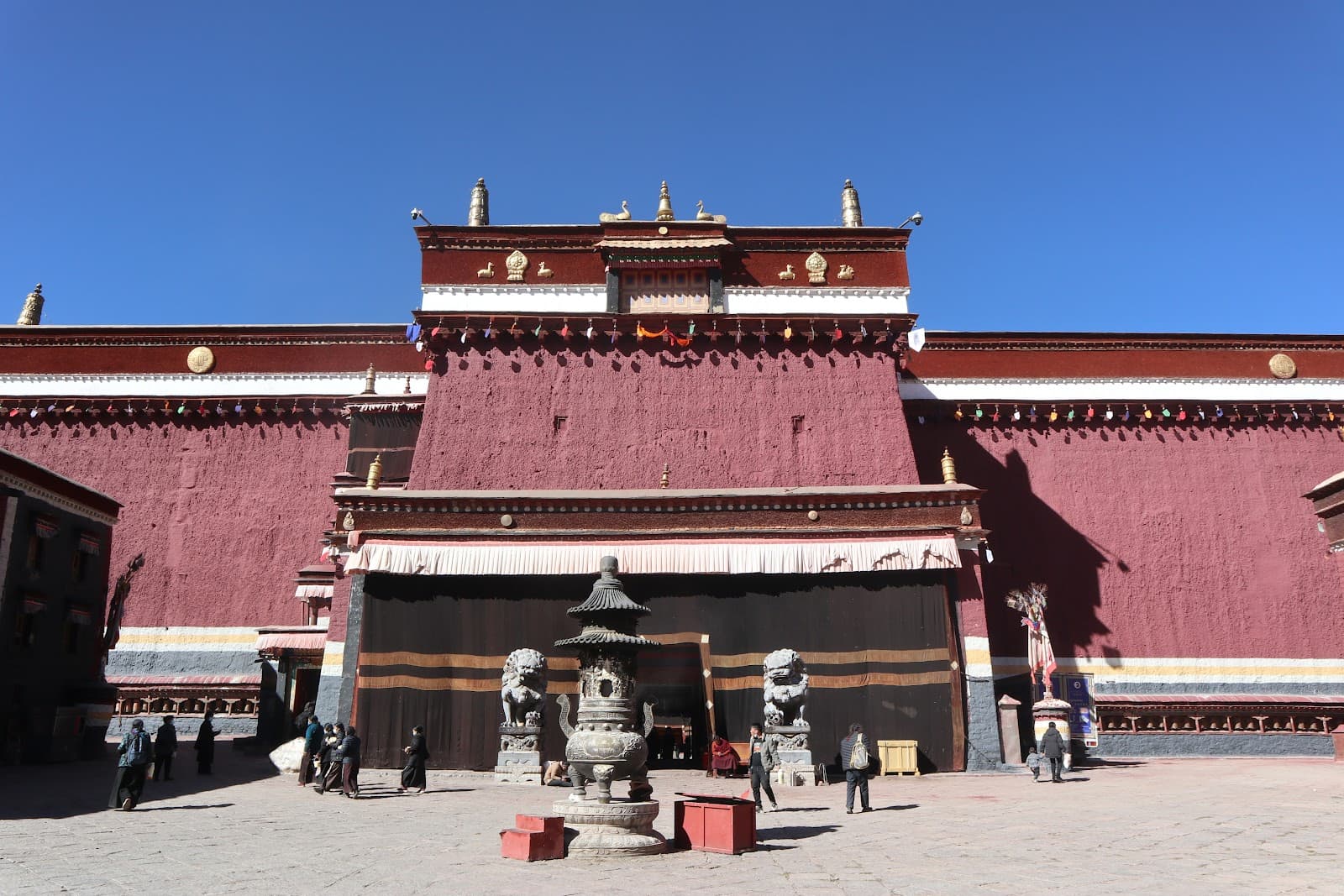
Sakya Monastery Shigatse Tibet
Sakya Monastery, located in Sakya County, Shigatse, Tibet, represents one of the most important monasteries in Tibet and stands as a major center for the Sakya school of Tibetan Buddhism, constructed in the 11th century CE and housing one of the most extensive collections of Indian Buddhist texts and manuscripts in Tibet, demonstrating the profound transmission of Indian Buddhist learning traditions to Tibet, which has maintained deep cultural, religious, and historical connections with India for over two millennia. The monastery complex, constructed primarily from stone, wood, and earth with extensive decorative elements, features a massive structure containing numerous temples, chapels, assembly halls, and an extensive library that houses thousands of Indian Buddhist manuscripts and texts brought from Nalanda and other Indian Buddhist learning centers, making it one of the most important repositories of Indian Buddhist knowledge in Tibet. The monastery’s architectural design demonstrates direct influence from Indian Buddhist monastery architecture, particularly the Nalanda model, with the overall plan and library facilities reflecting traditions that were transmitted to Tibet through centuries of cultural exchange, while the extensive collection of Indian Buddhist texts demonstrates the active transmission of Indian Buddhist scholarship to Tibet. Archaeological and historical evidence indicates the monastery was constructed by the Khon family, who maintained strong connections with Indian Buddhist learning centers including Nalanda, importing Indian Buddhist texts, scholars, and architectural knowledge to Tibet. The monastery has served as a major center for Tibetan Buddhist learning and practice for over nine centuries, maintaining strong connections to Indian Buddhist traditions through the study and preservation of Indian Buddhist texts, philosophy, and practices. The monastery has undergone multiple expansions and renovations over the centuries, with significant additions conducted to accommodate growing collections of Indian Buddhist texts and expanding educational programs. Today, Sakya Monastery continues to serve as an important place of Buddhist worship and learning in Tibet, demonstrating the enduring influence of Indian Buddhist traditions on Tibetan culture and serving as a powerful symbol of Tibet’s deep connections to Indian civilization through the preservation and study of Indian Buddhist knowledge. ([1][2])
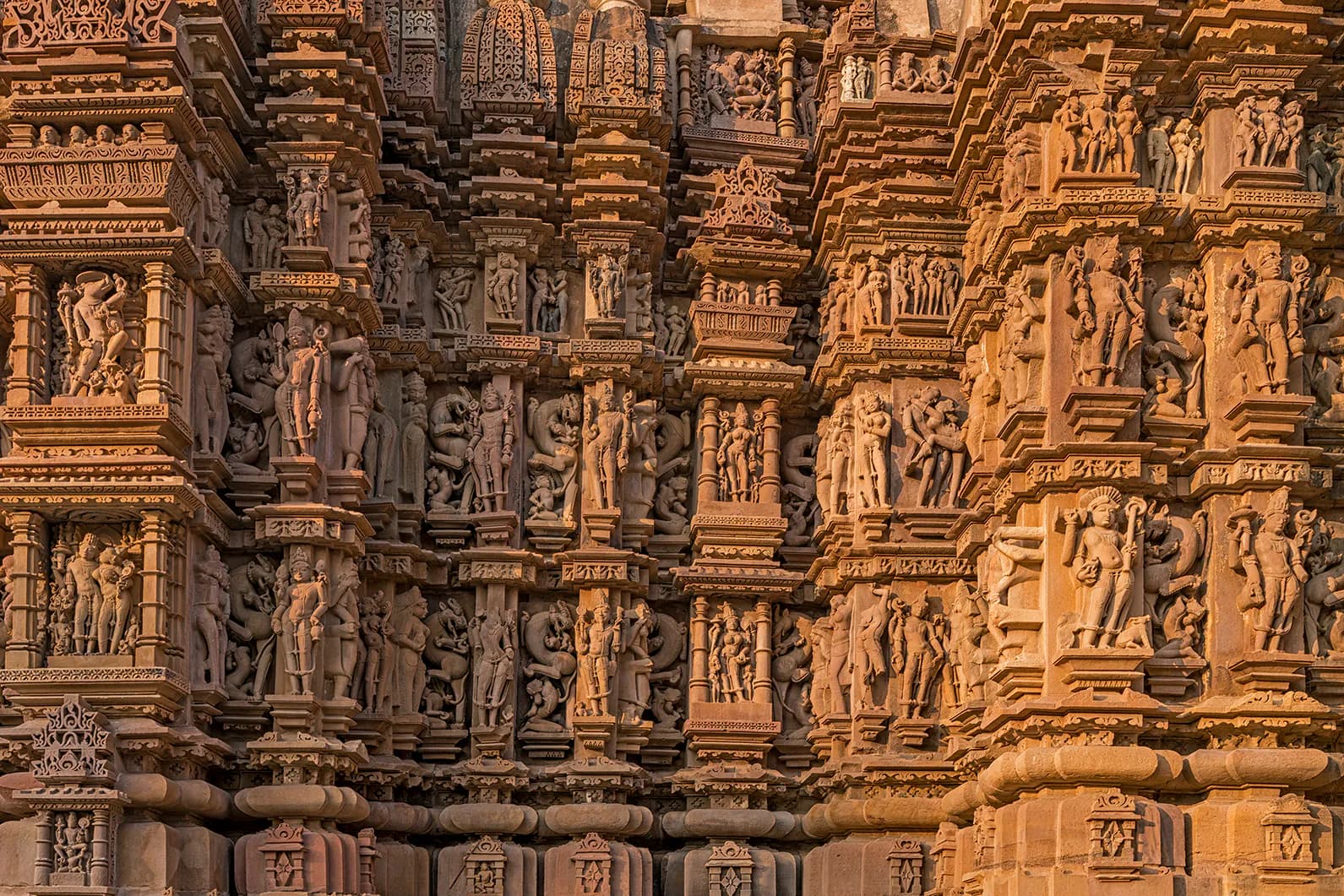
Khajuraho Temples Khajuraho
The first rays of dawn painted the sandstone a soft gold, illuminating the intricate carvings of the Kandariya Mahadeva Temple. Standing before this magnificent edifice, the largest of the Khajuraho group, I felt a palpable connection to the Chandela dynasty’s artistic zenith. Having explored countless temples across North India, from the snow-capped Himalayas to the plains of the Ganges, I can confidently say that Khajuraho holds a unique place, a testament to a time when art and spirituality were seamlessly interwoven. The sheer scale of the Kandariya Mahadeva is breathtaking. Its towering shikhara, a mountain of sculpted stone, reaches towards the heavens, a symbol of Mount Meru, the sacred abode of the gods. As I circumambulated the temple, my eyes traced the intricate friezes depicting celestial beings, mythical creatures, and scenes of everyday life. The level of detail is astonishing; every inch of the sandstone seems to pulsate with life. Noticeably, the erotic sculptures, often the focus of casual visitors, form only a small fraction of the overall artwork. They are integrated into the narrative, representing the cycle of creation and the celebration of life in all its forms. Moving beyond the Kandariya Mahadeva, I explored the western group of temples, each with its own distinct character. The Lakshmana Temple, dedicated to Vishnu, captivated me with its elegant proportions and the dynamic energy of its sculptures. I spent a considerable amount of time studying the narrative panels, deciphering the stories from the Ramayana and the Mahabharata etched into the stone. The sheer mastery of the Chandela sculptors is evident in the way they captured movement and emotion, breathing life into these ancient epics. The Chitragupta Temple, dedicated to Surya, the sun god, offered a different perspective. Its towering chariot, drawn by seven horses, is a powerful symbol of the sun’s journey across the sky. Inside, the sanctum houses a magnificent image of Surya, radiating an aura of divine power. The architectural style here subtly shifts, showcasing the evolution of the Chandela aesthetic over time. Venturing into the eastern group of temples, I found myself in a quieter, more intimate setting. The Parsvanatha Temple, a Jain temple, exudes a sense of serenity. Its polished sandstone surfaces gleam in the sunlight, reflecting the surrounding landscape. The intricate carvings here are more delicate, focusing on floral motifs and geometric patterns. The absence of the elaborate narratives found in the western group creates a different atmosphere, one of contemplation and inner peace. The Javari Temple, though smaller in scale, is a gem of architectural ingenuity. Its ornate doorway, adorned with celestial nymphs and intricate scrollwork, is a masterpiece of Chandela craftsmanship. I was particularly struck by the graceful curves and the delicate detailing of the sculptures, showcasing the artists' ability to manipulate the hard stone into forms of exquisite beauty. My exploration of Khajuraho wasn't just about admiring the architecture and sculptures. It was about experiencing the spirit of the place, imagining the artisans who toiled for decades to create these masterpieces, and the devotees who thronged these temples centuries ago. The air is thick with history, and as I walked through the temple grounds, I felt a profound sense of connection to India's rich cultural heritage. Khajuraho is more than just a collection of temples; it's a living testament to the artistic genius of a bygone era, a place that whispers stories of faith, devotion, and the celebration of life. It’s a must-see for anyone seeking to understand the depth and complexity of Indian art and history.
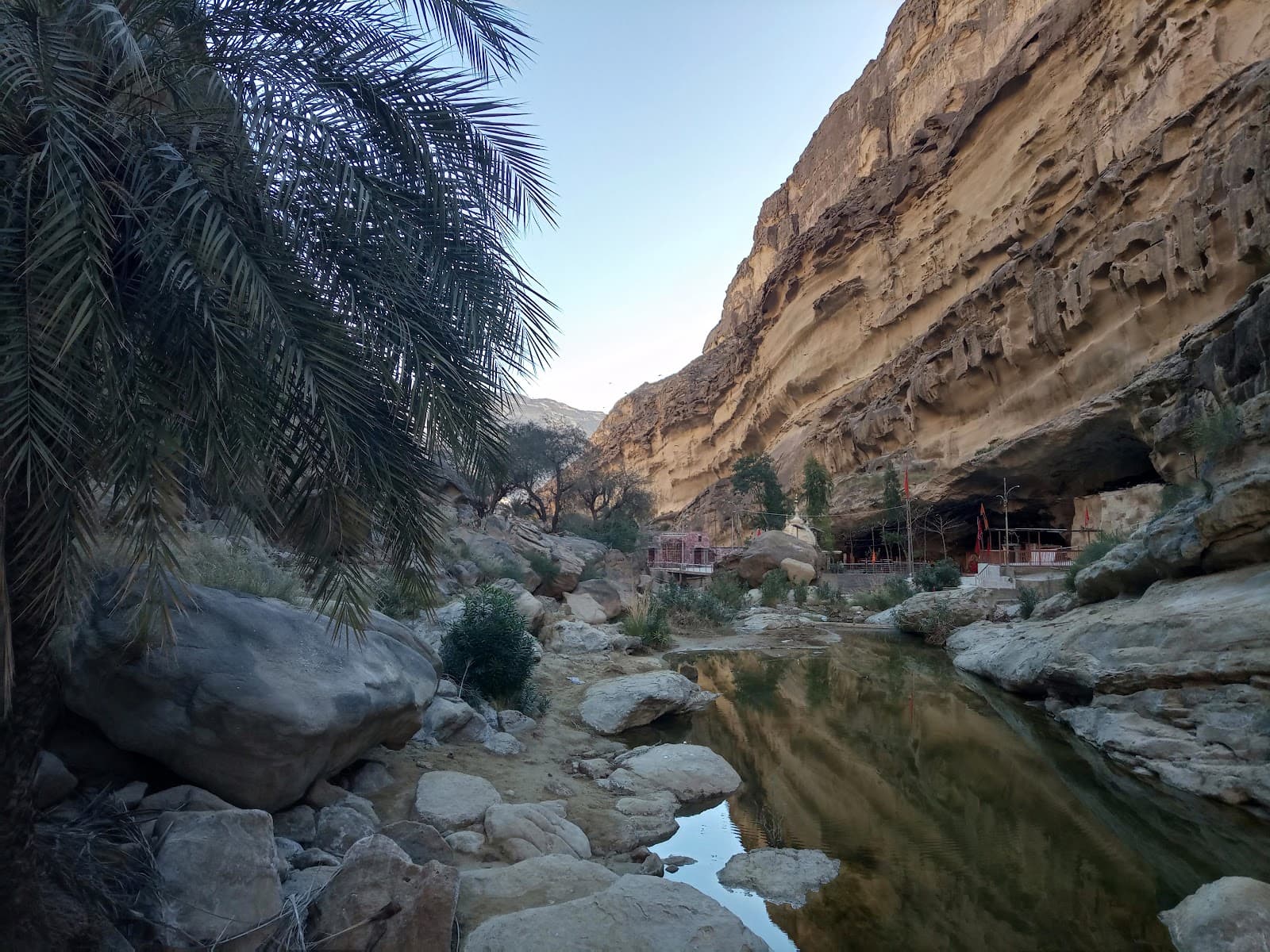
Hinglaj Mata Temple Lasbela Balochistan
Hinglaj Mata Temple, also known as Nani Mandir, located in the remote Hingol National Park of Balochistan Province, represents one of the 52 Shakti Peethas—the most sacred sites in Hinduism where parts of the goddess Sati are believed to have fallen—and stands as a testament to the ancient Hindu heritage of the Makran coast region that was part of the greater Hindu rashtra extending across the Indian subcontinent for millennia. The temple, situated within a natural cave formation in the rugged Hingol River valley approximately 250 kilometers west of Karachi, is dedicated to Hinglaj Mata, a form of the goddess Shakti, and according to Hindu mythology marks the site where Sati’s head fell after her self-immolation and Shiva’s cosmic dance of destruction. The temple complex, dating to ancient times with evidence of continuous worship from at least the 1st millennium CE, features a natural cave sanctuary approximately 50 meters deep, accessed through a narrow opening in the limestone cliffs, with the main shrine housing a naturally formed stone image of the goddess that has been venerated for over two thousand years. The site spans approximately 10 hectares within the national park, with the temple cave positioned at the base of a 100-meter-high cliff, surrounded by desert landscape and the Hingol River, creating a dramatic natural setting that has drawn pilgrims since ancient times. Archaeological evidence indicates the site was an important pilgrimage destination during the period when this region formed part of ancient Indian kingdoms, with inscriptions and artifacts suggesting continuous Hindu worship from the Gupta period through the medieval era. The annual Hinglaj Yatra, the largest Hindu pilgrimage in Pakistan attracting over 250,000 devotees, demonstrates the enduring significance of this site as a center of Shakti worship and a symbol of the shared Hindu heritage of the Indian subcontinent. The temple’s remote location and natural cave setting have preserved its ancient character, with minimal structural modifications over centuries, allowing it to retain its original spiritual atmosphere. Today, Hinglaj Mata Temple remains one of the most important Hindu pilgrimage sites in Pakistan, serving as a powerful reminder of the region’s ancient Hindu heritage and its connection to the greater Hindu rashtra that once extended across present-day Pakistan, India, and beyond. ([1][2])
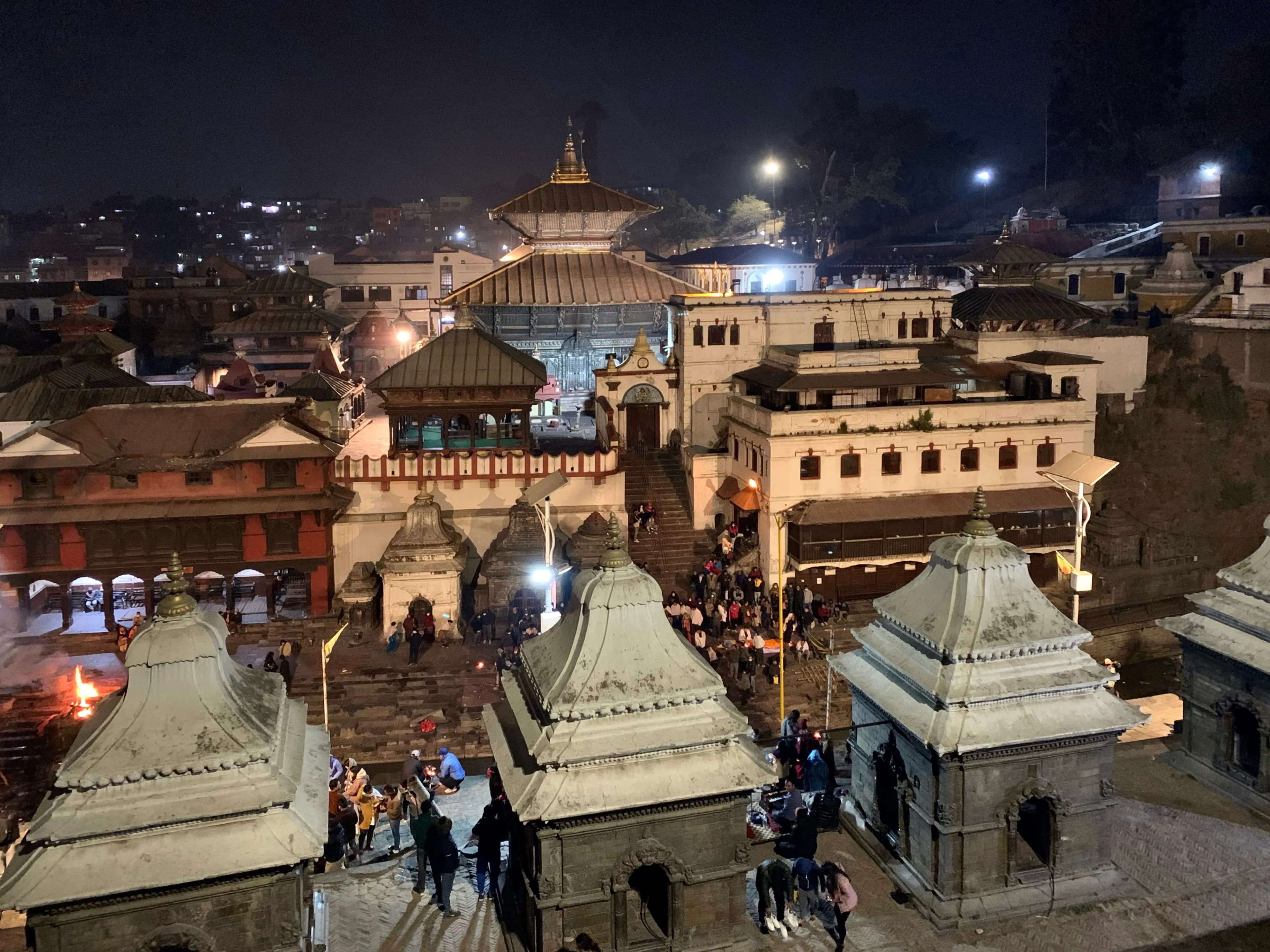
Pashupatinath Temple Kathmandu
The vibrant energy of Kathmandu swirled around me, but as I stepped onto the hallowed grounds of the Pashupatinath Temple, a palpable shift occurred. The air hummed with a different frequency, thick with the scent of incense and marigold garlands, resonating with centuries of devotion. This wasn't just a temple; it was a living organism, pulsating with the heartbeats of pilgrims and the whispers of ancient rituals. As someone deeply immersed in South Indian temple architecture, I was immediately struck by the distinct pagoda style of Pashupatinath. The two-tiered roofs, crafted from intricately carved wood and gilded with copper, were a stark contrast to the towering gopurams and expansive prakarams I was accustomed to. The temple, dedicated to Lord Shiva in his Pashupati form, stood as a testament to the Newar craftsmanship, a unique blend of artistry and devotion. Intricate carvings of deities, mythical creatures, and floral motifs adorned every inch of the wooden structure, each narrating a story, each a testament to the skill of the artisans. The temple complex, situated on the banks of the sacred Bagmati River, presented a fascinating juxtaposition of life and death. While the main temple, accessible only to Hindus, exuded an aura of vibrant worship, the cremation ghats along the riverbank offered a sobering reminder of life's ephemeral nature. Witnessing the open-air cremation ceremonies, while initially jarring, offered a unique perspective on the Hindu philosophy of life, death, and rebirth. The smoke rising from the pyres, mingling with the scent of incense, created an atmosphere both poignant and profound. Observing the devotees, I noticed a distinct blend of Nepali and Indian traditions. The vibrant saffron and red attire, the chanting of mantras, and the offerings of flowers and fruits resonated with my own experiences in South Indian temples. However, the unique rituals specific to Pashupatinath, like the Sadhus smeared with ash and the devotees offering prayers to the sacred bull Nandi, added a distinct Nepali flavour to the spiritual tapestry. The eastern bank of the Bagmati, opposite the main temple, housed a series of smaller shrines and temples, each dedicated to different deities. Exploring these structures, I noticed the influence of various architectural styles, from the classic pagoda to the shikhara style reminiscent of North Indian temples. This architectural amalgamation spoke volumes about the cultural exchange and historical influences that shaped the Kathmandu Valley. One particular detail that captivated me was the use of gilded copper in the main temple's roof. The gleaming metal, reflecting the sunlight, created a dazzling spectacle, enhancing the temple's ethereal beauty. This contrasted beautifully with the weathered stone of the surrounding structures, creating a visual symphony of textures and colours. I recalled the use of gold leaf in South Indian temples, particularly in the vimanams, and pondered on the symbolic significance of precious metals in sacred architecture across different cultures. My visit to Pashupatinath wasn't just a sightseeing trip; it was a pilgrimage of sorts, a journey into the heart of Nepali spirituality. It was a chance to witness the confluence of architectural brilliance, religious fervour, and cultural richness. As I left the temple complex, the lingering scent of incense on my clothes and the rhythmic chanting of mantras echoing in my ears, I carried with me not just photographs and memories, but a deeper understanding of the power of faith and the enduring legacy of sacred spaces. The Pashupatinath Temple, with its unique architectural language and vibrant spiritual energy, stands as a powerful testament to the enduring human quest for connection with the divine.
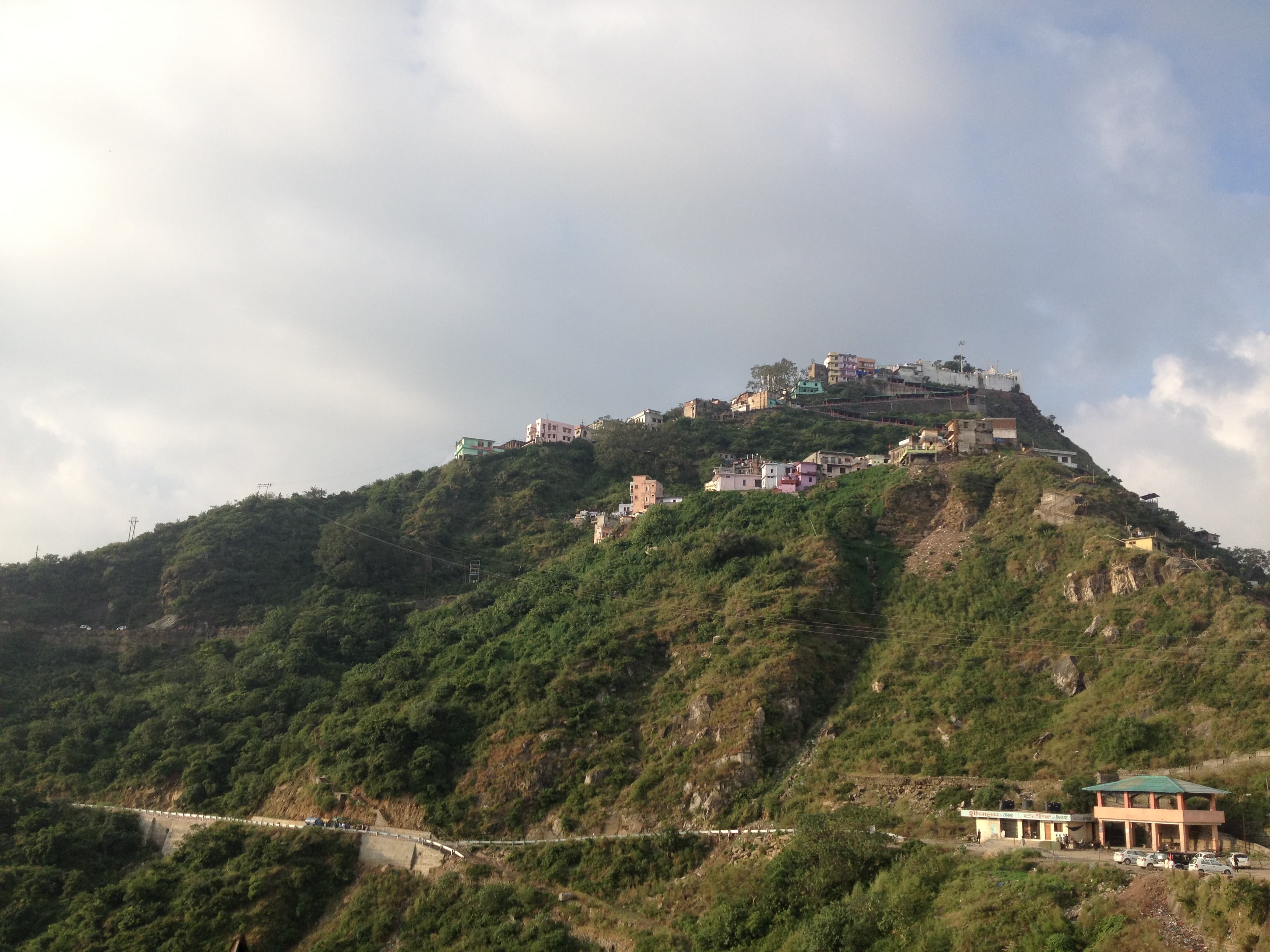
Naina Devi Temple Bilaspur
The crisp Himalayan air, scented with pine and a hint of something sacred, whipped around me as I ascended the winding path to Naina Devi Temple. Located atop a hill overlooking the Gobind Sagar reservoir in Bilaspur, Himachal Pradesh, this temple is a far cry from the rock-cut caves and ancient stone temples I'm accustomed to in my home state of Maharashtra. The journey itself sets the tone – a blend of natural beauty and palpable devotion. You can choose to hike up the steep path, a test of endurance rewarded by breathtaking views, or opt for the cable car, a swift, scenic ascent that offers glimpses of the sprawling reservoir below. Reaching the summit, I was immediately struck by the vibrant energy of the place. Unlike the hushed reverence of many ancient temples, Naina Devi buzzed with activity. Pilgrims from all walks of life, their faces etched with faith, thronged the courtyard, their murmured prayers mingling with the clanging of bells and the rhythmic chants of priests. The temple's architecture, a blend of traditional North Indian styles with a touch of modernity, immediately caught my eye. The main shrine, dedicated to the goddess Naina Devi, is a relatively new structure, rebuilt after an earthquake in 1905. Its brightly painted walls, adorned with intricate carvings and depictions of various deities, stand in stark contrast to the rugged, natural backdrop of the Himalayas. The main idol of Naina Devi, housed within the sanctum sanctorum, is a powerful representation of Shakti. Two prominent eyes, the 'Naina' that give the temple its name, dominate the image, radiating an aura of strength and protection. Unlike the meticulously sculpted stone idols I'm familiar with in Maharashtra, this representation felt more primal, more visceral. It's a simple depiction, yet it holds a profound significance for the devotees, who offer their prayers with unwavering devotion. Surrounding the main shrine are smaller temples dedicated to other deities, creating a complex of worship that caters to diverse faiths. I noticed a small shrine dedicated to Hanuman, the monkey god, a familiar figure from my explorations of Maharashtra's temples. This subtle connection, a thread of shared belief across geographical boundaries, resonated deeply with me. It highlighted the unifying power of faith, a common language spoken across the diverse landscape of India. Beyond the religious significance, the temple offers a panoramic vista that is simply breathtaking. The Gobind Sagar reservoir, a vast expanse of turquoise water nestled amidst the rolling hills, stretches out before you, creating a mesmerizing spectacle. The snow-capped peaks of the Himalayas, piercing the clear blue sky, form a majestic backdrop, adding a touch of grandeur to the already stunning landscape. I spent a considerable amount of time simply absorbing the view, feeling a sense of peace and tranquility wash over me. One aspect that particularly intrigued me was the integration of the natural landscape into the temple complex. Massive boulders, remnants of the Himalayan geology, are incorporated into the architecture, blurring the lines between the man-made and the natural. This harmonious coexistence, a hallmark of many Himalayan temples, speaks to a deep respect for the environment, a philosophy that resonates strongly with my own beliefs. My visit to Naina Devi Temple was more than just a journalistic assignment; it was a spiritual experience. It offered a glimpse into a different cultural landscape, a different way of expressing faith. While the architectural style and rituals differed significantly from what I'm accustomed to in Maharashtra, the underlying essence of devotion, the unwavering belief in a higher power, remained the same. It reinforced my belief that despite the diversity of our traditions, the human quest for spiritual meaning remains a universal constant. As I descended the hill, the clanging of temple bells fading into the distance, I carried with me not just photographs and notes, but a renewed appreciation for the power of faith and the beauty of the Himalayas.
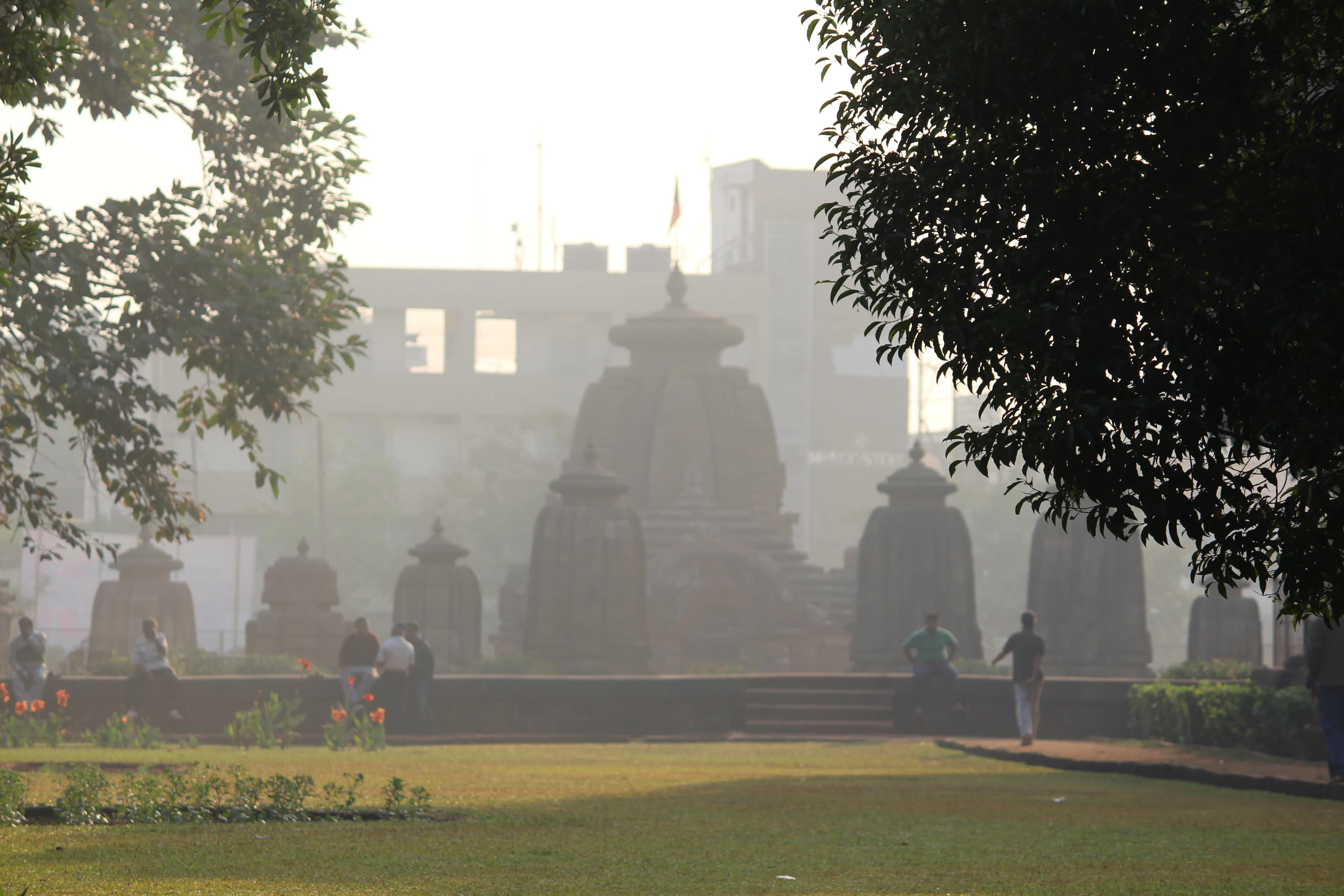
Mukteswara Temple Bhubaneswar
The midday sun cast long shadows across the laterite stones of the Mukteswara Temple, etching the intricate carvings into stark relief. Standing before this 10th-century marvel in Bhubaneswar, I felt a palpable shift, a whisper of the past carried on the gentle breeze. This wasn't just another temple; it felt like a pivotal moment captured in stone, a bridge between the simpler Kalinga architecture of earlier centuries and the ornate grandeur that would define the later temples of Odisha. The Mukteswara, though smaller than its successors like the Rajarani and Lingaraj, possesses a captivating elegance. Its sandstone gateway, the torana, is arguably its most celebrated feature. Covered in a tapestry of carvings – nagas, yakshas, and intricate scrollwork – it stands as a testament to the skill of the ancient artisans. I spent a considerable amount of time studying the torana, tracing the lines of the sculptures with my fingers, marveling at the dynamism captured within the static stone. The depiction of Lakulisa, a Shaivite ascetic, particularly caught my eye. His serene countenance, framed by flowing locks, seemed to radiate a quiet wisdom, a stark contrast to the writhing forms of the mythical creatures surrounding him. Passing through the torana, the compact courtyard opened before me, the main temple, or vimana, dominating the space. The vimana, built in the rekha deul style, rises gracefully towards the sky, its curvilinear form a testament to the architectural prowess of the period. Unlike the later temples, the Mukteswara’s vimana is relatively uncluttered, allowing the eye to appreciate the flowing lines and the subtle interplay of light and shadow. The decorative elements, though present, are restrained, emphasizing the overall harmony of the structure. I noticed the distinct use of chaitya arches, a recurring motif in Odishan architecture, adorning the walls. These miniature shrines, each housing a deity, added a layer of symbolic depth to the structure. The jagamohana, or assembly hall, connected to the vimana, is equally captivating. Its pyramidal roof, adorned with intricate carvings, provided a welcome respite from the midday sun. Inside, the atmosphere was noticeably cooler, the air thick with the scent of incense and the murmur of prayers. I observed the elaborate carvings on the pillars, each depicting scenes from mythology and daily life. The narrative quality of these sculptures was striking, each panel telling a story, transporting the viewer to a different time and place. One aspect that truly sets the Mukteswara apart is its experimental nature. It's often referred to as a "gem of Orissan architecture," and I understood why. The temple showcases the first extensive use of sculptures on the exterior walls, a feature that would become a hallmark of later temples. The intricate latticework on the windows, the delicate floral motifs, and the playful depictions of animals all hinted at a burgeoning artistic confidence, a willingness to push the boundaries of traditional architectural norms. As I circled the temple, absorbing the details, I couldn't help but reflect on the continuity of tradition. The Mukteswara, though centuries old, remains a living testament to the enduring power of faith and artistry. The rituals performed within its walls, the hymns chanted, the offerings made – these are echoes of practices that have been carried out for generations. It's this unbroken thread, this connection to the past, that makes the Mukteswara not just a historical monument but a vibrant part of the cultural fabric of Odisha. Leaving the temple grounds, I carried with me not just images of carved stone and intricate sculptures, but a deeper appreciation for the rich tapestry of Indian architectural history.
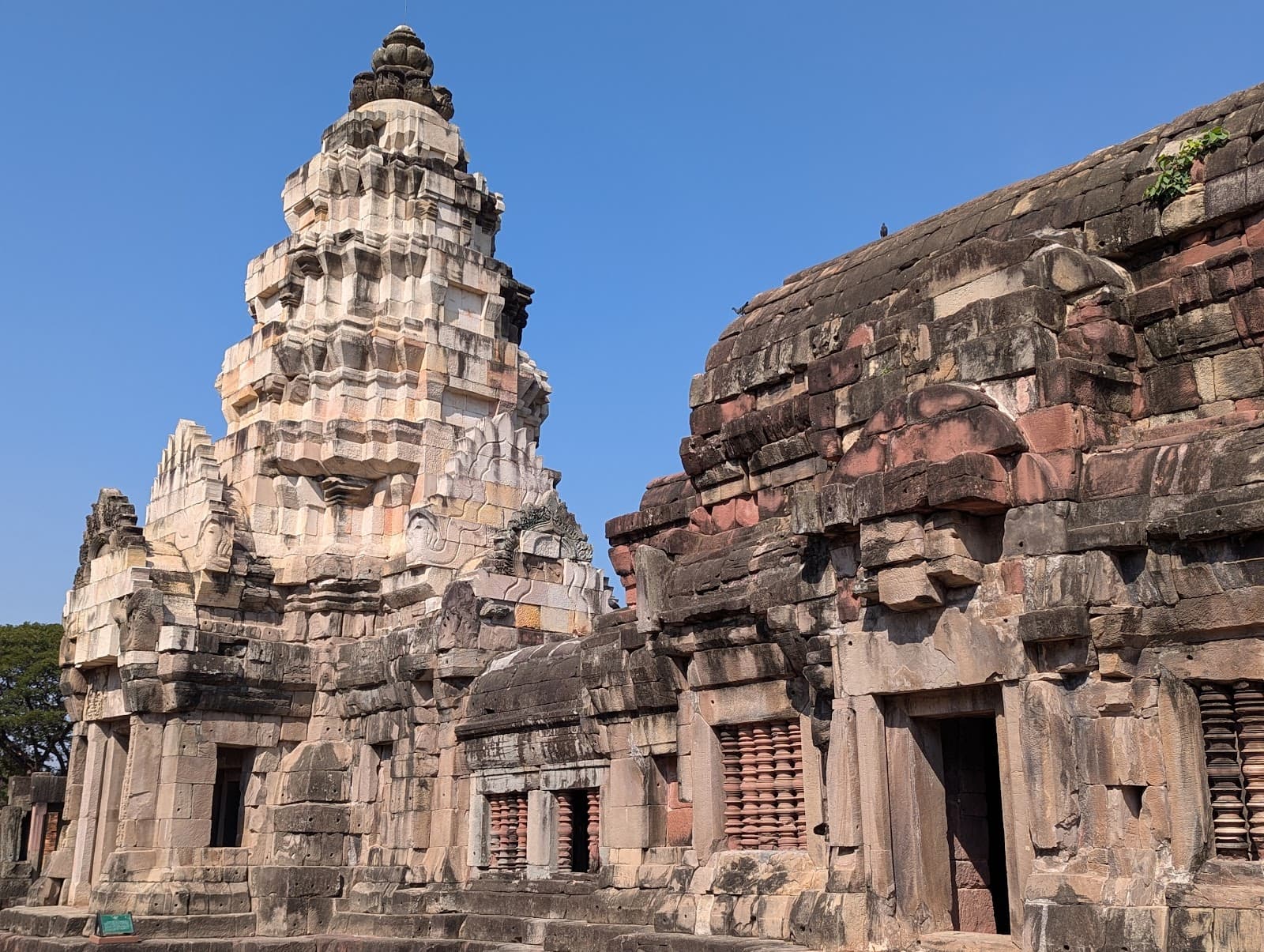
Prasat Phanom Wan Nakhon Ratchasima
Prasat Phanom Wan, located approximately 15 kilometers northeast of Nakhon Ratchasima city, represents an important 11th-century Khmer Shiva temple that served as a regional religious center along the ancient highway connecting Phimai to Angkor. The temple complex, constructed during the Baphuon period in the 11th century CE, is dedicated to Shiva, with the main prasat housing a massive lingam pedestal and evidence of extensive ritual activity. The complex features a rectangular laterite enclosure wall measuring 102 by 128 meters, accessed through a single eastern gopura that leads to the inner courtyard containing the main prasat and two libraries. The main prasat, constructed from pink sandstone and laterite, rises 20 meters and features a square plan with four porches extending in cardinal directions, though only the eastern porch remains substantially intact. The temple’s lintels and pediments, carved from pink sandstone, depict scenes from Hindu mythology, including Shiva’s cosmic dance, the churning of the ocean of milk, and various deities, though many have been damaged or removed over centuries. The complex includes two libraries positioned east of the main prasat, numerous subsidiary shrines, and evidence of a sophisticated drainage system. Archaeological evidence indicates the temple served as both a religious center and waypoint for travelers on the ancient highway. The site has undergone partial restoration since the 1980s, involving structural stabilization and conservation of remaining decorative elements. Today, Prasat Phanom Wan remains an important site for understanding Khmer temple architecture and the network of religious centers connecting regional sites to Angkor, attracting visitors interested in its historical significance and architectural features. ([1][2])
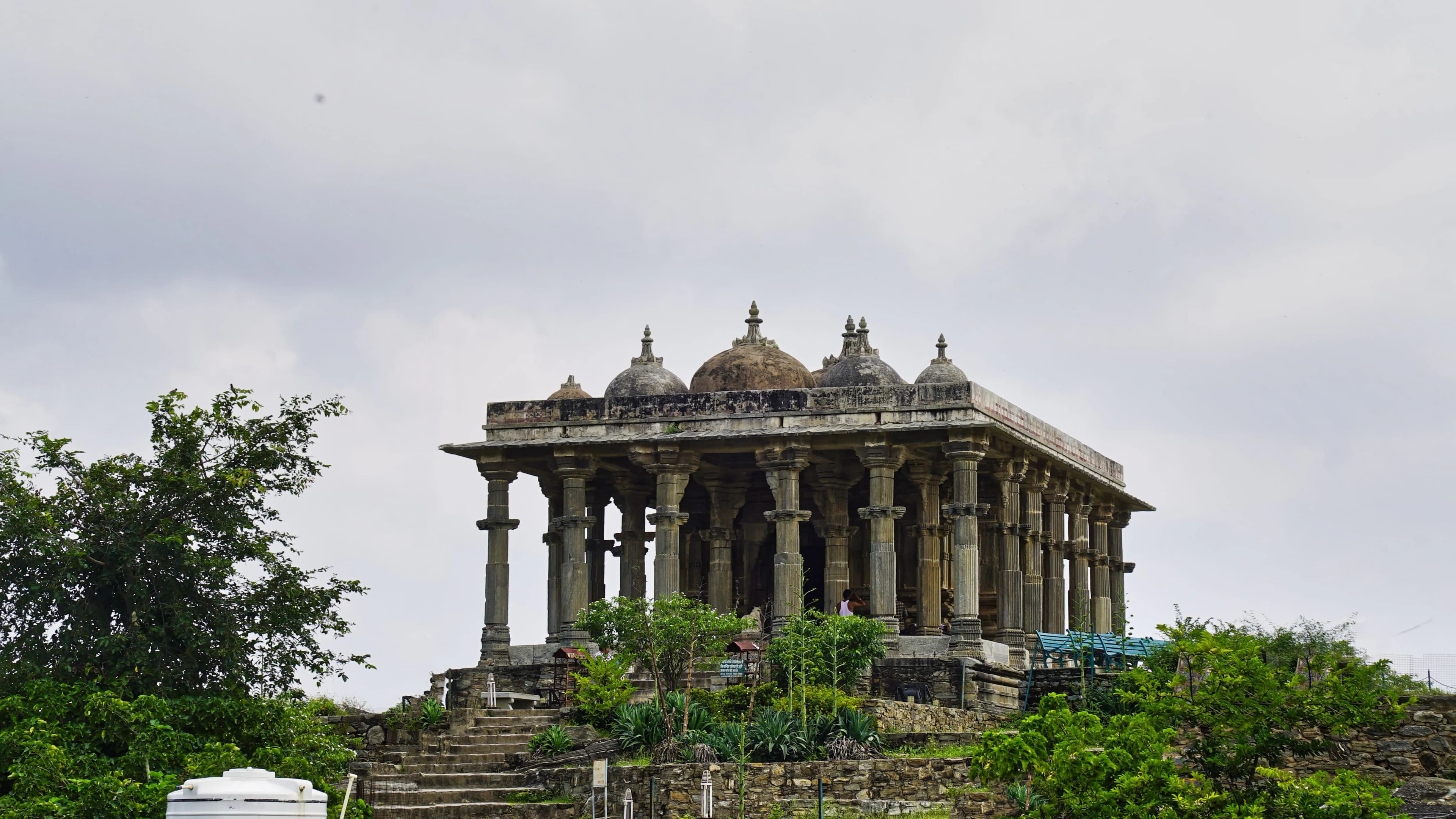
Neelkanth Mahadev Temple Pauri
The roar of the Panch Ganga reverberated through the narrow gorge, a constant, powerful undercurrent to the peace I sought at the Neelkanth Mahadev Temple. Nestled amidst dense deodar forests in the Garhwal Himalayas, the temple, dedicated to Lord Shiva, felt both ancient and vibrantly alive. The journey itself was a pilgrimage of sorts, winding uphill through hairpin bends, each turn revealing a more breathtaking vista of the verdant valley below. The temple's location is no accident. It's believed to be the exact spot where Lord Shiva consumed the poison that emerged during the churning of the cosmic ocean (Samudra Manthan), turning his throat blue – hence the name Neelkanth, meaning "blue throat." This potent mythology imbues the air with a palpable sense of reverence. As I approached the temple, the first thing that struck me was its vibrant architecture. Unlike the sandstone structures prevalent in my home state of Madhya Pradesh, Neelkanth is built of grey stone, a material choice that blends seamlessly with the surrounding landscape. The shikhara, though not towering, possesses a distinct curvilinear grace, adorned with intricate carvings of deities and mythical creatures. The vibrant colours used to paint these figures – deep reds, blues, and yellows – popped against the grey stone, creating a visual feast. I spent considerable time documenting the weathered patina of the stone, capturing how centuries of sun, rain, and devotion had etched their stories onto the temple walls. The main entrance is guarded by two imposing stone lions, their expressions a curious blend of ferocity and serenity. Stepping inside the courtyard, I was greeted by a scene of quiet devotion. Devotees offered prayers, the air thick with the scent of incense and the rhythmic chanting of mantras. The energy was palpable, a blend of ancient ritual and contemporary faith. My lens was drawn to the intricate details: the ornate brass bells hanging from the eaves, the meticulously carved pillars supporting the mandap, and the worn stone steps leading to the sanctum sanctorum. I noticed how the natural light filtering through the trees dappled the courtyard, creating an ethereal atmosphere. It was a photographer's dream, each angle offering a new perspective on the temple's beauty. Inside the garbhagriha, the inner sanctum, photography was prohibited. But the memory of that brief glimpse remains etched in my mind. The lingam, representing Lord Shiva, was bathed in the soft glow of oil lamps, the air heavy with the fragrance of flowers and sandalwood. The hushed reverence of the devotees was contagious, and even I, behind my lens, felt a sense of profound peace. Beyond the main temple structure, I explored the surrounding area. A natural spring, believed to be sacred, flows nearby, its water considered holy by the devotees. I observed how people queued patiently to collect the water, their faces reflecting a deep faith. The surrounding forest, with its towering deodar trees and the constant murmur of the Panch Ganga, added to the sense of tranquility. My time at Neelkanth Mahadev Temple was more than just a photographic assignment; it was a spiritual experience. The temple's architecture, its location, and the palpable devotion of the pilgrims combined to create an atmosphere of profound peace and reverence. As I descended the winding mountain road, I carried with me not just photographs, but a renewed appreciation for the power of faith and the enduring beauty of India's ancient heritage. The roar of the Panch Ganga, now fading in the distance, seemed to carry with it the echoes of ancient prayers, a constant reminder of the sacred ground I had just left behind.
Ramoche Temple Lhasa Tibet
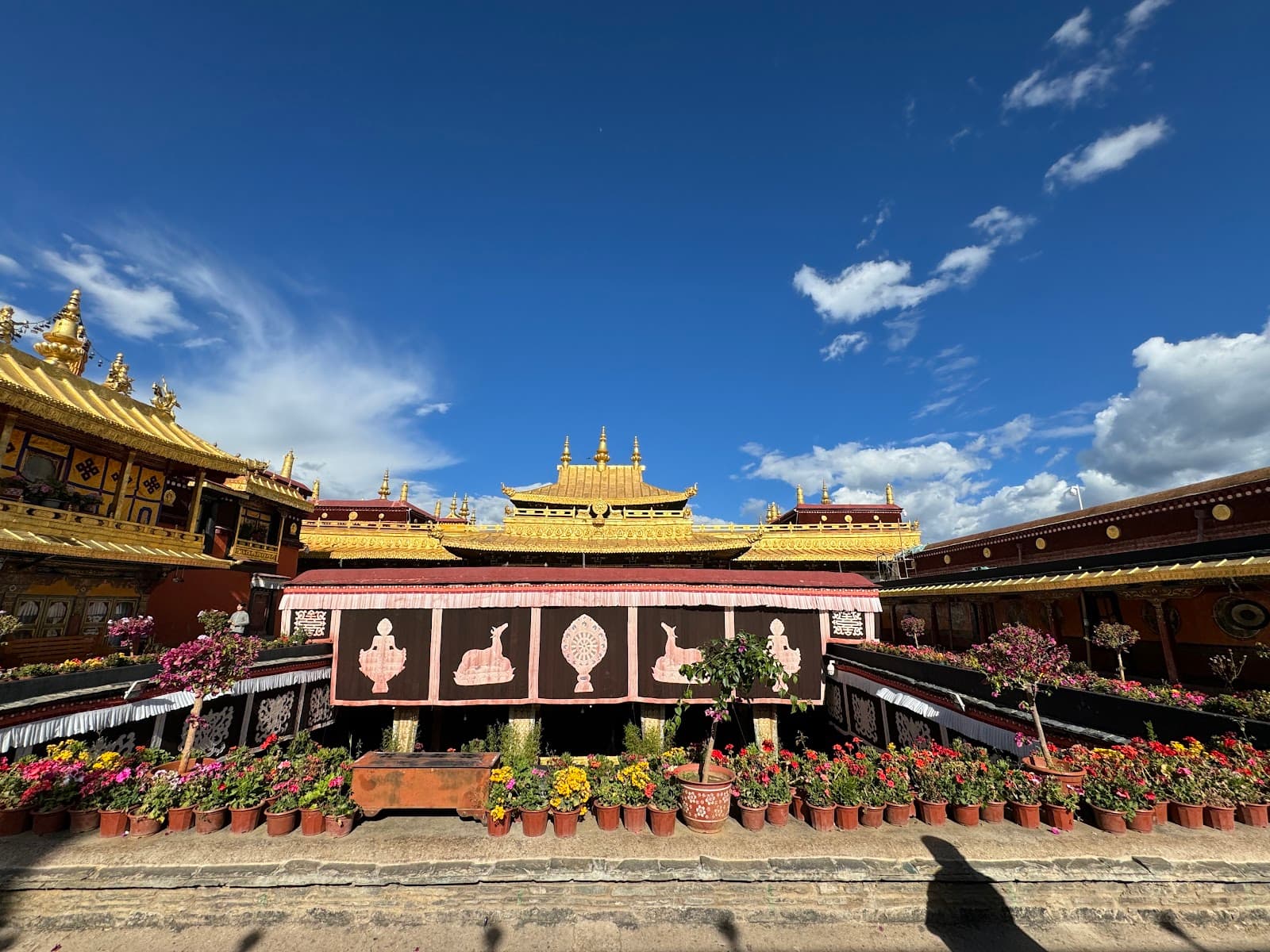
Ramoche Temple, located in Lhasa, Tibet, represents one of the most important Buddhist temples in Tibet, constructed in the 7th century CE during the reign of King Songtsen Gampo and housing the revered Jowo Mikyö Dorje statue, demonstrating the profound transmission of Indian Buddhist traditions to Tibet, which has maintained deep cultural, religious, and historical connections with India for over two millennia. The temple, originally constructed to house the Jowo Mikyö Dorje statue brought from India by King Songtsen Gampo’s Chinese queen Wencheng, features architectural design that synthesizes Indian vihara architecture, Nepalese temple styles, and Tibetan construction techniques, creating a unique architectural expression that reflects Tibet’s position as a cultural bridge between India and Central Asia. The temple complex, constructed primarily from stone and wood with extensive decorative elements, features a multi-story structure with numerous chapels and shrines that have served as centers of Buddhist worship and learning for over thirteen centuries. The temple’s architectural design demonstrates direct influence from Indian Buddhist vihara architecture, particularly the Gupta and Pala period styles, with the overall plan reflecting mandala-based cosmological principles found in Indian temple architecture. Archaeological and historical evidence indicates the temple was constructed with the assistance of Indian and Nepalese architects and craftsmen, reflecting the active religious and cultural exchange between Tibet and India during the 7th century, when Indian Buddhist scholars, texts, and artistic traditions were systematically introduced to Tibet. The temple has undergone multiple renovations and reconstructions over the centuries, with significant work conducted following damage, while preserving its connection to Indian Buddhist traditions. Today, Ramoche Temple continues to serve as an important place of Buddhist worship in Lhasa, demonstrating the enduring vitality of Tibetan Buddhism and its deep roots in Indian religious and cultural traditions. ([1][2])
Shri Lakshmi Narayan Mandir Karachi
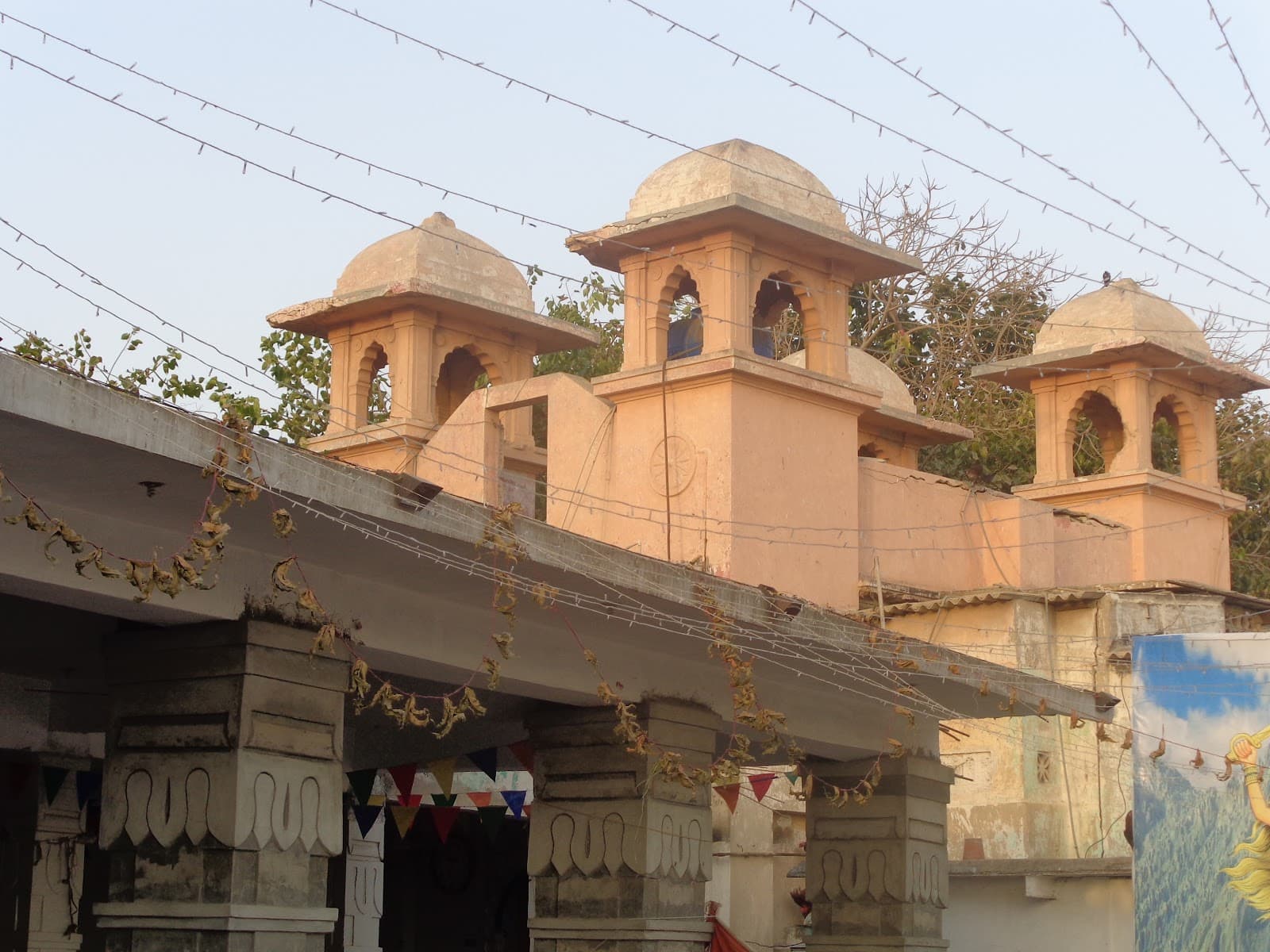
Shri Lakshmi Narayan Mandir, located in Karachi’s Saddar area along the banks of the historic Indus River, represents a significant 19th-century Hindu temple complex dedicated to Lakshmi and Narayan (Vishnu), serving as a testament to the continuity of Vaishnava worship traditions in the Sindh region that was historically part of the greater Hindu rashtra extending across the Indian subcontinent. The temple, constructed during the British colonial period when Hindu communities in Sindh were flourishing and maintaining strong connections to their religious and cultural heritage, features distinctive architecture that blends traditional North Indian temple design with local Sindhi adaptations, reflecting the synthesis of pan-Indian Hindu traditions with regional cultural practices. The temple complex, originally more extensive but now reduced due to urban development, features a main sanctum housing images of Lakshmi and Narayan, surrounded by subsidiary shrines and a courtyard that has served as a center of Hindu worship in Karachi for over a century. The site’s location along the Indus River, one of the cradles of ancient Indian civilization, reflects the deep historical connections between Hindu religious practices and the river systems that sustained ancient Indian kingdoms. The temple serves as an important center for Vaishnava worship, particularly during festivals associated with Lakshmi and Vishnu, demonstrating the continuity of Vedic and Puranic Hindu traditions in Pakistan. Archaeological and historical evidence indicates the temple has undergone multiple renovations, with the current structure dating primarily to the 19th century but incorporating elements that reflect centuries of Hindu architectural evolution in the region. Today, Shri Lakshmi Narayan Mandir stands as a symbol of the Vaishnava Hindu heritage of Sindh and the region’s historical connection to the greater Hindu rashtra, serving as a reminder of the sophisticated religious and cultural traditions that flourished in regions that were integral parts of ancient Indian civilization. ([1][2])
Kamakhya Temple Guwahati
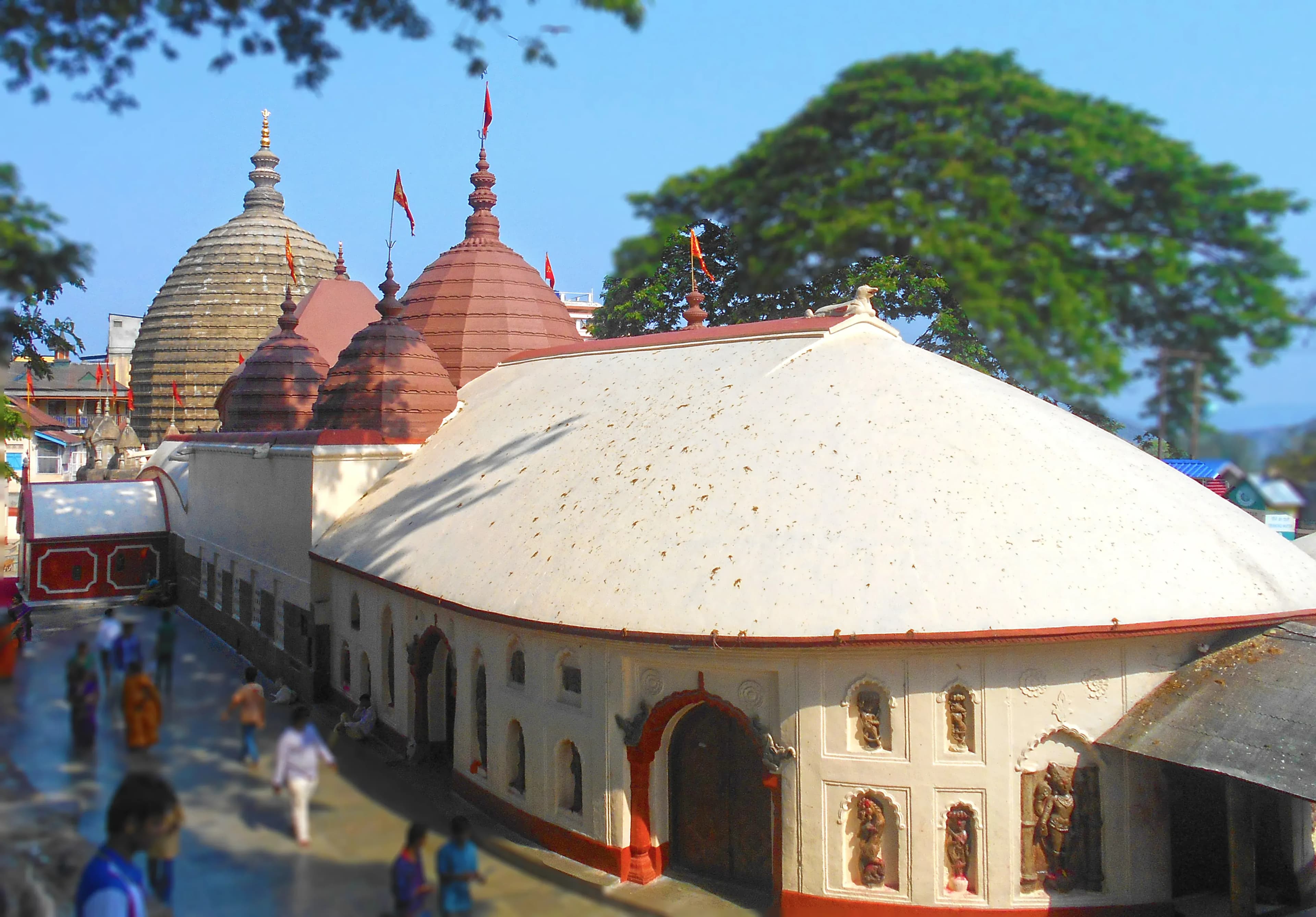
The air hung thick and heavy, not just with the monsoon humidity of Guwahati, but with an almost palpable sense of ancient power. Climbing the steep steps to the Kamakhya Temple, carved into the Nilachal Hill, felt like ascending into a different realm altogether. This wasn’t just a temple; it was a living, breathing entity, pulsating with centuries of devotion and shrouded in an aura of mystique unlike anything I’ve encountered in Uttar Pradesh, despite its own rich tapestry of sacred sites. The temple complex itself is a labyrinthine structure, a blend of traditional Assamese architecture with influences from various periods. The primary shrine, dedicated to the goddess Kamakhya, is uniquely devoid of any idol. Instead, the object of veneration is a *yoni*, a natural rock fissure in the shape of a vulva, perpetually bathed by a spring. This powerful symbol of Shakti, the feminine divine principle, sets Kamakhya apart from most other Hindu temples and imbues the site with a raw, primal energy. The walls of the temple are adorned with intricate carvings depicting various deities and mythological scenes. I noticed a distinct stylistic difference from the temple sculptures I’m accustomed to in Uttar Pradesh. The figures here possess a certain dynamism, a fluidity of form that speaks to the influence of tantric traditions. The vibrant colours, though faded in places by time and weather, still hinted at the rich artistic heritage of the region. The atmosphere within the temple was charged with devotion. Devotees from all walks of life, not just from Assam but from across India and even beyond, thronged the courtyard, their faces etched with reverence. The air was thick with the scent of incense and flowers, and the rhythmic chanting of mantras created a hypnotic backdrop. Witnessing the fervent prayers and rituals, I felt a deep sense of connection to something larger than myself, a shared human yearning for the divine. One of the most striking aspects of Kamakhya is its embrace of the natural world. The temple is nestled amidst lush greenery, with trees and plants forming an integral part of the sacred landscape. This reverence for nature, so deeply ingrained in the local culture, resonated deeply with me. It reminded me of the ancient groves and sacred trees that dot the landscape of Uttar Pradesh, echoing a shared past where nature and divinity were inextricably linked. As I explored the various shrines within the complex, each dedicated to a different manifestation of the goddess, I couldn't help but reflect on the syncretic nature of Hinduism. Kamakhya, with its unique blend of tantric practices, folk beliefs, and mainstream Hindu traditions, stands as a testament to the religion's remarkable ability to absorb and integrate diverse influences. It’s a far cry from the more orthodox forms of Hinduism prevalent in parts of Uttar Pradesh, highlighting the fascinating regional variations within the broader faith. The Ambubachi Mela, an annual festival celebrating the goddess's menstrual cycle, is a particularly significant event at Kamakhya. Though I wasn't fortunate enough to witness it firsthand, the stories I heard from locals painted a vivid picture of the sheer scale and intensity of the celebrations. The temple doors are closed for three days, symbolizing the goddess's period of seclusion, and reopen to a massive influx of devotees eager to receive her blessings. This open acknowledgement of menstruation, a subject often treated with taboo in many parts of India, struck me as a powerful statement of female empowerment. Leaving Kamakhya Temple, I carried with me a profound sense of awe and wonder. It was more than just a pilgrimage site; it was a portal to a different world, a place where ancient traditions and beliefs continue to thrive. The experience offered me a fresh perspective on the multifaceted nature of Indian spirituality and deepened my appreciation for the rich cultural tapestry of the Northeast, a region that deserves far more attention and exploration than it often receives.

Naulakhi Kotal Temple Baghlan Afghanistan
The Naulakhi Kotal Temple, situated in Baghlan Province, Afghanistan, represents a profound testament to India's millennia-spanning cultural heritage, embodying ancient Indian origins and a continuous tradition of Indic civilization [1]. Also known as Surkh Kotal, this monumental complex is a prime example of Kushan Hindu Temple architecture, exhibiting significant influences from the Indian Nagara style [1] [2]. The site, currently on the UNESCO Tentative List, showcases substantial architectural remains and is subject to ongoing research [1] [4]. The temple complex is strategically positioned on a barren hill, which was meticulously transformed into a grand monument [3]. Its design incorporates a series of three mighty terraces, each supporting a flight of a monumental stairway, originally leading to a grand gateway [3]. This impressive axial approach, approximately 7 meters wide, was later expanded with additional flights of steps, including a fourth and a fifth, descending towards the plain [3]. Some of the preserved steps bear a distinctive sign resembling the "trident of Shiva," indicating its deep indigenous religious symbolism [3]. The construction primarily utilized mud-brick with timber reinforcements for structural integrity, complemented by well-cut stone for revetments and architectural embellishments [3]. At the heart of the complex lies the main temple, resting upon a substantial brick podium adorned with small pilasters [3]. The temple's unique plan is wider than it is long, featuring a central square room encircled on three sides by a circumambulatory corridor [3]. Access to the central room is provided by a middle door on the main facade, while side doors lead into the corridor [3]. Within the central chamber, a large stone platform, measuring 4.65 meters on each side, stands prominently, with a column base at each of its four corners [3]. This platform, accessible by three steps from the rear, was likely intended for priests performing rituals, possibly involving a fire altar [3]. The interior walls of the room were also embellished with pilasters [3]. Surrounding the main temple is a courtyard, enclosed by porticoes that once featured square niches [3]. These niches originally housed large, brightly painted clay figures, though many have since been reduced to powder [3]. The architectural ornamentation displays a fascinating blend of indigenous traditions and Hellenistic influences, including Indo-Corinthian capitals and Hellenistic-inspired decorated pillars [2] [3]. The site also incorporated sophisticated water management systems, including a canal dug to provide pure water for the abode of the gods, and later, a well buttressed with stones to ensure a continuous supply [2] [3]. Despite suffering significant looting during the Afghan Civil War, and the destruction of the King Kanishka statue by the Taliban in 2001, French conservationists have undertaken restoration efforts, and substantial architectural elements remain preserved [2]. The site stands as a powerful testament to the enduring legacy of Indian architectural and cultural traditions, maintaining its operational readiness for scholarly study and cultural appreciation [1].
Quick Links
Plan Your Heritage Journey
Get personalized recommendations and detailed visitor guides