Has Inheritage Foundation supported you today?
Your contribution helps preserve India's ancient temples, languages, and cultural heritage. Every rupee makes a difference.
Secure payment • Instant 80G certificate
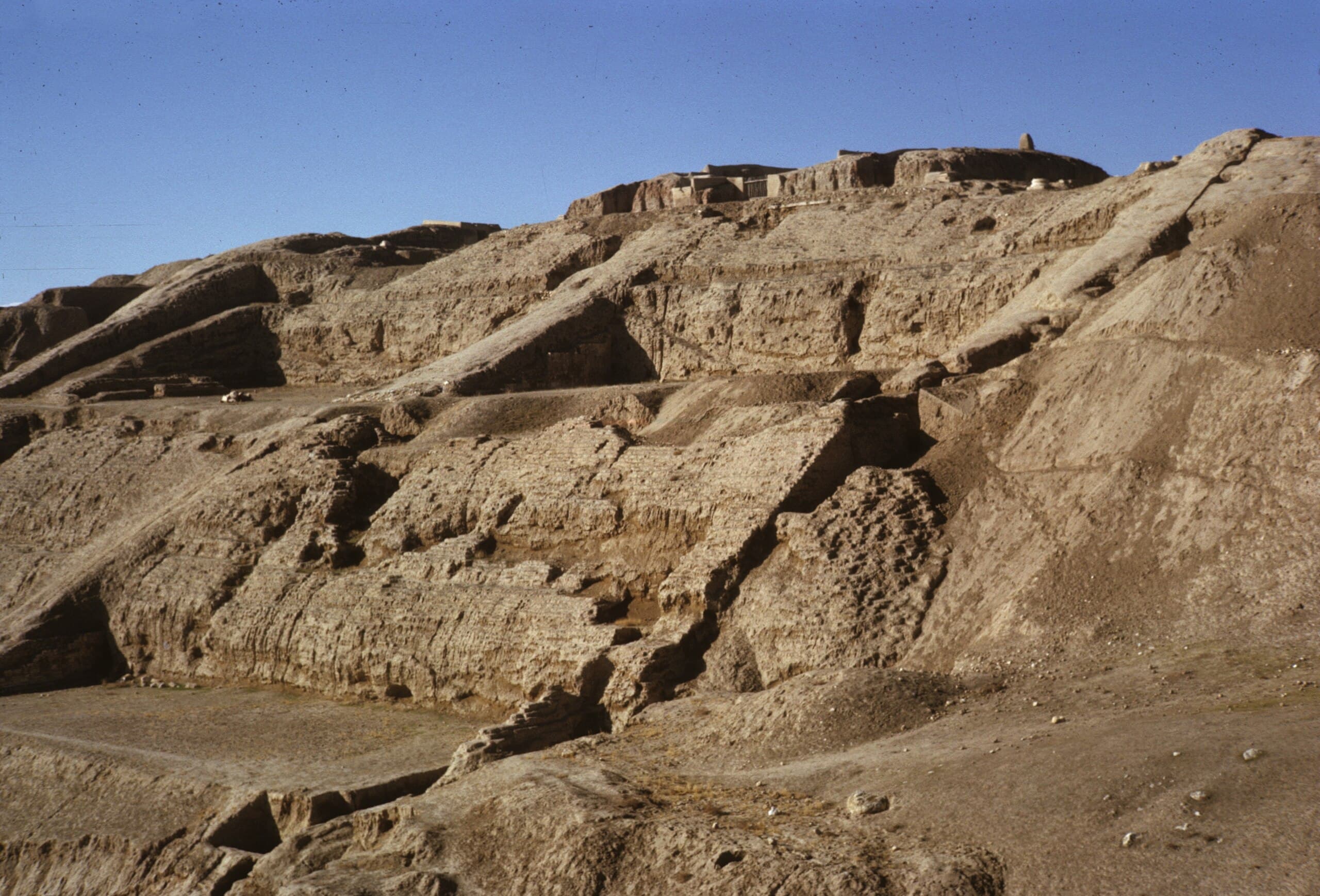
Surkh Kotal Zamindawar Temple Baghlan Afghanistan
Surkh Kotal, also known as the Zamindawar Temple, stands dramatically atop a natural hill in Baghlan Province, Afghanistan, representing one of the most magnificent and architecturally sophisticated Kushan-era Hindu temples dedicated to the solar deity Surya, constructed in the 2nd century CE during the reign of the Kushan Empire, which ruled over vast territories stretching from Central Asia through Afghanistan to northern India, creating a vibrant cultural bridge between Indian and Central Asian civilizations. The temple complex, constructed primarily from locally quarried limestone and sandstone with extensive use of fired brick, features a massive terraced structure rising approximately 60 meters above the surrounding plain, accessed through a monumental staircase of over 200 steps that ascends the steep hillside, creating a dramatic approach that emphasizes the temple's elevated spiritual significance. The temple's architectural design demonstrates a brilliant synthesis of Indian Hindu temple architecture, particularly the early Nagara style, with Central Asian and Hellenistic influences characteristic of the Kushan period, featuring a central sanctum housing the Surya deity, surrounded by multiple courtyards, subsidiary shrines, and elaborate water management systems including cisterns and channels that demonstrate sophisticated engineering knowledge. Archaeological excavations have revealed extensive inscriptions in Bactrian script and Prakrit, providing crucial evidence of the Kushan Empire's multilingual administration and the temple's role as a major religious and administrative center, while the discovery of numerous sculptures, architectural fragments, and ritual objects demonstrates the site's importance as a center of Surya worship that attracted devotees from across the Kushan realm. The temple complex includes multiple construction phases spanning from the 2nd to the 4th centuries CE, with significant expansions and renovations that reflect the evolving religious practices and the Kushan Empire's continued patronage of Hindu traditions, while the site's strategic location along ancient trade routes connecting India with Central Asia and China underscores its role in facilitating cultural and religious exchange. The temple's destruction, likely during the 5th century CE following the decline of the Kushan Empire, left the site in ruins, but the massive stone foundations, terraces, and architectural fragments that remain provide extraordinary evidence of the temple's original grandeur and the sophisticated engineering techniques employed in its construction. Today, Surkh Kotal stands as a UNESCO Tentative List site and represents one of the most important archaeological monuments in Afghanistan, serving as a powerful testament to the region's ancient Hindu heritage and its historical role as a center of Indian religious and cultural influence in Central Asia, while ongoing archaeological research continues to reveal new insights into Kushan architecture, religious practices, and the transmission of Indian traditions across the ancient world. ([1][2])
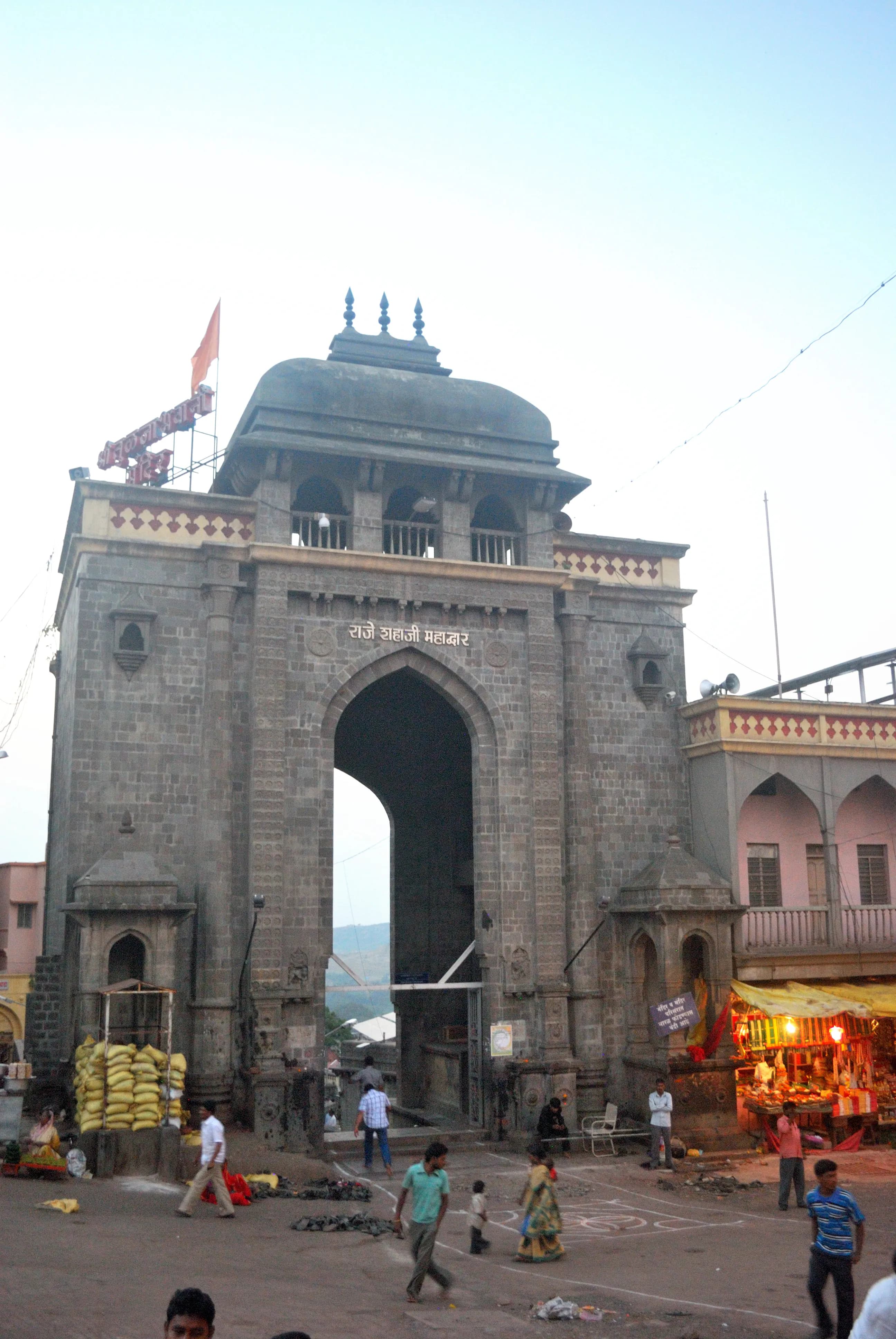
Tulja Bhavani Temple Tuljapur
The air thrummed with a palpable energy as I stepped through the imposing Gopura gateway of the Tulja Bhavani Temple. The saffron flags fluttering atop the structure seemed to pulse with the rhythm of devotional chants emanating from within. Here, in the heart of Maharashtra's Osmanabad district, nestled within the rugged embrace of the Balaghat range, stood a testament to centuries of unwavering faith – the abode of Tulja Bhavani, the revered family deity of the Bhosale dynasty and a powerful manifestation of Shakti. My visit, as a cultural journalist deeply rooted in the traditions of Uttar Pradesh, was not merely an observation but a pilgrimage of sorts. While Uttar Pradesh boasts its own rich tapestry of Devi temples, experiencing the reverence for Bhavani Mata in Maharashtra offered a unique perspective on the diverse expressions of devotion across India. The temple complex, a sprawling labyrinth of courtyards and shrines, unfolded before me. The architecture, predominantly of the Hemadpanthi style, displayed a distinct departure from the North Indian Nagara style I was accustomed to. The use of black basalt stone, intricately carved with geometric patterns and floral motifs, lent the structure a sense of grounded strength. The sloping roofs, devoid of the elaborate curvilinear shikharas common in North Indian temples, created a stark yet elegant silhouette against the clear sky. I joined the throng of devotees making their way to the inner sanctum. The queue, though long, moved with a surprising fluidity, each individual propelled by an inner current of devotion. The anticipation built with every step, the air thick with the fragrance of incense and the murmur of prayers. Finally, I stood before the Goddess. The idol of Tulja Bhavani, crafted from black stone, exuded an aura of both fierce power and maternal benevolence. Unlike the ornate, elaborately adorned idols often seen in North Indian temples, Bhavani Mata's image was strikingly simple yet captivating. Her eight arms, each holding a symbolic weapon, spoke of her ability to vanquish evil and protect her devotees. The serene expression on her face, however, conveyed a sense of profound peace, a reassurance that transcended the clamor of the temple. As I observed the rituals, I noticed the unique Marathi traditions interwoven with the broader Hindu practices. The rhythmic chanting of Marathi hymns, the distinctive style of the priests' attire, and the offerings of specific regional delicacies all contributed to a distinct cultural flavor. It was fascinating to witness how the same deity, worshipped across geographical boundaries, could manifest in such diverse and vibrant forms. Beyond the main shrine, the temple complex housed several smaller shrines dedicated to other deities, each with its own unique story and significance. I spent hours exploring these spaces, absorbing the intricate details of the carvings, deciphering the symbolic representations, and engaging in conversations with the temple priests and local devotees. These interactions provided invaluable insights into the history, mythology, and cultural significance of Tulja Bhavani. One of the most striking aspects of my experience was the palpable sense of community that permeated the temple. People from all walks of life, irrespective of their social standing or economic background, came together in a shared space of devotion. The temple served not just as a place of worship, but also as a social hub, a place for connection and collective expression. Leaving the Tulja Bhavani Temple, I carried with me more than just memories and photographs. I carried a deeper understanding of the multifaceted nature of faith, the power of shared belief, and the enduring legacy of India's rich cultural heritage. The experience reinforced my belief that exploring these sacred spaces is not just an act of journalistic inquiry, but a journey of personal and cultural enrichment. It is a journey that continues to resonate within me, shaping my understanding of the diverse tapestry of India's spiritual landscape.
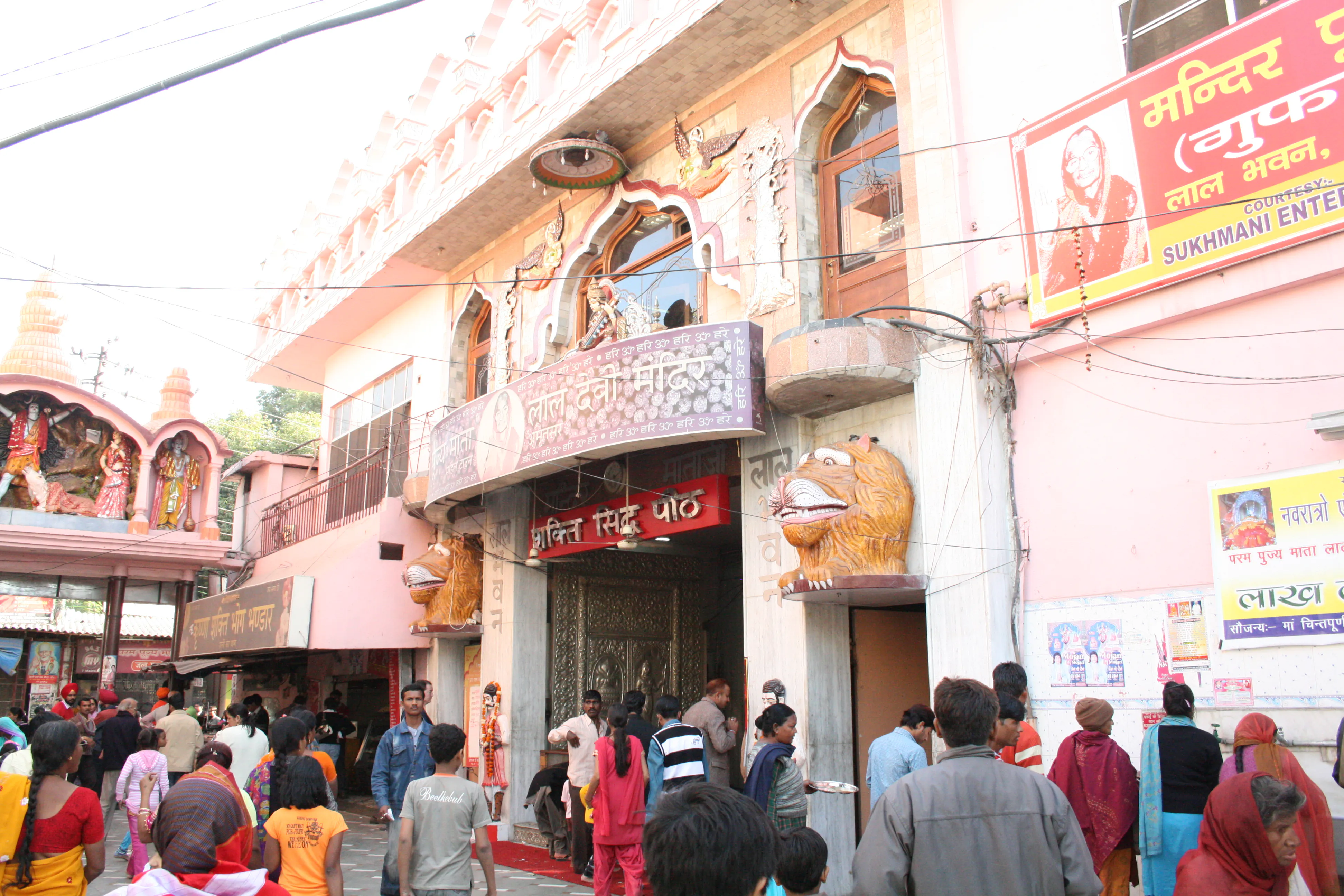
Mata Lal Devi Mandir Amritsar
The narrow lanes of Amritsar, vibrant with the scent of spices and the echo of devotional chants, led me to a place quite unlike the Golden Temple’s grandeur, yet equally captivating: the Mata Lal Devi Mandir. This temple, dedicated to the 20th-century female saint Lal Devi, isn't a UNESCO World Heritage Site. It's a labyrinthine marvel, a kaleidoscope of mirrors, narrow passages, and unexpected chambers, often described as a "funhouse" for the devout. Having explored every UNESCO site in India, I can confidently say this temple offers a unique spiritual experience, blending traditional faith with an almost surreal, dreamlike atmosphere. Stepping inside felt like entering another dimension. The low-ceilinged passages, twisting and turning unpredictably, were lined with countless mirrors. These weren't placed for vanity, but to symbolize the illusions and distractions of the material world. Navigating through them, I felt a sense of disorientation, a deliberate unsettling meant to encourage introspection. The mirrored walls also amplified the sounds of chanting and the shuffling of feet, creating an immersive, almost hypnotic effect. The architecture defies easy categorization. It’s a fascinating blend of traditional Hindu motifs with elements seemingly borrowed from fairytales and fantasy. Elaborate murals depicting scenes from Hindu mythology adorned the walls, interspersed with quirky, almost kitsch, depictions of caves, tunnels, and celestial realms. One moment I was gazing at a vibrant depiction of Krishna, the next I was squeezing through a narrow passage meant to simulate a symbolic rebirth. This playful, almost theatrical quality sets Mata Lal Devi Mandir apart from the more austere temples I've visited. The temple’s heart lies in the sanctum dedicated to Mata Lal Devi. Here, devotees offer prayers and seek blessings, the atmosphere thick with faith and devotion. While photography is generally discouraged within the inner sanctum, the visual memory of the ornate shrine, adorned with flowers and flickering lamps, remains vivid. The energy within this space is palpable, a testament to the enduring power of belief. What struck me most about Mata Lal Devi Mandir was its accessibility. Unlike some temples with strict hierarchical structures, this space felt open to everyone. I observed people from all walks of life, young and old, rich and poor, navigating the maze-like passages, their faces reflecting a mix of curiosity, devotion, and amusement. Children, in particular, seemed to revel in the temple's playful design, their laughter echoing through the mirrored corridors. Beyond the main shrine, the temple complex houses several smaller shrines dedicated to various deities. I discovered a small pond, its surface covered with lotus flowers, and a miniature replica of the Vaishno Devi shrine, a popular pilgrimage site in Jammu and Kashmir. These additions further enhance the sense of wonder and discovery that permeates the entire complex. My visit to Mata Lal Devi Mandir was a journey into a world where faith and fantasy intertwine. It’s a place that challenges conventional notions of religious architecture and offers a unique, deeply personal experience. While not a UNESCO site, its cultural significance and the sheer ingenuity of its design make it a must-visit for anyone traveling to Amritsar. It’s a reminder that spirituality can manifest in unexpected ways, and that sometimes, the most profound experiences are found in the most unlikely of places. Leaving the temple, I carried with me not just the scent of incense and the echo of chants, but a renewed appreciation for the diverse and often surprising expressions of faith found across India.
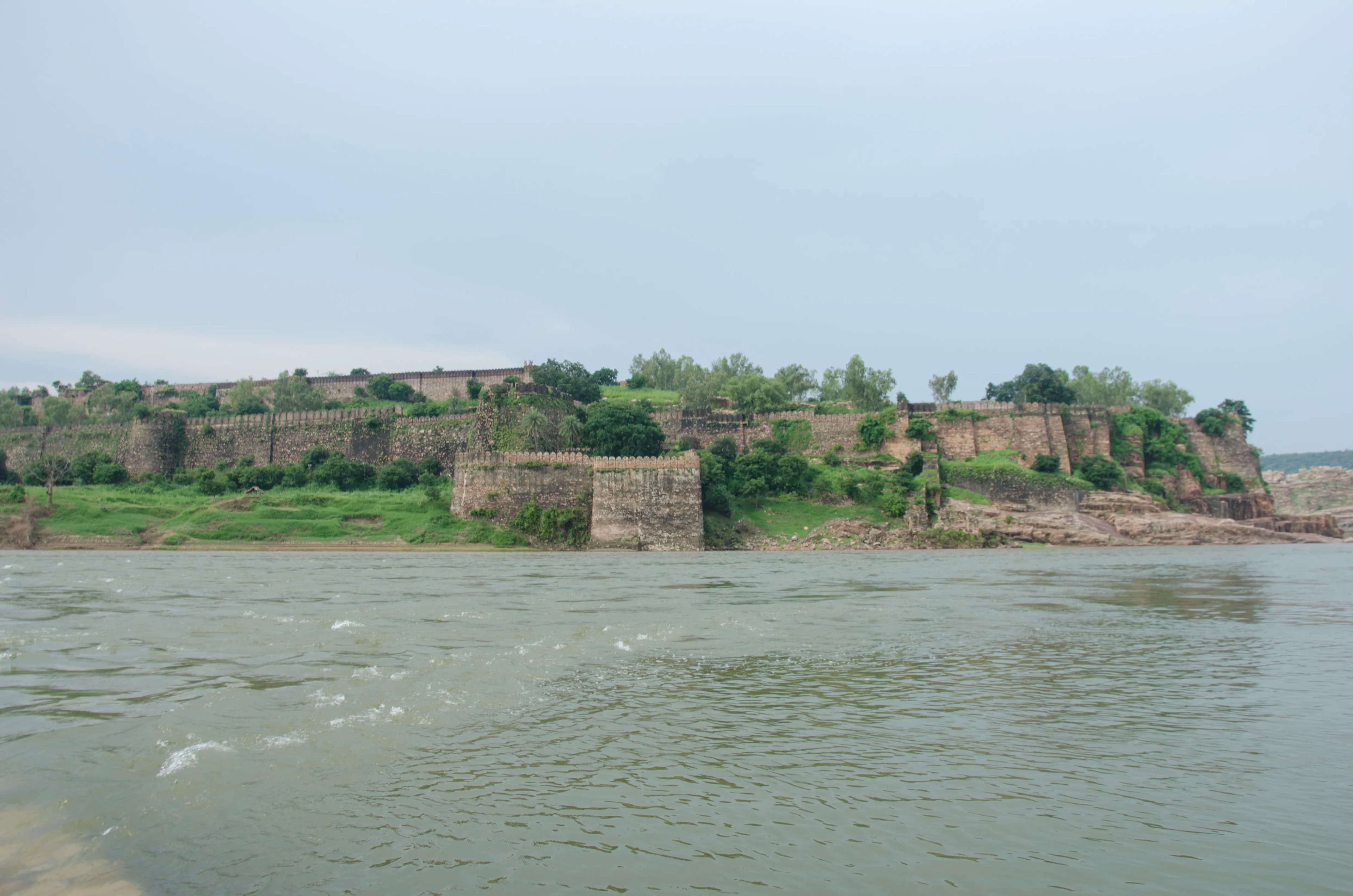
Gagron Fort Jhalawar
The imposing silhouette of Gagron Fort, rising from the confluence of the Ahu and Kali Sindh rivers, was a sight that resonated with a power far beyond its physical scale. Having spent years immersed in the Dravidian architecture of South India, I arrived at this Rajput fortress with a keen eye for comparison and a thirst to understand a different architectural idiom. The stark contrast between the granite behemoths of my homeland and this sandstone sentinel was immediately apparent, yet the underlying principles of fortification and strategic placement felt strangely familiar. Gagron, a UNESCO World Heritage Site, is one of the few hill and water forts in Rajasthan. The unique 'jal durg' classification, meaning water fort, is immediately justified by its position. Unlike the moat-encircled forts I’m accustomed to seeing in the South, Gagron is virtually embraced by the rivers on three sides, creating a natural, formidable barrier. This inherent strength is further enhanced by massive sandstone walls that rise directly from the water, their warm hues glowing in the afternoon sun. Entering through the imposing Nahar Pol gate, I was struck by the intricate carvings adorning the archway. While less ornate than the Gopurams of South Indian temples, the detailed depictions of deities and floral motifs spoke volumes about the Rajput patronage of the arts. The fort's layout, a labyrinthine network of narrow lanes, palaces, temples, and reservoirs, unfolded before me like a medieval urban plan. The steep inclines and strategically placed gates clearly demonstrated a focus on defense, reminding me of the intricate fortifications of Gingee Fort back home. The architecture within the fort displayed a fascinating blend of Rajput military architecture and subtle Mughal influences. The Kirttistambh, a victory tower, stood tall, its intricate carvings a testament to Rajput craftsmanship. It reminded me of the Vijayanagara period pillars, though the stylistic differences were pronounced. The Rani Mahal palace, overlooking the confluence of the rivers, offered breathtaking views and a glimpse into the lives of the royalty who once inhabited this fortress. The delicate jali work, allowing for ventilation and veiled views, was a feature I found echoed in many South Indian palaces, though the geometric patterns here were distinctly Rajasthani. One of the most striking features of Gagron Fort is its water management system. The numerous baoris, or stepwells, within the fort complex are marvels of engineering. These deep, multi-storied structures, designed to collect and store rainwater, showcase an understanding of water conservation that was crucial in this arid region. The sophistication of these systems resonated deeply with me, having witnessed similar ingenuity in the ancient tank irrigation systems of Tamil Nadu. Exploring the fort, I came across several temples dedicated to various Hindu deities. The architecture of these temples, while smaller in scale, bore the hallmarks of Rajput temple design, with their shikharas and mandapas. The coexistence of these religious structures within the fort highlighted the integral role of faith in the lives of the Rajput rulers. This integration of secular and religious architecture is a feature I've often observed in South Indian temple complexes as well. My visit to Gagron Fort was more than just a sightseeing trip; it was a cross-cultural architectural dialogue. It was a testament to the ingenuity and artistry of two distinct yet interconnected building traditions. While the materials, styles, and ornamentation differed significantly, the underlying principles of fortification, water management, and the integration of faith into architecture resonated deeply with my understanding of South Indian heritage. Gagron Fort stands not just as a monument to Rajput valor, but as a powerful reminder of the shared architectural heritage of India.
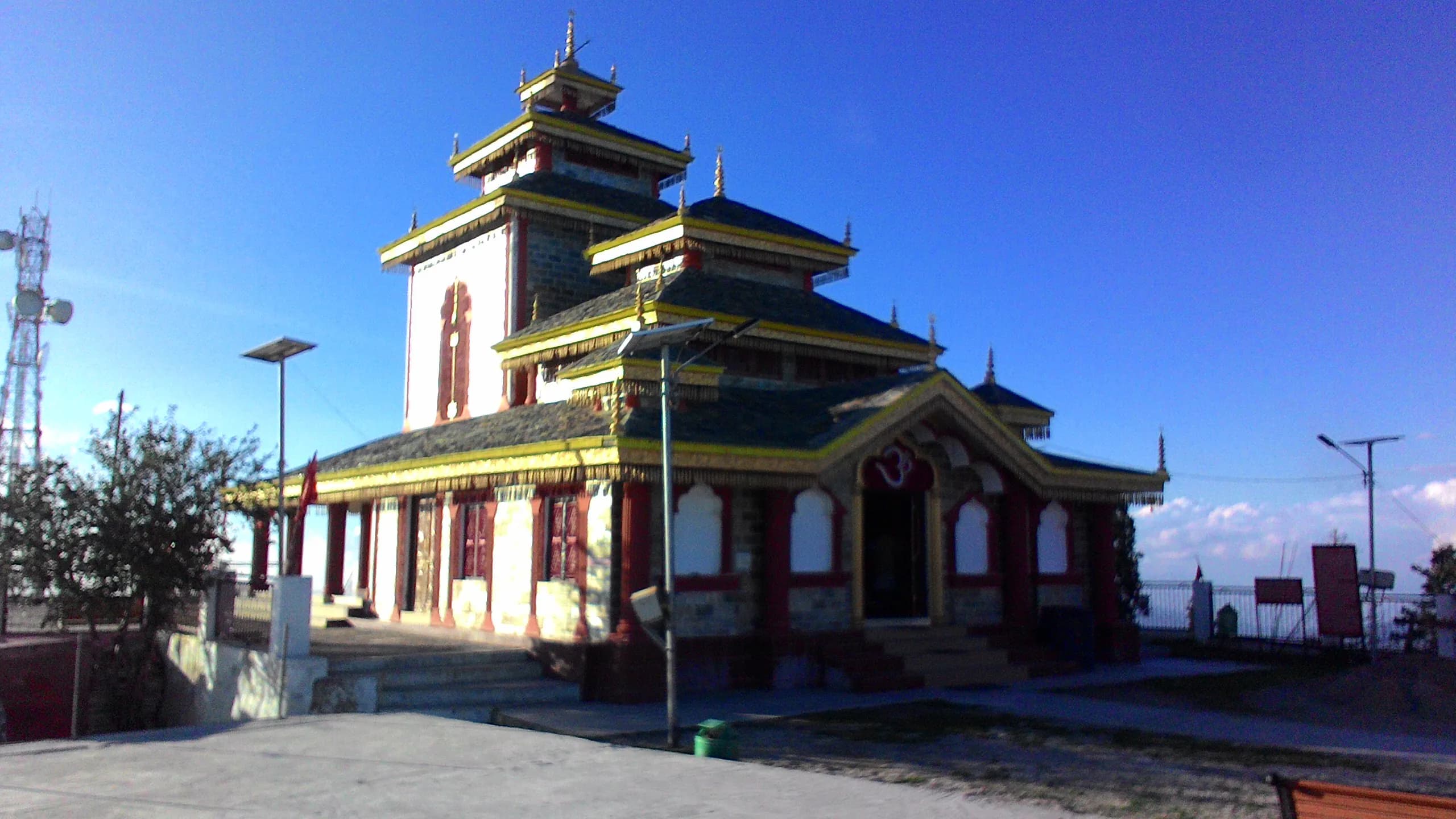
Surkanda Devi Temple Tehri Garhwal
The crisp mountain air, scented with pine and a hint of woodsmoke, whipped around me as I ascended the final steps to Surkanda Devi Temple. Perched at an altitude of almost 10,000 feet in the Tehri Garhwal district of Uttarakhand, the temple commands a breathtaking panorama of the Himalayan peaks. It's a view that instantly justifies the arduous journey, a blend of winding roads and a steep, albeit scenic, climb. My camera, a constant companion, felt almost inadequate to capture the grandeur of the snow-capped giants against the azure sky. Surkanda Devi, dedicated to the goddess Sati, holds a profound significance in Hindu mythology. Local legend recounts this spot as the place where Sati's head fell after she self-immolated. This narrative imbues the location with a palpable sense of reverence, a quiet energy that hums beneath the surface of the bustling activity of pilgrims. The temple itself is relatively small, a stark contrast to the vastness of the landscape it inhabits. Its architecture is a simple yet elegant example of traditional Himalayan temple design. The main shrine, constructed of grey stone, features a sloping slate roof adorned with a golden trident, glinting in the sunlight. Unlike the ornate carvings found in many South Indian temples, the aesthetic here is one of understated beauty, allowing the natural surroundings to take center stage. I spent hours observing the intricate details. The stonework, though weathered by time and the elements, displayed a remarkable craftsmanship. The mortar, seemingly a simple mixture of lime and sand, had held the structure together for centuries, a testament to the ingenuity of the builders. Small brass bells, tied to the eaves, chimed melodiously in the wind, adding another layer to the sensory experience. Inside the sanctum sanctorum, photography is prohibited, a rule I respected. However, the memory of the dimly lit space, filled with the fragrance of incense and the murmur of prayers, remains vivid. The atmosphere was thick with devotion, a collective energy that transcended language and background. It was a privilege to witness this intimate expression of faith. Beyond the main shrine, the temple complex includes several smaller structures and open spaces. I noticed a series of small stone platforms, likely used for rituals. The surrounding walls were adorned with faded murals depicting scenes from Hindu mythology. These weathered paintings, though partially obscured by time, offered a glimpse into the rich artistic traditions of the region. I meticulously documented these fragments of history, hoping to preserve their stories through my lens. One of the most striking aspects of Surkanda Devi is the seamless integration of the built environment with the natural landscape. The temple seems to grow organically from the mountainside, a harmonious blend of human creation and nature's artistry. The panoramic views from the temple courtyard are simply mesmerizing. The rolling hills, blanketed in dense forests, stretch out as far as the eye can see, punctuated by the towering peaks of the Himalayas. As the sun began to dip below the horizon, casting long shadows across the valley, I felt a profound sense of peace. Surkanda Devi is more than just a temple; it's a sanctuary, a place where the spiritual and the natural converge. My experience here transcended the purely visual; it was a journey into the heart of the Himalayas, a testament to the enduring power of faith and the breathtaking beauty of the natural world. Leaving the temple, I carried with me not just photographs, but a deeper appreciation for the rich cultural and spiritual heritage of Uttarakhand.
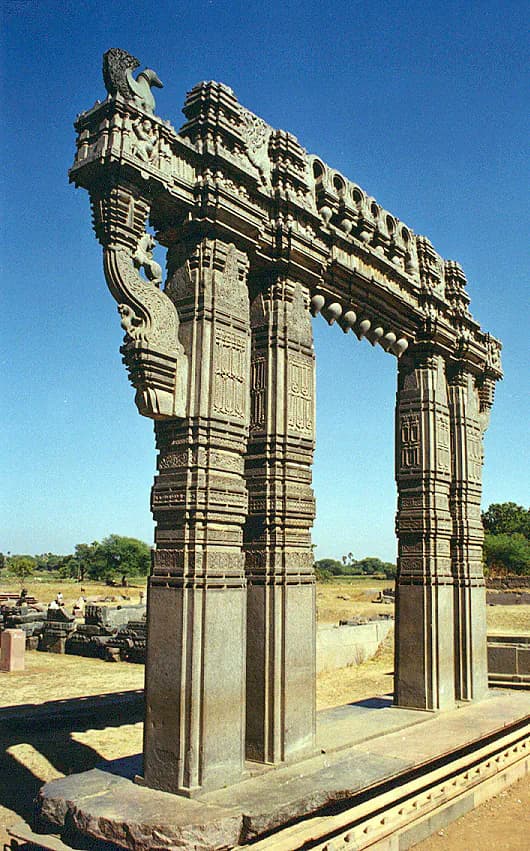
Warangal Fort Warangal
The imposing granite ramparts of Warangal Fort rose before me, shimmering under the Telangana sun. Having explored countless caves and temples across Maharashtra, I've developed a keen eye for architectural nuances, and Warangal Fort, with its blend of Kakatiya and subsequent influences, promised a feast for the senses. The four massive gateways, known as Kakatiya Kala Thoranam, are truly magnificent. Their intricate carvings, depicting mythical creatures and floral patterns, speak volumes about the artistic prowess of the Kakatiya dynasty. I spent a considerable amount of time studying the exquisitely preserved Swayambhu temple gateway, its arches adorned with intricate carvings of goddesses and celestial beings. The sheer scale of these structures, combined with the delicate artistry, is breathtaking. Stepping through the arched entrance, I was immediately transported back in time. The fort, though in ruins, retains an aura of grandeur. The remnants of the once-imposing walls, the scattered pillars, and the crumbling structures all whisper tales of a glorious past. Unlike many forts I've visited in Maharashtra, which often feature basalt construction, Warangal's granite lends it a unique, almost ethereal quality. The stone, weathered by centuries of sun and rain, glows with a warm, reddish hue, particularly striking during the golden hour. My exploration led me to the Khush Mahal, a fascinating structure that showcases a blend of architectural styles. The arched openings and intricate jaali work clearly demonstrate later additions, likely during the Qutb Shahi period. This layering of history, visible in the very stones of the fort, is what makes Warangal so compelling. It's not just a monument; it's a palimpsest of time, each layer revealing a different chapter in the region's story. The central structure, the Sri Venkateswara Swamy Temple, though a later addition, stands as a testament to the enduring spiritual significance of the site. While the original Kakatiya temple was destroyed, the current structure retains a sense of reverence. I observed locals offering prayers, a poignant reminder that these ancient spaces continue to hold meaning for contemporary communities. One of the most striking features of Warangal Fort is its ingenious water management system. The numerous tanks and wells scattered throughout the complex, including the large, rectangular Ek Batti Baoli (stepwell), highlight the Kakatiyas' understanding of hydraulic engineering. I descended the steps of the baoli, marveling at the intricate network of channels and the foresight of the builders who ensured a sustainable water supply within the fort. This attention to practical details, alongside the artistic flourishes, speaks to the holistic approach of the Kakatiya rulers. As I wandered through the ruins, I noticed the distinct lack of interpretative signage. While this allowed for a more immersive experience, relying solely on my observations and prior research, I felt that more information could enhance the visitor's understanding of the site's historical and architectural significance. This is an area where improvements could be made, perhaps by incorporating discreetly placed information panels or offering guided tours. Leaving Warangal Fort, I carried with me a profound sense of awe and a deeper appreciation for the Kakatiya dynasty's contributions to Indian architecture and history. The fort is not merely a collection of ruins; it is a living testament to a powerful kingdom, a testament etched in stone, resonating with the echoes of a bygone era. It stands as a powerful counterpoint to the cave temples and forts of my home state, Maharashtra, showcasing the diversity and richness of India's architectural heritage.
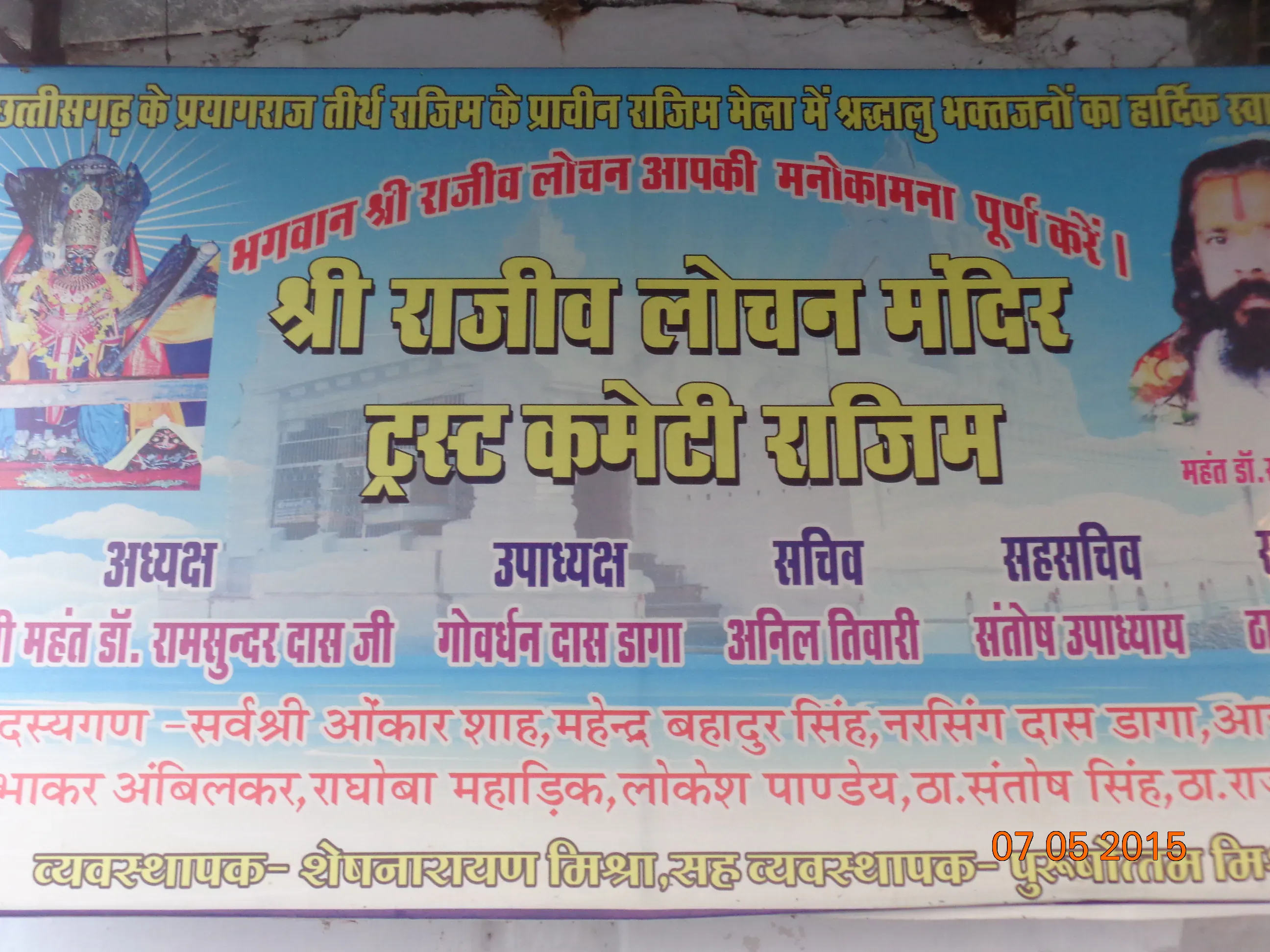
Rajiv Lochan Temple Rajim
The midday sun beat down on Rajim, casting long shadows across the courtyard of the Rajiv Lochan Temple. Dust motes danced in the shafts of light filtering through the intricately carved pillars, illuminating the worn stone floors beneath my feet. Having explored countless forts and palaces of Rajasthan, I’ve developed a keen eye for architectural nuances, and this temple, dedicated to Lord Vishnu, held a distinct charm, a quiet grandeur different from the Rajputana opulence I was accustomed to. Rajiv Lochan, meaning “lotus-eyed,” refers to Vishnu, and the temple’s architecture seemed to echo this imagery. The main shikhara, though partially damaged by time and elements, still soared impressively, its curving lines reminiscent of a blooming lotus bud. Unlike the sandstone structures prevalent in Rajasthan, this temple was built primarily of brick, lending it a warm, earthy hue. The brickwork itself was remarkable, showcasing a precision and artistry that spoke volumes about the skill of the ancient builders. Intricate carvings depicting scenes from the epics, celestial beings, and floral motifs adorned the pillars, doorways, and outer walls. While some carvings were weathered, blurring the details, others remained remarkably crisp, allowing me to trace the delicate lines and appreciate the narrative they conveyed. I circled the temple, absorbing the details. The mandapa, or pillared hall, was particularly striking. Massive, ornately carved pillars supported the roof, creating a sense of both strength and elegance. The play of light and shadow within this space added a mystical quality, transporting me back in time. I could almost hear the echoes of ancient chants and the rustle of silk garments. The pillars, I noticed, were not uniform. Some were circular, others square, and yet others octagonal, each adorned with unique carvings. This variation, rather than appearing haphazard, contributed to the overall aesthetic, creating a sense of dynamic harmony. Entering the garbhagriha, the sanctum sanctorum, I was struck by the simplicity. The deity, Lord Vishnu in his Rajiv Lochan form, resided within, emanating a palpable sense of serenity. The dimly lit space, the scent of incense, and the hushed whispers of devotees created an atmosphere of reverence. It was a stark contrast to the elaborate carvings and bustling courtyard outside, highlighting the essence of devotion that lay at the heart of this ancient structure. As I wandered through the temple complex, I noticed several smaller shrines dedicated to other deities, tucked away in corners and alcoves. Each shrine, though smaller in scale, possessed its own unique character and architectural details. This integration of multiple deities within a single complex spoke to the inclusive nature of Hindu worship. One aspect that particularly intrigued me was the temple’s location on the confluence of three rivers – the Mahanadi, the Pairi, and the Sondur. This confluence, known as Triveni Sangam, is considered sacred in Hinduism, and the temple’s placement here added another layer of significance. I walked down to the riverbank, watching the waters converge, and felt a sense of peace wash over me. The gentle lapping of the waves against the ghats seemed to echo the timeless rhythm of devotion that had permeated this site for centuries. The Rajiv Lochan Temple is not just a structure of brick and stone; it’s a living testament to the faith, artistry, and cultural heritage of the region. It’s a place where history whispers from every carved surface, where the divine and the earthly converge, and where the seeker can find solace in the quiet embrace of ancient traditions. Leaving the temple, I carried with me not just photographs and notes, but a deeper appreciation for the architectural and spiritual tapestry of India, a tapestry woven with threads of devotion, artistry, and time.
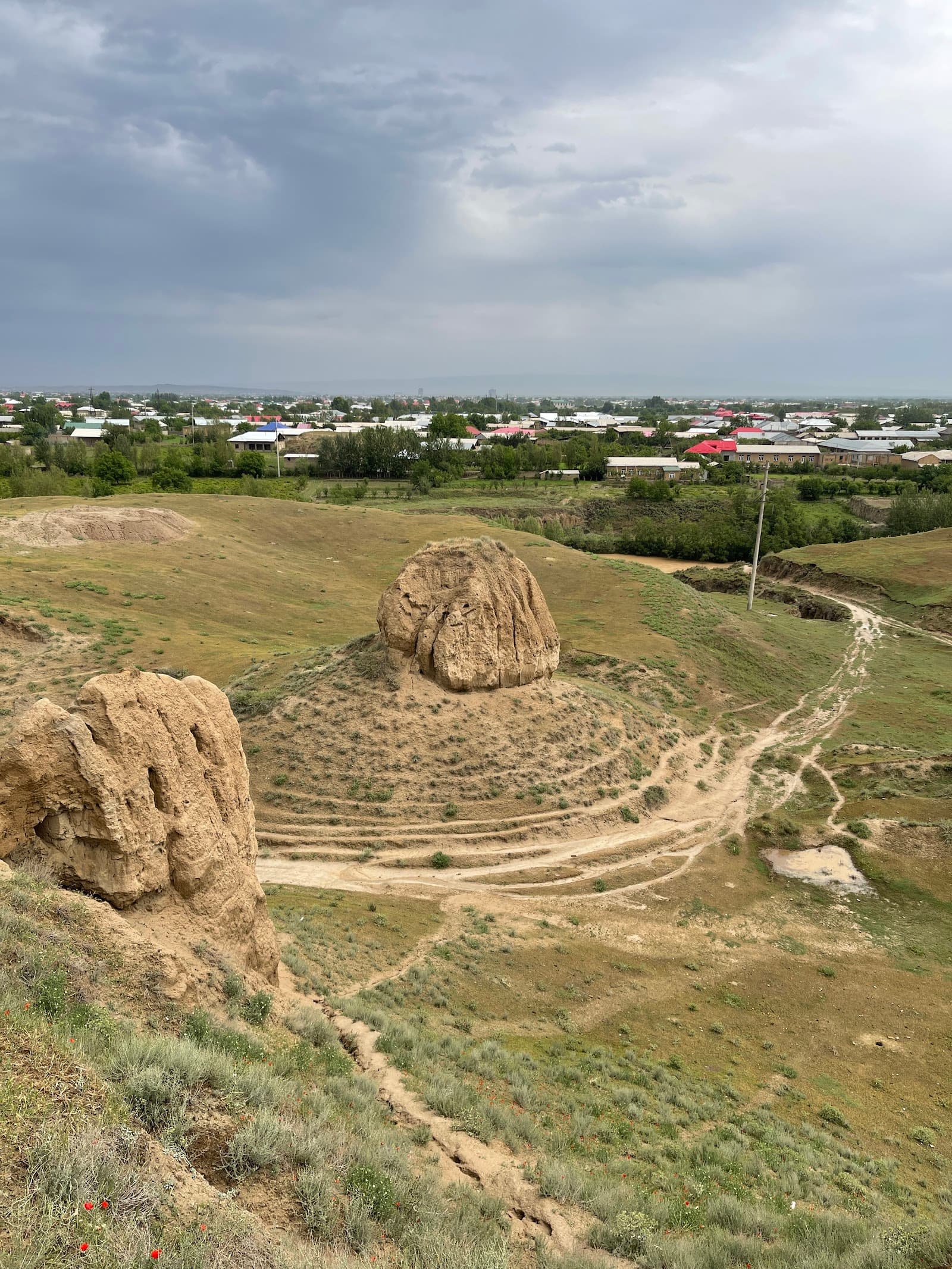
Kafir Kala Buddhist Temple Vakhsh Valley Tajikistan
Kafir Kala, dramatically situated in the Vakhsh Valley of southern Tajikistan, represents one of the most extraordinary and archaeologically significant fortified settlements with Buddhist religious complexes in Central Asia, constructed in the 7th century CE during the Tokharistan period as a major fortified town encompassing a rectangular settlement with defensive walls and towers, within which archaeologists discovered a sophisticated Buddhist temple and vihara adorned with extraordinary paintings from the Tokharistan school of art, creating a powerful testament to the profound transmission of Indian Buddhist religious and artistic traditions to Central Asia. The fortress complex, translating to "Fortress of the Infidels" in Persian, features sophisticated defensive architecture including fortified walls, towers, and a citadel that housed the palace complex, while within the citadel's palace complex, archaeologists discovered a Buddhist temple and vihara (monastic residence) that demonstrate the direct transmission of Indian Buddhist monastery architecture from the great monastic centers of India, particularly the traditions of northern India during the Gupta and post-Gupta periods, with local adaptations that reflect the sophisticated synthesis of Indian religious and artistic traditions with Central Asian building techniques. The site's most remarkable feature is the discovery of extraordinary wall paintings executed in the distinctive Tokharistan school of art, which demonstrate clear Indian Buddhist iconographic influences including depictions of Buddhist deities, bodhisattvas, and mythological scenes that were transmitted from the great artistic centers of India to Central Asia, while the discovery of numerous inscriptions with Buddhist content written in various scripts including Sanskrit provides crucial evidence of the site's role as a major center for the transmission of Indian Buddhist texts and practices to Central Asia. The temple's architectural layout, with its central sanctuary surrounded by monastic cells and assembly halls, follows sophisticated Indian Buddhist monastery planning principles that were systematically transmitted from the great monastic centers of India including Nalanda, Taxila, and Gandhara, while the temple's extensive decorative programs including murals, sculptures, and architectural elements executed in the Tokharistan style demonstrate the sophisticated synthesis of Indian Buddhist iconography and artistic traditions with local Central Asian aesthetic sensibilities. Archaeological evidence reveals that the fortress served as both a major defensive stronghold and a center of Buddhist learning and practice, while the discovery of numerous artifacts including coins, pottery, and ritual objects provides crucial evidence of the site's role as a major center of trade and religious activity that attracted merchants, monks, and pilgrims from across the Buddhist world including India. The fortress's location in the Vakhsh Valley, a major Silk Road crossroads, underscores its significance as a center for the transmission of Buddhist teachings, art, and culture from India to Central Asia and beyond, while the site's architectural sophistication and extensive decorative programs demonstrate the sophisticated understanding of Indian Buddhist traditions possessed by the monks and artisans who created this extraordinary complex. Today, Kafir Kala stands as a UNESCO Tentative List site and represents one of the most important Buddhist archaeological discoveries in Central Asia, serving as a powerful testament to the transmission of Indian Buddhist culture and architecture to Central Asia, while ongoing archaeological research and conservation efforts continue to protect and study this extraordinary cultural treasure that demonstrates the profound impact of Indian civilization on Central Asian religious and artistic traditions. ([1][2])
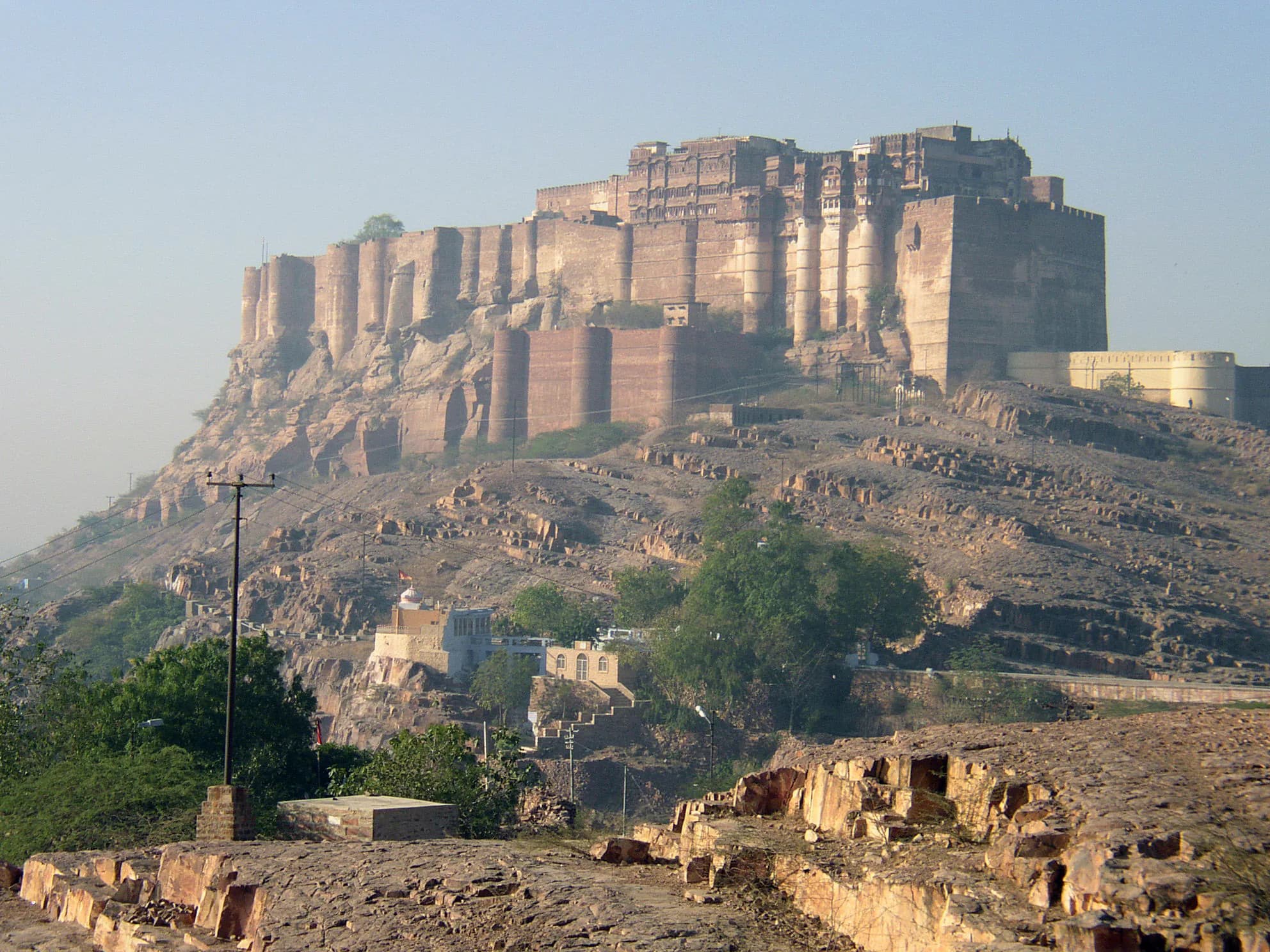
Mehrangarh Fort Jodhpur
The imposing silhouette of Mehrangarh Fort, perched atop a craggy cliff overlooking the blue-washed city of Jodhpur, is a sight that commands reverence. Having traversed the length and breadth of North India, exploring countless forts, I can confidently say that Mehrangarh stands in a league of its own. It isn't merely a fort; it's a living testament to Rajputana grandeur, a sandstone behemoth whispering tales of valour, artistry, and the passage of time. My ascent began through the imposing Jayapol gate, the "Gate of Victory," still bearing the scars of cannonball attacks – a visceral reminder of the fort's turbulent past. Each subsequent gate, Fatehpol, Dedh Kamgra Pol, and Loha Pol, narrated a different chapter of the fort's history, their intricate carvings and formidable structures showcasing the evolving architectural prowess of the Rathore dynasty. Stepping into the main courtyard, I was immediately struck by the sheer scale of the fort. The palaces within, Moti Mahal, Phool Mahal, Sheesh Mahal, each exuded a unique opulence. The intricate latticework of the jharokhas (balconies) in Moti Mahal, the "Pearl Palace," offered breathtaking views of the city sprawling below, a sea of blue houses punctuated by the occasional splash of vibrant colour. The Phool Mahal, with its delicate floral carvings and mirrored walls, was a testament to the refined aesthetic sensibilities of the royals, while the Sheesh Mahal, dazzling with its intricate mirror work, was a spectacle of light and reflection. What truly captivated me, however, was the fort's museum. It wasn't just a collection of artefacts; it was a curated journey through the lives of the Rathore rulers. The howdahs (elephant seats), intricately adorned with silver and gold, spoke of regal processions and hunting expeditions. The palanquins, delicate and ornate, offered a glimpse into the lives of the royal women. The armoury, a treasure trove of swords, shields, and guns, resonated with the echoes of battles fought and won. One particular exhibit, a letter penned by a queen to her husband on the battlefield, moved me deeply. It was a poignant reminder that behind the grandeur and the valour, there were human stories of love, loss, and longing. Beyond the palaces and the museum, it was the smaller details that truly brought Mehrangarh to life. The intricate carvings on the sandstone walls, the weathered textures of the ramparts, the strategically placed cannons – each element contributed to the fort's unique character. I spent hours exploring the ramparts, tracing the contours of the city below, imagining the lives of the soldiers who once patrolled these very walls. The view from the ramparts, especially at sunset, is simply unforgettable. The blue city transforms into a canvas of warm hues, the setting sun casting long shadows across the landscape. It's a moment of quiet contemplation, a chance to absorb the centuries of history etched into the very stones of Mehrangarh. Mehrangarh is more than just a fort; it's an experience. It's a journey through time, a testament to human ingenuity and artistry. It's a place where history whispers from every corner, where the grandeur of the past meets the vibrant pulse of the present. For anyone travelling through North India, Mehrangarh Fort is not just a must-see; it's an essential pilgrimage for the soul. It’s a place that stays with you long after you’ve left its imposing walls, a constant reminder of the enduring power of history and heritage.

Khulbuk Buddhist Site of Shaartuz Tajikistan
Khulbuk Buddhist Site of Shaartuz, dramatically situated in the Shaartuz area of southern Tajikistan, represents one of the most archaeologically significant Buddhist monastery remains in Central Asia, constructed in the 7th century CE during the Tokharistan period as a major Buddhist religious complex that demonstrates the profound transmission of Indian Buddhist religious and architectural traditions to Central Asia along the ancient Silk Road. The monastery complex, featuring sophisticated architectural elements that demonstrate the direct transmission of Indian Buddhist monastery architecture, particularly the traditions of northern India during the Gupta and post-Gupta periods, with local adaptations that reflect the sophisticated synthesis of Indian religious and artistic traditions with Central Asian building techniques, while the site's extensive ruins including foundations, walls, and architectural fragments provide crucial evidence of the monastery's original layout and design. Archaeological excavations have revealed extraordinary Buddhist sculptures, reliefs, and architectural elements executed in styles that demonstrate clear Indian Buddhist iconographic influences, while the discovery of numerous artifacts including coins, pottery, and ritual objects provides crucial evidence of the site's role as a major center of Buddhist learning and practice that attracted monks, traders, and pilgrims from across the Buddhist world including India. The monastery's architectural layout, with its central sanctuary surrounded by monastic cells and assembly halls, follows sophisticated Indian Buddhist monastery planning principles that were systematically transmitted from the great monastic centers of India, while the monastery's extensive decorative programs including sculptures and architectural elements demonstrate the sophisticated synthesis of Indian Buddhist iconography and artistic traditions with local Central Asian aesthetic sensibilities. The monastery's location in the Shaartuz area, a major Silk Road crossroads, underscores its significance as a center for the transmission of Buddhist teachings, art, and culture from India to Central Asia and beyond, while the site's architectural sophistication demonstrates the sophisticated understanding of Indian Buddhist traditions possessed by the monks and artisans who created this extraordinary complex. Today, Khulbuk Buddhist Site of Shaartuz stands as a UNESCO Tentative List site and represents one of the most important Buddhist monastery remains in Central Asia, serving as a powerful testament to the transmission of Indian Buddhist culture and architecture to Central Asia, while ongoing archaeological research and conservation efforts continue to protect and study this extraordinary cultural treasure that demonstrates the profound impact of Indian civilization on Central Asian religious and artistic traditions. ([1][2])
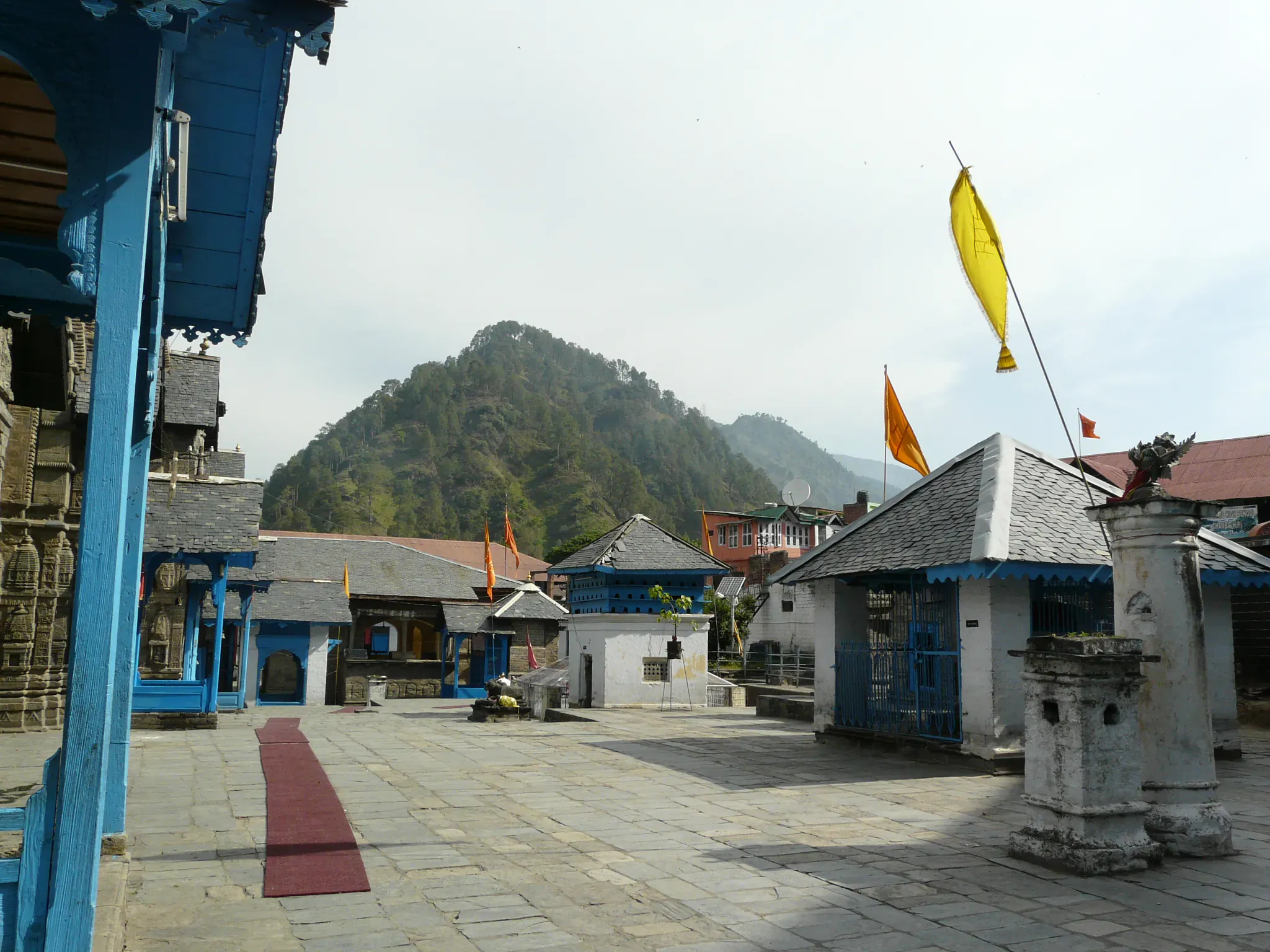
Lakshmi Narayan Temple Chamba
The crisp Himalayan air vibrated with the faint clang of temple bells as I stepped into the Lakshmi Narayan Temple complex in Chamba. Nestled against the dramatic backdrop of the Dhauladhar range, this cluster of intricately carved shrines, a testament to the artistic prowess of the Chamba rulers, felt both imposing and intimate. Having documented over 500 monuments across India, I’ve developed a keen eye for architectural nuances, and Chamba’s temple complex offered a feast for the senses. The first structure that captured my attention was the Lakshmi Narayan Temple, the oldest and largest within the complex. Built primarily of wood and stone in the Shikhara style, its towering conical roof, adorned with intricate carvings of deities and mythical creatures, reached towards the azure sky. The weathered wooden panels, darkened by time and the elements, spoke of centuries of devotion and whispered stories of bygone eras. I was particularly drawn to the ornate brass doorways, their intricate floral and geometric patterns gleaming in the afternoon sun. These weren't mere entrances; they were portals to a realm of spiritual significance. As I moved deeper into the complex, I encountered a series of smaller temples, each dedicated to a different deity within the Hindu pantheon. The Radha Krishna Temple, with its delicate carvings of Krishna playing the flute, exuded a sense of playful devotion. The Shiva Temple, its stone walls adorned with depictions of the fearsome yet benevolent deity, felt palpably different, radiating an aura of quiet power. The architectural styles varied subtly, showcasing the evolution of temple architecture in the region over several centuries. Some featured sloping slate roofs, a characteristic of the local vernacular, while others echoed the Shikhara style of the main temple, creating a harmonious blend of architectural influences. One aspect that truly captivated me was the intricate woodwork. The Chamba region is renowned for its skilled woodcarvers, and their artistry is on full display throughout the complex. From the elaborately carved pillars and beams to the delicate latticework screens, every surface seemed to tell a story. I spent hours photographing these details, trying to capture the essence of the craftsmanship and the devotion that inspired it. The wood, though aged, retained a warmth and richness that contrasted beautifully with the cool grey stone. Beyond the architectural marvels, the complex pulsed with a living spirituality. Devotees moved through the courtyards, offering prayers and performing rituals. The air was thick with the scent of incense and the murmur of chants, creating an atmosphere of profound reverence. I observed a group of women circumambulating the main temple, their faces etched with devotion, their colorful saris adding vibrant splashes of color against the muted tones of the stone and wood. These weren't mere tourists; they were active participants in a centuries-old tradition, their presence adding another layer of meaning to the already rich tapestry of the site. The Lakshmi Narayan Temple complex isn't just a collection of beautiful buildings; it’s a living testament to the enduring power of faith and the artistic brilliance of a bygone era. It's a place where history, spirituality, and architecture intertwine, creating an experience that resonates deep within the soul. As I packed my equipment, preparing to leave this haven of tranquility, I felt a sense of gratitude for having witnessed this remarkable confluence of art and devotion. The images I captured, I knew, would serve as a reminder of the rich cultural heritage of Chamba and the enduring spirit of India.
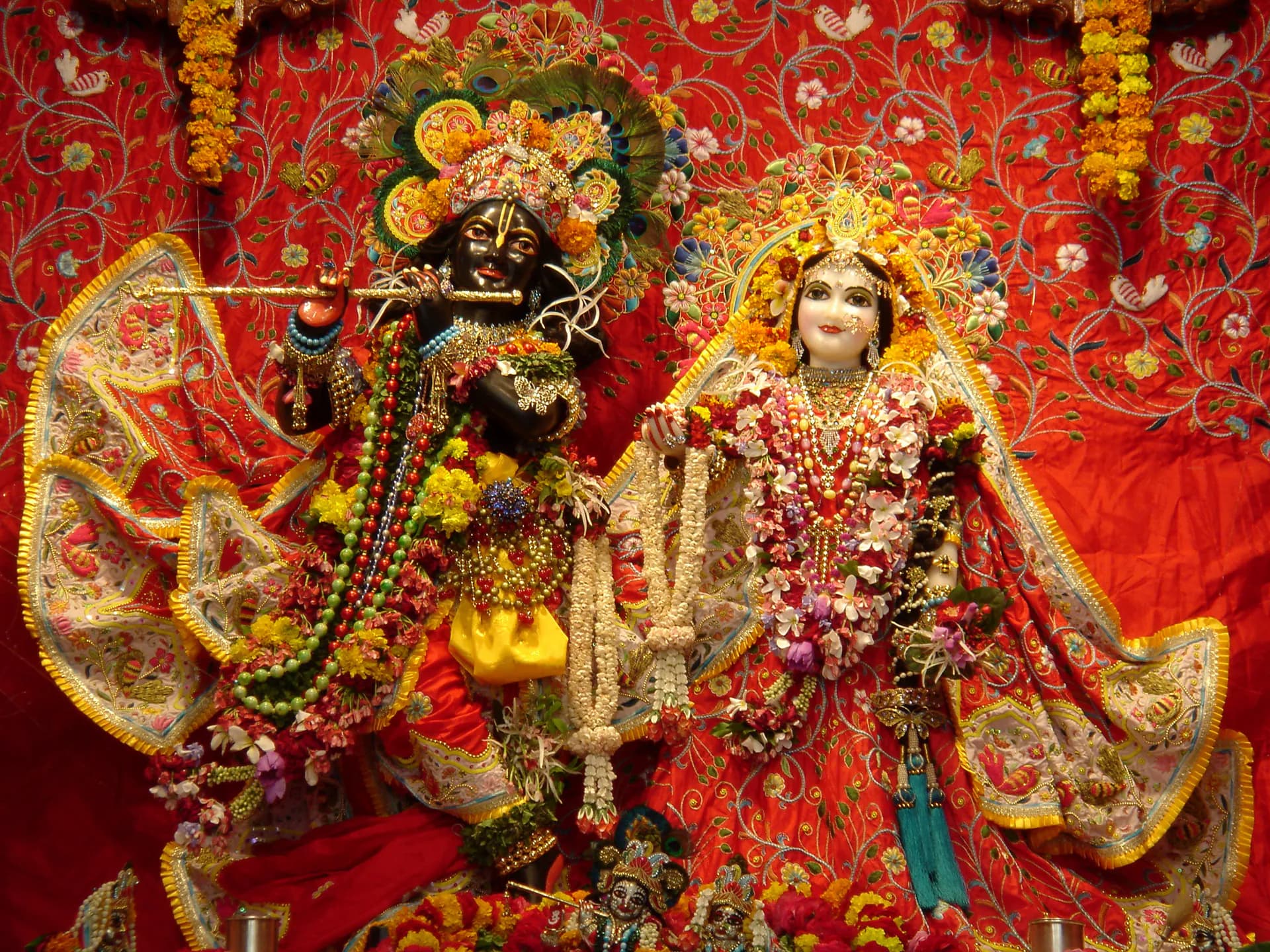
ISKCON Temple Dimapur
The ISKCON Temple Dimapur, dedicated to Lord Krishna, stands in Dimapur, Nagaland, as a testament to India's enduring spiritual and architectural traditions, which span millennia [1]. Consecrated in 1995 CE, this contemporary edifice draws deeply from indigenous Indian architectural styles, primarily Orissan Nagara and broader Nagara forms, while also incorporating elements reminiscent of Gupta and Neo-Classical aesthetics [2]. The temple's design reflects a continuous lineage of sacred architecture, emphasizing the profound cultural practices and spiritual devotion that have characterized Indian civilization for thousands of years [1] [2]. The architectural scheme of the ISKCON Temple Dimapur is a modern interpretation of the Nagara style, which is prevalent across North India and characterized by its towering, curvilinear shikhara [2]. Specifically, it incorporates features of the Orissan Nagara sub-school, where the shikhara, known as a 'Deul', rises almost vertically before curving sharply inwards towards the summit [5]. The temple typically features a 'garbhagriha' (sanctum sanctorum) housing the principal deity, preceded by one or more 'mandapas' (halls) [2] [5]. In Orissan style, a 'Jagamohan' (assembly hall) often precedes the 'Deul', and the main temple's ground plan is nearly invariably square, with a round 'Mastaka' (crowning element) at the apex of its superstructure [5]. The exterior walls of Nagara temples are often articulated with projections known as 'rathas', which create a dynamic interplay of light and shadow and enhance ornamentation [2]. The temple's construction utilizes reinforced cement concrete (RCC) for structural integrity, with concrete grades such as M30 employed to ensure high load-bearing capacity and durability [4]. The foundation typically involves pile foundations, designed to support the substantial weight of the superstructure [4]. Materials like sandstone, often used in traditional Nagara temples, are likely complemented by modern finishes and decorative elements, reflecting the blend of ancient aesthetics with contemporary construction methods [2] [4]. Decorative elements within ISKCON temples often include intricate carvings and sculptures that depict deities, celestial beings, and mythological narratives, reflecting the rich heritage of Vedic culture . The design principles are rooted in Vedic traditions, drawing from texts like the Shilpa Shastras and Vastu Shastra, which emphasize harmony with natural elements and cosmic energies . Towering 'shikharas' symbolize Mount Meru, the cosmic axis, guiding spiritual focus heavenward . The sanctum sanctorum, housing the deities, is meticulously aligned with cardinal directions, with east-facing entrances welcoming the sun's first rays, symbolizing enlightenment . The temple complex is designed to include community spaces such as kirtan halls for collective chanting, prasadam (sanctified food) dining areas, libraries, and classrooms, fostering a holistic spiritual ecosystem . Conservation efforts for ISKCON temples generally focus on maintaining the structural integrity of modern construction while preserving the traditional artistic and spiritual elements . The temple is actively programmed with daily rituals, festivals, and educational initiatives, serving as a vibrant center for spiritual gatherings and community service [1]. It is fully operational, accessible to devotees and visitors, and maintained by the ISKCON Foundation, ensuring its role as a continuous beacon of devotion and cultural preservation [1].
Quick Links
Plan Your Heritage Journey
Get personalized recommendations and detailed visitor guides