Has Inheritage Foundation supported you today?
Your contribution helps preserve India's ancient temples, languages, and cultural heritage. Every rupee makes a difference.
Secure payment • Instant 80G certificate

Angkor Wat Siem Reap Cambodia
Majestically situated near Siem Reap, Cambodia, Angkor Wat, erected in the 12th century CE under King Suryavarman II, is recognized as the world's largest religious structure ([1][2]). Originally a Hindu temple dedicated to Vishnu, the preserver in the Hindu Trimurti, it showcases the profound influence of Indian Hindu architectural and religious traditions in Southeast Asia ([1]). Encompassing over 162 hectares, and surrounded by a vast moat symbolizing the cosmic ocean, its design mirrors Mount Meru, the sacred center of the universe in Hindu cosmology ([2]). Intricate carvings adorning the walls, stretching over 800 meters, depict scenes from Hindu epics such as the Ramayana and Mahabharata, including the Samudra Manthan (Churning of the Ocean of Milk) and the Battle of Kurukshetra ([3]). These detailed depictions illustrate the transmission of Indian Hindu iconographic programs to Cambodia ([3]). Vastu Shastra principles, the ancient Indian science of architecture, guided the temple's layout, with a central quincunx of towers representing Mount Meru's peaks, enclosed by galleries and courtyards ([4]). These principles systematically transmitted from Indian temple complexes of the Pallava, Chola, and Chalukya dynasties ([4]). Granite and sandstone blocks, meticulously carved, form the structure, ingeniously fitted together without mortar, demonstrating advanced engineering techniques ([5]). Over 1,860 apsaras (celestial dancers) and numerous devatas (deities) grace the sandstone walls, reflecting a deep understanding of Indian Hindu iconography ([5]). Sanskrit inscriptions provide critical insights into the site's role in disseminating Indian religious texts and practices ([1][2]). This UNESCO World Heritage Site stands as a testament to the enduring impact of Indian civilization on Southeast Asian traditions ([1][2]). The temple's imposing Shikhara (spire) and elaborate Mandapa (pillared hall) reflect design elements found in numerous Indian temples, further solidifying the Indian influence on this architectural marvel.
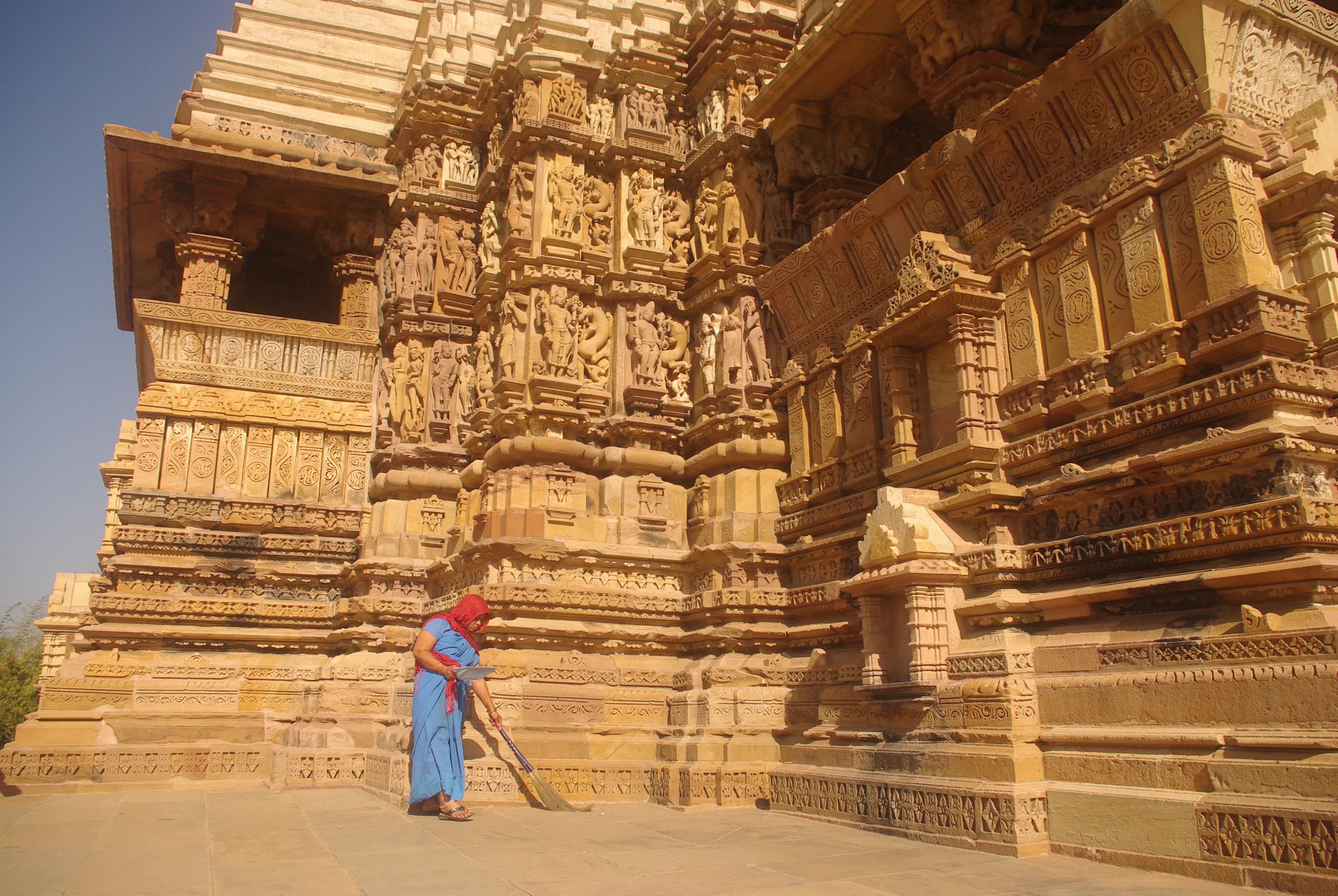
Kandariya Mahadeva Temple Khajuraho
The rising sun cast long shadows across the manicured lawns of the Western Group of temples at Khajuraho, and my gaze was immediately drawn to the magnificent Kandariya Mahadeva. Dominating the skyline, this temple, dedicated to Lord Shiva, is arguably the most iconic and elaborate of the Khajuraho group. The sheer scale of it took my breath away – a mountain of sculpted sandstone reaching for the heavens, a testament to the Chandela dynasty's architectural prowess and artistic vision. As I approached, the intricate carvings began to reveal themselves. The temple, built on a high platform, felt like a living, breathing entity. Every inch of the exterior, from the base to the towering shikhara, was covered in a profusion of sculptures. These weren't mere decorations; they narrated stories from Hindu mythology, depicted scenes of courtly life, and celebrated the sensuality that is so characteristic of Khajuraho's art. I noticed apsaras, celestial nymphs, frozen in graceful poses, their expressions ranging from serene contemplation to playful allure. Warriors, musicians, and animals – elephants, lions, and mythical creatures – all found their place within this intricate tapestry of stone. Climbing the steps to the main entrance, I felt a palpable shift in atmosphere. The air grew cooler, and a sense of reverence settled over me. The doorway itself was a masterpiece of intricate carving, layers of figures framing the entrance to the sanctum sanctorum. Stepping inside, I was struck by the relative simplicity of the inner chamber compared to the exuberant exterior. The play of light and shadow created a mystical ambiance, focusing attention on the garbhagriha, the innermost sanctum where the deity would have resided. Although the original lingam is no longer present, the space still held a palpable sense of sacredness. Spending time within the temple, I began to appreciate the architectural ingenuity of the Chandelas. The Kandariya Mahadeva is not a single structure but a complex arrangement of interconnected shrines and mandapas, each leading towards the central shikhara. This shikhara, a towering curvilinear spire, represents Mount Meru, the mythical abode of the gods. The smaller surrounding shikharas create a sense of rhythm and movement, giving the impression of a mountain range rising towards the sky. The erotic sculptures, for which Khajuraho is so famous, are undeniably a part of the temple's narrative. However, to reduce the temple to just these depictions is to miss the larger picture. They represent only a small fraction of the overall sculptural program and are integrated seamlessly within the broader themes of life, death, and spirituality. As someone who has grown up in Uttar Pradesh, surrounded by the echoes of ancient kingdoms and their artistic legacies, I found myself contemplating the multifaceted nature of these depictions. They are a reflection of a time when sensuality was not divorced from spirituality, a time when art embraced all aspects of human existence. Leaving the Kandariya Mahadeva, I carried with me a profound sense of awe and wonder. This temple is not just a collection of stones; it is a living testament to the artistic genius of a bygone era. It is a place where spirituality and sensuality intertwine, where stories are etched in stone, and where the echoes of history resonate through the centuries. It stands as a powerful reminder of the rich cultural heritage of India, a heritage that continues to inspire and captivate even today. As I walked away, I couldn't help but glance back, drawn once more to the majestic silhouette of the Kandariya Mahadeva against the clear blue sky, its intricate carvings shimmering in the sunlight.
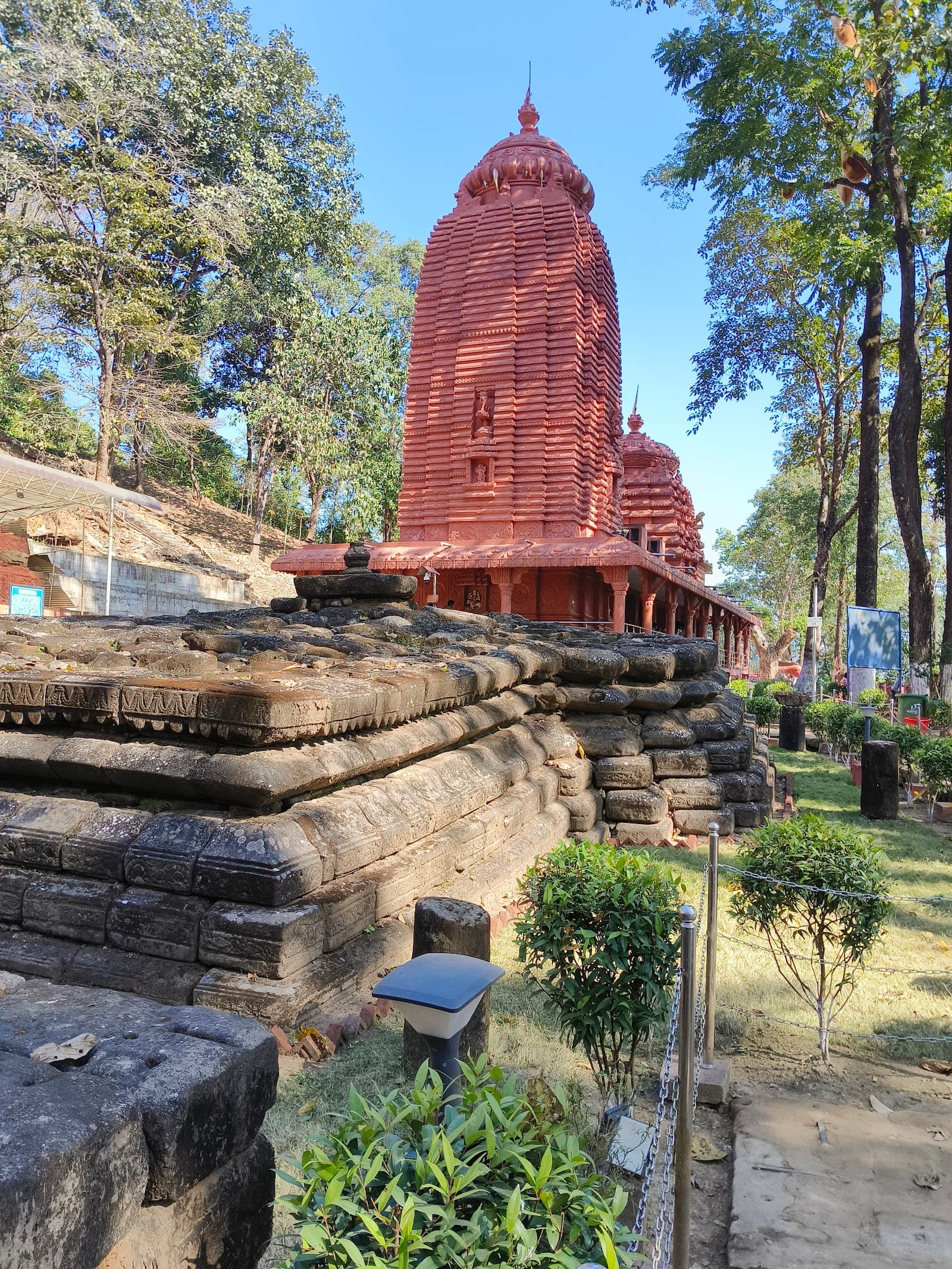
Malinithan Temple Likabali
The air hung thick and humid, a palpable presence as I navigated the final stretch of the winding road leading to Malinithan, a ruined temple complex tucked away in the verdant embrace of Arunachal Pradesh's Lower Siang district. The anticipation was almost as dense as the jungle itself. Having visited every UNESCO World Heritage Site in India, I've encountered grandeur on an epic scale, but Malinithan promised something different – a whisper of a lost kingdom, a forgotten chapter in India's rich tapestry. Emerging from the dense foliage, the first sight of Malinithan is arresting. Scattered across a gently sloping hillside are the remnants of a once-magnificent temple, its stones bearing the indelible marks of time and the elements. Unlike the meticulously preserved monuments I'd encountered elsewhere, Malinithan exudes a raw, almost melancholic beauty. Nature has begun to reclaim the site, with roots snaking through crevices and moss clinging to the weathered sculptures. The central complex is dominated by the ruins of what is believed to have been the main temple. The remaining structures, though fragmented, hint at a sophisticated architectural style. Intricately carved stone blocks, some featuring depictions of deities, animals, and floral motifs, lay scattered across the site. The craftsmanship is remarkable, showcasing a clear influence of both Hindu and tribal artistic traditions. One particular carving, a remarkably well-preserved elephant head, captured my attention. The detail in the folds of its trunk and the expression in its eyes spoke volumes about the skill of the artisans who shaped it centuries ago. My guide, a local from the nearby village, explained that Malinithan is believed to have been built by the Chutiya kings, who ruled the region between the 14th and 16th centuries. He recounted local legends surrounding the site, tales of powerful rulers, hidden treasures, and divine interventions. These stories, passed down through generations, added another layer of intrigue to the already captivating ruins. As I explored further, I noticed a distinct shift in the architectural style. While the central complex displayed a more classical Hindu influence, the surrounding structures exhibited a more indigenous character. This fusion of styles, a testament to the cultural exchange that shaped the region, is what makes Malinithan truly unique. It's not just a temple; it's a melting pot of artistic and religious influences, a tangible link to a vibrant past. One of the most striking features of Malinithan is the abundance of sculpted lingams, the phallic symbol representing Lord Shiva. These range in size from small, palm-sized objects to massive structures several feet tall. The sheer number of lingams scattered across the site suggests that Malinithan was a significant center of Shaivite worship. The climb to the upper reaches of the site offered breathtaking panoramic views of the surrounding hills and valleys. Standing there, amidst the ruins, I felt a profound sense of connection to the past. I imagined the temple in its heyday, bustling with activity, a vibrant hub of religious and cultural life. The silence of the present day, broken only by the chirping of birds and the rustling of leaves, served to amplify the echoes of the past. Malinithan is not just a collection of ruins; it's a living testament to the ingenuity and artistic prowess of a forgotten kingdom. It's a place where history whispers from every stone, where legends intertwine with reality, and where the past and present converge in a symphony of silence and grandeur. While it may not yet bear the official UNESCO World Heritage Site designation, its historical and cultural significance is undeniable. My visit to Malinithan was more than just another stop on my journey; it was a pilgrimage into the heart of a lost world, a poignant reminder of the ephemeral nature of empires and the enduring power of human creativity.
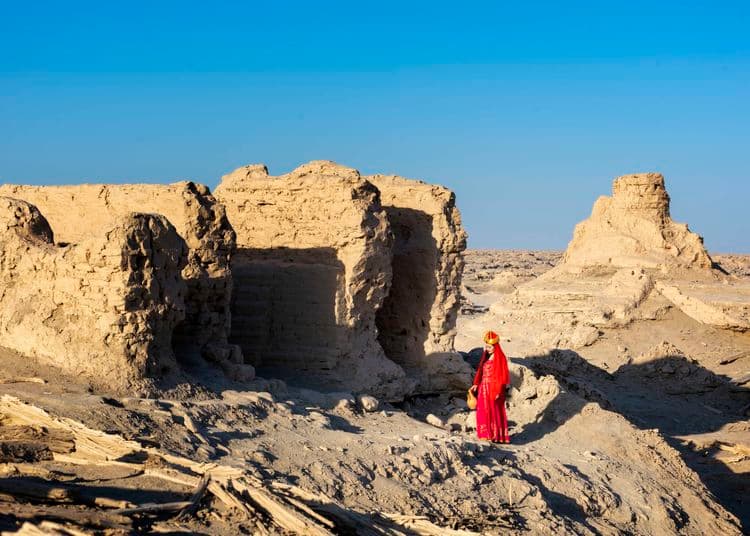
Loulan Ancient City Ruoqiang Xinjiang China
Loulan Ancient City, located in the eastern Taklamakan Desert in Ruoqiang County, Xinjiang, China, represents one of the most legendary and archaeologically significant lost cities of the Silk Road, comprising the remarkable remains of an ancient kingdom that flourished from the 2nd to 4th centuries CE along the strategic trade routes connecting China with Central Asia and India, creating a powerful testament to the transmission of Indian Buddhist traditions and the complex cultural exchanges that occurred along the ancient Silk Road. The city, preserved by the desert environment in extraordinary condition, features extensive remains of residential buildings, Buddhist stupas, temples, administrative structures, and defensive walls that provide unprecedented insights into the daily life, governance, and religious practices of an ancient Silk Road kingdom, while the discovery of numerous artifacts including textiles, manuscripts, coins, and pottery showing clear Indian influences provides crucial evidence of the deep cultural connections between the region and the Indian subcontinent. The city's Buddhist stupas and temples, constructed primarily from rammed earth, wood, and fired brick, demonstrate the transmission of Indian Buddhist architectural traditions to Central Asia, with the stupa forms and decorative elements reflecting Indian Buddhist practices that were introduced to the region through centuries of cultural exchange, while the discovery of Buddhist manuscripts and religious artifacts provides crucial evidence of the site's role in the transmission of Buddhism from India to China. Archaeological excavations have revealed extraordinary preservation of organic materials including wooden structures, textiles, leather goods, and food remains that provide unprecedented insights into ancient Central Asian life, while the city's abandonment, likely during the 4th century CE due to desertification, shifting trade routes, and political changes, left the city frozen in time, creating one of the most important archaeological sites for understanding ancient Silk Road civilization. The city's location along the eastern branch of the Silk Road, connecting China with Central Asia and India, underscores its historical role as a major center of trade, cultural exchange, and religious transmission, while the extensive evidence of Indian cultural influence demonstrates the profound impact of Indian civilization on Central Asian societies during the ancient period. The site was rediscovered by Swedish explorer Sven Hedin in 1900 and subsequently excavated by numerous archaeological teams, revealing extraordinary discoveries that have transformed understanding of ancient Silk Road civilization, while ongoing archaeological research continues to reveal new insights into the city's history, the lives of its inhabitants, and the cultural exchanges that shaped the ancient world. Today, Loulan stands as a UNESCO Tentative List site and represents one of the most important archaeological discoveries in Central Asia, serving as a powerful testament to the transmission of Indian culture, administration, and religion along the Silk Road, while the site's legendary status as a lost city and its extraordinary preservation continue to capture the imagination of scholars and visitors alike, demonstrating the enduring fascination with the ancient civilizations that flourished along the Silk Road. ([1][2])
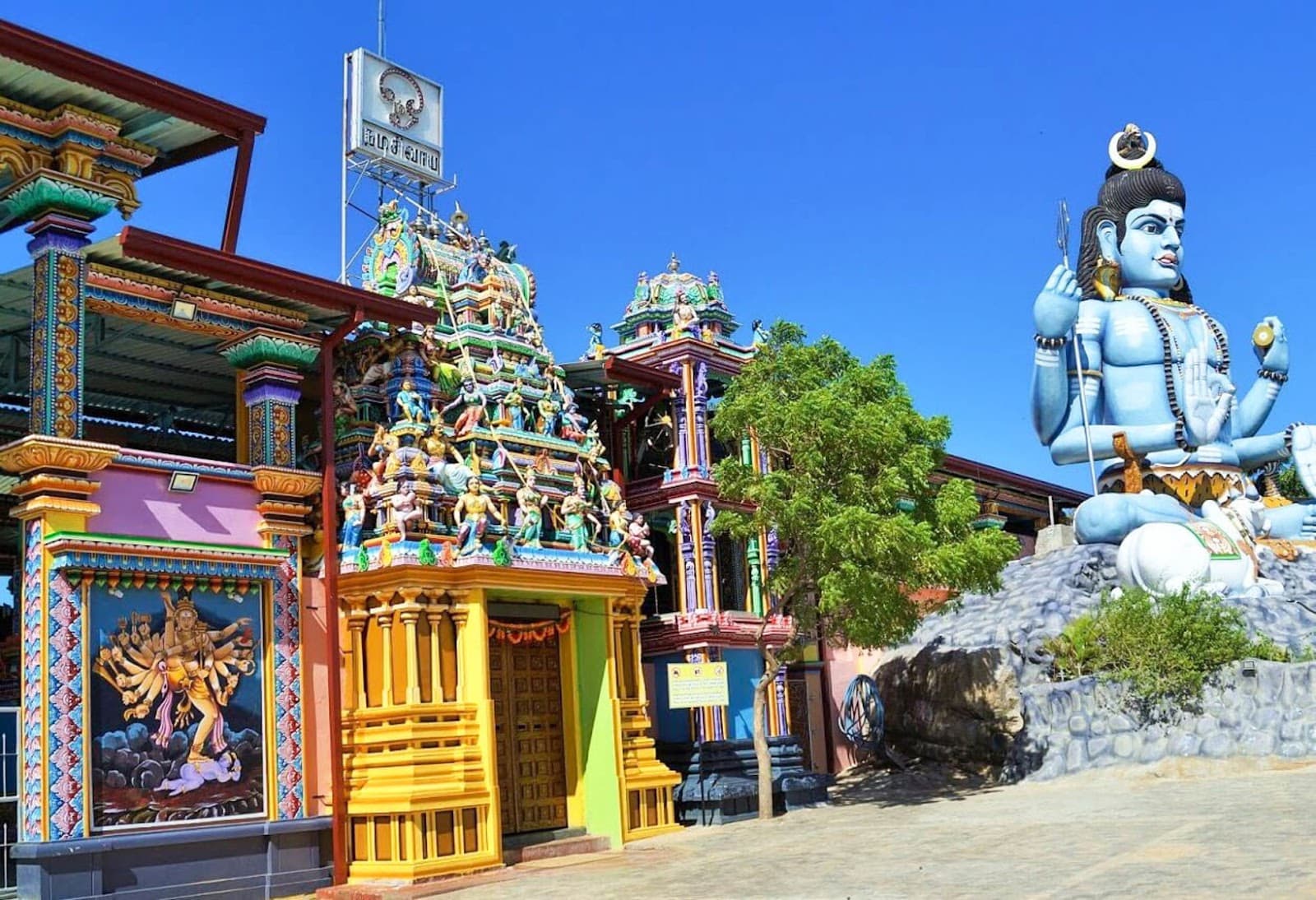
Koneswaram Temple Trincomalee Sri Lanka
Koneswaram Temple, dramatically perched atop the majestic Swami Rock overlooking the azure waters of the Indian Ocean in Trincomalee, represents one of the most extraordinary and spiritually significant Hindu temples in South Asia, with origins tracing back to the 3rd century BCE and serving as one of the five ancient Pancha Ishwaram shrines dedicated to Shiva that were strategically established around the island's coastline to protect Sri Lanka according to ancient Tamil and Sanskrit traditions, creating a powerful testament to the profound transmission of Indian Shaivite religious and architectural traditions to Sri Lanka. The temple complex, known as Thirukoneswaram in Tamil and Koneswaram Kovil, features sophisticated Dravidian architectural elements that demonstrate the direct transmission of South Indian temple architecture, particularly the traditions of the Pallava, Chola, and Pandya dynasties, with local adaptations that reflect the sophisticated synthesis of Indian Shaivite religious and artistic traditions with Sri Lankan building techniques and aesthetic sensibilities. The temple's most remarkable feature is its spectacular location atop Swami Rock, a dramatic promontory that rises 400 feet above sea level, providing panoramic views of the Indian Ocean and Trincomalee Bay, while the temple's architectural layout, with its central sanctum housing the Shiva lingam surrounded by multiple enclosures, gopurams (gateway towers), and subsidiary shrines, follows sophisticated South Indian Dravidian temple planning principles that were systematically transmitted from the great temple complexes of Tamil Nadu including Chidambaram, Madurai, and Rameswaram. Archaeological evidence reveals that the temple served as a major center of Shaivite worship for over two millennia, attracting pilgrims from across South India and Southeast Asia, while the discovery of numerous inscriptions in Tamil, Sanskrit, and Sinhala provides crucial evidence of the site's role in the transmission of Indian religious texts and practices to Sri Lanka, demonstrating the sophisticated understanding of Indian Shaivite traditions possessed by the temple's patrons and religious establishment. The temple's history is deeply intertwined with the Ramayana epic, with local traditions identifying the site as one of the places where Ravana, the legendary king of Lanka, worshipped Shiva, while the temple's association with the Pancha Ishwaram network demonstrates the sophisticated understanding of Indian Shaivite cosmology and temple planning principles that were transmitted from the great religious centers of India to Sri Lanka. The temple complex has undergone multiple reconstructions throughout its history, most notably after its destruction by Portuguese colonizers in 1624 CE, with the current structure representing a modern reconstruction that faithfully preserves the temple's original Dravidian architectural character and spiritual significance. Today, Koneswaram Temple stands as one of the most important Hindu pilgrimage sites in Sri Lanka, serving as a powerful testament to the transmission of Indian Shaivite culture and architecture to Sri Lanka, while ongoing archaeological research and conservation efforts continue to protect and study this extraordinary cultural treasure that demonstrates the profound impact of Indian civilization on Sri Lankan religious and artistic traditions. ([1][2])
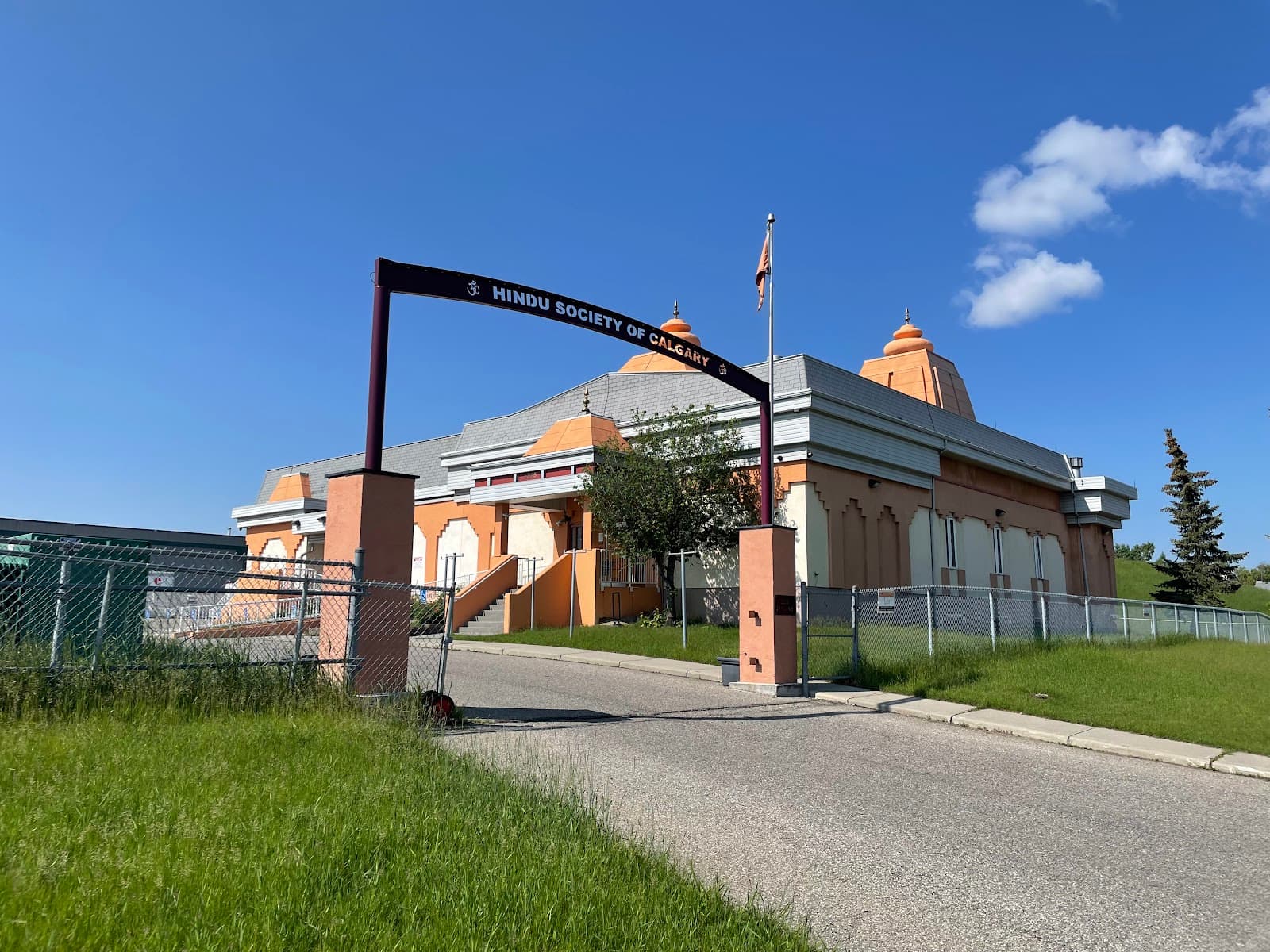
Hindu Cultural Society of Calgary Temple
Hindu Cultural Society of Calgary Temple is dedicated to Sri Ganesh, Sri Krishna, Durga, Shiva, and other deities, and anchors northeast Calgary’s cultural corridor as a multi-wing campus for worship, arts, education, and community aid since its 1984 consecration ([1][2]). The temple operates daily 7:00 AM-12:00 PM and 5:00 PM-9:00 PM, while classrooms, auditorium, gymnasium, and library run from 9:00 AM onwards for language classes, music rehearsals, yoga, seniors’ programs, and settlement services coordinated by volunteer committees ([1][3]). Front-desk teams handle RFID sign-in, shoe storage, and seva booking, then guide devotees through heated corridors toward the marble sanctum or cultural halls via colour-coded wayfinding and bilingual signage. In-house kitchens deliver annadhanam, Meals on Wheels, and Food Bank hampers, while accessibility upgrades provide heated ramps, elevators, tactile guidance, captioned screens, and quiet rooms. Digital signage and SMS alerts share aarti schedules, class updates, weather advisories, and road conditions, and Building Automation Systems manage HVAC, humidification, radiant floors, and security integrated with Calgary Emergency Management. With trained emergency wardens, festival logistics plans, and hybrid broadcast suites, the temple remains operationally ready for Diwali gala, Navaratri garba, Rath Yatra floats, civic town halls, and youth hackathons alongside daily worship ([2][3]).
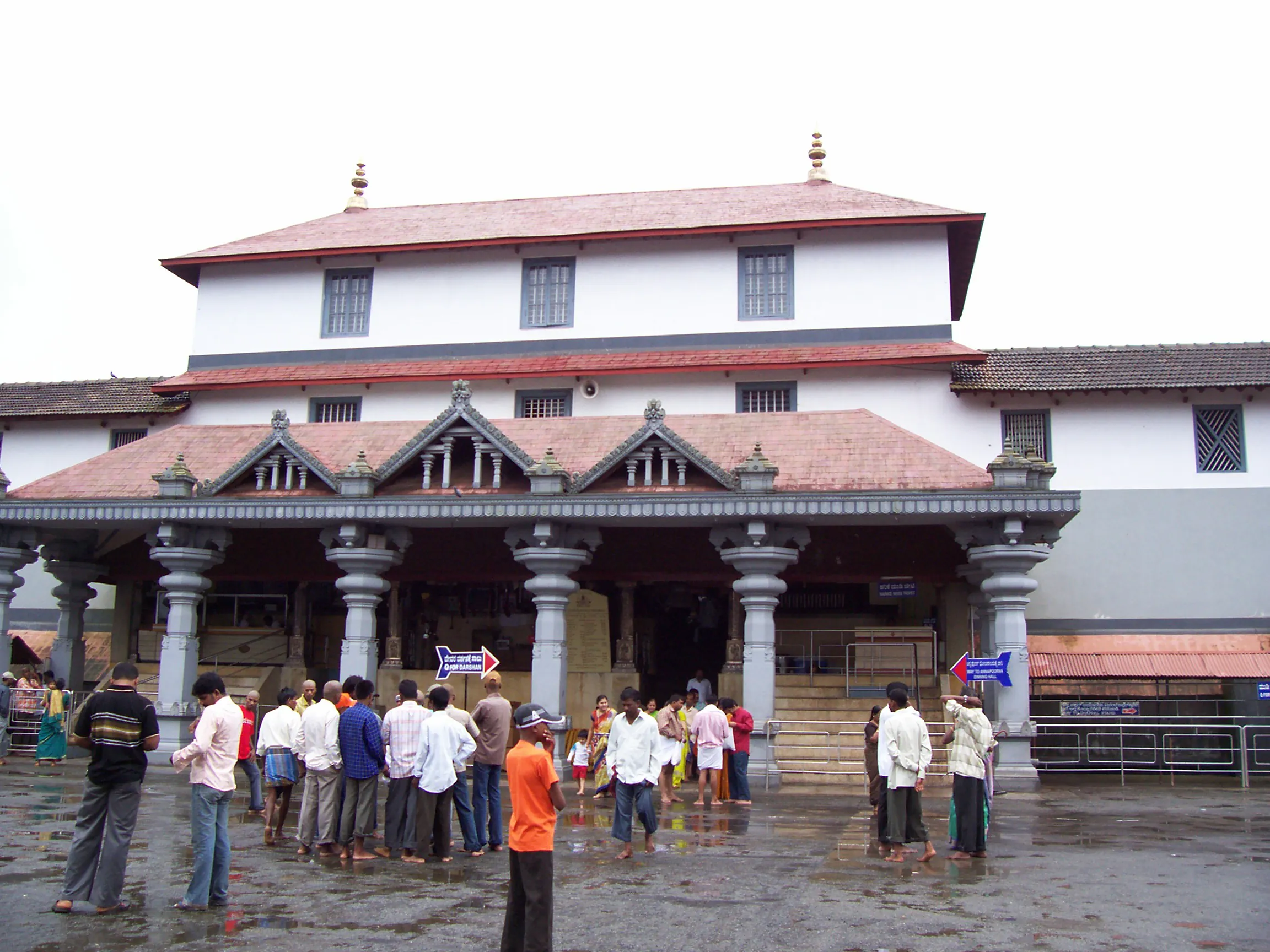
Dharmasthala Manjunatha Temple Dharmasthala
Stepping into the Dharmasthala Manjunatha Temple is an immersion into a world where faith and art converge. The temple, nestled in Dharmasthala, Karnataka, has roots tracing back to the 8th century (750 CE) [1][2]. It stands as a testament to the architectural prowess of the Vijayanagara period [3]. Intricate carvings adorning the granite pillars narrate tales from Hindu epics, reflecting the Dravidian style that characterizes the temple [4]. The Alupa dynasty's patronage shaped its early form, while the Jain Bunt community continues to uphold its traditions [1][2]. Unlike the predominantly sandstone architecture of Madhya Pradesh, the granite used here lends a sense of timelessness. The temple complex also incorporates Kerala architectural influences, evident in the copper-tiled, sloping roofs and ornate wooden brackets [5]. What truly sets Dharmasthala apart is its unique synthesis of faiths. Within the complex, a Jain basadi (shrine) exists harmoniously alongside the Shaiva temple [3]. This inclusivity is further highlighted by the Heggade, the temple's hereditary administrator, who belongs to the Jain faith, yet oversees the worship of Lord Manjunatha (Shiva) [1][2]. The Rathotsava (chariot festival) is an integral part of the temple's annual celebrations, showcasing a wooden chariot intricately carved with mythological figures and embellished with gold leaf [4]. Beyond its architectural and religious significance, the temple embodies a spirit of community service. The Annadana (free community kitchen) feeds thousands of pilgrims daily, transcending caste and creed [3]. This act of selfless service encapsulates the essence of Dharmasthala, making it not just a place of worship but also a beacon of social responsibility and compassion. The temple's architecture and traditions are a living example of India's rich cultural heritage, blending devotion, art, and community in a truly unique way [1][2][5].
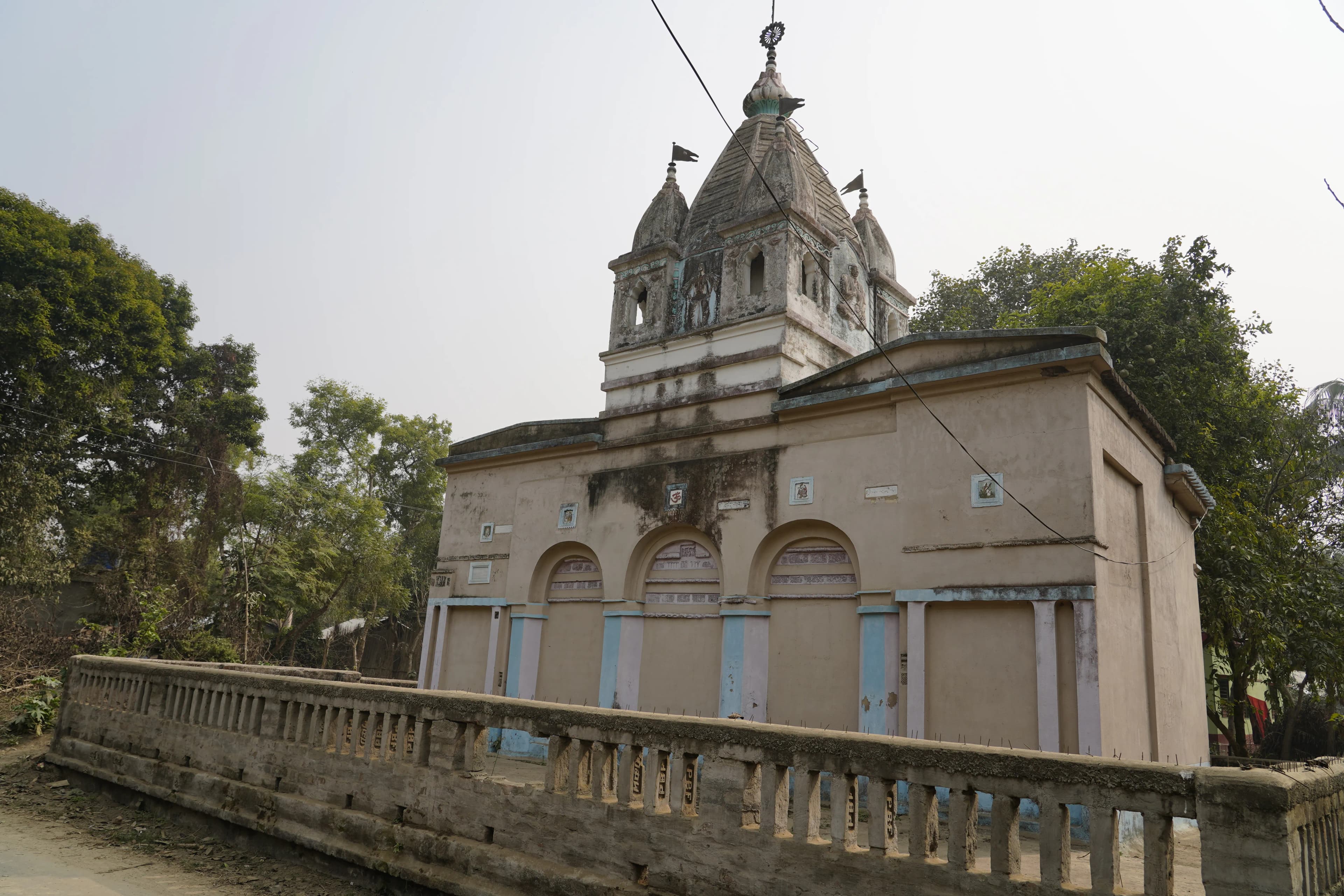
Shree Shyam Rai Temple Imphal
The air, thick with the scent of incense and champak flowers, hung heavy as I stepped onto the grounds of the Shree Govindajee Temple complex in Imphal. Coming from Uttar Pradesh, a land steeped in its own unique architectural heritage, I was eager to experience the distinct flavour of Manipuri religious architecture. The Shyam Rai Temple, dedicated to Lord Krishna, immediately caught my eye. Unlike the towering stone edifices I was accustomed to back home, this temple, nestled within the larger complex, presented a different aesthetic altogether. The structure, built primarily of brick and wood, showcased a distinctly Manipuri style. Its curved roof, reminiscent of the traditional thatched huts of the region, rose in tiers, culminating in a pointed finial. The vibrant colours – deep reds, ochre yellows, and bright golds – adorned the wooden carvings that embellished the facade. These weren't the intricate, narrative carvings of Khajuraho or the bold geometric patterns of Mughal architecture. These were simpler, yet equally expressive, depicting floral motifs, stylized dragons, and mythical creatures that spoke of a different artistic vocabulary. As I approached the main entrance, I noticed the absence of the towering gateways or gopurams that characterize South Indian temples. Instead, a modest arched entrance led into a courtyard. The courtyard itself was a hub of activity. Devotees, clad in traditional Manipuri attire, moved with quiet reverence. The women, in their phanek (sarong) and innaphi (shawl), added splashes of colour to the scene. The rhythmic chanting of hymns and the clang of cymbals created an atmosphere of serene devotion, a stark contrast to the bustling city just beyond the temple walls. Inside the sanctum sanctorum, the atmosphere was palpably different. The air was thick with the scent of sandalwood, and a single oil lamp cast flickering shadows on the deity. The image of Lord Krishna, adorned with vibrant silks and garlands, radiated a sense of profound tranquility. Unlike the elaborate rituals and crowded darshan queues I’d experienced in Uttar Pradesh temples, here, the worship felt more intimate, more personal. There was a quiet dignity in the way devotees offered their prayers, a sense of deep connection with the divine. What struck me most about the Shyam Rai Temple was its integration with the surrounding landscape. Unlike the monumental temples of the north, which often dominate their surroundings, this temple seemed to blend seamlessly with the natural environment. The surrounding gardens, filled with flowering trees and shrubs, added to the sense of peace and tranquility. I could see the influence of the surrounding hills and valleys in the curved lines of the roof and the natural materials used in its construction. The temple's architecture also reflected the unique cultural blend of Manipur. While the core structure adhered to traditional Manipuri styles, I could discern subtle influences from other regions. The use of brick, for instance, reminded me of the Mughal architecture prevalent in parts of India. This fusion of styles, this subtle intermingling of influences, spoke volumes about Manipur's history as a crossroads of cultures. Leaving the Shyam Rai Temple, I felt a sense of quiet contemplation. The experience had been a powerful reminder of the diversity of India's architectural and spiritual heritage. While the temples of Uttar Pradesh, with their grandeur and intricate carvings, held a special place in my heart, the Shyam Rai Temple, with its understated elegance and serene atmosphere, had offered a glimpse into a different, equally compelling, expression of faith and artistry. It reinforced the idea that sacred spaces, regardless of their architectural style or regional context, serve as powerful conduits for human connection with the divine.
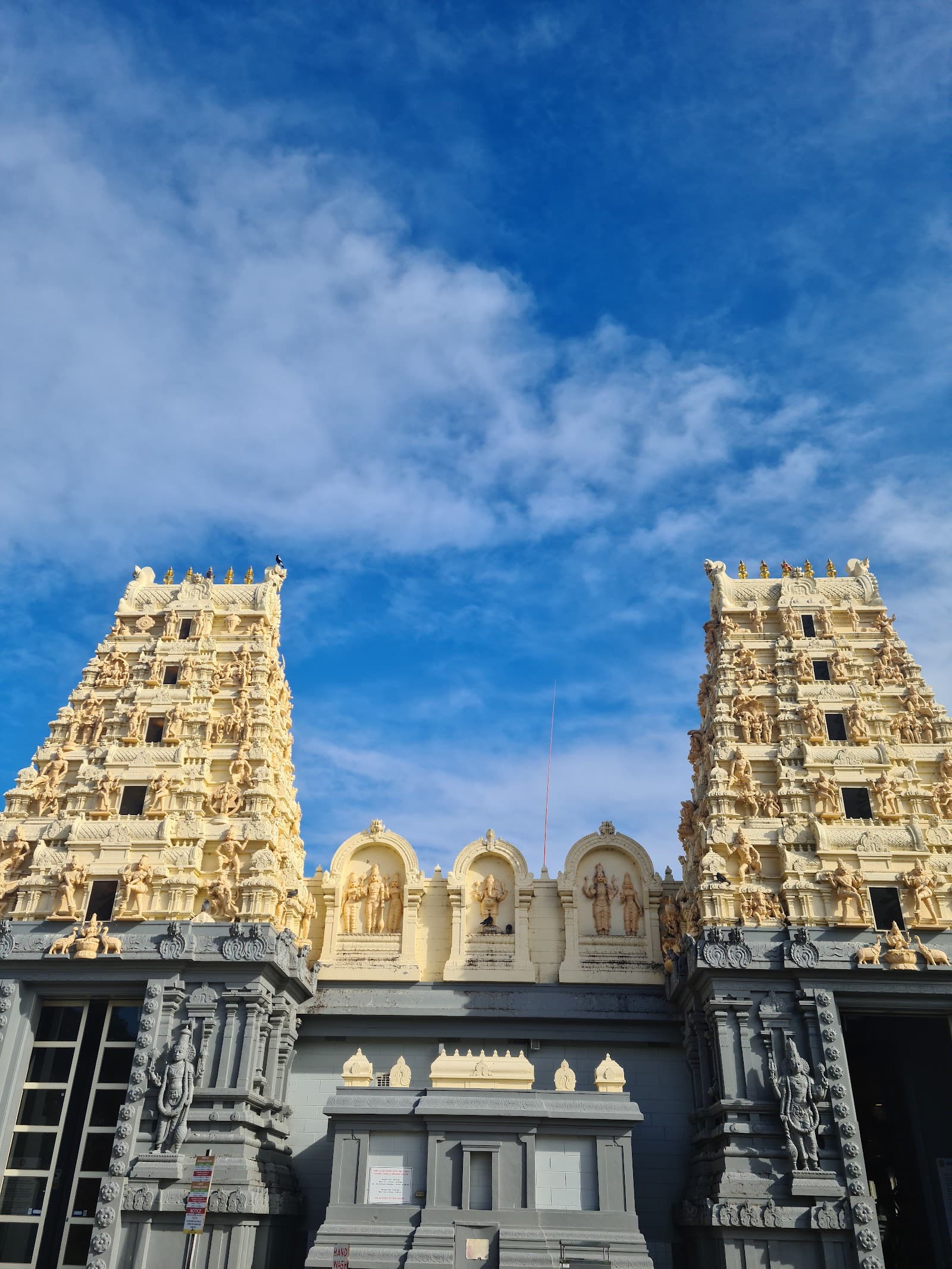
Shri Shiva Vishnu Temple Carrum Downs
Shri Shiva Vishnu Temple Carrum Downs is dedicated to Lord Shiva and Lord Vishnu and anchors Carrum Downs, Victoria, as the largest Hindu complex in the southern hemisphere ([1][2]). Daily darshan opens 7:30 AM-12:00 PM and 4:00 PM-9:00 PM, with Saturday hours extending to 10:00 PM as dual queues marshal visitors toward the Shiva and Vishnu sanctums without crossover ([1]). A volunteer command post in the Yajna hall tracks CCTV and real-time crowd counts, dispatching ushers to the 108-pillared mandapa when coach tours arrive from interstate ([1][3]). The community centre seats 1,000 in banquet configuration, where stainless trolleys glide along polished concrete aisles and induction woks maintain prasadam throughput while keeping the hall free of combustion fumes ([1][4]). Tactile maps, contrasting floor nosings, and induction loop audio guide visitors with low vision or hearing loss, complemented by two lifts linking the cultural classrooms to the main prakaram ([3]). Accessible parking bays sit 30 metres from the gopuram and connect via canopy-covered ramps that maintain 1:20 gradients, easing pilgrimage for seniors and wheelchair users ([3]). Signage delivers tri-lingual Tamil-Hindi-English instructions, QR-linked seva booking, and bushfire evacuation diagrams audited annually by Fire Rescue Victoria ([3][5]). Air monitoring sensors in the homa kunda feed a dashboard that alerts priests when particulate loads trigger extraction fans, ensuring ceremonies run without breaching occupational standards ([5]). With cross-trained volunteers, audited hygiene workflows, and resilient visitor routing, the temple stays fully operational for worship, cultural tuition, and civic events throughout the calendar year ([1][2]).
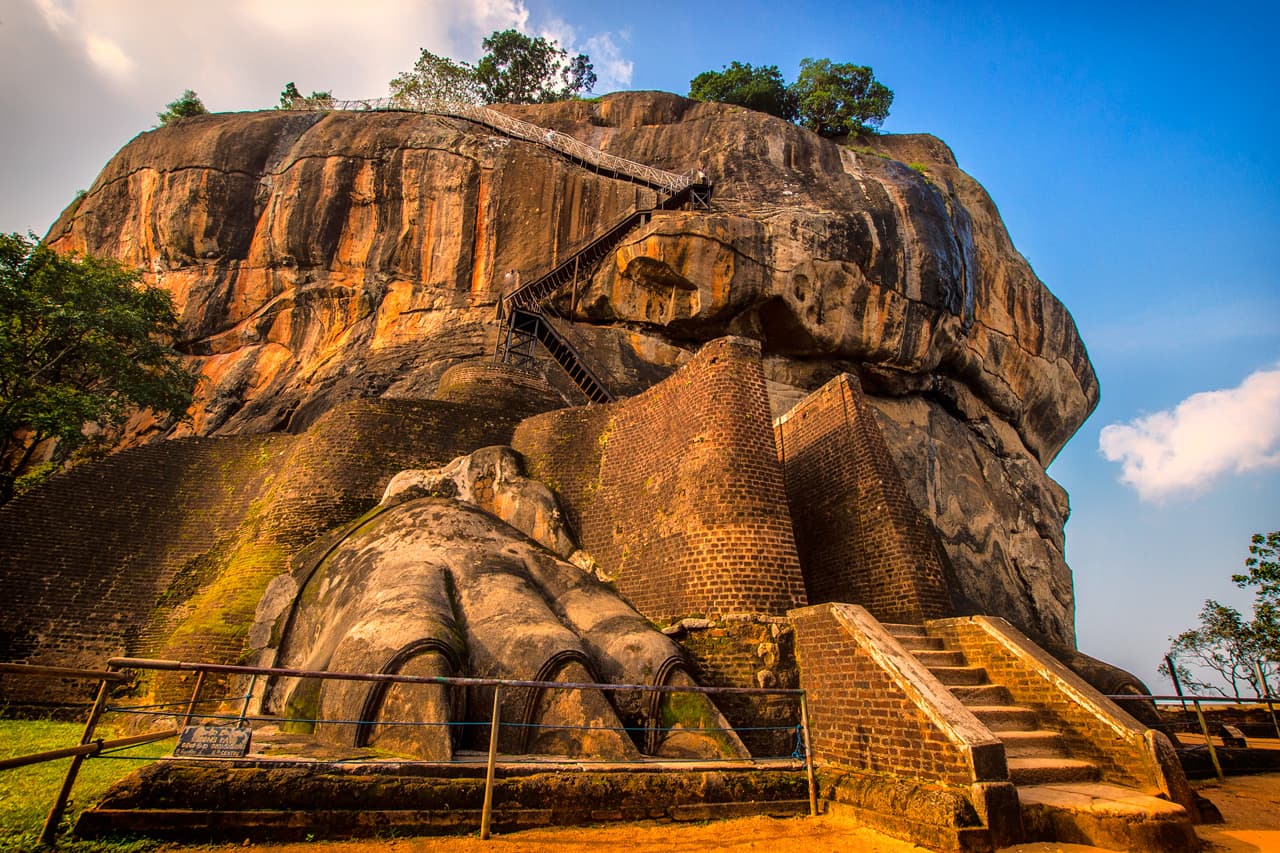
Sigiriya Rock Fortress Central Province Sri Lanka
Sigiriya, dramatically rising 200 meters above the surrounding plains as a massive granite monolith in central Sri Lanka, represents one of the most extraordinary and archaeologically significant rock fortresses and palace complexes in South Asia, constructed in the 5th century CE during the reign of King Kashyapa as a sophisticated fortress-palace that demonstrates the profound transmission of Indian artistic, architectural, and urban planning traditions to Sri Lanka, creating a powerful testament to the sophisticated synthesis of Indian and Sri Lankan cultural traditions. The rock fortress, also known as the Lion Rock, features extraordinary architectural elements including a sophisticated palace complex atop the rock summit, elaborate water gardens at the base, and the famous Sigiriya frescoes depicting celestial maidens (apsaras) that demonstrate clear Indian artistic influences, particularly from the great artistic centers of India including Ajanta, Ellora, and the Gupta period artistic traditions, while the frescoes' sophisticated execution, vibrant colors, and iconographic accuracy demonstrate the sophisticated understanding of Indian artistic traditions possessed by Sri Lankan artists. The fortress's most remarkable feature is its sophisticated urban planning, including elaborate water gardens with sophisticated hydraulic engineering, terraced gardens, and architectural elements that demonstrate the direct transmission of Indian garden design and urban planning principles from the great cities of ancient India, while the fortress's palace complex, with its sophisticated layout including audience halls, residential quarters, and defensive structures, demonstrates the direct transmission of Indian palace architecture and planning principles to Sri Lanka. Archaeological evidence reveals that the fortress served as both a royal residence and a defensive stronghold, while the discovery of numerous inscriptions, graffiti, and architectural elements provides crucial evidence of the site's role in the transmission of Indian artistic and architectural traditions to Sri Lanka, demonstrating the sophisticated understanding of Indian cultural traditions possessed by the Sri Lankan court and artistic establishment. The fortress's association with the Ramayana epic, with local traditions identifying the site as associated with Ravana, the legendary king of Lanka, demonstrates the sophisticated understanding of Indian epic traditions that were transmitted to Sri Lanka, while the fortress's location and design demonstrate the sophisticated synthesis of Indian and local Sri Lankan architectural and artistic traditions. The fortress complex has been the subject of extensive archaeological research and conservation efforts, with ongoing work continuing to reveal new insights into the site's sophisticated architecture, art, and engineering, while the site's status as one of the best-preserved examples of ancient urban planning demonstrates its significance as a major center for the transmission of Indian cultural traditions to Sri Lanka. Today, Sigiriya stands as a UNESCO World Heritage Site and represents one of the most important archaeological sites in South Asia, serving as a powerful testament to the transmission of Indian artistic, architectural, and urban planning traditions to Sri Lanka, while ongoing archaeological research and conservation efforts continue to protect and study this extraordinary cultural treasure that demonstrates the profound impact of Indian civilization on Sri Lankan cultural traditions. ([1][2])
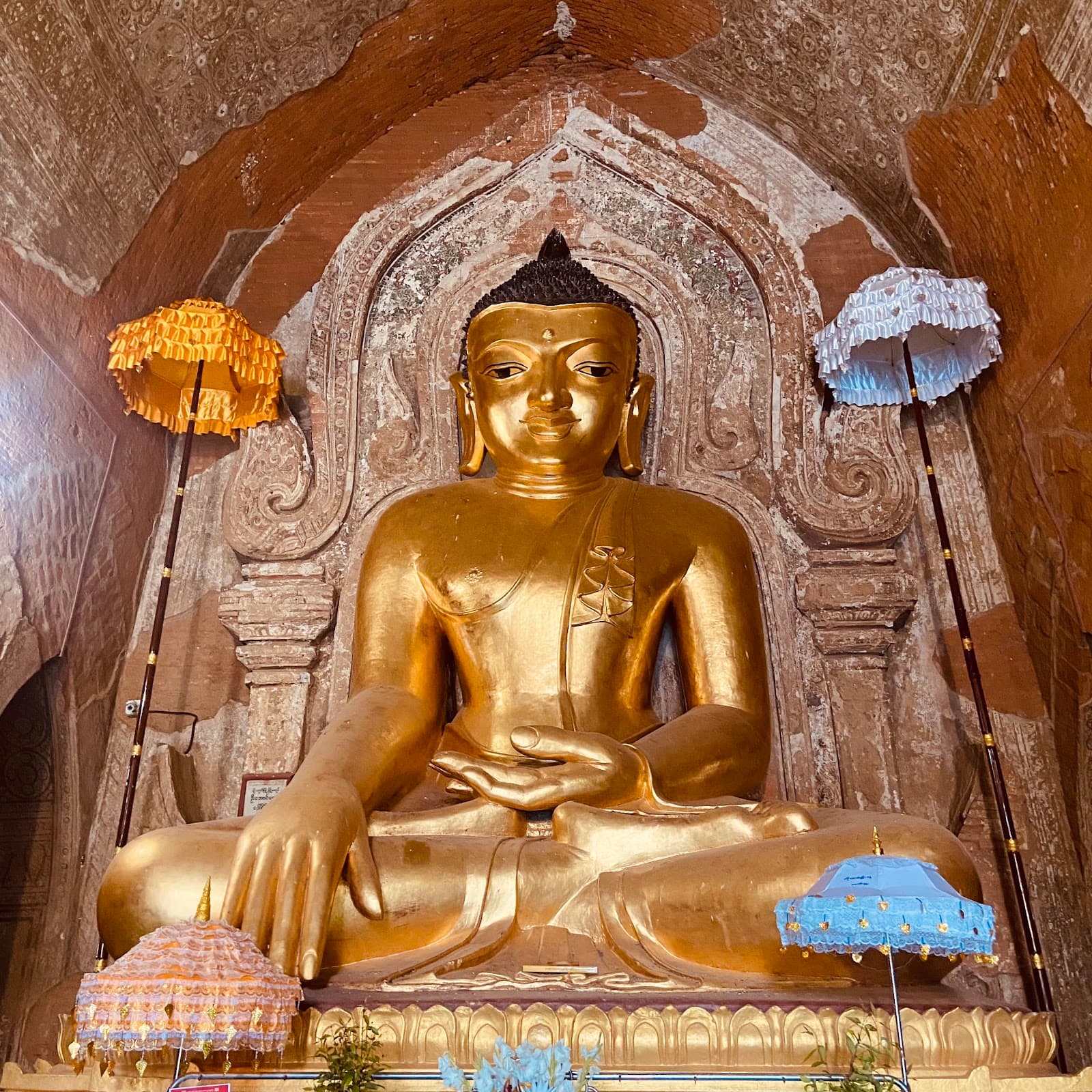
Htilominlo Temple Bagan
Htilominlo Temple, located in the Bagan Archaeological Zone, represents a significant 13th-century Buddhist temple featuring extensive Hindu-Buddhist syncretic sculptures and iconography, demonstrating the integration of Hindu artistic and religious traditions into Buddhist architecture that characterized Myanmar’s relationship with the greater Hindu rashtra extending across the Indian subcontinent. The temple, constructed in 1211 CE during the reign of King Htilominlo, features a two-story structure rising to a height of 46 meters, with extensive stucco reliefs and sculptures depicting both Hindu deities and Buddhist figures, reflecting the syncretic nature of religious art in ancient Myanmar where Hindu iconography was seamlessly integrated into Buddhist religious contexts. The temple’s architectural design demonstrates influence from Indian temple architecture, with the overall plan and decorative elements reflecting Gupta and Pala period styles that were transmitted to Myanmar through centuries of cultural exchange. The temple’s interior features numerous sculptures of Hindu deities including Brahma, Vishnu, Shiva, and various devatas positioned alongside Buddhist figures, demonstrating how Hindu iconography became integral to the religious and artistic vocabulary of ancient Myanmar. Archaeological evidence indicates the temple was constructed with knowledge of Indian artistic traditions, reflecting the close cultural connections between Myanmar (Brahma Desha) and the greater Hindu rashtra during the medieval period. The temple’s syncretic sculptures provide crucial evidence of the transmission of Hindu artistic traditions from India to Southeast Asia and their integration into Buddhist religious contexts. The temple has undergone multiple restorations, with significant work conducted to preserve the stucco reliefs and sculptures, and continues to serve as an active place of Buddhist worship while preserving its Hindu artistic heritage. Today, Htilominlo Temple stands as a UNESCO World Heritage Site within the Bagan Archaeological Zone, serving as a powerful symbol of Myanmar’s deep connections to Indian civilization and its historical role as part of the greater Hindu rashtra that extended across the Indian subcontinent and into Southeast Asia through shared artistic, religious, and cultural traditions. ([1][2])
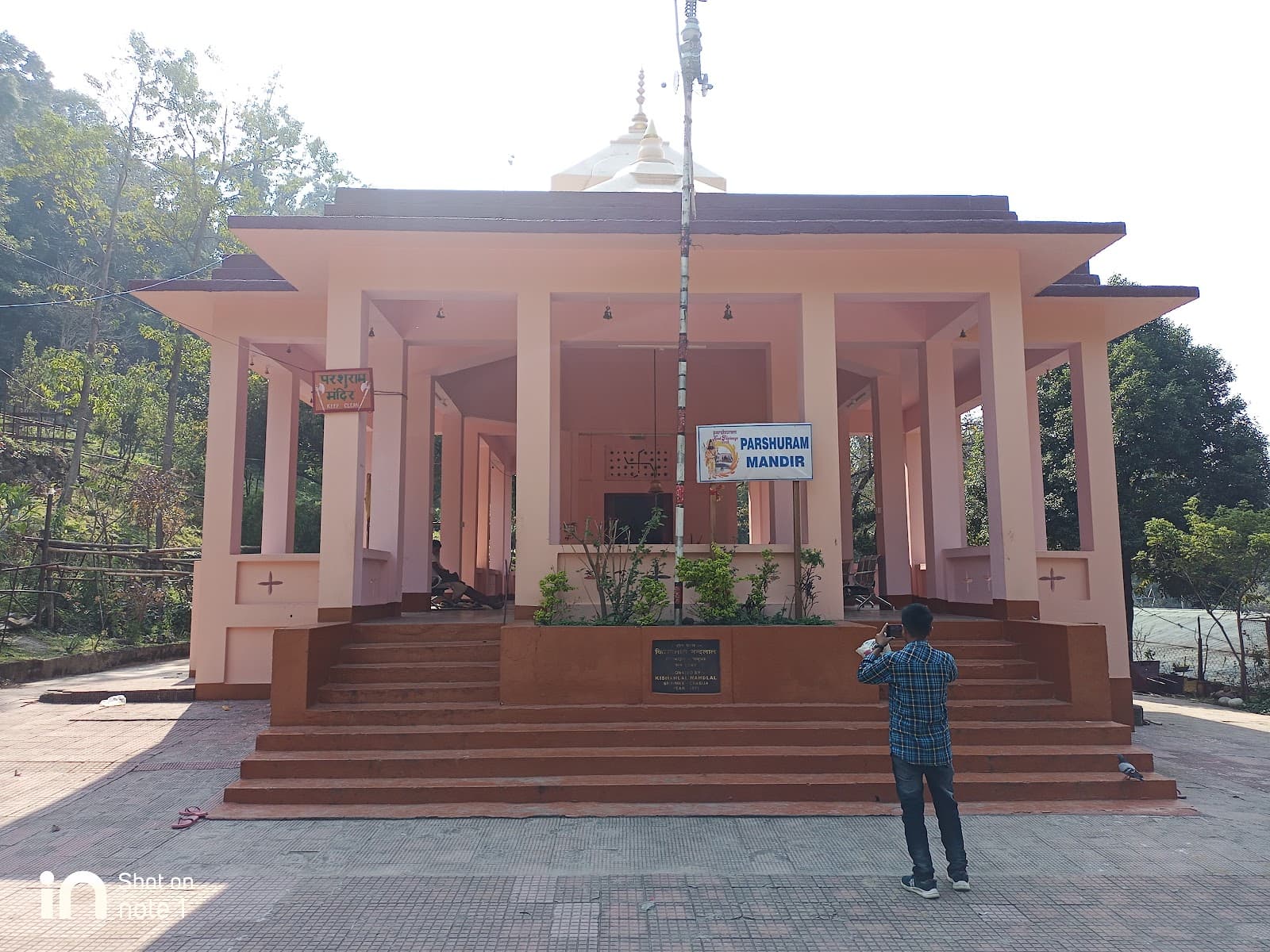
Parshuram Kund Temple Lohit
The biting January air, thin and crisp at 4,000 feet, whipped around me as I descended the steep steps towards Parshuram Kund. The roar of the Lohit River, a milky turquoise torrent surging through the gorge, filled the air, a constant, powerful presence that seemed to vibrate through the very rock on which the temple complex stood. This was no ordinary pilgrimage site; this was a place where the raw power of nature intertwined with deep-seated spiritual belief. Located in the remote Lohit district of Arunachal Pradesh, Parshuram Kund is more than just a temple; it's a confluence of mythology, natural beauty, and human devotion. Legend holds that this is where the warrior sage Parshuram washed away the sin of matricide, his axe, still stained crimson, cleansed by the sacred waters. That narrative resonated powerfully as I stood at the river’s edge, the icy spray misting my face, the sheer force of the current a tangible reminder of the cleansing power attributed to it. The main temple, dedicated to Lord Shiva, is a relatively modern structure, a stark white against the backdrop of the dark, imposing cliffs. While not architecturally ancient, it doesn't detract from the overall atmosphere. It feels less like a standalone monument and more like a focal point for the existing spiritual energy of the place. Smaller shrines dot the surrounding area, tucked into crevices and perched precariously on rocky outcrops, each a testament to the enduring faith of the pilgrims who journey here. What struck me most, however, wasn't the architecture, but the palpable sense of devotion. Having documented hundreds of temples across India, I've become accustomed to a certain level of ritualistic practice. But at Parshuram Kund, there was a rawness, an immediacy to the faith that was both humbling and inspiring. I watched as pilgrims, many having travelled for days, immersed themselves in the frigid waters, their faces etched with a mixture of reverence and determination. The chanting of mantras, the clang of bells, the scent of incense – all blended with the roar of the river to create an immersive sensory experience unlike any I’d encountered before. The architectural details, though simple, spoke volumes. The use of local stone in the construction of the shrines blended seamlessly with the natural surroundings, creating a sense of harmony between the man-made and the natural. The carvings, though weathered by the elements, hinted at a rich artistic tradition, depicting scenes from mythology and nature. I spent hours photographing these details, trying to capture the essence of the place, the interplay of light and shadow on the weathered stone, the textures of the rock face, the vibrant colours of the prayer flags fluttering in the wind. One particular detail that caught my eye was the prevalence of Trishuls, the trident of Shiva, embedded in the rocks surrounding the Kund. These tridents, some ancient and rusted, others newly placed and gleaming, served as a constant reminder of the presiding deity and the sanctity of the site. They were not mere decorations; they were symbols of faith, each one representing a prayer, a hope, a plea. As the sun began to dip below the horizon, casting long shadows across the gorge, I climbed back up the steps, leaving the roar of the river behind. The experience had been profound, a reminder of the power of faith and the enduring connection between humanity and nature. Parshuram Kund is more than just a temple; it’s a living testament to the enduring power of belief, a place where the spiritual and the natural converge in a symphony of sound, sight, and emotion. It’s a place that stays with you long after you’ve left, a memory etched in stone and water, echoing in the whispers of the wind.
Quick Links
Plan Your Heritage Journey
Get personalized recommendations and detailed visitor guides