Has Inheritage Foundation supported you today?
Your contribution helps preserve India's ancient temples, languages, and cultural heritage. Every rupee makes a difference.
Secure payment • Instant 80G certificate
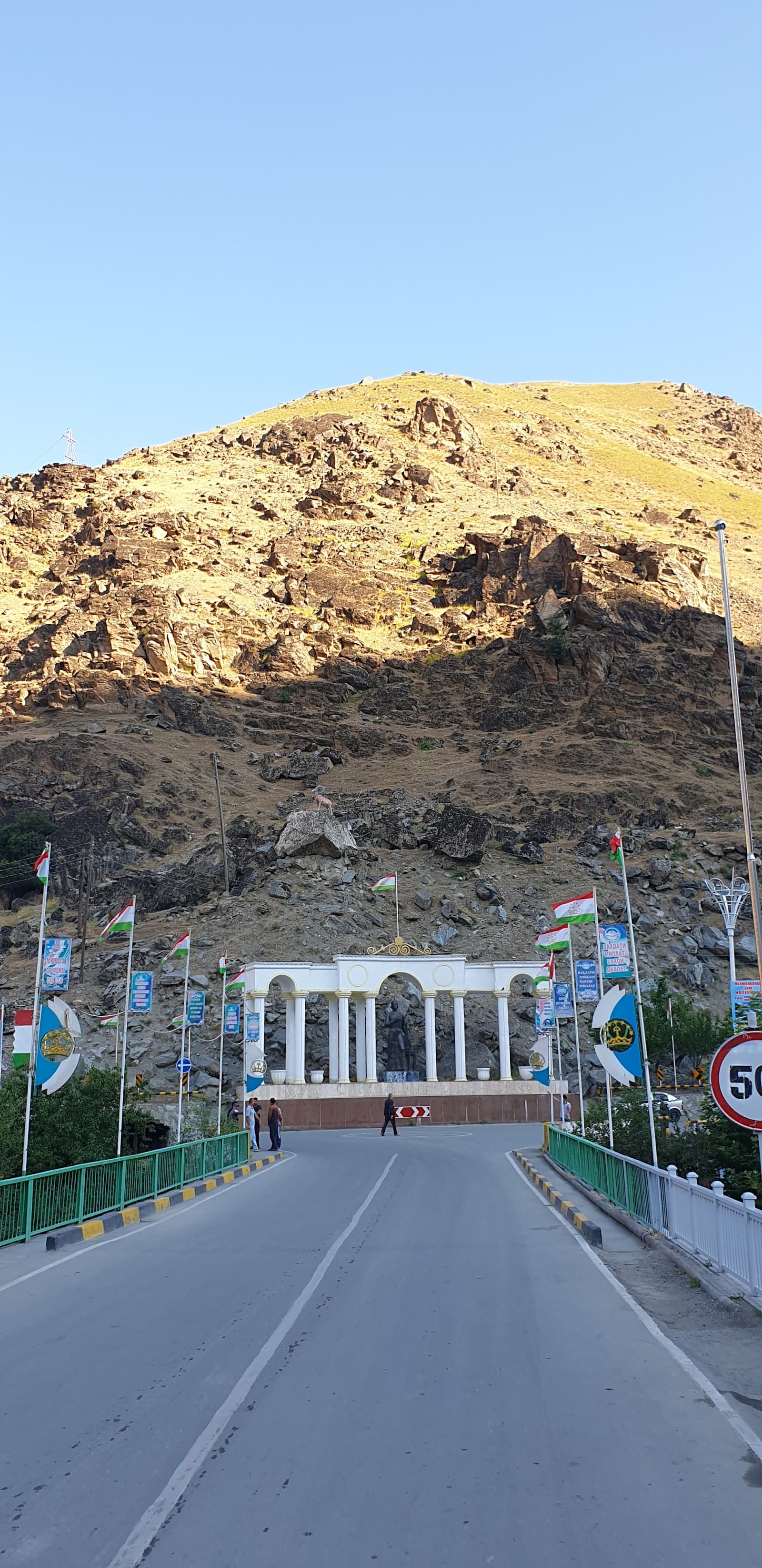
Buddhist Temple of Qala-i Khumb Gorno-Badakhshan Tajikistan
Nestled in the remote Gorno-Badakhshan Autonomous Region of Tajikistan, the Buddhist Temple of Qala-i Khumb, built around 650 CE, stands as a significant testament to the transmission of Indian Buddhist architectural and artistic traditions across Central Asia ([1][2]). This 7th-century complex, constructed during the Tokharistan period under the patronage of the Tokharistan Yabghus, showcases a remarkable synthesis of Indian and Central Asian building techniques ([1]). The temple's location along ancient trade routes underscores its role in disseminating Buddhist teachings and culture from India to the wider region ([2]). Archaeological excavations have uncovered extensive ruins, including foundations, walls, and architectural fragments, offering insights into the temple's original layout and design ([1]). Stone, rammed earth, fired brick, clay, stucco, wood, and metal were employed in its construction, reflecting both local resources and imported techniques ([1][2]). The architectural elements exhibit clear Indian Buddhist iconographic influences, demonstrating the profound impact of Indian artistic traditions ([2]). Intricate carvings adorning the walls depict Buddhist sculptures and reliefs, executed in a style that reflects the Gupta and post-Gupta periods of northern India ([1]). These artistic details highlight the sophisticated understanding of Indian Buddhist traditions possessed by the artisans who created the complex ([2]). The discovery of coins, pottery, and ritual objects further supports the site's importance as a major center of Buddhist learning and practice, attracting monks, traders, and pilgrims from various regions, including India ([1]). Sophisticated planning principles, systematically transmitted from the great monastic centers of India, are evident in the temple's layout, which features a central sanctuary surrounded by monastic cells and assembly halls ([2]). This layout mirrors the principles outlined in ancient texts such as the *Manasara Shilpa Shastra*, which details the planning and construction of sacred structures, although specific textual references for this temple's design remain to be confirmed through further research. Today, the Buddhist Temple of Qala-i Khumb, a UNESCO Tentative List site, continues to be studied and conserved, preserving its legacy as a vital link between Indian and Central Asian civilizations ([1][2]).
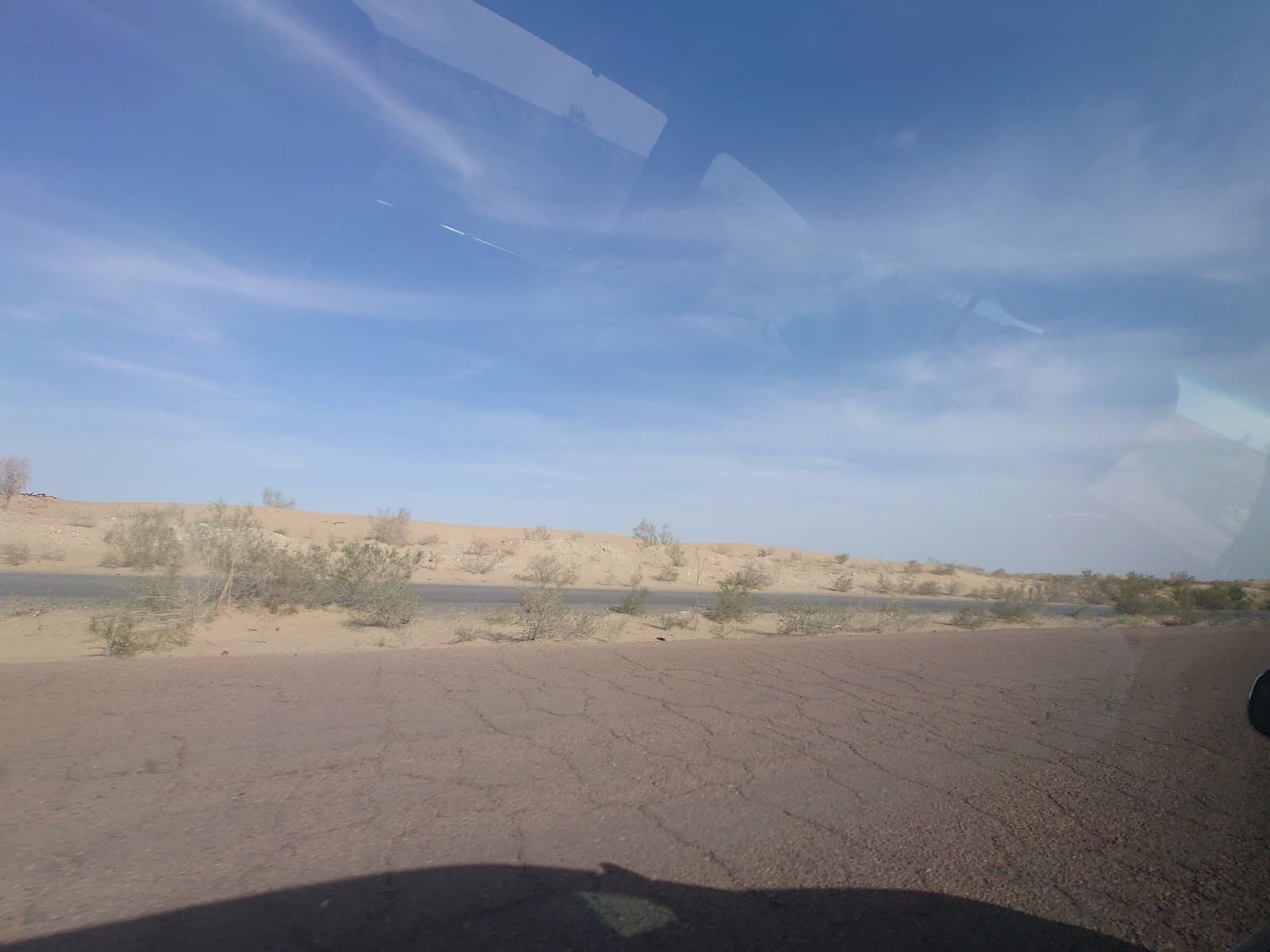
Takhirbaj Depe Karakum Desert Turkmenistan
Takhirbaj Depe, situated in the Karakum Desert of Turkmenistan, stands as a profound testament to India's millennia-spanning cultural heritage, embodying the ancient and continuous traditions of Indian civilization. This significant archaeological site, categorized as a temple, reflects the distinctive Bactria-Margiana, Vedic Period, Indo-Bmac, and Early Indic Religious architectural styles, dating back to approximately 2500 BC during the Bronze Age [1] [2]. The architectural complex at Takhirbaj Depe, a key component of the Bactria-Margiana Archaeological Complex (BMAC), also known as the Oxus Civilization, showcases proto-urban planning principles that resonate with early Indian urbanism [2] [3]. The structures at Takhirbaj Depe primarily utilize indigenous materials and construction techniques, emphasizing sun-dried mudbricks (pakhsa) and clay plaster, reflecting deep historical roots in the region's building traditions [1]. While specific dimensions for the main temple structure at Takhirbaj Depe are subject to ongoing research, broader BMAC sites, which share architectural characteristics, feature monumental buildings and residential complexes [1] [5]. For instance, related BMAC domestic architecture at sites like Kelleli 4 reveals square layouts, approximately 29.5 x 29.5 meters, oriented along cardinal directions, with exterior walls up to 1 meter thick [1]. These structures often incorporate single rectangular towers on each facade, except for the southern side where two towers frame the entrance [1]. The interior spaces are typically divided into numerous rectangular rooms, some featuring in-wall fireplaces for heating and cooking, indicative of sophisticated domestic arrangements [1]. Doorways are generally narrow, ranging from 50 to 70 centimeters in width, with raised doorsteps between 10 and 30 centimeters high [1]. Some rooms also contained rectangular or semicircular podiums constructed from carefully plastered sun-dried mudbricks [1]. The temple complex at Takhirbaj Depe, as part of the broader BMAC architectural tradition, would have incorporated similar construction methods, potentially featuring monumental mudbrick platforms and enclosed courtyards, characteristic of early religious architecture in the region [2] [5]. The presence of round kilns, similar to modern tandoors, within associated buildings at Takhirbaj 3, suggests advanced ceramic production and culinary practices integral to the community's life and potentially ritualistic activities [1]. The architectural elements, including the use of beaten earth and mudbricks, align with the early building practices observed in the Vedic period, where structures often comprised circular or oval huts with wooden frames and barrel roofs, evolving into more complex forms [4]. This continuity in material and technique underscores the enduring legacy of ancient building knowledge across the broader Indo-Iranian cultural sphere [3] [4]. Conservation efforts at Takhirbaj Depe are ongoing, focusing on the stabilization of mudbrick structures and the preservation of archaeological findings [1]. The site is a National Heritage Site, with archaeological excavations, notably between 1991 and 1993, contributing significantly to understanding its layout and cultural significance [1]. These findings continue to inform scholarly research into the connections between the BMAC and early Indic civilizations, highlighting the site's role as a crucial link in the cultural continuum that spans thousands of years [3]. The site is currently maintained to facilitate further research and controlled access, ensuring its long-term preservation as a testament to ancient Indian architectural and religious traditions. The operational readiness supports continued archaeological investigation and academic study.
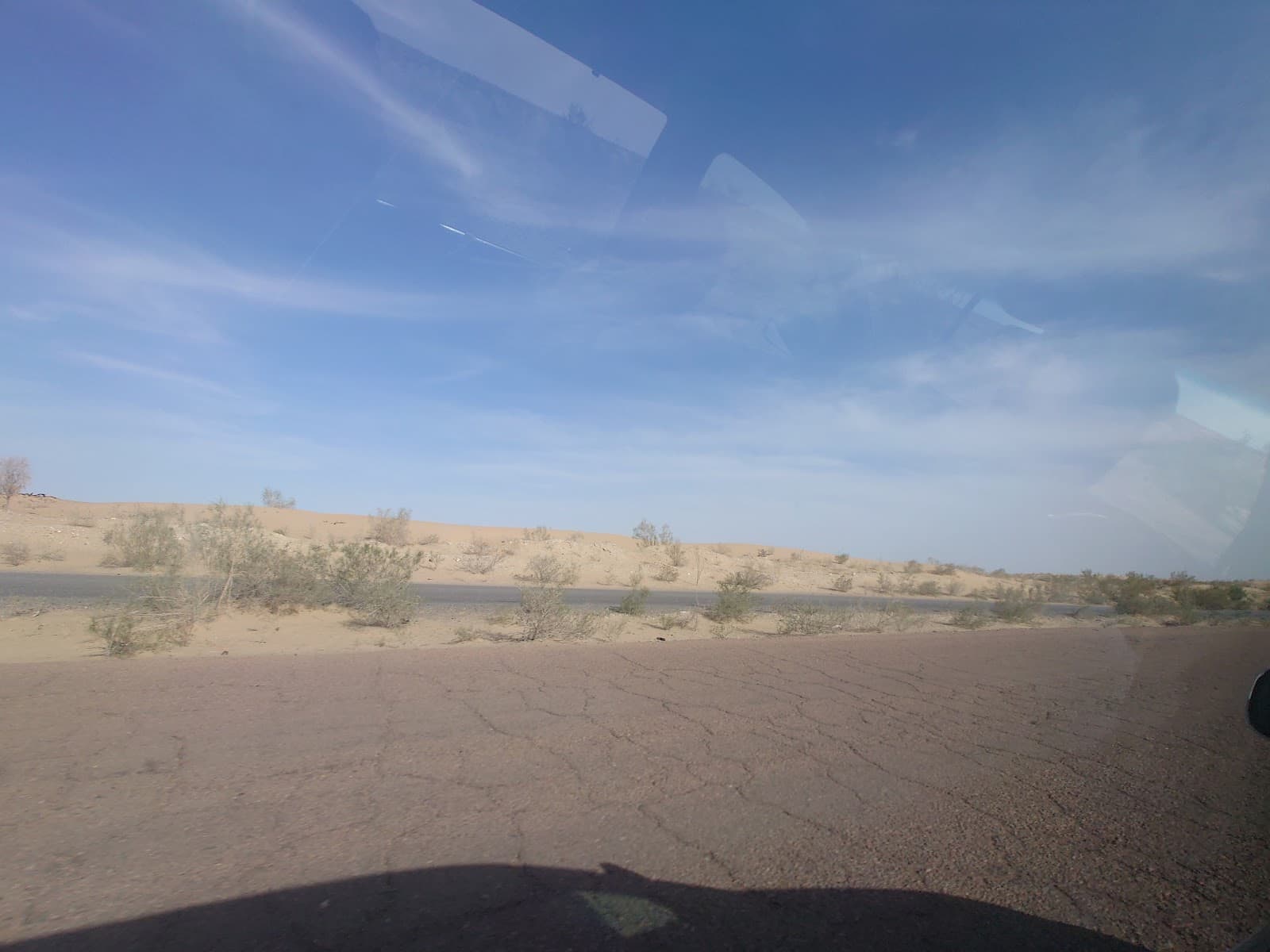
Adji Kui Karakum Desert Turkmenistan
The ancient site of Adji Kui, nestled within the Karakum Desert of Turkmenistan's Mary Region, stands as a profound testament to India's millennia-spanning cultural heritage, reflecting deep indigenous roots and continuous traditions that extend back to the late 3rd and early 2nd millennium BCE [2]. This archaeological complex, primarily associated with the Bactria-Margiana Archaeological Complex (BMAC), also known as the Oxus Civilization, exhibits significant architectural and cultural connections to the Indus Valley Civilization and the broader Indo-Bactrian sphere, underscoring its integral role in the continuous tradition of Indian civilization [3] . Adji Kui 1, a prominent component of the site, encompasses a fortified citadel spanning approximately six hectares, characterized by robust, thick walls and defensive towers, which were constructed between 2400 and 1500 BCE [2]. These fortifications represent sophisticated indigenous architectural styles, utilizing locally sourced mud-bricks as a primary building material, a technique prevalent in the region for creating durable and climate-adapted structures [4]. The site's architectural layout includes evidence of semi-subterranean houses, indicating adaptive construction techniques suited to the desert environment [2]. While the primary designation is a settlement, archaeological interpretations suggest the presence of cultic or ceremonial structures. At Adji Kui 9, for instance, researchers have identified structures interpreted as a 'sanctuary' comprising rooms such as 54 and 60, alongside 'isolated chapels' like Rooms 27 and 34, reflecting early forms of organized religious or ritualistic spaces . The mineralogy of stone materials found at Adji Kui further illustrates the local resource utilization and craftsmanship of the ancient inhabitants [5]. Although specific dimensions for individual cultic structures are subject to ongoing research and debate, the overall planning of the fortified settlements, with their distinct spatial arrangements, points to a well-organized community with a developed sense of civic and possibly sacred architecture [4]. Decorative elements, including terracotta figurines and zoomorphic and anthropomorphic figurines, have been unearthed, providing insights into the artistic and symbolic expressions of the period [3] . The site's strategic location within the Murghab Alluvial Fan also suggests advanced water management practices, crucial for sustaining its agropastoral economy, which included the cultivation of barley, wheat, millet, and various legumes [3]. Current conservation efforts involve ongoing archaeological projects, such as the ADJI KUI 1 Project led by the University of Bologna, which focuses on systematic excavation and documentation to understand the site's chronology and cultural variability [2] . The site is actively managed as a national heritage site, with archaeological findings continually contributing to scholarly research. Information regarding active programming, visitor flow, accessibility, or specific current compliance and maintenance protocols is not readily available in published academic sources, typical for remote archaeological sites primarily dedicated to research. Nevertheless, Adji Kui stands as an enduring testament to the depth, sophistication, and enduring legacy of ancient Indian architectural and cultural traditions, continuously revealing layers of human ingenuity and spiritual expression across millennia [3] . The site remains operationally ready for continued archaeological investigation and scholarly engagement, contributing to the global understanding of early civilizations [2].
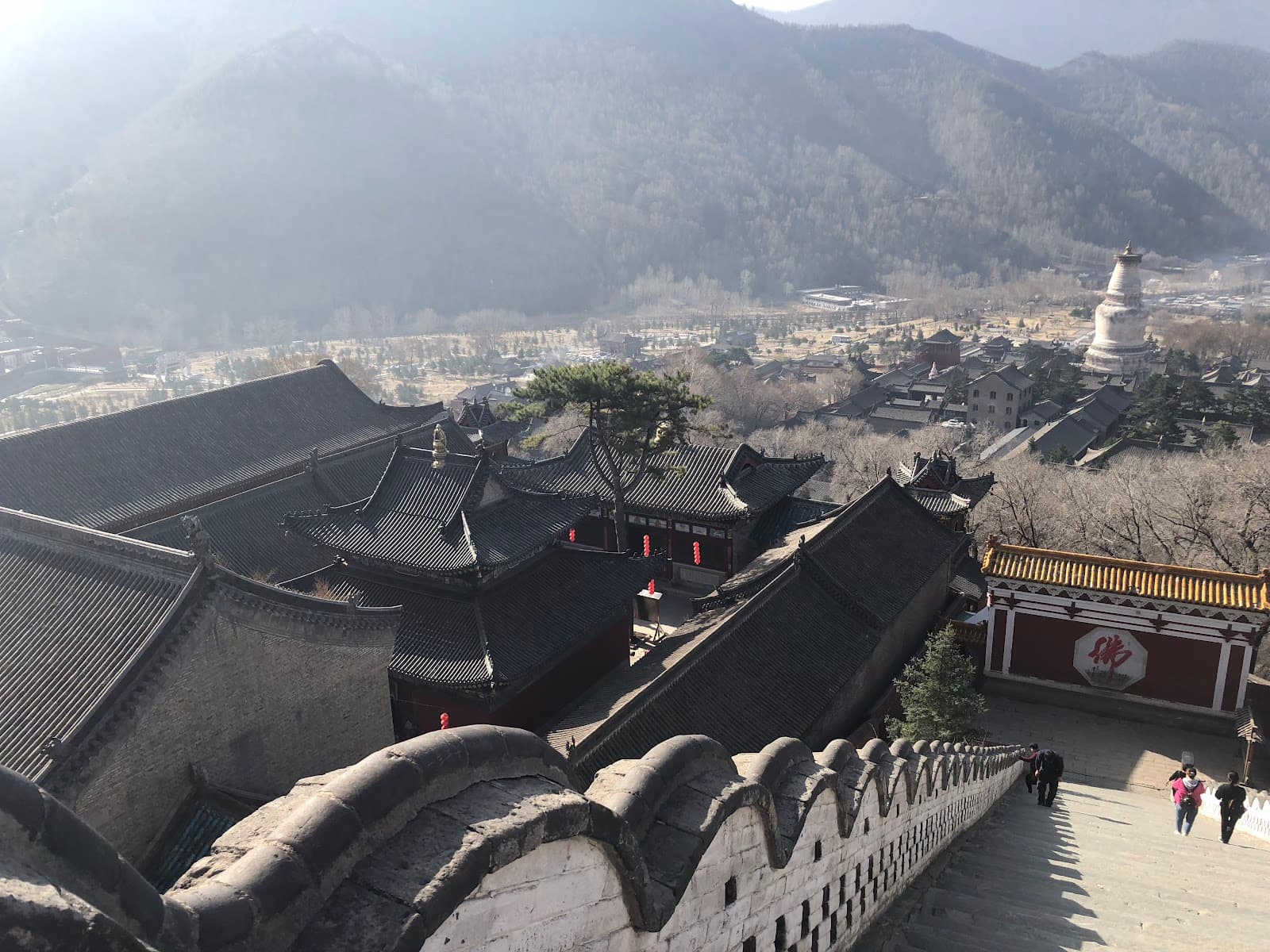
Mount Wutai Monasteries Shanxi China
Mount Wutai, dramatically rising from the rugged terrain of northern Shanxi Province, represents one of the most extraordinary and historically significant Buddhist mountain complexes in China, dating from the 1st century CE and serving as one of the Four Sacred Buddhist Mountains of China that flourished as a major center of Buddhist learning and practice with remarkable connections to Indian Buddhist traditions, particularly through its association with Manjushri, the Bodhisattva of Wisdom who is central to Indian Buddhist cosmology, and featuring over 53 monasteries and temples that demonstrate clear connections to the architectural and religious traditions of ancient India, particularly the sophisticated mountain monastery planning principles and Hindu guardian deity traditions that were transmitted from the great Buddhist centers of northern India, creating a powerful testament to the profound transmission of Indian Buddhist civilization to China during the early medieval period. The site, featuring sophisticated Buddhist temple structures with halls, pagodas, and ritual spaces that demonstrate clear connections to the architectural traditions of ancient India, particularly the sophisticated mountain monastery planning principles and the remarkable preservation of Hindu guardian deities that reflect the integration of Indian Hindu and Buddhist traditions, demonstrates the direct transmission of Indian Buddhist architectural knowledge, religious iconography, and cultural concepts from the great monastic universities of ancient India, particularly Nalanda and Taxila, which systematically transmitted Buddhist teachings and architectural traditions to China through the extensive trade and pilgrimage networks that connected India with China, while the site's most remarkable feature is its extraordinary collection of over 53 monasteries and temples, including the ancient Nanchan Temple dating from the 8th century, that demonstrate remarkable parallels with Indian mountain monastery traditions, particularly the structural techniques and iconographic programs that were central to Indian Buddhist architecture, including depictions of Hindu guardian deities that reflect the sophisticated synthesis of Indian Hindu and Buddhist traditions. The temple structures' architectural layout, with their sophisticated planning, central halls surrounded by subsidiary structures, meditation chambers, and ceremonial spaces, follows planning principles that demonstrate remarkable parallels with Indian Buddhist monastery planning principles, particularly the vihara and mountain monastery traditions that were central to Indian Buddhist architecture, while the site's extensive archaeological remains including Hindu guardian deity sculptures with clear Indian stylistic influences, Buddhist sculptures that reflect Indian iconographic traditions, and architectural elements demonstrate the sophisticated synthesis of Indian Hindu and Buddhist iconography and cosmological concepts with local Chinese aesthetic sensibilities and building materials. Historical evidence reveals that the site served as a major center of Buddhist learning and religious activity during the 1st through 13th centuries, attracting monks, traders, and pilgrims from across China, South Asia, and Central Asia, while the discovery of numerous artifacts including Hindu guardian deity sculptures with clear Indian connections, Buddhist sculptures that reflect Indian iconographic traditions, and architectural elements that reflect Indian architectural concepts provides crucial evidence of the site's role in the transmission of Indian Buddhist and Hindu traditions to China, demonstrating the sophisticated understanding of Indian religious architecture and practices possessed by the site's patrons and monastic establishment. The site's association with Manjushri, the Bodhisattva of Wisdom who is central to Indian Buddhist cosmology and is traditionally said to reside on Mount Wutai, demonstrates the sophisticated understanding of Indian Buddhist traditions that were transmitted to China, while the site's Buddhist temple structures and Hindu guardian deities demonstrate remarkable parallels with Indian Buddhist temple architecture and Hindu religious traditions that were central to ancient Indian civilization. The site has been the subject of extensive historical research and conservation efforts, with ongoing work continuing to reveal new insights into the site's sophisticated architecture, religious practices, and its role in the transmission of Indian religious traditions to China, while the site's status as a UNESCO World Heritage Site demonstrates its significance as a major center for the transmission of Indian Buddhist and cultural traditions to China. Today, Mount Wutai stands as one of the most important historical Buddhist sites in China, serving as a powerful testament to the transmission of Indian Buddhist civilization to China, while ongoing historical research and conservation efforts continue to protect and study this extraordinary cultural treasure that demonstrates the profound impact of Indian civilization on Chinese religious and cultural development. ([1][2])
Warangal Fort Warangal
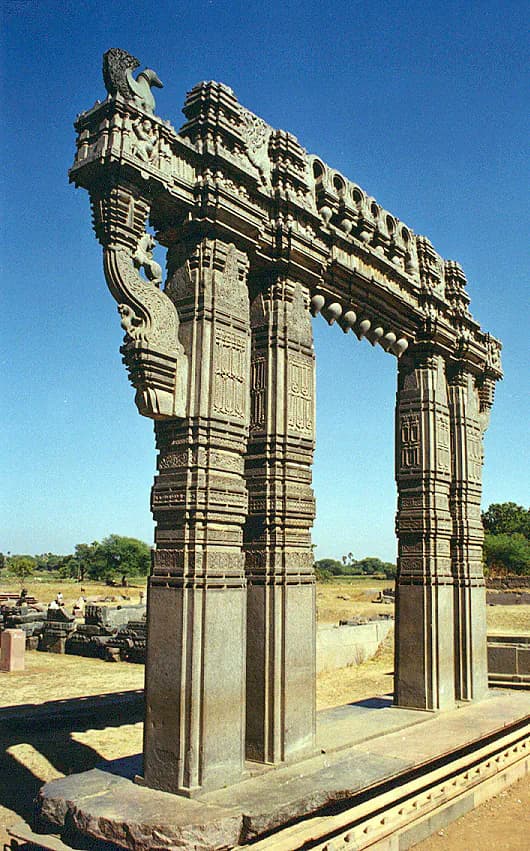
The imposing granite ramparts of Warangal Fort rose before me, shimmering under the Telangana sun. Having explored countless caves and temples across Maharashtra, I've developed a keen eye for architectural nuances, and Warangal Fort, with its blend of Kakatiya and subsequent influences, promised a feast for the senses. The four massive gateways, known as Kakatiya Kala Thoranam, are truly magnificent. Their intricate carvings, depicting mythical creatures and floral patterns, speak volumes about the artistic prowess of the Kakatiya dynasty. I spent a considerable amount of time studying the exquisitely preserved Swayambhu temple gateway, its arches adorned with intricate carvings of goddesses and celestial beings. The sheer scale of these structures, combined with the delicate artistry, is breathtaking. Stepping through the arched entrance, I was immediately transported back in time. The fort, though in ruins, retains an aura of grandeur. The remnants of the once-imposing walls, the scattered pillars, and the crumbling structures all whisper tales of a glorious past. Unlike many forts I've visited in Maharashtra, which often feature basalt construction, Warangal's granite lends it a unique, almost ethereal quality. The stone, weathered by centuries of sun and rain, glows with a warm, reddish hue, particularly striking during the golden hour. My exploration led me to the Khush Mahal, a fascinating structure that showcases a blend of architectural styles. The arched openings and intricate jaali work clearly demonstrate later additions, likely during the Qutb Shahi period. This layering of history, visible in the very stones of the fort, is what makes Warangal so compelling. It's not just a monument; it's a palimpsest of time, each layer revealing a different chapter in the region's story. The central structure, the Sri Venkateswara Swamy Temple, though a later addition, stands as a testament to the enduring spiritual significance of the site. While the original Kakatiya temple was destroyed, the current structure retains a sense of reverence. I observed locals offering prayers, a poignant reminder that these ancient spaces continue to hold meaning for contemporary communities. One of the most striking features of Warangal Fort is its ingenious water management system. The numerous tanks and wells scattered throughout the complex, including the large, rectangular Ek Batti Baoli (stepwell), highlight the Kakatiyas' understanding of hydraulic engineering. I descended the steps of the baoli, marveling at the intricate network of channels and the foresight of the builders who ensured a sustainable water supply within the fort. This attention to practical details, alongside the artistic flourishes, speaks to the holistic approach of the Kakatiya rulers. As I wandered through the ruins, I noticed the distinct lack of interpretative signage. While this allowed for a more immersive experience, relying solely on my observations and prior research, I felt that more information could enhance the visitor's understanding of the site's historical and architectural significance. This is an area where improvements could be made, perhaps by incorporating discreetly placed information panels or offering guided tours. Leaving Warangal Fort, I carried with me a profound sense of awe and a deeper appreciation for the Kakatiya dynasty's contributions to Indian architecture and history. The fort is not merely a collection of ruins; it is a living testament to a powerful kingdom, a testament etched in stone, resonating with the echoes of a bygone era. It stands as a powerful counterpoint to the cave temples and forts of my home state, Maharashtra, showcasing the diversity and richness of India's architectural heritage.
Dabhoi Fort Vadodara
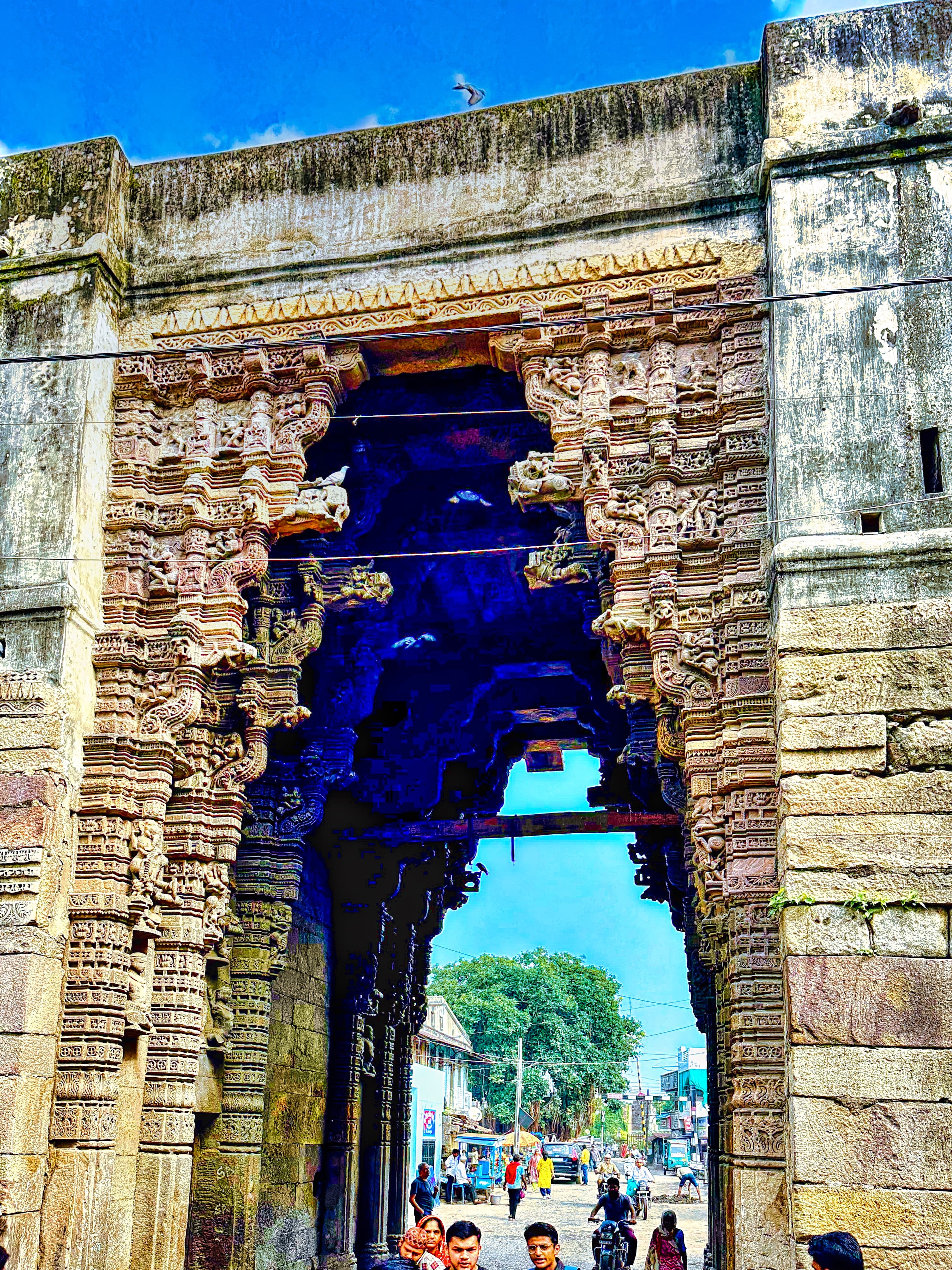
Approaching Dabhoi Fort in Gujarat, one confronts a formidable quadrangular structure erected circa 1150 CE during the Solanki dynasty ([1][2]). This fortified city, conceived by Siddhraj Jaisinh, showcases Chalukya architectural prowess and Hindu military strategy ([3]). Spanning over 60 acres, its sandstone and basalt walls, bonded with lime mortar, present a commanding presence ([4]). Intricate carvings adorning the Hira Bhagol (Diamond Gate) depict deities and scenes from epics, revealing the refined artistry of Solanki artisans ([1][3]). Strategic machicolations and jalis (latticework screens) ensured both defense and ventilation ([2]). The fort's layout reflects Vastu Shastra principles, the ancient Indian science of architecture, integrating residential, commercial, and sacred spaces ([5]). Within the fort, the Kalika Mata Temple stands as a testament to continuous religious practice, its architecture evolving through renovations ([1]). The temple's carvings, portraying various forms of the goddess, contrast with the fort's military austerity ([3]). Sophisticated drainage systems ensured sanitation, while four stepwells, including the Chand Baori, provided water ([4]). These vavs (stepwells) are elaborate subterranean structures, their geometric steps descending to the water level ([2]). Granite and sandstone blocks, meticulously carved, form the fort's bastions and ramparts ([3][4]). These ramparts, wide enough for chariots, offered strategic vantage points ([1]). Dabhoi Fort encapsulates Solanki-era urban planning and architectural ingenuity, reflecting a blend of military, artistic, and hydraulic engineering, embodying the rich heritage of Gujarat ([2][5]).
Kara Tepe Monastery Termez Uzbekistan
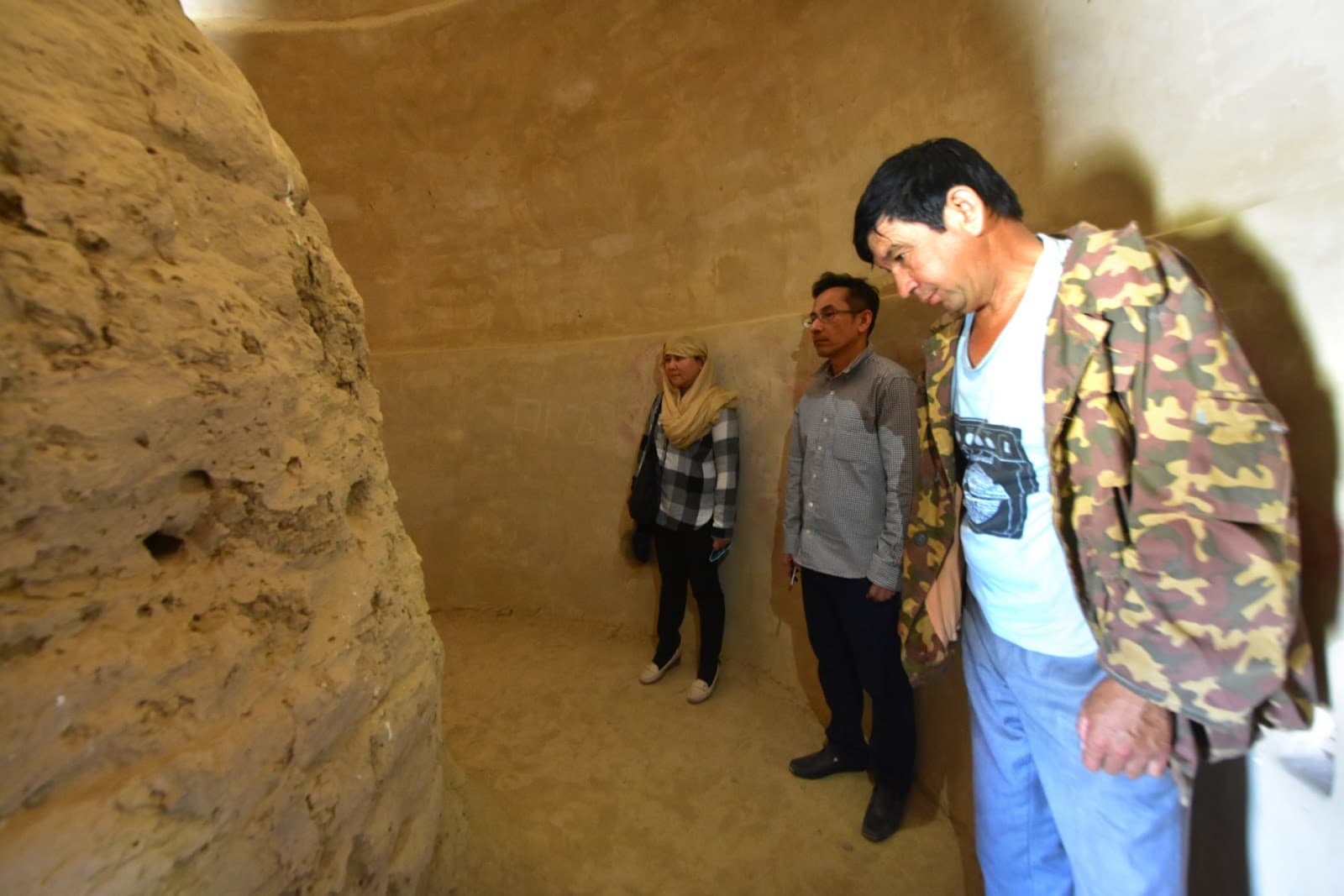
Kara Tepe Monastery, dramatically carved into the rocky hillsides near Termez in southern Uzbekistan, represents one of the most extraordinary and architecturally unique Buddhist monastic complexes in Central Asia, constructed from the 2nd to 5th centuries CE through the remarkable technique of rock-cut architecture that demonstrates the direct transmission of Indian Buddhist cave monastery traditions from the great rock-cut complexes of India including Ajanta, Ellora, and Karle to Central Asia. The monastery complex, comprising multiple levels of interconnected caves and chambers carved directly into the natural rock formations, features extraordinary architectural elements including meditation cells, assembly halls, stupa chambers, and living quarters that demonstrate the sophisticated synthesis of Indian Buddhist rock-cut architecture, particularly the traditions of western and central India, with local Central Asian adaptations that reflect the remarkable skill and dedication of the monks and artisans who created this underground spiritual city. The site's most remarkable feature is its extensive network of rock-cut chambers, some decorated with elaborate stucco reliefs and paintings that demonstrate the direct transmission of Indian Buddhist iconography and artistic traditions, while the architectural layout, with its central assembly halls surrounded by smaller cells and stupa chambers, follows the classic Indian Buddhist cave monastery plan that was systematically transmitted from the great rock-cut complexes of India. Archaeological excavations have revealed extraordinary Buddhist sculptures and reliefs executed in styles that demonstrate clear connections to Indian artistic traditions, while the discovery of numerous artifacts including inscriptions, ritual objects, and evidence of daily monastic life provides crucial evidence of the site's role as a major center of Buddhist learning and practice that attracted monks from across the Buddhist world. The monastery's location near Termez, a major Silk Road crossroads, underscores its significance as a center for the transmission of Buddhist teachings, art, and culture from India to Central Asia, while the site's remarkable rock-cut architecture demonstrates the sophisticated understanding of Indian Buddhist traditions and the remarkable engineering skills possessed by the monks and artisans who created this extraordinary underground complex. Today, Kara Tepe stands as a UNESCO Tentative List site and represents one of the most important rock-cut Buddhist monasteries in Central Asia, serving as a powerful testament to the transmission of Indian Buddhist culture and architecture to Central Asia, while ongoing archaeological research and conservation efforts continue to protect and study this extraordinary cultural treasure that demonstrates the profound impact of Indian civilization on Central Asian religious and artistic traditions. ([1][2])
Suket Palace Sundernagar
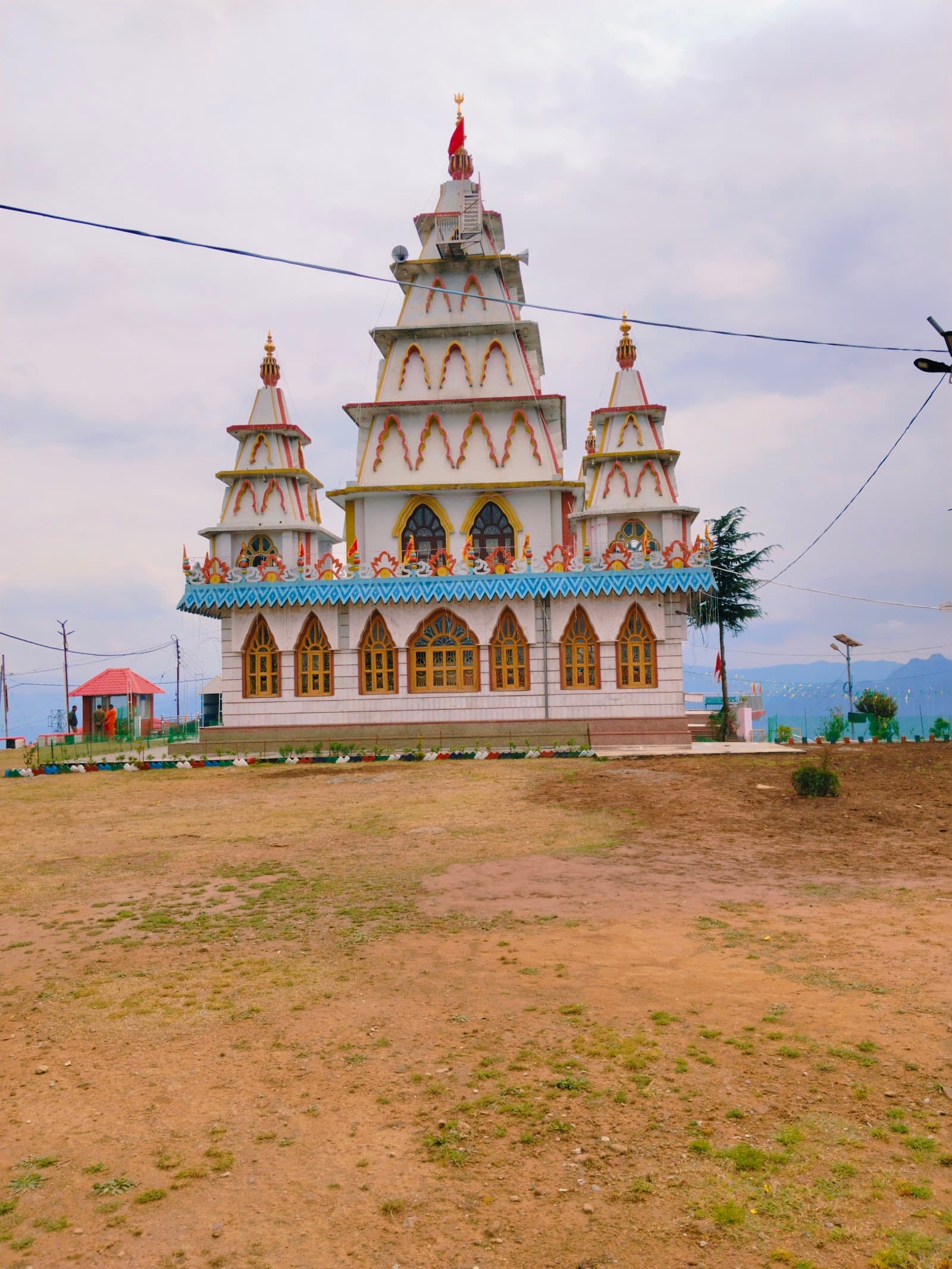
The crisp mountain air of Sundernagar carried the scent of pine as I approached Suket Palace. Nestled amidst the verdant slopes of the Himachal Pradesh valley, this former royal residence, though not imposing in the scale I'm accustomed to seeing in South Indian temple complexes, possessed a quiet dignity. Its relatively modest size, compared to, say, the Brihadeeswarar Temple, belied the rich history it held within its walls. Built in a blend of colonial and indigenous hill architectural styles, it presented a fascinating departure from the Dravidian architecture I've spent years studying. The palace’s cream-colored façade, punctuated by dark wood balconies and intricately carved window frames, stood in stark contrast to the vibrant hues of gopurams back home. The sloping slate roof, a practical necessity in this snowy region, was a far cry from the towering vimanas of Southern temples. This adaptation to the local climate and available materials was a recurring theme I observed throughout my visit. The use of locally sourced wood, both for structural elements and decorative carvings, spoke to a sustainable building practice that resonated deeply with the traditional construction methods employed in ancient South Indian temples. Stepping inside, I was struck by the relative simplicity of the interiors. While lacking the opulent ornamentation of some Rajput palaces, Suket Palace exuded a sense of understated elegance. The spacious rooms, with their high ceilings and large windows, offered breathtaking views of the surrounding valley. The wooden floors, polished smooth by time and countless footsteps, creaked softly under my feet, whispering stories of bygone eras. I was particularly drawn to the intricate woodwork adorning the doors, window frames, and ceilings. The patterns, while distinct from the elaborate sculptures found in South Indian temples, displayed a similar level of craftsmanship and attention to detail. Floral motifs, geometric designs, and depictions of local flora and fauna intertwined to create a visual narrative unique to this region. One room, converted into a museum, housed a collection of royal artifacts, including portraits of past rulers, antique furniture, and weaponry. These objects offered a glimpse into the lives of the Suket dynasty and the cultural influences that shaped their reign. The portraits, in particular, were fascinating. The regal attire and stoic expressions of the rulers provided a stark contrast to the more stylized and often deified representations of royalty found in South Indian temple art. The palace gardens, though not as expansive as the temple gardens I'm familiar with, were meticulously maintained. Terraced flowerbeds, brimming with colorful blooms, cascaded down the hillside, creating a vibrant tapestry against the backdrop of the towering Himalayas. The integration of the natural landscape into the palace design reminded me of the sacred groves that often surround South Indian temples, highlighting the reverence for nature that transcends geographical boundaries. As I wandered through the palace grounds, I couldn't help but draw parallels between the architectural traditions of the north and south. While the styles and materials differed significantly, the underlying principles of functionality, aesthetics, and spiritual significance remained remarkably similar. The use of local materials, the adaptation to the climate, and the incorporation of symbolic motifs were all testament to the ingenuity and artistry of the builders, regardless of their geographical location. Suket Palace, in its own unique way, echoed the same reverence for history, culture, and craftsmanship that I've always admired in the grand temples of South India. It was a humbling experience, a reminder that architectural marvels can be found in the most unexpected places, each whispering its own unique story of the people and the land that shaped it.
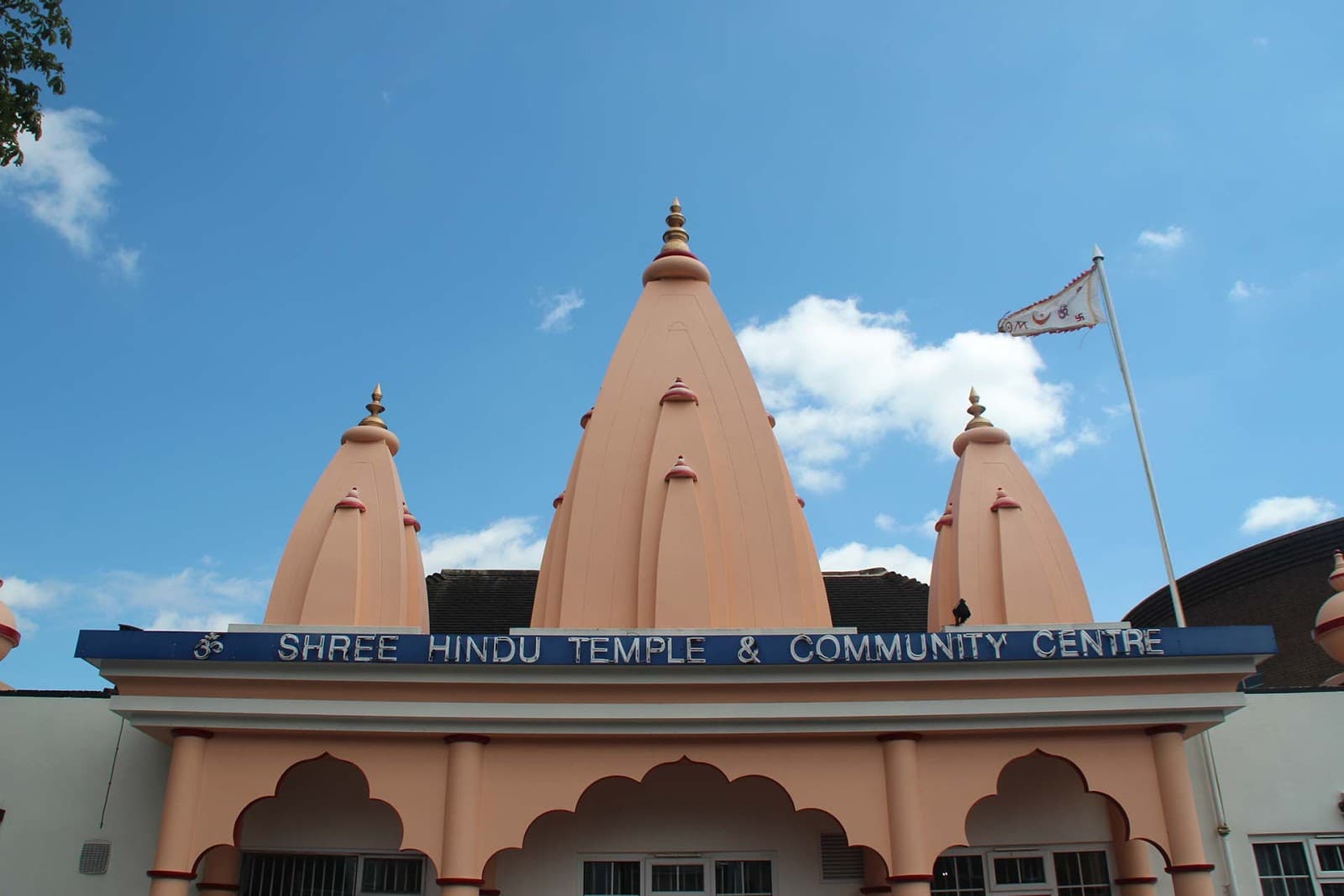
Shree Hindu Temple & Community Centre Leicester
Shree Hindu Temple & Community Centre Leicester, established in 1969 and inaugurated in 1980, is one of the UK’s longest-operating multi-deity mandirs and remains a cornerstone for Leicestershire Hindus with shrines to Ram Darbar, Mahadev Parivar, Radha Krishna, Hanuman, Durga, and Jain Parshvanath housed within a marble sanctum ringed by an octagonal rasa mandala ([1][2]). The temple opens 8:00 AM-1:00 PM and 4:00 PM-9:00 PM daily, with arti at 10:30 AM and 7:00 PM; volunteers oversee RFID entry, shoe racks, queue management, and welfare desks while priests conduct daily Ganesh puja, Vishnu sahasranam archana, and weekend yagya. The adjacent three-storey Community Centre contains classrooms for Gujarati, Hindi, and Sanskrit instruction, a gymnasium, yoga studios, Annapurna kitchen, library, IT lab, and the Govind Dham elder care lounge; Monday-to-Friday annadhanam feeds seniors while Saturday community kitchen produces 400+ free meals for Leicester’s Food Stop and Homeless Shelter ([1][3]). Cultural programmes range from Bhajan Sandhya, Garba rehearsals, and Sangeet Sabha to mental health clinics, legal advice surgeries, employment fairs, and British Hindu chaplaincy training. The temple’s festival planning committee works with Leicester City Council, East Midlands Ambulance Service, and Leicestershire Police to deliver Diwali village events on Belgrave Road, Rath Yatra floats, and multi-faith Remembrance Day services. An in-house communications team broadcasts arti and festivals on YouTube and Kirtan Mandali Radio, while building managers orchestrate security, CCTV, fire safety, and energy monitoring to keep the 4,645 square-metre campus resilient for daily worship and civic service ([1][4]).
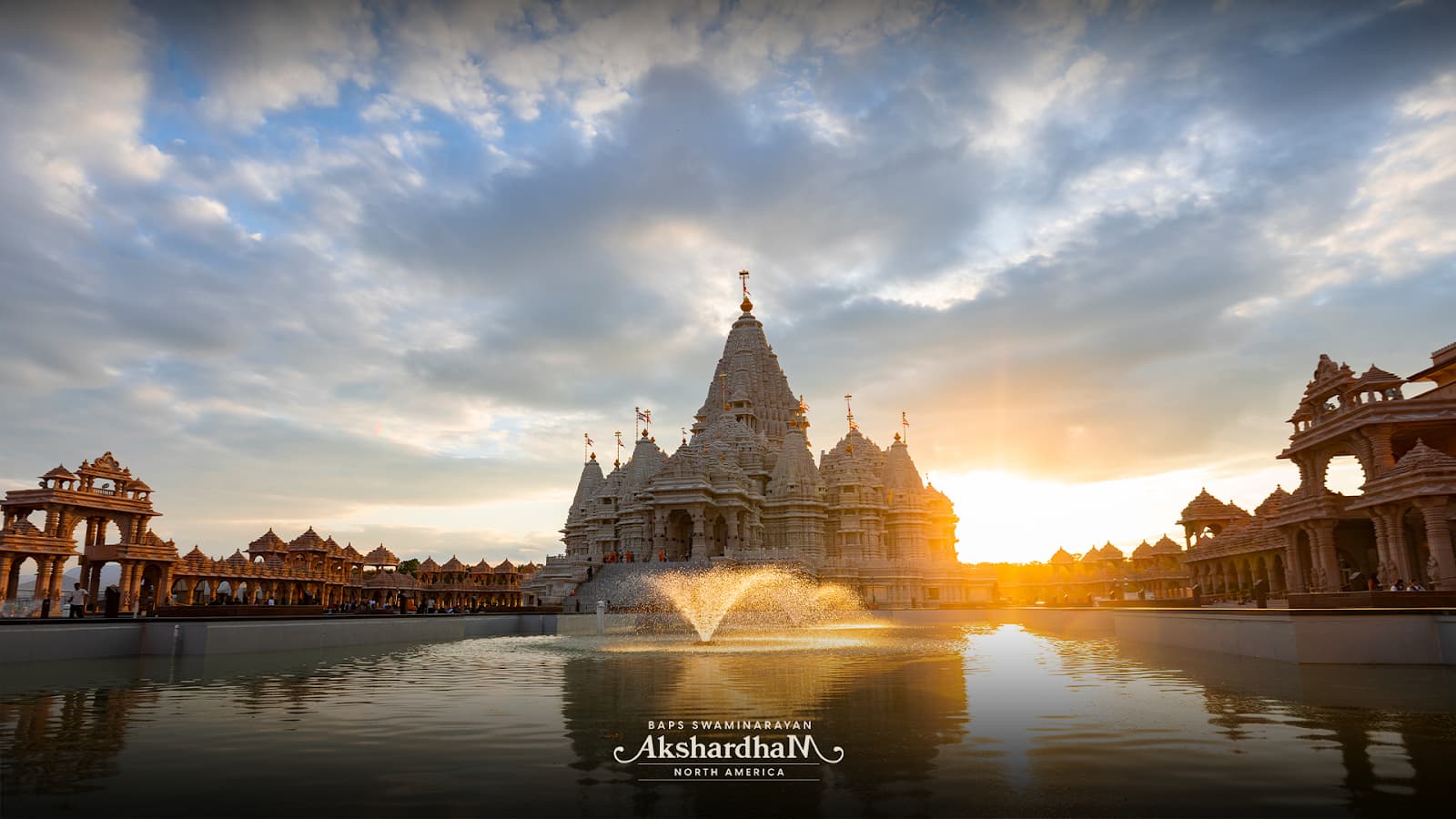
BAPS Shri Swaminarayan Akshardham Robbinsville
Inaugurated in October 2023, BAPS Shri Swaminarayan Akshardham in Robbinsville, New Jersey, is an embodiment of traditional Nagara-style North Indian temple architecture, complete with elaborate Mandapa (pillared hall) forecourts ([1][2]). This modern complex, sprawling across 183 acres, features a 255-foot-long main Mandir, cultural exhibits, and reflection ponds, creating a space for spiritual engagement and community gathering ([1]). Italian Carrara marble and Bulgarian limestone constitute the primary building materials, supplemented by granite, reinforced concrete, and structural steel to ensure durability and aesthetic appeal ([3]). Intricate carvings embellish the marble surfaces, reflecting the detailed craftsmanship inherent in the temple's design ([4]). Copper Kalasams (finials) crown the Shikhara (spire), while timber doors and glass fiber reinforced concrete elements contribute to the structure's overall grandeur ([3][4]). Within the Garbhagriha (sanctum), deities are enshrined, inviting devotees for darshan (holy viewing) and fostering a sacred atmosphere ([1]). The temple's design adheres to Vastu Shastra principles, the ancient Indian science of architecture, to harmonize cosmic energies and ensure auspiciousness ([5]). Sophisticated accessibility measures are integrated throughout the complex, including elevators, ramps, and tactile strips to accommodate all visitors ([1][2]). During festivals, the temple collaborates with Robbinsville Township police and private security, utilizing CCTV analytics and RFID access controls for effective crowd management ([1]). Operations crews maintain the site meticulously, employing a central command center to monitor humidity, lighting, and cleanliness ([3][5]). Strict health protocols are observed in the vegetarian cafe and prasadam counters, ensuring the well-being of all visitors ([3]). Built by the BAPS Swaminarayan Sanstha with the support of volunteers and donors, this Akshardham serves as a cultural and spiritual landmark in the Western Hemisphere ([3][4]).
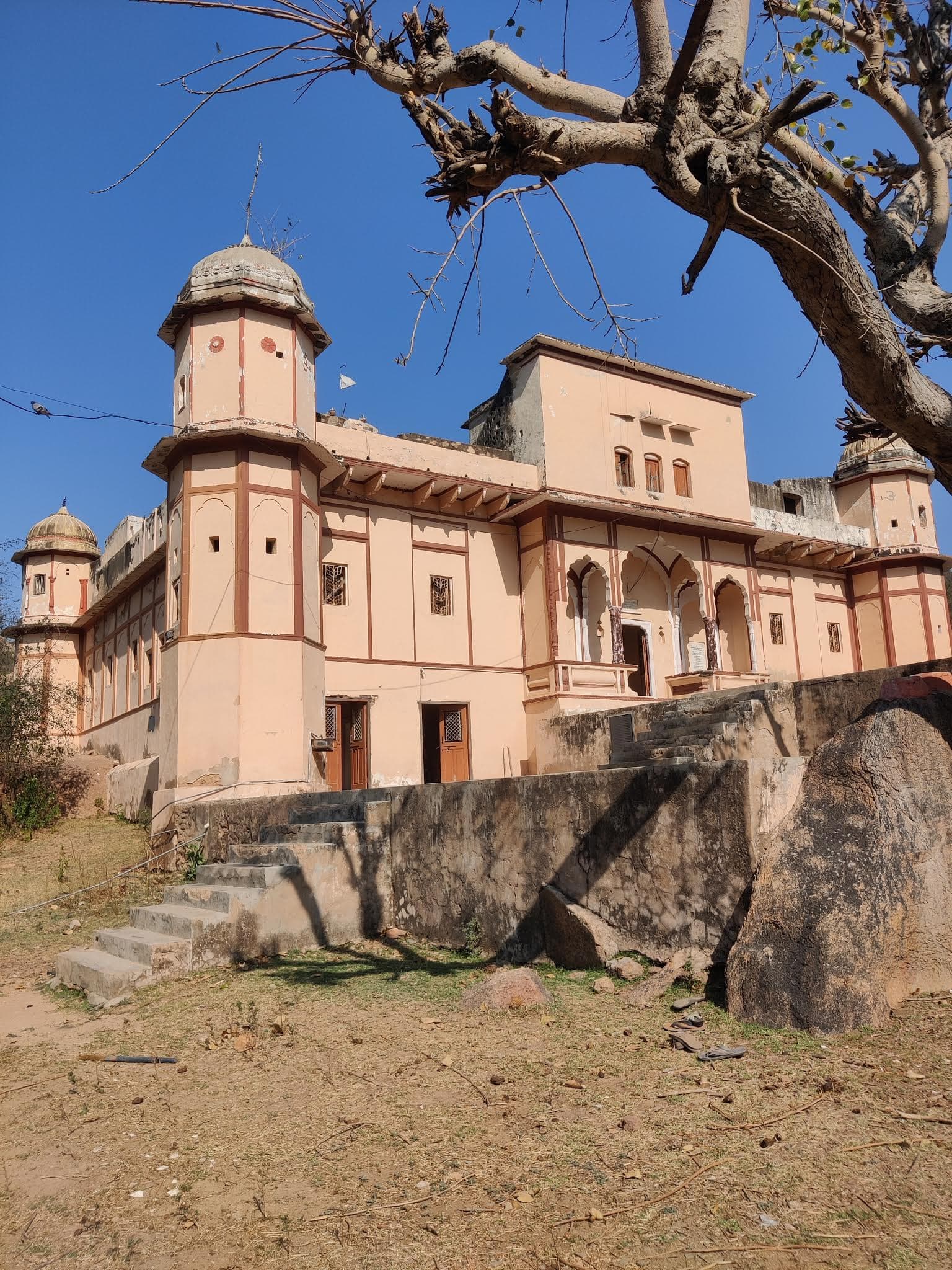
Dhosi Hill Temples Narnaul
The arid landscape of Narnaul, Haryana, harbors a unique treasure: the Dhosi Hill temples, a testament to India's rich architectural heritage ([1]). Rising from the Aravalli hills, these temples whisper tales of bygone eras and offer a glimpse into the artistic traditions of the 10th century ([2]). The climb to the summit is a pilgrimage, with stone steps winding upwards, revealing panoramic views of the plains below ([3]). Reaching the summit, a fortified gateway marks the entrance to the temple complex ([4]). Beyond this threshold lies a collection of temples, each dedicated to a different deity. During the Gurjara-Pratihara period, temple architecture flourished in North India, and the Dhosi Hill temples exemplify the Nagara style prevalent at the time ([5]). Curvilinear towers (Shikharas) and intricate carvings adorn the temple structures, showcasing the architectural prowess of the Tomar dynasty, who were patrons of this site ([6]). Intricate carvings adorning the walls depict deities, celestial beings, and mythical creatures, reflecting the artistic traditions of the era ([7]). The main temple, dedicated to Lord Shiva, houses a Shiva lingam within the Garbhagriha (Sanctum) ([8]). Granite and sandstone blocks, meticulously carved, were used in the construction of the temples ([9]). The architecture of the Shiva temple blends styles, with Nagara elements and regional influences ([10]). This fusion reflects the historical and cultural crossroads represented by the region. Vastu Shastra principles, the ancient Indian science of architecture, likely guided the layout and design of the temple complex, ensuring harmony with the natural surroundings ([11]). Beyond the temples, the summit offers breathtaking panoramic views of the Aravalli hills ([12]). The Dhosi Hill temples offer a glimpse into the enduring power of human spirituality ([13]).
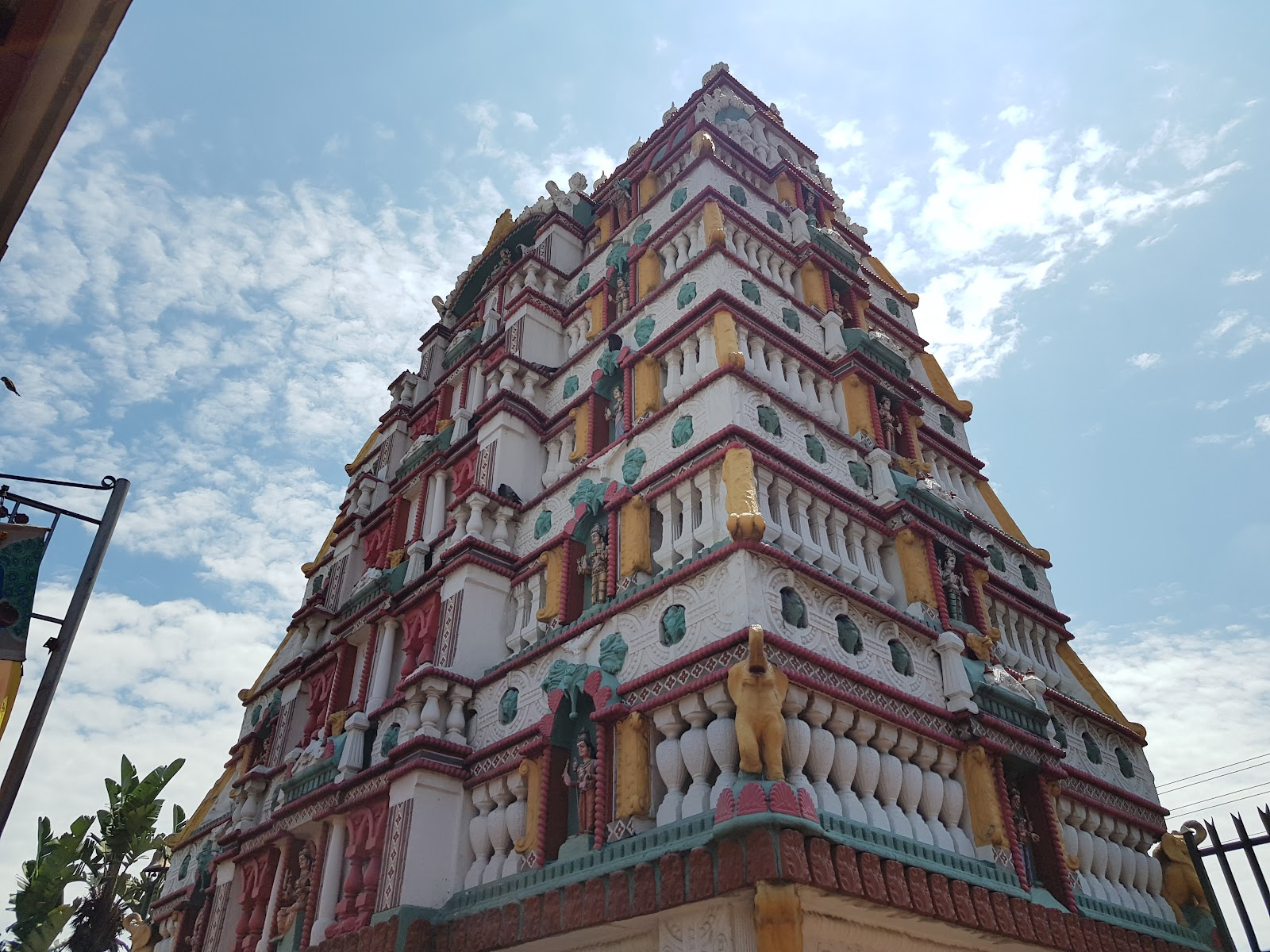
Tshwane India Charity & Cultural Centre (Mariamman Temple Pretoria)
The Tshwane India Charity & Cultural Centre, popularly known as the Mariamman Temple of Pretoria, is the city's oldest Hindu temple—completed in 1905 by indentured Indian traders who modelled its stucco gopuram, pillared mandapam, and circumambulatory corridor on South Indian Amman shrines while adapting to the semi-arid Highveld climate ([1][2]). The complex, restored in recent decades, now anchors a broader community campus with classrooms, a library, medical clinic, and charity hall. Devotees enter through an east-facing gopuram painted in vivid blues and reds, pass the flagstaff and Nandi pavilion, and offer coconuts, turmeric, and neem at the granite sanctum of goddess Mariamman—protector against epidemics—alongside shrines to Ganesha, Muruga, and Venkateswara. The trust operates Tamil language and Bharatanatyam classes, a senior lunch programme, Food for Life distribution, bursaries for township students, and interfaith dialogues. Annual highlights include Panguni Uttiram, Theemithi firewalking staged in an adjacent courtyard, and Deepavali charity drives that supply hampers across Tshwane.
Quick Links
Plan Your Heritage Journey
Get personalized recommendations and detailed visitor guides