Has Inheritage Foundation supported you today?
Your contribution helps preserve India's ancient temples, languages, and cultural heritage. Every rupee makes a difference.
Secure payment • Instant 80G certificate
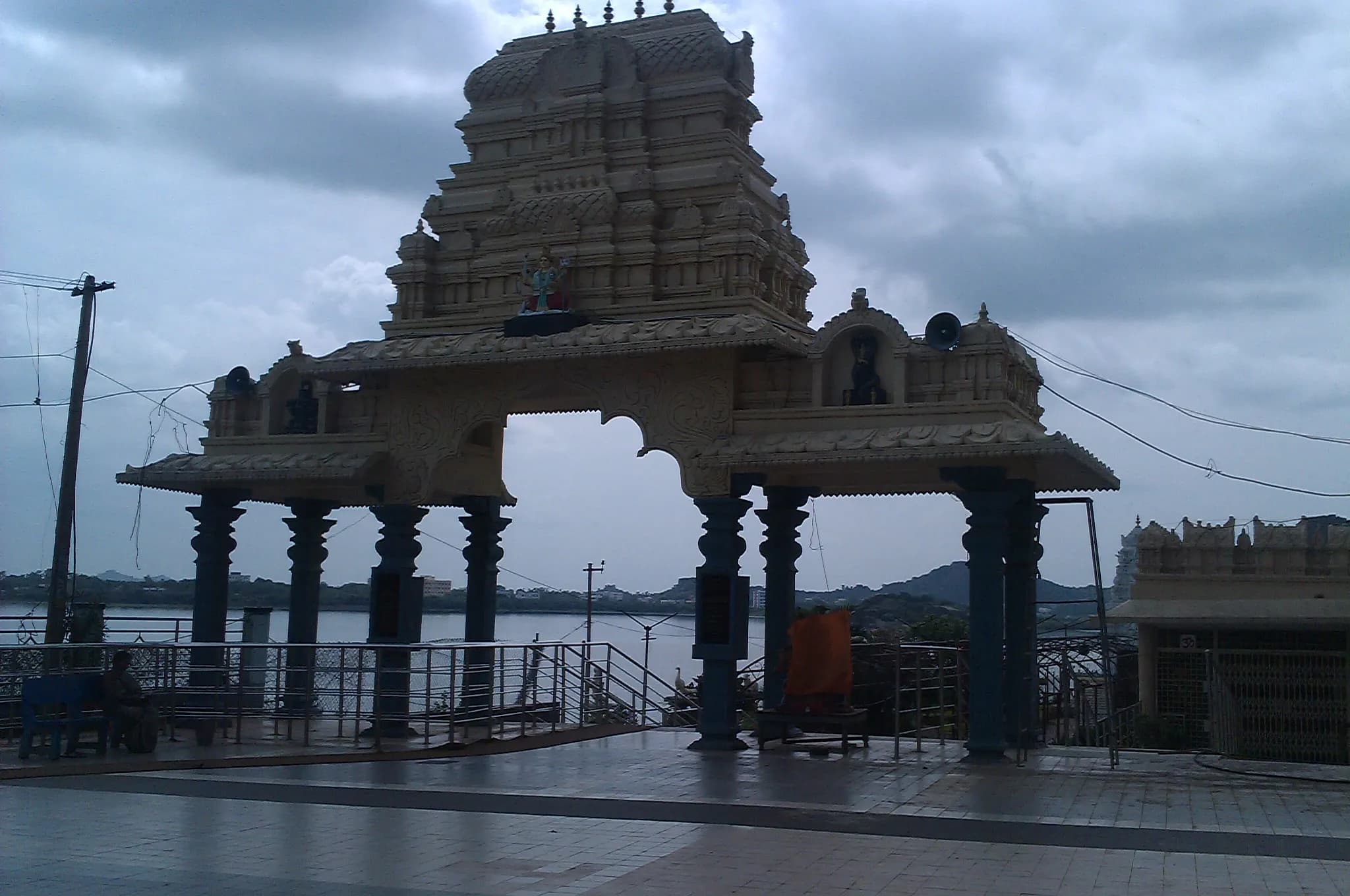
Bhadrakali Temple Warangal
Near Warangal's Bhadrakali Lake, the Bhadrakali Temple's imposing granite gateway offers a glimpse into the Kakatiya dynasty's reign ([1]). Dedicated to Bhadrakali, a fierce form of Durga, the temple emanates a powerful spiritual aura ([2]). Unlike the towering gopurams (gateway towers) typical of South Indian temples, the entrance here maintains a more understated presence, directing attention inward towards the deity ([3]). Kakatiya Dravida architectural style is evident throughout the temple, dating back to 625 CE, during the 7th century ([4]). Granite and sandstone blocks, meticulously carved, exemplify the Kakatiya craftsmanship ([5]). Intricate carvings adorning the walls depict various deities and scenes drawn from Hindu mythology ([6]). These narrative panels resonate with a palpable energy, mirroring the goddess's dynamic power ([7]). Within the Garbhagriha (Sanctum), the black stone idol of Bhadrakali embodies her formidable nature, brandishing weapons and echoing Warangal's rich history ([8]). During the Kakatiya period, temple construction adhered to Dravidian principles, featuring a square Garbhagriha (sanctum sanctorum), an antarala (vestibule), and a pillared Mandapa (Pillared Hall) ([9]). Remnants of a larger temple complex suggest its former grandeur ([10]). Stone platforms and foundations demonstrate the enduring construction techniques employed by the Kakatiyas ([11]). Historical accounts indicate that the temple suffered damage during the Tughlaq invasions ([12]). The integration of Bhadrakali Lake with the temple rituals enhances the overall spiritual ambiance ([13]). This sacred site stands as a symbol of resilience and unwavering faith ([14]). The sculptural articulation of the walls further exemplifies the Kakatiya's distinctive architectural style ([15]).
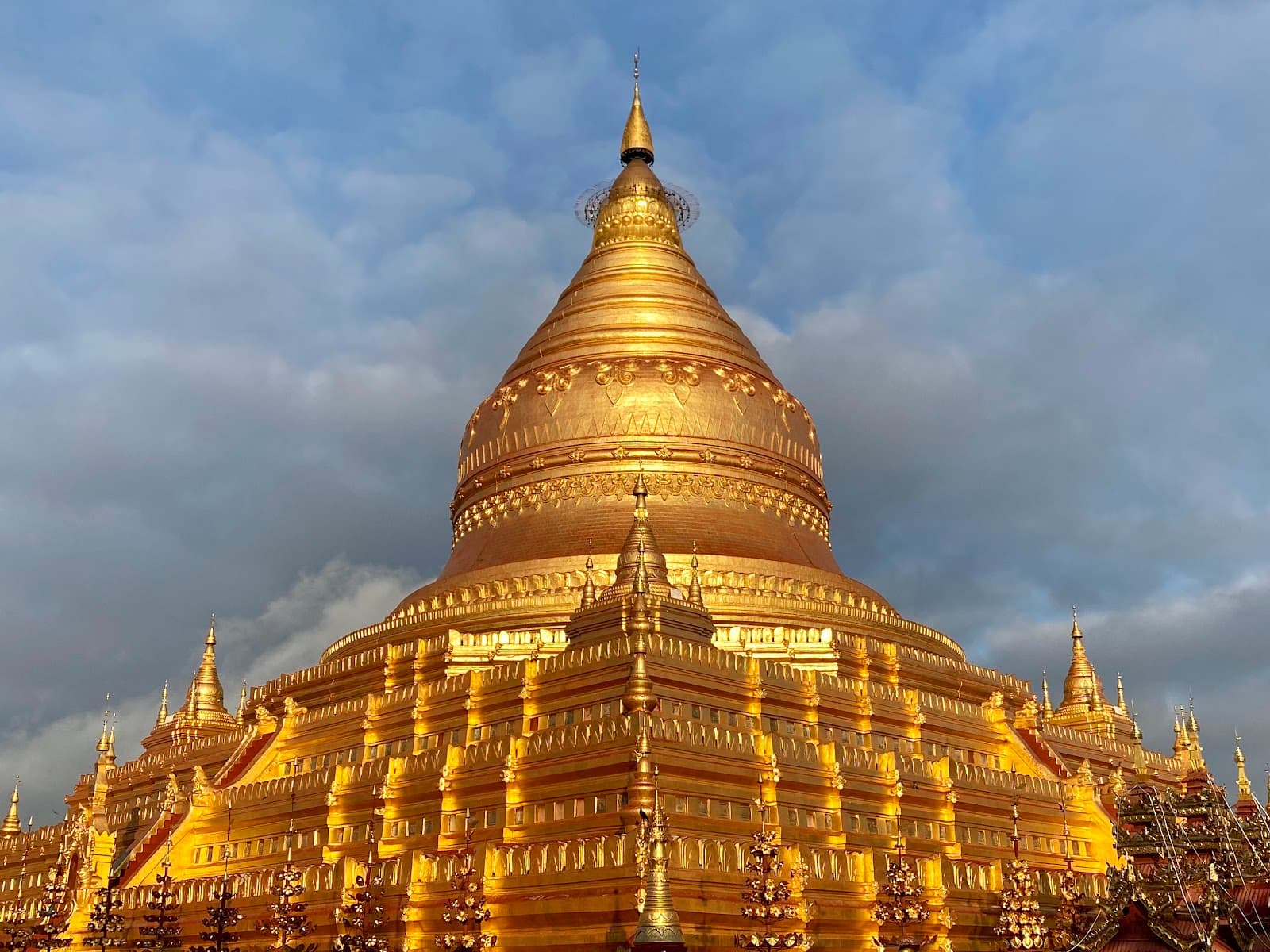
Shwezigon Pagoda Bagan
Shwezigon Pagoda, located in Nyaung-U within the Bagan Archaeological Zone, represents one of the most significant Buddhist pagodas in Myanmar, constructed in the 11th century CE during the reign of King Anawrahta and featuring extensive enshrinement of Hindu nats (spirits) alongside Buddha relics, demonstrating the integration of Hindu animistic traditions into Buddhist religious practice that characterized Myanmar’s relationship with the greater Hindu rashtra extending across the Indian subcontinent. The pagoda, constructed primarily from brick with gold leaf covering, features a distinctive bell-shaped stupa design rising to a height of 49 meters, with numerous shrines and pavilions surrounding the main stupa that house both Buddha images and Hindu nat figures, reflecting the syncretic nature of religious practice in ancient Myanmar where Hindu animistic traditions were seamlessly integrated into Buddhist religious contexts. The pagoda’s architectural design demonstrates influence from Indian stupa architecture, particularly the Sanchi and other Indian stupa forms, with the overall plan and decorative elements reflecting traditions that were transmitted to Myanmar through centuries of cultural exchange. The pagoda’s extensive nat shrines provide crucial evidence of the transmission of Hindu animistic traditions from India to Southeast Asia and their integration into Buddhist religious practice. Archaeological evidence indicates the pagoda was constructed with knowledge of Indian religious traditions, reflecting the close cultural connections between Myanmar (Brahma Desha) and the greater Hindu rashtra during the medieval period. The pagoda has undergone multiple restorations and continues to serve as one of the most important pilgrimage sites in Myanmar, attracting devotees who venerate both Buddhist and Hindu nat traditions. Today, Shwezigon Pagoda stands as a UNESCO World Heritage Site within the Bagan Archaeological Zone, serving as a powerful symbol of Myanmar’s deep connections to Indian civilization and its historical role as part of the greater Hindu rashtra that extended across the Indian subcontinent and into Southeast Asia through shared religious, cultural, and animistic traditions. ([1][2])
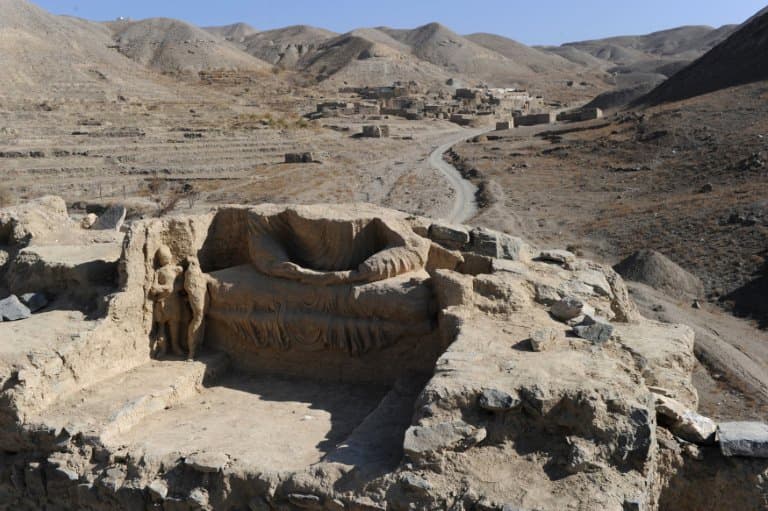
Mes Aynak Archaeological Site Logar Afghanistan
Mes Aynak, located in Logar Province, Afghanistan, represents one of the most extraordinary and archaeologically significant Buddhist monastic complexes in Central Asia, comprising a vast network of monasteries, stupas, and temples constructed from the 3rd to 8th centuries CE, spread across a dramatic mountain landscape that also contains one of the world's largest untapped copper deposits, creating a unique intersection of ancient religious heritage and modern economic interests that has drawn international attention to the site's preservation. The monastery complex, constructed primarily from stone, fired brick, and stucco with extensive decorative elements, features numerous Buddhist monasteries arranged across multiple terraced levels on the mountainside, each containing stupas, chapels, meditation cells, assembly halls, and elaborate sculptural programs that demonstrate the sophisticated transmission of Indian Buddhist architectural and artistic traditions to Afghanistan during the Kushan and post-Kushan periods. The site's architectural design demonstrates direct influence from Indian Buddhist monastery architecture, particularly the traditions of northern India, with the overall planning, stupa forms, and decorative programs reflecting Indian Buddhist practices that were systematically transmitted to Afghanistan, while the discovery of Hindu imagery and iconography alongside Buddhist elements provides crucial evidence of the syncretic nature of religious practice in the region and the transmission of diverse Indian religious traditions. Archaeological excavations have revealed extraordinary preservation of wall paintings, stucco sculptures, and architectural elements that demonstrate the sophisticated artistic traditions of the period, with the artistic work showing clear influence from Indian styles while incorporating local elements, creating a unique synthesis that characterizes Buddhist art in Afghanistan during this period. The monastery complex flourished particularly during the 5th to 7th centuries CE, when it served as a major center of Buddhist learning and practice, with the site's location along ancient trade routes facilitating its role in the transmission of Buddhist teachings and artistic traditions across Central Asia, while the extensive copper mining activities that occurred at the site in ancient times demonstrate the integration of religious and economic activities. The site was likely abandoned during the 8th or 9th century CE following the decline of Buddhism in Afghanistan, but the substantial architectural remains that survive provide extraordinary evidence of the site's original grandeur and importance, while the discovery of numerous artifacts including sculptures, coins, and inscriptions continues to provide crucial insights into the site's history and significance. Today, Mes Aynak stands as a UNESCO Tentative List site and represents one of the most important archaeological discoveries in Afghanistan in recent decades, while the site faces an urgent preservation challenge due to planned copper mining operations that threaten the archaeological remains, creating a complex situation that highlights the tensions between cultural heritage preservation and economic development in modern Afghanistan. ([1][2])
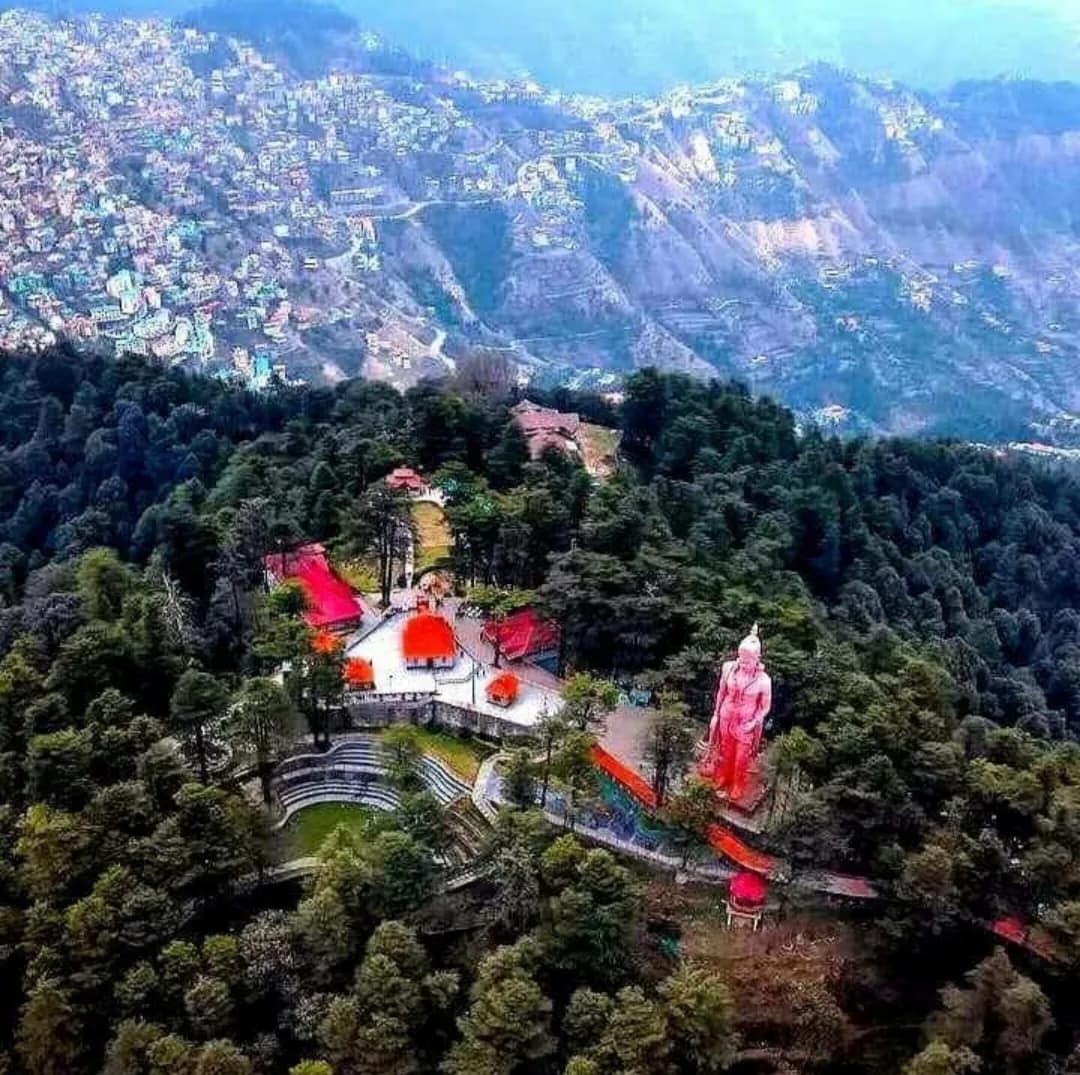
Jakhoo Temple Shimla
The crisp mountain air, scented with pine and a hint of incense, whipped around me as I ascended to the Jakhoo Temple, perched atop Shimla's highest peak. The climb itself was a pilgrimage of sorts, winding through a dense deodar forest, the path punctuated by the chattering of monkeys and the distant chime of temple bells. Having documented over 500 monuments across India, I've learned to appreciate the journey as much as the destination, and Jakhoo’s approach was particularly evocative. Emerging from the tree line, the colossal statue of Hanuman, a vibrant saffron against the cerulean sky, dominated the landscape. Its sheer scale – 108 feet tall – is breathtaking, a modern marvel seamlessly integrated into the ancient narrative of the temple. This wasn't the weathered stone and intricate carvings I’d encountered in countless other temples; this was a statement of devotion on a grand scale, a testament to faith in the digital age. The temple itself, dedicated to Lord Hanuman, is comparatively smaller, a modest structure nestled in the shadow of the giant statue. Its architecture, typical of Himalayan temples, features sloping roofs covered in slate tiles, designed to withstand the heavy snowfall. The wood carvings adorning the entrance, though worn by time and weather, depicted scenes from the Ramayana, adding a layer of narrative richness to the site. Unlike the meticulously preserved monuments I’d seen in Rajasthan or the grand temple complexes of South India, Jakhoo felt intimate, a place of active worship woven into the fabric of the local community. Inside, the air was thick with the scent of burning incense and the murmur of prayers. Devotees, a mix of locals and tourists, offered their respects to the deity, their faces illuminated by the flickering oil lamps. The walls were covered in vibrant murals depicting various incarnations of Lord Hanuman, a kaleidoscope of colours that contrasted sharply with the muted tones of the exterior. It was here, amidst the chanting and the clanging of bells, that I truly felt the pulse of the temple, a living testament to centuries of faith. What struck me most about Jakhoo, however, wasn't just its religious significance, but its unique blend of the ancient and the modern. The juxtaposition of the traditional temple architecture with the towering Hanuman statue created a fascinating dialogue between past and present. The statue, while a recent addition, didn't feel out of place; rather, it seemed to amplify the existing energy of the site, drawing the eye upwards, towards the heavens. As I photographed the temple, capturing the interplay of light and shadow on the weathered stone, I noticed the monkeys, ever-present companions on this mountaintop pilgrimage. They scampered across the rooftops, swung from the trees, and interacted with the devotees, adding a touch of playful chaos to the serene atmosphere. Their presence, while sometimes disruptive, felt integral to the Jakhoo experience, a reminder of the wildness that still clung to this sacred space. Descending the mountain, the city of Shimla spread out below me, a tapestry of buildings clinging to the hillside. The Jakhoo Temple, perched high above, felt like a silent guardian, watching over the bustling life below. It was a place where faith and nature intertwined, where ancient stories met modern expressions, and where the journey to the summit was as rewarding as the destination itself. It’s a site that will undoubtedly stay etched in my memory, another vibrant thread in the rich tapestry of India's heritage.
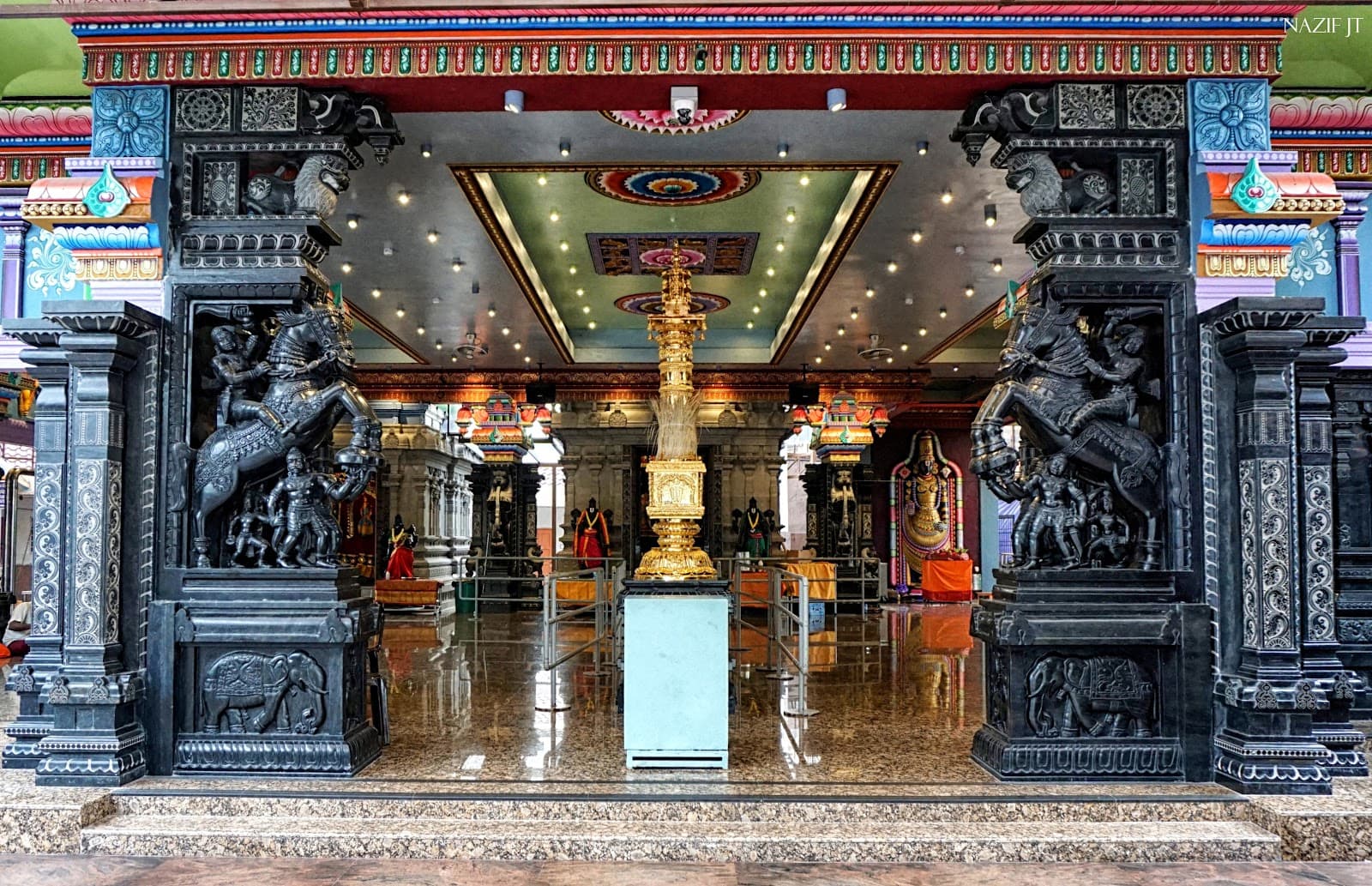
Sri Sundararaja Perumal Temple Klang Selangor
The Sri Sundararaja Perumal Temple, located in Klang, Selangor, Malaysia, stands as a profound testament to India's millennia-spanning cultural heritage and the enduring continuity of Indian civilization across geographical boundaries [1] [3]. Dedicated to Lord Vishnu in his form as Perumal, this sacred site serves as a vital center for Vaishnavite worship, often revered as the 'Thirupathi of South East Asia' [1] [2]. The temple exemplifies the indigenous Dravida architectural style, characterized by its intricate carvings and monumental structures, reflecting a continuous tradition of temple building that dates back thousands of years in the Indian subcontinent [1] . The entire structure is notably constructed from granite, a material chosen for its durability and majestic appearance, a hallmark of traditional South Indian temple construction techniques [1] [3]. The architectural ensemble is dominated by a towering gopuram, the entrance tower, which is richly adorned with a multitude of sculptures depicting Hindu deities, mythological narratives, and celestial beings [1] [3]. These detailed carvings are not merely decorative but serve as visual narratives of Hindu epics such as the Ramayana and Mahabharata, embodying the deep iconographic traditions of Indian art [5]. The main sanctum, known as the Perumal Sannathi, houses the principal deity, Lord Perumal, alongside his consort, Goddess Mahalakshmi [2] [3]. Surrounding this central complex are several other notable shrines, including those dedicated to Lord Shiva, Parvati, Ganesha, Murugan, Ayyappan, Lord Saneshwara (Saturn), and the Navagrahas (nine planets) [2] [3]. An additional Anjaneya Sannathi is situated adjacent to the central complex, with a Nagaraja Sannathi located at the corner outside the temple structure [2]. The spatial arrangement of these shrines within the temple complex follows traditional Agama Shastra principles, ensuring proper devotional flow and ritualistic practices [5]. The temple's current state reflects a significant reconstruction completed in 2015, which modernized facilities while meticulously preserving its traditional South Indian Dravidian architectural integrity [1] [2]. This reconstruction effort underscores a commitment to maintaining the site's heritage while accommodating its active role as a spiritual and cultural hub [1]. The temple is recognized as a National Heritage Site since 2012, acknowledging its profound cultural and historical significance [4]. It actively hosts daily rituals and ceremonies, attracting a continuous flow of devotees and visitors [1]. Major Hindu festivals such as Purataasi Month, Vaikunta Ekadasi, Panguni Uthiram, and Thiruvadirai are celebrated with grand ceremonies, music, and dance, drawing thousands and ensuring the vibrant continuity of Indian cultural practices [1] [5]. The temple is operationally ready, with established visiting hours and accessibility for all visitors, serving as a living monument to India's enduring spiritual and artistic legacy [1].
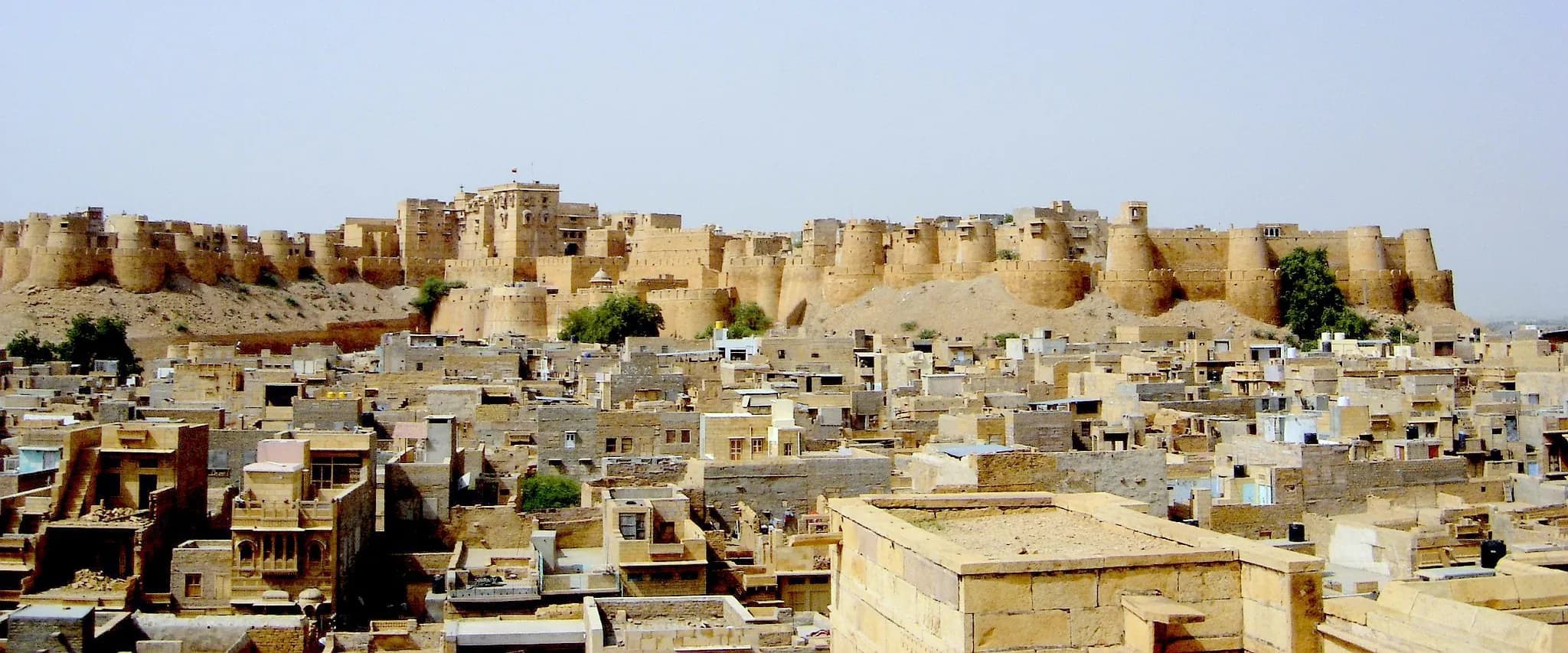
Jaisalmer Fort Jaisalmer
The wind, a constant companion in the Thar Desert, whipped around me as I ascended the winding ramparts of Jaisalmer Fort, a colossal sandstone behemoth rising from the desert itself. It wasn't just a fort; it was a living, breathing city, a testament to Rajputana resilience etched against the vast canvas of the Indian desert. My five-hundredth monument, and it felt like the first, the sheer scale and grandeur eclipsing everything I'd witnessed before. The "Sonar Quila," as it’s locally known, truly lived up to its golden moniker. The late afternoon sun bathed the fort in a warm, honeyed light, highlighting the intricate carvings that adorned every surface. It wasn't the polished, pristine beauty of some restored monuments; this was a beauty born of age and endurance, the sandstone weathered and textured, whispering tales of centuries past. Passing through the Suraj Pol, the main gate, I was immediately struck by the organized chaos within. Narrow, winding lanes, a vibrant tapestry of shops selling textiles, jewelry, and handicrafts, pulsed with life. It was a far cry from the sterile, museum-like atmosphere of some historical sites. Here, history wasn't confined to glass displays; it was lived, breathed, and bargained over. The architecture within the fort was a captivating blend of Rajput and Islamic styles. Jharokhas, the ornate balconies projecting from the haveli facades, offered glimpses into the opulent lives once lived within. I spent hours photographing these intricate details, the delicate latticework, the miniature arches, each a testament to the skill of the artisans who crafted them centuries ago. The Patwon Ki Haveli, a cluster of five interconnected havelis, was particularly striking, its facade a riot of intricate carvings that seemed to defy gravity. Climbing to the topmost ramparts, the city of Jaisalmer unfolded below me, a sea of golden rooftops merging seamlessly with the desert beyond. The panoramic view was breathtaking, the vastness of the landscape emphasizing the fort's strategic importance. I could almost imagine the Rajput warriors, standing on these very ramparts, scanning the horizon for approaching armies. The Jain temples within the fort were another highlight. Their intricate marble carvings, a stark contrast to the rough-hewn sandstone of the fort walls, spoke of a different kind of devotion. The play of light and shadow within the temples created an ethereal atmosphere, transporting me to a realm of quiet contemplation. But it wasn't just the grand architecture or the stunning views that captivated me. It was the people. The shopkeepers, the residents, the children playing in the narrow lanes – they were all part of the fort's living history. I spent time talking to them, listening to their stories, understanding their connection to this ancient place. A chai-wallah recounted tales passed down through generations, while a textile merchant explained the intricate patterns woven into the local fabrics. These interactions, these glimpses into everyday life, added another layer of depth to my understanding of Jaisalmer Fort. As the sun began to set, casting long shadows across the ramparts, I felt a profound sense of connection to this place. Jaisalmer Fort wasn't just a collection of stones and mortar; it was a living organism, a testament to human resilience and artistry. It was a place where history whispered from every corner, where the past and present intertwined seamlessly, creating an experience that transcended the visual and touched the soul. Leaving the fort, I carried with me not just photographs, but memories and stories, woven into the fabric of my own journey as a heritage photographer.
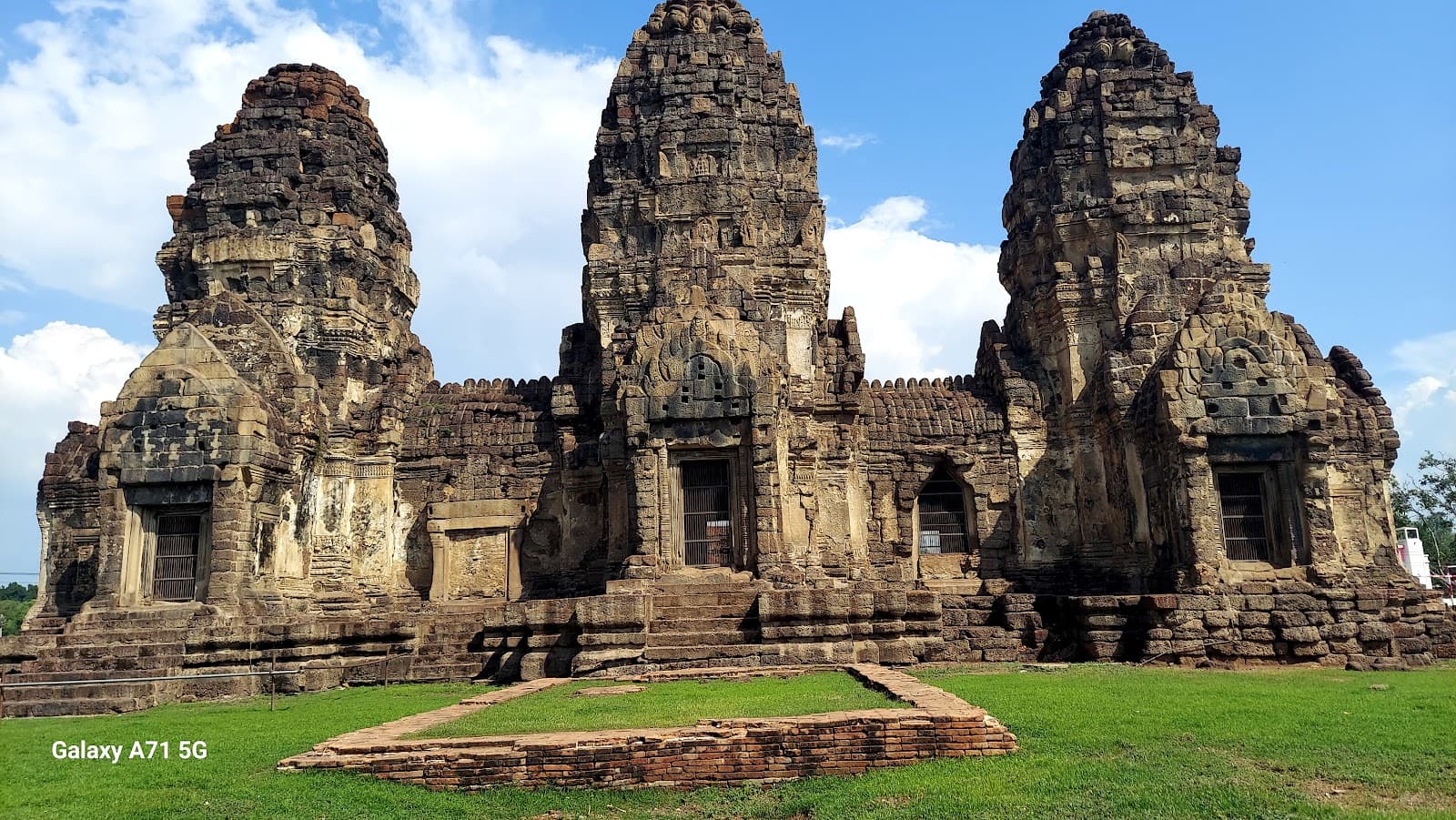
Prang Sam Yot Lopburi
Prang Sam Yot, a revered monument in the Tha Hin Sub-district of Mueang Lopburi District, Lopburi Province, Thailand, stands as a profound testament to the enduring legacy of Indic architectural and cultural traditions that have continuously shaped Southeast Asia for millennia [2] [5]. This 13th-century Angkorian temple complex, originally dedicated to Mahayana Buddhism, embodies the sophisticated Nagara-Khmer architectural style, which itself draws deep inspiration from ancient Indian temple building practices [2] [3]. The site comprises three prominent prangs (towers) constructed primarily from laterite blocks, a common material in Khmer temples, meticulously adorned with a stucco exterior [5]. The use of laterite, a durable and locally abundant material, reflects an indigenous adaptation of grand architectural ambitions, while the stucco work, possibly influenced by Mon traditions, allowed for intricate decorative detailing [2] [5]. Each of the three prangs, arranged in a north-south alignment and connected by a narrow corridor, originally housed specific deities, reflecting a syncretic religious landscape [2] [5]. The central prang was dedicated to the Buddha, the north tower to Prajnaparamita, and the south tower to Avalokiteśvara, symbolizing a complex Mahayana Buddhist cosmology that resonated with earlier Hindu Trimurti concepts of Brahma, Vishnu, and Shiva [2] [5]. The architectural design features corbelled arches and vaults, a characteristic structural system in Khmer architecture that allowed for the construction of tall, imposing towers without true arches, a technique with parallels in early Indian temple construction [2]. Although much of the intricate carvings have eroded over time, traces of floral motifs and mythical figures can still be discerned on the stucco, hinting at the temple's former grandeur and the skilled craftsmanship of its builders [5]. These decorative elements, often depicting Buddhist iconography, are integral to the temple's aesthetic and spiritual narrative [2]. In the 17th century, during the reign of King Narai the Great of the Ayutthaya Kingdom, a prayer hall (Wihan) was added to the complex, further integrating the site into the evolving Theravada Buddhist landscape of the region [2] [5]. While this later addition, constructed with brick, now stands largely in ruins, its foundations provide valuable archaeological insights into the architectural techniques and religious practices of that period [5]. Prang Sam Yot is recognized as a registered historical site by the Fine Arts Department since August 2, 1936, underscoring its national significance [2]. Conservation efforts have focused on stabilizing the laterite and brick structures, mitigating the effects of weathering, and preserving the remaining stucco ornamentation [2] [4]. The site is currently open to visitors, offering accessibility to its main structures, though some areas may have uneven terrain [5]. Despite its relatively poor condition in some parts, ongoing maintenance ensures its preservation as a vital cultural landmark [2] [5]. The monument remains a site of active prayer and a significant tourist destination, celebrated for its historical depth and its unique resident population of crab-eating macaque monkeys, which, while adding to its charm, also present ongoing conservation challenges to the temple's exterior [2] [5]. The site stands as an operational heritage monument, welcoming visitors to experience a tangible link to the profound and continuous cultural exchange rooted in India's ancient past [5].
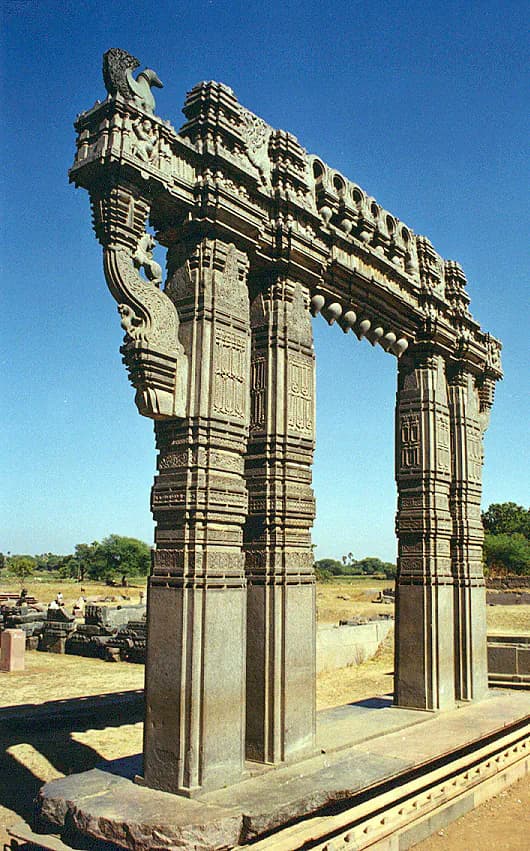
Warangal Fort Warangal
The imposing granite ramparts of Warangal Fort rose before me, shimmering under the Telangana sun. Having explored countless caves and temples across Maharashtra, I've developed a keen eye for architectural nuances, and Warangal Fort, with its blend of Kakatiya and subsequent influences, promised a feast for the senses. The four massive gateways, known as Kakatiya Kala Thoranam, are truly magnificent. Their intricate carvings, depicting mythical creatures and floral patterns, speak volumes about the artistic prowess of the Kakatiya dynasty. I spent a considerable amount of time studying the exquisitely preserved Swayambhu temple gateway, its arches adorned with intricate carvings of goddesses and celestial beings. The sheer scale of these structures, combined with the delicate artistry, is breathtaking. Stepping through the arched entrance, I was immediately transported back in time. The fort, though in ruins, retains an aura of grandeur. The remnants of the once-imposing walls, the scattered pillars, and the crumbling structures all whisper tales of a glorious past. Unlike many forts I've visited in Maharashtra, which often feature basalt construction, Warangal's granite lends it a unique, almost ethereal quality. The stone, weathered by centuries of sun and rain, glows with a warm, reddish hue, particularly striking during the golden hour. My exploration led me to the Khush Mahal, a fascinating structure that showcases a blend of architectural styles. The arched openings and intricate jaali work clearly demonstrate later additions, likely during the Qutb Shahi period. This layering of history, visible in the very stones of the fort, is what makes Warangal so compelling. It's not just a monument; it's a palimpsest of time, each layer revealing a different chapter in the region's story. The central structure, the Sri Venkateswara Swamy Temple, though a later addition, stands as a testament to the enduring spiritual significance of the site. While the original Kakatiya temple was destroyed, the current structure retains a sense of reverence. I observed locals offering prayers, a poignant reminder that these ancient spaces continue to hold meaning for contemporary communities. One of the most striking features of Warangal Fort is its ingenious water management system. The numerous tanks and wells scattered throughout the complex, including the large, rectangular Ek Batti Baoli (stepwell), highlight the Kakatiyas' understanding of hydraulic engineering. I descended the steps of the baoli, marveling at the intricate network of channels and the foresight of the builders who ensured a sustainable water supply within the fort. This attention to practical details, alongside the artistic flourishes, speaks to the holistic approach of the Kakatiya rulers. As I wandered through the ruins, I noticed the distinct lack of interpretative signage. While this allowed for a more immersive experience, relying solely on my observations and prior research, I felt that more information could enhance the visitor's understanding of the site's historical and architectural significance. This is an area where improvements could be made, perhaps by incorporating discreetly placed information panels or offering guided tours. Leaving Warangal Fort, I carried with me a profound sense of awe and a deeper appreciation for the Kakatiya dynasty's contributions to Indian architecture and history. The fort is not merely a collection of ruins; it is a living testament to a powerful kingdom, a testament etched in stone, resonating with the echoes of a bygone era. It stands as a powerful counterpoint to the cave temples and forts of my home state, Maharashtra, showcasing the diversity and richness of India's architectural heritage.
Aina Mahal Bhuj
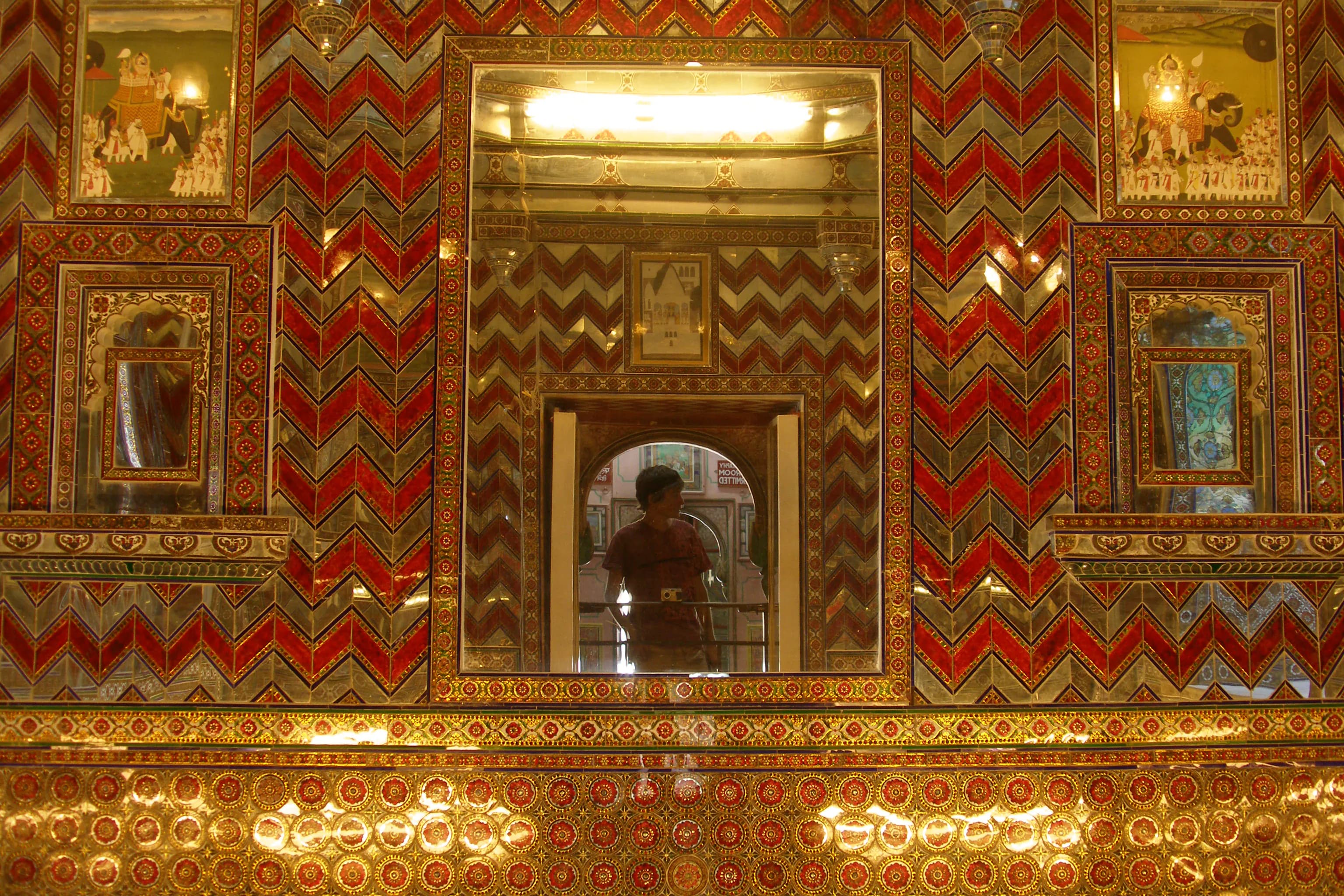
Entering Aina Mahal, or "Palace of Mirrors," in Bhuj transports one to an 18th-century Rajput aesthetic, a resplendent chamber within the Prag Mahal complex ([3][6]). Commissioned by Maharao Lakhpatji of Kutch in 1748 CE, the palace embodies the vision of Ramsinh Malam, showcasing a fusion of local Kutch and Islamic architectural styles ([2][6]). Within the Hall of Mirrors, light refracts across strategically placed glass, creating patterns suggestive of 'Indrajaal' (illusion) ([4]). Convex mirrors, interspersed with gilded glass, produce a kaleidoscopic effect, evocative of 'Swarna Rekha' (golden lines) motifs ([5]). Delicate floral patterns frame the mirrored panels, reflecting a synthesis of European and Kutch craftsmanship. Despite earthquake damage, Aina Mahal provides a 'Darshan' (vision) into Kutch's artistic heritage ([3][6]). The architecture subtly integrates the principles of Vastu Shastra, the ancient Indian science of architecture, adapting them to the local context and materials. Integrating marble, gold, glass, mirrors, plaster, and wood, the palace exemplifies the architectural expertise of the Rajput period ([6]). European-style chairs and carved wooden swings coexist with walls adorned with murals depicting courtly life and scenes from Hindu mythology. Though faded, the colors retain their vibrancy, echoing the 'Rangoli' traditions of the region ([5]). This hybrid Indo-Islamic palatial style represents a unique treasure within Gujarat's rich cultural heritage ([2]). The design incorporates elements reminiscent of the 'jali' (latticework) screens found in traditional Indian architecture, adapted to the mirrored surfaces. Reflecting the patronage of Rao Lakhpatji, Aina Mahal stands as a testament to the artistic synthesis of its time, a 'Ratna' (jewel) box of mirrored artistry and architectural innovation ([6]). The palace’s detailed craftsmanship and unique blend of styles offer a glimpse into the cultural exchange and artistic traditions that flourished in the Kutch region during the 18th century ([2][3]).
Malinithan Temple Likabali
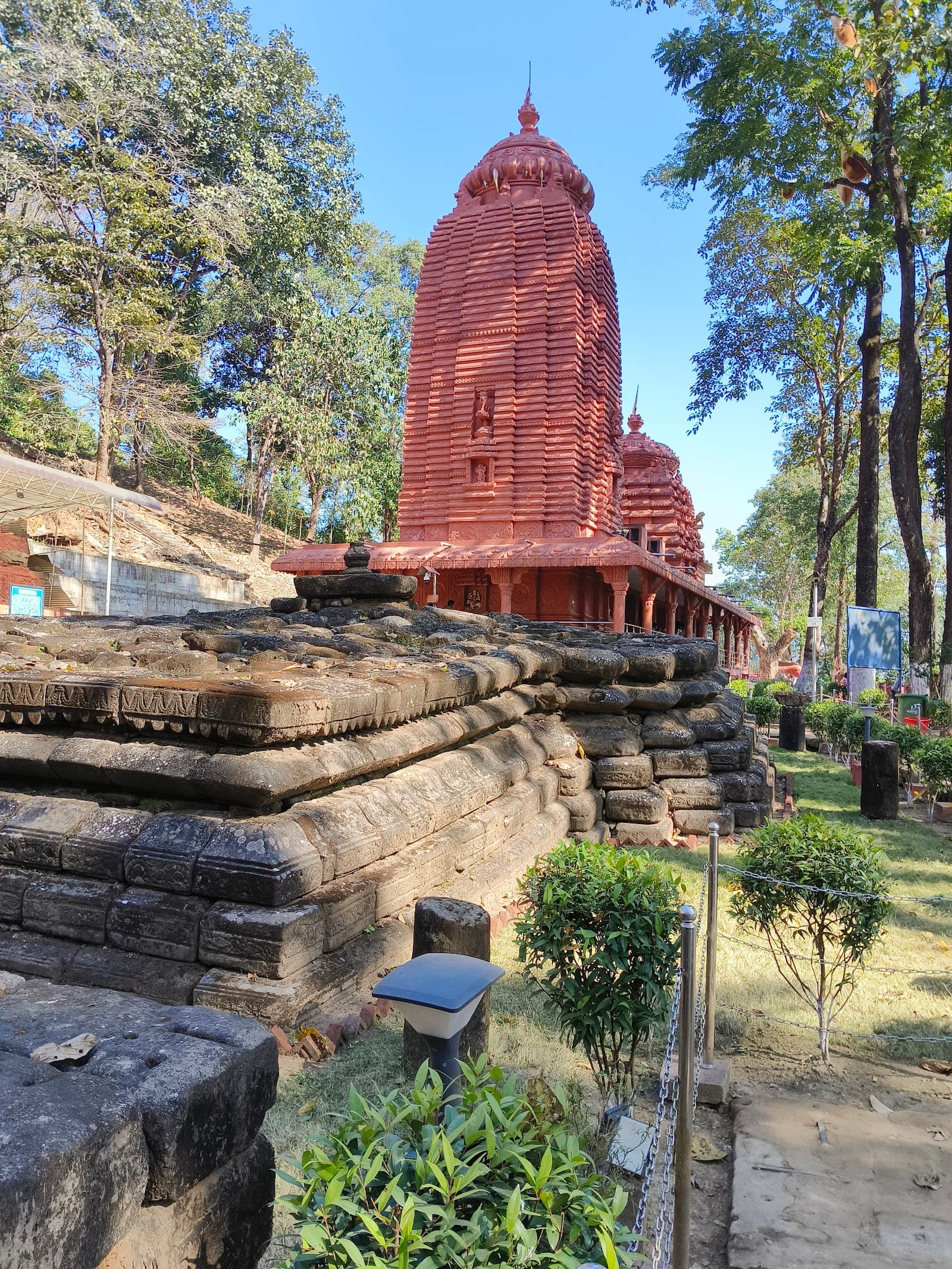
The air hung thick and humid, a palpable presence as I navigated the final stretch of the winding road leading to Malinithan, a ruined temple complex tucked away in the verdant embrace of Arunachal Pradesh's Lower Siang district. The anticipation was almost as dense as the jungle itself. Having visited every UNESCO World Heritage Site in India, I've encountered grandeur on an epic scale, but Malinithan promised something different – a whisper of a lost kingdom, a forgotten chapter in India's rich tapestry. Emerging from the dense foliage, the first sight of Malinithan is arresting. Scattered across a gently sloping hillside are the remnants of a once-magnificent temple, its stones bearing the indelible marks of time and the elements. Unlike the meticulously preserved monuments I'd encountered elsewhere, Malinithan exudes a raw, almost melancholic beauty. Nature has begun to reclaim the site, with roots snaking through crevices and moss clinging to the weathered sculptures. The central complex is dominated by the ruins of what is believed to have been the main temple. The remaining structures, though fragmented, hint at a sophisticated architectural style. Intricately carved stone blocks, some featuring depictions of deities, animals, and floral motifs, lay scattered across the site. The craftsmanship is remarkable, showcasing a clear influence of both Hindu and tribal artistic traditions. One particular carving, a remarkably well-preserved elephant head, captured my attention. The detail in the folds of its trunk and the expression in its eyes spoke volumes about the skill of the artisans who shaped it centuries ago. My guide, a local from the nearby village, explained that Malinithan is believed to have been built by the Chutiya kings, who ruled the region between the 14th and 16th centuries. He recounted local legends surrounding the site, tales of powerful rulers, hidden treasures, and divine interventions. These stories, passed down through generations, added another layer of intrigue to the already captivating ruins. As I explored further, I noticed a distinct shift in the architectural style. While the central complex displayed a more classical Hindu influence, the surrounding structures exhibited a more indigenous character. This fusion of styles, a testament to the cultural exchange that shaped the region, is what makes Malinithan truly unique. It's not just a temple; it's a melting pot of artistic and religious influences, a tangible link to a vibrant past. One of the most striking features of Malinithan is the abundance of sculpted lingams, the phallic symbol representing Lord Shiva. These range in size from small, palm-sized objects to massive structures several feet tall. The sheer number of lingams scattered across the site suggests that Malinithan was a significant center of Shaivite worship. The climb to the upper reaches of the site offered breathtaking panoramic views of the surrounding hills and valleys. Standing there, amidst the ruins, I felt a profound sense of connection to the past. I imagined the temple in its heyday, bustling with activity, a vibrant hub of religious and cultural life. The silence of the present day, broken only by the chirping of birds and the rustling of leaves, served to amplify the echoes of the past. Malinithan is not just a collection of ruins; it's a living testament to the ingenuity and artistic prowess of a forgotten kingdom. It's a place where history whispers from every stone, where legends intertwine with reality, and where the past and present converge in a symphony of silence and grandeur. While it may not yet bear the official UNESCO World Heritage Site designation, its historical and cultural significance is undeniable. My visit to Malinithan was more than just another stop on my journey; it was a pilgrimage into the heart of a lost world, a poignant reminder of the ephemeral nature of empires and the enduring power of human creativity.
Suket Palace Sundernagar
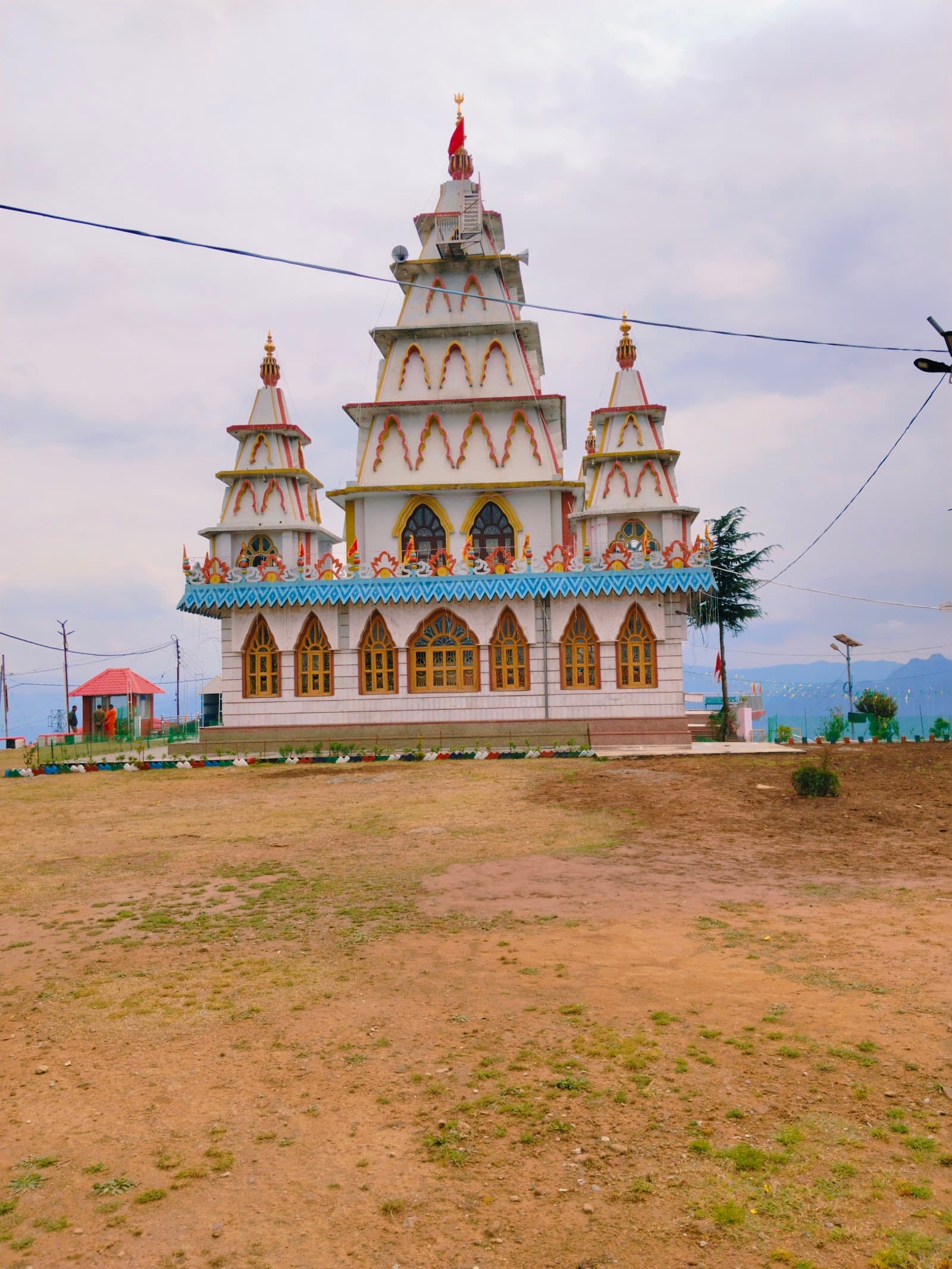
The crisp mountain air of Sundernagar carried the scent of pine as I approached Suket Palace. Nestled amidst the verdant slopes of the Himachal Pradesh valley, this former royal residence, though not imposing in the scale I'm accustomed to seeing in South Indian temple complexes, possessed a quiet dignity. Its relatively modest size, compared to, say, the Brihadeeswarar Temple, belied the rich history it held within its walls. Built in a blend of colonial and indigenous hill architectural styles, it presented a fascinating departure from the Dravidian architecture I've spent years studying. The palace’s cream-colored façade, punctuated by dark wood balconies and intricately carved window frames, stood in stark contrast to the vibrant hues of gopurams back home. The sloping slate roof, a practical necessity in this snowy region, was a far cry from the towering vimanas of Southern temples. This adaptation to the local climate and available materials was a recurring theme I observed throughout my visit. The use of locally sourced wood, both for structural elements and decorative carvings, spoke to a sustainable building practice that resonated deeply with the traditional construction methods employed in ancient South Indian temples. Stepping inside, I was struck by the relative simplicity of the interiors. While lacking the opulent ornamentation of some Rajput palaces, Suket Palace exuded a sense of understated elegance. The spacious rooms, with their high ceilings and large windows, offered breathtaking views of the surrounding valley. The wooden floors, polished smooth by time and countless footsteps, creaked softly under my feet, whispering stories of bygone eras. I was particularly drawn to the intricate woodwork adorning the doors, window frames, and ceilings. The patterns, while distinct from the elaborate sculptures found in South Indian temples, displayed a similar level of craftsmanship and attention to detail. Floral motifs, geometric designs, and depictions of local flora and fauna intertwined to create a visual narrative unique to this region. One room, converted into a museum, housed a collection of royal artifacts, including portraits of past rulers, antique furniture, and weaponry. These objects offered a glimpse into the lives of the Suket dynasty and the cultural influences that shaped their reign. The portraits, in particular, were fascinating. The regal attire and stoic expressions of the rulers provided a stark contrast to the more stylized and often deified representations of royalty found in South Indian temple art. The palace gardens, though not as expansive as the temple gardens I'm familiar with, were meticulously maintained. Terraced flowerbeds, brimming with colorful blooms, cascaded down the hillside, creating a vibrant tapestry against the backdrop of the towering Himalayas. The integration of the natural landscape into the palace design reminded me of the sacred groves that often surround South Indian temples, highlighting the reverence for nature that transcends geographical boundaries. As I wandered through the palace grounds, I couldn't help but draw parallels between the architectural traditions of the north and south. While the styles and materials differed significantly, the underlying principles of functionality, aesthetics, and spiritual significance remained remarkably similar. The use of local materials, the adaptation to the climate, and the incorporation of symbolic motifs were all testament to the ingenuity and artistry of the builders, regardless of their geographical location. Suket Palace, in its own unique way, echoed the same reverence for history, culture, and craftsmanship that I've always admired in the grand temples of South India. It was a humbling experience, a reminder that architectural marvels can be found in the most unexpected places, each whispering its own unique story of the people and the land that shaped it.
Sakya Monastery Shigatse Tibet
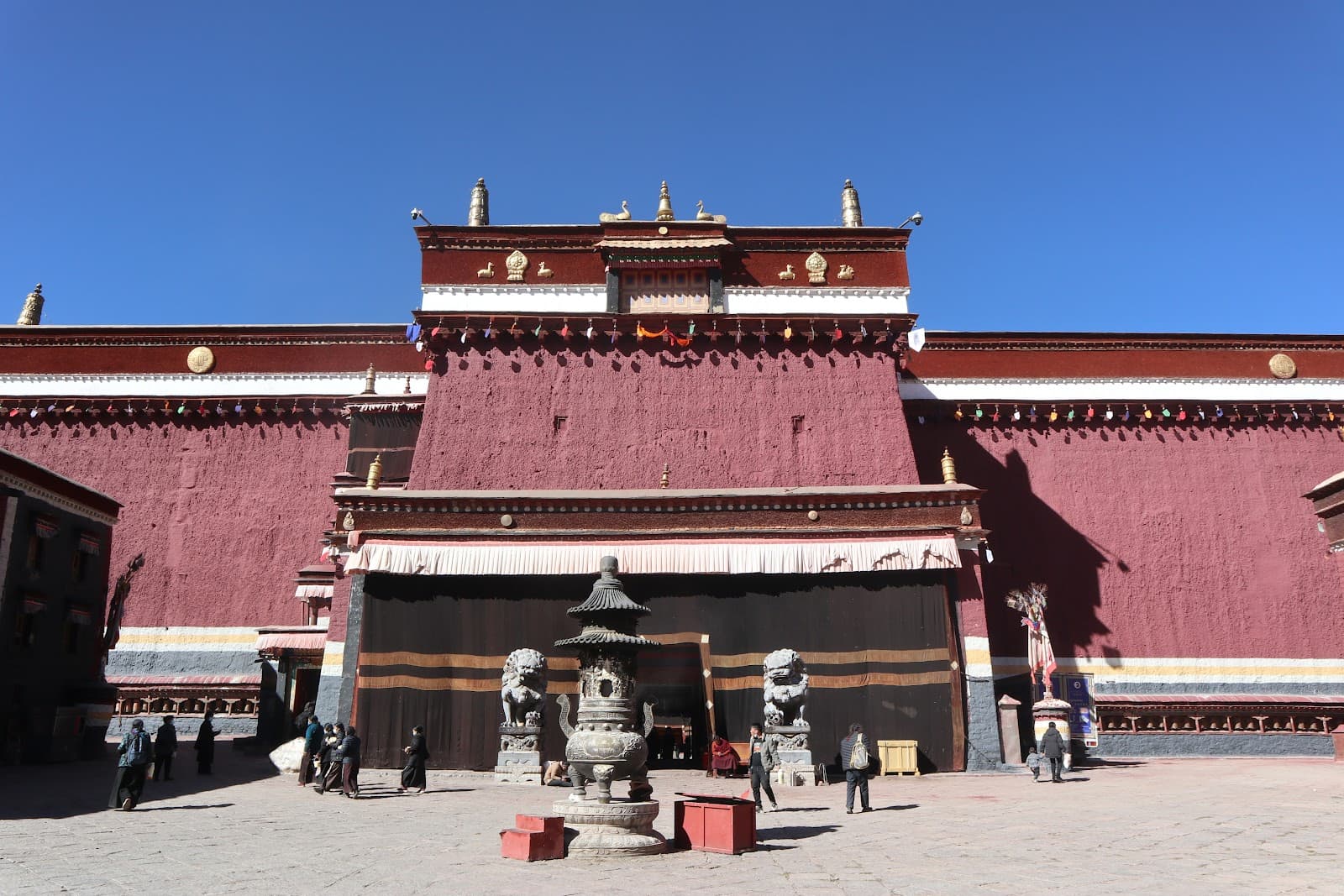
Sakya Monastery, located in Sakya County, Shigatse, Tibet, represents one of the most important monasteries in Tibet and stands as a major center for the Sakya school of Tibetan Buddhism, constructed in the 11th century CE and housing one of the most extensive collections of Indian Buddhist texts and manuscripts in Tibet, demonstrating the profound transmission of Indian Buddhist learning traditions to Tibet, which has maintained deep cultural, religious, and historical connections with India for over two millennia. The monastery complex, constructed primarily from stone, wood, and earth with extensive decorative elements, features a massive structure containing numerous temples, chapels, assembly halls, and an extensive library that houses thousands of Indian Buddhist manuscripts and texts brought from Nalanda and other Indian Buddhist learning centers, making it one of the most important repositories of Indian Buddhist knowledge in Tibet. The monastery’s architectural design demonstrates direct influence from Indian Buddhist monastery architecture, particularly the Nalanda model, with the overall plan and library facilities reflecting traditions that were transmitted to Tibet through centuries of cultural exchange, while the extensive collection of Indian Buddhist texts demonstrates the active transmission of Indian Buddhist scholarship to Tibet. Archaeological and historical evidence indicates the monastery was constructed by the Khon family, who maintained strong connections with Indian Buddhist learning centers including Nalanda, importing Indian Buddhist texts, scholars, and architectural knowledge to Tibet. The monastery has served as a major center for Tibetan Buddhist learning and practice for over nine centuries, maintaining strong connections to Indian Buddhist traditions through the study and preservation of Indian Buddhist texts, philosophy, and practices. The monastery has undergone multiple expansions and renovations over the centuries, with significant additions conducted to accommodate growing collections of Indian Buddhist texts and expanding educational programs. Today, Sakya Monastery continues to serve as an important place of Buddhist worship and learning in Tibet, demonstrating the enduring influence of Indian Buddhist traditions on Tibetan culture and serving as a powerful symbol of Tibet’s deep connections to Indian civilization through the preservation and study of Indian Buddhist knowledge. ([1][2])
Quick Links
Plan Your Heritage Journey
Get personalized recommendations and detailed visitor guides