Has Inheritage Foundation supported you today?
Your contribution helps preserve India's ancient temples, languages, and cultural heritage. Every rupee makes a difference.
Secure payment • Instant 80G certificate
Maluti Temples Maluti
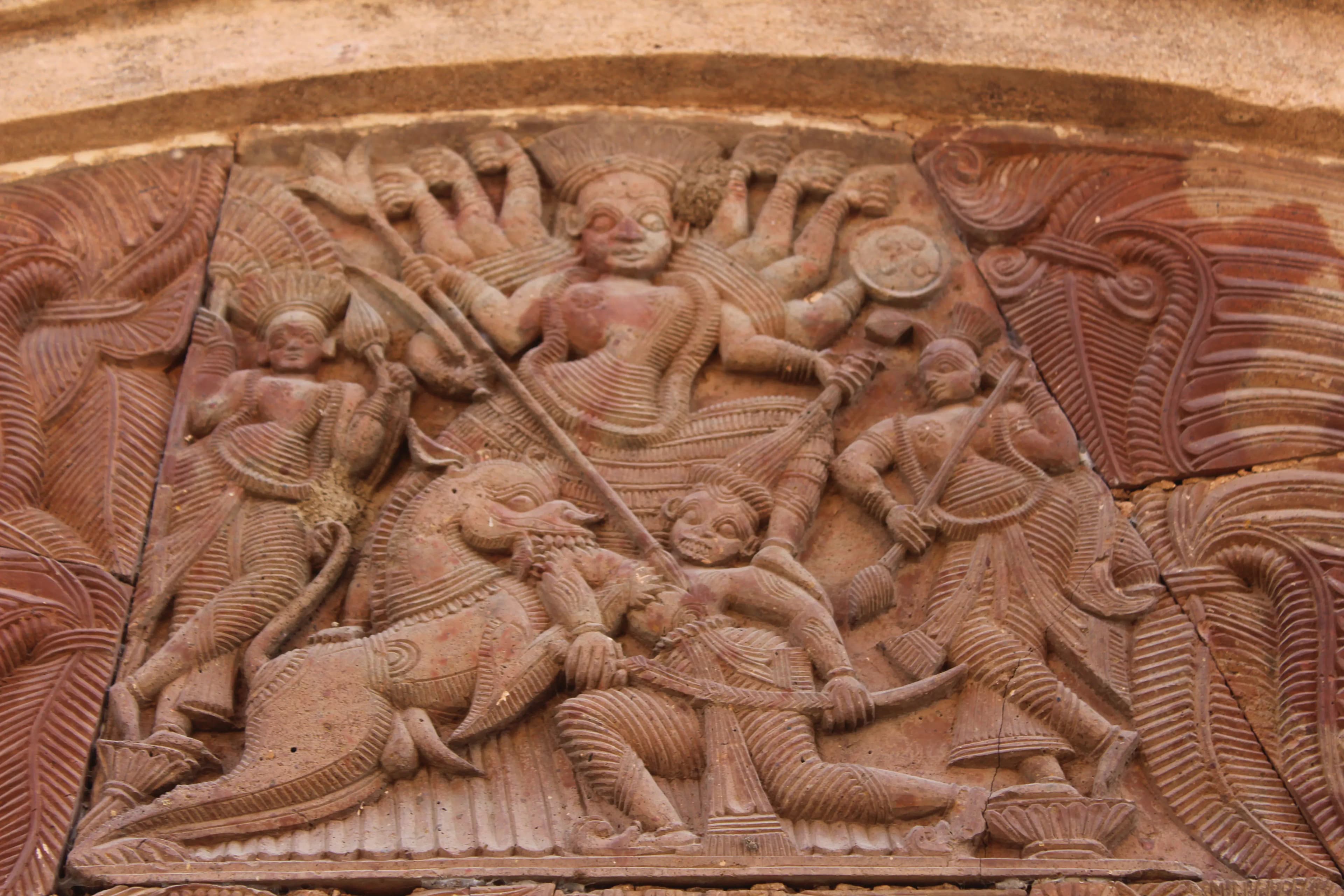
The terracotta temples of Maluti rise from the Jharkhand plains like an army of baked-earth sentinels, their intricate surfaces a stark contrast to the verdant rice paddies surrounding them. Having explored the sandstone grandeur of Rajasthan's forts and palaces for years, I was eager to witness this unique cluster of 72 temples, a testament to a different architectural tradition and a different era. The journey from Dumka, the district headquarters, was a bumpy but scenic one, the red dirt roads winding through villages and past fields dotted with grazing cattle. The first glimpse of the Maluti temples is breathtaking. They stand in varying states of preservation, some soaring towards the sky, others reduced to crumbling mounds, yet all whispering stories of a bygone era. The majority of the temples are dedicated to Lord Shiva, evidenced by the prominent lingams housed within the sanctums. The characteristic rekha deul style, common in Odisha and parts of Bengal, is evident here, the curvilinear towers rising in tiered stages, culminating in a rounded amalaka at the top. However, what sets Maluti apart is the extensive use of terracotta. Unlike the stone carvings of Rajasthan, the intricate details here are molded in clay, fired to a rich, earthy hue. The panels depict scenes from the epics – the Ramayana and the Mahabharata – as well as scenes from daily life, offering a fascinating glimpse into the social and cultural fabric of the 16th-18th centuries, the period to which these temples are attributed. I spent hours tracing the narratives etched onto the terracotta panels, marveling at the expressiveness of the figures, the dynamism of the battle scenes, and the delicate ornamentation of the floral motifs. The craftsmanship is simply astonishing. The artisans who created these masterpieces worked with incredible precision, molding intricate details onto relatively small terracotta plaques. The panels are fitted together seamlessly, creating a continuous narrative that wraps around the temple walls. The effect is mesmerizing, like a giant, terracotta tapestry narrating ancient tales. The condition of the temples, however, is a cause for concern. While some have been restored by the Archaeological Survey of India, many are in a state of disrepair. Erosion, neglect, and the ravages of time have taken their toll. Several temples have collapsed entirely, leaving behind only heaps of terracotta rubble. It's a poignant reminder of the fragility of our heritage and the urgent need for conservation efforts. As I walked through the complex, I couldn't help but draw parallels between the architectural traditions of Rajasthan and Jharkhand. While the materials and styles differ drastically, the underlying devotion and artistic skill are strikingly similar. The intricate jali work of Rajasthan's palaces finds an echo in the delicate latticework of the terracotta panels here. The imposing gateways of Rajasthan's forts are mirrored in the towering gateways of some of the larger temples at Maluti. The experience of visiting Maluti was both awe-inspiring and melancholic. Awe at the sheer scale and artistry of the terracotta temples, and melancholy at the state of neglect that some of them have fallen into. It's a site that deserves greater attention, both from tourists and from conservationists. It's a testament to the rich cultural heritage of India, a heritage that we must strive to protect and preserve for generations to come. My journey through the terracotta temples of Maluti was not just a visit to a historical site; it was a journey through time, a glimpse into the artistic brilliance of a bygone era.
Kafir Kala Buddhist Temple Vakhsh Valley Tajikistan
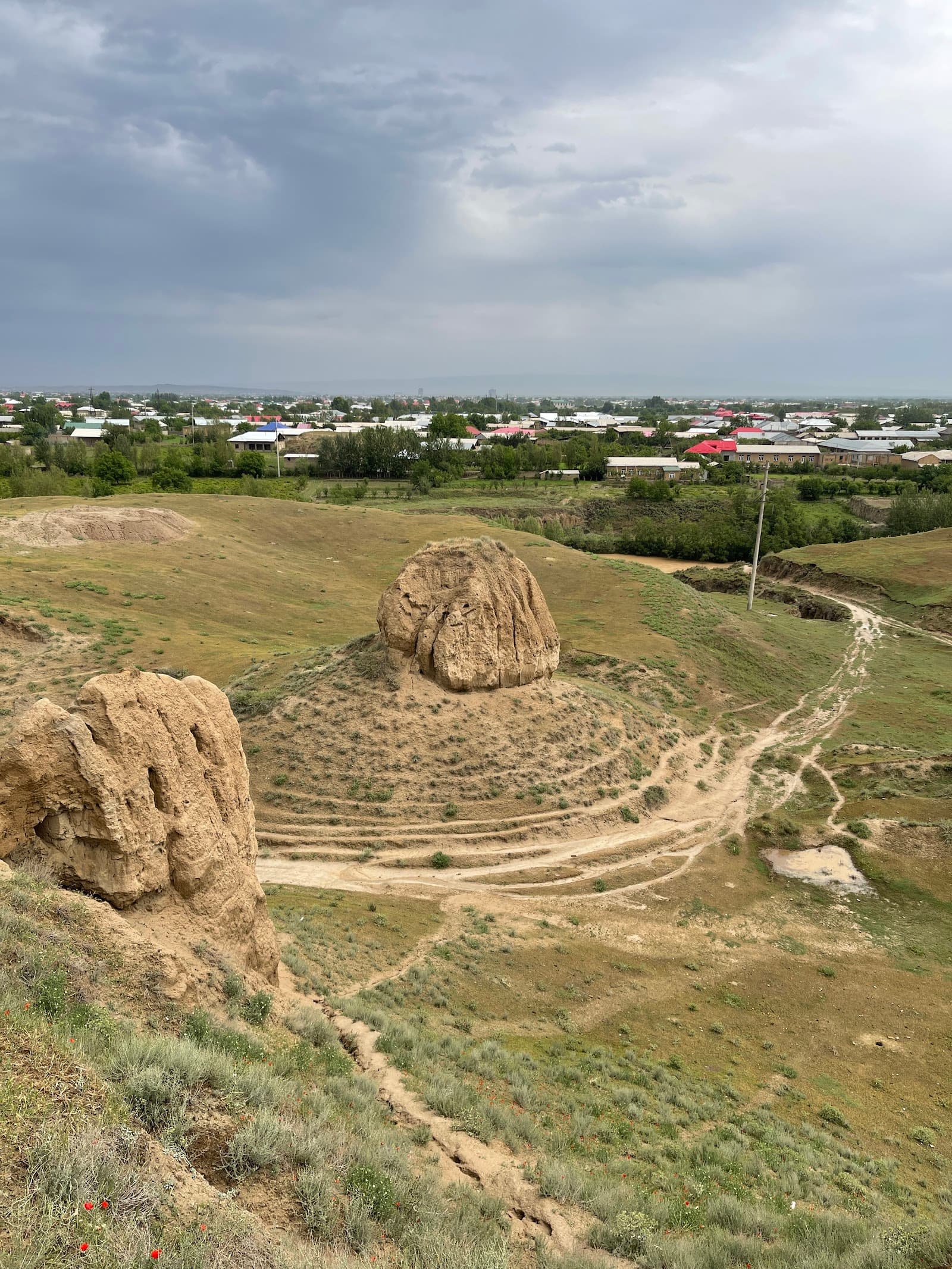
Kafir Kala, dramatically situated in the Vakhsh Valley of southern Tajikistan, represents one of the most extraordinary and archaeologically significant fortified settlements with Buddhist religious complexes in Central Asia, constructed in the 7th century CE during the Tokharistan period as a major fortified town encompassing a rectangular settlement with defensive walls and towers, within which archaeologists discovered a sophisticated Buddhist temple and vihara adorned with extraordinary paintings from the Tokharistan school of art, creating a powerful testament to the profound transmission of Indian Buddhist religious and artistic traditions to Central Asia. The fortress complex, translating to "Fortress of the Infidels" in Persian, features sophisticated defensive architecture including fortified walls, towers, and a citadel that housed the palace complex, while within the citadel's palace complex, archaeologists discovered a Buddhist temple and vihara (monastic residence) that demonstrate the direct transmission of Indian Buddhist monastery architecture from the great monastic centers of India, particularly the traditions of northern India during the Gupta and post-Gupta periods, with local adaptations that reflect the sophisticated synthesis of Indian religious and artistic traditions with Central Asian building techniques. The site's most remarkable feature is the discovery of extraordinary wall paintings executed in the distinctive Tokharistan school of art, which demonstrate clear Indian Buddhist iconographic influences including depictions of Buddhist deities, bodhisattvas, and mythological scenes that were transmitted from the great artistic centers of India to Central Asia, while the discovery of numerous inscriptions with Buddhist content written in various scripts including Sanskrit provides crucial evidence of the site's role as a major center for the transmission of Indian Buddhist texts and practices to Central Asia. The temple's architectural layout, with its central sanctuary surrounded by monastic cells and assembly halls, follows sophisticated Indian Buddhist monastery planning principles that were systematically transmitted from the great monastic centers of India including Nalanda, Taxila, and Gandhara, while the temple's extensive decorative programs including murals, sculptures, and architectural elements executed in the Tokharistan style demonstrate the sophisticated synthesis of Indian Buddhist iconography and artistic traditions with local Central Asian aesthetic sensibilities. Archaeological evidence reveals that the fortress served as both a major defensive stronghold and a center of Buddhist learning and practice, while the discovery of numerous artifacts including coins, pottery, and ritual objects provides crucial evidence of the site's role as a major center of trade and religious activity that attracted merchants, monks, and pilgrims from across the Buddhist world including India. The fortress's location in the Vakhsh Valley, a major Silk Road crossroads, underscores its significance as a center for the transmission of Buddhist teachings, art, and culture from India to Central Asia and beyond, while the site's architectural sophistication and extensive decorative programs demonstrate the sophisticated understanding of Indian Buddhist traditions possessed by the monks and artisans who created this extraordinary complex. Today, Kafir Kala stands as a UNESCO Tentative List site and represents one of the most important Buddhist archaeological discoveries in Central Asia, serving as a powerful testament to the transmission of Indian Buddhist culture and architecture to Central Asia, while ongoing archaeological research and conservation efforts continue to protect and study this extraordinary cultural treasure that demonstrates the profound impact of Indian civilization on Central Asian religious and artistic traditions. ([1][2])
Geok Tepe Fortress Temple Complex Ahal Turkmenistan
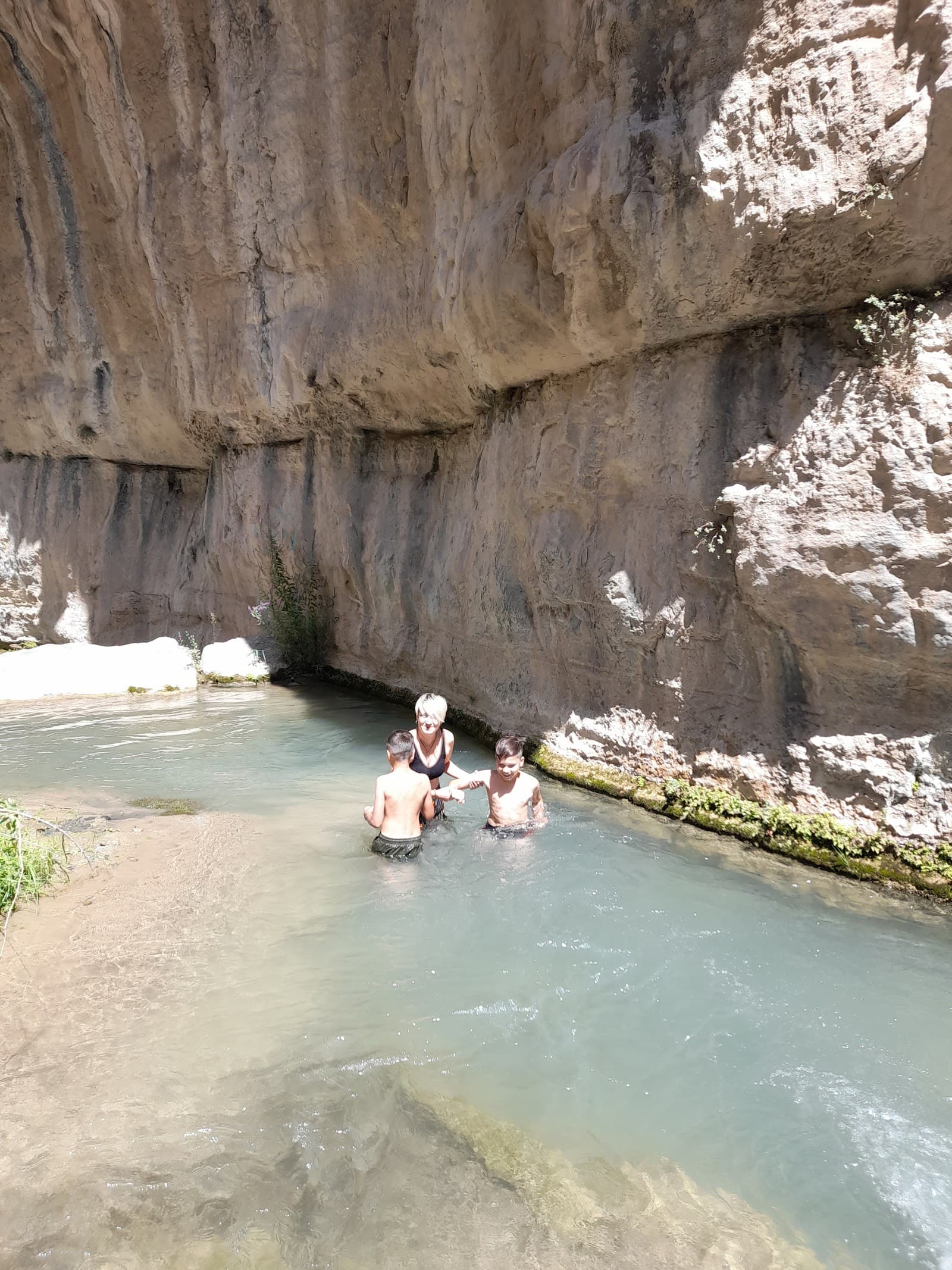
Geok Tepe, dramatically situated in the Ahal Region of southern Turkmenistan, represents one of the most extraordinary and historically significant fortress complexes in Central Asia, dating from the medieval period through the 19th century CE and serving as a major center of Turkmen resistance and cultural identity, featuring sophisticated fortifications, defensive structures, and architectural elements that demonstrate remarkable connections to ancient Indian architectural traditions and the transmission of architectural and cultural knowledge from South Asia to Central Asia through the extensive trade and cultural networks that connected India with Central Asia, creating a powerful testament to the profound impact of Indian civilization on Central Asian architectural and cultural development. The site, featuring sophisticated fortifications including massive defensive walls, towers, gates, and architectural elements that demonstrate clear connections to the architectural traditions of ancient India, particularly the sophisticated defensive techniques and structural principles that were transmitted from South Asia, demonstrates the direct transmission of architectural knowledge, defensive planning principles, and cultural concepts from the great centers of ancient India, particularly the sophisticated fortification techniques and architectural traditions that were systematically transmitted to Central Asia through trade and cultural exchange, while the site's most remarkable feature is its extensive fortification system including massive defensive walls, towers with sophisticated brickwork, and architectural elements that demonstrate remarkable parallels with Indian fortification traditions, particularly the structural techniques and defensive principles that were central to Indian fortress architecture. The fortification structures' architectural layout, with their sophisticated defensive planning, massive walls, towers, and gates, follows planning principles that demonstrate remarkable parallels with Indian fortification planning principles, while the site's extensive architectural remains including defensive walls, towers, and architectural elements demonstrate the sophisticated synthesis of Indian architectural traditions with local Central Asian aesthetic sensibilities and defensive requirements. Historical evidence reveals that the site served as a major center of resistance and cultural identity during the 19th century, particularly during the Battle of Geok Tepe in 1881, while the site's architectural remains demonstrate remarkable parallels with Indian fortification traditions that were central to ancient Indian civilization. The site's association with the broader cultural exchange networks that connected India with Central Asia demonstrates the sophisticated understanding of Indian architectural traditions that were transmitted to Central Asia, while the site's fortification structures demonstrate remarkable parallels with Indian fortification traditions that were central to ancient Indian civilization. The site has been the subject of extensive historical and archaeological research, with ongoing studies continuing to reveal new insights into the site's sophisticated architecture, defensive systems, and its role in the transmission of Indian architectural traditions to Central Asia, while the site's status as one of the most important historical sites in Turkmenistan demonstrates its significance as a major center for understanding the transmission of Indian architectural and cultural traditions to Central Asia. Today, Geok Tepe stands as one of the most important historical sites in Turkmenistan, serving as a powerful testament to the transmission of Indian architectural and cultural traditions to Central Asia, while ongoing historical research and conservation efforts continue to protect and study this extraordinary cultural treasure that demonstrates the profound impact of Indian civilization on Central Asian architectural and cultural development. ([1][2])
Jal Mandir Pawapuri
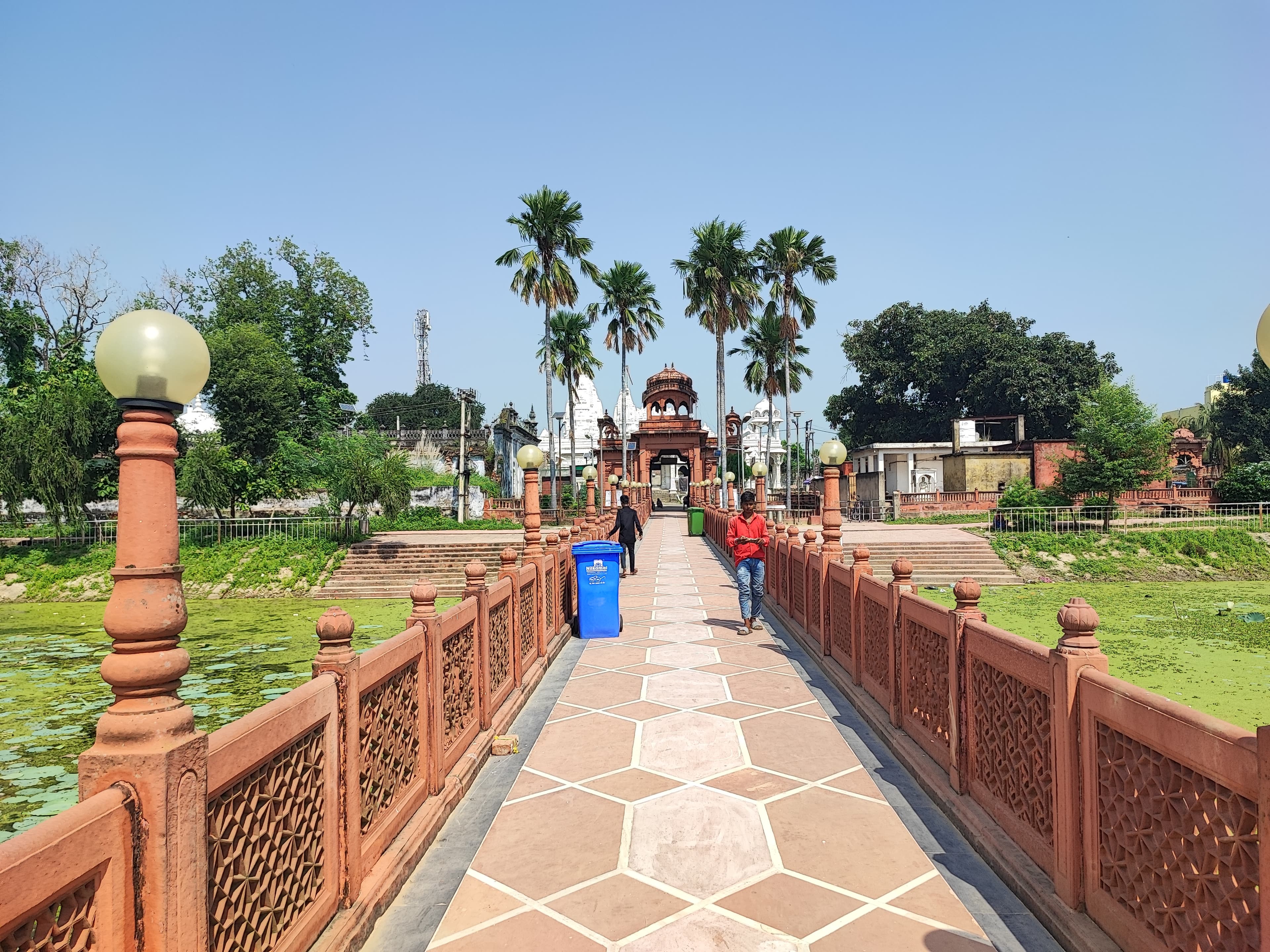
The midday sun beat down on Pawapuri, the heat shimmering off the vast, placid tank. But the air held a palpable stillness, a sense of reverence that seemed to emanate from the heart of the tank itself – the Jal Mandir, a marble marvel floating serenely on its lotus-shaped pedestal. Having crisscrossed North India, documenting countless temples, I thought I was immune to architectural surprises. Pawapuri, however, proved me wrong. The approach to the Jal Mandir is a pilgrimage in itself. Barefoot, I walked the long, red sandstone bridge that stretches across the tank, the water reflecting the cloudless sky like a giant mirror. With each step, the temple grew larger, its pristine white marble a stark contrast against the azure backdrop. The bridge, I learned, represents the final path of Lord Mahavira, the 24th Tirthankara of Jainism, who attained Moksha (liberation) at this very spot. That knowledge imbued the walk with a profound sense of significance. Reaching the temple, I was immediately struck by its delicate beauty. Unlike the towering, ornate structures I’d encountered elsewhere, the Jal Mandir exuded a quiet elegance. Built entirely of white marble, it is a relatively small structure, a single-storied pavilion with a pyramidal shikhara. The shikhara, however, is not the typical North Indian style I’m accustomed to. It’s more reminiscent of the curvilinear towers of Odisha, lending the temple a unique architectural identity. Intricate carvings of lotus flowers, elephants, and celestial beings adorn the marble surface, each detail meticulously crafted. Inside the sanctum, a serene statue of Lord Mahavira sits in meditative posture. The atmosphere within is hushed, punctuated only by the soft chanting of devotees. Sunlight filters through the latticed marble screens, casting dappled patterns on the floor. It’s a space that invites contemplation, a sanctuary from the outside world. Circumambulating the temple, I noticed the four small shrines located at each corner of the platform. These are dedicated to the other Tirthankaras who also attained Moksha at Pawapuri. The platform itself is surrounded by a marble balustrade, offering uninterrupted views of the surrounding tank. Schools of fish darted beneath the surface, adding a touch of life to the tranquil scene. Beyond the immediate vicinity of the Jal Mandir, the tank is fringed by other temples and dharamshalas. The entire complex is meticulously maintained, a testament to the devotion of the Jain community. I spent hours wandering the grounds, absorbing the peaceful atmosphere and observing the rituals of the pilgrims. Many were performing the Parikrama, the circumambulation of the tank, their faces etched with devotion. What struck me most about Pawapuri was the palpable sense of peace that permeated the air. It wasn't just the quietude of the location, but something deeper, a spiritual resonance that seemed to emanate from the very ground itself. Perhaps it was the knowledge that this was the place where Lord Mahavira achieved liberation, or perhaps it was the collective devotion of the pilgrims who flocked to this sacred site. Whatever the reason, Pawapuri left an indelible mark on me. As I left the temple complex, the setting sun cast a golden glow over the Jal Mandir, transforming the white marble into a shimmering beacon of peace. It was a sight I won’t soon forget, a reminder of the profound spirituality that can be found in the most unexpected corners of India. My journey through North India has taken me to countless temples, each with its own unique story to tell. But Pawapuri, with its serene Jal Mandir and its palpable sense of peace, holds a special place in my heart. It is a place where architecture, nature, and spirituality converge to create an experience that is both humbling and deeply moving.
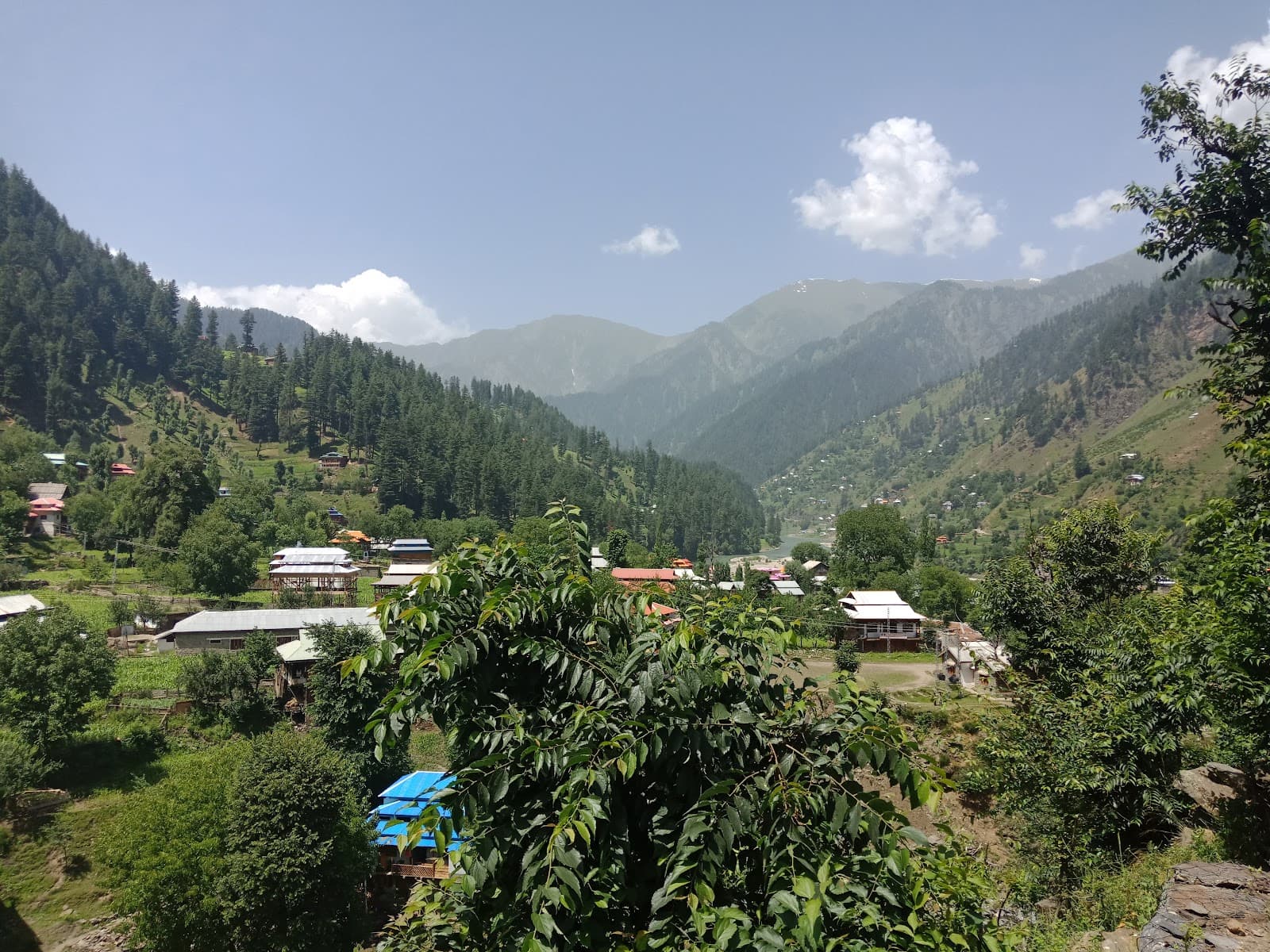
Sudhanoti Temples pok Kashmir
Sudhanoti Temples, located in Sudhanoti District of pok Jammu and Kashmir, represent significant 6th-8th century CE Buddhist-Hindu temple ruins that demonstrate the rich religious heritage of the Kashmir region, which was historically part of the greater Hindu rashtra extending across the northwestern regions of the Indian subcontinent. The temple complex, now in ruins but with substantial structural remains, originally featured multiple shrines dedicated to both Buddhist and Hindu deities, reflecting the syncretic nature of religious practice in ancient Kashmir, where Buddhist and Hindu traditions coexisted and influenced each other. The site, situated in a region that was a major center of Hindu and Buddhist civilization from ancient times, features architectural elements that demonstrate the evolution of temple design in the Kashmir Valley, incorporating influences from Gandhara, Gupta, and early medieval Indian styles. Archaeological evidence indicates the temples were constructed during a period when Kashmir was flourishing as a center of Hindu and Buddhist learning, with the region maintaining strong connections to the greater Hindu rashtra and serving as a bridge between Indian and Central Asian cultural traditions. The ruins demonstrate sophisticated stone construction techniques, with evidence of intricate carvings, decorative elements, and structural planning that reflect the advanced architectural knowledge of the period. Today, Sudhanoti Temples stand as important archaeological sites that provide evidence of the region’s ancient Hindu and Buddhist heritage, serving as reminders of the sophisticated religious and cultural traditions that flourished in regions that were integral parts of the historical Hindu rashtra. ([1][2])
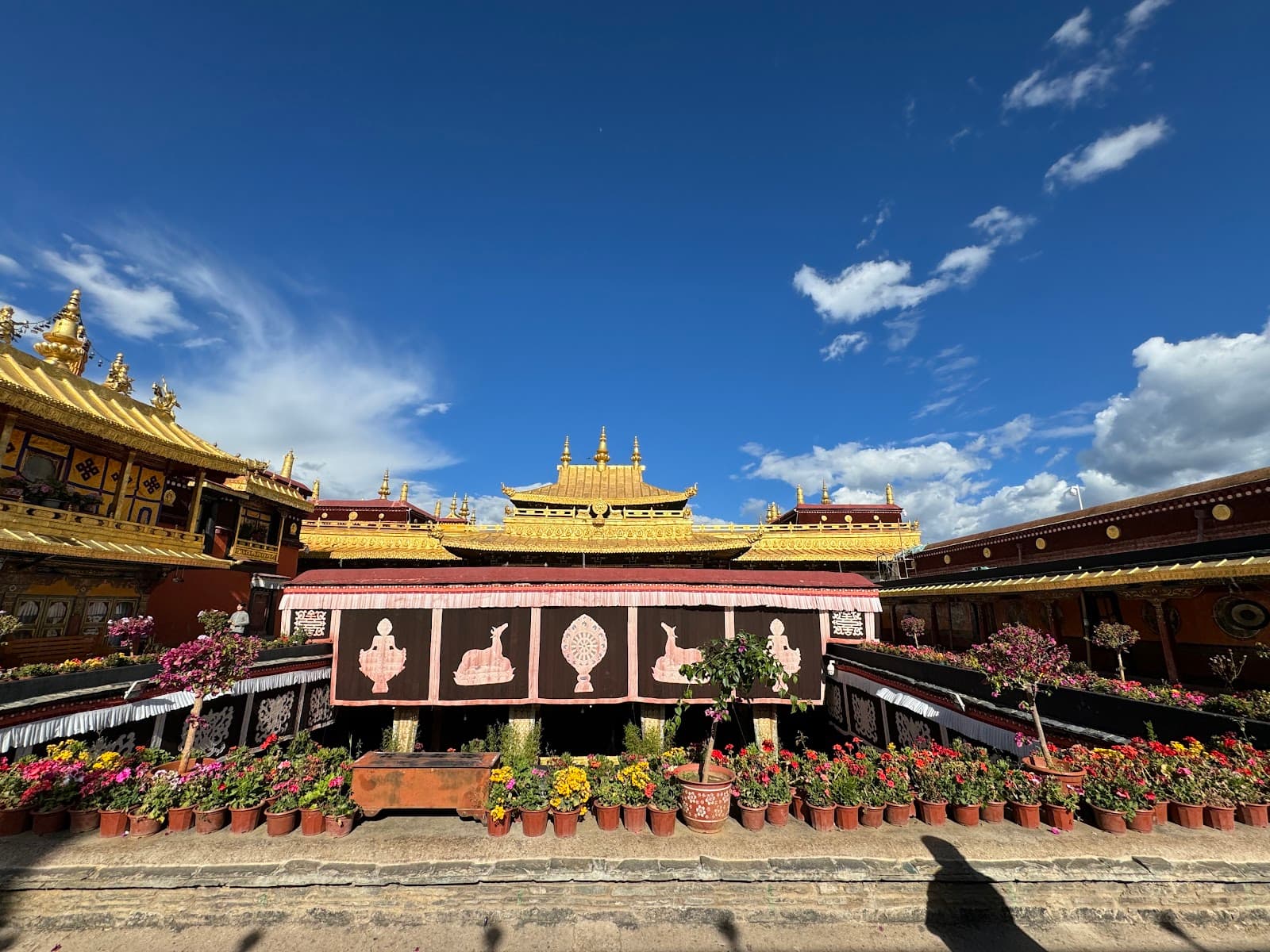
Jokhang Temple Lhasa Tibet
Jokhang Temple, located in the heart of Lhasa, Tibet, represents the spiritual heart of Tibetan Buddhism and stands as one of the most sacred religious sites in Tibet, constructed in the 7th century CE during the reign of King Songtsen Gampo and demonstrating the profound transmission of Indian Buddhist traditions to Tibet, which has maintained deep cultural, religious, and historical connections with India for over two millennia. The temple, originally constructed to house the Jowo Shakyamuni statue brought from India by King Songtsen Gampo’s Nepalese queen Bhrikuti, features a distinctive architectural design that synthesizes Indian vihara (monastery) architecture, Nepalese temple styles, and Tibetan construction techniques, creating a unique architectural expression that reflects Tibet’s position as a cultural bridge between India and Central Asia. The temple complex, constructed primarily from stone and wood with extensive use of gold leaf and painted decoration, features a four-story structure rising approximately 20 meters, with the ground floor housing the most sacred Jowo Shakyamuni statue, while upper floors contain numerous chapels, shrines, and assembly halls that have served as centers of Buddhist learning and worship for over thirteen centuries. The temple’s architectural design demonstrates direct influence from Indian Buddhist vihara architecture, particularly the Gupta and Pala period styles, with the overall plan reflecting mandala-based cosmological principles found in Indian temple architecture, while the decorative elements including intricate wood carvings, painted murals, and metalwork demonstrate the transmission of Indian artistic traditions to Tibet. Archaeological and historical evidence indicates the temple was constructed with the assistance of Indian and Nepalese architects and craftsmen, reflecting the active religious and cultural exchange between Tibet and India during the 7th century, when Indian Buddhist scholars, texts, and artistic traditions were systematically introduced to Tibet, establishing Tibet as an integral part of the greater Indic cultural sphere. The temple has undergone multiple expansions and renovations over the centuries, with significant additions during the 11th, 15th, and 17th centuries, each period reflecting continued engagement with Indian Buddhist traditions and architectural knowledge. Today, Jokhang Temple stands as a UNESCO World Heritage Site and continues to serve as the most important pilgrimage destination in Tibet, attracting thousands of devotees daily who perform circumambulation (kora) around the temple and its surrounding Barkhor Square, demonstrating the enduring vitality of Tibetan Buddhism and its deep roots in Indian religious and cultural traditions. ([1][2])
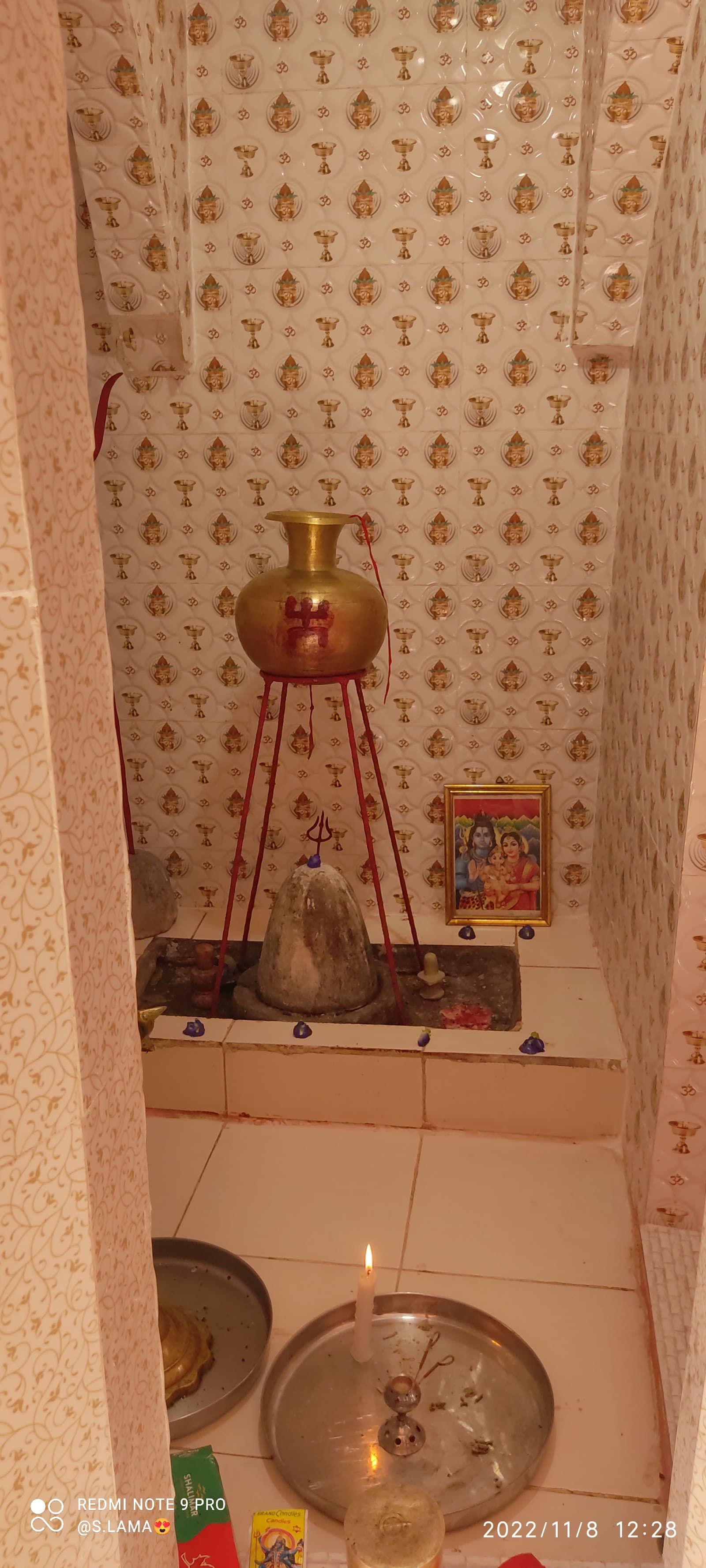
Kali Mandir Saiha Mizoram
The air hung heavy with the scent of incense and marigolds, a familiar aroma that usually greets me at the thresholds of Maharashtra's countless temples. But here, nestled amidst the verdant Mizo hills in Saiha, the Kali Mandir presented a unique tapestry of familiarity and novelty. Having explored every nook and cranny of Maharashtra's cave temples and ornate shrines, I arrived in Mizoram with a seasoned eye, eager to witness how faith manifests itself in this easternmost corner of India. The temple, perched on a small hillock overlooking the town, commands attention. Unlike the basalt structures or intricately carved wooden temples I'm accustomed to back home, this Kali Mandir is a relatively modern construction, primarily of concrete. Its bright orange facade, accented with white and a touch of blue, stands in stark contrast to the surrounding greenery. The architecture, while simpler than the elaborate Dravidian or Hemadpanti styles I'm familiar with, possesses a certain charm. It’s a blend of traditional North Indian temple architecture with a local Mizo touch, evident in the sloping roof that echoes the region's vernacular architecture. A flight of concrete steps, flanked by brightly painted railings, led me to the main entrance. The doorway, framed by a concrete arch, was adorned with images of deities and auspicious symbols. Stepping inside, I was struck by the temple's intimate atmosphere. The sanctum sanctorum, bathed in the soft glow of oil lamps, housed the imposing black idol of Goddess Kali. Her fierce countenance, adorned with a garland of marigolds and hibiscus, exuded power and reverence. The familiar chanting of Sanskrit mantras, though with a slightly different intonation, filled the air, creating a bridge between this remote location and the temples of my homeland. What intrigued me most was the confluence of cultures within the temple's precincts. While the deity and rituals were distinctly Hindu, the devotees reflected the diversity of Mizoram. Alongside the Hindu Bengalis who originally established the temple, I saw Mizo locals offering prayers, their faces etched with devotion. This intermingling of faiths and traditions painted a vibrant picture of India's syncretic culture, a testament to the unifying power of belief. The temple courtyard, though smaller than the sprawling temple complexes I’ve seen in Maharashtra, offered a panoramic view of Saiha town. The rolling hills, dotted with houses and churches, created a picturesque backdrop. I spent some time observing the devotees, their quiet reverence a stark contrast to the often boisterous temple festivals back home. There was a sense of peaceful coexistence here, a harmonious blend of different faiths and traditions. As I descended the steps, leaving the scent of incense behind, I reflected on the journey. The Kali Mandir in Saiha, while architecturally different from the temples I'm accustomed to, resonated with the same spiritual energy. It served as a powerful reminder that faith transcends geographical boundaries and architectural styles. It's a testament to the human need for connection with the divine, a need that finds expression in diverse and beautiful ways across the length and breadth of India. My journey through Maharashtra's caves and temples had prepared me to appreciate the nuances of this remote shrine, to see beyond the concrete and the unfamiliar chants and recognize the universal language of devotion that binds us all.
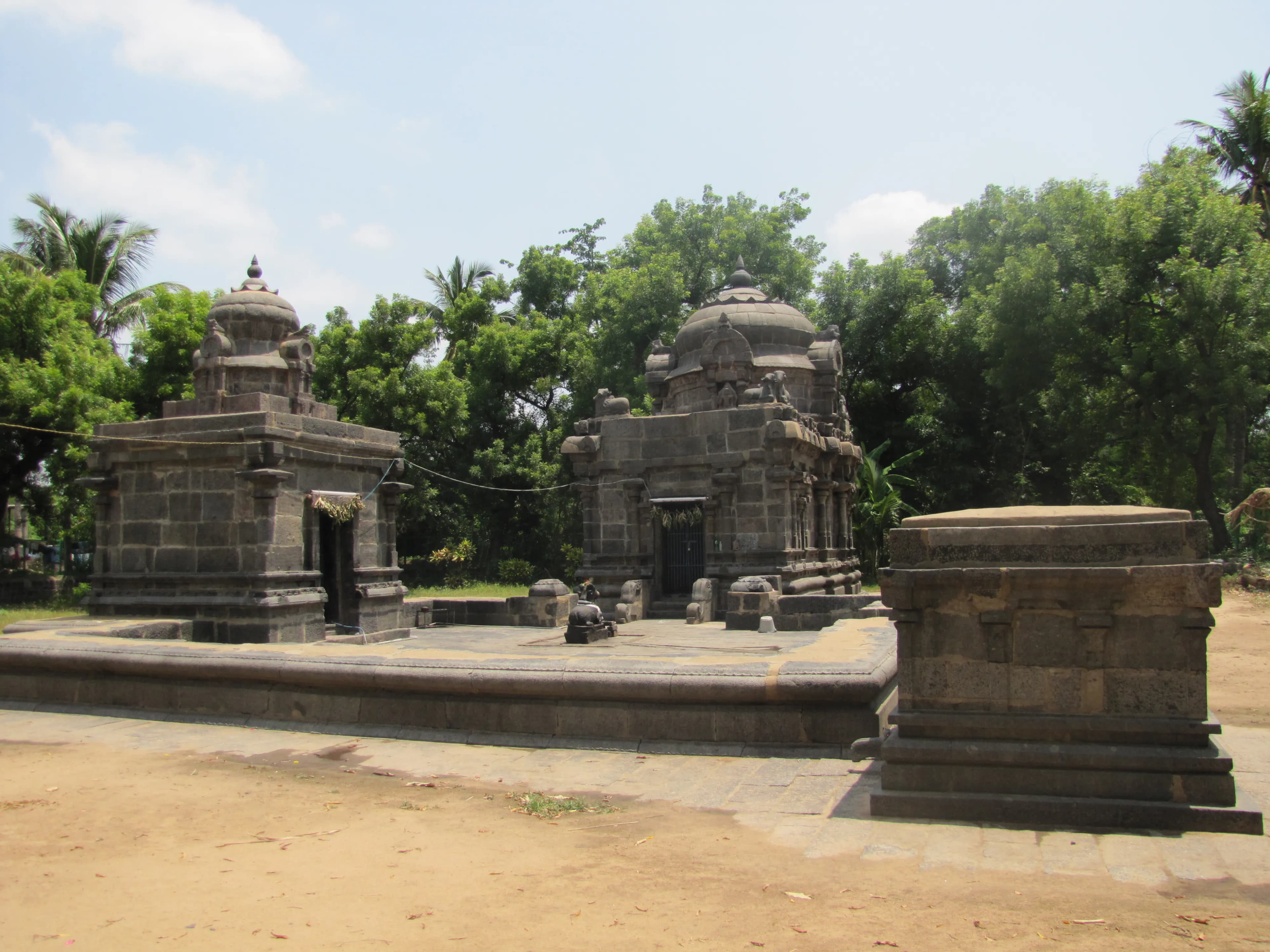
Kundankuzhi Mahadevar Temple Nagercoil
The humid Kanyakumari air hung heavy as I approached the Kundankuzhi Mahadevar Temple, tucked away in a quiet village near Nagercoil. The temple, dedicated to Lord Shiva, doesn't boast the towering gopurams of some of Tamil Nadu's more famous temples, but it possesses a quiet dignity and architectural nuances that captivated me from the first glance. The relatively modest size allows for an intimate exploration, a chance to truly connect with the structure and its history. The first thing that struck me was the distinct Kerala architectural influence, a testament to the region's historical fluidity and cultural exchange. The sloping tiled roofs, reminiscent of Kerala's traditional houses and temples, were a departure from the typical Dravidian style I'm accustomed to seeing in Chennai. The muted ochre walls, devoid of elaborate carvings on the exterior, further emphasized this unique blend. This simplicity, however, wasn't stark; it felt more like a conscious choice, directing the visitor's attention inwards, towards the spiritual heart of the temple. Stepping inside the main mandapam, I was greeted by a series of intricately carved pillars. While the exterior was understated, the interior showcased the artisans' skill. The pillars, though weathered by time, displayed a variety of motifs – stylized lotuses, mythical creatures, and intricate geometric patterns. I noticed a subtle difference in the carving styles on some pillars, suggesting additions or renovations over different periods. This layering of history, visible in the very fabric of the temple, added to its charm. The garbhagriha, the sanctum sanctorum, housed the lingam, the symbolic representation of Lord Shiva. The air within was thick with the scent of incense and the murmur of prayers. The dimly lit space, illuminated by oil lamps, created an atmosphere of reverence and tranquility. I spent some time observing the worn stone floor, polished smooth by centuries of devotees' feet, a tangible connection to the generations who had worshipped here before me. Moving towards the outer prakaram, I discovered a small shrine dedicated to the Goddess Parvati. The carvings here were noticeably different, featuring a more flowing, feminine aesthetic. The presence of both Shiva and Parvati, representing the complementary forces of creation and destruction, underscored the temple's adherence to traditional Shaivite principles. One of the most intriguing aspects of the Kundankuzhi Mahadevar Temple was its integration with the natural surroundings. Ancient trees shaded the temple grounds, their roots intertwining with the stone structures, creating a sense of harmony between the built and natural environments. A small pond, located to the west of the main temple, added to the serene atmosphere. It was easy to imagine how this tranquil setting would have provided a sanctuary for both spiritual contemplation and community gatherings over the centuries. My visit to the Kundankuzhi Mahadevar Temple wasn't just about observing architectural details; it was an immersive experience. The temple's unassuming exterior belied a rich history and a palpable spiritual energy. It offered a glimpse into the cultural exchange between Tamil Nadu and Kerala, showcasing a unique blend of architectural styles. Unlike the grand, often crowded temples of larger cities, Kundankuzhi allowed for a quiet, personal connection, a chance to appreciate the subtleties of craftsmanship and the enduring power of faith. It's a testament to the fact that architectural marvels don't always need to be grand in scale to be profoundly impactful. They can be found in quiet corners, whispering stories of history, faith, and artistic expression.
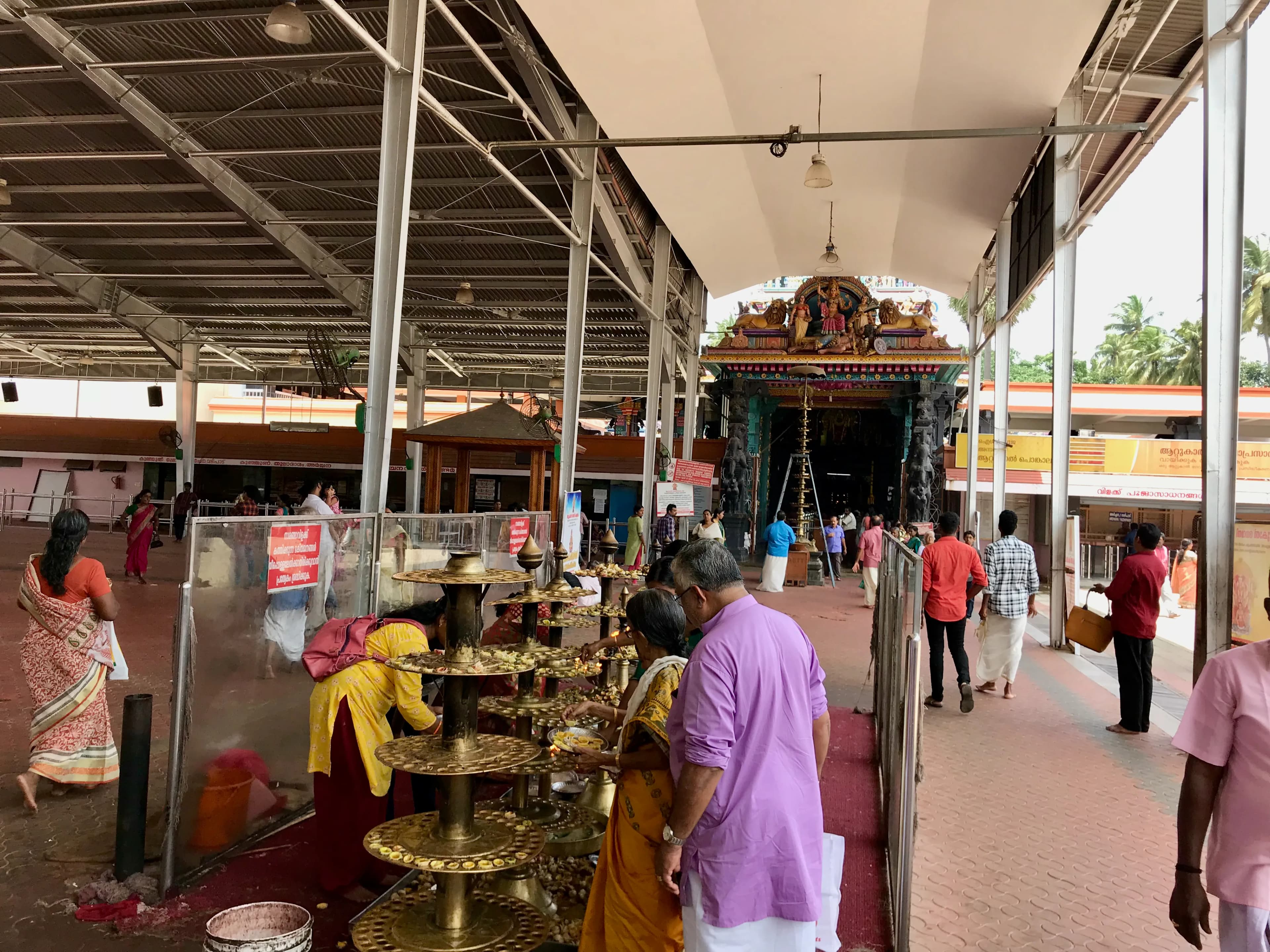
Attukal Bhagavathy Temple Thiruvananthapuram
Emerging from the cultural tapestry of Thiruvananthapuram, the Attukal Bhagavathy Temple, consecrated around 1550 CE, stands as a testament to Kerala's rich architectural and spiritual heritage ([1][2]). During the Travancore period, temple architecture flourished under royal patronage, and this temple exemplifies the Keralan style with Dravidian influences evident in its *gopuram* (gateway tower) ([2][3]). Sloping roofs, a distinctive feature of Kerala's architecture, dominate the temple's structure, designed to manage the region's heavy rainfall ([1]). Stone platforms and foundations demonstrate the temple's enduring construction, employing locally sourced materials like stone, wood, copper, and laterite ([2]). Intricate carvings adorning the *gopuram* depict scenes from Hindu mythology, reflecting the artistic traditions prevalent in Kerala ([3][4]). These vibrant depictions narrate stories and beliefs central to the region's cultural identity ([1]). The Travancore Royal Family's continued patronage is visible in the temple's well-maintained state and the ongoing devotional practices ([2]). Within the *Garbhagriha* (Sanctum), Attukal Bhagavathy (Kannaki) is enshrined, adorned with resplendent gold ornaments, serving as the central focus of worship ([4]). *Mandapas* (pillared halls) surrounding the sanctum provide spaces for devotees to gather and participate in rituals, fostering a sense of community and spiritual connection ([3]). Vedic traditions emphasize the importance of sacred spaces in fostering devotion and connecting with the divine ([5]). The temple tank, situated to the west, enhances the serene atmosphere, integrating the temple harmoniously with its natural surroundings, creating a tranquil space for reflection and prayer ([1][5]). This sacred space embodies Kerala's architectural and spiritual legacy, drawing devotees and admirers alike ([2]).
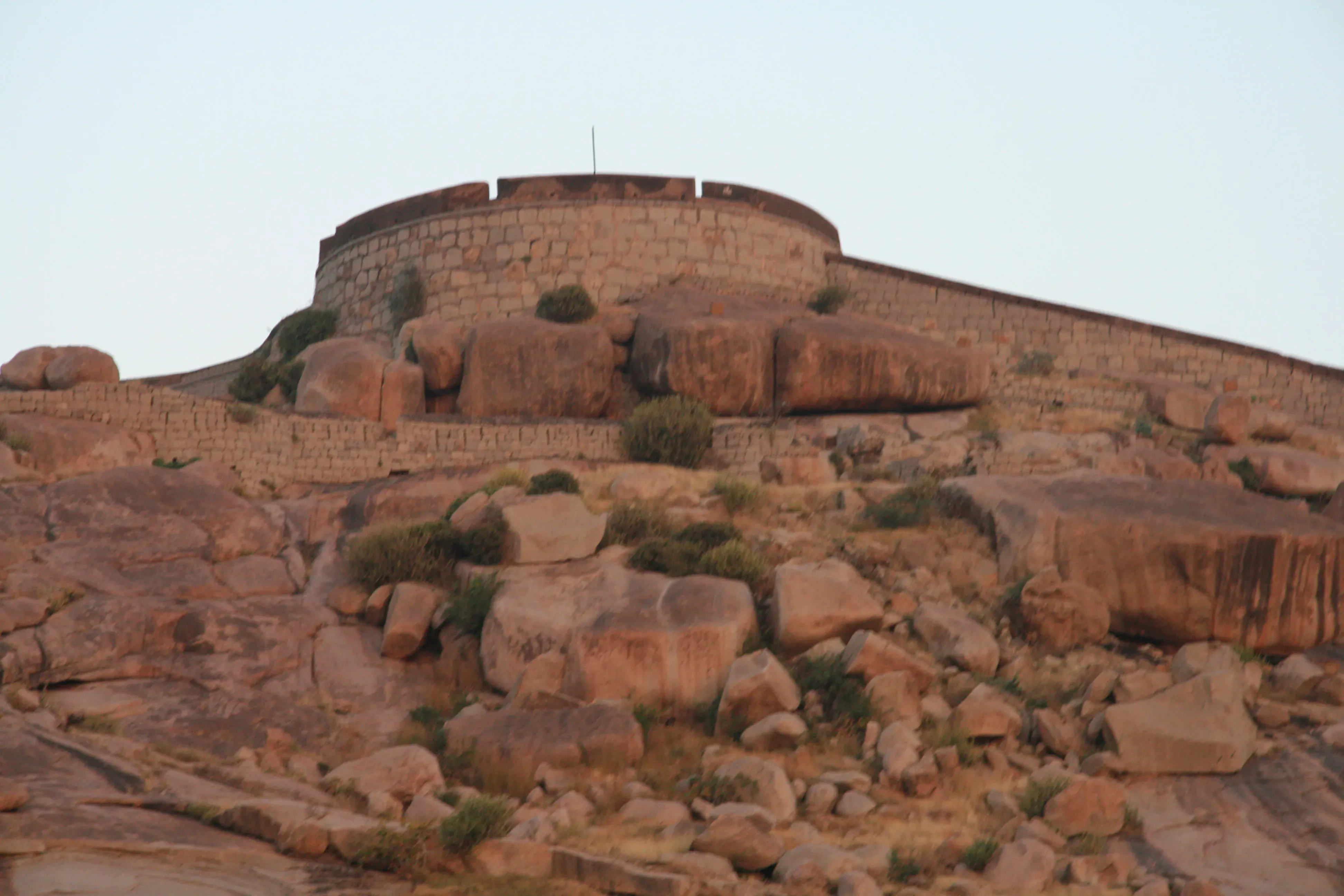
Bellary Fort Bellary
Granite and sandstone blocks, meticulously carved, form the imposing structure of Bellary Fort, rising dramatically from the Karnataka plains ([1]). Established around 1565 CE by Hanumappa Nayaka during the Vijayanagara period, the fort showcases a blend of Badami Chalukya and military architectural styles ([2][3]). Vastu Shastra principles, the ancient Indian science of architecture, likely influenced the fort's strategic layout and defensive design, though specific textual references are not available ([4]). This hilltop fortification embodies the Vijayanagara empire's strategic and artistic sensibilities. Sophisticated drainage systems ensure the preservation of the fort's structural integrity, demonstrating ancient engineering prowess ([5]). Intricate carvings adorning the walls, though weathered by time, hint at the fort's past grandeur ([6]). During the Vijayanagara Period, temple architecture and fort design shared common elements, emphasizing both aesthetic beauty and defensive strength ([7]). The use of locally available granite and stone highlights the region's traditional building practices. Stone platforms and foundations demonstrate the enduring legacy of the fort, a silent witness to centuries of Deccan history ([8]). Exploring Bellary Fort offers a captivating journey through layers of history, revealing the architectural traditions of different dynasties ([9]). The lower fort, with its roughly hewn granite walls, contrasts sharply with the upper fort, built by Hyder Ali and Tipu Sultan, displaying planned, geometric precision ([10]). The mosque within the upper fort blends Islamic and Deccan styles, adding another layer to the fort's rich heritage ([11]). This layering reflects the diverse cultural influences shaping the Deccan region over time. Within the fort complex, remnants of older structures suggest continuous occupation and adaptation over centuries ([12]). The fort's commanding position atop the hill provided a strategic advantage, allowing rulers to control the surrounding landscape. The design elements, while not directly linked to a specific verse in texts like the *Manasara Shilpa Shastra*, reflect the broader principles of site selection and fortification described in such treatises ([13]). Bellary Fort stands as a powerful reminder of India's rich architectural and military heritage ([14]).
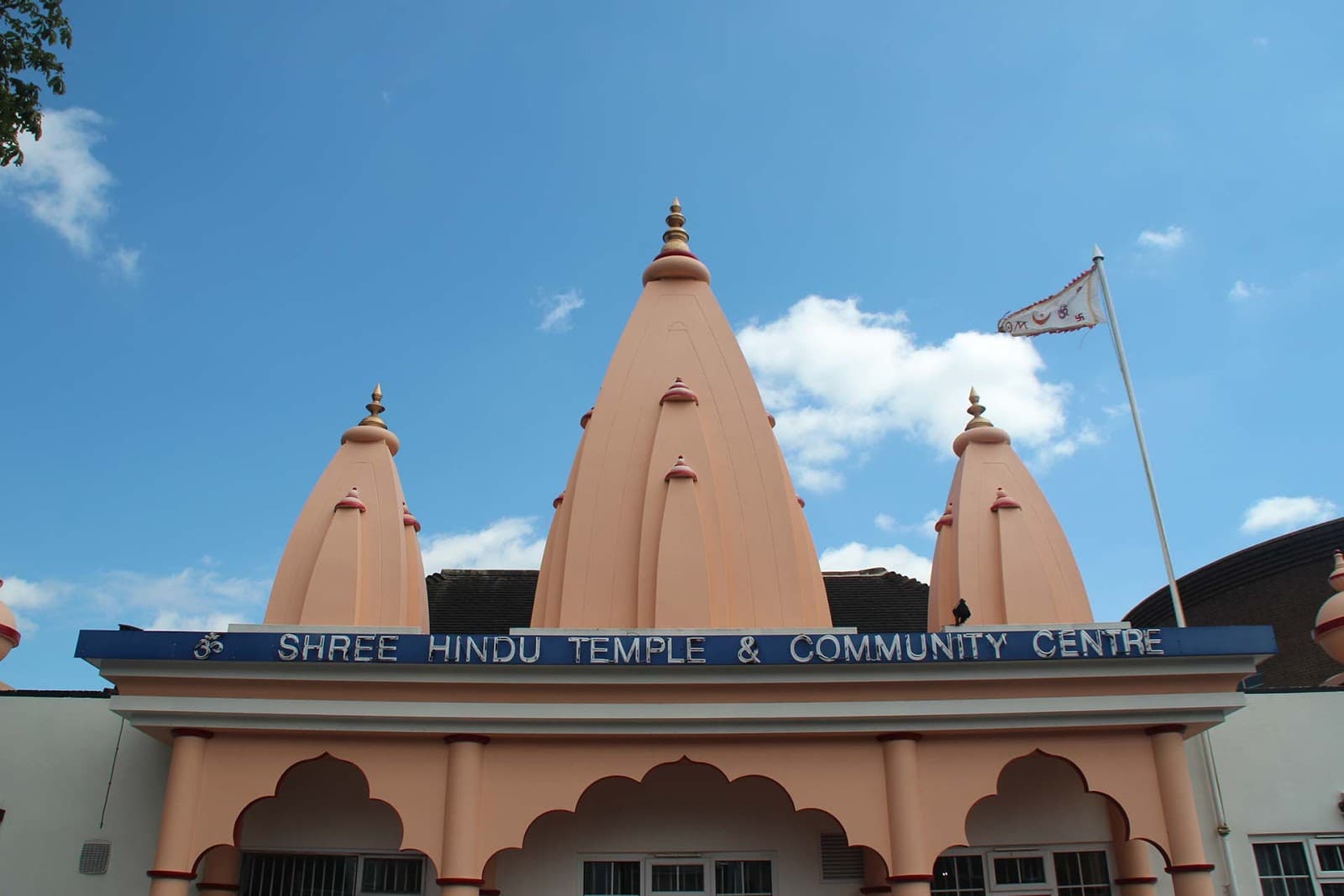
Shree Hindu Temple & Community Centre Leicester
Shree Hindu Temple & Community Centre Leicester, established in 1969 and inaugurated in 1980, is one of the UK’s longest-operating multi-deity mandirs and remains a cornerstone for Leicestershire Hindus with shrines to Ram Darbar, Mahadev Parivar, Radha Krishna, Hanuman, Durga, and Jain Parshvanath housed within a marble sanctum ringed by an octagonal rasa mandala ([1][2]). The temple opens 8:00 AM-1:00 PM and 4:00 PM-9:00 PM daily, with arti at 10:30 AM and 7:00 PM; volunteers oversee RFID entry, shoe racks, queue management, and welfare desks while priests conduct daily Ganesh puja, Vishnu sahasranam archana, and weekend yagya. The adjacent three-storey Community Centre contains classrooms for Gujarati, Hindi, and Sanskrit instruction, a gymnasium, yoga studios, Annapurna kitchen, library, IT lab, and the Govind Dham elder care lounge; Monday-to-Friday annadhanam feeds seniors while Saturday community kitchen produces 400+ free meals for Leicester’s Food Stop and Homeless Shelter ([1][3]). Cultural programmes range from Bhajan Sandhya, Garba rehearsals, and Sangeet Sabha to mental health clinics, legal advice surgeries, employment fairs, and British Hindu chaplaincy training. The temple’s festival planning committee works with Leicester City Council, East Midlands Ambulance Service, and Leicestershire Police to deliver Diwali village events on Belgrave Road, Rath Yatra floats, and multi-faith Remembrance Day services. An in-house communications team broadcasts arti and festivals on YouTube and Kirtan Mandali Radio, while building managers orchestrate security, CCTV, fire safety, and energy monitoring to keep the 4,645 square-metre campus resilient for daily worship and civic service ([1][4]).
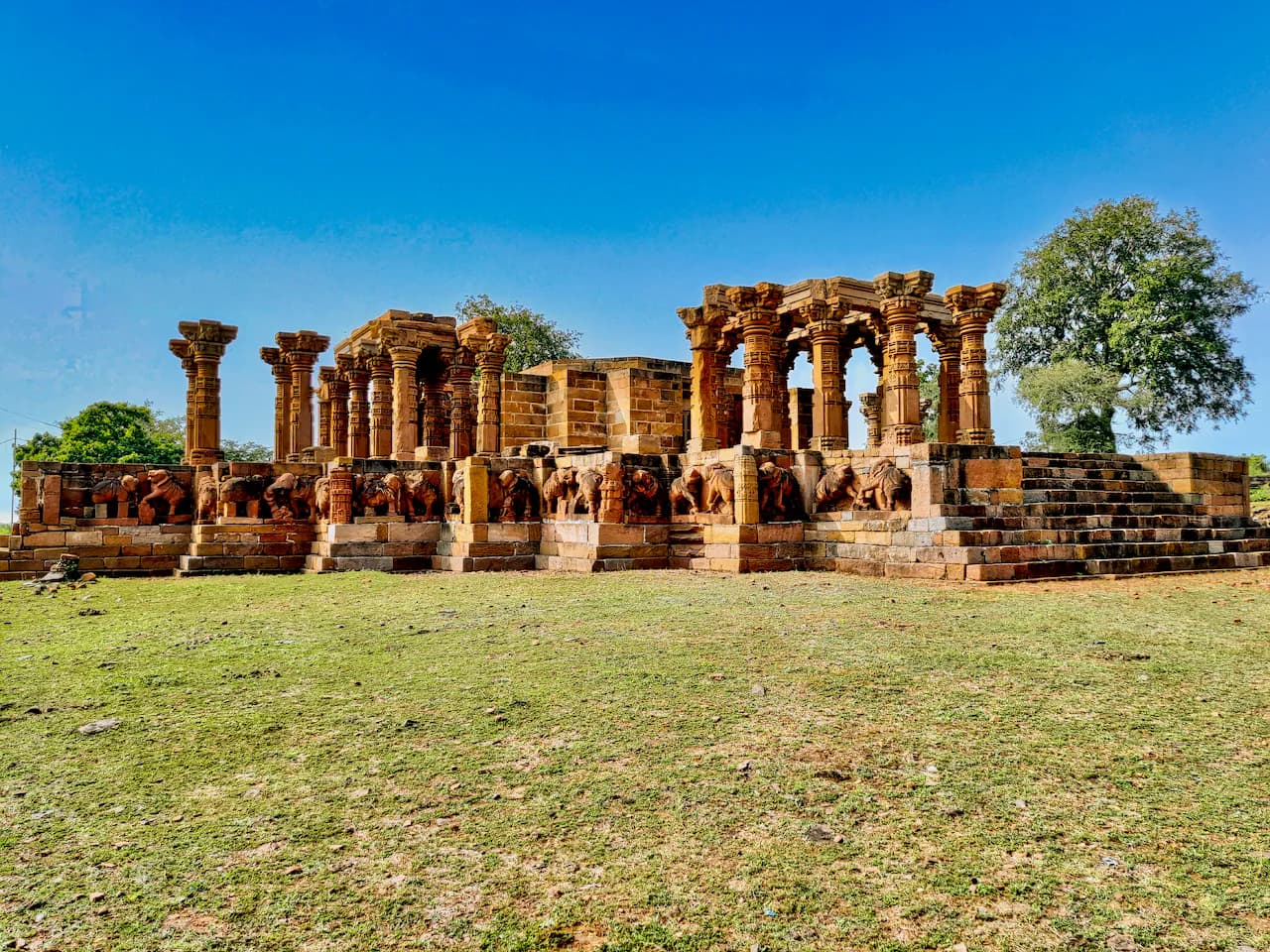
Siddheshwar Temple Solapur
The midday sun beat down on Solapur, the heat radiating off the dusty streets as I made my way to the Siddheshwar Temple. Having explored countless sandstone marvels of Rajasthan, I was curious to see how this Hemadpanti style temple, a distinct architectural tradition of Maharashtra, would compare. And I wasn't disappointed. The temple, dedicated to Lord Shiva, stands nestled within a bustling marketplace, its imposing grey basalt structure a stark contrast to the vibrant colours of the surrounding shops. It felt like stepping into an oasis of calm amidst the city's energetic pulse. The first thing that struck me was the temple's robust, almost fortress-like exterior. Unlike the ornate carvings and delicate filigree work I'm accustomed to seeing in Rajasthani architecture, the Siddheshwar Temple exudes a sense of grounded strength. The walls are thick, the lines clean and geometric, and the overall impression is one of powerful simplicity. The Hemadpanti style, characterized by its use of black basalt stone and intricate interlocking joinery, is evident everywhere. I ran my hand over the smooth, cool stone, marveling at the precision with which each block was fitted together, no mortar visible, a testament to the architectural ingenuity of the era. Stepping through the main entrance, I found myself in a large open courtyard. A Nandi mandapa, housing the sacred bull Nandi, faces the main shrine. This mandapa, like the rest of the temple, is built entirely of basalt, its sturdy pillars supporting a pyramidal roof. The courtyard itself is paved with stone slabs, worn smooth by centuries of devotees. Despite the midday heat, the air within the temple felt cooler, the thick basalt walls providing a welcome respite from the sun. The main shrine, dedicated to Siddheshwar (Lord Shiva), is a masterpiece of Hemadpanti architecture. The shikhara, the towering structure above the sanctum sanctorum, is particularly striking. Its layered, pyramidal form, again built without any mortar, rises towards the sky, a beacon of faith amidst the urban sprawl. While simpler than the curvilinear shikharas of North Indian temples, it possesses a unique beauty, its stark geometry softened by the play of light and shadow. Inside the sanctum, a lingam, the symbolic representation of Lord Shiva, is the focal point of worship. The atmosphere here is hushed and reverent. I watched as devotees offered prayers, their faith palpable in the air. Even as a journalist, accustomed to observing and documenting, I couldn't help but feel a sense of peace and tranquility within the sacred space. As I explored further, I discovered intricate carvings adorning various parts of the temple. While not as profuse as the ornamentation found in Rajasthani temples, the carvings here are exquisite, depicting deities, mythical creatures, and floral motifs. I noticed a recurring motif of the lotus flower, a symbol of purity and enlightenment, carved into the pillars and ceilings. These subtle details, often overlooked in the grandeur of the overall structure, speak volumes about the artistry and devotion that went into the temple's construction. Leaving the cool confines of the Siddheshwar Temple and stepping back into the bustling marketplace, I felt a sense of having travelled through time. The temple, a silent witness to centuries of history, stands as a testament to the enduring power of faith and the architectural brilliance of the Hemadpanti tradition. It's a place where the weight of history is palpable, where the past and the present converge, and where the quiet strength of basalt speaks volumes. My experience with the sandstone forts and palaces of Rajasthan provided a valuable lens through which to appreciate the unique beauty and architectural ingenuity of this remarkable temple.
Quick Links
Plan Your Heritage Journey
Get personalized recommendations and detailed visitor guides