Has Inheritage Foundation supported you today?
Your contribution helps preserve India's ancient temples, languages, and cultural heritage. Every rupee makes a difference.
Secure payment • Instant 80G certificate
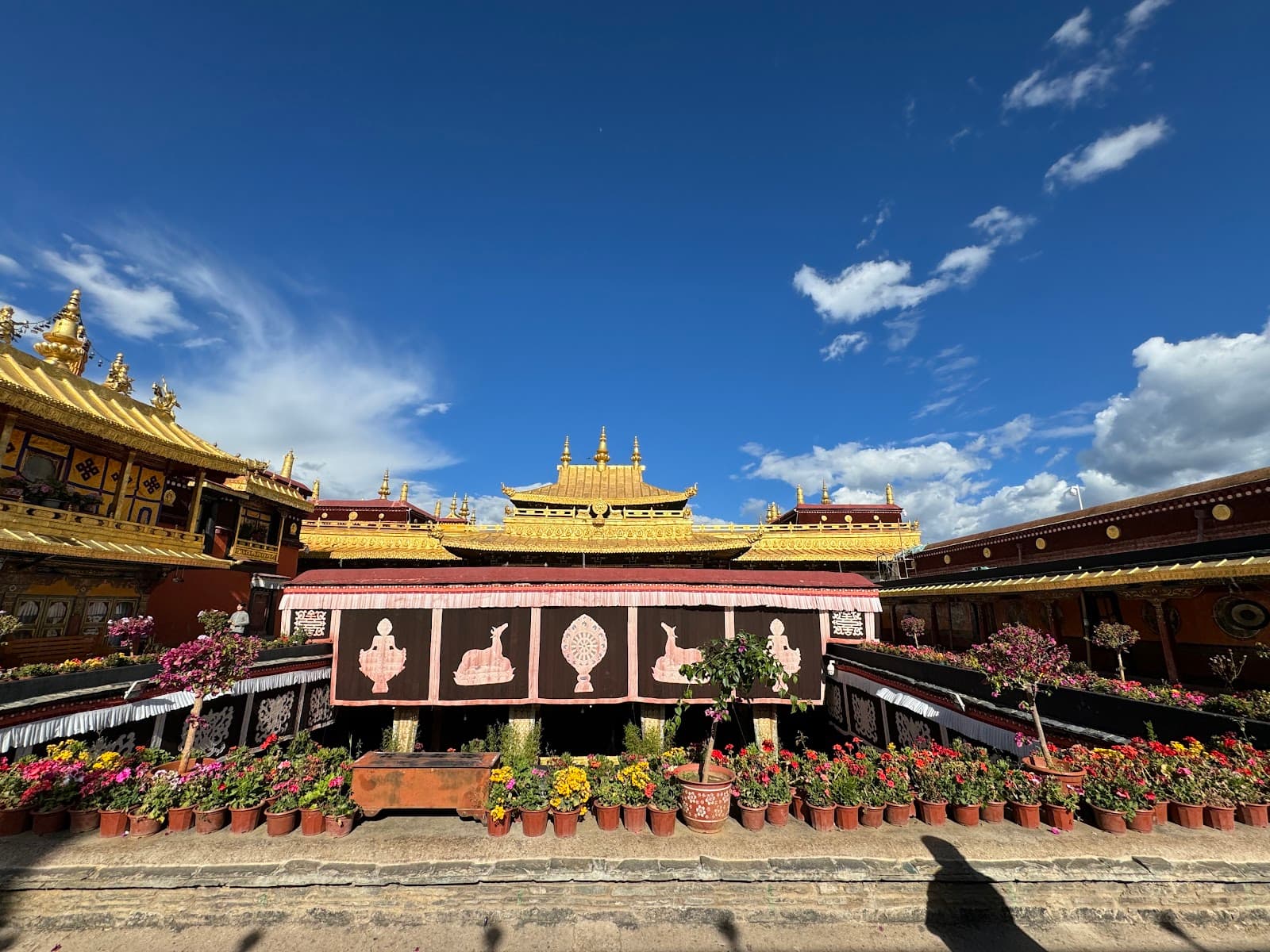
Jokhang Temple Lhasa Tibet
Jokhang Temple, located in the heart of Lhasa, Tibet, represents the spiritual heart of Tibetan Buddhism and stands as one of the most sacred religious sites in Tibet, constructed in the 7th century CE during the reign of King Songtsen Gampo and demonstrating the profound transmission of Indian Buddhist traditions to Tibet, which has maintained deep cultural, religious, and historical connections with India for over two millennia. The temple, originally constructed to house the Jowo Shakyamuni statue brought from India by King Songtsen Gampo’s Nepalese queen Bhrikuti, features a distinctive architectural design that synthesizes Indian vihara (monastery) architecture, Nepalese temple styles, and Tibetan construction techniques, creating a unique architectural expression that reflects Tibet’s position as a cultural bridge between India and Central Asia. The temple complex, constructed primarily from stone and wood with extensive use of gold leaf and painted decoration, features a four-story structure rising approximately 20 meters, with the ground floor housing the most sacred Jowo Shakyamuni statue, while upper floors contain numerous chapels, shrines, and assembly halls that have served as centers of Buddhist learning and worship for over thirteen centuries. The temple’s architectural design demonstrates direct influence from Indian Buddhist vihara architecture, particularly the Gupta and Pala period styles, with the overall plan reflecting mandala-based cosmological principles found in Indian temple architecture, while the decorative elements including intricate wood carvings, painted murals, and metalwork demonstrate the transmission of Indian artistic traditions to Tibet. Archaeological and historical evidence indicates the temple was constructed with the assistance of Indian and Nepalese architects and craftsmen, reflecting the active religious and cultural exchange between Tibet and India during the 7th century, when Indian Buddhist scholars, texts, and artistic traditions were systematically introduced to Tibet, establishing Tibet as an integral part of the greater Indic cultural sphere. The temple has undergone multiple expansions and renovations over the centuries, with significant additions during the 11th, 15th, and 17th centuries, each period reflecting continued engagement with Indian Buddhist traditions and architectural knowledge. Today, Jokhang Temple stands as a UNESCO World Heritage Site and continues to serve as the most important pilgrimage destination in Tibet, attracting thousands of devotees daily who perform circumambulation (kora) around the temple and its surrounding Barkhor Square, demonstrating the enduring vitality of Tibetan Buddhism and its deep roots in Indian religious and cultural traditions. ([1][2])
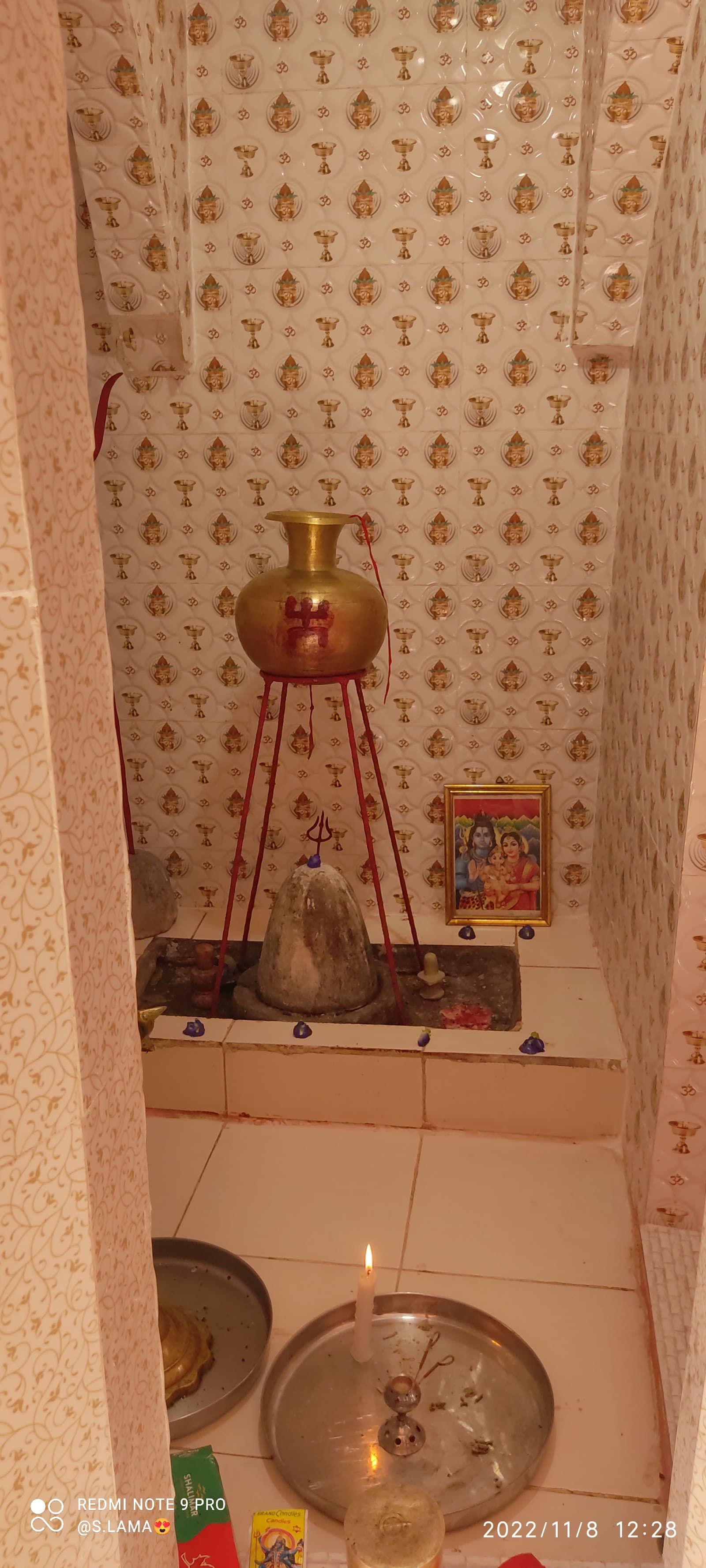
Kali Mandir Saiha Mizoram
The air hung heavy with the scent of incense and marigolds, a familiar aroma that usually greets me at the thresholds of Maharashtra's countless temples. But here, nestled amidst the verdant Mizo hills in Saiha, the Kali Mandir presented a unique tapestry of familiarity and novelty. Having explored every nook and cranny of Maharashtra's cave temples and ornate shrines, I arrived in Mizoram with a seasoned eye, eager to witness how faith manifests itself in this easternmost corner of India. The temple, perched on a small hillock overlooking the town, commands attention. Unlike the basalt structures or intricately carved wooden temples I'm accustomed to back home, this Kali Mandir is a relatively modern construction, primarily of concrete. Its bright orange facade, accented with white and a touch of blue, stands in stark contrast to the surrounding greenery. The architecture, while simpler than the elaborate Dravidian or Hemadpanti styles I'm familiar with, possesses a certain charm. It’s a blend of traditional North Indian temple architecture with a local Mizo touch, evident in the sloping roof that echoes the region's vernacular architecture. A flight of concrete steps, flanked by brightly painted railings, led me to the main entrance. The doorway, framed by a concrete arch, was adorned with images of deities and auspicious symbols. Stepping inside, I was struck by the temple's intimate atmosphere. The sanctum sanctorum, bathed in the soft glow of oil lamps, housed the imposing black idol of Goddess Kali. Her fierce countenance, adorned with a garland of marigolds and hibiscus, exuded power and reverence. The familiar chanting of Sanskrit mantras, though with a slightly different intonation, filled the air, creating a bridge between this remote location and the temples of my homeland. What intrigued me most was the confluence of cultures within the temple's precincts. While the deity and rituals were distinctly Hindu, the devotees reflected the diversity of Mizoram. Alongside the Hindu Bengalis who originally established the temple, I saw Mizo locals offering prayers, their faces etched with devotion. This intermingling of faiths and traditions painted a vibrant picture of India's syncretic culture, a testament to the unifying power of belief. The temple courtyard, though smaller than the sprawling temple complexes I’ve seen in Maharashtra, offered a panoramic view of Saiha town. The rolling hills, dotted with houses and churches, created a picturesque backdrop. I spent some time observing the devotees, their quiet reverence a stark contrast to the often boisterous temple festivals back home. There was a sense of peaceful coexistence here, a harmonious blend of different faiths and traditions. As I descended the steps, leaving the scent of incense behind, I reflected on the journey. The Kali Mandir in Saiha, while architecturally different from the temples I'm accustomed to, resonated with the same spiritual energy. It served as a powerful reminder that faith transcends geographical boundaries and architectural styles. It's a testament to the human need for connection with the divine, a need that finds expression in diverse and beautiful ways across the length and breadth of India. My journey through Maharashtra's caves and temples had prepared me to appreciate the nuances of this remote shrine, to see beyond the concrete and the unfamiliar chants and recognize the universal language of devotion that binds us all.
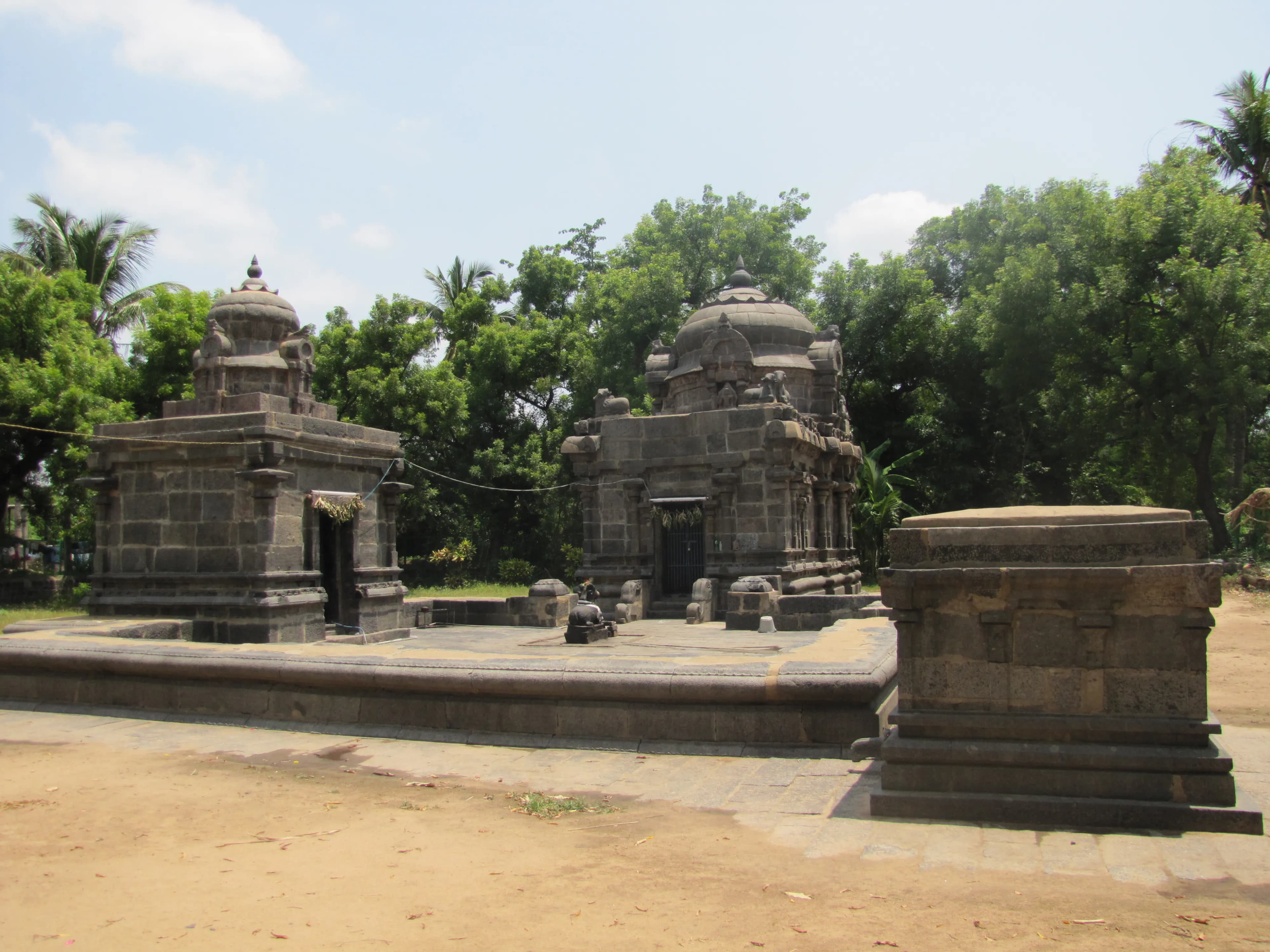
Kundankuzhi Mahadevar Temple Nagercoil
The humid Kanyakumari air hung heavy as I approached the Kundankuzhi Mahadevar Temple, tucked away in a quiet village near Nagercoil. The temple, dedicated to Lord Shiva, doesn't boast the towering gopurams of some of Tamil Nadu's more famous temples, but it possesses a quiet dignity and architectural nuances that captivated me from the first glance. The relatively modest size allows for an intimate exploration, a chance to truly connect with the structure and its history. The first thing that struck me was the distinct Kerala architectural influence, a testament to the region's historical fluidity and cultural exchange. The sloping tiled roofs, reminiscent of Kerala's traditional houses and temples, were a departure from the typical Dravidian style I'm accustomed to seeing in Chennai. The muted ochre walls, devoid of elaborate carvings on the exterior, further emphasized this unique blend. This simplicity, however, wasn't stark; it felt more like a conscious choice, directing the visitor's attention inwards, towards the spiritual heart of the temple. Stepping inside the main mandapam, I was greeted by a series of intricately carved pillars. While the exterior was understated, the interior showcased the artisans' skill. The pillars, though weathered by time, displayed a variety of motifs – stylized lotuses, mythical creatures, and intricate geometric patterns. I noticed a subtle difference in the carving styles on some pillars, suggesting additions or renovations over different periods. This layering of history, visible in the very fabric of the temple, added to its charm. The garbhagriha, the sanctum sanctorum, housed the lingam, the symbolic representation of Lord Shiva. The air within was thick with the scent of incense and the murmur of prayers. The dimly lit space, illuminated by oil lamps, created an atmosphere of reverence and tranquility. I spent some time observing the worn stone floor, polished smooth by centuries of devotees' feet, a tangible connection to the generations who had worshipped here before me. Moving towards the outer prakaram, I discovered a small shrine dedicated to the Goddess Parvati. The carvings here were noticeably different, featuring a more flowing, feminine aesthetic. The presence of both Shiva and Parvati, representing the complementary forces of creation and destruction, underscored the temple's adherence to traditional Shaivite principles. One of the most intriguing aspects of the Kundankuzhi Mahadevar Temple was its integration with the natural surroundings. Ancient trees shaded the temple grounds, their roots intertwining with the stone structures, creating a sense of harmony between the built and natural environments. A small pond, located to the west of the main temple, added to the serene atmosphere. It was easy to imagine how this tranquil setting would have provided a sanctuary for both spiritual contemplation and community gatherings over the centuries. My visit to the Kundankuzhi Mahadevar Temple wasn't just about observing architectural details; it was an immersive experience. The temple's unassuming exterior belied a rich history and a palpable spiritual energy. It offered a glimpse into the cultural exchange between Tamil Nadu and Kerala, showcasing a unique blend of architectural styles. Unlike the grand, often crowded temples of larger cities, Kundankuzhi allowed for a quiet, personal connection, a chance to appreciate the subtleties of craftsmanship and the enduring power of faith. It's a testament to the fact that architectural marvels don't always need to be grand in scale to be profoundly impactful. They can be found in quiet corners, whispering stories of history, faith, and artistic expression.
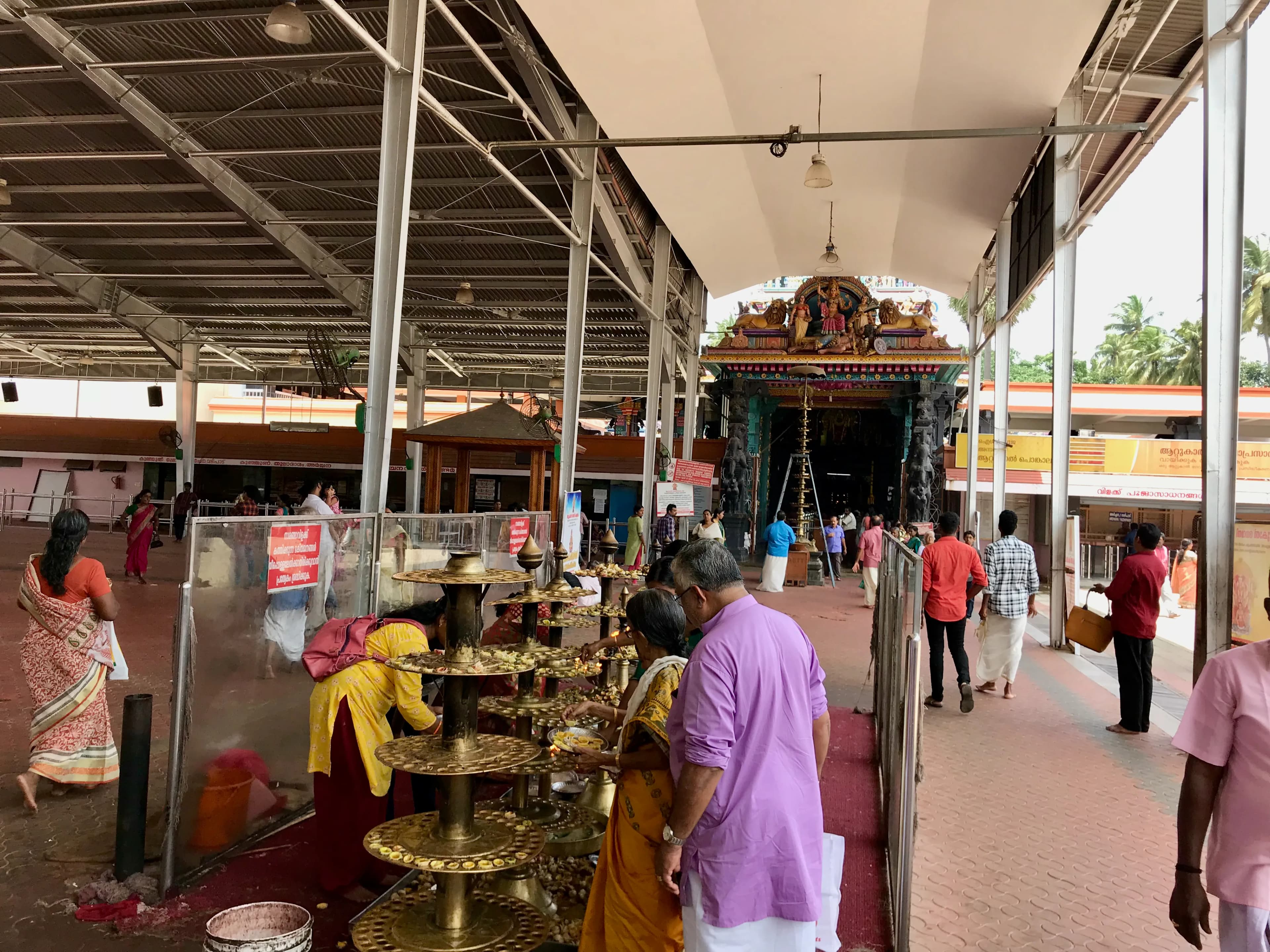
Attukal Bhagavathy Temple Thiruvananthapuram
Emerging from the cultural tapestry of Thiruvananthapuram, the Attukal Bhagavathy Temple, consecrated around 1550 CE, stands as a testament to Kerala's rich architectural and spiritual heritage ([1][2]). During the Travancore period, temple architecture flourished under royal patronage, and this temple exemplifies the Keralan style with Dravidian influences evident in its *gopuram* (gateway tower) ([2][3]). Sloping roofs, a distinctive feature of Kerala's architecture, dominate the temple's structure, designed to manage the region's heavy rainfall ([1]). Stone platforms and foundations demonstrate the temple's enduring construction, employing locally sourced materials like stone, wood, copper, and laterite ([2]). Intricate carvings adorning the *gopuram* depict scenes from Hindu mythology, reflecting the artistic traditions prevalent in Kerala ([3][4]). These vibrant depictions narrate stories and beliefs central to the region's cultural identity ([1]). The Travancore Royal Family's continued patronage is visible in the temple's well-maintained state and the ongoing devotional practices ([2]). Within the *Garbhagriha* (Sanctum), Attukal Bhagavathy (Kannaki) is enshrined, adorned with resplendent gold ornaments, serving as the central focus of worship ([4]). *Mandapas* (pillared halls) surrounding the sanctum provide spaces for devotees to gather and participate in rituals, fostering a sense of community and spiritual connection ([3]). Vedic traditions emphasize the importance of sacred spaces in fostering devotion and connecting with the divine ([5]). The temple tank, situated to the west, enhances the serene atmosphere, integrating the temple harmoniously with its natural surroundings, creating a tranquil space for reflection and prayer ([1][5]). This sacred space embodies Kerala's architectural and spiritual legacy, drawing devotees and admirers alike ([2]).
Bellary Fort Bellary
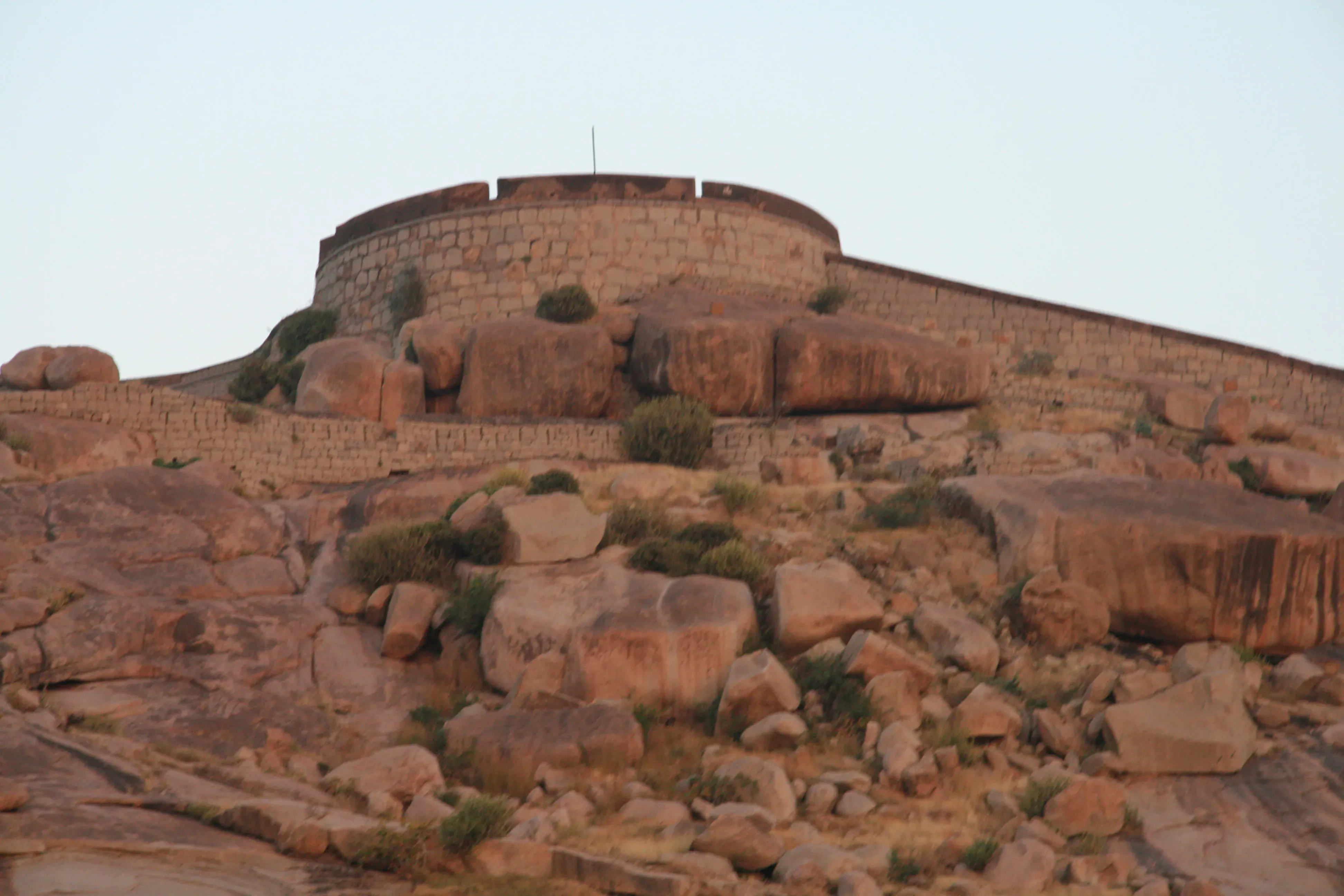
Granite and sandstone blocks, meticulously carved, form the imposing structure of Bellary Fort, rising dramatically from the Karnataka plains ([1]). Established around 1565 CE by Hanumappa Nayaka during the Vijayanagara period, the fort showcases a blend of Badami Chalukya and military architectural styles ([2][3]). Vastu Shastra principles, the ancient Indian science of architecture, likely influenced the fort's strategic layout and defensive design, though specific textual references are not available ([4]). This hilltop fortification embodies the Vijayanagara empire's strategic and artistic sensibilities. Sophisticated drainage systems ensure the preservation of the fort's structural integrity, demonstrating ancient engineering prowess ([5]). Intricate carvings adorning the walls, though weathered by time, hint at the fort's past grandeur ([6]). During the Vijayanagara Period, temple architecture and fort design shared common elements, emphasizing both aesthetic beauty and defensive strength ([7]). The use of locally available granite and stone highlights the region's traditional building practices. Stone platforms and foundations demonstrate the enduring legacy of the fort, a silent witness to centuries of Deccan history ([8]). Exploring Bellary Fort offers a captivating journey through layers of history, revealing the architectural traditions of different dynasties ([9]). The lower fort, with its roughly hewn granite walls, contrasts sharply with the upper fort, built by Hyder Ali and Tipu Sultan, displaying planned, geometric precision ([10]). The mosque within the upper fort blends Islamic and Deccan styles, adding another layer to the fort's rich heritage ([11]). This layering reflects the diverse cultural influences shaping the Deccan region over time. Within the fort complex, remnants of older structures suggest continuous occupation and adaptation over centuries ([12]). The fort's commanding position atop the hill provided a strategic advantage, allowing rulers to control the surrounding landscape. The design elements, while not directly linked to a specific verse in texts like the *Manasara Shilpa Shastra*, reflect the broader principles of site selection and fortification described in such treatises ([13]). Bellary Fort stands as a powerful reminder of India's rich architectural and military heritage ([14]).
Shree Hindu Temple & Community Centre Leicester
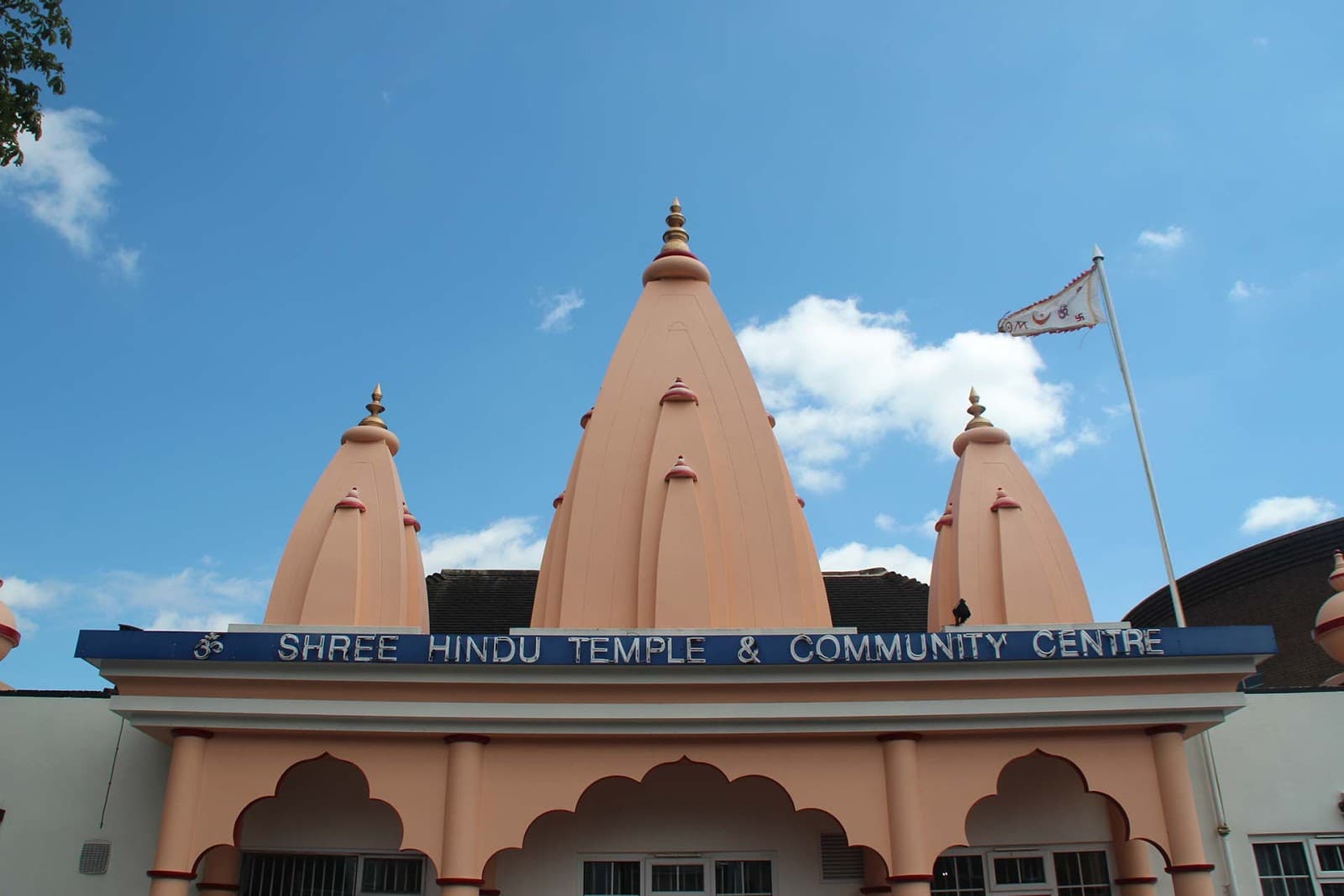
Shree Hindu Temple & Community Centre Leicester, established in 1969 and inaugurated in 1980, is one of the UK’s longest-operating multi-deity mandirs and remains a cornerstone for Leicestershire Hindus with shrines to Ram Darbar, Mahadev Parivar, Radha Krishna, Hanuman, Durga, and Jain Parshvanath housed within a marble sanctum ringed by an octagonal rasa mandala ([1][2]). The temple opens 8:00 AM-1:00 PM and 4:00 PM-9:00 PM daily, with arti at 10:30 AM and 7:00 PM; volunteers oversee RFID entry, shoe racks, queue management, and welfare desks while priests conduct daily Ganesh puja, Vishnu sahasranam archana, and weekend yagya. The adjacent three-storey Community Centre contains classrooms for Gujarati, Hindi, and Sanskrit instruction, a gymnasium, yoga studios, Annapurna kitchen, library, IT lab, and the Govind Dham elder care lounge; Monday-to-Friday annadhanam feeds seniors while Saturday community kitchen produces 400+ free meals for Leicester’s Food Stop and Homeless Shelter ([1][3]). Cultural programmes range from Bhajan Sandhya, Garba rehearsals, and Sangeet Sabha to mental health clinics, legal advice surgeries, employment fairs, and British Hindu chaplaincy training. The temple’s festival planning committee works with Leicester City Council, East Midlands Ambulance Service, and Leicestershire Police to deliver Diwali village events on Belgrave Road, Rath Yatra floats, and multi-faith Remembrance Day services. An in-house communications team broadcasts arti and festivals on YouTube and Kirtan Mandali Radio, while building managers orchestrate security, CCTV, fire safety, and energy monitoring to keep the 4,645 square-metre campus resilient for daily worship and civic service ([1][4]).
Tashilhunpo Monastery Shigatse Tibet
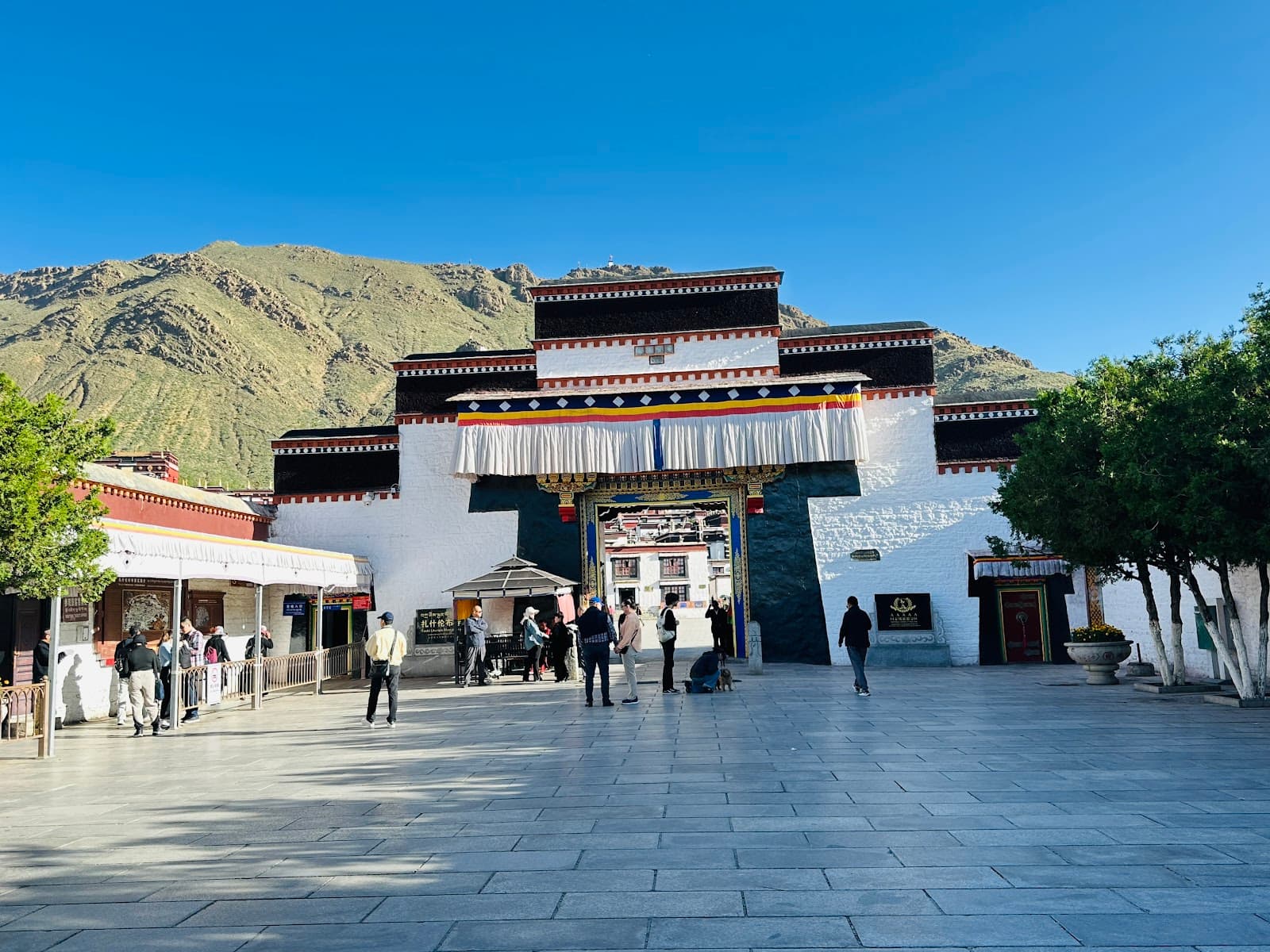
Tashilhunpo Monastery, located in Shigatse, Tibet, represents one of the most important monasteries in Tibet and stands as the traditional seat of the Panchen Lama, constructed in the 15th century CE during the period when Tibetan Buddhism was flourishing under the influence of Indian Buddhist traditions transmitted through centuries of cultural and religious exchange between Tibet and India. The monastery complex, constructed primarily from stone, wood, and earth with extensive decorative elements, features a massive structure containing numerous temples, chapels, assembly halls, and residential quarters arranged according to Indian Buddhist monastery planning principles, with the overall design reflecting mandala-based cosmological principles found in Indian Buddhist architecture. The monastery’s architectural design demonstrates direct influence from Indian Buddhist monastery architecture, particularly the Nalanda and Vikramashila models, with the overall plan and decorative elements reflecting traditions that were transmitted to Tibet through centuries of cultural exchange, while the extensive library and learning facilities demonstrate the transmission of Indian Buddhist scholarship traditions to Tibet. Archaeological and historical evidence indicates the monastery was constructed with knowledge of Indian Buddhist architectural treatises and learning traditions, reflecting the close cultural connections between Tibet and India during the medieval period, when Indian Buddhist scholars, texts, and architectural knowledge continued to influence Tibetan Buddhism. The monastery has served as a major center for Tibetan Buddhist learning and practice for over five centuries, maintaining strong connections to Indian Buddhist traditions through the study of Indian Buddhist texts, philosophy, and practices. The monastery has undergone multiple expansions and renovations over the centuries, with significant additions conducted to accommodate growing numbers of monks and expanding educational programs. Today, Tashilhunpo Monastery continues to serve as an important place of Buddhist worship and learning in Tibet, demonstrating the enduring influence of Indian Buddhist traditions on Tibetan culture and serving as a powerful symbol of Tibet’s deep connections to Indian civilization. ([1][2])
Mahamuni Pagoda Agartala
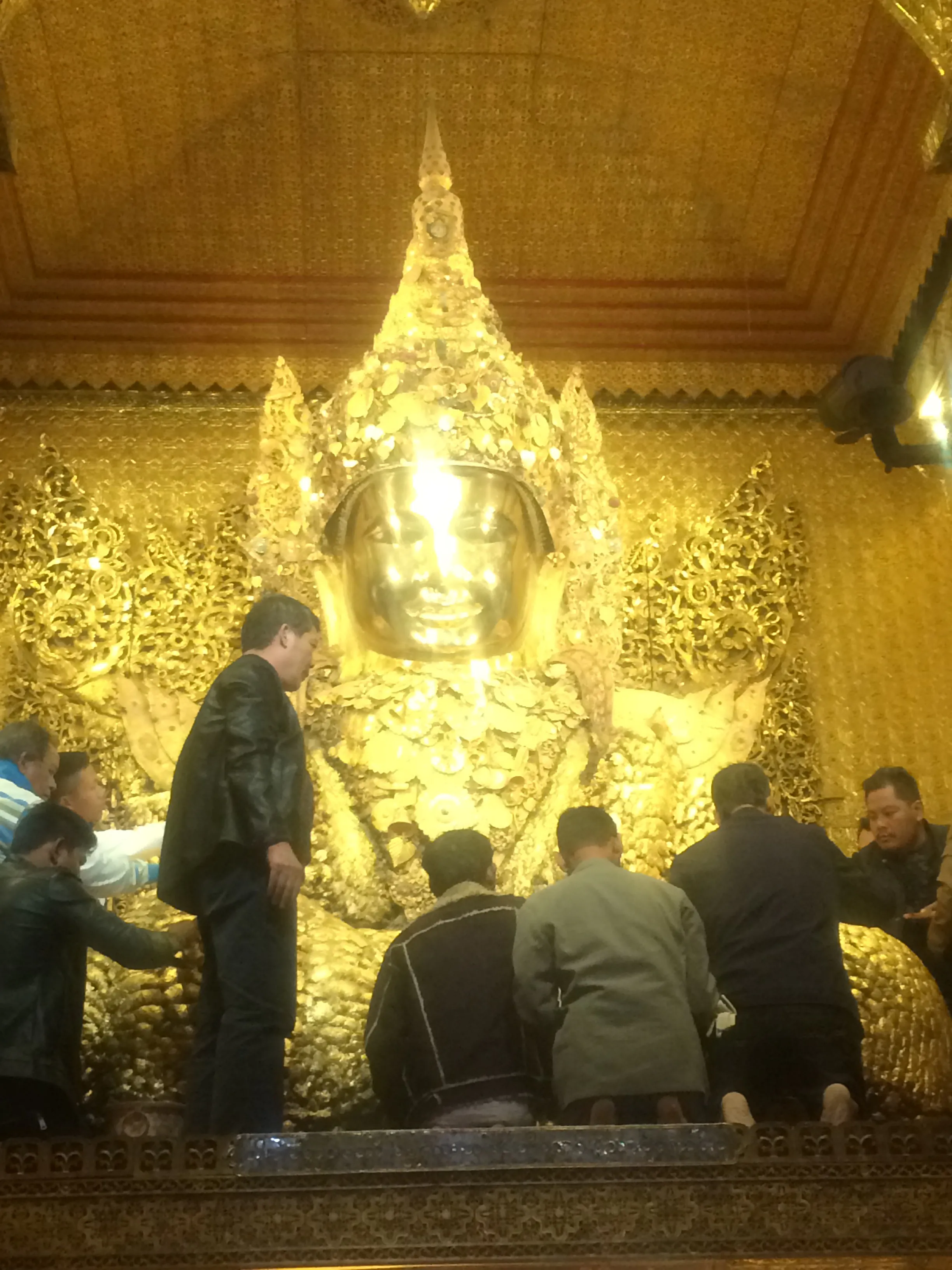
The Mahamuni Pagoda, a revered Buddhist shrine, stands as a testament to India's millennia-spanning cultural heritage in Manubankul village, located in the Sabroom Sub-Division of South Tripura, approximately 134 kilometers from Agartala [2] [3]. This ancient monastery embodies the continuous tradition of Indian civilization, showcasing indigenous architectural styles that reflect deep historical roots [3]. The pagoda is dedicated to the Mahamuni Buddha, a central figure of veneration for Buddhist communities across the region and beyond [2]. Its architectural design is a unique synthesis, primarily reflecting the Arakanese Buddhist architecture style, with discernible influences from Bengali Temple architecture and indigenous Tripura architectural traditions, creating a distinctive Indo-Colonial architectural overlay in its later phases [4]. The structure is characterized by its intricate temple architecture, featuring detailed carvings and ornate ceilings within the central shrine complex, which exemplify exquisite craftsmanship [1]. These decorative elements often depict Buddhist iconography, mythological narratives, and floral motifs, deeply embedded in the region's artistic lexicon [1]. The primary construction materials likely include locally sourced brick and stucco, common in the region for religious edifices, with timber elements for structural support and decorative finishes, though specific dimensions are not widely documented [4]. The pagoda's design incorporates a central shrine, typically housing the principal Buddha image, surrounded by an extensive, well-maintained grass lawn, contributing to the serene ambiance of the site [3]. While specific technical details regarding structural systems, engineering innovations, water management, or defensive features are not extensively published, the enduring nature of the structure over centuries suggests robust traditional construction techniques adapted to the local environment [2]. The Mahamuni Pagoda holds the dual designation of a 'Protected Monument of State Importance' and an 'Important Buddhist Site' by the Government of Tripura, ensuring its preservation and inclusion in state conservation programs [5]. Current conservation efforts focus on maintaining the structural integrity of the ancient monastery and preserving its artistic elements, with ongoing archaeological findings contributing to a deeper understanding of its layered history [5]. The site is actively programmed, hosting a famous week-long fair annually in March-April, alongside traditional Mahamuni and 'Owha' festivals, which draw thousands of Buddhist and non-Buddhist pilgrims from India, Myanmar, Thailand, Sri Lanka, Japan, and Bangladesh [2] [3]. Visitor flow is managed to ensure both spiritual reverence and heritage preservation, with accessibility provisions in place. The pagoda remains operationally ready, serving as a vibrant center for Buddhist worship and cultural exchange, upholding its legacy as a key heritage landmark within India's unbroken cultural continuum [5].
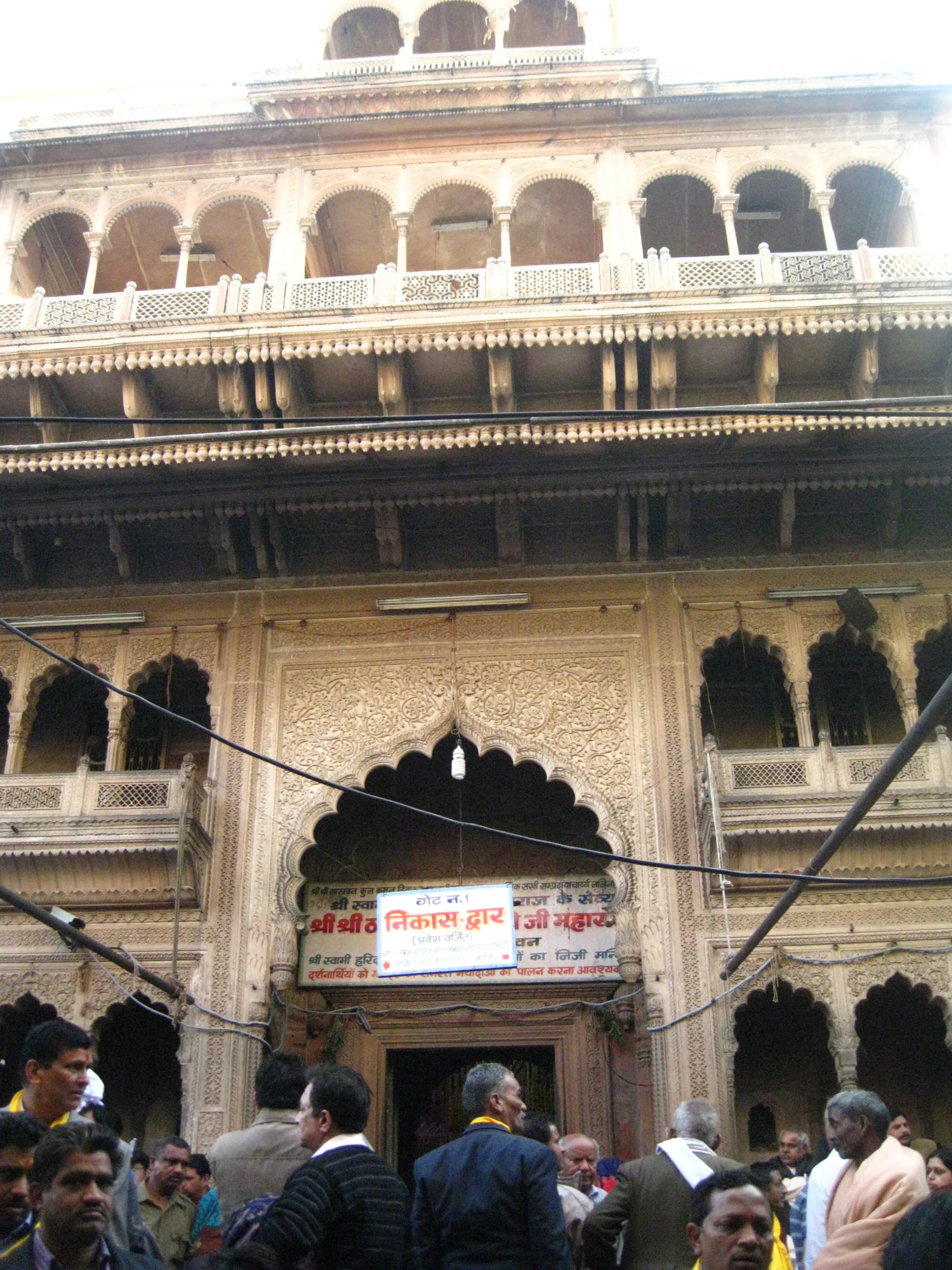
Banke Bihari Temple Vrindavan
The Banke Bihari Temple, situated in Vrindavan, Mathura district, Uttar Pradesh, stands as a profound testament to India's millennia-spanning cultural heritage and its continuous tradition of devotion to Lord Krishna [1] [2]. This revered Hindu temple is dedicated to Banke Bihari, an iconic representation believed to embody the combined divine forms of Radha and Krishna [1] [2]. The central idol, a captivating black image, is notably depicted in the Tribhanga (three-bend) posture, a classical stance in Indian iconography that signifies grace and divine playfulness [1] [2]. The temple's architecture predominantly reflects the indigenous Rajasthani style, a tradition deeply rooted in India's historical architectural practices, characterized by intricate craftsmanship and robust construction [1] [5]. While the specific dimensions of the entire complex are not universally published, the structural elements feature wide entrances adorned with beautifully carved arches, a hallmark of traditional Indian temple design [1]. The walls throughout the temple interior are meticulously covered with elaborate carvings and vibrant paintings, which vividly narrate episodes from Lord Krishna's life, serving both as decorative elements and didactic visual scriptures [1]. The roof, constructed in a traditional manner, exhibits detailed decorations that further enhance the aesthetic and spiritual ambiance of the sacred space [1]. The temple's interior is celebrated for its exquisite stonework and stunning designs, encompassing a large prayer hall where devotees gather for bhajans and aarti, fostering a collective spiritual experience [1]. The spatial arrangement includes a peaceful courtyard, offering a tranquil environment for contemplation amidst the vibrant devotional activities [1]. Uniquely, the temple does not feature bells within its premises, nor does it perform the Mangala Aarti (early morning ritual) daily, except on Krishna Janmashtami, out of a belief to avoid disturbing the deity, who is revered as a child [2] [5]. Furthermore, the darshan (viewing) of the idol is intentionally interrupted every five minutes by drawing curtains, a practice stemming from the belief that an uninterrupted gaze might cause Banke Bihari to accompany a devotee home, leaving the temple empty [2] [5]. This distinctive ritual underscores the intimate and personal relationship devotees share with the deity. The temple is thronged by thousands of visitors daily, maintaining its status as an active center of worship and cultural practice [5]. Conservation efforts are ongoing to preserve this national heritage site, ensuring its structural integrity and the longevity of its artistic and spiritual elements [4]. The site remains fully operational, accessible to devotees and visitors, and continues to uphold its ancient traditions and maintenance protocols, embodying the enduring legacy of Indian civilization [1] [4].
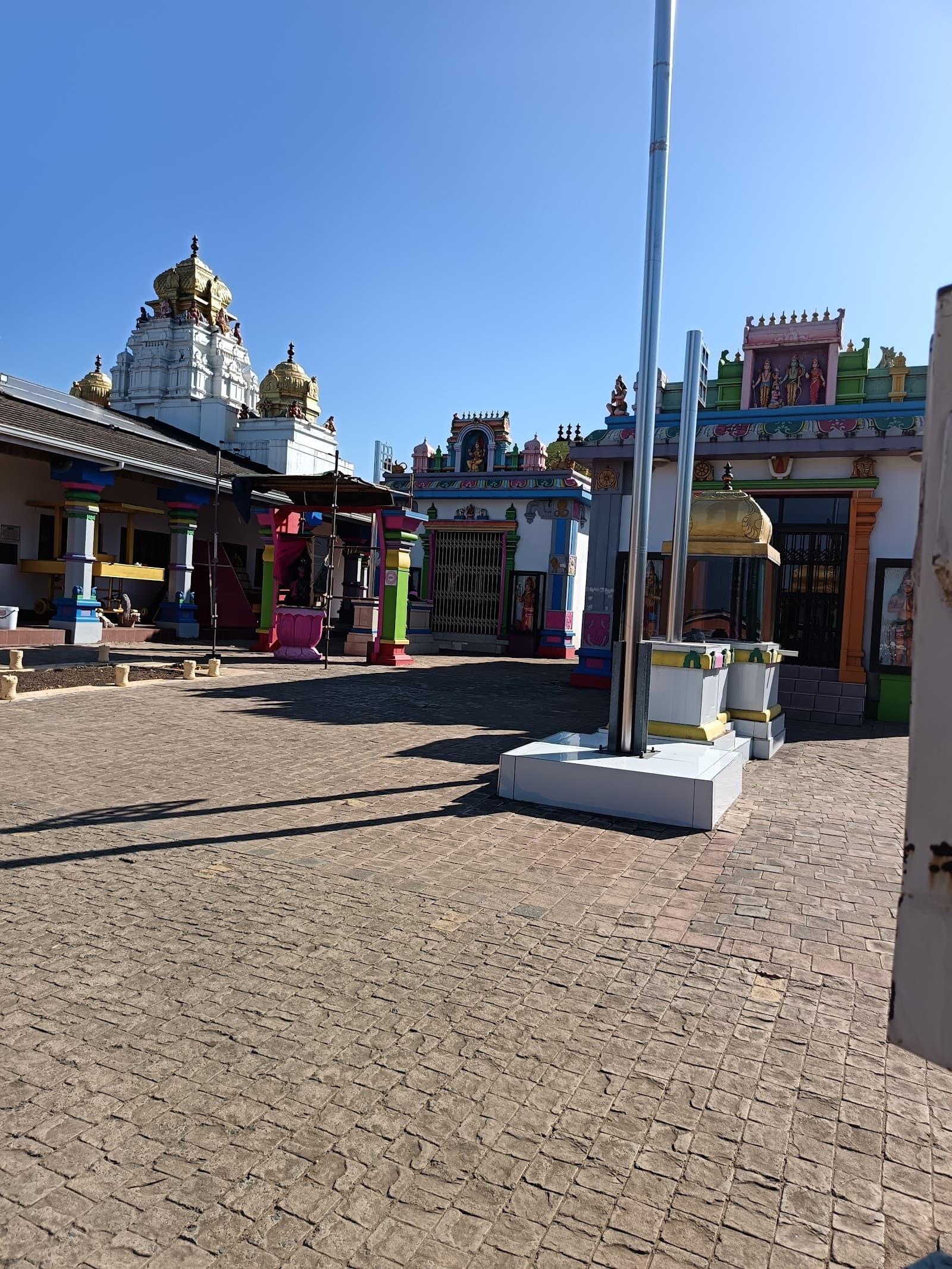
Shree Ganesha Temple Mount Edgecombe
The Shree Ganesha Temple, located on Old Main Road in Mount Edgecombe, KwaZulu-Natal, South Africa, stands as a profound testament to India's millennia-spanning cultural heritage and the enduring continuity of Indic civilization. Dedicated to Lord Ganesha, the remover of obstacles, this sacred edifice embodies the ancient Dravida architectural style, a tradition rooted deeply in South Indian temple construction that has evolved over thousands of years [1]. The temple's design reflects indigenous architectural principles, meticulously transplanted and adapted by Tamil indentured labourers, thereby preserving and propagating a continuous lineage of sacred building practices far from its geographical origins [2]. The temple complex is characterized by a classical arrangement, enclosed within a heavily modulated perimeter wall, a feature common in traditional Dravidian temple architecture that defines the sacred space [3]. The primary entrance is marked by a low gopuram, referred to as a Sikhala tower, which serves as a monumental gateway, adorned with intricate sculptural details that narrate Hindu iconography and mythological narratives [4]. This gopuram, though modest in scale compared to the towering structures of mainland India, faithfully replicates the essential elements of its ancient prototypes, including multi-tiered superstructures and decorative kalashas [1]. Upon entering, an axial pathway leads past a kodi pole, an external altar and flagpole, which is an integral part of South Indian temple rituals and symbolism [3]. The central focus of the complex is the garbhagriha, or cella, a square sanctum sanctorum positioned precisely on the central axis, housing the primary deity, Lord Ganesha [4]. The construction, believed to be the oldest surviving 'solid' temple in Africa, suggests the use of robust materials such as brick and stucco, meticulously crafted by skilled artisans, including the architect Kristappa Reddy, who was an indentured bricklayer [3]. While specific dimensions are not widely documented, the temple's layout adheres to the `shilpa shastras`, ancient Indian treatises on art and architecture, ensuring proportional harmony and sacred geometry [1]. The temple also features a Shiva Temple, constructed in 1912 CE by master temple builder Kothanar Ramsamy Pillay, which is crowned by a deeply modulated barrel vault, further showcasing the layered architectural history and continuous devotional practices at the site [3]. Decorative elements throughout the complex include sculptures of various deities, mythical creatures, and floral motifs, all executed in traditional South Indian styles, reflecting the rich artistic traditions of India [1]. The presence of Nandi, the sacred bull, guarding the corners of the courtyard, reinforces the Shaivite influences and the comprehensive nature of Hindu worship practiced here [3]. Recognized as a provincial heritage site, the Shree Ganesha Temple has undergone significant conservation efforts, including a gopuram refurbishment in 1968 CE and a chariot restoration in 2005 CE, ensuring the preservation of its structural integrity and aesthetic value [2]. These ongoing maintenance and restoration works are crucial for sustaining the temple's role as an active place of worship and a cultural landmark. The temple remains fully operational, hosting regular religious ceremonies, festivals, and community gatherings, thereby continuing its ancient role as a vibrant center for Hindu cultural and spiritual life, accessible to devotees and visitors alike [5]. Its operational readiness underscores its enduring legacy as a living monument to India's profound and continuous cultural traditions.

Shiv Mandir Aizawl
The Shiv Mandir, located in Zarkawt, Aizawl, Mizoram, stands as a significant testament to India's millennia-spanning cultural heritage, embodying the continuous tradition of Hindu worship and architectural expression in the northeastern region [2] [3]. Dedicated to Lord Shiva, this sacred Hindu temple, established by the local Hindu community in 1980 CE, integrates elements from diverse indigenous architectural styles, reflecting India's deep historical roots and enduring cultural practices [2] [4]. The temple's design draws upon the Nagara architecture style, characterized by its curvilinear shikhara (spire) and a raised platform, a hallmark of North Indian temple building traditions that have evolved over centuries [5]. Additionally, it incorporates features reminiscent of Indo-Kerala architecture, which often includes sloping roofs and a more restrained ornamentation, adapted to the local climate and materials . The influence of Mizo Vernacular architecture is also discernible, potentially in the use of local materials or structural adaptations that harmonize with the regional landscape and building practices . This eclectic blend creates a unique architectural identity, celebrating the adaptability and continuity of Indian temple design [2]. The Shiv Mandir features a modest yet spiritually resonant structure, with a central sanctum (garbhagriha) housing a revered Shivalinga, the aniconic representation of Lord Shiva [2] [4]. While specific dimensions are not widely documented, the temple's layout adheres to traditional Hindu temple planning principles, often guided by Vastu Shastra, which dictates spatial arrangements for optimal cosmic energy flow and structural stability . The exterior is adorned with intricate carvings and vibrant colors, reflecting the rich iconographic traditions of Hindu art [3] [4]. These decorative elements, though contemporary in execution, echo ancient motifs and narratives found in temples across India, reinforcing the site's connection to a long unbroken cultural continuum [2]. The construction primarily utilizes durable materials such as stone and brick, ensuring longevity and structural integrity, a practice consistent with traditional Indian temple building techniques [2]. The temple is actively maintained by a dedicated Temple Trust, ensuring its preservation and operational readiness for devotees [2]. Regular rituals and ceremonies are conducted by temple priests, maintaining a vibrant spiritual atmosphere [3]. The site serves as a vital gathering point for the local Hindu community, hosting various cultural events and festivals, most notably Mahashivratri, which draws numerous devotees [3] [4]. Its elevated position in Aizawl offers panoramic views of the surrounding hills, enhancing the serene and sacred ambiance for visitors and worshippers [4]. The temple is accessible to the public, facilitating a steady flow of visitors seeking spiritual solace and cultural engagement, thereby continuing its role as a living heritage site within India's diverse religious landscape [2]. The Shiv Mandir stands as a vibrant, operational center of Hindu faith, continuously serving its community and exemplifying the enduring legacy of Indian architectural and cultural traditions [3].
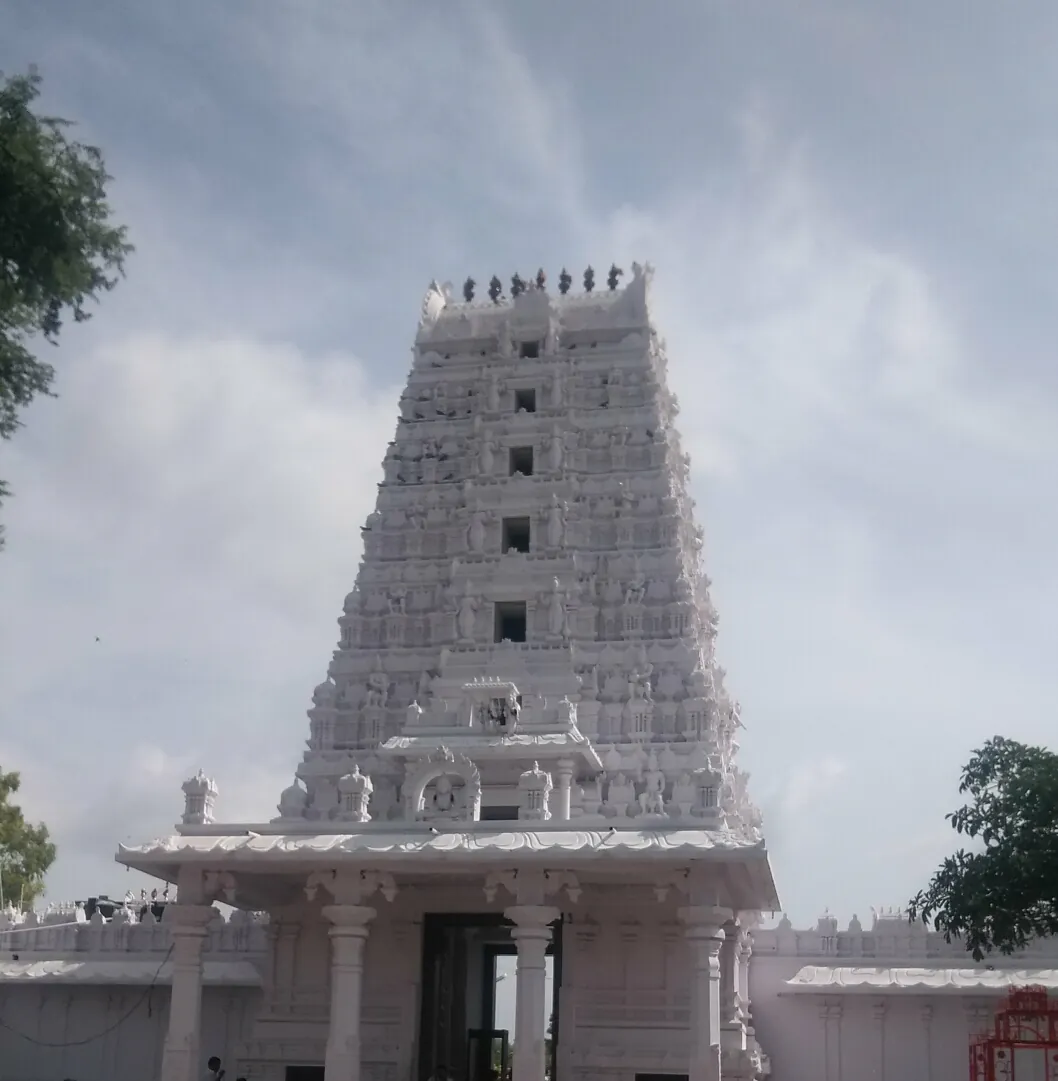
Karmanghat Hanuman Temple Hyderabad
The air, thick with incense and the murmur of devotion, vibrated around me as I stepped into the courtyard of the Karmanghat Hanuman Temple. Located in the bustling heart of Hyderabad, this ancient shrine seemed to exist in a pocket of timeless serenity, a world away from the urban clamor just beyond its walls. The temple, dedicated to Lord Hanuman, is believed to date back to the 12th century during the Kakatiya dynasty, a fact whispered by the very stones that make up its structure. My gaze was immediately drawn upwards to the imposing gopuram, the monumental entrance tower that dominates the temple complex. Unlike the elaborately sculpted gopurams of South Indian temples, this one possessed a more restrained elegance. The brickwork, though weathered by centuries of sun and rain, retained a warm, earthy hue. Subtle carvings of deities and celestial beings peeked out from the brick surface, hinting at the rich narratives embedded within the temple’s architecture. Passing through the gopuram, I found myself in the main courtyard, a vibrant tapestry of activity. Devotees circumambulated the central shrine, their prayers mingling with the rhythmic chanting of priests. The central shrine, housing the imposing idol of Lord Hanuman, is a relatively simple structure, its grandeur stemming from the powerful spiritual energy that permeates the space. The idol itself, a magnificent depiction of the monkey god in a standing posture, is said to be self-manifested, adding to the temple's mystique. I spent some time observing the architectural details, tracing the lines of the pillars and cornices with my fingers. The influence of the Kakatiya style was evident in the stepped pyramidal roof of the shrine and the use of locally available granite and brick. While later additions and renovations, particularly from the Qutb Shahi period, are discernible, the core architectural vocabulary remains distinctly Kakatiyan. This blending of architectural styles across centuries provides a fascinating glimpse into the region's rich and layered history. One of the most striking features of the Karmanghat temple is the presence of a large tank, or *pushkarini*, located to the south of the main shrine. The tranquil waters of the tank, reflecting the temple’s silhouette, created a sense of peace and tranquility. Historically, these tanks played a crucial role in temple rituals and served as a vital source of water for the community. The Karmanghat tank, though now significantly smaller than its original size, continues to be a focal point for devotees. As I walked around the temple complex, I noticed several smaller shrines dedicated to various deities, tucked away in quiet corners. These smaller structures, while less grand than the main shrine, displayed intricate carvings and decorative elements. The presence of these subsidiary shrines speaks to the evolving nature of religious practices and the assimilation of different deities into the temple’s pantheon over time. The Karmanghat Hanuman Temple is more than just a collection of stones and mortar; it is a living testament to centuries of faith, devotion, and architectural ingenuity. It is a place where the past and the present converge, where ancient traditions continue to resonate in the modern world. Leaving the temple, I carried with me not just photographs and notes, but a profound sense of connection to the rich cultural tapestry of India. The whispers of history, etched into the very fabric of the temple, continued to echo in my mind, a reminder of the enduring power of faith and the artistry of our ancestors.
Quick Links
Plan Your Heritage Journey
Get personalized recommendations and detailed visitor guides