Has Inheritage Foundation supported you today?
Your contribution helps preserve India's ancient temples, languages, and cultural heritage. Every rupee makes a difference.
Secure payment • Instant 80G certificate
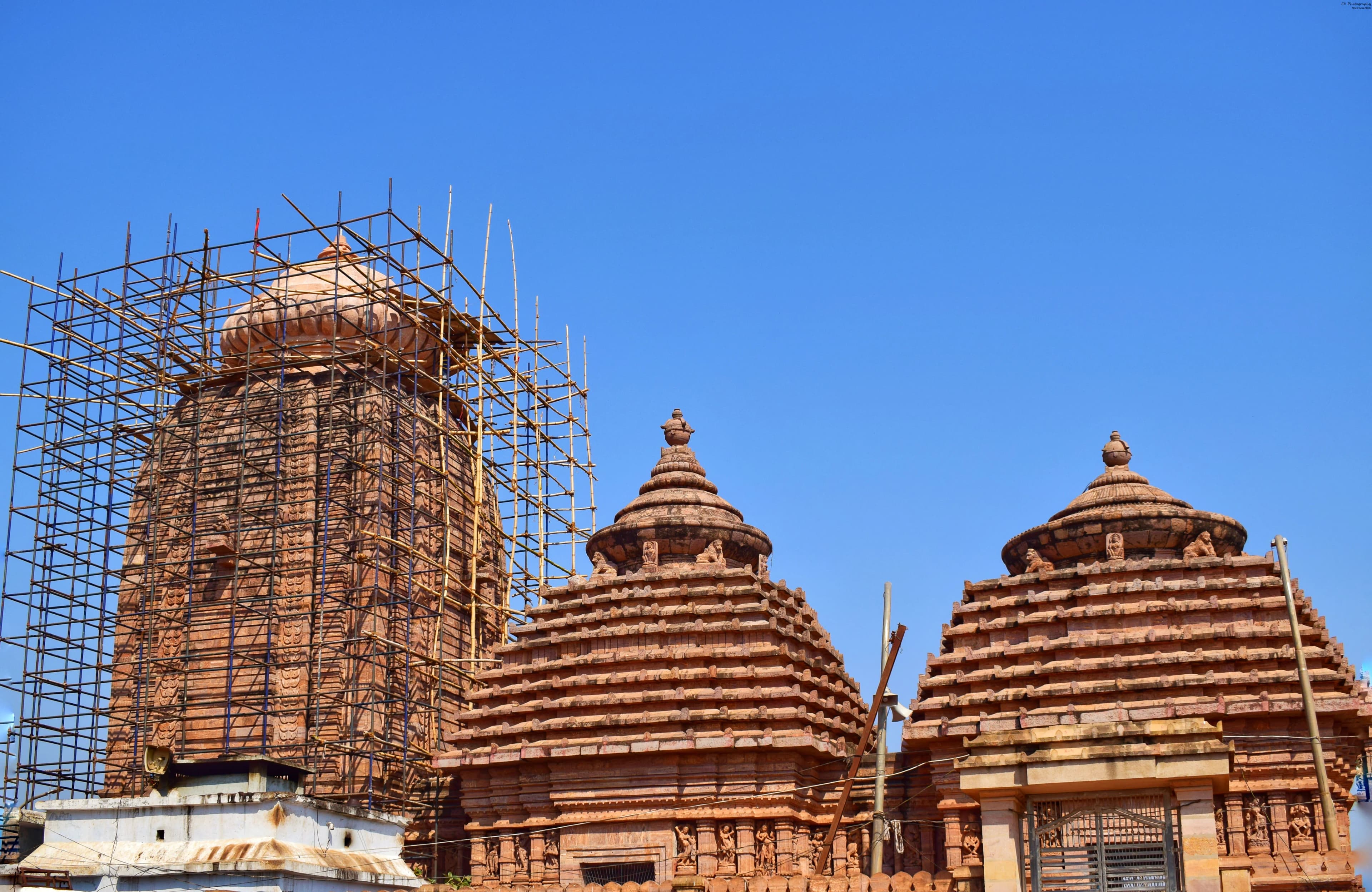
Maa Tara Tarini Temple Ganjam
The wind whipped my dupatta around me as I climbed the final steps to the Maa Tara Tarini temple, perched high on a hill overlooking the Rushikulya River. Having explored countless forts and palaces in Rajasthan, I’m always eager to experience new forms of heritage, and this Shakti Peetha in Odisha held a particular allure. The climb itself, though steep, was punctuated by the vibrant energy of devotees, their chants and the clang of bells creating a palpable buzz in the air. The temple complex is relatively small, a stark contrast to the sprawling citadels I’m accustomed to. Two brightly painted terracotta idols of the twin goddesses, Tara and Tarini, reside within the sanctum sanctorum. Unlike the elaborate marble carvings and sandstone latticework of Rajasthani architecture, the temple here embraces a simpler aesthetic. The main structure, while recently renovated, retains its traditional essence. The use of laterite stone and the distinctive sloping roof, reminiscent of the region's vernacular architecture, grounded the sacred space in its local context. What struck me most was the panoramic view from the hilltop. The Rushikulya River snaked its way through the verdant landscape below, glinting silver under the afternoon sun. The Bay of Bengal shimmered in the distance, a vast expanse of blue merging with the sky. This vantage point, I realized, was integral to the temple's significance. It felt as though the goddesses were watching over the land, their protective gaze extending to the horizon. I spent some time observing the rituals. Unlike the structured puja ceremonies I’ve witnessed in Rajasthan, the practices here felt more organic, driven by fervent devotion. Animal sacrifice, a practice largely absent in my home state, is still prevalent here, a stark reminder of the diverse tapestry of Indian religious traditions. While personally unsettling, it offered a glimpse into the deep-rooted beliefs and practices of the region. The temple walls are adorned with vibrant murals depicting scenes from Hindu mythology, particularly those related to the goddesses Tara and Tarini. The colours, though faded in places, still held a vibrancy that spoke to the enduring power of these narratives. I noticed that the artistic style differed significantly from the miniature paintings and frescoes I’ve seen in Rajasthan. The lines were bolder, the figures more stylized, reflecting a distinct regional artistic vocabulary. One of the priests, noticing my keen interest, explained the significance of the twin goddesses. They are considered manifestations of Shakti, the divine feminine energy, and are revered as protectors, particularly by seafarers and fishermen. He pointed out the numerous small terracotta horses offered by devotees, symbols of their wishes fulfilled. This resonated with me; the practice of offering votive objects is common across India, a tangible expression of faith and hope. As I descended the hill, the rhythmic chanting of the devotees still echoed in my ears. My visit to the Maa Tara Tarini temple was a departure from the grandeur of Rajasthan's palaces, yet it offered a different kind of richness. It was a journey into the heart of a vibrant, living tradition, a testament to the diverse expressions of faith that weave together the fabric of India. The simplicity of the architecture, the raw energy of the rituals, and the breathtaking natural setting combined to create a truly unique and unforgettable experience. It reinforced the understanding that heritage isn't just about magnificent structures, but also about the intangible cultural practices that give them meaning.

Agroha Dham Hisar
Embodying the spirit of the Agrawal community, Agroha Dham is a contemporary temple complex that echoes the architectural traditions of ancient Bharatavarsha (India) ([2][6]). More than a mere mandir (temple), it serves as a reconstruction of a sacred space, believed to be built upon the grounds of ancient Agroha, a historically significant trade center ([7]). Within the Garbhagriha (sanctum sanctorum), the deity Mahalaxmi is enshrined, adorned with silks and flowers, amidst fragrant incense and prayers ([3]). A magnificent temple dedicated to Goddess Mahalaxmi dominates the complex, its white facade reflecting the skills of Indian shilpakars (artisans) ([4]). Intricate carvings of floral motifs and devatas (deities) embellish the structure, creating a visually stunning spectacle ([2]). Rising towards the heavens, the towering shikhara (spire), a defining element of North Indian temple architecture, evokes the grandeur of sacred spaces ([6]). Approaching the temple, the scale inspires awe, a tangible expression of the community's bhakti (devotion) and shraddha (reverence) ([3][7]). Built in 1976 CE during the contemporary period, Agroha Dham exhibits a unique Agroha style, incorporating religious and civic elements ([2][6]). Burnt bricks, terracotta, stone, and wood form the primary materials, reflecting traditional Indian construction techniques ([7]). Fortifications and a planned layout, reminiscent of ancient Indian cities, are evident in the Agrawal community's patronage, ensuring the continuity of cultural heritage ([3][4]). Agroha Dham stands as a testament to the enduring traditions of India, preserving and celebrating them for future generations. The complex reflects the community’s dedication to preserving their heritage and traditions ([2][7]). The use of terracotta bricks connects the structure to ancient building practices found across the Indian subcontinent ([3][6]).
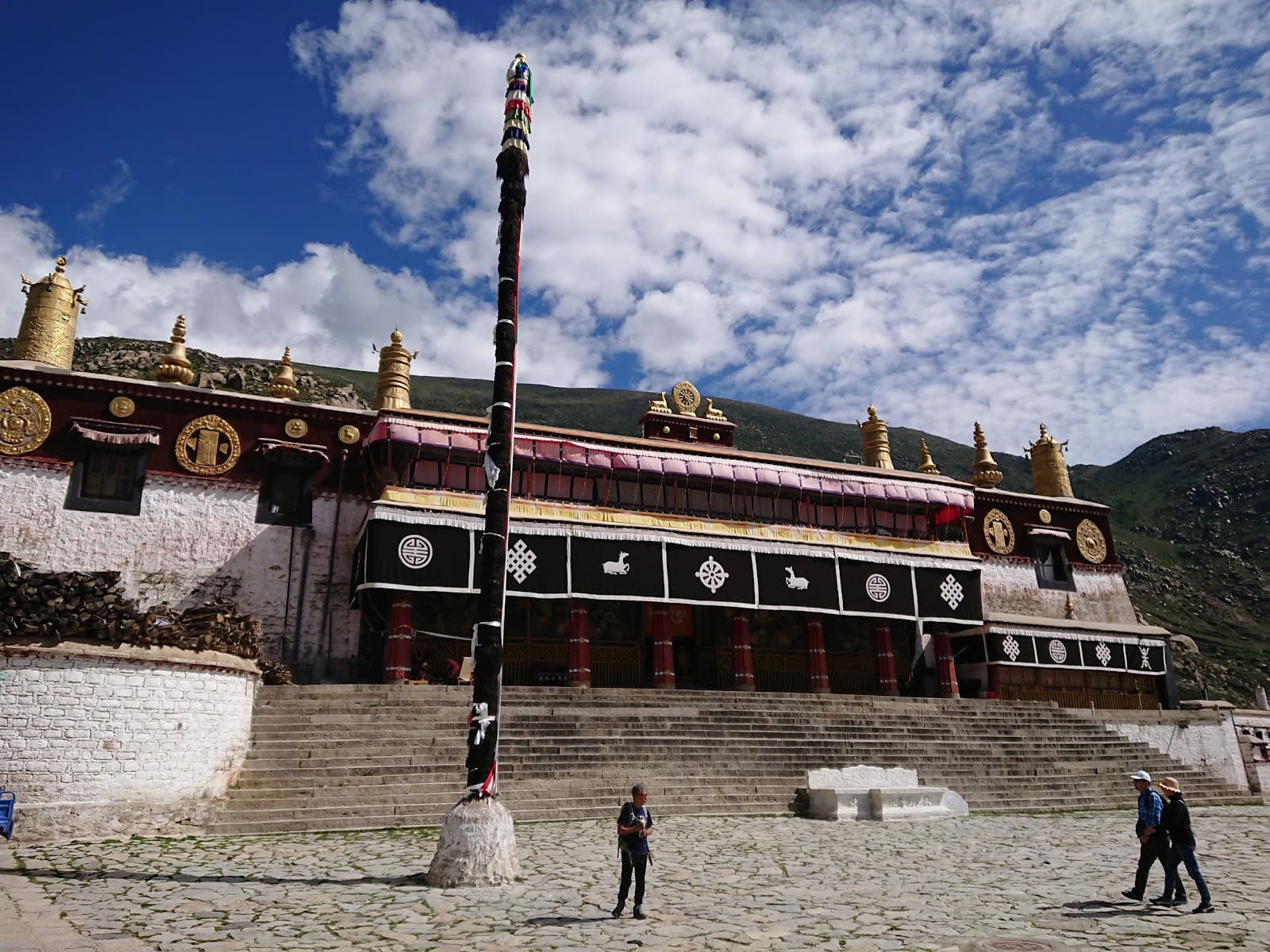
Drepung Monastery Lhasa Tibet
Drepung Monastery, located in Lhasa, Tibet, represents one of the three great Gelugpa monasteries in Tibet and stands as a major center for Tibetan Buddhist learning, constructed in the 15th century CE by Jamyang Chojey, a disciple of Tsongkhapa who established the Gelugpa school with strong connections to Indian Buddhist scholastic traditions, demonstrating the profound transmission of Indian Buddhist philosophy and learning traditions to Tibet, which has maintained deep cultural, religious, and historical connections with India for over two millennia. The monastery complex, constructed primarily from stone, wood, and earth with extensive decorative elements, features a massive structure containing numerous temples, chapels, assembly halls, debate courtyards, and residential quarters arranged according to Indian Buddhist monastery planning principles, with the overall design reflecting mandala-based cosmological principles found in Indian Buddhist architecture. The monastery’s architectural design demonstrates direct influence from Indian Buddhist monastery architecture, particularly the Nalanda model, with the overall plan, debate courtyards, and learning facilities reflecting traditions that were transmitted to Tibet through centuries of cultural exchange, while the emphasis on Indian Buddhist scholastic traditions demonstrates the transmission of Indian Buddhist philosophy to Tibet. Archaeological and historical evidence indicates the monastery was constructed with knowledge of Indian Buddhist scholastic traditions and architectural treatises, reflecting the close cultural connections between Tibet and India during the medieval period, when Indian Buddhist scholars, texts, and philosophical traditions continued to influence Tibetan Buddhism. The monastery has served as a major center for Tibetan Buddhist learning and practice for over five centuries, maintaining strong connections to Indian Buddhist traditions through the study of Indian Buddhist texts, philosophy, and debate traditions. The monastery has undergone multiple expansions and renovations over the centuries, with significant additions conducted to accommodate growing numbers of monks and expanding educational programs. Today, Drepung Monastery continues to serve as an important place of Buddhist worship and learning in Tibet, demonstrating the enduring influence of Indian Buddhist scholastic traditions on Tibetan culture and serving as a powerful symbol of Tibet’s deep connections to Indian civilization through the study and practice of Indian Buddhist philosophy. ([1][2])
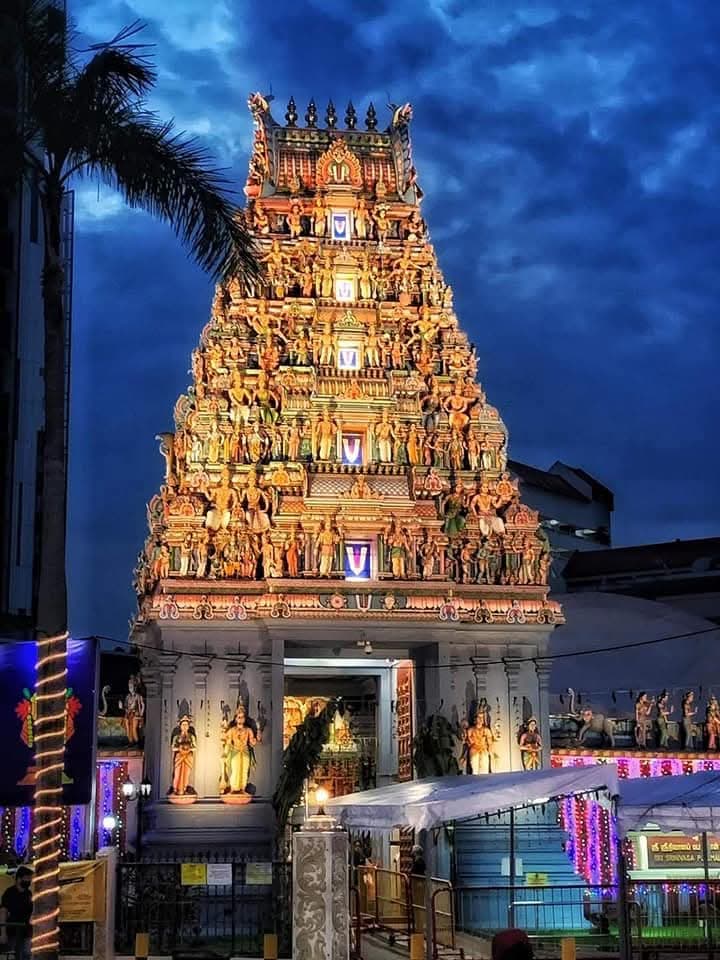
Sri Srinivasa Perumal Temple Singapore
The Sri Srinivasa Perumal Temple, located at 397 Serangoon Road in Singapore, stands as a profound testament to India's millennia-spanning cultural heritage, embodying the continuous tradition of Dravida Vaishnava architecture [2] [3]. Dedicated to Sri Srinivasa Perumal, a manifestation of Lord Vishnu, this sacred edifice reflects the deep historical roots and enduring sophistication of Indian temple building traditions [3]. The temple's architectural style is predominantly Dravidian, characterized by its towering gopuram, intricate sculptural work, and adherence to ancient Agama Shastras principles [3]. The most striking feature is the five-tiered gopuram, which reaches a height of 20 meters [3]. This monumental entrance tower is adorned with a multitude of stucco sculptures depicting various deities, mythological narratives, and celestial beings, all rendered with meticulous detail and vibrant polychromy [3]. The gopuram serves not only as a gateway but also as a visual representation of the cosmic hierarchy, a common element in South Indian temple architecture [3]. The construction primarily utilizes brick and mortar, a traditional method that allows for the intricate sculptural detailing seen throughout the structure [3]. The temple complex encompasses a main shrine (garbhagriha) housing the principal deity, surrounded by a circumambulatory path (pradakshina patha), and several subsidiary shrines dedicated to other deities such as Lakshmi, Andal, and Garuda [3]. Separate sanctums are also present for Chakrathaazhvar and Lord Hanuman, reflecting the comprehensive pantheon worshipped within the Vaishnava tradition [3]. Within the inner courtyard, a well marks the historical location of a stream, which was traditionally used by devotees for ritual cleansing before worship, highlighting the integration of natural elements into the sacred space [3]. A Tulasi (holy basil) plant, revered in Hinduism, is also present, symbolizing purity and devotion [3]. The temple ceiling above the main hall features a colorful circular pattern illustrating the nine planets (Navagrahas), an astrological motif common in Hindu temples [3]. The structural system employs traditional load-bearing walls and columns, with finely carved pillars supporting the roof structures [3]. The intricate carvings on these pillars often depict episodes from Hindu epics and Puranas, serving both decorative and didactic purposes [3]. The temple was gazetted as a National Monument in 1978, underscoring its significant cultural and architectural value [2]. Regular conservation efforts are undertaken, with major facelifts and consecration ceremonies (kumbhabhishekam) occurring approximately every 12 years, a practice rooted in ancient Hindu traditions to rejuvenate the sacred energy of the temple [2]. The most recent major restoration was completed in 2018, ensuring the structural integrity and aesthetic preservation of its ancient forms and intricate artwork [2]. The temple remains an active place of worship, hosting daily rituals, major festivals like Panguni Brahmotsavam and Thaipusam, and community services, demonstrating its continuous operational readiness and its role as a vibrant center for cultural and spiritual practices [2].

Virupaksha Temple Hampi
The sun beat down on the ochre boulders of Hampi, casting long shadows across the sprawling ruins. My journey through Uttar Pradesh’s architectural wonders had led me south, to this UNESCO World Heritage site, and my first stop was the magnificent Virupaksha Temple, a vibrant splash of life amidst the hushed whispers of history. Unlike the sandstone temples of my home state, this temple, dedicated to Lord Virupaksha, a form of Shiva, was predominantly built of granite, its dark grey stone shimmering under the intense Karnataka sun. Entering through the towering gopuram, its intricate carvings narrating tales from the epics, I was immediately struck by the palpable energy of the place. This wasn't a relic of the past; it was a living, breathing temple, with the rhythmic chants of priests, the fragrance of incense, and the devout murmurings of pilgrims creating a symphony of faith. The gopuram itself was a marvel, its nine tiers reaching towards the heavens, adorned with vibrant depictions of gods, goddesses, and mythical creatures. The sheer scale of it dwarfed me, a testament to the architectural prowess of the Vijayanagara Empire. The temple complex unfolded before me like a storybook. I wandered through the pillared halls, the granite columns intricately carved with scenes from the Ramayana and Mahabharata. The carvings weren't mere decorations; they were narratives etched in stone, each panel a window into the rich mythology of the region. I noticed a distinct South Indian influence in the sculptural style, a departure from the more North Indian aesthetics I was accustomed to. The figures were more elongated, their features sharper, their ornamentation more elaborate. One particular carving caught my attention – a depiction of Lord Shiva’s marriage to Pampa, the goddess of the Tungabhadra River. The river, a lifeline for Hampi, flowed just beyond the temple walls, its presence a constant reminder of the symbiotic relationship between nature and faith. This narrative, carved centuries ago, resonated deeply, highlighting the reverence for rivers that has been integral to Indian culture for millennia. The main shrine, housing the deity of Virupaksha, exuded an aura of serenity. The air was thick with the scent of sandalwood and flowers, and the soft chanting created an atmosphere of profound peace. I observed the rituals, fascinated by the continuity of tradition, the same chants and offerings likely performed for centuries within these very walls. It was a powerful reminder of the enduring power of faith. Beyond the main shrine, I explored the ruins of the marketplace, imagining the bustling activity that once filled this space. The remnants of shops and stalls hinted at a thriving commercial hub, a testament to Hampi's past glory as the capital of the Vijayanagara Empire. The architecture here was more functional, less ornate than the temple itself, yet it spoke volumes about the city's sophisticated urban planning. Climbing the Hemakuta Hill, located within the temple complex, offered a panoramic view of the surrounding landscape. The sprawling ruins, interspersed with giant boulders, stretched as far as the eye could see, a poignant reminder of the empire's grandeur and its eventual decline. From this vantage point, the Virupaksha Temple stood tall, a beacon of faith amidst the ruins, a symbol of resilience and continuity. As I descended, the late afternoon sun cast a golden glow over the temple. The carvings seemed to come alive, their stories whispering in the gentle breeze. My visit to the Virupaksha Temple was more than just a sightseeing experience; it was a journey through time, a glimpse into a rich tapestry of history, faith, and art. It was a powerful reminder of the interconnectedness of cultures, and the enduring legacy of India's architectural heritage. Leaving the temple, I carried with me not just photographs and memories, but a deeper understanding of the cultural nuances that make India so incredibly diverse and captivating.
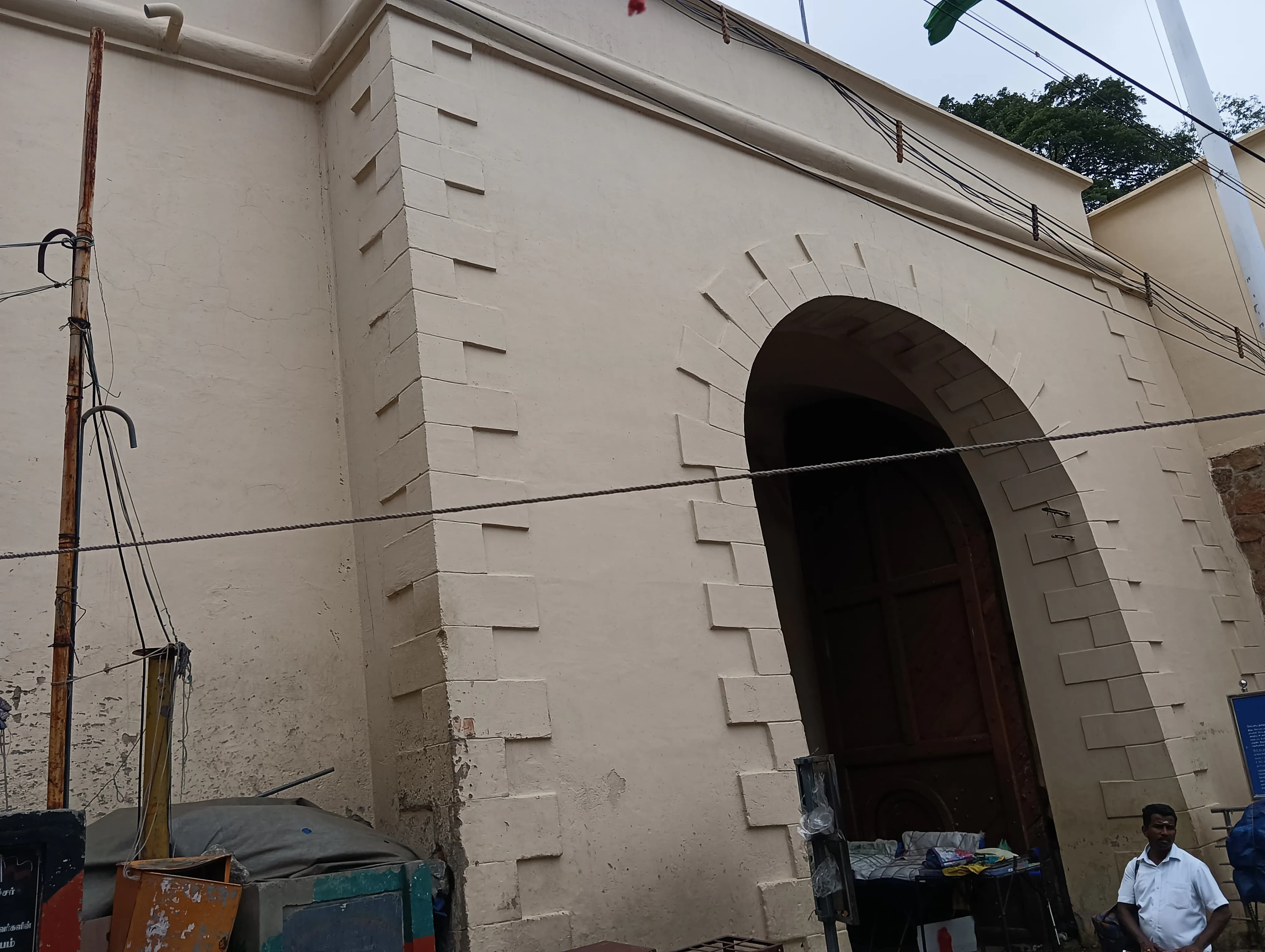
Tiruchirapalli Fort Tiruchirapalli
The Rockfort, as it’s locally known, dominates the Tiruchirapalli skyline. Rising abruptly from the plains, this massive outcrop isn't just a fort, it's a layered testament to centuries of power struggles and religious fervor. My lens, accustomed to the sandstone hues of Madhya Pradesh, was immediately captivated by the stark, almost bleached, granite of this southern behemoth. The sheer scale of the rock itself is awe-inspiring, a natural fortress enhanced by human ingenuity. My climb began through a bustling marketplace that clings to the rock's lower slopes, a vibrant tapestry of daily life unfolding in the shadow of history. The air, thick with the scent of jasmine and spices, resonated with the calls of vendors and the chiming bells of the Sri Thayumanaswamy Temple, carved into the rock face. This temple, dedicated to Lord Shiva, is an architectural marvel. The intricate carvings, some weathered smooth by time, others remarkably preserved, speak to the skill of the artisans who labored here centuries ago. The sheer audacity of excavating and sculpting such a complex within the rock itself left me speechless. Ascending further, I reached the Manikka Vinayagar Temple, dedicated to Lord Ganesha. The contrast between the two temples is striking. While the Shiva temple is a study in verticality, reaching towards the sky, the Ganesha temple feels more grounded, nestled within the rock's embrace. The vibrant colours of the gopuram, a stark contrast to the muted tones of the rock, add a touch of playful energy to the otherwise austere surroundings. The climb to the Upper Rockfort, where the remnants of the fort itself stand, is a journey through time. The steps, worn smooth by countless pilgrims and soldiers, are a tangible link to the past. As I climbed, I noticed the strategic placement of fortifications, the remnants of ramparts and bastions that once protected this strategic location. The views from the top are breathtaking, offering a panoramic vista of the city and the meandering Kaveri River. It's easy to see why this location was so fiercely contested throughout history, from the early Cholas to the Nayaks, the Marathas, and finally the British. The architecture of the fort itself is a blend of styles, reflecting the various dynasties that held sway here. I was particularly struck by the remnants of the Lalitankura Pallaveswaram Temple, a small, almost hidden shrine near the top. Its simple, elegant lines stand in stark contrast to the more ornate temples below, offering a glimpse into an earlier architectural tradition. Beyond the grand temples and imposing fortifications, it was the smaller details that truly captured my attention. The weathered inscriptions on the rock faces, the hidden niches housing small deities, the intricate carvings on pillars and doorways – these are the whispers of history, the stories that aren't found in textbooks. The experience of photographing the Rockfort was more than just documenting a historical site; it was a conversation with the past. The rock itself seemed to emanate a sense of timeless presence, a silent witness to the ebb and flow of human ambition and devotion. As I descended, leaving the towering rock behind, I carried with me not just images, but a profound sense of connection to a place where history, spirituality, and human ingenuity converge. The Rockfort is not just a fort; it is a living monument, a testament to the enduring power of the human spirit.
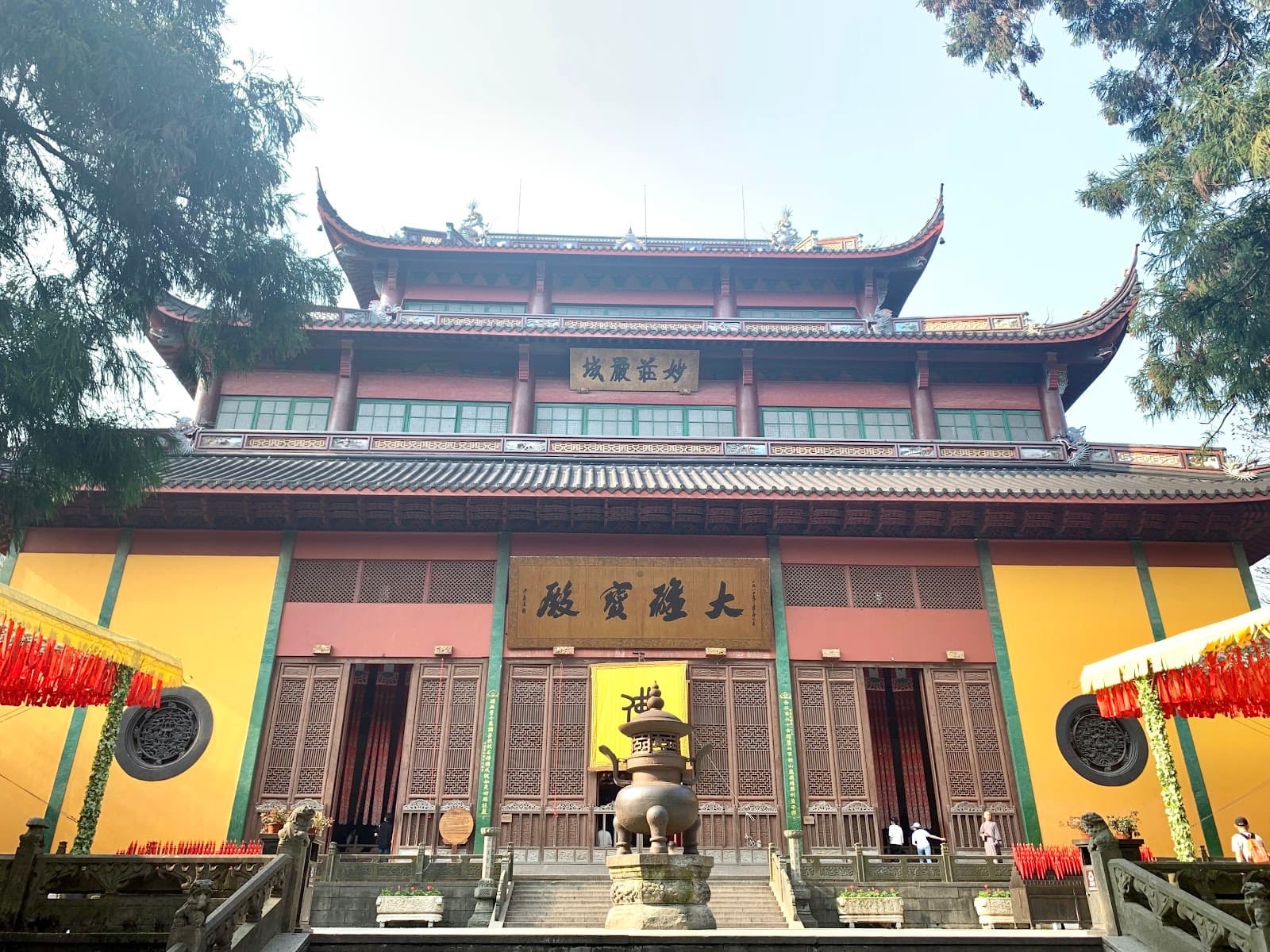
Lingyin Temple Hangzhou Zhejiang China
Lingyin Temple, dramatically situated in the scenic hills west of Hangzhou in Zhejiang Province, represents one of the most extraordinary and historically significant Buddhist temple complexes in China, dating from the 4th century CE and serving as a major center of Indo-Chinese Buddhist heritage that flourished as a crucial link in the transmission of Indian Buddhist traditions to China, featuring sophisticated Buddhist temple structures, extensive rock carvings, and ritual spaces that demonstrate clear connections to the architectural and artistic traditions of ancient India, particularly the sophisticated temple planning principles and rock-cut architecture traditions that were transmitted from the great Buddhist centers of northern India, creating a powerful testament to the profound transmission of Indian Buddhist civilization to China during the early medieval period. The site, featuring sophisticated Buddhist temple structures with halls, pagodas, and the remarkable Feilai Peak rock carvings that demonstrate clear connections to the architectural and artistic traditions of ancient India, particularly the sophisticated rock-cut temple and sculpture traditions that were transmitted from the great Buddhist centers of northern India, demonstrates the direct transmission of Indian Buddhist architectural knowledge, religious iconography, and cultural concepts from the great monastic universities of ancient India, particularly Nalanda and Taxila, which systematically transmitted Buddhist teachings and architectural traditions to China through the extensive trade and pilgrimage networks that connected India with China, while the site's most remarkable feature is its extensive collection of rock carvings on Feilai Peak, featuring hundreds of Buddhist sculptures carved directly into the limestone cliffs that demonstrate remarkable parallels with Indian rock-cut temple traditions, particularly the structural techniques and iconographic programs that were central to Indian Buddhist art, including depictions of Buddhas, Bodhisattvas, and guardian deities that reflect Indian iconographic traditions. The temple structures' architectural layout, with their sophisticated planning, central halls surrounded by subsidiary structures, meditation chambers, and ceremonial spaces, follows planning principles that demonstrate remarkable parallels with Indian Buddhist monastery planning principles, particularly the vihara and rock-cut temple traditions that were central to Indian Buddhist architecture, while the site's extensive archaeological remains including the Feilai Peak rock carvings with clear Indian stylistic influences, Buddhist sculptures that reflect Indian iconographic traditions, and architectural elements demonstrate the sophisticated synthesis of Indian Buddhist iconography and cosmological concepts with local Chinese aesthetic sensibilities and building materials. Historical evidence reveals that the site served as a major center of Buddhist learning and religious activity during the 4th through 13th centuries, attracting monks, traders, and pilgrims from across China, South Asia, and Southeast Asia, while the discovery of numerous artifacts including rock carvings with clear Indian stylistic influences, Buddhist sculptures that reflect Indian iconographic traditions, and architectural elements that reflect Indian architectural concepts provides crucial evidence of the site's role in the transmission of Indian Buddhist traditions to China, demonstrating the sophisticated understanding of Indian Buddhist architecture and religious practices possessed by the site's patrons and monastic establishment. The site's association with the ancient city of Hangzhou, which flourished as a major cultural and commercial center with extensive connections to India and Southeast Asia, demonstrates the sophisticated understanding of Indian Buddhist traditions that were transmitted to China, while the site's Buddhist temple structures and rock carvings demonstrate remarkable parallels with Indian Buddhist temple architecture and rock-cut art traditions that were central to ancient Indian civilization. The site has been the subject of extensive historical research and conservation efforts, with ongoing work continuing to reveal new insights into the site's sophisticated architecture, religious practices, and its role in the transmission of Indian Buddhist traditions to China, while the site's status as one of the most important historical Buddhist temples in China demonstrates its significance as a major center for the transmission of Indian Buddhist and cultural traditions to China. Today, Lingyin Temple stands as one of the most important historical Buddhist temples in China, serving as a powerful testament to the transmission of Indian Buddhist civilization to China, while ongoing historical research and conservation efforts continue to protect and study this extraordinary cultural treasure that demonstrates the profound impact of Indian civilization on Chinese religious and cultural development. ([1][2])
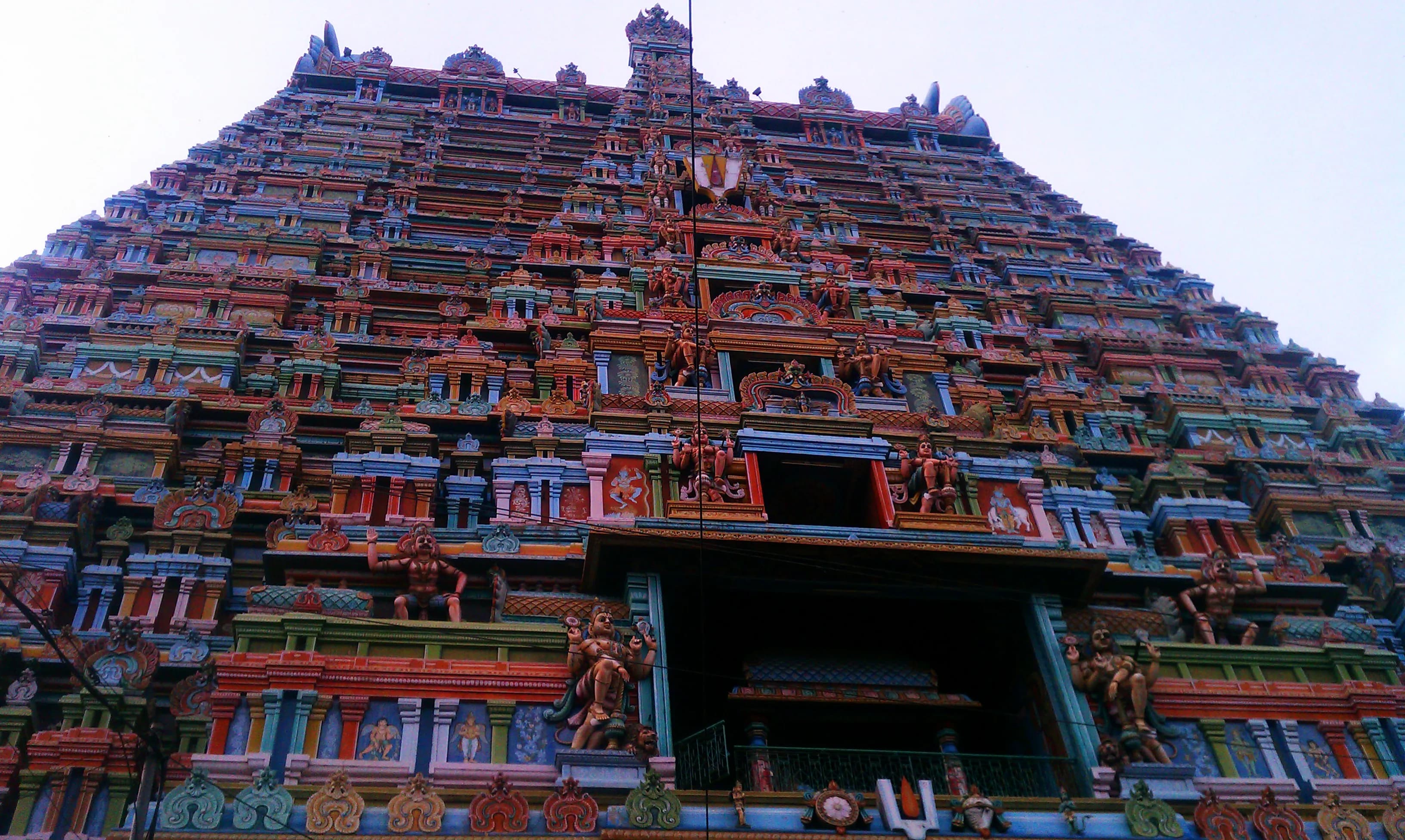
Ranganatha Temple Nellore
The midday sun beat down on Nellore, the heat shimmering off the gopurams of the Ranganatha Swamy Temple. Having explored countless sandstone marvels in Rajasthan, I was eager to experience the distinct Dravidian architecture of this South Indian temple. Stepping through the towering eastern gateway, I was immediately struck by the sheer scale of the complex. The vast courtyard, paved with worn stone, stretched before me, punctuated by smaller shrines and mandapams. Unlike the intricate carvings that adorn Rajasthani temples, the architecture here felt bolder, more geometric. The gopurams, tiered pyramids that mark the temple entrances, were adorned with vibrant stucco figures depicting deities and mythological scenes. The colours, though faded with time, still held a certain vibrancy, a testament to the artistry of the craftsmen who had brought them to life centuries ago. I noticed that the gopurams here seemed less ornate than those I'd seen in Tamil Nadu, perhaps reflecting a regional variation in the Dravidian style. The main shrine, dedicated to Lord Ranganatha, a reclining form of Vishnu, dominated the courtyard. The structure, built from granite, exuded a sense of solidity and permanence. As I approached, I observed the intricate carvings that adorned the pillars and walls. While the overall style was Dravidian, I noticed subtle influences of the Vijayanagara Empire in the ornate detailing, a reminder of the region's rich history. The pillars, in particular, were fascinating. Many featured yalis, mythical lion-like creatures, a common motif in South Indian temple architecture. However, the yalis here seemed more stylized, less ferocious than those I'd seen elsewhere, lending a unique character to the temple. Inside the sanctum sanctorum, the atmosphere was hushed and reverent. Photography was prohibited, which allowed me to fully immerse myself in the spiritual energy of the place. The air was thick with the scent of incense and the murmur of prayers. While I couldn't capture the image of the reclining deity, the mental picture I formed was far more vivid. The serenity of the Lord's expression, the intricate details of his adornments, and the palpable devotion of the worshippers created an unforgettable experience. Exiting the main shrine, I wandered through the sprawling complex, discovering hidden corners and smaller shrines dedicated to various deities. One particularly captivating structure was the Kalyana Mandapam, the marriage hall. Its intricately carved pillars, depicting scenes from Hindu mythology, were a testament to the skill of the artisans. I imagined the vibrant ceremonies that must have taken place within these walls, the air filled with music and celebration. The Pushkarini, the temple tank, located to the north, offered a welcome respite from the midday heat. The steps leading down to the water were worn smooth by centuries of use, a tangible link to the generations who had come before. The stillness of the water reflected the surrounding gopurams, creating a mesmerizing image. I observed locals performing rituals at the water's edge, their faith evident in every gesture. My visit to the Ranganatha Swamy Temple was a journey of discovery, a chance to appreciate the nuances of Dravidian architecture and experience the spiritual heart of Nellore. While the grandeur of Rajasthan's forts and palaces will always hold a special place in my heart, the serene beauty and intricate artistry of this South Indian temple offered a fresh perspective, a reminder of the rich diversity of India's architectural heritage. The temple isn't just a structure of stone and stucco; it's a living testament to faith, artistry, and the enduring power of tradition.
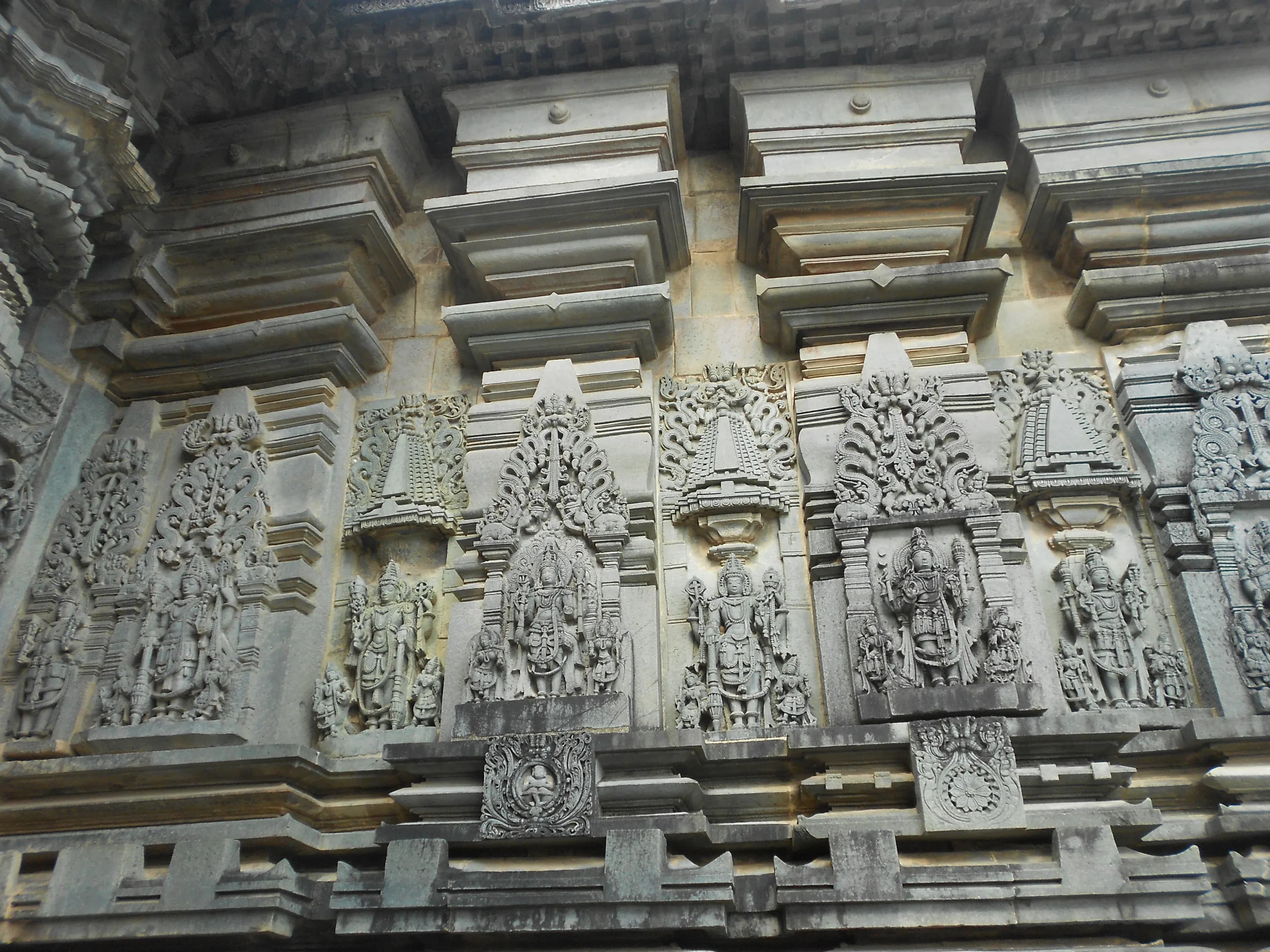
Chennakesava Temple Belur
Intricate carvings adorning the walls of the Chennakesava Temple in Belur, Karnataka, narrate the artistic zenith of the Hoysala Empire ([1][2]). Commissioned by Vishnuvardhana Hoysala in 103 CE (2nd Century), the temple is dedicated to Vishnu in his form as Chennakesava, meaning 'handsome Kesava' ([3]). The temple exemplifies Hoysala architecture, renowned for its detailed craftsmanship and unique style ([1]). This temple is a prime example of the Vesara style, seamlessly blending architectural elements from both North and South India ([4]). During the Hoysala period, temple architecture prioritized elaborate surface ornamentation, a departure from the towering structures of other dynasties ([5]). Soapstone, favored for its softness, facilitated the creation of intricate carvings that depict scenes from epics, mythology, and daily life ([3]). Granite forms the temple's foundation, providing stability and strength ([1]). The star-shaped platform (Jagati) elevates the structure, allowing devotees to circumambulate the deity ([3]). Within the Garbhagriha (Sanctum), the murti (idol) of Chennakesava resides, radiating divine energy and serving as the focal point for worship ([2]). Vastu Shastra principles, the ancient Indian science of architecture, guided the temple's layout, proportions, and orientation, ensuring harmony and balance ([4]). The absence of towering gopurams (spires) encourages visitors to appreciate the temple's horizontal expanse and intricate details ([5]). The outer walls are adorned with friezes of elephants, lions, horses, and celestial beings, showcasing the empire's wealth and cultural richness ([1][3]). Sophisticated sculpting techniques using soapstone made possible the elaborate detailing, though weathering has taken its toll on some elements ([3]). The Chennakesava Temple, now a UNESCO World Heritage Site, stands as a testament to the artistic and architectural achievements of the Hoysala period, inviting all to marvel at the artisans' skill and devotion ([1][2]). The temple reflects the Hoysalas' deep reverence for Vishnu and their commitment to preserving and promoting Hindu traditions ([5]).
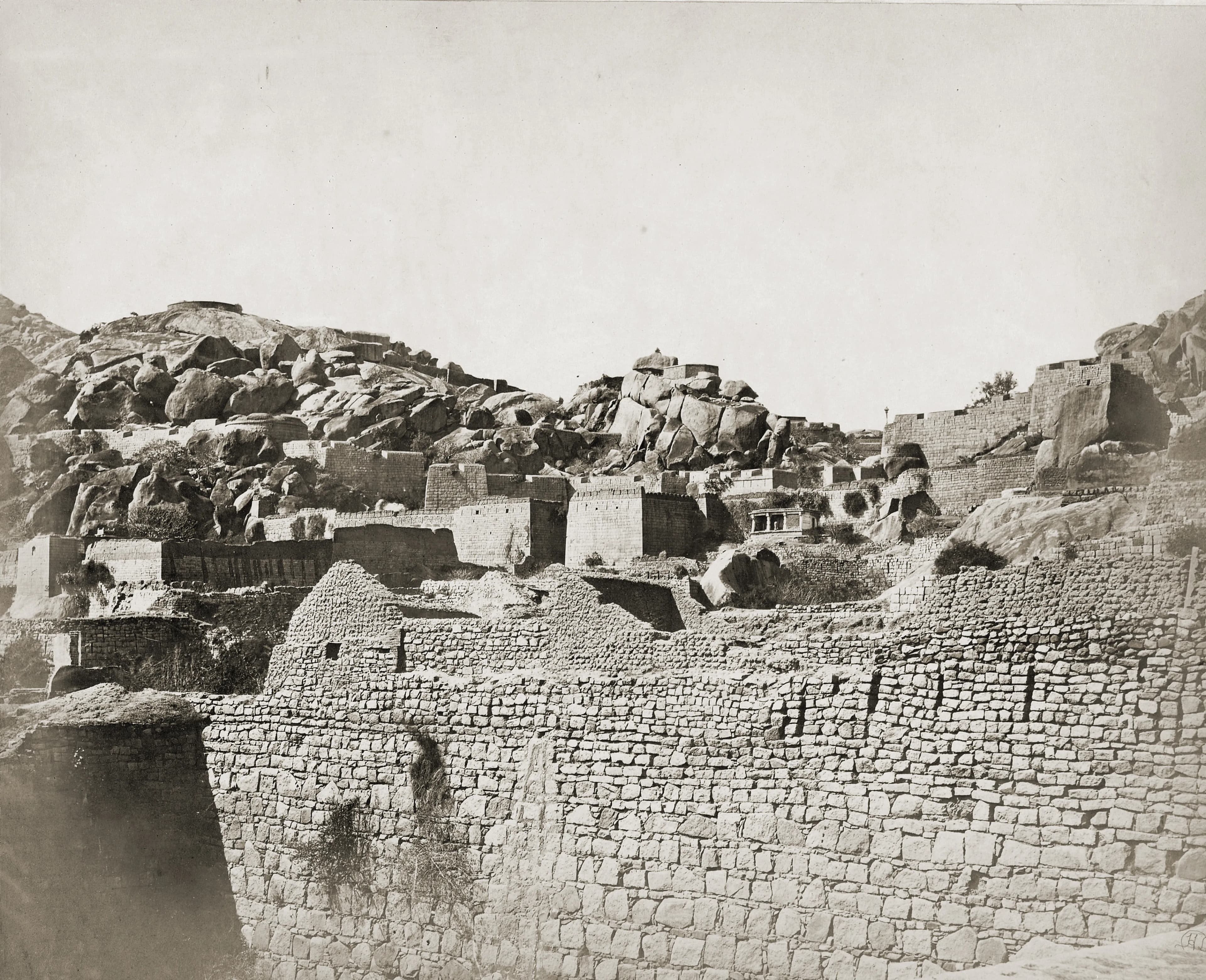
Chitradurga Fort Chitradurga
Majestically rising from the rocky terrain of Karnataka, Chitradurga Fort embodies the Nayaka dynasty's military prowess and architectural vision ([1]). Established around 1050 CE, during the 11th century, this imposing fort exemplifies Dravidian architecture and innovative fortification strategies ([2]). Its construction during the Vijayanagara period showcases the integration of natural elements into its robust defenses ([3]). Seven concentric walls, each named after figures from Hindu mythology, form the fort's strategic layout, designed to repel invaders ([3]). Granite and trap rock, fortified with mud mortar and laterite, constitute the fort's durable structure ([4]). These materials, sourced locally, reflect the Nayakas' resourcefulness and understanding of the regional landscape ([4]). Local stone was used to create sloping walls. Intricate carvings embellishing the Hidimbeshwara Temple within the fort complex depict scenes from Hindu epics, reflecting the religious beliefs of the Nayaka rulers ([5]). This artistic counterpoint to the fort's military function highlights the dynasty's patronage of both the martial and fine arts ([5]). Sophisticated rainwater harvesting systems ensured water security during prolonged sieges, showcasing advanced engineering capabilities ([6]). These systems, designed to collect and store monsoon rains, sustained the garrison and civilian population within the fort ([6]). During the rule of the Nayakas of Chitradurga, the fort expanded, incorporating the natural landscape into its defensive design ([3]). Tales of hidden tunnels and secret passages add to the fort's mystique, evoking a sense of intrigue and adventure ([7]). The fort's silhouette against the Karnataka skyline serves as a powerful reminder of India's rich architectural heritage, inviting visitors to explore its storied past ([1][2]). The fort reflects the rich heritage of the Nayaka dynasty.
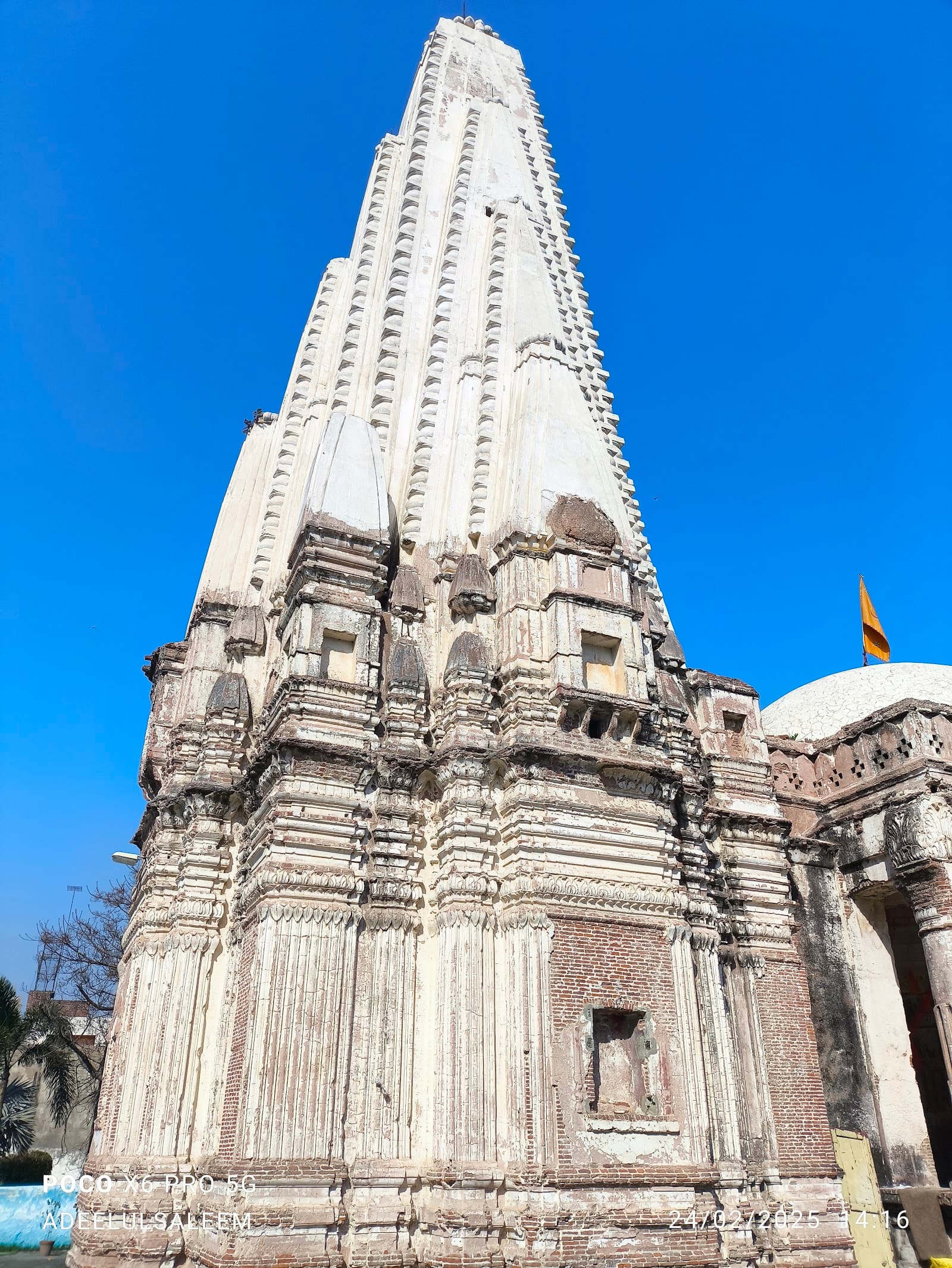
Shawala Teja Singh Temple Sialkot Punjab
The Shawala Teja Singh Temple, dedicated to Lord Shiva, stands as a profound testament to India's millennia-spanning spiritual and architectural heritage in Sialkot, Punjab Province, Pakistan [3]. This sacred edifice, rooted in the continuous tradition of Indian civilization, embodies indigenous architectural styles, materials, and cultural practices that reflect the deep historical roots of the subcontinent [1] [5]. Constructed primarily in the Nagara architectural style, with influences from regional Punjabi and Indo-Islamic aesthetics, the temple showcases a layered history of design and craftsmanship [1]. While specific dimensions are not widely documented, the temple's structure typically features a curvilinear shikhara (spire) characteristic of North Indian temple architecture, rising above the garbhagriha (sanctum sanctorum) [3]. The construction predominantly utilizes local brick and lime mortar, materials historically prevalent in the region, with later additions potentially incorporating stucco and plasterwork [2]. The temple's exterior and interior once featured intricate carvings, sculptures, and vibrant murals, though many of these decorative elements have suffered degradation over time [1]. Historical accounts mention beautiful marble floors and ornate pillars, indicative of the refined craftsmanship employed during its construction and subsequent embellishments [1]. The spatial arrangement follows the traditional Hindu temple plan, with a central shrine housing the deity, surrounded by circumambulatory paths (pradakshina-patha) [3]. While advanced technical specifications like water management systems or defensive features are not explicitly detailed in available records, the temple's elevated position on a dune along Allama Iqbal Road suggests a deliberate choice for prominence and perhaps natural protection . Currently, the Shawala Teja Singh Temple is recognized as a protected heritage site, undergoing significant conservation and restoration efforts [2] [3]. The Pakistan government, through the Evacuee Trust Property Board (ETPB), has undertaken renovation work to restore the temple to its original design, including whitewashing the entire building, fixing the main entrance, and constructing boundary walls for security [2]. Archaeological findings are not extensively reported, but the ongoing restoration work provides opportunities for deeper understanding of its construction phases and earlier forms [2]. The temple is now formally handed over to the Pakistan Hindu Council, facilitating pilgrim visits and religious rituals, thereby ensuring its active programming and continued spiritual significance for the local Hindu community [2] [3]. Accessibility has been improved, and the site is maintained to allow visitor flow, symbolizing the enduring legacy of Indian cultural traditions [2]. The operational readiness of the temple underscores its role as a living heritage site, continuously serving its original purpose while standing as a monument to India's profound and unbroken cultural continuum [2].
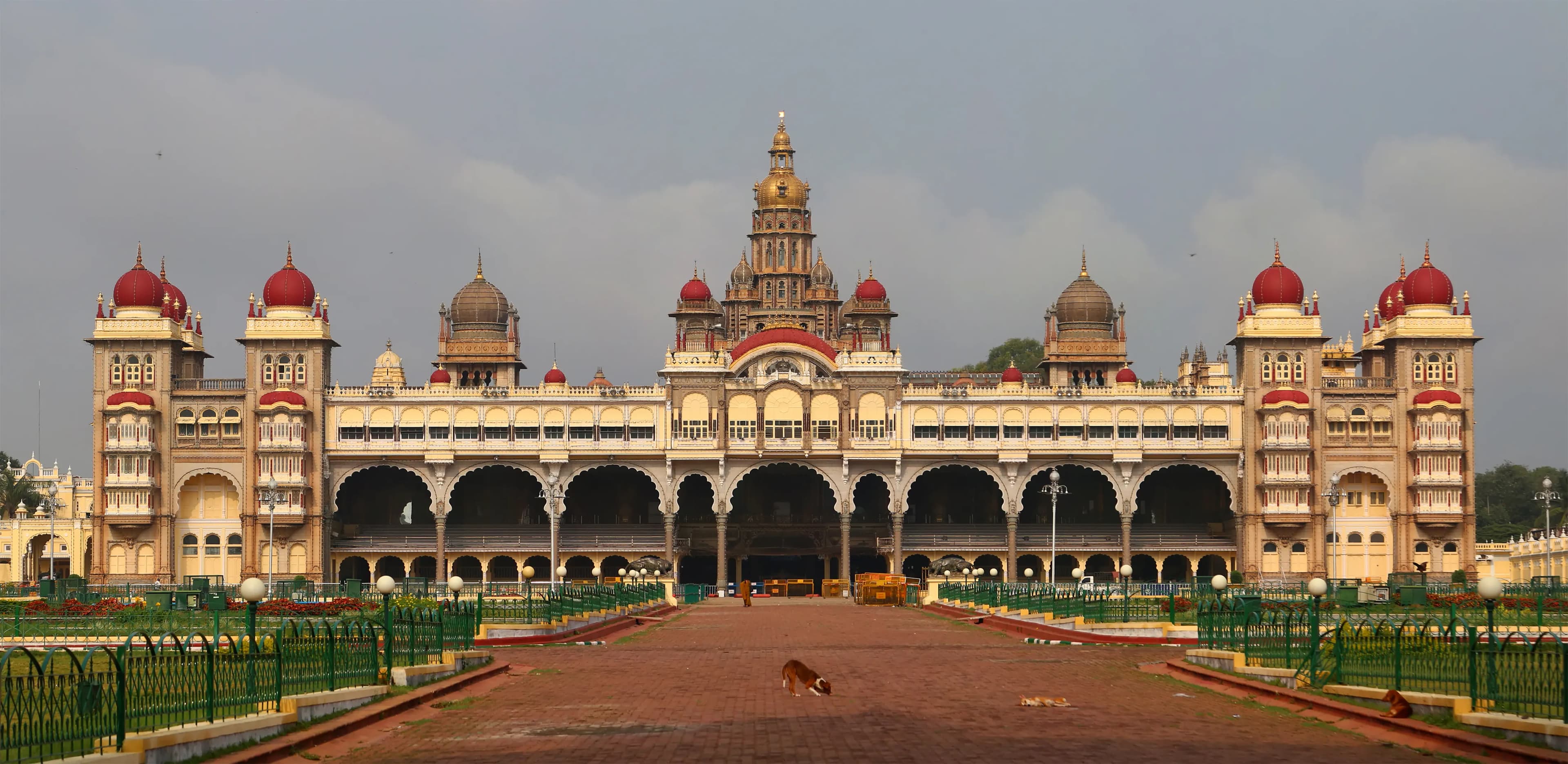
Mysore Palace Mysuru
The Mysore Palace, or Amba Vilas Palace, isn't merely a structure; it's a statement. A statement of opulence, a testament to craftsmanship, and a living chronicle of a dynasty. As a Chennai native steeped in the Dravidian architectural idiom of South Indian temples, I found myself both captivated and challenged by the Indo-Saracenic style that defines this majestic palace. The blend of Hindu, Muslim, Rajput, and Gothic elements creates a unique architectural vocabulary, a departure from the gopurams and mandapas I'm accustomed to, yet equally mesmerizing. My first impression was one of sheer scale. The sprawling palace grounds, meticulously manicured, prepare you for the grandeur within. The three-storied stone structure, with its grey granite base and deep pink marble domes, stands as a beacon against the Mysore sky. The central arch, adorned with intricate carvings and flanked by imposing towers, draws the eye upwards, culminating in the breathtaking five-story gopuram. This fusion, the gopuram atop an Indo-Saracenic structure, is a powerful symbol of the cultural confluence that shaped Mysore's history. Stepping inside, I was immediately transported to a world of intricate detail. The Durbar Hall, with its ornate pillars, stained-glass ceilings, and intricately carved doorways, is a spectacle of craftsmanship. The pillars, far from being uniform, display a fascinating variety of designs, each a testament to the skill of the artisans. I noticed subtle variations in the floral motifs, the scrollwork, and even the miniature sculptures adorning the capitals. This attention to detail, reminiscent of the meticulous carvings found in Chola temples, spoke volumes about the dedication poured into this palace. The Kalyanamantapa, the marriage hall, is another jewel in the palace's crown. The octagonal hall, with its vibrant stained-glass ceiling depicting scenes from Hindu mythology, is a riot of color and light. The floor, paved with exquisite mosaic tiles, adds another layer of intricacy. While the overall style is distinctly different from the mandapas found in South Indian temples, I could appreciate the shared emphasis on creating a sacred, visually stunning space. Exploring further, I was particularly drawn to the Gombe Thotti, or Doll's Pavilion. This museum houses a remarkable collection of dolls from around the world, offering a glimpse into diverse cultures and artistic traditions. While not strictly architectural, it provided a fascinating cultural context for the palace and its inhabitants. The palace's exterior, particularly during the evening illumination, is truly magical. Thousands of bulbs outline the structure, transforming it into a shimmering spectacle. This, I felt, was a modern interpretation of the kuthuvilakku, the traditional oil lamps used to illuminate temple towers during festivals. While the technology is different, the effect is the same – a breathtaking display of light and shadow that enhances the architectural beauty. One aspect that particularly resonated with my background in South Indian temple architecture was the use of open courtyards. These courtyards, while smaller than the prakarams found in temples, serve a similar purpose – providing ventilation, natural light, and a sense of tranquility amidst the grandeur. They also offer framed views of different parts of the palace, creating a dynamic visual experience as one moves through the complex. The Mysore Palace is not just a palace; it's a living museum, a testament to the artistry and vision of its creators. It's a place where architectural styles converge, where history whispers from every corner, and where the grandeur of the past continues to captivate visitors from around the world. As I left the palace grounds, I carried with me not just images of its splendor, but a deeper appreciation for the rich tapestry of Indian architecture and the unique stories it tells.
Quick Links
Plan Your Heritage Journey
Get personalized recommendations and detailed visitor guides