Has Inheritage Foundation supported you today?
Your contribution helps preserve India's ancient temples, languages, and cultural heritage. Every rupee makes a difference.
Secure payment • Instant 80G certificate
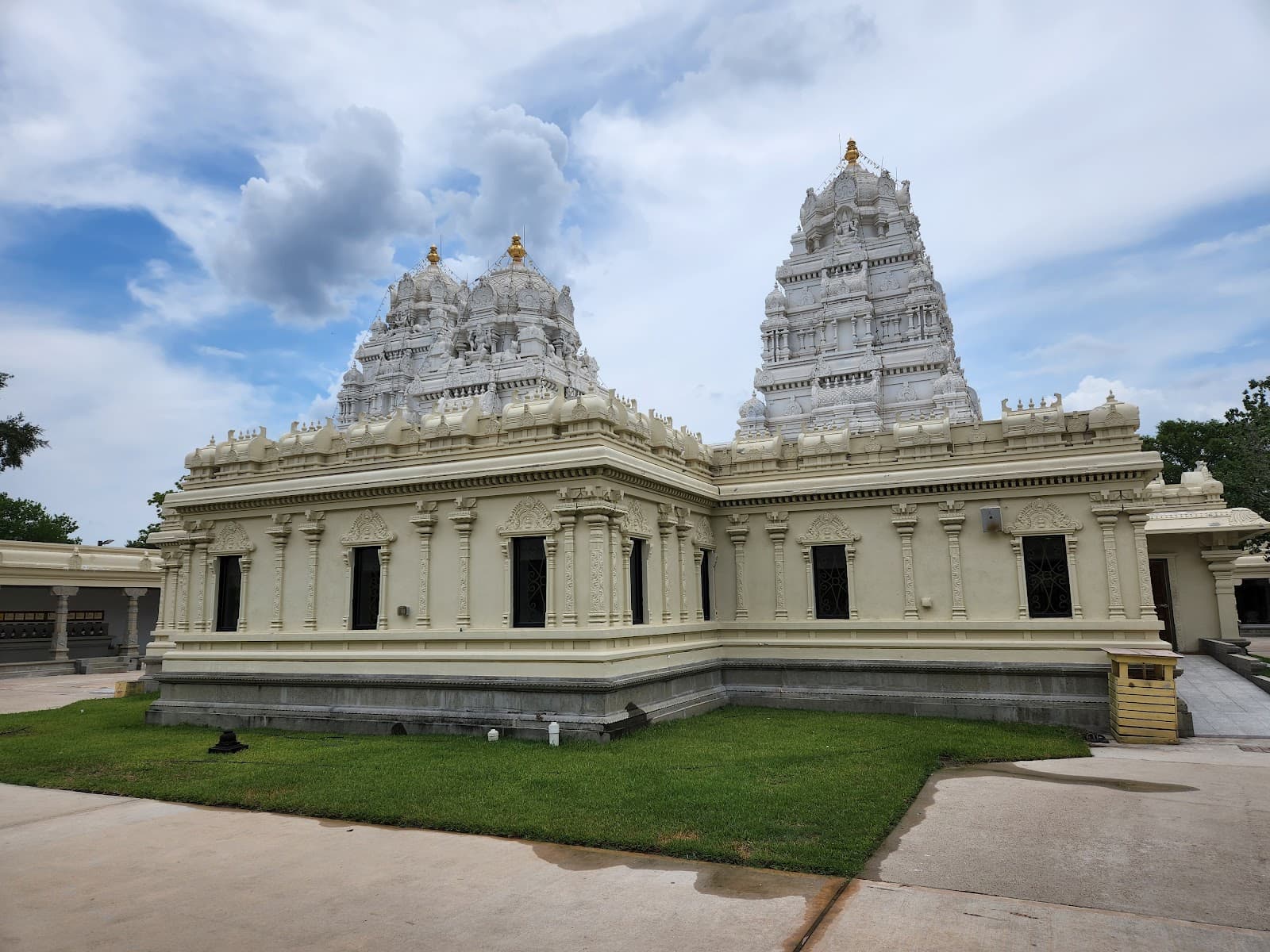
Sri Meenakshi Temple Pearland
Sri Meenakshi Temple in Pearland, Texas, dedicated to Meenakshi, Sundareswarar, and Venkateswara, opens daily at 6:00 AM and maintains staggered archanas and homams through 8:30 PM, redistributing 4,000 weekly visitors across a 23-acre campus anchored by granite shrines and a ceremonial temple tank ([1][2]). Volunteer captains from the Temple Society schedule parking marshals, shoe attendants, and queue coordinators, ensuring darshan lines flow smoothly between the main gopuram, utsava mandapam, and ancillary shrines even during chariot festivals ([1][3]). Security teams monitor entry gates, scan festival credentials, and coordinate with Pearland police for traffic control, while custodians cycle through the granite corridors every two hours to mop humidity from Gulf Coast air and polish brass railings ([3][5]). Ramps encircle the mandapam, elevators connect the main hall to the community center, and shuttle carts ferry elders from remote parking lots; assistive listening receivers and captioned displays extend rituals to visitors seated in overflow tents during major events ([1][4]). The canteen and community center operate on independent HVAC and fire systems inspected semi-annually, and SCADA sensors monitor temple tank water levels, triggering pumps when rainfall exceeds design thresholds ([3][5]). Preventive maintenance dashboards log lighting, plumbing, and accessibility checks, and 2025 City of Pearland inspections confirmed the campus remains fully compliant with fire, sanitation, and stormwater regulations ([3][4]).
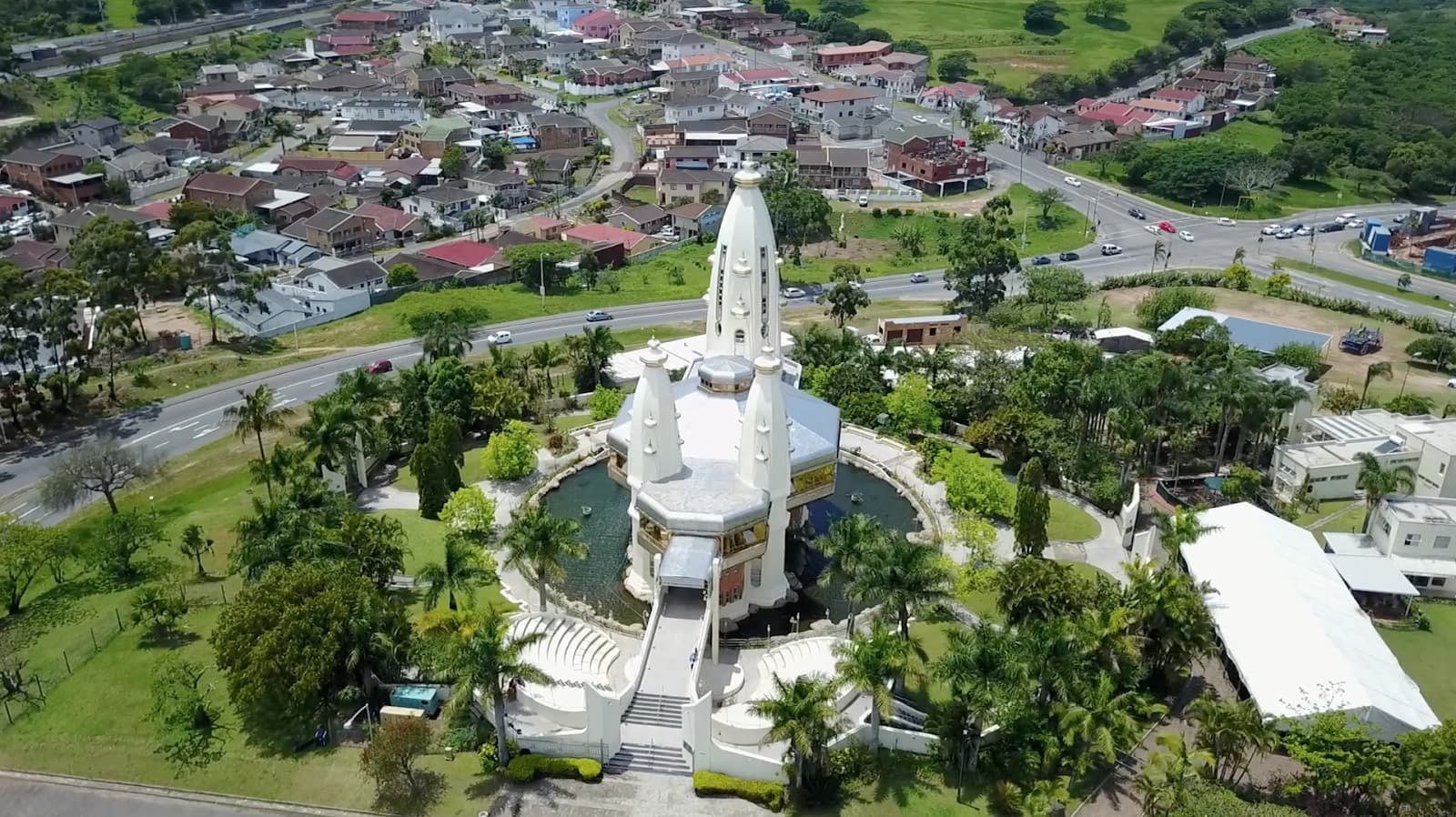
Sri Sri Radha Radhanath Temple (Temple of Understanding)
Sri Sri Radha Radhanath Temple—popularly called the Temple of Understanding—opened in 1985 atop Chatsworth’s Lotus Park with a 56-metre triple-domed hall, mirrored ceiling panels, stained glass lotus windows, and marble balustrades that reinterpret classical Indian temple geometry for a modern South African skyline ([1][2]). The ISKCON complex houses the deities Sri Sri Radha Radhanath, Lord Jagannath Baladeva Subhadra, and Sri Sri Gaura-Nitai on a gold-leafed altar backed by Italian marble reliefs; devotees circumambulate beneath parabolic arches while chandeliers reflect across the glass mosaic vault. Daily worship begins 4:30 AM with mangala-arati and extends through twelve services culminating in night-time shayana arati accompanied by Durban’s signature kirtan ensembles. Beyond ritual, the 3.5-hectare campus functions as a social engine: a commercial-grade kitchen cooks up to 15,000 vegetarian meals weekly for the Food For Life programme, the Bhaktivedanta College offers spiritual education, yoga, counselling, and youth mentorship, and the Govinda’s restaurant and bakery anchor a vegetarian culinary tradition for the city. The temple’s amphitheatre hosts annual Festival of Chariots cultural productions, multi-faith dialogues, and classical Indian arts festivals broadcast worldwide via ISKCON's media network ([1][2]).
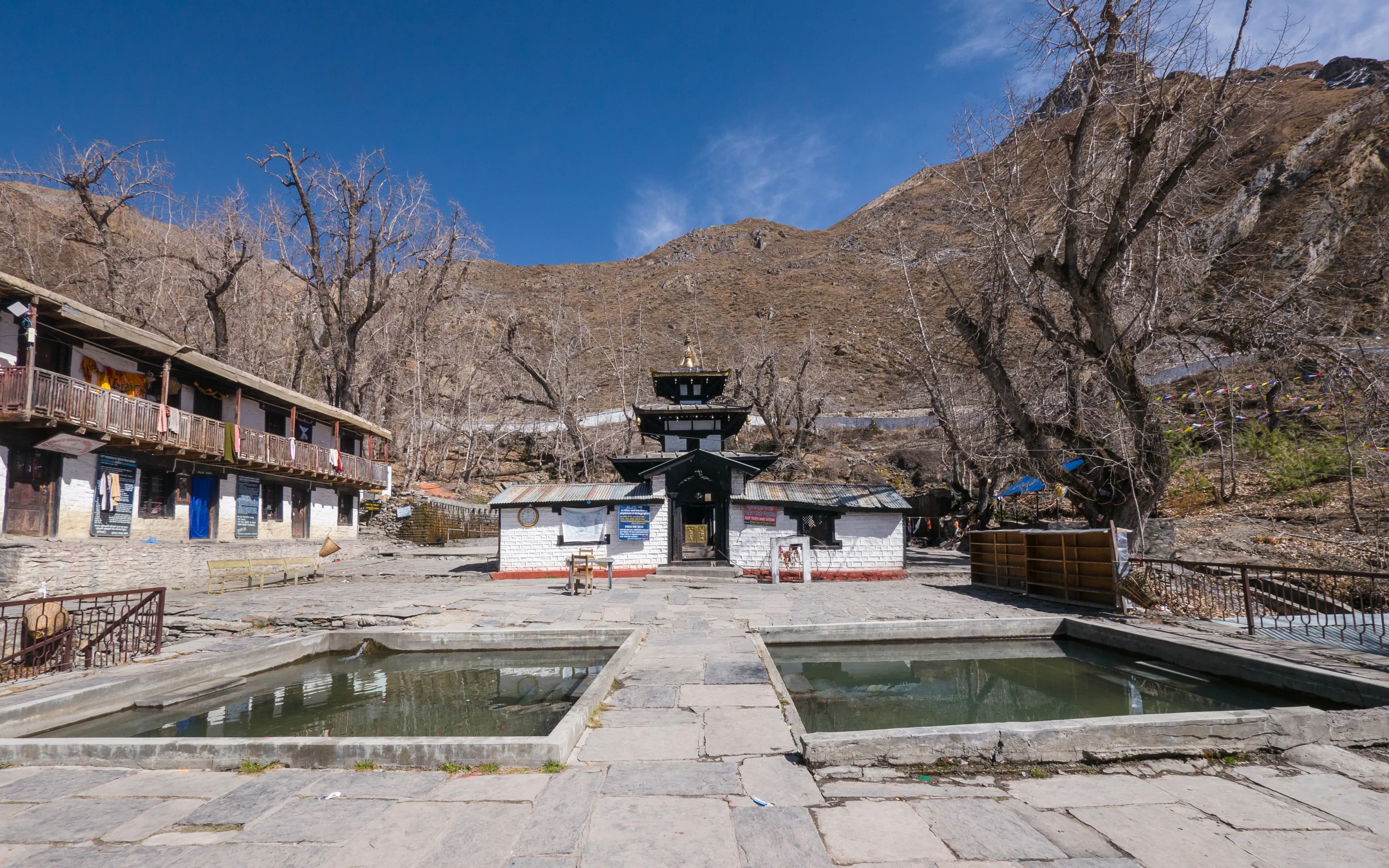
Muktinath Temple Ranipauwa
The crisp Himalayan air, thin and charged with a spiritual energy, whipped prayer flags into a frenzy of colour around me as I approached Muktinath Temple. Nestled high in the Mustang district of Nepal, at an altitude that leaves you breathless in more ways than one, this sacred site felt worlds away from the familiar caves and temples of my native Maharashtra. Here, at the confluence of two holy rivers, the Gandaki and Kali Gandaki, Hinduism and Buddhism intertwine in a vibrant tapestry of faith. The temple itself is a modest structure, a two-tiered pagoda with a traditional Newari-style roof. Unlike the elaborate rock-cut marvels of Ajanta and Ellora or the towering gopurams of South Indian temples, Muktinath’s beauty lies in its simplicity and the stark, dramatic landscape that surrounds it. The whitewashed walls, accented with intricately carved wooden window frames and doorways, stood in stark contrast to the brown, barren hills. A small courtyard, enclosed by a low wall, offered a space for pilgrims to circumambulate the main shrine. Inside, the atmosphere was thick with incense and the murmur of prayers. The main deity, Muktinath, is represented by a golden statue of Vishnu, flanked by Lakshmi and Saraswati. What struck me most, however, were the 108 intricately carved brass spouts shaped like bull heads, from which continuously flowed icy water from the Kali Gandaki. This is considered holy water, and pilgrims queue patiently to bathe under each spout, a ritual believed to cleanse them of their sins and grant them moksha, or liberation. I too joined the queue, the glacial water a shock to the system, but invigorating nonetheless. The experience felt primal, a direct connection to the natural world and the divine. Beyond the main shrine, the temple complex houses several smaller shrines dedicated to various Hindu and Buddhist deities. I noticed a distinct Tibetan Buddhist influence in some of the artwork and iconography, a testament to the region's rich cultural heritage. Prayer wheels, adorned with mantras, lined the walls, their rhythmic spinning adding to the spiritual ambience. The presence of both Hindu and Buddhist devotees, worshipping side-by-side, was a powerful reminder of the shared spiritual roots of these two ancient religions. One of the most unique aspects of Muktinath is the presence of Jwala Mai, a perpetually burning flame fueled by natural gas seeping from the earth. Housed in a small chamber adjacent to the main temple, this eternal flame is considered a manifestation of the divine feminine and is revered by both Hindus and Buddhists. Witnessing this natural wonder, flickering brightly against the dark stone, was a truly awe-inspiring experience. It felt like a tangible connection to the earth's energy, a reminder of the powerful forces that shape our world. My exploration extended beyond the temple itself. The surrounding landscape, a high-altitude desert dotted with prayer flags and chortens, offered breathtaking views of the snow-capped Himalayas. The air was thin and dry, the sun intense, but the spiritual energy of the place kept me going. I spent hours wandering the surrounding trails, absorbing the serenity of the mountains and reflecting on the profound sense of peace that permeated the air. Muktinath is more than just a temple; it is a pilgrimage, a journey of faith and self-discovery. It is a place where the boundaries between religions blur, where nature and spirituality intertwine, and where the pursuit of moksha takes centre stage. For someone who has spent years exploring the ancient sites of Maharashtra, Muktinath offered a fresh perspective on faith and the human connection to the divine. It is a place I will never forget, a place that has left an indelible mark on my soul.
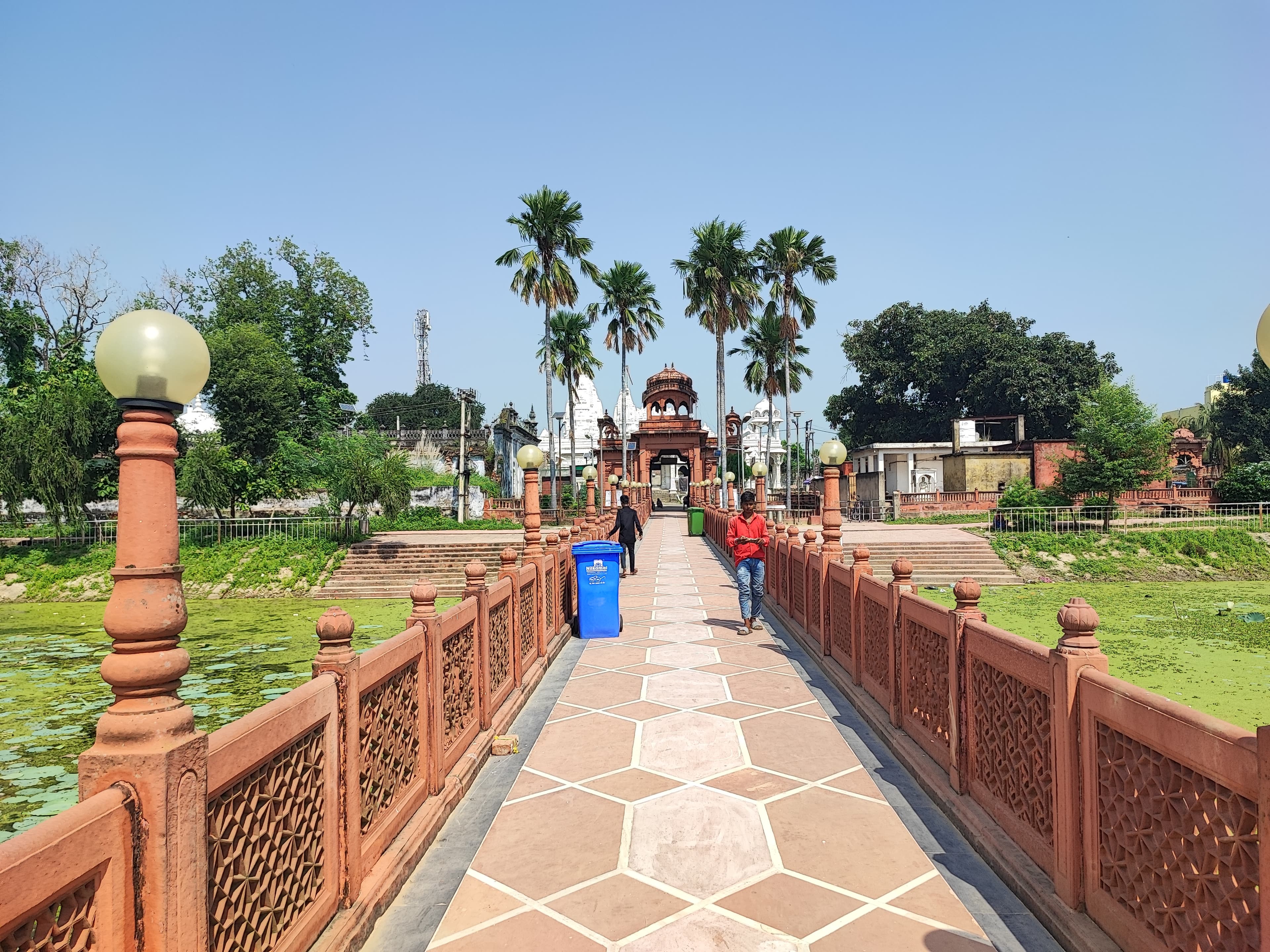
Jal Mandir Pawapuri
The midday sun beat down on Pawapuri, the heat shimmering off the vast, placid tank. But the air held a palpable stillness, a sense of reverence that seemed to emanate from the heart of the tank itself – the Jal Mandir, a marble marvel floating serenely on its lotus-shaped pedestal. Having crisscrossed North India, documenting countless temples, I thought I was immune to architectural surprises. Pawapuri, however, proved me wrong. The approach to the Jal Mandir is a pilgrimage in itself. Barefoot, I walked the long, red sandstone bridge that stretches across the tank, the water reflecting the cloudless sky like a giant mirror. With each step, the temple grew larger, its pristine white marble a stark contrast against the azure backdrop. The bridge, I learned, represents the final path of Lord Mahavira, the 24th Tirthankara of Jainism, who attained Moksha (liberation) at this very spot. That knowledge imbued the walk with a profound sense of significance. Reaching the temple, I was immediately struck by its delicate beauty. Unlike the towering, ornate structures I’d encountered elsewhere, the Jal Mandir exuded a quiet elegance. Built entirely of white marble, it is a relatively small structure, a single-storied pavilion with a pyramidal shikhara. The shikhara, however, is not the typical North Indian style I’m accustomed to. It’s more reminiscent of the curvilinear towers of Odisha, lending the temple a unique architectural identity. Intricate carvings of lotus flowers, elephants, and celestial beings adorn the marble surface, each detail meticulously crafted. Inside the sanctum, a serene statue of Lord Mahavira sits in meditative posture. The atmosphere within is hushed, punctuated only by the soft chanting of devotees. Sunlight filters through the latticed marble screens, casting dappled patterns on the floor. It’s a space that invites contemplation, a sanctuary from the outside world. Circumambulating the temple, I noticed the four small shrines located at each corner of the platform. These are dedicated to the other Tirthankaras who also attained Moksha at Pawapuri. The platform itself is surrounded by a marble balustrade, offering uninterrupted views of the surrounding tank. Schools of fish darted beneath the surface, adding a touch of life to the tranquil scene. Beyond the immediate vicinity of the Jal Mandir, the tank is fringed by other temples and dharamshalas. The entire complex is meticulously maintained, a testament to the devotion of the Jain community. I spent hours wandering the grounds, absorbing the peaceful atmosphere and observing the rituals of the pilgrims. Many were performing the Parikrama, the circumambulation of the tank, their faces etched with devotion. What struck me most about Pawapuri was the palpable sense of peace that permeated the air. It wasn't just the quietude of the location, but something deeper, a spiritual resonance that seemed to emanate from the very ground itself. Perhaps it was the knowledge that this was the place where Lord Mahavira achieved liberation, or perhaps it was the collective devotion of the pilgrims who flocked to this sacred site. Whatever the reason, Pawapuri left an indelible mark on me. As I left the temple complex, the setting sun cast a golden glow over the Jal Mandir, transforming the white marble into a shimmering beacon of peace. It was a sight I won’t soon forget, a reminder of the profound spirituality that can be found in the most unexpected corners of India. My journey through North India has taken me to countless temples, each with its own unique story to tell. But Pawapuri, with its serene Jal Mandir and its palpable sense of peace, holds a special place in my heart. It is a place where architecture, nature, and spirituality converge to create an experience that is both humbling and deeply moving.
San Phra Kan Prang Khaek Lopburi
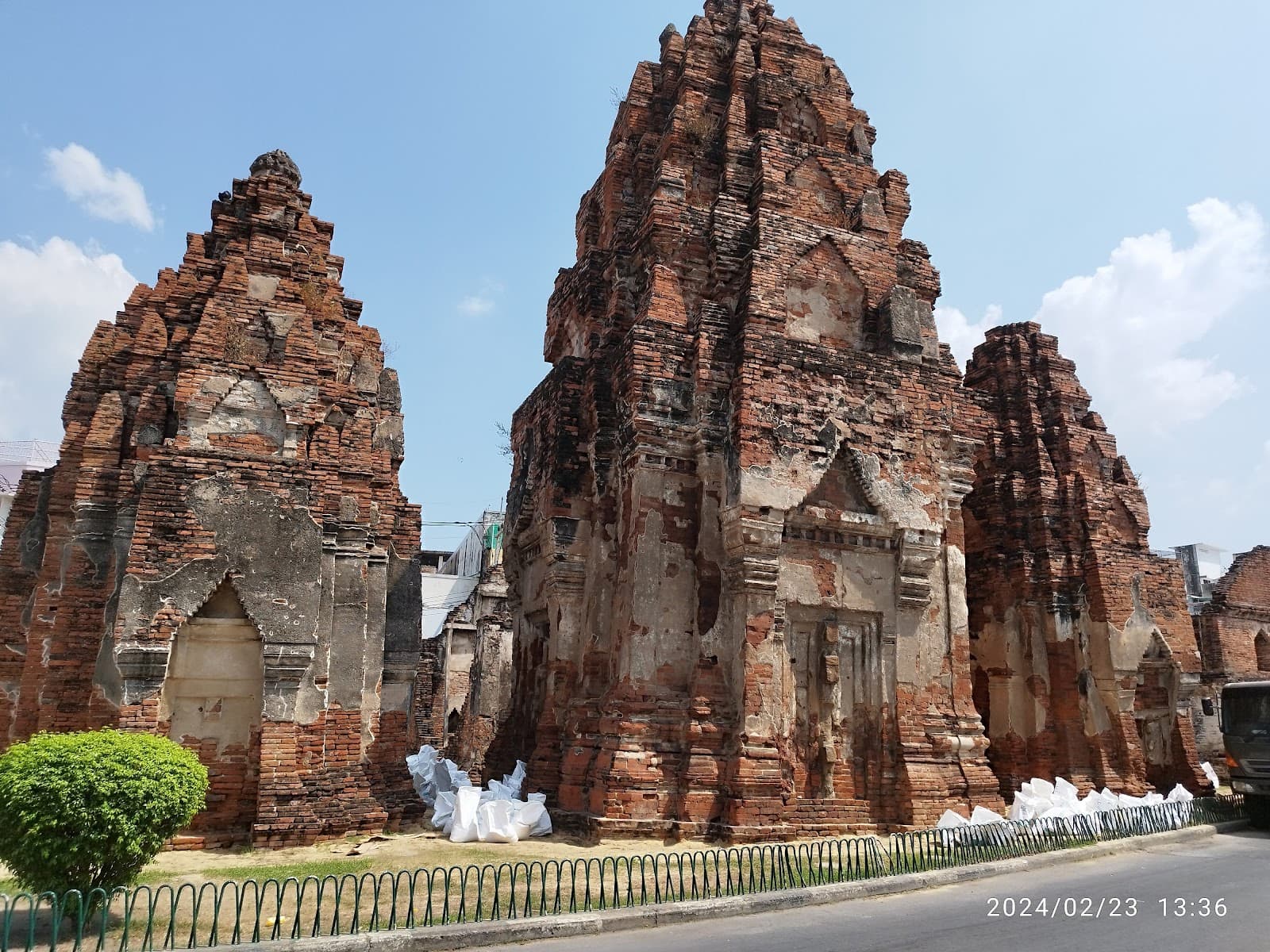
San Phra Kan, also known as Prang Khaek, located in Lopburi town, represents the oldest Khmer Hindu shrine in Central Thailand, dating to the 9th-10th centuries CE and constructed during the early Angkorian period, likely during the reign of Suryavarman II. The temple complex features three brick prangs (towers) arranged in a row, dedicated to the Hindu trinity of Brahma, Vishnu, and Shiva, demonstrating the syncretic nature of early Khmer religious practice. The complex spans approximately 0.5 hectares and features a rectangular laterite enclosure wall, though much has been lost to urban development. The three prangs, constructed primarily from brick with sandstone doorframes and decorative elements, rise to heights between 10 and 12 meters, with the central tower being slightly taller. The temple’s architectural style represents early Angkorian period, predating the more elaborate Baphuon and Angkor Wat styles, featuring simpler decorative elements and construction techniques. The complex includes evidence of stucco decoration, though most has been lost to weathering. Archaeological evidence indicates the temple served as an important early Khmer religious center in Central Thailand, establishing the foundation for later Khmer architectural developments in the region. The site has undergone restoration since the 1930s, involving structural stabilization and conservation. Today, San Phra Kan remains an important site for understanding early Khmer architecture in Thailand, attracting visitors interested in its historical significance as the oldest Angkorian temple in Central Thailand and its role in establishing Khmer cultural influence in the region. ([1][2])
Vaikom Mahadeva Temple Vaikom
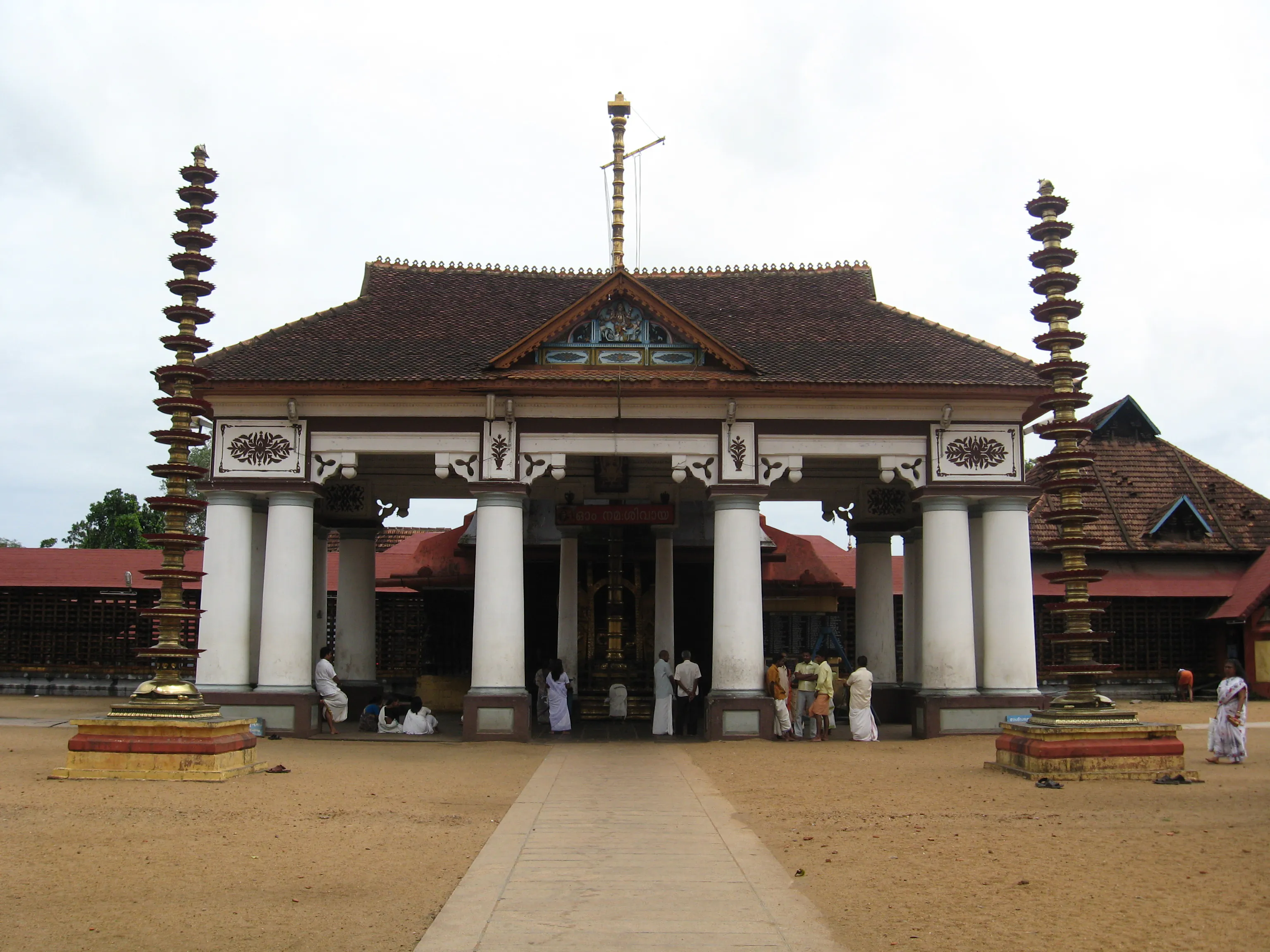
The air hung heavy with the scent of incense and jasmine as I stepped through the imposing gopuram of the Vaikom Mahadeva Temple. Sunlight, filtered through the intricate carvings of the gateway, dappled the stone courtyard, creating an atmosphere of serene grandeur. This wasn't just another temple; it was a palpable link to Kerala's rich architectural and spiritual past. Located in the heart of Vaikom, on the shores of Vembanad Lake, the temple’s location itself speaks volumes about its historical significance – a confluence of faith and the natural world. The temple, dedicated to Lord Shiva, is one of the oldest and most revered in Kerala, its origins shrouded in legends that predate recorded history. While the current structure likely dates back to the 16th century, with renovations and additions over the centuries, the palpable antiquity of the site suggests a much older spiritual core. The circular sanctum sanctorum, or *sreekovil*, is the heart of the temple. Its copper-plated conical roof, gleaming under the tropical sun, is a classic example of Kerala temple architecture. The sloping roof, supported by massive wooden beams and adorned with intricate brass finials, creates a sense of ascending power, drawing the eye heavenward. Circumambulating the *sreekovil*, I observed the exquisite craftsmanship on the granite walls. Elaborate carvings depicting scenes from the epics, the Ramayana and the Mahabharata, unfolded in intricate detail. These weren't mere decorations; they were narratives etched in stone, whispering tales of devotion, duty, and divine intervention. The figures, despite the weathering of time, retained a remarkable dynamism, their expressions conveying a range of emotions from serene contemplation to fierce determination. The sheer skill of the artisans who breathed life into these stone narratives centuries ago left me awestruck. The *namaskara mandapam*, the hall for devotees to offer prayers, is another architectural marvel. Its massive granite pillars, intricately carved with floral motifs and mythical creatures, support a sloping tiled roof. The play of light and shadow within this space creates a sense of quiet contemplation, a perfect setting for spiritual reflection. Unlike the ornate exuberance of some South Indian temples, Vaikom Mahadeva Temple maintains a certain dignified restraint in its ornamentation. The focus remains firmly on the spiritual core, the *sreekovil*, and the palpable energy that emanates from it. One of the most striking features of the temple is the absence of a typical *gopuram* at the eastern entrance. Local lore attributes this to the belief that the deity faces west, towards the Vembanad Lake, a unique deviation from traditional temple architecture. This subtle difference underscores the distinct character of Vaikom Mahadeva Temple, a place where local beliefs and traditions have shaped the architectural narrative. Beyond the main structures, the temple complex encompasses several smaller shrines dedicated to other deities, each with its own unique architectural character. The *balikalpura*, a small shrine dedicated to the serpent deities, is particularly noteworthy for its intricate wood carvings. The surrounding walls are adorned with vibrant murals depicting scenes from local folklore, adding another layer to the rich tapestry of the temple's narrative. My visit to Vaikom Mahadeva Temple was more than just an architectural exploration; it was a journey into the heart of Kerala's spiritual and cultural heritage. The temple stands as a testament to the enduring power of faith and the remarkable artistry of generations past. It's a place where the whispers of history mingle with the chants of devotion, creating an atmosphere of profound serenity and timeless beauty. As I left the temple precincts, the scent of incense still clinging to my clothes, I carried with me not just memories of intricate carvings and soaring roofs, but a deeper understanding of the profound connection between architecture and spirituality in ancient India.

Dandan-Uiliq Ruoqiang Xinjiang China
Dandan-Uiliq, or "the houses with ivory," lies nestled in Ruoqiang County, Xinjiang, a relic of the Khotan Kingdom's embrace of Indian Buddhist traditions along the Silk Road ([1][2]). This abandoned oasis town and Buddhist monastery complex, flourishing from the 6th to the late 8th century CE, offers invaluable insights into the transmission of Indian Buddhist art and culture to Central Asia ([1]). Rediscovered in 1896 by Sven Hedin, subsequent excavations by Aurel Stein and others unearthed extensive remains of temples, stupas, and residential structures, preserved by the Taklamakan Desert ([1]). Archaeological excavations have uncovered a wealth of artifacts, including Buddhist manuscripts in Sanskrit, Prakrit, and the Saka language, an Eastern Iranian language closely related to Sanskrit, demonstrating the site's role as a hub for translation and dissemination of Indian Buddhist texts ([1][2]). Intricate carvings adorning the walls depict seated Buddhas, bodhisattvas, and scenes from Buddhist mythology, reflecting iconographic programs directly influenced by Indian Buddhist art centers ([2]). The 2002 excavation of a Buddhist temple brought to light extraordinary wall paintings, accompanied by inscriptions in the Saka language, further evidencing the fusion of Indian Buddhist iconography with local Central Asian artistic traditions ([1]). Fired brick and mud brick construction techniques are prominent throughout the complex, showcasing the adaptation of Indian architectural methods to local materials ([1]). The monastery complex features multiple Buddhist temples arranged around courtyards, a layout echoing Indian Buddhist monastery architecture, where the overall plan, temple forms, and decorative programs reflecting Indian Buddhist practices that were systematically transmitted to Central Asia ([1][2]). Sophisticated stucco work and painted decoration further demonstrate the transmission of Indian artistic techniques to Central Asian craftsmen ([1]). Likely abandoned in the late 8th century CE due to various factors, Dandan-Uiliq remains a significant archaeological site, attesting to the profound influence of Indian Buddhist traditions on the Silk Road and Central Asian culture ([1][2]). Today, Dandan-Uiliq is a UNESCO Tentative List site, with its artifacts providing crucial insights into the cultural exchanges that shaped the ancient world ([1]).
Mundeshwari Devi Temple Kaura
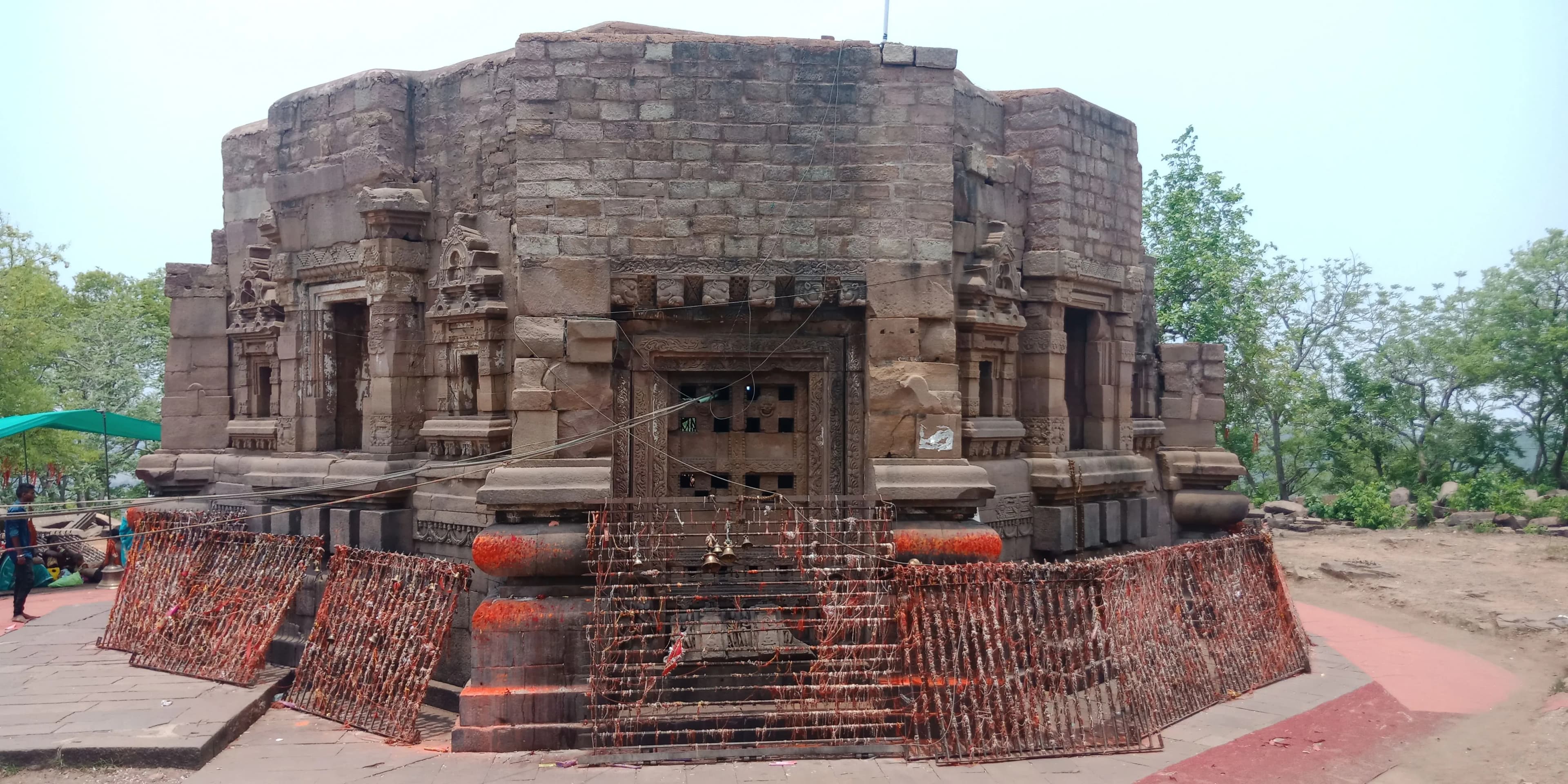
The sun beat down on the Kaimur hills, painting the landscape in hues of ochre and brown as I climbed the winding path towards the Mundeshwari Devi Temple. Located atop the Piwara hill near Kaura in Bihar, this ancient structure emanated an aura of history that even the midday heat couldn't diminish. Having explored countless temples across North India, I was prepared to be impressed, but Mundeshwari offered something uniquely captivating. The first thing that struck me was the temple's unusual octagonal shape, a stark contrast to the more common square or rectangular structures I'd encountered. Built of red sandstone blocks, the temple seemed to grow organically from the hill itself, its weathered stones whispering tales of centuries past. The Archaeological Survey of India recognizes it as the oldest functional Hindu temple in India, a claim that felt palpable standing in its presence. The weight of history, the tangible connection to generations of worshippers, hung heavy in the air. As I circumambulated the temple, I observed the intricate carvings adorning its exterior walls. While time and the elements had taken their toll, I could still discern depictions of various deities, including Ganesha and Vishnu, their forms softened by erosion yet retaining a distinct power. The octagonal design, I learned, represents the eight directions, symbolically placing the deity at the center of the cosmos. This architectural choice, combined with the hilltop location, created a powerful sense of sacred space, a place where the earthly and the divine converged. Entering the sanctum sanctorum was a transformative experience. The low ceiling and dimly lit interior fostered an atmosphere of reverence. Here, enshrined within the heart of the temple, resided the four-headed image of Devi Mundeshwari. Unlike the more common depictions of Durga or Kali, this representation of Shakti, the divine feminine, felt primal, ancient. The four heads, facing the cardinal directions, seemed to embody the all-encompassing power of the goddess. The priest, a kind-faced man with eyes that held the wisdom of generations, explained that the temple is dedicated to both Shiva and Shakti, represented by the Chaturmukhi Shivling within the sanctum. This dual dedication, he explained, symbolizes the harmonious balance of masculine and feminine energies, a concept central to Hindu cosmology. He pointed out the unique placement of the Shivling, directly beneath the feet of the Devi, further emphasizing the primacy of Shakti in this particular manifestation. Stepping back out into the sunlight, I took a moment to absorb the panoramic view from the hilltop. The Kaimur range stretched out before me, a tapestry of green and brown, dotted with villages and fields. It was easy to see why this location was chosen for a temple. The elevated position, the commanding view, the palpable sense of connection to the natural world – it all contributed to the sacred aura of the place. My visit to Mundeshwari Devi Temple wasn't just about observing architecture or documenting history; it was about experiencing a living tradition. The temple wasn't a relic of the past, but a vibrant center of faith, a place where devotees continue to offer prayers and seek blessings. Witnessing their devotion, their unwavering faith in the power of the goddess, added another layer of meaning to my experience. Leaving the temple, I carried with me not just photographs and notes, but a profound sense of connection to this ancient site and the enduring power of belief. It's a place I urge every traveler exploring North India to experience, a place where history, spirituality, and the raw beauty of the natural world converge to create something truly unforgettable.
Kalighat Kali Temple Kolkata
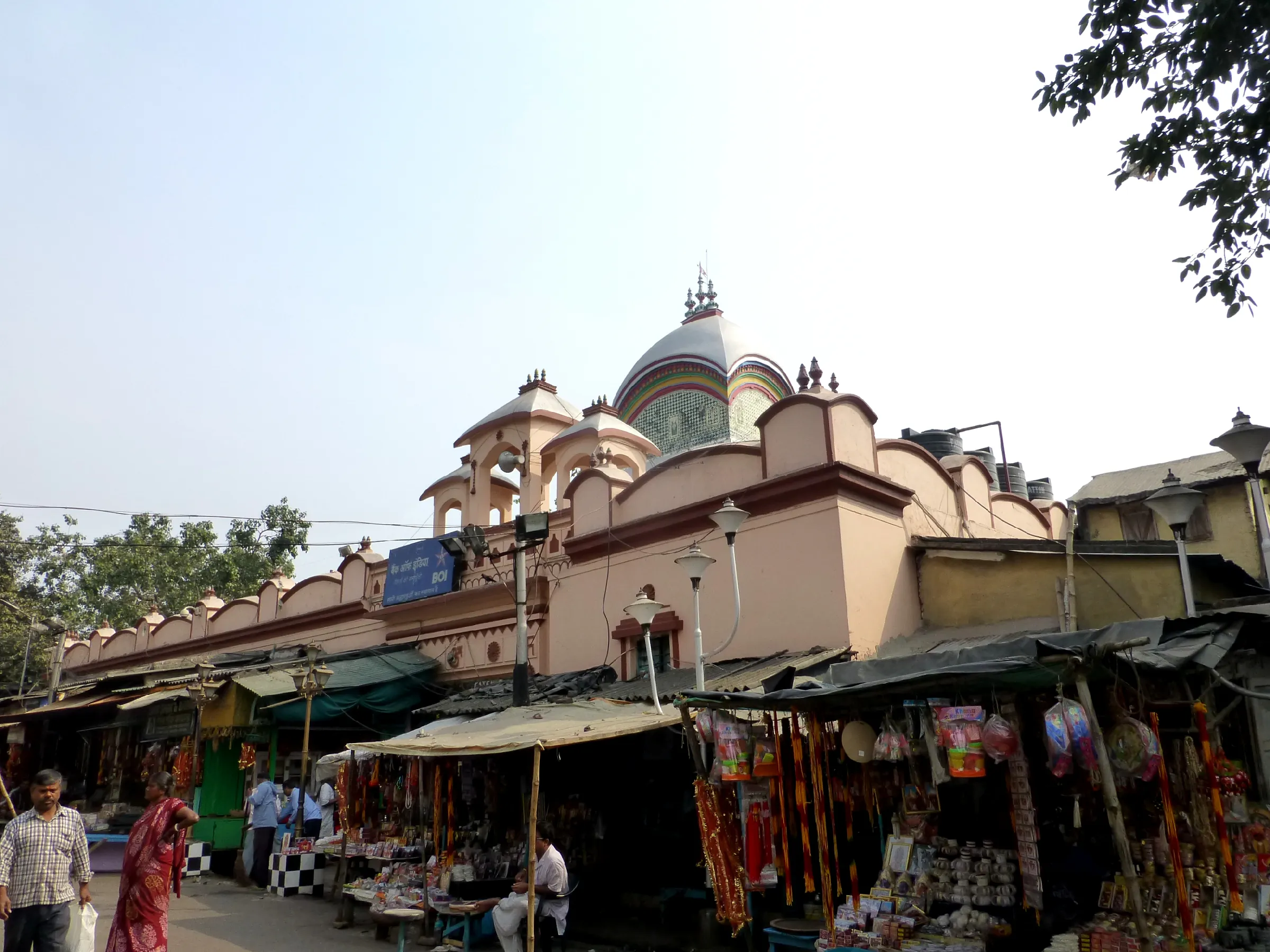
The air hung thick and heavy, not just with the Kolkata humidity, but with a palpable sense of devotion. Garlands of marigolds and hibiscus blazed against the backdrop of the soot-stained Kalighat Kali Temple, their vibrant colours a stark contrast to the aged brick and stone. This wasn't the pristine, symmetrical beauty of the Rajput forts I'm accustomed to back in Rajasthan. This was something rawer, more visceral. The temple, nestled in the heart of Kolkata, pulsated with a chaotic energy. A cacophony of sounds – chanting, bells, the hawkers’ cries – rose and fell like the tide. Navigating the narrow lanes leading to the main shrine was an experience in itself. The air was thick with incense, and the ground, slick with offerings and the remnants of rituals. It was a sensory overload, a far cry from the ordered serenity of, say, the Mehrangarh Fort. The architecture of the Kalighat temple is distinct. Unlike the imposing sandstone structures of Rajasthan, this temple is relatively modest in size. The current structure, built in the 19th century, features a distinctive Bengali style with a curved, sloping roof known as a *dochala*. The main shrine, however, felt ancient, imbued with centuries of worship. The idol of Kali herself is striking. Her jet-black face, adorned with a garland of skulls and a protruding tongue, is both terrifying and mesmerizing. Her three eyes seemed to pierce through the throngs of devotees, acknowledging their prayers and anxieties. What struck me most was the sheer intensity of the faith on display. Devotees, from all walks of life, pressed forward, their faces etched with a mixture of hope and desperation. Some offered flowers, others coconuts, still others whispered fervent prayers. The priests, their foreheads smeared with ash, performed rituals with practiced ease, their chants adding to the hypnotic rhythm of the temple. I watched a young woman, her eyes brimming with tears, offer a lock of her hair to the goddess. It was a powerful moment, a testament to the deep-seated belief that permeates this place. This wasn't just a temple; it was a living, breathing entity, a conduit between the human and the divine. The experience was further intensified by the presence of the *pandits*, the temple priests. While their role is integral to the rituals, their aggressive solicitation of donations felt jarring. It was a stark reminder of the commercialization that often accompanies religious fervor, a phenomenon not entirely unfamiliar in Rajasthan's tourist-heavy temples, but here it felt more pronounced, more intertwined with the very fabric of worship. Stepping back from the immediate crush of the main shrine, I noticed the smaller shrines dedicated to other deities scattered around the complex. Each had its own unique energy, its own dedicated following. The temple complex, despite its chaotic nature, felt like a microcosm of the city itself – a melting pot of different beliefs and practices, all coexisting within a shared space. As I left the Kalighat Kali Temple, the chanting and the scent of incense still clinging to my clothes, I felt a profound sense of awe. This wasn't just a visit to a temple; it was an immersion into a different world, a world where faith and tradition reign supreme. It was a world far removed from the majestic silence of Rajasthan's desert forts, yet equally captivating, equally powerful. The experience served as a potent reminder of the diverse tapestry of India's spiritual landscape, a tapestry woven with threads of devotion, ritual, and unwavering belief.
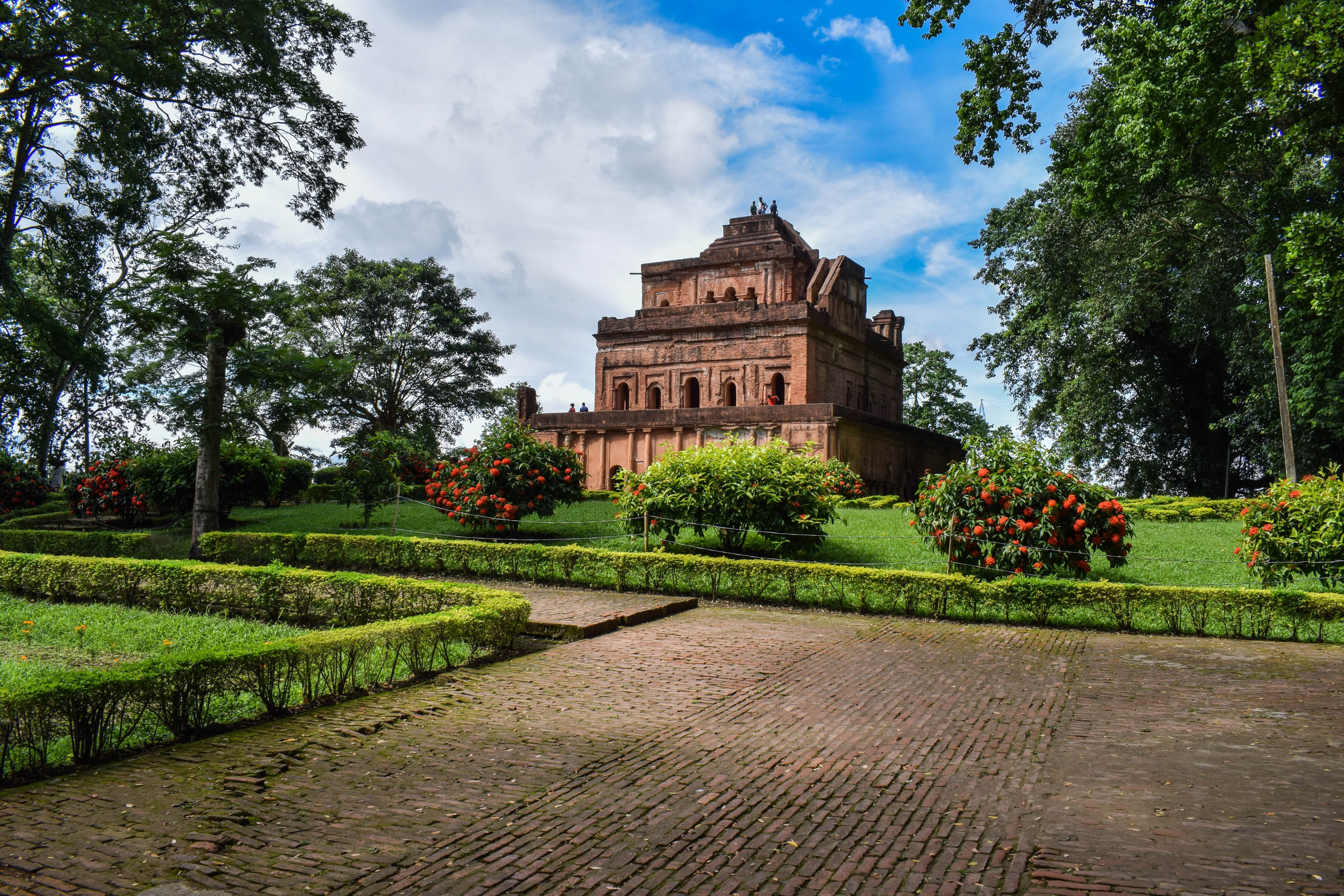
Kareng Ghar Garhgaon
The imposing brick-red ruins of Kareng Ghar rise from the Assam plains near Garhgaon, a silent testament to the grandeur of the Ahom kingdom. Having explored every UNESCO site in India, I can confidently say that Kareng Ghar holds a unique charm, a raw, almost melancholic beauty distinct from the polished magnificence of other historical palaces. It's not a pristine, perfectly preserved monument, but that's precisely what makes it so compelling. The crumbling walls whisper stories of a dynasty that ruled Assam for six centuries. My visit began at the main entrance, a once-grand gateway now reduced to a skeletal arch. Stepping through, I was immediately struck by the sheer scale of the complex. Although much of it lies in ruins, the layout still conveys the original opulence. Imagine courtyards bustling with activity, elephants adorned in finery, and the air thick with the scent of incense and spices – the remnants practically vibrate with the echoes of the past. Kareng Ghar, meaning "Royal Palace" in the Ahom language, wasn't just a single structure but a sprawling complex encompassing living quarters, audience halls, temples, and even an amphitheater. The architecture is a fascinating blend of Ahom traditions and influences from neighboring kingdoms. The use of burnt brick is striking, especially considering the prevalence of stone in many other Indian palaces. This choice, I learned, was dictated by the readily available materials in the region. The bricks, laid without mortar in some sections, showcase the ingenuity of Ahom construction techniques. I spent hours wandering through the ruins, tracing the outlines of former rooms and imagining their function. The palace walls, once plastered and decorated, now bear the scars of time and neglect. Yet, these imperfections only add to the site's poignant beauty. I noticed intricate carvings on some of the surviving brickwork, depicting floral motifs and mythical creatures, offering glimpses into the artistic sensibilities of the Ahom era. One of the most impressive structures within the complex is the Talatal Ghar, a multi-storied brick building believed to have served as a secret escape route and underground chambers. Descending into its cool, dimly lit interiors felt like stepping back in time. The ingenious system of tunnels and hidden passages evokes a sense of intrigue and mystery. It's easy to imagine the Ahom royals using these secret routes during times of conflict. Further exploration revealed the remains of the Garhgaon Rong Ghar, a two-storied pavilion used for royal sports and entertainment. Its octagonal shape and intricate roof design, though damaged, still hint at its former glory. I could almost picture the Ahom kings and nobles watching games and performances from this vantage point. My visit to Kareng Ghar wasn't just about admiring the architecture; it was about connecting with a tangible piece of history. Unlike meticulously restored sites, Kareng Ghar allows for a more visceral experience. The crumbling walls, the overgrown vegetation, and the palpable silence create an atmosphere of reflection. It's a place where one can truly contemplate the rise and fall of empires, the ephemeral nature of power, and the enduring legacy of human ingenuity. As I left Kareng Ghar, the setting sun casting long shadows across the ruins, I felt a profound sense of awe and melancholy. It's a site that deserves more attention, not just for its historical significance but also for its unique, haunting beauty. It's a reminder that sometimes, the most compelling stories are told not by pristine monuments, but by the whispers of ruins.
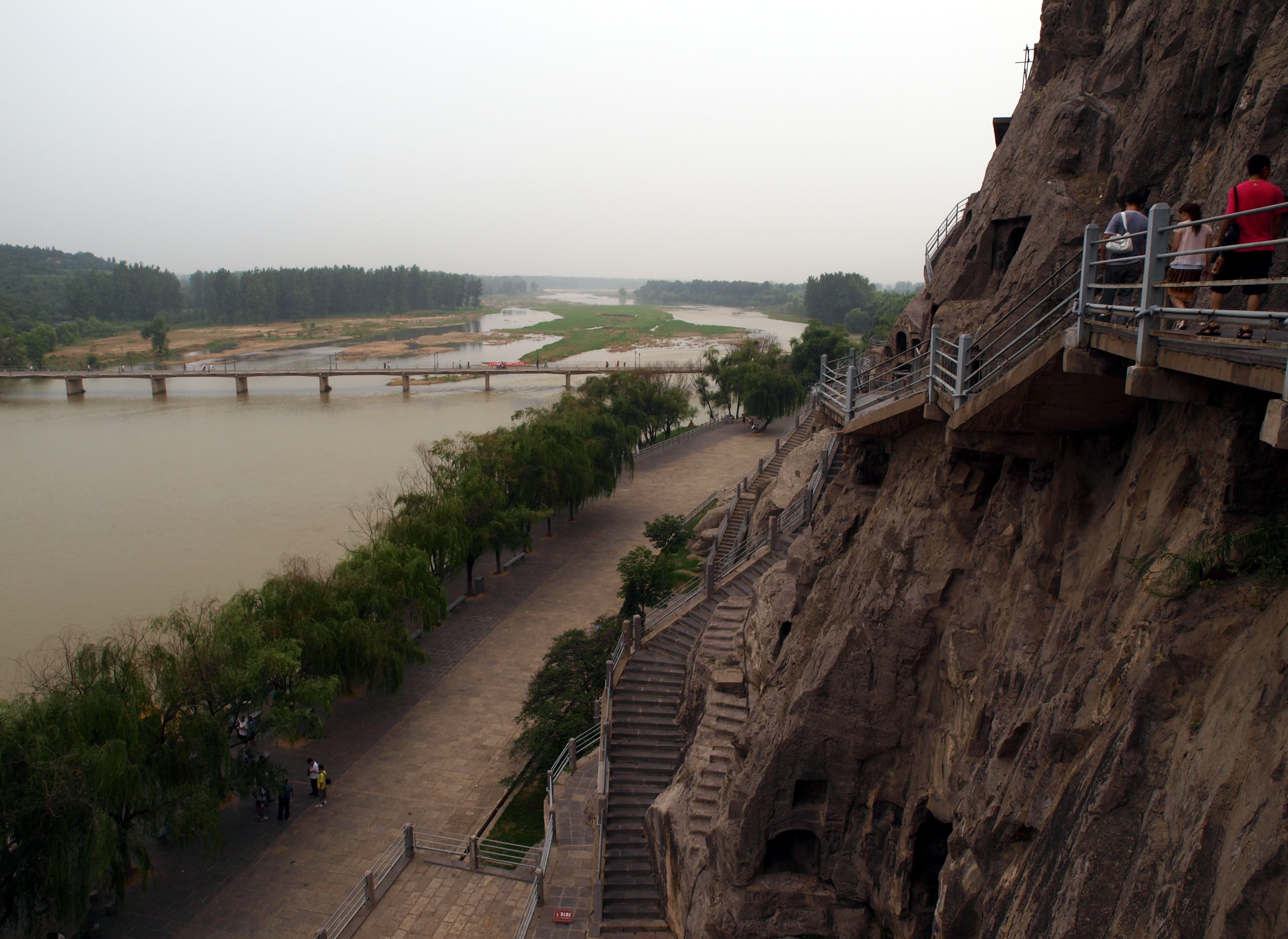
Longmen Grottoes Luoyang Henan China
Longmen Grottoes, dramatically carved into the limestone cliffs along the Yi River near Luoyang in Henan Province, represent one of the most extraordinary and archaeologically significant Buddhist rock-cut temple complexes in China, dating from the 5th through 8th centuries CE and serving as a major center of Buddhist art and devotion that flourished as a crucial link in the transmission of Indian Buddhist traditions to China, featuring tens of thousands of Buddha statues, Bodhisattvas, and guardian figures carved directly into the cliff faces that demonstrate clear connections to the rock-cut architecture and sculpture traditions of ancient India, particularly the sophisticated cave temple and sculpture techniques that were transmitted from the great Buddhist centers of northern India, creating a powerful testament to the profound transmission of Indian Buddhist civilization to China during the early medieval period. The site, featuring over 2,300 caves and niches containing more than 100,000 Buddhist statues ranging from tiny carvings to colossal figures over 17 meters tall, demonstrates clear connections to the architectural and artistic traditions of ancient India, particularly the sophisticated rock-cut temple traditions that were transmitted from the great Buddhist centers of northern India such as Ajanta, Ellora, and the Gandharan region, demonstrates the direct transmission of Indian Buddhist architectural knowledge, religious iconography, and cultural concepts from the great monastic universities of ancient India, particularly Nalanda and Taxila, which systematically transmitted Buddhist teachings and architectural traditions to China through the extensive trade and pilgrimage networks that connected India with China, while the site's most remarkable feature is its extraordinary collection of Buddhist sculptures including the colossal Vairocana Buddha in the Fengxian Temple that stands at 17.14 meters tall, demonstrating remarkable parallels with Indian Buddhist sculpture traditions, particularly the structural techniques and iconographic programs that were central to Indian Buddhist art, including depictions of Buddhas, Bodhisattvas, and guardian deities that reflect Indian iconographic traditions and demonstrate the sophisticated transmission of Indian artistic techniques to China. The grottoes' architectural layout, with their sophisticated planning, central Buddha images surrounded by subsidiary figures, meditation chambers, and ceremonial spaces, follows planning principles that demonstrate remarkable parallels with Indian rock-cut temple planning principles, particularly the chaitya hall and vihara traditions that were central to Indian Buddhist architecture, while the site's extensive archaeological remains including Buddhist sculptures with clear Indian stylistic influences, inscriptions that reflect Indian epigraphic traditions, and architectural elements demonstrate the sophisticated synthesis of Indian Buddhist iconography and cosmological concepts with local Chinese aesthetic sensibilities and building materials. Historical evidence reveals that the site served as a major center of Buddhist learning and religious activity during the 5th through 8th centuries, attracting monks, traders, and pilgrims from across China, South Asia, and Central Asia, while the discovery of numerous artifacts including Buddhist sculptures with clear Indian stylistic influences, inscriptions that reflect Indian epigraphic traditions, and architectural elements that reflect Indian architectural concepts provides crucial evidence of the site's role in the transmission of Indian Buddhist traditions to China, demonstrating the sophisticated understanding of Indian Buddhist architecture and religious practices possessed by the site's patrons and monastic establishment. The site's association with the ancient city of Luoyang, which served as the capital of multiple Chinese dynasties and flourished as a major cultural center with extensive connections to India and Central Asia, demonstrates the sophisticated understanding of Indian Buddhist traditions that were transmitted to China, while the site's Buddhist sculptures and rock-cut architecture demonstrate remarkable parallels with Indian Buddhist temple architecture and sculpture traditions that were central to ancient Indian civilization. The site has been the subject of extensive archaeological research and conservation efforts, with ongoing work continuing to reveal new insights into the site's sophisticated architecture, religious practices, and its role in the transmission of Indian Buddhist traditions to China, while the site's status as a UNESCO World Heritage Site demonstrates its significance as a major center for the transmission of Indian Buddhist and cultural traditions to China. Today, the Longmen Grottoes stand as one of the most important historical Buddhist sites in China, serving as a powerful testament to the transmission of Indian Buddhist civilization to China, while ongoing archaeological research and conservation efforts continue to protect and study this extraordinary cultural treasure that demonstrates the profound impact of Indian civilization on Chinese religious and cultural development. ([1][2])
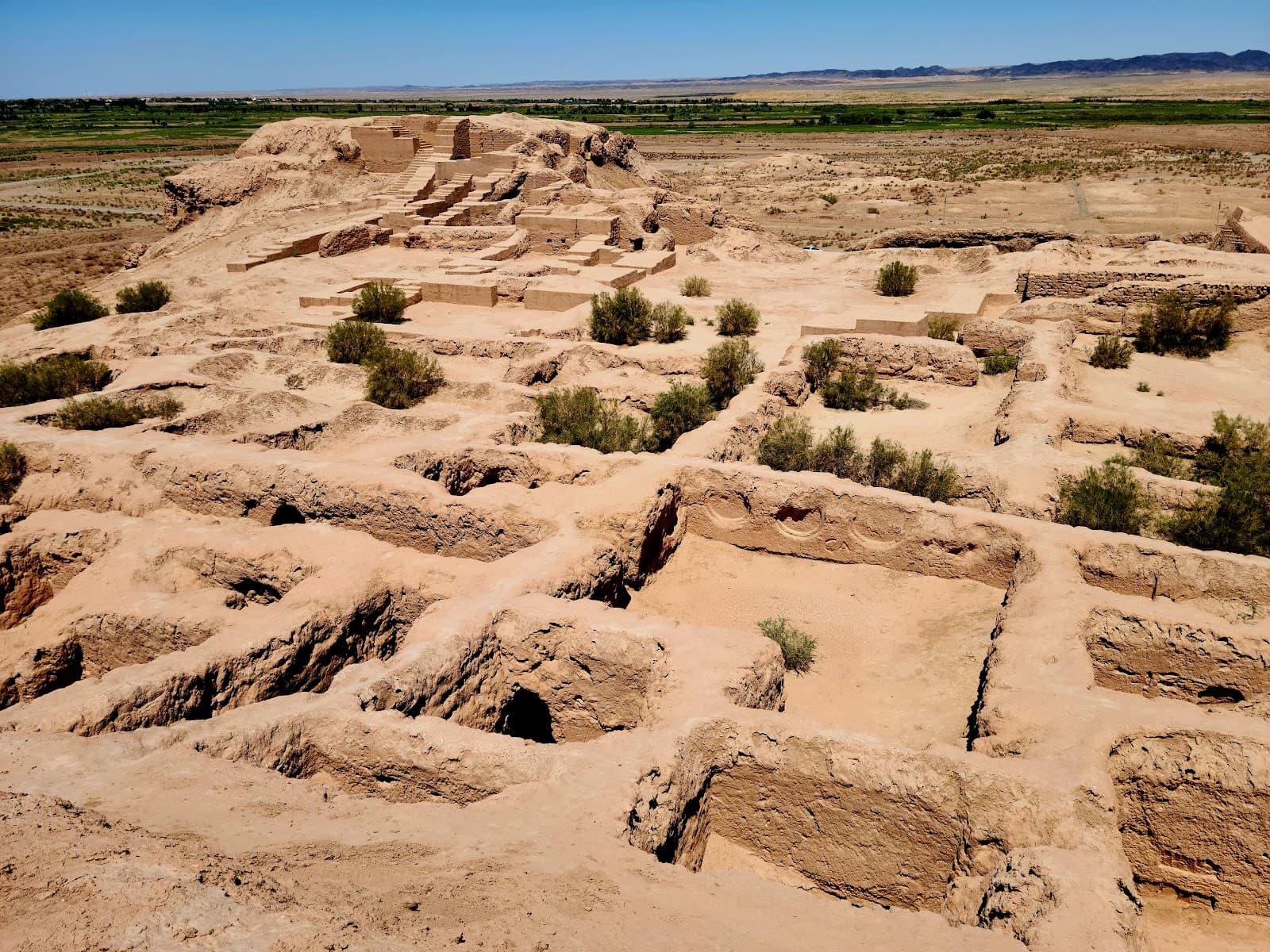
Topraq-Kala Karakalpakstan Uzbekistan
Topraq-Kala, located in the Karakalpakstan region of Uzbekistan, represents one of the most magnificent and archaeologically significant Khorezmian palace-temple complexes in Central Asia, constructed from the 1st to 4th centuries CE as a major administrative and religious center that demonstrates the extraordinary synthesis of Central Asian palace architecture with Indian Hindu religious iconography and artistic traditions, creating a powerful testament to the profound transmission of Indian religious and cultural traditions to Central Asia during the ancient period. The complex, comprising an extensive fortified palace with multiple courtyards, residential quarters, and religious structures, features remarkable archaeological discoveries including temple remains adorned with Hindu iconography including sculptures and reliefs depicting Hindu deities that demonstrate the direct transmission of Indian Hindu religious and artistic traditions to Central Asia, while the discovery of numerous artifacts including sculptures of Shiva, Vishnu, and other Hindu deities provides crucial evidence of the site's role as a center where Indian Hindu religious practices flourished in Central Asia. The palace-temple complex demonstrates sophisticated architectural planning with multiple levels, courtyards, and specialized structures that reflect both Central Asian palace traditions and Indian temple architectural influences, while the extensive decorative programs including sculptures and reliefs executed in styles that demonstrate clear connections to Indian artistic traditions provide crucial evidence of the ways in which Indian Hindu iconography was adapted and transformed in the Central Asian context. Archaeological excavations have revealed that the complex served as both a major administrative center for the Khorezmian state and a center of Hindu worship, while the discovery of numerous artifacts including coins, pottery, and ritual objects provides crucial evidence of the site's role in the transmission of Indian religious, artistic, and cultural traditions to Central Asia, demonstrating the sophisticated understanding of Indian traditions possessed by the inhabitants of this remarkable complex. The site's location along major trade routes underscores its significance as a center for the transmission of Indian religious and cultural traditions to Central Asia, while the extensive archaeological remains provide crucial insights into the ways in which Indian Hindu practices were integrated into Central Asian palace and religious architecture. Today, Topraq-Kala stands as a UNESCO Tentative List site and represents one of the most important Khorezmian archaeological sites in Central Asia, serving as a powerful testament to the transmission of Indian Hindu culture and architecture to Central Asia, while ongoing archaeological research and conservation efforts continue to protect and study this extraordinary cultural treasure that demonstrates the profound impact of Indian civilization on Central Asian religious and artistic traditions. ([1][2])
Quick Links
Plan Your Heritage Journey
Get personalized recommendations and detailed visitor guides