Has Inheritage Foundation supported you today?
Your contribution helps preserve India's ancient temples, languages, and cultural heritage. Every rupee makes a difference.
Secure payment • Instant 80G certificate

Dwarkamai Sai Baba Temple Shillong
The crisp Shillong air, scented with pine and a hint of incense, carried the faint sound of chanting as I approached the Dwarkamai Sai Baba Temple. Nestled amidst the rolling hills of Meghalaya, this temple, a replica of the original Dwarkamai in Shirdi, Maharashtra, felt both familiar and strikingly unique. Having explored countless temples across Uttar Pradesh, from the ancient grandeur of Varanasi to the intricate carvings of Khajuraho, I was curious to see how this sacred space would reflect its adopted environment. The temple’s white façade, punctuated by vibrant saffron and ochre accents, stood out against the verdant backdrop. Unlike the often elaborate North Indian temple architecture, Dwarkamai Shillong presented a simpler, almost austere aesthetic. The single-story structure, built on a raised platform, felt grounded, echoing the pragmatic spirituality of Sai Baba. A flight of broad steps led to the main entrance, flanked by two modest towers, their tops adorned with saffron flags fluttering in the breeze. Stepping inside, I was immediately struck by the palpable sense of peace. The main hall, a spacious rectangular chamber, was bathed in soft light filtering through the large windows. At the far end, the life-sized statue of Sai Baba, draped in his characteristic saffron robe, held court. His benevolent gaze seemed to encompass everyone present, fostering a sense of intimate connection. Unlike the often ornate deities of UP temples, Sai Baba’s simple representation resonated with a quiet power. The walls, unlike the richly sculpted surfaces of temples back home, were plain, adorned only with framed pictures depicting scenes from Sai Baba’s life. This simplicity, however, did not diminish the sacred atmosphere. Instead, it amplified the focus on the saint himself, his teachings, and the palpable devotion of the devotees. The air was thick with the fragrance of burning incense and the murmur of prayers, creating an atmosphere of quiet contemplation. I observed the diverse congregation – Khasi locals in their traditional attire mingled with devotees from other parts of India, all united in their reverence for Sai Baba. This intermingling of cultures, a hallmark of Meghalaya, added another layer to the temple’s unique character. It was fascinating to witness how Sai Baba’s message of universal love transcended geographical and cultural boundaries, resonating deeply in this corner of Northeast India. Adjacent to the main hall, a smaller room housed the Dhuni, a sacred fire, a replica of the perpetually burning fire Sai Baba maintained in Shirdi. The Dhuni, a central element of Sai Baba’s practice, symbolized the eternal flame of devotion and served as a focal point for prayer. Watching devotees circumambulate the Dhuni, offering their prayers and seeking blessings, I was reminded of similar rituals practiced in UP temples, highlighting the underlying unity of faith across diverse traditions. Outside, the temple grounds offered panoramic views of the surrounding hills. A small garden, meticulously maintained, provided a serene space for reflection. The gentle rustling of leaves in the wind and the distant chirping of birds created a tranquil atmosphere, a stark contrast to the bustling temple towns I was accustomed to. My visit to the Dwarkamai Sai Baba Temple in Shillong was a unique experience. It offered a glimpse into how faith adapts and flourishes in different cultural contexts. While the architectural style and the surrounding landscape differed significantly from the temples of my home state, the underlying essence of devotion and the sense of community remained the same. It reinforced the idea that spirituality, in its purest form, transcends physical boundaries and cultural differences, uniting people in a shared quest for meaning and connection. The temple, a testament to Sai Baba's enduring legacy, stood as a beacon of hope and faith in the heart of Meghalaya's hills.
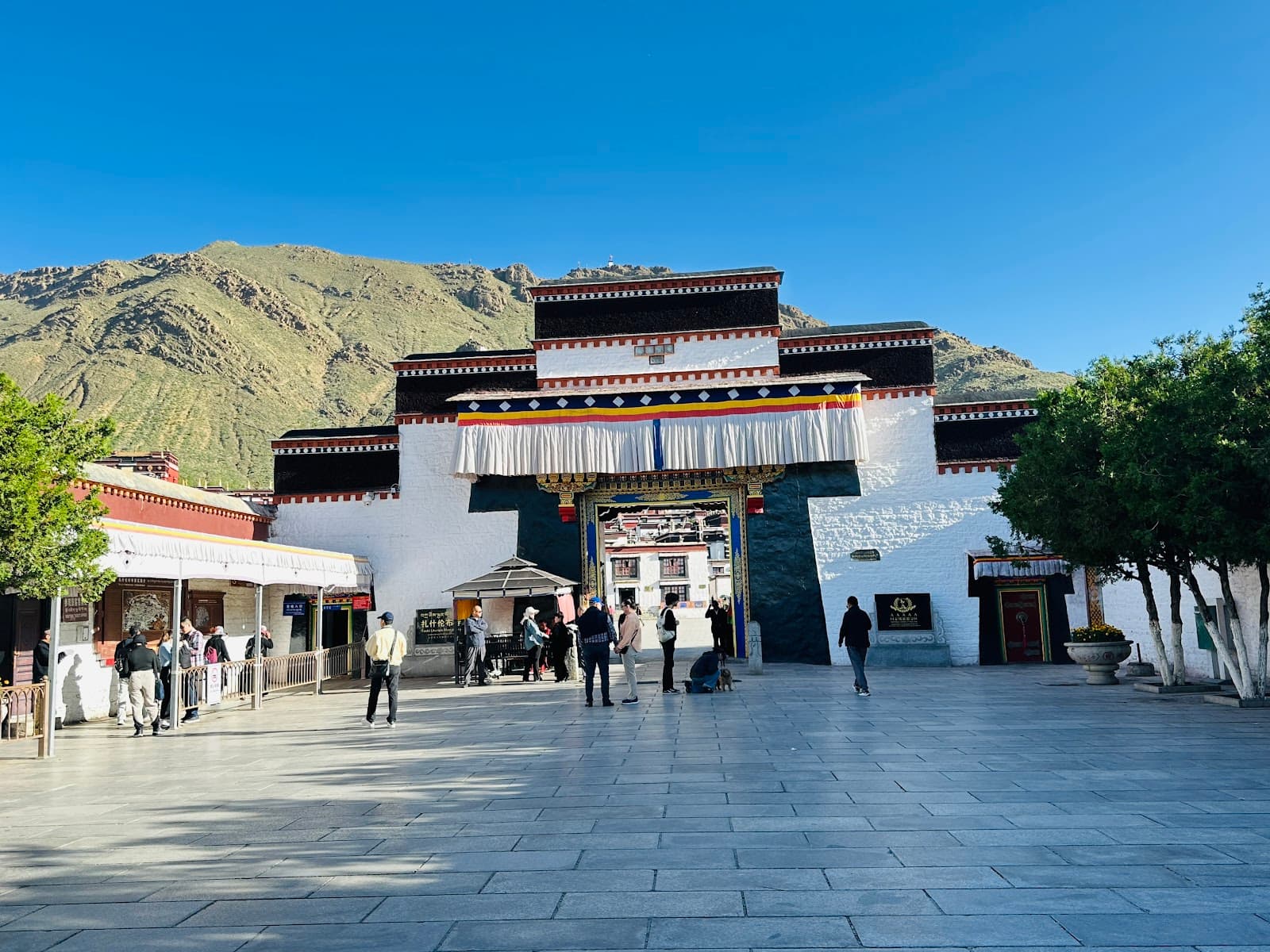
Tashilhunpo Monastery Shigatse Tibet
Tashilhunpo Monastery, located in Shigatse, Tibet, represents one of the most important monasteries in Tibet and stands as the traditional seat of the Panchen Lama, constructed in the 15th century CE during the period when Tibetan Buddhism was flourishing under the influence of Indian Buddhist traditions transmitted through centuries of cultural and religious exchange between Tibet and India. The monastery complex, constructed primarily from stone, wood, and earth with extensive decorative elements, features a massive structure containing numerous temples, chapels, assembly halls, and residential quarters arranged according to Indian Buddhist monastery planning principles, with the overall design reflecting mandala-based cosmological principles found in Indian Buddhist architecture. The monastery’s architectural design demonstrates direct influence from Indian Buddhist monastery architecture, particularly the Nalanda and Vikramashila models, with the overall plan and decorative elements reflecting traditions that were transmitted to Tibet through centuries of cultural exchange, while the extensive library and learning facilities demonstrate the transmission of Indian Buddhist scholarship traditions to Tibet. Archaeological and historical evidence indicates the monastery was constructed with knowledge of Indian Buddhist architectural treatises and learning traditions, reflecting the close cultural connections between Tibet and India during the medieval period, when Indian Buddhist scholars, texts, and architectural knowledge continued to influence Tibetan Buddhism. The monastery has served as a major center for Tibetan Buddhist learning and practice for over five centuries, maintaining strong connections to Indian Buddhist traditions through the study of Indian Buddhist texts, philosophy, and practices. The monastery has undergone multiple expansions and renovations over the centuries, with significant additions conducted to accommodate growing numbers of monks and expanding educational programs. Today, Tashilhunpo Monastery continues to serve as an important place of Buddhist worship and learning in Tibet, demonstrating the enduring influence of Indian Buddhist traditions on Tibetan culture and serving as a powerful symbol of Tibet’s deep connections to Indian civilization. ([1][2])
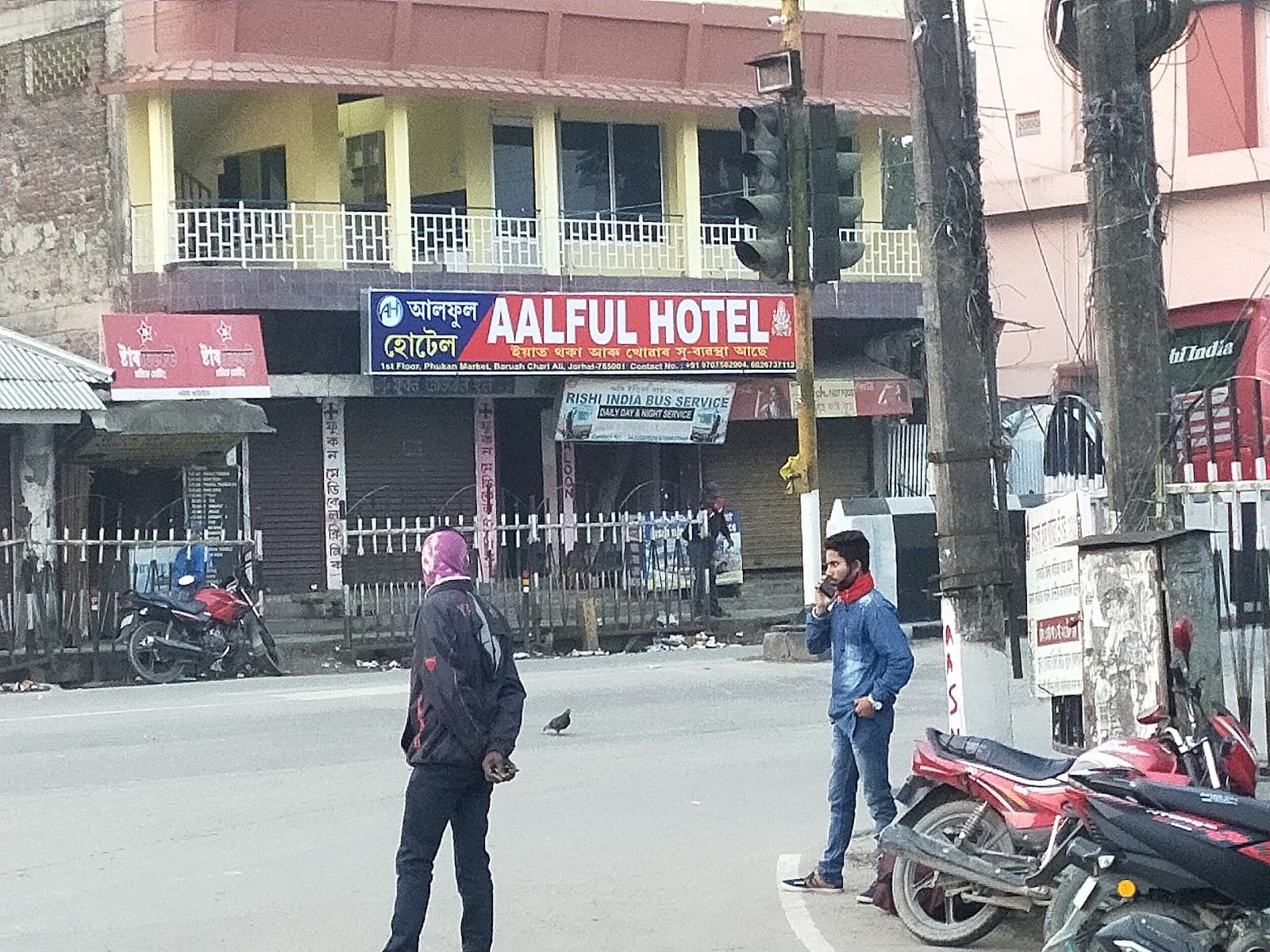
Jorhat Fort Jorhat
The midday sun cast long shadows across the sprawling grounds of Jorhat Fort, or what remained of it. Unlike the imposing stone behemoths I've encountered across Rajasthan or the intricate carvings of Deccan forts, Jorhat presented a different kind of grandeur, a quieter dignity etched in brick and earth. Here in Assam, on the banks of the Bhogdoi River, the Ahom dynasty had once held sway, and their legacy, though fragmented, whispered through the ruins. My camera, a constant companion for over two decades, felt almost intrusive in this space. The silence, broken only by the chirping of birds and the distant hum of city life, demanded a respectful stillness. The main gateway, though crumbling in places, still held an echo of its former might. The arch, a gentle curve of burnt brick, was devoid of the elaborate ornamentation I've come to expect from Mughal or Rajput architecture. Instead, its strength lay in its simplicity, a testament to the pragmatic approach of the Ahom builders. Stepping through the gateway felt like crossing a threshold into a forgotten era. The fort, now largely in ruins, offered glimpses into its layered past. The once-imposing walls, constructed of baked bricks, were now breached in places, overtaken by vegetation. Yet, the sheer scale of the ramparts hinted at the fort's defensive prowess. I could almost picture the Ahom soldiers patrolling these walls, their watchful eyes scanning the horizon for invaders. The central structure, known as the Kareng Ghar, was the heart of the fort. Unlike the stone palaces of other regions, this royal residence was primarily built of brick and wood. While much of the wooden structure has succumbed to time and the elements, the brick foundations and lower walls still stand. The intricate brickwork, devoid of mortar, showcased the skill of the Ahom artisans. I spent a considerable amount of time photographing these details, fascinated by the precision and artistry involved in creating such complex patterns. One of the most striking features within the Kareng Ghar complex was the Talatal Ghar, a multi-storied subterranean structure. Descending into its cool, dimly lit chambers felt like stepping back in time. The unique architectural design, with its secret tunnels and hidden passages, spoke volumes about the strategic thinking of the Ahom rulers. While photography was challenging in the low light, I managed to capture the essence of this intriguing space, the play of light and shadow adding to its mystique. Beyond the main structures, the fort grounds were a tapestry of overgrown mounds and scattered remnants. Fragments of pottery, pieces of brick, and traces of what might have been living quarters lay scattered across the landscape. Each piece, though seemingly insignificant, added another layer to the narrative of this historic site. I found myself drawn to these smaller details, imagining the lives of the people who once inhabited this space. My visit to Jorhat Fort wasn't just about documenting its architectural features; it was about experiencing a tangible connection to a rich and often overlooked history. It was a reminder that heritage isn't just about grand monuments and elaborate carvings; it's also about the stories etched in the simplest of structures, the whispers of the past carried on the wind. As I packed my equipment, the setting sun casting a warm glow over the ruins, I felt a deep sense of gratitude for the opportunity to witness this piece of Assam's history, a history waiting to be rediscovered and shared with the world.
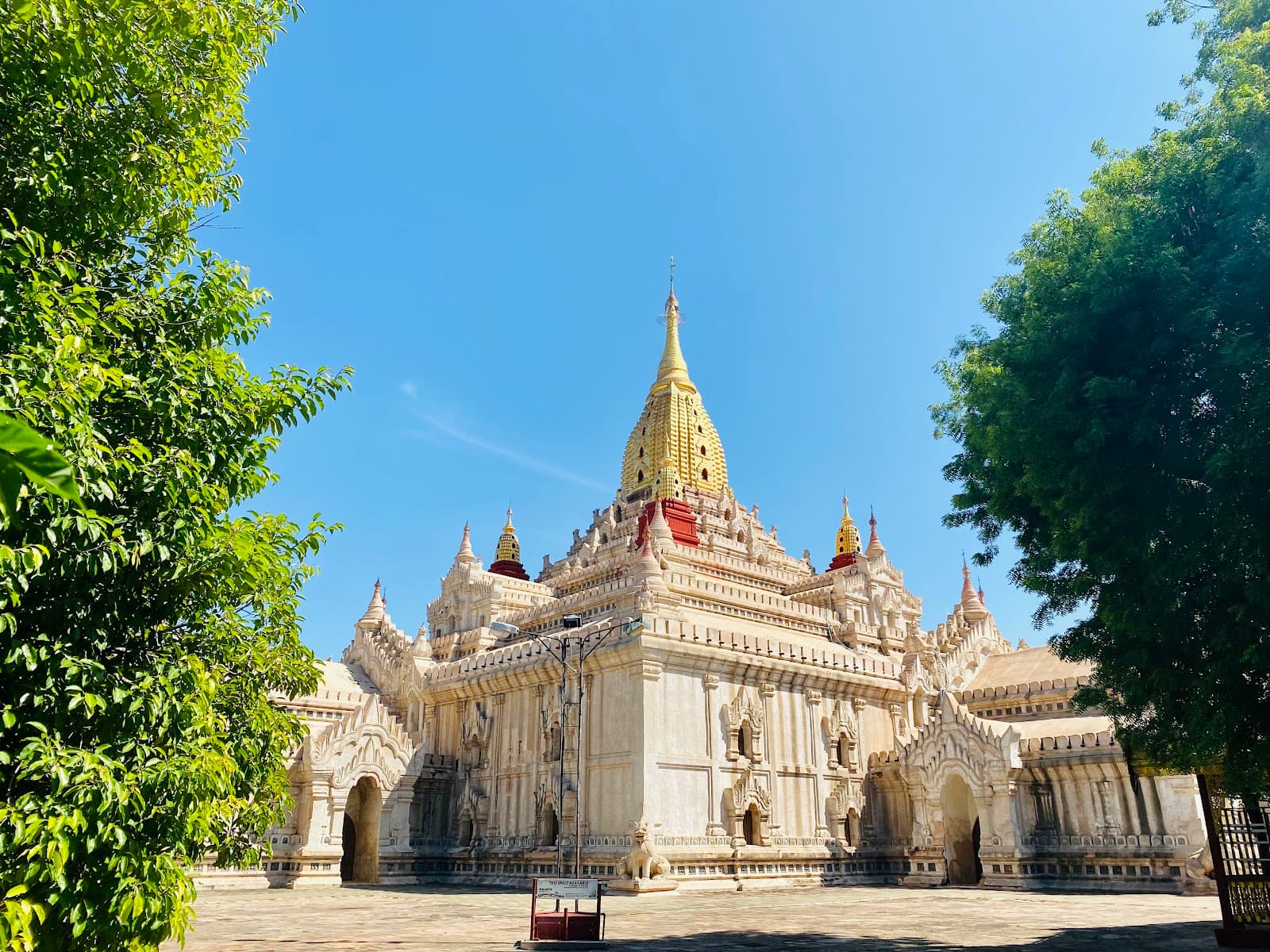
Ananda Temple Bagan
Ananda Temple, situated in the Bagan Archaeological Zone, represents a compelling example of the transmission of Indian architectural and religious ideas to Myanmar, dating back to 1105 CE ([1][2]). King Kyanzittha of the Bagan Empire commissioned its construction, reflecting the empire's engagement with Indian culture ([1]). Vastu Shastra principles, the ancient Indian science of architecture, are discernible in the temple's layout, aligning with mandala-based cosmological concepts common to Hindu and Buddhist sacred spaces ([2]). Rising to a height of 51 meters, the temple follows a cruciform plan, featuring four standing Buddha images facing the cardinal directions ([1]). Intricate carvings adorning the walls narrate stories from the Jataka tales, as well as Hindu epics such as the Ramayana and Mahabharata, illustrating the fusion of religious narratives in ancient Myanmar ([2][3]). During the medieval period, Bagan's temple architecture, including Ananda, absorbed Gupta and Pala influences from India, particularly evident in the Shikhara (spire) design reminiscent of North Indian Nagara temples ([3][4]). Granite and sandstone blocks, meticulously carved, were employed alongside brick and stucco, indicative of the advanced architectural capabilities of the time ([4]). Archaeological evidence suggests the involvement of Indian architects and artisans in the construction, underscoring the strong cultural and commercial links between India and Myanmar ([5]). Sophisticated stucco decoration enhances the temple's exterior, contributing to its overall aesthetic appeal ([1][5]). As a UNESCO World Heritage Site, Ananda Temple embodies Myanmar’s historical connections to Indian civilization through shared religious and architectural traditions ([3][4]). The temple serves as an active site of Buddhist worship, even after undergoing restoration in the 1970s following earthquake damage ([2]). Its enduring presence highlights the interconnectedness of South and Southeast Asian cultures through the exchange of artistic and spiritual ideas.
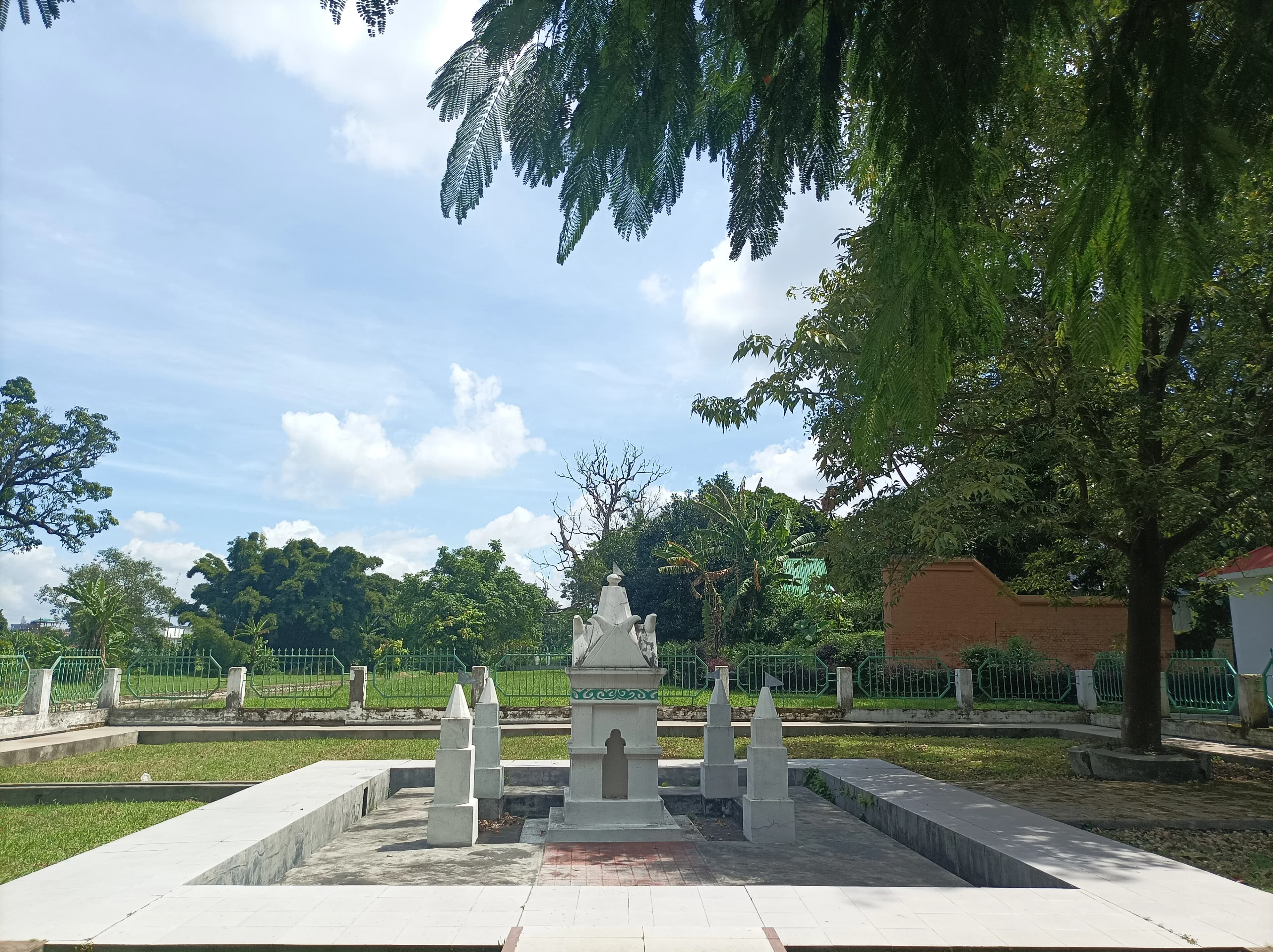
Kangla Fort Imphal
The midday sun beat down on Imphal, casting long shadows across the sprawling grounds of Kangla Fort. This wasn't just another stop on my UNESCO World Heritage journey across India; this was a pilgrimage to the heart of Manipur's history. The very air within these ancient walls seemed to vibrate with the echoes of centuries past, whispering tales of kings and conquests, rituals and resilience. Entering through the imposing western gate, I was immediately struck by the sheer scale of the complex. Kangla, meaning "dry land" in Meiteilon, sprawls across a vast area, bounded on one side by the Imphal River. This strategic location, offering both fertile land and natural defense, explains why it served as the royal seat for centuries, from the reign of the Ningthouja dynasty in the 14th century right up to the arrival of the British in 1891. The scars of history are etched deep into the fort's fabric. I walked past the ruins of the Govindaji Temple, its brickwork ravaged by time and conflict, a poignant reminder of the Anglo-Manipuri War. The temple, dedicated to Lord Krishna, once stood as a symbol of religious harmony, but was tragically destroyed during the British occupation. Its skeletal remains now stand as a silent testament to the enduring power of faith and the destructive nature of war. Further exploration revealed a fascinating blend of architectural styles. The Uttra Sanglen, a brick-built structure with a distinctive curved roof, showcases the ingenuity of Meitei craftsmanship. Its intricate carvings, though weathered, still hint at the grandeur it once possessed. Nearby, the ruins of the Shree Govindajee Temple complex, with its distinctive dome and arched gateways, reveal a Mughal influence, a testament to the cultural exchange that shaped this region. One of the most captivating aspects of Kangla Fort is its spiritual significance. It's not just a collection of historical buildings; it's a living, breathing sacred site. I witnessed locals performing rituals, offering prayers at ancient shrines, their devotion palpable. The sanctity of the place is undeniable, a powerful reminder of the deep connection between the Meitei people and their ancestral land. The Kangla Museum, housed within the fort's walls, provided valuable context to my visit. The exhibits, ranging from ancient pottery and weaponry to royal regalia and manuscripts, offered a glimpse into the rich cultural heritage of Manipur. I was particularly fascinated by the Puyas, the sacred texts of the Meitei people, which offer insights into their cosmology, history, and social customs. As I stood by the banks of the Imphal River, watching the sun begin its descent, I reflected on the profound impact of my visit. Kangla Fort is more than just a historical site; it's a repository of memories, a testament to the resilience of a culture that has endured centuries of change. It's a place where the past and present intertwine, where the whispers of history can still be heard, reminding us of the enduring power of place and the importance of preserving our shared heritage. My journey through India's UNESCO sites had taken me to many magnificent places, but Kangla Fort held a unique resonance, a deep connection to the soul of Manipur.
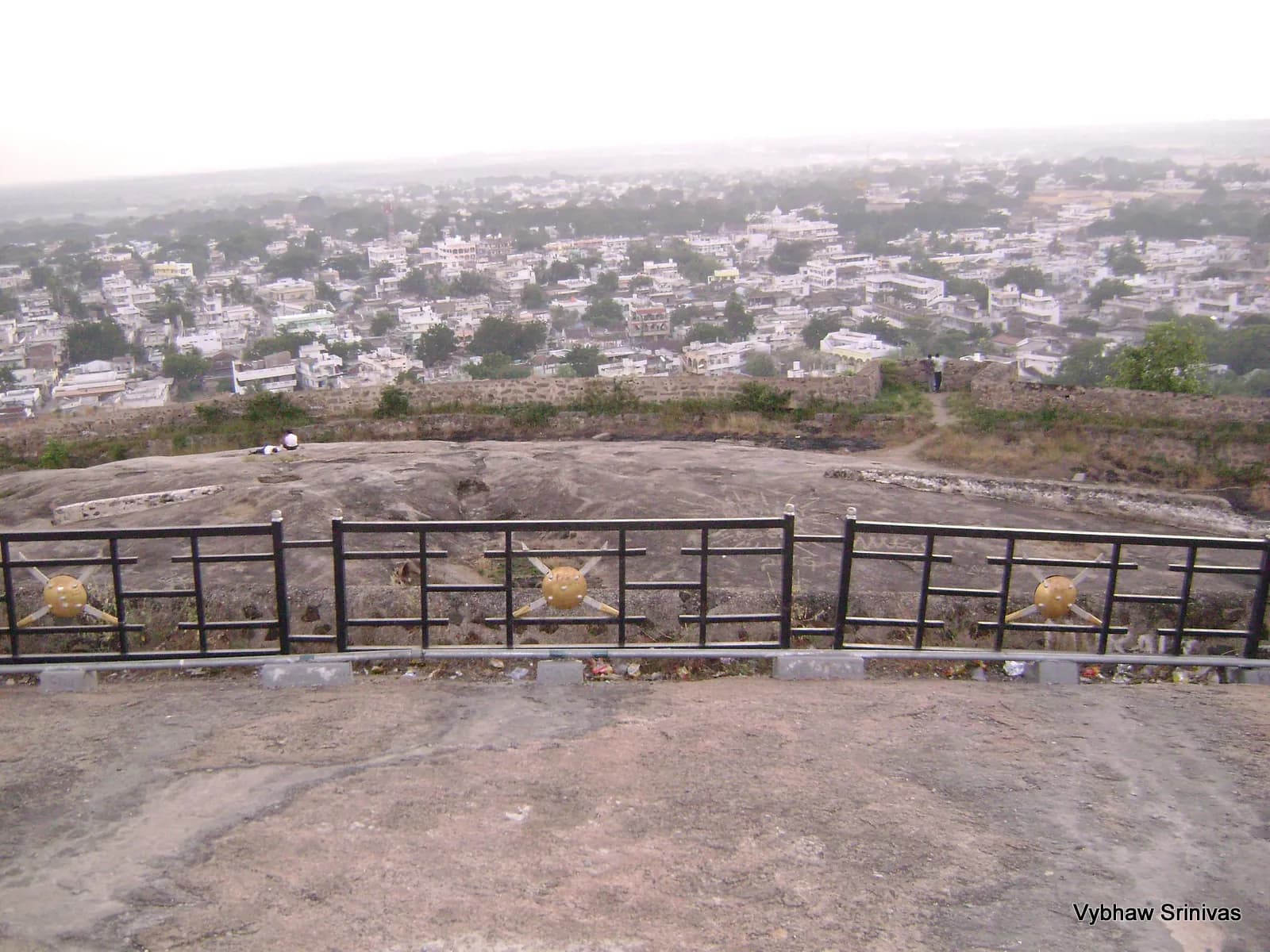
Khammam Fort Khammam
The imposing silhouette of Khammam Fort against the Telangana sky held me captive long before I even reached its gates. The laterite stone, baked to a deep, earthy red by centuries of sun, seemed to pulse with stories whispered down through generations. My journey as a heritage photographer has taken me to many magnificent sites across Madhya Pradesh, but Khammam Fort, with its unique blend of architectural styles, held a particular allure. The fort's strategic location atop a hillock overlooking the city was immediately apparent. Built in 950 AD by the Kakatiya dynasty, it bore witness to the rise and fall of several empires – from the Qutb Shahis to the Mughals and finally, the Asaf Jahis of Hyderabad. This layered history was etched into the very fabric of the structure. Passing through the imposing main gate, I was struck by the contrast between the rough-hewn exterior and the intricate details within. The massive granite pillars, some intricately carved, others bearing the scars of time and conflict, spoke volumes about the fort's enduring strength. I spent hours exploring the various sections, each revealing a different chapter of the fort's story. The remnants of the Kakatiya-era architecture were particularly fascinating. The stepped wells, or *bawdis*, were marvels of engineering, showcasing the ingenuity of the ancient builders in water harvesting. The intricate carvings on the pillars and lintels, though weathered, still hinted at the grandeur of the Kakatiya period. I was particularly drawn to the remnants of a temple dedicated to Lord Shiva, its sanctum sanctorum now open to the sky, the stone worn smooth by the elements. The influence of subsequent rulers was also evident. The Qutb Shahi period saw the addition of mosques and palaces, their arched doorways and intricate stucco work a stark contrast to the earlier, more austere Kakatiya style. The Mughal influence was subtle yet discernible in the layout of certain sections, particularly the gardens, which, though now overgrown, still hinted at a formal, structured design. One of the most captivating aspects of Khammam Fort was its integration with the natural landscape. The fort walls seemed to grow organically from the rocky outcrop, the laterite stone blending seamlessly with the surrounding terrain. From the ramparts, the panoramic view of the city and the surrounding countryside was breathtaking. I could almost imagine the sentinels of old, keeping watch from these very walls, their gaze sweeping across the landscape. As I moved through the fort's various chambers, I noticed the intricate system of tunnels and secret passages. These subterranean routes, once used for escape or strategic movement during times of siege, now lay silent, their darkness holding secrets untold. Exploring these passages, I felt a palpable sense of history, a connection to the lives lived within these walls. My lens captured the grandeur of the fort, the intricate details of its architecture, and the breathtaking views from its ramparts. But beyond the visual documentation, I felt a deeper connection to the site. Khammam Fort wasn't just a collection of stones and mortar; it was a living testament to the resilience of human spirit, a repository of stories waiting to be discovered. The echoes of its past resonated within its walls, a reminder of the ebb and flow of empires, the enduring power of human ingenuity, and the beauty that emerges from the confluence of history and nature. Leaving Khammam Fort, I carried with me not just photographs, but a profound sense of awe and a deeper understanding of the rich tapestry of India's heritage.
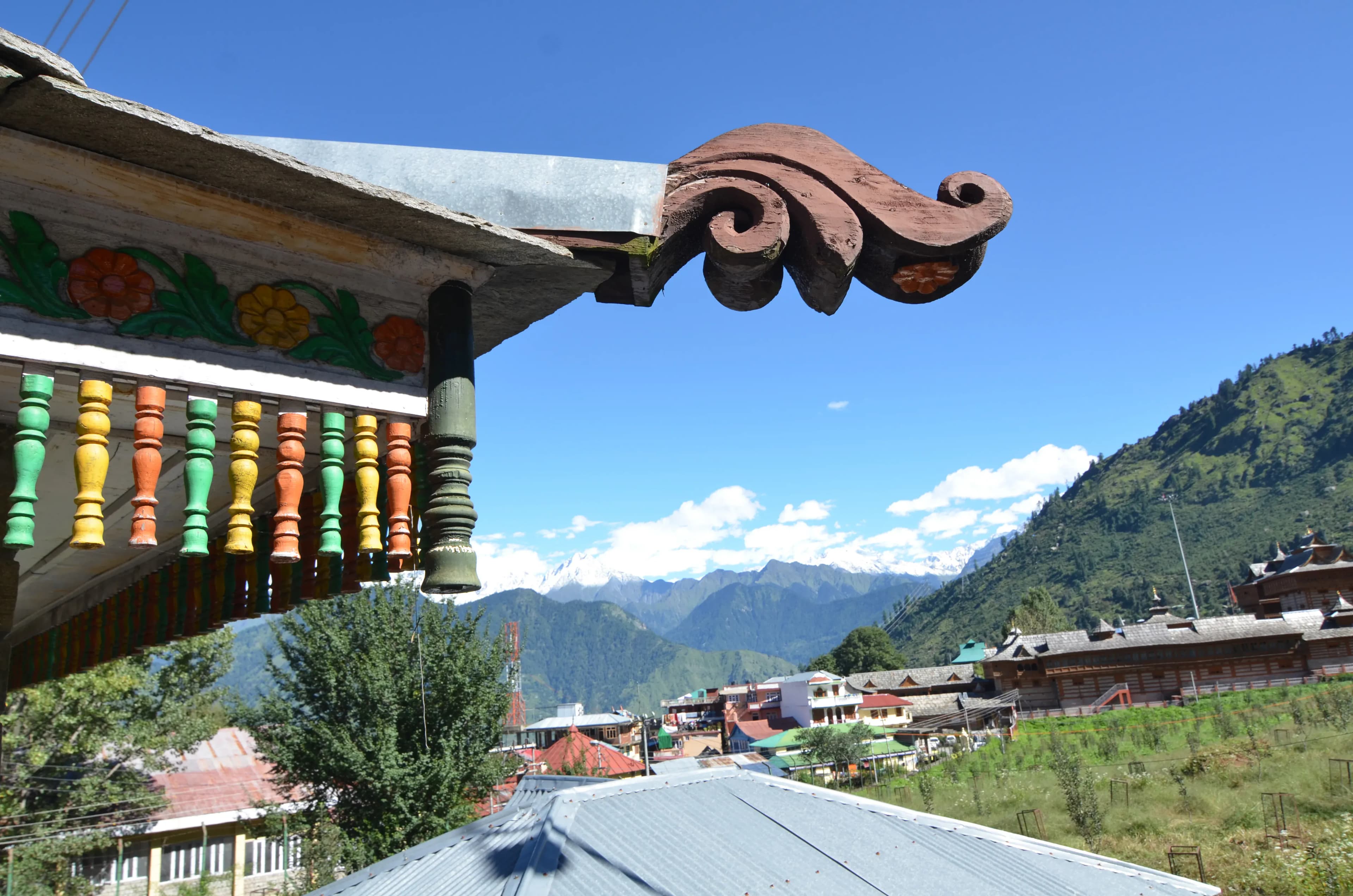
Bhimakali Temple Sarahan
Nestled in the serene hills of Himachal Pradesh, the Bhimakali Temple at Sarahan is an architectural marvel dating back to 800 CE during the Rajput period ([1]). Its unique kath-khuni (wood-stacked) style, a vernacular adaptation to the region's climate, showcases a distinct Himalayan architectural tradition ([2]). The Bushahr rulers, as patrons, significantly influenced the temple's design and construction ([3]). Dominating the Sarahan landscape, the temple complex utilizes a combination of wood, stone, slate, and metal, reflecting the readily available resources and blending seamlessly with the surrounding environment ([4]). The tiered wooden roofs, a characteristic feature, not only provide structural stability but also effectively manage heavy snowfall ([5]). Intricate carvings embellish the wooden facades, depicting deities and mythical creatures, demonstrating the craftsmanship passed down through generations ([6]). Within the Garbhagriha (Sanctum), the temple enshrines Bhimakali, a fierce manifestation of Durga, represented by a revered brass image ([3]). Furthermore, smaller shrines dedicated to Lakshmi Narayan and Lord Shiva are also present within the complex, each displaying meticulous craftsmanship ([4]). The temple's design possibly incorporates principles similar to those outlined in ancient texts like the Manasara Shilpa Shastra, which discusses temple construction and iconography, although specific textual references for this temple remain to be confirmed ([7]). Enchanting panoramic views and the gentle flutter of prayer flags enhance the spiritual ambiance of the temple, creating a profound sense of tranquility ([5]). This architectural gem not only preserves the cultural heritage of the Himalayas but also stands as a testament to the ingenuity and artistic skills of its creators ([1][2]). The Bhimakali Temple continues to inspire awe and reverence, drawing visitors and devotees alike to experience its unique blend of art, architecture, and spirituality ([6]).
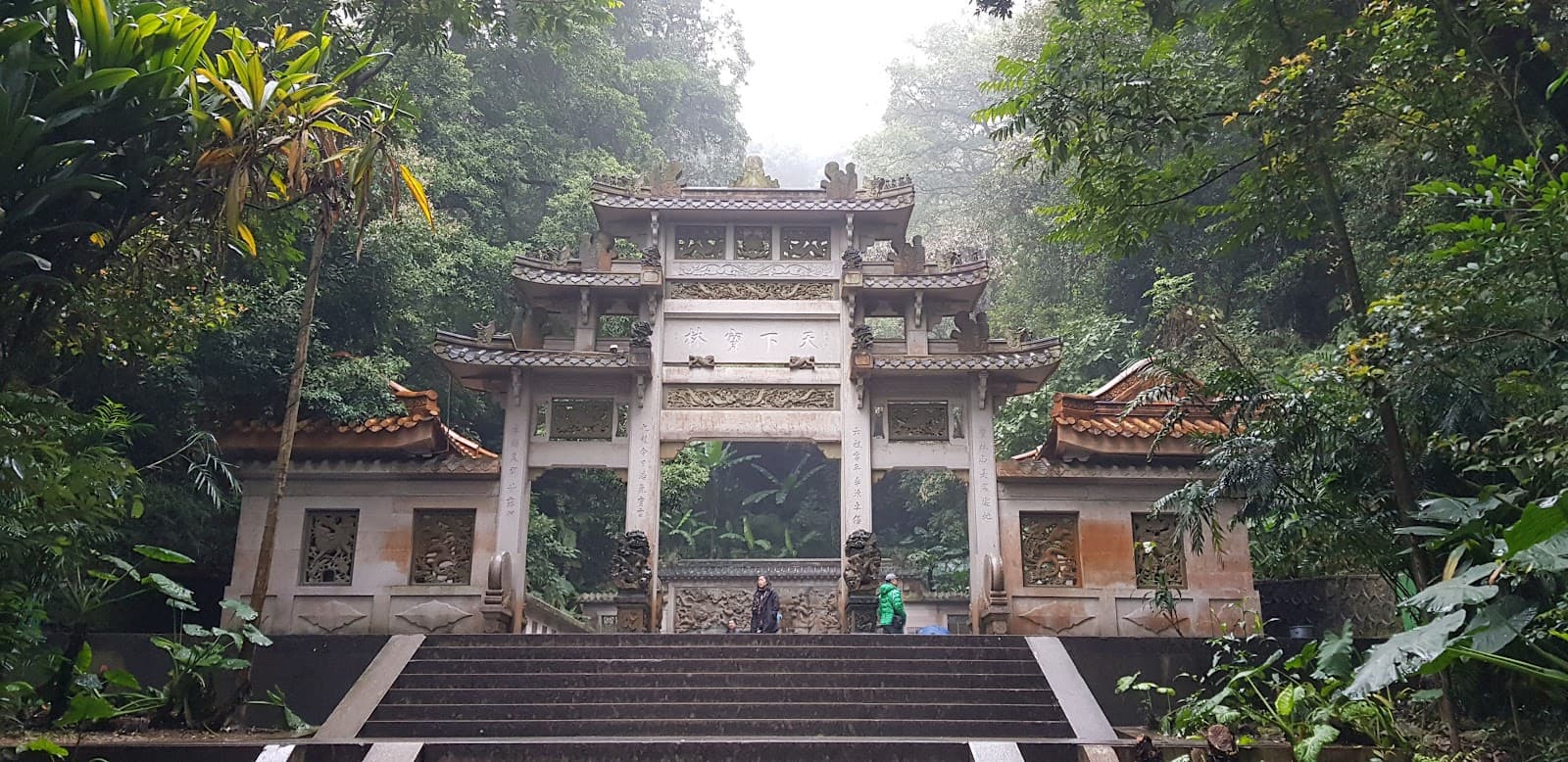
Nanhua Temple Shaoguan Guangdong China
Nanhua Temple, a revered Buddhist monastery in Shaoguan, Guangdong Province, China, stands as a profound testament to India's millennia-spanning cultural heritage and the continuous tradition of Indian civilization. Founded in 550 CE by the Indian monk Zhiyao Sanzang, the temple complex embodies a unique Indo-Chinese Buddhist architectural style, deeply rooted in Indian Buddhist traditions, particularly the stupa form [1] [2]. Spanning an expansive area of 42.5 hectares, the site is strategically positioned against a mountain, facing south, a traditional orientation in both Indian and Chinese sacred architecture [1]. The architectural ensemble, while featuring elements of traditional Chinese design, integrates distinctive Indian Buddhist influences, reflecting the transmission of spiritual and artistic practices from ancient India [2]. The Grand Hall, a central and imposing structure, is recognized as the largest Buddhist architectural edifice in Guangdong Province [3]. Its roof is adorned with vibrant glazed tiles, a characteristic decorative element [3]. Within its sanctum, sublime statues of Sakyamuni Buddha, Medicine Buddha, and Amitabha Buddha are enshrined, accompanied by an assembly of 500 intricately crafted clay sculptures depicting Buddhist arhats, showcasing a rich iconographic program [1]. The Lingxi Tower, also known as the Pagoda of the Sixth Patriarch, represents a significant architectural feature. Originally constructed in timber during the early Tang Dynasty, it underwent a substantial reconstruction in brick during the Ming Dynasty, evolving its material composition while retaining its spiritual function [1]. This tower serves as a reliquary, housing the preserved 'real body' of Huineng, the Sixth Patriarch of Chan Buddhism, a practice reminiscent of Indian stupa architecture where relics of enlightened beings are venerated [4]. The construction primarily utilizes durable materials such as wood, brick, and stone, reflecting indigenous building practices adapted over centuries [2]. The temple complex is meticulously arranged with a series of halls, courtyards, and pagodas, creating a harmonious spatial flow that facilitates meditation and pilgrimage [4]. Decorative elements throughout the temple include intricate carvings and sculptures that narrate Buddhist narratives and depict various deities and enlightened figures, reflecting a synthesis of Indian and local artistic expressions. Ongoing conservation efforts at Nanhua Temple involve historical documentation, archaeological excavations, and structural stabilization to preserve its ancient fabric [2]. These initiatives ensure the integrity of its architectural elements and the longevity of its cultural relics, which include an ancient silken cassock embroidered with a thousand Buddhas, a decree issued by Empress Wu Zetian, wood-carved arhats from the Northern Song Dynasty, a thousand-jin copper clock, a thousand-person pan from the Yuan Dynasty, a thousand-Buddha steel tower from the Qing Dynasty, and the Dazang Sutra inscribed in gold [1]. The site remains operationally ready, welcoming visitors and pilgrims, and continues to be a vibrant center for Buddhist practice and a living testament to India's enduring cultural legacy [5].
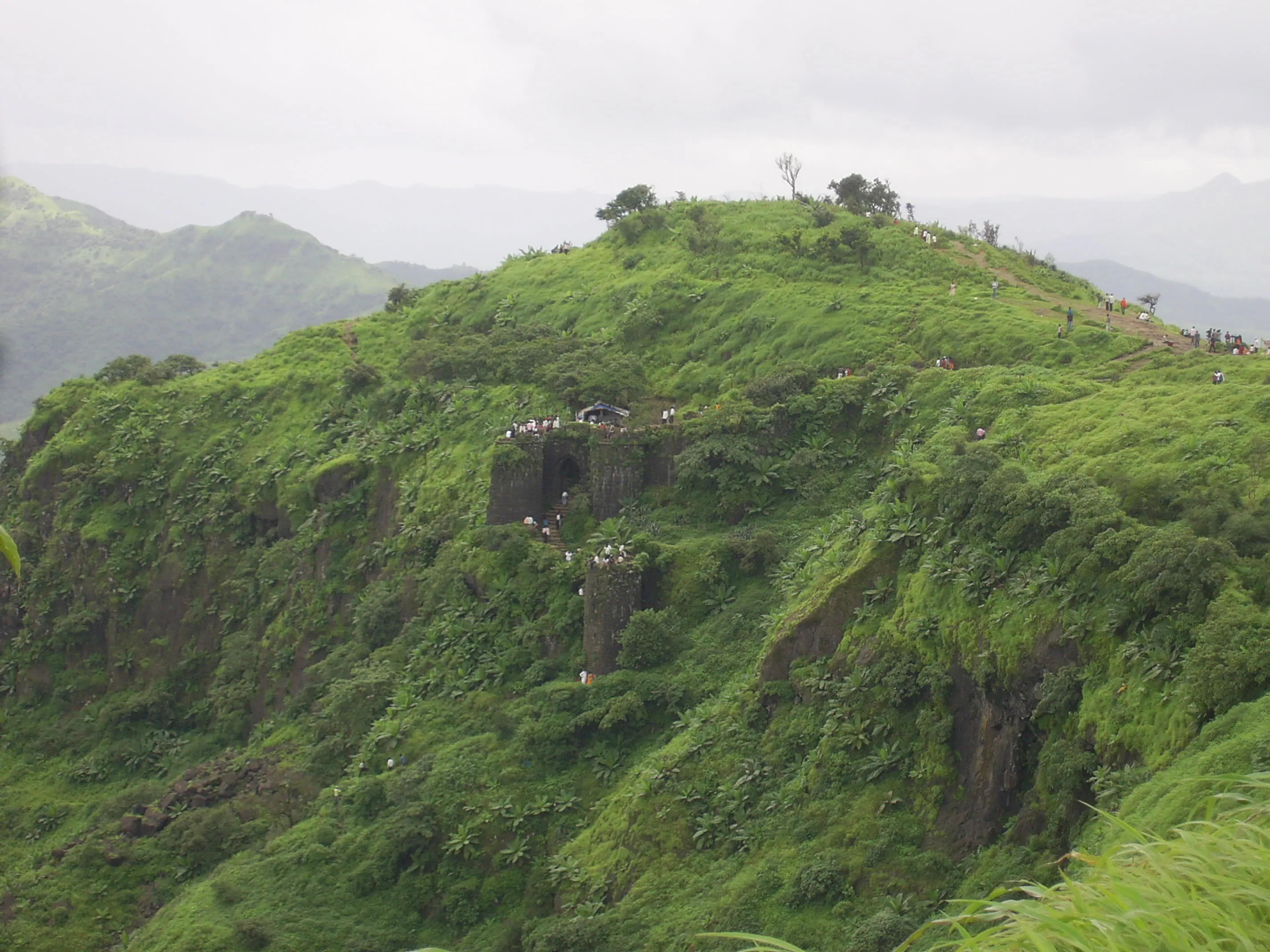
Sinhagad Fort Pune
The wind whipped around me, carrying whispers of history as I stood atop Sinhagad Fort, a formidable sentinel overlooking the sprawling landscape below. The ascent itself, a winding road clinging to the Sahyadri hills, had been a prelude to the grandeur that awaited. Having spent years documenting the ancient sites of Madhya Pradesh, I've developed a keen eye for the nuances of historical architecture, and Sinhagad, with its rugged charm and strategic brilliance, immediately captivated me. The fort, originally known as Kondhana, has witnessed centuries of power struggles, its stones absorbing the echoes of Maratha resilience. Standing at the very spot where pivotal battles were fought, I felt a palpable connection to the past. The panoramic view from the ramparts stretched across undulating hills, punctuated by the occasional glint of a distant village. It's easy to see why this location was so fiercely contested – control of Sinhagad meant command over the surrounding valleys and trade routes. The architecture of Sinhagad is a testament to its military purpose. Unlike the ornate palaces I've documented in Mandu, Sinhagad's structures prioritize function over embellishment. The massive walls, built from locally quarried stone, are punctuated by strategically placed bastions and fortified gates. The Kalyan Darwaza and Pune Darwaza, the two main entrances, still bear the scars of past sieges, their thick wooden doors reinforced with iron bands. I spent considerable time photographing these gates, trying to capture the weight of history etched into their weathered surfaces. Within the fort walls, the remnants of various structures paint a picture of life within this military stronghold. The Amruteshwar Temple, a modest stone structure dedicated to Lord Shiva, stands in stark contrast to the surrounding fortifications. Its simple elegance offered a moment of quiet contemplation amidst the echoes of war. I was particularly struck by the intricate carvings on the temple's doorway, a testament to the enduring artistry of the region. The Dev Take, a steep precipice on the eastern side of the fort, offers a breathtaking, if somewhat dizzying, view. Local legend claims that Tanaji Malusare, a celebrated Maratha warrior, scaled this cliff face with the help of a monitor lizard during a daring nighttime raid. Standing at the edge, feeling the wind buffet me, I could almost visualize the scene unfolding centuries ago. One of the most intriguing aspects of Sinhagad is its water management system. Several strategically placed tanks and cisterns, carved into the rock, collected rainwater, ensuring a continuous supply for the fort's inhabitants. This foresight, crucial for withstanding prolonged sieges, speaks volumes about the ingenuity of the fort's builders. I was fascinated by the intricate network of channels and sluices that regulated the flow of water, a testament to the sophisticated engineering of the time. My visit to Sinhagad wasn't just about documenting the physical structures; it was about absorbing the spirit of the place. The fort isn't just a collection of stones and mortar; it's a living testament to human resilience, strategic brilliance, and the enduring power of history. As I descended the winding path, leaving the fort behind, I carried with me not just photographs, but a deeper understanding of the rich tapestry of India's past. The whispers of history, carried on the wind, had found a new echo in my own heart.

Dehistan Misrian Medieval Oasis Balkan Turkmenistan
Nestled in the southwestern reaches of Turkmenistan, Dehistan (Misrian) stands as a remarkable medieval oasis city, flourishing from the 9th to the 15th centuries CE ([1][2]). This significant Silk Road center reveals a compelling fusion of architectural styles, blending Medieval Islamic aesthetics with discernible Indian influences, particularly in its structural techniques and decorative elements ([1]). The city, built by the Tahirid Dynasty around 850 CE, showcases the transmission of architectural and cultural knowledge from South Asia to Central Asia ([2]). Fired brick and mud brick construction techniques are evident throughout Dehistan, with stone and lime mortar also employed ([1]). Metal and wood components further contributed to the city's architectural diversity. The Misrian mosque complex, featuring towering minarets and intricate brickwork, echoes elements found in Indian temple and palace architecture ([2]). These parallels suggest a sophisticated understanding of Indian architectural traditions among the builders and patrons of Dehistan ([1]). Archaeological excavations have uncovered evidence of sophisticated urban planning principles at Dehistan, mirroring those found in ancient India ([2]). The layout of monumental buildings, residential quarters, and public spaces reflects a deliberate design, potentially influenced by texts like the *Manasara Shilpa Shastra*, which outlines detailed guidelines for town planning and building construction ([1]). The presence of decorative motifs with Indian influences further underscores the cultural exchange that occurred along the Silk Road ([2]). During the medieval period, Dehistan thrived as a hub of trade, culture, and religious activity, attracting merchants, scholars, and artisans from across Central Asia, South Asia, and the Middle East ([1]). This convergence of diverse influences contributed to the unique architectural synthesis observed at the site, where Indian traditions melded with local Central Asian aesthetics and Islamic architectural requirements ([2]). Ongoing research and conservation efforts aim to protect and further illuminate Dehistan's role in the transmission of architectural and cultural ideas between India and Central Asia ([1][2]).
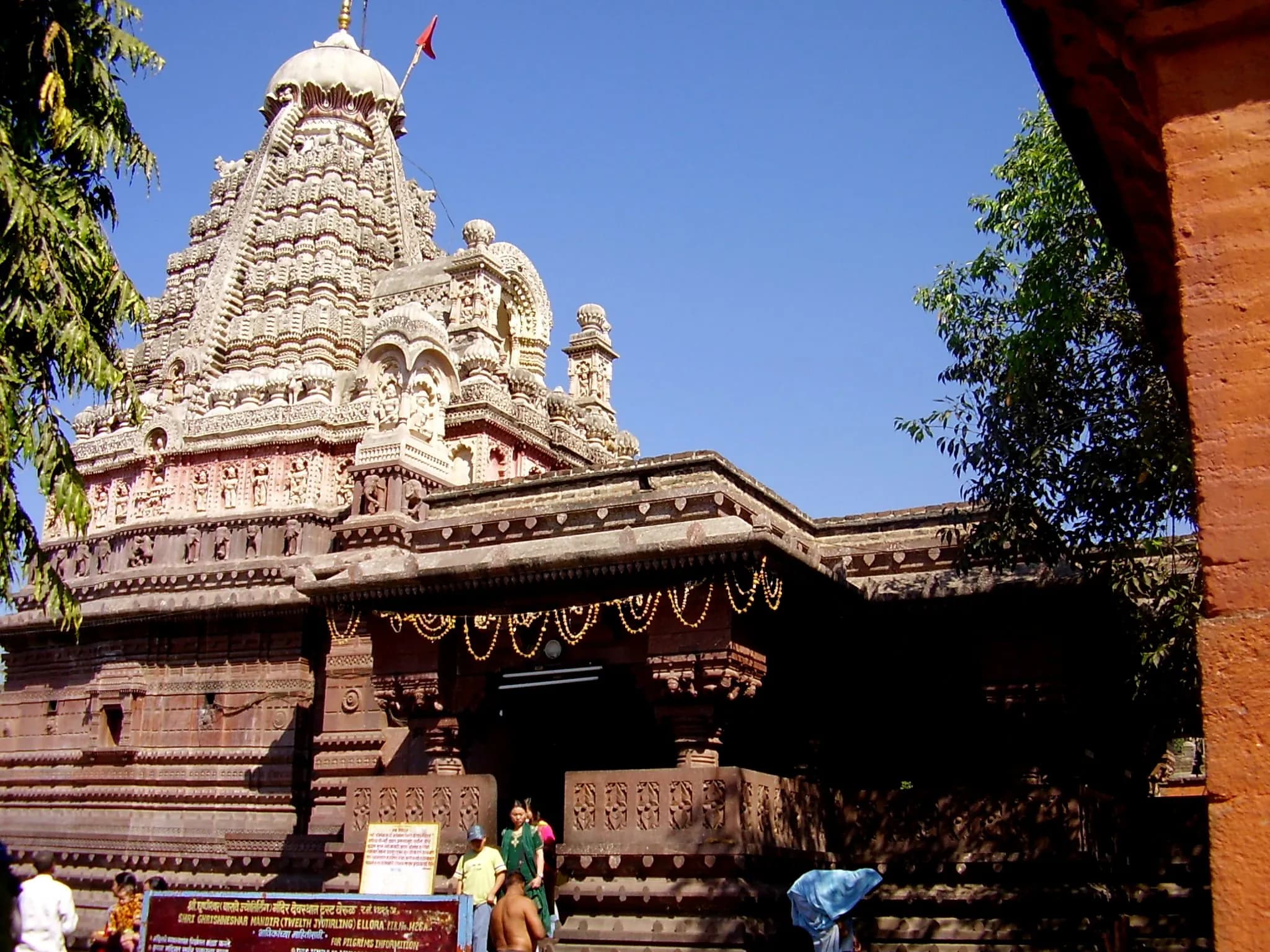
Grishneshwar Temple Verul
The late afternoon sun cast long shadows across the basalt courtyard of the Grishneshwar Temple, illuminating the intricate carvings that covered every inch of its surface. Standing before this resurrected marvel, the twelfth Jyotirlinga, I felt a palpable connection to the centuries of devotion that have imbued this site with a quiet power. Unlike some of the grander, more imposing temples I’ve encountered, Grishneshwar possesses a subtle elegance, a whispered grandeur that speaks volumes about the enduring spirit of its builders. Reconstructed in the 18th century by Ahilyabai Holkar, the temple stands as a testament to her dedication to preserving India's sacred heritage. While the current structure is relatively recent, the site itself is ancient, with its roots tracing back to the Yadava period. This layering of history, the palimpsest of architectural styles, is what makes Grishneshwar so fascinating. One can discern the influence of the earlier Hemadpanti style in the simple, yet robust, forms of the mandapa and the shikhara, while the later Maratha additions bring a flourish of ornamentation, a riot of sculpted figures and decorative motifs. The red stone shikhara, rising towards the cerulean sky, is a masterpiece of proportion and detail. Each tier, adorned with miniature shrines and celestial beings, tells a story, a fragment of the rich tapestry of Hindu mythology. I spent a considerable amount of time simply circling the temple, my gaze tracing the lines of the carvings, trying to decipher the narratives etched in stone. From depictions of Shiva’s various forms to scenes from the epics, the shikhara is a visual encyclopedia of Hindu iconography. Stepping inside the dimly lit garbhagriha, the sanctum sanctorum, the atmosphere shifted dramatically. The air was thick with the scent of incense and the murmur of prayers. The lingam, the symbolic representation of Shiva, rested in a simple depression, its smooth, dark stone absorbing the reverence of the devotees. Despite the constant flow of worshippers, a sense of tranquility pervaded the space, a stillness that allowed for a moment of introspection, a connection with the divine. The mandapa, the pillared hall leading to the sanctum, is equally captivating. The massive pillars, each carved with intricate designs, support a richly decorated ceiling. I was particularly struck by the depictions of the Ashtadikpalakas, the eight guardian deities, each occupying a cardinal direction, their presence adding a sense of cosmic order to the space. The play of light and shadow within the mandapa created a mesmerizing effect, highlighting the depth and detail of the carvings. Beyond the architectural marvels, it was the palpable devotion of the pilgrims that truly resonated with me. Their quiet reverence, their whispered prayers, their offerings of flowers and fruits, all contributed to the sacred ambiance of the site. Witnessing their faith, their connection to this ancient place of worship, reinforced the enduring power of these sacred spaces. Leaving the cool confines of the temple, I paused at the entrance to look back. The setting sun bathed the stone in a warm, golden light, accentuating its timeless beauty. Grishneshwar is more than just a temple; it is a living testament to India’s rich cultural and spiritual heritage, a place where history, art, and faith converge to create an experience that is both humbling and inspiring. It is a place I will long remember, not just for its architectural splendor, but for the profound sense of connection it evoked.
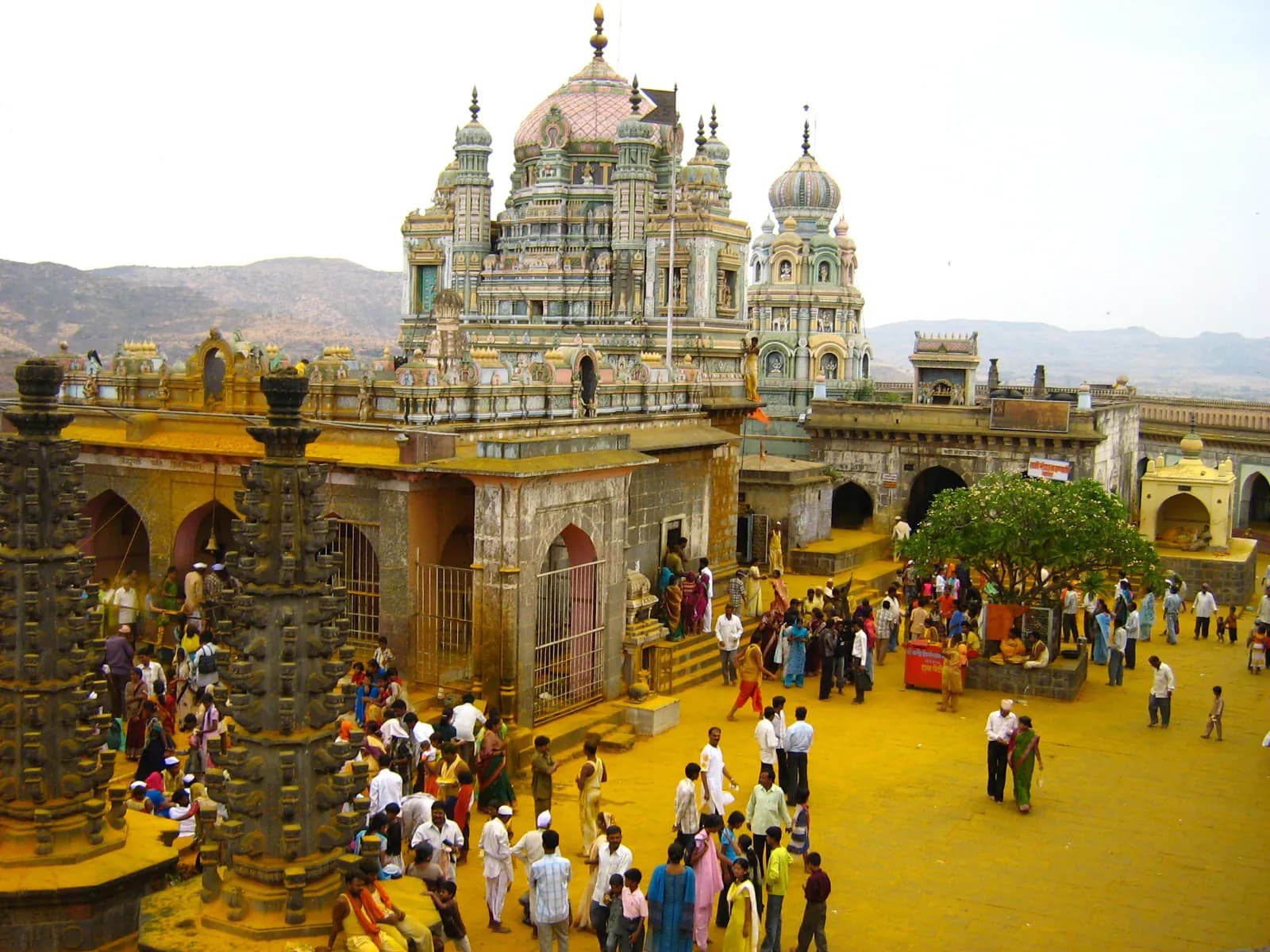
Khandoba Temple Jejuri
The air crackled with an energy I hadn’t anticipated. Not just the humid Maharashtra air, thick with the promise of monsoon, but a palpable buzz that vibrated through the very stones of the Khandoba Temple in Jejuri. Ascending the steep, worn steps, I felt the weight of centuries pressing down, the echoes of countless pilgrims who had trod this same path before me. This wasn't just a temple; it was a living, breathing testament to unwavering faith. The first thing that struck me, even from a distance, was the sheer dominance of the deep saffron that cloaked the structure. It wasn't a gentle hue, but a vibrant, almost aggressive orange that seemed to pulsate under the midday sun. This bold colour, so characteristic of the region's religious architecture, immediately set the tone for the experience. As I drew closer, the intricate details began to emerge from the saffron canvas: delicate carvings depicting scenes from mythology, sturdy pillars adorned with floral motifs, and the imposing brass-clad main gate, gleaming like a portal to another realm. The temple is a layered structure, built on a hill, creating a sense of ascension, both physically and spiritually. Each level offers a different perspective, a new vantage point from which to admire the surrounding landscape and the architectural marvel itself. The Yadava dynasty’s influence is evident in the robust construction and the use of locally sourced basalt stone, a material that has weathered the centuries with remarkable resilience. Unlike the intricate marble work I’m accustomed to seeing in Gujarati temples, the Khandoba Temple possesses a raw, almost primal beauty. The inner sanctum, where the deity Khandoba resides, is a relatively small chamber, but the energy within is intense. The air is thick with the scent of incense and the murmur of prayers. Devotees throng the space, their faces etched with devotion, offering turmeric, coconuts, and red powder to the deity. The rhythmic clang of bells and the fervent chanting create an atmosphere that is both chaotic and deeply spiritual. It’s a sensory overload, but one that I found strangely comforting. What truly captivated me, however, were the remnants of older structures within the complex. Peeking through the more recent additions, I could discern fragments of earlier temples, hinting at layers of history and architectural evolution. A worn stone lintel here, a weathered pillar base there – these whispers of the past spoke volumes about the enduring significance of this sacred site. It wasn’t merely a static monument, but a dynamic entity, constantly evolving and adapting while retaining its core spiritual essence. As I descended the steps, leaving the vibrant energy of the temple behind, I couldn’t help but reflect on the stark contrast between the architectural styles of Gujarat and Maharashtra. While the Gujarati temples often showcase intricate carvings and delicate filigree work, the Khandoba Temple exudes a powerful, almost austere beauty. It’s a testament to the diverse tapestry of Indian architecture, where each region has developed its own unique expression of faith and artistry. The experience was a powerful reminder that architectural marvels aren’t just about aesthetics; they are about the stories they tell, the history they embody, and the spiritual resonance they evoke. The Khandoba Temple, with its saffron-clad walls and vibrant energy, is a story etched in stone, a story that continues to unfold with each passing generation.
Quick Links
Plan Your Heritage Journey
Get personalized recommendations and detailed visitor guides