Has Inheritage Foundation supported you today?
Your contribution helps preserve India's ancient temples, languages, and cultural heritage. Every rupee makes a difference.
Secure payment • Instant 80G certificate
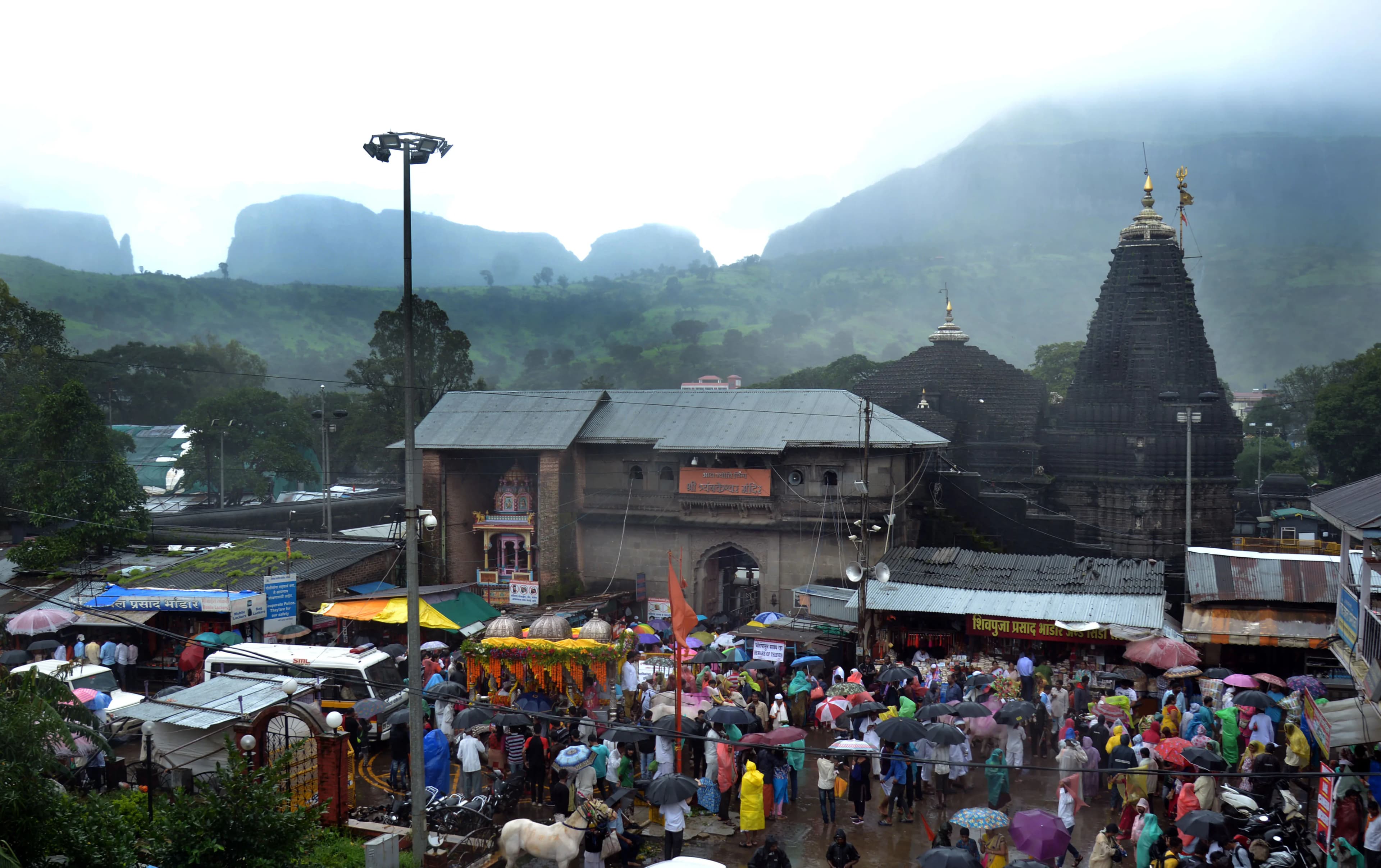
Trimbakeshwar Shiva Temple Nashik
The air, thick with incense and the murmur of Sanskrit chants, hung heavy as I stepped into the courtyard of the Trimbakeshwar Shiva Temple. Having explored countless ancient sites across North India, I’ve developed a keen eye for architectural nuances, and Trimbakeshwar immediately struck me as unique. Unlike the sandstone and marble structures I was accustomed to in the north, this temple, dedicated to one of the twelve Jyotirlingas, was crafted from black basalt stone, lending it a sombre, almost mystical aura. The intricately carved façade, darkened by time and weather, narrated stories of dynasties past. Eroded sculptures of deities, celestial beings, and mythical creatures intertwined, a testament to the skilled artisans who had painstakingly brought this temple to life centuries ago. The main entrance, guarded by imposing dwarapalas (gatekeepers), led into a mandap, its pillars intricately carved with floral motifs and geometric patterns. Sunlight filtered through the jaali screens, casting dancing shadows on the polished stone floor, creating an ethereal atmosphere. The heart of the temple, the garbhagriha, housed the revered Jyotirlinga. Unlike other Jyotirlingas, which are typically cylindrical lingams, the one at Trimbakeshwar is a depression in the ground, a small hollow from which a perpetual stream of water flows. This unique feature, explained by local priests as symbolic of the origin of the Godavari River, added to the sanctity of the place. The constant trickle of water, the chanting of priests, and the hushed reverence of the devotees created a palpable sense of spiritual energy. I spent a considerable amount of time observing the devotees. Their faces, etched with devotion and hope, reflected the deep-rooted faith that had drawn them to this sacred site. From elderly women whispering prayers to young couples seeking blessings, the temple served as a melting pot of human emotions and spiritual aspirations. I witnessed a young boy meticulously offering flowers to the deity, his eyes closed in concentration, a poignant reminder of the enduring power of faith across generations. The architecture of the temple, while predominantly Hemadpanti – characterized by its precision and use of interlocking stones – also displayed influences from other styles. I noticed elements of the Chalukyan style in the ornate carvings and the use of decorative motifs. This fusion of architectural styles, a testament to the region’s rich history and cultural exchanges, added another layer of intrigue to the temple's narrative. Beyond the main shrine, the temple complex housed several smaller shrines dedicated to various deities. I explored these smaller shrines, each with its own unique character and history. The surrounding courtyards, though bustling with activity, retained a sense of serenity. The rhythmic clang of temple bells, the fragrance of incense, and the soft murmur of prayers created a symphony of sounds and scents that enveloped me. As I left the temple, the image of the Jyotirlinga, the source of the sacred Godavari, remained etched in my mind. Trimbakeshwar, with its unique architecture, spiritual significance, and palpable energy, offered a glimpse into the rich tapestry of Indian faith and heritage. It was a journey not just to a geographical location, but also a journey into the heart of a culture deeply rooted in spirituality and tradition. My experience at Trimbakeshwar reinforced my belief that these ancient sites are not merely monuments of the past, but living, breathing entities that continue to inspire and connect us to something larger than ourselves.

Nathmal Ki Haveli Jaisalmer
The Nathmal Ki Haveli in Jaisalmer rose before me, a sandstone symphony bathed in the desert sun. Having spent years immersed in the Dravidian architecture of South Indian temples, I was eager to experience this distinctly different architectural style. The haveli, I knew, was built in the 19th century for Diwan Mohata Nathmal, the then Prime Minister of Jaisalmer, and its intricate carvings promised a visual feast. Unlike the towering gopurams and expansive prakarams I was accustomed to, the haveli presented a more intimate scale. The two wings, built by two brothers, Hathi and Lalu, showcased a fascinating asymmetry, a departure from the precise symmetry that defines much of South Indian temple architecture. Local lore suggests the brothers, working independently, couldn't perfectly replicate each other's work, resulting in subtle yet noticeable differences in the two halves of the haveli. This human element, this imperfection, added a unique charm to the structure. The haveli's exterior was a riot of intricate carvings. Delicate floral patterns, depictions of elephants, and scenes from everyday life were etched into the golden sandstone. The miniature jharokhas, or balconies, projecting from the façade, were particularly captivating. Each one was a miniature marvel, showcasing the artisan's skill in creating intricate latticework and delicate ornamentation. I was reminded of the stone carvings adorning the mandapas of South Indian temples, but here, the scale was smaller, the details finer, almost like a jeweler's work. Stepping inside, I was greeted by a courtyard, the traditional heart of a haveli. This open space, once bustling with family life, now offered a tranquil respite from the desert heat. The walls surrounding the courtyard were adorned with frescoes, their colours still vibrant despite the passage of time. These paintings, depicting scenes from Hindu mythology and local folklore, provided a glimpse into the cultural milieu of 19th-century Jaisalmer. The use of vibrant colours was a striking contrast to the muted tones of the sandstone and reminded me of the painted murals within the corridors of some South Indian temples. The haveli's interiors were a testament to the opulence of the Diwan's lifestyle. The rooms, though smaller than the vast halls of South Indian palaces, were richly decorated. Intricate mirror work, known as shisha work, adorned the walls and ceilings, creating a dazzling display of light and reflection. This was a technique I hadn't encountered before, and I was mesmerized by the shimmering surfaces. The delicate floral patterns created with tiny pieces of mirror were reminiscent of the inlay work found in some South Indian temples, but the effect here was far more dramatic. As I explored the haveli, I noticed the recurring motif of the elephant. From the exterior carvings to the interior decorations, the elephant was omnipresent. This, I learned, was a symbol of royalty and prosperity, reflecting the Diwan's status and influence. The elephant motif, while not as prevalent in South Indian architecture, resonated with the depictions of mythical creatures and divine beings that adorn temple walls. My visit to Nathmal Ki Haveli was a journey of architectural discovery. While the style and scale differed significantly from the South Indian temples I was familiar with, the underlying principles of artistry, craftsmanship, and cultural expression remained the same. The haveli, with its intricate carvings, vibrant frescoes, and dazzling mirror work, offered a unique window into the rich cultural heritage of Rajasthan. It was a testament to the human ability to create beauty, even in the harshest of environments. The experience enriched my understanding of Indian architecture, highlighting the diversity and ingenuity that characterize the country's artistic traditions. The asymmetry of the haveli, a testament to human fallibility, ultimately became its most endearing feature, a reminder that perfection often lies in imperfection.
Baripada Palace Baripada
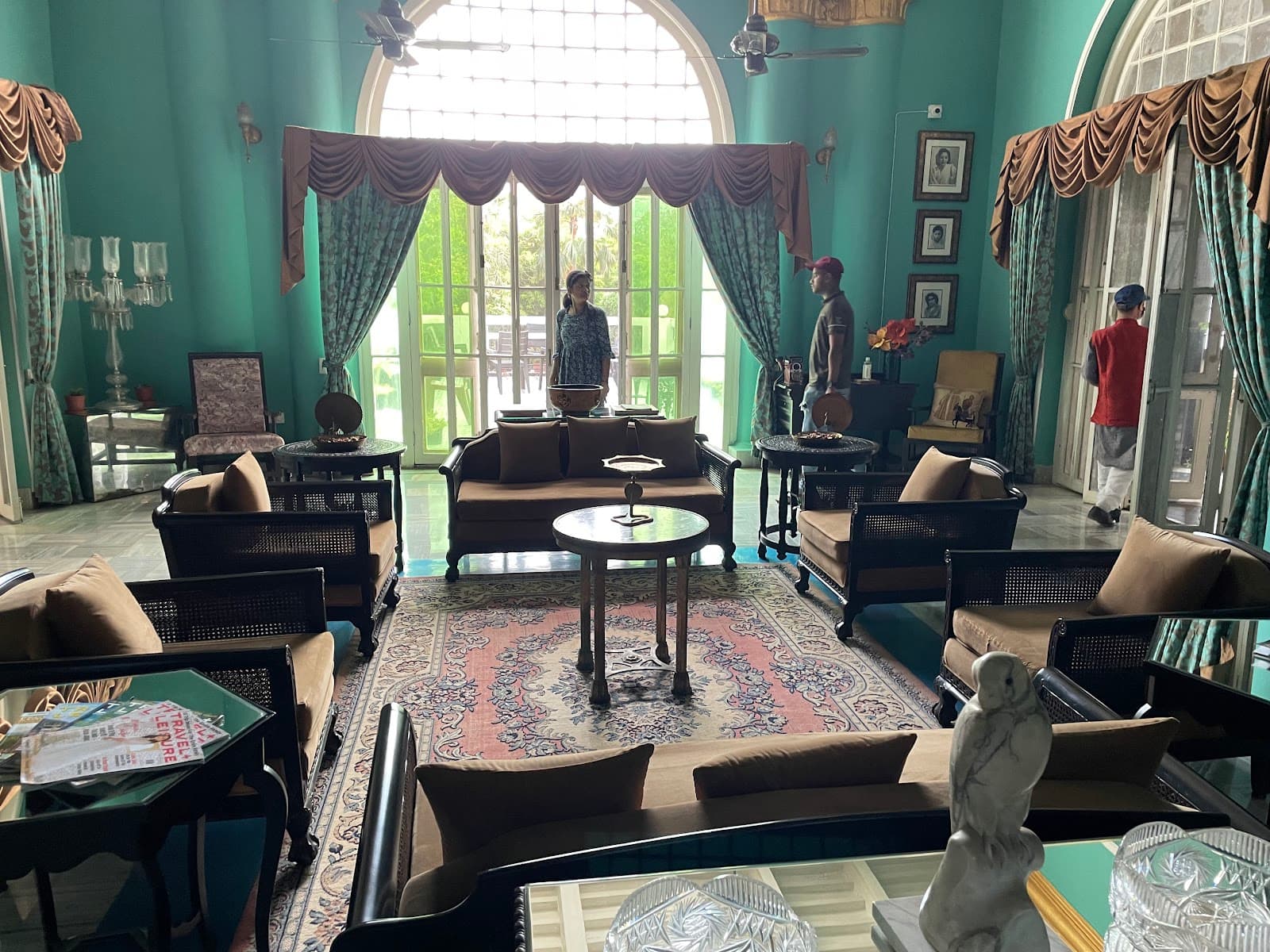
Nestled in Bhanjpur, Mayurbhanj, the Baripada Palace embodies an intriguing confluence of Kalinga architectural traditions and British colonial influences ([1][2]). Commissioned in 1898 by the Bhanja rulers, this palace served as the heart of the princely state of Mayurbhanj ([3]). The palace's facade, predominantly red brick, utilizes laterite stone and mortar, illustrating the adoption of European styles by Indian royalty during the British Colonial Period ([1][4]). The expansive complex signifies the Bhanja dynasty's regional power ([2]). Intricate carvings embellish the palace walls, showcasing terracotta art with floral motifs and mythological figures, offering insights into the artistic preferences of the era ([3][5]). This terracotta work provides a unique textural dimension, contrasting with the stone carvings prevalent in other regions ([4]). Arched windows and decorative balustrades further accentuate the colonial design elements integrated into the palace's structure ([1]). Within the Durbar Hall, vestiges of ornate chandeliers and intricate wall paintings evoke the opulent lifestyle of the former rulers ([2][3]). Vastu Shastra principles, the ancient Indian science of architecture, likely influenced the palace's layout, though specific textual references remain undocumented for this site. The integration of the palace with its surrounding landscape, including gardens and a small pond, enhances the serene ambiance ([5]). The Baripada Palace stands as a compelling reminder of a bygone era, reflecting the rich cultural heritage of Odisha ([1]). This architectural marvel provides a glimpse into the socio-political landscape of 19th-century India, where indigenous traditions melded with colonial influences. The palace serves as a museum, preserving and showcasing the history and artistry of the region ([1][2][3]).
Sera Monastery Lhasa Tibet
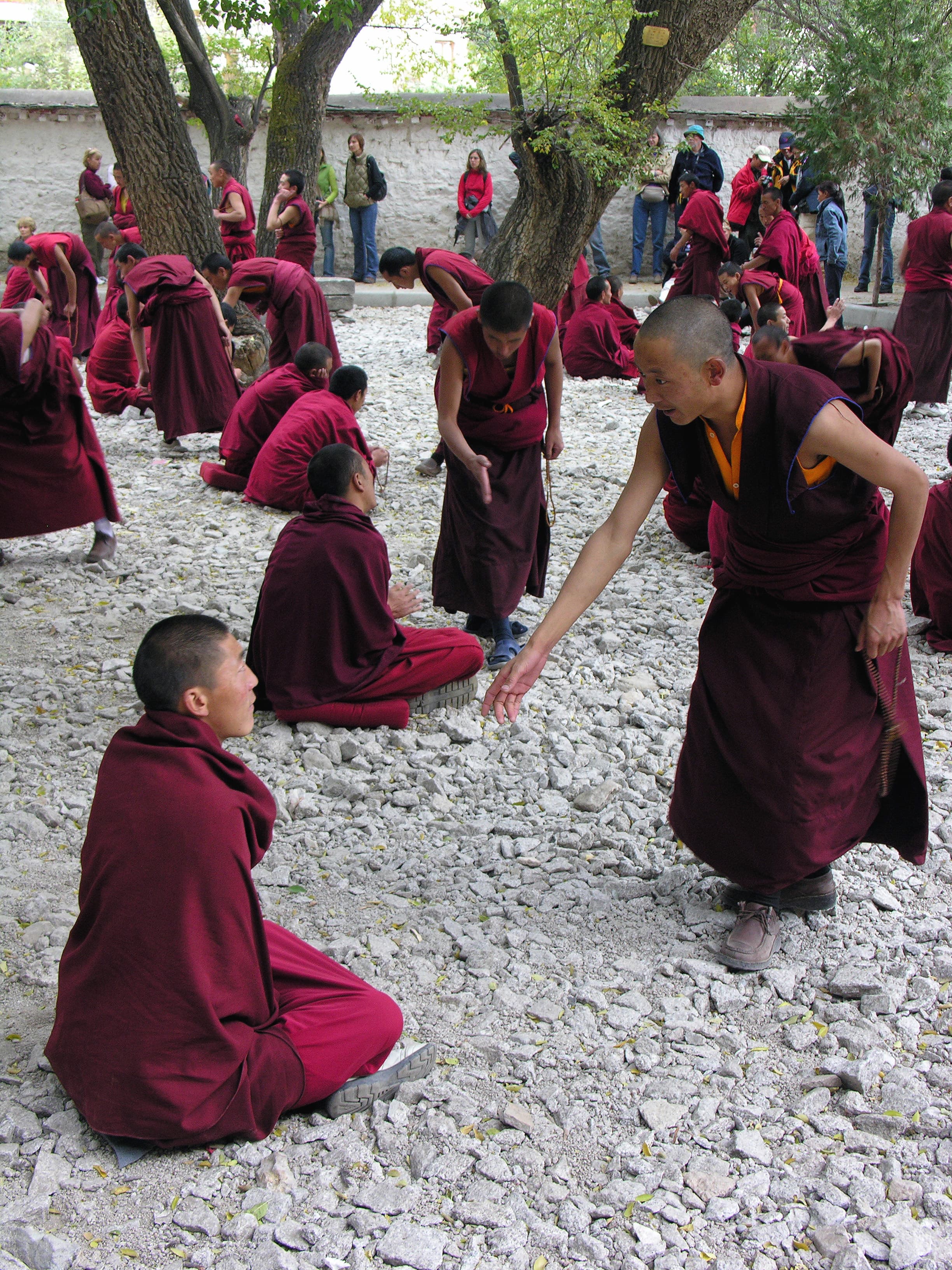
Sera Monastery, located in Lhasa, Tibet, represents one of the three great Gelugpa monasteries in Tibet and stands as a major center for Tibetan Buddhist learning, particularly renowned for its debate courtyards where monks engage in philosophical debates using methods derived from Indian Buddhist debate traditions, constructed in the 15th century CE by Jamchen Chojey, a disciple of Tsongkhapa who established the Gelugpa school with strong connections to Indian Buddhist scholastic traditions, demonstrating the profound transmission of Indian Buddhist philosophy and debate traditions to Tibet, which has maintained deep cultural, religious, and historical connections with India for over two millennia. The monastery complex, constructed primarily from stone, wood, and earth with extensive decorative elements, features a massive structure containing numerous temples, chapels, assembly halls, and extensive debate courtyards arranged according to Indian Buddhist monastery planning principles, with the overall design reflecting mandala-based cosmological principles found in Indian Buddhist architecture. The monastery’s architectural design demonstrates direct influence from Indian Buddhist monastery architecture, particularly the Nalanda model, with the debate courtyards and learning facilities reflecting traditions that were transmitted to Tibet through centuries of cultural exchange, while the emphasis on Indian Buddhist debate traditions demonstrates the transmission of Indian Buddhist philosophy to Tibet. Archaeological and historical evidence indicates the monastery was constructed with knowledge of Indian Buddhist debate traditions and scholastic methods, reflecting the close cultural connections between Tibet and India during the medieval period, when Indian Buddhist scholars, texts, and philosophical traditions continued to influence Tibetan Buddhism. The monastery has served as a major center for Tibetan Buddhist learning and practice for over five centuries, maintaining strong connections to Indian Buddhist traditions through the study and practice of Indian Buddhist debate methods and philosophy. The monastery has undergone multiple expansions and renovations over the centuries, with significant additions conducted to accommodate growing numbers of monks and expanding educational programs. Today, Sera Monastery continues to serve as an important place of Buddhist worship and learning in Tibet, demonstrating the enduring influence of Indian Buddhist debate traditions on Tibetan culture and serving as a powerful symbol of Tibet’s deep connections to Indian civilization through the study and practice of Indian Buddhist philosophy. ([1][2])

Lakshmi Narayan Mandir Kolasib
The vibrant green hills of Mizoram cradle many surprises, and for a temple architecture enthusiast like myself, steeped in the Dravidian idiom of South India, the Lakshmi Narayan Mandir in Kolasib was a fascinating anomaly. Perched atop a hill overlooking the town, this temple, dedicated to Vishnu and Lakshmi, presents a unique blend of architectural styles, a testament to the cultural confluence in this northeastern state. The first thing that struck me was the temple's shikhara. While reminiscent of the Nagara style prevalent in North India, with its curvilinear tower rising towards the heavens, it lacked the intricate carvings and elaborate ornamentation I’m accustomed to seeing in temples like the Kandariya Mahadeva in Khajuraho. Instead, the shikhara here was relatively plain, its smooth sandstone surface punctuated by simple horizontal bands and a modest amalaka crowning the top. This simplicity, however, lent it a certain elegance, allowing the natural beauty of the sandstone to shine through. The mandapa, or pillared hall, leading to the sanctum sanctorum, displayed a different influence altogether. The pillars, while square in section, were devoid of the intricate sculptures and narrative friezes that adorn South Indian temple pillars. Instead, they were adorned with simple geometric patterns, painted in vibrant hues of red, blue, and yellow, reminiscent of Mizo traditional designs. This unexpected burst of colour against the muted sandstone created a visually arresting contrast. Inside the garbhagriha, the deities of Lakshmi and Narayan resided, their serene presence radiating a sense of peace. The iconography was familiar, yet subtly different. Lakshmi, usually depicted seated on a lotus, here stood beside Vishnu, a posture more commonly seen in North Indian depictions. This subtle shift in iconography further highlighted the temple's unique blend of regional influences. The temple's location itself added to its charm. The panoramic view of Kolasib town and the surrounding hills, visible from the temple courtyard, was breathtaking. The lush greenery and the crisp mountain air created a serene atmosphere, conducive to contemplation and reflection. Unlike the bustling temple complexes of South India, the Lakshmi Narayan Mandir offered a sense of quietude, a space for personal communion with the divine. What intrigued me most was the narrative behind this architectural hybrid. Built in the late 20th century, the temple reflects the migration of people and ideas across India. While the core architectural style is North Indian, the local Mizo artisans have clearly left their mark, incorporating their own artistic traditions into the temple's decorative elements. This fusion of styles is not merely an aesthetic choice; it’s a reflection of the cultural exchange and assimilation that has shaped the region's identity. The Lakshmi Narayan Mandir is not just a place of worship; it's a living testament to India's diverse cultural tapestry. It challenges preconceived notions of architectural purity and demonstrates how different styles can harmoniously coexist, creating something unique and beautiful. For me, this temple was a powerful reminder that heritage is not static; it's a dynamic process of evolution and adaptation, constantly being shaped by the people and the environment that surround it. My visit to the Lakshmi Narayan Mandir was more than just a sightseeing trip; it was a lesson in architectural syncretism, a testament to the enduring power of cultural exchange. The temple stands as a symbol of unity in diversity, showcasing how different traditions can intertwine to create something truly special.
Sri Maha Mariamman Temple George Town Penang
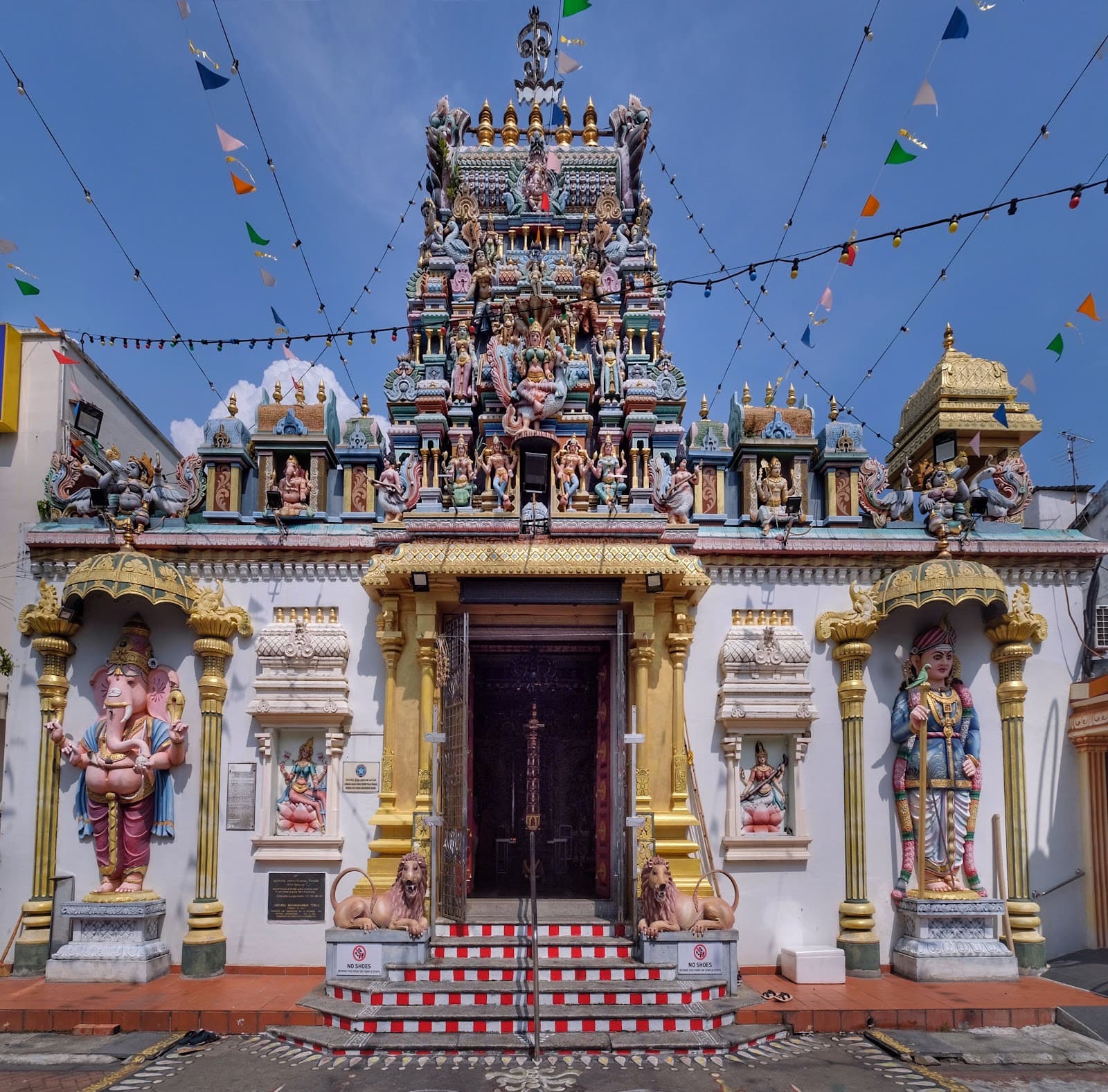
Sri Maha Mariamman Temple (1833) anchors Queen Street within George Town’s UNESCO World Heritage Site, narrating nearly two centuries of Tamil presence through a five-tier gopuram (1930), hand-painted murals of Skanda Shasti, and the silver Ratha Vimana chariot that leads Penang’s Thaipusam procession, making this the oldest Hindu temple in Penang ([1][2]). The temple opens 5:30 AM-9:30 PM with six daily pujas, Friday abhishekam, and continuous annadhanam; festivals include Chitra Pournami, Aadi Pooram, Navaratri, Theppotsavam, and the famed Thaipusam silver chariot journey from Lebuh Queen to Waterfall Hill, mobilising 700 volunteers, medical teams, crowd marshals, waste collectors, and digital trackers. Facilities include a cultural hall, Tamil school, heritage gallery, library, counselling office, vegetarian canteen, and relief storehouse that supported Penangites during the 1997 haze, 2004 tsunami, and COVID-19 lockdowns. The temple’s trustee board (Hindu Mahajana Sangam) manages welfare programmes, scholarships, and interfaith dialogues. The precinct integrates heritage shophouses, Neem and bauhinia trees, and multi-faith foot traffic, encapsulating George Town’s cosmopolitan legacy ([1][3]).
City Palace Udaipur
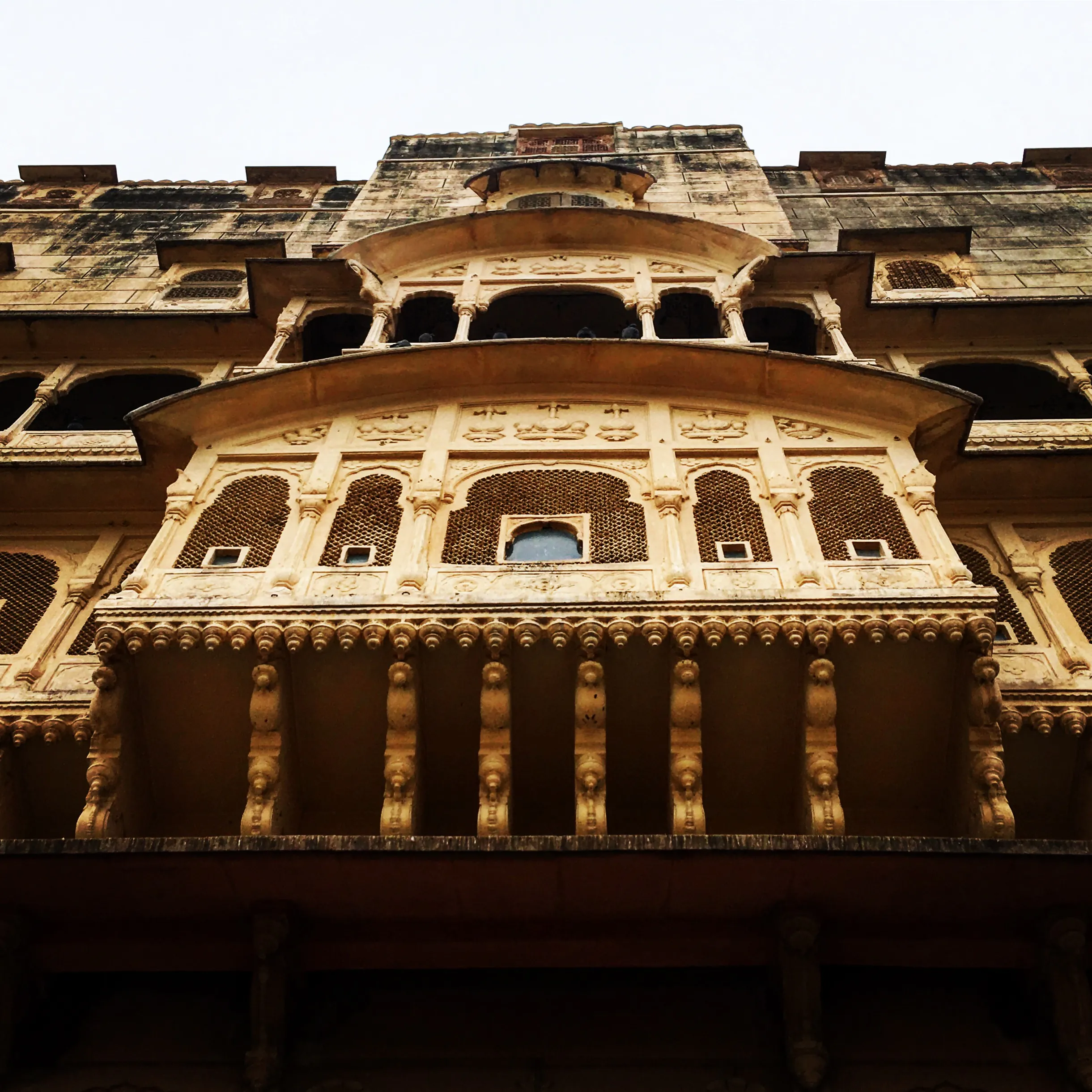
The City Palace, Udaipur, situated in the historic city of Udaipur, Rajasthan, India, stands as a monumental testament to India's millennia-spanning cultural heritage and the continuous tradition of Indian civilization [1] [4]. This sprawling complex, built predominantly in indigenous Rajput architectural styles, with influences from Indo-Islamic, Haveli, and Maru-Gurjara traditions, reflects the deep historical roots and sophisticated craftsmanship of the region [1] [4]. Constructed primarily from granite and marble, the palace complex extends over an impressive facade of 244 meters (801 ft) in length and 30.4 meters (100 ft) in height, perched atop a ridge on the eastern bank of Lake Pichola . The structural system relies on robust marble and masonry, showcasing traditional Indian engineering prowess . The architectural details within the City Palace are extensive and intricate, featuring a fusion of courtyards, corridors, terraces, pavilions, and hanging gardens [1]. Specific features include elaborate mirror-work, delicate marble-work, vibrant murals, and intricate wall paintings, alongside silver-work and inlay-work . The Mor Chowk, or Peacock Courtyard, is particularly notable for its three-dimensional mosaic peacocks, crafted from 5,000 pieces of colored glass, representing the seasons of summer, winter, and monsoon . The Sheesh Mahal, or Palace of Mirrors, dazzles with its intricate mirror-work, while the Chini Chitrashala displays Chinese and Dutch ornamental tiles [1] . Defensive features are integrated into the design, such as zigzag corridors linking various palaces, intended to thwart surprise attacks . Water management systems, including fountains and pools like the one in Badi Mahal, provided cooling effects and were utilized for festivals such as Holi [1] . The City Palace Museum, housed within the Mardana Mahal and Zenana Mahal, actively preserves and displays royal artifacts, historic paintings, sculptures, and textiles, offering a glimpse into the royal lifestyle and cultural practices of the Mewar dynasty [4]. Conservation efforts are ongoing, with a state-of-the-art conservation laboratory established at the City Palace Museum, focusing on works on paper and aiming to become a regional training center [2]. A comprehensive Conservation Master Plan and Management Plan, funded by the Getty Foundation, guides future interventions and developments, emphasizing indigenous conservation techniques and an Indian perspective in international conservation . The site is fully operational, welcoming visitors to explore its historical grandeur, with guided tours available to enhance understanding of its rich heritage . The palace complex continues to serve as a vibrant cultural hub, hosting events and maintaining its legacy as a testament to India's enduring cultural continuum .
Bhaktivedanta Manor Watford
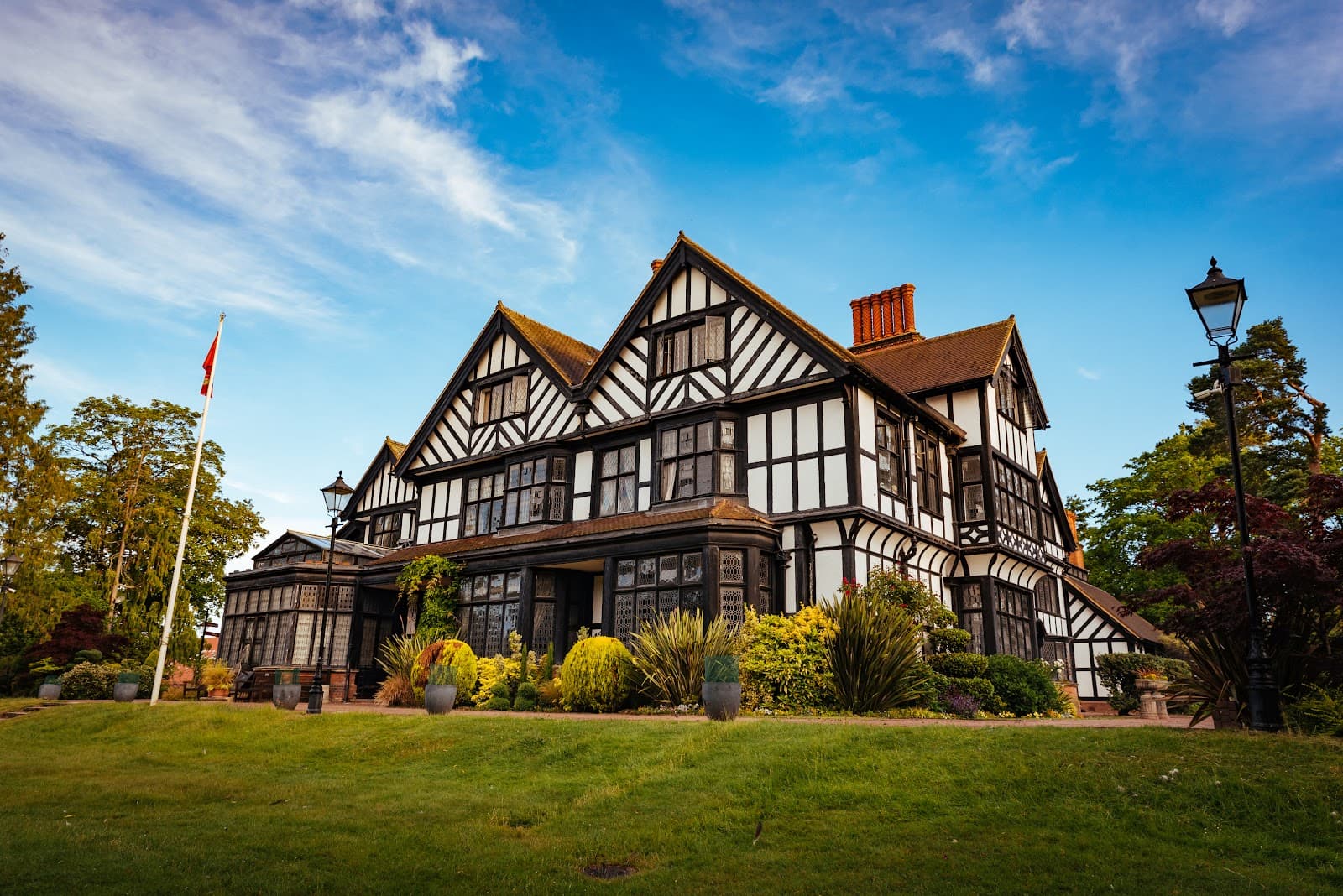
Bhaktivedanta Manor, located in Aldenham, Watford, Hertfordshire, England, serves as a prominent Gaudiya Vaishnava Hindu temple dedicated to Sri Sri Radha Gokulananda, embodying a continuous tradition of Indian civilization that spans millennia [1] [2]. While the physical structure of the manor house dates to the Victorian period, its current function as a temple, established in 1973, integrates indigenous Indian architectural principles and cultural practices, reflecting the deep historical roots of Vaishnavism [1] [3]. The site's architectural style is characterized by an adaptive reuse approach, blending the original mock-Tudor mansion with elements of Gaudiya Vaishnava temple architecture, particularly evident in the Sri Krishna Haveli development completed in 2020 [2] [5]. This new facility, costing £10.65 million, is a 2000-square-meter building designed to complement the existing mock-Tudor mansion without overshadowing it [2] [5]. Its construction utilized local materials such as oak, timber, tile, and traditional red brick with stone paving, respecting the Hertfordshire vernacular, while incorporating bespoke line patterns based on Rajasthani and formal English designs [5]. Teak mouldings, carved in India, were imported and further developed for the inner ceilings of the veranda walkway, showcasing a direct connection to Indian craftsmanship [5]. The Haveli features a Chakra Garden at its entrance, symbolizing the heart's centrality in the Bhakti tradition, and includes a Kirtan Hall with wood paneling and a stage, a Seva Hall with a fully equipped kitchen for serving prasadam, and the Bhakti Vidyalaya learning area with Atma Vidya and Paramatma Vidya rooms for educational purposes [5]. An outdoor Haveli playground, inspired by Krishna's childhood pastimes, is crafted from old trees, providing a safe and creative space for children [5]. The main temple room within the original manor house features an altar of carved wood and gilt, housing three domed shrines [3]. The central shrine is dedicated to Radha and Krishna, known as "Radha Gokulananda," while another houses Gaura-Nitai deities, and a third enshrines Sita, Rama, Lakshmana, and Hanuman [3]. The property, spanning 78 acres, also includes an organic farm, a cow sanctuary housing 66 cows and bulls, a primary school, ashrams, and a small theatre for performances illustrating bhakti yoga [1] [3]. Conservation efforts have included extensive renovation of the original manor building, both internally and externally, restoring it to its 1884 appearance [2]. The site actively hosts daily worship, educational programs, cultural events, and serves thousands of vegetarian meals weekly [1] [2]. Bhaktivedanta Manor is fully operational, providing a vibrant spiritual sanctuary and a testament to the enduring cultural legacy of India, continuously adapting and thriving in its mission [1] [2].
Kaleshwara Mukteswara Temple Kaleshwaram
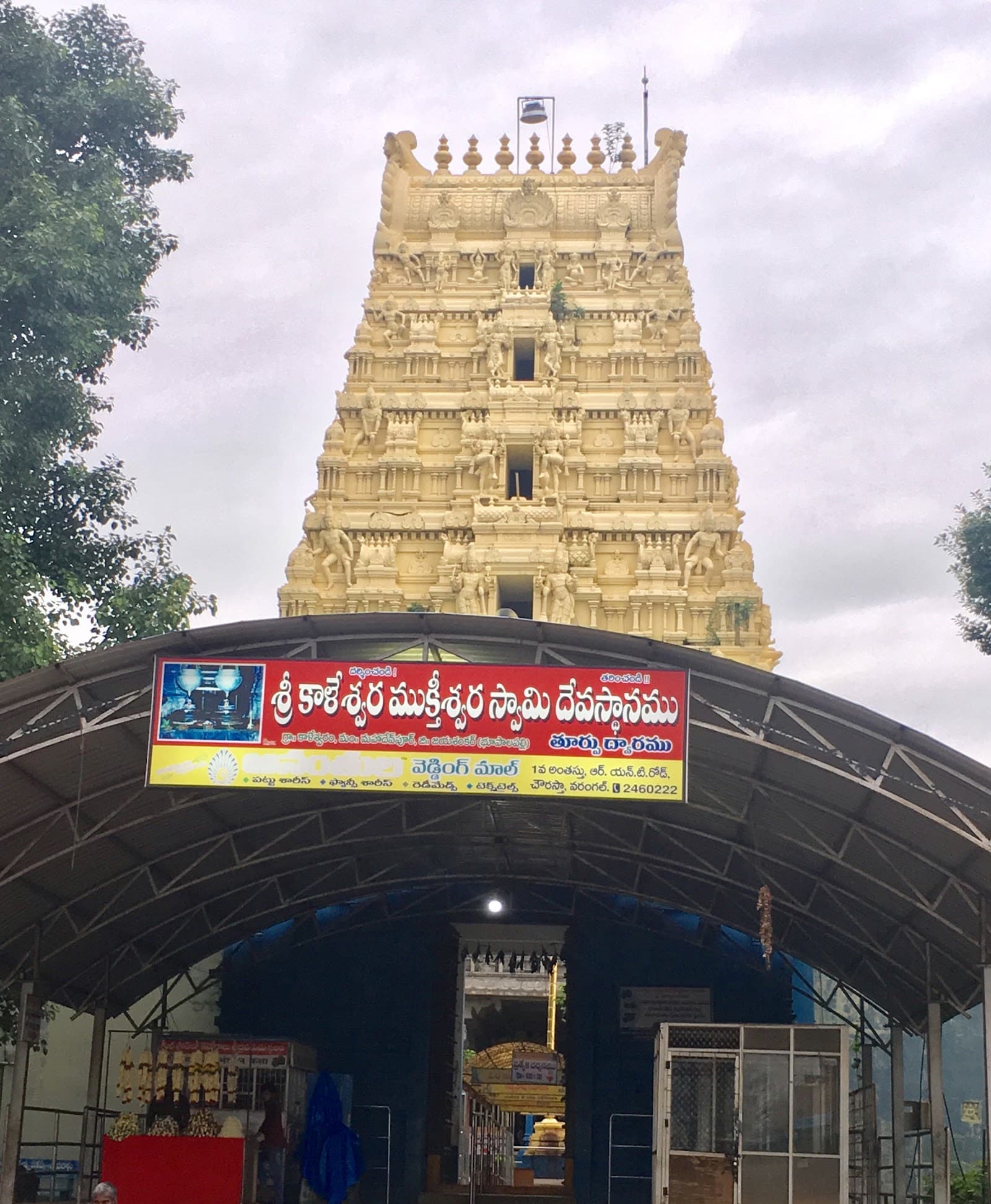
The confluence of three rivers – the Godavari, Pranahita, and the mythical Saraswati – creates a sacred landscape at Kaleshwaram, where the Kaleshwara Mukteswara Swamy Temple stands as a testament to centuries of devotion and architectural prowess. My recent visit to this Telangana temple left me awestruck by its scale and the intricate details woven into its fabric. The temple complex, recently renovated, sprawls across a vast area, a modern marvel built upon ancient foundations. While the new construction gleams with polished stone, the core sanctums retain the weathered charm of history. The primary deity, Lord Shiva, is worshipped here as Kaleshwara Mukteswara Swamy, a name that resonates with the liberating power of time and divine grace. The temple's layout follows a traditional South Indian pattern, with multiple concentric enclosures or *prakarams* leading to the central shrine. However, the sheer scale of these *prakarams* and the towering *gopurams* (gateways) that punctuate them set Kaleshwaram apart. The use of light-colored stone, predominantly granite, creates a sense of grandeur and purity, amplified by the meticulous carvings that adorn every surface. One of the most striking features of the temple is the intricate sculpture work. Unlike the narrative panels common in many South Indian temples, Kaleshwaram’s carvings focus predominantly on floral motifs, geometric patterns, and divine figures. I noticed a distinct influence of the Chalukyan style in the sculpted *yalis* (mythical beasts) and the elaborate scrollwork that frames doorways and niches. The pillars, too, are marvels of craftsmanship, each one uniquely carved with intricate designs that seem to defy gravity. I spent a considerable amount of time observing the subtle variations in the floral patterns, each petal and leaf rendered with astonishing precision. The main *gopuram*, soaring high above the surrounding landscape, is a breathtaking sight. Its multiple tiers, adorned with vibrant stucco figures of deities and celestial beings, create a powerful visual statement. While the vibrant colours of the stucco work contrast with the muted tones of the stone, they add a layer of dynamism to the overall aesthetic. This interplay of colour and texture, of old and new, is a recurring theme throughout the temple complex. Moving beyond the main shrine, I explored the smaller shrines dedicated to various deities within the complex. The shrine of Goddess Parvati, consort of Lord Shiva, is particularly noteworthy for its elegant simplicity. The smaller *gopuram* leading to this shrine features intricate carvings of female deities and celestial musicians, a testament to the reverence accorded to the feminine principle in Hindu cosmology. My visit to Kaleshwaram wasn't just about observing the architecture; it was an immersion in a living tradition. The temple was bustling with devotees, their chants and prayers creating a palpable sense of devotion. Observing the rituals, the offerings, and the interactions between the priests and the devotees provided a glimpse into the enduring power of faith. The temple, despite its recent renovation, felt deeply connected to the past, a bridge between generations of worshippers. The integration of modern amenities, such as well-maintained pathways, clean restrooms, and clear signage, enhances the visitor experience without detracting from the temple's spiritual aura. This careful balance between preservation and modernization is commendable. Kaleshwaram is more than just a temple; it's a cultural landmark, a testament to the architectural ingenuity and religious fervour of the region. It's a place where history whispers from ancient stones, where faith finds expression in vibrant rituals, and where the confluence of rivers mirrors the confluence of the past, present, and future. My experience at Kaleshwaram was profoundly enriching, leaving me with a deep appreciation for the rich tapestry of South Indian temple architecture and the enduring power of sacred spaces.

Pahari Mandir Ranchi
The climb to Pahari Mandir, perched atop Ranchi Hill, is a pilgrimage in itself. The sun beat down on my back as I ascended the seemingly endless flight of stairs, each step bringing me closer to the whispers of history that clung to the ancient stones. The city sprawled beneath me, a tapestry of terracotta roofs and verdant green, shrinking with every upward stride. This vantage point, I realized, was as much a part of the temple's allure as the structure itself. It felt as though the builders had intentionally chosen this lofty perch, not just for its breathtaking views, but to symbolize a closer communion with the divine. Reaching the summit, I was greeted by a palpable shift in atmosphere. The cacophony of the city faded, replaced by the gentle tinkling of bells and the murmur of devotees. Pahari Mandir, dedicated to Lord Shiva, isn't a sprawling complex like many other ancient temples. Its beauty lies in its compact elegance, a stark white structure against the azure sky. The architecture, while simple, is striking. The temple's shikhara, the towering structure above the sanctum sanctorum, is distinctly different from the curvilinear Nagara style prevalent in my home state of Madhya Pradesh. Here, the shikhara rises in a pyramidal form, reminiscent of the local architectural vernacular, yet possessing a unique grace. The whitewashed walls, though showing the patina of time, are adorned with intricate carvings. I spent a considerable amount of time documenting these, my lens focusing on the delicate floral motifs and depictions of deities, each panel narrating a silent story. The craftsmanship, though weathered by centuries of sun and rain, still speaks volumes about the devotion and skill of the artisans who breathed life into these stones. Interestingly, while the temple is predominantly built of stone, I noticed the use of bricks in certain sections, particularly in the lower portions of the structure. This blend of materials, perhaps dictated by the locally available resources, adds another layer of intrigue to the temple's architectural narrative. The inner sanctum, dimly lit by oil lamps, exuded an aura of serenity. The air was thick with the scent of incense and the murmur of prayers. Photography within the sanctum is restricted, so I committed the scene to memory, the flickering lamps casting dancing shadows on the ancient walls, the devout offering their prayers with quiet reverence. It was a moment of profound stillness, a stark contrast to the bustling city below. Stepping out, I circumnavigated the temple, observing the interplay of light and shadow on the textured walls. The late afternoon sun cast long shadows, accentuating the carvings and adding a dramatic dimension to my photographs. From this vantage point, I could see the sprawling city of Ranchi in all its vibrant chaos, a stark juxtaposition to the serene sanctity of the temple. It was a visual reminder of the temple's role as a spiritual anchor, a place of refuge from the trials and tribulations of daily life. My experience at Pahari Mandir was more than just a photographic documentation of an ancient site. It was a journey through time, a communion with history and faith. The temple, in its quiet dignity, stands as a testament to the enduring power of belief and the artistic brilliance of a bygone era. It's a place where the whispers of the past resonate with the present, offering a glimpse into the rich tapestry of India's cultural heritage. As I descended the steps, leaving the serenity of the hilltop behind, I carried with me not just photographs, but a profound sense of connection to this sacred space.
Jagannath Temple Puri
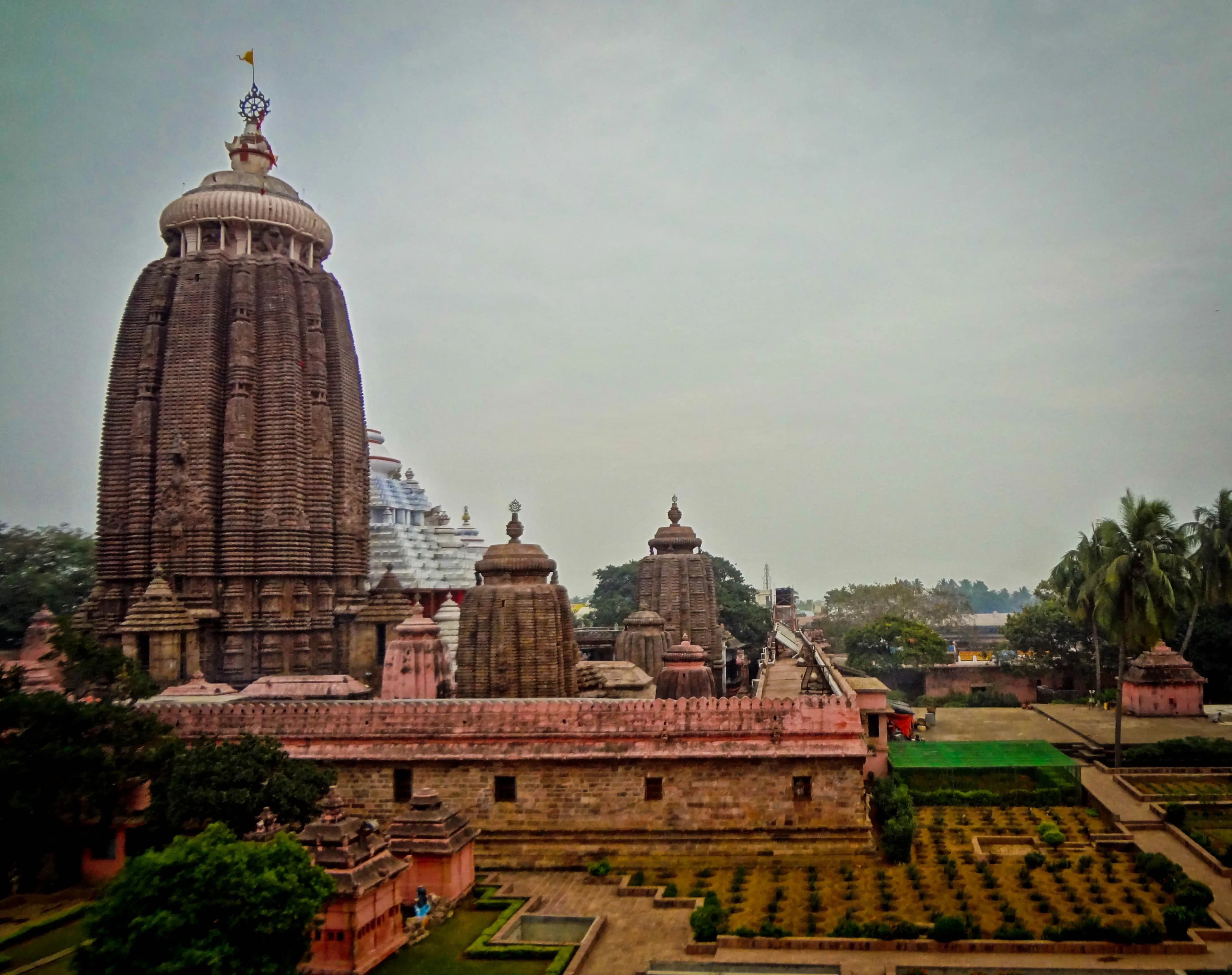
The Jagannath Temple in Puri, Odisha, stands as a profound testament to India's millennia-spanning cultural heritage, dedicated to Lord Jagannath, a form of Vishnu, alongside his siblings Balabhadra and Subhadra [2]. This monumental complex, located on Grand Road, Puri, is a vibrant center of continuous Indian civilization, embodying indigenous architectural styles and spiritual practices that reflect the nation's deep historical roots [1]. The temple is a prime example of Kalinga architecture, characterized by its curvilinear tower (rekha deul) and intricate sculptural ornamentation, which distinguishes it from other pan-Indian temple styles like Nagara and Dravida [3]. The temple complex is enclosed within a massive laterite wall known as Meghanada Pacheri, measuring approximately 202.70 meters by 196.29 meters and standing 6.1 meters high [3] . An inner wall, the Kurma Bedha, further encircles the main temple . The central shrine, or Vimana (Deula), rises to an impressive height of 57.28 meters from the inner parikrama floor to the apex of the Nila Chakra [3]. The temple's main structure comprises four distinct components arranged in an east-west alignment: the Vimana (sanctum sanctorum), the Jagamohana (porch or assembly hall), the Natamandapa (hall for cultural performances), and the Bhogamandapa (hall for offerings) [2] [3]. The Vimana is designed on a Pancha Ratha (five chariot) floor plan, where the vertical structure is divided into five projected column-like features, lending a unique vertical rhythm [2]. The Jagamohana, in contrast, is built in the Pidha deula style, featuring a pyramidal roof composed of horizontal layers [2]. Construction primarily utilized massive laterite blocks, quarried locally, fitted without mortar, showcasing the precision of Kalinga architecture [1]. Iron beams were incorporated to hold sections together, indicating advanced metallurgical knowledge for the period [1]. The temple's vertical structure is divided into five principal parts: Pitha (foundation), Bada (vertical wall), Gandi (main tower), and Mastaka (crowning elements), which includes the sacred Nila Chakra [2]. The Nila Chakra, an eight-spoked wheel made of Ashtadhatu (an alloy of eight metals), is 3.5 meters high with a circumference of about 11 meters, and is considered sacrosanct . Intricate carvings adorn the temple walls, depicting scenes from Hindu mythology, celestial beings, and floral motifs, often exhibiting a level of detail resembling wood or ivory [2] [3]. Friezes on the lower walls portray elephants, horses, and warriors in procession [2]. Niches on the Raha paga (central projection) house Parsva-devatas (side deities) such as Varaha, Trivikrama, and Nrusimha, sculpted from chlorite stone [2]. The temple features four elaborately carved gates: Singhadwara (Eastern Gate) flanked by crouching lions, Ashwadwara (Southern Gate) depicting horses, Vyaghrdwara (Western Gate) representing tigers, and Hastidwara (Northern Gate) featuring elephants [2]. The Singhadwara, the main entrance, is fronted by the monolithic Aruna Stambha, a sixteen-sided pillar topped with an idol of Aruna, the charioteer of Surya . The temple's kitchen is renowned as one of the largest in the world, preparing vegetarian Mahaprasad for thousands of devotees daily using traditional methods with earthen pots and firewood, a practice preserved for centuries [1] . The Archaeological Survey of India (ASI) plays a crucial role in the conservation of this Monument of National Importance, undertaking structural repairs using traditional methods and materials like laterite and lime plaster, and meticulously cleaning and conserving carvings [1] . Ongoing structural monitoring and repairs are in place, with efforts to incorporate both advanced conservation techniques and traditional knowledge systems to ensure durability and authenticity [1] . The temple remains an active place of worship, ensuring consistent ritual maintenance and upkeep of its architectural integrity [1]. The site is fully operational, welcoming pilgrims and visitors, with ongoing efforts to enhance accessibility, including a new ramp near the North Gate for the elderly and persons with disabilities .
Sri Kandaswamy Kovil Brickfields Kuala Lumpur
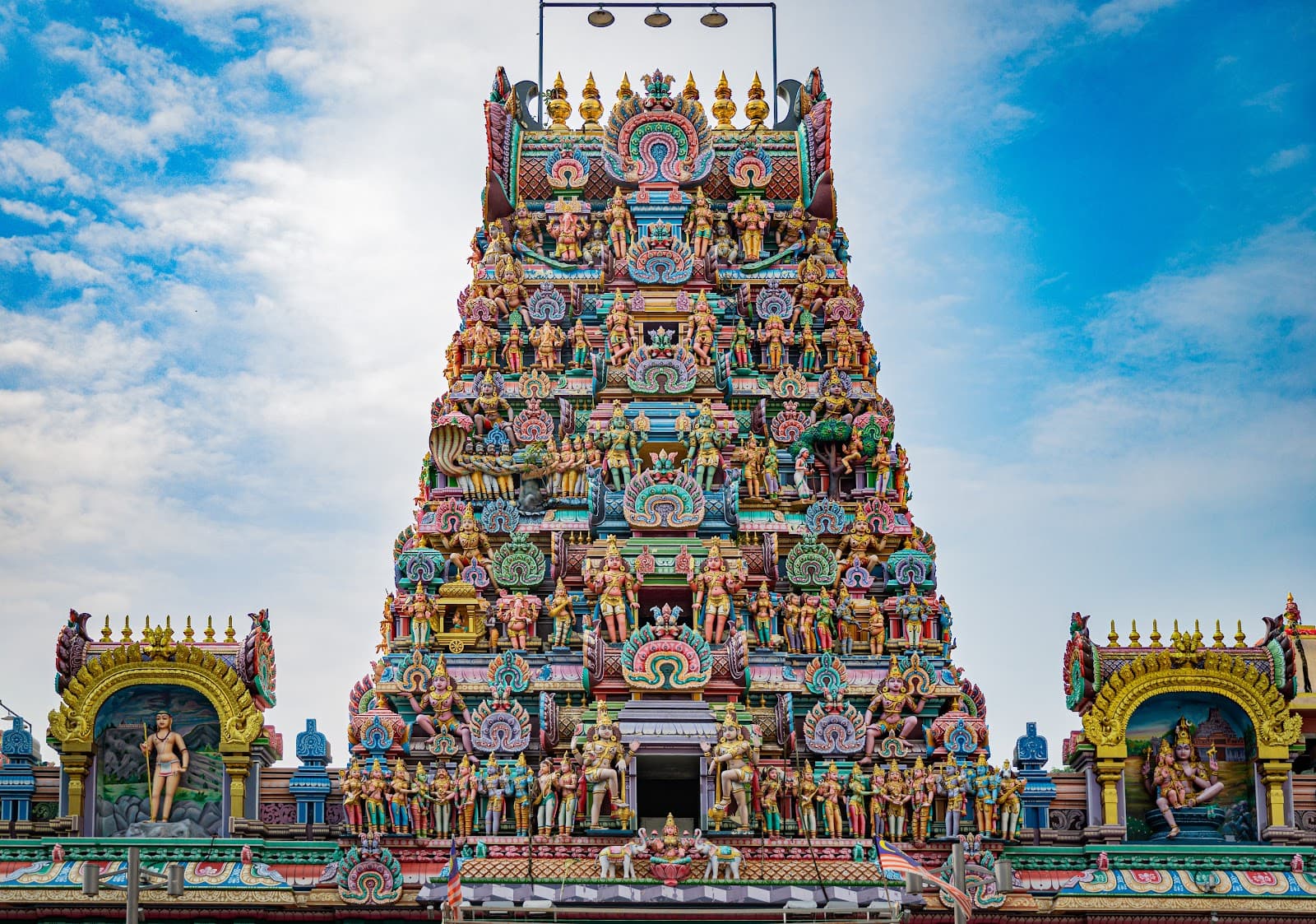
Sri Kandaswamy Kovil (1902) crowns Brickfields as Malaysia’s finest Saiva Siddhanta kovil, built by Ceylon Tamil administrators of the Federated Malay States Railways, with a 21-metre rajagopuram sculpted by Jaffna artisans, tiered gold kalashas, and an interior consecrated to Murugan (Kandaswamy) with granite-lined sanctum, teppakulam-style reflecting pool, and murals chronicling Nallur Kovil traditions ([1][2]). The kovil opens 5:30 AM-9:30 PM daily, offering six kala pujas, Vedic chanting, abhishekam, and annadhanam; Vaikasi Visakam, Thai Poosam (Silver chariot), Navaratri, and Skanda Shasti anchor the calendar, while Sunday thiruppugazh classes, Sivaneri sangam, and Tamil vidyalayam serve the community. During Thaipusam, the temple dispatches Kuala Lumpur’s famed silver chariot to Batu Caves, mobilising 400 marshals, GPS-tracked convoy, real-time crowd updates, and recycling squads. Facilities include a heritage gallery, Tamil library, music and dance studios, wedding halls, vegetarian restaurant, counselling centre, dialysis support fund, and archives storing century-old kovil minute books. The kovil’s Ceylonese management publishes bilingual liturgical guides, organises interfaith dialogues, and supports Brickfields’ blind association through inclusive programmes ([1][3]).
Quick Links
Plan Your Heritage Journey
Get personalized recommendations and detailed visitor guides