Has Inheritage Foundation supported you today?
Your contribution helps preserve India's ancient temples, languages, and cultural heritage. Every rupee makes a difference.
Secure payment • Instant 80G certificate
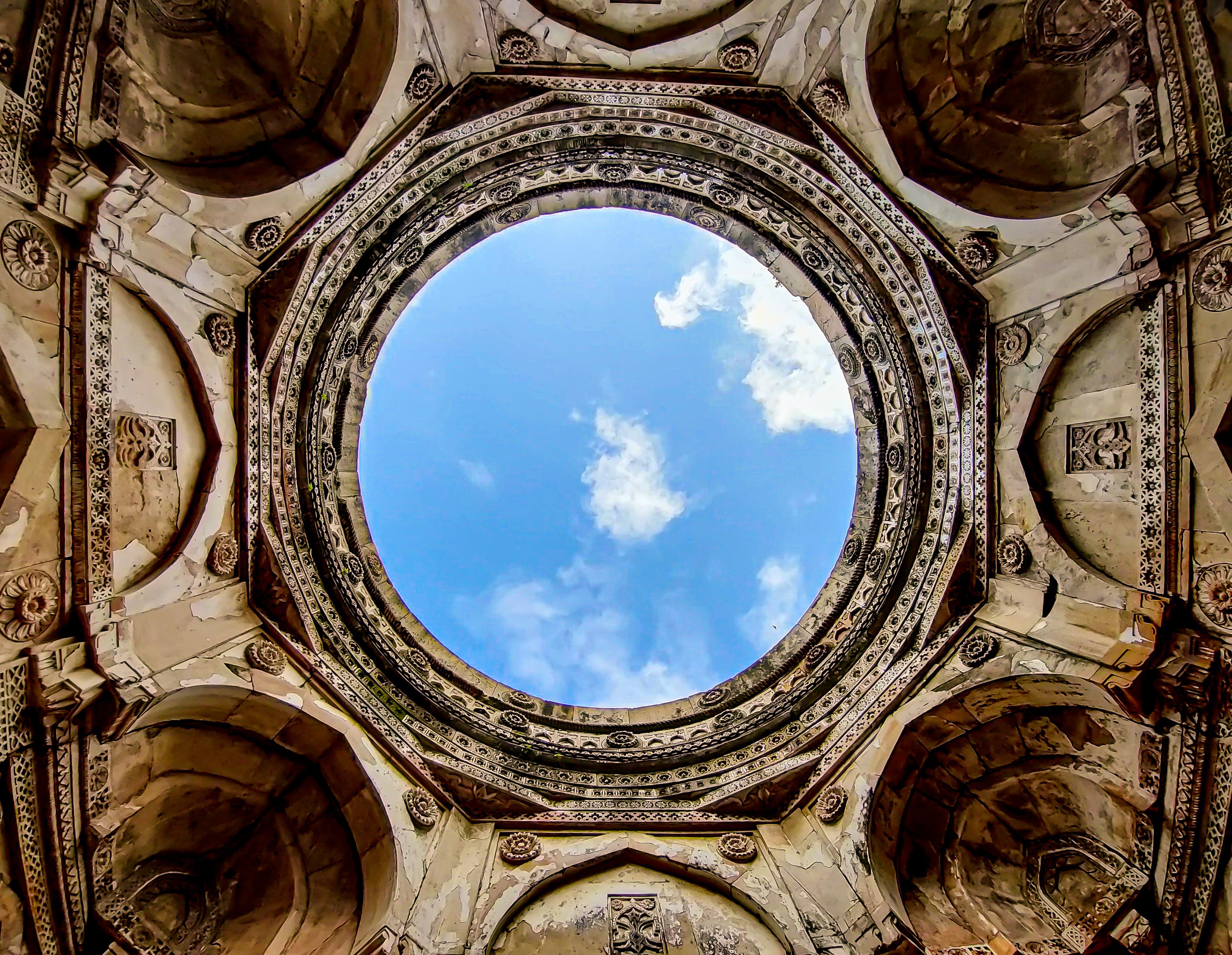
Pavagadh Fort Champaner
The wind whipped at my kurta as I ascended the final steps to the Machi Haveli, the sprawling ruined palace perched precariously on the Pavagadh hill. Below me, the Gujarat plains stretched out like a rumpled green carpet, the distant Narmada river glinting silver under the afternoon sun. This, I realized, was a view fit for kings, a panorama that spoke volumes about the strategic importance of this ancient fort. Having explored countless historical sites across Uttar Pradesh, I was eager to experience the architectural and cultural nuances of this Gujarati landmark. Pavagadh, meaning "quarter hill," is aptly named. The climb, whether by ropeway or the winding path, is an experience in itself. I chose the latter, wanting to absorb the gradual shift in atmosphere, from the bustling marketplace at the base to the hushed reverence of the hilltop shrines. The fortifications, built in stages over centuries, tell a story of evolving military architecture. The lower ramparts, with their sturdy, sloping walls, bear the hallmarks of early Rajput construction, while the higher sections, particularly around the citadel, showcase more intricate Islamic influences, a testament to the region's layered history. The Mahakali Temple, the fort's spiritual heart, pulsates with an energy that is palpable. The throngs of devotees, their chants echoing through the courtyards, create an atmosphere quite unlike the serene temples I'm accustomed to back home. The architecture here is a fascinating blend of styles. The ornate carvings, particularly around the main shrine, are reminiscent of the intricate stonework found in some of the older temples of Bundelkhand, yet the overall structure, with its towering shikhara, feels distinctly Gujarati. I was particularly struck by the vibrant colours adorning the temple walls, a stark contrast to the more subdued palettes used in the north. Beyond the temple, the ruins of the Machi Haveli offered a glimpse into the lives of the rulers who once commanded this fortress. Wandering through the crumbling walls and empty chambers, I tried to imagine the bustling court life, the strategizing, the feasts, the intrigues that must have unfolded within these very walls. The intricate jali work, now fragmented and weathered, hinted at the opulence that once graced this palace. I noticed the distinct use of local sandstone in the construction, a material that lends a warm, earthy hue to the ruins, quite different from the red sandstone commonly used in Mughal architecture. The Sat Kaman, or seven arches, another prominent feature of the fort, is a marvel of engineering. These massive arches, spanning a deep ravine, not only served a defensive purpose but also demonstrate a sophisticated understanding of structural design. The way the arches are integrated into the natural contours of the hill speaks to the builders' ingenuity. Descending the hill, I reflected on the palpable layers of history embedded within Pavagadh. From the earliest Hindu rulers to the Solanki dynasty, the Mughals, and finally the Marathas, each era has left its indelible mark on this fortress. It's a microcosm of India's rich and complex past, a place where different cultures and architectural styles have converged and intertwined over centuries. While the grandeur of the Mughal forts of Uttar Pradesh remains etched in my memory, Pavagadh offers a different kind of historical narrative, one that is equally compelling and deeply rooted in the unique cultural landscape of Gujarat. It's a testament to the enduring power of place and the stories that these places hold within their stones.
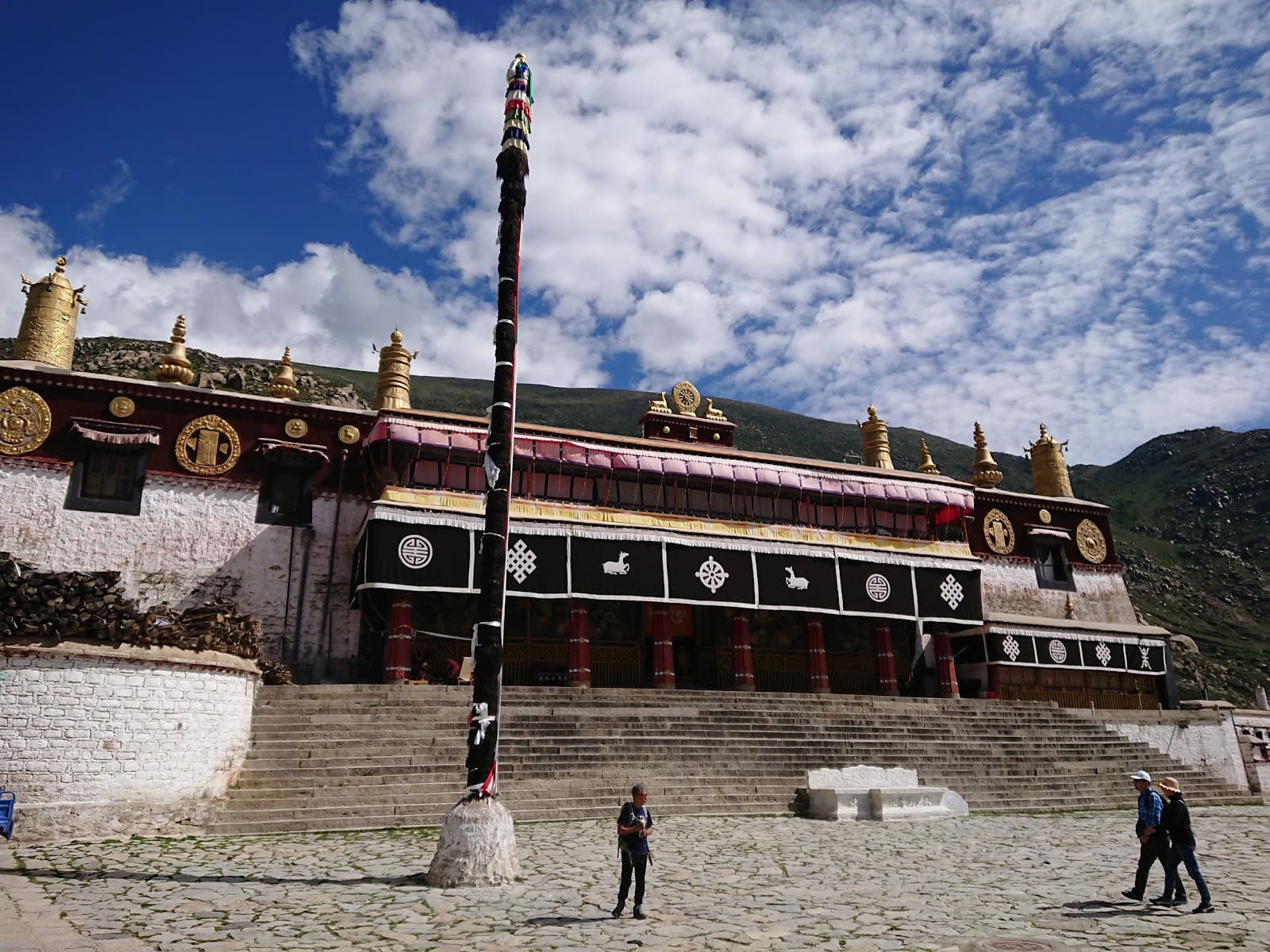
Drepung Monastery Lhasa Tibet
Drepung Monastery, located in Lhasa, Tibet, represents one of the three great Gelugpa monasteries in Tibet and stands as a major center for Tibetan Buddhist learning, constructed in the 15th century CE by Jamyang Chojey, a disciple of Tsongkhapa who established the Gelugpa school with strong connections to Indian Buddhist scholastic traditions, demonstrating the profound transmission of Indian Buddhist philosophy and learning traditions to Tibet, which has maintained deep cultural, religious, and historical connections with India for over two millennia. The monastery complex, constructed primarily from stone, wood, and earth with extensive decorative elements, features a massive structure containing numerous temples, chapels, assembly halls, debate courtyards, and residential quarters arranged according to Indian Buddhist monastery planning principles, with the overall design reflecting mandala-based cosmological principles found in Indian Buddhist architecture. The monastery’s architectural design demonstrates direct influence from Indian Buddhist monastery architecture, particularly the Nalanda model, with the overall plan, debate courtyards, and learning facilities reflecting traditions that were transmitted to Tibet through centuries of cultural exchange, while the emphasis on Indian Buddhist scholastic traditions demonstrates the transmission of Indian Buddhist philosophy to Tibet. Archaeological and historical evidence indicates the monastery was constructed with knowledge of Indian Buddhist scholastic traditions and architectural treatises, reflecting the close cultural connections between Tibet and India during the medieval period, when Indian Buddhist scholars, texts, and philosophical traditions continued to influence Tibetan Buddhism. The monastery has served as a major center for Tibetan Buddhist learning and practice for over five centuries, maintaining strong connections to Indian Buddhist traditions through the study of Indian Buddhist texts, philosophy, and debate traditions. The monastery has undergone multiple expansions and renovations over the centuries, with significant additions conducted to accommodate growing numbers of monks and expanding educational programs. Today, Drepung Monastery continues to serve as an important place of Buddhist worship and learning in Tibet, demonstrating the enduring influence of Indian Buddhist scholastic traditions on Tibetan culture and serving as a powerful symbol of Tibet’s deep connections to Indian civilization through the study and practice of Indian Buddhist philosophy. ([1][2])
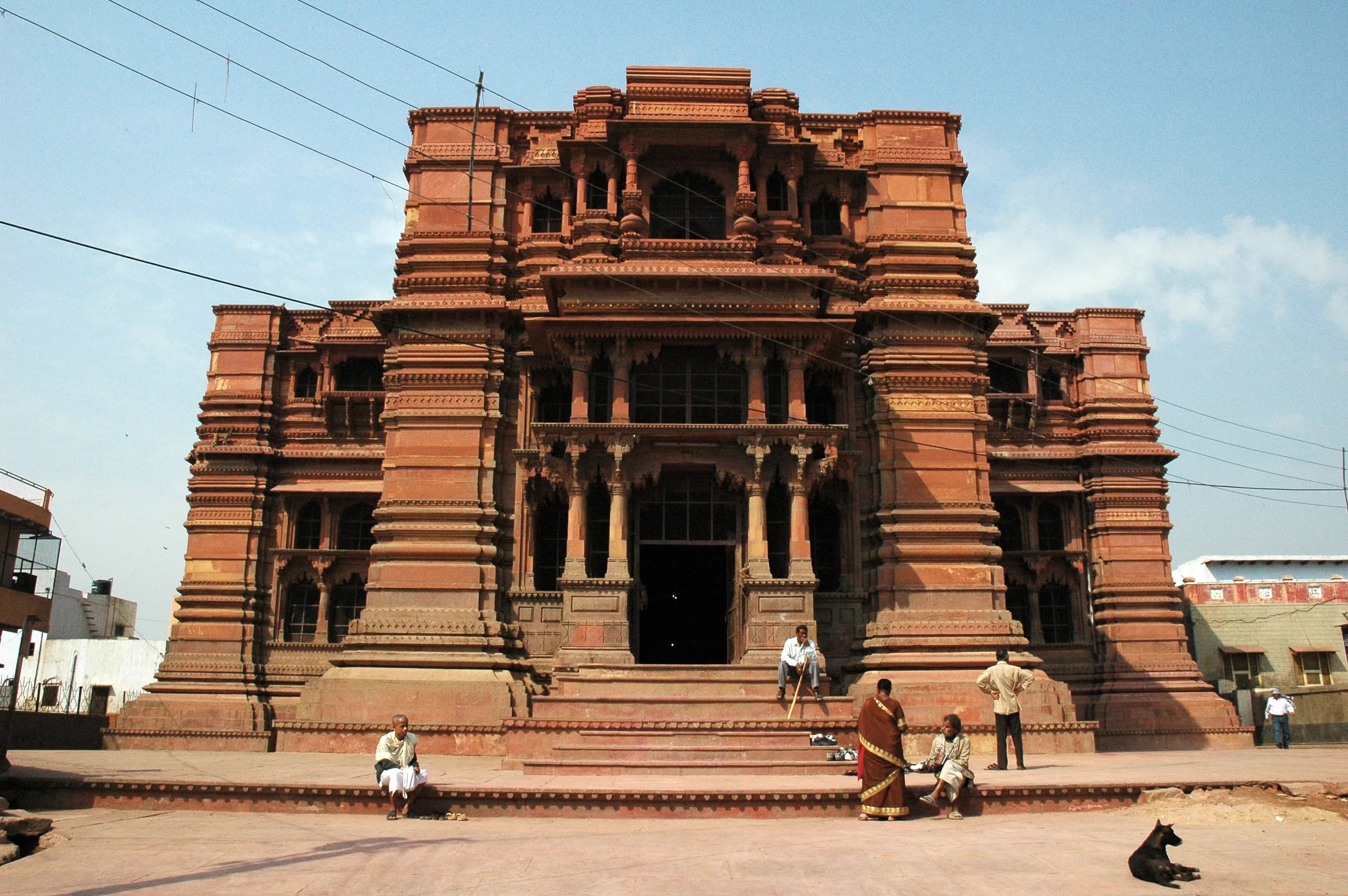
Govind Dev Temple Vrindavan
The red sandstone glowed, almost humming with a palpable energy under the late afternoon sun. Govind Dev Temple in Vrindavan, though no longer in its complete glory, still exudes a majestic aura that transported me back to a Vrindavan of centuries past. Having documented Gujarat's intricate temples for years, I was eager to experience the architectural nuances of this Braj marvel, and I wasn't disappointed. The first thing that struck me was the unique blend of architectural styles. While the temple’s core exhibits a distinctly Rajput influence, reminiscent of some of the grand structures I’ve seen in Rajasthan, the seven-storied structure (now sadly reduced to three) bore a striking resemblance to European architecture, particularly reminiscent of a cathedral. This fusion, I learned, was a result of the Mughal emperor Akbar's relatively tolerant religious policies during the late 16th century, a period that allowed for such cross-cultural architectural experimentation. Stepping inside the pillared hall, which now serves as the main prayer area, I was immediately drawn upwards. The soaring ceilings, even in their truncated state, evoked a sense of grandeur. The intricate carvings on the remaining pillars, depicting scenes from Krishna's life, were a testament to the skill of the artisans. Each carving told a story, each curve and line imbued with devotion. I spent a considerable amount of time tracing these narratives with my fingers, imagining the temple in its original seven-storied splendor. The absence of the upper four stories, destroyed by Aurangzeb in the 17th century, is a poignant reminder of the tumultuous history this temple has witnessed. Yet, the resilience of the structure and the continued devotion of the pilgrims who throng its courtyard speak volumes about its enduring spiritual significance. The air vibrated with chants and the fragrance of incense, creating an atmosphere thick with reverence. The temple complex is built around a rectangular courtyard, and while the main shrine is dedicated to Govind Dev (Krishna), smaller shrines dedicated to Radha and other deities dot the periphery. I observed the local devotees engaging in various rituals, their faces reflecting a deep connection to the divine. The rhythmic clang of bells and the melodic chanting of hymns further intensified the spiritual ambiance. The use of red sandstone, a material I'm intimately familiar with from Gujarat's architectural heritage, lends the temple a warm, earthy hue. However, unlike the intricate, almost lace-like carvings often seen in Gujarati temples, the carvings here are bolder, more pronounced, reflecting a different aesthetic sensibility. The interplay of light and shadow on the sandstone surfaces created a dynamic visual experience, constantly shifting throughout the day. One particular detail that captivated me was the remnants of the original staircase that once led to the upper floors. Though now inaccessible, the sheer scale and craftsmanship of the remaining steps hinted at the lost magnificence of the complete structure. I could almost visualize the devotees ascending those stairs, their hearts filled with anticipation, to reach the inner sanctum. Leaving the temple complex, I carried with me a profound sense of awe and a touch of melancholy. Awe at the architectural brilliance and spiritual energy that permeated the space, and melancholy for the lost grandeur of a structure that once touched the sky. Govind Dev Temple stands as a testament to the enduring power of faith and a poignant reminder of the fragility of our heritage. It is a site that deserves to be experienced, not just seen, and its story, etched in stone and whispered in chants, continues to resonate through the ages.
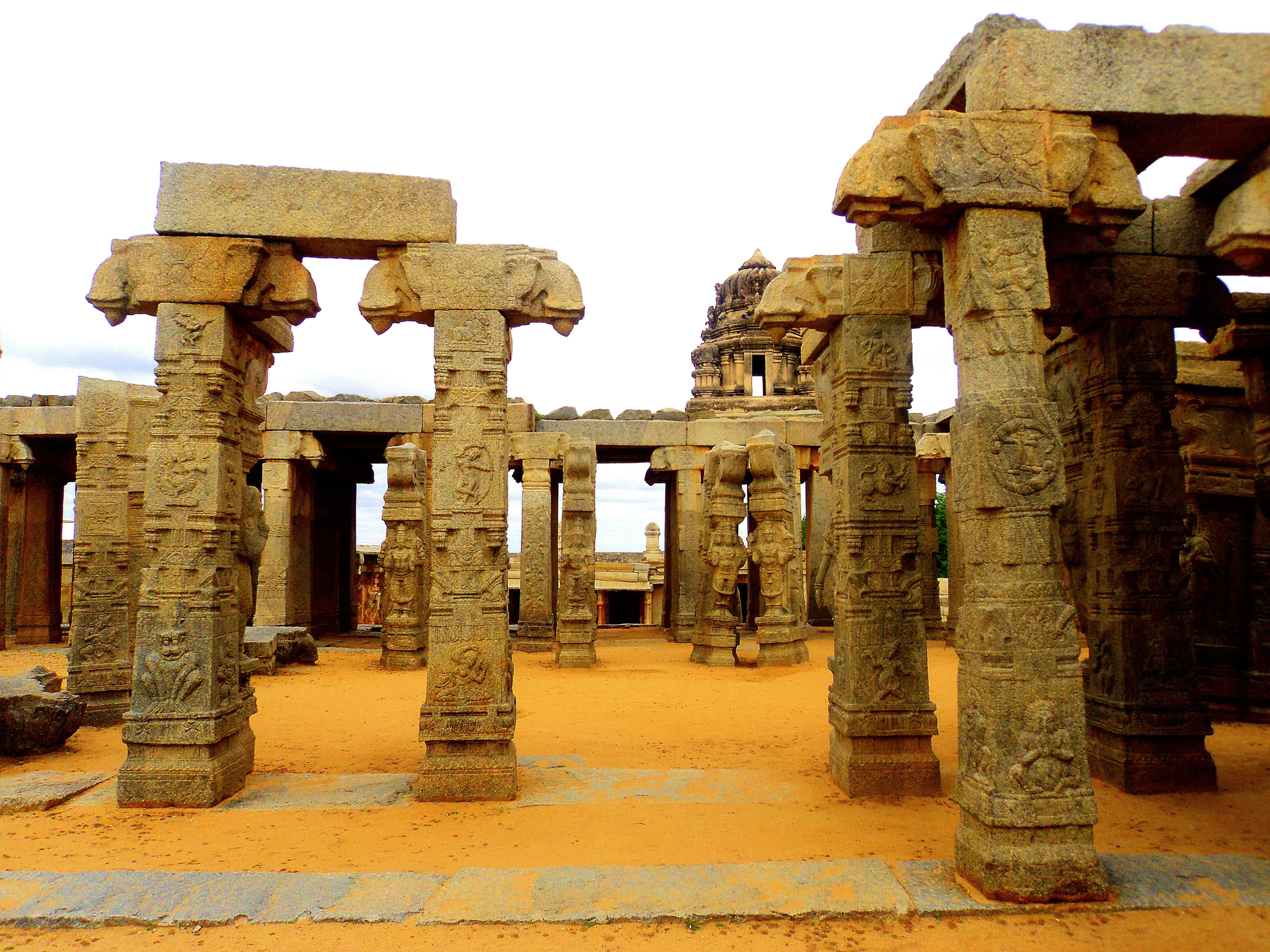
Veerabhadra Temple Lepakshi
The sun beat down on the granite landscape of Lepakshi, baking the earth a pale ochre. I’d crossed the border from Maharashtra, leaving behind the familiar caves of Ajanta and Ellora for the architectural marvels of Andhra Pradesh. My destination: the Veerabhadra Temple, a 16th-century testament to the Vijayanagara Empire’s artistic prowess. Even from a distance, the colossal Nandi bull, carved from a single granite boulder, hinted at the grandeur within. Stepping through the imposing gateway, I was immediately struck by the temple’s sprawling layout. Unlike the cave temples I’m accustomed to in Maharashtra, the Veerabhadra Temple embraced the open air. Its vast courtyards, punctuated by ornate pillars and mandapas, created a sense of expansive serenity. The main shrine, dedicated to Veerabhadra, a fierce incarnation of Lord Shiva, dominated the complex. Its walls, a canvas of intricate carvings, narrated tales from the epics – scenes of battles, celestial beings, and mythical creatures, all rendered with astonishing detail. The Kalyana Mandapa, or wedding hall, was a particular highlight. While many pillars within the temple complex were adorned with carvings, the unfinished pillars of the Kalyana Mandapa held a unique allure. Local legend attributes their incompleteness to the sudden halt of construction, a story that adds a layer of mystery to the site. I ran my hand along the smooth, uncarved stone, imagining the artisans who once toiled here, their tools silenced mid-stroke. One of the most remarkable features of the Veerabhadra Temple is its hanging pillar. Out of the 70 pillars supporting the structure, one appears to hang suspended in mid-air, a testament to the architectural ingenuity of the Vijayanagara builders. I crouched down, passing a thin cloth beneath the pillar, witnessing the seemingly impossible gap between stone and earth. This architectural marvel, defying gravity, left me in awe. It’s a tangible reminder of the advanced engineering knowledge possessed by these ancient craftsmen. The temple's ceiling is another masterpiece. The Mukha Mandapa, or entrance hall, boasts vibrant frescoes depicting scenes from the Ramayana and Mahabharata. The colours, though faded by time, still retain a remarkable vibrancy. I spent a considerable amount of time craning my neck, tracing the lines of these ancient narratives, each panel a window into the rich mythology of the region. The contrast between the muted granite exterior and the explosion of colour within was truly captivating. Beyond the main shrine and mandapas, the temple complex extends to include smaller shrines, stepped tanks, and sprawling courtyards. I wandered through these spaces, observing the intricate carvings that adorned every surface. From the fearsome depictions of Veerabhadra to the delicate floral motifs, each carving spoke volumes about the artistic sensibilities of the era. As the sun began to dip below the horizon, casting long shadows across the temple complex, I found myself reflecting on the journey. The Veerabhadra Temple, with its grandeur and intricate artistry, offered a stark contrast to the cave temples I’m familiar with in Maharashtra. While the caves offer a sense of intimate seclusion, the Veerabhadra Temple embraces the open air, its vastness a testament to the power and prosperity of the Vijayanagara Empire. It's a site that resonates with history, mythology, and architectural brilliance, a must-see for anyone seeking to explore the rich cultural heritage of South India. Leaving the temple grounds, I carried with me not just photographs and memories, but a deeper appreciation for the architectural diversity of India, a tapestry woven with unique regional styles and traditions.
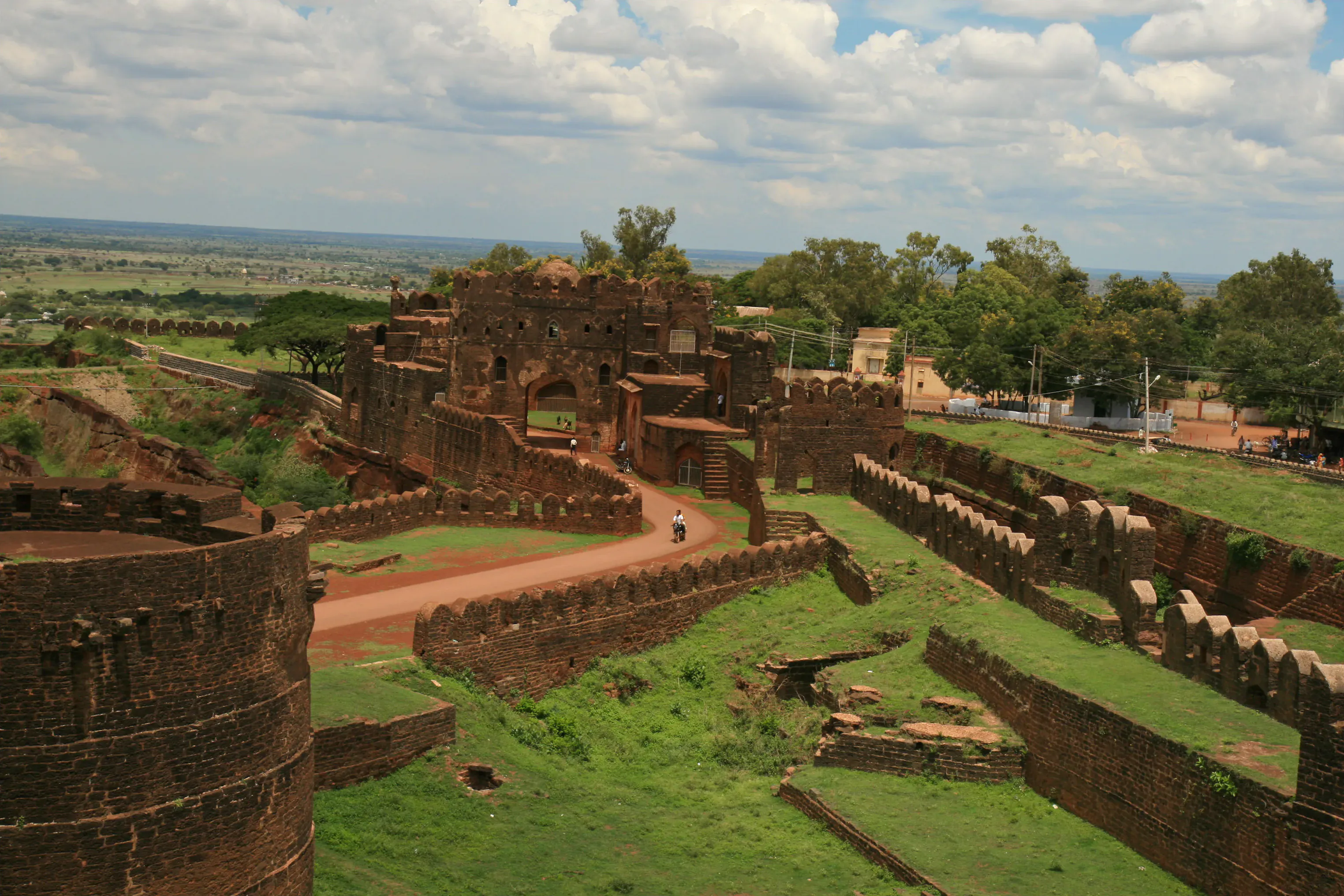
Bidar Fort Bidar
Emerging from the Deccan plateau, the imposing laterite walls of Bidar Fort embody a fusion of Indo-Islamic architectural styles ([1]). Constructed in 1428 CE by Bahamani Sultan Ahmad Shah I, during the Vijayanagara Period, the fort reflects the grandeur of the Bahamani Sultanate ([2][3]). Its design integrates Persian, Turkish, and Indian elements, evident in its arches, domes and garden layouts ([4]). Stepping through the Gumbad Darwaza, the fort reveals its robust military architecture. Remnants of intricate tilework, featuring vibrant blue and turquoise hues, offer glimpses into its past splendor ([5]). Within the Rangin Mahal, or Painted Palace, faded frescoes on the walls evoke a sense of regal elegance. From the Takht Mahal, the throne room, panoramic views symbolize the Sultan's authority ([1]). Sophisticated water management systems, exemplified by the Karez, ensured a constant water supply within the fort ([2][3]). Furthermore, the fort houses impressive cannons, including the Malik-e-Maidan, reflecting its turbulent history ([4][5]). Laterite stone, limestone, black trap, and red sandstone were the primary materials utilized in its construction ([6]). Such materials, sourced locally, underscore the architectural ingenuity of the era. The integration of Persian gardens showcases a synthesis of cultural influences, blending aesthetic beauty with functional design ([7]). The fort's design principles extend from ancient Indian traditions to Persian artistry ([1][2]). Bidar Fort stands as a testament to the Deccan region's architectural prowess and cultural synthesis, showcasing a unique blend of indigenous and foreign influences ([8]).
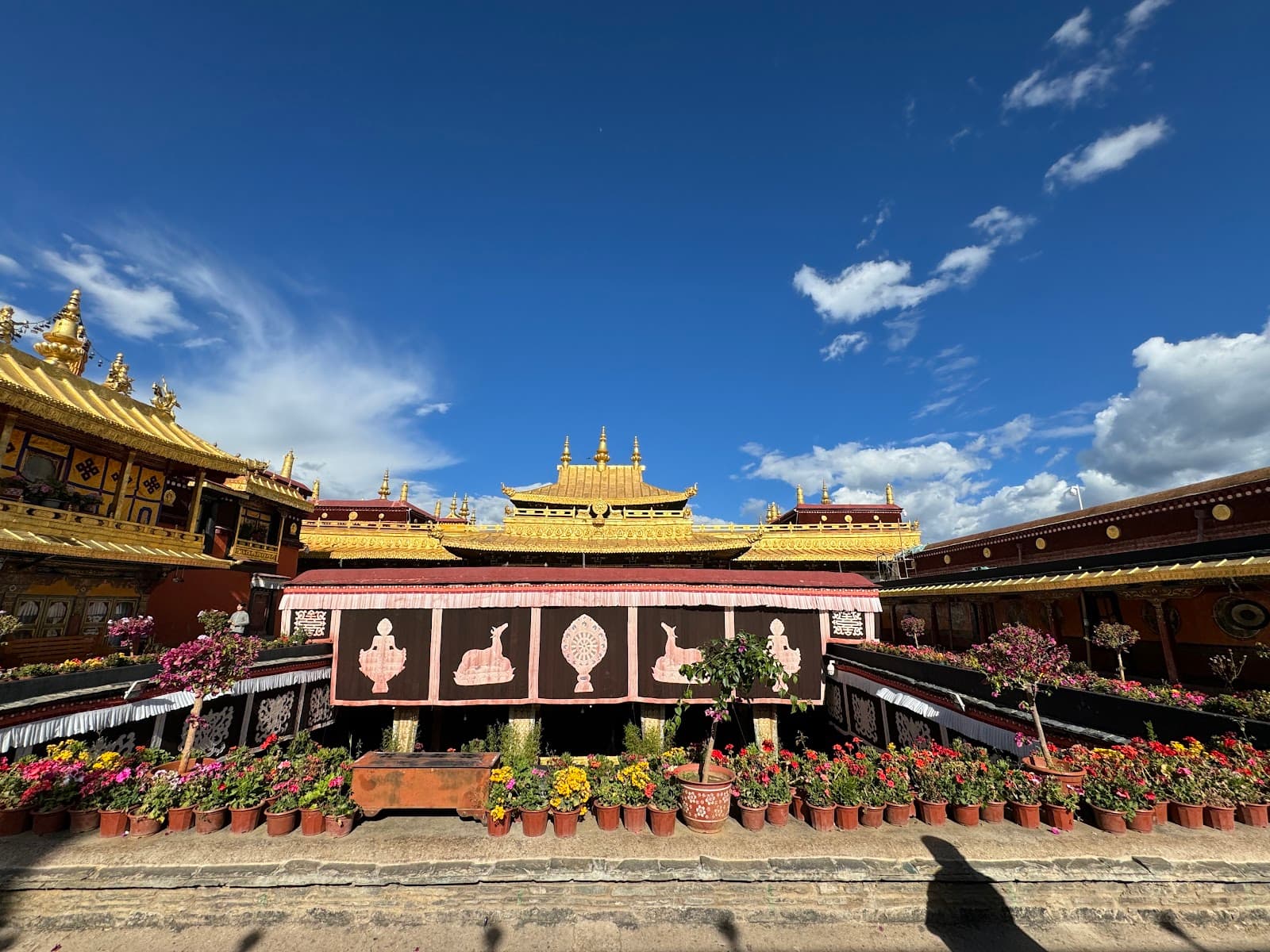
Ramoche Temple Lhasa Tibet
Ramoche Temple, located in Lhasa, Tibet, represents one of the most important Buddhist temples in Tibet, constructed in the 7th century CE during the reign of King Songtsen Gampo and housing the revered Jowo Mikyö Dorje statue, demonstrating the profound transmission of Indian Buddhist traditions to Tibet, which has maintained deep cultural, religious, and historical connections with India for over two millennia. The temple, originally constructed to house the Jowo Mikyö Dorje statue brought from India by King Songtsen Gampo’s Chinese queen Wencheng, features architectural design that synthesizes Indian vihara architecture, Nepalese temple styles, and Tibetan construction techniques, creating a unique architectural expression that reflects Tibet’s position as a cultural bridge between India and Central Asia. The temple complex, constructed primarily from stone and wood with extensive decorative elements, features a multi-story structure with numerous chapels and shrines that have served as centers of Buddhist worship and learning for over thirteen centuries. The temple’s architectural design demonstrates direct influence from Indian Buddhist vihara architecture, particularly the Gupta and Pala period styles, with the overall plan reflecting mandala-based cosmological principles found in Indian temple architecture. Archaeological and historical evidence indicates the temple was constructed with the assistance of Indian and Nepalese architects and craftsmen, reflecting the active religious and cultural exchange between Tibet and India during the 7th century, when Indian Buddhist scholars, texts, and artistic traditions were systematically introduced to Tibet. The temple has undergone multiple renovations and reconstructions over the centuries, with significant work conducted following damage, while preserving its connection to Indian Buddhist traditions. Today, Ramoche Temple continues to serve as an important place of Buddhist worship in Lhasa, demonstrating the enduring vitality of Tibetan Buddhism and its deep roots in Indian religious and cultural traditions. ([1][2])
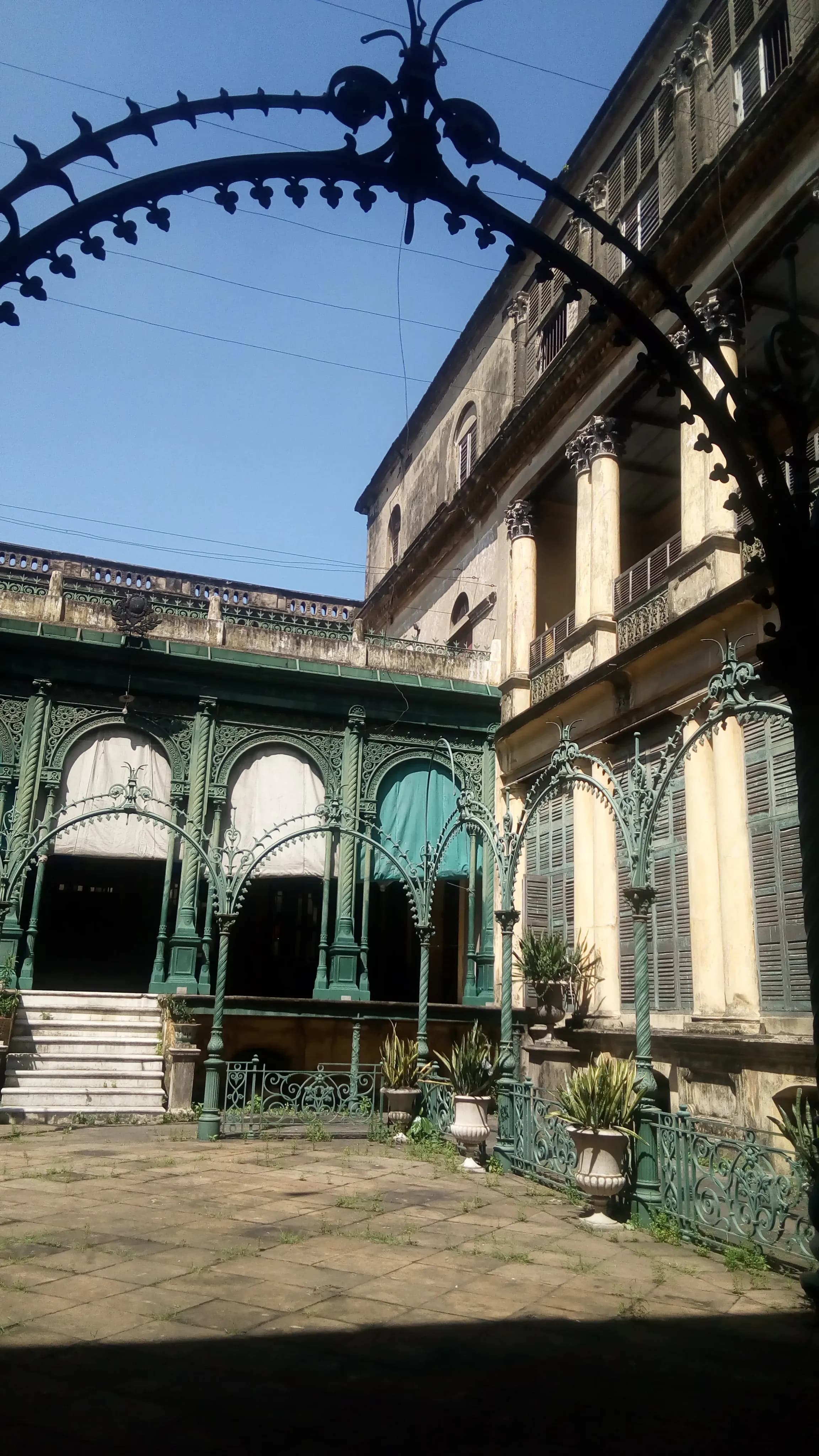
Mullick House Kolkata
The humid Kolkata air hung heavy, a stark contrast to the dry heat I’m accustomed to in Uttar Pradesh. I stood before the imposing façade of Mullick House, a crumbling testament to a bygone era of mercantile opulence. Located on Pathuriaghata Street, this haveli, once the residence of the wealthy Mullick family, whispered stories of indigo, jute, and the ebb and flow of fortune in colonial India. The first thing that struck me was the sheer scale of the structure. Despite its dilapidated state, the grandeur was undeniable. The ornate Corinthian columns, though weathered and stained, still held their heads high, supporting balconies that must have once overflowed with life. The intricate stucco work, depicting floral motifs and mythological figures, bore the scars of time and neglect, yet retained a ghostly elegance. It was a poignant reminder of the ephemeral nature of wealth and power. Stepping through the arched gateway felt like entering a time capsule. The vast courtyard, now overgrown with weeds and littered with debris, once pulsated with the activity of a large joint family. I could almost envision the bustling scenes – children playing, women gossiping in hushed tones, and the patriarch holding court. The remnants of a fountain, choked with dust and leaves, hinted at a past desire for aesthetic refinement. The interior of the haveli was a labyrinth of interconnected rooms, each bearing the marks of its former occupants. Faded frescoes adorned the walls, depicting scenes from the epics, perhaps a reflection of the family's cultural roots. The high ceilings, once adorned with elaborate chandeliers, now revealed peeling paint and exposed beams. The intricate tile work on the floors, though cracked and broken in places, spoke of a time when no expense was spared in the pursuit of beauty. I climbed the grand staircase, its wooden banisters worn smooth by countless hands. The upper floors offered a panoramic view of the surrounding neighbourhood, a chaotic jumble of narrow lanes and crumbling buildings. It was a stark reminder of the changing face of Kolkata, a city grappling with its colonial legacy. As I wandered through the decaying rooms, I couldn't help but draw parallels with the havelis of my own Uttar Pradesh. While the architectural styles differed, the underlying ethos was the same – a celebration of family, tradition, and prosperity. Yet, unlike the meticulously preserved havelis of Lucknow and Varanasi, Mullick House seemed to have been abandoned to the vagaries of time. The neglect was heartbreaking. This wasn't just a building; it was a repository of memories, a tangible link to a significant period in Indian history. The stories embedded within its walls – of trade, migration, and cultural exchange – were in danger of being lost forever. My visit to Mullick House was a bittersweet experience. It was a privilege to witness the remnants of such architectural splendour, but also a sobering reminder of the importance of preservation. As I stepped back onto the bustling streets of Kolkata, I carried with me not just images of crumbling grandeur, but also a renewed appreciation for the fragility of our heritage. The whispers of Mullick House, though fading, deserve to be heard, its stories deserve to be told, and its legacy deserves to be protected. It stands as a potent symbol of a shared past, a past that shapes our present and will continue to influence our future.
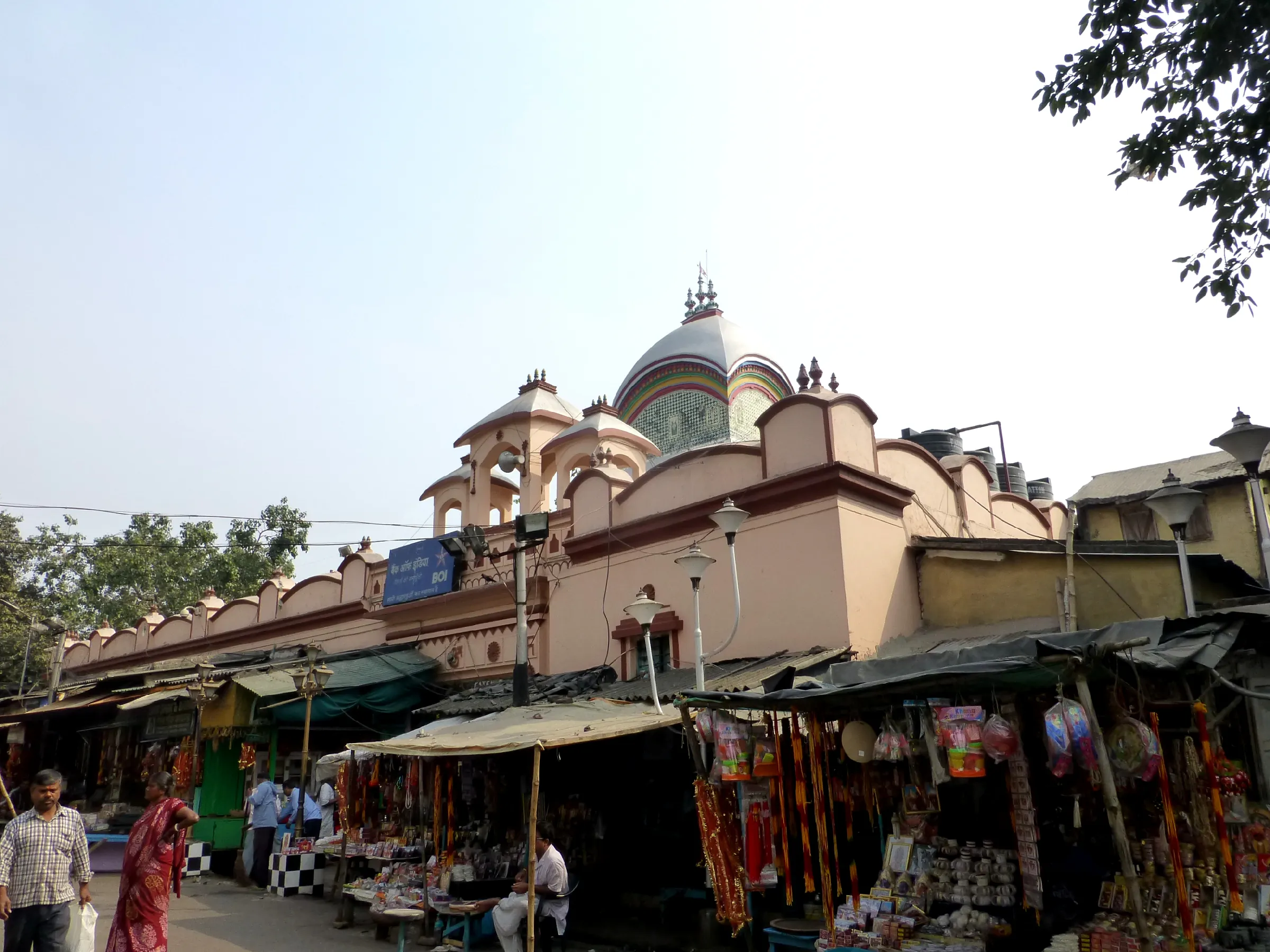
Kalighat Kali Temple Kolkata
The air hung thick and heavy, not just with the Kolkata humidity, but with a palpable sense of devotion. Garlands of marigolds and hibiscus blazed against the backdrop of the soot-stained Kalighat Kali Temple, their vibrant colours a stark contrast to the aged brick and stone. This wasn't the pristine, symmetrical beauty of the Rajput forts I'm accustomed to back in Rajasthan. This was something rawer, more visceral. The temple, nestled in the heart of Kolkata, pulsated with a chaotic energy. A cacophony of sounds – chanting, bells, the hawkers’ cries – rose and fell like the tide. Navigating the narrow lanes leading to the main shrine was an experience in itself. The air was thick with incense, and the ground, slick with offerings and the remnants of rituals. It was a sensory overload, a far cry from the ordered serenity of, say, the Mehrangarh Fort. The architecture of the Kalighat temple is distinct. Unlike the imposing sandstone structures of Rajasthan, this temple is relatively modest in size. The current structure, built in the 19th century, features a distinctive Bengali style with a curved, sloping roof known as a *dochala*. The main shrine, however, felt ancient, imbued with centuries of worship. The idol of Kali herself is striking. Her jet-black face, adorned with a garland of skulls and a protruding tongue, is both terrifying and mesmerizing. Her three eyes seemed to pierce through the throngs of devotees, acknowledging their prayers and anxieties. What struck me most was the sheer intensity of the faith on display. Devotees, from all walks of life, pressed forward, their faces etched with a mixture of hope and desperation. Some offered flowers, others coconuts, still others whispered fervent prayers. The priests, their foreheads smeared with ash, performed rituals with practiced ease, their chants adding to the hypnotic rhythm of the temple. I watched a young woman, her eyes brimming with tears, offer a lock of her hair to the goddess. It was a powerful moment, a testament to the deep-seated belief that permeates this place. This wasn't just a temple; it was a living, breathing entity, a conduit between the human and the divine. The experience was further intensified by the presence of the *pandits*, the temple priests. While their role is integral to the rituals, their aggressive solicitation of donations felt jarring. It was a stark reminder of the commercialization that often accompanies religious fervor, a phenomenon not entirely unfamiliar in Rajasthan's tourist-heavy temples, but here it felt more pronounced, more intertwined with the very fabric of worship. Stepping back from the immediate crush of the main shrine, I noticed the smaller shrines dedicated to other deities scattered around the complex. Each had its own unique energy, its own dedicated following. The temple complex, despite its chaotic nature, felt like a microcosm of the city itself – a melting pot of different beliefs and practices, all coexisting within a shared space. As I left the Kalighat Kali Temple, the chanting and the scent of incense still clinging to my clothes, I felt a profound sense of awe. This wasn't just a visit to a temple; it was an immersion into a different world, a world where faith and tradition reign supreme. It was a world far removed from the majestic silence of Rajasthan's desert forts, yet equally captivating, equally powerful. The experience served as a potent reminder of the diverse tapestry of India's spiritual landscape, a tapestry woven with threads of devotion, ritual, and unwavering belief.
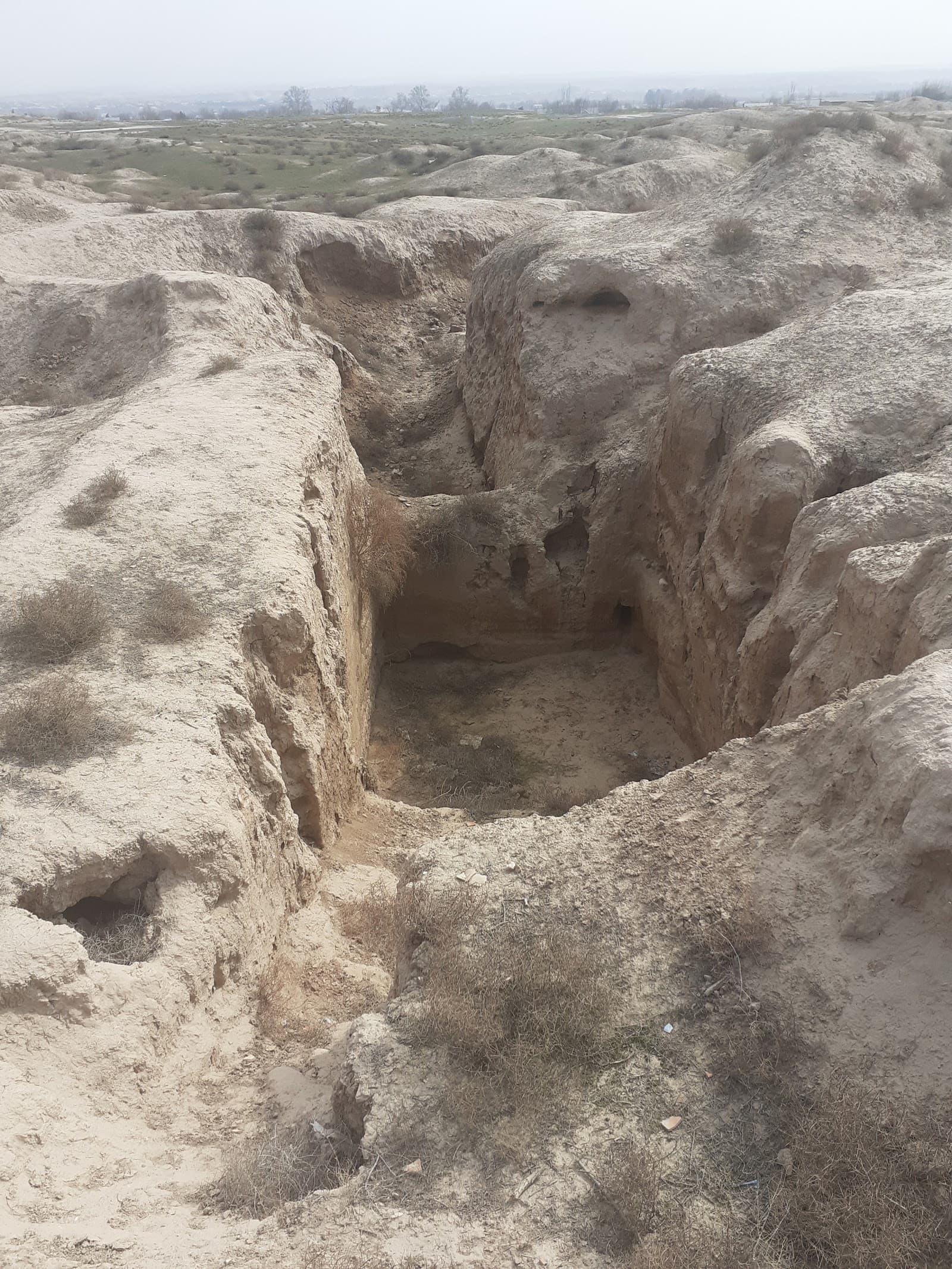
Dalverzin Tepe Surxondaryo Uzbekistan
Dalverzin Tepe, an ancient archaeological site located in the Surxondaryo Region of Uzbekistan, stands as a profound testament to the millennia-spanning cultural heritage of India, particularly through its embrace and adaptation of Indian Buddhist and Gandhara-Kushan architectural styles [3] [5]. This significant urban center, flourishing under the Kushan Empire, exemplifies the continuous tradition of Indian civilization's artistic and religious dissemination across Central Asia [2] [4]. The site's indigenous architectural styles, materials, and cultural practices reflect India's deep historical roots, showcasing a sophisticated synthesis of traditions [3]. The city plan of Dalverzin Tepe is characterized by a rectangular layout, featuring a prominent citadel at its core, with residential and religious structures meticulously arranged in parallel rows around this central defensive element [2]. Among its most significant features are two well-preserved Buddhist temples, which represent a direct extension of Indian Buddhist architectural principles into the region [4] [5]. These temples, constructed primarily from mud brick and pakhsa (rammed earth), demonstrate robust construction techniques typical of the period, often incorporating gypsum-coated clay for intricate sculptural and decorative elements [2] [3]. Archaeological excavations have unearthed numerous statues of Buddha and bodhisattvas, crafted from clay and gypsum, reflecting the distinctive Gandhara style that blends Hellenistic artistic conventions with Indian iconography [2] [4]. Specific architectural details include Attic stone column bases and terracotta antefixes, indicating a fusion of Greco-Roman and indigenous Central Asian elements, all serving to adorn structures dedicated to Indian religious practices [3]. A notable discovery is a gypsum-coated clay head of a youth, found within a Buddhist temple, which exemplifies the refined artistic output of the era [3]. The site also yielded a remarkable treasure hoard of gold, underscoring its historical wealth and cultural significance [2]. Dalverzin Tepe's urban planning included sophisticated defensive features, with the town experiencing active urban and defensive construction during its peak Kushan period [3]. While specific dimensions for individual structures are subject to ongoing research, the overall scale of the city suggests a well-organized settlement capable of sustaining a significant population and cultural activity [2]. The site is currently on the UNESCO Tentative List, recognizing its outstanding universal value and the need for continued preservation [1]. Ongoing archaeological findings, supported by joint excavations involving Uzbek, Korean, and Japanese scholars, contribute to a deeper understanding of its layered history and architectural evolution [4]. Conservation efforts focus on stabilizing extant structures and protecting unearthed artifacts, ensuring the long-term preservation of this crucial link in India's cultural continuum [1]. The site is maintained for scholarly research and potential future public access, with current compliance and maintenance protocols in place to safeguard its heritage. Dalverzin Tepe stands as an enduring testament to India's profound and continuous cultural legacy, spanning thousands of years, and is operationally ready for continued study and eventual broader public engagement.
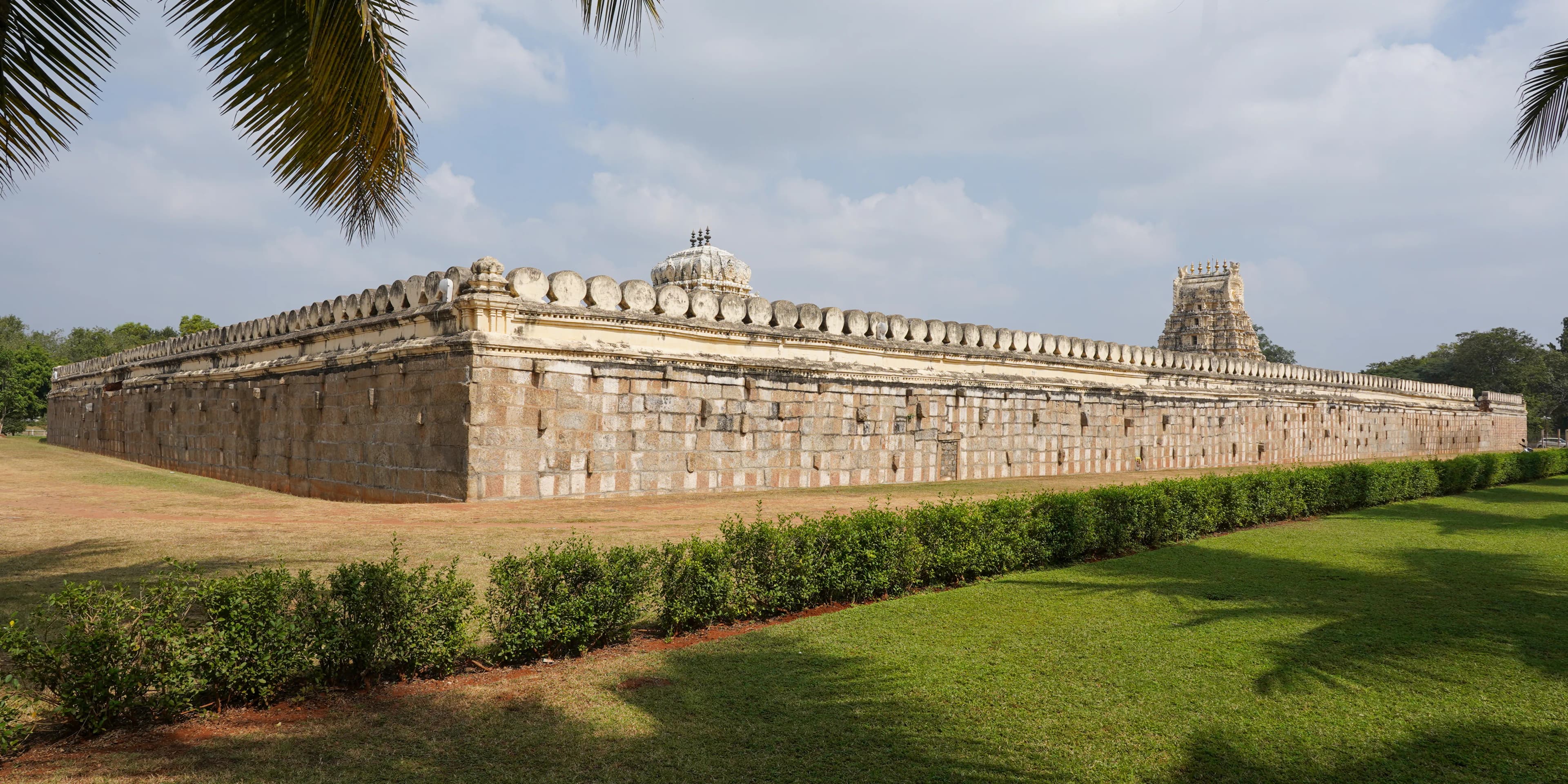
Sri Ranganathaswamy Temple Srirangam
The cacophony of Delhi faded into a distant memory as I stepped onto the hallowed grounds of the Sri Ranganathaswamy Temple in Srirangam. Having explored the intricate carvings of Khajuraho and the towering grandeur of Kedarnath, I thought I had a grasp on the scale of North Indian temple architecture. I was mistaken. Srirangam isn't just a temple; it's a living, breathing city dedicated to Lord Vishnu, an island sanctuary cradled by the Cauvery River. Its sheer magnitude, a sprawling 631 acres enclosed by seven concentric walls or *prakarams*, is unlike anything I've encountered in my years traversing the northern plains. My exploration began at the outermost prakaram, bustling with flower sellers, vendors offering prasad, and the constant hum of devotional chants. Each gateway, or *gopuram*, I passed through felt like a portal to another era, each more intricately carved than the last. The vibrant colours, a stark contrast to the muted sandstone hues I was accustomed to in the north, pulsated with life under the Tamil Nadu sun. The towering gopurams, some reaching dizzying heights, seemed to pierce the very sky, their surfaces teeming with depictions of deities, mythical creatures, and scenes from the epics. As I moved inwards, the atmosphere shifted. The outer courtyards’ frenetic energy gradually gave way to a palpable sense of serenity. The sheer number of shrines, mandapams (pillared halls), and smaller temples within the complex is staggering. I found myself drawn to the Hall of 1000 Pillars, a marvel of Vijayanagara architecture. Each pillar, carved from a single block of granite, tells a story, a testament to the skill and devotion of the artisans who shaped them centuries ago. The play of light and shadow within the hall created an ethereal atmosphere, transporting me back to a time of royal patronage and artistic flourishing. The heart of the temple, the sanctum sanctorum where Lord Ranganatha reclines on the serpent Adisesha, is an experience I won't soon forget. The anticipation built with each step, each prakaram crossed, until finally, I stood before the deity. The air was thick with incense and the murmur of prayers. The sheer devotion emanating from the devotees around me was infectious, a powerful reminder of the spiritual significance this place holds for millions. Beyond the religious aspect, the temple is a living testament to South Indian history and artistry. The architecture reflects a fascinating blend of styles, influenced by the Cholas, Pandyas, Vijayanagara rulers, and even later additions by the Nayaks. I spent hours examining the intricate carvings, noticing the subtle differences in style that marked the passage of time and the changing hands of power. The walls themselves seemed to whisper stories of conquests, devotion, and artistic innovation. One striking difference I observed compared to North Indian temples was the prominence of Dravidian architecture. The towering gopurams, the intricate carvings covering every surface, and the use of granite as the primary building material created a unique aesthetic experience. The temple complex felt like a microcosm of South Indian art and culture, a treasure trove waiting to be explored. Leaving the cool sanctuary of the temple and stepping back into the bustling streets of Srirangam, I felt a profound sense of awe. Sri Ranganathaswamy Temple is more than just a place of worship; it's a living monument to faith, artistry, and the enduring power of human devotion. It's a journey through time, a testament to the rich tapestry of South Indian heritage, and an experience that has indelibly etched itself onto my memory. My journey through North India had prepared me for many things, but nothing could have truly prepared me for the sheer magnitude and spiritual resonance of Srirangam.
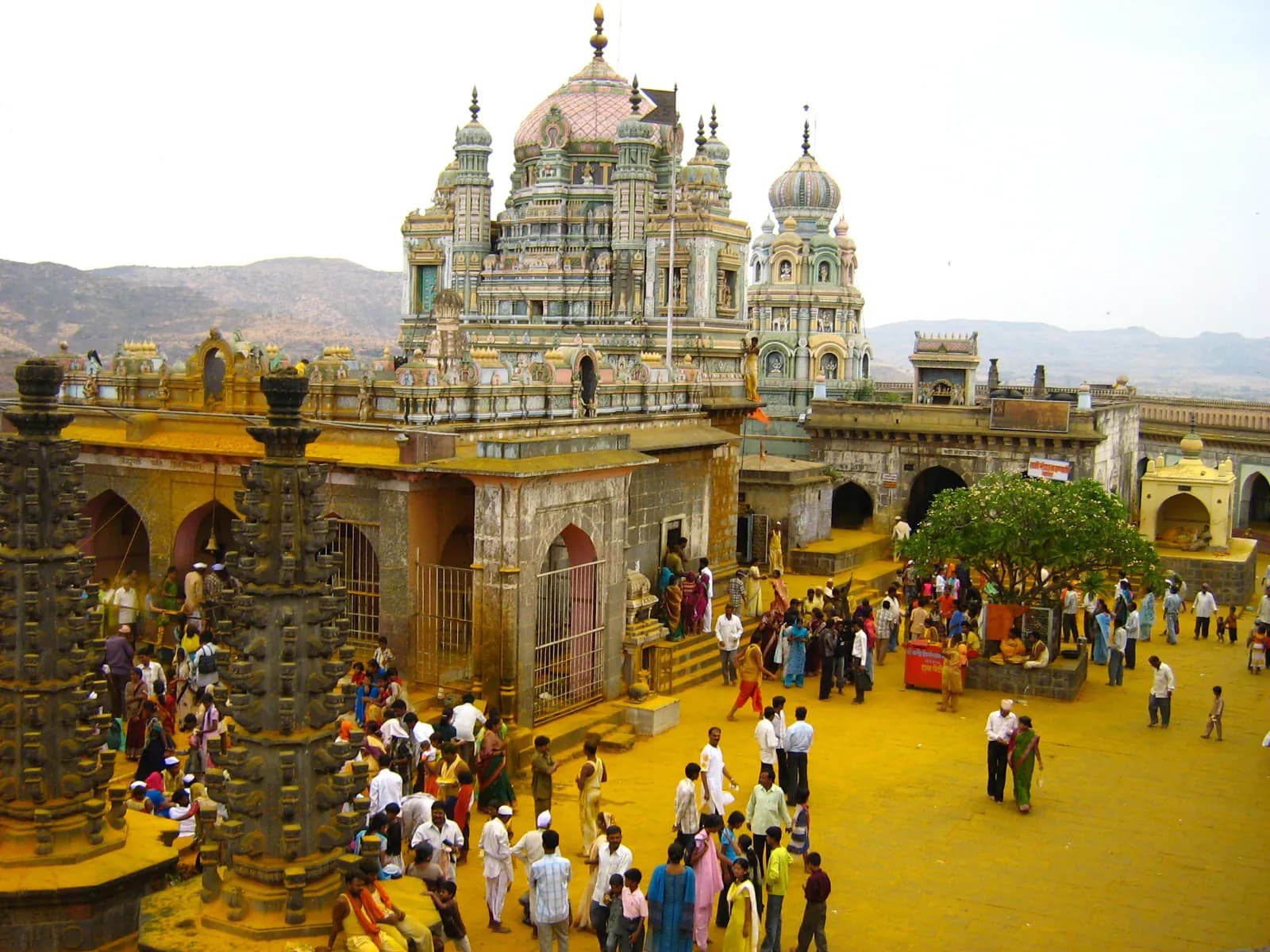
Khandoba Temple Jejuri
The air crackled with an energy I hadn’t anticipated. Not just the humid Maharashtra air, thick with the promise of monsoon, but a palpable buzz that vibrated through the very stones of the Khandoba Temple in Jejuri. Ascending the steep, worn steps, I felt the weight of centuries pressing down, the echoes of countless pilgrims who had trod this same path before me. This wasn't just a temple; it was a living, breathing testament to unwavering faith. The first thing that struck me, even from a distance, was the sheer dominance of the deep saffron that cloaked the structure. It wasn't a gentle hue, but a vibrant, almost aggressive orange that seemed to pulsate under the midday sun. This bold colour, so characteristic of the region's religious architecture, immediately set the tone for the experience. As I drew closer, the intricate details began to emerge from the saffron canvas: delicate carvings depicting scenes from mythology, sturdy pillars adorned with floral motifs, and the imposing brass-clad main gate, gleaming like a portal to another realm. The temple is a layered structure, built on a hill, creating a sense of ascension, both physically and spiritually. Each level offers a different perspective, a new vantage point from which to admire the surrounding landscape and the architectural marvel itself. The Yadava dynasty’s influence is evident in the robust construction and the use of locally sourced basalt stone, a material that has weathered the centuries with remarkable resilience. Unlike the intricate marble work I’m accustomed to seeing in Gujarati temples, the Khandoba Temple possesses a raw, almost primal beauty. The inner sanctum, where the deity Khandoba resides, is a relatively small chamber, but the energy within is intense. The air is thick with the scent of incense and the murmur of prayers. Devotees throng the space, their faces etched with devotion, offering turmeric, coconuts, and red powder to the deity. The rhythmic clang of bells and the fervent chanting create an atmosphere that is both chaotic and deeply spiritual. It’s a sensory overload, but one that I found strangely comforting. What truly captivated me, however, were the remnants of older structures within the complex. Peeking through the more recent additions, I could discern fragments of earlier temples, hinting at layers of history and architectural evolution. A worn stone lintel here, a weathered pillar base there – these whispers of the past spoke volumes about the enduring significance of this sacred site. It wasn’t merely a static monument, but a dynamic entity, constantly evolving and adapting while retaining its core spiritual essence. As I descended the steps, leaving the vibrant energy of the temple behind, I couldn’t help but reflect on the stark contrast between the architectural styles of Gujarat and Maharashtra. While the Gujarati temples often showcase intricate carvings and delicate filigree work, the Khandoba Temple exudes a powerful, almost austere beauty. It’s a testament to the diverse tapestry of Indian architecture, where each region has developed its own unique expression of faith and artistry. The experience was a powerful reminder that architectural marvels aren’t just about aesthetics; they are about the stories they tell, the history they embody, and the spiritual resonance they evoke. The Khandoba Temple, with its saffron-clad walls and vibrant energy, is a story etched in stone, a story that continues to unfold with each passing generation.
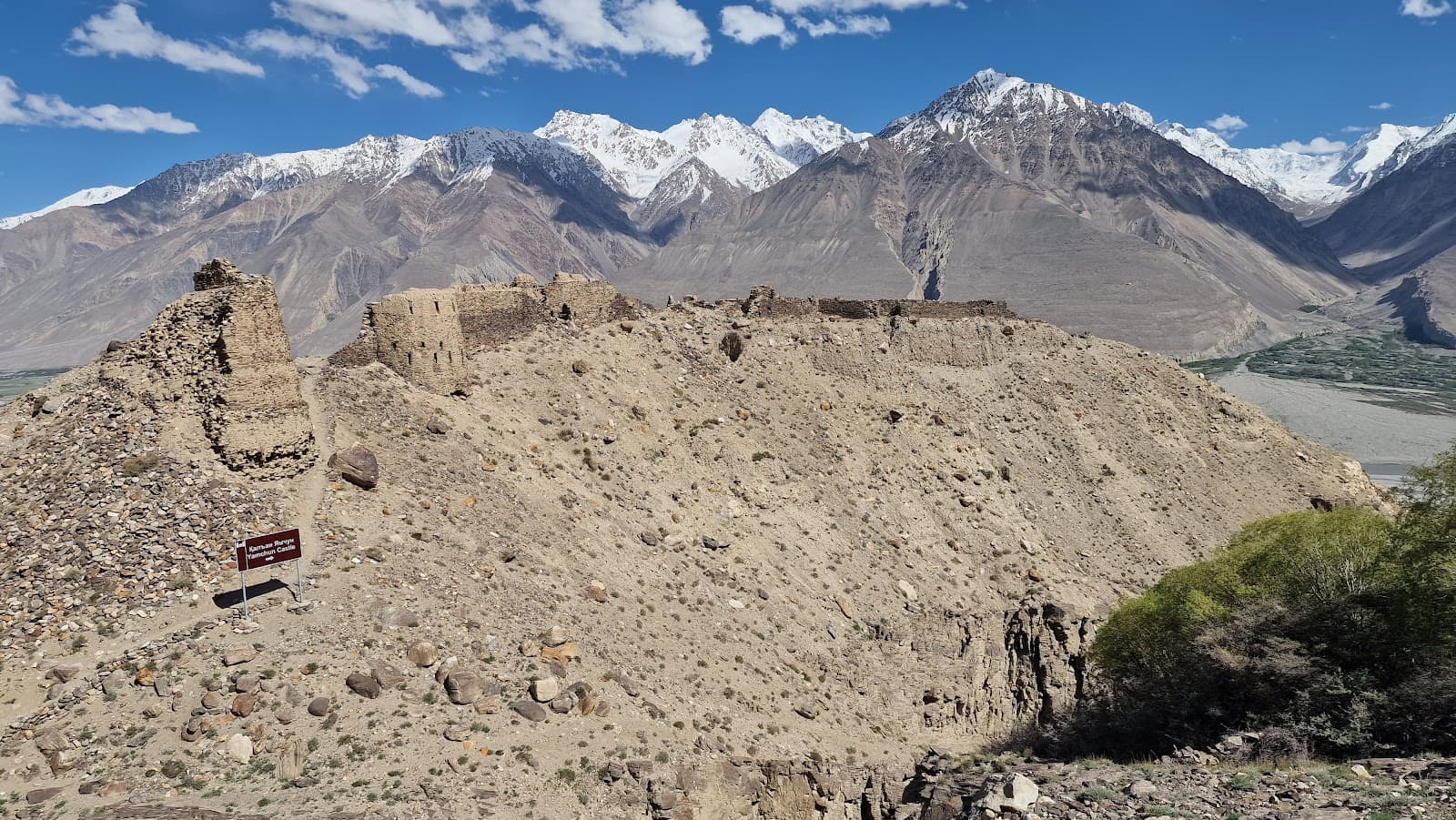
Yamchun Fortress Zamr-i Atash-Parast Gorno-Badakhshan Tajikistan
Yamchun Fortress, dramatically perched on a strategic hilltop in the remote Gorno-Badakhshan Autonomous Region of eastern Tajikistan, represents one of the most extraordinary and archaeologically significant fire temple fortresses in Central Asia, constructed in the 3rd century BCE during the Achaemenid and subsequent periods as a major defensive stronghold linked to Sogdian sun worship that demonstrates remarkable connections to Indian solar worship traditions, creating a powerful testament to the transmission of Indian religious and cosmological concepts to Central Asia. The fortress complex, known as "Zamr-i Atash-Parast" (Fortress of the Fire-Worshippers), features sophisticated defensive architecture including fortified walls, towers, and gates that were constructed and reconstructed over centuries, while the site's fire temple elements demonstrate clear connections to Indian solar worship traditions including the worship of Surya (the sun god) and related Vedic cosmological concepts that were transmitted from the great religious centers of India to Central Asia, providing crucial evidence of the site's role as a center for the transmission of Indian religious traditions. Archaeological excavations have revealed extraordinary architectural elements including fire altars, sanctuaries, and defensive structures that demonstrate the sophisticated synthesis of Sogdian and Indian religious traditions, while the discovery of numerous artifacts including ritual objects and inscriptions provides crucial evidence of the site's role as a center for the transmission of Indian solar worship and cosmological concepts to Central Asia, demonstrating the sophisticated understanding of Indian religious traditions possessed by the Sogdian religious establishment. The fortress complex's architectural layout, with its defensive walls, towers, and fire temple sanctuaries, follows sophisticated planning principles that demonstrate the synthesis of defensive and religious architecture, while the fortress's fire temple elements demonstrate the ways in which Indian solar worship traditions were integrated into Sogdian religious practices. The fortress complex's location in the remote Gorno-Badakhshan region, a major crossroads of ancient trade routes connecting India, Central Asia, and China, underscores its significance as a center for the transmission of solar worship, cosmological concepts, and culture from India to Central Asia and beyond, while the site's architectural sophistication demonstrates the sophisticated understanding of Indian religious traditions possessed by the Sogdian religious specialists who created this extraordinary complex. Today, Yamchun Fortress stands as a major archaeological site and represents one of the most important fire temple fortresses in Central Asia, serving as a powerful testament to the transmission of Indian solar worship and cosmological traditions to Central Asia, while ongoing archaeological research and conservation efforts continue to protect and study this extraordinary cultural treasure that demonstrates the profound impact of Indian civilization on Central Asian religious and cosmological traditions. ([1][2])
Quick Links
Plan Your Heritage Journey
Get personalized recommendations and detailed visitor guides