Has Inheritage Foundation supported you today?
Your contribution helps preserve India's ancient temples, languages, and cultural heritage. Every rupee makes a difference.
Secure payment • Instant 80G certificate
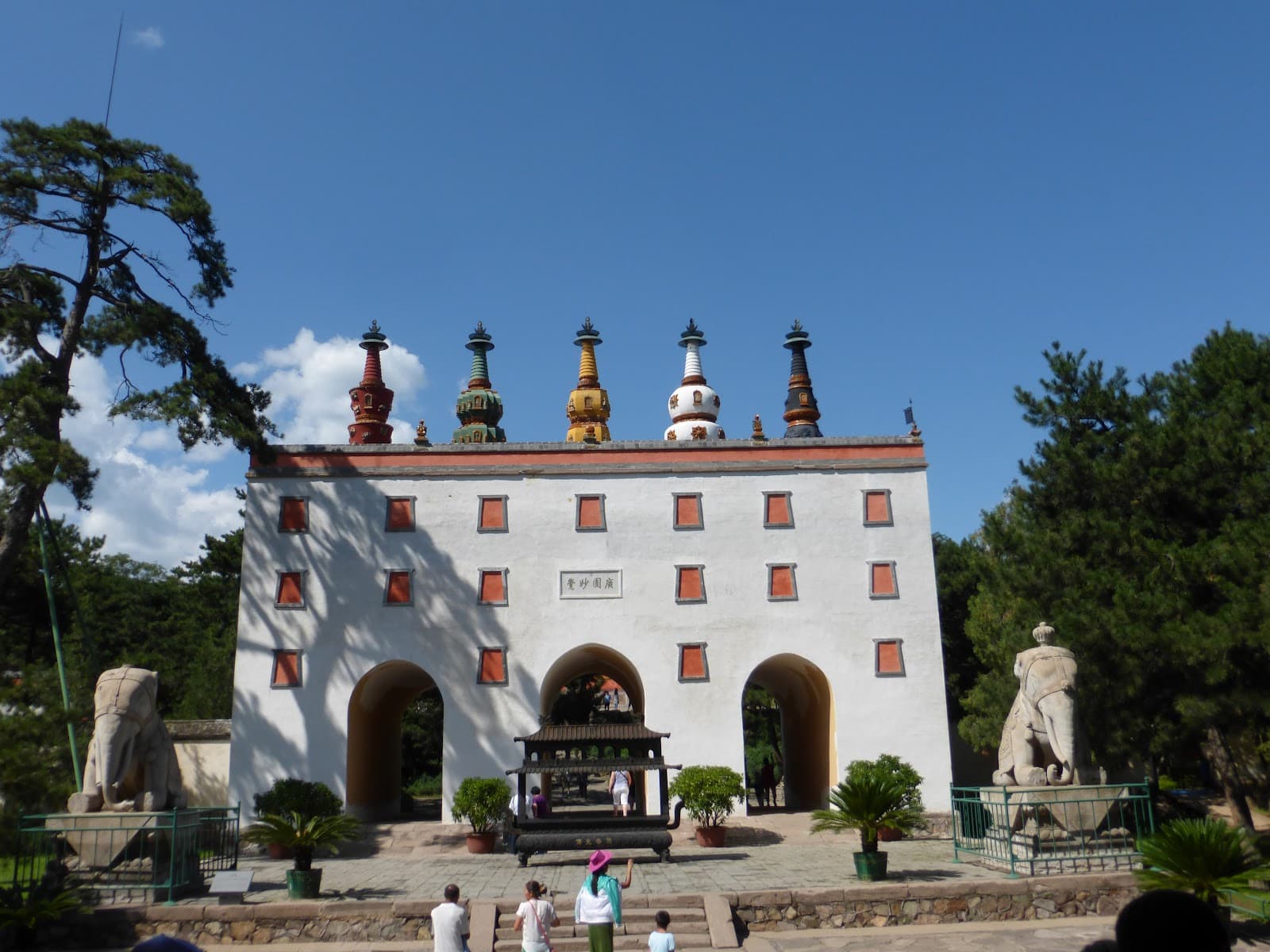
Putuo Zongcheng Temple Chengde Hebei China
Putuo Zongcheng Temple, dramatically situated in the imperial summer resort complex of Chengde in Hebei Province, represents one of the most extraordinary and historically significant Tibetan Buddhist temple complexes in China, dating from the 18th century CE and serving as a major center of Tibetan Buddhist practice that was constructed for the Manchu court of the Qing dynasty, featuring sophisticated Tibetan Buddhist temple structures with halls, pagodas, and ritual spaces that demonstrate clear connections to the architectural and religious traditions of ancient India, particularly the sophisticated Tibetan Buddhist architecture traditions that were transmitted from India through Tibet, creating a powerful testament to the profound transmission of Indian Buddhist civilization to China during the imperial period. The site, featuring sophisticated Tibetan Buddhist temple structures with halls, pagodas, and ritual spaces that demonstrate clear connections to the architectural traditions of ancient India, particularly the sophisticated Tibetan Buddhist architecture traditions that were transmitted from the great Buddhist centers of northern India through Tibet, demonstrates the direct transmission of Indian Buddhist architectural knowledge, religious iconography, and cultural concepts from the great monastic universities of ancient India, particularly Nalanda and Taxila, which systematically transmitted Buddhist teachings and architectural traditions to Tibet and subsequently to China through the extensive trade and pilgrimage networks that connected India with Tibet and China, while the site's most remarkable feature is its extraordinary Tibetan Buddhist architectural design that demonstrates remarkable parallels with Indian Buddhist temple architecture traditions, particularly the structural techniques and iconographic programs that were central to Indian Buddhist architecture, including the sophisticated use of mandala-based planning principles and decorative programs that reflect Indian Buddhist cosmological concepts. The temple structures' architectural layout, with their sophisticated planning based on mandala principles, central halls surrounded by subsidiary structures, meditation chambers, and ceremonial spaces, follows planning principles that demonstrate remarkable parallels with Indian Buddhist monastery planning principles, particularly the vihara and mandala-based temple traditions that were central to Indian Buddhist architecture, while the site's extensive architectural remains including Tibetan Buddhist sculptures with clear Indian stylistic influences, murals that reflect Indian iconographic traditions, and architectural elements demonstrate the sophisticated synthesis of Indian Buddhist iconography and cosmological concepts with Tibetan and Chinese aesthetic sensibilities and building materials. Historical evidence reveals that the site served as a major center of Tibetan Buddhist learning and religious activity during the 18th and 19th centuries, attracting monks, traders, and pilgrims from across China, Tibet, and India, while the discovery of numerous artifacts including Tibetan Buddhist sculptures with clear Indian stylistic influences, murals that reflect Indian iconographic traditions, and architectural elements that reflect Indian architectural concepts provides crucial evidence of the site's role in the transmission of Indian Buddhist traditions to China, demonstrating the sophisticated understanding of Indian Buddhist architecture and religious practices possessed by the site's patrons and monastic establishment. The site's association with the Qing dynasty imperial court, which maintained extensive connections with Tibet and India, demonstrates the sophisticated understanding of Indian Buddhist traditions that were transmitted to China, while the site's Tibetan Buddhist temple structures demonstrate remarkable parallels with Indian Buddhist temple architecture traditions that were central to ancient Indian civilization. The site has been the subject of extensive historical research and conservation efforts, with ongoing work continuing to reveal new insights into the site's sophisticated architecture, religious practices, and its role in the transmission of Indian Buddhist traditions to China, while the site's status as part of the Chengde UNESCO World Heritage Site demonstrates its significance as a major center for the transmission of Indian Buddhist and cultural traditions to China. Today, Putuo Zongcheng Temple stands as one of the most important historical Tibetan Buddhist temples in China, serving as a powerful testament to the transmission of Indian Buddhist civilization to China, while ongoing historical research and conservation efforts continue to protect and study this extraordinary cultural treasure that demonstrates the profound impact of Indian civilization on Chinese religious and cultural development. ([1][2])
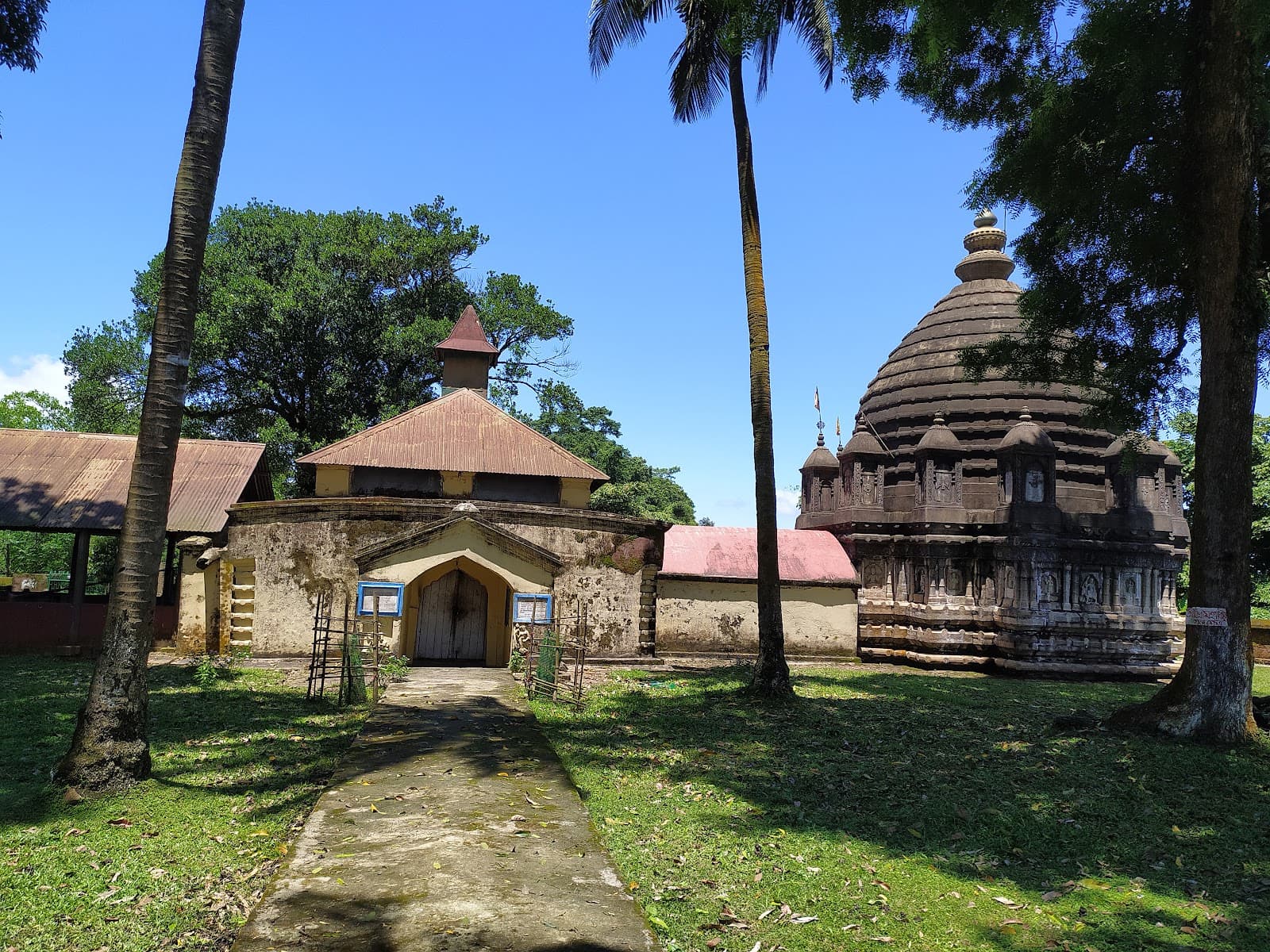
Asvakranta Temple Guwahati
Nestled on the northern bank of the Brahmaputra River in Guwahati, Assam, the Asvakranta Temple stands as a testament to the enduring architectural traditions of the region, dating back to 1565 CE ([1][2]). Commissioned by King Naranarayan of the Koch dynasty during the Kamarupa period, this sacred site reflects Gupta architectural influences in its design and stone-carved narratives ([1][3]). The name Asvakranta, meaning "where the horse stopped," originates from local lore that recounts Lord Krishna's horse pausing at this very spot ([4]). Stone platforms and foundations form the base of the temple, highlighting the primary construction material ([3]). The temple's relatively small structure features a pyramidal form, crowned by a curved Shikhara (spire) ([3]). Within the Garbhagriha (sanctum), devotees find Anantashayana Vishnu, a symbolic representation of Lord Vishnu reclining on the serpent Ananta ([4]). The temple's serene atmosphere draws visitors seeking spiritual solace. During the 16th century, temple architecture in Assam flourished, yet Asvakranta maintains its distinctive character ([1][2]). The Brahmaputra River's proximity has led to erosion, revealing layers of the complex's history ([4]). Despite the river's impact, Asvakranta continues to embody unwavering faith ([4]). Broken pillars and scattered stones hint at a more expansive past, beckoning further exploration and conservation efforts ([4][5]). The temple's design, while modest, incorporates elements that reflect the broader architectural styles prevalent during the Kamarupa period, showcasing a blend of regional and pan-Indian influences ([1][3]). The use of stone, brick, wood, and terracotta further enriches the temple's material palette, adding to its unique charm and historical significance ([3]).

Sivasagar Fort Sivasagar
The imposing ramparts of Sivasagar Fort, or rather, what remains of them, rose before me under the vast Assamese sky. Brick-red against the verdant landscape, they spoke of a grandeur that time and the elements had gnawed at, yet failed to completely erase. This wasn't the imposing, fully intact fortress I'd encountered in other parts of India. Sivasagar presented a different kind of beauty, a poignant echo of the Ahom kingdom's power. My journey through the complex began at the main entrance, a crumbling archway that felt more like a portal to the past than a functional gateway. The once formidable walls, now breached in places, allowed glimpses of the inner sanctum. The sheer scale of the fort, even in its ruined state, was breathtaking. It sprawled across a vast area, hinting at the bustling life it once contained. The ground beneath my feet, uneven and overgrown, was a tapestry of brick fragments and tenacious weeds, a testament to nature's slow reclamation. The central structure, known as the Talatal Ghar, immediately drew my attention. Unlike the exposed brickwork of the outer walls, the Talatal Ghar was earth-covered, its multi-tiered roof rising like a stepped pyramid. This subterranean marvel, I learned, served as a royal residence and a military bunker. The cool, damp air within its chambers contrasted sharply with the sun-drenched exterior. Light filtered through narrow openings, casting long shadows that danced on the aged walls, adding an air of mystery. I could almost hear the whispers of history echoing in the silence. Climbing the narrow, worn staircases within the Talatal Ghar was an adventure in itself. Each step felt laden with stories, each landing a stage for imagined scenes of royal life. The views from the upper levels, though partially obscured by vegetation, offered a panoramic vista of the surrounding landscape. I could envision the Ahom kings surveying their domain from these very vantage points, their power radiating outwards like ripples in a pond. Adjacent to the Talatal Ghar stood the Rang Ghar, a two-storied pavilion used for royal sports and entertainment. Its unique octagonal shape, a departure from the typical rectangular structures I'd encountered in other forts, was a testament to the Ahom kingdom's distinct architectural style. The intricate carvings on the remaining portions of the pavilion hinted at a rich artistic tradition, a glimpse into the cultural tapestry of the era. I spent a considerable amount of time photographing the delicate motifs, trying to capture the essence of this bygone artistry. Further exploration revealed the remnants of other structures – stables, storehouses, and perhaps even temples. The scattered fragments of pottery and terracotta figures I stumbled upon added another layer to the narrative, whispering tales of daily life within the fort's walls. These weren't just ruins; they were pieces of a puzzle, each contributing to a larger picture of a vibrant past. As the sun began its descent, casting long shadows across the grounds, I found myself drawn back to the ramparts. The warm hues of the setting sun bathed the crumbling walls in a golden glow, creating a scene of ethereal beauty. Standing there, amidst the whispers of history, I felt a profound connection to the past. Sivasagar Fort wasn't just a collection of ruins; it was a living testament to the rise and fall of a kingdom, a poignant reminder of the impermanence of power, and a celebration of the enduring spirit of a people. My lens, though it could capture the visual beauty, could only hint at the depth of history and emotion that permeated this ancient site.
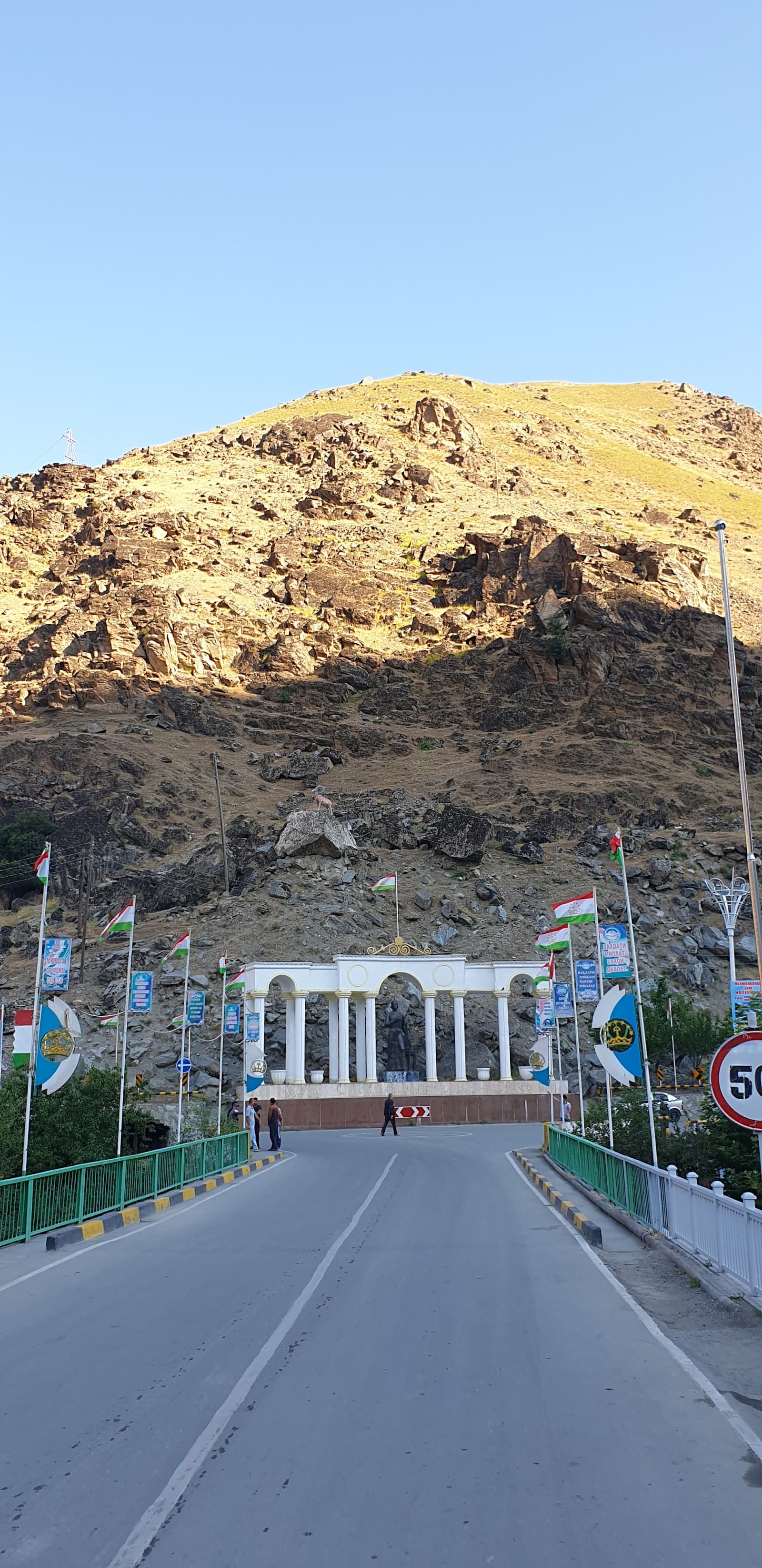
Buddhist Temple of Qala-i Khumb Gorno-Badakhshan Tajikistan
Nestled in the remote Gorno-Badakhshan Autonomous Region of Tajikistan, the Buddhist Temple of Qala-i Khumb, built around 650 CE, stands as a significant testament to the transmission of Indian Buddhist architectural and artistic traditions across Central Asia ([1][2]). This 7th-century complex, constructed during the Tokharistan period under the patronage of the Tokharistan Yabghus, showcases a remarkable synthesis of Indian and Central Asian building techniques ([1]). The temple's location along ancient trade routes underscores its role in disseminating Buddhist teachings and culture from India to the wider region ([2]). Archaeological excavations have uncovered extensive ruins, including foundations, walls, and architectural fragments, offering insights into the temple's original layout and design ([1]). Stone, rammed earth, fired brick, clay, stucco, wood, and metal were employed in its construction, reflecting both local resources and imported techniques ([1][2]). The architectural elements exhibit clear Indian Buddhist iconographic influences, demonstrating the profound impact of Indian artistic traditions ([2]). Intricate carvings adorning the walls depict Buddhist sculptures and reliefs, executed in a style that reflects the Gupta and post-Gupta periods of northern India ([1]). These artistic details highlight the sophisticated understanding of Indian Buddhist traditions possessed by the artisans who created the complex ([2]). The discovery of coins, pottery, and ritual objects further supports the site's importance as a major center of Buddhist learning and practice, attracting monks, traders, and pilgrims from various regions, including India ([1]). Sophisticated planning principles, systematically transmitted from the great monastic centers of India, are evident in the temple's layout, which features a central sanctuary surrounded by monastic cells and assembly halls ([2]). This layout mirrors the principles outlined in ancient texts such as the *Manasara Shilpa Shastra*, which details the planning and construction of sacred structures, although specific textual references for this temple's design remain to be confirmed through further research. Today, the Buddhist Temple of Qala-i Khumb, a UNESCO Tentative List site, continues to be studied and conserved, preserving its legacy as a vital link between Indian and Central Asian civilizations ([1][2]).
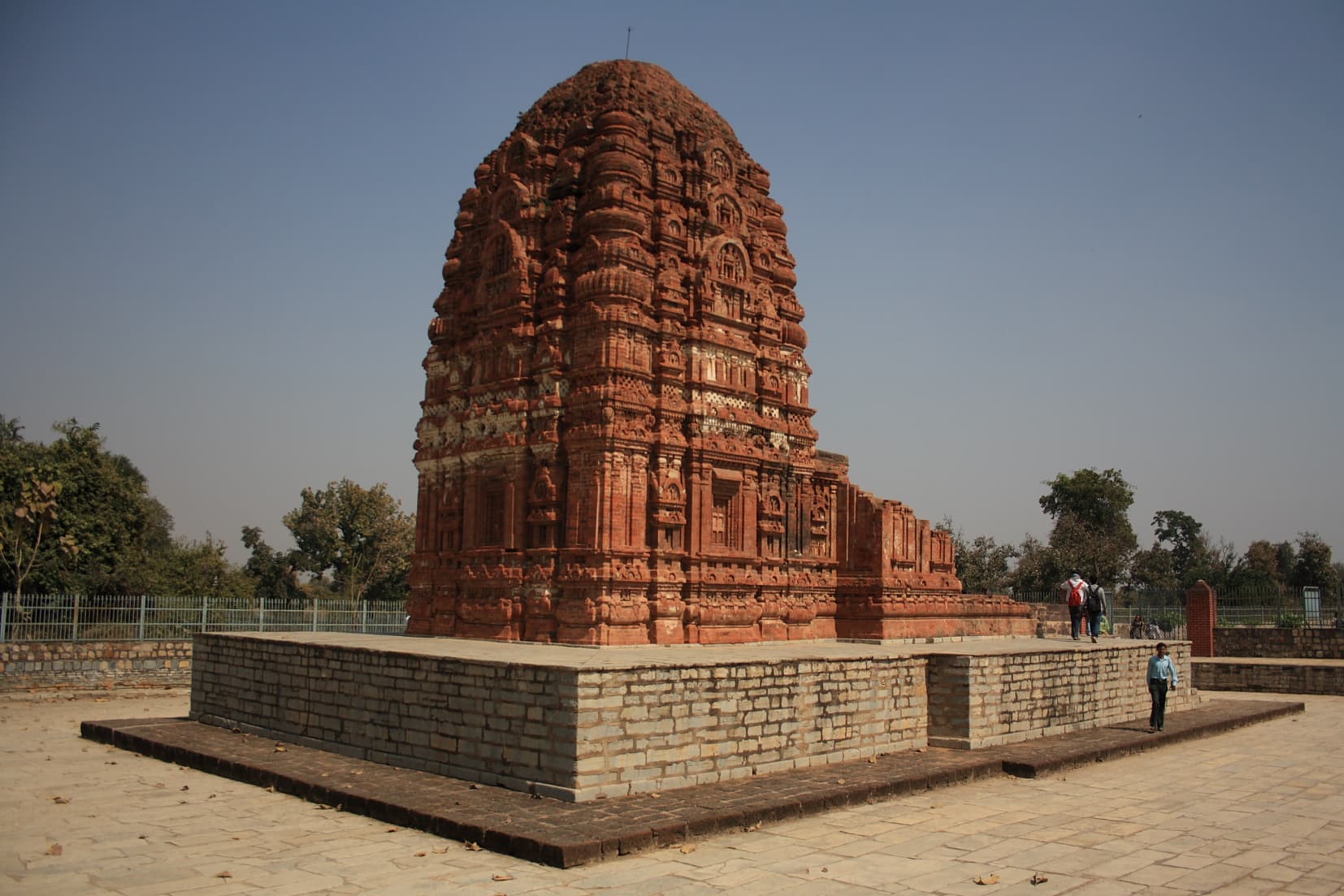
Laxman Temple Sirpur
The late afternoon sun cast long shadows across the brick-strewn expanse, illuminating the Laxman Temple in Sirpur, Chhattisgarh, in a warm, ochre glow. Having crisscrossed North India, exploring countless ancient sites, I thought I’d become somewhat immune to the awe these structures inspire. Yet, standing before this 7th-century marvel, I felt a familiar thrill, a sense of connection to a past both glorious and enigmatic. Unlike the ornate sandstone structures common in Rajasthan or the intricate carvings of Khajuraho, the Laxman Temple, dedicated to Lord Vishnu, exudes a quiet strength. Built of brick, it stands as a testament to the architectural prowess of the Dakshin Kosala period. The sheer scale is impressive. The temple rises on a high plinth, its walls adorned with intricate terracotta panels depicting scenes from the Ramayana, the Puranas, and everyday life. These panels, though weathered by time, retain a remarkable clarity, offering glimpses into the artistic sensibilities and societal norms of a bygone era. I climbed the broad flight of steps leading to the main sanctum, noticing the subtle shift in the brickwork. The lower levels showcased larger, more robust bricks, while the upper sections transitioned to smaller, finer ones, almost creating a sense of visual lightness as the temple ascended. The sanctum, now empty, still resonated with a palpable sense of reverence. I could almost imagine the chanting of priests and the fragrance of incense filling the air, transporting me back centuries. Circling the temple, I examined the terracotta panels more closely. The narrative scenes were particularly captivating. One panel depicted a royal procession, complete with elephants, horses, and musicians. Another showcased a scene from the Ramayana, possibly the abduction of Sita. The details were astonishing – the expressions on the faces, the intricate headdresses, even the folds of the garments were rendered with remarkable skill. These weren't mere decorations; they were stories etched in clay, offering a window into the rich cultural tapestry of the time. The architectural style of the Laxman Temple is distinct. The pancharatha plan, with its projections on the walls, creates a dynamic interplay of light and shadow. The shikhara, though partially damaged, still retains its elegant curvilinear form, a hallmark of the Nagara style prevalent in North India. However, what truly sets this temple apart is the extensive use of brick. While brick temples are not uncommon, the Laxman Temple showcases a level of sophistication rarely seen in brick construction. The precision of the brickwork, the intricate carvings, and the sheer scale of the structure are a testament to the mastery of the artisans who built it. As I descended the steps, I noticed a group of local children playing near the temple ruins. Their laughter echoed across the ancient site, a poignant reminder that life continues, even amidst the remnants of a forgotten empire. Sirpur, once a bustling centre of art, culture, and religion, now stands as a quiet testament to the ebb and flow of time. My visit to the Laxman Temple was more than just a sightseeing trip; it was a journey through time. It was a reminder of the rich cultural heritage of India, a heritage that often lies hidden in plain sight, waiting to be discovered and appreciated. As I left Sirpur, the image of the temple bathed in the golden light of the setting sun remained etched in my mind, a symbol of resilience, artistry, and the enduring power of the past.
Bhadrakali Temple Warangal
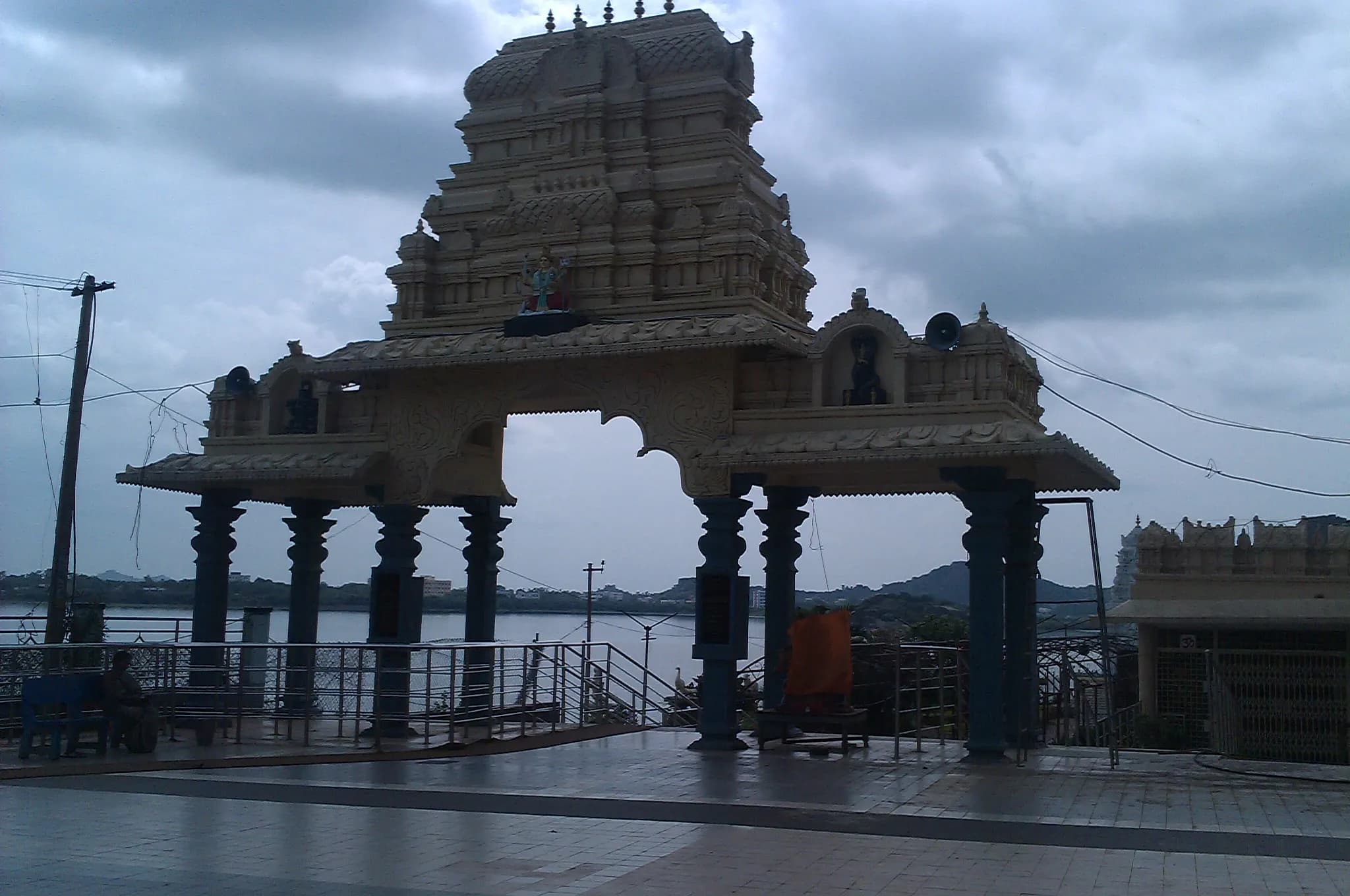
Near Warangal's Bhadrakali Lake, the Bhadrakali Temple's imposing granite gateway offers a glimpse into the Kakatiya dynasty's reign ([1]). Dedicated to Bhadrakali, a fierce form of Durga, the temple emanates a powerful spiritual aura ([2]). Unlike the towering gopurams (gateway towers) typical of South Indian temples, the entrance here maintains a more understated presence, directing attention inward towards the deity ([3]). Kakatiya Dravida architectural style is evident throughout the temple, dating back to 625 CE, during the 7th century ([4]). Granite and sandstone blocks, meticulously carved, exemplify the Kakatiya craftsmanship ([5]). Intricate carvings adorning the walls depict various deities and scenes drawn from Hindu mythology ([6]). These narrative panels resonate with a palpable energy, mirroring the goddess's dynamic power ([7]). Within the Garbhagriha (Sanctum), the black stone idol of Bhadrakali embodies her formidable nature, brandishing weapons and echoing Warangal's rich history ([8]). During the Kakatiya period, temple construction adhered to Dravidian principles, featuring a square Garbhagriha (sanctum sanctorum), an antarala (vestibule), and a pillared Mandapa (Pillared Hall) ([9]). Remnants of a larger temple complex suggest its former grandeur ([10]). Stone platforms and foundations demonstrate the enduring construction techniques employed by the Kakatiyas ([11]). Historical accounts indicate that the temple suffered damage during the Tughlaq invasions ([12]). The integration of Bhadrakali Lake with the temple rituals enhances the overall spiritual ambiance ([13]). This sacred site stands as a symbol of resilience and unwavering faith ([14]). The sculptural articulation of the walls further exemplifies the Kakatiya's distinctive architectural style ([15]).
Palakkad Fort Palakkad
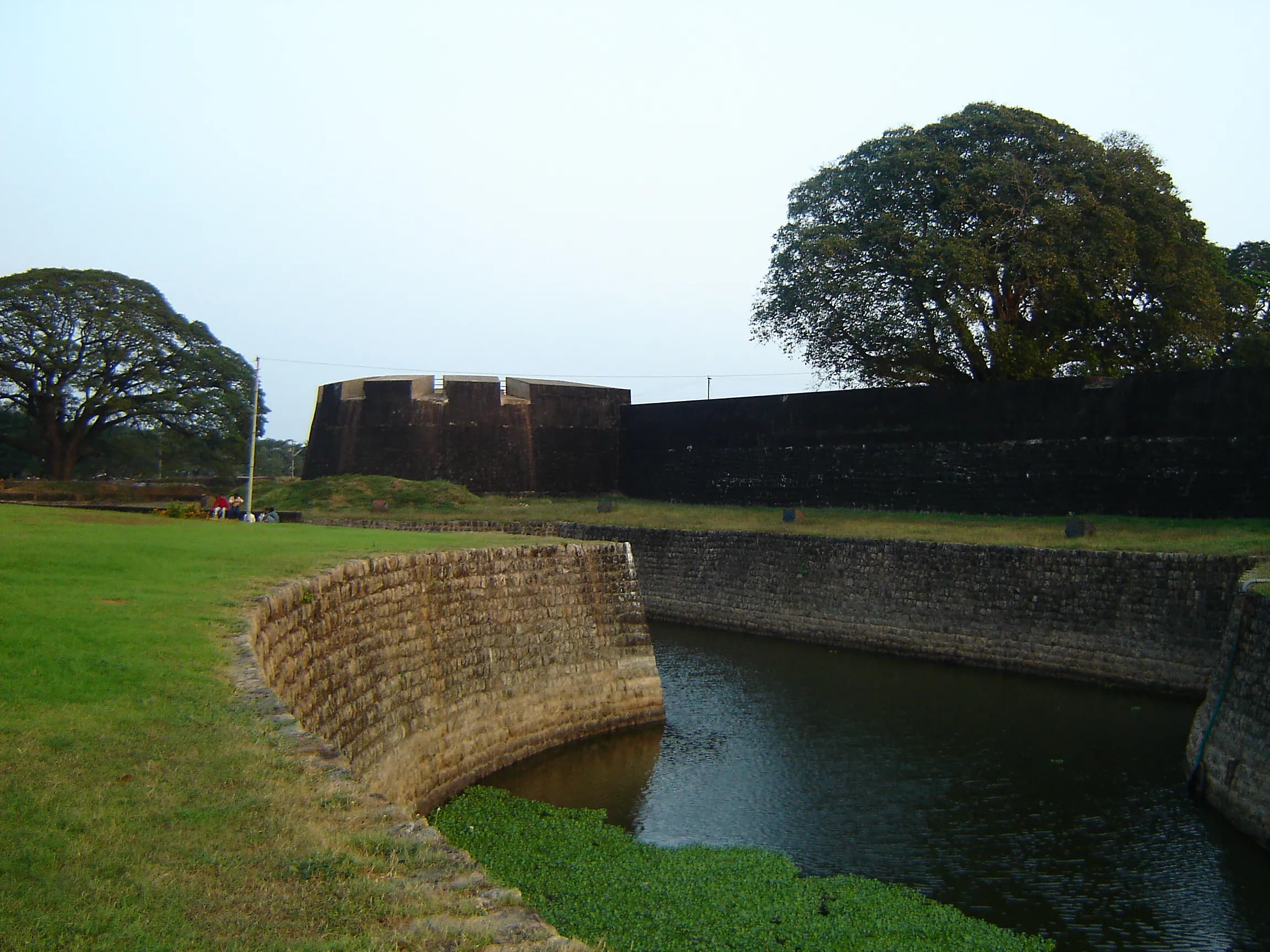
The imposing laterite walls of Palakkad Fort, locally known as Tipu's Fort, rose before me under the Kerala sun, a stark contrast to the vibrant green of the surrounding landscape. Having explored countless architectural wonders across Gujarat, I was eager to see how this Kerala fortress compared to the intricate stone carvings and majestic structures of my home state. The sheer scale of the fort, a sprawling rectangle dominating the heart of Palakkad town, was immediately impressive. Stepping through the enormous teakwood gates, I felt a palpable shift in atmosphere. The bustling town sounds faded, replaced by the quiet whispers of history echoing within the thick ramparts. Unlike the ornate gateways of Gujarati forts, these were functional, emphasizing defense over decoration, a testament to the fort's strategic importance. The laterite stone, so characteristic of Kerala architecture, gave the walls a unique reddish-brown hue, different from the sandstone and marble I was accustomed to. The rough texture of the stone, almost porous, spoke of centuries of weathering and resilience. I walked along the ramparts, tracing the outline of the fort, and the strategic brilliance of its design became clear. The wide moat, now dry, would have been a formidable obstacle, while the strategically placed bastions offered commanding views of the surrounding plains. I could imagine archers stationed here, their arrows raining down on any approaching enemy. The fort's location, guarding the Palakkad Gap, a crucial mountain pass connecting Kerala to Tamil Nadu, underscored its historical significance as a gateway between kingdoms. Descending from the ramparts, I explored the inner courtyard. The stark simplicity of the fort's interior contrasted sharply with the elaborate palaces and courtyards found within Gujarati forts. Here, functionality reigned supreme. The barracks, now empty, hinted at the lives of the soldiers who once garrisoned this fortress. I could almost hear the clang of swords and the rhythmic marching of feet. One of the most striking features within the fort is the Hanuman temple, a splash of vibrant color against the muted tones of the laterite. The intricate carvings on the temple walls, depicting scenes from the Ramayana, showcased a different architectural style, a blend of Kerala and Dravidian influences. This juxtaposition of the austere fort and the ornate temple highlighted the cultural fusion that has shaped this region. The small, unassuming Anjaneya Swami temple, dedicated to Lord Hanuman, tucked away in a corner of the fort, held a certain charm. Local legend claims that the idol magically grew in size, necessitating the raising of the temple roof – a story that added a touch of mystique to the place. This reminded me of the numerous folklore and legends associated with Gujarati forts, demonstrating the power of storytelling in preserving history and culture. Climbing the steps of the watchtower, I was rewarded with panoramic views of Palakkad town and the surrounding countryside. The verdant rice paddies stretching out beyond the fort walls painted a picture of tranquility, a stark contrast to the fort's martial past. From this vantage point, I could appreciate the fort's strategic importance, controlling the vital passage through the mountains. My visit to Palakkad Fort offered a fascinating glimpse into a different architectural tradition. While lacking the ornate embellishments of Gujarati forts, its strength lay in its simplicity and strategic design. The laterite walls, the dry moat, and the commanding bastions spoke volumes about the fort's military history. It was a powerful reminder of the diverse architectural heritage of India, each region with its unique story to tell. The fort stands as a silent sentinel, guarding not just the Palakkad Gap, but also the memories of a bygone era.

Kiriteswari Temple Murshidabad
The terracotta-red spire of the Kiriteswari Temple, rising against the muted green of rural Bengal, felt strangely familiar. Having explored countless caves and temples across Maharashtra, I’ve become accustomed to a certain architectural vocabulary – the solid basalt structures of the Deccan, the intricate carvings of Ellora and Ajanta. Yet, here in Murshidabad, a whisper of that familiarity echoed, a testament to the cultural exchange that has shaped India's heritage. Kiriteswari, dedicated to the fearsome form of Goddess Durga, stands as a powerful symbol of Shakti. Unlike the stone edifices I'm used to, this temple, rebuilt in the late 19th century, embraces the region's affinity for brick and terracotta. The towering spire, or *shikhara*, follows the classic Bengali *ek-ratna* style, a single pinnacle crowned with a decorative finial. Its surface, however, is a riot of terracotta plaques, depicting scenes from mythology, everyday life, and even glimpses of colonial influence. I noticed depictions of British soldiers alongside traditional motifs of gods and goddesses, a fascinating visual representation of the era in which the temple was reconstructed. Stepping inside the temple courtyard, I was immediately struck by the palpable energy. Devotees thronged the space, their chants and prayers creating a vibrant soundscape. The air was thick with the scent of incense and flowers, a sensory overload that transported me far from the quiet serenity of Maharashtra's cave temples. The main sanctum, relatively small and dimly lit, houses the deity – a small, unassuming black stone representing Goddess Kiriteswari. The simplicity of the idol contrasted sharply with the elaborate ornamentation of the temple exterior, highlighting the essence of devotion that lies beyond outward appearances. I spent hours wandering through the temple complex, examining the intricate details of the terracotta panels. The craftsmanship was remarkable. Each panel, though weathered by time and the elements, told a story. I saw depictions of Krishna playing the flute, scenes from the Ramayana, and even portrayals of British officers in their colonial attire. These panels offered a unique glimpse into the socio-cultural landscape of 19th-century Bengal, a period of transition and cultural confluence. One particular panel caught my attention – a depiction of a European ship sailing on the Ganges. This seemingly insignificant detail spoke volumes about the impact of colonial trade on the region. Murshidabad, once the capital of Bengal, was a major trading hub, and the presence of European ships on the river would have been a common sight. The inclusion of this detail in the temple's ornamentation highlighted the way in which local artists incorporated elements of their changing world into their artistic expression. As the sun began to set, casting long shadows across the temple courtyard, I found a quiet corner to reflect on my experience. Kiriteswari Temple, though geographically distant from the temples and caves I've explored in Maharashtra, resonated with a similar spirit of devotion and artistic expression. The difference in architectural style, the use of terracotta instead of stone, the vibrant energy of the devotees – these were not differences that separated, but rather nuances that enriched the tapestry of Indian heritage. It reinforced my belief that the true beauty of exploring India lies not in seeking uniformity, but in embracing the rich diversity of its cultural expressions. The whispers of familiarity I felt upon arrival had transformed into a resounding affirmation of the interconnectedness of India's spiritual and artistic traditions.
Sri Venkateswara Temple Penn Hills
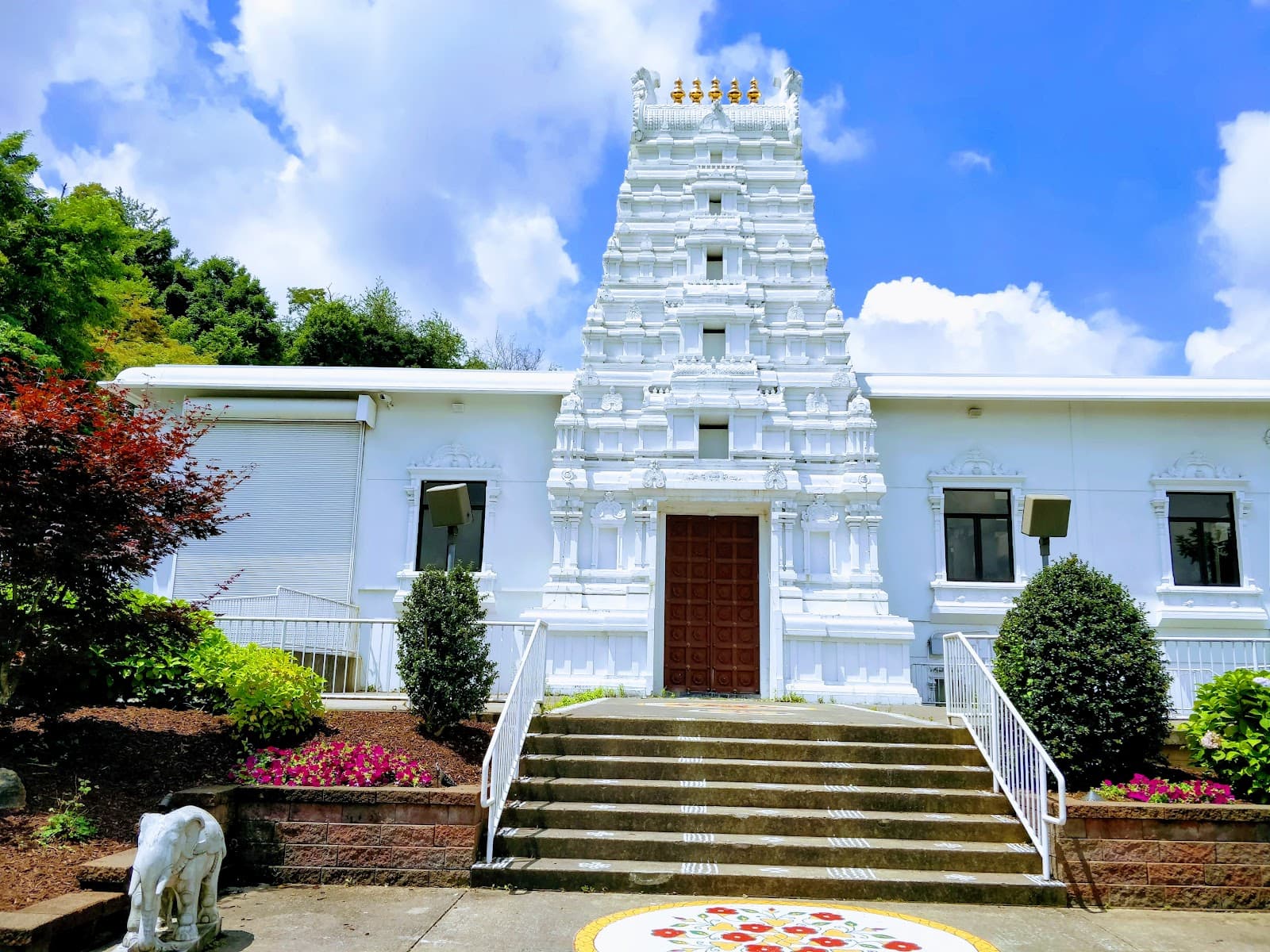
Sri Venkateswara Temple in Penn Hills, Pennsylvania, mirrors the Tirumala shrine while serving Greater Pittsburgh's Hindu community with daily suprabhatam, archanas, and weekend darshan windows that routinely draw more than 10,000 worshippers a month ([1][3]). The wooded 17-acre campus threads the granite-clad main sanctum, auxiliary shrines, annadana kitchen, and a cultural hall that handles language classes, weddings, and fundraising dinners without interrupting ritual flow ([1][4]). Volunteers direct vehicles across terraced parking lots, marshal shoes at the mandapa threshold, and keep visitor queues shaded under tensile canopies; priests manage timed entry to keep the garbhagriha below the stipulated 75-person limit even during Brahmotsavam ([1][3]). Accessibility upgrades add a covered elevator lobby from the lower parking level, tactile floor strips through the meditation corridor, and assistive listening headsets borrowed from the temple office, while marked refuge areas and sprinklers satisfy Allegheny County life-safety codes refreshed in 2021 ([3][4]). HVAC returns and clerestory vents balance incense exhaust with Pennsylvania winters, and the commercial kitchen's grease management plan keeps drains clear of oil. The temple remains fully operational, with no outstanding code citations and preventive maintenance scheduled every quarter by the facilities desk.
Tulja Bhavani Temple Tuljapur
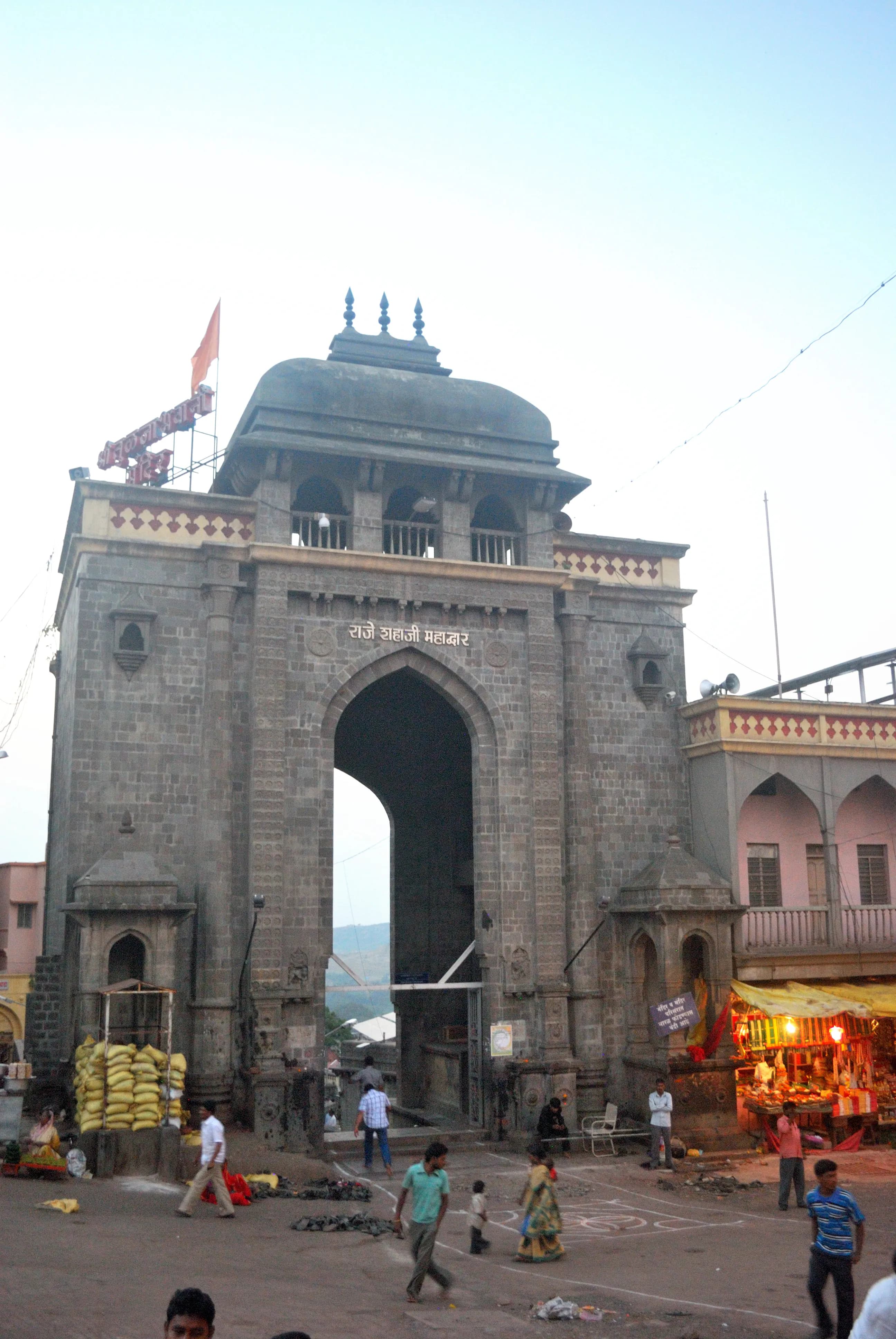
The air thrummed with a palpable energy as I stepped through the imposing Gopura gateway of the Tulja Bhavani Temple. The saffron flags fluttering atop the structure seemed to pulse with the rhythm of devotional chants emanating from within. Here, in the heart of Maharashtra's Osmanabad district, nestled within the rugged embrace of the Balaghat range, stood a testament to centuries of unwavering faith – the abode of Tulja Bhavani, the revered family deity of the Bhosale dynasty and a powerful manifestation of Shakti. My visit, as a cultural journalist deeply rooted in the traditions of Uttar Pradesh, was not merely an observation but a pilgrimage of sorts. While Uttar Pradesh boasts its own rich tapestry of Devi temples, experiencing the reverence for Bhavani Mata in Maharashtra offered a unique perspective on the diverse expressions of devotion across India. The temple complex, a sprawling labyrinth of courtyards and shrines, unfolded before me. The architecture, predominantly of the Hemadpanthi style, displayed a distinct departure from the North Indian Nagara style I was accustomed to. The use of black basalt stone, intricately carved with geometric patterns and floral motifs, lent the structure a sense of grounded strength. The sloping roofs, devoid of the elaborate curvilinear shikharas common in North Indian temples, created a stark yet elegant silhouette against the clear sky. I joined the throng of devotees making their way to the inner sanctum. The queue, though long, moved with a surprising fluidity, each individual propelled by an inner current of devotion. The anticipation built with every step, the air thick with the fragrance of incense and the murmur of prayers. Finally, I stood before the Goddess. The idol of Tulja Bhavani, crafted from black stone, exuded an aura of both fierce power and maternal benevolence. Unlike the ornate, elaborately adorned idols often seen in North Indian temples, Bhavani Mata's image was strikingly simple yet captivating. Her eight arms, each holding a symbolic weapon, spoke of her ability to vanquish evil and protect her devotees. The serene expression on her face, however, conveyed a sense of profound peace, a reassurance that transcended the clamor of the temple. As I observed the rituals, I noticed the unique Marathi traditions interwoven with the broader Hindu practices. The rhythmic chanting of Marathi hymns, the distinctive style of the priests' attire, and the offerings of specific regional delicacies all contributed to a distinct cultural flavor. It was fascinating to witness how the same deity, worshipped across geographical boundaries, could manifest in such diverse and vibrant forms. Beyond the main shrine, the temple complex housed several smaller shrines dedicated to other deities, each with its own unique story and significance. I spent hours exploring these spaces, absorbing the intricate details of the carvings, deciphering the symbolic representations, and engaging in conversations with the temple priests and local devotees. These interactions provided invaluable insights into the history, mythology, and cultural significance of Tulja Bhavani. One of the most striking aspects of my experience was the palpable sense of community that permeated the temple. People from all walks of life, irrespective of their social standing or economic background, came together in a shared space of devotion. The temple served not just as a place of worship, but also as a social hub, a place for connection and collective expression. Leaving the Tulja Bhavani Temple, I carried with me more than just memories and photographs. I carried a deeper understanding of the multifaceted nature of faith, the power of shared belief, and the enduring legacy of India's rich cultural heritage. The experience reinforced my belief that exploring these sacred spaces is not just an act of journalistic inquiry, but a journey of personal and cultural enrichment. It is a journey that continues to resonate within me, shaping my understanding of the diverse tapestry of India's spiritual landscape.
Kali Mandir Saiha Mizoram
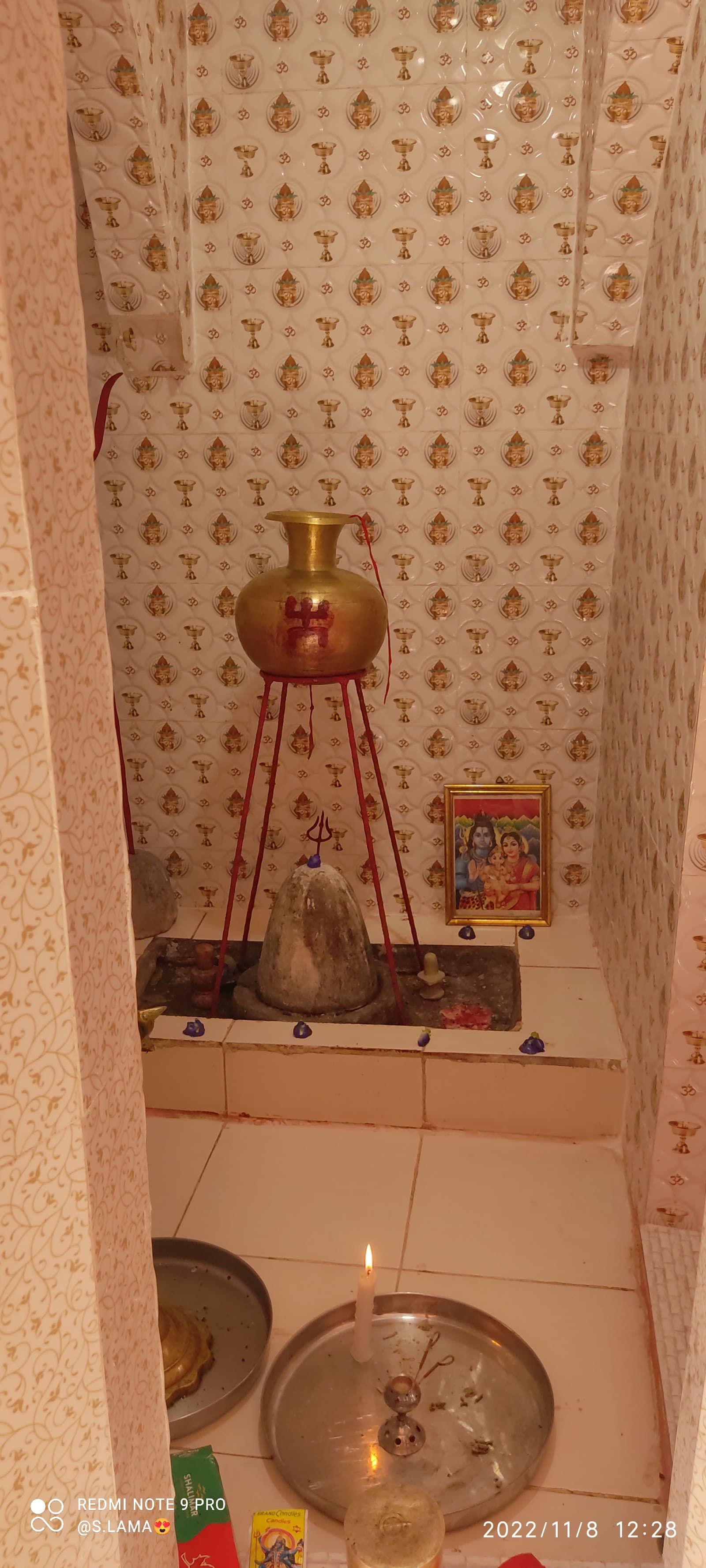
The air hung heavy with the scent of incense and marigolds, a familiar aroma that usually greets me at the thresholds of Maharashtra's countless temples. But here, nestled amidst the verdant Mizo hills in Saiha, the Kali Mandir presented a unique tapestry of familiarity and novelty. Having explored every nook and cranny of Maharashtra's cave temples and ornate shrines, I arrived in Mizoram with a seasoned eye, eager to witness how faith manifests itself in this easternmost corner of India. The temple, perched on a small hillock overlooking the town, commands attention. Unlike the basalt structures or intricately carved wooden temples I'm accustomed to back home, this Kali Mandir is a relatively modern construction, primarily of concrete. Its bright orange facade, accented with white and a touch of blue, stands in stark contrast to the surrounding greenery. The architecture, while simpler than the elaborate Dravidian or Hemadpanti styles I'm familiar with, possesses a certain charm. It’s a blend of traditional North Indian temple architecture with a local Mizo touch, evident in the sloping roof that echoes the region's vernacular architecture. A flight of concrete steps, flanked by brightly painted railings, led me to the main entrance. The doorway, framed by a concrete arch, was adorned with images of deities and auspicious symbols. Stepping inside, I was struck by the temple's intimate atmosphere. The sanctum sanctorum, bathed in the soft glow of oil lamps, housed the imposing black idol of Goddess Kali. Her fierce countenance, adorned with a garland of marigolds and hibiscus, exuded power and reverence. The familiar chanting of Sanskrit mantras, though with a slightly different intonation, filled the air, creating a bridge between this remote location and the temples of my homeland. What intrigued me most was the confluence of cultures within the temple's precincts. While the deity and rituals were distinctly Hindu, the devotees reflected the diversity of Mizoram. Alongside the Hindu Bengalis who originally established the temple, I saw Mizo locals offering prayers, their faces etched with devotion. This intermingling of faiths and traditions painted a vibrant picture of India's syncretic culture, a testament to the unifying power of belief. The temple courtyard, though smaller than the sprawling temple complexes I’ve seen in Maharashtra, offered a panoramic view of Saiha town. The rolling hills, dotted with houses and churches, created a picturesque backdrop. I spent some time observing the devotees, their quiet reverence a stark contrast to the often boisterous temple festivals back home. There was a sense of peaceful coexistence here, a harmonious blend of different faiths and traditions. As I descended the steps, leaving the scent of incense behind, I reflected on the journey. The Kali Mandir in Saiha, while architecturally different from the temples I'm accustomed to, resonated with the same spiritual energy. It served as a powerful reminder that faith transcends geographical boundaries and architectural styles. It's a testament to the human need for connection with the divine, a need that finds expression in diverse and beautiful ways across the length and breadth of India. My journey through Maharashtra's caves and temples had prepared me to appreciate the nuances of this remote shrine, to see beyond the concrete and the unfamiliar chants and recognize the universal language of devotion that binds us all.
Bhoramdeo Temple Kabirdham
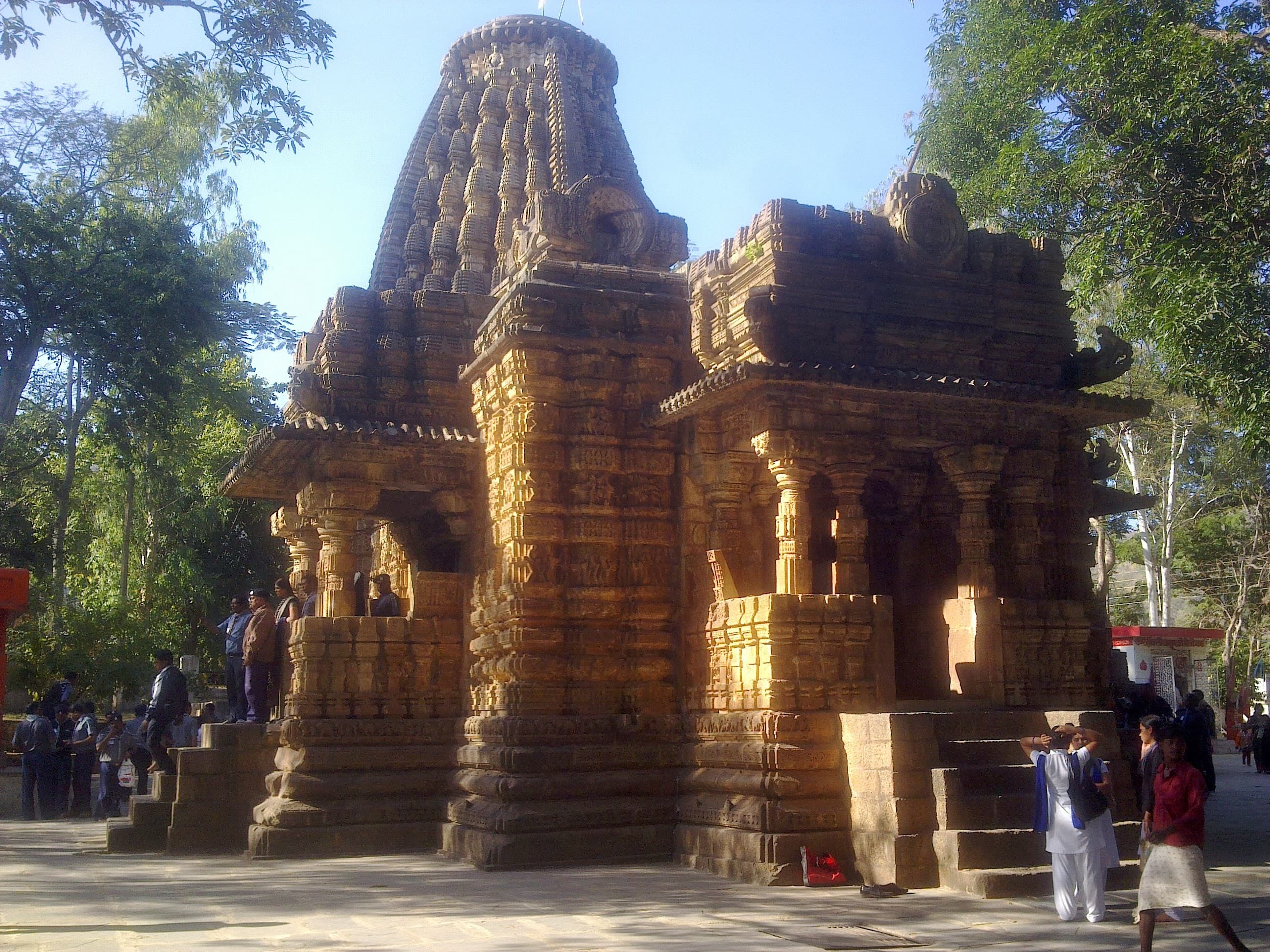
Granite and sandstone blocks, meticulously carved, form the Bhoramdeo Temple in Kabirdham, Chhattisgarh, a stunning example of 11th-century Indian architecture ([1][2]). Built around 1050 CE during the Kalachuri period, under the patronage of the Nagavanshi kings, this Hindu temple represents a seamless blend of Nagara and Bhumija architectural styles ([2][3]). The temple's intricate carvings narrate stories from the Ramayana and Mahabharata, offering insights into the daily life and artistic sensibilities of the era ([1][3][4]). During the Kalachuri period, temple architecture experienced significant development, influencing the construction of Bhoramdeo ([3][4]). The shikhara (spire) showcases the curvilinear elegance of the Nagara style, while the mandapa (pillared hall) features elaborate carvings ([2][5]). The Nagara style is characterized by its towering superstructure, while the Bhumija style, a regional variant, incorporates miniature spires attached to the main tower, adding complexity and visual richness ([5]). These architectural elements align with principles detailed in ancient texts like the *Vishnudharmottara Purana*, which discusses temple construction and iconography, as documented in the text ([6]). Also within the complex is the Madwa Mahal, adorned with celestial nymphs, enhancing the complex's spiritual allure ([1]). Beyond its artistic and architectural significance, Bhoramdeo's location amidst lush greenery, with the Maikal range as a backdrop, contributes to its tranquil ambiance ([4]). The gentle flow of the Jonk River further enhances the spiritual atmosphere, solidifying its status as a pilgrimage site ([5]). Bhoramdeo stands not only as the 'Khajuraho of Chhattisgarh' but also as a unique architectural marvel, embodying the rich heritage of ancient India, attracting pilgrims and tourists alike ([4][5]).
Quick Links
Plan Your Heritage Journey
Get personalized recommendations and detailed visitor guides