Has Inheritage Foundation supported you today?
Your contribution helps preserve India's ancient temples, languages, and cultural heritage. Every rupee makes a difference.
Secure payment • Instant 80G certificate
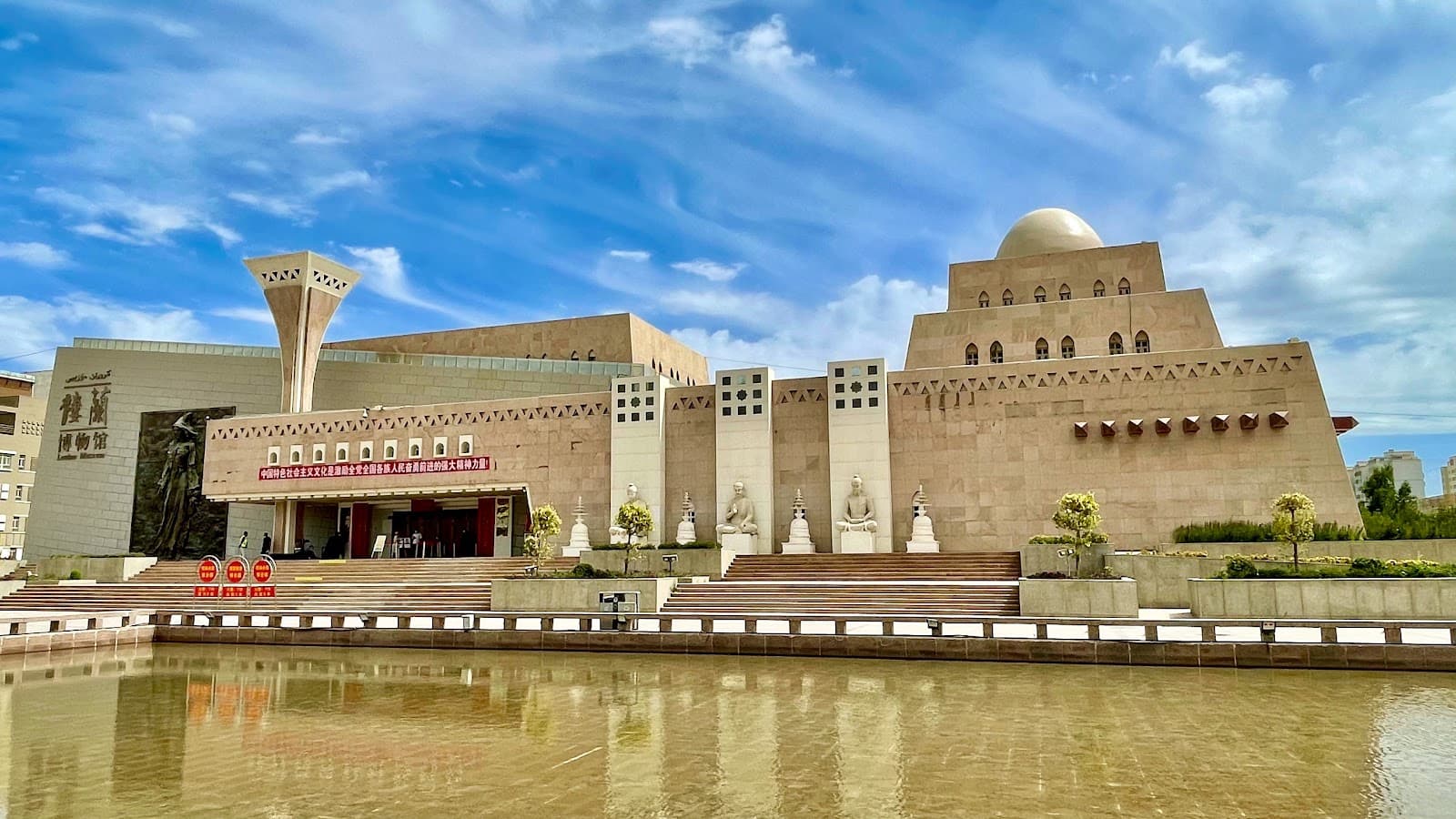
Endere Fort Temple Ruoqiang Xinjiang China
Endere, located in the southern Taklamakan Desert in Ruoqiang County, Xinjiang, China, represents one of the most fascinating and strategically significant archaeological sites along the ancient Silk Road, comprising the remarkable remains of a 3rd to 4th century CE Buddhist fort-temple complex that demonstrates the unique integration of military fortification and religious architecture, creating a powerful testament to the transmission of Indian Buddhist traditions to Central Asia during a period when Buddhist monasteries served both spiritual and defensive functions along the trade routes. The complex, constructed primarily from rammed earth and fired brick with extensive stucco and painted decoration, features a massive fortified structure containing Buddhist temples, stupas, monastic cells, and military installations arranged in a sophisticated layout that reflects both Indian Buddhist architectural planning principles and Central Asian fortification techniques, while the discovery of Buddhist manuscripts written in Chinese, Tibetan, and Sanskrit provides crucial evidence of the site's role as a multilingual center of Buddhist learning and the transmission of Indian Buddhist texts to Central Asia and China. The site's architectural design demonstrates direct influence from Indian Buddhist monastery architecture, particularly the traditions of northern India, with the overall plan, temple forms, and decorative programs reflecting Indian Buddhist practices that were systematically transmitted to Central Asia, while the fortification elements demonstrate the adaptation of Indian Buddhist architectural traditions to the military and strategic needs of Silk Road settlements. Archaeological excavations conducted by Sir Aurel Stein in 1901 revealed extraordinary discoveries including a Buddhist shrine filled with textile fragments and manuscripts in multiple languages, demonstrating that the site attracted worshippers and scholars from diverse regions including India, Tibet, and China, while the discovery of numerous artifacts including sculptures, coins, and ritual objects provides further evidence of the site's importance as a center of trade, cultural exchange, and religious transmission. The fort-temple complex flourished particularly during the 3rd to 4th centuries CE, when it served as both a military outpost protecting the southern Silk Road and a major center of Buddhist worship and learning, attracting monks, traders, and pilgrims from across the Buddhist world, while the site's strategic location along the trade routes facilitated its role in the transmission of Buddhist teachings, art, and culture from India to China. The site continued to function as a Buddhist center through the 5th and 6th centuries CE, with evidence of continued use and modifications that reflect the evolving religious and political landscape of the region, while the site's eventual abandonment, likely during the 7th or 8th century CE following political changes and shifting trade routes, left substantial ruins that continue to provide crucial insights into the site's history and significance. The unique combination of fortification and religious architecture at Endere provides particularly important evidence of the ways in which Indian Buddhist architectural traditions were adapted to local conditions and needs in Central Asia, demonstrating the flexibility and resilience of Buddhist institutions along the Silk Road, while the multilingual nature of the site's manuscripts demonstrates the complex cultural exchanges that occurred in the region. Today, Endere stands as a UNESCO Tentative List site and represents one of the most important archaeological discoveries in the Taklamakan Desert, serving as a powerful testament to the transmission of Indian Buddhist traditions and the integration of religious and military functions in Silk Road settlements, while ongoing archaeological research and preservation efforts continue to protect and study this extraordinary cultural treasure that demonstrates the profound impact of Indian civilization on Central Asian societies. ([1][2])

Kizil Caves Baicheng Xinjiang China
Kizil Caves, also known as the Kizil Thousand Buddha Caves, located near Baicheng in Aksu Prefecture, Xinjiang, China, represent one of the most magnificent and artistically significant Buddhist cave temple complexes in Central Asia, comprising over 236 rock-cut caves carved into the cliffs of the Muzat River valley from the 3rd to 8th centuries CE, creating a breathtaking religious landscape that demonstrates the extraordinary transmission of Indian Buddhist cave architecture and artistic traditions to Central Asia along the northern branch of the Silk Road. The cave complex, carved entirely from living rock using techniques adapted from Indian cave temple traditions, features a stunning collection of Buddhist caves including meditation cells, assembly halls, and elaborate chapels adorned with some of the most sophisticated and beautiful Buddhist murals discovered in Central Asia, executed using techniques and iconographic programs that were directly transmitted from the great Buddhist art centers of India including Ajanta, Ellora, and the Gandharan region, creating a vivid testament to the cultural exchange that flourished along the Silk Road. The caves, often referred to as the "Oriental Dunhuang" due to their artistic significance, feature extraordinary murals depicting Jataka tales (stories from the Buddha's previous lives), scenes from the life of the Buddha, bodhisattvas, and Central Asian merchants that demonstrate the sophisticated understanding of Indian Buddhist iconography and artistic techniques possessed by the artists who created them, while the discovery of inscriptions in multiple languages including Sanskrit, Tocharian, and Chinese provides crucial evidence of the site's role as a multilingual center for the translation and transmission of Indian Buddhist texts. The site's architectural design demonstrates direct influence from Indian Buddhist cave architecture, particularly the traditions of western India such as Ajanta and Ellora, with the overall planning, cave forms, and decorative programs reflecting Indian Buddhist practices that were systematically transmitted to Central Asia, while the sophisticated rock-cutting techniques and mural painting methods demonstrate the transmission of Indian artistic knowledge to Central Asian craftsmen. Archaeological evidence reveals that Kizil served as a major center of Buddhist learning and practice for over five centuries, attracting monks, traders, and pilgrims from across the Buddhist world, while the site's location along the northern Silk Road facilitated its role in the transmission of Buddhist teachings, art, and culture from India to China and beyond. The caves flourished particularly during the 4th to 6th centuries CE, when they served as one of the most important centers for the production of Buddhist art and the transmission of Buddhist teachings in Central Asia, with the site continuing to function as a Buddhist center through the 8th century before gradually declining following political changes and the shifting of trade routes. The site was rediscovered by European explorers in the late 19th and early 20th centuries, with numerous expeditions documenting and studying the caves, while unfortunately many of the murals were removed and are now housed in museums worldwide, creating a complex legacy that highlights both the site's extraordinary artistic significance and the challenges of cultural heritage preservation. Today, Kizil Caves stand as a UNESCO Tentative List site and represent one of the most important archaeological and artistic sites in Central Asia, serving as a powerful testament to the transmission of Indian Buddhist art and culture along the Silk Road, while ongoing conservation efforts, archaeological research, and international preservation initiatives continue to protect and study this extraordinary cultural treasure that demonstrates the profound impact of Indian civilization on Central Asian Buddhist art and architecture. ([1][2])
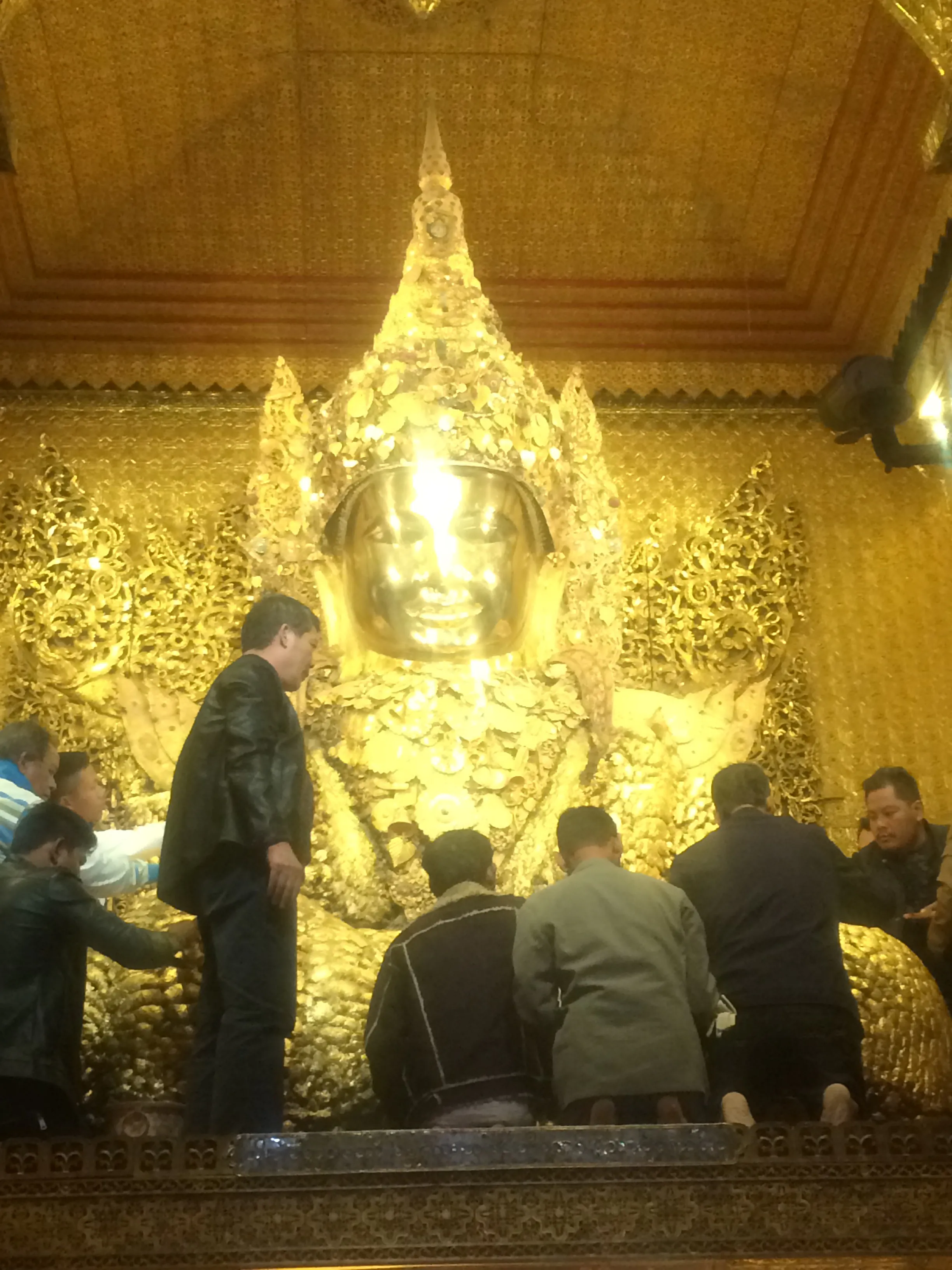
Mahamuni Pagoda Agartala
The Mahamuni Pagoda, a revered Buddhist shrine, stands as a testament to India's millennia-spanning cultural heritage in Manubankul village, located in the Sabroom Sub-Division of South Tripura, approximately 134 kilometers from Agartala [2] [3]. This ancient monastery embodies the continuous tradition of Indian civilization, showcasing indigenous architectural styles that reflect deep historical roots [3]. The pagoda is dedicated to the Mahamuni Buddha, a central figure of veneration for Buddhist communities across the region and beyond [2]. Its architectural design is a unique synthesis, primarily reflecting the Arakanese Buddhist architecture style, with discernible influences from Bengali Temple architecture and indigenous Tripura architectural traditions, creating a distinctive Indo-Colonial architectural overlay in its later phases [4]. The structure is characterized by its intricate temple architecture, featuring detailed carvings and ornate ceilings within the central shrine complex, which exemplify exquisite craftsmanship [1]. These decorative elements often depict Buddhist iconography, mythological narratives, and floral motifs, deeply embedded in the region's artistic lexicon [1]. The primary construction materials likely include locally sourced brick and stucco, common in the region for religious edifices, with timber elements for structural support and decorative finishes, though specific dimensions are not widely documented [4]. The pagoda's design incorporates a central shrine, typically housing the principal Buddha image, surrounded by an extensive, well-maintained grass lawn, contributing to the serene ambiance of the site [3]. While specific technical details regarding structural systems, engineering innovations, water management, or defensive features are not extensively published, the enduring nature of the structure over centuries suggests robust traditional construction techniques adapted to the local environment [2]. The Mahamuni Pagoda holds the dual designation of a 'Protected Monument of State Importance' and an 'Important Buddhist Site' by the Government of Tripura, ensuring its preservation and inclusion in state conservation programs [5]. Current conservation efforts focus on maintaining the structural integrity of the ancient monastery and preserving its artistic elements, with ongoing archaeological findings contributing to a deeper understanding of its layered history [5]. The site is actively programmed, hosting a famous week-long fair annually in March-April, alongside traditional Mahamuni and 'Owha' festivals, which draw thousands of Buddhist and non-Buddhist pilgrims from India, Myanmar, Thailand, Sri Lanka, Japan, and Bangladesh [2] [3]. Visitor flow is managed to ensure both spiritual reverence and heritage preservation, with accessibility provisions in place. The pagoda remains operationally ready, serving as a vibrant center for Buddhist worship and cultural exchange, upholding its legacy as a key heritage landmark within India's unbroken cultural continuum [5].
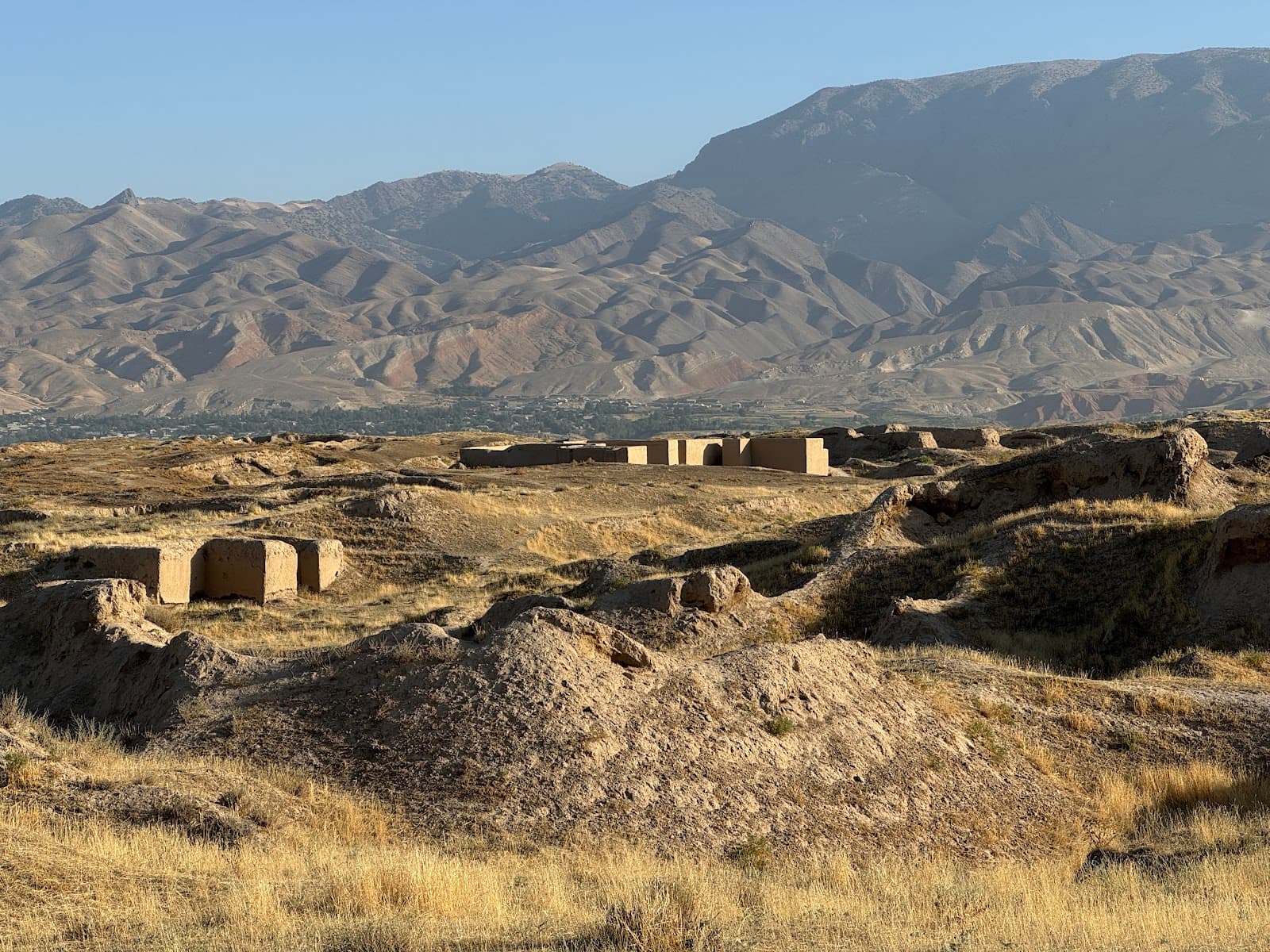
Panjakent Temples Sughd Tajikistan
Panjakent Temples, dramatically situated in the ancient Sogdian town of Panjakent in northern Tajikistan, represent one of the most extraordinary and archaeologically significant temple complexes in Central Asia, constructed in the 5th-8th centuries CE during the Sogdian period as major religious centers that demonstrate remarkable Zoroastrian-Vedic syncretism, creating a powerful testament to the profound transmission of Indian Vedic religious and philosophical traditions to Central Asia and their sophisticated synthesis with local Zoroastrian practices. The temple complex, featuring sophisticated architectural elements that demonstrate the synthesis of Zoroastrian and Vedic architectural traditions, while the site's extraordinary decorative programs including murals, sculptures, and architectural elements demonstrate clear Vedic iconographic and philosophical influences including depictions of Vedic deities, mythological scenes, and cosmological concepts that were transmitted from the great religious centers of India to Central Asia, providing crucial evidence of the site's role as a major center for the transmission of Indian Vedic traditions. Archaeological excavations have revealed extraordinary architectural elements including fire temples, sanctuaries, and assembly halls that demonstrate the sophisticated synthesis of Zoroastrian and Vedic religious practices, while the discovery of numerous artifacts including inscriptions, sculptures, and ritual objects provides crucial evidence of the site's role as a center for the transmission of Indian Vedic texts and practices to Central Asia, demonstrating the sophisticated understanding of Indian Vedic traditions possessed by the Sogdian religious establishment. The temple complex's architectural layout, with its central sanctuaries surrounded by courtyards and auxiliary structures, follows sophisticated planning principles that demonstrate the synthesis of Zoroastrian and Vedic temple planning principles, while the temple complex's extensive decorative programs including murals and sculptures demonstrate the ways in which Indian Vedic traditions were integrated into Sogdian religious architecture. The temple complex's location in Panjakent, a major Sogdian trading center along the Silk Road, underscores its significance as a center for the transmission of Vedic teachings, philosophy, and culture from India to Central Asia and beyond, while the site's architectural sophistication and extensive decorative programs demonstrate the sophisticated understanding of Indian Vedic traditions possessed by the Sogdian religious specialists who created this extraordinary complex. Today, Panjakent Temples stand as a UNESCO Tentative List site and represent one of the most important examples of Zoroastrian-Vedic syncretism in Central Asia, serving as a powerful testament to the transmission of Indian Vedic culture to Central Asia, while ongoing archaeological research and conservation efforts continue to protect and study this extraordinary cultural treasure that demonstrates the profound impact of Indian civilization on Central Asian religious and philosophical traditions. ([1][2])
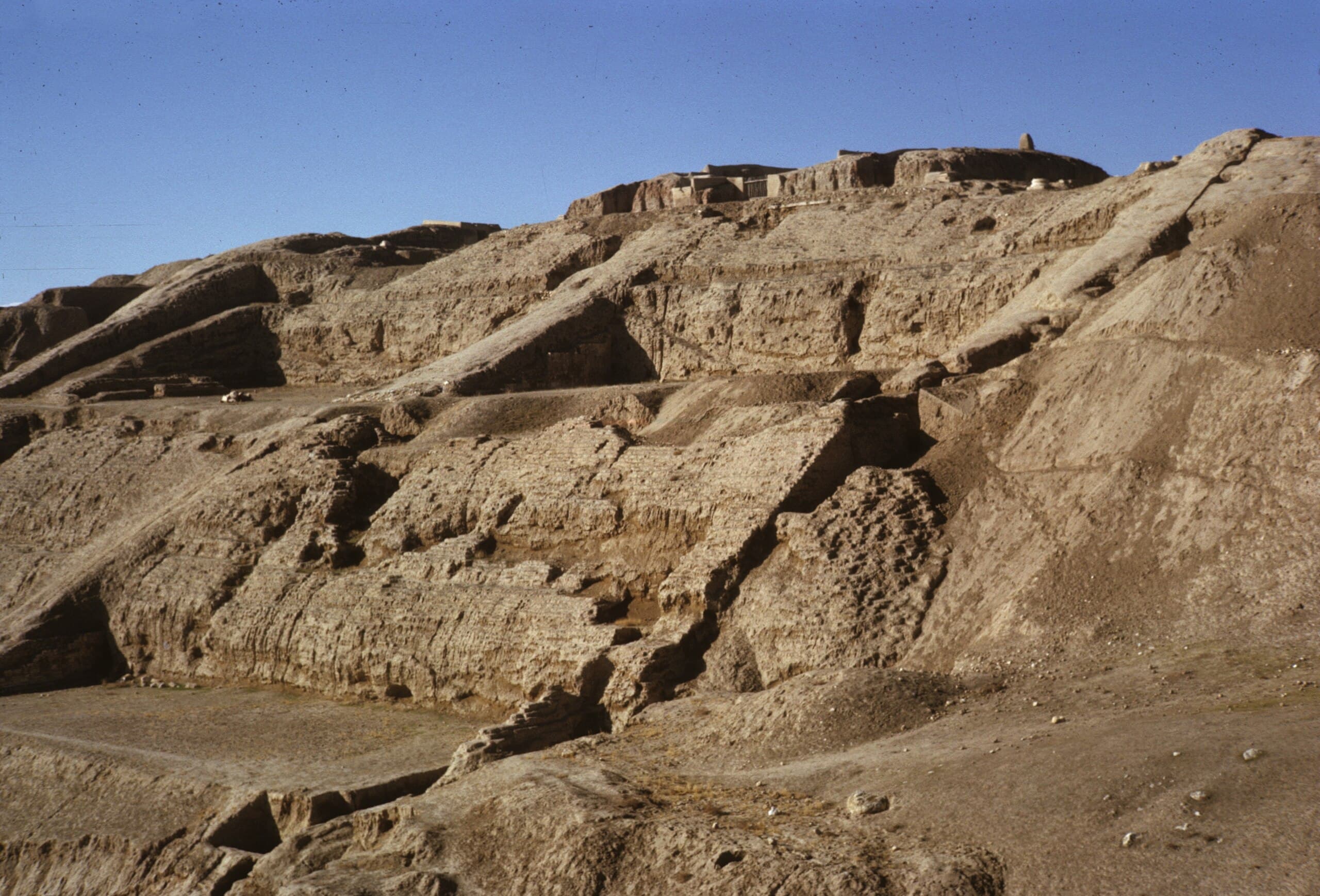
Surkh Kotal Zamindawar Temple Baghlan Afghanistan
Surkh Kotal, also known as the Zamindawar Temple, stands dramatically atop a natural hill in Baghlan Province, Afghanistan, representing one of the most magnificent and architecturally sophisticated Kushan-era Hindu temples dedicated to the solar deity Surya, constructed in the 2nd century CE during the reign of the Kushan Empire, which ruled over vast territories stretching from Central Asia through Afghanistan to northern India, creating a vibrant cultural bridge between Indian and Central Asian civilizations. The temple complex, constructed primarily from locally quarried limestone and sandstone with extensive use of fired brick, features a massive terraced structure rising approximately 60 meters above the surrounding plain, accessed through a monumental staircase of over 200 steps that ascends the steep hillside, creating a dramatic approach that emphasizes the temple's elevated spiritual significance. The temple's architectural design demonstrates a brilliant synthesis of Indian Hindu temple architecture, particularly the early Nagara style, with Central Asian and Hellenistic influences characteristic of the Kushan period, featuring a central sanctum housing the Surya deity, surrounded by multiple courtyards, subsidiary shrines, and elaborate water management systems including cisterns and channels that demonstrate sophisticated engineering knowledge. Archaeological excavations have revealed extensive inscriptions in Bactrian script and Prakrit, providing crucial evidence of the Kushan Empire's multilingual administration and the temple's role as a major religious and administrative center, while the discovery of numerous sculptures, architectural fragments, and ritual objects demonstrates the site's importance as a center of Surya worship that attracted devotees from across the Kushan realm. The temple complex includes multiple construction phases spanning from the 2nd to the 4th centuries CE, with significant expansions and renovations that reflect the evolving religious practices and the Kushan Empire's continued patronage of Hindu traditions, while the site's strategic location along ancient trade routes connecting India with Central Asia and China underscores its role in facilitating cultural and religious exchange. The temple's destruction, likely during the 5th century CE following the decline of the Kushan Empire, left the site in ruins, but the massive stone foundations, terraces, and architectural fragments that remain provide extraordinary evidence of the temple's original grandeur and the sophisticated engineering techniques employed in its construction. Today, Surkh Kotal stands as a UNESCO Tentative List site and represents one of the most important archaeological monuments in Afghanistan, serving as a powerful testament to the region's ancient Hindu heritage and its historical role as a center of Indian religious and cultural influence in Central Asia, while ongoing archaeological research continues to reveal new insights into Kushan architecture, religious practices, and the transmission of Indian traditions across the ancient world. ([1][2])
Puri Palace Puri
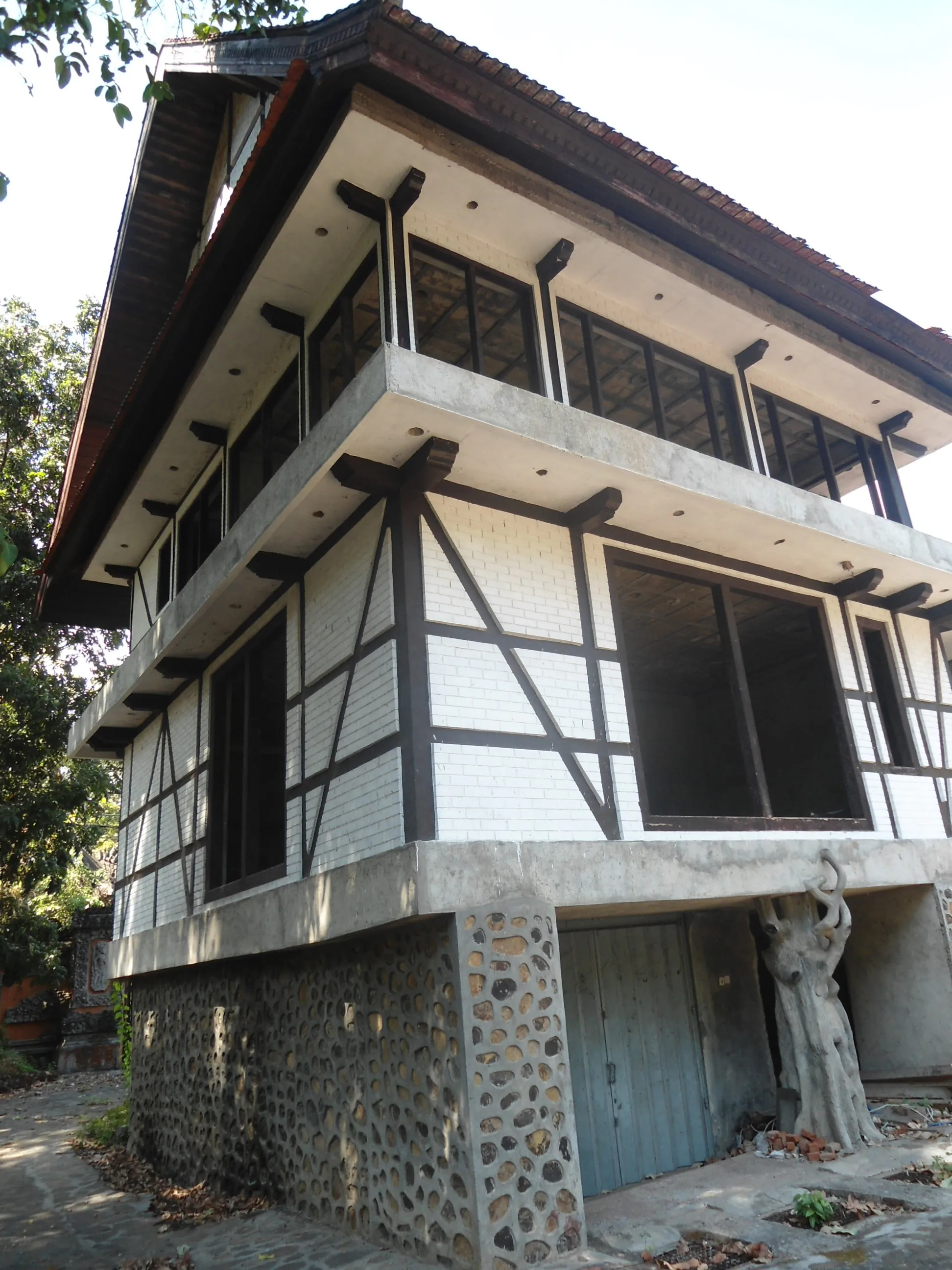
Puri Palace, situated on Chakra Tirtha Road in Puri, Odisha, stands as a significant testament to India's millennia-spanning cultural heritage, embodying a continuous tradition of indigenous architectural and cultural practices [1]. While the current structure largely reflects renovations and expansions from the 19th and early 20th centuries, its foundational significance is deeply rooted in the ancient Eastern Ganga Period, celebrating India's enduring legacy [1]. The palace's architecture presents a compelling blend of traditional Kalinga styles and colonial influences, showcasing a layered history of design evolution [1]. It incorporates elements characteristic of the Nagara architecture style, particularly the Deula architecture prevalent in Indic temple construction, which is evident in its intricate carvings and pyramidal roof forms [1] [4]. The imposing facade, predominantly white, features symmetrical arrangements punctuated by intricately carved balconies and jharokhas, which are traditional projecting windows, reflecting Odisha's rich artistic heritage [1]. Delicate floral patterns and mythical figures are meticulously etched into the sandstone, narrating silent tales of devotion and royal patronage [1]. The palace spans an area of approximately 20,438.66 square meters, with a height of 9.1 meters, a width of 82.81 meters, and a length of 1667.3 meters, indicating a vast complex [1]. Construction primarily utilized laterite stone, a common material in Odishan temples, joined with lime mortar [1]. Sandstone was employed for structural elements such as columns, beams, and decorative facades, while wood was used for roofing structures, doors, and window frames [1]. Iron and copper were strategically incorporated for clamps, dowels, and decorative elements, providing both reinforcement and resistance to the saline coastal environment [1]. The construction techniques involved a raised platform foundation, created by compacting layers of earth mixed with lime and laterite fines, crucial for stability in the coastal climate and against waterlogging [1]. The porous nature of laterite provides natural insulation, and the breathable lime mortar helps regulate humidity, demonstrating sophisticated environmental responsiveness [1]. Inside, the palace features cool marble floors, high ceilings adorned with ornate chandeliers, and antique furniture, preserving the original character despite modernization [1]. The Archaeological Survey of India (ASI) protects this historic palace, with ongoing conservation efforts ensuring its preservation [1]. Restoration work, particularly at the adjacent Jagannath Temple, which is integral to the palace complex, focuses on structural stabilization, repairs to the Jagamohan (assembly hall), stone carving restoration, and conservation of murals, addressing damage from natural weathering and cyclones [1] [3]. Archaeological excavations within the palace complex have unearthed remnants of earlier structures, including a 12th-century temple predating the current Jagannath Temple, along with fortifications and pottery shards, offering glimpses into the daily lives of past inhabitants [1]. The site is well-maintained, with visitor facilities available, though accessibility for wheelchair users is gradually improving and requires prior confirmation due to uneven surfaces and crowds [1]. The palace remains operationally ready, welcoming visitors to experience its profound historical and architectural depth [1].
Wat Phu Tok Khmer Sanctuary Si Sa Ket
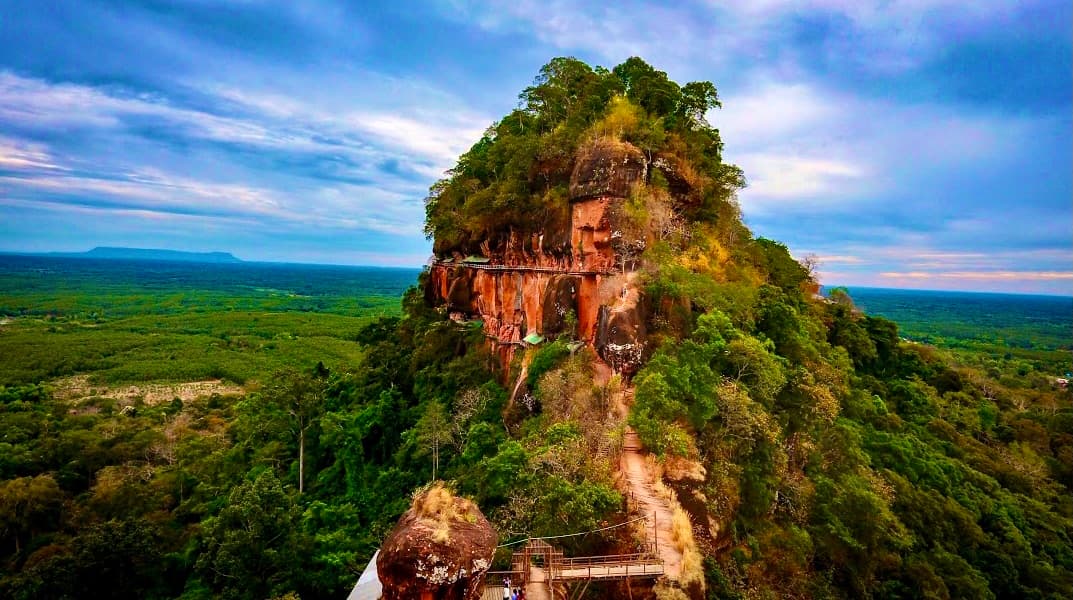
Wat Phu Tok Khmer Sanctuary, also known as Prasat Hin Phu Khao Thong, located in Kanthararom District of Si Sa Ket Province, represents an important 11th-century Khmer sandstone temple that served as a regional religious center in the Khmer Empire’s northeastern territories. The temple complex, constructed during the Baphuon period in the 11th century CE, is dedicated to Shiva, with the main prasat housing evidence of lingam worship and extensive ritual activity. The complex features a rectangular laterite enclosure wall, accessed through a single eastern gopura that leads to the inner courtyard containing the main prasat and associated structures. The main prasat, constructed from pink sandstone and laterite, rises approximately 18 meters and features a square plan with porches extending in cardinal directions, though significant portions have collapsed over centuries. The temple’s lintels and pediments, carved from pink sandstone, depict scenes from Hindu mythology, including Shiva’s cosmic dance, various deities, and mythological scenes, though many have been damaged or removed. The complex includes libraries, subsidiary shrines, and evidence of a drainage system. Archaeological evidence indicates the temple served as both a religious center and administrative hub for the Khmer Empire’s control over the region. The site has undergone partial restoration since the 1990s, involving structural stabilization and conservation of remaining decorative elements. Today, Wat Phu Tok Khmer Sanctuary remains an important site for understanding Khmer temple architecture in northeastern Thailand, attracting visitors interested in its historical significance and architectural features. ([1][2])
Uma Maheshwari Temple Agartala
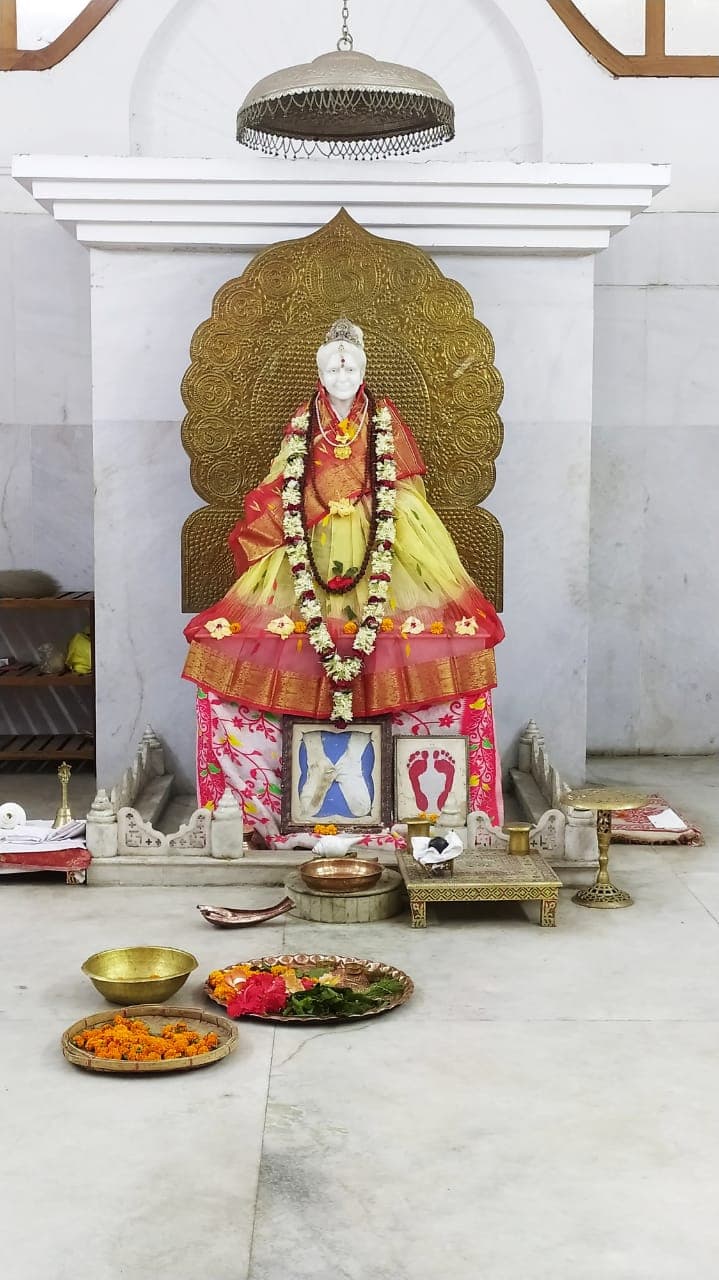
The midday sun cast long shadows across the courtyard of the Uma Maheshwari Temple in Agartala, dappling the red brick façade with an intricate play of light and shade. As a cultural journalist from Uttar Pradesh, steeped in the architectural narratives of the Gangetic plains, I found myself captivated by this unexpected burst of North Indian temple architecture nestled within the heart of Tripura. The temple, dedicated to Uma Maheshwari, a combined form of Parvati and Shiva, stands as a testament to the cultural exchange and historical connections that have shaped this northeastern state. The first thing that struck me was the temple's relatively modest scale compared to the sprawling complexes I'm accustomed to back home. Yet, within this compact footprint, the architects have managed to capture the essence of Nagara style architecture. The shikhara, the curvilinear tower rising above the sanctum sanctorum, is the defining feature. While smaller than the towering shikharas of, say, the Kandariya Mahadeva Temple in Khajuraho, it retains the same graceful upward sweep, culminating in a pointed amalaka. The brick construction, however, sets it apart from the sandstone temples of North India, lending it a distinct regional flavour. Close inspection revealed intricate terracotta work adorning the shikhara, depicting floral motifs and divine figures, a craft that echoes the rich terracotta traditions of Bengal. Stepping inside the garbhagriha, the sanctum sanctorum, I was met with a palpable sense of serenity. The deities, Uma and Maheshwar, are enshrined here in a simple yet elegant manner. Unlike the elaborate iconography found in some North Indian temples, the focus here seemed to be on the spiritual essence of the deities, fostering a sense of quiet contemplation. The priest, noticing my interest, explained that the temple was constructed in the 16th century by the Manikya dynasty, rulers of the Tripura Kingdom, who traced their lineage back to the Lunar dynasty of mythology, further strengthening the connection to North Indian traditions. The temple courtyard, enclosed by a low wall, offers a peaceful respite from the bustling city outside. Several smaller shrines dedicated to other deities dot the perimeter, creating a microcosm of the Hindu pantheon. I spent some time observing the devotees, a mix of locals and visitors, engaging in their prayers and rituals. The air was thick with the fragrance of incense and the murmur of chants, creating an atmosphere of devotion that transcended regional boundaries. What intrigued me most was the seamless blending of architectural styles. While the core structure adhered to the Nagara style, elements of Bengali temple architecture were subtly interwoven. The use of brick, the terracotta ornamentation, and the chala-style roof over the mandapa, or assembly hall, all pointed towards a conscious assimilation of local architectural idioms. This architectural hybridity, I realized, mirrored the cultural synthesis that has shaped Tripura's identity over centuries. As I left the Uma Maheshwari Temple, I carried with me not just the visual memory of its elegant form but also a deeper understanding of the complex cultural tapestry of India. The temple stands as a powerful symbol of how cultural influences can traverse geographical boundaries, intermingle, and create something unique and beautiful. It serves as a reminder that while regional variations enrich our heritage, the underlying spiritual and artistic threads that bind us together are far stronger than the differences that might appear to separate us. It is in these spaces, where architectural styles converge and cultural narratives intertwine, that we truly grasp the richness and diversity of the Indian civilization.
Kaleshwara Mukteswara Temple Kaleshwaram
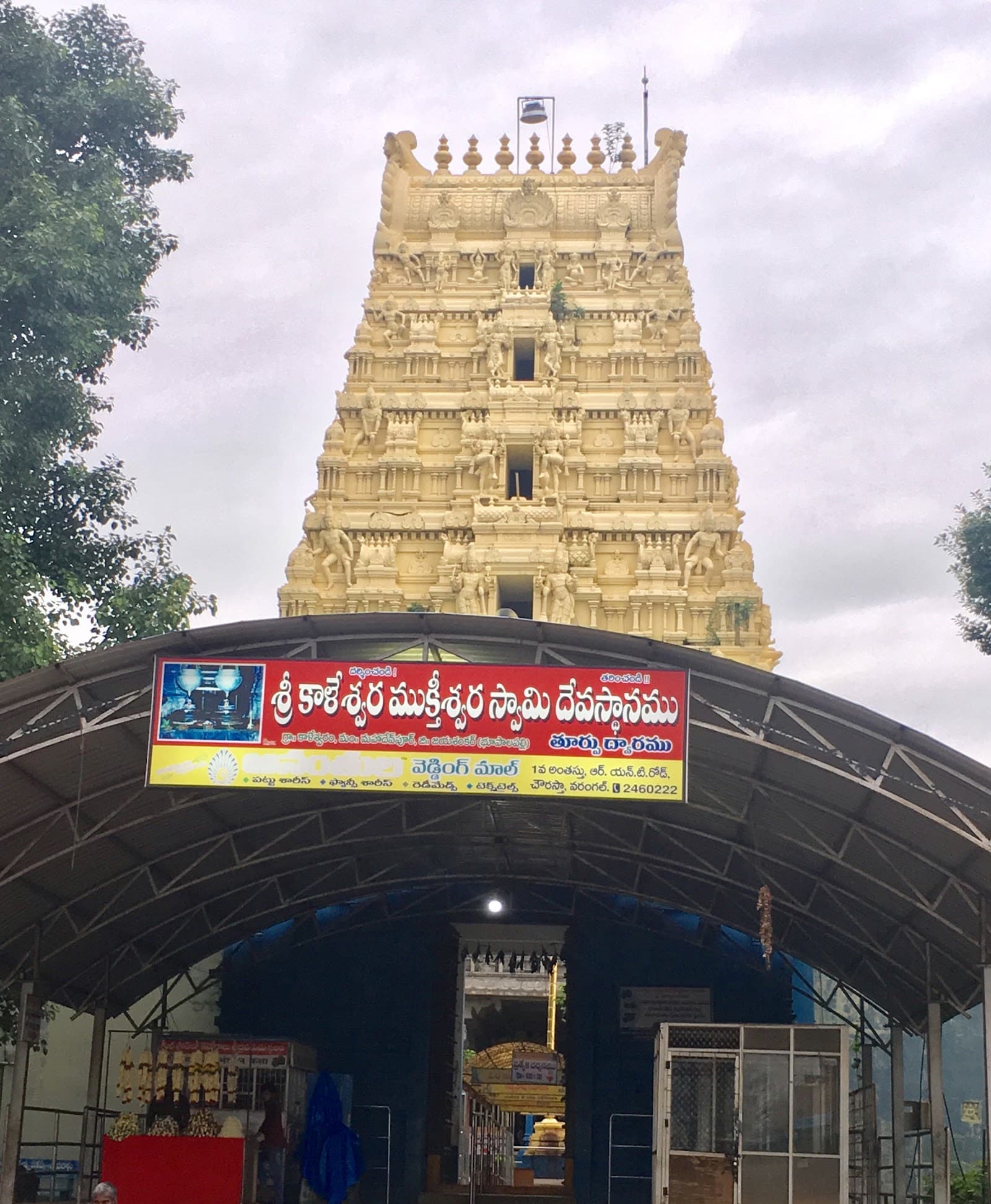
The confluence of three rivers – the Godavari, Pranahita, and the mythical Saraswati – creates a sacred landscape at Kaleshwaram, where the Kaleshwara Mukteswara Swamy Temple stands as a testament to centuries of devotion and architectural prowess. My recent visit to this Telangana temple left me awestruck by its scale and the intricate details woven into its fabric. The temple complex, recently renovated, sprawls across a vast area, a modern marvel built upon ancient foundations. While the new construction gleams with polished stone, the core sanctums retain the weathered charm of history. The primary deity, Lord Shiva, is worshipped here as Kaleshwara Mukteswara Swamy, a name that resonates with the liberating power of time and divine grace. The temple's layout follows a traditional South Indian pattern, with multiple concentric enclosures or *prakarams* leading to the central shrine. However, the sheer scale of these *prakarams* and the towering *gopurams* (gateways) that punctuate them set Kaleshwaram apart. The use of light-colored stone, predominantly granite, creates a sense of grandeur and purity, amplified by the meticulous carvings that adorn every surface. One of the most striking features of the temple is the intricate sculpture work. Unlike the narrative panels common in many South Indian temples, Kaleshwaram’s carvings focus predominantly on floral motifs, geometric patterns, and divine figures. I noticed a distinct influence of the Chalukyan style in the sculpted *yalis* (mythical beasts) and the elaborate scrollwork that frames doorways and niches. The pillars, too, are marvels of craftsmanship, each one uniquely carved with intricate designs that seem to defy gravity. I spent a considerable amount of time observing the subtle variations in the floral patterns, each petal and leaf rendered with astonishing precision. The main *gopuram*, soaring high above the surrounding landscape, is a breathtaking sight. Its multiple tiers, adorned with vibrant stucco figures of deities and celestial beings, create a powerful visual statement. While the vibrant colours of the stucco work contrast with the muted tones of the stone, they add a layer of dynamism to the overall aesthetic. This interplay of colour and texture, of old and new, is a recurring theme throughout the temple complex. Moving beyond the main shrine, I explored the smaller shrines dedicated to various deities within the complex. The shrine of Goddess Parvati, consort of Lord Shiva, is particularly noteworthy for its elegant simplicity. The smaller *gopuram* leading to this shrine features intricate carvings of female deities and celestial musicians, a testament to the reverence accorded to the feminine principle in Hindu cosmology. My visit to Kaleshwaram wasn't just about observing the architecture; it was an immersion in a living tradition. The temple was bustling with devotees, their chants and prayers creating a palpable sense of devotion. Observing the rituals, the offerings, and the interactions between the priests and the devotees provided a glimpse into the enduring power of faith. The temple, despite its recent renovation, felt deeply connected to the past, a bridge between generations of worshippers. The integration of modern amenities, such as well-maintained pathways, clean restrooms, and clear signage, enhances the visitor experience without detracting from the temple's spiritual aura. This careful balance between preservation and modernization is commendable. Kaleshwaram is more than just a temple; it's a cultural landmark, a testament to the architectural ingenuity and religious fervour of the region. It's a place where history whispers from ancient stones, where faith finds expression in vibrant rituals, and where the confluence of rivers mirrors the confluence of the past, present, and future. My experience at Kaleshwaram was profoundly enriching, leaving me with a deep appreciation for the rich tapestry of South Indian temple architecture and the enduring power of sacred spaces.
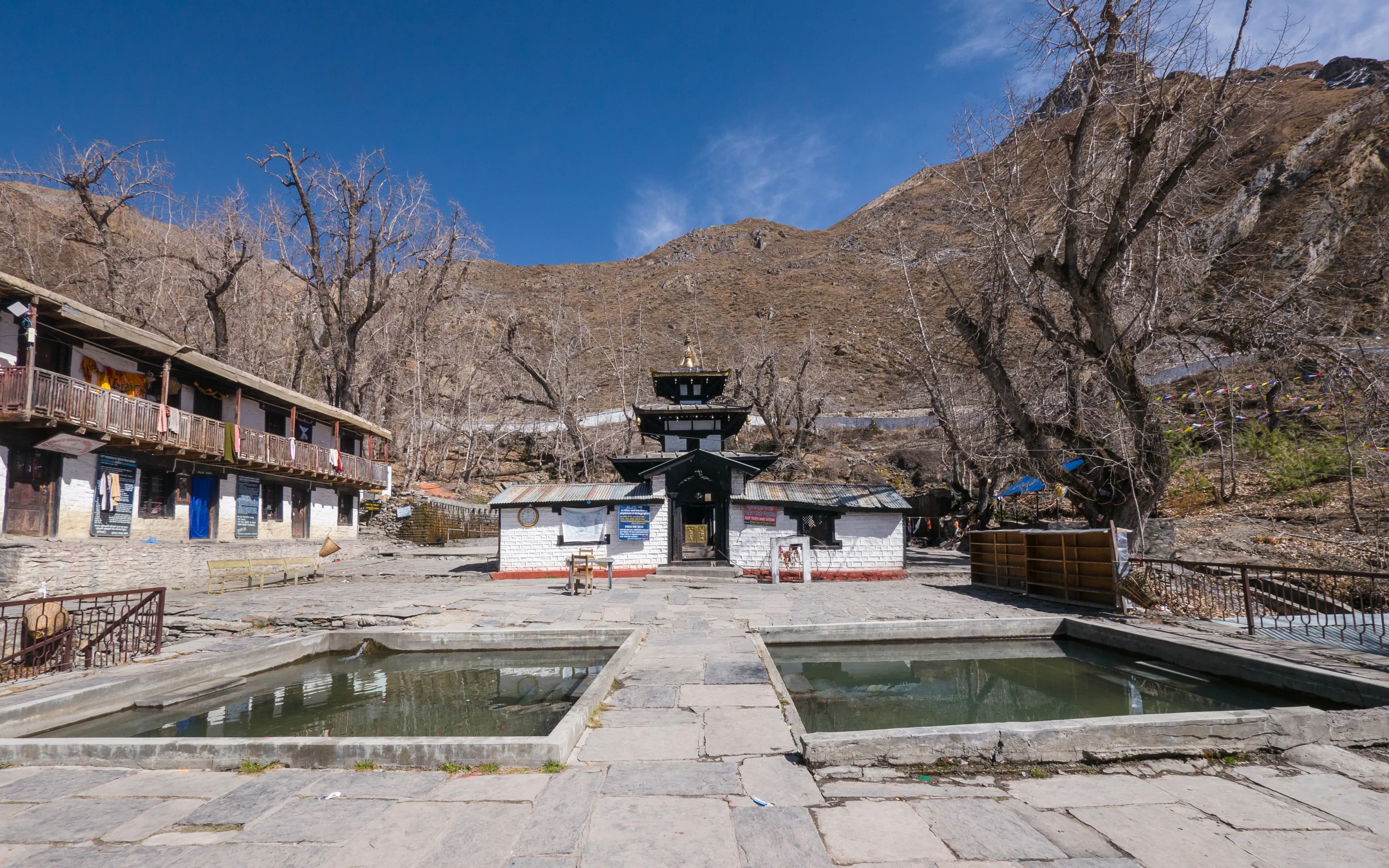
Muktinath Temple Ranipauwa
The crisp Himalayan air, thin and charged with a spiritual energy, whipped prayer flags into a frenzy of colour around me as I approached Muktinath Temple. Nestled high in the Mustang district of Nepal, at an altitude that leaves you breathless in more ways than one, this sacred site felt worlds away from the familiar caves and temples of my native Maharashtra. Here, at the confluence of two holy rivers, the Gandaki and Kali Gandaki, Hinduism and Buddhism intertwine in a vibrant tapestry of faith. The temple itself is a modest structure, a two-tiered pagoda with a traditional Newari-style roof. Unlike the elaborate rock-cut marvels of Ajanta and Ellora or the towering gopurams of South Indian temples, Muktinath’s beauty lies in its simplicity and the stark, dramatic landscape that surrounds it. The whitewashed walls, accented with intricately carved wooden window frames and doorways, stood in stark contrast to the brown, barren hills. A small courtyard, enclosed by a low wall, offered a space for pilgrims to circumambulate the main shrine. Inside, the atmosphere was thick with incense and the murmur of prayers. The main deity, Muktinath, is represented by a golden statue of Vishnu, flanked by Lakshmi and Saraswati. What struck me most, however, were the 108 intricately carved brass spouts shaped like bull heads, from which continuously flowed icy water from the Kali Gandaki. This is considered holy water, and pilgrims queue patiently to bathe under each spout, a ritual believed to cleanse them of their sins and grant them moksha, or liberation. I too joined the queue, the glacial water a shock to the system, but invigorating nonetheless. The experience felt primal, a direct connection to the natural world and the divine. Beyond the main shrine, the temple complex houses several smaller shrines dedicated to various Hindu and Buddhist deities. I noticed a distinct Tibetan Buddhist influence in some of the artwork and iconography, a testament to the region's rich cultural heritage. Prayer wheels, adorned with mantras, lined the walls, their rhythmic spinning adding to the spiritual ambience. The presence of both Hindu and Buddhist devotees, worshipping side-by-side, was a powerful reminder of the shared spiritual roots of these two ancient religions. One of the most unique aspects of Muktinath is the presence of Jwala Mai, a perpetually burning flame fueled by natural gas seeping from the earth. Housed in a small chamber adjacent to the main temple, this eternal flame is considered a manifestation of the divine feminine and is revered by both Hindus and Buddhists. Witnessing this natural wonder, flickering brightly against the dark stone, was a truly awe-inspiring experience. It felt like a tangible connection to the earth's energy, a reminder of the powerful forces that shape our world. My exploration extended beyond the temple itself. The surrounding landscape, a high-altitude desert dotted with prayer flags and chortens, offered breathtaking views of the snow-capped Himalayas. The air was thin and dry, the sun intense, but the spiritual energy of the place kept me going. I spent hours wandering the surrounding trails, absorbing the serenity of the mountains and reflecting on the profound sense of peace that permeated the air. Muktinath is more than just a temple; it is a pilgrimage, a journey of faith and self-discovery. It is a place where the boundaries between religions blur, where nature and spirituality intertwine, and where the pursuit of moksha takes centre stage. For someone who has spent years exploring the ancient sites of Maharashtra, Muktinath offered a fresh perspective on faith and the human connection to the divine. It is a place I will never forget, a place that has left an indelible mark on my soul.
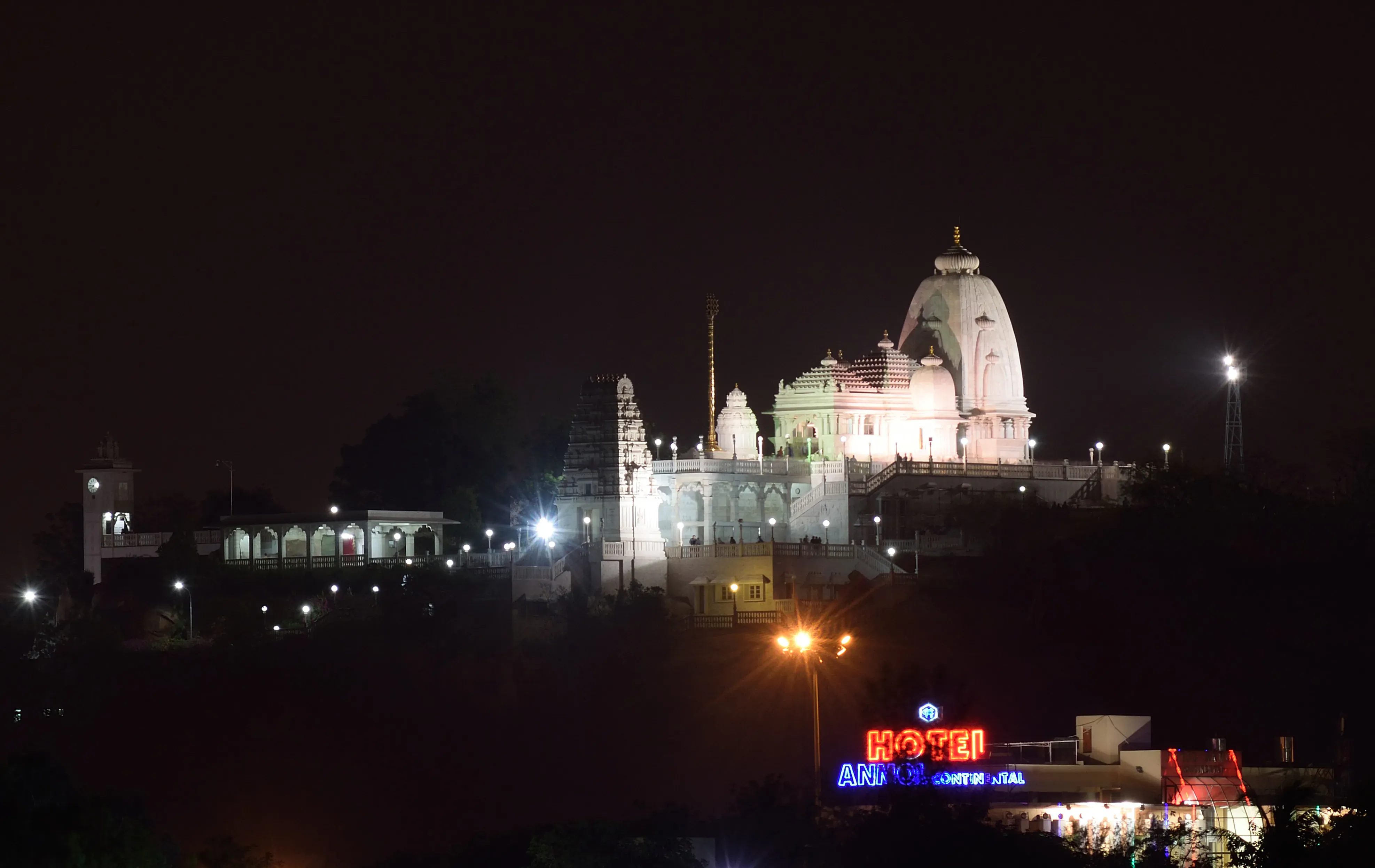
Birla Mandir Kolkata
A serene addition to the Kolkata skyline, the Birla Mandir, completed in 1970 CE, is dedicated to Lord Krishna and Radha ([1]). Commissioned by the Birla family, the temple exemplifies the Nagara style of North Indian temple architecture ([2][3]). Unlike traditional rock-cut temples, this modern marvel is constructed using white marble, sandstone, cement, and steel ([4]). Intricate carvings embellish the temple's exterior, depicting scenes from the Bhagavad Gita and other Hindu scriptures ([1]). Rising majestically, the Shikhara (spire), a defining element of Nagara architecture, draws the eye upwards, echoing the forms of ancient temples ([2]). This architectural style is rooted in principles outlined in texts such as the *Brihat Samhita*, which discusses temple design and iconography ([5]). Vastu Shastra principles, the ancient Indian science of architecture, likely influenced the temple's layout, promoting harmony and balance ([3]). Within the Garbhagriha (sanctum), the idols of Radha and Krishna are resplendent, adorned with vibrant silks and jewels ([4]). Soft light filters through the marble, enhancing the spiritual atmosphere ([1]). The temple complex also houses a museum exhibiting religious artifacts, providing insights into Hindu mythology and traditions ([6]). During the British Colonial Period, temple architecture saw a resurgence, with patrons like the Birla family supporting the construction of new temples that blended traditional styles with modern materials ([7]). The Birla Mandir offers a tranquil space for devotion and reflection, embodying India's enduring cultural heritage ([2][3]). The temple stands as a modern interpretation of ancient architectural principles, reflecting a continuing legacy of artistic and spiritual expression ([5][6]).
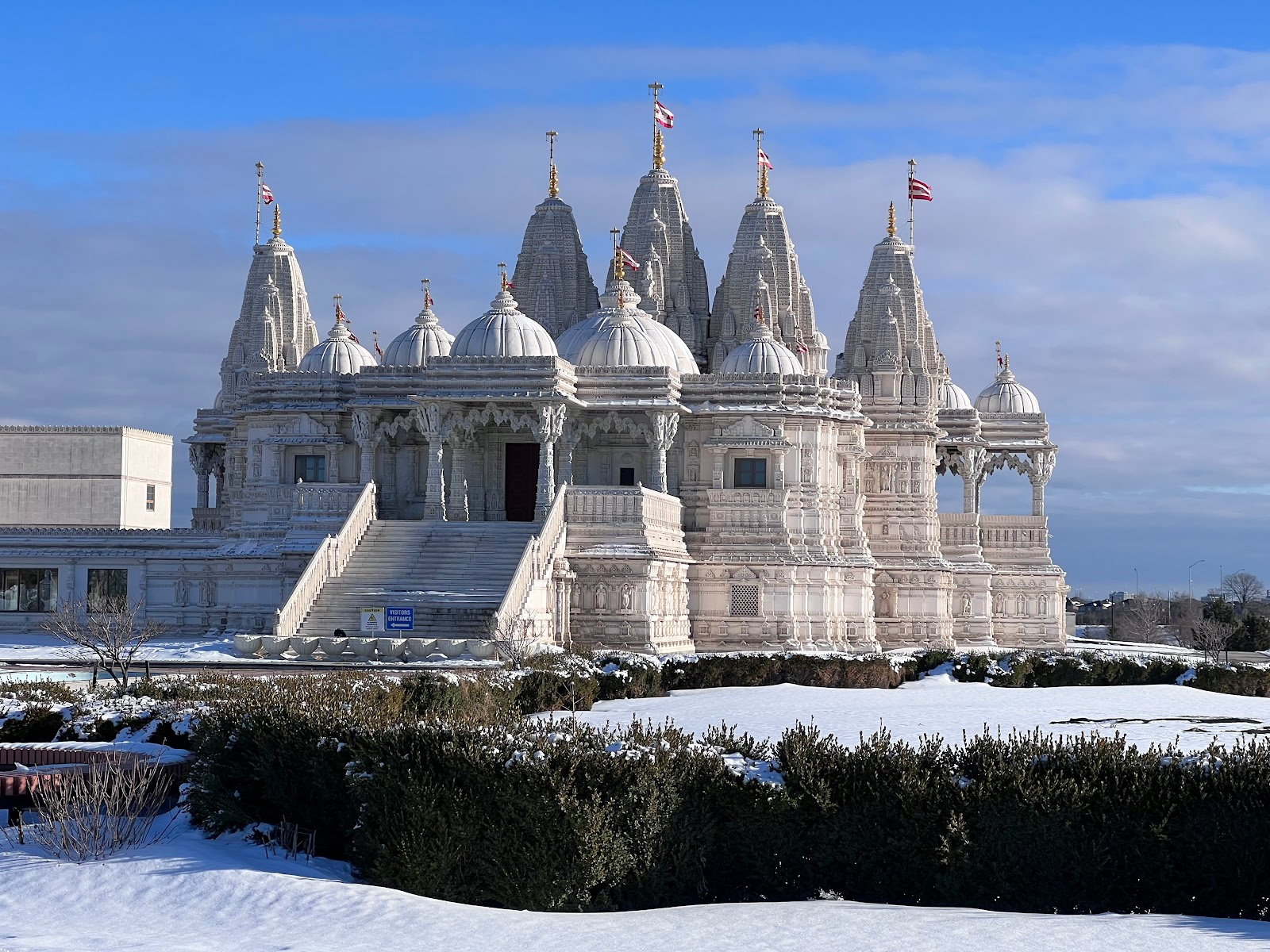
BAPS Shri Swaminarayan Mandir Toronto
Anchoring Etobicoke's Claireville corridor, the BAPS Shri Swaminarayan Mandir Toronto represents Canada’s largest traditional stone mandir, dedicated to Bhagwan Swaminarayan ([1][2]). Consecrated in 2007 CE, this Nagara-style marvel seamlessly blends ancient architectural principles with modern engineering ([1]). The mandir incorporates 24,000 hand-carved Turkish limestone pieces, meticulously assembled without the use of structural steel ([1]). Intricate carvings adorning the walls reflect the Maharaj Sthapatya craft, echoing the detailed artistry documented in texts like the *Manasara Shilpa Shastra* ([2][3]). Vastu Shastra principles, the ancient Indian science of architecture, are demonstrably present in the temple's layout and orientation, fostering harmony and spiritual resonance ([3][4]). These principles, aiming to integrate architecture with nature, are meticulously applied, reflecting a deep understanding of spatial arrangements and their impact on well-being ([4]). Burmese teak, Italian Carrara marble, and copper *kalashas* (finials) further enrich the structure, harmonizing traditional materials with contemporary design elements like the glass curtainwall ([1][5]). The *Garbhagriha* (Sanctum) houses the enshrined deities, continuing a tradition of worship that spans millennia ([4]). Annadhanam, the offering of food, operates with modern efficiency, utilizing commercial kitchen equipment and allergen tracking ([1]). Accessibility features, including ramps and tactile strips, ensure inclusivity, while digital signage provides information in multiple languages ([5]). Built by the BAPS Swaminarayan Sanstha, the complex serves as a vibrant center for community, culture, and spiritual practice ([1][2]). The integration of traditional craftsmanship with modern amenities exemplifies the enduring relevance of ancient Indian architectural sciences in contemporary society ([3][5]). The Mandir stands as a testament to the adaptability and timeless appeal of Nagara-style temple architecture ([1][2]).
Quick Links
Plan Your Heritage Journey
Get personalized recommendations and detailed visitor guides