Has Inheritage Foundation supported you today?
Your contribution helps preserve India's ancient temples, languages, and cultural heritage. Every rupee makes a difference.
Secure payment • Instant 80G certificate
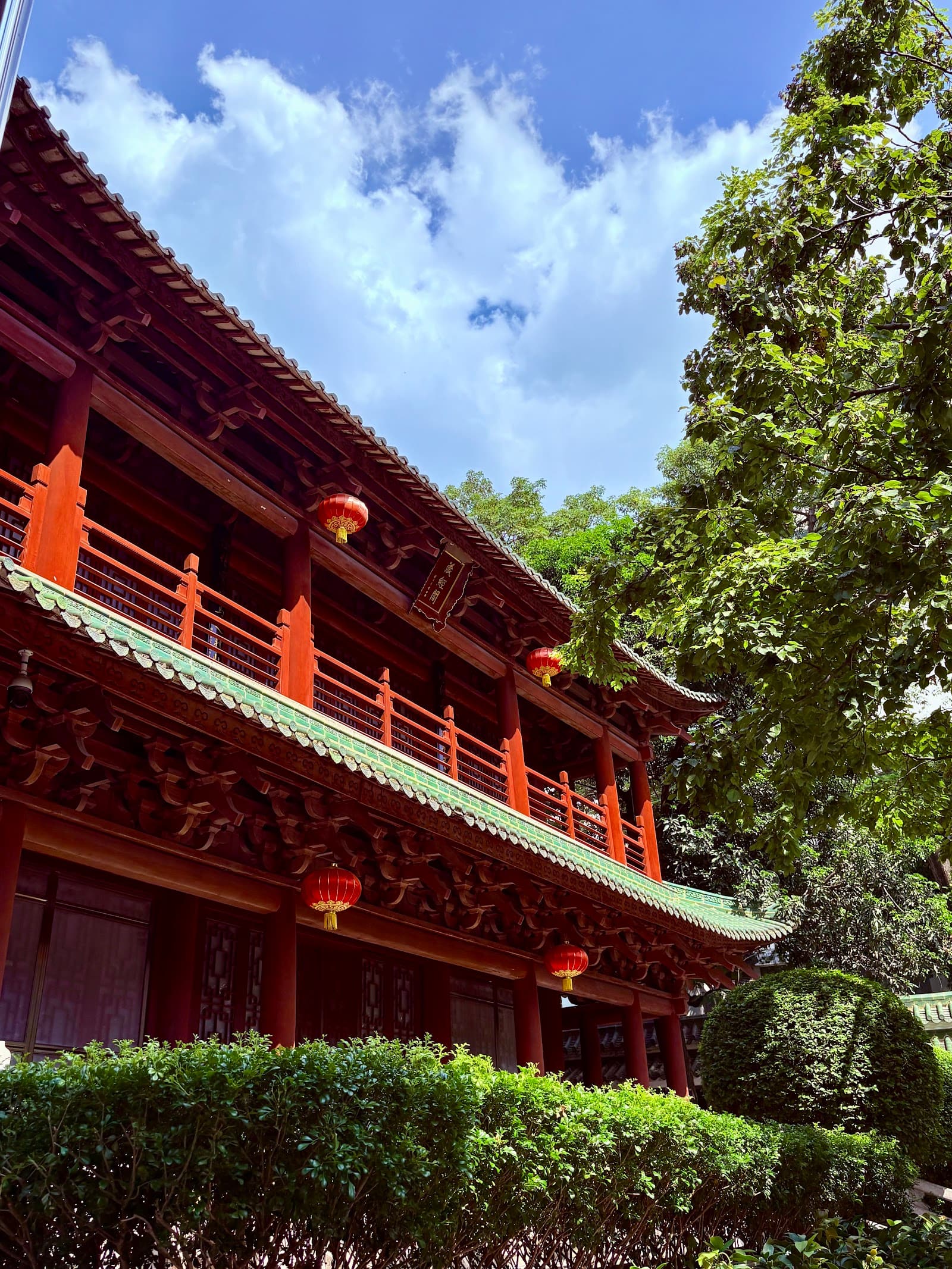
Temple of the Six Banyan Trees Guangzhou China
Temple of the Six Banyan Trees, dramatically situated in the historic city of Guangzhou in southern Guangdong Province, represents one of the most extraordinary and historically significant Buddhist temple complexes in China, dating from the 6th century CE and serving as a major center of Buddhist learning and practice that flourished as a crucial link in the transmission of Indian Buddhist traditions to China, featuring sophisticated Buddhist temple structures including the remarkable Nanxiang style pagoda that houses Indic relics and demonstrates clear connections to the architectural traditions of ancient India, particularly the sophisticated pagoda design principles and structural techniques that were transmitted from the great Buddhist centers of northern India, creating a powerful testament to the profound transmission of Indian Buddhist civilization to China during the early medieval period. The site, featuring sophisticated Buddhist temple structures with halls, the extraordinary Nanxiang pagoda standing at 57 meters tall, and ritual spaces that demonstrate clear connections to the architectural traditions of ancient India, particularly the sophisticated pagoda architecture traditions that were transmitted from the great Buddhist centers of northern India, demonstrates the direct transmission of Indian Buddhist architectural knowledge, religious iconography, and cultural concepts from the great monastic universities of ancient India, particularly Nalanda and Taxila, which systematically transmitted Buddhist teachings and architectural traditions to China through the extensive trade and pilgrimage networks that connected India with China, while the site's most remarkable feature is its extraordinary Nanxiang pagoda, a sophisticated octagonal structure with nine stories that houses Indic relics and demonstrates remarkable parallels with Indian pagoda architecture traditions, particularly the structural techniques and decorative programs that were central to Indian Buddhist architecture, including the sophisticated use of brick and wood construction that reflects Indian architectural concepts. The temple structures' architectural layout, with their sophisticated planning, central pagoda surrounded by halls and subsidiary structures, meditation chambers, and ceremonial spaces, follows planning principles that demonstrate remarkable parallels with Indian Buddhist monastery planning principles, particularly the vihara and pagoda traditions that were central to Indian Buddhist architecture, while the site's extensive archaeological remains including Indic relics housed within the pagoda, Buddhist sculptures that reflect Indian iconographic traditions, and architectural elements demonstrate the sophisticated synthesis of Indian Buddhist iconography and cosmological concepts with local Chinese aesthetic sensibilities and building materials. Historical evidence reveals that the site served as a major center of Buddhist learning and religious activity during the 6th through 13th centuries, attracting monks, traders, and pilgrims from across China, South Asia, and Southeast Asia, while the discovery of numerous artifacts including Indic relics with clear Indian connections, Buddhist sculptures that reflect Indian iconographic traditions, and architectural elements that reflect Indian architectural concepts provides crucial evidence of the site's role in the transmission of Indian Buddhist traditions to China, demonstrating the sophisticated understanding of Indian Buddhist architecture and religious practices possessed by the site's patrons and monastic establishment. The site's association with the ancient city of Guangzhou, which flourished as a major trading port with extensive connections to India and Southeast Asia, demonstrates the sophisticated understanding of Indian Buddhist traditions that were transmitted to China, while the site's Buddhist temple structures and Nanxiang pagoda demonstrate remarkable parallels with Indian Buddhist temple architecture and pagoda traditions that were central to ancient Indian civilization. The site has been the subject of extensive historical research and conservation efforts, with ongoing work continuing to reveal new insights into the site's sophisticated architecture, religious practices, and its role in the transmission of Indian Buddhist traditions to China, while the site's status as one of the most important historical Buddhist temples in China demonstrates its significance as a major center for the transmission of Indian Buddhist and cultural traditions to China. Today, the Temple of the Six Banyan Trees stands as one of the most important historical Buddhist temples in China, serving as a powerful testament to the transmission of Indian Buddhist civilization to China, while ongoing historical research and conservation efforts continue to protect and study this extraordinary cultural treasure that demonstrates the profound impact of Indian civilization on Chinese religious and cultural development. ([1][2])
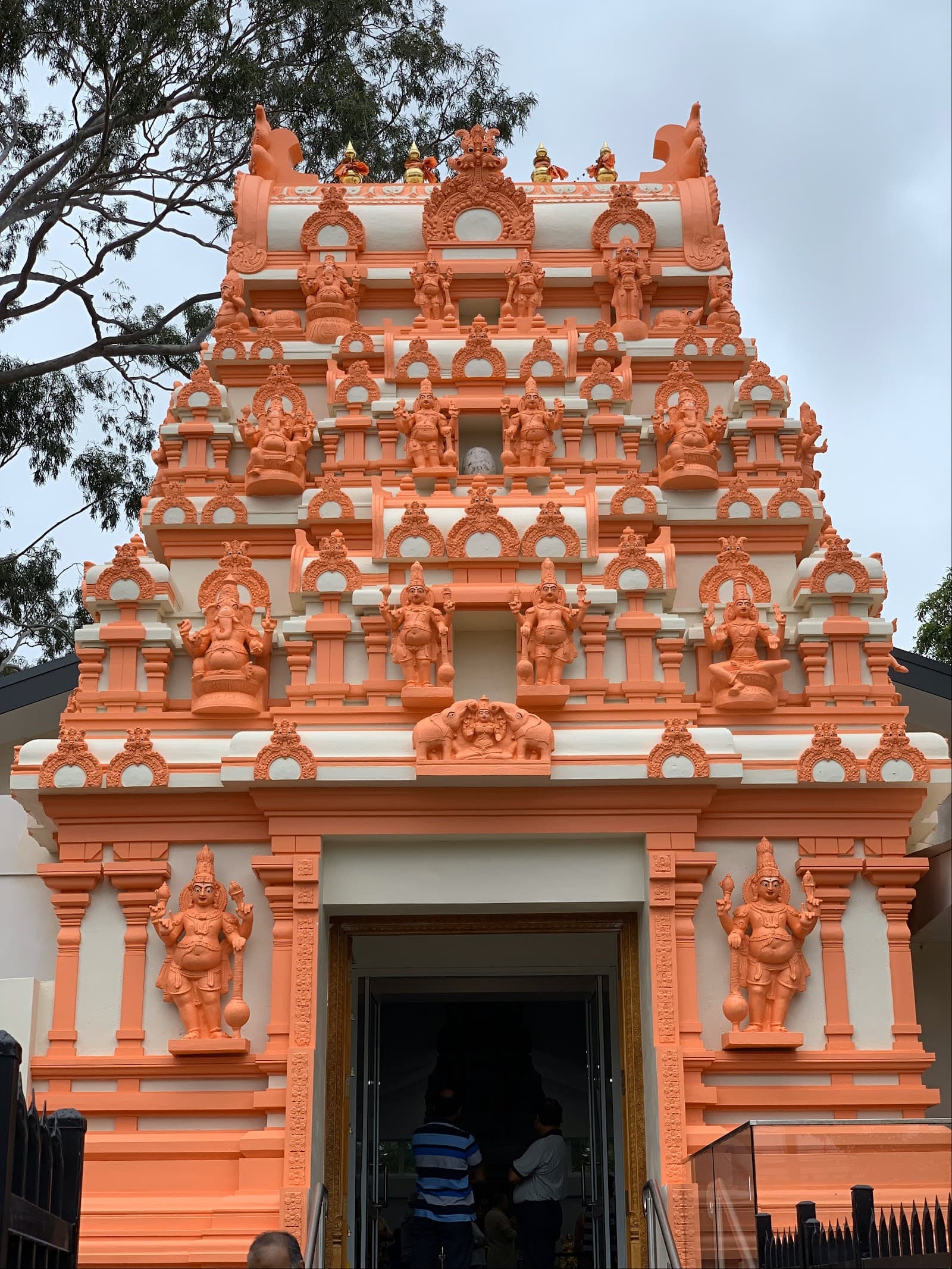
Sri Karphaga Vinayakar Temple Homebush West
Sri Karphaga Vinayakar Temple Homebush West is dedicated to Lord Ganesha and anchors Sydney’s Inner West as a Dravidian mandir integrated within a heritage-listed former Presbyterian church shell ([1][2]). Daily darshan runs 6:00 AM-12:00 PM and 4:00 PM-9:00 PM, with special Vinayagar Chaturthi, Skanda Sashti, and Panguni Uthiram observances extending to 10:30 PM; ushers stage the nave with retractable queue rails so devotees flow through the nave, circumnavigate the sanctum, and exit via the south transept without cross-traffic ([1][3]). The annadhanam kitchen occupies the church hall annex, fitted with stainless benches, induction hobs, and grease arrestors, while a dumbwaiter lifts prasadam to the upper gallery for elders ([1][4]). Accessible entries include a 1:14 ramp along Arthur Street, tactile paving, and a small platform lift that bridges the chancel step, ensuring wheelchair users reach the brass railing before the sanctum ([2]). Climate control uses split-system HVAC with HEPA filtration and ceiling fans to maintain comfort in the vaulted interior, and acoustic panels tucked behind timber trusses keep devotional music within safe levels ([3]). Digital signage and QR codes deliver trilingual Tamil-English-Hindi schedules, contactless seva bookings, and City of Strathfield evacuation diagrams, while a broadcast booth near the former organ loft live-streams pujas for remote devotees ([1][5]). With fire wardens rostered, first aid kits stocked, and volunteer teams drilled, the temple remains operationally ready for daily worship, youth programs, and civic partnerships across the Homebush community ([1][2]).

Ulug Depe Ahal Turkmenistan
Ulug Depe, dramatically situated in the foothills of the Kopet Dag Mountains in the Ahal Region of southern Turkmenistan, represents one of the most extraordinary and archaeologically significant Bronze Age sites in Central Asia, dating from the Late Neolithic to the pre-Achaemenid period (approximately 5th to 1st millennium BCE) and featuring a sophisticated temple complex that demonstrates remarkable parallels with Indian religious and architectural traditions, creating a powerful testament to the profound transmission of Indian cultural traditions to Central Asia during the Bronze Age and Iron Age. The site, spanning approximately 13 hectares and featuring a continuous stratigraphic sequence that provides invaluable insights into the evolution of Central Asian civilizations over four millennia, demonstrates the direct transmission of Indian religious and architectural concepts from the great religious centers of ancient India, particularly during periods when Central Asia had extensive trade and cultural connections with the Indus Valley Civilization and later Indian civilizations, while the site's most remarkable feature is its sophisticated temple complex featuring ritual structures, fire altars, and architectural elements that demonstrate clear parallels with Indian temple architecture and ritual practices described in ancient Indian texts. The temple complex's architectural layout, with its central ritual structures surrounded by storage areas, ceremonial spaces, and residential quarters, follows sophisticated planning principles that demonstrate remarkable parallels with Indian temple planning principles, while the temple complex's extensive decorative programs including ritual objects, seals, and architectural elements demonstrate the sophisticated synthesis of Indian religious iconography and cosmological concepts with local Central Asian aesthetic sensibilities. Archaeological evidence reveals that the site served as a major center of religious and cultural activity for over four millennia, attracting traders, priests, and elites from across Central Asia, South Asia, and the Middle East, while the discovery of numerous artifacts including seals with motifs that demonstrate clear Indian influences, ritual objects that parallel Indian practices, and architectural elements that reflect Indian cosmological concepts provides crucial evidence of the site's role in the transmission of Indian religious traditions to Central Asia, demonstrating the sophisticated understanding of Indian religious and architectural traditions possessed by the site's patrons and religious establishment. The site's association with the broader cultural complex of Central Asia, which had extensive trade and cultural connections with India throughout its history, demonstrates the sophisticated understanding of Indian religious traditions that were transmitted to Central Asia, while the site's temple complex and ritual structures demonstrate remarkable parallels with Indian temple architecture and ritual practices that were central to ancient Indian religious traditions. The site has been the subject of extensive archaeological research, with ongoing excavations continuing to reveal new insights into the site's sophisticated architecture, religious practices, and its role in the transmission of Indian religious traditions to Central Asia, while the site's status as a UNESCO Tentative List site demonstrates its significance as a major center for the transmission of Indian cultural traditions to Central Asia. Today, Ulug Depe stands as a UNESCO Tentative List site and represents one of the most important archaeological sites in Central Asia, serving as a powerful testament to the transmission of Indian religious and architectural traditions to Central Asia, while ongoing archaeological research and conservation efforts continue to protect and study this extraordinary cultural treasure that demonstrates the profound impact of Indian civilization on Central Asian religious and cultural traditions. ([1][2])
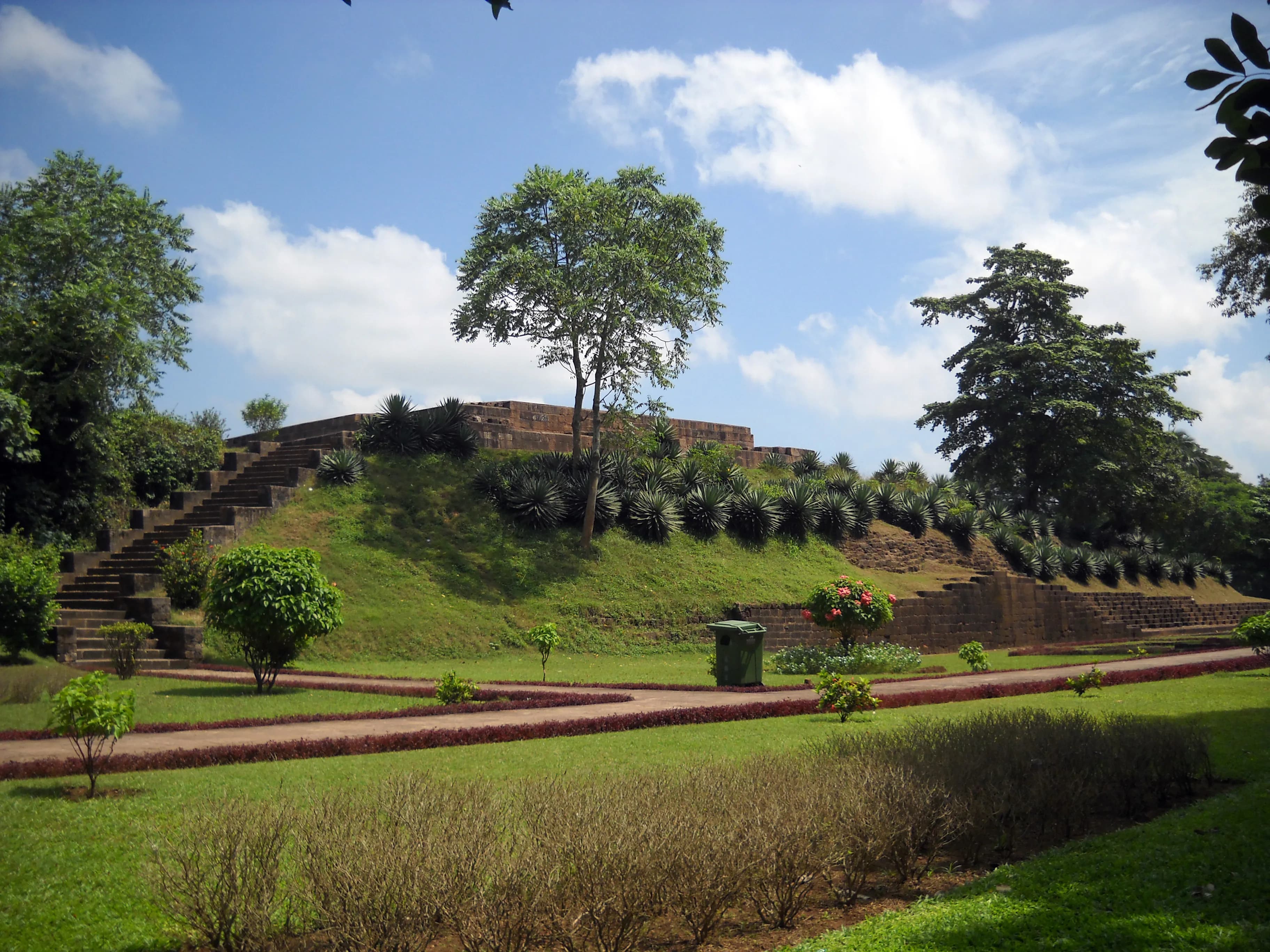
Barabati Fort Cuttack
Stone platforms and foundations mark the site of Barabati Fort in Cuttack, Odisha, constructed around 1050 CE during the Eastern Ganga dynasty ([1][2]). Translating to "twelve gates," the fort was built with laterite and khondalite stones, held together by iron clamps, showcasing Kalinga architectural elements ([3][4]). A now-dry moat, imposing ramparts, and bastions highlight the fort’s medieval Indian fortification strategies ([1]). Archaeological excavations have revealed the foundations of a nine-storied palace, suggesting the fort's former splendor and intricate design ([2][3]). The palace ruins point to sophisticated Orissan style architecture, reminiscent of regional temples ([4]). Adjacent to the palace site, a museum displays sculptures and artifacts, offering insights into the artistic legacy shaped by Hindu mythological themes ([5]). During the Ganga period, temple architecture flourished, influencing the fort's layout and design ([3]). The principles of Vastu Shastra (ancient architectural science) likely guided the planning of the fort, aligning it with cosmic energies ([6]). The use of laterite, abundant in the region, imparts a distinct earthy character to the fort, contrasting with sandstone structures found elsewhere ([4]). Moreover, the fort's history includes later influences from the Mughals and Marathas, creating a layered historical narrative ([1][2][5]). Despite these influences, the core Kalinga architectural style remains evident in the remaining structures ([3][4]). Today, Barabati Fort stands as a reminder of Odisha's rich architectural and cultural heritage, blending military and artistic traditions ([1][5]).
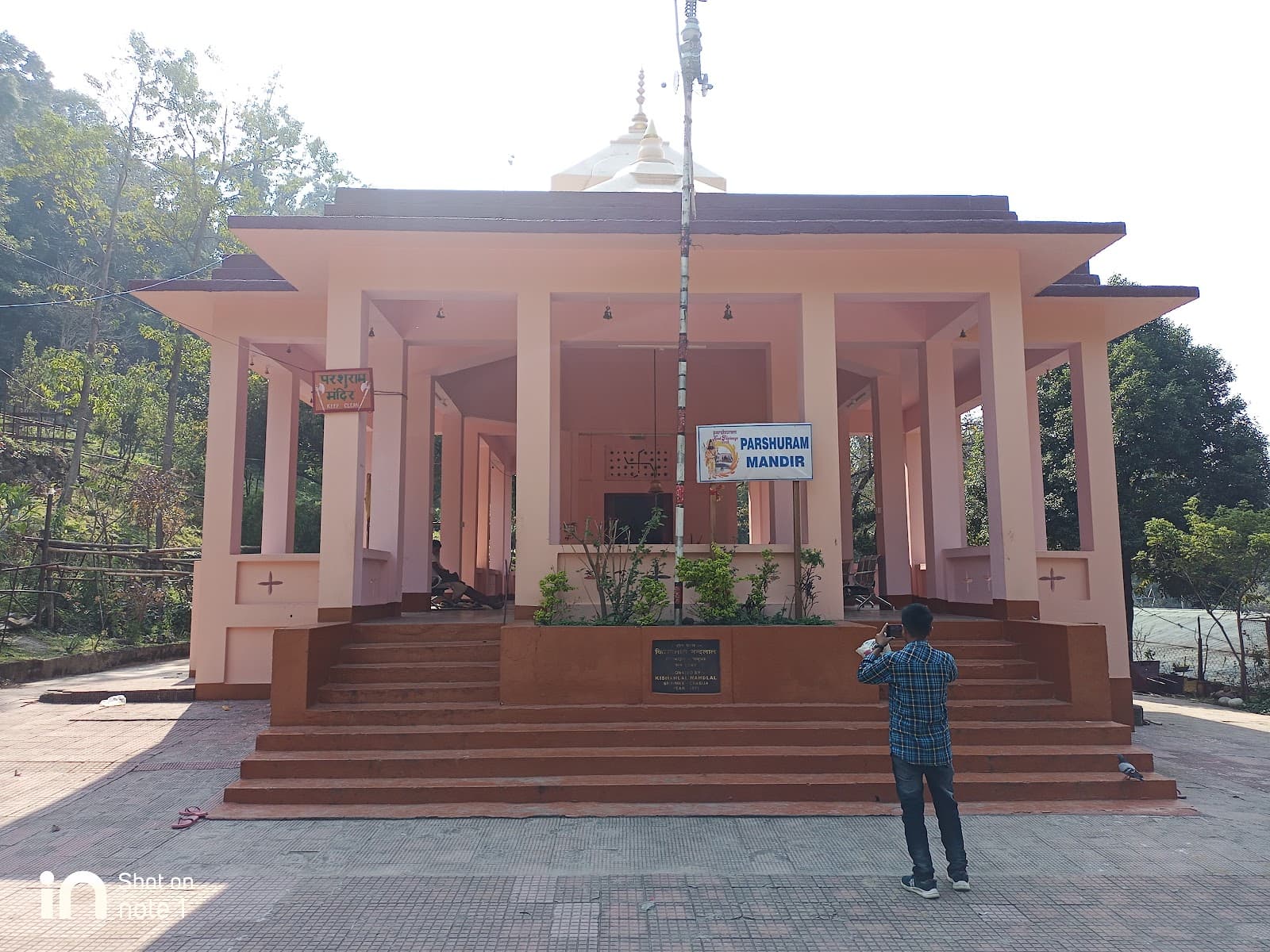
Parshuram Kund Temple Lohit
The biting January air, thin and crisp at 4,000 feet, whipped around me as I descended the steep steps towards Parshuram Kund. The roar of the Lohit River, a milky turquoise torrent surging through the gorge, filled the air, a constant, powerful presence that seemed to vibrate through the very rock on which the temple complex stood. This was no ordinary pilgrimage site; this was a place where the raw power of nature intertwined with deep-seated spiritual belief. Located in the remote Lohit district of Arunachal Pradesh, Parshuram Kund is more than just a temple; it's a confluence of mythology, natural beauty, and human devotion. Legend holds that this is where the warrior sage Parshuram washed away the sin of matricide, his axe, still stained crimson, cleansed by the sacred waters. That narrative resonated powerfully as I stood at the river’s edge, the icy spray misting my face, the sheer force of the current a tangible reminder of the cleansing power attributed to it. The main temple, dedicated to Lord Shiva, is a relatively modern structure, a stark white against the backdrop of the dark, imposing cliffs. While not architecturally ancient, it doesn't detract from the overall atmosphere. It feels less like a standalone monument and more like a focal point for the existing spiritual energy of the place. Smaller shrines dot the surrounding area, tucked into crevices and perched precariously on rocky outcrops, each a testament to the enduring faith of the pilgrims who journey here. What struck me most, however, wasn't the architecture, but the palpable sense of devotion. Having documented hundreds of temples across India, I've become accustomed to a certain level of ritualistic practice. But at Parshuram Kund, there was a rawness, an immediacy to the faith that was both humbling and inspiring. I watched as pilgrims, many having travelled for days, immersed themselves in the frigid waters, their faces etched with a mixture of reverence and determination. The chanting of mantras, the clang of bells, the scent of incense – all blended with the roar of the river to create an immersive sensory experience unlike any I’d encountered before. The architectural details, though simple, spoke volumes. The use of local stone in the construction of the shrines blended seamlessly with the natural surroundings, creating a sense of harmony between the man-made and the natural. The carvings, though weathered by the elements, hinted at a rich artistic tradition, depicting scenes from mythology and nature. I spent hours photographing these details, trying to capture the essence of the place, the interplay of light and shadow on the weathered stone, the textures of the rock face, the vibrant colours of the prayer flags fluttering in the wind. One particular detail that caught my eye was the prevalence of Trishuls, the trident of Shiva, embedded in the rocks surrounding the Kund. These tridents, some ancient and rusted, others newly placed and gleaming, served as a constant reminder of the presiding deity and the sanctity of the site. They were not mere decorations; they were symbols of faith, each one representing a prayer, a hope, a plea. As the sun began to dip below the horizon, casting long shadows across the gorge, I climbed back up the steps, leaving the roar of the river behind. The experience had been profound, a reminder of the power of faith and the enduring connection between humanity and nature. Parshuram Kund is more than just a temple; it’s a living testament to the enduring power of belief, a place where the spiritual and the natural converge in a symphony of sound, sight, and emotion. It’s a place that stays with you long after you’ve left, a memory etched in stone and water, echoing in the whispers of the wind.
Maluti Temples Maluti
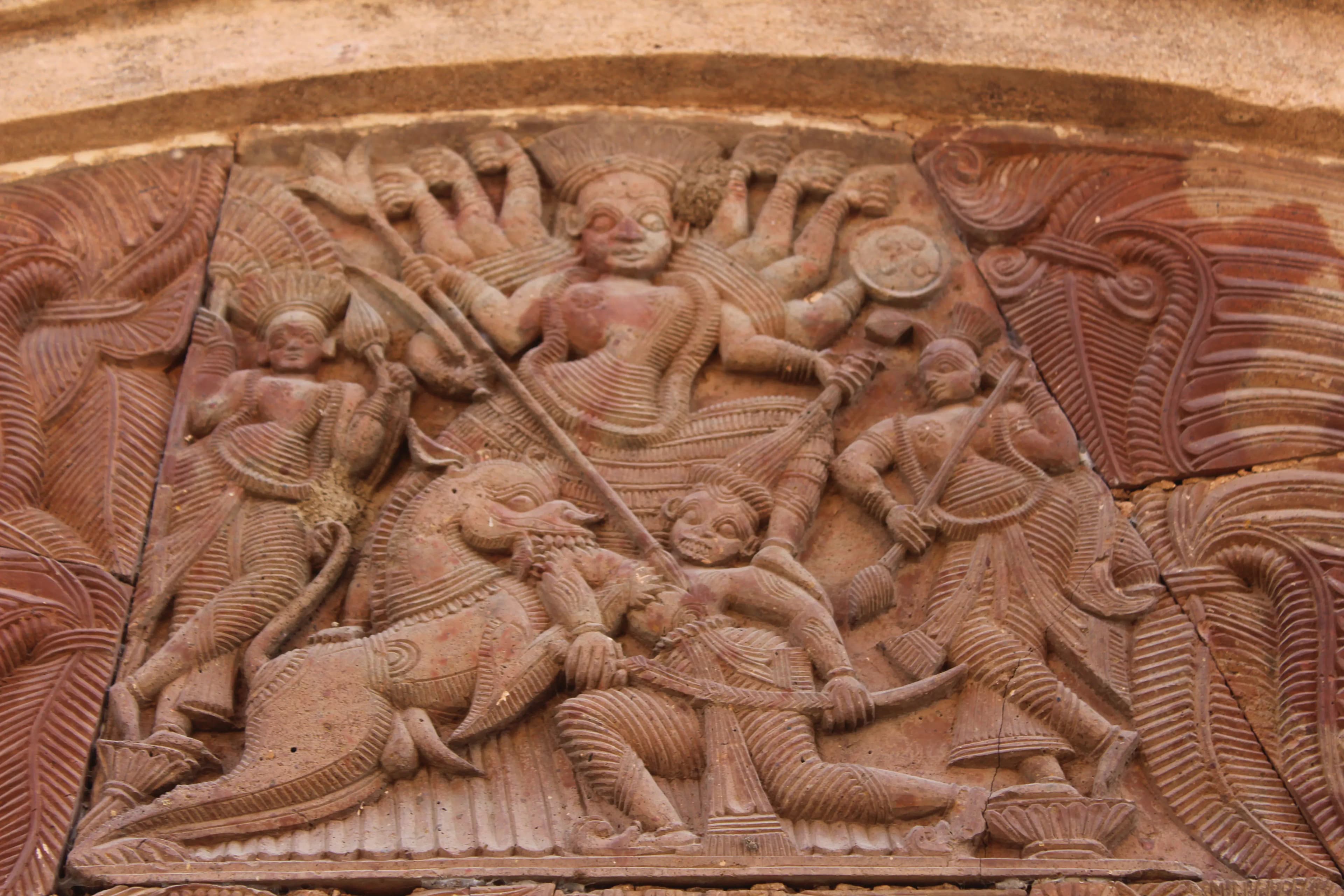
The terracotta temples of Maluti rise from the Jharkhand plains like an army of baked-earth sentinels, their intricate surfaces a stark contrast to the verdant rice paddies surrounding them. Having explored the sandstone grandeur of Rajasthan's forts and palaces for years, I was eager to witness this unique cluster of 72 temples, a testament to a different architectural tradition and a different era. The journey from Dumka, the district headquarters, was a bumpy but scenic one, the red dirt roads winding through villages and past fields dotted with grazing cattle. The first glimpse of the Maluti temples is breathtaking. They stand in varying states of preservation, some soaring towards the sky, others reduced to crumbling mounds, yet all whispering stories of a bygone era. The majority of the temples are dedicated to Lord Shiva, evidenced by the prominent lingams housed within the sanctums. The characteristic rekha deul style, common in Odisha and parts of Bengal, is evident here, the curvilinear towers rising in tiered stages, culminating in a rounded amalaka at the top. However, what sets Maluti apart is the extensive use of terracotta. Unlike the stone carvings of Rajasthan, the intricate details here are molded in clay, fired to a rich, earthy hue. The panels depict scenes from the epics – the Ramayana and the Mahabharata – as well as scenes from daily life, offering a fascinating glimpse into the social and cultural fabric of the 16th-18th centuries, the period to which these temples are attributed. I spent hours tracing the narratives etched onto the terracotta panels, marveling at the expressiveness of the figures, the dynamism of the battle scenes, and the delicate ornamentation of the floral motifs. The craftsmanship is simply astonishing. The artisans who created these masterpieces worked with incredible precision, molding intricate details onto relatively small terracotta plaques. The panels are fitted together seamlessly, creating a continuous narrative that wraps around the temple walls. The effect is mesmerizing, like a giant, terracotta tapestry narrating ancient tales. The condition of the temples, however, is a cause for concern. While some have been restored by the Archaeological Survey of India, many are in a state of disrepair. Erosion, neglect, and the ravages of time have taken their toll. Several temples have collapsed entirely, leaving behind only heaps of terracotta rubble. It's a poignant reminder of the fragility of our heritage and the urgent need for conservation efforts. As I walked through the complex, I couldn't help but draw parallels between the architectural traditions of Rajasthan and Jharkhand. While the materials and styles differ drastically, the underlying devotion and artistic skill are strikingly similar. The intricate jali work of Rajasthan's palaces finds an echo in the delicate latticework of the terracotta panels here. The imposing gateways of Rajasthan's forts are mirrored in the towering gateways of some of the larger temples at Maluti. The experience of visiting Maluti was both awe-inspiring and melancholic. Awe at the sheer scale and artistry of the terracotta temples, and melancholy at the state of neglect that some of them have fallen into. It's a site that deserves greater attention, both from tourists and from conservationists. It's a testament to the rich cultural heritage of India, a heritage that we must strive to protect and preserve for generations to come. My journey through the terracotta temples of Maluti was not just a visit to a historical site; it was a journey through time, a glimpse into the artistic brilliance of a bygone era.
Brihadeeswarar Temple Thanjavur
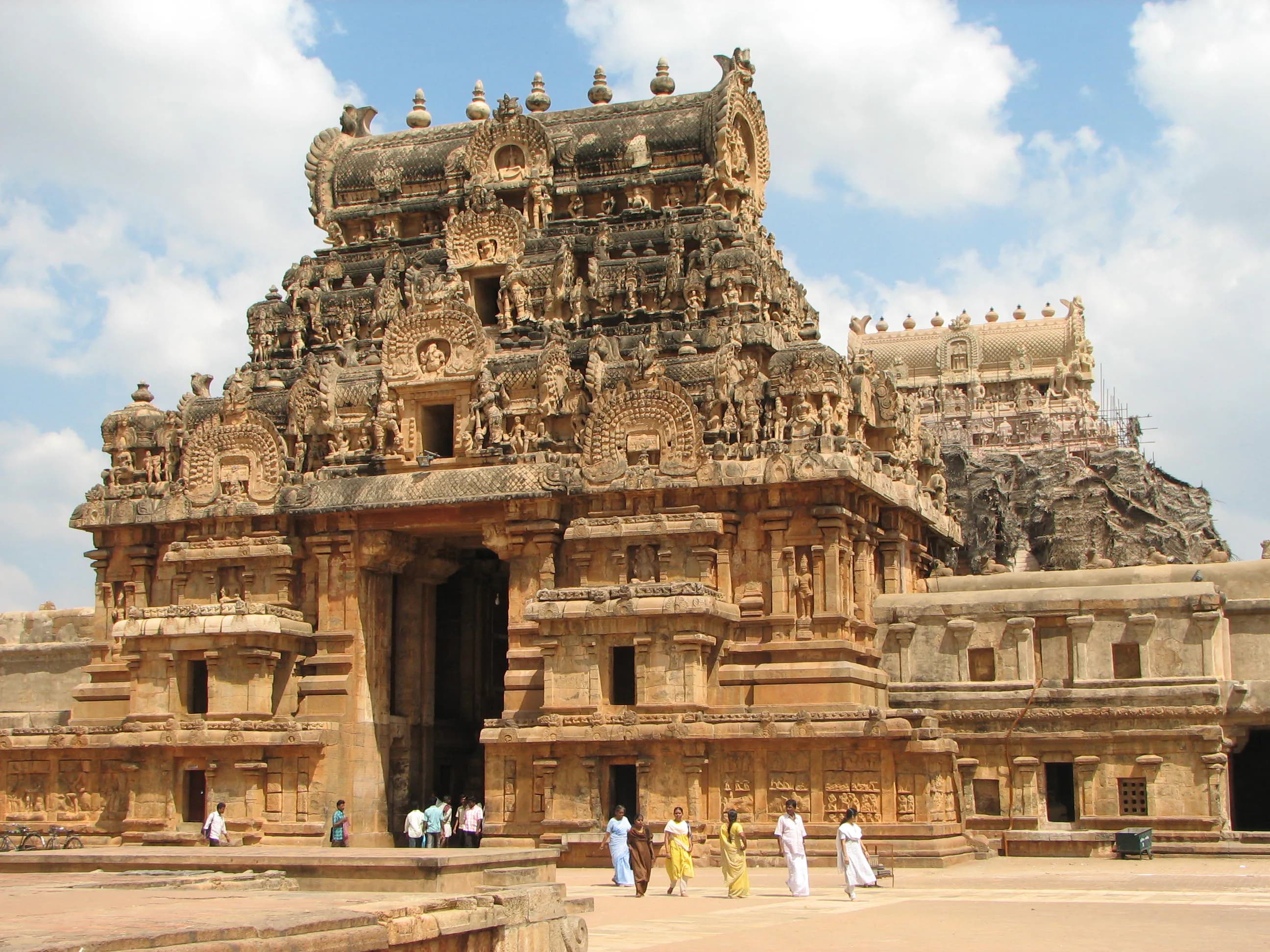
The sheer scale of the Brihadeeswarar Temple in Thanjavur stopped me dead in my tracks. Having explored countless caves and temples across Maharashtra, I thought I was prepared for anything. I was wrong. This UNESCO World Heritage Site, a testament to the architectural prowess of the Chola dynasty, transcends mere grandeur ([1]). It’s a symphony in stone, a colossal expression of devotion that left me humbled and awestruck. Soaring to a height of 216 feet, the Vimana (temple tower) dominates the landscape ([2]). Unlike the stepped pyramidal structures, this Vimana (temple tower) is a singular, curvilinear structure, crowned by a monolithic Kumbham (cupola). The sheer weight of this massive granite dome, estimated at 80 tons, is an engineering feat ([3]). How the artisans managed to lift it to such a height in the 11th century is worthy of reverence. Granite and sandstone blocks, meticulously carved, form the Nandi Mandapa (Pillared Hall), which houses a colossal monolithic Nandi bull ([4]). The Nandi, carved from a single rock, exudes a quiet strength, its gaze fixed eternally on the main deity within. The intricate carvings on the Mandapa (Pillared Hall), depict scenes from Hindu mythology, a testament to the skill of the Chola artisans ([5]). Within the Garbhagriha (Sanctum), a palpable sense of serenity envelops you. The towering Lingam, the symbol of Lord Shiva, commands attention, its smooth, dark stone radiating a powerful energy. The walls surrounding the sanctum are adorned with frescoes, narrating tales of devotion and divine intervention ([6]). During the Chola Period, temple architecture revealed a deep understanding of geometry and proportion ([7]). The Vimana (temple tower), for example, is designed according to the principles of Dravidian architecture, with its intricate carvings and rhythmic vertical lines creating a sense of harmony and balance. The use of interlocking stones, without any mortar, is a testament to the precision and skill of the Chola builders ([8]). My visit to the Brihadeeswarar Temple was more than just a sightseeing trip; it was a pilgrimage of sorts. It was a journey into the heart of ancient India, a testament to the ingenuity, devotion, and artistic brilliance of a civilization that flourished centuries ago. The Brihadeeswarar Temple has carved its own niche in my memory. It stands as a powerful reminder of the enduring legacy of India's rich cultural heritage, a legacy that continues to inspire awe and wonder even today.

Kizil Caves Baicheng Xinjiang China
Kizil Caves, also known as the Kizil Thousand Buddha Caves, located near Baicheng in Aksu Prefecture, Xinjiang, China, represent one of the most magnificent and artistically significant Buddhist cave temple complexes in Central Asia, comprising over 236 rock-cut caves carved into the cliffs of the Muzat River valley from the 3rd to 8th centuries CE, creating a breathtaking religious landscape that demonstrates the extraordinary transmission of Indian Buddhist cave architecture and artistic traditions to Central Asia along the northern branch of the Silk Road. The cave complex, carved entirely from living rock using techniques adapted from Indian cave temple traditions, features a stunning collection of Buddhist caves including meditation cells, assembly halls, and elaborate chapels adorned with some of the most sophisticated and beautiful Buddhist murals discovered in Central Asia, executed using techniques and iconographic programs that were directly transmitted from the great Buddhist art centers of India including Ajanta, Ellora, and the Gandharan region, creating a vivid testament to the cultural exchange that flourished along the Silk Road. The caves, often referred to as the "Oriental Dunhuang" due to their artistic significance, feature extraordinary murals depicting Jataka tales (stories from the Buddha's previous lives), scenes from the life of the Buddha, bodhisattvas, and Central Asian merchants that demonstrate the sophisticated understanding of Indian Buddhist iconography and artistic techniques possessed by the artists who created them, while the discovery of inscriptions in multiple languages including Sanskrit, Tocharian, and Chinese provides crucial evidence of the site's role as a multilingual center for the translation and transmission of Indian Buddhist texts. The site's architectural design demonstrates direct influence from Indian Buddhist cave architecture, particularly the traditions of western India such as Ajanta and Ellora, with the overall planning, cave forms, and decorative programs reflecting Indian Buddhist practices that were systematically transmitted to Central Asia, while the sophisticated rock-cutting techniques and mural painting methods demonstrate the transmission of Indian artistic knowledge to Central Asian craftsmen. Archaeological evidence reveals that Kizil served as a major center of Buddhist learning and practice for over five centuries, attracting monks, traders, and pilgrims from across the Buddhist world, while the site's location along the northern Silk Road facilitated its role in the transmission of Buddhist teachings, art, and culture from India to China and beyond. The caves flourished particularly during the 4th to 6th centuries CE, when they served as one of the most important centers for the production of Buddhist art and the transmission of Buddhist teachings in Central Asia, with the site continuing to function as a Buddhist center through the 8th century before gradually declining following political changes and the shifting of trade routes. The site was rediscovered by European explorers in the late 19th and early 20th centuries, with numerous expeditions documenting and studying the caves, while unfortunately many of the murals were removed and are now housed in museums worldwide, creating a complex legacy that highlights both the site's extraordinary artistic significance and the challenges of cultural heritage preservation. Today, Kizil Caves stand as a UNESCO Tentative List site and represent one of the most important archaeological and artistic sites in Central Asia, serving as a powerful testament to the transmission of Indian Buddhist art and culture along the Silk Road, while ongoing conservation efforts, archaeological research, and international preservation initiatives continue to protect and study this extraordinary cultural treasure that demonstrates the profound impact of Indian civilization on Central Asian Buddhist art and architecture. ([1][2])
Dewri Temple Ranchi
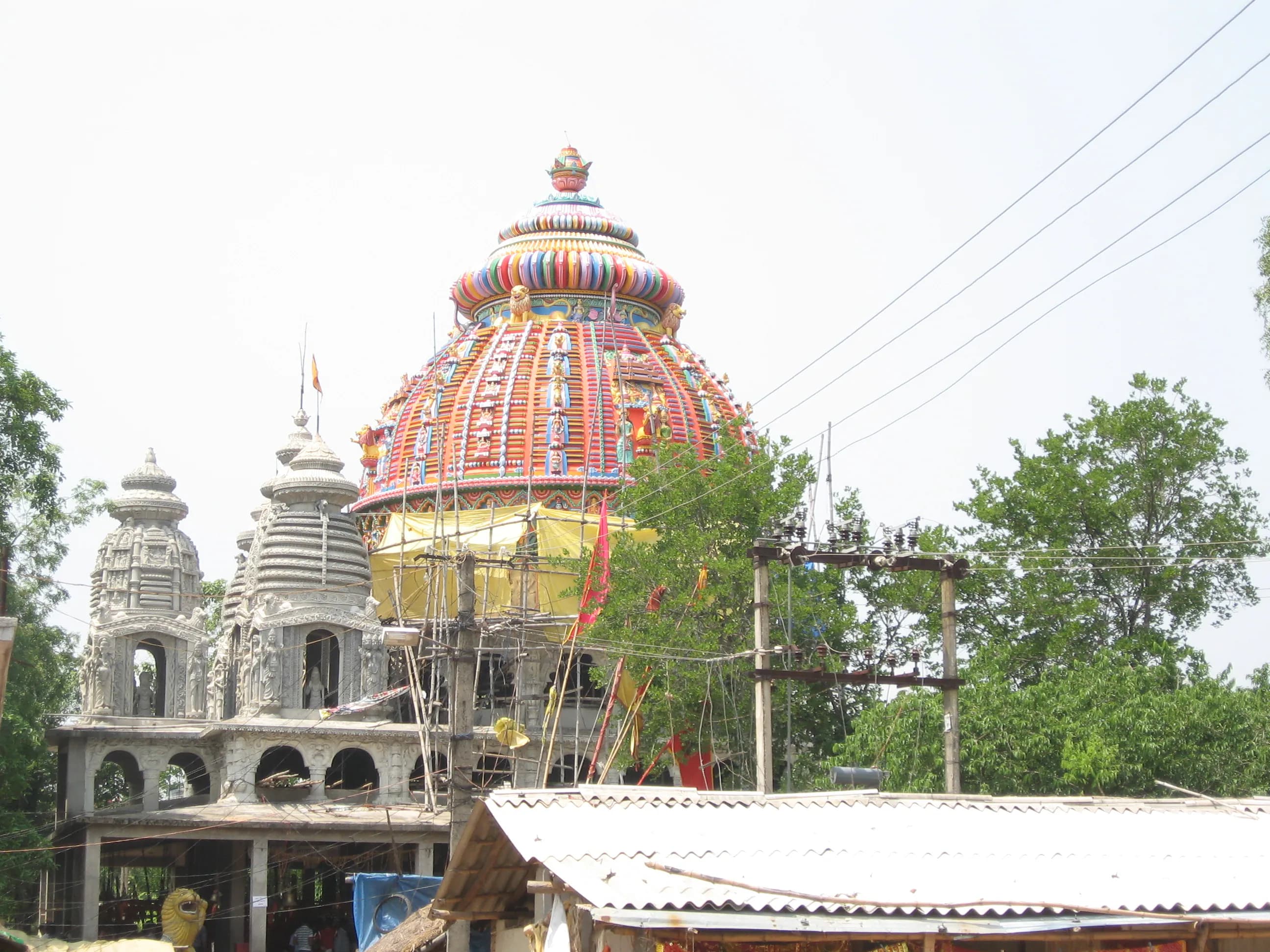
Amidst the verdant landscapes of Jharkhand stands Dewri Mandir, a unique testament to India's architectural heritage, built around 1750 CE during the British Colonial Period ([1][2]). This temple, dedicated to the Sun God Surya, showcases a captivating blend of Nagara style architecture with regional influences ([3]). The Nagvanshi King Pratap Karna's patronage shaped this sacred space, imbuing it with a distinct identity ([1]). Intricate carvings adorning the walls narrate tales from Hindu epics, the Ramayana and Mahabharata, rendered in terracotta, clay bricks and stone ([4]). This temple deviates from typical Nagara structures, evident in its curvilinear Shikhara (spire) reminiscent of Odishan architecture, yet embraces the terracotta artistry of Bengal ([3]). The temple's construction utilizes laterite stone, a common material in the region, adding to its unique character ([2]). Within the Garbhagriha (sanctum), the deities Shiva, Durga, and Ganesha are venerated, their iconography reflecting localized interpretations of pan-Indian traditions ([5]). Vastu Shastra principles, the ancient Indian science of architecture, likely guided the temple's layout, though specific textual references are yet to be definitively established ([6]). The use of vibrant colors, though faded with time, hints at the temple's former splendor, creating a visually stunning spectacle ([4]). Stone platforms and foundations demonstrate the enduring construction techniques employed, ensuring the temple's resilience through the centuries ([2]). This sacred site remains an active center of worship, where devotees gather to perform puja (prayers), bridging the past and present ([5]). Dewri Mandir stands as a reminder of India's diverse architectural traditions, inviting exploration and reverence. The temple is located on Dewri Mandir Road, Ranchi (835222), Jharkhand, India ([1]).
Hanuman Tok Gangtok
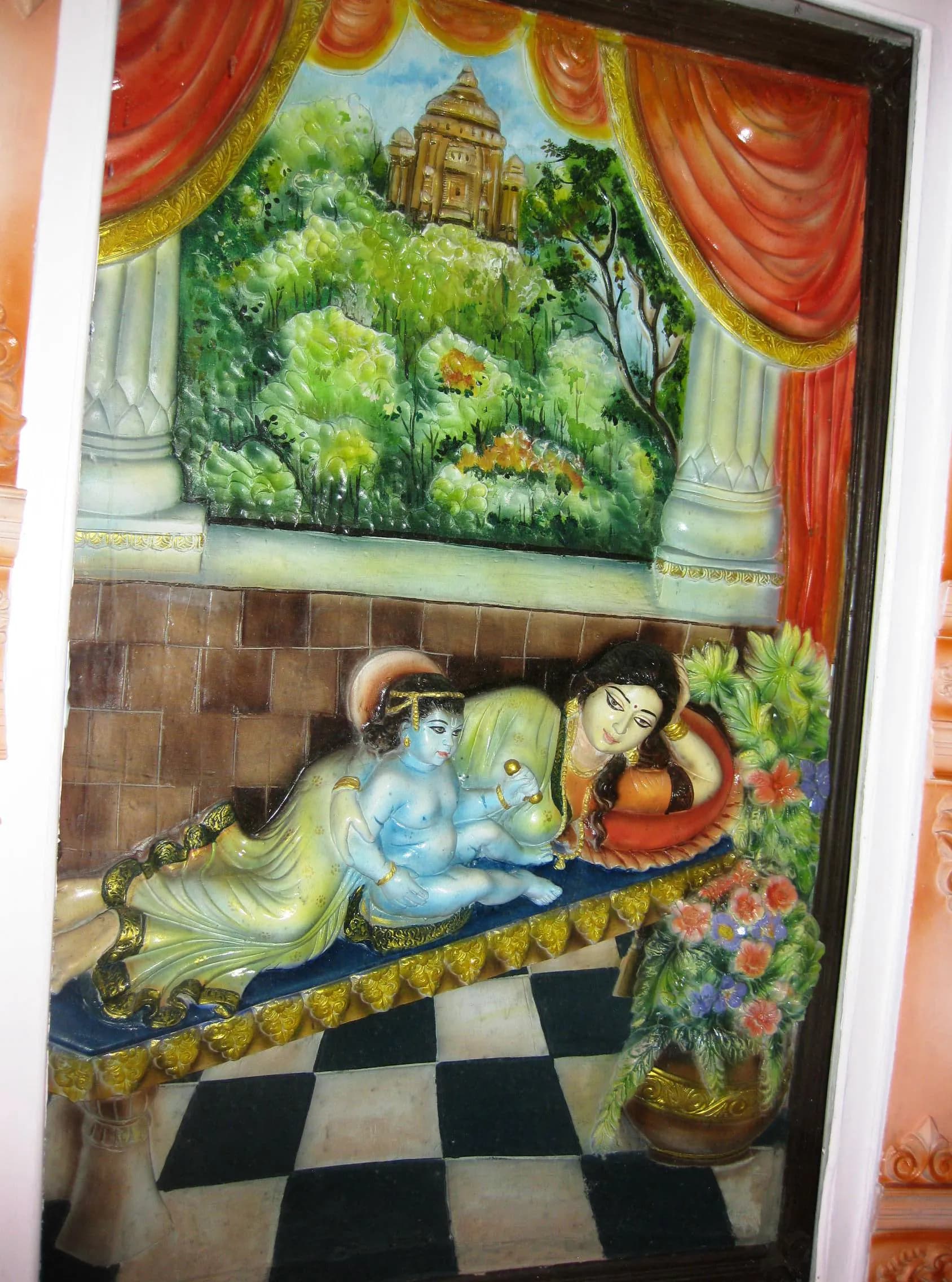
The crisp mountain air, tinged with the scent of juniper and rhododendron, whipped around me as I stepped onto the platform of Hanuman Tok, a Hindu temple perched 3,500 feet above Gangtok. The panoramic vista that unfolded before me was simply breathtaking. The Kanchenjunga massif, its snow-capped peaks gleaming under the midday sun, dominated the horizon, a majestic backdrop to the vibrant prayer flags fluttering in the wind. This wasn't just a temple; it was a sanctuary woven into the very fabric of the Himalayan landscape. Hanuman Tok, meaning "Hanuman's shoulder," derives its name from a local legend. It is believed that Lord Hanuman, the revered monkey god of Hindu mythology, rested here momentarily while carrying the Sanjeevani herb from the Himalayas to Lanka to revive Lakshmana, as recounted in the epic Ramayana. This narrative imbues the site with a palpable sense of sacredness, a feeling amplified by the constant hum of chanting emanating from the temple. The temple itself is a relatively modern structure, built by the Indian Army, who also maintain the site. Its architecture, while not particularly ancient, reflects a blend of traditional Sikkimese and typical Hindu temple design. The vibrant colours – reds, yellows, and greens – stand out against the muted greens and browns of the surrounding hills. The sloping roof, reminiscent of Sikkimese architecture, is adorned with intricate carvings and colourful prayer flags. Inside, the main deity is Lord Hanuman, depicted in his familiar pose, a mace in hand, radiating strength and devotion. Unlike the elaborate ornamentation found in many temples of Uttar Pradesh, the interior here is relatively simple, the focus remaining firmly on the deity and the breathtaking views it commands. As I circumambulated the temple, turning the prayer wheels inscribed with mantras, I observed the diverse group of devotees. Sikkim, with its unique blend of Hinduism and Buddhism, fosters a spirit of religious harmony that is truly inspiring. I saw local Sikkimese families alongside tourists from mainland India, all united in their reverence for this sacred spot. Conversations in Nepali, Hindi, and English mingled with the rhythmic chanting, creating a vibrant tapestry of sound and faith. My upbringing in Uttar Pradesh, a land steeped in Hindu mythology and tradition, allowed me to connect with Hanuman Tok on a deeper level. While the architectural style differed from the grand temples of Varanasi or Ayodhya, the underlying devotion and reverence felt familiar. The stories of Lord Hanuman, ingrained in my consciousness from childhood, resonated even more powerfully against this majestic Himalayan backdrop. The experience wasn't just about the temple itself, but also about the journey to reach it. The winding road leading up to Hanuman Tok offered glimpses of the verdant valleys and terraced farms below, showcasing the harmonious co-existence of nature and human life. The vibrant prayer flags strung along the route, each one carrying a silent prayer to the wind, added to the spiritual ambience. Leaving Hanuman Tok, I carried with me more than just photographs and memories. I carried a sense of peace, a renewed appreciation for the power of faith, and a deeper understanding of how religious narratives intertwine with the landscape to create places of profound significance. The echoes of chanting, the crisp mountain air, and the majestic view of Kanchenjunga will forever remain etched in my mind, a testament to the spiritual richness of this Himalayan sanctuary.
City Palace Jaipur
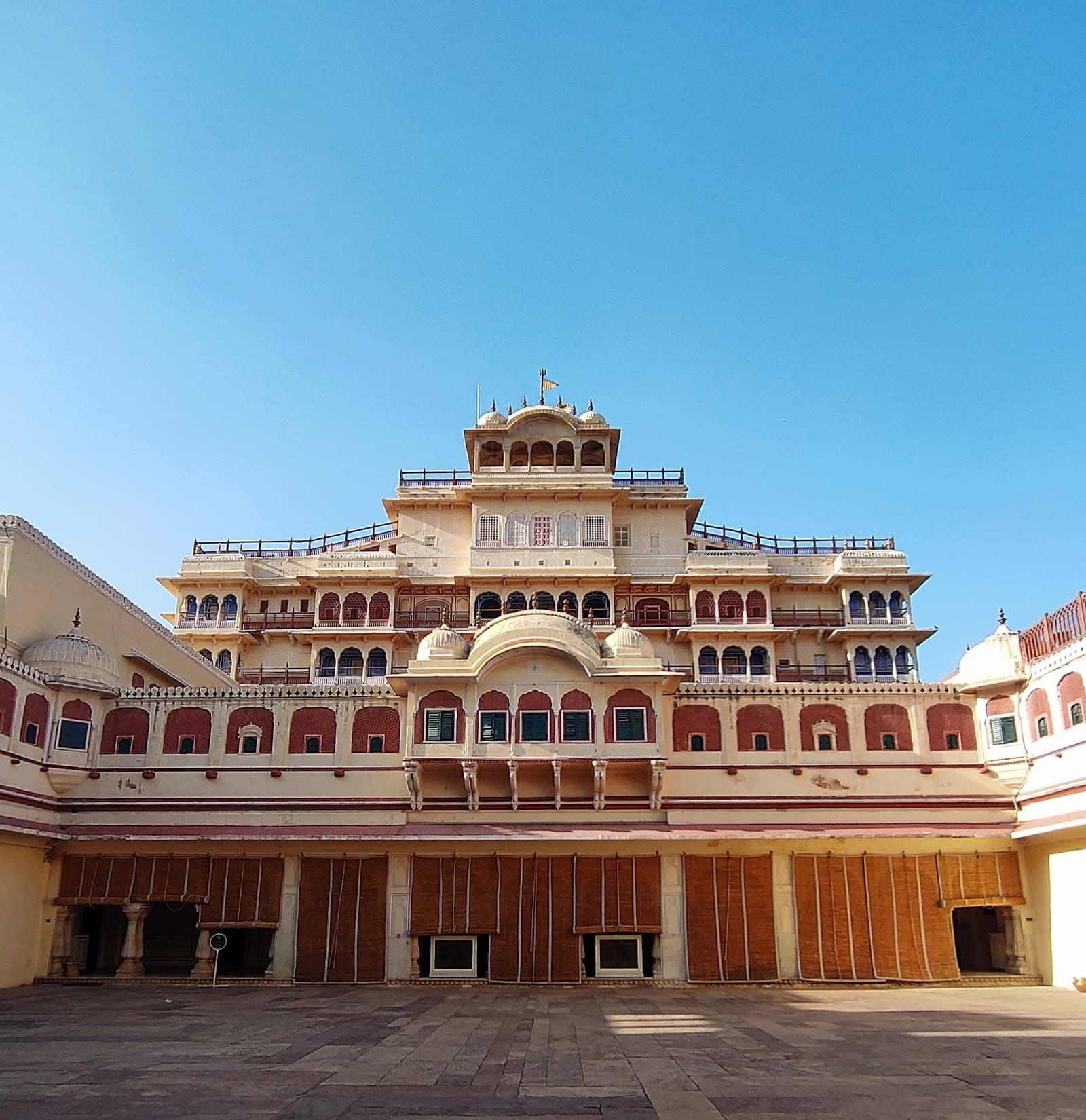
Vastu Shastra principles, the ancient Indian science of architecture, subtly inform the layout and design of the City Palace of Jaipur, despite its notable Rajput-Mughal fusion ([1][2]). Constructed by Sawai Jai Singh II in 1727 CE ([3]), the palace skillfully merges traditional Rajput elements with Mughal aesthetics, resulting in a distinctive palatial architectural style ([4]). Intricate carvings embellishing the archways and delicate jali work reflect the refined artistry of the Rajputana tradition ([5]). Stone platforms and foundations demonstrate the robust engineering that underpins the palace's opulent facade ([6]). The Mubarak Mahal exemplifies this fusion, seamlessly integrating Islamic, Rajput, and European styles in its elegant pastel façade ([4]). Within the Pritam Niwas Chowk, each gate represents a season and a Hindu deity, illustrating the integration of Vedic symbolism within the palace's design ([7]). The Leheriya Pol, adorned with peacock motifs, revered as sacred to Lord Shiva, exemplifies this vibrant artistic expression ([7]). Granite and sandstone blocks, meticulously carved, form the structure of the Chandra Mahal, the royal family's residence, showcasing the enduring strength and beauty of traditional Indian craftsmanship ([6]). The Armoury displays Jaipur's martial history, with swords and daggers exhibiting intricate craftsmanship and reflecting the kingdom's rich heritage ([5]). Further, the Bagghi Khana, the royal carriage museum, houses vintage vehicles that narrate tales of royal processions, offering glimpses into a bygone era of regal splendor and tradition ([8]). Despite the fusion of styles, the palace retains its core Rajput identity, incorporating elements of the ancient Shilpa Shastras (treatises on arts and crafts), particularly in the selection of auspicious materials and the orientation of key structures ([9]).
Hisor Fortress Complex Hisor Tajikistan
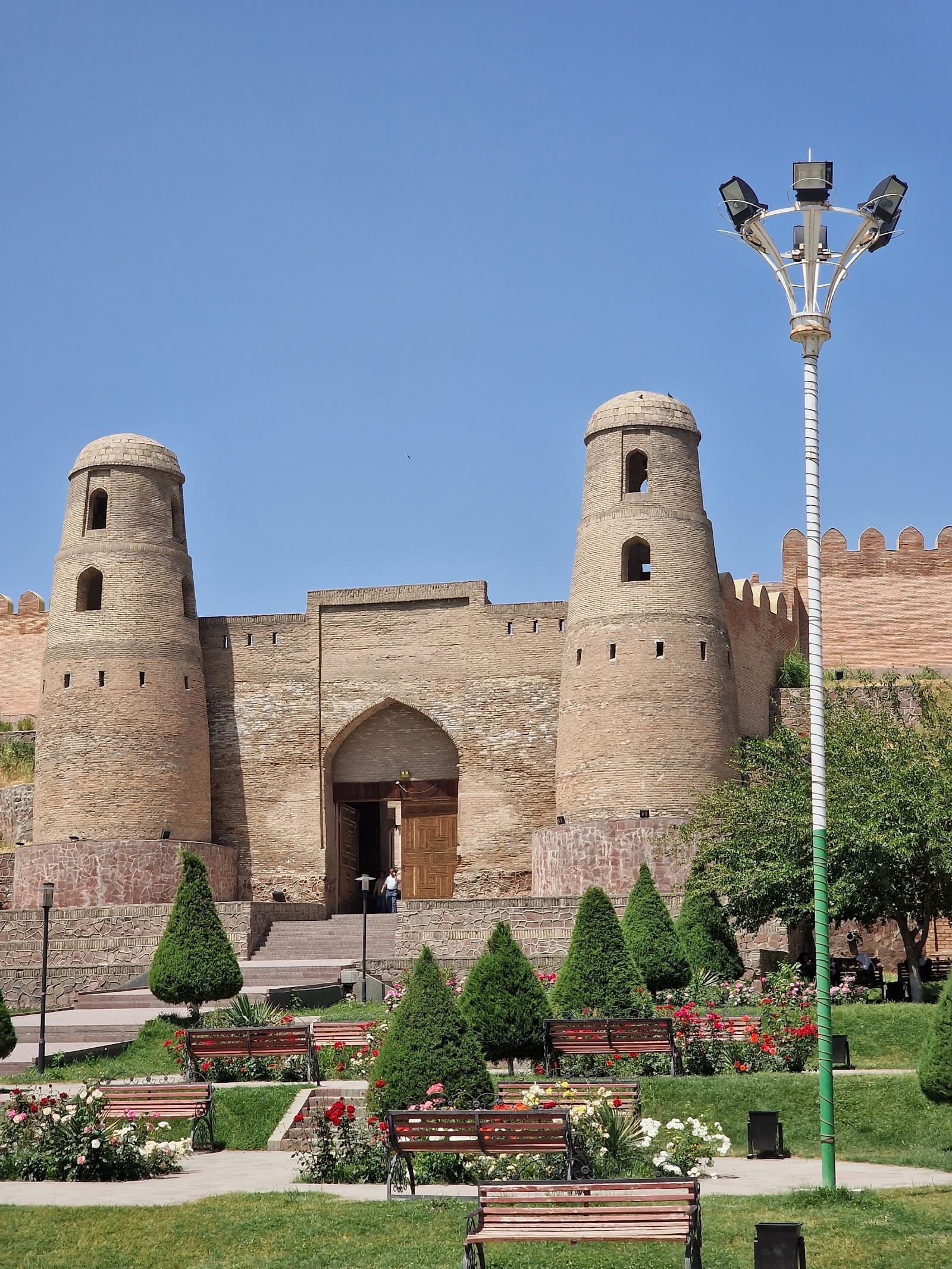
Hisor Fortress Complex, dramatically situated in the Hisor District of central Tajikistan, represents one of the most archaeologically significant fortified settlements in Central Asia, constructed over multiple periods from ancient times through the medieval period as a major defensive and administrative center with archaeological layers containing Buddhist remain fragments, creating a powerful testament to the transmission of Indian Buddhist religious and artistic traditions to Central Asia. The fortress complex, featuring sophisticated defensive architecture including fortified walls, towers, and gates that were constructed and reconstructed over centuries, contains archaeological layers that have yielded Buddhist remain fragments including sculptures, reliefs, and architectural elements that demonstrate clear Indian Buddhist iconographic influences, providing crucial evidence of the site's role as a center for the transmission of Indian Buddhist culture to Central Asia. Archaeological excavations have revealed extraordinary archaeological layers containing Buddhist remain fragments executed in styles that demonstrate clear Indian Buddhist iconographic influences, while the discovery of numerous artifacts including coins, pottery, and ritual objects provides crucial evidence of the site's role as a major center of trade and religious activity that attracted merchants, monks, and pilgrims from across the Buddhist world including India. The fortress complex's architectural layout, with its defensive walls, towers, and gates, follows sophisticated defensive planning principles, while the archaeological layers containing Buddhist remain fragments demonstrate the ways in which Indian Buddhist traditions were integrated into Central Asian fortified settlements. The fortress complex's location in the Hisor District, a major crossroads of ancient trade routes, underscores its significance as a center for the transmission of Buddhist teachings, art, and culture from India to Central Asia and beyond, while the site's archaeological layers demonstrate the sophisticated understanding of Indian Buddhist traditions possessed by the communities that inhabited this extraordinary complex. Today, Hisor Fortress Complex stands as a major archaeological site and represents one of the most important fortified settlements in Central Asia, serving as a powerful testament to the transmission of Indian Buddhist culture to Central Asia, while ongoing archaeological research and conservation efforts continue to protect and study this extraordinary cultural treasure that demonstrates the profound impact of Indian civilization on Central Asian religious and artistic traditions. ([1][2])
Quick Links
Plan Your Heritage Journey
Get personalized recommendations and detailed visitor guides