Has Inheritage Foundation supported you today?
Your contribution helps preserve India's ancient temples, languages, and cultural heritage. Every rupee makes a difference.
Secure payment • Instant 80G certificate
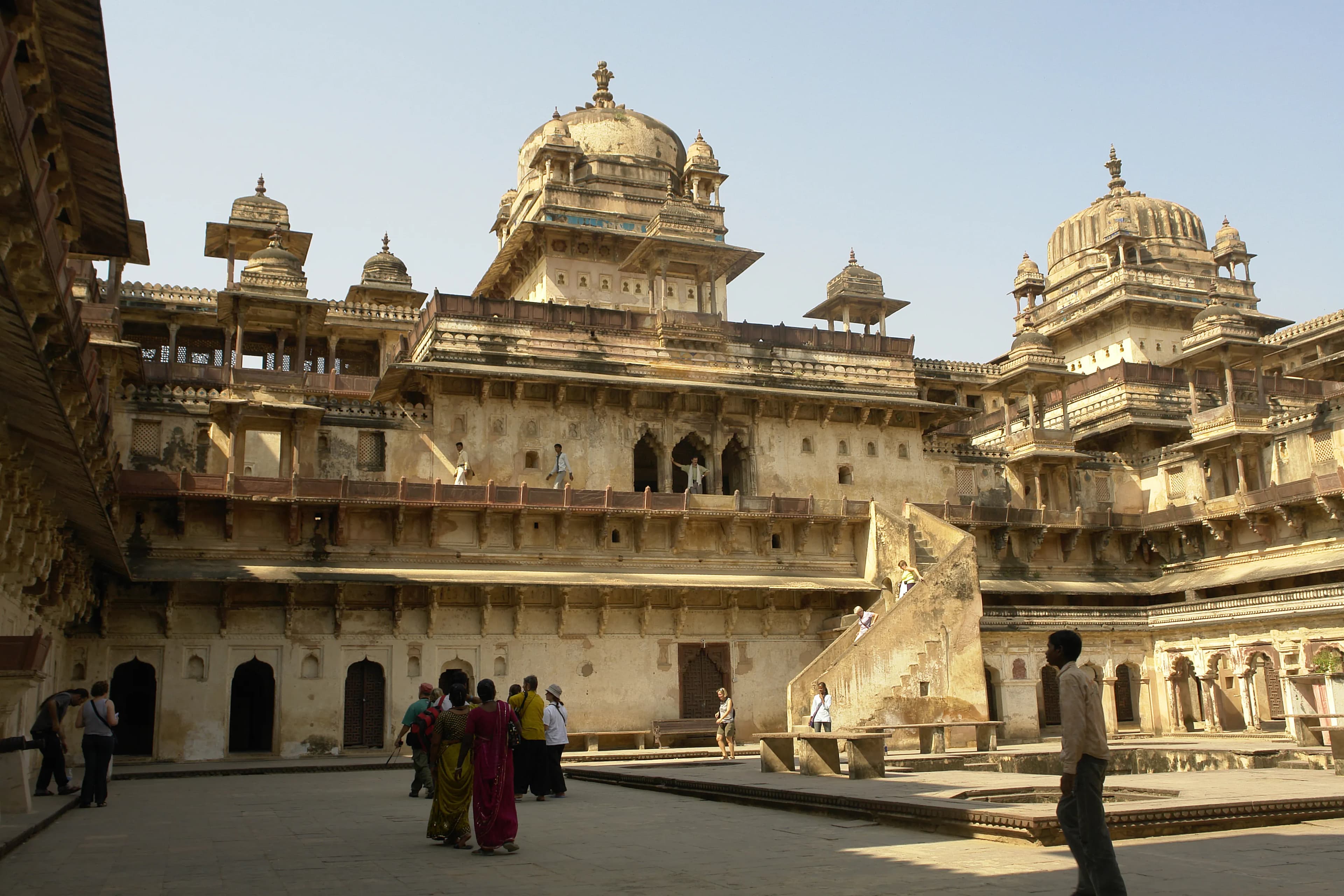
Jahangir Mahal Orchha
The imposing sandstone edifice of Jahangir Mahal rose before me, a testament to Mughal grandeur amidst the quiet town of Orchha, Madhya Pradesh. Having explored every UNESCO site in India, I can confidently say that this palace holds a unique charm, a blend of Rajput and Mughal architectural styles that speaks volumes about the confluence of cultures that shaped this region. The sheer scale of the structure is initially overwhelming. Its massive walls, punctuated by intricately carved chhatris and jharokhas, seem to stretch endlessly towards the cerulean sky. Stepping through the colossal gateway, I was transported back in time. The courtyard, vast and open, whispered stories of royal processions and grand durbars. The silence, broken only by the chirping of birds and the distant hum of the Betwa River, allowed me to truly absorb the atmosphere. I could almost envision the Mughal emperor Jahangir, for whom the palace was built, holding court here, surrounded by his entourage. The architecture of Jahangir Mahal is a fascinating study in contrasts. The robust, almost fortress-like exterior, a characteristic of Rajput architecture, gives way to surprisingly delicate and ornate interiors. The walls are adorned with intricate geometric patterns, floral motifs, and depictions of animals, showcasing the Mughal influence. I was particularly captivated by the exquisite tilework, predominantly in shades of turquoise and blue, that added a vibrant splash of colour to the sandstone backdrop. I ascended the steep, narrow staircases, each step worn smooth by centuries of footfalls. The climb was rewarded with breathtaking panoramic views of Orchha and the surrounding countryside. From this vantage point, the strategic importance of the Mahal became clear. The elevated position offered a commanding view of the Betwa River and the surrounding plains, allowing for early detection of approaching armies. Exploring the various chambers and halls, I noticed the clever use of light and ventilation. Despite the thick walls and the scorching Madhya Pradesh sun, the interiors remained relatively cool. The strategically placed jharokhas, besides their aesthetic appeal, allowed for cross-ventilation, while the intricate jaalis cast beautiful patterns of light and shadow on the floors and walls. One of the most striking features of the Mahal is the series of interconnected courtyards, each with its own distinct character. Some were intimate and secluded, perhaps meant for private gatherings, while others were grand and open, designed for public audiences. I spent a considerable amount of time simply wandering through these courtyards, imagining the lives of the people who once inhabited this magnificent palace. The chhatris, those elegant domed pavilions that crown the roof, are perhaps the most iconic element of Jahangir Mahal. These structures, with their intricate carvings and delicate arches, add a touch of ethereal beauty to the otherwise robust structure. Standing beneath one of these chhatris, gazing out at the sprawling landscape, I felt a profound sense of connection to the past. My visit to Jahangir Mahal was more than just a sightseeing trip; it was a journey through time. It was a chance to witness the grandeur of the Mughal empire and the architectural ingenuity of a bygone era. While I have been fortunate enough to experience the magnificence of all of India's UNESCO World Heritage Sites, Jahangir Mahal, with its unique blend of architectural styles and its palpable sense of history, holds a special place in my memory. It's a must-see for anyone seeking to understand the rich tapestry of Indian history and culture.

Shri Ramnath Temple Bandora
The ochre walls of Shri Ramnath Temple, nestled amidst the emerald embrace of Bandora's foliage, exuded a tranquility that instantly captivated me. This wasn't the imposing grandeur of some of the larger Goan temples, but a quiet dignity, a whispered history etched into the laterite stone and whitewashed plaster. The temple, dedicated to Lord Rama, felt deeply rooted in the land, a testament to the enduring syncretism of Goan culture. My first impression was one of intimate enclosure. A modest courtyard, paved with uneven stones worn smooth by centuries of footsteps, welcomed me. The main entrance, a relatively unadorned gateway, didn't prepare me for the burst of colour within. The deep red of the main temple structure, contrasted against the white of the surrounding buildings, created a vibrant visual harmony. The architecture, while predominantly influenced by the regional Goan style, hinted at subtle elements borrowed from other traditions. The sloping tiled roof, a hallmark of Goan temple architecture, was present, but the detailing around the windows and doorways showcased a delicate intricacy reminiscent of some of the older temples I've encountered in Karnataka. Stepping inside the main sanctum, I was struck by the palpable sense of devotion. The air, thick with the fragrance of incense and flowers, hummed with a quiet energy. The deity of Lord Ramnath, flanked by Sita and Lakshman, held a serene presence. Unlike the ornate, heavily embellished idols found in some temples, these felt more grounded, more accessible. The simple adornments, the soft lighting, and the intimate scale of the sanctum fostered a sense of personal connection, a direct line to the divine. What truly fascinated me, however, were the intricate carvings that adorned the wooden pillars supporting the mandap, or the covered pavilion. These weren't mere decorative flourishes; they narrated stories. Episodes from the Ramayana unfolded in intricate detail, each panel a miniature masterpiece. The battle scenes were particularly captivating, the dynamism of the figures captured with remarkable skill. I spent a considerable amount of time studying these panels, tracing the narrative flow with my fingers, marveling at the artistry and the devotion that had gone into their creation. The temple complex also houses smaller shrines dedicated to other deities, including Lord Ganesha and Lord Hanuman. Each shrine, while distinct, maintained a stylistic coherence with the main temple. This architectural unity, this seamless blending of different elements, spoke volumes about the community that had built and maintained this sacred space. As I wandered through the courtyard, I noticed a small, almost hidden, well. The priest, noticing my interest, explained that the well was considered sacred and its water used for ritual purposes. This integration of natural elements into the temple complex, this reverence for water as a life-giving force, resonated deeply with me. It reminded me of the ancient Indian architectural principles that emphasized the harmonious coexistence of the built environment and the natural world. Leaving the Shri Ramnath Temple, I carried with me not just images of intricate carvings and vibrant colours, but a sense of having touched a living history. This wasn't just a monument; it was a vibrant hub of faith, a testament to the enduring power of belief, and a beautiful example of how architectural traditions can evolve and adapt while retaining their core essence. The quiet dignity of the temple, its intimate scale, and the palpable devotion within its walls left an indelible mark on my mind, a reminder of the rich tapestry of cultural narratives woven into the fabric of India.
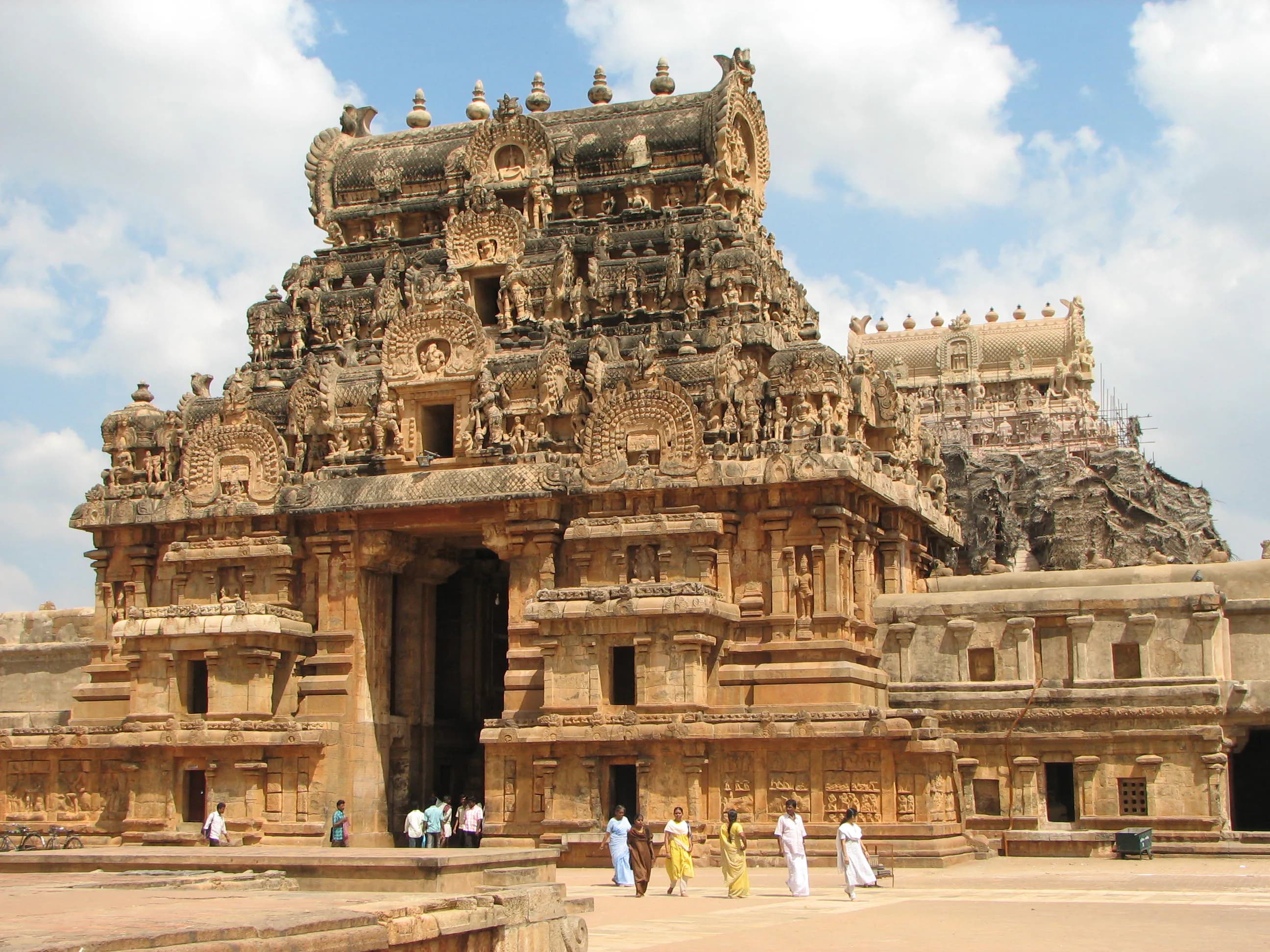
Brihadeeswarar Temple Thanjavur
The sheer scale of the Brihadeeswarar Temple in Thanjavur stopped me dead in my tracks. Having explored countless caves and temples across Maharashtra, I thought I was prepared for anything. I was wrong. This UNESCO World Heritage Site, a testament to the architectural prowess of the Chola dynasty, transcends mere grandeur ([1]). It’s a symphony in stone, a colossal expression of devotion that left me humbled and awestruck. Soaring to a height of 216 feet, the Vimana (temple tower) dominates the landscape ([2]). Unlike the stepped pyramidal structures, this Vimana (temple tower) is a singular, curvilinear structure, crowned by a monolithic Kumbham (cupola). The sheer weight of this massive granite dome, estimated at 80 tons, is an engineering feat ([3]). How the artisans managed to lift it to such a height in the 11th century is worthy of reverence. Granite and sandstone blocks, meticulously carved, form the Nandi Mandapa (Pillared Hall), which houses a colossal monolithic Nandi bull ([4]). The Nandi, carved from a single rock, exudes a quiet strength, its gaze fixed eternally on the main deity within. The intricate carvings on the Mandapa (Pillared Hall), depict scenes from Hindu mythology, a testament to the skill of the Chola artisans ([5]). Within the Garbhagriha (Sanctum), a palpable sense of serenity envelops you. The towering Lingam, the symbol of Lord Shiva, commands attention, its smooth, dark stone radiating a powerful energy. The walls surrounding the sanctum are adorned with frescoes, narrating tales of devotion and divine intervention ([6]). During the Chola Period, temple architecture revealed a deep understanding of geometry and proportion ([7]). The Vimana (temple tower), for example, is designed according to the principles of Dravidian architecture, with its intricate carvings and rhythmic vertical lines creating a sense of harmony and balance. The use of interlocking stones, without any mortar, is a testament to the precision and skill of the Chola builders ([8]). My visit to the Brihadeeswarar Temple was more than just a sightseeing trip; it was a pilgrimage of sorts. It was a journey into the heart of ancient India, a testament to the ingenuity, devotion, and artistic brilliance of a civilization that flourished centuries ago. The Brihadeeswarar Temple has carved its own niche in my memory. It stands as a powerful reminder of the enduring legacy of India's rich cultural heritage, a legacy that continues to inspire awe and wonder even today.
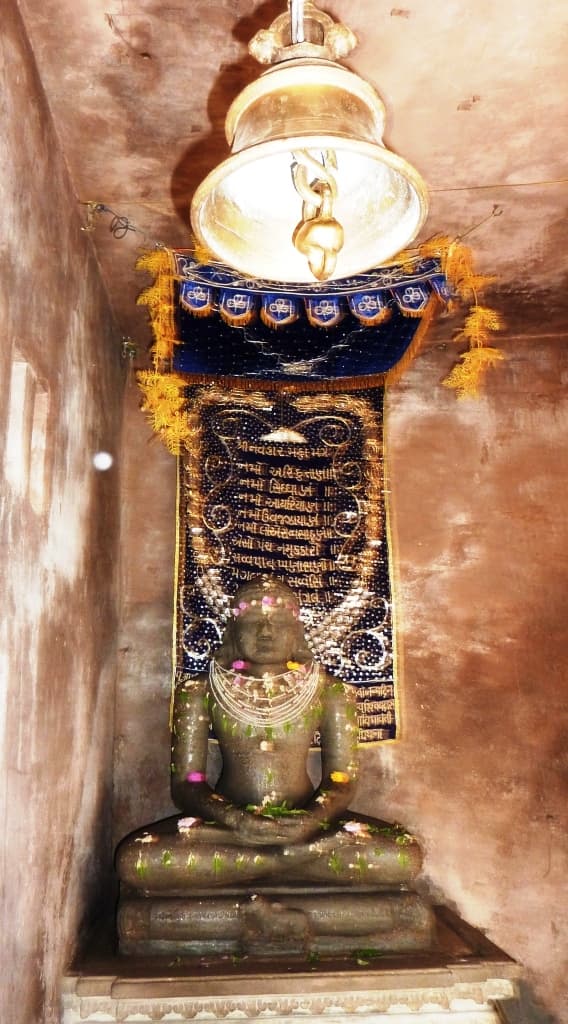
Kangra Fort Kangra
The wind whipped around me, carrying the scent of pine and a whisper of history as I stood before the imposing gates of Kangra Fort. Having explored the basalt-carved wonders of Maharashtra’s caves and the intricate details of its temples, I was eager to experience the distinct architectural language of this Himalayan fortress. Perched high on a strategic precipice overlooking the confluence of the Banganga and Majhi rivers, Kangra Fort exuded an aura of impregnable strength, a testament to its enduring legacy. My ascent through the massive gateway, locally known as the "Ranjit Singh Gate," felt like stepping back in time. The thick, fortified walls, scarred with the marks of battles fought and won, spoke volumes about the fort's tumultuous past. Each stone seemed to echo with the clash of swords and the thunder of cannons, a stark reminder of the fort’s strategic importance over centuries. Unlike the rock-cut architecture I was accustomed to in Maharashtra, Kangra’s fortifications were primarily built with dressed stone, lending it a different, more imposing character. Within the fort’s complex labyrinth, I discovered a fascinating blend of architectural styles. The influence of Rajput military architecture was evident in the sturdy ramparts, the strategically placed bastions, and the narrow, winding passages designed to confuse invaders. Yet, interspersed within this robust framework were glimpses of more delicate artistry. The crumbling remnants of palaces, adorned with faded frescoes and intricate carvings, hinted at a time of royal grandeur. The Maharani Mahal, despite its dilapidated state, still retained a certain elegance, its arched doorways and latticed windows offering glimpses of a bygone era. The Lakshmi Narayan Temple, nestled within the fort’s walls, was a striking contrast to the military structures surrounding it. Its shikhara, though damaged by past earthquakes, still reached towards the sky, a symbol of resilience and faith. The stone carvings on the temple walls, depicting scenes from Hindu mythology, were remarkably well-preserved, showcasing the skill of the artisans who crafted them. While the temple’s architecture bore some resemblance to the North Indian Nagara style, it also possessed a unique regional character, distinct from the temples I had encountered in Maharashtra. One of the most captivating aspects of Kangra Fort was its panoramic view. From the ramparts, I could see the vast expanse of the Kangra Valley stretching out before me, a patchwork of green fields and terraced hillsides. The snow-capped Dhauladhar range in the distance provided a breathtaking backdrop, adding to the fort’s majestic aura. It was easy to understand why this strategic location had been so fiercely contested throughout history. Exploring the fort’s museum, housed within the Ambika Devi Temple, provided further insights into its rich past. The collection of artifacts, including ancient coins, pottery shards, and miniature paintings, offered tangible evidence of the fort’s long and storied history. The museum also showcased the fort’s connection to the Katoch dynasty, who ruled the region for centuries. As I descended from the fort, the setting sun casting long shadows across the valley, I felt a profound sense of awe and admiration. Kangra Fort was not merely a collection of stones and mortar; it was a living testament to human resilience, ingenuity, and the enduring power of history. It stood as a stark contrast to the cave temples and intricately carved shrines of my home state, yet it resonated with the same spirit of human endeavor, a testament to the diverse tapestry of India’s cultural heritage. The echoes of battles and whispers of royal grandeur still lingered in the air, a reminder that the stories etched within these ancient walls continue to resonate across the ages.
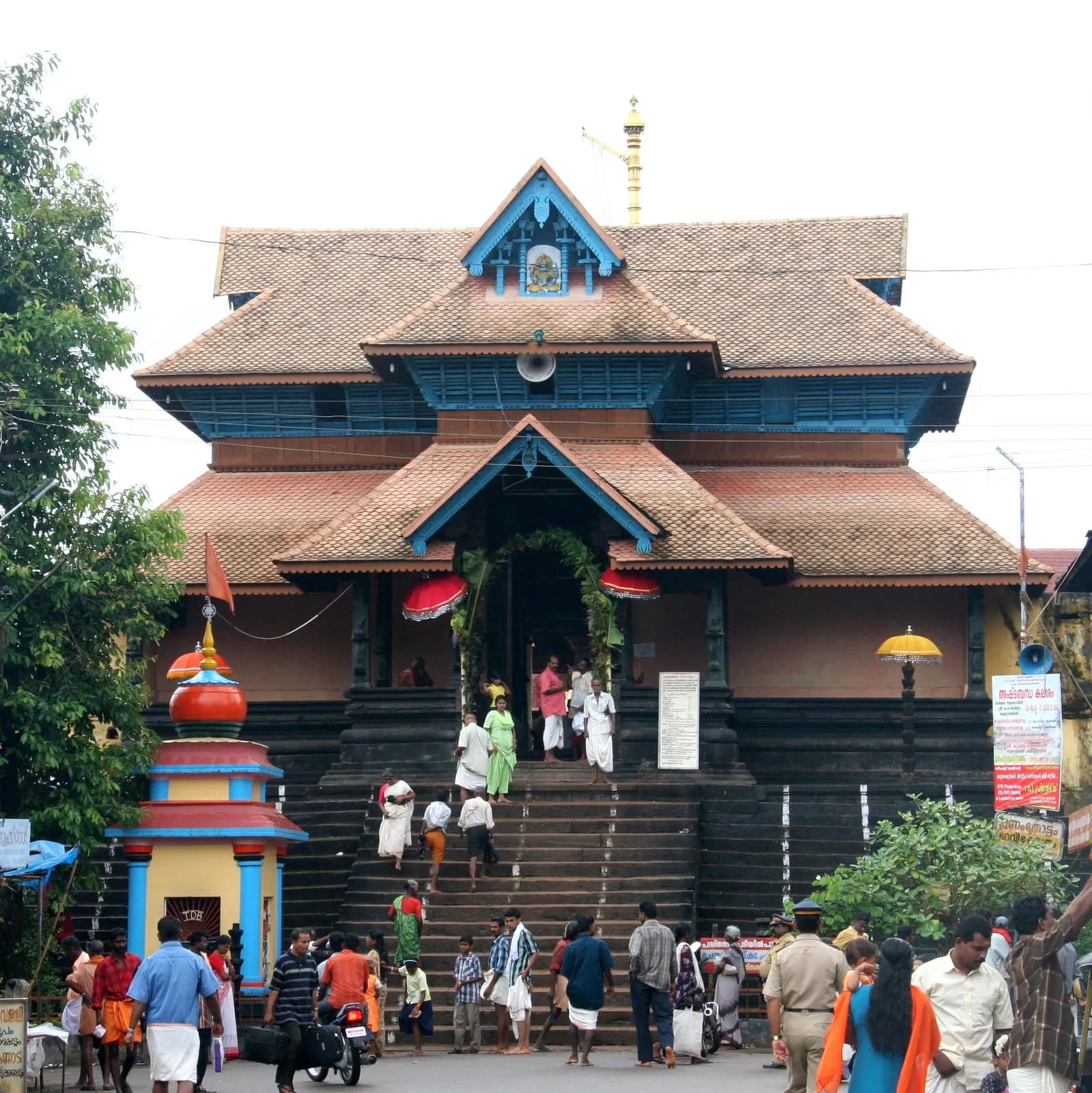
Aranmula Parthasarathy Temple Aranmula
Enclosed by Kerala's lush landscapes, the Aranmula Parthasarathy Temple, a shrine dedicated to Lord Krishna, exemplifies the region's distinct architectural heritage ([1][2]). Constructed around 1550 CE, during the Chera period, the temple diverges from the towering gopurams (gateway towers) typical of Tamil Nadu temples, embracing the Kerala style with its sloping, copper-shingled roofs ([3][4]). Commissioned by Pandya Dynasty kings, the temple showcases the architectural prowess of the time ([5]). Intricate carvings embellishing the wooden eaves and pillars narrate scenes from the Mahabharata, reflecting the region's deep-rooted mythological traditions ([1][2]). The use of laterite, wood, stone, and copper highlights the traditional materials employed in Kerala temple construction ([3][4][5]). Further, the Koothambalam (temple theatre) within the complex underscores the temple's function as a cultural center, its ornate pillars resonating with the echoes of Kathakali performances ([1][2]). Within the Garbhagriha (Sanctum Sanctorum), the deity is adorned with resplendent silks and jewels, creating a mystical ambiance heightened by the aroma of sandalwood and incense ([3][4]). The temple's design may subtly align with principles outlined in texts like the *Manasara Shilpa Shastra*, though specific verses are not directly documented ([5]). Also, Aranmula's connection to the Aranmula Kannadi, a unique metal mirror crafted through a secret process, adds to the temple's mystique ([1][2][3]). During the annual Onam festival, the Vallam Kali boat race on the Pampa River enhances the temple's spiritual significance, celebrating the enduring power of tradition ([4][5]). The temple stands as a repository of Kerala's cultural and architectural legacy, inviting visitors to immerse themselves in its rich history and spiritual aura ([1][2][3]). The gable roofs further accentuate the distinctiveness of the temple, setting it apart from other architectural styles in the region ([4][5]).
Agra Fort Agra
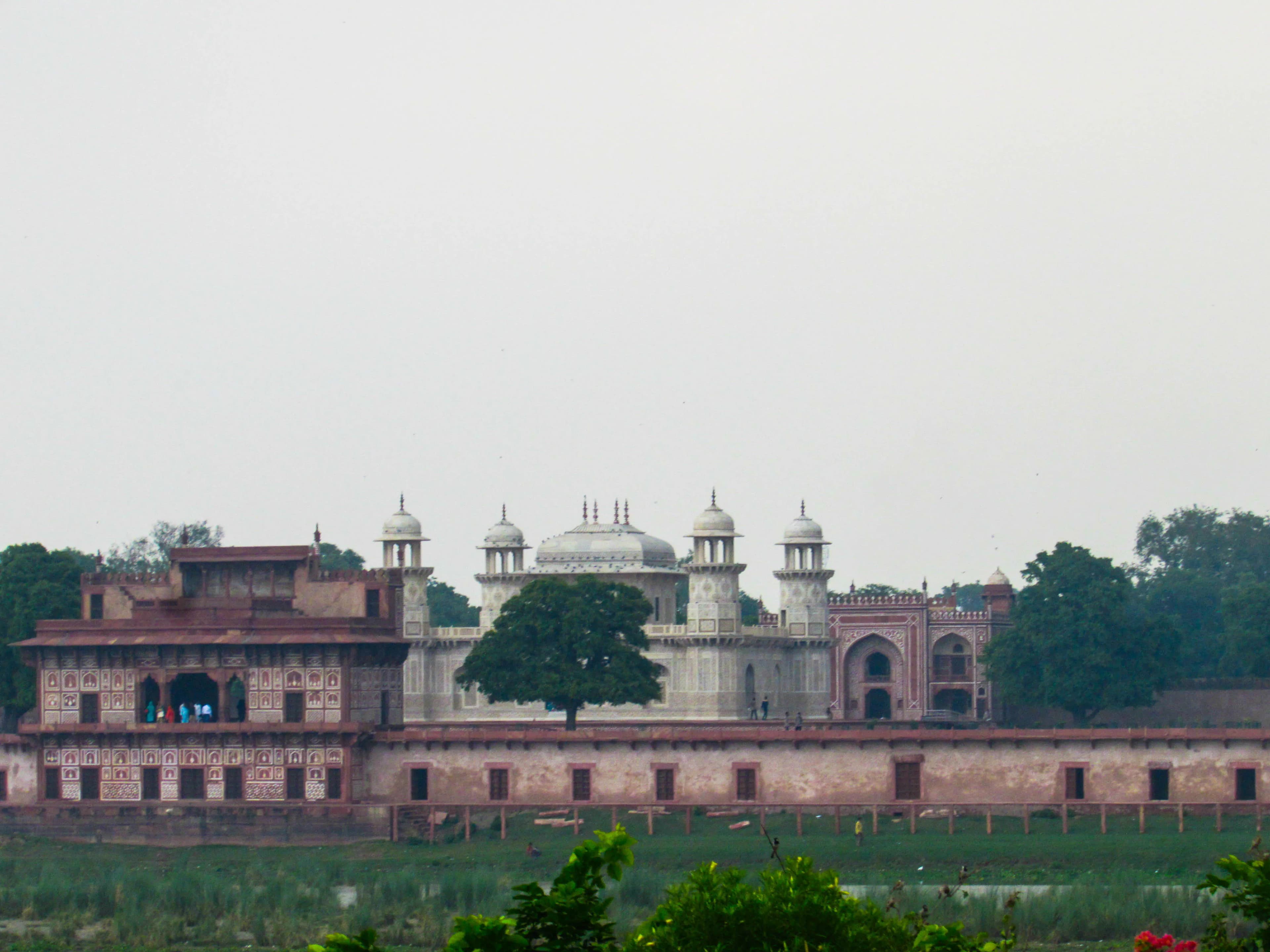
Intricate carvings adorn the walls of Agra Fort, a UNESCO World Heritage site erected from 1565 CE, revealing a synthesis of Timurid-Persian and Indian artistic traditions ([1][11]). As one of the earliest surviving buildings from Akbar's reign, the Jahangiri Mahal showcases this blend ([12]). Its exterior elevations follow a predominantly Islamic scheme, while the interiors are articulated with Hindu elements ([7]). Heavily fashioned brackets, a key feature of Akbari architecture, are prominent throughout ([13]). This fusion reflects a broader Mughal approach of incorporating regional artistic styles ([14]). Furthermore, specific motifs rooted in Indian heritage are visible within the fort. The use of carved panels and decorative arches inside the Jahangiri Mahal points to indigenous architectural influences ([15]). While direct connections to specific Vastu or Shilpa Shastra texts for the fort's overall design are not explicitly documented, the architectural vocabulary shows a clear dialogue with pre-existing Indian forms ([16]). The emperor's throne chamber in the Diwan-i-Am (Hall of Public Audience), constructed by Shah Jahan, features a marble canopy and was originally painted with gold ([17]). Overall, the fort is a powerful expression of Mughal imperial authority, built with red sandstone and later enhanced with white marble by Shah Jahan ([18]). Red sandstone, the primary construction material, lends a formidable presence to the fort, while marble inlays introduced later add refinement ([18]). During the Mughal Period, the fort served not only as a military stronghold but also as a palatial complex, reflecting the empire's grandeur ([19]). Its strategic location on the banks of the Yamuna River further enhanced its importance ([20]). The fort's layout incorporates elements of both Islamic and Hindu design principles, evident in its gateways, courtyards, and residential palaces ([21]). This architectural syncretism reflects the inclusive policies of Mughal emperors like Akbar, who sought to integrate diverse cultural traditions into their imperial projects ([22]). The fort embodies the confluence of Persian, Islamic, and Indian aesthetics, creating a unique architectural vocabulary that defines Mughal architecture ([23]).
Dakshineswar Kali Temple Kolkata
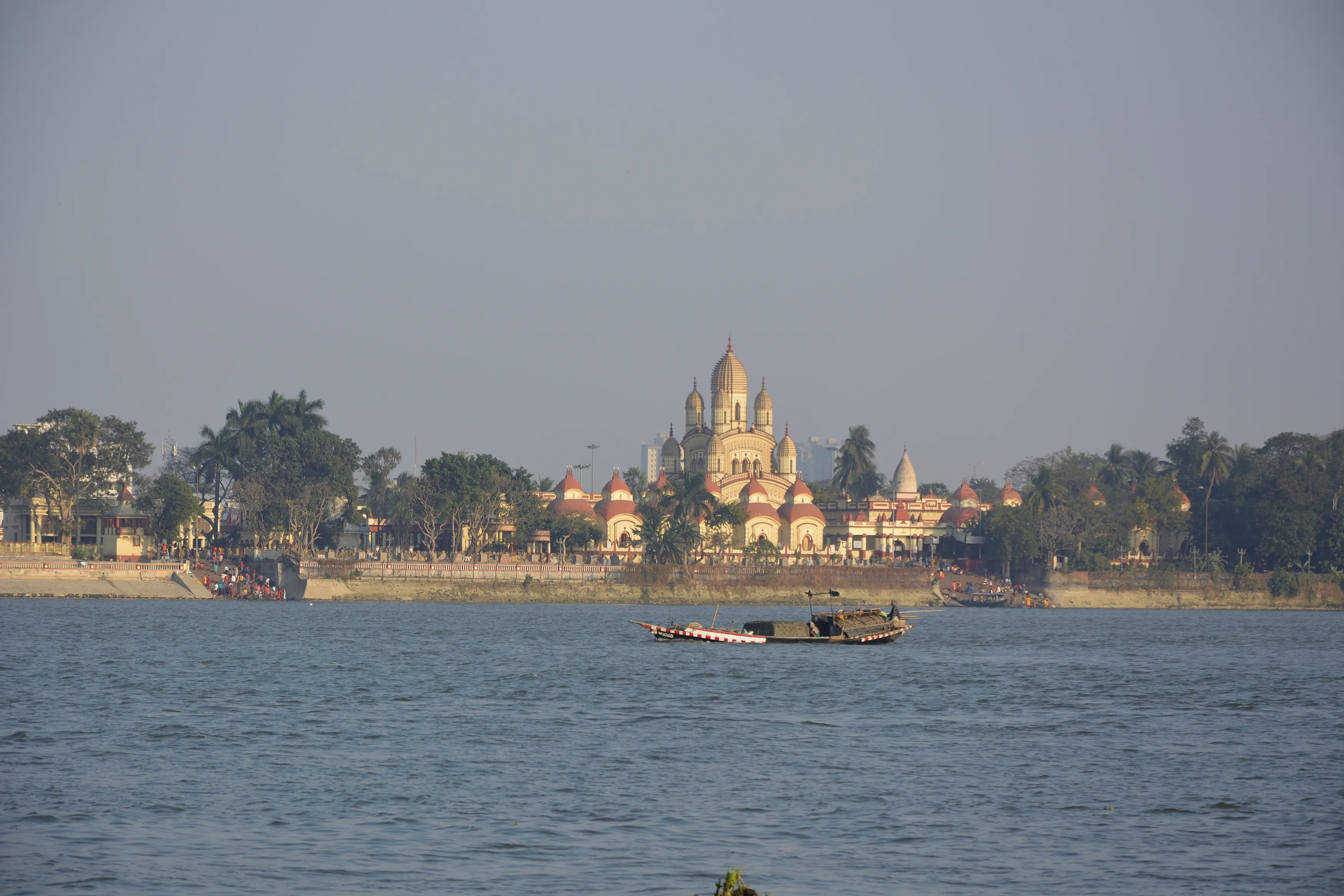
The Hooghly River's edge frames the Dakshineswar Kali Temple in Kolkata, a 19th-century testament to Bengali Navaratna architecture ([1][2]). Commissioned by Rani Rashmoni and completed in 1855 CE, the temple is dedicated to Bhavatarini, a form of Kali ([3]). The complex exemplifies a unique blend of devotion and architectural style distinct from Dravidian forms ([4]). Intricate carvings adorning the walls depict scenes from Hindu epics and Puranas, narrating tales of deities and cosmic events ([5]). The main temple, a nine-spired structure, showcases the curved roof characteristic of Bengali architecture, a design element that gained prominence during the British Colonial Period ([1][2]). This 'nava-ratna' (nine-jeweled) style distinguishes it from other regional temple designs ([3]). Within the Garbhagriha (Sanctum), Bhavatarini stands upon Shiva, symbolizing Shakti's (divine feminine energy) power ([4]). The silver embellishments and sindoor (red vermillion) create a mesmerizing spiritual ambiance ([5]). Surrounding the main shrine, twelve Shiva temples line the ghats, each echoing the Navaratna style in miniature form ([1][2]). A Radha-Krishna temple adds a contrasting element, its carvings depicting the divine love story ([3]). Stone platforms and foundations demonstrate the temple's solid construction, utilizing brick, terracotta, and wood ([4][5]). The temple reflects influences of Vastu Shastra principles, which guide the orientation and spatial arrangement ([1][2]). The complex harmoniously blends architectural elements with the spiritual essence of Bengal, offering a serene escape from Kolkata's bustle ([3]). The Dakshineswar Kali Temple remains a vibrant center of pilgrimage and a significant landmark of Indian heritage ([4][5]).
ISKCON Temple Dimapur
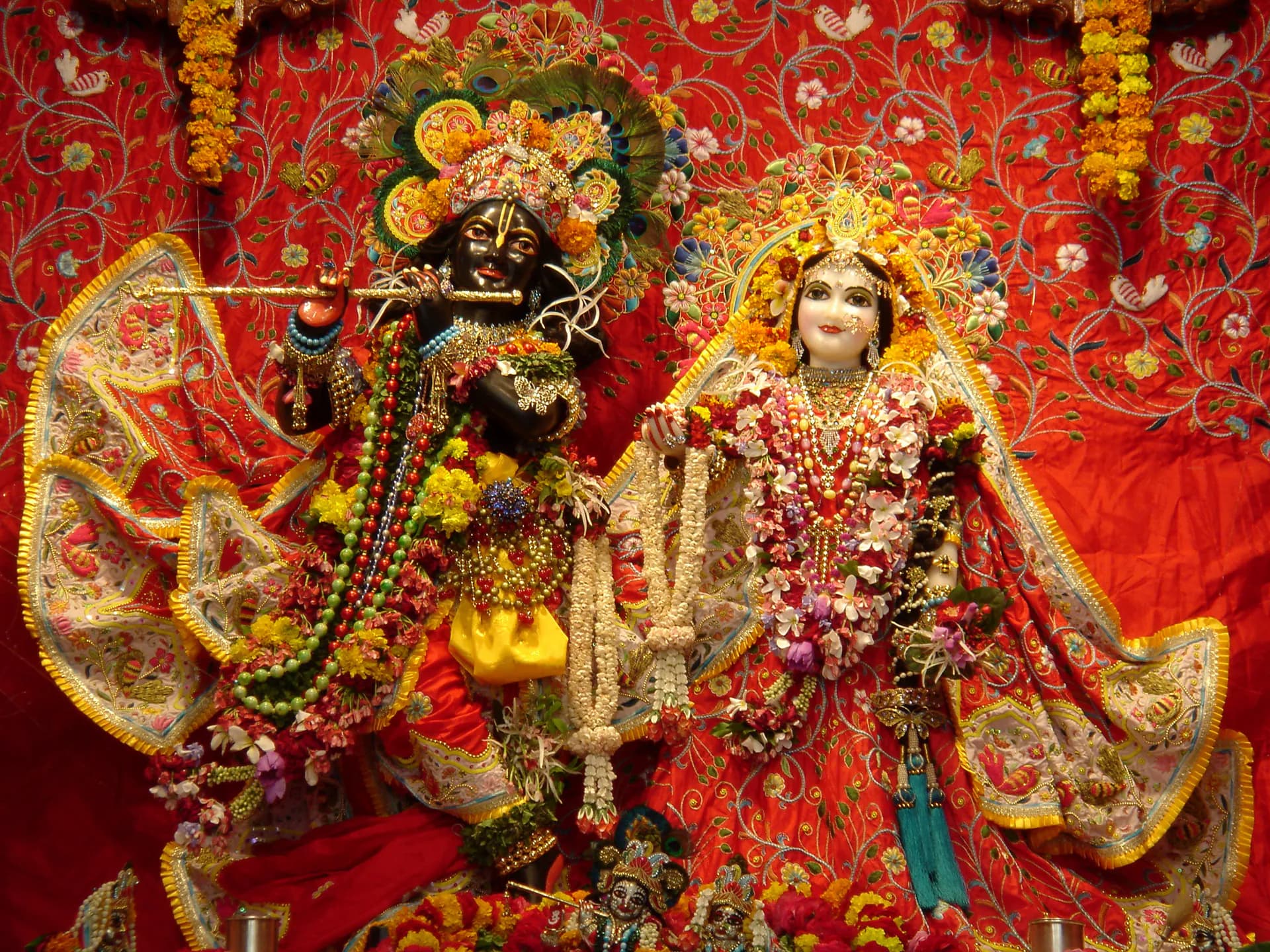
The ISKCON Temple Dimapur, dedicated to Lord Krishna, stands in Dimapur, Nagaland, as a testament to India's enduring spiritual and architectural traditions, which span millennia [1]. Consecrated in 1995 CE, this contemporary edifice draws deeply from indigenous Indian architectural styles, primarily Orissan Nagara and broader Nagara forms, while also incorporating elements reminiscent of Gupta and Neo-Classical aesthetics [2]. The temple's design reflects a continuous lineage of sacred architecture, emphasizing the profound cultural practices and spiritual devotion that have characterized Indian civilization for thousands of years [1] [2]. The architectural scheme of the ISKCON Temple Dimapur is a modern interpretation of the Nagara style, which is prevalent across North India and characterized by its towering, curvilinear shikhara [2]. Specifically, it incorporates features of the Orissan Nagara sub-school, where the shikhara, known as a 'Deul', rises almost vertically before curving sharply inwards towards the summit [5]. The temple typically features a 'garbhagriha' (sanctum sanctorum) housing the principal deity, preceded by one or more 'mandapas' (halls) [2] [5]. In Orissan style, a 'Jagamohan' (assembly hall) often precedes the 'Deul', and the main temple's ground plan is nearly invariably square, with a round 'Mastaka' (crowning element) at the apex of its superstructure [5]. The exterior walls of Nagara temples are often articulated with projections known as 'rathas', which create a dynamic interplay of light and shadow and enhance ornamentation [2]. The temple's construction utilizes reinforced cement concrete (RCC) for structural integrity, with concrete grades such as M30 employed to ensure high load-bearing capacity and durability [4]. The foundation typically involves pile foundations, designed to support the substantial weight of the superstructure [4]. Materials like sandstone, often used in traditional Nagara temples, are likely complemented by modern finishes and decorative elements, reflecting the blend of ancient aesthetics with contemporary construction methods [2] [4]. Decorative elements within ISKCON temples often include intricate carvings and sculptures that depict deities, celestial beings, and mythological narratives, reflecting the rich heritage of Vedic culture . The design principles are rooted in Vedic traditions, drawing from texts like the Shilpa Shastras and Vastu Shastra, which emphasize harmony with natural elements and cosmic energies . Towering 'shikharas' symbolize Mount Meru, the cosmic axis, guiding spiritual focus heavenward . The sanctum sanctorum, housing the deities, is meticulously aligned with cardinal directions, with east-facing entrances welcoming the sun's first rays, symbolizing enlightenment . The temple complex is designed to include community spaces such as kirtan halls for collective chanting, prasadam (sanctified food) dining areas, libraries, and classrooms, fostering a holistic spiritual ecosystem . Conservation efforts for ISKCON temples generally focus on maintaining the structural integrity of modern construction while preserving the traditional artistic and spiritual elements . The temple is actively programmed with daily rituals, festivals, and educational initiatives, serving as a vibrant center for spiritual gatherings and community service [1]. It is fully operational, accessible to devotees and visitors, and maintained by the ISKCON Foundation, ensuring its role as a continuous beacon of devotion and cultural preservation [1].
Ram Mandir Bhubaneswar
The midday sun cast long shadows across the laterite stones of the Ram Mandir in Bhubaneswar, illuminating the intricate carvings that adorned its surface. Having spent years documenting the architectural wonders of Gujarat, I was eager to experience the unique Kalinga style of temple architecture that Odisha is renowned for. And the Ram Mandir, though a relatively modern structure compared to some of Bhubaneswar's ancient marvels, did not disappoint. Unlike the towering shikharas of Gujarat's Solanki dynasty temples, the Ram Mandir presents a cluster of temples, each dedicated to a different deity – Ram, Lakshman, and Sita. This grouping immediately sets it apart, creating a sense of community and interconnectedness among the deities. The main temple, dedicated to Lord Ram, dominates the complex. Its curvilinear shikhara, a hallmark of the Kalinga style, rises elegantly towards the sky, its surface covered in a dense tapestry of sculpted figures. As I approached the main entrance, I was struck by the sheer profusion of carvings. Every inch of the temple walls, from the base to the pinnacle, seemed to pulsate with life. Mythological scenes, celestial beings, and intricate floral patterns intertwined, creating a visual narrative that captivated my attention. The figures, though weathered by time and the elements, retained a remarkable sense of dynamism. I noticed the distinctive elongated eyes and graceful postures of the figures, characteristic of the regional style. The detailed ornamentation, particularly around the doorways and windows, showcased the skill and artistry of the craftsmen who had painstakingly carved these stories into stone centuries ago. Inside the main sanctum, the atmosphere was hushed and reverent. The deity of Lord Ram, flanked by Sita and Lakshman, exuded a serene presence. The play of light and shadow within the sanctum added to the spiritual ambiance. While photography wasn't permitted inside, the image of the deities, bathed in the soft glow of oil lamps, remained etched in my memory. Moving to the smaller temples dedicated to Lakshman and Sita, I observed subtle variations in their architectural details. While adhering to the overall Kalinga style, each temple possessed its own unique character. The Lakshman temple, for instance, featured a slightly less ornate shikhara, while the Sita temple had a more intimate and enclosed feel. The outer walls of the complex presented a fascinating contrast to the more polished surfaces of the main temples. Here, the laterite stone was left largely unpolished, revealing its natural texture and warm hues. This created a sense of rustic charm and highlighted the intricate carvings even further. I spent a considerable amount of time studying the bas-relief panels depicting scenes from the Ramayana. The narrative unfolded across the walls, bringing the epic to life in a tangible way. I was particularly drawn to the depiction of the battle between Ram and Ravana, the dynamism of the scene captured with remarkable skill. One aspect that struck me was the integration of the temple complex with its surroundings. Unlike some of the more isolated temples I had encountered in Gujarat, the Ram Mandir felt connected to the bustling city of Bhubaneswar. Devotees flowed in and out, their prayers and rituals adding another layer to the temple's vibrant tapestry. The air was thick with the scent of incense and the sounds of chanting, creating a sensory experience that was both captivating and deeply moving. Leaving the Ram Mandir, I carried with me a profound appreciation for the Kalinga style of temple architecture. Its unique blend of grandeur and intricate detail, its seamless integration of mythology and artistry, and its connection to the living traditions of the community made it a truly unforgettable experience. It served as a powerful reminder of the enduring legacy of India's rich architectural heritage, and a testament to the skill and devotion of the craftsmen who shaped these sacred spaces.
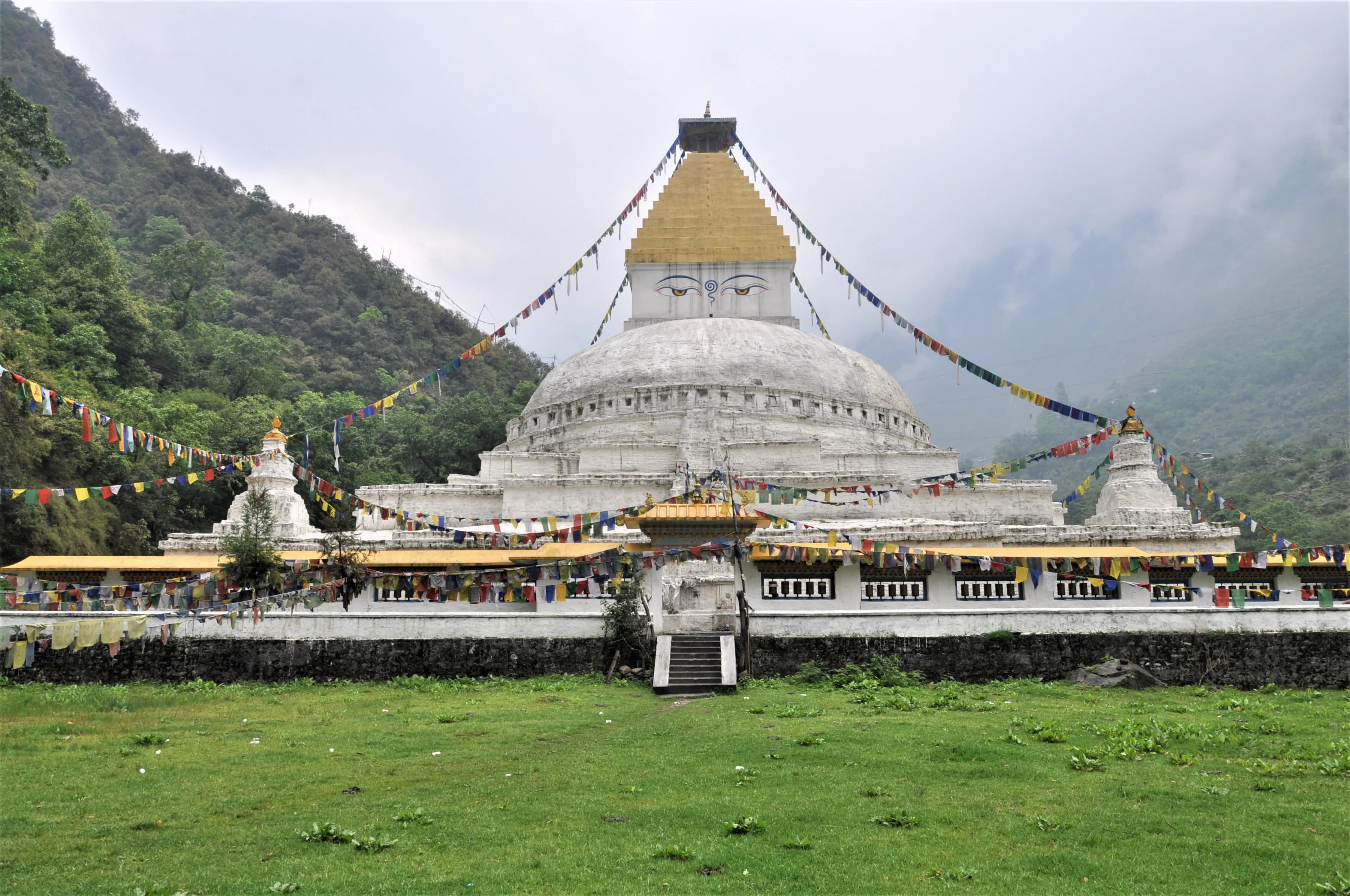
Gorsam Chorten Bomdila
Gorsam Chorten, a revered Indo-Tibetan Buddhist stupa, stands as a profound testament to India's millennia-spanning cultural heritage in Cona, West Kameng, Bomdila, Arunachal Pradesh. This monumental structure, deeply rooted in the continuous tradition of Indian civilization, embodies indigenous architectural styles and cultural practices that reflect the region's deep historical connections. The chorten, a large white stupa, features a massive hemispherical dome resting upon a three-tiered square base, culminating in a pyramidal spire adorned with the 'all-seeing eyes' of the Buddha, a design reminiscent of the Boudhanath Stupa in Kathmandu. Four miniature stupas are strategically erected at the corners of the plinth, enhancing its sacred geometry. The structure reaches an approximate height of 28.28 meters, with a width of 10.2 meters and a length of 21.64 meters, encompassing an area of 161.874 square meters. Its construction primarily utilizes locally sourced materials such as stone, wood, and clay, bound together with mud mortar, showcasing traditional Monpa craftsmanship and dry stone masonry techniques. This method, adapted to the Himalayan environment, involves meticulously layered stones fitted with precision to minimize voids and maximize interlocking, providing inherent flexibility against seismic activity. The mud mortar, likely incorporating local clay and natural fibers, enhances stability and weather resistance. The exterior is whitewashed, with golden embellishments and a golden finial that gleams in the sunlight. Around the base, a series of prayer wheels, painted in vibrant hues of red, blue, and gold, invite circumambulation. The interior of the chorten houses a dimly lit chamber containing several statues of Buddha, radiating profound peace. The walls are adorned with intricate murals depicting scenes from the Buddha's life, showcasing a unique regional artistic style with bolder lines and intense colors. Recurring motifs of the eight auspicious symbols of Buddhism—the parasol, golden fish, treasure vase, lotus flower, conch shell, endless knot, victory banner, and Dharma wheel—are intricately woven into the murals and carved into the woodwork. The site is well-maintained, with ongoing conservation efforts focusing on structural repairs, mending cracks in masonry, and repainting surfaces, often employing traditional techniques to preserve its historical and religious integrity. Archaeological excavations have revealed a hidden chamber beneath the stupa, unearthing relics such as miniature clay stupas, a bronze image of Vajrasattva, and ancient scriptures, confirming its significance as a major Buddhist pilgrimage site. The Gorsam Chorten remains an active spiritual sanctuary, drawing thousands of pilgrims, particularly during the annual Gorsam Kora festival. It is accessible to visitors from sunrise to sunset daily, with free entry, though accessibility for wheelchairs is limited due to hilly terrain and steps. Modest dress is required, and photography may be restricted in certain areas to maintain the sanctity of the active monastery. The site is operationally ready, serving as a living embodiment of faith and tradition within India's enduring cultural legacy.
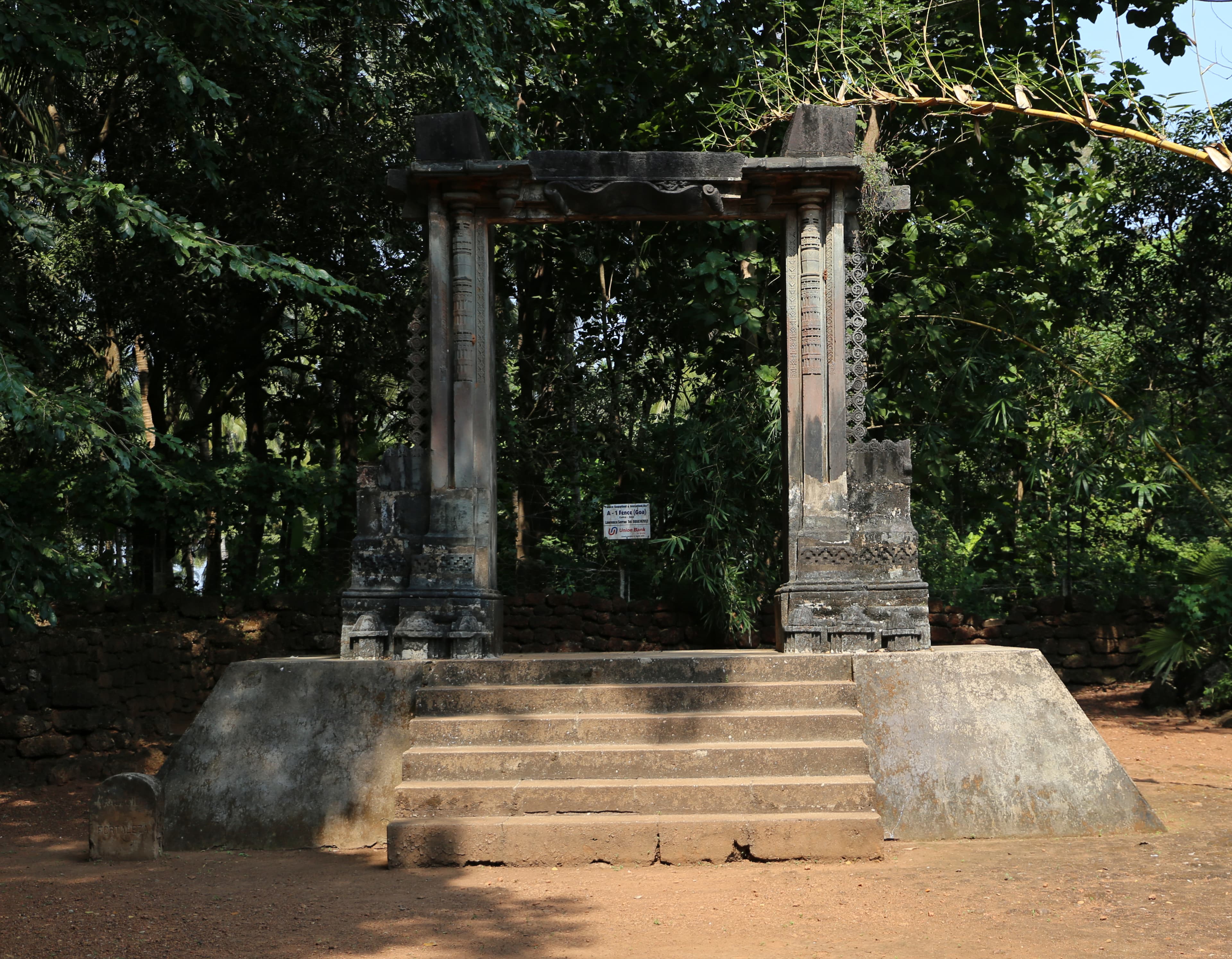
Viceroy's Palace Panaji
The ochre walls of the Viceroy's Palace, shimmering under the Goan sun, exuded a quiet grandeur, a stark contrast to the vibrant, almost chaotic energy of Panaji just beyond its gates. Having explored the Mughal forts of the north and the Rajput palaces of Rajasthan, I arrived at this former Portuguese seat of power with a keen eye for architectural nuances and a thirst for the stories whispered within its aged stones. The palace, now the official residence of the Governor of Goa, isn't imposing in the way of a Red Fort or an Amber Palace. Its charm lies in its understated elegance, a blend of Portuguese colonial architecture with subtle hints of Indian influences. The first thing that struck me was the distinct lack of symmetry, a departure from the meticulously planned Mughal structures I was accustomed to. The palace has grown organically over centuries, with additions and modifications reflecting the changing tides of power and architectural trends. Stepping through the arched gateway, I found myself in a courtyard paved with laterite stones, the warm, earthy tones contrasting beautifully with the whitewashed walls. A grand staircase, guarded by imposing statues of lions, led to the main entrance. The intricate carvings on the balustrade, a fusion of European motifs and local artistry, hinted at the cultural exchange that shaped this building. Inside, the palace felt like a time capsule. The high ceilings, adorned with ornate chandeliers, whispered tales of lavish banquets and diplomatic gatherings. The walls, lined with portraits of Portuguese viceroys and governors, offered a glimpse into the faces that once shaped Goa's destiny. I was particularly captivated by the Sala dos Conselhos, the Council Chamber. The massive wooden table, polished to a gleam by centuries of use, seemed to hold the weight of countless decisions that impacted the lives of Goans. The intricate inlay work on the walls, depicting scenes of Portuguese maritime exploits, served as a constant reminder of their colonial ambitions. One of the most striking features of the palace is its chapel, dedicated to St. Catherine. The simple, yet elegant altar, bathed in soft light filtering through stained-glass windows, offered a moment of tranquility amidst the grandeur. The contrast between the opulence of the palace and the serenity of the chapel was a poignant reminder of the complex interplay between power and faith that often characterized colonial rule. My exploration led me to the palace gardens, a verdant oasis offering respite from the Goan heat. The manicured lawns, dotted with flowering shrubs and ancient trees, provided a serene backdrop to the imposing structure. As I strolled along the pathways, I couldn't help but imagine the viceroys and governors who once sought solace in these very gardens, contemplating the challenges and triumphs of their rule. However, the Viceroy's Palace isn't merely a relic of the past. It's a living testament to Goa's rich and layered history. The presence of the current Governor, the fluttering of the Indian flag atop the building, and the smartly dressed guards at the gate served as a constant reminder that this historic structure continues to play a vital role in the present. Leaving the palace, I carried with me more than just photographs and memories. I carried a deeper understanding of Goa's journey, a journey etched in the very stones of the Viceroy's Palace. It's a journey that speaks of conquest and colonization, of cultural fusion and resilience, and ultimately, of the enduring spirit of a land that has absorbed and adapted to the influences of various empires, emerging with a unique identity that is both captivating and inspiring.
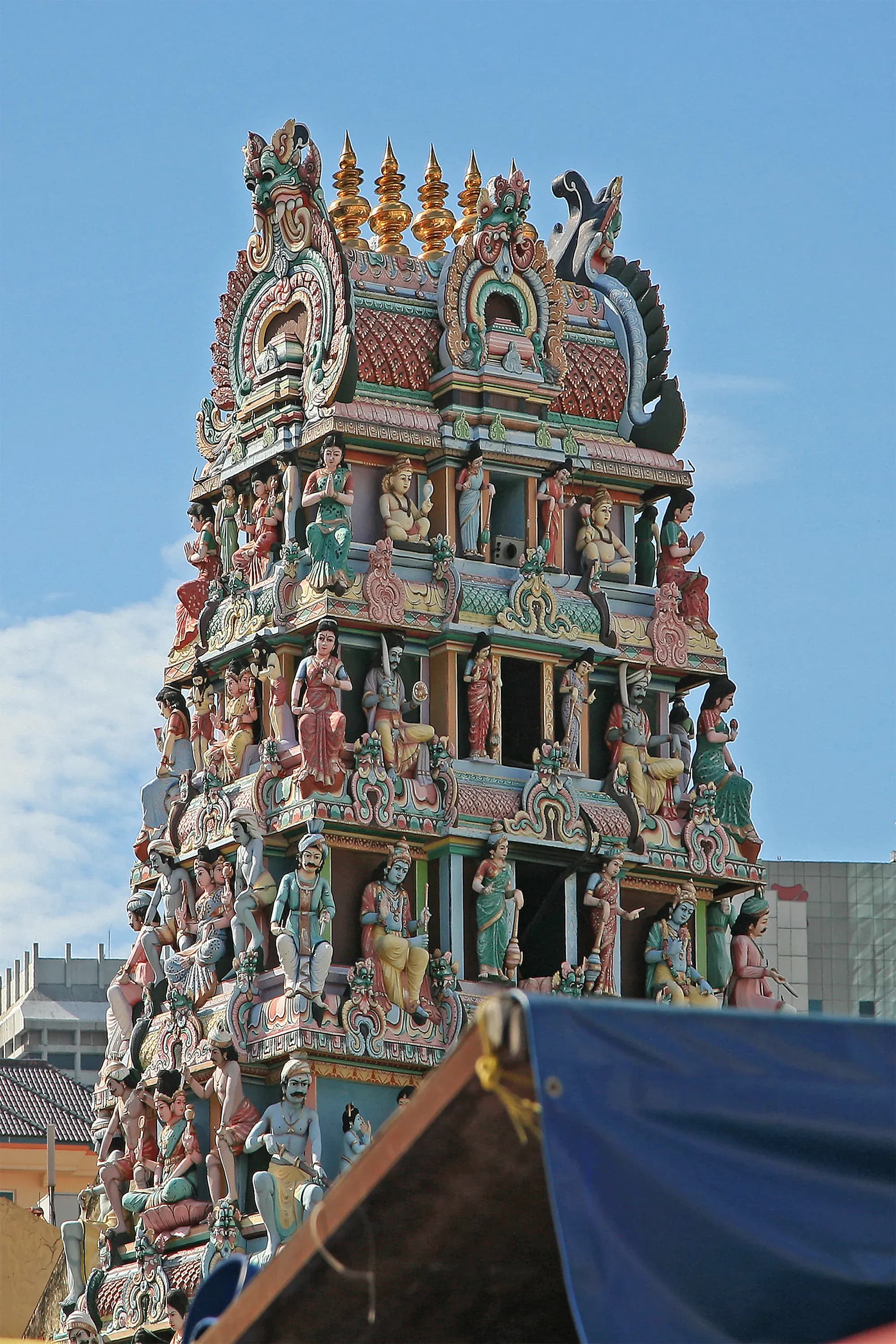
Mariamman Temple Ho Chi Minh City
The midday sun beat down on Ho Chi Minh City, casting long shadows that danced across the ornate facade of the Mariamman Temple. Tucked away amidst the bustling modern cityscape, this vibrant splash of South Indian architecture felt like a portal to another world. As I stepped through the gopuram, the towering gateway adorned with a riot of colourful deities, the cacophony of the city faded, replaced by the scent of incense and the murmur of prayers. Having documented over 500 monuments across India, I’ve become intimately familiar with the Dravidian architectural style. Yet, seeing it replicated here, thousands of miles from its origins, evoked a unique sense of wonder. The Mariamman Temple, built by the Tamil community in the late 19th century, is a testament to the enduring power of cultural heritage and the human need for spiritual connection, even in a foreign land. The temple's relatively small size, compared to its Indian counterparts, allows for an intimate exploration. My lens immediately gravitated towards the intricate stucco work that covered every inch of the gopuram. Gods and goddesses, mythical creatures and floral motifs, all intertwined in a vibrant tapestry of storytelling. The craftsmanship was remarkable, each figure possessing a unique expression, a testament to the skill of the artisans who brought them to life. I noticed subtle differences in the iconography compared to temples in South India, hinting at a localized interpretation of these familiar deities. Inside the main sanctum, the air was thick with the aroma of burning camphor and jasmine. Devotees offered prayers to Mariamman, the goddess of rain and healing, her image adorned with garlands of fresh flowers. The atmosphere was charged with a palpable sense of devotion, a quiet hum of spiritual energy that transcended language and cultural barriers. I observed the rituals, the lighting of lamps, the offering of coconuts, each action imbued with deep meaning. It was a privilege to witness this intimate expression of faith, a reminder of the universal human desire for connection with the divine. Beyond the main shrine, smaller alcoves housed other deities, each with their own dedicated following. I was particularly drawn to the shrine of Lord Ganesha, the remover of obstacles, his elephant-headed form instantly recognizable. The vibrant colours, the intricate details, the sheer density of the ornamentation, it was a visual feast. I spent a considerable amount of time capturing these details, trying to convey the richness and complexity of this cultural tapestry through my photographs. One aspect that struck me was the seamless integration of local Vietnamese elements within the predominantly South Indian architectural framework. The use of certain materials, the subtle adaptation of decorative motifs, these nuances spoke to a process of cultural exchange and adaptation. It wasn't merely a replication of a temple from back home, but rather a unique hybrid, a testament to the community's ability to retain their cultural identity while embracing their new surroundings. As I stepped back out into the bustling streets of Ho Chi Minh City, the experience lingered. The Mariamman Temple served as a powerful reminder of the enduring strength of cultural heritage and its ability to transcend geographical boundaries. It was a privilege to document this unique piece of history, a testament to the human spirit's enduring need for connection, both with the divine and with their cultural roots. The images I captured, I hope, will serve as a window into this vibrant cultural intersection, allowing others to glimpse the beauty and complexity of this hidden gem in the heart of Vietnam.
Quick Links
Plan Your Heritage Journey
Get personalized recommendations and detailed visitor guides