Has Inheritage Foundation supported you today?
Your contribution helps preserve India's ancient temples, languages, and cultural heritage. Every rupee makes a difference.
Secure payment • Instant 80G certificate

Tepe Narenj Monastery Kabul Afghanistan
Tepe Narenj, also known as Narenj Hill, rises dramatically from the southeastern outskirts of Kabul, Afghanistan, preserving the extraordinary remains of a 5th to 7th century CE Buddhist monastery complex that represents one of the most significant and well-preserved examples of early medieval Buddhist architecture in Afghanistan, demonstrating the vibrant transmission of Indian Buddhist monastic traditions to Central Asia during a period when Buddhism flourished across the region under the patronage of various dynasties including the Hephthalites and early Turk Shahis. The monastery complex, constructed primarily from fired brick, stone, and stucco with extensive decorative elements, features a sophisticated multi-level architectural design that includes five small stupas arranged in a mandala pattern, five chapels with elaborate wall paintings and stucco sculptures, meditation cells, assembly halls, and water management systems, creating a complete monastic environment that reflects the transmission of Indian Buddhist architectural planning principles to Afghanistan. The site's architectural design demonstrates direct influence from Indian Buddhist monastery architecture, particularly the Gupta period styles found at sites like Nalanda and Ajanta, with the overall mandala-based plan, stupa forms, and decorative programs reflecting traditions that were systematically transmitted from India through centuries of cultural exchange, while the discovery of Tantric Buddhist iconography and practices provides crucial evidence of the transmission of advanced Indian Buddhist traditions to Afghanistan. Archaeological excavations have revealed extraordinary preservation of stucco sculptures, wall paintings, and architectural elements that demonstrate the sophisticated artistic traditions of the period, with the stucco work showing clear influence from Indian sculptural styles while incorporating local artistic elements, creating a unique synthesis that characterizes Gandharan and post-Gandharan Buddhist art in Afghanistan. The monastery was visited by the renowned Chinese Buddhist monk Xuanzang in the 7th century CE, who documented the site in his travel accounts, providing crucial historical evidence of the monastery's importance as a center of Buddhist learning and practice, while the site's location near Kabul underscores its role as a major religious center in the region. The monastery was likely destroyed during the 9th century CE following the decline of Buddhism in Afghanistan, but the substantial architectural remains that survive provide extraordinary evidence of the site's original grandeur and the sophisticated engineering techniques employed in its construction. Today, Tepe Narenj stands as a UNESCO Tentative List site and represents one of the most important archaeological discoveries in Afghanistan in recent decades, serving as a powerful testament to the country's ancient Buddhist heritage and its historical role as a center for the transmission of Indian religious and artistic traditions, while ongoing archaeological research continues to reveal new insights into the site's construction, religious practices, and cultural significance. ([1][2])
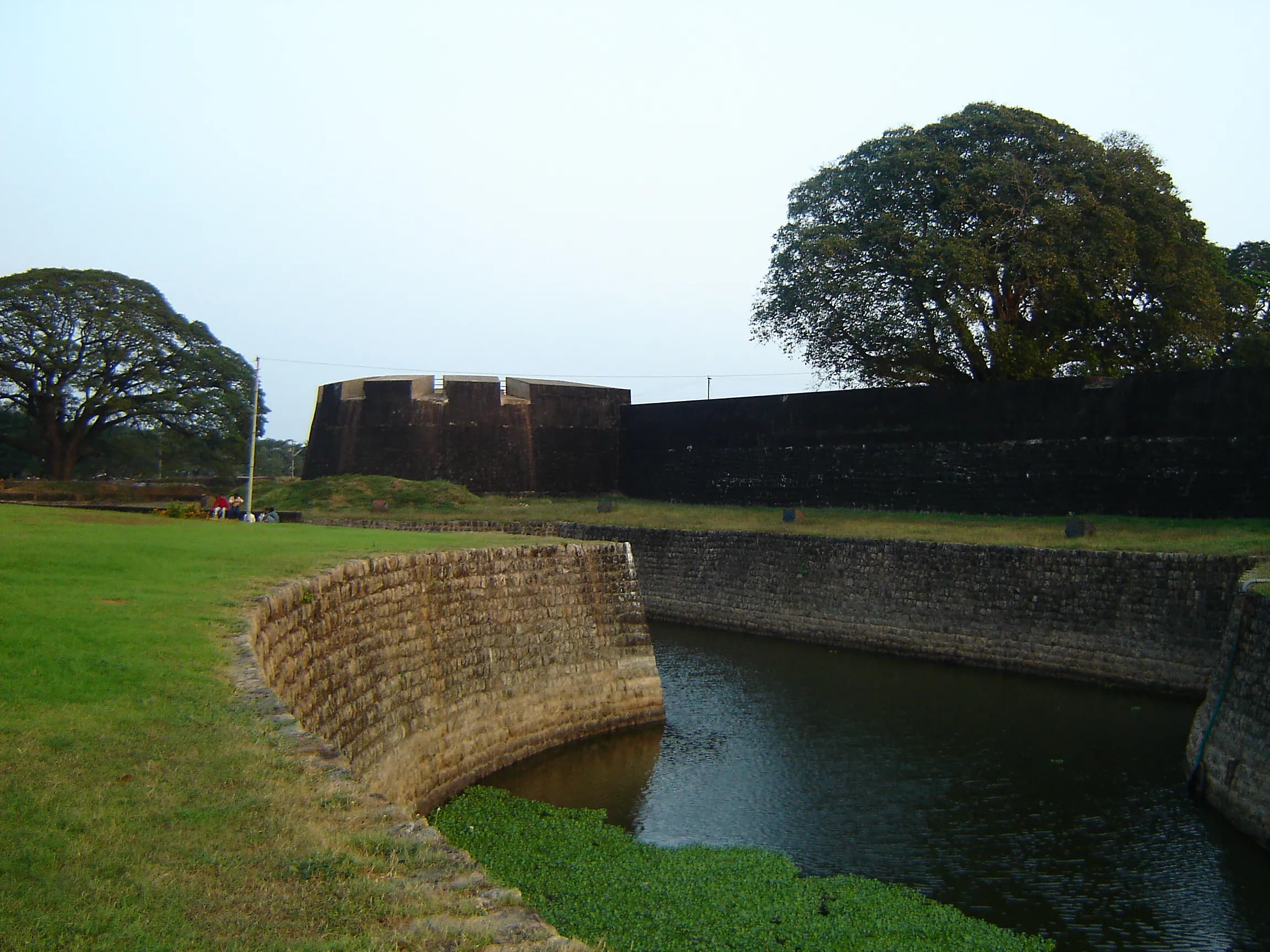
Palakkad Fort Palakkad
The imposing laterite walls of Palakkad Fort, locally known as Tipu's Fort, rose before me under the Kerala sun, a stark contrast to the vibrant green of the surrounding landscape. Having explored countless architectural wonders across Gujarat, I was eager to see how this Kerala fortress compared to the intricate stone carvings and majestic structures of my home state. The sheer scale of the fort, a sprawling rectangle dominating the heart of Palakkad town, was immediately impressive. Stepping through the enormous teakwood gates, I felt a palpable shift in atmosphere. The bustling town sounds faded, replaced by the quiet whispers of history echoing within the thick ramparts. Unlike the ornate gateways of Gujarati forts, these were functional, emphasizing defense over decoration, a testament to the fort's strategic importance. The laterite stone, so characteristic of Kerala architecture, gave the walls a unique reddish-brown hue, different from the sandstone and marble I was accustomed to. The rough texture of the stone, almost porous, spoke of centuries of weathering and resilience. I walked along the ramparts, tracing the outline of the fort, and the strategic brilliance of its design became clear. The wide moat, now dry, would have been a formidable obstacle, while the strategically placed bastions offered commanding views of the surrounding plains. I could imagine archers stationed here, their arrows raining down on any approaching enemy. The fort's location, guarding the Palakkad Gap, a crucial mountain pass connecting Kerala to Tamil Nadu, underscored its historical significance as a gateway between kingdoms. Descending from the ramparts, I explored the inner courtyard. The stark simplicity of the fort's interior contrasted sharply with the elaborate palaces and courtyards found within Gujarati forts. Here, functionality reigned supreme. The barracks, now empty, hinted at the lives of the soldiers who once garrisoned this fortress. I could almost hear the clang of swords and the rhythmic marching of feet. One of the most striking features within the fort is the Hanuman temple, a splash of vibrant color against the muted tones of the laterite. The intricate carvings on the temple walls, depicting scenes from the Ramayana, showcased a different architectural style, a blend of Kerala and Dravidian influences. This juxtaposition of the austere fort and the ornate temple highlighted the cultural fusion that has shaped this region. The small, unassuming Anjaneya Swami temple, dedicated to Lord Hanuman, tucked away in a corner of the fort, held a certain charm. Local legend claims that the idol magically grew in size, necessitating the raising of the temple roof – a story that added a touch of mystique to the place. This reminded me of the numerous folklore and legends associated with Gujarati forts, demonstrating the power of storytelling in preserving history and culture. Climbing the steps of the watchtower, I was rewarded with panoramic views of Palakkad town and the surrounding countryside. The verdant rice paddies stretching out beyond the fort walls painted a picture of tranquility, a stark contrast to the fort's martial past. From this vantage point, I could appreciate the fort's strategic importance, controlling the vital passage through the mountains. My visit to Palakkad Fort offered a fascinating glimpse into a different architectural tradition. While lacking the ornate embellishments of Gujarati forts, its strength lay in its simplicity and strategic design. The laterite walls, the dry moat, and the commanding bastions spoke volumes about the fort's military history. It was a powerful reminder of the diverse architectural heritage of India, each region with its unique story to tell. The fort stands as a silent sentinel, guarding not just the Palakkad Gap, but also the memories of a bygone era.
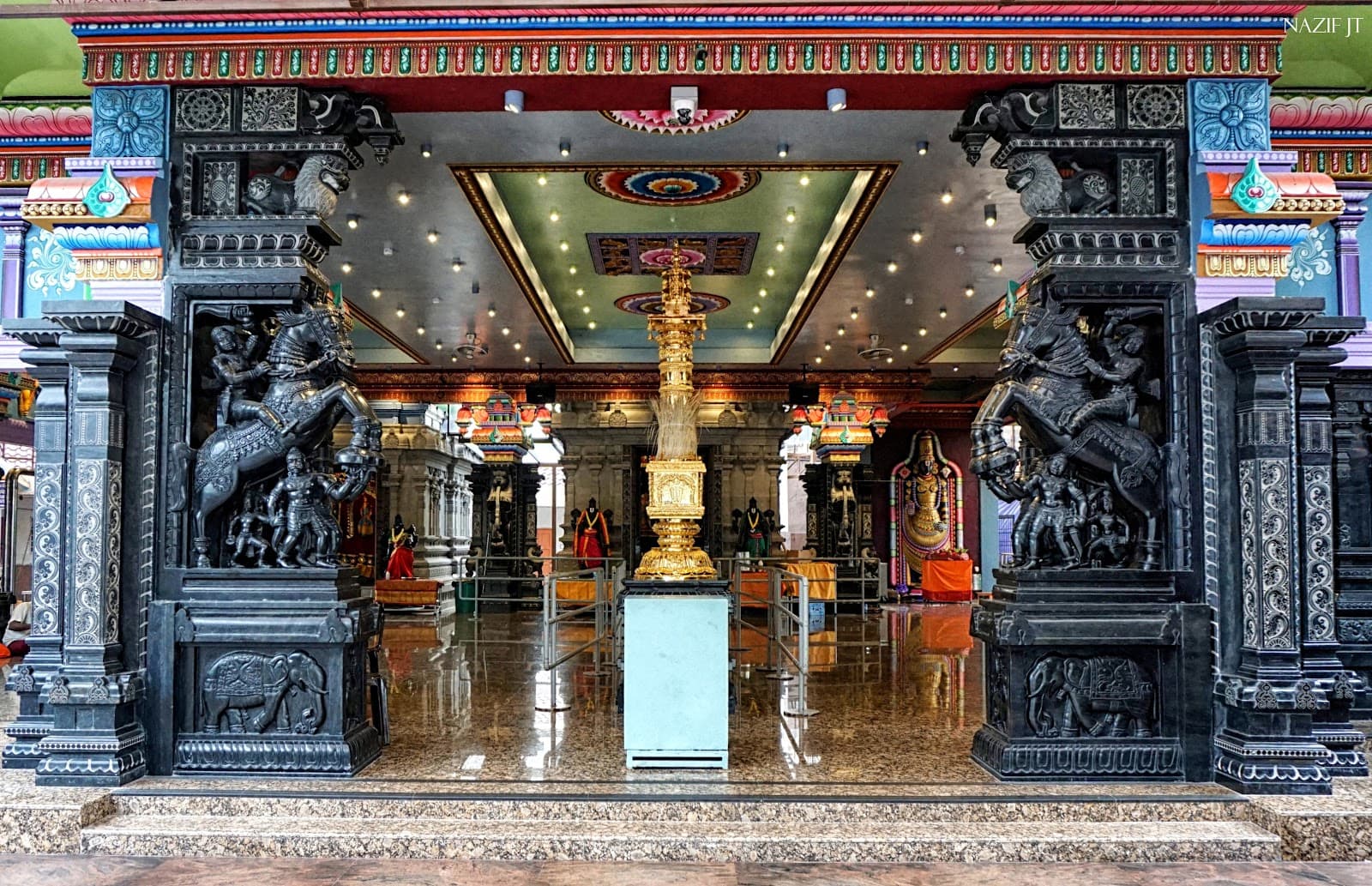
Sri Sundararaja Perumal Temple Klang Selangor
The Sri Sundararaja Perumal Temple, located in Klang, Selangor, Malaysia, stands as a profound testament to India's millennia-spanning cultural heritage and the enduring continuity of Indian civilization across geographical boundaries [1] [3]. Dedicated to Lord Vishnu in his form as Perumal, this sacred site serves as a vital center for Vaishnavite worship, often revered as the 'Thirupathi of South East Asia' [1] [2]. The temple exemplifies the indigenous Dravida architectural style, characterized by its intricate carvings and monumental structures, reflecting a continuous tradition of temple building that dates back thousands of years in the Indian subcontinent [1] . The entire structure is notably constructed from granite, a material chosen for its durability and majestic appearance, a hallmark of traditional South Indian temple construction techniques [1] [3]. The architectural ensemble is dominated by a towering gopuram, the entrance tower, which is richly adorned with a multitude of sculptures depicting Hindu deities, mythological narratives, and celestial beings [1] [3]. These detailed carvings are not merely decorative but serve as visual narratives of Hindu epics such as the Ramayana and Mahabharata, embodying the deep iconographic traditions of Indian art [5]. The main sanctum, known as the Perumal Sannathi, houses the principal deity, Lord Perumal, alongside his consort, Goddess Mahalakshmi [2] [3]. Surrounding this central complex are several other notable shrines, including those dedicated to Lord Shiva, Parvati, Ganesha, Murugan, Ayyappan, Lord Saneshwara (Saturn), and the Navagrahas (nine planets) [2] [3]. An additional Anjaneya Sannathi is situated adjacent to the central complex, with a Nagaraja Sannathi located at the corner outside the temple structure [2]. The spatial arrangement of these shrines within the temple complex follows traditional Agama Shastra principles, ensuring proper devotional flow and ritualistic practices [5]. The temple's current state reflects a significant reconstruction completed in 2015, which modernized facilities while meticulously preserving its traditional South Indian Dravidian architectural integrity [1] [2]. This reconstruction effort underscores a commitment to maintaining the site's heritage while accommodating its active role as a spiritual and cultural hub [1]. The temple is recognized as a National Heritage Site since 2012, acknowledging its profound cultural and historical significance [4]. It actively hosts daily rituals and ceremonies, attracting a continuous flow of devotees and visitors [1]. Major Hindu festivals such as Purataasi Month, Vaikunta Ekadasi, Panguni Uthiram, and Thiruvadirai are celebrated with grand ceremonies, music, and dance, drawing thousands and ensuring the vibrant continuity of Indian cultural practices [1] [5]. The temple is operationally ready, with established visiting hours and accessibility for all visitors, serving as a living monument to India's enduring spiritual and artistic legacy [1].
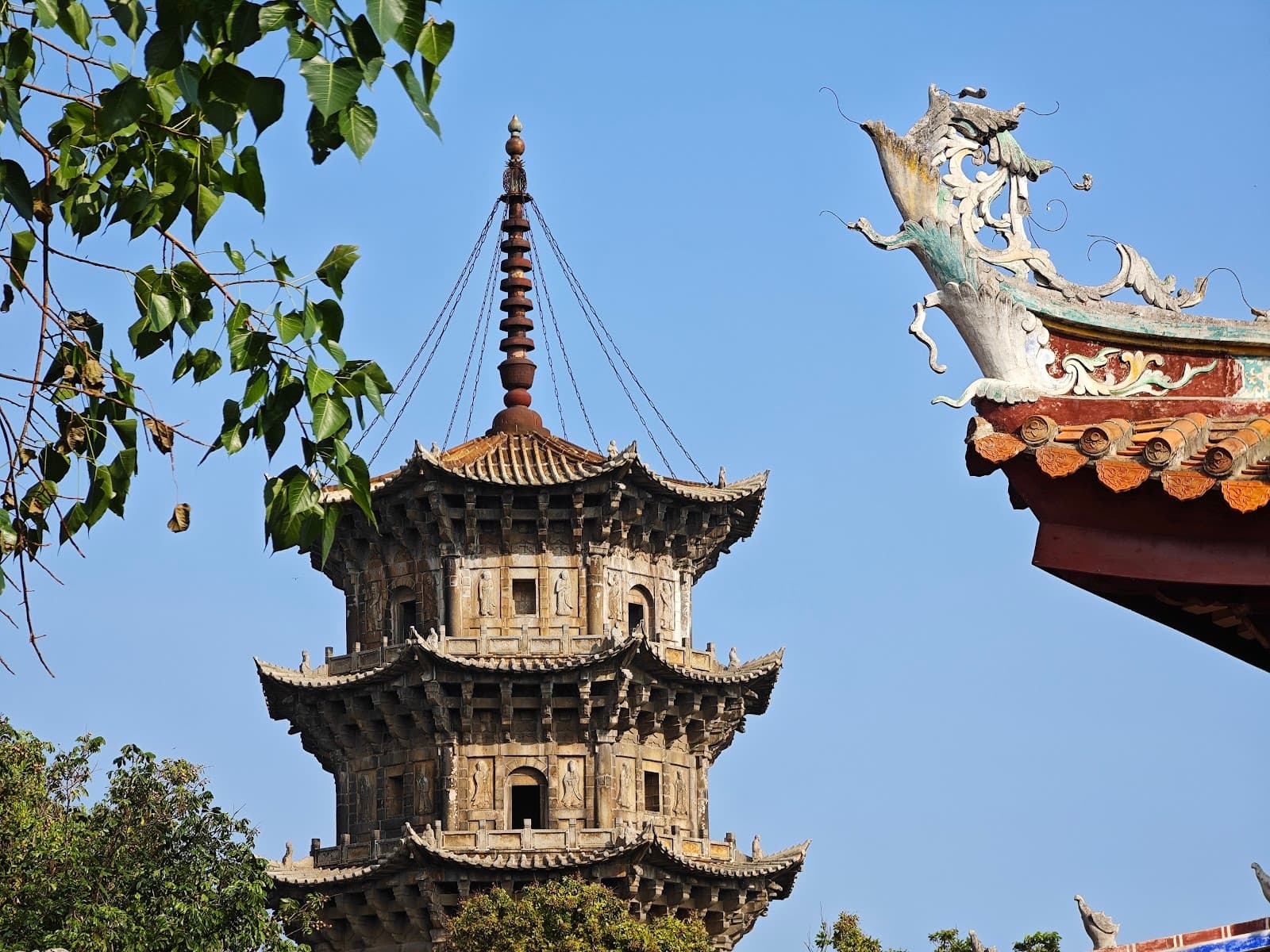
Quanzhou Shiva Temple Columns Laoximen Fujian China
Quanzhou Shiva Temple Columns, dramatically situated in the Laoximen area of the historic city of Quanzhou in southeastern Fujian Province, represent one of the most extraordinary and archaeologically significant remnants of Indian Hindu temple architecture in China, dating from the 13th century CE and serving as powerful evidence of the profound transmission of Indian Hindu religious civilization to China during the medieval period through the extensive Maritime Silk Road trade networks that connected the great temple centers of southern India with the flourishing port cities of southeastern China. The site, featuring sophisticated granite pillars with intricate Hindu carvings including depictions of Shiva, Parvati, Ganesha, and other Hindu deities, along with mythological scenes and architectural elements that demonstrate clear connections to the architectural traditions of ancient India, particularly the sophisticated column design principles and decorative programs that were transmitted from the great temple centers of southern India, demonstrates the direct transmission of Indian Hindu architectural knowledge, religious iconography, and cultural concepts from the great centers of ancient India, particularly the sophisticated temple architecture traditions that were systematically transmitted to China through the extensive maritime trade networks that connected India with China, while the site's most remarkable feature is its extraordinary collection of granite pillars originally from a Hindu temple that once stood in Quanzhou, featuring sophisticated carvings of Hindu deities, mythological scenes, and architectural elements that demonstrate remarkable parallels with Indian temple architecture traditions, particularly the structural techniques and decorative programs that were central to Indian temple architecture. The granite pillars' architectural design, with their sophisticated carvings, decorative bands, and structural elements, follows design principles that demonstrate remarkable parallels with Indian temple column architecture principles, particularly the structural techniques and decorative traditions that were central to Indian temple architecture, while the site's extensive archaeological remains including the granite pillars with clear Indian stylistic influences, Hindu iconographic elements, and architectural details demonstrate the sophisticated synthesis of Indian Hindu iconography and cosmological concepts with local Chinese building materials and preservation techniques. Archaeological evidence reveals that the site served as a major center of Hindu religious activity in medieval Quanzhou during the 13th century, attracting traders, priests, and pilgrims from across China, South Asia, and Southeast Asia, while the discovery of numerous artifacts including the granite pillars with clear Indian stylistic influences, Hindu sculptures that reflect Indian iconographic traditions, and architectural elements that reflect Indian architectural concepts provides crucial evidence of the site's role in the transmission of Indian Hindu religious traditions to China, demonstrating the sophisticated understanding of Indian temple architecture and religious practices possessed by the site's patrons and religious establishment. The site's association with the ancient city of Quanzhou, which flourished as a major trading port along the Maritime Silk Road with extensive connections to India and Southeast Asia, demonstrates the sophisticated understanding of Indian Hindu religious traditions that were transmitted to China, while the site's granite pillars demonstrate remarkable parallels with Indian temple architecture traditions that were central to ancient Indian civilization. The site has been the subject of extensive archaeological research and conservation efforts, with ongoing work continuing to reveal new insights into the site's sophisticated architecture, religious practices, and its role in the transmission of Indian Hindu religious traditions to China, while the site's status as part of the Quanzhou UNESCO World Heritage Site demonstrates its significance as a major center for the transmission of Indian religious and cultural traditions to China. Today, the Quanzhou Shiva Temple Columns stand as one of the most important archaeological sites in China demonstrating Indian Hindu influences, serving as a powerful testament to the transmission of Indian Hindu religious civilization to China, while ongoing archaeological research and conservation efforts continue to protect and study this extraordinary cultural treasure that demonstrates the profound impact of Indian civilization on Chinese religious and cultural development. ([1][2])

Sanamahi Temple Imphal
The air, thick with the scent of incense and marigold, vibrated with a low hum of chanting as I stepped into the Lainingthou Sanamahi Kiyong Temple complex in Imphal. This wasn't the ornate, stone-carved architecture I was accustomed to in Gujarat. Here, in the heart of Manipur, a different kind of beauty unfolded, a testament to Meitei traditions and a reverence for nature. The temple, dedicated to Lainingthou Sanamahi, the supreme deity in Meitei Sanamahism, felt rooted in the earth, exuding an ancient energy. The first thing that struck me was the absence of a central deity idol within the main sanctum. Instead, a sacred fire, perpetually burning, held court. This fire, the symbolic representation of Sanamahi, flickered and danced, casting an ethereal glow on the surrounding space. The sanctum itself, a simple, square structure, was constructed from wood and bamboo, materials that spoke of harmony with the environment. Its thatched roof, layered thick and sloping steeply, was a marvel of traditional craftsmanship, a design I later learned was meant to withstand the heavy monsoon rains. Surrounding the main sanctum were smaller shrines dedicated to other deities of the Meitei pantheon. Each shrine, though distinct, shared a common architectural vocabulary: the same natural materials, the same reverence for simplicity. Unlike the elaborate carvings and sculptures adorning Gujarati temples, the beauty here lay in the clean lines, the unadorned surfaces, and the palpable sense of sacredness. I spent some time observing the rituals. Devotees, dressed in traditional attire, offered flowers, fruits, and incense to the sacred fire. The rhythmic chanting, accompanied by the beating of drums, created a mesmerizing soundscape, transporting me to another realm. It was a stark contrast to the temple rituals I was familiar with, yet equally captivating. The reverence and devotion were universal, transcending the differences in language and ritualistic practices. The temple complex wasn't confined to the structures alone. A large open courtyard, meticulously maintained, formed the heart of the space. This courtyard, I learned, was crucial for community gatherings and festivals. I could almost visualize the vibrant celebrations, the dances, the music, transforming this serene space into a hub of cultural expression. Tall, slender trees dotted the periphery, providing shade and a sense of tranquility. The integration of nature into the temple complex wasn't merely aesthetic; it was integral to the Meitei belief system, a reflection of their deep connection with the natural world. As I wandered through the complex, I noticed intricate wood carvings adorning the pillars and lintels. These weren't depictions of deities, as one might expect, but rather intricate geometric patterns and stylized floral motifs. The craftsmanship was exquisite, a testament to the skill and artistry of the local artisans. The absence of representational imagery further emphasized the focus on the intangible, the spiritual essence of the deity. My visit to the Lainingthou Sanamahi Kiyong Temple was a profound experience. It challenged my preconceived notions of what constituted sacred architecture. It wasn't the grandeur of scale or the opulence of materials that defined this space, but rather the simplicity, the connection to nature, and the palpable sense of spiritual energy. It was a reminder that architectural marvels can take many forms, each reflecting the unique cultural and spiritual landscape of its people. Leaving the temple, the scent of incense still clinging to my clothes, I carried with me a newfound appreciation for the diverse expressions of faith and the architectural wonders they inspire.
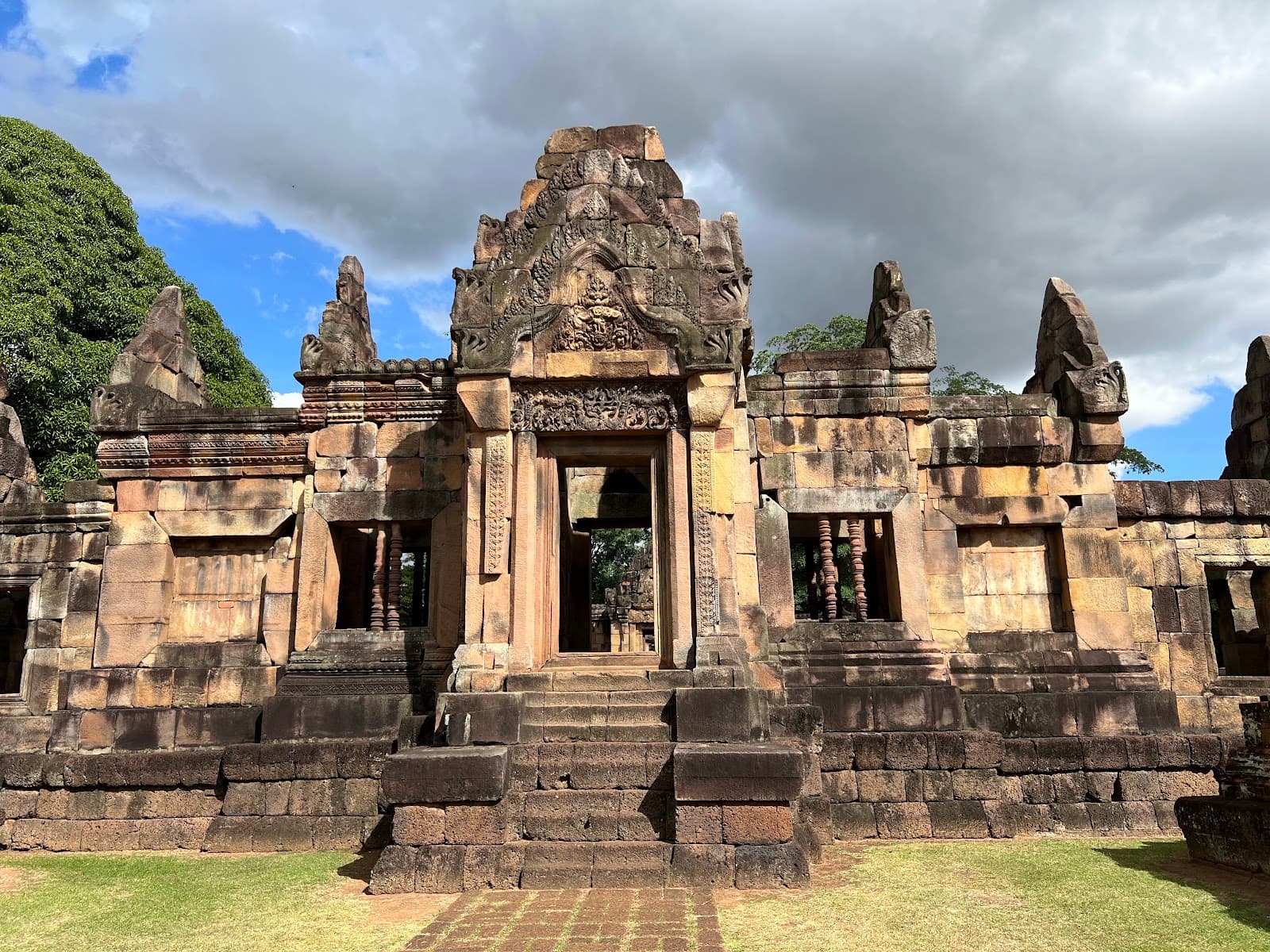
Prasat Hin Muang Tam Buri Ram
Prasat Hin Muang Tam, located approximately 8 kilometers southeast of Phanom Rung in Buri Ram Province, represents a unique Khmer temple complex distinguished by its flat concentric layout and exceptional integration of water features symbolizing the cosmic oceans surrounding Mount Meru. The temple, constructed in the late 10th and early 11th centuries CE during the Baphuon period, is dedicated primarily to Shiva, with evidence of Vishnu worship in subsidiary shrines, demonstrating the syncretic nature of Khmer religious practice. The complex features a distinctive quincunx arrangement of five sandstone prasats—one central tower surrounded by four corner towers—all constructed from pink sandstone and laterite, set within a rectangular laterite enclosure measuring 274 by 420 meters. The temple’s most remarkable feature is its four L-shaped ponds positioned at the cardinal directions, each measuring approximately 50 by 100 meters, symbolizing the four oceans of Hindu cosmology and creating a unique architectural expression of cosmic geography. The central prasat rises 15 meters and houses a massive lingam pedestal, while the four corner towers contain smaller shrines. The temple’s lintels and pediments showcase exceptional bas-relief work depicting scenes from Hindu mythology, including the churning of the ocean of milk, Shiva’s cosmic dance, and various deities. The complex includes two libraries positioned east of the central prasat, numerous subsidiary shrines, and a sophisticated drainage system that channels water from the ponds through the temple complex. Archaeological evidence indicates the temple served as a regional religious center complementing the larger Phanom Rung complex. The site underwent restoration from 1984 to 1995, involving structural stabilization and conservation of decorative elements. Today, Prasat Hin Muang Tam remains an important site for understanding Khmer temple architecture and Hindu cosmology, attracting visitors interested in its unique water-based design and exceptional stone carvings. ([1][2])
Gwalior Fort Gwalior
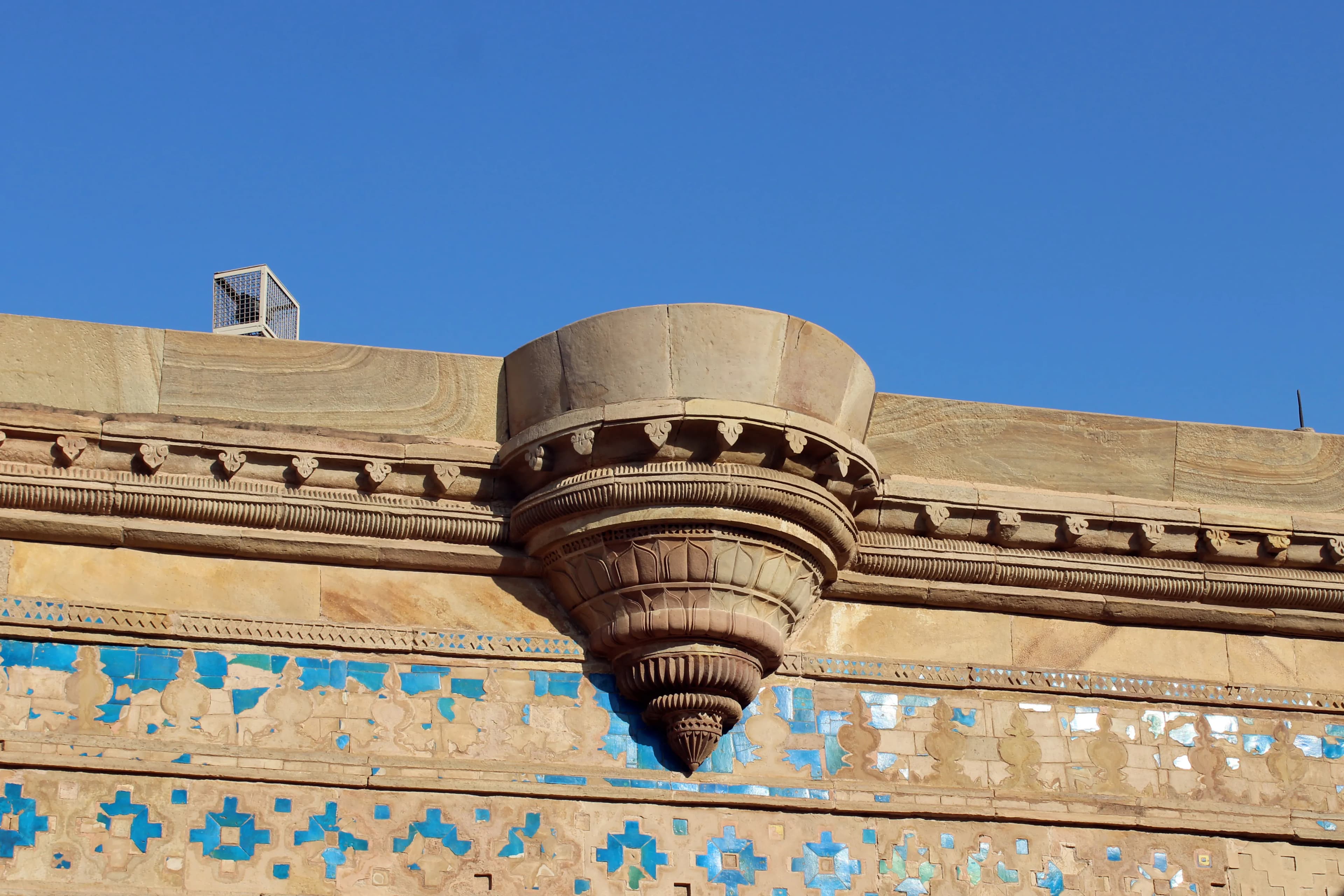
The sun, a molten orb in the Gwalior sky, cast long shadows across the sandstone ramparts of the fort, painting the scene in hues of ochre and gold. My ascent, via the winding, fortified road, felt like a journey back in time, each turn revealing another layer of history etched into the very stone. Gwalior Fort, perched atop its isolated plateau, isn't just a structure; it’s a palimpsest of centuries, a testament to the rise and fall of empires. The sheer scale of the fort is initially overwhelming. Stretching almost 3 kilometers in length and rising 100 meters above the plains, it commands the landscape. My initial exploration focused on the Man Mandir Palace, the earliest and perhaps most striking of the fort's structures. Built by Raja Man Singh Tomar in the late 15th century, it’s a riot of colour and intricate detail. The turquoise, yellow, and green glazed tiles, though faded in places, still retain a vibrancy that belies their age. I was particularly captivated by the rounded chhatris crowning the palace, their delicate forms a stark contrast to the robust fortifications surrounding them. The intricate latticework screens, or jalis, within the palace offered glimpses of the courtyard below, allowing the royal women to observe courtly life while remaining secluded. These jalis, a recurring motif in Indian architecture, are not merely decorative; they are a testament to the ingenuity of the craftsmen, allowing for ventilation and light while maintaining privacy. Moving beyond the Man Mandir, I encountered the Sas Bahu (Saas-Bahu) Temples, two intricately carved structures dedicated to Vishnu. The larger temple, originally dedicated to Vishnu as Padmanabha, showcases a stunning fusion of architectural styles. The shikhara, or tower, displays a blend of the North Indian Nagara style and the South Indian Dravida style, a subtle reminder of the cultural exchange that characterized this region. The smaller temple, dedicated to Shiva, is simpler in design but equally captivating. The erosion on the sandstone carvings, a result of centuries of exposure to the elements, adds a poignant touch, whispering tales of time's relentless march. The Teli Ka Mandir, with its soaring 30-meter high shikhara, presented another architectural marvel. Its unusual height and the Dravidian influences in its design, particularly the pyramidal roof, make it stand out from the other structures within the fort. Scholars debate its origins and purpose, adding another layer of intrigue to this already fascinating site. Standing at its base, I felt a sense of awe, imagining the skilled artisans who painstakingly carved the intricate sculptures adorning its walls. As I walked along the ramparts, the city of Gwalior sprawled beneath me, a tapestry of modern life juxtaposed against the ancient backdrop of the fort. The strategic importance of this location became immediately apparent. From this vantage point, the rulers of Gwalior could control the surrounding plains, ensuring their dominance over the region. The numerous gateways, each with its own unique character, further emphasized the fort's defensive capabilities. The Jauhar Kund, a deep well within the fort, carries a somber history. It is said that Rajput women committed Jauhar, a self-immolation ritual, here to avoid capture by invading armies. Standing at its edge, I felt a pang of sadness, reflecting on the sacrifices made within these very walls. My visit to Gwalior Fort was more than just a sightseeing trip; it was an immersive experience. It was a journey through time, a dialogue with the past. The fort stands as a silent witness to the ebb and flow of history, a repository of stories etched in stone, waiting to be discovered and interpreted. As I descended, leaving the imposing structure behind, I carried with me not just photographs and memories, but a deeper appreciation for the rich tapestry of Indian history and the architectural brilliance that shaped it.
Dalverzin Tepe Surxondaryo Uzbekistan
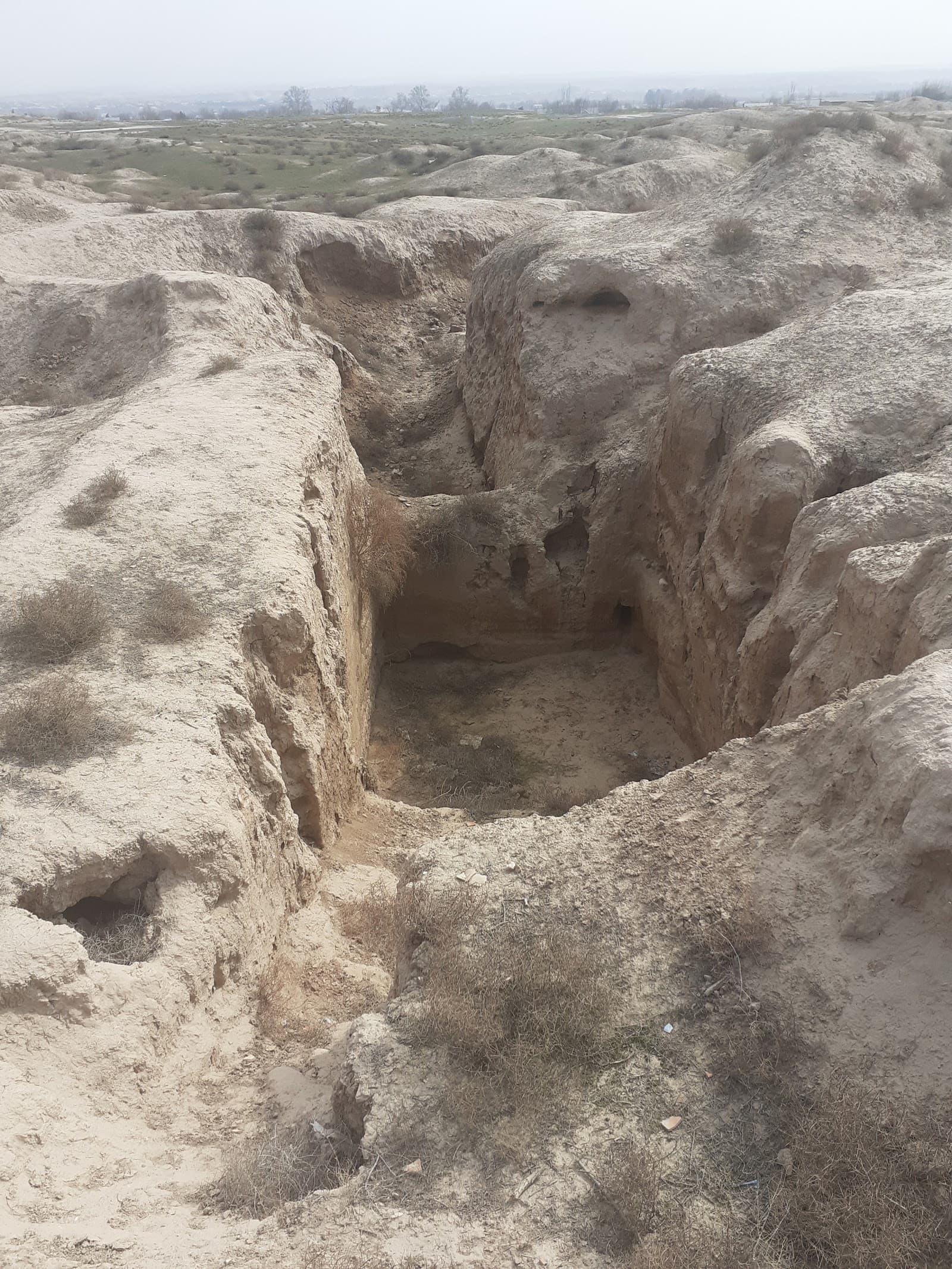
Dalverzin Tepe, an ancient archaeological site located in the Surxondaryo Region of Uzbekistan, stands as a profound testament to the millennia-spanning cultural heritage of India, particularly through its embrace and adaptation of Indian Buddhist and Gandhara-Kushan architectural styles [3] [5]. This significant urban center, flourishing under the Kushan Empire, exemplifies the continuous tradition of Indian civilization's artistic and religious dissemination across Central Asia [2] [4]. The site's indigenous architectural styles, materials, and cultural practices reflect India's deep historical roots, showcasing a sophisticated synthesis of traditions [3]. The city plan of Dalverzin Tepe is characterized by a rectangular layout, featuring a prominent citadel at its core, with residential and religious structures meticulously arranged in parallel rows around this central defensive element [2]. Among its most significant features are two well-preserved Buddhist temples, which represent a direct extension of Indian Buddhist architectural principles into the region [4] [5]. These temples, constructed primarily from mud brick and pakhsa (rammed earth), demonstrate robust construction techniques typical of the period, often incorporating gypsum-coated clay for intricate sculptural and decorative elements [2] [3]. Archaeological excavations have unearthed numerous statues of Buddha and bodhisattvas, crafted from clay and gypsum, reflecting the distinctive Gandhara style that blends Hellenistic artistic conventions with Indian iconography [2] [4]. Specific architectural details include Attic stone column bases and terracotta antefixes, indicating a fusion of Greco-Roman and indigenous Central Asian elements, all serving to adorn structures dedicated to Indian religious practices [3]. A notable discovery is a gypsum-coated clay head of a youth, found within a Buddhist temple, which exemplifies the refined artistic output of the era [3]. The site also yielded a remarkable treasure hoard of gold, underscoring its historical wealth and cultural significance [2]. Dalverzin Tepe's urban planning included sophisticated defensive features, with the town experiencing active urban and defensive construction during its peak Kushan period [3]. While specific dimensions for individual structures are subject to ongoing research, the overall scale of the city suggests a well-organized settlement capable of sustaining a significant population and cultural activity [2]. The site is currently on the UNESCO Tentative List, recognizing its outstanding universal value and the need for continued preservation [1]. Ongoing archaeological findings, supported by joint excavations involving Uzbek, Korean, and Japanese scholars, contribute to a deeper understanding of its layered history and architectural evolution [4]. Conservation efforts focus on stabilizing extant structures and protecting unearthed artifacts, ensuring the long-term preservation of this crucial link in India's cultural continuum [1]. The site is maintained for scholarly research and potential future public access, with current compliance and maintenance protocols in place to safeguard its heritage. Dalverzin Tepe stands as an enduring testament to India's profound and continuous cultural legacy, spanning thousands of years, and is operationally ready for continued study and eventual broader public engagement.
Danteshwari Temple Dantewada
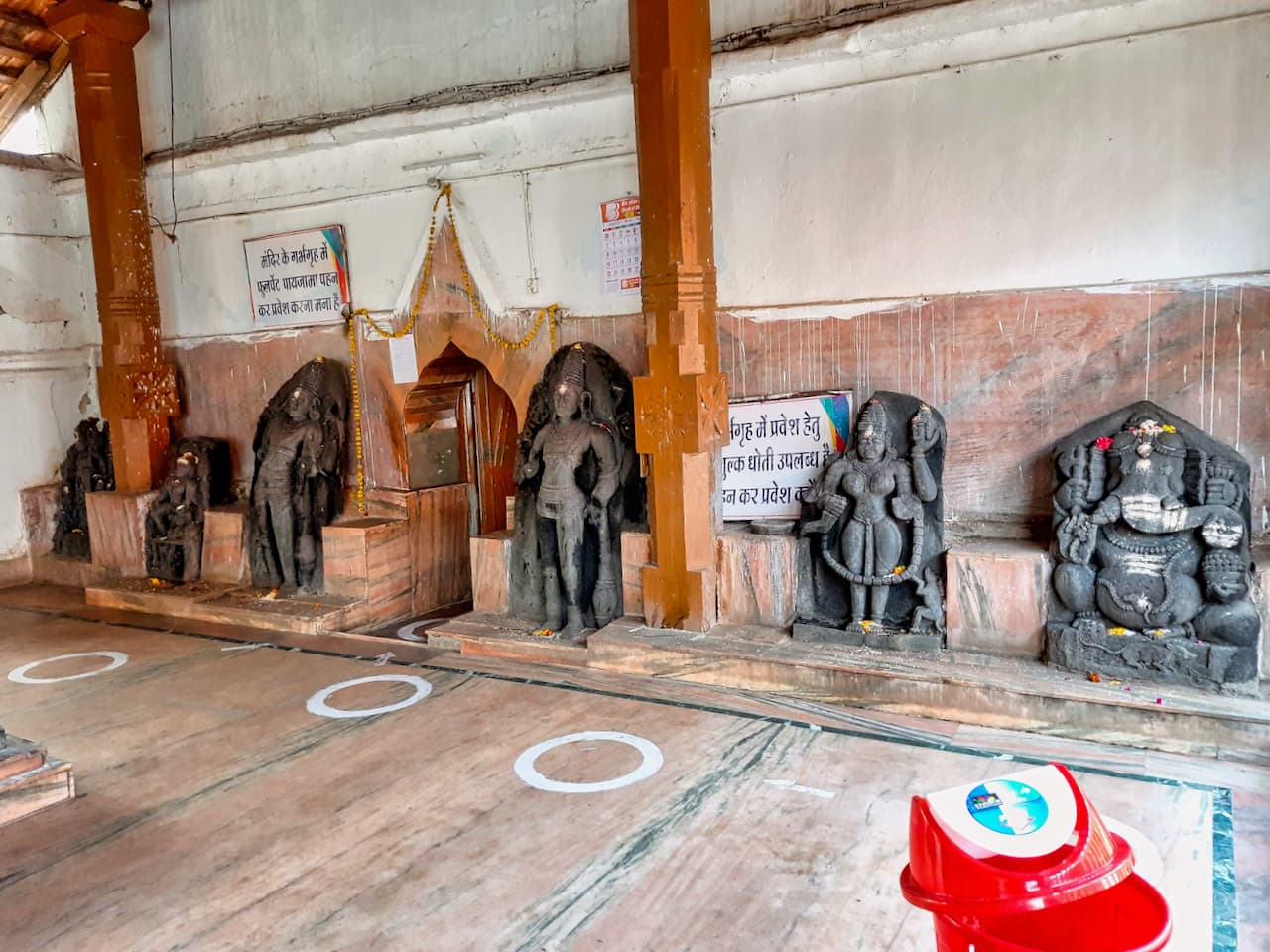
Crimson flags flutter, as the Danteshwari Temple in Dantewada, Chhattisgarh, beckons with the scent of incense and the resonance of ancient chants. Dedicated to Goddess Danteshwari, the presiding deity of the Bastar region, this temple stands as a powerful embodiment of faith and history ([1]). Built around 1050 CE during the Kalachuri period ([2]), the temple showcases a unique blend of Nagara architectural style and local tribal influences ([3]). Chalukya rulers of South Kosala were patrons of the temple ([4]). Stone platforms and foundations demonstrate the temple's enduring strength, constructed using laterite stone, brick, and wood ([5]). Unlike the elaborately carved temples of other regions, Danteshwari Temple exudes a raw, primal beauty, its weathered walls whispering tales of dynasties and devotions ([6]). The main temple features a curvilinear tower and a sanctum, characteristic of Hindu temple architecture ([7]). Intricate carvings adorning the walls of the Mandapa (Pillared Hall) depict scenes from the Mahabharata and local folklore ([8]). These narratives, etched in stone, provide a visual chronicle of the region's rich cultural heritage, seamlessly blending mythology with the traditions of the Bastar tribes ([9]). Devotees, adorned in vibrant attire, fill the inner courtyard, their faces reflecting reverence and anticipation ([10]). The rhythmic clang of bells, the chanting of priests, and the murmur of prayers create an atmosphere charged with spiritual energy. Within the Garbhagriha (Sanctum), the deity resides, radiating palpable energy of devotion ([11]). The temple complex houses several smaller shrines dedicated to various deities, each with its unique character and significance ([12]). Danteshwari Temple isn't merely a static monument; it's a living entity, constantly evolving with the changing tides of time and tradition, symbolizing resilience and the unwavering spirit of the Bastar people ([13]).
Sindhi Guru Darbar Temple Dubai
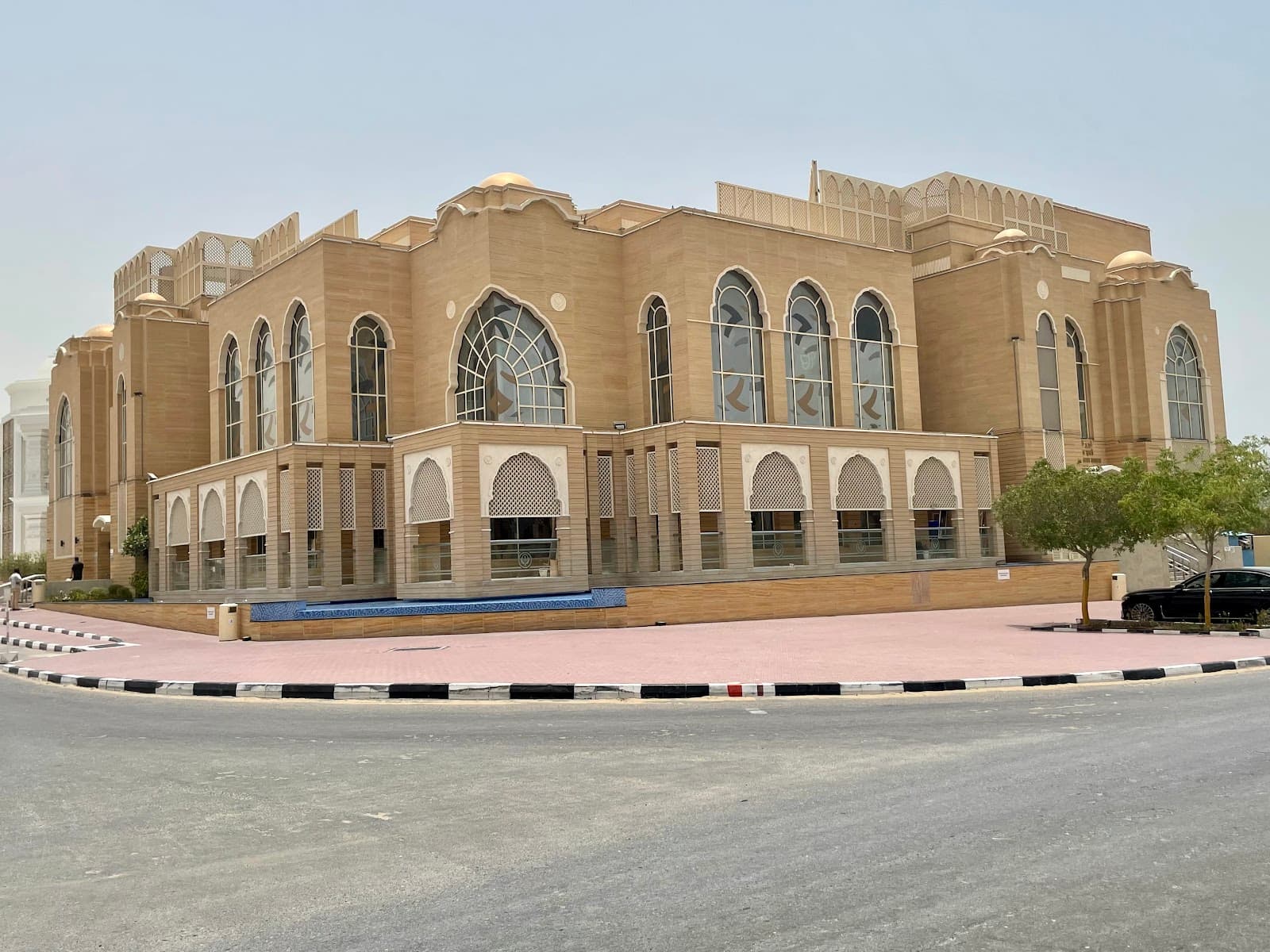
Sindhi Guru Darbar Temple traces its origins to the 1958 Bur Dubai courtyard shrine that housed both Guru Granth Sahib and deities cherished by the Sindhi Hindu community; in 2009 the community inaugurated a new three-storey complex nearby, and in January 2024 the founder trustees opened a contemporary 40,000-square-foot Sindhi Guru Darbar in Jebel Ali Worship Village to support Dubai\u2019s expanding diaspora, while continuing daily nitya seva at the historic Bur Dubai site ([1][2]). The Jebel Ali mandir integrates a main darbar for Jhulelal, Durga, Shiv Parivar, Balaji, Shirdi Sai, and Guru Granth Sahib with a 900-seat langar hall, Gujarati/Sindhi classrooms, Ayurveda clinic, legal aid desk, and co-working lounge for blue-collar workers on rest days. The façade features an 11-petal lotus crown, mirrored cladding, and LED-integrated jaalis referencing both Sindhi ajrak motifs and Arabic mashrabiya. Daily operations run 5:30 AM-9:30 PM with sehar arti, satsang, guru vandana kirtan every evening, and Rasoi Seva distributing 1,500 vegetarian meals daily. The temple\u2019s rituals highlight Sindhi riverine heritage: weekly Jhulelal palki processions, chej folk dance workshops, akhand jaap streams to labour accommodations, and Sindhi language instruction for children. During Cheti Chand the complex handles 25,000 devotees using RFID entry, shaded queue mazes, dedicated women\u2019s security lanes, medical tents, and shuttle buses from Ibn Battuta metro. A heritage gallery preserves memories of Bur Dubai\u2019s original temple, featuring oral histories, decrees from the late Sheikh Rashid, and a digital map of Sindhi businesses that sprang up around the Creek ([1][3]).
Tripura Sundari Temple Udaipur
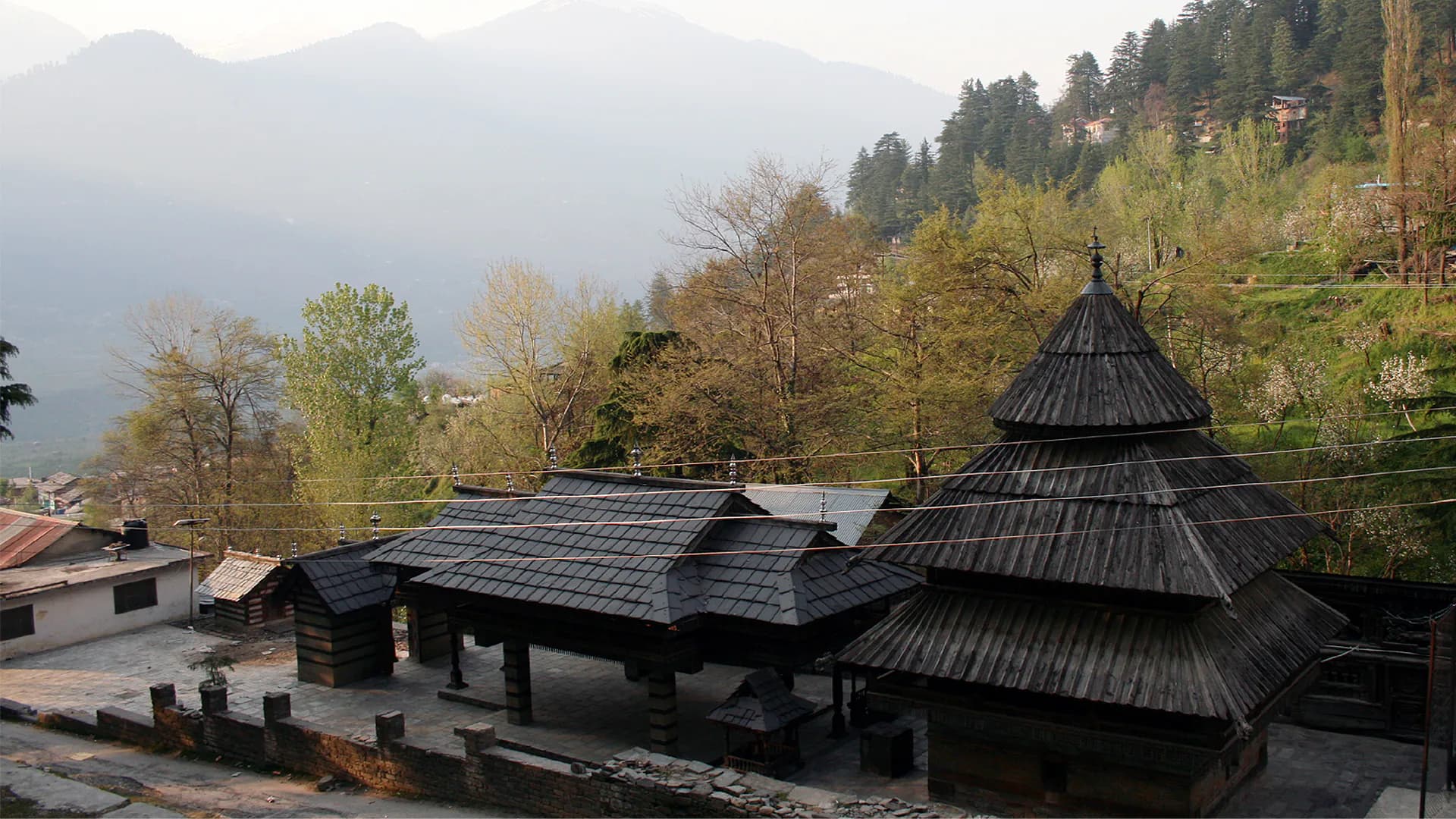
The air hung thick and humid, fragrant with incense and marigold garlands, as I climbed the shallow steps leading to Tripura Sundari Temple. Located in Udaipur, Tripura, this Shakti Peetha, one of the 51 holy sites where parts of Sati's body are said to have fallen, vibrated with a palpable energy. Having visited every UNESCO site in India, I can confidently say Matabari, as it’s locally known, holds a unique charm, blending natural beauty with a profound sense of devotion. The temple complex sits nestled on a small hillock overlooking a serene lake, Kalyan Sagar. This lake, teeming with large, colourful fish considered sacred, adds another layer of mystique to the location. Devotees throng the banks, offering puffed rice to the fish, their vibrant scales flashing beneath the surface. This symbiotic relationship between nature and worship is a recurring theme at Matabari. The main temple, dedicated to Tripura Sundari, also known as Soroshi, is a relatively recent structure, built in 1501 by Maharaja Dhanya Manikya. Its characteristic Bengali-hut style architecture, with a curved, sloping roof and bright ochre walls, stands in stark contrast to the elaborate, towering temples of South India. The simplicity, however, is deceptive. Intricate terracotta carvings adorn the facade, depicting scenes from Hindu mythology and local folklore. I spent a considerable amount of time studying these panels, each a miniature narrative frozen in time. The craftsmanship, despite centuries of weathering, remains remarkably detailed, a testament to the skill of the artisans. Inside the temple, the atmosphere is charged with devotion. Photography is restricted within the sanctum sanctorum, which allows for a more immersive experience. The deity, Tripura Sundari, is represented by a small, silver idol, adorned with vibrant silks and flowers. The air is thick with the scent of burning camphor and the rhythmic chanting of priests. While I've witnessed grander, more opulent displays of worship at other sites, the intimate setting at Matabari fostered a sense of connection that I found deeply moving. Beyond the main temple, the complex houses several smaller shrines dedicated to other deities, including Kali and Shiva. Each shrine has its own distinct character, reflecting the diverse pantheon of Hindu gods and goddesses. I was particularly drawn to the shrine of the eight-handed Durga, a fierce and powerful representation of the goddess, a stark contrast to the serene Tripura Sundari. One of the most striking aspects of Matabari is the confluence of different religious traditions. While primarily a Hindu pilgrimage site, the temple also attracts Buddhist devotees who revere Tripura Sundari as a form of Tara. This intermingling of faiths creates a unique atmosphere of tolerance and mutual respect, a testament to India's rich syncretic heritage. My visit to Matabari wasn't just about observing the architecture and rituals; it was about experiencing the living, breathing faith that permeates the site. From the elderly woman whispering fervent prayers to the young boy offering a handful of puffed rice to the sacred fish, every individual contributed to the temple's vibrant tapestry of devotion. It's this human element, this palpable sense of connection between the divine and the earthly, that makes Matabari a truly unforgettable experience. As I descended the steps, leaving the temple behind, I carried with me not just photographs and memories, but a deeper understanding of the power of faith and the enduring legacy of India's cultural heritage.
Angkor Thom Bayon Siem Reap Cambodia
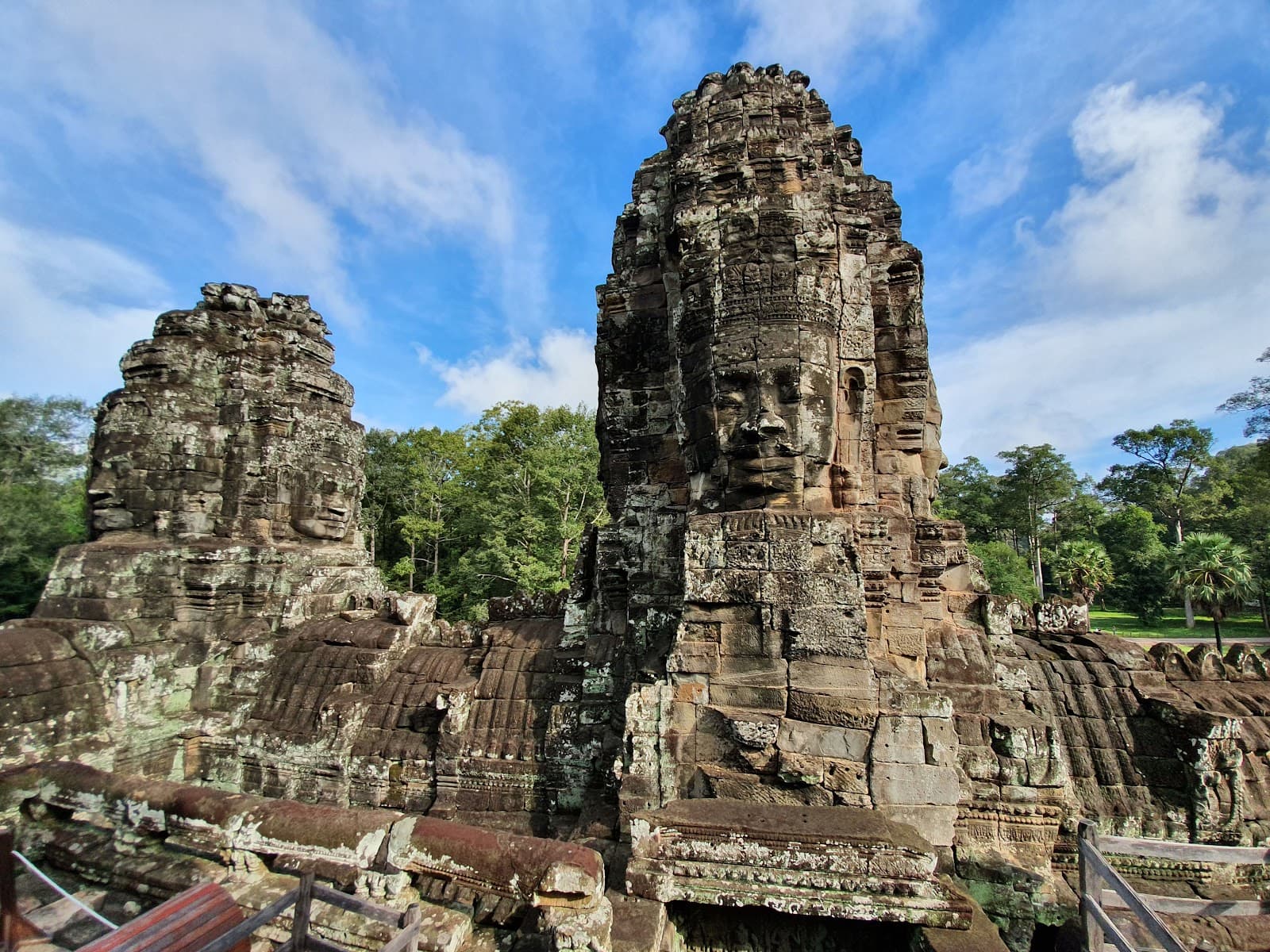
Nestled within Angkor Thom, the ancient Khmer capital, stands Bayon Temple, a testament to the architectural and religious synthesis achieved during the reign of King Jayavarman VII around 1250 CE ([1][2]). Conceived as a Mahayana Buddhist state temple, Bayon integrates elements of Indian Buddhist and Hindu iconography with distinctive Khmer architectural designs ([1]). The temple's construction utilized materials such as sandstone, laterite, lime mortar, metal, and wood ([2]). Intricate carvings adorning the temple walls narrate scenes from Khmer history and episodes from Indian mythology, most notably the Samudra Manthan (Churning of the Ocean of Milk), illustrating the transmission of Indian cultural narratives to Southeast Asia ([1][2]). These elaborate bas-reliefs provide invaluable insights into the religious and social life of the Khmer Empire ([3]). Originally, the Bayon featured 54 towers; 37 remain, each sculpted with colossal stone faces ([1]). Scholars propose these 216 faces represent Avalokiteshvara, the bodhisattva of compassion, or a syncretic representation of Buddha and the king himself ([2]). During its construction, Vastu Shastra principles, the ancient Indian science of architecture, likely influenced the temple's layout ([4]). Its three-tiered structure may reflect the three worlds of Indian cosmology ([1]). Vedic traditions also influenced the temple's spatial arrangement and iconographic program ([4][5]). Shaiva (Shiva-worshipping) motifs are incorporated, indicative of the religious syncretism prevalent in Khmer society ([1][2]). Granite and sandstone blocks, meticulously carved, form the structural components of the temple, showcasing the advanced engineering skills of Khmer artisans ([3]). Today, as a UNESCO World Heritage Site, Angkor Thom and Bayon exemplify the profound influence of Indian culture on Southeast Asian architecture and art ([3][4][5]). Ongoing research and conservation efforts ensure the preservation of this invaluable cultural heritage for future generations ([5]).
Quick Links
Plan Your Heritage Journey
Get personalized recommendations and detailed visitor guides