Has Inheritage Foundation supported you today?
Your contribution helps preserve India's ancient temples, languages, and cultural heritage. Every rupee makes a difference.
Secure payment • Instant 80G certificate
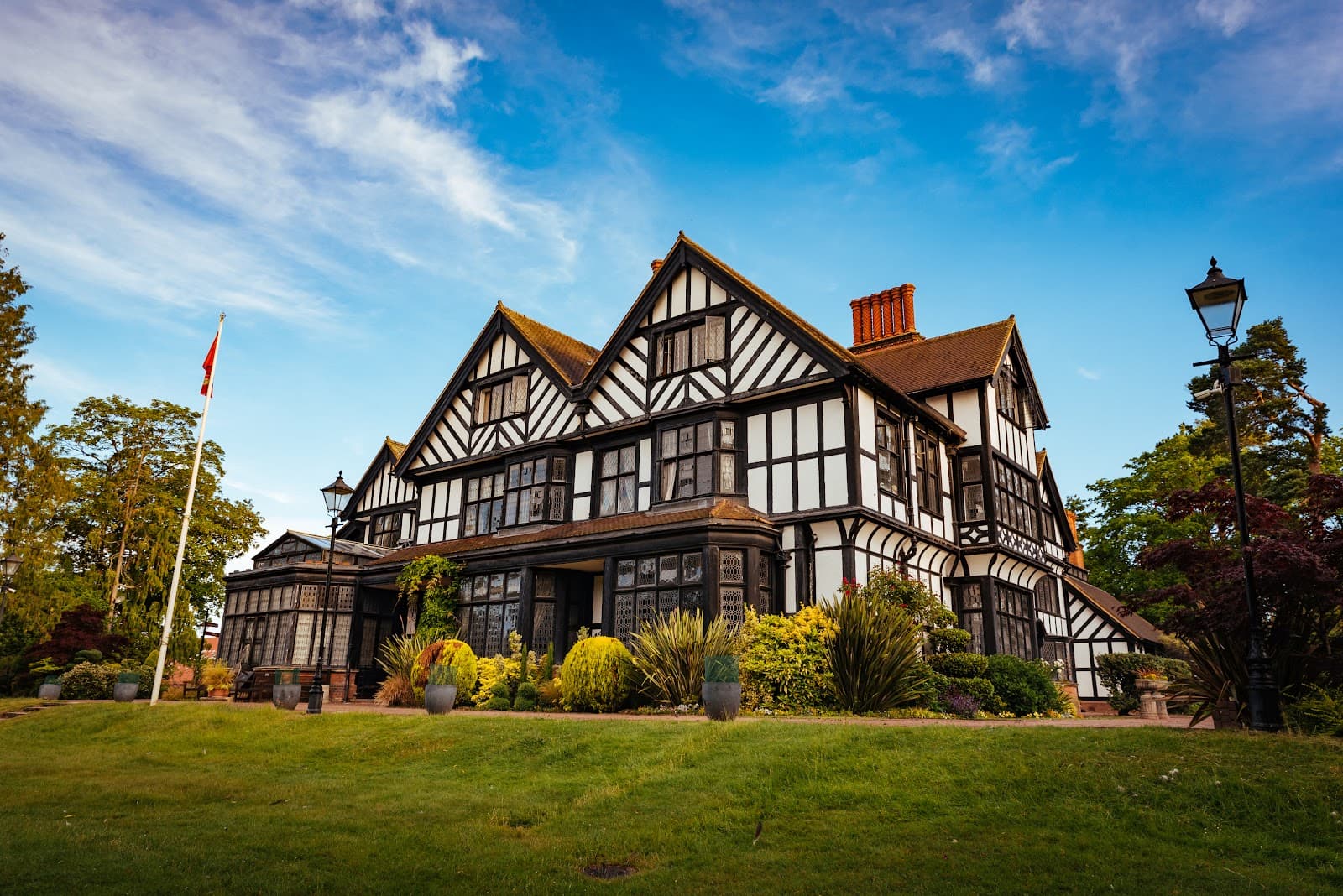
Bhaktivedanta Manor Watford
Bhaktivedanta Manor, located in Aldenham, Watford, Hertfordshire, England, serves as a prominent Gaudiya Vaishnava Hindu temple dedicated to Sri Sri Radha Gokulananda, embodying a continuous tradition of Indian civilization that spans millennia [1] [2]. While the physical structure of the manor house dates to the Victorian period, its current function as a temple, established in 1973, integrates indigenous Indian architectural principles and cultural practices, reflecting the deep historical roots of Vaishnavism [1] [3]. The site's architectural style is characterized by an adaptive reuse approach, blending the original mock-Tudor mansion with elements of Gaudiya Vaishnava temple architecture, particularly evident in the Sri Krishna Haveli development completed in 2020 [2] [5]. This new facility, costing £10.65 million, is a 2000-square-meter building designed to complement the existing mock-Tudor mansion without overshadowing it [2] [5]. Its construction utilized local materials such as oak, timber, tile, and traditional red brick with stone paving, respecting the Hertfordshire vernacular, while incorporating bespoke line patterns based on Rajasthani and formal English designs [5]. Teak mouldings, carved in India, were imported and further developed for the inner ceilings of the veranda walkway, showcasing a direct connection to Indian craftsmanship [5]. The Haveli features a Chakra Garden at its entrance, symbolizing the heart's centrality in the Bhakti tradition, and includes a Kirtan Hall with wood paneling and a stage, a Seva Hall with a fully equipped kitchen for serving prasadam, and the Bhakti Vidyalaya learning area with Atma Vidya and Paramatma Vidya rooms for educational purposes [5]. An outdoor Haveli playground, inspired by Krishna's childhood pastimes, is crafted from old trees, providing a safe and creative space for children [5]. The main temple room within the original manor house features an altar of carved wood and gilt, housing three domed shrines [3]. The central shrine is dedicated to Radha and Krishna, known as "Radha Gokulananda," while another houses Gaura-Nitai deities, and a third enshrines Sita, Rama, Lakshmana, and Hanuman [3]. The property, spanning 78 acres, also includes an organic farm, a cow sanctuary housing 66 cows and bulls, a primary school, ashrams, and a small theatre for performances illustrating bhakti yoga [1] [3]. Conservation efforts have included extensive renovation of the original manor building, both internally and externally, restoring it to its 1884 appearance [2]. The site actively hosts daily worship, educational programs, cultural events, and serves thousands of vegetarian meals weekly [1] [2]. Bhaktivedanta Manor is fully operational, providing a vibrant spiritual sanctuary and a testament to the enduring cultural legacy of India, continuously adapting and thriving in its mission [1] [2].
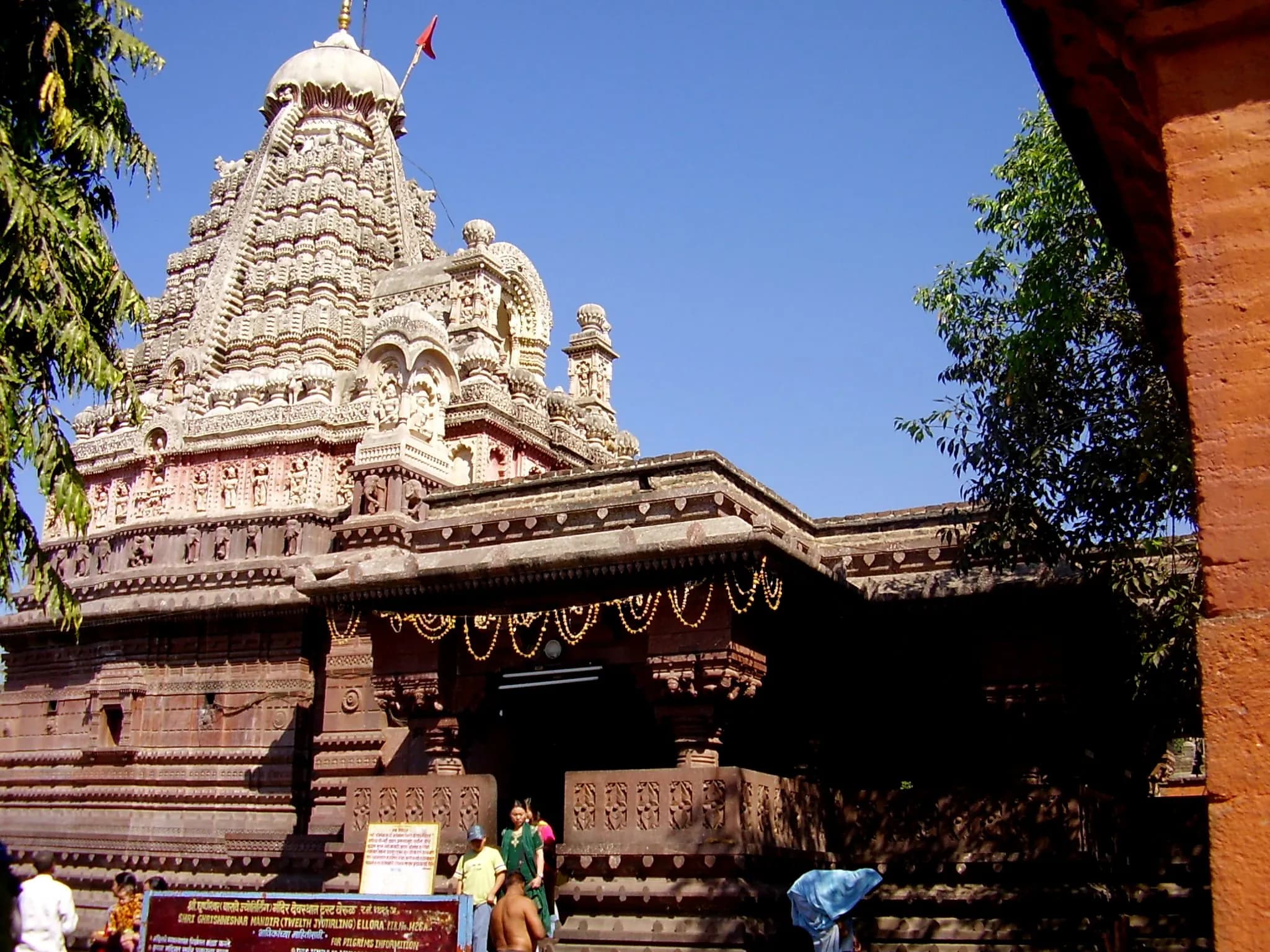
Grishneshwar Temple Verul
The late afternoon sun cast long shadows across the basalt courtyard of the Grishneshwar Temple, illuminating the intricate carvings that covered every inch of its surface. Standing before this resurrected marvel, the twelfth Jyotirlinga, I felt a palpable connection to the centuries of devotion that have imbued this site with a quiet power. Unlike some of the grander, more imposing temples I’ve encountered, Grishneshwar possesses a subtle elegance, a whispered grandeur that speaks volumes about the enduring spirit of its builders. Reconstructed in the 18th century by Ahilyabai Holkar, the temple stands as a testament to her dedication to preserving India's sacred heritage. While the current structure is relatively recent, the site itself is ancient, with its roots tracing back to the Yadava period. This layering of history, the palimpsest of architectural styles, is what makes Grishneshwar so fascinating. One can discern the influence of the earlier Hemadpanti style in the simple, yet robust, forms of the mandapa and the shikhara, while the later Maratha additions bring a flourish of ornamentation, a riot of sculpted figures and decorative motifs. The red stone shikhara, rising towards the cerulean sky, is a masterpiece of proportion and detail. Each tier, adorned with miniature shrines and celestial beings, tells a story, a fragment of the rich tapestry of Hindu mythology. I spent a considerable amount of time simply circling the temple, my gaze tracing the lines of the carvings, trying to decipher the narratives etched in stone. From depictions of Shiva’s various forms to scenes from the epics, the shikhara is a visual encyclopedia of Hindu iconography. Stepping inside the dimly lit garbhagriha, the sanctum sanctorum, the atmosphere shifted dramatically. The air was thick with the scent of incense and the murmur of prayers. The lingam, the symbolic representation of Shiva, rested in a simple depression, its smooth, dark stone absorbing the reverence of the devotees. Despite the constant flow of worshippers, a sense of tranquility pervaded the space, a stillness that allowed for a moment of introspection, a connection with the divine. The mandapa, the pillared hall leading to the sanctum, is equally captivating. The massive pillars, each carved with intricate designs, support a richly decorated ceiling. I was particularly struck by the depictions of the Ashtadikpalakas, the eight guardian deities, each occupying a cardinal direction, their presence adding a sense of cosmic order to the space. The play of light and shadow within the mandapa created a mesmerizing effect, highlighting the depth and detail of the carvings. Beyond the architectural marvels, it was the palpable devotion of the pilgrims that truly resonated with me. Their quiet reverence, their whispered prayers, their offerings of flowers and fruits, all contributed to the sacred ambiance of the site. Witnessing their faith, their connection to this ancient place of worship, reinforced the enduring power of these sacred spaces. Leaving the cool confines of the temple, I paused at the entrance to look back. The setting sun bathed the stone in a warm, golden light, accentuating its timeless beauty. Grishneshwar is more than just a temple; it is a living testament to India’s rich cultural and spiritual heritage, a place where history, art, and faith converge to create an experience that is both humbling and inspiring. It is a place I will long remember, not just for its architectural splendor, but for the profound sense of connection it evoked.
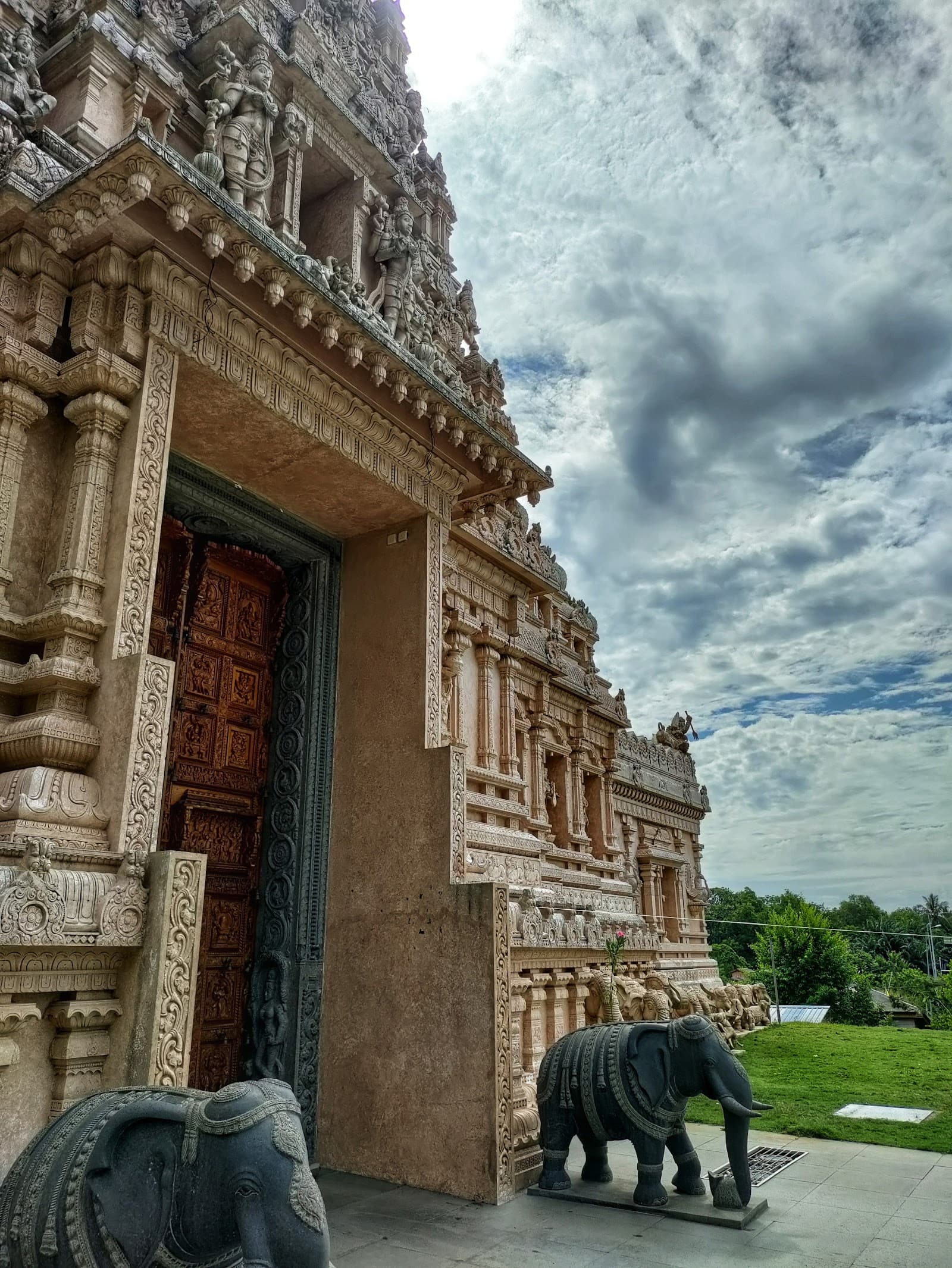
Sri Shakti Devasthanam Bukit Rotan Selangor
Sri Shakti Devasthanam is Malaysia’s only temple inspired by the ancient concept of Paadal Petra Sthalams, inaugurated in 2015 after a decade-long project that sourced sculptors, craftsmen, and ritualists from Tamil Nadu to create a 48,000-square-foot granite complex with a 27.5-metre rajagopuram, five-tiered vimanas, 96 lion pillars, and a circular circumambulatory corridor depicting 51 forms of Shakti in high relief ([1][2]). Every surface is hand-carved—sthapathis spent seven years chiselling over 15,000 sculptures, including celestial dancers, guardians, and mythic narratives of Chandi Parameshwari. The temple operates 6:00 AM-9:30 PM with five kala pujas, weekly Chandi homa, monthly Navavarana puja, and continuous annadhanam. During Navaratri, the temple stages alankaram representing nine manifestations of Devi using floral, textile, and jewel ensembles curated by artisans from Kanchipuram; attendance swells to 80,000, supported by RFID headcounts, rain shelters, medical bays, logistics warehouses, and sustainability stations. Facilities include the Shakti Peetam hall (for meditation and yoga), language classrooms, heritage gallery, vegetarian café, library housing Sri Vidya manuscripts, rain gardens, and a volunteer operations centre coordinating humanitarian outreach across Selangor ([1][3]).
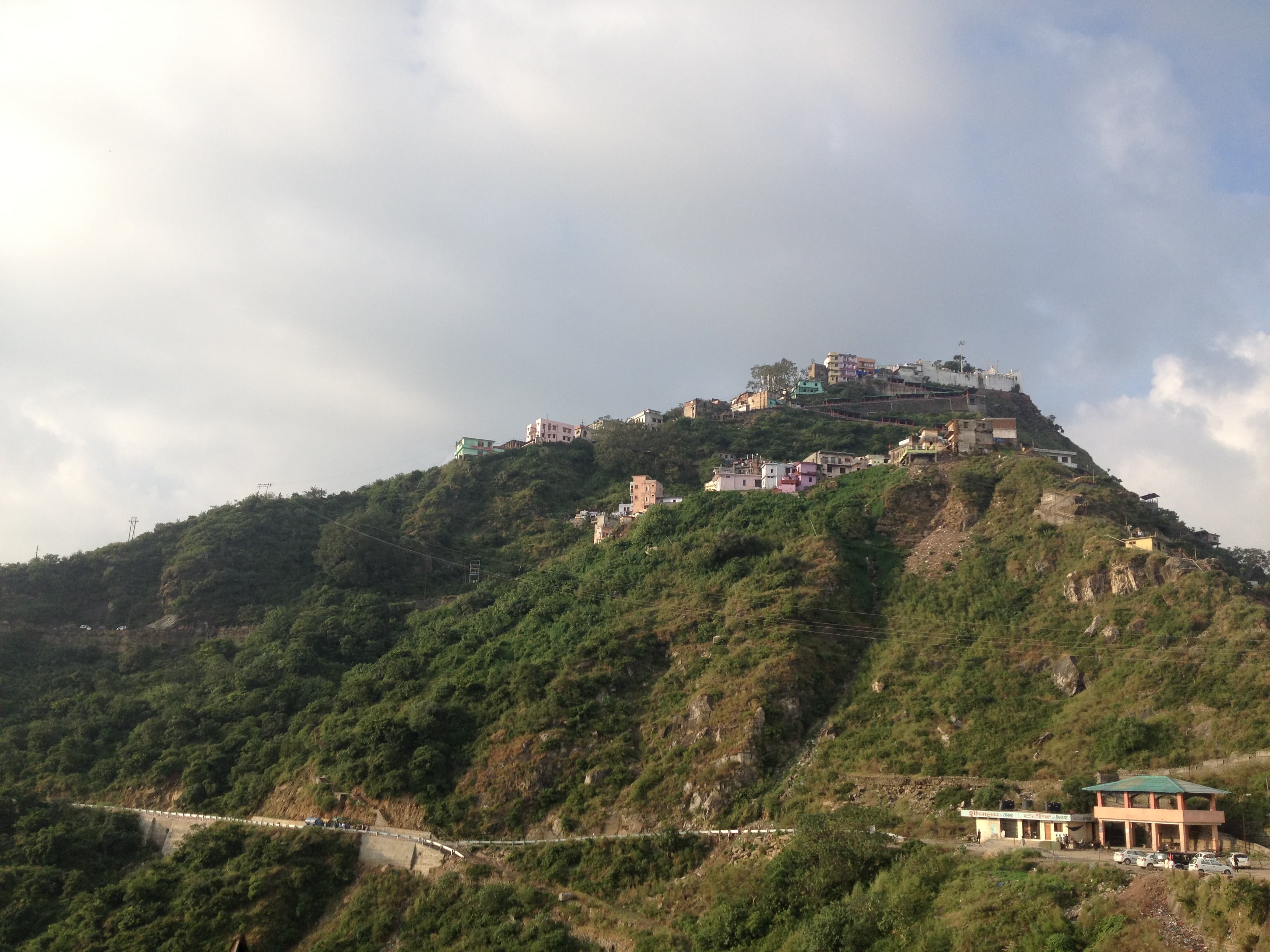
Naina Devi Temple Bilaspur
The crisp Himalayan air, scented with pine and a hint of something sacred, whipped around me as I ascended the winding path to Naina Devi Temple. Located atop a hill overlooking the Gobind Sagar reservoir in Bilaspur, Himachal Pradesh, this temple is a far cry from the rock-cut caves and ancient stone temples I'm accustomed to in my home state of Maharashtra. The journey itself sets the tone – a blend of natural beauty and palpable devotion. You can choose to hike up the steep path, a test of endurance rewarded by breathtaking views, or opt for the cable car, a swift, scenic ascent that offers glimpses of the sprawling reservoir below. Reaching the summit, I was immediately struck by the vibrant energy of the place. Unlike the hushed reverence of many ancient temples, Naina Devi buzzed with activity. Pilgrims from all walks of life, their faces etched with faith, thronged the courtyard, their murmured prayers mingling with the clanging of bells and the rhythmic chants of priests. The temple's architecture, a blend of traditional North Indian styles with a touch of modernity, immediately caught my eye. The main shrine, dedicated to the goddess Naina Devi, is a relatively new structure, rebuilt after an earthquake in 1905. Its brightly painted walls, adorned with intricate carvings and depictions of various deities, stand in stark contrast to the rugged, natural backdrop of the Himalayas. The main idol of Naina Devi, housed within the sanctum sanctorum, is a powerful representation of Shakti. Two prominent eyes, the 'Naina' that give the temple its name, dominate the image, radiating an aura of strength and protection. Unlike the meticulously sculpted stone idols I'm familiar with in Maharashtra, this representation felt more primal, more visceral. It's a simple depiction, yet it holds a profound significance for the devotees, who offer their prayers with unwavering devotion. Surrounding the main shrine are smaller temples dedicated to other deities, creating a complex of worship that caters to diverse faiths. I noticed a small shrine dedicated to Hanuman, the monkey god, a familiar figure from my explorations of Maharashtra's temples. This subtle connection, a thread of shared belief across geographical boundaries, resonated deeply with me. It highlighted the unifying power of faith, a common language spoken across the diverse landscape of India. Beyond the religious significance, the temple offers a panoramic vista that is simply breathtaking. The Gobind Sagar reservoir, a vast expanse of turquoise water nestled amidst the rolling hills, stretches out before you, creating a mesmerizing spectacle. The snow-capped peaks of the Himalayas, piercing the clear blue sky, form a majestic backdrop, adding a touch of grandeur to the already stunning landscape. I spent a considerable amount of time simply absorbing the view, feeling a sense of peace and tranquility wash over me. One aspect that particularly intrigued me was the integration of the natural landscape into the temple complex. Massive boulders, remnants of the Himalayan geology, are incorporated into the architecture, blurring the lines between the man-made and the natural. This harmonious coexistence, a hallmark of many Himalayan temples, speaks to a deep respect for the environment, a philosophy that resonates strongly with my own beliefs. My visit to Naina Devi Temple was more than just a journalistic assignment; it was a spiritual experience. It offered a glimpse into a different cultural landscape, a different way of expressing faith. While the architectural style and rituals differed significantly from what I'm accustomed to in Maharashtra, the underlying essence of devotion, the unwavering belief in a higher power, remained the same. It reinforced my belief that despite the diversity of our traditions, the human quest for spiritual meaning remains a universal constant. As I descended the hill, the clanging of temple bells fading into the distance, I carried with me not just photographs and notes, but a renewed appreciation for the power of faith and the beauty of the Himalayas.
Shri Sanatan Hindu Mandir Wembley
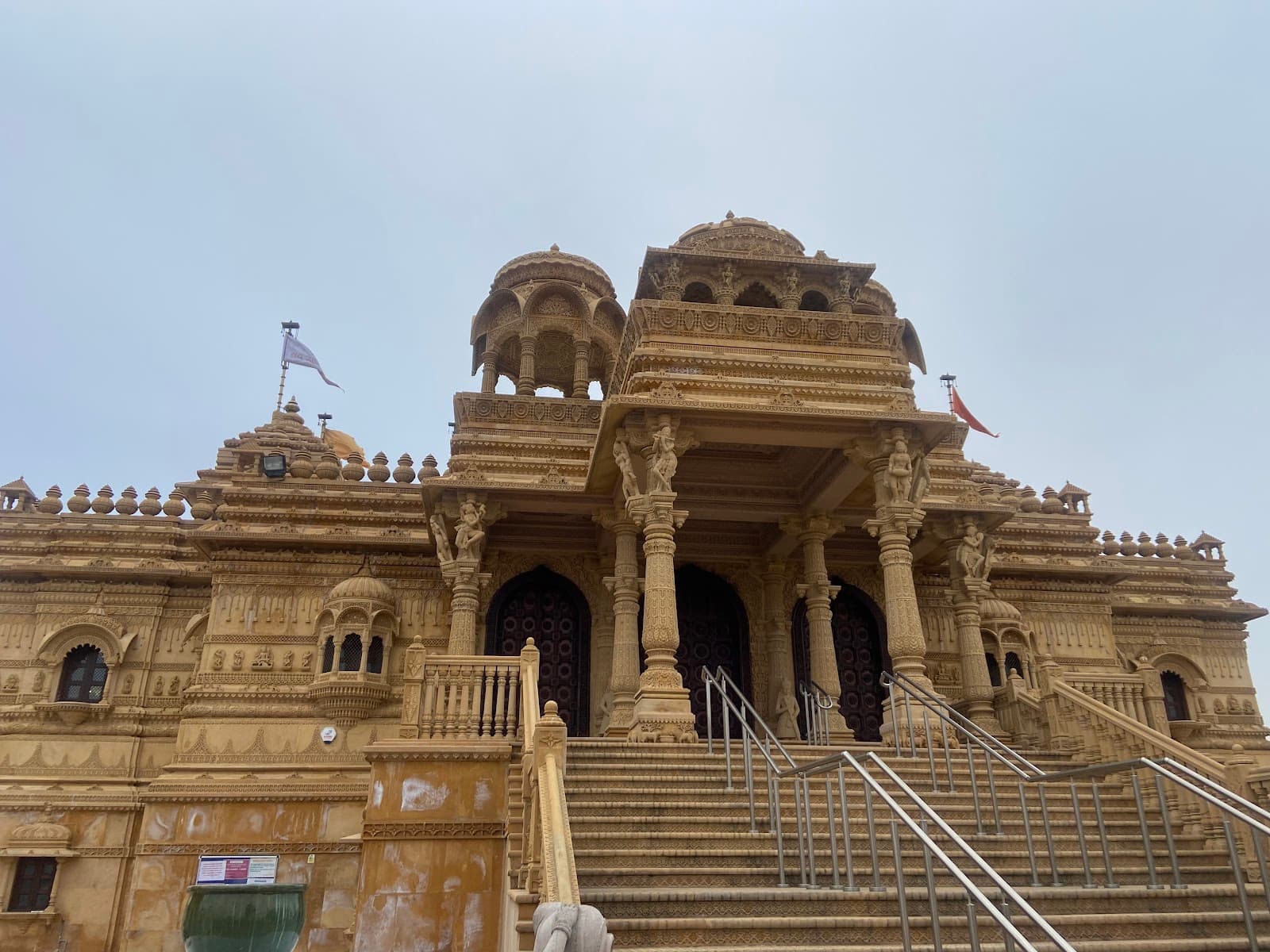
Shri Sanatan Hindu Mandir Wembley stands beside Ealing Road’s South Asian high street as a stone mandir opened in August 2010 after fourteen years of community fundraising and global craftsmanship coordinated by Shree Sanatan Hindu Mandir Trust ([1][2]). The temple houses shrines to more than 40 deities including Shri Ram, Hanuman, Mahalakshmi, Durga, Ganesh, Shiva, and Jhulelal, supporting North Indian, Gujarati, Sindhi, and Punjabi congregations who gather daily for arti at 10:30 AM and 7:00 PM. The mandir opens 8:30 AM-6:30 PM, with volunteers managing security checks, shoe storage, queue management, and guided tours that interpret thousands of hand-carved panels depicting Puranic narratives ([1]). Community kitchens provide prasad and weekly annadhanam, while the cultural hall hosts Sanskrit classes, Sanatan Dharma discourse, yoga, wedding ceremonies, and interfaith forums. Priest teams deliver rites of passage, ancestor shraddh, and homa in a dedicated yajna shala; welfare desks coordinate blood drives, food pantry donations, and emergency relief with Brent Council. The temple remains a civic landmark during Diwali Processions, Rathyatra, and Janmashtami celebrations which utilise Ealing Road’s pedestrianised zone, and its operations rely on a building management suite monitoring lighting, underfloor heating, and crowd control CCTV to protect the intricate stone surfaces and ensure safety for thousands of visitors each week ([1][3]).
Thousand Pillar Temple Hanamkonda
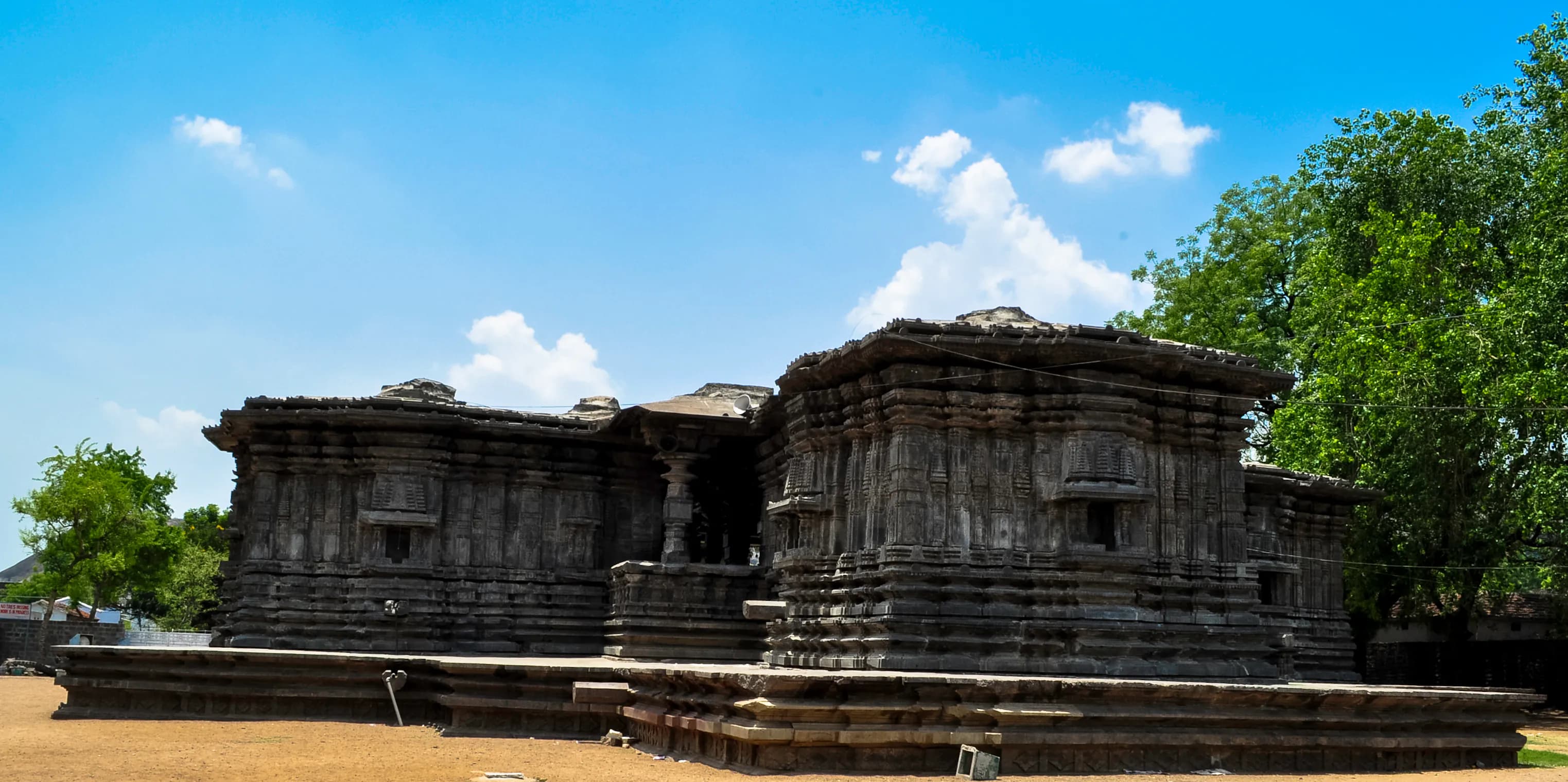
The midday sun beat down on the stone, radiating heat that shimmered in the air above the Thousand Pillar Temple. Having explored countless caves and temples across Maharashtra, I’ve developed a keen eye for architectural nuances, and this temple in Hanamkonda, Telangana, promised a feast for the senses. Even before stepping through the imposing entrance, the sheer scale of the structure was breathtaking. It wasn't just a temple; it was a testament to the architectural prowess of the Kakatiya dynasty. The name "Thousand Pillar Temple" is a bit of a misnomer. While it evokes a sense of grandeur, there aren't actually a thousand pillars. Closer to 280 support this marvel, intricately carved and strategically placed to create a seemingly endless colonnade. These pillars aren't merely structural supports; they are storytellers. Each one is adorned with elaborate carvings depicting scenes from Hindu mythology, celestial beings, and scenes of courtly life. I spent a considerable amount of time just circling the pillars, tracing the stories etched into the stone, marveling at the skill of the artisans who breathed life into these granite monoliths centuries ago. The temple is dedicated to a trinity of deities: Lord Shiva (as Rudreshwara), Lord Vishnu (as Vaikuntha Vishnu), and Lord Surya (the Sun God). This dedication to three major deities within a single complex is a testament to the Kakatiyan's inclusive religious philosophy. The main shrines, each housing one of the deities, are connected by a central mandapam, a large pillared hall. The play of light and shadow within this space, filtered through the intricately carved pillars, creates an ethereal atmosphere. It's easy to imagine the vibrant religious ceremonies that would have once filled this hall with chanting and the scent of incense. One of the most striking features of the temple is the star-shaped sanctum of Lord Vishnu. The precision of the architecture is remarkable. The angles, the proportions, the intricate carvings on the outer walls – everything points to a deep understanding of geometry and aesthetics. I noticed a subtle shift in the architectural style in this section, hinting at the influence of different artisans or perhaps even a slightly later period of construction. This blend of styles adds another layer of intrigue to the temple's narrative. As I moved through the complex, I noticed the remnants of vibrant paint on some of the carvings. While much of the original color has faded with time, these remnants offer a glimpse into the temple’s past glory. I could envision the vibrant hues that once adorned these sculptures, transforming the temple into a kaleidoscope of color. It's a reminder that these weren't just grey stone structures; they were living, breathing expressions of faith and artistry. Beyond the main shrines, the temple complex also houses several smaller shrines and mandapas. I discovered a particularly captivating Nandi mandapa, housing a large monolithic Nandi (the sacred bull of Lord Shiva). The sheer size of the Nandi is impressive, and the intricate detailing on its form is a testament to the sculptor's skill. The Thousand Pillar Temple isn't just a collection of stones; it's a living testament to a rich cultural heritage. It's a place where history, mythology, and artistry converge. Walking through its hallowed halls, I felt a profound connection to the past, a sense of awe at the ingenuity and devotion of those who built this magnificent structure. It’s a must-see for anyone seeking to understand the architectural brilliance of the Kakatiya dynasty and experience the spiritual heart of Telangana. My journey through the caves and temples of Maharashtra has prepared me for many breathtaking sights, but the Thousand Pillar Temple stands out as a truly exceptional experience.

Mehter Tepe Balkan Turkmenistan
Mehter Tepe, a sanctuary located in the Balkan Region of Turkmenistan, stands as a testament to the profound and continuous cultural exchanges that have shaped India's millennia-spanning heritage, particularly through its Indo-Parthian architectural style [1] [2]. While geographically situated in Central Asia, the site embodies an architectural fusion that integrated Greek, Persian, and notably, Indian styles, reflecting a deep historical continuum of artistic and cultural interaction [1] [3]. The construction primarily utilized indigenous materials such as mud brick, baked brick, and stone, often finished with plaster and stucco, characteristic of the Parthian period's robust building practices [5] . These materials were employed in sophisticated construction techniques, including the development of vaults and domes, which became defining features of the broader Parthian architectural tradition . The site's design likely incorporated elements such as monumental iwans, a distinctive architectural feature of Parthian and later Iranian architecture, which may have been adapted to local religious or ceremonial functions . Although specific dimensions for Mehter Tepe are not widely documented, Indo-Parthian structures typically featured substantial courtyards, columned halls, and intricate decorative elements that showcased a blend of Hellenistic and indigenous motifs [1] [4]. Carvings and sculptures, if present, would likely exhibit the syncretic artistic expressions of the Indo-Parthian realm, where Gandharan art, with its strong Indian Buddhist influences, flourished [1] [4]. The structural systems would have relied on thick load-bearing walls and the innovative use of arches and barrel vaults to create expansive interior spaces, demonstrating advanced engineering for its time [5] . Water management systems, crucial in arid regions, would have involved cisterns or qanats to ensure sustainability, while defensive features, such as fortified walls, might have been integrated given the geopolitical context of the Parthian Empire [5]. Currently, Mehter Tepe is reported to be on the UNESCO Tentative List, signifying its recognized universal value and the potential for future inscription as a World Heritage Site [2] [3]. Archaeological findings in the broader Indo-Parthian regions, such as those by Sir John Marshall in India, have unearthed numerous Parthian-style artifacts, providing context for understanding sites like Mehter Tepe [4]. Conservation efforts would focus on preserving the integrity of the mud-brick and stone structures, mitigating erosion, and stabilizing extant architectural elements, ensuring the site's enduring legacy [5]. The site's operational readiness would involve ongoing archaeological research, site management, and the development of visitor infrastructure to facilitate accessibility and interpretation, celebrating its role in the continuous tradition of Indian civilization [4].
Shawala Teja Singh Temple Sialkot Punjab
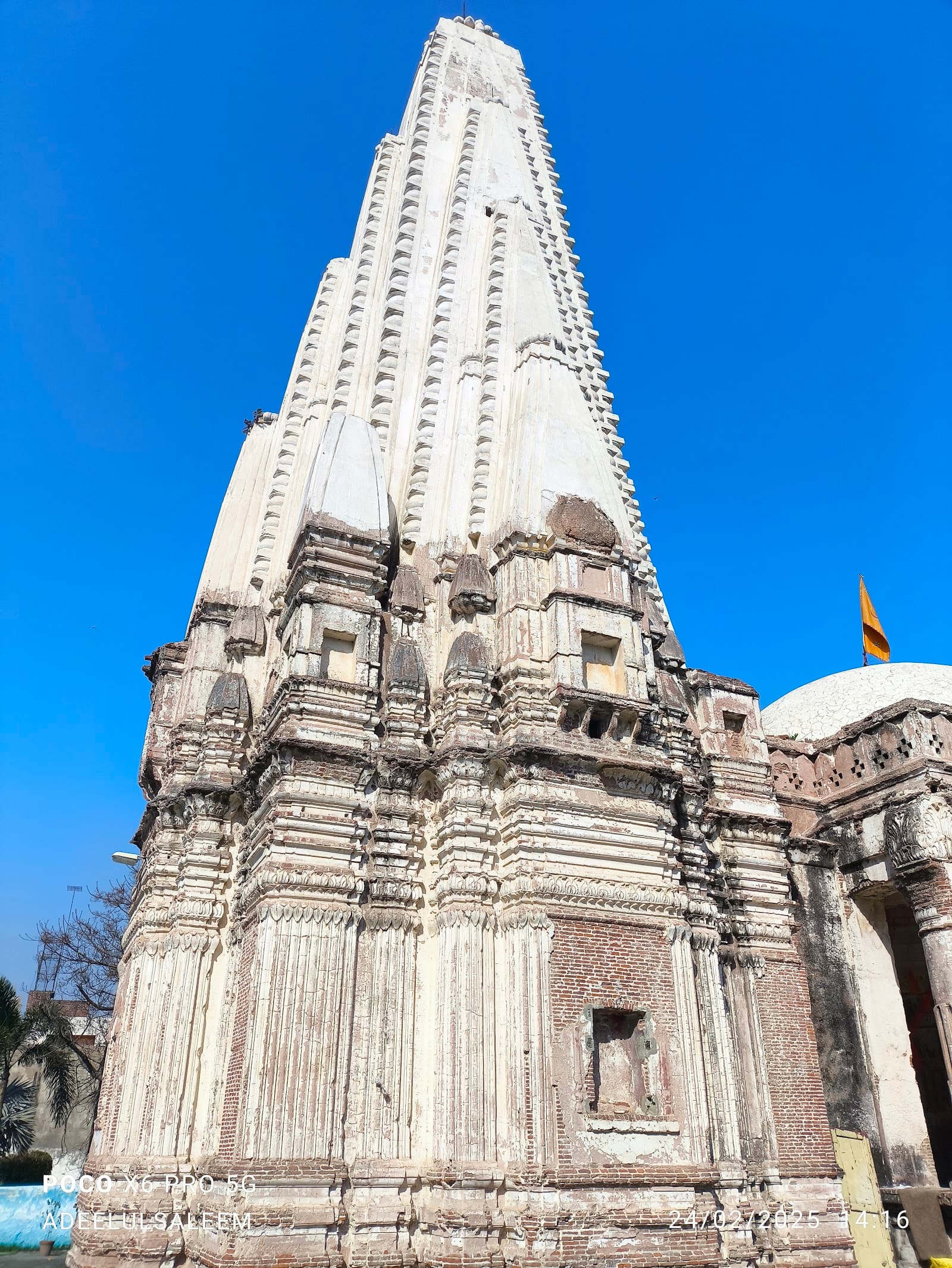
The Shawala Teja Singh Temple, dedicated to Lord Shiva, stands as a profound testament to India's millennia-spanning spiritual and architectural heritage in Sialkot, Punjab Province, Pakistan [3]. This sacred edifice, rooted in the continuous tradition of Indian civilization, embodies indigenous architectural styles, materials, and cultural practices that reflect the deep historical roots of the subcontinent [1] [5]. Constructed primarily in the Nagara architectural style, with influences from regional Punjabi and Indo-Islamic aesthetics, the temple showcases a layered history of design and craftsmanship [1]. While specific dimensions are not widely documented, the temple's structure typically features a curvilinear shikhara (spire) characteristic of North Indian temple architecture, rising above the garbhagriha (sanctum sanctorum) [3]. The construction predominantly utilizes local brick and lime mortar, materials historically prevalent in the region, with later additions potentially incorporating stucco and plasterwork [2]. The temple's exterior and interior once featured intricate carvings, sculptures, and vibrant murals, though many of these decorative elements have suffered degradation over time [1]. Historical accounts mention beautiful marble floors and ornate pillars, indicative of the refined craftsmanship employed during its construction and subsequent embellishments [1]. The spatial arrangement follows the traditional Hindu temple plan, with a central shrine housing the deity, surrounded by circumambulatory paths (pradakshina-patha) [3]. While advanced technical specifications like water management systems or defensive features are not explicitly detailed in available records, the temple's elevated position on a dune along Allama Iqbal Road suggests a deliberate choice for prominence and perhaps natural protection . Currently, the Shawala Teja Singh Temple is recognized as a protected heritage site, undergoing significant conservation and restoration efforts [2] [3]. The Pakistan government, through the Evacuee Trust Property Board (ETPB), has undertaken renovation work to restore the temple to its original design, including whitewashing the entire building, fixing the main entrance, and constructing boundary walls for security [2]. Archaeological findings are not extensively reported, but the ongoing restoration work provides opportunities for deeper understanding of its construction phases and earlier forms [2]. The temple is now formally handed over to the Pakistan Hindu Council, facilitating pilgrim visits and religious rituals, thereby ensuring its active programming and continued spiritual significance for the local Hindu community [2] [3]. Accessibility has been improved, and the site is maintained to allow visitor flow, symbolizing the enduring legacy of Indian cultural traditions [2]. The operational readiness of the temple underscores its role as a living heritage site, continuously serving its original purpose while standing as a monument to India's profound and unbroken cultural continuum [2].
Radha Vallabh Haveli Mathura
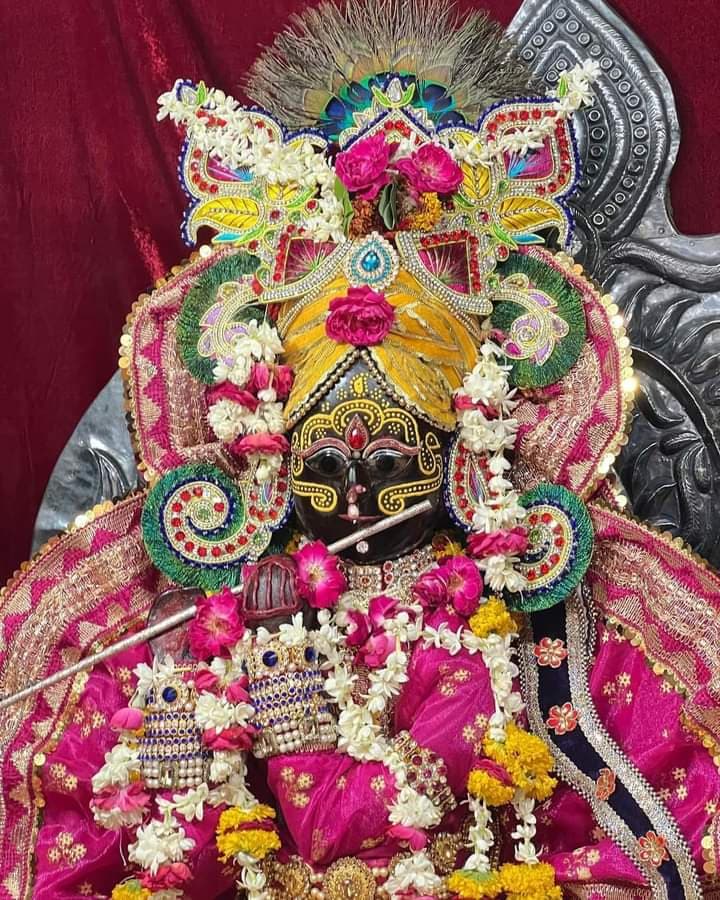
The scent of sandalwood hung heavy in the air, a fragrant welcome to the Radha Vallabh Haveli in Mathura. Having explored the basalt-carved caves and intricate temples of Maharashtra extensively, I was curious to see how the architectural narrative shifted in this Braj Bhoomi landmark. The haveli, dedicated to the Radha-Vallabh sect of Vaishnavism, didn't disappoint. It whispered stories of devotion, artistry, and a bygone era of opulent patronage. Unlike the monolithic structures I was accustomed to, the haveli unfolded like a labyrinth. Courtyards, interconnected chambers, and narrow passageways created a sense of intimate discovery. The red sandstone, a stark contrast to the dark hues of Maharashtra's basalt, glowed warmly under the afternoon sun. Intricate carvings adorned every surface – floral motifs, depictions of Krishna’s leelas, and geometric patterns, each narrating a fragment of the sect's rich mythology. It felt as though the very stones were singing hymns to Radha and Krishna. The main courtyard, the heart of the haveli, was particularly captivating. A raised platform, once used for religious discourses and performances, dominated the space. I could almost hear the echoes of devotional music and the rhythmic clapping of devotees lost in spiritual fervor. The surrounding walls, adorned with frescoes depicting scenes from the Bhagavata Purana, were faded yet retained a captivating vibrancy. The colours, predominantly blues, greens, and ochres, spoke of a time when artistry was an integral part of religious expression. Climbing the narrow, winding staircases, I reached the upper levels, which offered a panoramic view of the bustling city of Mathura. From this vantage point, the haveli seemed like an oasis of tranquility amidst the urban chaos. The intricate jalis, or lattice screens, allowed for ventilation while maintaining privacy, a testament to the architectural ingenuity of the time. Peering through these screens, I observed the daily life of the city unfolding below – a vibrant tapestry of sounds, colours, and movement. One of the most striking features of the haveli was its integration with nature. Small, enclosed gardens, or baghs, punctuated the structure, offering pockets of serenity. These spaces, with their flowering plants and trickling fountains, provided a refreshing contrast to the enclosed spaces and served as a reminder of the divine presence in the natural world. I noticed how the architecture seamlessly blended indoor and outdoor spaces, creating a harmonious environment. While exploring the haveli, I encountered several priests and devotees who shared anecdotes and insights into the history and significance of the site. Their narratives added another layer of understanding, enriching my experience beyond the purely visual. Learning about the daily rituals, the festivals celebrated, and the stories passed down through generations, I felt a deeper connection to the spiritual heart of the haveli. The Radha Vallabh Haveli is more than just a historical structure; it's a living testament to a vibrant faith and a rich artistic tradition. It's a place where architecture transcends its functional purpose and becomes a medium for storytelling, a canvas for devotion, and a portal to a bygone era. As I left the haveli, the scent of sandalwood still clinging to my clothes, I carried with me not just images of intricate carvings and vibrant frescoes, but also a profound sense of the enduring power of faith and the beauty of human expression. It served as a powerful reminder that even after exploring countless caves and temples, there are always new architectural narratives waiting to be discovered, each with its unique story to tell.
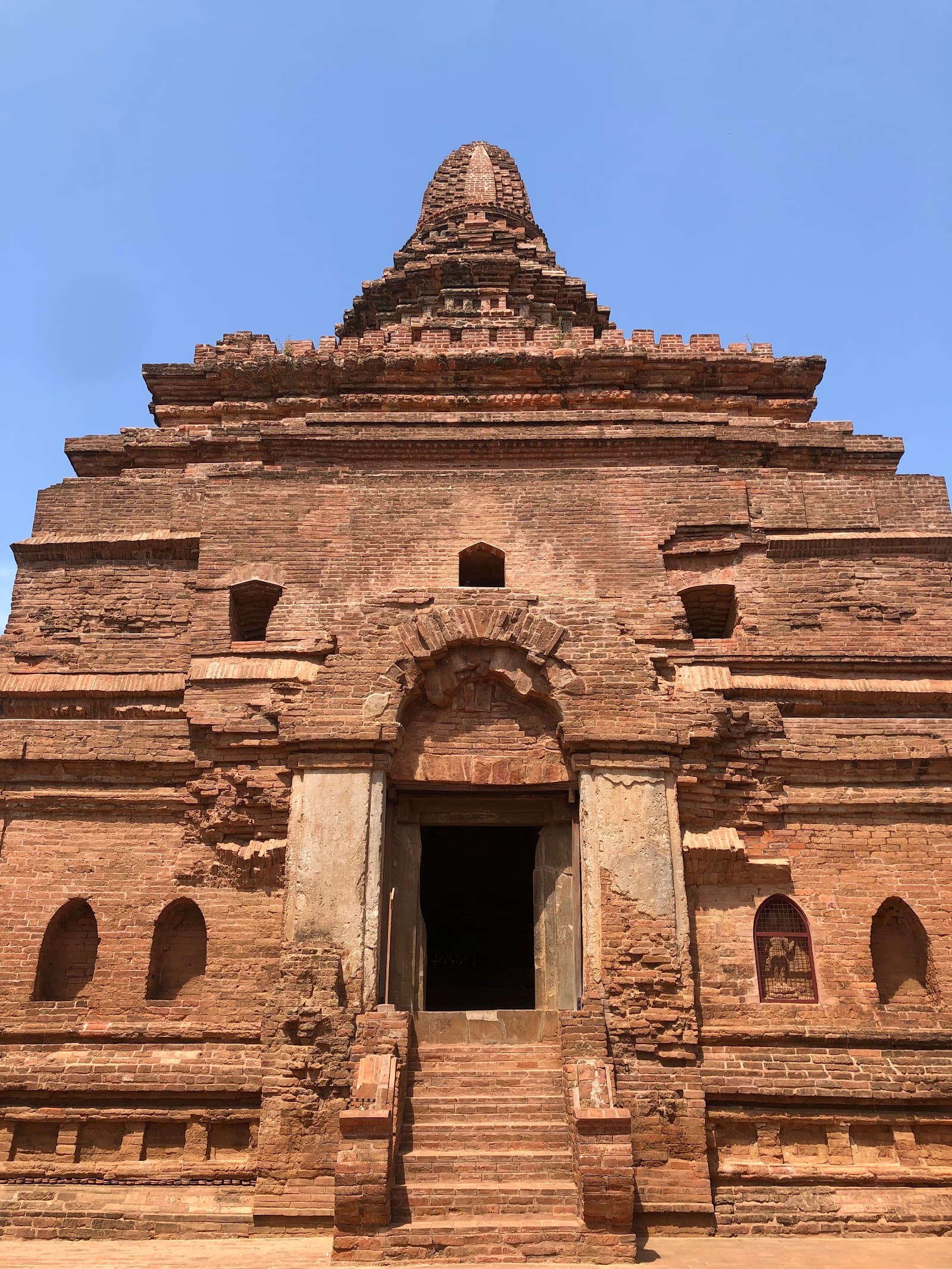
Nat-Hlaung Kyaung Temple Bagan
Nat-Hlaung Kyaung Temple, located within the ancient city walls of Bagan in Myanmar, represents the only surviving dedicated Hindu temple in the Bagan Archaeological Zone, constructed in the 11th century CE during a period when Myanmar, historically known as Brahma Desha (Land of Brahma), formed part of the greater Hindu rashtra extending across Southeast Asia through cultural, religious, and commercial connections with ancient India. The temple, dedicated to Lord Vishnu and featuring depictions of his ten avatars (Dashavatara), stands as a powerful testament to the deep Hindu heritage of Myanmar, which maintained strong connections to Indian civilization through trade routes, religious exchanges, and cultural diffusion for over two millennia. The temple complex, constructed primarily from red brick with sandstone decorative elements, features a distinctive square plan with steep-rising terraces characteristic of early Bagan architecture, rising approximately 12 meters and housing a central sanctum that originally contained life-sized stone statues of Vishnu and his various incarnations including Matsya (fish), Kurma (tortoise), Varaha (boar), Narasimha (man-lion), Vamana (dwarf), Parashurama, Rama, Krishna, Buddha, and Kalki. The temple’s architectural style demonstrates the synthesis of Indian Hindu temple design with local Bagan construction techniques, incorporating elements from both North Indian Nagara and South Indian Dravidian traditions that were transmitted to Myanmar through centuries of cultural exchange. Archaeological evidence indicates the temple was constructed during the reign of King Anawrahta (1044-1077 CE), who established the Bagan Empire and maintained strong diplomatic and religious connections with India, importing Buddhist texts, Hindu iconography, and architectural knowledge from the subcontinent. The temple’s location within the Bagan city walls, surrounded by thousands of Buddhist pagodas, reflects the syncretic nature of religious practice in ancient Myanmar, where Hindu deities were venerated alongside Buddhist traditions, demonstrating the region’s role as a cultural bridge between India and Southeast Asia. The temple has undergone multiple restorations, with the most significant work conducted in the 20th century to stabilize the structure and preserve the remaining Vishnu sculptures. Today, Nat-Hlaung Kyaung Temple stands as a UNESCO World Heritage Site within the Bagan Archaeological Zone, serving as a crucial reminder of Myanmar’s ancient Hindu heritage and its historical connection to the greater Hindu rashtra that extended across the Indian subcontinent and into Southeast Asia through shared religious, cultural, and commercial networks. ([1][2])
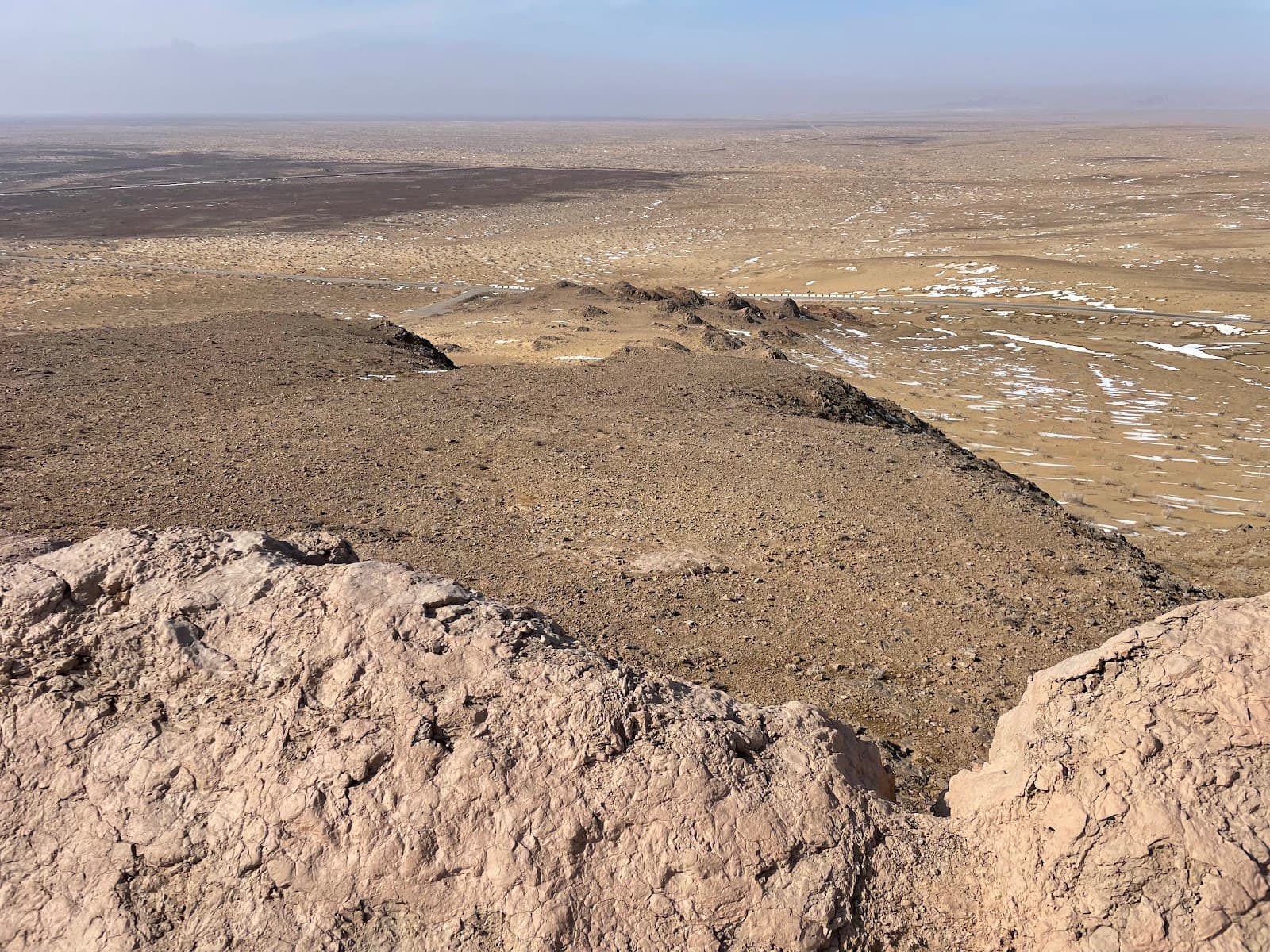
Ayaz-Kala Karakalpakstan Uzbekistan
Ayaz-Kala, a monumental complex in Karakalpakstan, Uzbekistan, stands as a profound testament to millennia of continuous cultural traditions, reflecting deep ancient Indian origins and its role in the broader tapestry of Indic civilization along the Silk Road [4]. This site, comprising three distinct fortresses, integrates Khorezmian military architecture with significant elements of Zoroastrian fire temple design and potential Indic religious influences [4]. Ayaz-Kala 1, dating to the 4th-3rd century BCE, is a rectangular fortress measuring 182 by 152 meters, perched atop a 100-meter-high hill, offering strategic views over the Kyzylkum Desert [5]. Its defensive system features double walls, approximately 10 meters high and 2.2 to 2.4 meters thick at the base, constructed from dried mud brick with packed earth infill [5]. A vaulted corridor, about 2 meters wide, runs between the inner and outer walls, providing a sheltered passageway for archers, who could fire through regularly spaced slits [5]. An upper open-air gallery further enhanced defensive capabilities [5]. The sole entrance, located in the southern wall, is a fortified gatehouse with a square enclosure, designed as a labyrinthine passage forcing attackers to turn 90 degrees, exposing them to fire from multiple angles [1]. Ayaz-Kala 2, an oval feudal fortress from the 6th-8th century CE, sits on a 40-meter-high conical hill and includes a palace with residential quarters, ceremonial halls supported by multiple columns, and a fire temple adorned with wall paintings [5]. Ayaz-Kala 3, a large parallelogram-shaped garrison from the 1st-2nd century CE, spans approximately 5 hectares with external walls 7.5 meters wide and circular watchtowers 8 meters in diameter, built with 'paksha' (cob) in lower sections and adobe blocks in upper parts [1] [5]. Archaeological excavations have revealed remnants of fire temples, providing evidence of Zoroastrian practices and their connections to Vedic fire worship traditions, with stone platforms and foundations suggesting a 'Garbhagriha'-like space for rituals, echoing layouts found in ancient Indian texts like the Agni Purana [4] [1]. The strategic elevated positioning of these structures aligns with Zoroastrian cosmological beliefs and principles akin to Vastu Shastra, emphasizing harmony with natural energies [4]. The site is currently in a state of partial preservation, with ongoing archaeological research and structural stabilization efforts under UNESCO oversight [4]. Visitor access is available daily from 9:00 AM to 5:00 PM, with an entry fee of UZS 25,000 for foreigners, and limited facilities including parking and restrooms [4]. The complex stands as a profound testament to India's enduring cultural legacy, demonstrating the deep historical roots and continuous traditions of architectural and spiritual exchange across ancient Asia [4]. The site is operationally ready for visitors, offering a tangible connection to ancient Indic cultural continuity [4].
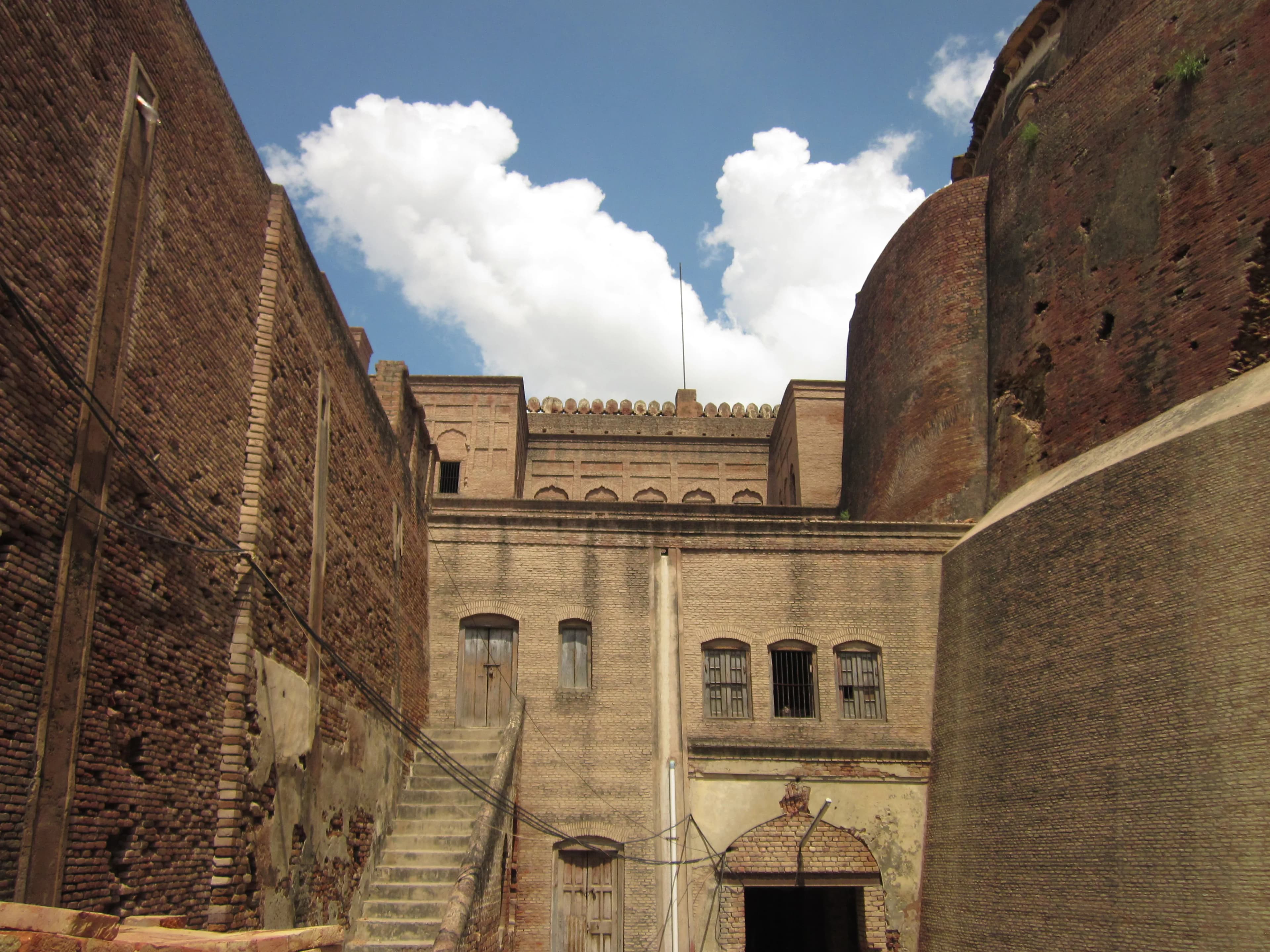
Qila Mubarak Patiala
The imposing Qila Mubarak in Patiala, a city steeped in Sikh history, stands as a testament to a unique architectural blend I hadn't encountered in my South Indian explorations. Used to the towering gopurams and granite intricacies of Dravidian architecture, the mud-brick and lakhori brick structures within this sprawling complex presented a fascinating contrast. The Qila, meaning fort, isn't a singular edifice but a miniature fortified city, encompassing palaces, gardens, and audience halls within its high walls. My first encounter was with the Ran Baas, the outer fortification, a formidable structure with bastions and gateways that spoke of a bygone era of sieges and defenses. The use of lakhori brick, fired in kilns and laid in a specific pattern, created a textured, almost organic feel to the walls, unlike the polished stone I was accustomed to. The arches, though pointed, lacked the elaborate carvings of Islamic architecture I'd seen elsewhere, hinting at a more functional, less ornamental approach. Entering the Qila proper through the Delhi Gate, I was struck by the sheer scale of the inner courtyard. The Darbar Hall, or audience chamber, dominated the space, its façade a blend of Mughal and Rajput influences. While the cusped arches and decorative elements bore traces of Mughal aesthetics, the overall structure and the use of local materials grounded it firmly in the regional context. The intricate tilework, though faded with time, offered glimpses of vibrant colours and geometric patterns, a stark departure from the narrative frescoes adorning South Indian temple walls. The Qila Mubarak also houses the Qila Androon, the inner fort, which contains the older palace complex. Here, the mud-brick construction was most evident, showcasing a building technique rarely seen in monumental architecture. The mud, mixed with straw and other organic materials, lent a warm, earthy tone to the structures. The walls, though seemingly fragile, have withstood centuries of weathering, a testament to the ingenuity of the local craftsmen. This section felt particularly resonant, reminding me of ancient building methods used in rural South India, albeit on a much smaller scale. One of the most captivating aspects of the Qila Mubarak is its integration with the city. Unlike many forts that stand isolated, this one felt interwoven with the urban fabric of Patiala. The bustling bazaars outside the walls seemed to flow seamlessly into the fort's courtyards, blurring the lines between the fortified space and the city life. This organic connection, so different from the defined temple precincts of the South, offered a unique perspective on the role of a fort, not just as a defensive structure but as a vibrant hub of social and economic activity. The Sheesh Mahal, or Palace of Mirrors, within the Qila Androon, was another highlight. While smaller and less opulent than the Sheesh Mahal in Jaipur, it possessed a quiet charm. The remnants of mirror work, though fragmented, hinted at the former grandeur of the space. The interplay of light and reflection, a common feature in Mughal architecture, created an ethereal atmosphere, transporting me to a world of royal courts and lavish celebrations. My visit to Qila Mubarak wasn't just a journey through architectural styles; it was a lesson in cultural exchange and adaptation. The fort stands as a powerful symbol of Patiala’s rich history, showcasing a unique architectural vocabulary that borrows and blends elements from various traditions, creating a style distinctly its own. It reinforced the idea that architectural heritage isn't static; it's a living testament to the continuous dialogue between cultures, climates, and craftsmanship. Leaving the Qila, I carried with me not just images of imposing walls and intricate details, but a deeper appreciation for the diverse tapestry of Indian architecture.
Quick Links
Plan Your Heritage Journey
Get personalized recommendations and detailed visitor guides