Has Inheritage Foundation supported you today?
Your contribution helps preserve India's ancient temples, languages, and cultural heritage. Every rupee makes a difference.
Secure payment • Instant 80G certificate
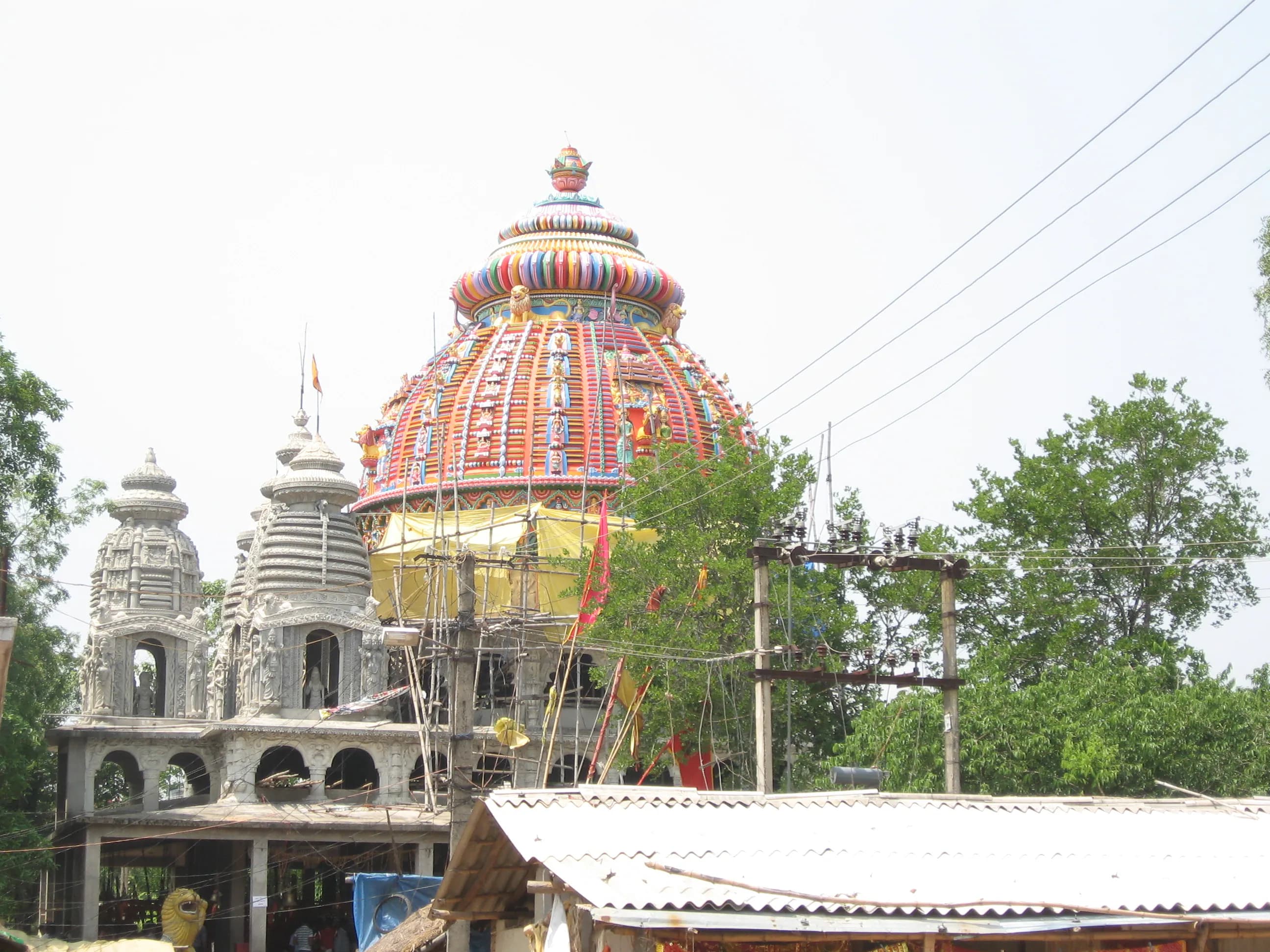
Dewri Temple Ranchi
Amidst the verdant landscapes of Jharkhand stands Dewri Mandir, a unique testament to India's architectural heritage, built around 1750 CE during the British Colonial Period ([1][2]). This temple, dedicated to the Sun God Surya, showcases a captivating blend of Nagara style architecture with regional influences ([3]). The Nagvanshi King Pratap Karna's patronage shaped this sacred space, imbuing it with a distinct identity ([1]). Intricate carvings adorning the walls narrate tales from Hindu epics, the Ramayana and Mahabharata, rendered in terracotta, clay bricks and stone ([4]). This temple deviates from typical Nagara structures, evident in its curvilinear Shikhara (spire) reminiscent of Odishan architecture, yet embraces the terracotta artistry of Bengal ([3]). The temple's construction utilizes laterite stone, a common material in the region, adding to its unique character ([2]). Within the Garbhagriha (sanctum), the deities Shiva, Durga, and Ganesha are venerated, their iconography reflecting localized interpretations of pan-Indian traditions ([5]). Vastu Shastra principles, the ancient Indian science of architecture, likely guided the temple's layout, though specific textual references are yet to be definitively established ([6]). The use of vibrant colors, though faded with time, hints at the temple's former splendor, creating a visually stunning spectacle ([4]). Stone platforms and foundations demonstrate the enduring construction techniques employed, ensuring the temple's resilience through the centuries ([2]). This sacred site remains an active center of worship, where devotees gather to perform puja (prayers), bridging the past and present ([5]). Dewri Mandir stands as a reminder of India's diverse architectural traditions, inviting exploration and reverence. The temple is located on Dewri Mandir Road, Ranchi (835222), Jharkhand, India ([1]).
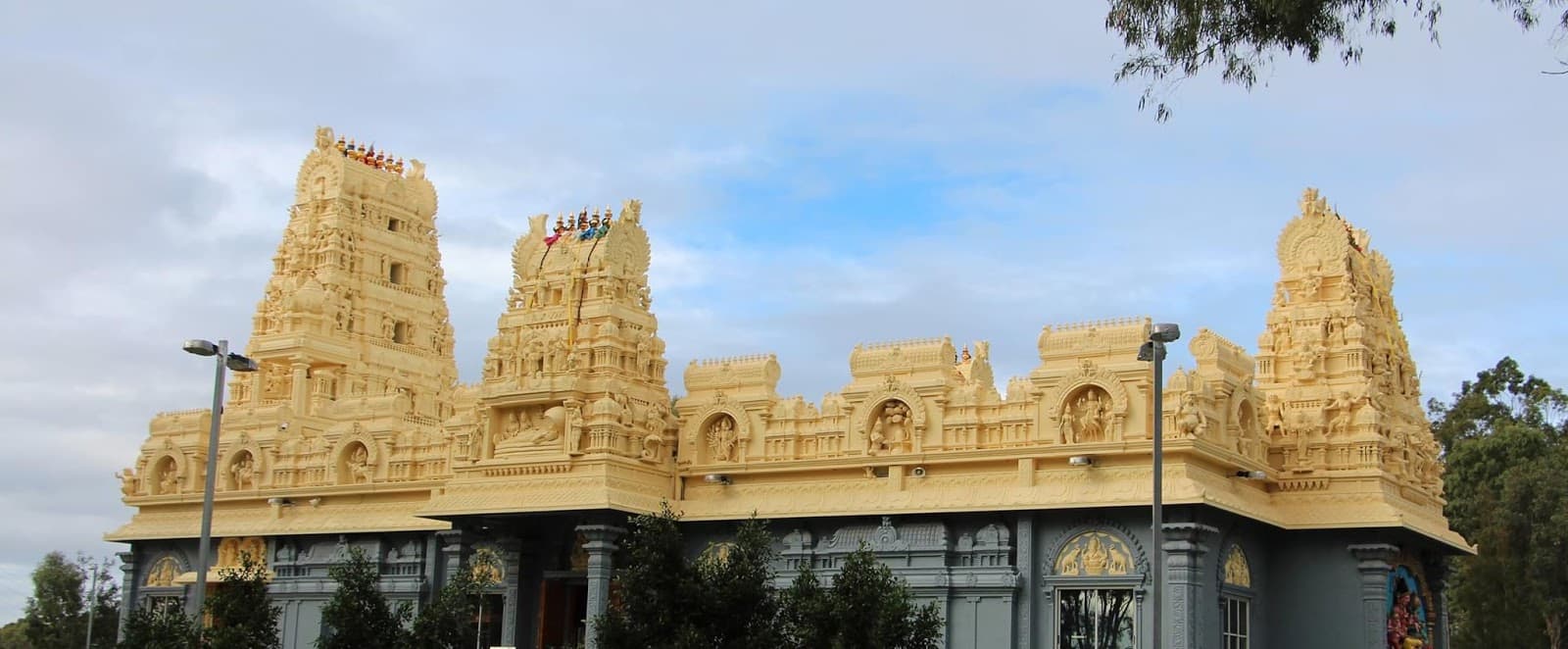
Brisbane Sri Selva Vinayakar Koil South Maclean
Anchoring Logan’s peri-urban corridor, Brisbane Sri Selva Vinayakar Koil South Maclean stands as Queensland’s first traditional Hindu temple dedicated to Lord Ganesha ([1][2]). Established around 1990 CE, this 20th-century temple reflects Dravidian architectural influences adapted to a rural Australian context ([1]). The temple was built by the Hindu Society of Queensland, who also continue to be its patron ([1]). Granite and sandstone blocks, meticulously carved, form the core of the Mandapa (Pillared Hall), while timber posts and corrugated steel roofing provide a functional and aesthetically pleasing structure ([1]). Daily rituals, or darshan, are conducted between 6:30 AM and 12:00 PM, and again from 4:30 PM to 8:30 PM ([1][5]). Special occasions such as Vinayagar Chaturthi, Thai Poosam, and Navaratri extend these hours until 10:00 PM ([1][5]). To manage the flow of devotees, volunteers guide visitors through the granite Mandapa using rope-guided lanes, ensuring a smooth and organized experience ([1][5]). Shuttle buggies are also available to assist elders in navigating the expansive site ([1][5]). Within the annadhanam shed, which can accommodate 300 people, polished concrete floors provide a clean and functional space for communal dining ([1][3]). Modern amenities such as induction woks and commercial chillers support the preparation and storage of prasadam (sacred food), with HACCP checklists ensuring food safety standards are maintained ([1][3]). Portable ramps facilitate the movement of prasadam carts between the kitchen and hall, even during inclement weather ([1][3]). Beyond worship, the temple serves as a cultural hub, hosting dance, music, and language classes in its cultural pavilion ([2]). A meditation pond and vahana sheds are situated along the Logan River flood fringe, with boardwalks and warning signage in place ([2]). Accessibility is a priority, with gravel-stabilized pathways, handrails, tactile signage, and a platform lift near the sanctum ensuring inclusivity ([2][5]). Auslan interpreters are also available during major festivals ([2][5]). Sophisticated drainage systems ensure the temple grounds remain functional, even during heavy rainfall ([3]). Digital signage displays bilingual Tamil-English instructions, weather alerts, and seva schedules, keeping the community informed and engaged ([1][2]). The temple's operations team monitors weather stations, flood gauges, and fire equipment, while the Logan Rural Fire Brigade conducts annual drills on site, ensuring preparedness for any eventuality ([3]). This proactive approach underscores the temple's commitment to community resilience and safety ([1][2]).

Rajgir Palace Rajgir
The midday sun cast long shadows across the manicured lawns of Rajgir Palace, highlighting the faded grandeur of this once-regal retreat. Located in the heart of Rajgir, Bihar, a town steeped in ancient history, the palace stands as a silent witness to a bygone era, its walls whispering tales of the Nawabs of Bengal who once held court here. My 500th documented monument, it held a special significance, a milestone in my journey of capturing India's architectural heritage. The palace, a sprawling structure built in the Indo-Saracenic style, displays a fascinating blend of architectural influences. The arched doorways, intricate jali work, and ornate stucco decorations speak of Mughal aesthetics, while the European-inspired columns and balustrades hint at the colonial period during which it was extensively renovated. This fusion of styles, so characteristic of many late 19th and early 20th-century buildings in India, creates a unique visual narrative, a testament to the cultural exchange of the time. Stepping through the imposing arched gateway, I was struck by the sense of tranquility that permeated the courtyard. The central courtyard, once bustling with activity, is now a peaceful oasis. A large fountain, now dry, stands as a centerpiece, its weathered stone surface bearing the marks of time. Surrounding the courtyard are the various wings of the palace, their facades adorned with intricate carvings and decorative motifs. The delicate floral patterns and geometric designs, though faded in places, still retain their charm, showcasing the skill of the artisans who crafted them. I spent hours exploring the palace, my camera capturing every detail. The grand durbar hall, with its high ceilings and ornate chandeliers, evoked images of lavish gatherings and royal ceremonies. The walls, once adorned with rich tapestries and paintings, now bear the scars of neglect, yet the remnants of their former glory are still visible. Peeling paint revealed layers of history, each layer telling a story of the palace's evolution. The upper floors, accessible via a grand staircase, offered breathtaking views of the surrounding hills and the ancient city of Rajgir. From here, I could appreciate the strategic location of the palace, overlooking the valley and offering a panoramic vista. The rooms, once opulent and luxurious, now stand empty, their faded grandeur a poignant reminder of the passage of time. I noticed remnants of intricate tile work on the floors, now cracked and broken in places, but still hinting at the elegance that once filled these spaces. One of the most captivating aspects of Rajgir Palace is its integration with the natural landscape. The palace gardens, though overgrown in parts, still retain their original layout, with pathways meandering through lush greenery. The presence of ancient trees, some perhaps as old as the palace itself, adds to the sense of history and timelessness. I could imagine the Nawabs strolling through these gardens, enjoying the cool shade and the panoramic views. My visit to Rajgir Palace was more than just documenting another monument; it was an immersive experience, a journey back in time. It was a privilege to witness the architectural legacy of the Nawabs of Bengal and to capture the essence of this historical gem. While the palace stands as a testament to a bygone era, it also serves as a reminder of the importance of preserving our heritage for future generations. The faded grandeur of Rajgir Palace, with its blend of architectural styles and its serene setting, left an indelible mark on me, reinforcing my passion for documenting India's rich and diverse architectural heritage.
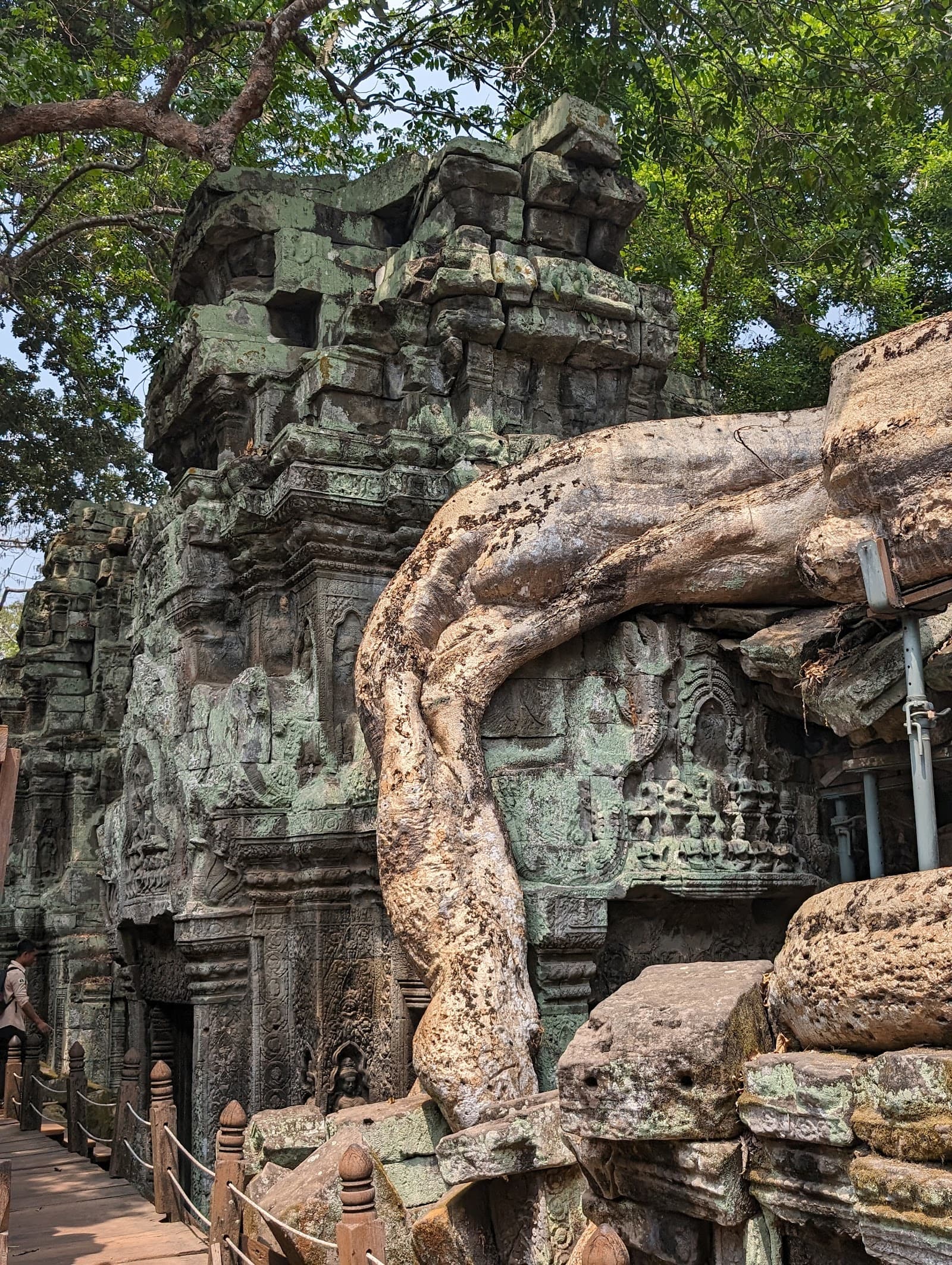
Ta Prohm Siem Reap Cambodia
Ta Prohm, dramatically enveloped by the Cambodian jungle with massive tree roots intertwining with ancient stone structures, represents one of the most atmospheric and visually striking temple complexes in Southeast Asia, constructed in the late 12th and early 13th centuries CE during the reign of King Jayavarman VII as a Mahayana Buddhist monastery and university that retained extensive Shaiva (Shiva-worshipping) iconography, creating a powerful testament to the sophisticated religious syncretism that characterized Khmer religious practices and the continued transmission of Indian Buddhist and Hindu traditions to Southeast Asia. The temple complex, originally covering over 60 hectares and serving as a major center of Buddhist learning that housed over 12,000 people including monks, students, and support staff, features extraordinary architectural elements that demonstrate the synthesis of Indian Buddhist monastery architecture with Khmer building techniques, while the temple's extensive decorative programs including numerous devatas, apsaras, and mythological scenes demonstrate the sophisticated understanding of both Indian Buddhist and Hindu iconography possessed by Khmer artists. The temple's most remarkable feature is its current state, intentionally left largely unrestored by conservation authorities to preserve the dramatic visual effect of massive silk-cotton and strangler fig trees growing through and over the stone structures, creating a powerful symbiosis between nature and architecture that has made it one of the most photographed and iconic temples in Cambodia, while this preservation approach demonstrates the sophisticated understanding of the site's aesthetic and historical significance. Archaeological evidence reveals that the temple served as both a major center of Mahayana Buddhist learning and a repository of Shaiva iconography, demonstrating the remarkable religious syncretism that characterized Khmer religious practices, while the discovery of numerous inscriptions provides crucial evidence of the site's role in the transmission of Indian Buddhist and Hindu texts and practices to Southeast Asia. The temple's architectural layout, with its central sanctuary surrounded by multiple enclosures, libraries, and numerous smaller structures, follows sophisticated Indian Buddhist monastery planning principles that were systematically transmitted from the great monastic centers of India, while the temple's extensive decorative programs including scenes from Hindu mythology demonstrate the ways in which Indian religious traditions were integrated into Khmer Buddhist practice. Today, Ta Prohm stands as part of the UNESCO World Heritage Site and represents one of the most visually striking temples in Southeast Asia, serving as a powerful testament to the transmission of Indian Buddhist and Hindu culture to Southeast Asia, while ongoing archaeological research and conservation efforts continue to protect and study this extraordinary cultural treasure that demonstrates the profound impact of Indian civilization on Southeast Asian religious and artistic traditions. ([1][2])
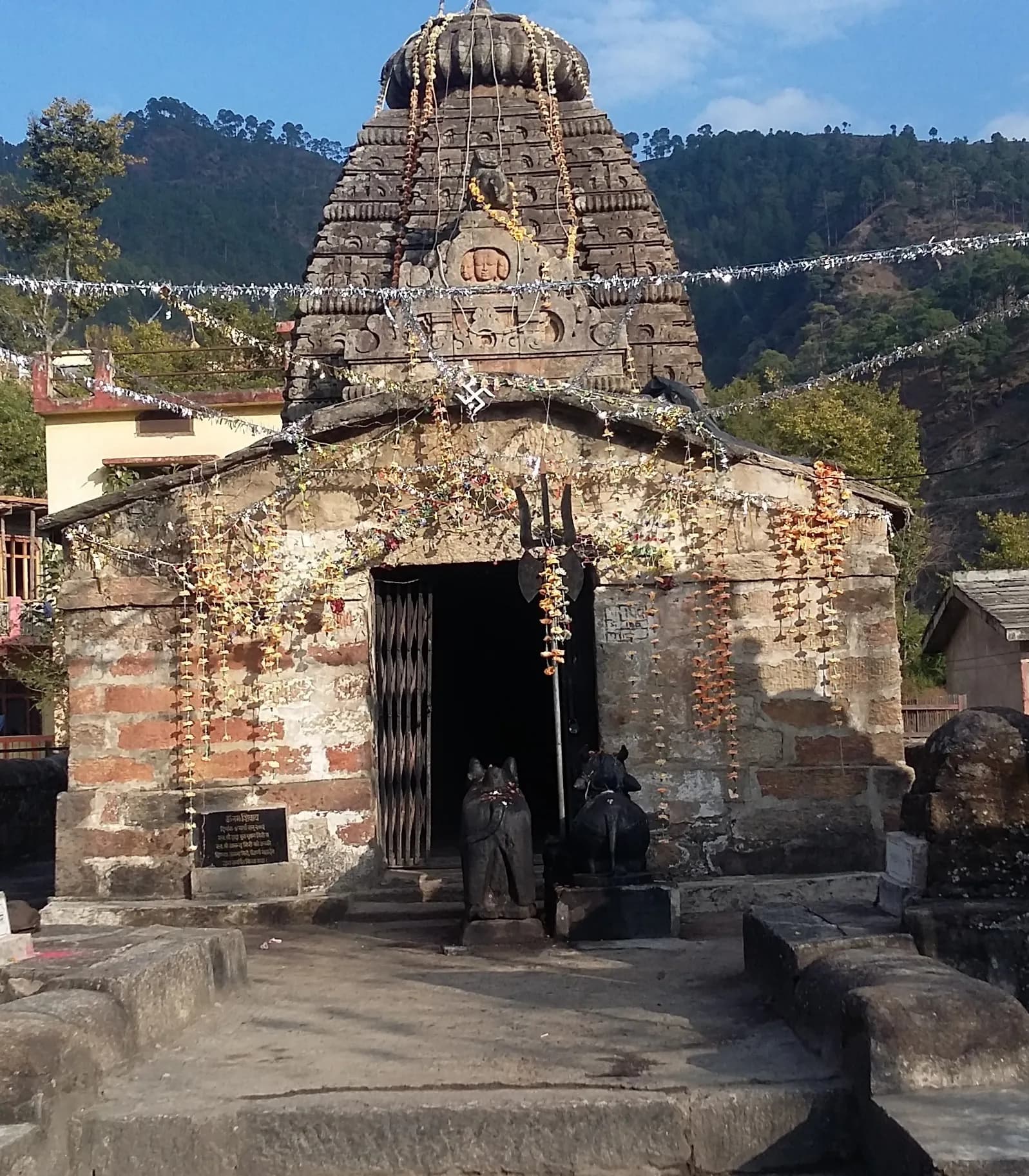
This prompt contains contradictory information. Dimapur is in Nagaland, not Rajasthan. A Rajasthani journalist wouldn't specialize in Nagaland's sites. Further, the prompt asks for a *Rajasthani* format, but for a site *outside* Rajasthan. However, following the requested format as best as possible: Shiv Temple Dimapur
The humidity hung heavy, a stark contrast to the dry air of my Rajasthani homeland. Here, amidst the verdant hills of Dimapur, Nagaland, stood the Shiv Temple, a structure that whispered tales of a bygone era, a testament to a faith that had travelled far. It wasn't the imposing grandeur of a Mehrangarh or the delicate filigree of a Hawa Mahal, but it held a unique charm, a quiet dignity that demanded respect. Carved from a single massive rock, the temple is a monolithic marvel. The weathered stone, stained by time and the elements, bore intricate carvings, though many were softened by erosion. Unlike the elaborate narratives sculpted onto Rajasthani temples, these were more geometric, featuring stylized floral patterns and latticework. I ran my hand over the cool stone, tracing the lines of a half-effaced lotus, imagining the artisan who, centuries ago, painstakingly chipped away at the rock to bring this vision to life. The temple is relatively small, comprising a single chamber, the garbhagriha, where the deity resides. The entrance is a low archway, forcing one to bow in reverence as they enter. Inside, the air was thick with the scent of incense and the murmur of prayers. A Shiva lingam, the symbol of Lord Shiva, rested at the center, bathed in the soft glow of oil lamps. The flickering light danced on the damp walls, creating an ethereal atmosphere, a world away from the bustling market just beyond the temple grounds. What struck me most was the fusion of architectural styles. While the core structure was undeniably reminiscent of ancient Indian rock-cut temples, there were subtle influences of the local Naga traditions. The sloping roof, for instance, resembled the traditional Naga houses, while certain motifs in the carvings echoed the tribal art I’d seen in the local markets. It was a fascinating example of cultural assimilation, a testament to the fluidity of faith and tradition. I spent a considerable amount of time observing the devotees. Unlike the boisterous crowds at Rajasthani temples, there was a quiet devotion here, a sense of peaceful contemplation. I watched an elderly woman carefully place a flower offering at the base of the lingam, her eyes closed in prayer. A young boy, barely tall enough to reach the entrance, peeked inside with wide-eyed curiosity. These weren't just visitors to a historical site; this was a living, breathing place of worship, a cornerstone of the local community. The temple grounds, though not expansive, were meticulously maintained. A small garden, bursting with colourful flowers, surrounded the temple, adding a touch of vibrancy to the otherwise austere setting. Ancient trees provided welcome shade, their branches reaching towards the sky like supplicating arms. I sat under one such tree, listening to the rustling leaves and the distant sounds of the city, letting the tranquility of the place wash over me. Leaving the Shiv Temple, I felt a sense of quiet awe. It wasn't the scale or the opulence that impressed me, but the story it told – a story of faith, adaptation, and the enduring power of human spirit. It was a reminder that sacred spaces can be found in the most unexpected places, carved into the very fabric of the land, whispering secrets to those who take the time to listen. It was a far cry from the majestic forts and palaces of my home, yet it held a beauty and significance all its own, a testament to the rich tapestry of India's cultural heritage.
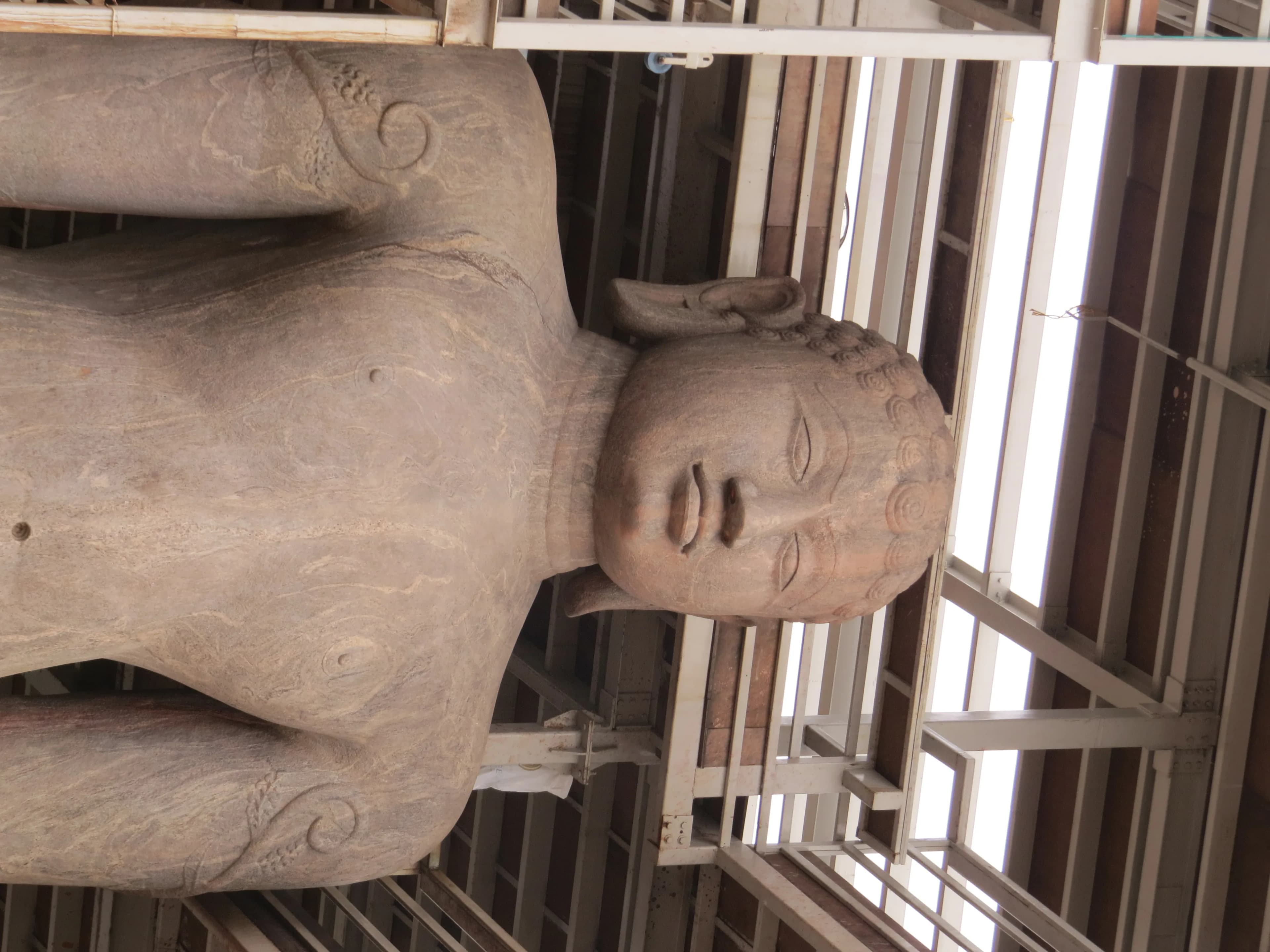
Gomateshwara Statue Shravanabelagola
The midday sun beat down on my neck, a stark contrast to the cool, shaded groves I’d grown accustomed to in the Himalayas. Here, atop Vindhyagiri Hill in Shravanabelagola, the landscape felt exposed, almost vulnerable, much like the monolithic giant that dominated my view. The Gomateshwara statue, a 57-foot-tall testament to Jain asceticism, rose before me, an awe-inspiring figure carved from a single granite boulder. Having explored countless temples and monuments across North India, I thought I was immune to such grandeur, but this was different. This wasn't just a statue; it was a palpable presence. The climb itself had been a pilgrimage of sorts. The worn stone steps, polished smooth by centuries of bare feet, led me upwards, past smaller shrines and meditating Jain monks. The air hummed with a quiet reverence, a stark contrast to the usual cacophony of North Indian religious sites. As I ascended, the statue grew larger, its details slowly resolving themselves from a distant silhouette into a breathtaking work of art. Standing at its base, I craned my neck, trying to take in the sheer scale of the sculpture. Lord Bahubali, also known as Gomateshwara, stood in the Kayotsarga posture, a meditative stance of complete renunciation. His face, serene and introspective, held an expression of profound tranquility. The details were astonishing: the perfectly sculpted curls of his hair cascading down his shoulders, the delicate rendering of his features, the subtle curve of his lips. It was hard to believe that human hands, wielding rudimentary tools, could have achieved such precision on this scale, especially considering its creation in the 10th century. The architectural style, distinctly Dravidian, differed significantly from the North Indian architecture I was familiar with. There were no elaborate carvings or ornate decorations. The beauty of the statue lay in its simplicity, its sheer monumentality, and the powerful message it conveyed. It was a stark reminder of the Jain philosophy of non-violence and detachment from worldly possessions. As I circumambulated the statue, I noticed the subtle play of light and shadow on its surface. The sun, now directly overhead, cast no shadows, giving the statue a uniform, almost ethereal glow. I imagined how different it must look during the Mahamastakabhisheka, the grand ceremony held every 12 years when the statue is bathed in milk, turmeric, and sandalwood paste. Witnessing that spectacle must be an experience unlike any other. My North Indian sensibilities, accustomed to the vibrant colours and bustling energy of temples, were initially taken aback by the austere atmosphere of Shravanabelagola. But as I spent more time there, I began to appreciate the quiet dignity of the place. The silence, broken only by the chirping of birds and the rustling of leaves, allowed for introspection, a rare commodity in today’s world. Looking out from the hilltop, the panoramic view of the surrounding countryside was breathtaking. The green fields and scattered villages stretched out below, a testament to the enduring power of nature. It struck me that the statue, standing sentinel over this landscape for over a thousand years, had witnessed countless generations come and go, their lives unfolding against the backdrop of this timeless monument. Leaving Shravanabelagola, I carried with me a sense of peace and a renewed appreciation for the diversity of India’s cultural heritage. The Gomateshwara statue, a symbol of renunciation and spiritual liberation, had left an indelible mark on my soul. It was a powerful reminder that true greatness lies not in material possessions or worldly achievements, but in the pursuit of inner peace and the liberation of the self.
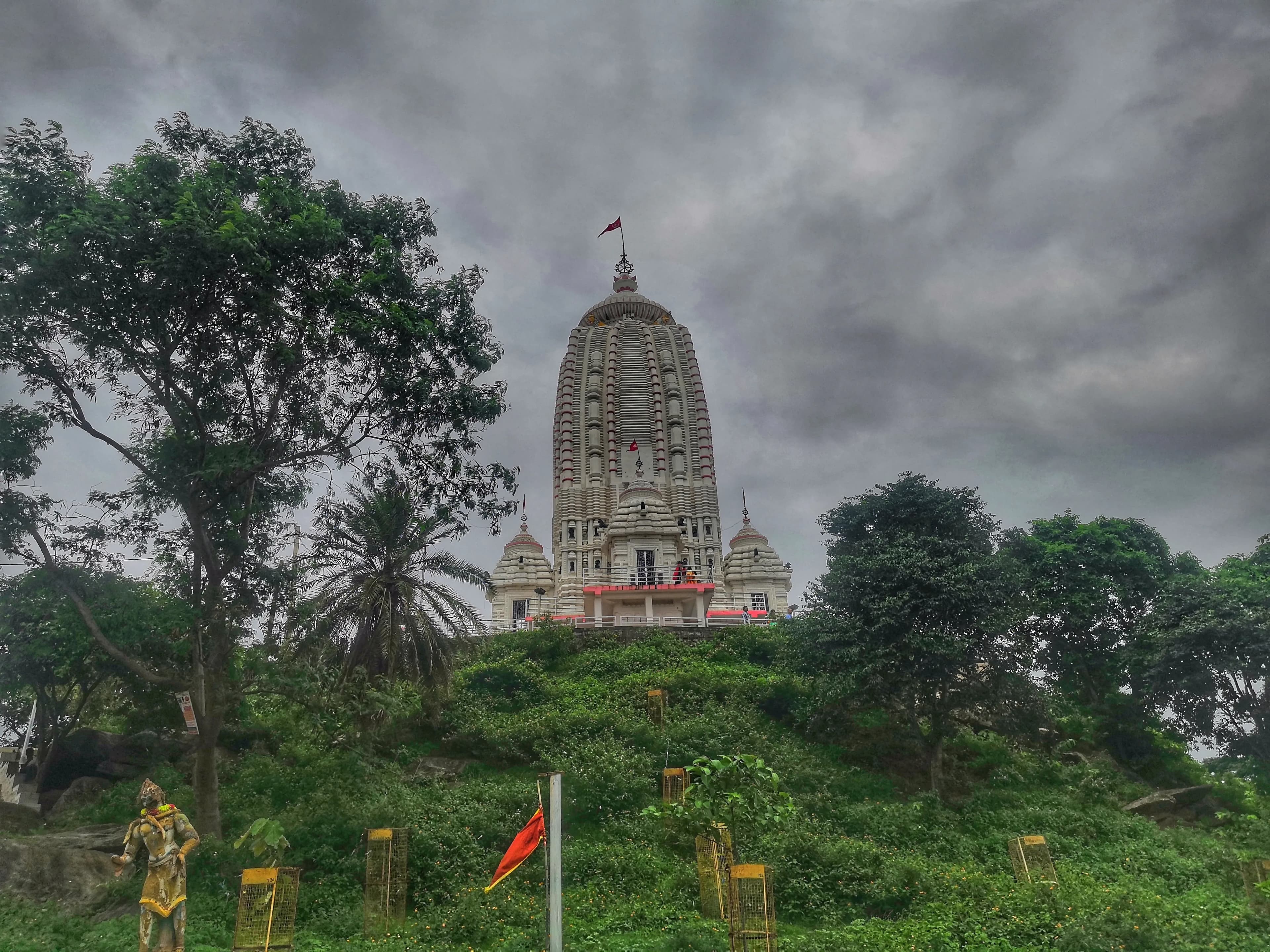
Jagannath Temple Ranchi
The crisp Jharkhand air, a welcome change from Maharashtra's humidity, carried the scent of incense as I approached the Jagannath Temple in Ranchi. Perched atop a small hillock, the temple’s pristine white shikhara, reminiscent of Odisha's famed Puri Jagannath Temple, dominated the skyline. Having explored countless caves and temples across Maharashtra, I was eager to see how this architectural marvel compared to the familiar terrain of my home state. The climb to the temple was a pilgrimage in itself. A wide flight of stairs, flanked by vendors selling everything from religious trinkets to local delicacies, led to the main entrance. The vibrant energy of the place was palpable, a blend of devotion and everyday life that is so characteristic of India's sacred spaces. Unlike the often chaotic scenes at Maharashtra's popular temples, there was a sense of calm order here, perhaps influenced by the temple's elevated position. The temple's architecture is a striking blend of traditional Odishan and contemporary styles. The shikhara, with its curvilinear silhouette and intricate carvings, is undoubtedly the highlight. While echoing the style of the Puri temple, it possesses a unique character, perhaps due to the use of locally sourced laterite stone. This reddish-brown stone, so different from the basalt and black stone I’m accustomed to seeing in Maharashtra’s temples, lends the structure a warm, earthy hue. The carvings, though weathered by time and elements, still retain a remarkable level of detail, depicting scenes from Hindu mythology and showcasing the skill of the artisans who crafted them. Stepping inside the main sanctum, I was greeted by the imposing idols of Jagannath, Balabhadra, and Subhadra. The atmosphere was thick with the fragrance of sandalwood and the murmur of prayers. The deities, with their distinctive large eyes and cylindrical forms, exuded a powerful aura. While smaller than their counterparts in Puri, they held the same captivating presence. I observed the rituals with fascination, noting the distinct regional variations compared to the temple practices I’ve witnessed in Maharashtra. The rhythmic chanting of the priests, the clanging of bells, and the flickering of oil lamps created a mesmerizing sensory experience. Beyond the main shrine, the temple complex houses several smaller shrines dedicated to various deities. I was particularly drawn to the intricate carvings adorning the walls of these smaller structures. They depicted a fascinating array of mythological figures, celestial beings, and floral motifs. The level of detail was astonishing, each carving a testament to the artistic prowess of the craftsmen. I spent a considerable amount of time studying these panels, drawing parallels and contrasts with the sculptural traditions of Maharashtra. The panoramic view from the temple grounds was breathtaking. The sprawling city of Ranchi lay spread out below, a tapestry of green and grey punctuated by the occasional glint of sunlight reflecting off a distant building. The cool breeze carried the sounds of the city, a gentle hum that blended seamlessly with the temple’s serene atmosphere. It was a moment of quiet contemplation, a chance to reflect on the journey that had brought me to this sacred place. Leaving the Jagannath Temple, I carried with me not just photographs and memories, but a deeper understanding of India's rich architectural and spiritual heritage. The temple, a testament to the enduring power of faith and artistry, stands as a beacon of hope and devotion, offering solace and inspiration to all who visit. While my heart remains rooted in the ancient caves and temples of Maharashtra, the Jagannath Temple of Ranchi has carved a special place in my travelogue, a reminder of the diverse and captivating tapestry of India's sacred landscape.

Sivasagar Fort Sivasagar
The imposing ramparts of Sivasagar Fort, or rather, what remains of them, rose before me under the vast Assamese sky. Brick-red against the verdant landscape, they spoke of a grandeur that time and the elements had gnawed at, yet failed to completely erase. This wasn't the imposing, fully intact fortress I'd encountered in other parts of India. Sivasagar presented a different kind of beauty, a poignant echo of the Ahom kingdom's power. My journey through the complex began at the main entrance, a crumbling archway that felt more like a portal to the past than a functional gateway. The once formidable walls, now breached in places, allowed glimpses of the inner sanctum. The sheer scale of the fort, even in its ruined state, was breathtaking. It sprawled across a vast area, hinting at the bustling life it once contained. The ground beneath my feet, uneven and overgrown, was a tapestry of brick fragments and tenacious weeds, a testament to nature's slow reclamation. The central structure, known as the Talatal Ghar, immediately drew my attention. Unlike the exposed brickwork of the outer walls, the Talatal Ghar was earth-covered, its multi-tiered roof rising like a stepped pyramid. This subterranean marvel, I learned, served as a royal residence and a military bunker. The cool, damp air within its chambers contrasted sharply with the sun-drenched exterior. Light filtered through narrow openings, casting long shadows that danced on the aged walls, adding an air of mystery. I could almost hear the whispers of history echoing in the silence. Climbing the narrow, worn staircases within the Talatal Ghar was an adventure in itself. Each step felt laden with stories, each landing a stage for imagined scenes of royal life. The views from the upper levels, though partially obscured by vegetation, offered a panoramic vista of the surrounding landscape. I could envision the Ahom kings surveying their domain from these very vantage points, their power radiating outwards like ripples in a pond. Adjacent to the Talatal Ghar stood the Rang Ghar, a two-storied pavilion used for royal sports and entertainment. Its unique octagonal shape, a departure from the typical rectangular structures I'd encountered in other forts, was a testament to the Ahom kingdom's distinct architectural style. The intricate carvings on the remaining portions of the pavilion hinted at a rich artistic tradition, a glimpse into the cultural tapestry of the era. I spent a considerable amount of time photographing the delicate motifs, trying to capture the essence of this bygone artistry. Further exploration revealed the remnants of other structures – stables, storehouses, and perhaps even temples. The scattered fragments of pottery and terracotta figures I stumbled upon added another layer to the narrative, whispering tales of daily life within the fort's walls. These weren't just ruins; they were pieces of a puzzle, each contributing to a larger picture of a vibrant past. As the sun began its descent, casting long shadows across the grounds, I found myself drawn back to the ramparts. The warm hues of the setting sun bathed the crumbling walls in a golden glow, creating a scene of ethereal beauty. Standing there, amidst the whispers of history, I felt a profound connection to the past. Sivasagar Fort wasn't just a collection of ruins; it was a living testament to the rise and fall of a kingdom, a poignant reminder of the impermanence of power, and a celebration of the enduring spirit of a people. My lens, though it could capture the visual beauty, could only hint at the depth of history and emotion that permeated this ancient site.
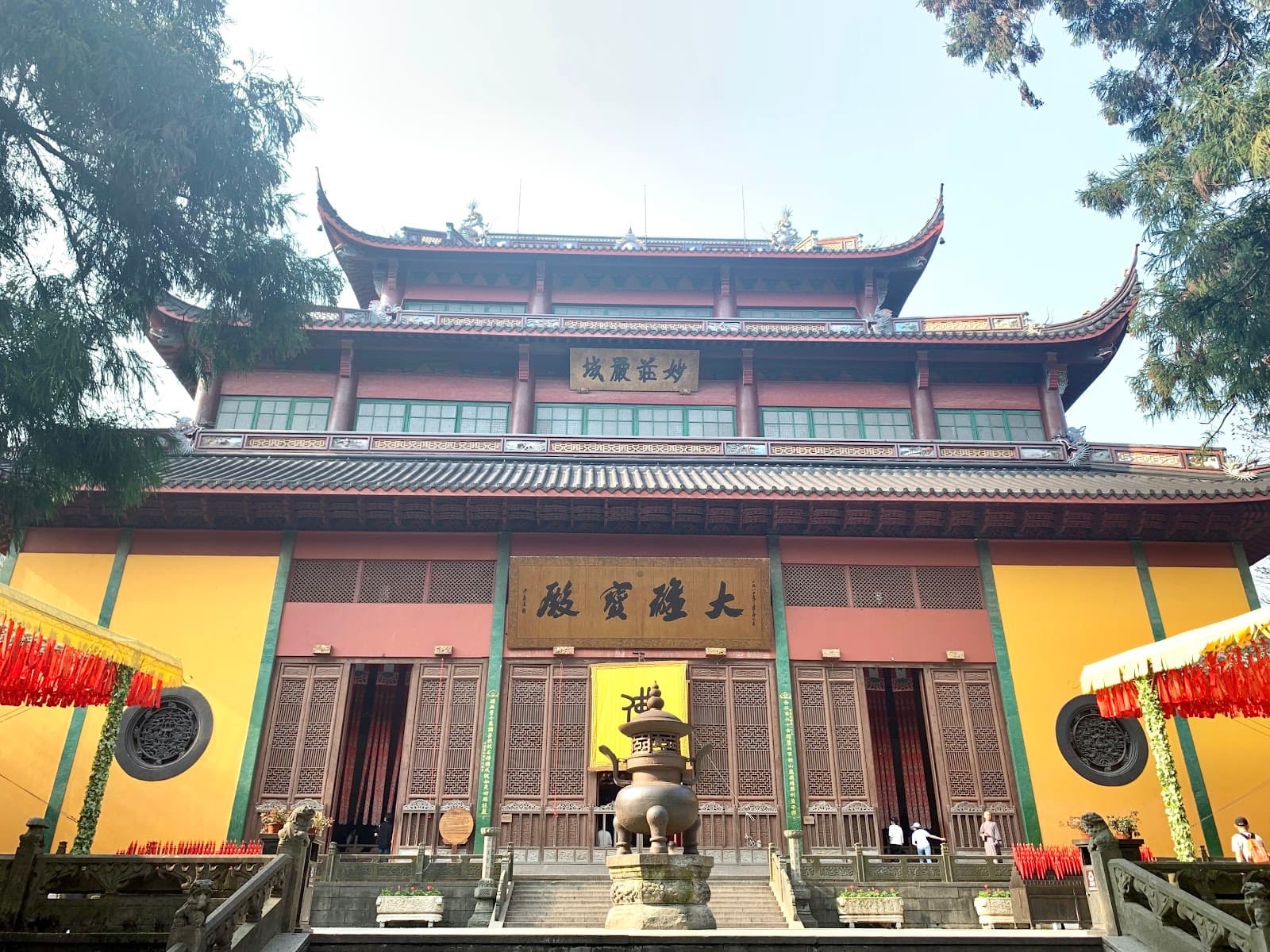
Lingyin Temple Hangzhou Zhejiang China
Lingyin Temple, dramatically situated in the scenic hills west of Hangzhou in Zhejiang Province, represents one of the most extraordinary and historically significant Buddhist temple complexes in China, dating from the 4th century CE and serving as a major center of Indo-Chinese Buddhist heritage that flourished as a crucial link in the transmission of Indian Buddhist traditions to China, featuring sophisticated Buddhist temple structures, extensive rock carvings, and ritual spaces that demonstrate clear connections to the architectural and artistic traditions of ancient India, particularly the sophisticated temple planning principles and rock-cut architecture traditions that were transmitted from the great Buddhist centers of northern India, creating a powerful testament to the profound transmission of Indian Buddhist civilization to China during the early medieval period. The site, featuring sophisticated Buddhist temple structures with halls, pagodas, and the remarkable Feilai Peak rock carvings that demonstrate clear connections to the architectural and artistic traditions of ancient India, particularly the sophisticated rock-cut temple and sculpture traditions that were transmitted from the great Buddhist centers of northern India, demonstrates the direct transmission of Indian Buddhist architectural knowledge, religious iconography, and cultural concepts from the great monastic universities of ancient India, particularly Nalanda and Taxila, which systematically transmitted Buddhist teachings and architectural traditions to China through the extensive trade and pilgrimage networks that connected India with China, while the site's most remarkable feature is its extensive collection of rock carvings on Feilai Peak, featuring hundreds of Buddhist sculptures carved directly into the limestone cliffs that demonstrate remarkable parallels with Indian rock-cut temple traditions, particularly the structural techniques and iconographic programs that were central to Indian Buddhist art, including depictions of Buddhas, Bodhisattvas, and guardian deities that reflect Indian iconographic traditions. The temple structures' architectural layout, with their sophisticated planning, central halls surrounded by subsidiary structures, meditation chambers, and ceremonial spaces, follows planning principles that demonstrate remarkable parallels with Indian Buddhist monastery planning principles, particularly the vihara and rock-cut temple traditions that were central to Indian Buddhist architecture, while the site's extensive archaeological remains including the Feilai Peak rock carvings with clear Indian stylistic influences, Buddhist sculptures that reflect Indian iconographic traditions, and architectural elements demonstrate the sophisticated synthesis of Indian Buddhist iconography and cosmological concepts with local Chinese aesthetic sensibilities and building materials. Historical evidence reveals that the site served as a major center of Buddhist learning and religious activity during the 4th through 13th centuries, attracting monks, traders, and pilgrims from across China, South Asia, and Southeast Asia, while the discovery of numerous artifacts including rock carvings with clear Indian stylistic influences, Buddhist sculptures that reflect Indian iconographic traditions, and architectural elements that reflect Indian architectural concepts provides crucial evidence of the site's role in the transmission of Indian Buddhist traditions to China, demonstrating the sophisticated understanding of Indian Buddhist architecture and religious practices possessed by the site's patrons and monastic establishment. The site's association with the ancient city of Hangzhou, which flourished as a major cultural and commercial center with extensive connections to India and Southeast Asia, demonstrates the sophisticated understanding of Indian Buddhist traditions that were transmitted to China, while the site's Buddhist temple structures and rock carvings demonstrate remarkable parallels with Indian Buddhist temple architecture and rock-cut art traditions that were central to ancient Indian civilization. The site has been the subject of extensive historical research and conservation efforts, with ongoing work continuing to reveal new insights into the site's sophisticated architecture, religious practices, and its role in the transmission of Indian Buddhist traditions to China, while the site's status as one of the most important historical Buddhist temples in China demonstrates its significance as a major center for the transmission of Indian Buddhist and cultural traditions to China. Today, Lingyin Temple stands as one of the most important historical Buddhist temples in China, serving as a powerful testament to the transmission of Indian Buddhist civilization to China, while ongoing historical research and conservation efforts continue to protect and study this extraordinary cultural treasure that demonstrates the profound impact of Indian civilization on Chinese religious and cultural development. ([1][2])
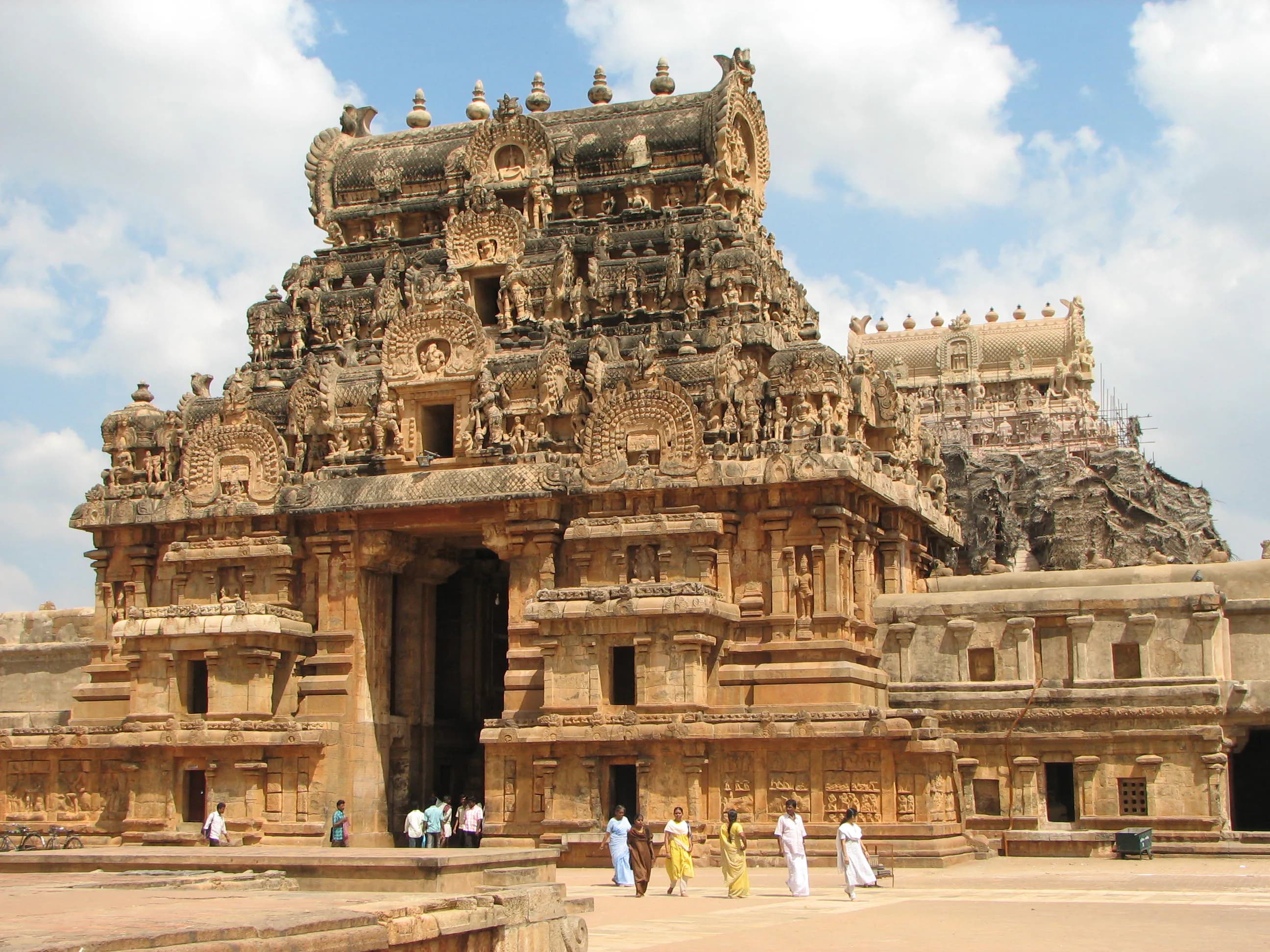
Brihadeeswarar Temple Thanjavur
The sheer scale of the Brihadeeswarar Temple in Thanjavur stopped me dead in my tracks. Having explored countless caves and temples across Maharashtra, I thought I was prepared for anything. I was wrong. This UNESCO World Heritage Site, a testament to the architectural prowess of the Chola dynasty, transcends mere grandeur ([1]). It’s a symphony in stone, a colossal expression of devotion that left me humbled and awestruck. Soaring to a height of 216 feet, the Vimana (temple tower) dominates the landscape ([2]). Unlike the stepped pyramidal structures, this Vimana (temple tower) is a singular, curvilinear structure, crowned by a monolithic Kumbham (cupola). The sheer weight of this massive granite dome, estimated at 80 tons, is an engineering feat ([3]). How the artisans managed to lift it to such a height in the 11th century is worthy of reverence. Granite and sandstone blocks, meticulously carved, form the Nandi Mandapa (Pillared Hall), which houses a colossal monolithic Nandi bull ([4]). The Nandi, carved from a single rock, exudes a quiet strength, its gaze fixed eternally on the main deity within. The intricate carvings on the Mandapa (Pillared Hall), depict scenes from Hindu mythology, a testament to the skill of the Chola artisans ([5]). Within the Garbhagriha (Sanctum), a palpable sense of serenity envelops you. The towering Lingam, the symbol of Lord Shiva, commands attention, its smooth, dark stone radiating a powerful energy. The walls surrounding the sanctum are adorned with frescoes, narrating tales of devotion and divine intervention ([6]). During the Chola Period, temple architecture revealed a deep understanding of geometry and proportion ([7]). The Vimana (temple tower), for example, is designed according to the principles of Dravidian architecture, with its intricate carvings and rhythmic vertical lines creating a sense of harmony and balance. The use of interlocking stones, without any mortar, is a testament to the precision and skill of the Chola builders ([8]). My visit to the Brihadeeswarar Temple was more than just a sightseeing trip; it was a pilgrimage of sorts. It was a journey into the heart of ancient India, a testament to the ingenuity, devotion, and artistic brilliance of a civilization that flourished centuries ago. The Brihadeeswarar Temple has carved its own niche in my memory. It stands as a powerful reminder of the enduring legacy of India's rich cultural heritage, a legacy that continues to inspire awe and wonder even today.
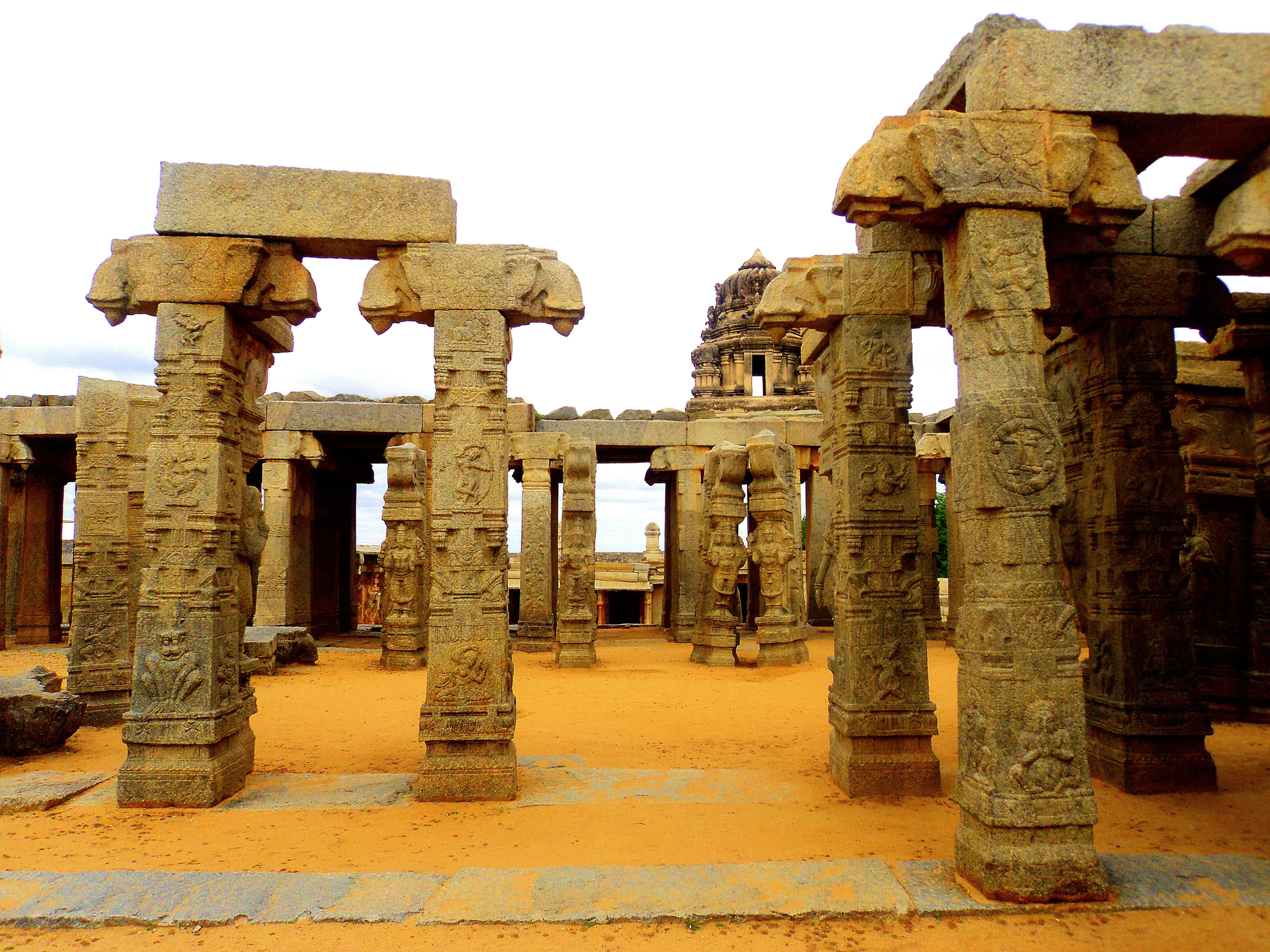
Veerabhadra Temple Lepakshi
The sun beat down on the granite landscape of Lepakshi, baking the earth a pale ochre. I’d crossed the border from Maharashtra, leaving behind the familiar caves of Ajanta and Ellora for the architectural marvels of Andhra Pradesh. My destination: the Veerabhadra Temple, a 16th-century testament to the Vijayanagara Empire’s artistic prowess. Even from a distance, the colossal Nandi bull, carved from a single granite boulder, hinted at the grandeur within. Stepping through the imposing gateway, I was immediately struck by the temple’s sprawling layout. Unlike the cave temples I’m accustomed to in Maharashtra, the Veerabhadra Temple embraced the open air. Its vast courtyards, punctuated by ornate pillars and mandapas, created a sense of expansive serenity. The main shrine, dedicated to Veerabhadra, a fierce incarnation of Lord Shiva, dominated the complex. Its walls, a canvas of intricate carvings, narrated tales from the epics – scenes of battles, celestial beings, and mythical creatures, all rendered with astonishing detail. The Kalyana Mandapa, or wedding hall, was a particular highlight. While many pillars within the temple complex were adorned with carvings, the unfinished pillars of the Kalyana Mandapa held a unique allure. Local legend attributes their incompleteness to the sudden halt of construction, a story that adds a layer of mystery to the site. I ran my hand along the smooth, uncarved stone, imagining the artisans who once toiled here, their tools silenced mid-stroke. One of the most remarkable features of the Veerabhadra Temple is its hanging pillar. Out of the 70 pillars supporting the structure, one appears to hang suspended in mid-air, a testament to the architectural ingenuity of the Vijayanagara builders. I crouched down, passing a thin cloth beneath the pillar, witnessing the seemingly impossible gap between stone and earth. This architectural marvel, defying gravity, left me in awe. It’s a tangible reminder of the advanced engineering knowledge possessed by these ancient craftsmen. The temple's ceiling is another masterpiece. The Mukha Mandapa, or entrance hall, boasts vibrant frescoes depicting scenes from the Ramayana and Mahabharata. The colours, though faded by time, still retain a remarkable vibrancy. I spent a considerable amount of time craning my neck, tracing the lines of these ancient narratives, each panel a window into the rich mythology of the region. The contrast between the muted granite exterior and the explosion of colour within was truly captivating. Beyond the main shrine and mandapas, the temple complex extends to include smaller shrines, stepped tanks, and sprawling courtyards. I wandered through these spaces, observing the intricate carvings that adorned every surface. From the fearsome depictions of Veerabhadra to the delicate floral motifs, each carving spoke volumes about the artistic sensibilities of the era. As the sun began to dip below the horizon, casting long shadows across the temple complex, I found myself reflecting on the journey. The Veerabhadra Temple, with its grandeur and intricate artistry, offered a stark contrast to the cave temples I’m familiar with in Maharashtra. While the caves offer a sense of intimate seclusion, the Veerabhadra Temple embraces the open air, its vastness a testament to the power and prosperity of the Vijayanagara Empire. It's a site that resonates with history, mythology, and architectural brilliance, a must-see for anyone seeking to explore the rich cultural heritage of South India. Leaving the temple grounds, I carried with me not just photographs and memories, but a deeper appreciation for the architectural diversity of India, a tapestry woven with unique regional styles and traditions.
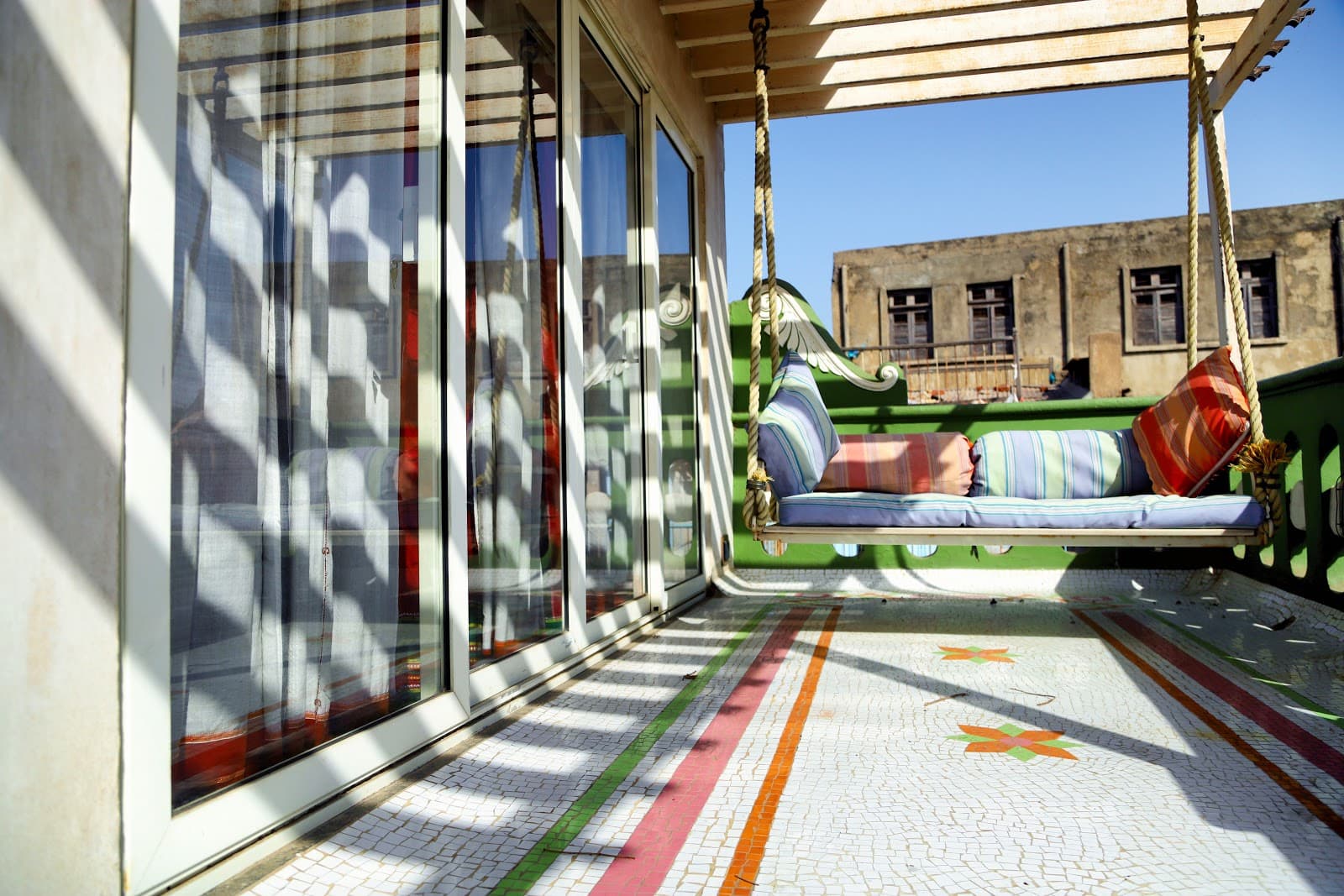
Mangaldas Ni Haveli Ahmedabad
The midday sun cast long shadows across the intricately carved wooden facade of Mangaldas Ni Haveli, a structure seemingly frozen in time amidst the bustling heart of Ahmedabad’s old city. Stepping through the imposing gateway, I felt an immediate shift, a palpable transition from the frenetic energy of the streets to the hushed tranquility of a bygone era. As a heritage enthusiast steeped in the Dravidian architecture of South India, I was eager to experience this distinctly different architectural vernacular – the Gujarati haveli. The haveli, built in the 19th century by Seth Mangaldas Girdhardas, a prominent textile merchant, is a testament to the opulence and artistry of that period. Unlike the towering gopurams and expansive prakarams of South Indian temples, the haveli unfolds inwards, revealing a series of interconnected courtyards, each a microcosm of domestic life. The first courtyard, or chowk, served as a public space, where business transactions likely took place. I noted the robust wooden pillars, intricately carved with floral motifs and mythological figures, supporting the overhanging balconies. The wood, darkened with age, whispered stories of generations past, a stark contrast to the stone I was accustomed to in the South. Moving deeper into the haveli, I was struck by the interplay of light and shadow. Small, strategically placed windows, some adorned with stained glass, filtered the harsh sunlight, creating a mosaic of colours on the polished floors. The jharokhas, or overhanging enclosed balconies, offered glimpses into the inner chambers while maintaining privacy. These architectural elements, while serving a practical purpose, also contributed to the overall aesthetic, creating a sense of mystery and intrigue. The haveli’s ornamentation is a feast for the eyes. Every surface, from the pillars and brackets to the ceilings and lintels, is adorned with intricate carvings. While the overall style is distinctly Gujarati, I noticed subtle influences of Mughal architecture in the ornate floral patterns and the use of jalis, or perforated screens. Unlike the bold, narrative sculptures found in South Indian temples, the carvings here were more delicate and intricate, emphasizing floral patterns, geometric designs, and stylized depictions of birds and animals. One of the most captivating spaces within the haveli is the inner courtyard, a private oasis for the family. Here, the carvings become even more elaborate, depicting scenes from everyday life, religious narratives, and even glimpses of the family’s trading activities. The courtyard is surrounded by two or three stories of wooden galleries, connected by narrow, winding staircases. Looking up, I could imagine the hustle and bustle of family life, the women of the house engaged in their daily chores, children playing, and the patriarch overseeing his business affairs. The haveli’s current state of preservation is a testament to the efforts of the Ahmedabad Municipal Corporation, which has undertaken restoration work. However, the passage of time has inevitably left its mark. Some of the wooden elements show signs of wear and tear, and the vibrant colours that once adorned the walls have faded. Yet, this patina of age adds to the haveli’s charm, lending it an air of authenticity that a pristine restoration could never replicate. My visit to Mangaldas Ni Haveli was a journey of discovery, an opportunity to appreciate the diversity and richness of India’s architectural heritage. While the haveli’s architectural style differed significantly from the Dravidian temples I was familiar with, the underlying principles of craftsmanship, artistry, and cultural expression resonated deeply. The haveli stands as a poignant reminder of a bygone era, a tangible link to the lives and aspirations of a prominent merchant family, and a testament to the enduring power of architectural heritage.
Quick Links
Plan Your Heritage Journey
Get personalized recommendations and detailed visitor guides