Has Inheritage Foundation supported you today?
Your contribution helps preserve India's ancient temples, languages, and cultural heritage. Every rupee makes a difference.
Secure payment • Instant 80G certificate
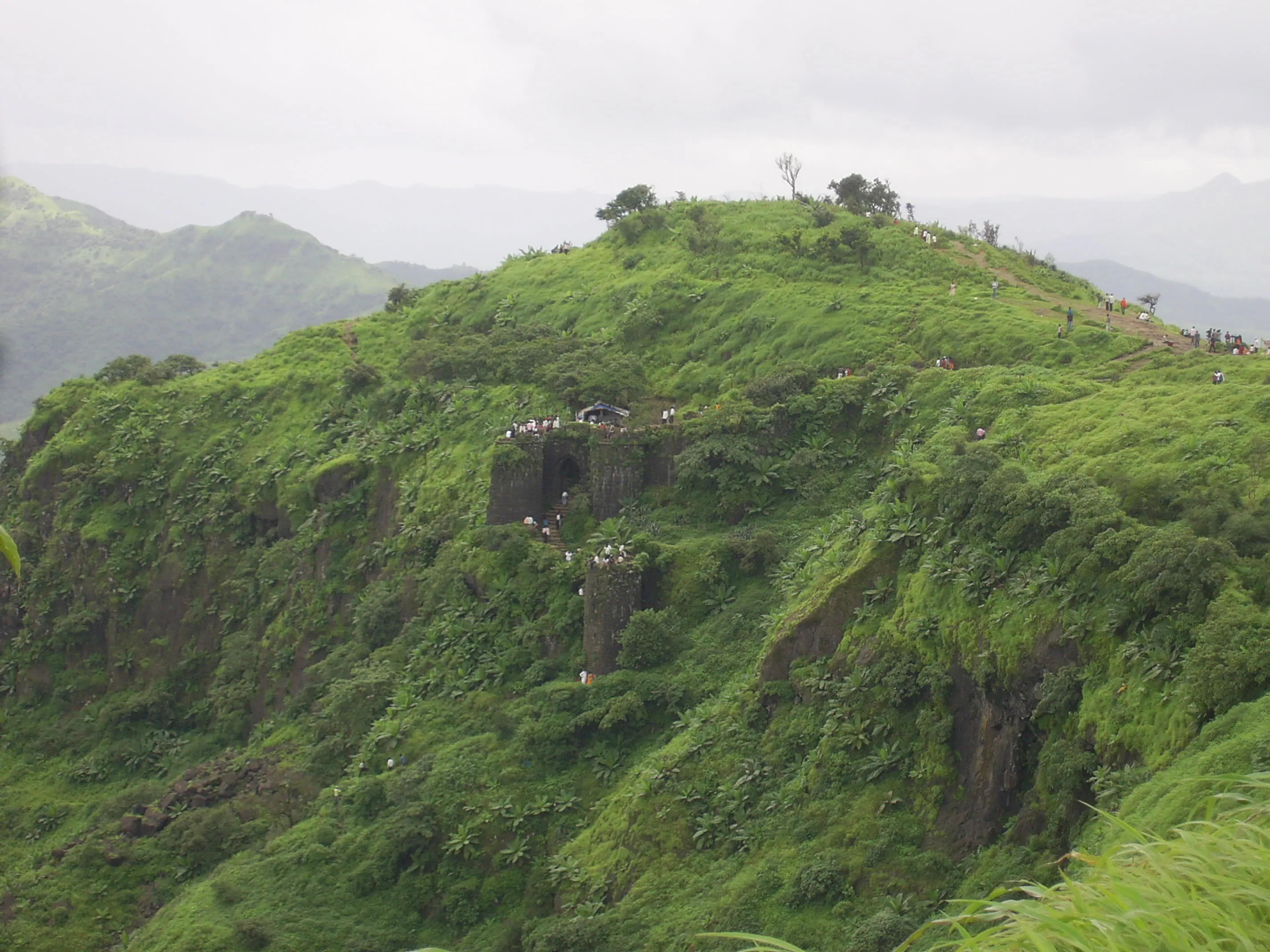
Sinhagad Fort Pune
The wind whipped around me, carrying whispers of history as I stood atop Sinhagad Fort, a formidable sentinel overlooking the sprawling landscape below. The ascent itself, a winding road clinging to the Sahyadri hills, had been a prelude to the grandeur that awaited. Having spent years documenting the ancient sites of Madhya Pradesh, I've developed a keen eye for the nuances of historical architecture, and Sinhagad, with its rugged charm and strategic brilliance, immediately captivated me. The fort, originally known as Kondhana, has witnessed centuries of power struggles, its stones absorbing the echoes of Maratha resilience. Standing at the very spot where pivotal battles were fought, I felt a palpable connection to the past. The panoramic view from the ramparts stretched across undulating hills, punctuated by the occasional glint of a distant village. It's easy to see why this location was so fiercely contested – control of Sinhagad meant command over the surrounding valleys and trade routes. The architecture of Sinhagad is a testament to its military purpose. Unlike the ornate palaces I've documented in Mandu, Sinhagad's structures prioritize function over embellishment. The massive walls, built from locally quarried stone, are punctuated by strategically placed bastions and fortified gates. The Kalyan Darwaza and Pune Darwaza, the two main entrances, still bear the scars of past sieges, their thick wooden doors reinforced with iron bands. I spent considerable time photographing these gates, trying to capture the weight of history etched into their weathered surfaces. Within the fort walls, the remnants of various structures paint a picture of life within this military stronghold. The Amruteshwar Temple, a modest stone structure dedicated to Lord Shiva, stands in stark contrast to the surrounding fortifications. Its simple elegance offered a moment of quiet contemplation amidst the echoes of war. I was particularly struck by the intricate carvings on the temple's doorway, a testament to the enduring artistry of the region. The Dev Take, a steep precipice on the eastern side of the fort, offers a breathtaking, if somewhat dizzying, view. Local legend claims that Tanaji Malusare, a celebrated Maratha warrior, scaled this cliff face with the help of a monitor lizard during a daring nighttime raid. Standing at the edge, feeling the wind buffet me, I could almost visualize the scene unfolding centuries ago. One of the most intriguing aspects of Sinhagad is its water management system. Several strategically placed tanks and cisterns, carved into the rock, collected rainwater, ensuring a continuous supply for the fort's inhabitants. This foresight, crucial for withstanding prolonged sieges, speaks volumes about the ingenuity of the fort's builders. I was fascinated by the intricate network of channels and sluices that regulated the flow of water, a testament to the sophisticated engineering of the time. My visit to Sinhagad wasn't just about documenting the physical structures; it was about absorbing the spirit of the place. The fort isn't just a collection of stones and mortar; it's a living testament to human resilience, strategic brilliance, and the enduring power of history. As I descended the winding path, leaving the fort behind, I carried with me not just photographs, but a deeper understanding of the rich tapestry of India's past. The whispers of history, carried on the wind, had found a new echo in my own heart.
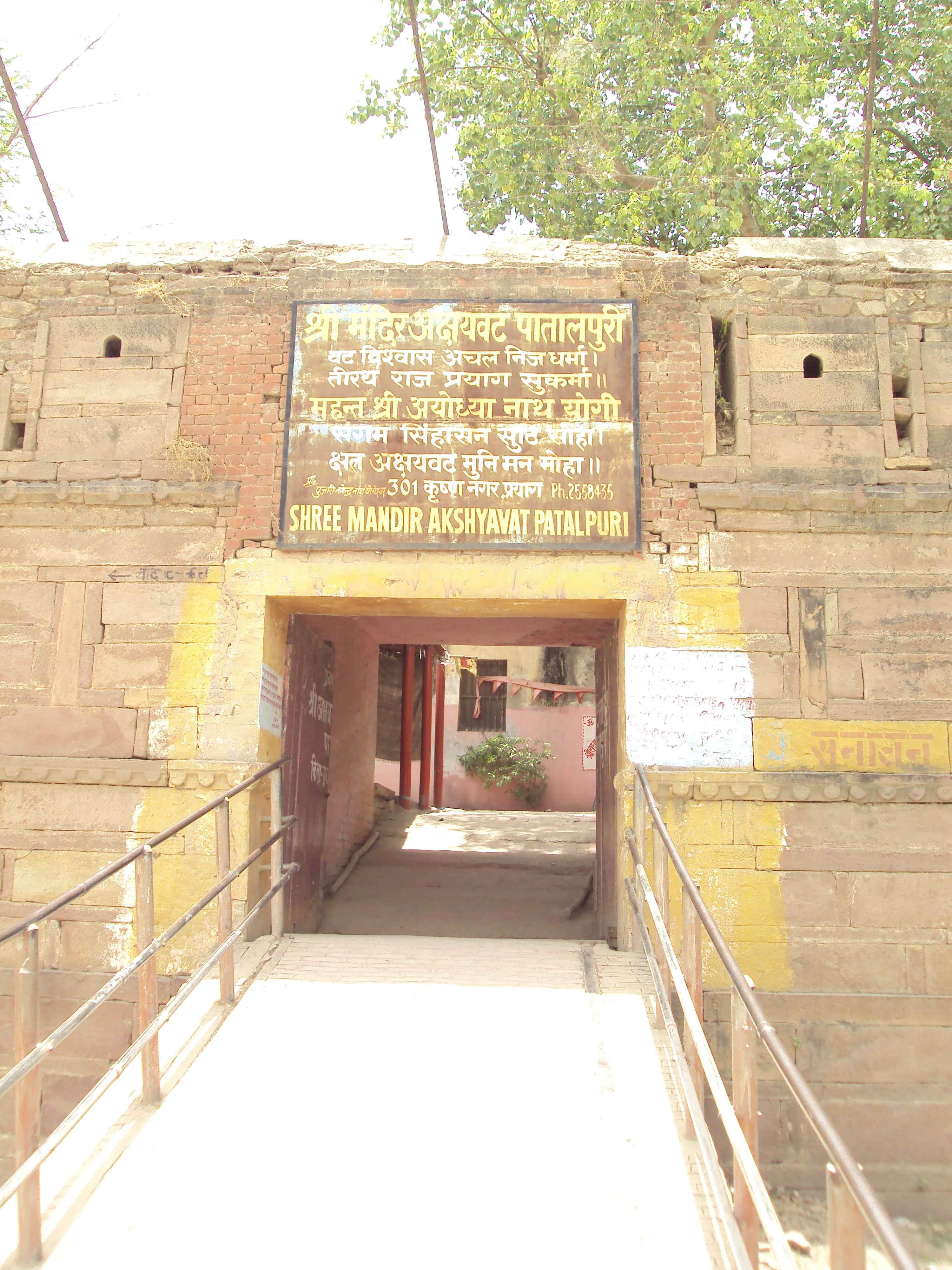
Allahabad Fort Prayagraj
The imposing sandstone ramparts of Allahabad Fort, erected in 1583 CE by the Mughal Emperor Akbar ([1][2]), dominate the sacred confluence, or *Triveni Sangam*, of the Ganga and Yamuna rivers. This strategic military construction exemplifies Mughal architectural prowess, designed to consolidate imperial power over the region ([1]). Within this fortified expanse, the sheer scale of Mughal military architecture is striking ([3]). Granite and sandstone blocks, meticulously carved, constitute the Ashoka Pillar, predating the fort and bearing inscriptions from Emperor Ashoka ([5]). This pillar connects the fort to the Mauryan Empire, underscoring the region's layered history ([5]). Intricate carvings adorning the Zenana (women's quarters) reveal the refined artistry of the Mughal era ([3]). The delicate *jaali* (latticework) exemplifies Mughal craftsmanship, providing both ventilation and privacy ([3]). Also within the fort's walls, the Akshayavat, an ancient banyan tree, holds deep reverence for its mythological significance ([4]). Local traditions connect it to Hindu cosmology, adding a spiritual dimension to the site ([4]). Presenting a contrasting architectural style, the Patalpuri Temple, an underground shrine, features a simpler and more ancient design than the Mughal structures above ([4]). As a confluence of cultures, religions, and empires, the fort's stones and light reverberate with history ([1][2][3][4][5]). The fort's design, while primarily Mughal, may incorporate certain principles of spatial arrangement reminiscent of *Vastu Shastra*, the ancient Indian science of architecture, adapted to the demands of military defense. Sophisticated planning ensured the fort's strategic importance and resilience, reflecting both Mughal innovation and the enduring legacy of the region's earlier empires. The fort stands as a powerful reminder of India's complex and interwoven past, where different traditions have converged and left their indelible marks.
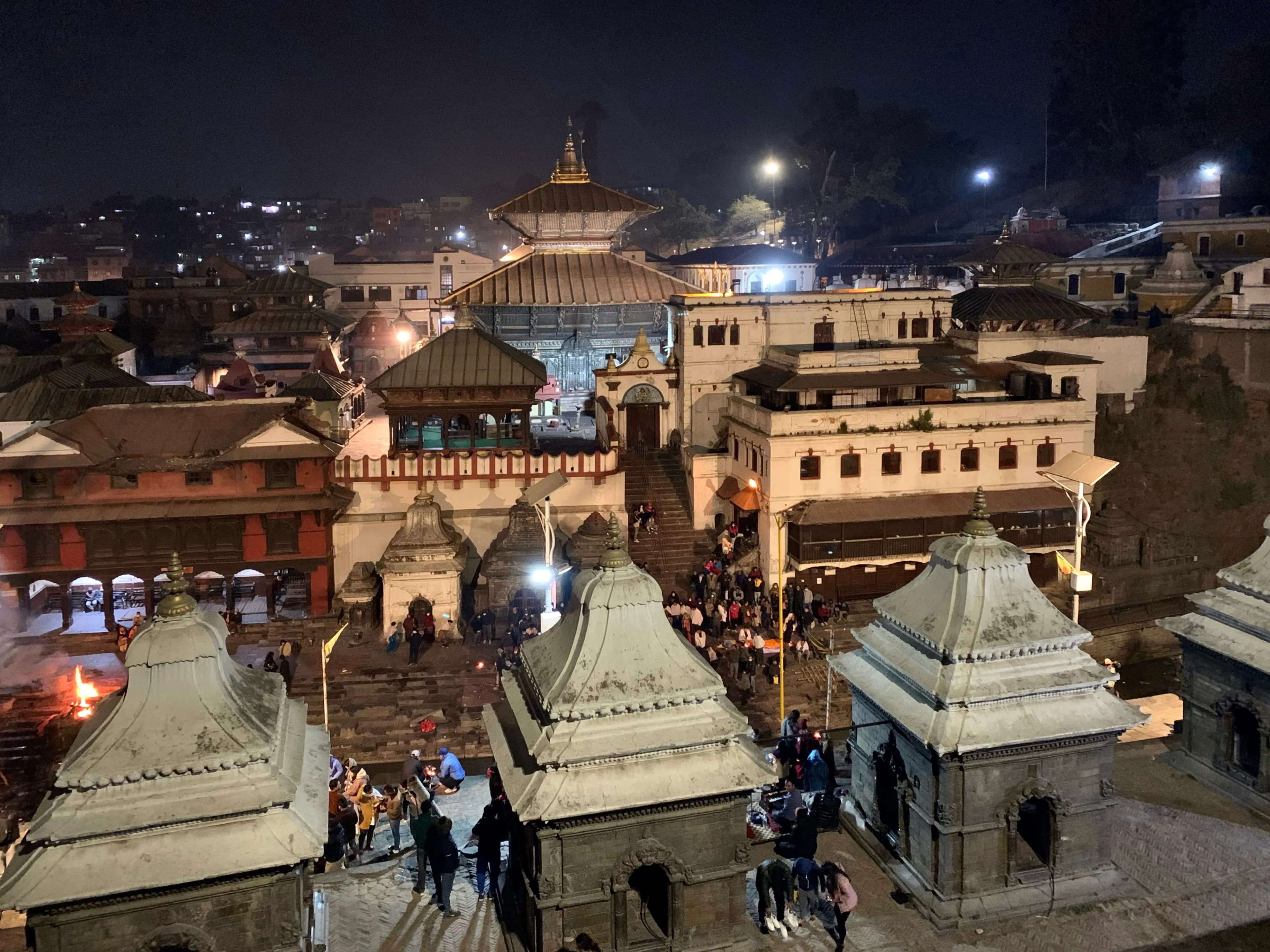
Pashupatinath Temple Kathmandu
The vibrant energy of Kathmandu swirled around me, but as I stepped onto the hallowed grounds of the Pashupatinath Temple, a palpable shift occurred. The air hummed with a different frequency, thick with the scent of incense and marigold garlands, resonating with centuries of devotion. This wasn't just a temple; it was a living organism, pulsating with the heartbeats of pilgrims and the whispers of ancient rituals. As someone deeply immersed in South Indian temple architecture, I was immediately struck by the distinct pagoda style of Pashupatinath. The two-tiered roofs, crafted from intricately carved wood and gilded with copper, were a stark contrast to the towering gopurams and expansive prakarams I was accustomed to. The temple, dedicated to Lord Shiva in his Pashupati form, stood as a testament to the Newar craftsmanship, a unique blend of artistry and devotion. Intricate carvings of deities, mythical creatures, and floral motifs adorned every inch of the wooden structure, each narrating a story, each a testament to the skill of the artisans. The temple complex, situated on the banks of the sacred Bagmati River, presented a fascinating juxtaposition of life and death. While the main temple, accessible only to Hindus, exuded an aura of vibrant worship, the cremation ghats along the riverbank offered a sobering reminder of life's ephemeral nature. Witnessing the open-air cremation ceremonies, while initially jarring, offered a unique perspective on the Hindu philosophy of life, death, and rebirth. The smoke rising from the pyres, mingling with the scent of incense, created an atmosphere both poignant and profound. Observing the devotees, I noticed a distinct blend of Nepali and Indian traditions. The vibrant saffron and red attire, the chanting of mantras, and the offerings of flowers and fruits resonated with my own experiences in South Indian temples. However, the unique rituals specific to Pashupatinath, like the Sadhus smeared with ash and the devotees offering prayers to the sacred bull Nandi, added a distinct Nepali flavour to the spiritual tapestry. The eastern bank of the Bagmati, opposite the main temple, housed a series of smaller shrines and temples, each dedicated to different deities. Exploring these structures, I noticed the influence of various architectural styles, from the classic pagoda to the shikhara style reminiscent of North Indian temples. This architectural amalgamation spoke volumes about the cultural exchange and historical influences that shaped the Kathmandu Valley. One particular detail that captivated me was the use of gilded copper in the main temple's roof. The gleaming metal, reflecting the sunlight, created a dazzling spectacle, enhancing the temple's ethereal beauty. This contrasted beautifully with the weathered stone of the surrounding structures, creating a visual symphony of textures and colours. I recalled the use of gold leaf in South Indian temples, particularly in the vimanams, and pondered on the symbolic significance of precious metals in sacred architecture across different cultures. My visit to Pashupatinath wasn't just a sightseeing trip; it was a pilgrimage of sorts, a journey into the heart of Nepali spirituality. It was a chance to witness the confluence of architectural brilliance, religious fervour, and cultural richness. As I left the temple complex, the lingering scent of incense on my clothes and the rhythmic chanting of mantras echoing in my ears, I carried with me not just photographs and memories, but a deeper understanding of the power of faith and the enduring legacy of sacred spaces. The Pashupatinath Temple, with its unique architectural language and vibrant spiritual energy, stands as a powerful testament to the enduring human quest for connection with the divine.

Pahari Mandir Ranchi
The climb to Pahari Mandir, perched atop Ranchi Hill, is a pilgrimage in itself. The sun beat down on my back as I ascended the seemingly endless flight of stairs, each step bringing me closer to the whispers of history that clung to the ancient stones. The city sprawled beneath me, a tapestry of terracotta roofs and verdant green, shrinking with every upward stride. This vantage point, I realized, was as much a part of the temple's allure as the structure itself. It felt as though the builders had intentionally chosen this lofty perch, not just for its breathtaking views, but to symbolize a closer communion with the divine. Reaching the summit, I was greeted by a palpable shift in atmosphere. The cacophony of the city faded, replaced by the gentle tinkling of bells and the murmur of devotees. Pahari Mandir, dedicated to Lord Shiva, isn't a sprawling complex like many other ancient temples. Its beauty lies in its compact elegance, a stark white structure against the azure sky. The architecture, while simple, is striking. The temple's shikhara, the towering structure above the sanctum sanctorum, is distinctly different from the curvilinear Nagara style prevalent in my home state of Madhya Pradesh. Here, the shikhara rises in a pyramidal form, reminiscent of the local architectural vernacular, yet possessing a unique grace. The whitewashed walls, though showing the patina of time, are adorned with intricate carvings. I spent a considerable amount of time documenting these, my lens focusing on the delicate floral motifs and depictions of deities, each panel narrating a silent story. The craftsmanship, though weathered by centuries of sun and rain, still speaks volumes about the devotion and skill of the artisans who breathed life into these stones. Interestingly, while the temple is predominantly built of stone, I noticed the use of bricks in certain sections, particularly in the lower portions of the structure. This blend of materials, perhaps dictated by the locally available resources, adds another layer of intrigue to the temple's architectural narrative. The inner sanctum, dimly lit by oil lamps, exuded an aura of serenity. The air was thick with the scent of incense and the murmur of prayers. Photography within the sanctum is restricted, so I committed the scene to memory, the flickering lamps casting dancing shadows on the ancient walls, the devout offering their prayers with quiet reverence. It was a moment of profound stillness, a stark contrast to the bustling city below. Stepping out, I circumnavigated the temple, observing the interplay of light and shadow on the textured walls. The late afternoon sun cast long shadows, accentuating the carvings and adding a dramatic dimension to my photographs. From this vantage point, I could see the sprawling city of Ranchi in all its vibrant chaos, a stark juxtaposition to the serene sanctity of the temple. It was a visual reminder of the temple's role as a spiritual anchor, a place of refuge from the trials and tribulations of daily life. My experience at Pahari Mandir was more than just a photographic documentation of an ancient site. It was a journey through time, a communion with history and faith. The temple, in its quiet dignity, stands as a testament to the enduring power of belief and the artistic brilliance of a bygone era. It's a place where the whispers of the past resonate with the present, offering a glimpse into the rich tapestry of India's cultural heritage. As I descended the steps, leaving the serenity of the hilltop behind, I carried with me not just photographs, but a profound sense of connection to this sacred space.
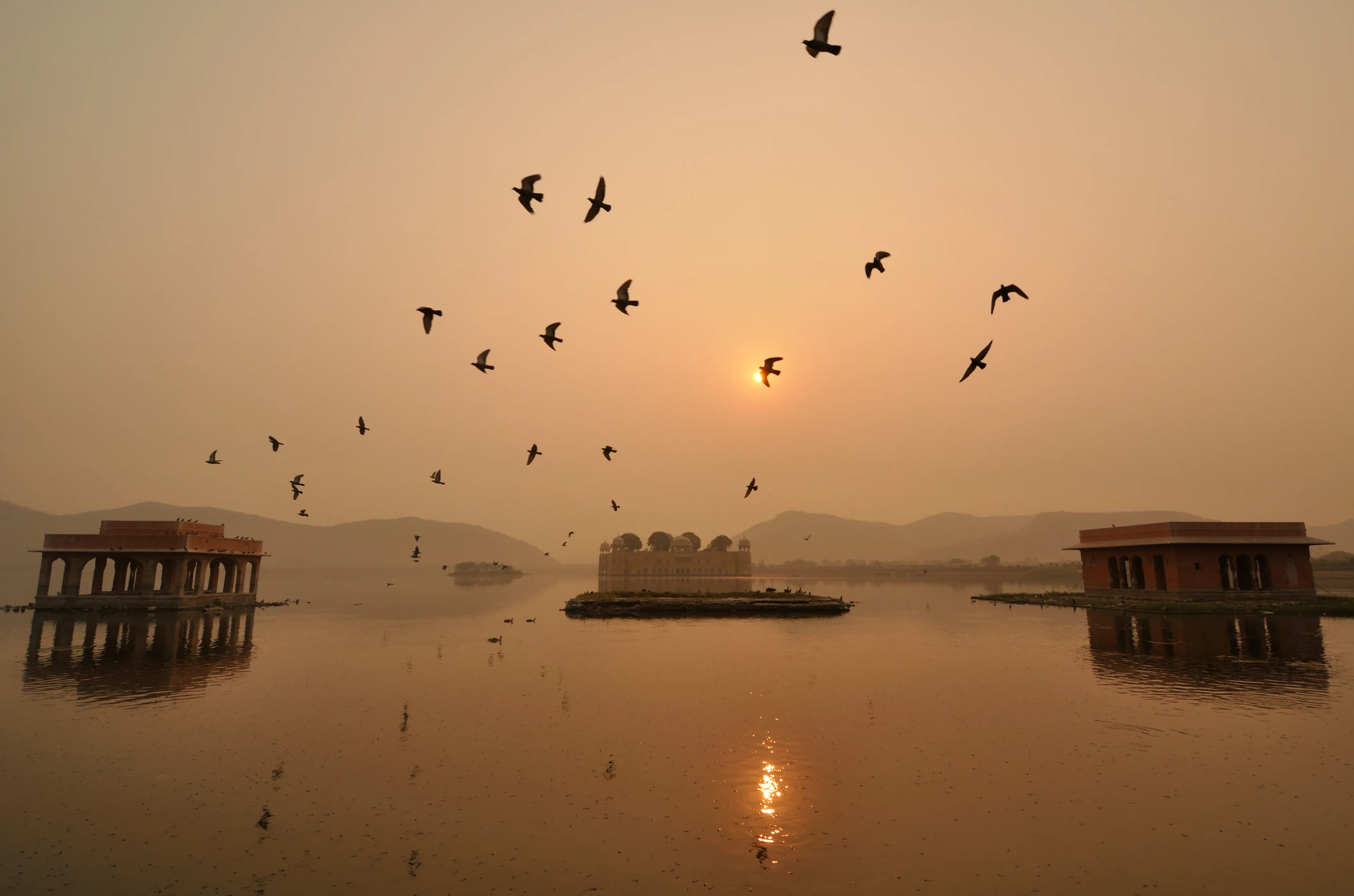
Jal Mahal Jaipur
The Jal Mahal, or Water Palace, shimmers like a mirage in the heart of Man Sagar Lake in Jaipur. Having explored every UNESCO site in India, I can confidently say this one holds a unique charm, a blend of Rajput grandeur and the serene tranquility of its watery embrace. Approaching it from the bustling city, the palace seems to materialize from the lake itself, a sandstone vision rising from the placid blue. It’s a spectacle that immediately captivates, a testament to the architectural ingenuity of its creators. My visit began on a crisp winter afternoon, the sunlight glinting off the lake’s surface, creating a dazzling backdrop for the palace. The approach is restricted, no boats are allowed to reach the palace itself, adding to its mystique. This forced perspective, viewing it from the lakeshore, enhances its ethereal quality. You can’t help but wonder about the lives lived within those walls, now eerily silent, surrounded by water. The Jal Mahal is a five-storied structure, four of which remain submerged when the lake is full. The visible top story, with its exquisitely carved chhatris and delicate jalis, offers a glimpse into the opulence within. The red sandstone, a signature of Rajput architecture, glows warmly in the sunlight, contrasting beautifully with the deep blue of the lake. I spent a considerable amount of time observing the intricate details, the delicate floral patterns carved into the stone, the graceful arches, and the strategically placed balconies that would have once offered breathtaking views of the surrounding Aravalli hills. The palace was originally built as a hunting lodge for the Maharaja Jai Singh II in the 18th century and later renovated and expanded by Madho Singh I. While I couldn’t explore the interiors, I learned that the lower levels, now underwater, were designed with elaborate gardens and courtyards. Imagine the grandeur of those submerged spaces, once filled with life and laughter, now home to aquatic life. It’s a poignant reminder of the transient nature of human endeavors, how even the most magnificent creations can be reclaimed by nature. The surrounding Man Sagar Lake itself is an integral part of the Jal Mahal experience. Flocks of migratory birds, including flamingos and pelicans, often grace the lake, adding another layer of beauty to the scene. During my visit, I was fortunate enough to witness this avian spectacle, their vibrant plumage contrasting with the serene backdrop of the palace and the hills. The lake, once a haven for the royal family’s hunting expeditions, is now a sanctuary for these magnificent creatures, a testament to the changing times. One of the most striking aspects of the Jal Mahal is its reflection in the still waters of the lake. It creates a perfect mirror image, doubling the visual impact. This symmetrical beauty, the palace and its reflection, is a photographer’s dream. I spent a good hour capturing the scene from different angles, trying to capture the essence of this magical place. While the restricted access can be a bit frustrating for those eager to explore the palace’s interiors, it also contributes to its preservation. The distance allows for contemplation, for appreciating the architectural marvel from afar, and for imagining the stories it holds within its submerged walls. The Jal Mahal is more than just a palace; it’s a symbol of a bygone era, a testament to human ingenuity, and a reminder of the delicate balance between nature and human creation. It’s a must-see for anyone visiting Jaipur, a place that will stay etched in your memory long after you’ve left its shimmering shores.

West Lake Cultural Landscape Hangzhou Zhejiang China
West Lake Cultural Landscape, dramatically situated in the historic city of Hangzhou in Zhejiang Province, represents one of the most extraordinary and historically significant cultural landscapes in China, dating from the 9th century CE and serving as a major center of Buddhist and cultural activity that flourished as a crucial link in the transmission of Indian Buddhist traditions to China, featuring numerous temples, pagodas, gardens, and cultural sites that demonstrate clear connections to the architectural and landscape traditions of ancient India, particularly the sophisticated temple and garden planning principles that were transmitted from the great Buddhist centers of northern India, creating a powerful testament to the profound transmission of Indian Buddhist civilization to China during the medieval period. The site, featuring sophisticated Buddhist temple structures including the famous Lingyin Temple, pagodas, gardens, and cultural landmarks that demonstrate clear connections to the architectural traditions of ancient India, particularly the sophisticated temple planning principles and landscape design concepts that were transmitted from the great Buddhist centers of northern India, demonstrates the direct transmission of Indian Buddhist architectural knowledge, religious iconography, and cultural concepts from the great monastic universities of ancient India, particularly Nalanda and Taxila, which systematically transmitted Buddhist teachings and architectural traditions to China through the extensive trade and pilgrimage networks that connected India with China, while the site's most remarkable feature is its extraordinary collection of Buddhist temples, pagodas, and cultural sites including the Leifeng Pagoda, Baochu Pagoda, and numerous temples that demonstrate remarkable parallels with Indian Buddhist temple architecture traditions, particularly the structural techniques and iconographic programs that were central to Indian Buddhist architecture, including depictions of Buddhas, Bodhisattvas, and guardian deities that reflect Indian iconographic traditions. The cultural landscape's architectural layout, with its sophisticated planning integrating temples, pagodas, gardens, and natural features, follows planning principles that demonstrate remarkable parallels with Indian Buddhist monastery and garden planning principles, particularly the vihara and temple traditions that were central to Indian Buddhist architecture, while the site's extensive archaeological remains including Buddhist temples with clear Indian stylistic influences, pagodas that reflect Indian architectural concepts, and gardens that demonstrate Indian landscape design principles demonstrate the sophisticated synthesis of Indian Buddhist iconography and cosmological concepts with local Chinese aesthetic sensibilities and building materials. Historical evidence reveals that the site served as a major center of Buddhist learning and cultural activity during the 9th through 19th centuries, attracting monks, traders, poets, and pilgrims from across China, South Asia, and Southeast Asia, while the discovery of numerous artifacts including Buddhist sculptures with clear Indian stylistic influences, architectural elements that reflect Indian structural concepts, and cultural elements that reflect Indian traditions provides crucial evidence of the site's role in the transmission of Indian Buddhist traditions to China, demonstrating the sophisticated understanding of Indian Buddhist architecture and religious practices possessed by the site's patrons and cultural establishment. The site's association with the ancient city of Hangzhou, which flourished as a major cultural and commercial center with extensive connections to India and Southeast Asia, demonstrates the sophisticated understanding of Indian Buddhist traditions that were transmitted to China, while the site's Buddhist temples, pagodas, and cultural landscape demonstrate remarkable parallels with Indian Buddhist temple architecture and landscape traditions that were central to ancient Indian civilization. The site has been the subject of extensive historical research and conservation efforts, with ongoing work continuing to reveal new insights into the site's sophisticated architecture, religious practices, and its role in the transmission of Indian Buddhist traditions to China, while the site's status as a UNESCO World Heritage Site demonstrates its significance as a major center for the transmission of Indian Buddhist and cultural traditions to China. Today, West Lake Cultural Landscape stands as one of the most important historical cultural sites in China, serving as a powerful testament to the transmission of Indian Buddhist civilization to China, while ongoing historical research and conservation efforts continue to protect and study this extraordinary cultural treasure that demonstrates the profound impact of Indian civilization on Chinese religious and cultural development. ([1][2])
Geok Tepe Fortress Temple Complex Ahal Turkmenistan
Geok Tepe, dramatically situated in the Ahal Region of southern Turkmenistan, represents one of the most extraordinary and historically significant fortress complexes in Central Asia, dating from the medieval period through the 19th century CE and serving as a major center of Turkmen resistance and cultural identity, featuring sophisticated fortifications, defensive structures, and architectural elements that demonstrate remarkable connections to ancient Indian architectural traditions and the transmission of architectural and cultural knowledge from South Asia to Central Asia through the extensive trade and cultural networks that connected India with Central Asia, creating a powerful testament to the profound impact of Indian civilization on Central Asian architectural and cultural development. The site, featuring sophisticated fortifications including massive defensive walls, towers, gates, and architectural elements that demonstrate clear connections to the architectural traditions of ancient India, particularly the sophisticated defensive techniques and structural principles that were transmitted from South Asia, demonstrates the direct transmission of architectural knowledge, defensive planning principles, and cultural concepts from the great centers of ancient India, particularly the sophisticated fortification techniques and architectural traditions that were systematically transmitted to Central Asia through trade and cultural exchange, while the site's most remarkable feature is its extensive fortification system including massive defensive walls, towers with sophisticated brickwork, and architectural elements that demonstrate remarkable parallels with Indian fortification traditions, particularly the structural techniques and defensive principles that were central to Indian fortress architecture. The fortification structures' architectural layout, with their sophisticated defensive planning, massive walls, towers, and gates, follows planning principles that demonstrate remarkable parallels with Indian fortification planning principles, while the site's extensive architectural remains including defensive walls, towers, and architectural elements demonstrate the sophisticated synthesis of Indian architectural traditions with local Central Asian aesthetic sensibilities and defensive requirements. Historical evidence reveals that the site served as a major center of resistance and cultural identity during the 19th century, particularly during the Battle of Geok Tepe in 1881, while the site's architectural remains demonstrate remarkable parallels with Indian fortification traditions that were central to ancient Indian civilization. The site's association with the broader cultural exchange networks that connected India with Central Asia demonstrates the sophisticated understanding of Indian architectural traditions that were transmitted to Central Asia, while the site's fortification structures demonstrate remarkable parallels with Indian fortification traditions that were central to ancient Indian civilization. The site has been the subject of extensive historical and archaeological research, with ongoing studies continuing to reveal new insights into the site's sophisticated architecture, defensive systems, and its role in the transmission of Indian architectural traditions to Central Asia, while the site's status as one of the most important historical sites in Turkmenistan demonstrates its significance as a major center for understanding the transmission of Indian architectural and cultural traditions to Central Asia. Today, Geok Tepe stands as one of the most important historical sites in Turkmenistan, serving as a powerful testament to the transmission of Indian architectural and cultural traditions to Central Asia, while ongoing historical research and conservation efforts continue to protect and study this extraordinary cultural treasure that demonstrates the profound impact of Indian civilization on Central Asian architectural and cultural development. ([1][2])
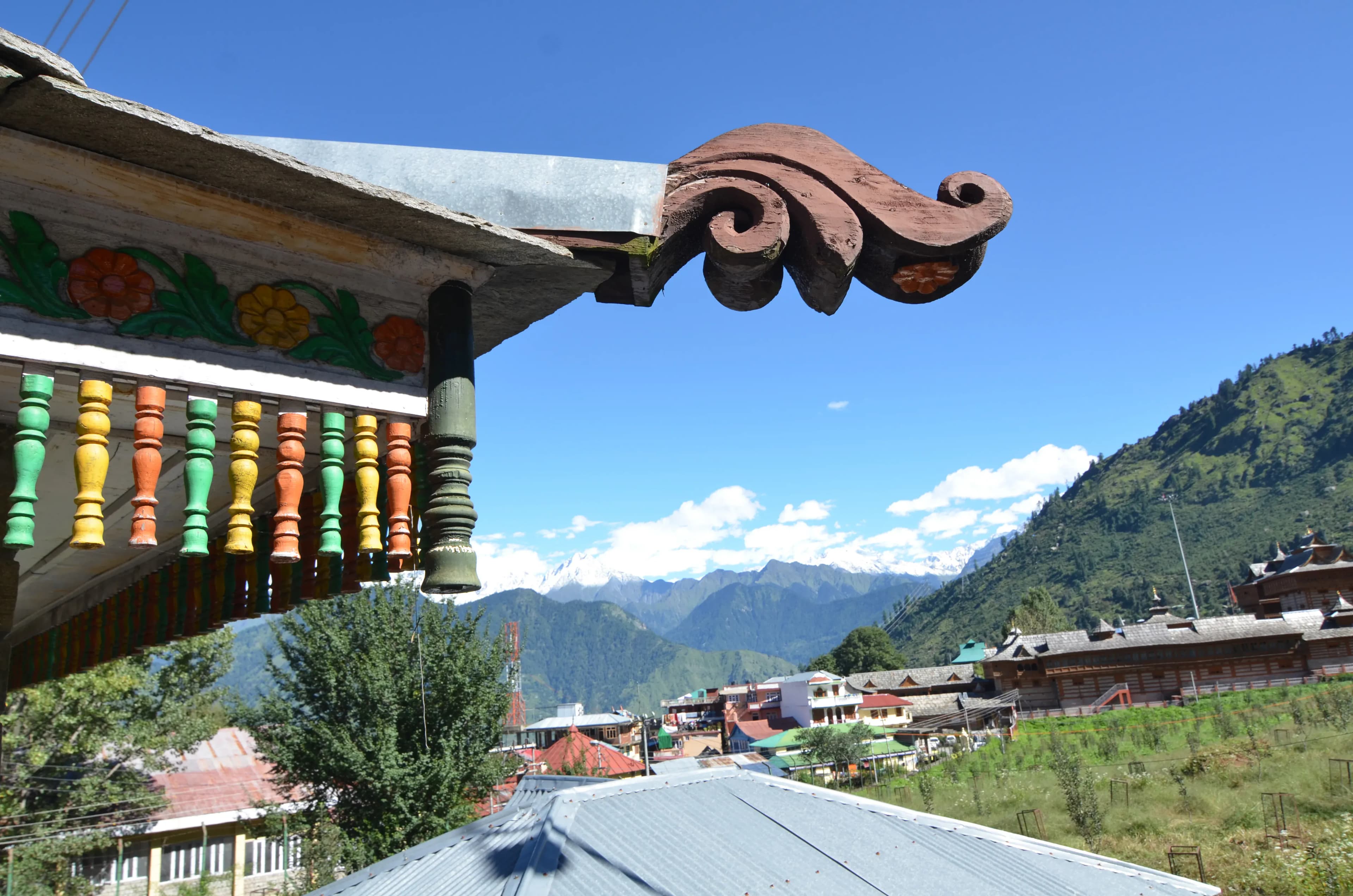
Bhimakali Temple Sarahan
Nestled in the serene hills of Himachal Pradesh, the Bhimakali Temple at Sarahan is an architectural marvel dating back to 800 CE during the Rajput period ([1]). Its unique kath-khuni (wood-stacked) style, a vernacular adaptation to the region's climate, showcases a distinct Himalayan architectural tradition ([2]). The Bushahr rulers, as patrons, significantly influenced the temple's design and construction ([3]). Dominating the Sarahan landscape, the temple complex utilizes a combination of wood, stone, slate, and metal, reflecting the readily available resources and blending seamlessly with the surrounding environment ([4]). The tiered wooden roofs, a characteristic feature, not only provide structural stability but also effectively manage heavy snowfall ([5]). Intricate carvings embellish the wooden facades, depicting deities and mythical creatures, demonstrating the craftsmanship passed down through generations ([6]). Within the Garbhagriha (Sanctum), the temple enshrines Bhimakali, a fierce manifestation of Durga, represented by a revered brass image ([3]). Furthermore, smaller shrines dedicated to Lakshmi Narayan and Lord Shiva are also present within the complex, each displaying meticulous craftsmanship ([4]). The temple's design possibly incorporates principles similar to those outlined in ancient texts like the Manasara Shilpa Shastra, which discusses temple construction and iconography, although specific textual references for this temple remain to be confirmed ([7]). Enchanting panoramic views and the gentle flutter of prayer flags enhance the spiritual ambiance of the temple, creating a profound sense of tranquility ([5]). This architectural gem not only preserves the cultural heritage of the Himalayas but also stands as a testament to the ingenuity and artistic skills of its creators ([1][2]). The Bhimakali Temple continues to inspire awe and reverence, drawing visitors and devotees alike to experience its unique blend of art, architecture, and spirituality ([6]).
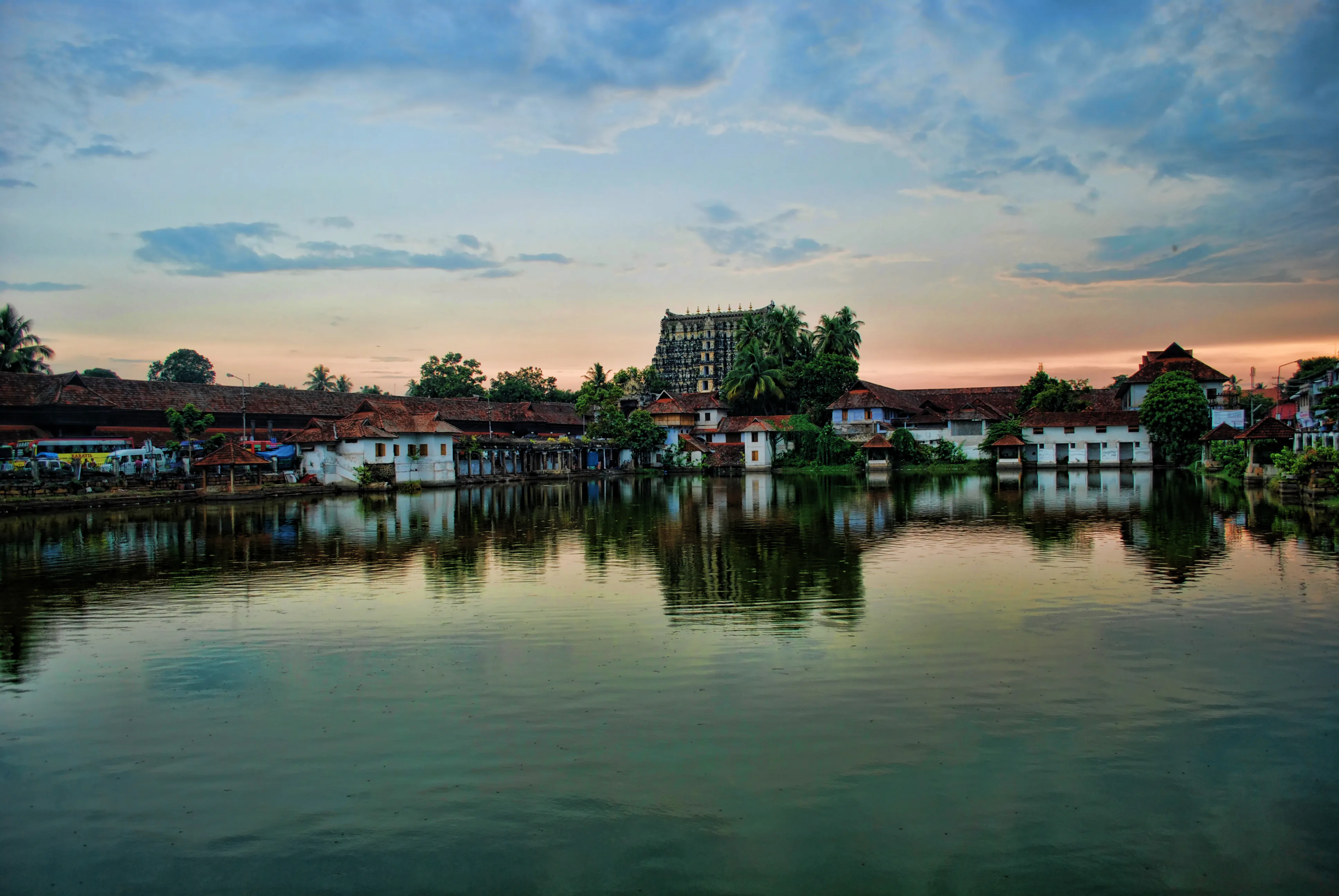
Sree Padmanabhaswamy Temple Thiruvananthapuram
The imposing Gopuram of the Sree Padmanabhaswamy Temple, a symphony in Dravidian and Kerala architectural styles, pierced the Thiruvananthapuram skyline, its vibrant hues a stark contrast to the monsoon clouds gathering overhead. This wasn't just another temple on my 500+ monument documentation journey; this was different. An aura of sanctity, almost palpable, hung in the air, amplified by the rhythmic chanting emanating from within. Passing through the towering gateway, I felt transported. The vast courtyard, paved with flagstones worn smooth by centuries of devotees, unfolded before me. The seven-tiered Gopuram, adorned with intricate carvings of deities and mythical creatures, dominated the vista. Every inch of the structure seemed to narrate a story, a testament to the skill of the artisans who breathed life into stone centuries ago. I noticed the subtle integration of Kerala architectural elements, particularly the sloping roofs and the use of wood, which differentiated it from the typical Dravidian style I'd encountered in Tamil Nadu. The temple's main deity, Lord Vishnu reclining on the serpent Anantha, is a sight that stays etched in memory. The sheer scale of the idol, crafted from 12,008 Shaligrams (sacred stones), is awe-inspiring. The dimly lit sanctum sanctorum, accessible only to Hindus, added to the mystique. While I couldn't enter, the glimpses I caught through the doorway were enough to understand the profound reverence this deity commands. My lens, usually my primary tool for capturing heritage, felt almost inadequate here. How could I possibly encapsulate the spiritual weight, the historical significance, the sheer artistic brilliance of this place in a single frame? I focused instead on capturing the details – the ornate carvings on the pillars depicting scenes from the epics, the delicate murals that adorned the walls, the expressions of devotion on the faces of the devotees. One particular aspect that fascinated me was the 'Kulashekhara Mandapam', supported by intricately carved granite pillars. The play of light and shadow within this space created a dramatic effect, highlighting the exquisite craftsmanship. I spent a considerable amount of time here, trying to capture the nuances of the carvings, each telling a story of its own. The temple tank, 'Padmatheertham', located to the west, added another layer to the temple's serene ambiance. The reflection of the Gopuram in the still water, framed by the surrounding structures, offered a breathtakingly picturesque view. Local lore speaks of a subterranean tunnel connecting the temple to the Arabian Sea, adding an element of mystery to the already captivating narrative. Beyond the main shrine, the temple complex houses several smaller shrines dedicated to various deities. Each shrine, though smaller in scale, possessed its own unique architectural features and artistic merit. I was particularly drawn to the shrine of Lord Krishna, where the vibrant colours and playful depictions of the deity offered a contrast to the more austere grandeur of the main shrine. Documenting the Sree Padmanabhaswamy Temple wasn't just about capturing its architectural splendor; it was about experiencing a living heritage. The temple isn't merely a monument; it's a vibrant hub of faith, a testament to centuries of devotion, and a repository of artistic and architectural brilliance. Leaving the temple, I carried with me not just photographs, but a profound sense of awe and respect for the rich cultural tapestry of India. This wasn't just another monument ticked off my list; it was a pilgrimage for the soul.

Khalchayan Temple Ruins Lebap Turkmenistan
Khalchayan Temple Ruins, dramatically situated in the Lebap Region of eastern Turkmenistan, represents one of the most extraordinary and archaeologically significant Kushan-period sites in Central Asia, dating to the 2nd century BCE and featuring remarkable Indic sculptures and architectural elements that demonstrate the profound transmission of Indian Buddhist and Hindu religious and artistic traditions to Central Asia during the Kushan period, creating a powerful testament to the sophisticated synthesis of Indian and Central Asian cultural traditions. The temple ruins, featuring sophisticated architectural elements and extraordinary Indic sculptures executed in the distinctive Kushan-Gandharan style that emerged from the synthesis of Indian and Central Asian artistic traditions, demonstrates the direct transmission of Indian Buddhist and Hindu iconographic programs and artistic traditions from the great artistic centers of India including Gandhara, Mathura, and the monastic centers of northern India, while the site's most remarkable feature is its extraordinary collection of Indic sculptures featuring Buddha images, Bodhisattvas, and Hindu deities executed with remarkable artistic sophistication and iconographic accuracy that demonstrate the sophisticated understanding of Indian Buddhist and Hindu iconography possessed by Kushan artists. The temple ruins' architectural layout, with their central structures surrounded by ritual spaces and architectural elements, follows sophisticated planning principles that demonstrate remarkable parallels with Indian Buddhist and Hindu temple planning principles, while the temple ruins' extensive decorative programs including Indic sculptures, architectural elements, and religious iconography demonstrate the sophisticated synthesis of Indian Buddhist and Hindu iconography and artistic traditions with local Central Asian aesthetic sensibilities, particularly the distinctive Kushan-Gandharan style that emerged from the synthesis of Indian and Central Asian artistic traditions. Archaeological evidence reveals that the site served as a major center of religious and artistic activity during the Kushan period, attracting traders, artists, and religious practitioners from across Central Asia, South Asia, and beyond, while the discovery of numerous Indic sculptures including Buddha images, Bodhisattvas, and Hindu deities that demonstrate clear Indian influences, architectural elements that parallel Indian practices, and religious iconography that reflects Indian Buddhist and Hindu cosmological concepts provides crucial evidence of the site's role in the transmission of Indian religious and artistic traditions to Central Asia, demonstrating the sophisticated understanding of Indian Buddhist and Hindu traditions possessed by the site's patrons and artistic establishment. The site's association with the Kushan Empire, which had strong connections to India and played a crucial role in the transmission of Indian religious and artistic traditions to Central Asia, demonstrates the sophisticated understanding of Indian religious and artistic traditions that were transmitted to Central Asia, while the site's Indic sculptures and architectural elements demonstrate remarkable parallels with Indian Buddhist and Hindu temple architecture and iconographic programs that were central to ancient Indian religious traditions. The site has been the subject of extensive archaeological research, with ongoing excavations continuing to reveal new insights into the site's sophisticated architecture, artistic programs, and its role in the transmission of Indian religious and artistic traditions to Central Asia, while the site's status as a UNESCO Tentative List site demonstrates its significance as a major center for the transmission of Indian cultural traditions to Central Asia. Today, Khalchayan Temple Ruins stands as a UNESCO Tentative List site and represents one of the most important Kushan-period sites in Central Asia, serving as a powerful testament to the transmission of Indian Buddhist and Hindu culture and art to Central Asia, while ongoing archaeological research and conservation efforts continue to protect and study this extraordinary cultural treasure that demonstrates the profound impact of Indian civilization on Central Asian religious and artistic traditions. ([1][2])
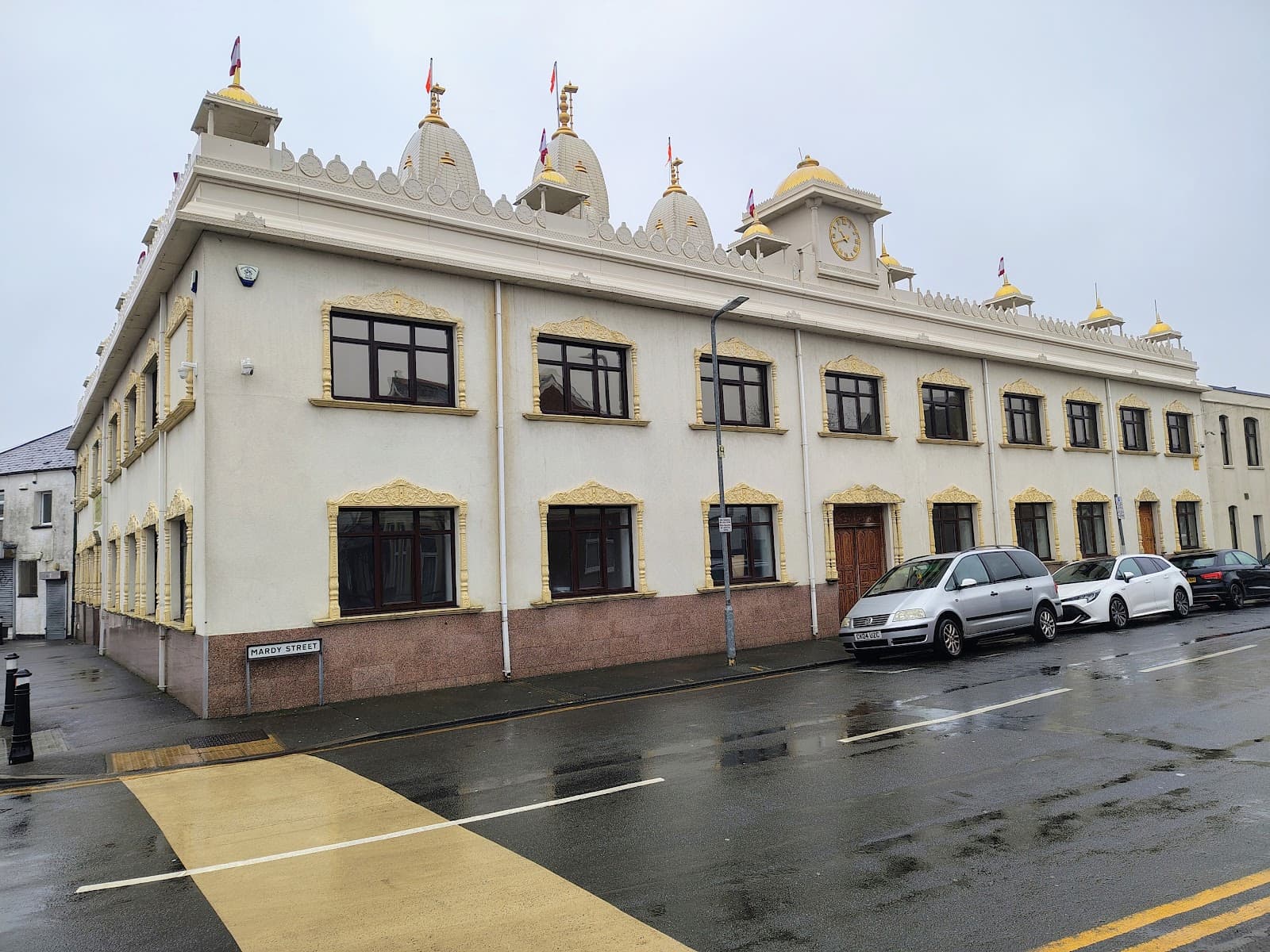
Shree Swaminarayan Mandir Cardiff
The Shree Swaminarayan Mandir Cardiff, located at 55 Merches Place in Grangetown, Cardiff, Wales, United Kingdom, stands as a vibrant testament to India's millennia-spanning cultural heritage, dedicated to Bhagwan Swaminarayan [1]. This sacred edifice embodies a continuous tradition of Indian civilization, manifesting indigenous architectural styles and cultural practices that reflect India's deep historical roots, even in its modern construction [4]. The mandir integrates elements of Swaminarayan architecture, Maru-Gurjara architecture, Haveli architecture, and Indo-Victorian influences, showcasing a sophisticated synthesis of ancient design principles with contemporary adaptation [3]. Swaminarayan temples, including the Cardiff Mandir, adhere to the Nagara style of temple architecture, a prominent tradition in North and West India, characterized by its curvilinear shikhara (spire) [4] [5]. This style is meticulously guided by Vastu Shastra, an ancient Indian discipline of sacred architecture that integrates principles of time, space, and cosmology to create spiritually conducive environments [4]. The construction eschews ferrous metals for structural reinforcement, relying instead on self-load-bearing masonry to ensure longevity and spiritual purity, a practice rooted in ancient texts that prescribe mandirs to last a thousand years [4]. The gold-topped shikaras, typical of North Indian temple architecture, crown the shrines (sinhashan) within the mandir, symbolizing mountain peaks and connecting the structure to the natural world revered by ancient Hindu seers [2] [4]. The Maru-Gurjara style, originating in Gujarat and Rajasthan between the 11th and 13th centuries CE, contributes to the mandir's intricate detailing, known for its opulent carvings and sculptural richness [5] . This style, a subset of the Nagara tradition, features elaborate ornamentation and a distinctive curvilinear tower design [5] . Haveli architecture, a traditional Indian mansion style dating back to the 1600s, influences the mandir's aesthetic with its characteristic detailed carvings and spatial arrangements, often incorporating courtyards and intricate wooden elements [3] . The fusion of these indigenous styles with Indo-Victorian elements demonstrates the adaptability and enduring legacy of Indian craftsmanship [3]. The mandir's interior features intricate carvings and sculptures that depict deities and mythological narratives, serving as visual representations of Hindu philosophy and iconography [4]. These decorative elements are not merely aesthetic but are imbued with symbolic meaning, guiding the worshipper's spiritual journey [4]. The Shree Swaminarayan Mandir Cardiff is recognized by Cardiff Council as a community anchor within Grangetown regeneration initiatives and holds the status of a Registered Place of Worship [provided in prompt]. It actively hosts a variety of religious and cultural programming, including festivals like Tulsi Vivah and Diwali, and community events, ensuring continuous engagement and accessibility for devotees and visitors [1]. The mandir maintains regular opening hours and conducts daily Aarti ceremonies, facilitating a steady flow of worshippers [1]. The site is operationally ready, upholding high standards of maintenance and compliance, reflecting the community's dedication to preserving and promoting its rich cultural and spiritual heritage [1].
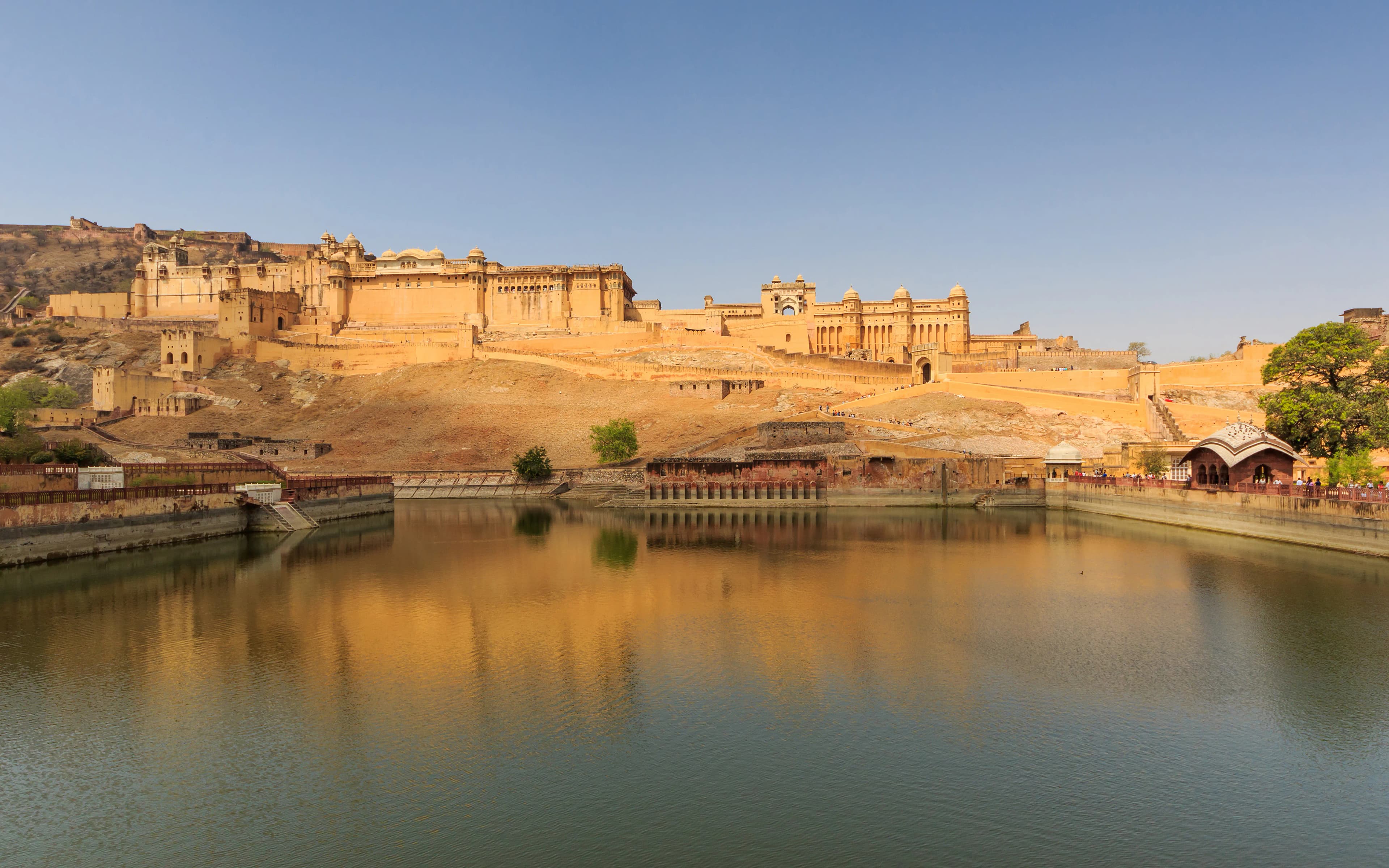
Amber Fort Jaipur
The ochre walls of Amber Fort, constructed during the reign of Raja Man Singh I in the 16th century (1550 CE), evoke the splendor of Rajasthan ([1][2]). This fort represents a compelling fusion of Mughal and Rajput military architectural traditions ([3]). Upon entry through the Suraj Pol (Sun Gate), one immediately perceives the layered construction, reflecting the contributions of successive Rajput rulers ([4]). Intricate carvings embellishing the Diwan-i-Am (Hall of Public Audience) depict elephants and floral motifs, demonstrating a harmonious blend of strength and aesthetic grace ([5]). Moving inward, the Diwan-i-Khas (Hall of Private Audience) showcases lavish ornamentation, including mosaics crafted from glass and precious stones ([2]). Famously, the Sheesh Mahal (Mirror Palace) illuminates with minimal light, a remarkable feat of design ingenuity ([3]). Granite and sandstone blocks, meticulously carved, constitute the primary building materials ([1]). Vastu Shastra principles, the ancient Indian science of architecture, likely influenced the fort's layout, creating harmony and balance, though specific textual references are currently unavailable ([4]). From the zenana (women's quarters), the panoramic vista of Maota Lake provides a serene counterpoint to the fort's imposing structure ([5]). The fort stands as a powerful reminder of Rajasthan's rich history and cultural legacy ([1][2]). The use of red sandstone, marble, white marble, lacquer, and mortar further accentuates the fort's grandeur ([6]). The fort's architecture includes elements of Hindu and Islamic design, reflecting the cultural exchange of the period ([3]). Amber Fort is a testament to the architectural prowess and artistic vision of the Rajput Maharajas ([1][2]).
Quick Links
Plan Your Heritage Journey
Get personalized recommendations and detailed visitor guides