Has Inheritage Foundation supported you today?
Your contribution helps preserve India's ancient temples, languages, and cultural heritage. Every rupee makes a difference.
Secure payment • Instant 80G certificate
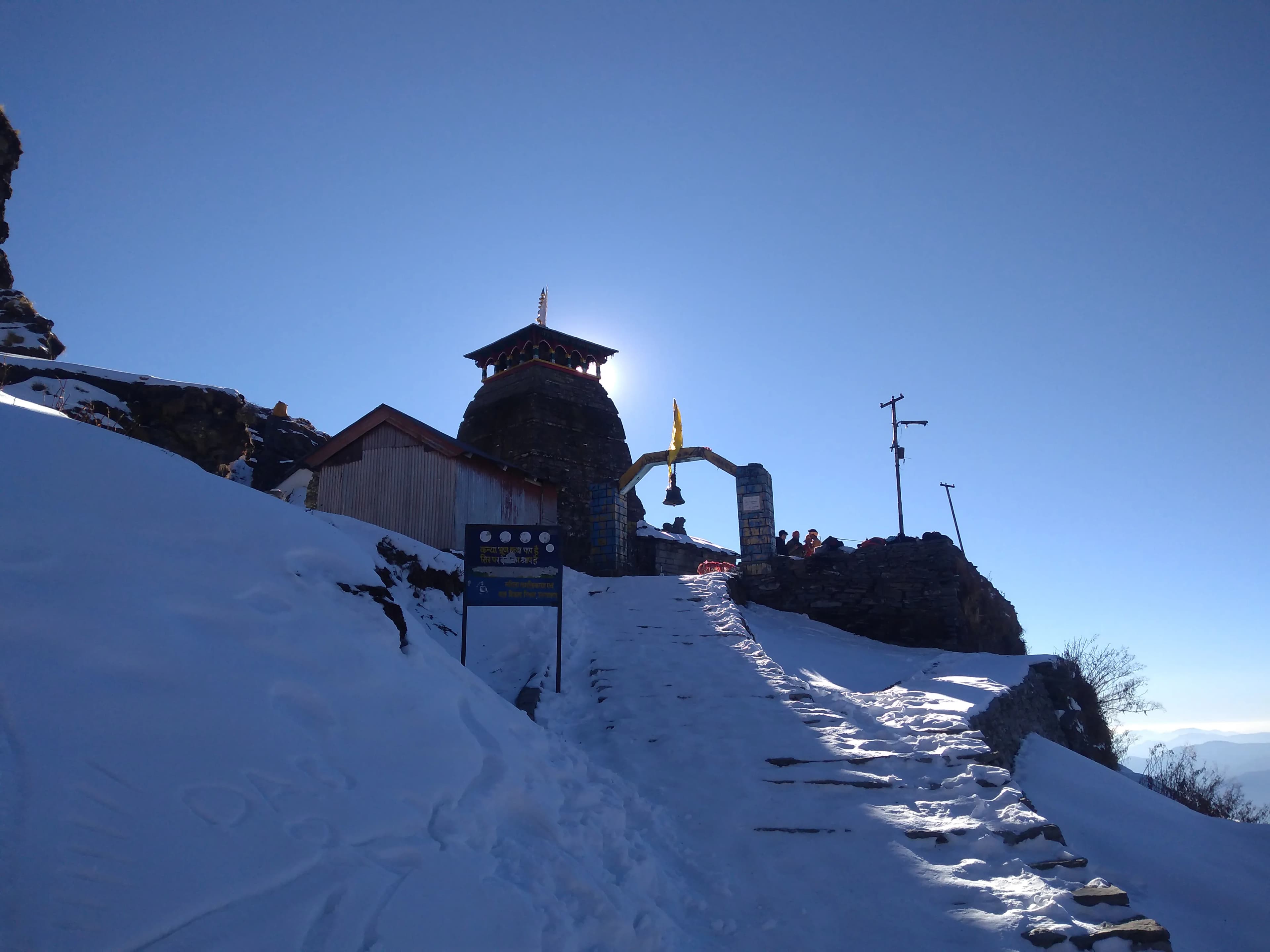
Tungnath Temple Rudraprayag
The biting wind whipped at my shawl as I crested Chandrashila peak, the snow-capped Himalayas stretching out before me like a rumpled white sheet. Below, nestled amongst the undulating brown hills, sat Tungnath, the highest Shiva temple in the world. Having explored countless forts and palaces back in Rajasthan, I was eager to experience this unique high-altitude shrine, a stark contrast to the desert architecture I was accustomed to. The trek down from Chandrashila was steep, the path winding through alpine meadows still dotted with patches of snow despite it being late spring. The air was thin, each breath a conscious effort, but the anticipation of reaching Tungnath spurred me onward. The temple finally came into full view, a small, unassuming stone structure, dwarfed by the majestic peaks surrounding it. Its simplicity was striking, a far cry from the ornate carvings and sprawling complexes of Rajasthan's temples. Built of grey stone, the temple’s architecture reflects the North Indian style, a compact square structure with a sloping roof. Unlike the sandstone and marble I was used to, the stone here felt ancient, weathered smooth by centuries of harsh weather. The small wooden door, studded with iron, seemed almost too modest for a deity of Shiva's stature. Entering, I found myself in a dimly lit sanctum. The air was thick with the scent of incense and the murmur of prayers. The small Shiva lingam, the object of worship, resided at the center, worn smooth by the touch of countless devotees. The walls, though plain, bore witness to the passage of time, with faint traces of what might have once been intricate carvings, now lost to the elements. The priest, bundled in layers of wool, performed the rituals with a practiced ease, his voice resonating in the small space. The handful of other pilgrims present, their faces flushed from the climb, radiated a quiet devotion. There was a palpable sense of peace here, a serenity that transcended the physical hardships of the journey. Stepping back outside, I circumambulated the temple, the wind now a constant companion. The panoramic views from this vantage point were breathtaking. The snow-capped peaks of Nanda Devi, Trishul, and Kedarnath pierced the azure sky, their icy slopes gleaming in the afternoon sun. It was easy to understand why this remote location was chosen as a place of worship. The raw, untamed beauty of the Himalayas felt profoundly spiritual, a fitting backdrop for a temple dedicated to the god of destruction and creation. The architecture of Tungnath, while simple, is remarkably resilient. The interlocking stones, held together without mortar, have withstood centuries of harsh weather, a testament to the ingenuity of the builders. The small size of the temple, perhaps dictated by the challenging terrain, adds to its charm, creating an intimate space for worship. It stands in stark contrast to the grand temples of Rajasthan, a reminder that spirituality isn't confined to elaborate structures but can be found in the most austere of settings. As I began my descent, I couldn't help but feel a sense of awe. Tungnath is more than just a temple; it's an experience. The arduous trek, the breathtaking views, the simple yet powerful architecture, and the palpable sense of devotion combine to create something truly unique. It's a place where the earth meets the sky, where the physical and the spiritual converge, leaving an indelible mark on the soul of every visitor. It reminded me that while the architectural expressions of faith may differ across India, the underlying devotion remains the same, a powerful force that draws people to these sacred spaces, be it a desert fort or a Himalayan peak.
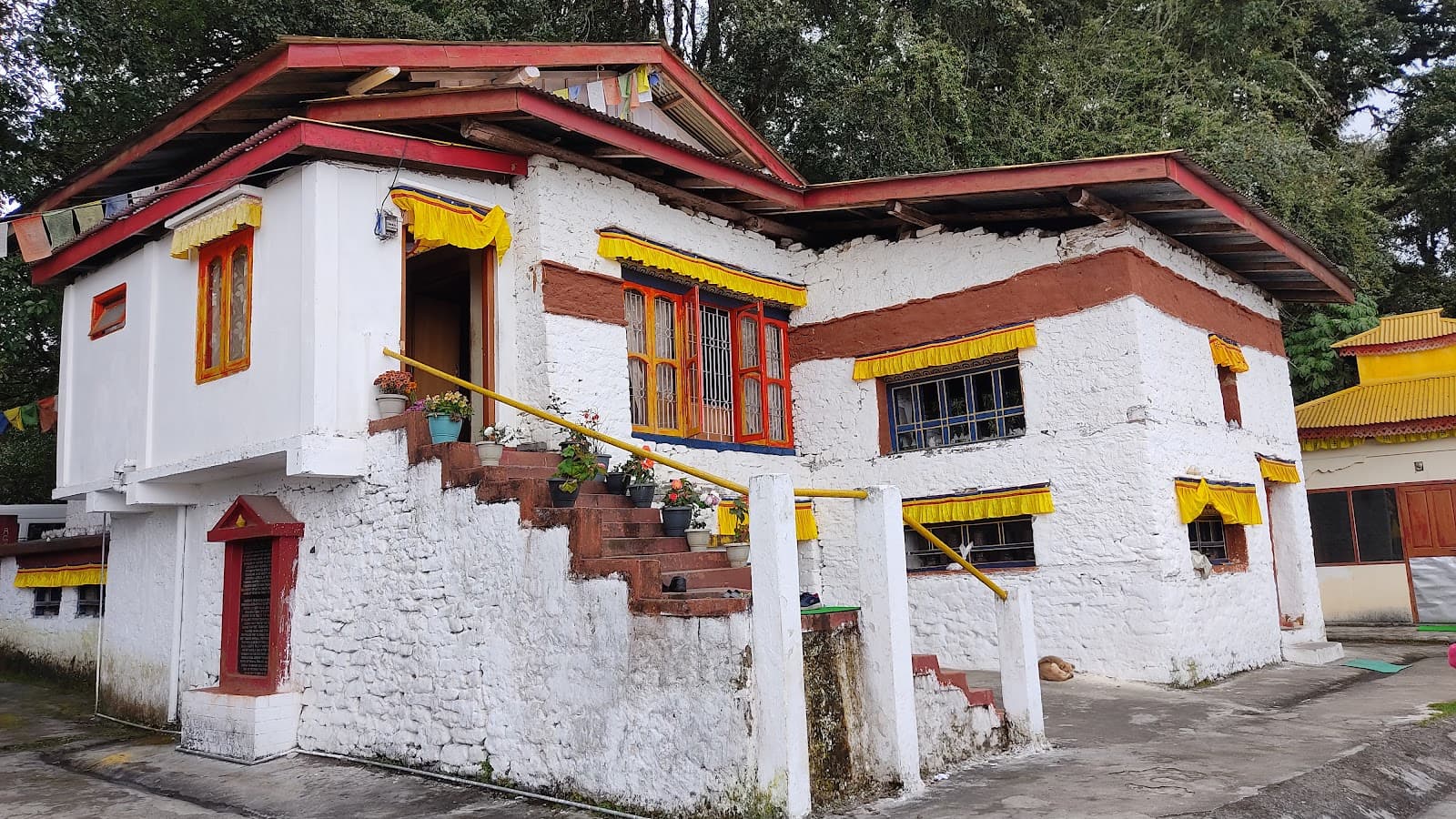
Urgelling Monastery Tawang
The biting Himalayan wind whipped prayer flags into a frenzy of colour against the stark backdrop of the snow-dusted mountains. Urgelling Monastery, perched precariously on a ridge overlooking Tawang valley, felt less like a structure and more like an extension of the rugged landscape itself. Having documented hundreds of monuments across India, I’ve learned to anticipate a certain grandeur, a predictable awe. Urgelling, however, defied all expectations. Its unassuming exterior belied the profound sense of history and spiritual weight it held within. Built in the 15th century, Urgelling is considered the birthplace of the 6th Dalai Lama, Tsangyang Gyatso, a figure shrouded in mystique and rebellion. This fact alone imbued the monastery with a palpable energy, a sense of walking through living history. Unlike many of the larger, more ornate monasteries I’ve photographed, Urgelling retained a sense of intimacy. The relatively small complex, constructed primarily of stone and wood, felt weathered and worn, a testament to centuries of harsh weather and unwavering devotion. The main prayer hall, though modest in size, was richly adorned. The walls were covered in vibrant thangkas depicting Buddhist deities and intricate mandalas. The low, flickering butter lamps cast dancing shadows, illuminating the worn faces of the statues and adding to the ethereal atmosphere. The scent of burning juniper incense hung heavy in the air, mingling with the crisp mountain air, creating a sensory experience that was both grounding and otherworldly. I spent hours exploring the narrow corridors and dimly lit chambers, my camera a silent observer. The intricate wood carvings on the window frames and pillars, some faded with age, spoke of a rich artistic tradition. I noticed recurring motifs of dragons and lotus flowers, symbols deeply embedded in Buddhist iconography. The architecture itself was a blend of Tibetan and Monpa styles, reflecting the region's unique cultural heritage. The sloping roofs, designed to withstand heavy snowfall, were adorned with decorative metalwork that shimmered in the occasional bursts of sunlight. One of the most striking features of Urgelling was its location. The panoramic view from the monastery courtyard was simply breathtaking. The Tawang valley stretched out below, a patchwork of green fields and scattered villages, framed by the towering Himalayas. It was easy to see why this spot was chosen as a place of spiritual retreat. The sheer vastness of the landscape seemed to dwarf all earthly concerns, fostering a sense of peace and introspection. My conversation with one of the resident monks offered a deeper understanding of Urgelling's significance. He spoke of the monastery's role not just as a place of worship but also as a centre of learning and community. He explained the significance of the various rituals and ceremonies performed, highlighting the importance of preserving their cultural heritage. His words resonated deeply, reminding me of the power of these sacred spaces to connect people to something larger than themselves. As I descended the winding path from Urgelling, the setting sun casting long shadows across the valley, I carried with me more than just photographs. I carried the weight of history, the echo of chants, and the profound sense of serenity that permeated the ancient walls. Urgelling Monastery, in its quiet dignity, had offered a glimpse into a world where spirituality and nature intertwine, a world I felt privileged to have witnessed through my lens. It was a testament to the enduring power of faith and a poignant reminder of the rich tapestry of cultural heritage that makes India so extraordinary.
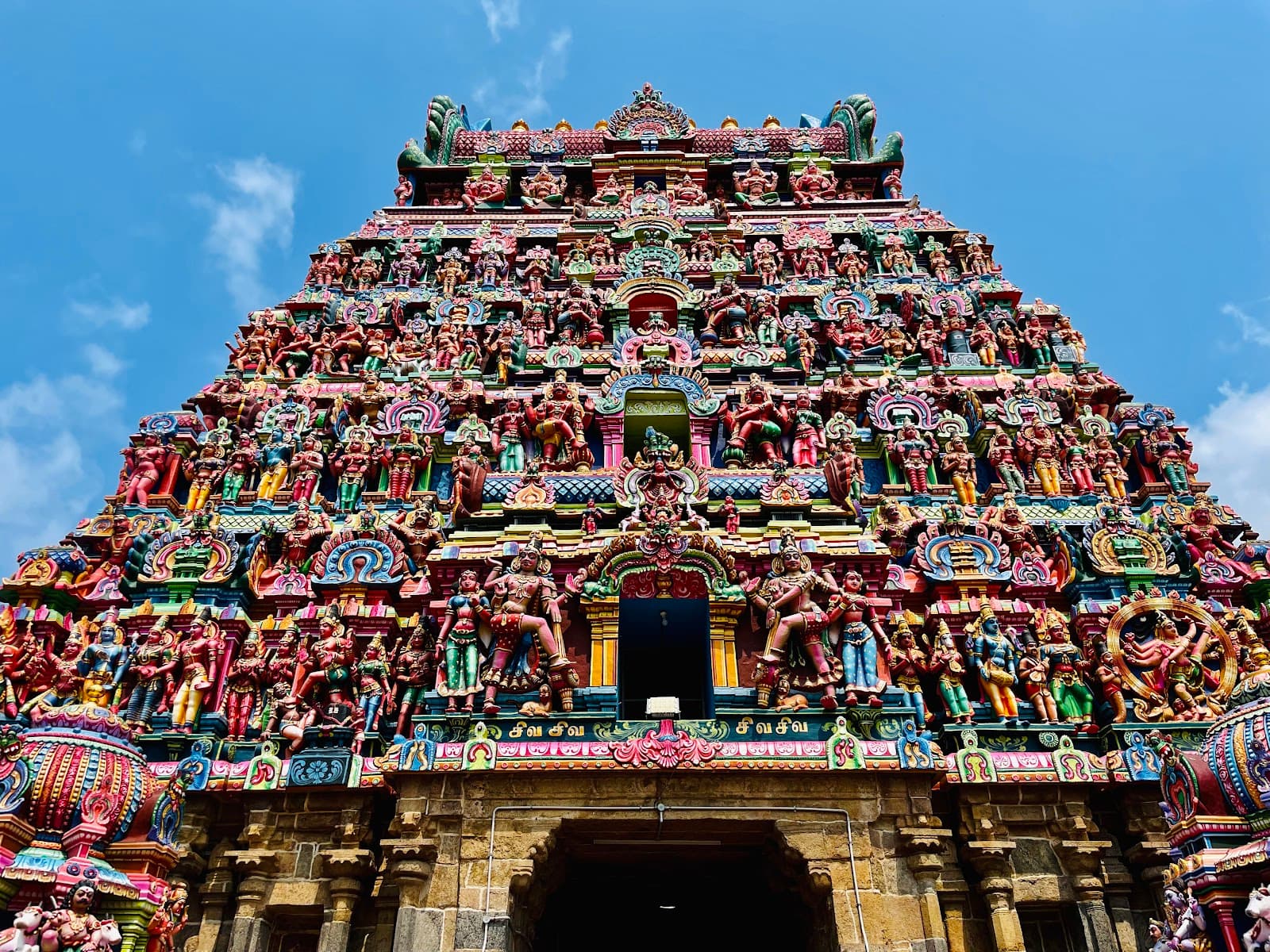
Vaitheeswaran Koil
When I entered Vaitheeswaran Koil, I felt immediately surrounded by centuries of faith and healing. Though not listed as a centrally protected monument, the temple's scale and atmosphere reveal its long, uninterrupted history. The five-tiered Rajagopuram, granite walls, and intricately carved mandapams reflect the Dravidian craftsmanship perfected under the Cholas, Nayakas, and Marathas. Inscriptions on the walls—left by rulers from Vikrama Chola to Thulaja—reminded me how many dynasties shaped this space. Inside, Lord Shiva is worshipped as Vaidyanathar, the divine healer. Watching devotees gather at the Siddhamirtham tank, offering prayers and silver replicas of body parts, I could sense how deeply this temple is tied to hope and recovery. Stories of Rama seeking relief from his dosha and Angaraka being cured here give the temple its role as the Mars Navagraha sthalam. The cultural life around me was vibrant. Festivals like Vaikasi Visakam, Panguni Uthiram, Brahmotsavam, Masi Magam, Skanda Sashti, and Karthigai Deepam animate the temple with processions, music, and lights. Even in quieter moments, the presence of Nadi astrologers and the sacred Vembu tree added layers of tradition. Leaving the temple, I carried a strong impression of a place where architecture, mythology, and healing merge seamlessly into a living heritage. Vaitheeswaran Koil, also known as Thirupullirukku Velur, is a revered Hindu temple dedicated to Lord Shiva as Vaidyanathar (the God of Healing), located in Vaitheeswarankoil near Mayiladuthurai. The temple complex spans 10.7 acres and features a five-tiered Rajagopuram, four additional gopurams marking the four directions, and multiple precincts with pillared halls, shrines, and corridors. The temple is renowned as one of the Navagraha temples, representing Mars (Angaraka), and is classified as a Paadal Petra Sthalam, revered in the Tevaram hymns of 7th-century Saiva nayanars. The temple is particularly famous for its association with healing, the sacred Siddhamirtham tank, Nadi astrology, and its role as a center of faith and pilgrimage.

Battala Mahadev Temple Agartala
Nestled in the heart of Tripura, the Battala Mahadev Temple, a revered shrine dedicated to Lord Shiva, was erected around 1681 CE under the patronage of Maharaja Krishna Manikya ([1][2]). This 17th-century temple, a testament to the Manikya dynasty's devotion, showcases a captivating fusion of Nagara and Bengali architectural traditions ([3]). Its presence enriches Agartala's cultural tapestry, drawing devotees and architecture enthusiasts alike. During the Ahom period, temple architecture in India experienced a flourishing of regional adaptations, and this temple exemplifies such unique synthesis ([4]). The curvilinear tower, echoing the chala style of Bengal, adds a distinctive character to the temple's silhouette, illustrating the cross-pollination of architectural ideas ([3]). The temple's design subtly integrates regional aesthetics within the broader Hindu architectural framework. Stone platforms and foundations demonstrate the enduring construction techniques employed in building the Battala Mahadev Temple ([1][5]). The structure primarily utilizes locally sourced materials such as stone, bricks, terracotta, and wood, reflecting the region's architectural identity ([1][5]). The exterior, finished with whitewash, presents a serene and austere facade, a contrast to the vibrant ornamentation often seen in other Indian temples ([2]). Within the Garbhagriha (Sanctum), the Shiva lingam serves as the central focus of worship, inviting devotees into a space of spiritual communion ([3]). The temple stands as an embodiment of Tripura's rich cultural and religious heritage, offering a tranquil space for reflection and devotion ([4][5]). The patronage of the Manikya dynasty underscores the temple's historical significance, solidifying its place as a notable landmark in Agartala ([1][2][3]). The temple stands as a reminder of the architectural and artistic achievements of the era.
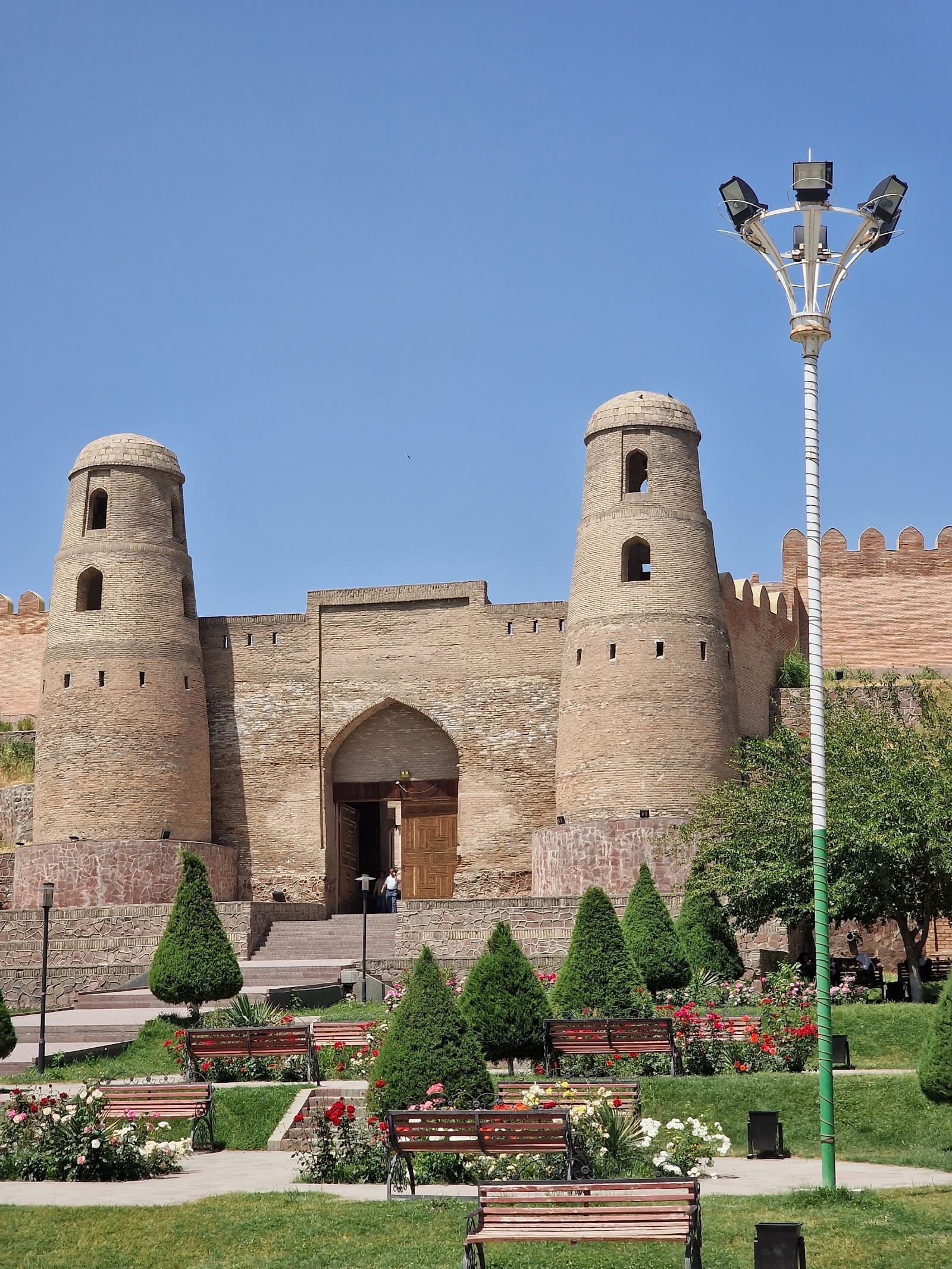
Hisor Fortress Complex Hisor Tajikistan
Hisor Fortress Complex, dramatically situated in the Hisor District of central Tajikistan, represents one of the most archaeologically significant fortified settlements in Central Asia, constructed over multiple periods from ancient times through the medieval period as a major defensive and administrative center with archaeological layers containing Buddhist remain fragments, creating a powerful testament to the transmission of Indian Buddhist religious and artistic traditions to Central Asia. The fortress complex, featuring sophisticated defensive architecture including fortified walls, towers, and gates that were constructed and reconstructed over centuries, contains archaeological layers that have yielded Buddhist remain fragments including sculptures, reliefs, and architectural elements that demonstrate clear Indian Buddhist iconographic influences, providing crucial evidence of the site's role as a center for the transmission of Indian Buddhist culture to Central Asia. Archaeological excavations have revealed extraordinary archaeological layers containing Buddhist remain fragments executed in styles that demonstrate clear Indian Buddhist iconographic influences, while the discovery of numerous artifacts including coins, pottery, and ritual objects provides crucial evidence of the site's role as a major center of trade and religious activity that attracted merchants, monks, and pilgrims from across the Buddhist world including India. The fortress complex's architectural layout, with its defensive walls, towers, and gates, follows sophisticated defensive planning principles, while the archaeological layers containing Buddhist remain fragments demonstrate the ways in which Indian Buddhist traditions were integrated into Central Asian fortified settlements. The fortress complex's location in the Hisor District, a major crossroads of ancient trade routes, underscores its significance as a center for the transmission of Buddhist teachings, art, and culture from India to Central Asia and beyond, while the site's archaeological layers demonstrate the sophisticated understanding of Indian Buddhist traditions possessed by the communities that inhabited this extraordinary complex. Today, Hisor Fortress Complex stands as a major archaeological site and represents one of the most important fortified settlements in Central Asia, serving as a powerful testament to the transmission of Indian Buddhist culture to Central Asia, while ongoing archaeological research and conservation efforts continue to protect and study this extraordinary cultural treasure that demonstrates the profound impact of Indian civilization on Central Asian religious and artistic traditions. ([1][2])

Sanamahi Temple Imphal
The air hung heavy with the scent of incense and hibiscus as I stepped into the courtyard of the Sanamahi Temple in Imphal. It wasn't the grand, imposing structure I'd encountered at other sites across Madhya Pradesh, but something far more intimate, a place whispered about rather than shouted from the rooftops. Located within the Kangla Fort complex, the temple felt ancient, a living testament to Manipur's Meitei heritage. Unlike the stone edifices I'm accustomed to photographing in my home state, this structure was primarily wood, imbued with a sense of fragility and resilience all at once. The main temple, dedicated to Sanamahi, the deity of the household, is a simple, rectangular building raised on a platform. Its unpainted wood, darkened by time and weather, exuded a quiet dignity. The roof, a layered structure of thatch, curved gently downwards, almost touching the walls, creating a sense of enclosure, a sacred space sheltered from the outside world. There were no elaborate carvings or ostentatious embellishments; the beauty lay in the simplicity, the honest expression of faith. Small brass bells hung from the eaves, their gentle chime adding another layer to the serene atmosphere. Surrounding the main temple were smaller shrines, each dedicated to different deities of the Meitei pantheon. These too were constructed of wood, some with thatched roofs, others with corrugated iron sheets added later, a visible marker of the passage of time and the adaptation of tradition. I was particularly drawn to the small, almost hidden shrine of Lainingthou Sanamahi, located slightly apart from the main structure. It felt older, more primal, its wooden pillars worn smooth by countless hands and the whispers of generations of devotees. As I moved around the complex, my camera became an extension of my curiosity, capturing the interplay of light and shadow on the weathered wood, the texture of the thatch, the vibrant colours of the offerings left by devotees. The temple wasn't just a static structure; it was alive with the rituals and beliefs of the Meitei people. I witnessed families offering prayers, their faces etched with devotion, the air thick with the fragrance of burning sandalwood. The rhythmic chanting of the priests, a melodic counterpoint to the rustling leaves of the sacred trees within the complex, created an atmosphere of profound spiritual significance. One element that struck me was the absence of towering gateways or gopurams, so common in South Indian temples. Here, the entrance was marked by a simple wooden archway, adorned with fresh flowers and leaves. It felt less like a barrier and more like an invitation, a welcoming gesture to enter a space of peace and contemplation. This understated approach to sacred architecture was a refreshing change from the grandeur I was used to, highlighting the essence of devotion over ostentation. The temple's location within the Kangla Fort added another layer of historical intrigue. The fort, once the seat of the Meitei kings, is a sprawling complex of ancient ruins, ceremonial halls, and sacred sites. The presence of the Sanamahi Temple within this historic precinct underscored its importance in the cultural and spiritual life of the Meitei people. It wasn't just a place of worship; it was a symbol of their identity, their connection to the land, and their ancestors. My time at the Sanamahi Temple was a humbling experience. It offered a glimpse into a faith and a culture vastly different from my own, yet resonating with the same universal human need for connection to something larger than oneself. It reminded me that heritage isn't just about grand monuments and elaborate carvings; it's about the living traditions, the whispered prayers, and the enduring spirit of a people, embodied in the simple, yet profound, architecture of a wooden temple.

Khalchayan Temple Ruins Lebap Turkmenistan
Khalchayan Temple Ruins, dramatically situated in the Lebap Region of eastern Turkmenistan, represents one of the most extraordinary and archaeologically significant Kushan-period sites in Central Asia, dating to the 2nd century BCE and featuring remarkable Indic sculptures and architectural elements that demonstrate the profound transmission of Indian Buddhist and Hindu religious and artistic traditions to Central Asia during the Kushan period, creating a powerful testament to the sophisticated synthesis of Indian and Central Asian cultural traditions. The temple ruins, featuring sophisticated architectural elements and extraordinary Indic sculptures executed in the distinctive Kushan-Gandharan style that emerged from the synthesis of Indian and Central Asian artistic traditions, demonstrates the direct transmission of Indian Buddhist and Hindu iconographic programs and artistic traditions from the great artistic centers of India including Gandhara, Mathura, and the monastic centers of northern India, while the site's most remarkable feature is its extraordinary collection of Indic sculptures featuring Buddha images, Bodhisattvas, and Hindu deities executed with remarkable artistic sophistication and iconographic accuracy that demonstrate the sophisticated understanding of Indian Buddhist and Hindu iconography possessed by Kushan artists. The temple ruins' architectural layout, with their central structures surrounded by ritual spaces and architectural elements, follows sophisticated planning principles that demonstrate remarkable parallels with Indian Buddhist and Hindu temple planning principles, while the temple ruins' extensive decorative programs including Indic sculptures, architectural elements, and religious iconography demonstrate the sophisticated synthesis of Indian Buddhist and Hindu iconography and artistic traditions with local Central Asian aesthetic sensibilities, particularly the distinctive Kushan-Gandharan style that emerged from the synthesis of Indian and Central Asian artistic traditions. Archaeological evidence reveals that the site served as a major center of religious and artistic activity during the Kushan period, attracting traders, artists, and religious practitioners from across Central Asia, South Asia, and beyond, while the discovery of numerous Indic sculptures including Buddha images, Bodhisattvas, and Hindu deities that demonstrate clear Indian influences, architectural elements that parallel Indian practices, and religious iconography that reflects Indian Buddhist and Hindu cosmological concepts provides crucial evidence of the site's role in the transmission of Indian religious and artistic traditions to Central Asia, demonstrating the sophisticated understanding of Indian Buddhist and Hindu traditions possessed by the site's patrons and artistic establishment. The site's association with the Kushan Empire, which had strong connections to India and played a crucial role in the transmission of Indian religious and artistic traditions to Central Asia, demonstrates the sophisticated understanding of Indian religious and artistic traditions that were transmitted to Central Asia, while the site's Indic sculptures and architectural elements demonstrate remarkable parallels with Indian Buddhist and Hindu temple architecture and iconographic programs that were central to ancient Indian religious traditions. The site has been the subject of extensive archaeological research, with ongoing excavations continuing to reveal new insights into the site's sophisticated architecture, artistic programs, and its role in the transmission of Indian religious and artistic traditions to Central Asia, while the site's status as a UNESCO Tentative List site demonstrates its significance as a major center for the transmission of Indian cultural traditions to Central Asia. Today, Khalchayan Temple Ruins stands as a UNESCO Tentative List site and represents one of the most important Kushan-period sites in Central Asia, serving as a powerful testament to the transmission of Indian Buddhist and Hindu culture and art to Central Asia, while ongoing archaeological research and conservation efforts continue to protect and study this extraordinary cultural treasure that demonstrates the profound impact of Indian civilization on Central Asian religious and artistic traditions. ([1][2])
Ramanathaswamy Temple Rameswaram
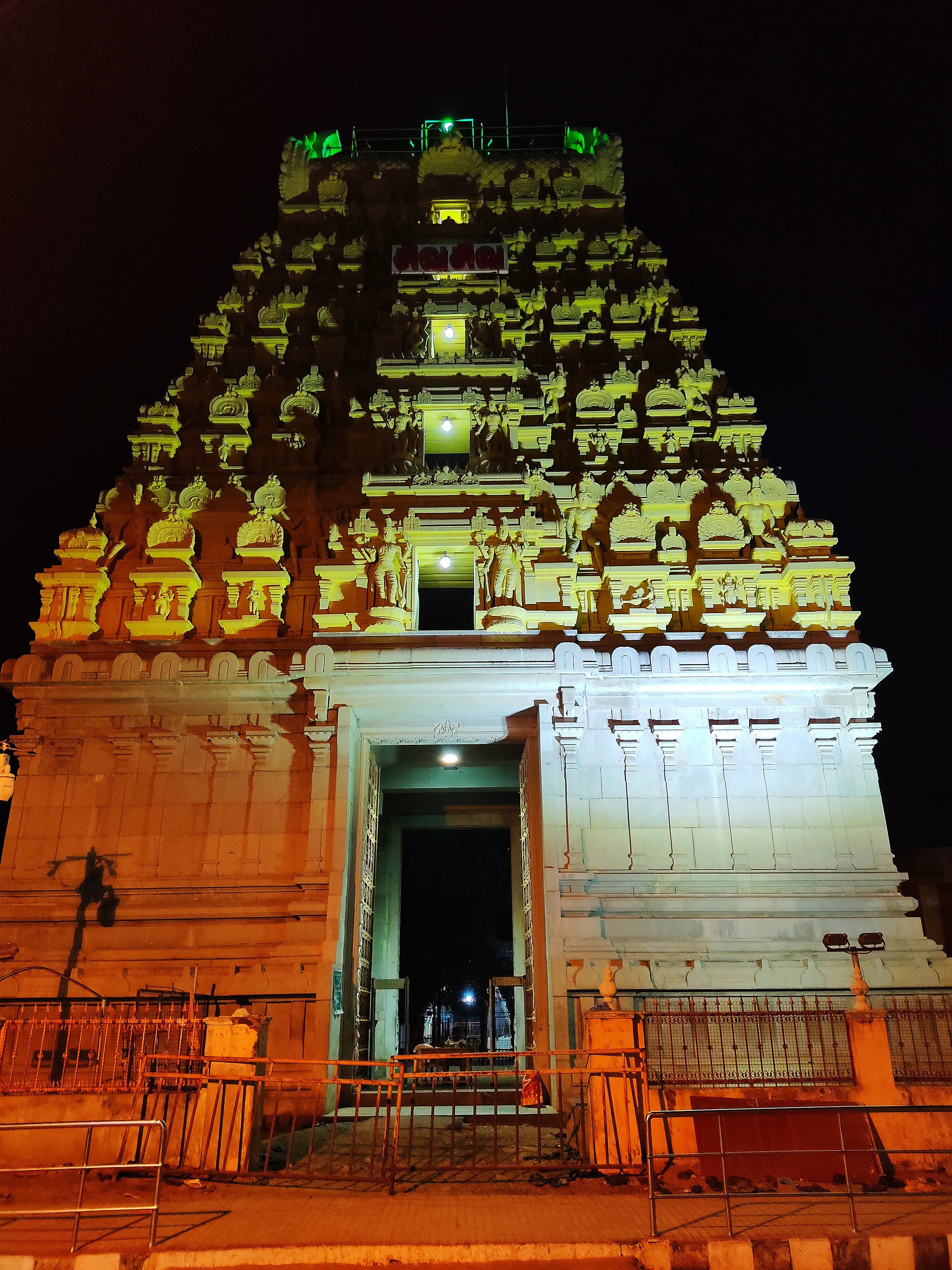
The scorching sun beat down on the ghats of Rameswaram, but the cool, echoing expanse of the Ramanathaswamy Temple offered a welcome respite. As a Gujarati accustomed to the intricate stonework of our own temples, I was immediately struck by the sheer scale of this Dravidian masterpiece. It sprawls across 15 acres, a city within a city, its towering gopurams visible for miles. The eastern gopuram, though unfinished, still dominates the skyline, a testament to the ambition of its builders. My first instinct was to circumambulate the outer corridor, the longest in the world, they say. The rhythmic thud of my sandals on the polished stone floor mingled with the chanting of devotees and the clang of temple bells. The seemingly endless colonnade, supported by thousands of intricately carved pillars, felt like a procession frozen in time. Each pillar, a unique work of art, depicted scenes from mythology, celestial beings, and everyday life. I paused, captivated by the narrative unfolding on the cool, grey stone, recognizing familiar motifs shared across India's diverse artistic traditions, yet rendered here with a distinctly Tamil sensibility. The play of light and shadow within the corridor was mesmerizing. Sunlight filtering through the gaps in the gopurams created dancing patterns on the floor, illuminating the sculpted surfaces and adding a sense of dynamism to the otherwise static structure. I noticed the subtle shift in the stone used – the warm sandstone of the outer structures giving way to the darker, cooler granite within the sanctum sanctorum. The temple tank, Agni Theertham, shimmered under the midday sun. Pilgrims, having completed their ritual bath, walked with a palpable sense of serenity, their wet clothes clinging to their bodies. Observing them, I felt a connection to the ancient rituals that have been performed here for centuries. The temple, I realized, was not just a monument to architectural prowess, but a living, breathing entity, intertwined with the faith and lives of millions. Entering the inner sanctum, where the lingam of Ramanathaswamy is enshrined, I was struck by a sense of profound peace. The air was thick with the scent of incense and the murmur of prayers. The intricate carvings on the walls and ceilings seemed to dissolve in the dim light, creating an atmosphere of otherworldly tranquility. I observed the distinctive Dravidian shikhara above the sanctum, its pyramidal form contrasting with the curvilinear towers of Gujarat's temples. One of the most captivating features of the Ramanathaswamy Temple is its network of twenty-two wells, each said to possess unique properties. I tasted the water from a few, noticing the subtle variations in salinity and mineral content. This intricate water management system, integrated within the temple complex, spoke volumes about the ingenuity of the ancient builders and their understanding of the environment. Leaving the temple, I carried with me not just photographs and memories, but a deeper understanding of the Dravidian architectural style. The Ramanathaswamy Temple is not merely a collection of beautiful structures; it is a testament to human devotion, architectural ingenuity, and the enduring power of faith. It stands as a beacon of cultural heritage, a place where history, mythology, and spirituality converge, offering a glimpse into the rich tapestry of India's past. The experience resonated deeply with my own Gujarati heritage, highlighting the interconnectedness of our diverse architectural traditions while celebrating their unique expressions. The echoes of chanting, the cool touch of the stone, and the sheer grandeur of the space stayed with me long after I left Rameswaram, a powerful reminder of the enduring legacy of India's architectural marvels.

Virupaksha Temple Hampi
The sun beat down on the ochre boulders of Hampi, casting long shadows across the sprawling ruins. My journey through Uttar Pradesh’s architectural wonders had led me south, to this UNESCO World Heritage site, and my first stop was the magnificent Virupaksha Temple, a vibrant splash of life amidst the hushed whispers of history. Unlike the sandstone temples of my home state, this temple, dedicated to Lord Virupaksha, a form of Shiva, was predominantly built of granite, its dark grey stone shimmering under the intense Karnataka sun. Entering through the towering gopuram, its intricate carvings narrating tales from the epics, I was immediately struck by the palpable energy of the place. This wasn't a relic of the past; it was a living, breathing temple, with the rhythmic chants of priests, the fragrance of incense, and the devout murmurings of pilgrims creating a symphony of faith. The gopuram itself was a marvel, its nine tiers reaching towards the heavens, adorned with vibrant depictions of gods, goddesses, and mythical creatures. The sheer scale of it dwarfed me, a testament to the architectural prowess of the Vijayanagara Empire. The temple complex unfolded before me like a storybook. I wandered through the pillared halls, the granite columns intricately carved with scenes from the Ramayana and Mahabharata. The carvings weren't mere decorations; they were narratives etched in stone, each panel a window into the rich mythology of the region. I noticed a distinct South Indian influence in the sculptural style, a departure from the more North Indian aesthetics I was accustomed to. The figures were more elongated, their features sharper, their ornamentation more elaborate. One particular carving caught my attention – a depiction of Lord Shiva’s marriage to Pampa, the goddess of the Tungabhadra River. The river, a lifeline for Hampi, flowed just beyond the temple walls, its presence a constant reminder of the symbiotic relationship between nature and faith. This narrative, carved centuries ago, resonated deeply, highlighting the reverence for rivers that has been integral to Indian culture for millennia. The main shrine, housing the deity of Virupaksha, exuded an aura of serenity. The air was thick with the scent of sandalwood and flowers, and the soft chanting created an atmosphere of profound peace. I observed the rituals, fascinated by the continuity of tradition, the same chants and offerings likely performed for centuries within these very walls. It was a powerful reminder of the enduring power of faith. Beyond the main shrine, I explored the ruins of the marketplace, imagining the bustling activity that once filled this space. The remnants of shops and stalls hinted at a thriving commercial hub, a testament to Hampi's past glory as the capital of the Vijayanagara Empire. The architecture here was more functional, less ornate than the temple itself, yet it spoke volumes about the city's sophisticated urban planning. Climbing the Hemakuta Hill, located within the temple complex, offered a panoramic view of the surrounding landscape. The sprawling ruins, interspersed with giant boulders, stretched as far as the eye could see, a poignant reminder of the empire's grandeur and its eventual decline. From this vantage point, the Virupaksha Temple stood tall, a beacon of faith amidst the ruins, a symbol of resilience and continuity. As I descended, the late afternoon sun cast a golden glow over the temple. The carvings seemed to come alive, their stories whispering in the gentle breeze. My visit to the Virupaksha Temple was more than just a sightseeing experience; it was a journey through time, a glimpse into a rich tapestry of history, faith, and art. It was a powerful reminder of the interconnectedness of cultures, and the enduring legacy of India's architectural heritage. Leaving the temple, I carried with me not just photographs and memories, but a deeper understanding of the cultural nuances that make India so incredibly diverse and captivating.

Gurdwara Fatehgarh Sahib Fatehgarh Sahib
The biting December air of Punjab carried a palpable weight of history as I stood before the imposing Gurdwara Fatehgarh Sahib. Coming from a background steeped in the Dravidian architecture of South Indian temples, I was immediately struck by the distinct visual language of this Sikh shrine. While the towering domes and slender minarets spoke of Mughal influence, the overall aesthetic felt uniquely Punjabi, a blend of robustness and grace. The pristine white marble, reflecting the weak winter sun, created an aura of serenity, a stark contrast to the turbulent history embedded within these walls. My initial exploration focused on the main structure, the large central building housing the sanctum sanctorum. Unlike the elaborately sculpted gopurams of South Indian temples, the entrance here was marked by a grand archway, adorned with intricate floral patterns in pietra dura, a technique I recognized from Mughal monuments. This fusion of architectural styles continued within. The soaring ceilings, embellished with frescoes and gilded ornamentation, echoed the grandeur of Mughal palaces, while the central space, devoid of idols, resonated with the Sikh emphasis on formless divinity. The Guru Granth Sahib, the holy scripture, placed on a raised platform under a richly embroidered canopy, served as the focal point of reverence. The surrounding complex was a fascinating tapestry of structures, each with its own story to tell. The Burj Mata Gujri, a towering cylindrical structure, stood as a poignant reminder of the sacrifices made by the younger sons of Guru Gobind Singh and their grandmother. The stark simplicity of its exterior belied the emotional weight it carried. Climbing the narrow staircase to the top offered panoramic views of the surrounding town and the vast plains beyond, allowing me to visualize the historical context of this sacred site. The serenity of the Sarovar, the holy tank, provided a welcome respite from the historical gravity of the other structures. While the stepped tanks of South Indian temples often feature elaborate carvings and sculptures, the Sarovar at Fatehgarh Sahib possessed a quiet dignity. The devotees taking a holy dip in the frigid water demonstrated a palpable sense of devotion, a universal thread connecting diverse faiths. What intrigued me most was the seamless integration of the landscape with the architecture. Unlike the enclosed temple complexes of South India, Gurdwara Fatehgarh Sahib felt more open and connected to its surroundings. The expansive courtyards, paved with marble, provided ample space for devotees to gather and reflect. The strategically placed trees offered shade and a sense of tranquility, blurring the lines between the built and natural environment. As I wandered through the complex, I observed the intricate details that often go unnoticed. The delicate floral motifs carved on the marble screens, the calligraphy adorning the walls, and the rhythmic patterns of the jalis (perforated screens) all spoke of a rich artistic tradition. The use of marble, while reminiscent of Mughal architecture, was employed here with a distinct Punjabi sensibility. The emphasis on clean lines and geometric forms created a sense of order and harmony. My visit to Gurdwara Fatehgarh Sahib was more than just a sightseeing experience; it was a journey into the heart of Sikh history and spirituality. Witnessing the devotion of the pilgrims, listening to the soulful kirtan (hymns), and absorbing the serene atmosphere, I felt a deep sense of connection to this sacred space. While the architectural style differed vastly from the temples I was accustomed to, the underlying spirit of reverence and devotion resonated deeply, reminding me of the universal language of faith that transcends cultural and geographical boundaries. The experience broadened my understanding of sacred architecture and reinforced the power of built spaces to embody history, faith, and human resilience.
Shivkhori Cave Shrine Ransoo
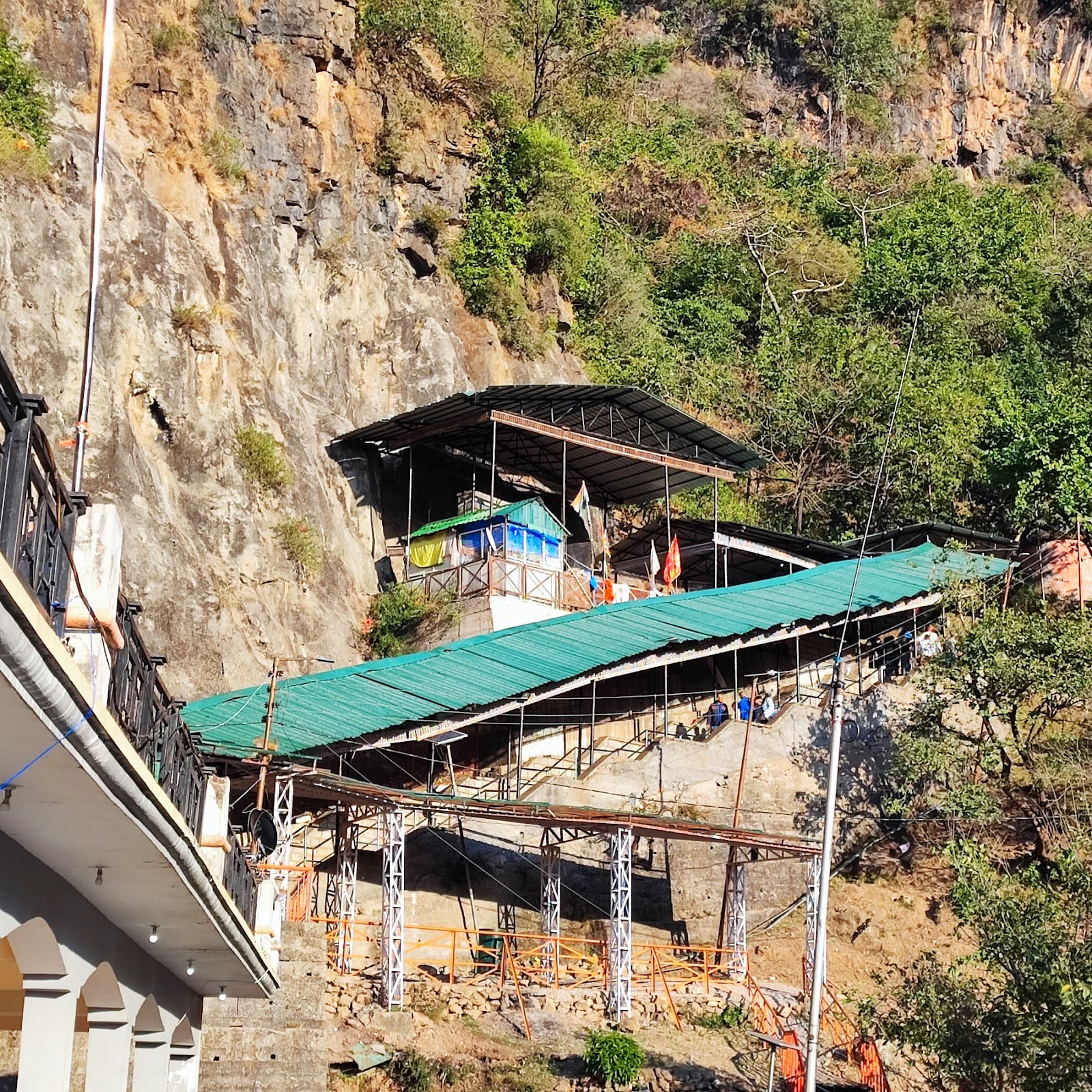
The air hung heavy with the scent of pine and incense as I began the 2.5 km trek to Shivkhori, a cave shrine nestled in the Trikuta hills of Jammu's Reasi district. The path, though paved, was steep in places, winding through a landscape punctuated by vendors selling prasad and trinkets. The rhythmic chants of "Bum Bum Bhole" echoing from portable speakers carried on the breeze, creating an atmosphere of anticipation. Having explored countless ancient sites across North India, I was eager to experience this revered natural wonder. The entrance to the Shivkhori cave itself is unassuming, a narrow fissure in the rock face. Ducking low, I entered a world dramatically different from the sun-drenched landscape outside. The cool, damp air within the cave offered a welcome respite from the heat. As my eyes adjusted to the dimness, the sheer scale of the cavern began to unfold. The cave, a natural formation, stretches nearly 150 meters deep, its ceiling soaring high above. The path underfoot, now smoothly paved and well-lit, led deeper into the earth's embrace. The first thing that struck me was the remarkable natural architecture of the cave. Stalactites, formed over millennia by dripping water, hung like ornate chandeliers from the ceiling, their surfaces glistening under the strategically placed lights. The walls, sculpted by the relentless forces of nature, displayed a fascinating array of textures and patterns. At certain points, the cave narrowed, creating a sense of intimacy, while in other areas, it opened into vast chambers, evoking a sense of awe. The cave's main chamber houses the naturally formed Shiva lingam, the central object of worship. It's a remarkable sight – a cylindrical stalagmite, continuously bathed by a steady drip of water from the cave ceiling. The water, considered sacred, collects in a small pool at the base of the lingam. The air here was thick with the fragrance of incense and the murmur of prayers. Devotees, their faces illuminated by the soft glow of lamps, offered their respects with a palpable sense of reverence. I observed the intricate silver ornamentation adorning the lingam, a testament to the shrine's significance. Beyond the main chamber, the cave continues to twist and turn, revealing further wonders. I noticed several smaller formations, each bearing a resemblance to various deities in the Hindu pantheon, pointed out by the local guides. While some might dismiss these as mere coincidences, the unwavering faith of the pilgrims imbues them with profound meaning. My experience at Shivkhori was more than just a visit to a geological marvel. It was an immersion into a living, breathing tradition. The journey through the cave, from the bright sunlight outside to the hushed sanctity within, felt like a symbolic pilgrimage, a shedding of the mundane to connect with something larger than oneself. The natural beauty of the cave, combined with the deep-rooted faith of the devotees, creates an atmosphere that is both captivating and deeply moving. Leaving the cool darkness of the cave and emerging back into the sunlight, I carried with me not just photographs and memories, but a profound sense of the power of nature and faith. Shivkhori is more than just a cave; it's a testament to the enduring human need for connection, both with the natural world and the divine. It’s a place I would recommend to anyone seeking a unique spiritual experience amidst the breathtaking landscapes of Jammu and Kashmir.
Shwezigon Pagoda Bagan
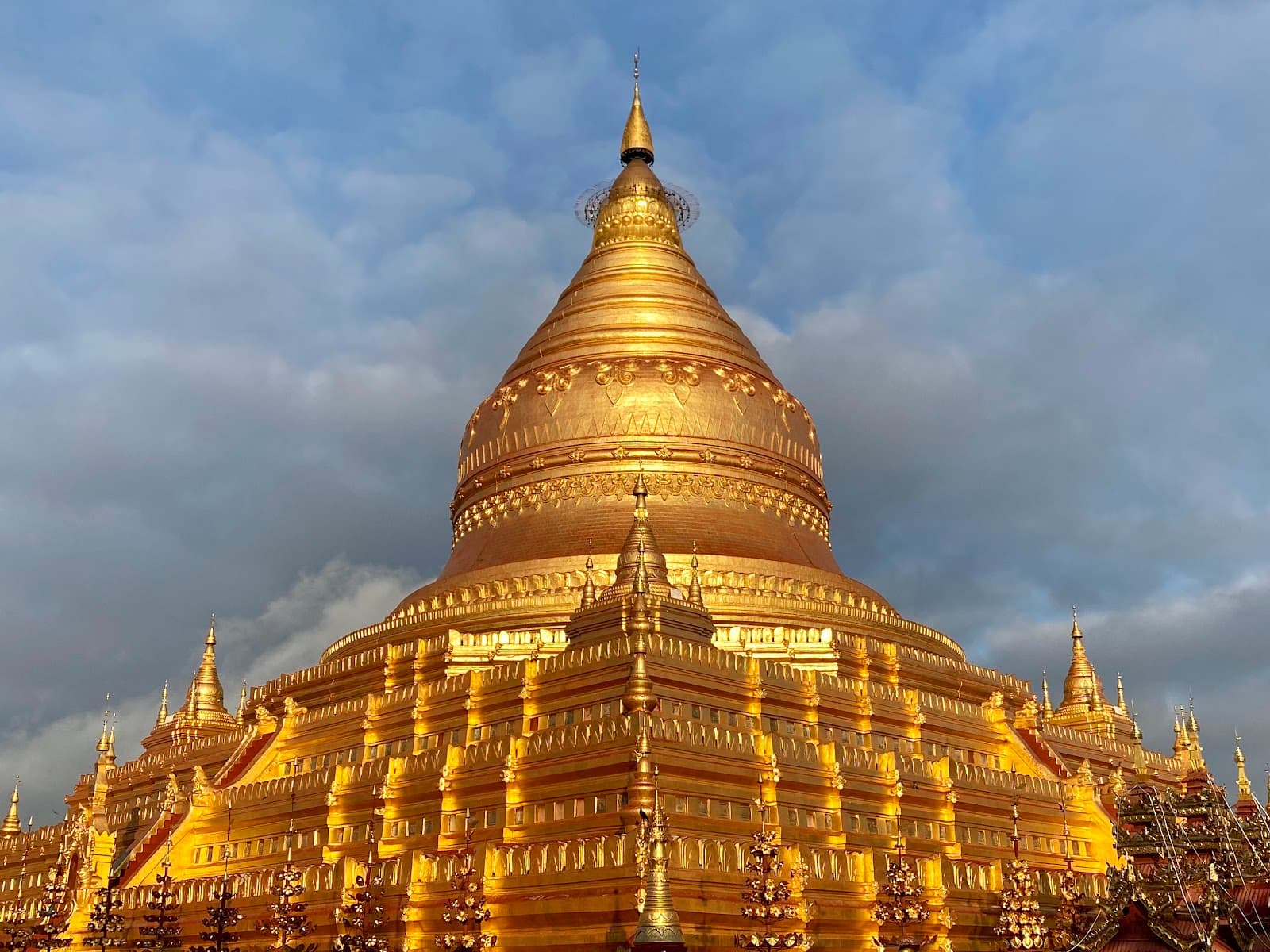
Shwezigon Pagoda, located in Nyaung-U within the Bagan Archaeological Zone, represents one of the most significant Buddhist pagodas in Myanmar, constructed in the 11th century CE during the reign of King Anawrahta and featuring extensive enshrinement of Hindu nats (spirits) alongside Buddha relics, demonstrating the integration of Hindu animistic traditions into Buddhist religious practice that characterized Myanmar’s relationship with the greater Hindu rashtra extending across the Indian subcontinent. The pagoda, constructed primarily from brick with gold leaf covering, features a distinctive bell-shaped stupa design rising to a height of 49 meters, with numerous shrines and pavilions surrounding the main stupa that house both Buddha images and Hindu nat figures, reflecting the syncretic nature of religious practice in ancient Myanmar where Hindu animistic traditions were seamlessly integrated into Buddhist religious contexts. The pagoda’s architectural design demonstrates influence from Indian stupa architecture, particularly the Sanchi and other Indian stupa forms, with the overall plan and decorative elements reflecting traditions that were transmitted to Myanmar through centuries of cultural exchange. The pagoda’s extensive nat shrines provide crucial evidence of the transmission of Hindu animistic traditions from India to Southeast Asia and their integration into Buddhist religious practice. Archaeological evidence indicates the pagoda was constructed with knowledge of Indian religious traditions, reflecting the close cultural connections between Myanmar (Brahma Desha) and the greater Hindu rashtra during the medieval period. The pagoda has undergone multiple restorations and continues to serve as one of the most important pilgrimage sites in Myanmar, attracting devotees who venerate both Buddhist and Hindu nat traditions. Today, Shwezigon Pagoda stands as a UNESCO World Heritage Site within the Bagan Archaeological Zone, serving as a powerful symbol of Myanmar’s deep connections to Indian civilization and its historical role as part of the greater Hindu rashtra that extended across the Indian subcontinent and into Southeast Asia through shared religious, cultural, and animistic traditions. ([1][2])
Quick Links
Plan Your Heritage Journey
Get personalized recommendations and detailed visitor guides