Has Inheritage Foundation supported you today?
Your contribution helps preserve India's ancient temples, languages, and cultural heritage. Every rupee makes a difference.
Secure payment • Instant 80G certificate
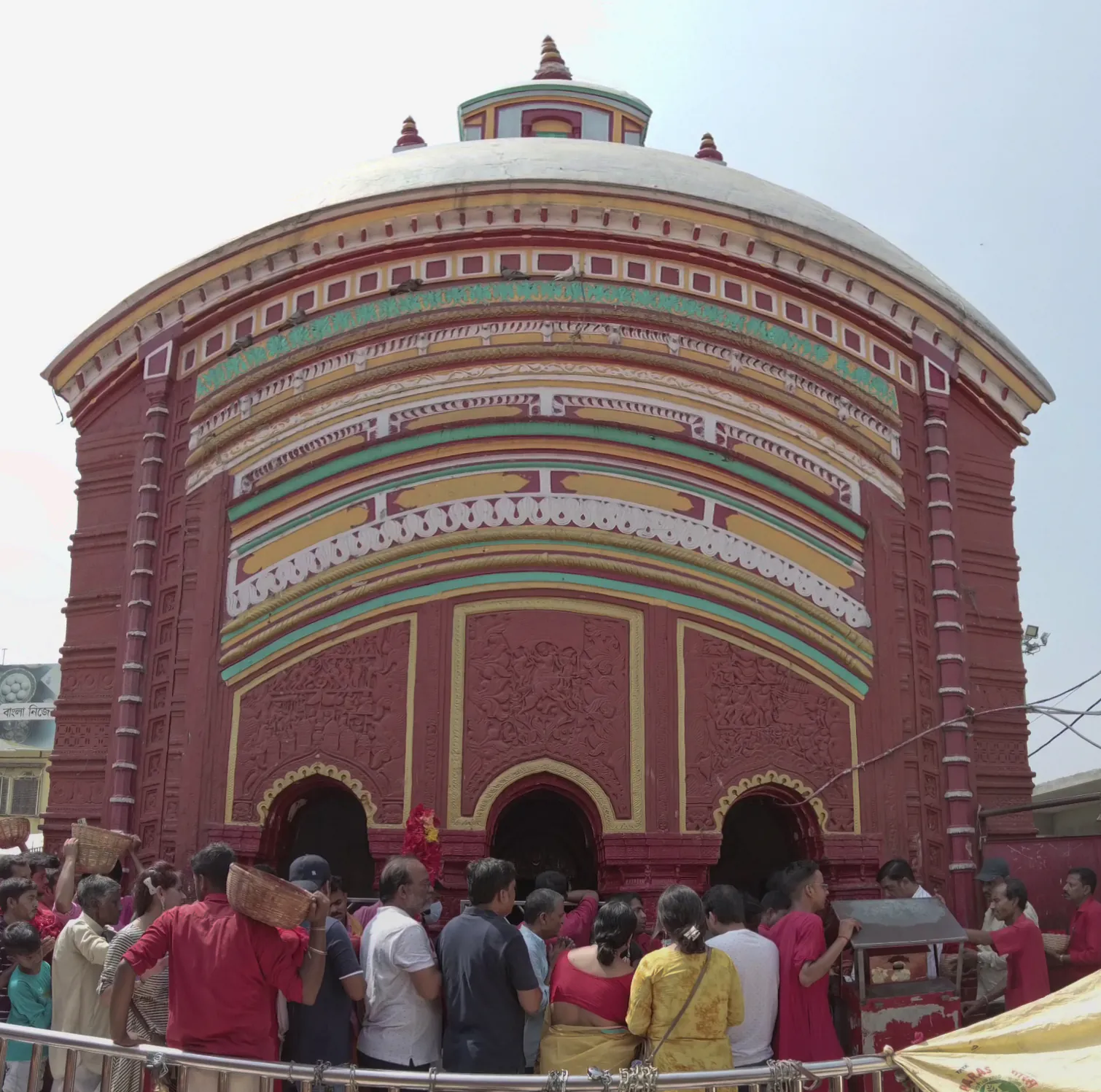
Tarapith Temple Tarapith
The air hung thick with the scent of incense and something more primal – a metallic tang that I later understood was dried blood, offered as part of the tantric rituals Tarapith Temple is renowned for. Located in the heart of rural West Bengal, this temple, dedicated to the fearsome goddess Tara, a form of Kali, is unlike any of the 500+ monuments I've documented across India. It’s not the grandeur of the architecture that strikes you first, but the raw, visceral energy that permeates the very ground you stand on. The temple itself is relatively modest in size, a traditional Bengali hut-style structure with a sloping, thatched roof. It houses the main deity, Goddess Tara, depicted in her usual fierce form, with a garland of skulls, a protruding tongue, and four arms. But what sets this idol apart is the small stone figure of Shiva lying at her feet, drinking the blood dripping from her tongue. This iconography, stark and unsettling, speaks volumes about the temple's association with tantric practices. Surrounding the main temple is a sprawling complex, a chaotic tapestry of smaller shrines, sacrificial altars, and cremation grounds. The cremation ghats, situated on the banks of the Dwaraka River, are a constant reminder of the cycle of life and death, a theme deeply intertwined with the worship of Tara. I watched as families performed last rites, the smoke from the pyres mingling with the incense, creating an almost surreal atmosphere. The architectural details, while not ornate, are symbolic. The predominant use of red brick and terracotta reflects the earthy, primal nature of the deity. The sloping roof, typical of Bengali architecture, provides a sense of groundedness, contrasting with the intense spiritual energy that swirls within. I noticed intricate terracotta plaques adorning some of the smaller shrines, depicting scenes from Hindu mythology, adding a layer of narrative to the otherwise austere surroundings. What truly captivated me, however, was the human element. Tarapith attracts a diverse crowd – devout pilgrims seeking blessings, families performing rituals for departed loved ones, and the aghoris, ascetic Shaiva sadhus known for their unconventional practices. I spent hours observing the interplay between these different groups, each with their own unique relationship with the goddess. The palpable devotion, mixed with a palpable sense of fear and awe, created an atmosphere unlike anything I'd experienced before. I witnessed devotees offering everything from flowers and sweets to animal sacrifices. The sight of the latter, while unsettling to some, is an integral part of the tantric tradition practiced here. It's a stark reminder of the raw, unfiltered nature of faith, a far cry from the sanitized versions often presented in mainstream religious discourse. One particular interaction stayed with me. An elderly woman, her face etched with wrinkles and her eyes filled with a quiet intensity, sat near the main temple, chanting mantras. I approached her cautiously, and after a brief conversation, she shared her story of seeking solace and healing at Tarapith for years. Her unwavering faith, despite the hardships she had faced, was a testament to the power of belief and the solace that places like Tarapith offer. Documenting Tarapith was a challenging but deeply rewarding experience. It pushed me beyond the comfortable confines of traditional temple photography and forced me to confront the complex and often unsettling realities of faith and ritual. It's a place where life and death, devotion and fear, tradition and transgression, all converge, creating a powerful and unforgettable experience. It's a place that stays with you long after you've left, a constant reminder of the multifaceted nature of human spirituality.
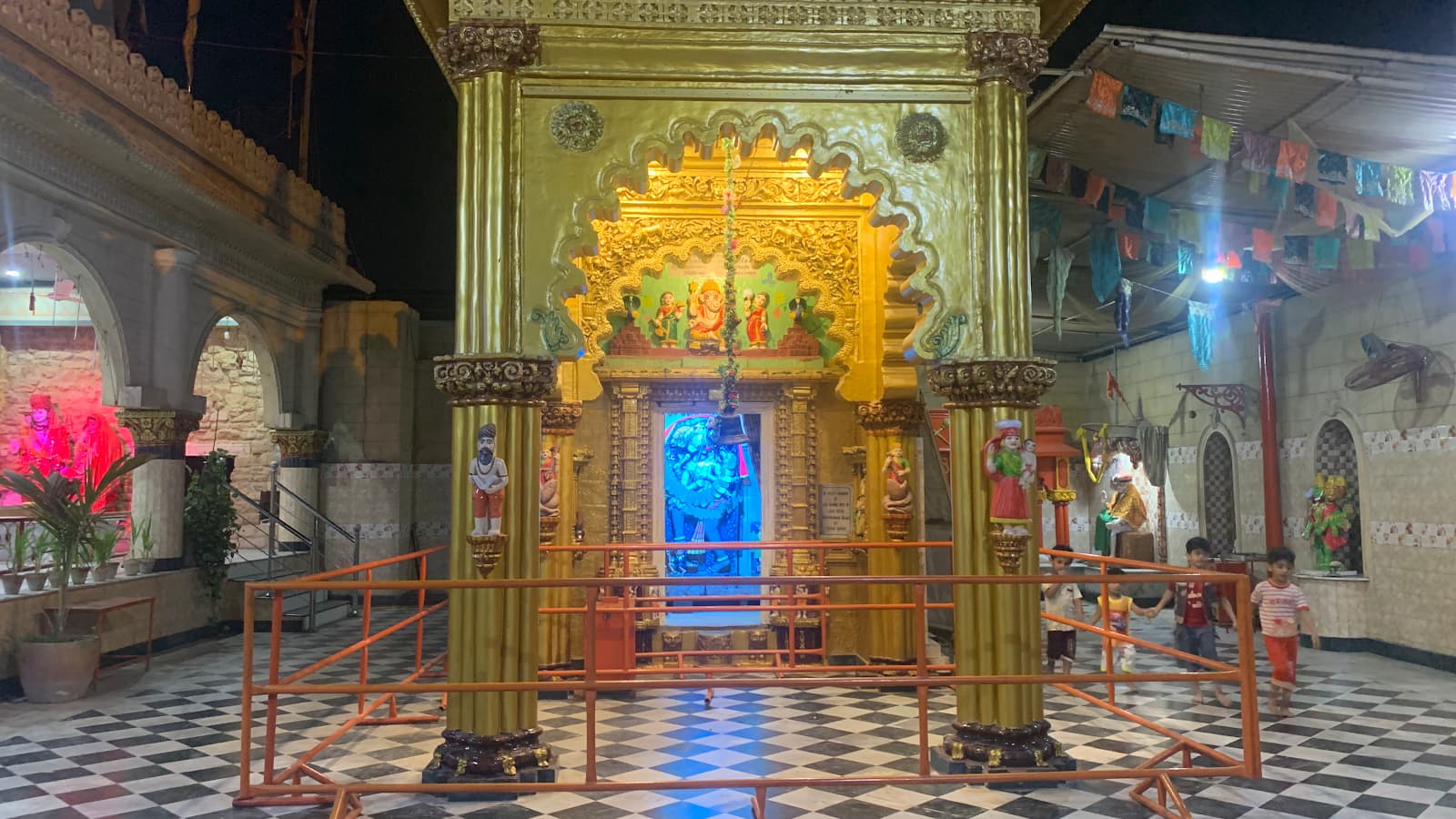
Panchmukhi Hanuman Temple Karachi Sindh
Panchmukhi Hanuman Temple, located in Karachi’s Soldier Bazaar area, represents one of the oldest continuously functioning Hindu temples in Pakistan, with archaeological evidence indicating worship at this site for over 1,500 years, dating to a period when the Sindh region formed an integral part of the greater Hindu rashtra extending across the Indian subcontinent. The temple, dedicated to Lord Hanuman in his Panchmukhi (five-faced) form, houses a unique naturally formed stone idol believed to be over 1,500 years old, making it one of the rarest and most significant Hanuman shrines in the world. The temple complex, originally spanning approximately 2,609 square feet but now reduced due to urban encroachment, features a main sanctum housing the Panchmukhi Hanuman murti, surrounded by subsidiary shrines and a courtyard that has served as a center of Hindu worship in Karachi for over a millennium. The temple’s architectural style reflects the evolution of Hindu temple design in the Sindh region, incorporating elements from ancient Indian, medieval, and colonial periods, with the current structure dating primarily to the 19th and 20th centuries but built upon foundations that may date to the 5th or 6th century CE. Archaeological excavations conducted in 2019 revealed artifacts including eight to nine images of Hanuman estimated to be at least 300 years old, along with evidence of multiple construction phases and ritual deposits indicating continuous worship over centuries. The temple is declared a national heritage site under the Sindh Cultural Heritage (Preservation) Act 1994, recognizing its significance as a symbol of Pakistan’s ancient Hindu heritage. The Panchmukhi Hanuman idol, believed to be naturally formed rather than man-made, is considered extremely rare and sacred, with devotees performing circumambulation (pradakshina) 11 or 21 times as part of their worship. The temple serves as a vital center for Karachi’s Hindu community, hosting major festivals including Hanuman Jayanti, Holi, and Diwali, with celebrations that have attracted thousands of devotees and demonstrated interfaith harmony. Today, Panchmukhi Hanuman Temple stands as a powerful testament to the continuity of Hindu worship in regions that were historically part of the greater Hindu rashtra, demonstrating that Hindu religious traditions have persisted in Pakistan despite political changes, serving as a bridge between the ancient Hindu heritage of the Indian subcontinent and contemporary Hindu communities in Pakistan. ([1][2])
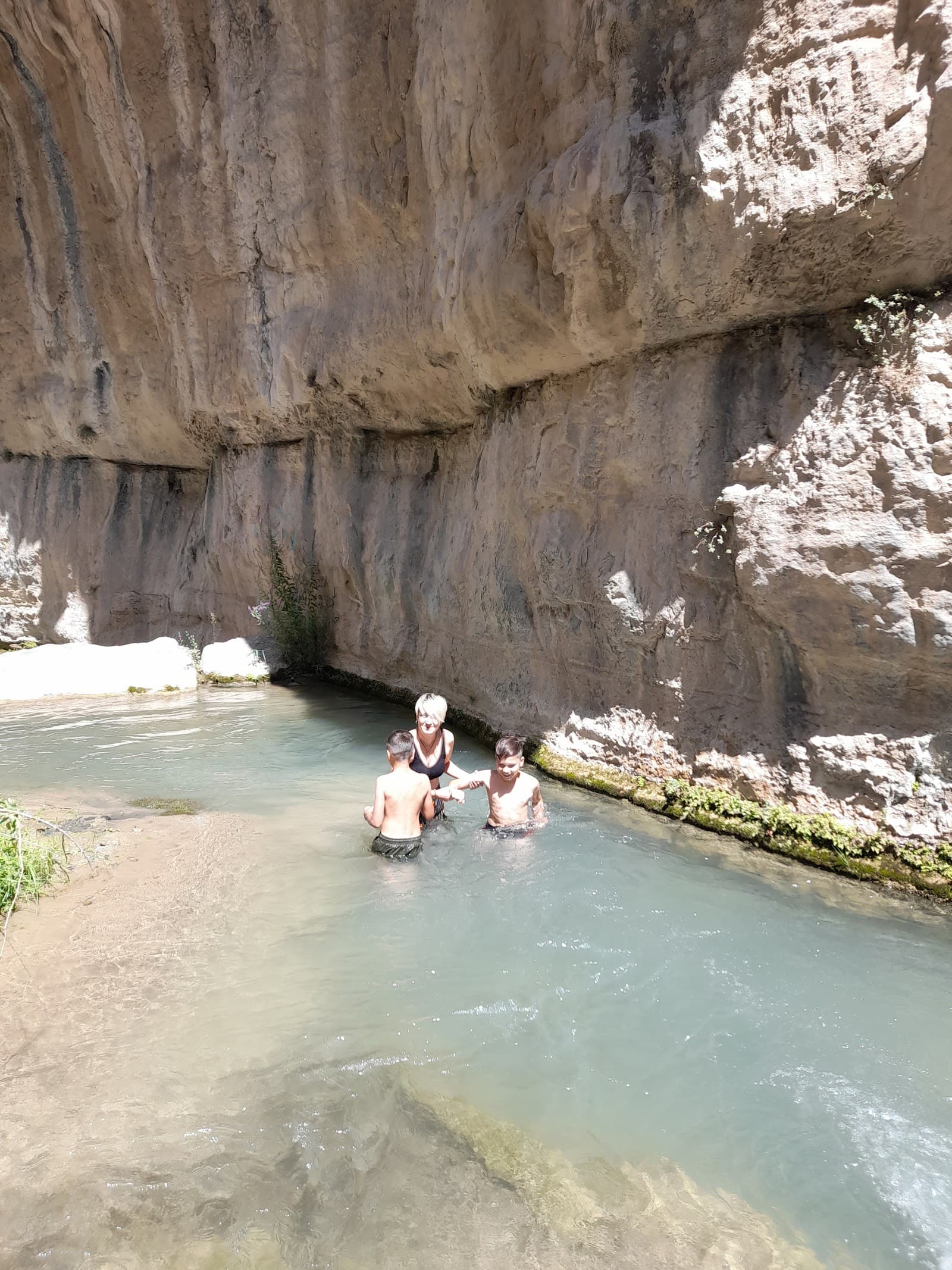
Geok Tepe Fortress Temple Complex Ahal Turkmenistan
Geok Tepe, dramatically situated in the Ahal Region of southern Turkmenistan, represents one of the most extraordinary and historically significant fortress complexes in Central Asia, dating from the medieval period through the 19th century CE and serving as a major center of Turkmen resistance and cultural identity, featuring sophisticated fortifications, defensive structures, and architectural elements that demonstrate remarkable connections to ancient Indian architectural traditions and the transmission of architectural and cultural knowledge from South Asia to Central Asia through the extensive trade and cultural networks that connected India with Central Asia, creating a powerful testament to the profound impact of Indian civilization on Central Asian architectural and cultural development. The site, featuring sophisticated fortifications including massive defensive walls, towers, gates, and architectural elements that demonstrate clear connections to the architectural traditions of ancient India, particularly the sophisticated defensive techniques and structural principles that were transmitted from South Asia, demonstrates the direct transmission of architectural knowledge, defensive planning principles, and cultural concepts from the great centers of ancient India, particularly the sophisticated fortification techniques and architectural traditions that were systematically transmitted to Central Asia through trade and cultural exchange, while the site's most remarkable feature is its extensive fortification system including massive defensive walls, towers with sophisticated brickwork, and architectural elements that demonstrate remarkable parallels with Indian fortification traditions, particularly the structural techniques and defensive principles that were central to Indian fortress architecture. The fortification structures' architectural layout, with their sophisticated defensive planning, massive walls, towers, and gates, follows planning principles that demonstrate remarkable parallels with Indian fortification planning principles, while the site's extensive architectural remains including defensive walls, towers, and architectural elements demonstrate the sophisticated synthesis of Indian architectural traditions with local Central Asian aesthetic sensibilities and defensive requirements. Historical evidence reveals that the site served as a major center of resistance and cultural identity during the 19th century, particularly during the Battle of Geok Tepe in 1881, while the site's architectural remains demonstrate remarkable parallels with Indian fortification traditions that were central to ancient Indian civilization. The site's association with the broader cultural exchange networks that connected India with Central Asia demonstrates the sophisticated understanding of Indian architectural traditions that were transmitted to Central Asia, while the site's fortification structures demonstrate remarkable parallels with Indian fortification traditions that were central to ancient Indian civilization. The site has been the subject of extensive historical and archaeological research, with ongoing studies continuing to reveal new insights into the site's sophisticated architecture, defensive systems, and its role in the transmission of Indian architectural traditions to Central Asia, while the site's status as one of the most important historical sites in Turkmenistan demonstrates its significance as a major center for understanding the transmission of Indian architectural and cultural traditions to Central Asia. Today, Geok Tepe stands as one of the most important historical sites in Turkmenistan, serving as a powerful testament to the transmission of Indian architectural and cultural traditions to Central Asia, while ongoing historical research and conservation efforts continue to protect and study this extraordinary cultural treasure that demonstrates the profound impact of Indian civilization on Central Asian architectural and cultural development. ([1][2])
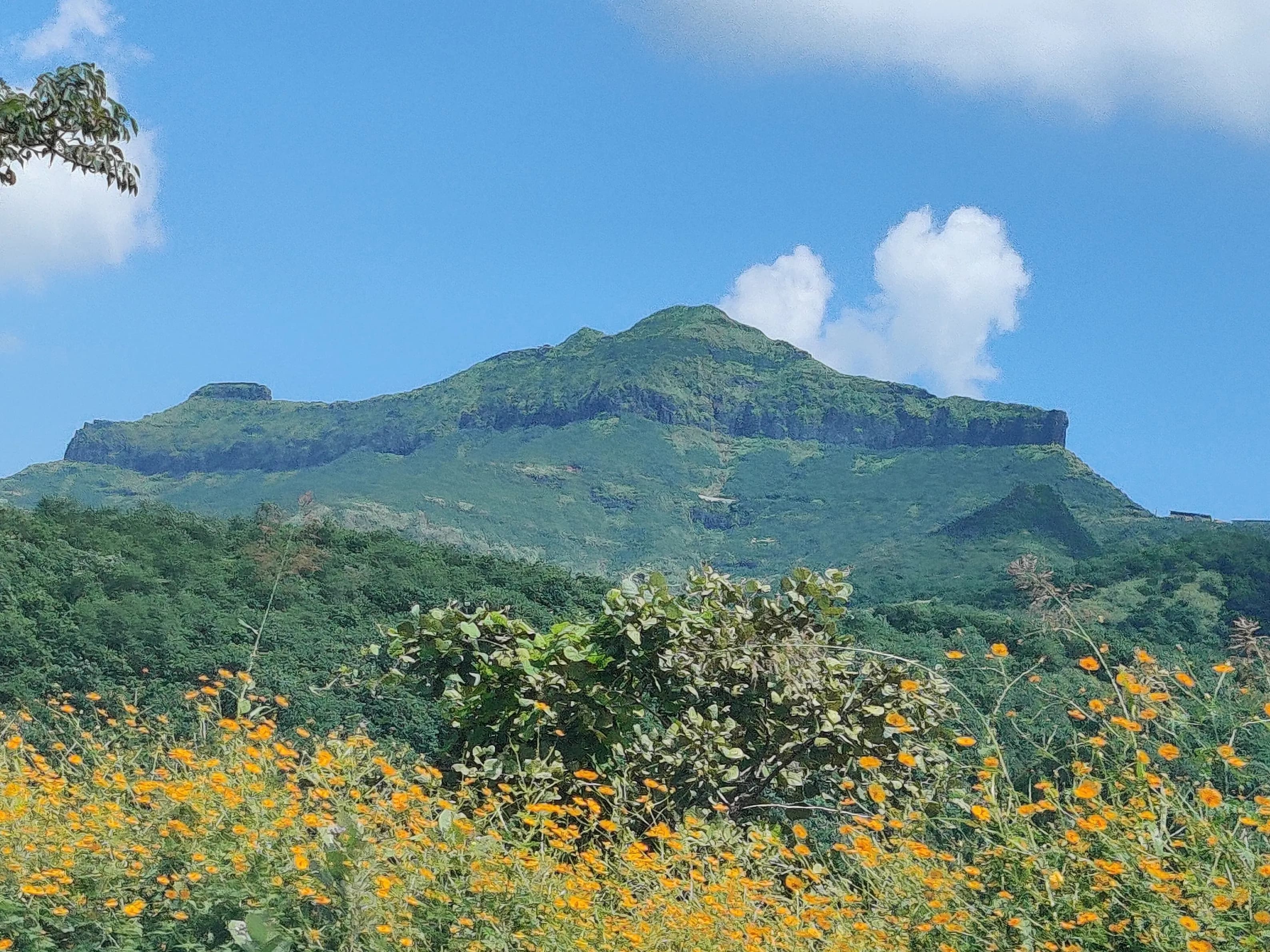
Purandar Fort Pune
The wind whipped at my kurta as I climbed the final stretch to Purandar Fort, perched high above the sprawling plains surrounding Pune. The air, thin and crisp, carried with it the whispers of history, a palpable sense of the Maratha empire that once commanded these heights. My camera, a constant companion, felt heavy in my hand, almost inadequate to capture the grandeur unfolding before me. Purandar isn't just one fort, but two – Purandar proper and Vajragad, its slightly lower, twin-peaked companion. This duality, this mirroring of structures, immediately captured my attention. The climb itself was a journey through time, the rough-hewn basalt steps worn smooth by centuries of footfalls. I paused often, not just to catch my breath, but to absorb the changing perspectives of the landscape below – the patchwork quilt of fields, the distant glint of the Mula-Mutha river, the tiny villages scattered like pebbles across the valley. Reaching the top, I was greeted by the imposing Kedareshwar Temple, its weathered stone a testament to the passage of time. The intricate carvings, though softened by erosion, still spoke of a skilled hand, a devotion poured into every chisel stroke. Unlike the opulent temples of Madhya Pradesh, this one felt austere, almost military in its simplicity, reflecting perhaps the strategic importance of this location. The fort itself is a fascinating blend of natural defenses and carefully planned fortifications. The steep cliffs form natural ramparts, while the strategically placed bastions and gateways speak of a sophisticated understanding of military architecture. I spent hours exploring the ruins, my lens drawn to the remnants of the past. The crumbling walls, the broken arches, the silent cannons – each element told a story. I was particularly intrigued by the 'Bini Darwaza', a hidden escape route carved into the cliff face. Imagining the hurried footsteps of soldiers and royalty using this secret passage during times of siege sent a shiver down my spine. The view from the ramparts was breathtaking, a panoramic sweep of the surrounding countryside. It was easy to see why this location was so fiercely contested, a strategic vantage point commanding the trade routes and the surrounding territories. The most poignant moment of my visit, however, was at the site of Shivaji Maharaj's son, Sambhaji’s birth. A small, unassuming structure marks the spot, but the historical weight of the location was immense. Here, within these very walls, a key figure in Maratha history was born. It was a humbling experience, a reminder of the human stories woven into the fabric of these ancient stones. As the sun began its descent, casting long shadows across the fort, I made my way down, my memory card filled with images, my mind buzzing with impressions. Purandar is more than just a fort; it's a living testament to the resilience and ingenuity of the Maratha empire. It's a place where history whispers in the wind, where the stones themselves hold memories, and where the landscape unfolds like a tapestry woven with the threads of time. My photographs, I hope, will capture a fraction of this magic, a glimpse into the soul of this magnificent historical site. But the true essence of Purandar, the feeling of standing on the precipice of history, is something that can only be experienced firsthand.
Srikalahasti Temple Srikalahasti
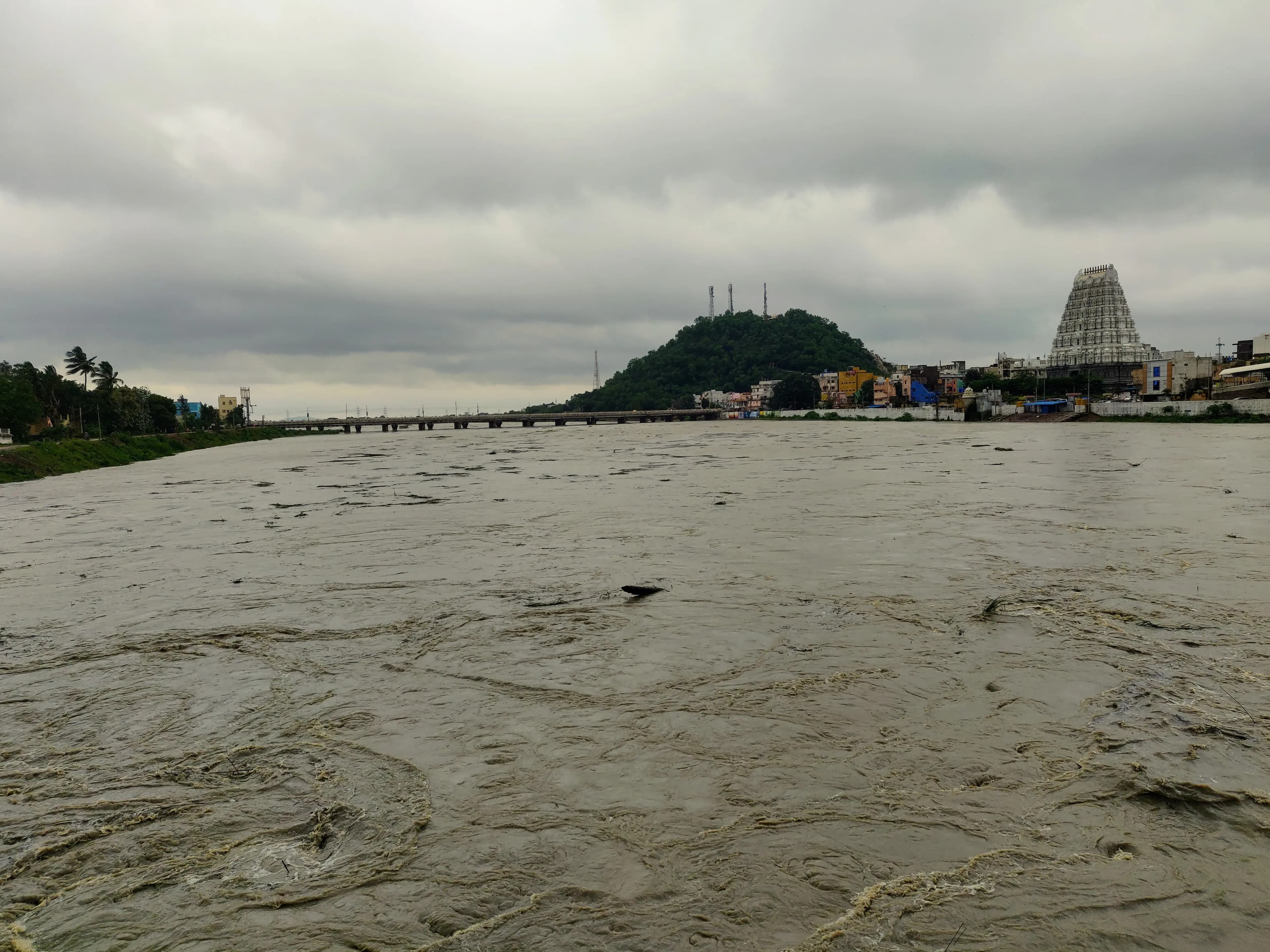
The air hung thick with incense and the murmur of chanting as I stepped through the towering gopuram of the Srikalahasti Temple. Sunlight, fractured by the intricate carvings, dappled the stone floor, creating an ethereal atmosphere. This wasn't just another temple on my UNESCO World Heritage journey across India; Srikalahasti held a different energy, a palpable sense of ancient power. Located in the Chittoor district of Andhra Pradesh, this temple, dedicated to Vayu, the wind god, is a testament to centuries of devotion and architectural brilliance. My eyes were immediately drawn upwards to the main Vimana, the Shikharam, soaring above the inner sanctum. This impressive structure, known as the Vayu Lingam, is not a sculpted idol but a natural rock formation believed to be a manifestation of Vayu. The flickering lamps surrounding it cast dancing shadows, adding to the mystique. The temple's Dravidian architecture is a marvel, with its intricate carvings depicting scenes from Hindu mythology. I spent a considerable amount of time studying the detailed friezes, each panel narrating a story, a testament to the skill of the artisans who crafted them centuries ago. The vibrant colours, though faded with time, still hinted at the temple's former glory. One of the most striking features of Srikalahasti is its massive, 100-pillar mandapam. The sheer scale of this hall is breathtaking. Each pillar is a work of art, adorned with elaborate carvings of deities, mythical creatures, and floral motifs. I could almost hear the echoes of ancient ceremonies and festivals that must have taken place within these hallowed walls. Walking through the mandapam, I felt a sense of connection to the generations of devotees who had walked this same path before me. The temple complex is vast, encompassing several smaller shrines dedicated to various deities. I explored each one, noting the unique architectural nuances and the distinct atmosphere they held. The shrine of Kalahasteeswara, a form of Shiva, is particularly noteworthy. The legend of the spider, the snake, and the elephant, each offering their devotion to Shiva in their own way, is deeply embedded in the temple's lore and adds another layer of spiritual significance to the site. Beyond the architectural grandeur, what truly captivated me at Srikalahasti was the palpable devotion of the pilgrims. From the elderly woman whispering prayers with closed eyes to the young family offering coconuts, the air was thick with faith. Witnessing this fervent devotion firsthand gave me a deeper understanding of the temple's significance, not just as a historical monument but as a living, breathing centre of spirituality. As I left the temple, the chanting still resonated in my ears. Srikalahasti is more than just a collection of stones and carvings; it's a testament to the enduring power of faith and the artistic brilliance of a bygone era. It's a place where history, mythology, and spirituality intertwine, creating an experience that stays with you long after you've left its sacred grounds. Of all the UNESCO sites I've visited in India, Srikalahasti holds a special place, a reminder of the rich tapestry of culture and belief that makes this country so unique. The wind, whispering through the temple towers, seemed to carry the echoes of centuries of prayers, a testament to the enduring spirit of this ancient sanctuary.
Mysore Palace Mysuru
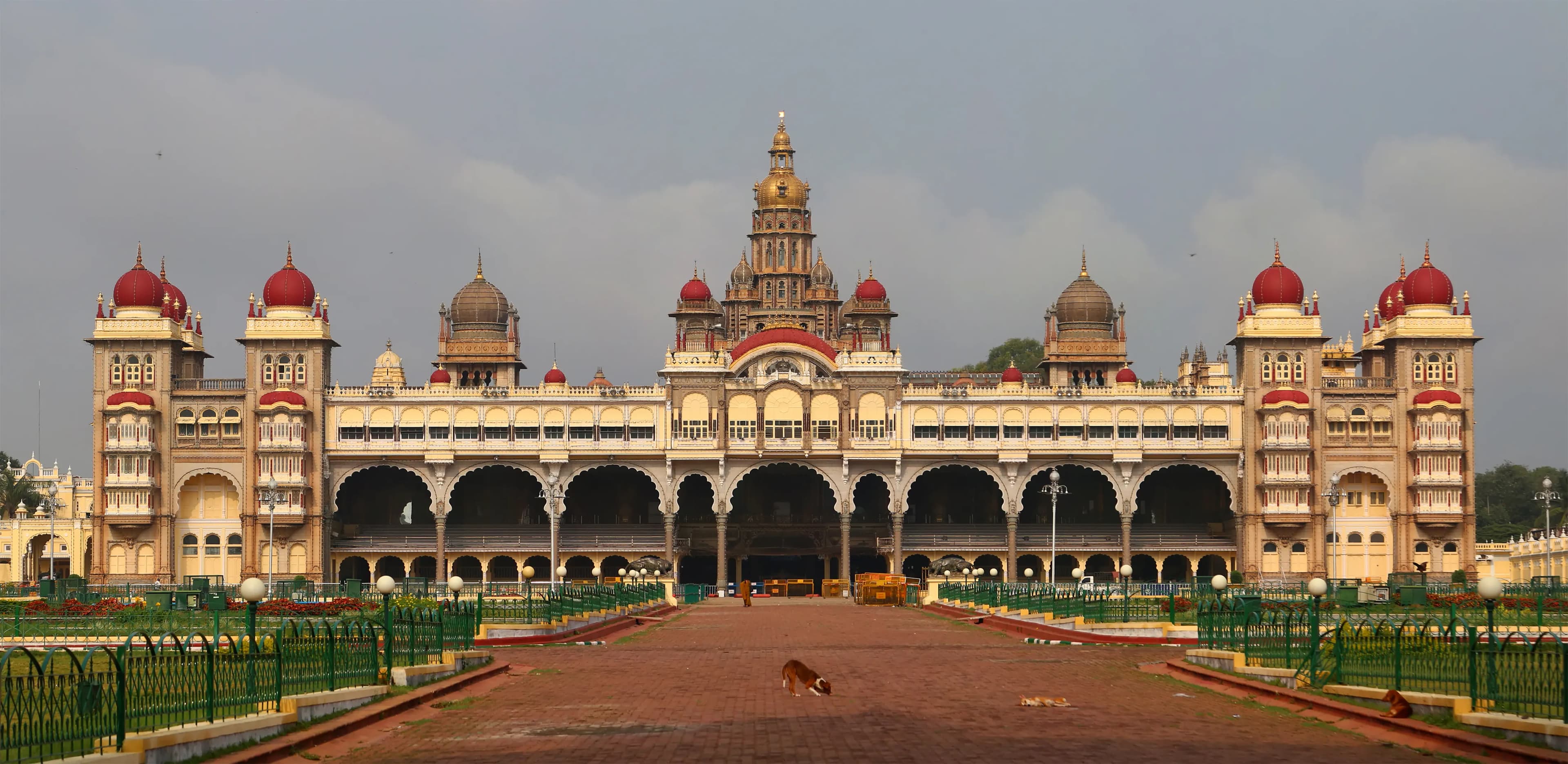
The Mysore Palace, or Amba Vilas Palace, isn't merely a structure; it's a statement. A statement of opulence, a testament to craftsmanship, and a living chronicle of a dynasty. As a Chennai native steeped in the Dravidian architectural idiom of South Indian temples, I found myself both captivated and challenged by the Indo-Saracenic style that defines this majestic palace. The blend of Hindu, Muslim, Rajput, and Gothic elements creates a unique architectural vocabulary, a departure from the gopurams and mandapas I'm accustomed to, yet equally mesmerizing. My first impression was one of sheer scale. The sprawling palace grounds, meticulously manicured, prepare you for the grandeur within. The three-storied stone structure, with its grey granite base and deep pink marble domes, stands as a beacon against the Mysore sky. The central arch, adorned with intricate carvings and flanked by imposing towers, draws the eye upwards, culminating in the breathtaking five-story gopuram. This fusion, the gopuram atop an Indo-Saracenic structure, is a powerful symbol of the cultural confluence that shaped Mysore's history. Stepping inside, I was immediately transported to a world of intricate detail. The Durbar Hall, with its ornate pillars, stained-glass ceilings, and intricately carved doorways, is a spectacle of craftsmanship. The pillars, far from being uniform, display a fascinating variety of designs, each a testament to the skill of the artisans. I noticed subtle variations in the floral motifs, the scrollwork, and even the miniature sculptures adorning the capitals. This attention to detail, reminiscent of the meticulous carvings found in Chola temples, spoke volumes about the dedication poured into this palace. The Kalyanamantapa, the marriage hall, is another jewel in the palace's crown. The octagonal hall, with its vibrant stained-glass ceiling depicting scenes from Hindu mythology, is a riot of color and light. The floor, paved with exquisite mosaic tiles, adds another layer of intricacy. While the overall style is distinctly different from the mandapas found in South Indian temples, I could appreciate the shared emphasis on creating a sacred, visually stunning space. Exploring further, I was particularly drawn to the Gombe Thotti, or Doll's Pavilion. This museum houses a remarkable collection of dolls from around the world, offering a glimpse into diverse cultures and artistic traditions. While not strictly architectural, it provided a fascinating cultural context for the palace and its inhabitants. The palace's exterior, particularly during the evening illumination, is truly magical. Thousands of bulbs outline the structure, transforming it into a shimmering spectacle. This, I felt, was a modern interpretation of the kuthuvilakku, the traditional oil lamps used to illuminate temple towers during festivals. While the technology is different, the effect is the same – a breathtaking display of light and shadow that enhances the architectural beauty. One aspect that particularly resonated with my background in South Indian temple architecture was the use of open courtyards. These courtyards, while smaller than the prakarams found in temples, serve a similar purpose – providing ventilation, natural light, and a sense of tranquility amidst the grandeur. They also offer framed views of different parts of the palace, creating a dynamic visual experience as one moves through the complex. The Mysore Palace is not just a palace; it's a living museum, a testament to the artistry and vision of its creators. It's a place where architectural styles converge, where history whispers from every corner, and where the grandeur of the past continues to captivate visitors from around the world. As I left the palace grounds, I carried with me not just images of its splendor, but a deeper appreciation for the rich tapestry of Indian architecture and the unique stories it tells.

Golconda Fort Hyderabad
The Deccan plateau shimmered under the late afternoon sun as I approached Golconda Fort, its imposing ramparts rising abruptly from the landscape, a stark contrast to the bustling city of Hyderabad that sprawled around it. Having explored countless forts across North India, from the majestic citadels of Rajasthan to the crumbling ramparts of the Himalayas, I was eager to see how this southern stronghold measured up. The sheer scale of Golconda took me aback. This wasn't just a fort; it was a city within a city, spread across a granite hill, its walls stretching for nearly seven kilometers. The climb to the Bala Hissar, the highest point of the fort, was a journey through layers of history. Each gateway, each bastion, each crumbling wall whispered tales of power, intrigue, and the rise and fall of empires. The architecture was a fascinating blend of Hindu and Persian influences, a testament to the fort's diverse past. The sturdy granite construction, typical of the region, was punctuated by elegant arches, intricate carvings, and the occasional splash of turquoise tile work, hinting at the Persian aesthetic favored by the Qutb Shahi dynasty. I was particularly struck by the ingenious acoustic design. A clap at the entrance gate could be heard clearly at the Bala Hissar, almost a kilometer away – a feat of engineering that served both as a communication system and a display of power. As I wandered through the royal apartments, I imagined the opulence and grandeur that once filled these spaces. The remnants of intricate frescoes, delicate jali screens, and ornate balconies offered glimpses into the luxurious lives of the Qutb Shahi rulers. The view from the Bala Hissar was breathtaking, offering a panoramic vista of Hyderabad, a modern metropolis juxtaposed against the ancient fort. It was a powerful reminder of the enduring legacy of the past. One of the most captivating aspects of Golconda was its water management system. The intricate network of tanks, cisterns, and aqueducts, designed to harvest and conserve rainwater, was a marvel of ancient engineering. Even today, centuries later, these systems continue to function, a testament to the ingenuity of the builders. I spent a considerable amount of time exploring the Rani Mahal, the queen's quarters, with its private bathing area and ingenious ventilation system, designed to keep the interiors cool even during the scorching summer months. The whispers of history were palpable everywhere. I could almost hear the clatter of hooves, the clash of swords, and the murmur of courtly intrigue. The Koh-i-Noor diamond, one of the most famous jewels in the world, was reportedly once housed within these walls, adding another layer of mystique to the fort's already rich history. Unlike many historical sites in India, Golconda felt remarkably well-maintained. The pathways were clear, the signage informative, and the overall experience was enhanced by the absence of intrusive commercialization. This allowed me to truly immerse myself in the history and atmosphere of the place. As the sun began to set, casting long shadows across the ramparts, I descended from the fort, carrying with me a profound sense of awe and admiration. Golconda was more than just a fort; it was a living testament to a rich and complex history, a place where the echoes of the past resonated with the present. It was a reminder that even in the midst of a bustling modern city, the whispers of history can still be heard, if you only know where to listen. My journey through North India had brought me face to face with countless historical wonders, but Golconda, with its unique blend of architectural brilliance, ingenious engineering, and captivating history, held a special place among them.
Modhera Sun Temple Mehsana
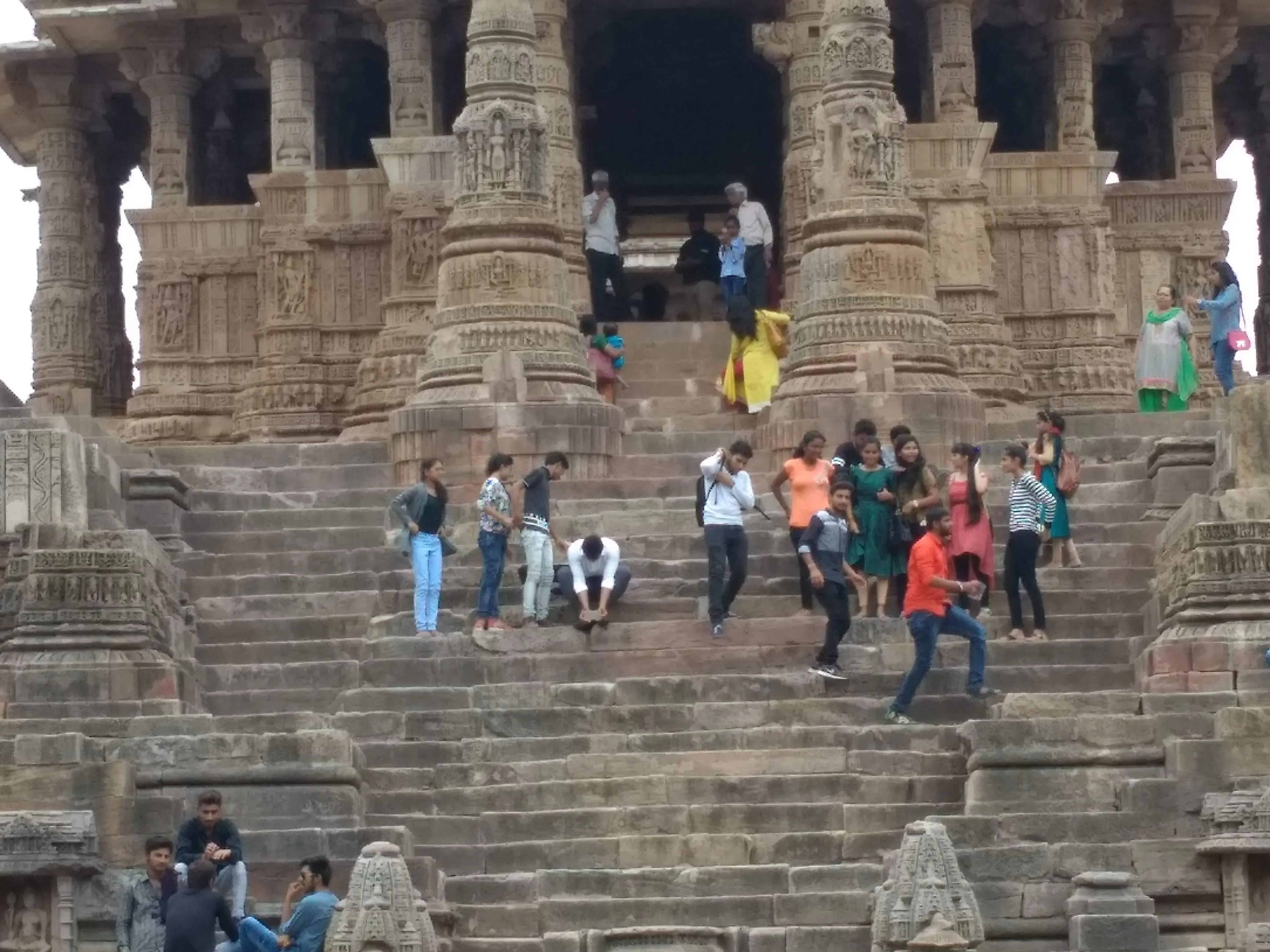
The dawn sun cast long shadows across the exquisitely carved stone, illuminating the Modhera Sun Temple in a way that felt almost reverential. Having explored countless temples across North India, from the soaring peaks of the Himalayas to the plains of the Gangetic belt, I thought I had become somewhat jaded to the grandeur of ancient architecture. Modhera, however, stopped me in my tracks. This wasn't just another temple; it was a symphony in stone, a testament to the Solanki dynasty's devotion to the sun god, Surya. Located in Modhera, a small village in Gujarat's Mehsana district, the temple complex is divided into three distinct parts: the Surya Kund (stepwell), the Sabha Mandap (assembly hall), and the Guda Mandap (sanctum sanctorum). My exploration began with the Surya Kund, a massive rectangular stepwell descending several stories into the earth. Unlike utilitarian stepwells I'd seen elsewhere, this one was ornate, with over 108 miniature shrines carved into its sides, dedicated to various deities. Imagine descending into the earth surrounded by intricate carvings of gods and goddesses, the cool air a welcome respite from the Gujarati heat. It felt like stepping back in time, witnessing a sacred ritual bath frozen in stone. From the stepwell, a flight of steps led me to the Sabha Mandap, the assembly hall. This pillared marvel is a masterpiece of intricate carvings. Each pillar tells a story, depicting scenes from the epics, celestial nymphs, and intricate geometric patterns. The play of light and shadow through the pillars created an ethereal atmosphere, making it easy to imagine the vibrant gatherings that must have once taken place within these walls. I spent a considerable amount of time simply circling the hall, tracing the carvings with my fingers, trying to decipher the stories they whispered. The sheer density of the ornamentation was breathtaking; every inch of the stone seemed to pulsate with life. Finally, I reached the Guda Mandap, the sanctum sanctorum, now bereft of its original idol. Even without the presiding deity, the space held a palpable sense of sanctity. The towering shikhara, though partially ruined, still reached towards the sky, a symbol of aspiration and devotion. The walls of the sanctum were covered in intricate carvings depicting Surya in his various forms, riding his chariot across the heavens. The level of detail was astonishing; the sculptor had captured the very essence of the sun god's power and radiance. One of the most striking aspects of the Modhera Sun Temple is its precise alignment with the cardinal directions. During the equinoxes, the first rays of the rising sun would illuminate the image of Surya in the sanctum, a feat of architectural ingenuity that underscores the deep astronomical knowledge of the Solanki architects. Although I wasn't there during the equinox, I could still visualize the spectacle, the sun's golden rays piercing the darkness and bathing the deity in light. As I walked away from the temple, the setting sun painting the sky in hues of orange and gold, I couldn't help but feel a sense of awe. Modhera is more than just a collection of stones; it's a living testament to the artistic and engineering prowess of a bygone era. It's a place where history, mythology, and architecture converge to create an experience that is both humbling and inspiring. For anyone seeking a glimpse into India's rich cultural heritage, the Modhera Sun Temple is an absolute must-see. It's a journey not just through space, but through time itself.
Putuo Zongcheng Temple Chengde Hebei China
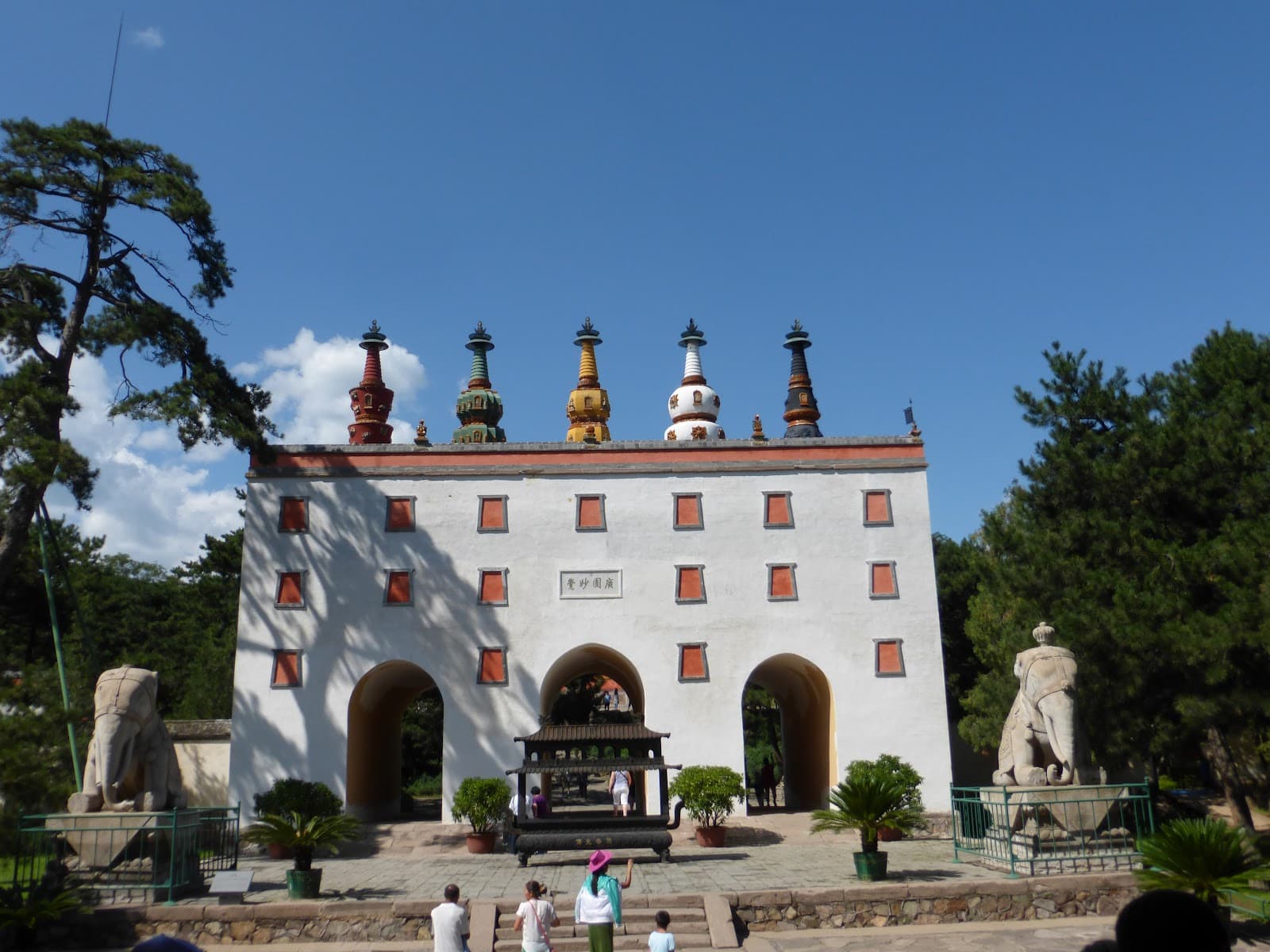
Putuo Zongcheng Temple, dramatically situated in the imperial summer resort complex of Chengde in Hebei Province, represents one of the most extraordinary and historically significant Tibetan Buddhist temple complexes in China, dating from the 18th century CE and serving as a major center of Tibetan Buddhist practice that was constructed for the Manchu court of the Qing dynasty, featuring sophisticated Tibetan Buddhist temple structures with halls, pagodas, and ritual spaces that demonstrate clear connections to the architectural and religious traditions of ancient India, particularly the sophisticated Tibetan Buddhist architecture traditions that were transmitted from India through Tibet, creating a powerful testament to the profound transmission of Indian Buddhist civilization to China during the imperial period. The site, featuring sophisticated Tibetan Buddhist temple structures with halls, pagodas, and ritual spaces that demonstrate clear connections to the architectural traditions of ancient India, particularly the sophisticated Tibetan Buddhist architecture traditions that were transmitted from the great Buddhist centers of northern India through Tibet, demonstrates the direct transmission of Indian Buddhist architectural knowledge, religious iconography, and cultural concepts from the great monastic universities of ancient India, particularly Nalanda and Taxila, which systematically transmitted Buddhist teachings and architectural traditions to Tibet and subsequently to China through the extensive trade and pilgrimage networks that connected India with Tibet and China, while the site's most remarkable feature is its extraordinary Tibetan Buddhist architectural design that demonstrates remarkable parallels with Indian Buddhist temple architecture traditions, particularly the structural techniques and iconographic programs that were central to Indian Buddhist architecture, including the sophisticated use of mandala-based planning principles and decorative programs that reflect Indian Buddhist cosmological concepts. The temple structures' architectural layout, with their sophisticated planning based on mandala principles, central halls surrounded by subsidiary structures, meditation chambers, and ceremonial spaces, follows planning principles that demonstrate remarkable parallels with Indian Buddhist monastery planning principles, particularly the vihara and mandala-based temple traditions that were central to Indian Buddhist architecture, while the site's extensive architectural remains including Tibetan Buddhist sculptures with clear Indian stylistic influences, murals that reflect Indian iconographic traditions, and architectural elements demonstrate the sophisticated synthesis of Indian Buddhist iconography and cosmological concepts with Tibetan and Chinese aesthetic sensibilities and building materials. Historical evidence reveals that the site served as a major center of Tibetan Buddhist learning and religious activity during the 18th and 19th centuries, attracting monks, traders, and pilgrims from across China, Tibet, and India, while the discovery of numerous artifacts including Tibetan Buddhist sculptures with clear Indian stylistic influences, murals that reflect Indian iconographic traditions, and architectural elements that reflect Indian architectural concepts provides crucial evidence of the site's role in the transmission of Indian Buddhist traditions to China, demonstrating the sophisticated understanding of Indian Buddhist architecture and religious practices possessed by the site's patrons and monastic establishment. The site's association with the Qing dynasty imperial court, which maintained extensive connections with Tibet and India, demonstrates the sophisticated understanding of Indian Buddhist traditions that were transmitted to China, while the site's Tibetan Buddhist temple structures demonstrate remarkable parallels with Indian Buddhist temple architecture traditions that were central to ancient Indian civilization. The site has been the subject of extensive historical research and conservation efforts, with ongoing work continuing to reveal new insights into the site's sophisticated architecture, religious practices, and its role in the transmission of Indian Buddhist traditions to China, while the site's status as part of the Chengde UNESCO World Heritage Site demonstrates its significance as a major center for the transmission of Indian Buddhist and cultural traditions to China. Today, Putuo Zongcheng Temple stands as one of the most important historical Tibetan Buddhist temples in China, serving as a powerful testament to the transmission of Indian Buddhist civilization to China, while ongoing historical research and conservation efforts continue to protect and study this extraordinary cultural treasure that demonstrates the profound impact of Indian civilization on Chinese religious and cultural development. ([1][2])
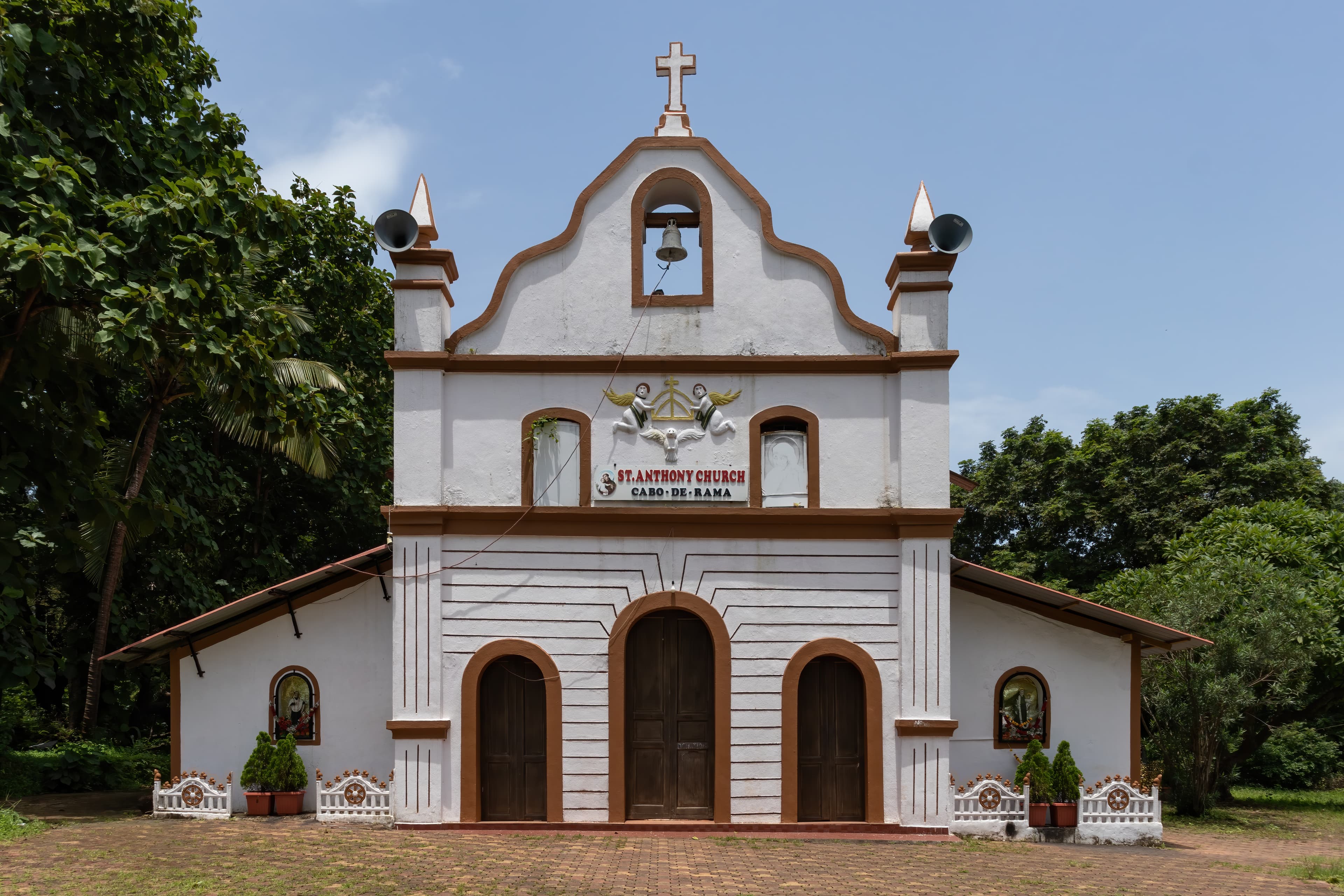
Cabo de Rama Fort Canacona
Nestled in Goa, Cabo de Rama Fort, erected around 1350 CE by the Sundara Pandya Dynasty ([1][2]), embodies a unique Indo-Portuguese architectural synthesis. This coastal fortification, unlike its more embellished inland counterparts, prioritizes strategic strength, evident in its commanding views of the Arabian Sea. The fort's construction employs laterite stone, basalt, and lime mortar ([3]), materials chosen for their durability in the coastal climate. Initially conceived with Indian architectural principles, the fort saw subsequent modifications under Portuguese rule. The remnants of barracks and a chapel ([4]) stand as testaments to this colonial influence, creating a compelling juxtaposition with the fort's earlier Indian origins. Local legends even suggest links to the epic Ramayana ([5]), adding another layer to its rich history. Such narratives often intertwine with ancient sites, reflecting the deep cultural roots embedded within the land. Strategically positioned bastions showcase sophisticated military architecture, crucial for coastal defense. Even the weathered church of Santo Antonio contributes to the site's multi-layered historical narrative. Cabo de Rama stands as a confluence of cultures and eras, seamlessly blending ancient Indian traditions with Portuguese colonialism to forge a unique architectural identity ([3][4]). This fusion exemplifies the diverse expressions of power and resilience that have shaped India's architectural landscape, leaving behind a legacy etched in stone and legend. This blend reflects the diverse expressions of power and resilience across India.
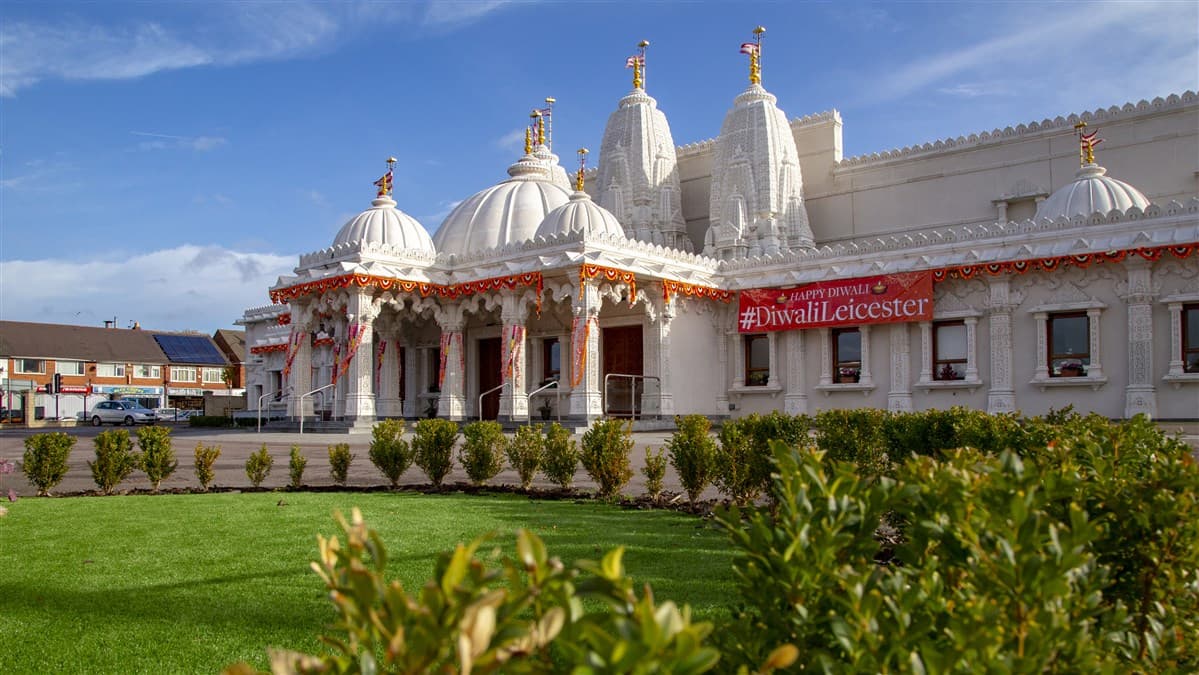
Shree Swaminarayan Mandir Leicester
Shree Swaminarayan Mandir Leicester opened in August 1977 as Europe’s first Swaminarayan temple and now occupies an expanded campus serving nearly 10,000 devotees across the East Midlands with daily arti, Gujarati and English satsang, youth programmes, and community clinics ([1][2]). The mandir operates 7:00 AM-12:00 PM and 4:00 PM-9:00 PM with arti at 11:30 AM and 7:00 PM; volunteer mandir sevaks manage biometric check-in, shoe storage, and queue systems that route visitors through the marble-clad sabha hall toward the sanctum of Ghanshyam Maharaj. Adjoining buildings include the Shikharbandh Mandir, a 2011 timber-and-glass Haveli for receptions and cultural teaching, and the Purushottam Bhavan community centre with classrooms, fitness studios, and the Annapurna kitchen providing subsidised prasad, Food for All hampers, and regional charity cooking ([1][3]). Leicester’s NHS partners operate wellbeing clinics onsite, while the temple’s legal and careers clinics support migrants and students. Broadcast studios stream daily darshan, kirtan, and Shikshapatri discourses worldwide, and Gurukul teachers run language, tabla, and kathak classes. Event control offices coordinate large-scale processions such as Rath Yatra and the Diwali Mela on Belgrave Road, deploying hundreds of volunteers for stewarding, medical support, and waste management, ensuring the sabha hall doubles as civic shelter and distribution centre when the city activates resilience plans ([1][4]).
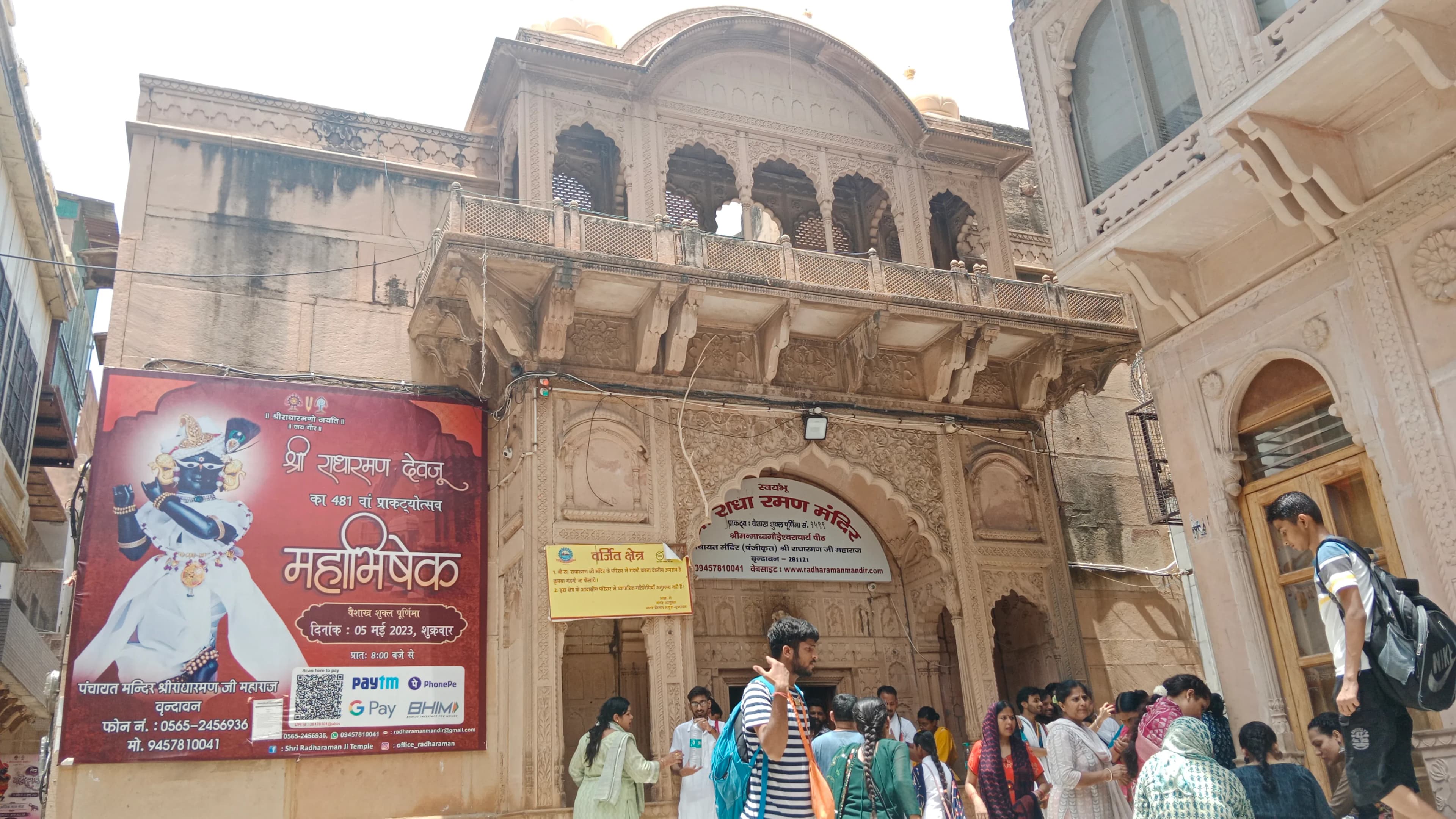
Radha Raman Temple Vrindavan
The Radha Raman Temple, located on Radha Raman Marg in Vrindavan, Mathura, Uttar Pradesh, India, stands as a profound testament to India's millennia-spanning cultural heritage and its continuous tradition of devotional architecture [1] [5]. Dedicated to Krishna, worshipped as Radha Ramana, this sacred site embodies the deep historical roots and enduring legacy of Indian civilization [1] [5]. The temple's architecture is a harmonious blend of indigenous Braj, Nagara, and Hindu Temple styles, with notable Indo-Mughal influences, reflecting the layered cultural exchanges that have shaped the region over centuries [2] [5]. The temple's main shrine, though described as relatively intimate, is crowned with a distinctive *shikhara*, a towering spire characteristic of the Nagara style, which dominates the skyline of Vrindavan [2] [5]. The exterior facade, primarily constructed from red sandstone, is intricately carved with a rich array of floral motifs, geometric patterns, and depictions of divine figures [2] [5]. These carvings, despite the passage of centuries, retain remarkable sharpness, showcasing the exceptional skill of the artisans [2] [5]. Latticework screens, known as *jalis*, are a prominent feature, allowing filtered light into the inner sanctum while maintaining a sense of sacred seclusion [2]. The interplay of light and shadow created by these *jalis* adds to the visual richness and spiritual ambiance of the space [2]. The construction technique primarily employs the *trabeate* style, where carved stone beams and columns are meticulously placed without mortar, a testament to ancient Indian engineering prowess [2]. This dry-stone assembly necessitates incredibly precise cutting and fitting of the red sandstone blocks, likely achieved through traditional measuring tools and techniques passed down through generations [2]. The intricate carvings were often executed *in-situ* after the structural assembly, minimizing stress and allowing for refined ornamentation [2]. Within the sanctum sanctorum, the presiding deity, Radha Raman, is a self-manifested form of Lord Krishna, uniquely depicted without a separate idol of Radha beside him, signifying his self-complete embodiment of both divine energies [1] [2] [5]. Instead, a crown is placed beside Krishna, symbolizing Radha's presence . The deity, carved from a *shaligram shila* (a black fossilized ammonite sacred to Vishnu), is adorned with vibrant jewels and silks, radiating an aura of serenity and grace [1] [2] [5]. The original *shaligram shila* from which the deity manifested is still visible on his back . The altar is crafted from sandalwood and flanked by richly carved silver pillars, with a canopy of silver and gold . The temple complex also houses the *samadhi* (tomb) of Gopal Bhatt Goswami, the temple's founder, where the rarely available *Unag vastra* (garment) of Sri Chaitanya Mahaprabhu is preserved [1] . The temple maintains an excellent preservation status, with ongoing conservation efforts focusing on structural stabilization, repair of intricate sandstone carvings, and fresco restoration [2]. Traditional lime mortar is utilized for authenticity in restoration work, and drainage issues are addressed to prevent water damage [2]. While no formal archaeological excavations have been conducted at the temple itself, records indicate the deity's discovery during excavations for a nearby temple tank in the 16th century, around which the temple was subsequently built [2]. The temple is an active center of devotion, with daily *aarti* ceremonies, rhythmic chants, and devotional music filling the atmosphere [2] [5]. Major festivals such as Radha Raman's appearance day (Radha Raman Jayanti), Janmashtami, Ram Navami, Jhulan Yatra, and Annakut are celebrated with grandeur, drawing devotees globally [2] . The temple kitchen, where *prasad* (sanctified food) is prepared by male members of the Goswami families, has maintained a continuous fire for over 500 years, symbolizing an unbroken tradition of service [1] . The temple is wheelchair accessible in some areas, though the main sanctum may present challenges [2]. Modest dress is required, and photography is generally allowed, contributing to its operational readiness as a vibrant spiritual and cultural hub [2] [5].
Quick Links
Plan Your Heritage Journey
Get personalized recommendations and detailed visitor guides