Has Inheritage Foundation supported you today?
Your contribution helps preserve India's ancient temples, languages, and cultural heritage. Every rupee makes a difference.
Secure payment • Instant 80G certificate

Jwala Ji Temple Kangra
The air in Kangra Valley hummed with a palpable energy, a blend of crisp mountain air and the fervent devotion that permeated the atmosphere surrounding the Jwala Ji Temple. Nestled amidst the lower Himalayas, this ancient shrine dedicated to the Goddess Jwala Mukhi, the manifestation of eternal flame, is unlike any other I’ve encountered in my journey across India's UNESCO sites. There are no idols here, no sculpted deities. The object of veneration is the nine eternal flames that flicker from fissures in the rock, believed to be manifestations of the Goddess herself. The temple complex, while not sprawling, possesses a distinct charm. The dominant architectural style is Dogra, with intricate carvings adorning the silver-plated doors, a gift from the Maharaja Ranjit Singh, and the ornate mandap, the main prayer hall. Multi-tiered sloping roofs, typical of the region, rise above the structure, adding to its visual appeal. The courtyard, bustling with pilgrims, resonates with the rhythmic clang of bells and the chanting of mantras. The scent of incense hangs heavy in the air, a fragrant tapestry woven with the hopes and prayers of the devotees. My first encounter with the flames was a moment etched in memory. Housed within small depressions in the rock, they dance and flicker with an almost hypnotic quality. Each flame has a name – Mahakali, Annapurna, Chandi, Hinglaj, Vidhya Basni, Sarvamangala, Ambika, Anjana, and Maha Lakshmi – each representing a different aspect of the divine feminine. The flames are fueled by natural gas seeping from the earth, a geological phenomenon that adds to the mystique and reverence surrounding the site. The absence of any discernible fuel source only amplifies the belief in their divine origin. What struck me most was the palpable faith of the pilgrims. Their faces, etched with devotion, reflected a deep connection to the Goddess. From hushed whispers to fervent prayers, the atmosphere was charged with spiritual energy. I witnessed people from all walks of life, from the elderly leaning on canes to young children clinging to their parents, offering their prayers and seeking blessings. The temple serves as a powerful reminder of the enduring power of faith, a testament to the human need to connect with something larger than oneself. Beyond the main shrine, the temple complex houses several smaller shrines dedicated to other deities. I spent some time exploring these, observing the intricate details of their architecture and the unique rituals associated with each. The surrounding landscape, with its verdant hills and snow-capped peaks in the distance, added to the serene ambiance. The panoramic view from the temple courtyard is breathtaking, offering a glimpse into the natural beauty that cradles this sacred site. One of the most intriguing aspects of Jwala Ji Temple is its history, shrouded in legends and folklore. Accounts of its origins vary, with some tracing it back to the Mahabharata, while others attribute its discovery to the Mughal Emperor Akbar. The temple has witnessed the rise and fall of empires, withstanding the test of time and continuing to serve as a beacon of faith for millions. This historical depth adds another layer to the experience, making it not just a visit to a temple, but a journey through time. As I descended from the temple, the chants and the scent of incense gradually faded, but the memory of the dancing flames and the palpable devotion remained. Jwala Ji Temple is more than just a UNESCO World Heritage Site; it's a living testament to the power of faith, a place where the divine and the earthly converge, leaving an indelible mark on the soul of every visitor. It's a place I won't soon forget, a highlight of my exploration of India's rich and diverse heritage.
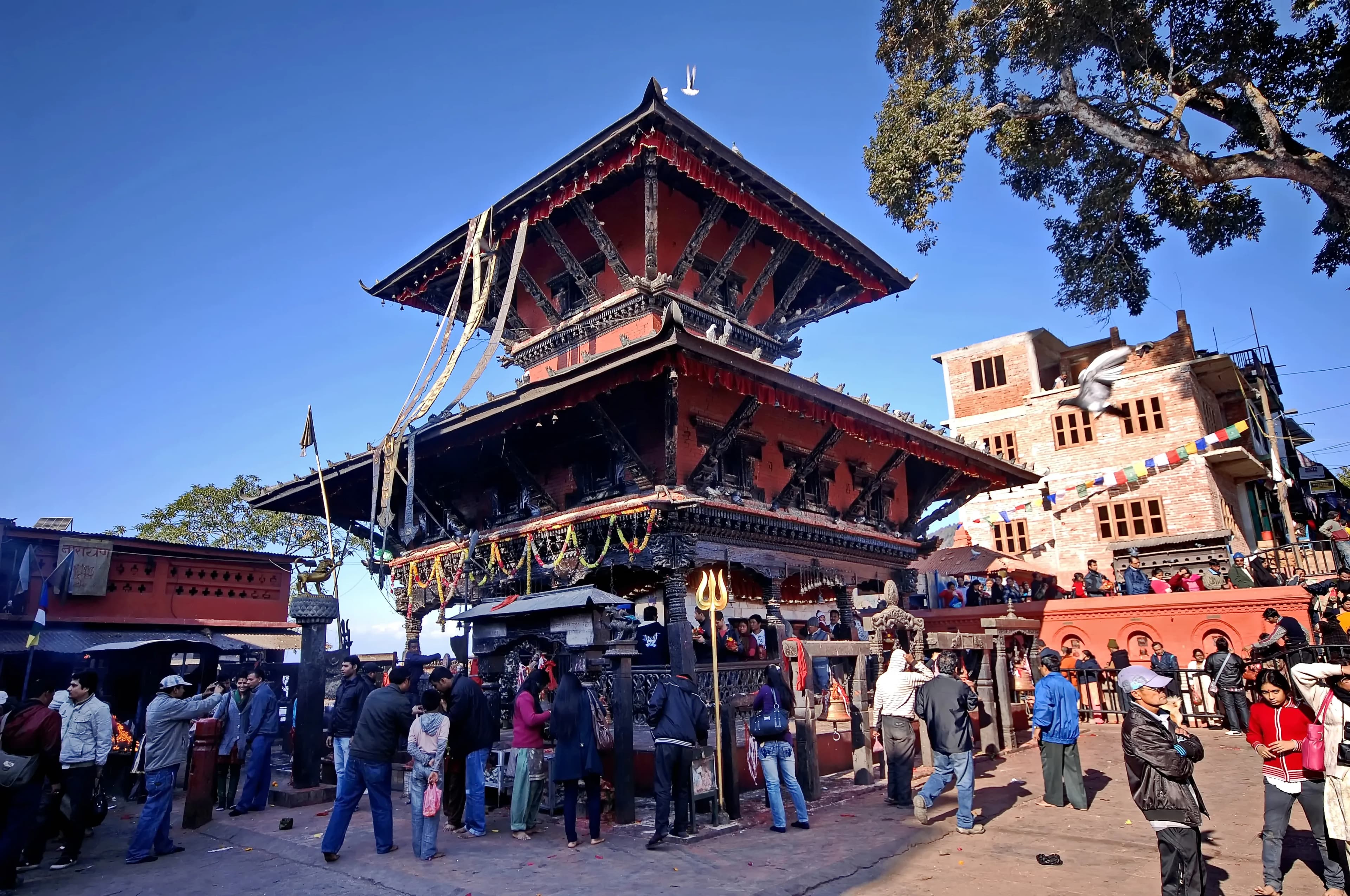
Gorkha Durga Temple Shillong
The crisp Shillong air, tinged with the scent of pine, carried a faint echo of drums as I approached the Gorkha Durga Temple. Nestled amidst the undulating hills, the temple, painted a vibrant shade of saffron, presented a striking contrast against the verdant backdrop. It wasn't the towering grandeur of some of the ancient temples I've documented that captivated me, but rather its unique blend of Nepali and indigenous Khasi influences, a testament to the cultural confluence of this region. The temple's two-tiered structure, reminiscent of traditional Nepali pagoda architecture, immediately caught my eye. The sloping roofs, adorned with intricate wooden carvings, cascaded downwards, culminating in ornate finials. Unlike the elaborate stonework I'm accustomed to seeing in temples across India, here, wood was the primary medium. The richly carved panels depicting scenes from Hindu mythology, particularly those of Durga in her various forms, showcased a distinct artistic style. The figures, though stylized, possessed a dynamic energy, their expressions vividly conveying stories of power and devotion. As I ascended the steps leading to the main sanctum, I noticed the subtle integration of Khasi elements. The use of locally sourced stone for the foundation and the steps, and the incorporation of motifs inspired by Khasi traditional patterns into the woodwork, spoke volumes about the cultural exchange that shaped this sacred space. It wasn't merely a transplantation of Nepali architecture but a conscious adaptation, a harmonious blending of two distinct artistic traditions. Inside the sanctum, the atmosphere was charged with a palpable sense of reverence. The deity, Durga, was represented in her Mahishasuramardini avatar, the slayer of the buffalo demon. The idol, though smaller than those found in grander temples, radiated an aura of strength and tranquility. The rhythmic chanting of mantras by the priest, punctuated by the clang of bells, created an immersive spiritual experience. What struck me most was the temple's intimate scale. Unlike the sprawling complexes I've encountered elsewhere, the Gorkha Durga Temple felt personal, almost like a community shrine. The courtyard, though modest in size, was meticulously maintained, with colourful prayer flags fluttering in the breeze, adding a touch of vibrancy to the serene setting. I observed devotees, both Nepali and Khasi, offering prayers, their faces reflecting a shared sense of devotion, a testament to the unifying power of faith. The temple's location itself added another layer of significance. Perched atop a hill, it offered panoramic views of the surrounding landscape. The rolling hills, dotted with pine trees, stretched out as far as the eye could see, creating a sense of tranquility and connection with nature. It was easy to see why this spot was chosen as a sacred site. The natural beauty of the surroundings seemed to amplify the spiritual energy of the temple, creating a space where the earthly and the divine converged. My visit to the Gorkha Durga Temple was more than just an architectural exploration; it was a cultural immersion. It offered a glimpse into the complex tapestry of traditions that make up the social fabric of Meghalaya. The temple stands as a powerful symbol of cultural exchange, a testament to the ability of different communities to not only coexist but to create something beautiful and unique through their interactions. It is a reminder that architecture can be more than just bricks and mortar; it can be a living embodiment of shared history, faith, and artistic expression.
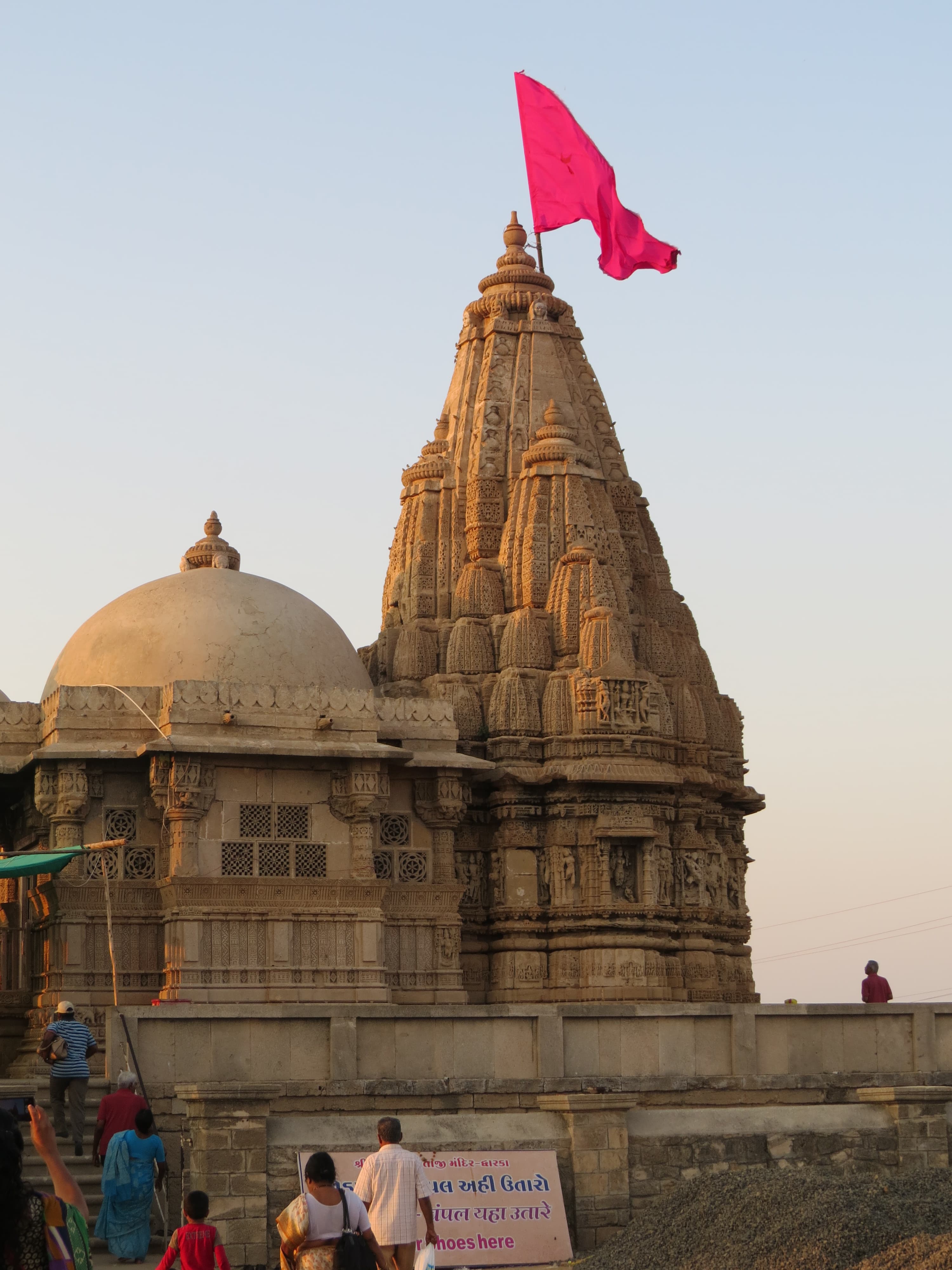
Rukmini Temple Dwarka
The sun beat down on the ochre sandstone of Rukmini Temple, its intricate carvings shimmering in the harsh Gujarat light. Located a short, dusty auto-rickshaw ride from the bustling heart of Dwarka, this 12th-century temple, dedicated to Krishna's consort, Rukmini, exudes a quiet serenity that contrasts sharply with the vibrant energy of its more famous neighbour, the Dwarkadhish Temple. Having visited every UNESCO site in India, I can confidently say that Rukmini Temple holds a unique charm, a subtle beauty that whispers stories of devotion and history. The first thing that struck me was the temple's relative isolation. Surrounded by dry, scrubby landscape, it stands as a solitary sentinel, its shikhara reaching towards the heavens. This isolation, however, only amplifies its presence. The exterior walls are a riot of sculpted figures – deities, celestial musicians, dancers, and intricate geometric patterns. The craftsmanship is breathtaking. I spent a good hour simply circumambulating the temple, tracing the narratives etched in stone, marveling at the skill of the artisans who, centuries ago, breathed life into these inanimate blocks. The main entrance is guarded by imposing sculpted dwarapalas, their stern expressions softened by the passage of time. Stepping inside, the atmosphere shifts. The air cools, the sounds of the outside world fade, and a sense of tranquility descends. The inner sanctum houses the deity of Rukmini, adorned with vibrant silks and garlands. Unlike the Dwarkadhish Temple, the atmosphere here is more intimate, less frenetic. I sat quietly for a while, observing the devotees, their faces etched with devotion, their whispered prayers filling the air. The temple's architecture is a fascinating blend of the Maru-Gurjara style, prevalent in Gujarat and Rajasthan. The shikhara, though not as towering as some of the temples I’ve seen in other parts of India, is beautifully proportioned, its intricate carvings drawing the eye upwards. The mandapa, or pillared hall, is supported by intricately carved pillars, each one a testament to the artistic prowess of the era. I noticed several depictions of Krishna and Rukmini, their stories immortalized in stone. One panel, particularly well-preserved, depicted their wedding procession, the figures full of movement and life. Local legend explains the temple's distance from the main Dwarkadhish Temple. The story goes that sage Durvasa, known for his fiery temper, cursed Rukmini to be separated from Krishna. Whether myth or reality, this separation adds to the temple's mystique. It stands as a testament to Rukmini's own strength and devotion, a place where her presence is felt independently of Krishna's. As I left the temple, the late afternoon sun casting long shadows across the landscape, I couldn't help but feel a sense of connection to the past. Rukmini Temple is not just a collection of stones and carvings; it's a living testament to a rich cultural heritage. It’s a place where history whispers, where devotion takes centre stage, and where the artistry of a bygone era continues to inspire awe. While it might often be overshadowed by its more famous neighbour, Rukmini Temple offers a unique and deeply rewarding experience for those willing to seek it out. It stands as a quiet reminder of the power of faith, the beauty of art, and the enduring legacy of India's rich past. My journey through India’s UNESCO sites has taken me to grand palaces and bustling cities, but it’s in these quieter, less-trodden corners, like Rukmini Temple, that I truly feel the pulse of India's vibrant heritage.
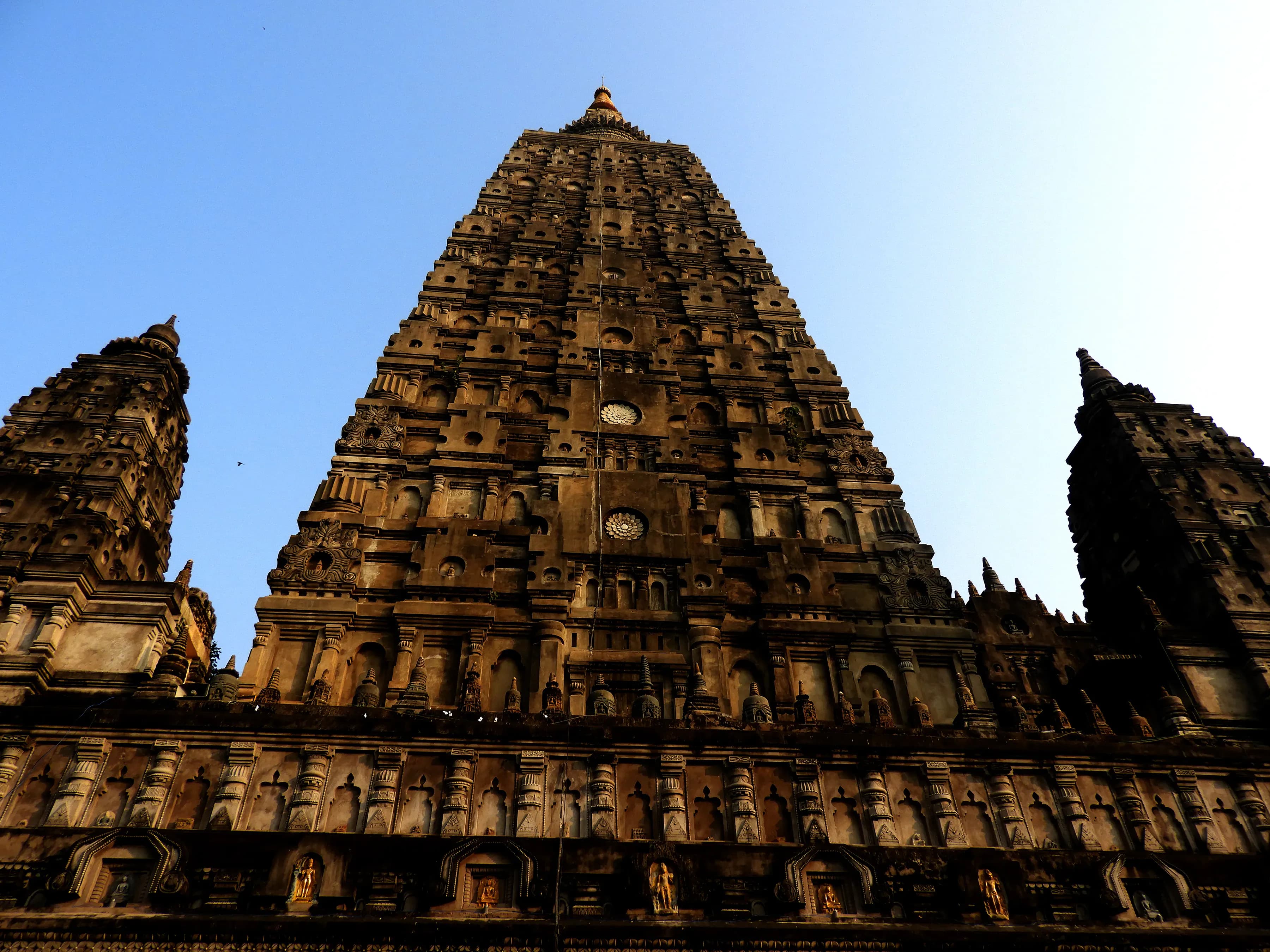
Mahabodhi Temple Bodh Gaya
The midday sun beat down on my shoulders, but the shade of the Bodhi tree offered a welcome respite. I sat there, much like countless pilgrims before me, gazing up at the Mahabodhi Temple, its towering pyramidal spire a beacon against the brilliant blue sky. As a Rajasthani journalist accustomed to the sandstone hues and intricate carvings of our forts and palaces, the Mahabodhi Temple presented a striking contrast – a different narrative etched in stone and brick. The sheer scale of the structure is breathtaking. Rising to a height of 55 meters, the main tower is surrounded by four smaller, similarly shaped towers, creating a harmonious, ascending rhythm. The temple’s architecture, distinct from the Rajputana style I’m familiar with, speaks volumes about the historical and cultural exchange that has shaped this region. The shikhara, the pyramidal tower, is a classic feature of North Indian temple architecture, yet here at Bodh Gaya, it takes on a unique character. The brickwork, weathered by centuries of sun and monsoon, lends a sense of antiquity, a palpable connection to the past. Intricate carvings of various deities, celestial beings, and floral motifs adorn the facade, a testament to the skilled craftsmanship of the era. I walked around the temple complex, my fingers tracing the worn stones of the circumambulation path. The air hummed with a quiet energy, a blend of devotion and serenity. Pilgrims from across the globe chanted softly, their faces etched with reverence. I observed the distinct architectural elements – the railings surrounding the main temple, crafted from intricately carved stone, a blend of the older Gupta period style and later additions. These railings, I learned, are among the earliest surviving examples of their kind in India, offering a glimpse into the evolution of Buddhist art and architecture. The Vajrasana, the diamond throne, located at the foot of the Bodhi tree, marks the spot where Siddhartha Gautama is said to have attained enlightenment. The very ground beneath my feet felt charged with history. I noticed the red sandstone slabs surrounding the Vajrasana, a stark contrast to the grey stone of the temple itself, perhaps a later addition or a deliberate choice to highlight the sacred spot. Inside the main sanctum, a colossal gilded statue of the Buddha sits in meditation, radiating an aura of tranquility. The dimly lit chamber, filled with the scent of incense and the murmur of prayers, fostered a sense of introspection. The walls, though bare now, once bore vibrant frescoes, fragments of which can still be seen, hinting at the temple’s former glory. Beyond the main temple, the complex houses several smaller shrines, votive stupas, and meditation platforms. I spent some time exploring these, each structure whispering tales of devotion and spiritual seeking. The variety of architectural styles within the complex reflects the centuries of patronage and renovation the temple has undergone, a testament to its enduring significance. As I left the Mahabodhi Temple, the setting sun casting long shadows across the complex, I carried with me not just images of its architectural grandeur, but a deeper understanding of its spiritual resonance. It was a journey from the familiar landscapes of Rajasthan to the heart of Buddhism, a journey that highlighted the rich tapestry of India’s cultural heritage. The Mahabodhi Temple stands not just as a monument of brick and stone, but as a living testament to the enduring power of faith and the pursuit of enlightenment.
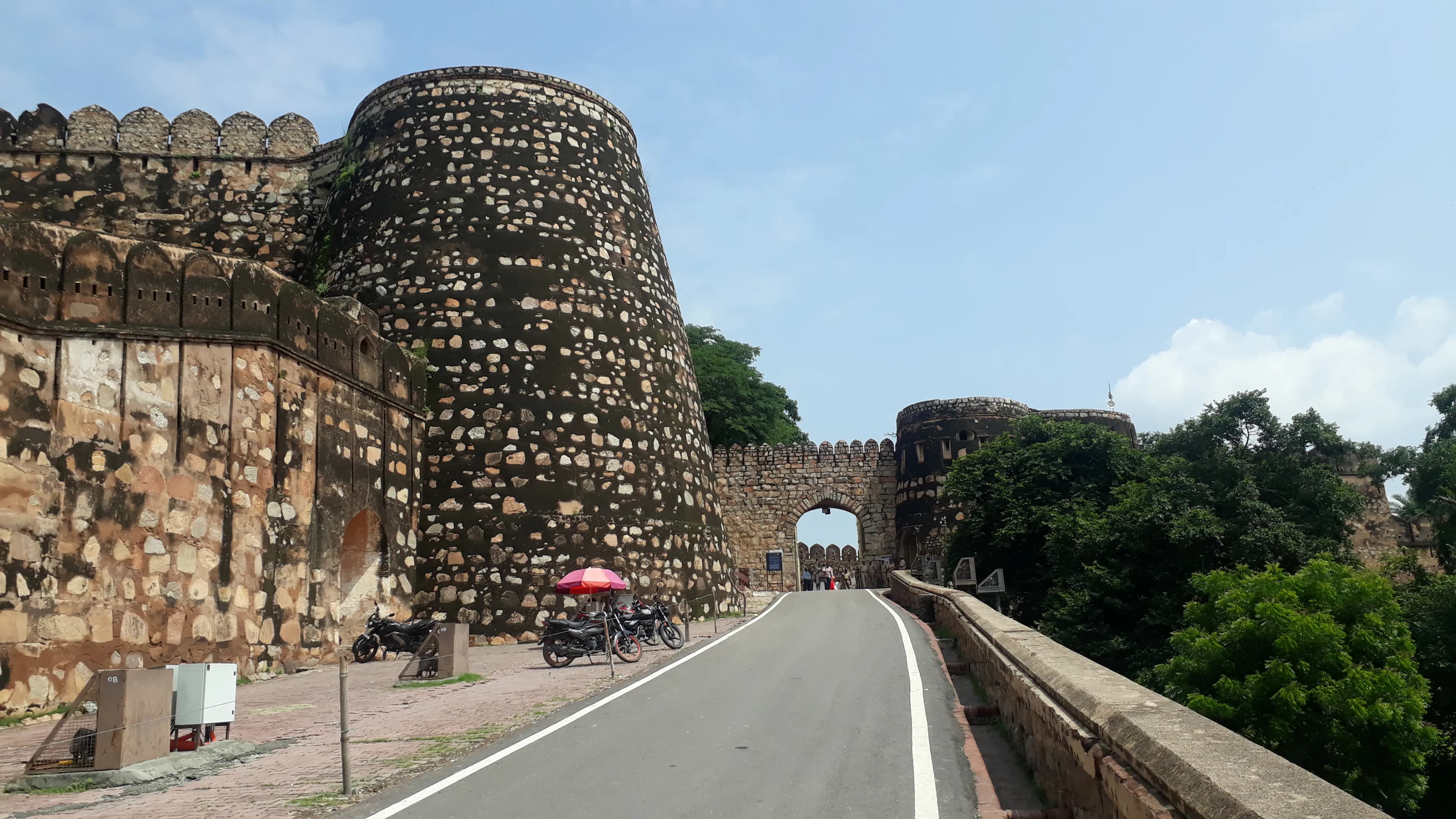
Jhansi Fort Jhansi
The imposing sandstone ramparts of Jhansi Fort, rising dramatically from the Bundelkhand plains, seemed to hum with untold stories. Having explored countless caves and temples back home in Maharashtra, I’ve developed a keen eye for historical resonance, and this fort, even from a distance, vibrated with a palpable energy. The scorching Uttar Pradesh sun beat down as I approached the main gate, the very same gateway Rani Lakshmibai, the iconic warrior queen, is said to have charged through on horseback, her infant son strapped to her back. Entering through the Karak Bijli Toop (Lightning Cannon) gate, I was immediately struck by the fort's sheer scale. The walls, averaging 20 feet thick and rising to a height of 100 feet in places, enclosed a vast expanse. Unlike the basalt structures I’m accustomed to in Maharashtra, the reddish-brown sandstone gave the fort a distinct, almost earthy feel. The walls, though scarred by cannon fire and the ravages of time, held an undeniable strength, a testament to the fort's enduring resilience. My exploration began with the Ganesh Mandir, nestled within the fort's complex. The small, unassuming temple, dedicated to Lord Ganesha, offered a moment of quiet contemplation amidst the fort's martial history. The intricate carvings on the temple door, though weathered, spoke of a time of artistic flourishing within these walls. From there, I moved towards the Rani Mahal, the queen's palace. This was where the personal became intertwined with the historical. The palace, though now a museum, still echoed with the whispers of Rani Lakshmibai's life. The delicate murals depicting scenes of courtly life and nature, now faded but still visible, offered a glimpse into the queen's world, a world far removed from the battlefield. I paused in the courtyard, imagining the queen strategizing with her advisors, her spirit as fiery as the Bundelkhand sun. The panoramic view from the top of the fort was breathtaking. The sprawling city of Jhansi stretched out below, a tapestry of old and new. I could see the very path the queen took during her daring escape, a path etched not just in history books, but in the very landscape itself. It was here, looking out at the vastness, that the weight of history truly settled upon me. The fort’s architecture revealed a blend of influences. While predominantly exhibiting Hindu architectural styles, certain elements, like the strategically placed bastions and the use of cannons, hinted at the later Maratha influence. The Kadak Bijli cannon itself, a massive piece of artillery, stood as a silent witness to the fierce battles fought here during the 1857 uprising. The museum within the Rani Mahal housed a collection of artifacts from that era – swords, shields, and even some personal belongings of the queen. While these objects were fascinating in their own right, they also served as poignant reminders of the human cost of conflict. As I descended from the ramparts, leaving the fort behind, I couldn't shake the feeling that I had walked through a living testament to courage and resilience. Jhansi Fort is more than just stones and mortar; it’s a repository of stories, a symbol of resistance, and a powerful reminder of a queen who dared to defy an empire. It is a place where history isn't just read, it's felt. And for a history enthusiast like myself, that's the most rewarding experience of all.
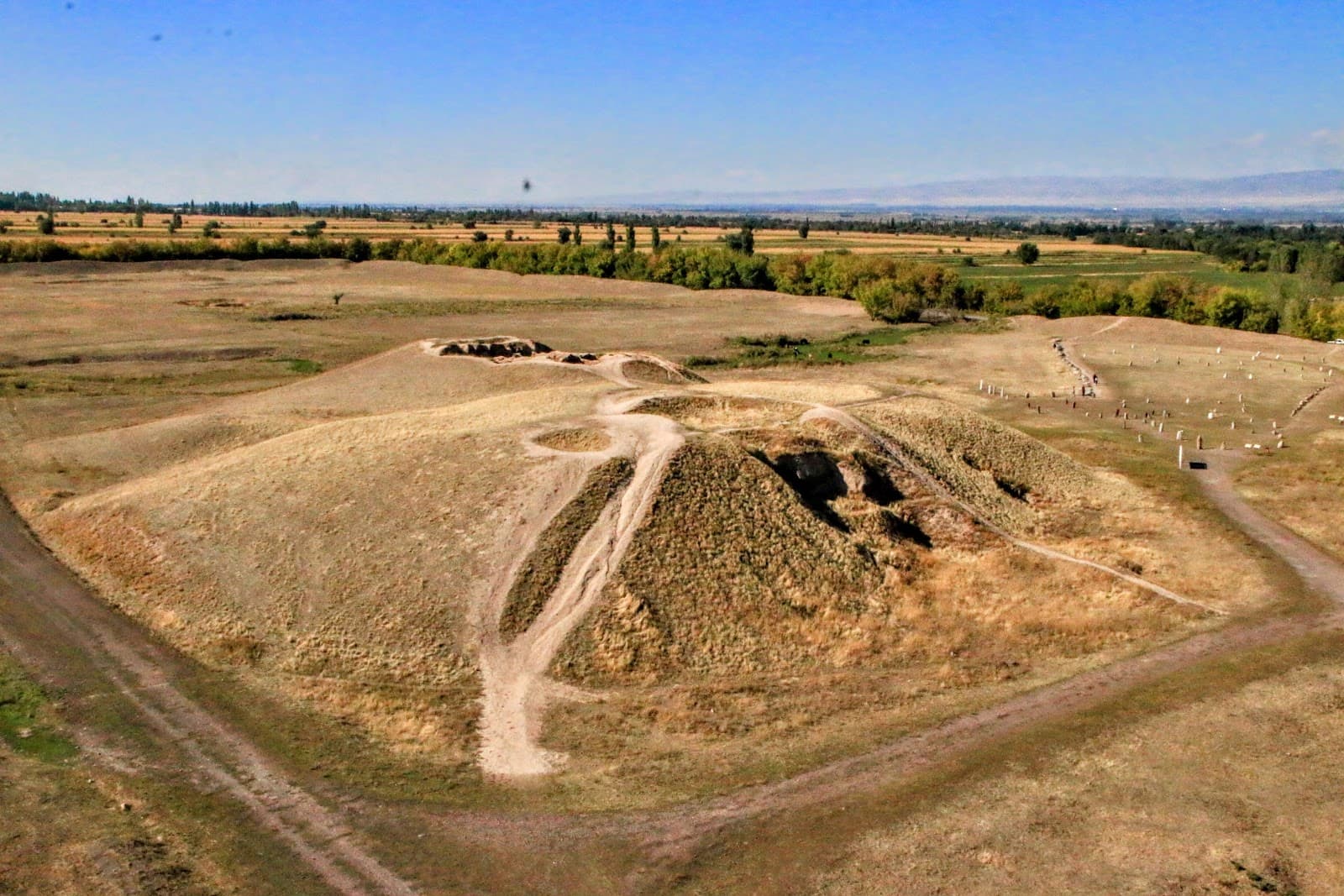
Nevaket Krasnaya Rechka Buddhist Temple Chui Valley Kyrgyzstan
Nevaket, dramatically situated near the modern village of Krasnaya Rechka in the fertile Chui Valley of northern Kyrgyzstan, represents one of the most extraordinary and archaeologically significant Buddhist temple complexes in Central Asia, dating from the 6th through 12th centuries CE and serving as a major cosmopolitan center along the Silk Road where Indian Buddhist traditions, Zoroastrian practices, Eastern Christian communities, and Manichean teachings flourished side by side, creating a powerful testament to the profound transmission of Indian Buddhist civilization to Central Asia during the early medieval period. The site, featuring sophisticated Buddhist temple structures including the remarkable discovery of an 8-meter-long reclining Buddha statue, monastic complexes, and ritual spaces that demonstrate clear connections to the architectural traditions of ancient India, particularly the sophisticated temple planning principles and monumental sculpture traditions that were transmitted from the great Buddhist centers of northern India, demonstrates the direct transmission of Indian Buddhist architectural knowledge, religious iconography, and cultural concepts from the great monastic universities of ancient India, particularly Nalanda and Taxila, which systematically transmitted Buddhist teachings and architectural traditions to Central Asia through the extensive trade and pilgrimage networks that connected India with Central Asia, while the site's most remarkable feature is its extensive Buddhist monastic complex including multiple temple structures, the extraordinary reclining Buddha statue that demonstrates remarkable parallels with Indian Buddhist sculpture traditions, particularly the Mahaparinirvana iconography that was central to Indian Buddhist art, and architectural elements that demonstrate remarkable parallels with Indian Buddhist temple architecture. The temple structures' architectural layout, with their sophisticated planning, central Buddha images surrounded by monastic cells, ritual chambers, and ceremonial spaces, follows planning principles that demonstrate remarkable parallels with Indian Buddhist monastery planning principles, particularly the vihara and chaitya hall traditions that were central to Indian Buddhist architecture, while the site's extensive archaeological remains including Buddhist sculptures with clear Indian stylistic influences, golden burial masks, and architectural elements demonstrate the sophisticated synthesis of Indian Buddhist iconography and cosmological concepts with local Central Asian aesthetic sensibilities and building materials. Archaeological evidence reveals that the site served as a major center of Buddhist learning and religious activity during the 6th through 12th centuries, attracting monks, traders, and pilgrims from across Central Asia, South Asia, and East Asia, while the discovery of numerous artifacts including the extraordinary reclining Buddha statue, Buddhist sculptures with clear Indian stylistic influences, inscriptions in Sanskrit and Prakrit languages, and architectural elements that reflect Indian Buddhist cosmological concepts provides crucial evidence of the site's role in the transmission of Indian Buddhist traditions to Central Asia, demonstrating the sophisticated understanding of Indian Buddhist architecture and religious practices possessed by the site's patrons and monastic establishment. The site's association with the ancient city of Nevaket, which flourished as a major trading center along the Silk Road with diverse religious communities including Buddhists, Zoroastrians, Eastern Christians, and Manicheans, demonstrates the sophisticated understanding of Indian Buddhist traditions that were transmitted to Central Asia, while the site's Buddhist temple structures and monumental sculptures demonstrate remarkable parallels with Indian Buddhist temple architecture and sculpture traditions that were central to ancient Indian civilization. The site has been the subject of extensive archaeological research since the 1950s, with ongoing excavations continuing to reveal new insights into the site's sophisticated architecture, religious practices, and its role in the transmission of Indian Buddhist traditions to Central Asia, while the site's status as part of the broader Silk Road cultural complex demonstrates its significance as a major center for the transmission of Indian Buddhist and cultural traditions to Central Asia. Today, Nevaket stands as one of the most important Buddhist archaeological sites in Central Asia, serving as a powerful testament to the transmission of Indian Buddhist civilization to Central Asia, while ongoing archaeological research and conservation efforts continue to protect and study this extraordinary cultural treasure that demonstrates the profound impact of Indian civilization on Central Asian religious and cultural development. ([1][2])
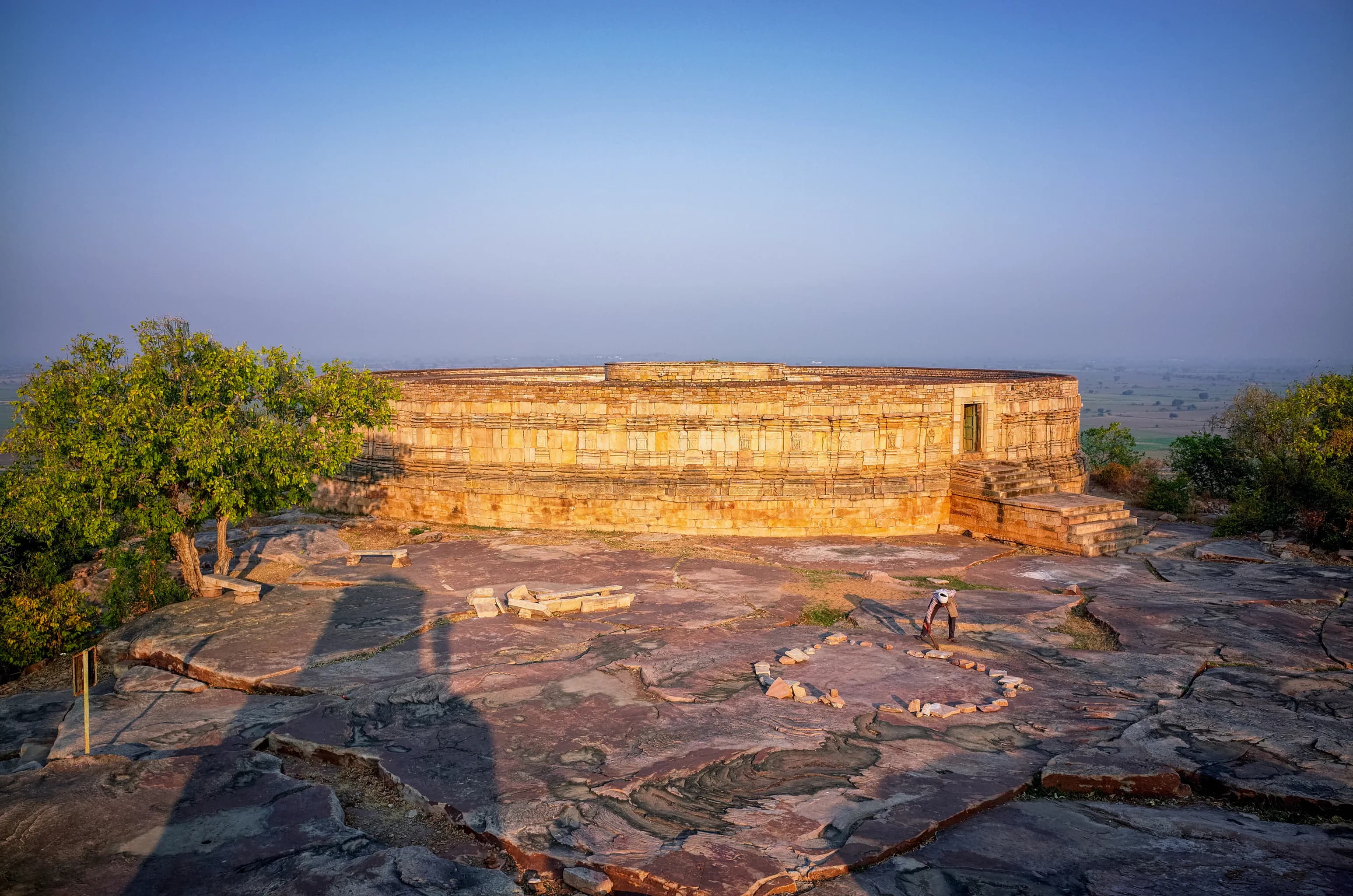
Chausath Yogini Temple Morena
Nestled atop a hill in Mitaoli, Morena, the Chausath Yogini Temple presents a striking departure from traditional Indian temple architecture ([1]). During the Gurjara-Pratihara period, around 850 CE, the Kachchhapaghata Dynasty constructed this unique circular temple ([2][3]). Sandstone and granite blocks form an open-air circular platform, marking a deviation from conventional square temple layouts ([4]). Sixty-four chambers once housed Yogini statues, reflecting traditions linked to tantric practices ([5]). Ascending to the temple, the absence of mortar in the stone construction highlights the precision of ancient craftsmanship ([1]). Stone platforms and foundations display sophisticated engineering techniques prevalent in that era ([4]). Vedic astronomical principles are believed to have influenced the temple's circular design, mirroring cosmic cycles ([3]). The central shrine, now partially ruined, was likely dedicated to Lord Shiva ([2]). Intricate carvings, though weathered, still adorn the pillars, hinting at the temple's rich iconography ([1]). Vastu Shastra principles, the ancient Indian science of architecture, may have guided the layout, emphasizing harmony with nature ([3]). Kachchhapaghata Dynasty patronage underscores the temple's historical significance ([2][3]). This temple's circular plan is a rare example of Hindu temple design, differing from the common square or rectangular layouts detailed in texts like the *Manasara Shilpa Shastra* ([4]). The open mandapa (pillared hall) further distinguishes it from typical closed-hall temples. The panoramic view from the temple enhances its spiritual ambiance, offering a commanding perspective of the surrounding landscape ([2]). This architectural marvel stands as a significant emblem of ancient Indian artistry ([4]).
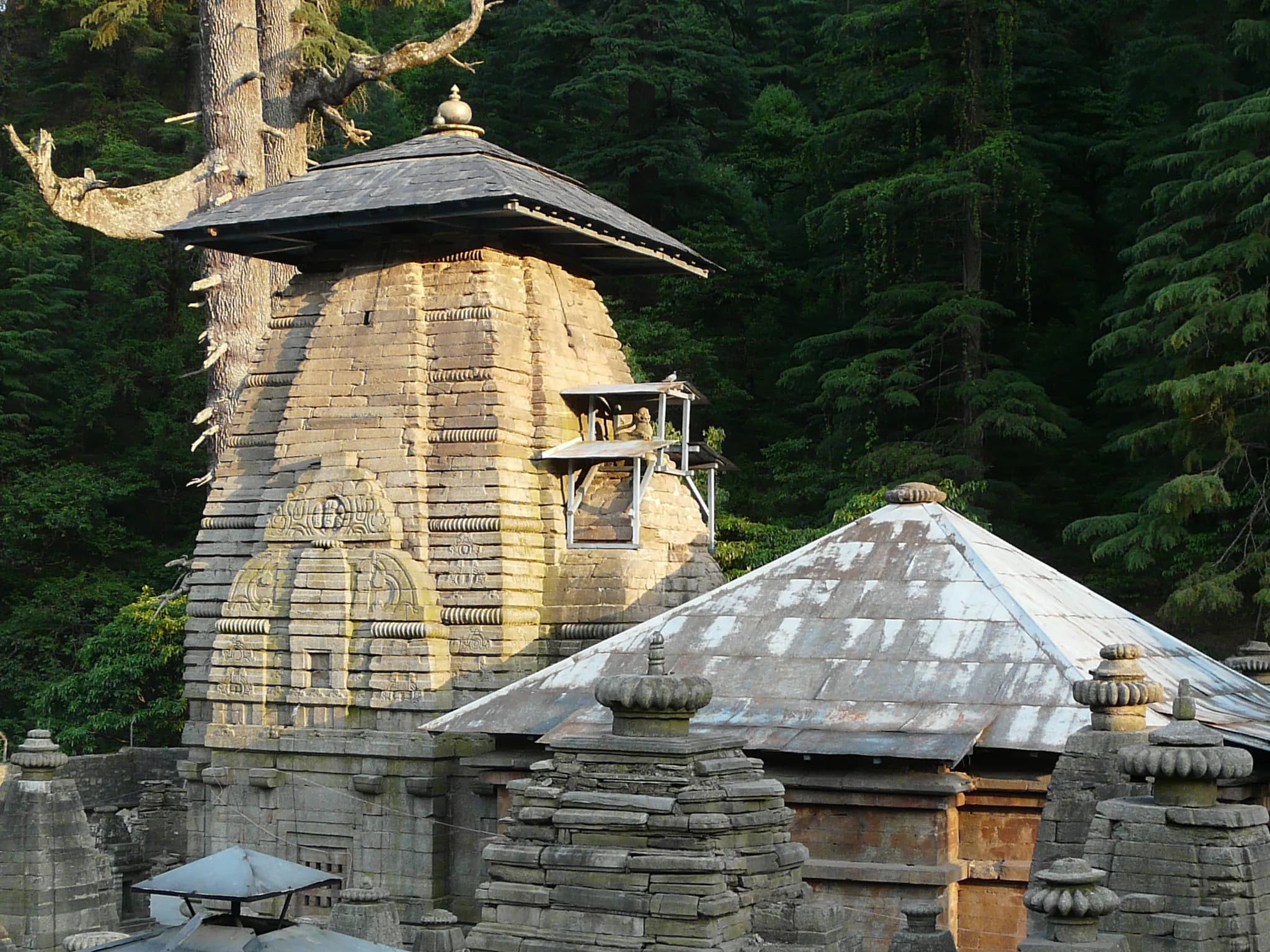
Jageshwar Temples Almora
The crisp mountain air of Uttarakhand carried the scent of pine and something older, something sacred. I stood at the entrance to the Jageshwar temple complex, a sprawling tapestry of over 124 stone temples nestled within a deodar forest. It wasn't simply a collection of structures; it felt like stepping into a living, breathing organism that had evolved organically over centuries. The Jageshwar group isn't a planned, symmetrical layout like Khajuraho or Modhera; it's a cluster, a family of shrines that have grown around each other, whispering stories of devotion and architectural ingenuity. My initial impression was one of subdued grandeur. Unlike the towering, imposing structures of South India, these temples were more intimate, their grey stone surfaces softened by moss and lichen. The majority of the temples belong to the Nagara style of North Indian architecture, characterized by a curvilinear shikhara, the tower above the sanctum. However, the shikharas here possess a distinct local flavour. They are taller and more slender than those found in, say, Odisha, giving them an almost ethereal quality against the backdrop of the Himalayas. Several temples, particularly the larger ones dedicated to Jageshwar (Shiva) and Mrityunjaya, exhibit the classic tiered structure of the shikhara, with miniature replicas of the main tower adorning each level, diminishing in size as they ascend towards the finial. I spent hours wandering through the complex, tracing the weathered carvings on the doorways and pillars. The intricate detailing, though eroded by time and the elements, still spoke volumes of the skill of the artisans. Recurring motifs included stylized lotuses, geometric patterns, and depictions of divine figures – Shiva, Parvati, and Ganesha being the most prominent. One particular panel, on a smaller shrine dedicated to Nandi, caught my attention. It depicted a scene from Shiva's marriage to Parvati, the figures rendered with a surprising dynamism, their expressions almost palpable despite the wear and tear. The main Jageshwar temple, dedicated to the eponymous deity, is the largest and arguably the most impressive. Its towering shikhara dominates the skyline of the complex, drawing the eye upwards. Inside the sanctum, a lingam, the aniconic representation of Shiva, resides in a dimly lit chamber, imbued with a palpable sense of reverence. The air was thick with the scent of incense and the murmur of prayers, a testament to the fact that this is not merely an archaeological site but a living place of worship. What struck me most about Jageshwar was the sense of continuity. The architectural styles evident here span several centuries, from the early Gupta period to the later medieval era. You can trace the evolution of the Nagara style, observing the subtle changes in the shikhara design, the ornamentation, and the layout of the temples. This layering of history, this palpable connection to the past, is what sets Jageshwar apart. It's not a static museum piece; it's a dynamic testament to the enduring power of faith and the artistry of generations of builders. As the sun began to dip behind the mountains, casting long shadows across the complex, I felt a profound sense of peace. Jageshwar is more than just a collection of temples; it's a sanctuary, a place where the whispers of the past mingle with the prayers of the present. It's a place that reminds us of the enduring power of human creativity and the timeless search for the divine. And it's a place that I, as a student of ancient Indian architecture, will carry with me, etched in my memory, for years to come.
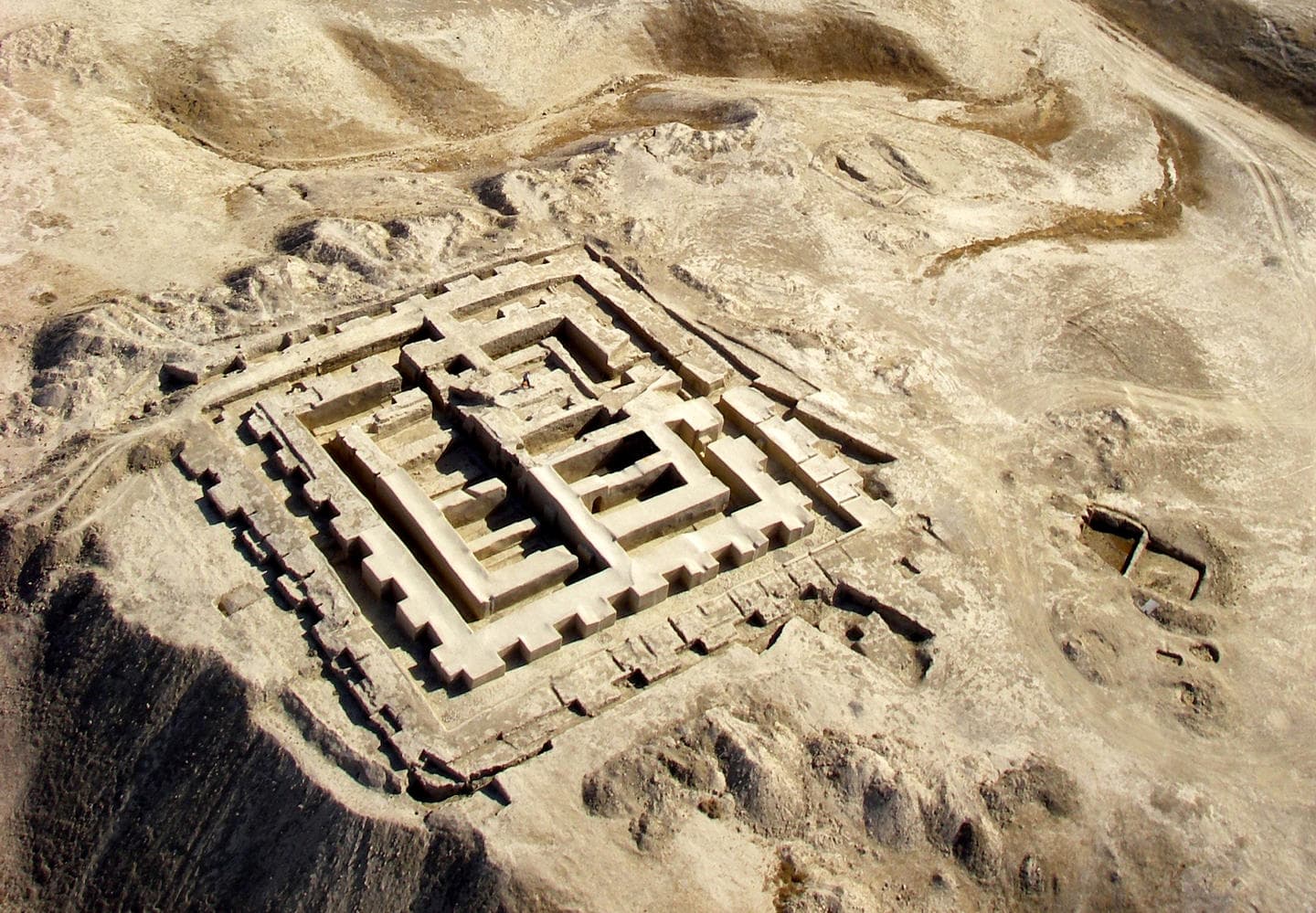
Yaz-Depe Ahal Turkmenistan
Yaz-Depe, an ancient monumental site located in the Ahal Region of Turkmenistan, stands as a profound testament to the millennia-spanning cultural heritage of the broader Indo-Iranian world, reflecting deep indigenous roots and continuous traditions that resonate with India's own ancient civilization. This Iron Age temple complex, dating back to approximately 500 BCE, embodies the Indo-Zoroastrian and Indian Religious architectural styles, showcasing a sophisticated blend of regional traditions and broader cultural influences [1] [4]. The site, a prominent feature of the Yaz culture, is characterized by its substantial brick platform mound, which rises to a height of 8 meters, supporting the remains of structures that once covered an area of approximately 1 hectare during its Iron Age phase [1]. The construction primarily utilized mud-brick, a prevalent material in ancient Central Asian architecture, laid in regular courses, indicative of advanced indigenous building techniques for the period [1] [3]. Architectural investigations at Yaz-Depe have revealed the presence of fortified structures, a common characteristic of settlements during the Yaz I period, which often served as central keeps for rural communities [1]. While specific dimensions for individual temple structures at Yaz-Depe are not extensively documented, comparative studies with other regional sites and general characteristics of Zoroastrian fire temples suggest a rectangular layout, often encircled by corridors and fortified external walls, as seen in contemporary structures like the fire temple at Topaz Gala Depe [3]. The absence of traditional burials within the Yaz culture, including Yaz-Depe, is a notable feature, interpreted by scholars as potential evidence of the Zoroastrian practice of exposure or sky burial, aligning with ancient Indo-Iranian religious customs [1]. The site's material culture includes pottery, initially hand-made during the Yaz I phase, evolving to incorporate increasing use of wheel-thrown ware in the Yaz II period, often adorned with distinctive triangle and ladder patterns [1]. Archaeological findings also encompass bronze and iron arrowheads, iron sickles, and carpet knives, reflecting the technological advancements of the Iron Age [1]. The architectural principles observed, such as the construction of monumental platforms and the use of specific ceramic types, demonstrate a continuity with preceding Late Bronze Age traditions in the region, while also exhibiting unique indigenous features [1]. The broader influence of Indian religious architecture in Central Asia, particularly in the form of stupas with square bases and multi-storied arrangements, and the use of central pillars (griha-stambha), suggests a shared architectural vocabulary and cultural exchange across ancient geographical boundaries [4]. Yaz-Depe, as part of the State Historical and Cultural Park "Ancient Merv," is currently preserved and maintained, with ongoing archaeological research contributing to its understanding [5]. The site stands as a tangible link to a continuous cultural legacy, demonstrating the enduring architectural and religious traditions that shaped the ancient world, and remains operationally ready for scholarly engagement and heritage appreciation [2] [5].
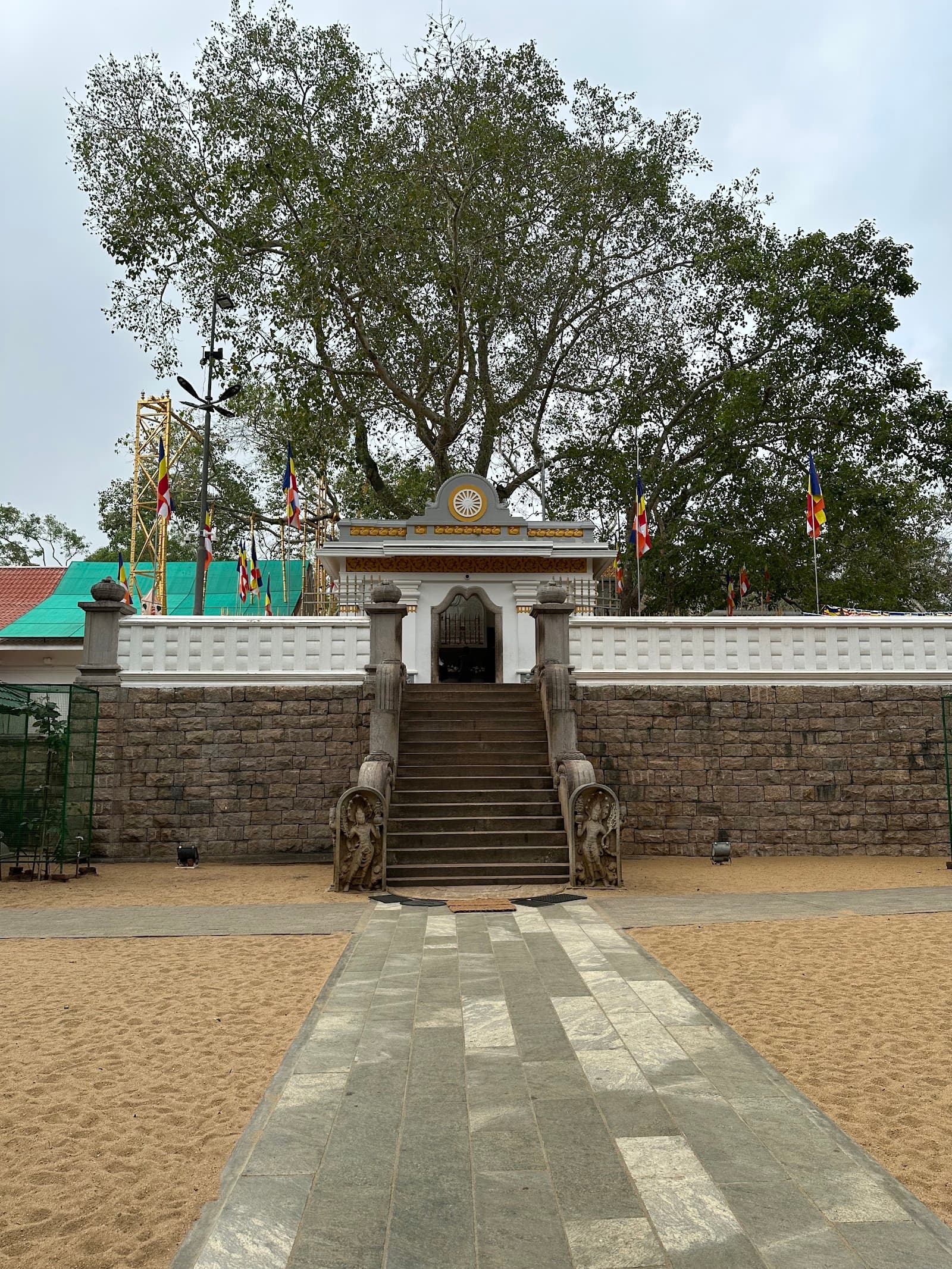
Sri Maha Bodhi Mahamevnawa Anuradhapura Sri Lanka
Sri Maha Bodhi, dramatically situated in the Mahamevnawa Park in the ancient city of Anuradhapura, represents one of the most extraordinary and spiritually significant living trees in the world, planted in 288 BCE from a sapling of the original Bodhi tree under which the Buddha attained enlightenment in Bodh Gaya, India, creating a powerful testament to the profound transmission of Indian Buddhist religious traditions to Sri Lanka and serving as the oldest historically authenticated tree in the world. The sacred fig tree (Ficus religiosa), known as Jaya Sri Maha Bodhi, stands as a living link to the Buddha's enlightenment and represents one of the most important Buddhist pilgrimage sites in the world, while the tree's history is deeply intertwined with the introduction of Buddhism to Sri Lanka by Mahinda, the son of the Indian Emperor Ashoka, and his sister Sanghamitta, who brought the sapling from India as part of the mission to establish Buddhism in Sri Lanka. The tree's location within the Mahamevnawa Park, surrounded by ancient monasteries, stupas, and religious structures, demonstrates the sophisticated understanding of Indian Buddhist monastery planning principles that were transmitted from the great monastic centers of India including Nalanda, Taxila, and Bodh Gaya to Sri Lanka, while the tree's association with the ancient city of Anuradhapura, which served as the capital of Sri Lanka for over a millennium, underscores its significance as a center for the transmission of Buddhist teachings, art, and culture from India to Sri Lanka. Archaeological evidence reveals that the tree has been continuously venerated for over 2,300 years, making it one of the oldest continuously venerated objects in the world, while the discovery of numerous inscriptions, chronicles, and historical records provides crucial evidence of the site's role in the transmission of Indian Buddhist texts and practices to Sri Lanka, demonstrating the sophisticated understanding of Indian Buddhist traditions possessed by the Sri Lankan Buddhist establishment. The tree's association with the Mahavamsa and Dipavamsa chronicles, which document the history of Buddhism in Sri Lanka, demonstrates the sophisticated understanding of Indian Buddhist historiography that was transmitted from India to Sri Lanka, while the tree's continued veneration by millions of Buddhists from across the world demonstrates the profound impact of Indian Buddhist culture on Sri Lankan religious traditions. The tree is protected by a sophisticated system of terraces, railings, and protective structures that have been constructed over centuries, demonstrating the continued devotion of the Sri Lankan people to this sacred symbol of the Buddha's enlightenment, while ongoing conservation efforts ensure the tree's continued health and vitality. Today, Sri Maha Bodhi stands as a UNESCO World Heritage Site and represents one of the most important Buddhist pilgrimage sites in the world, serving as a powerful testament to the transmission of Indian Buddhist culture to Sri Lanka, while ongoing archaeological research and conservation efforts continue to protect and study this extraordinary cultural treasure that demonstrates the profound impact of Indian civilization on Sri Lankan religious traditions. ([1][2])
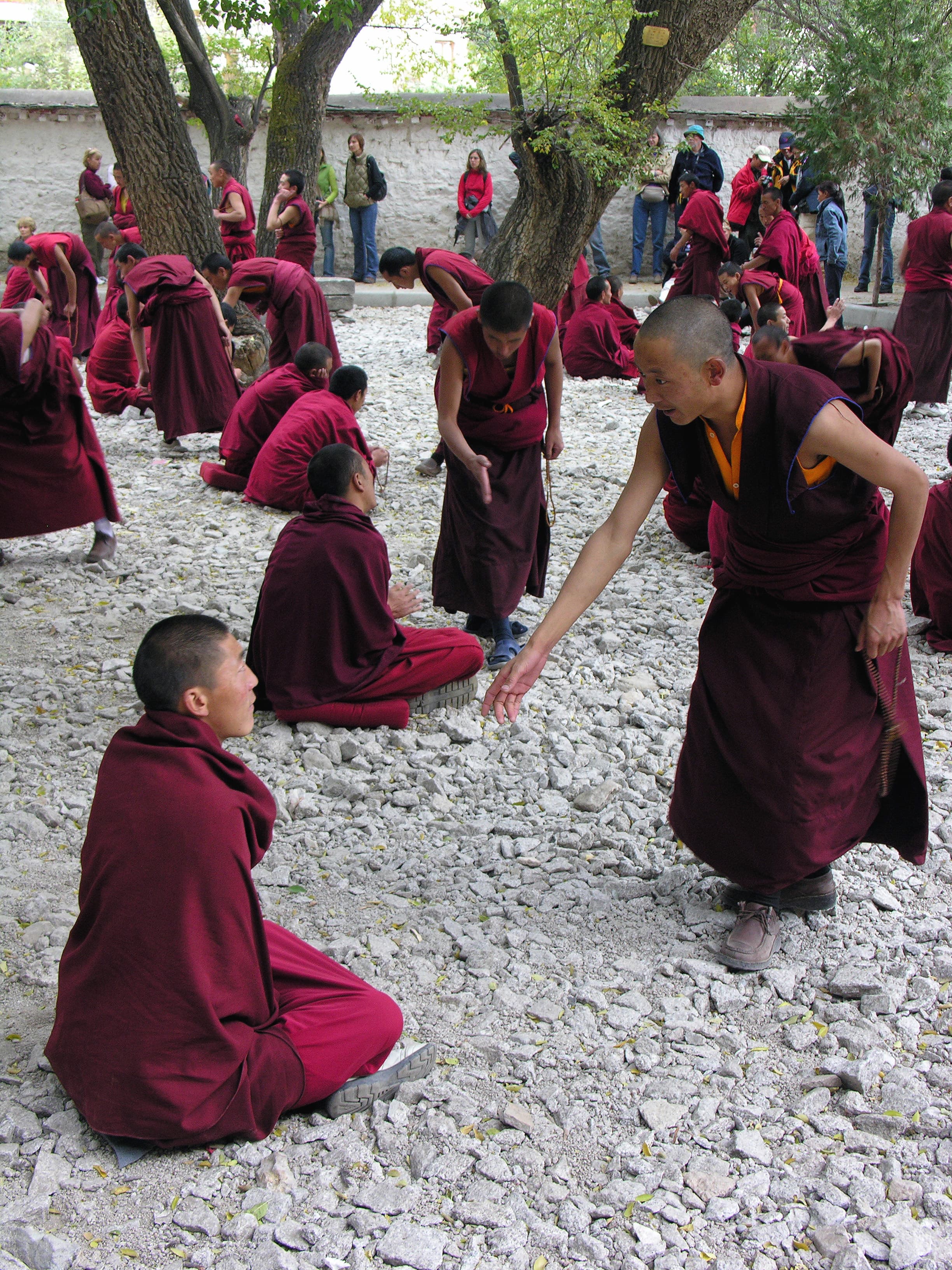
Sera Monastery Lhasa Tibet
Sera Monastery, located in Lhasa, Tibet, represents one of the three great Gelugpa monasteries in Tibet and stands as a major center for Tibetan Buddhist learning, particularly renowned for its debate courtyards where monks engage in philosophical debates using methods derived from Indian Buddhist debate traditions, constructed in the 15th century CE by Jamchen Chojey, a disciple of Tsongkhapa who established the Gelugpa school with strong connections to Indian Buddhist scholastic traditions, demonstrating the profound transmission of Indian Buddhist philosophy and debate traditions to Tibet, which has maintained deep cultural, religious, and historical connections with India for over two millennia. The monastery complex, constructed primarily from stone, wood, and earth with extensive decorative elements, features a massive structure containing numerous temples, chapels, assembly halls, and extensive debate courtyards arranged according to Indian Buddhist monastery planning principles, with the overall design reflecting mandala-based cosmological principles found in Indian Buddhist architecture. The monastery’s architectural design demonstrates direct influence from Indian Buddhist monastery architecture, particularly the Nalanda model, with the debate courtyards and learning facilities reflecting traditions that were transmitted to Tibet through centuries of cultural exchange, while the emphasis on Indian Buddhist debate traditions demonstrates the transmission of Indian Buddhist philosophy to Tibet. Archaeological and historical evidence indicates the monastery was constructed with knowledge of Indian Buddhist debate traditions and scholastic methods, reflecting the close cultural connections between Tibet and India during the medieval period, when Indian Buddhist scholars, texts, and philosophical traditions continued to influence Tibetan Buddhism. The monastery has served as a major center for Tibetan Buddhist learning and practice for over five centuries, maintaining strong connections to Indian Buddhist traditions through the study and practice of Indian Buddhist debate methods and philosophy. The monastery has undergone multiple expansions and renovations over the centuries, with significant additions conducted to accommodate growing numbers of monks and expanding educational programs. Today, Sera Monastery continues to serve as an important place of Buddhist worship and learning in Tibet, demonstrating the enduring influence of Indian Buddhist debate traditions on Tibetan culture and serving as a powerful symbol of Tibet’s deep connections to Indian civilization through the study and practice of Indian Buddhist philosophy. ([1][2])
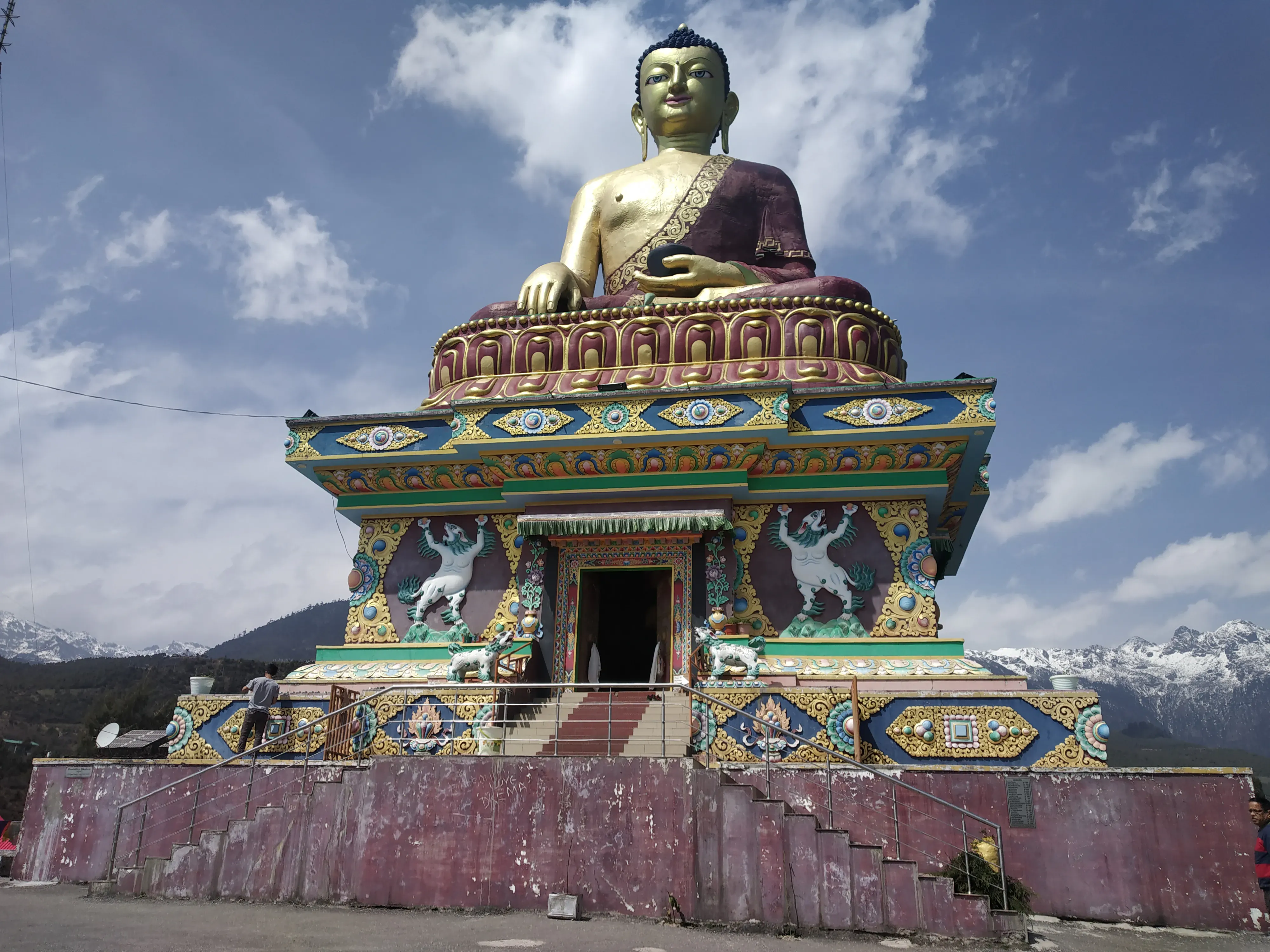
Tawang Monastery Tawang
The biting Himalayan wind whipped prayer flags into a frenzy of colour against the backdrop of snow-dusted peaks. Before me, Tawang Monastery, a colossal structure of whitewashed walls and golden roofs, seemed to grow organically from the mountainside itself, a testament to centuries of Tibetan Buddhist tradition. Having spent years immersed in the Mughal and Buddhist heritage of Uttar Pradesh, I was eager to experience this jewel of the Eastern Himalayas, a place where Tibetan Buddhism flourishes in a uniquely Indian context. The sheer scale of the monastery, known as the Galden Namgey Lhatse, is breathtaking. Perched at 10,000 feet, it commands a panoramic view of the Tawang valley, a strategic position that has shaped its history as much as its spirituality. The approach is a gradual ascent, winding through narrow lanes lined with the homes of monks and the murmur of chanted prayers drifting on the air. This creates a sense of anticipation, a pilgrimage of sorts, before one finally stands before the main entrance. The architecture is distinctly Tibetan, a blend of fortress and monastery. Massive, sloping walls, punctuated by small, deeply recessed windows, give the impression of impenetrable strength. Yet, the vibrant colours – the ochre and maroon of the woodwork, the dazzling gold of the roofs, and the intricate murals adorning the walls – soften the austerity, hinting at the rich spiritual life within. I noticed the distinctive 'kangsheng' or parapet, typical of Tibetan architecture, which crowns the walls, adding a touch of elegance to the imposing structure. Stepping through the main gate, I found myself in a large courtyard, the Dukhang complex. The Dukhang, or assembly hall, is the heart of the monastery. Its massive, intricately carved wooden doors, guarded by fearsome depictions of guardian deities, immediately drew my attention. Inside, the atmosphere is hushed and reverent. Giant thangkas, depicting Buddhist deities and scenes from the Buddha's life, hang from the walls, their vibrant colours illuminated by the flickering butter lamps. The air is thick with the scent of incense and yak butter, a fragrance that seems to permeate every corner of the monastery. I spent hours exploring the library, the Mani Lhakhang, and the numerous smaller chapels that surround the main courtyard. The library, a treasure trove of ancient scriptures and manuscripts, is a testament to the monastery's role as a centre of learning. The Mani Lhakhang houses a giant prayer wheel, its surface covered in thousands of mantras. The rhythmic turning of the wheel, accompanied by the low chanting of monks, creates a hypnotic, meditative atmosphere. One of the most striking features of the monastery is the 28-foot high statue of the Buddha Shakyamuni, housed within the Dukhang. The gilded statue, serene and compassionate, dominates the space, its presence radiating a sense of peace and tranquility. The intricate details of the statue, from the folds of its robes to the expression on its face, are a testament to the skill of the artisans who created it. As I descended from the monastery, the sun began to set, casting long shadows across the valley. Looking back, the monastery seemed to glow against the darkening sky, a beacon of faith and tradition in the heart of the Himalayas. My visit to Tawang Monastery was more than just a sightseeing trip; it was an immersion into a living culture, a powerful reminder of the enduring strength of spirituality in a rapidly changing world. The echoes of chanted prayers, the scent of incense, and the vibrant colours of the thangkas stayed with me long after I left, a testament to the enduring power of this Himalayan sanctuary. The experience resonated deeply with my understanding of the Buddhist faith, drawing parallels and highlighting differences with the traditions I’ve observed in Uttar Pradesh. It reinforced the idea that while expressions of faith may vary across regions, the core principles of compassion, wisdom, and the pursuit of enlightenment remain universal.
Quick Links
Plan Your Heritage Journey
Get personalized recommendations and detailed visitor guides