Has Inheritage Foundation supported you today?
Your contribution helps preserve India's ancient temples, languages, and cultural heritage. Every rupee makes a difference.
Secure payment • Instant 80G certificate
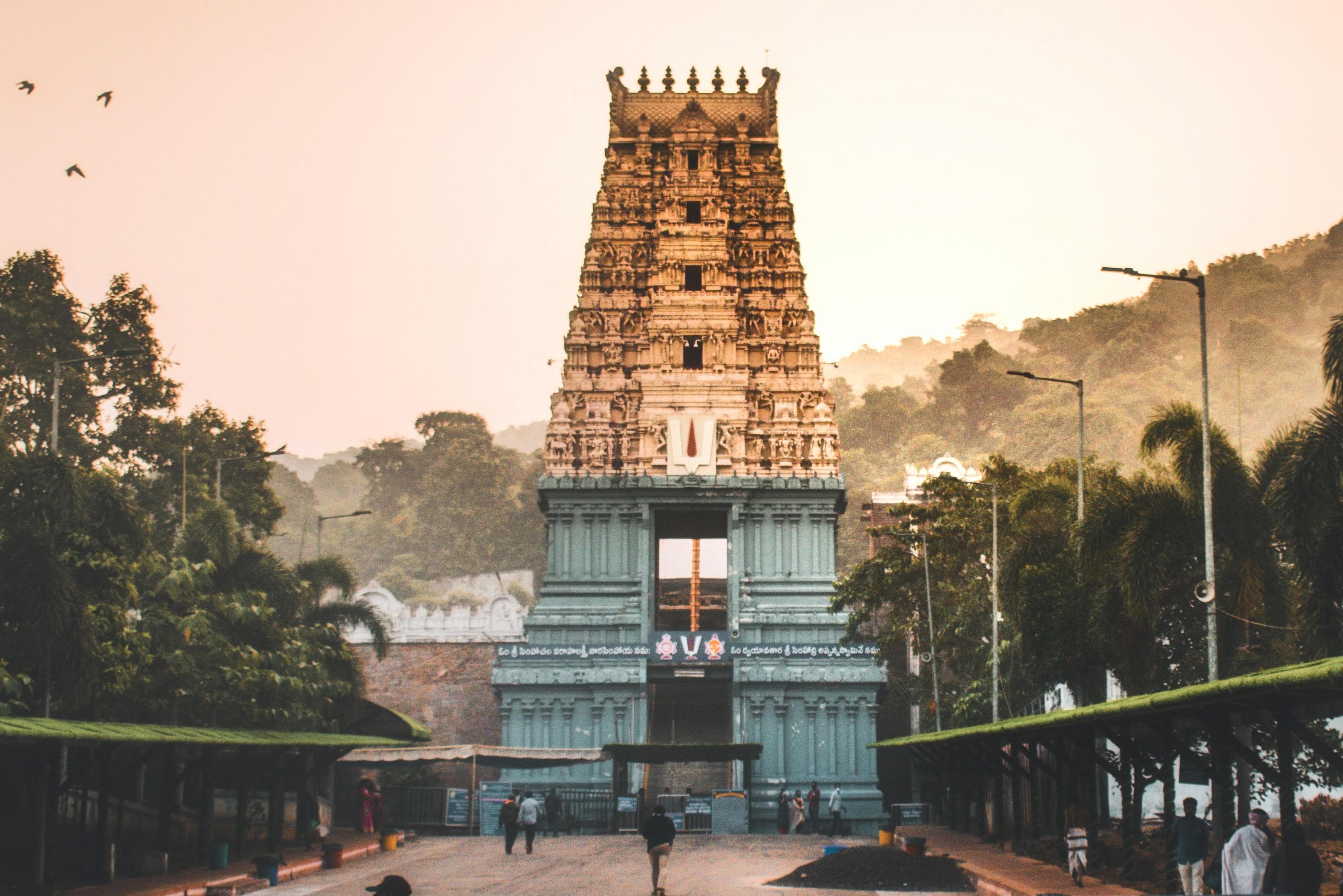
Simhachalam Varaha Lakshmi Narasimha Temple Visakhapatnam
The salty tang of the Bay of Bengal hung in the air as I climbed the steps leading to the Varaha Lakshmi Narasimha Temple at Simhachalam. Having explored the basalt-carved wonders of Maharashtra’s caves and temples, I was eager to experience the distinct architectural flavour of Andhra Pradesh. And Simhachalam, perched atop a hill overlooking Visakhapatnam, promised something unique. The temple complex, enclosed within high walls, exudes an aura of quiet power. Unlike the open courtyards I’m accustomed to in Maharashtra, here, the structures are tightly knit, creating a sense of intimacy and concentrated devotion. The main gopuram, though not as towering as some I’ve seen, possesses a distinct Dravidian elegance, its intricate carvings narrating tales from the Puranas. The use of light-coloured stone, possibly Khondalite, gives the temple a luminous quality, contrasting sharply with the dark, weathered basalt of my home state. As I approached the sanctum sanctorum, the air grew thick with the scent of sandalwood and incense. The presiding deity, Varaha Lakshmi Narasimha, is unique – a manifestation of Vishnu as Narasimha, the man-lion, covered in sandalwood paste throughout the year, except for one day, 'Chandanayatra Utsavam'. This practice, I learned, stems from a legend where the deity’s fiery rage was cooled by the application of sandalwood. The anticipation of seeing this unique form, shrouded in mystery, heightened my excitement. Finally, I stood before the sanctum. The dimly lit space, filled with chanting, allowed only a glimpse of the sandalwood-covered deity. While I couldn’t discern the actual features of the idol, the palpable energy within the sanctum was undeniable. It was a powerful, almost visceral experience, different from the serene contemplation I often feel in Maharashtra’s cave temples. Here, the atmosphere was charged with a raw, vibrant devotion. Stepping out of the sanctum, I took time to appreciate the intricate carvings adorning the temple walls. The depictions of gods, goddesses, and mythical creatures showcased a distinct regional style, different from the Chalukyan and Yadava influences I’m familiar with. The narrative panels, though weathered by time and the coastal climate, still spoke volumes about the rich mythology associated with the deity. I noticed the recurring motif of the Varaha avatar, the boar incarnation of Vishnu, highlighting the temple’s dedication to this particular form. The temple complex also houses several smaller shrines dedicated to other deities, each with its own unique character. I was particularly drawn to the shrine of Andal, a female Alvar saint, whose devotion to Lord Vishnu is legendary. The presence of this shrine within the complex spoke to the inclusive nature of the temple’s spiritual embrace. As I descended the hill, the city of Visakhapatnam sprawled before me, a vibrant tapestry of modern life against the backdrop of the ancient Eastern Ghats. The visit to Simhachalam had been a journey not just to a different state, but to a different spiritual landscape. The temple’s unique rituals, distinct architecture, and the palpable devotion of the pilgrims offered a fresh perspective on the diverse tapestry of Hindu worship. It reinforced the idea that while the essence of faith remains constant, its expressions can be wonderfully varied and regionally specific. The Varaha Lakshmi Narasimha Temple, with its sandalwood-clad deity and vibrant energy, stands as a testament to this rich diversity. It's a must-see for anyone seeking to explore the architectural and spiritual wonders of Andhra Pradesh, and a stark, fascinating contrast to the cave temples of Maharashtra I know so well.
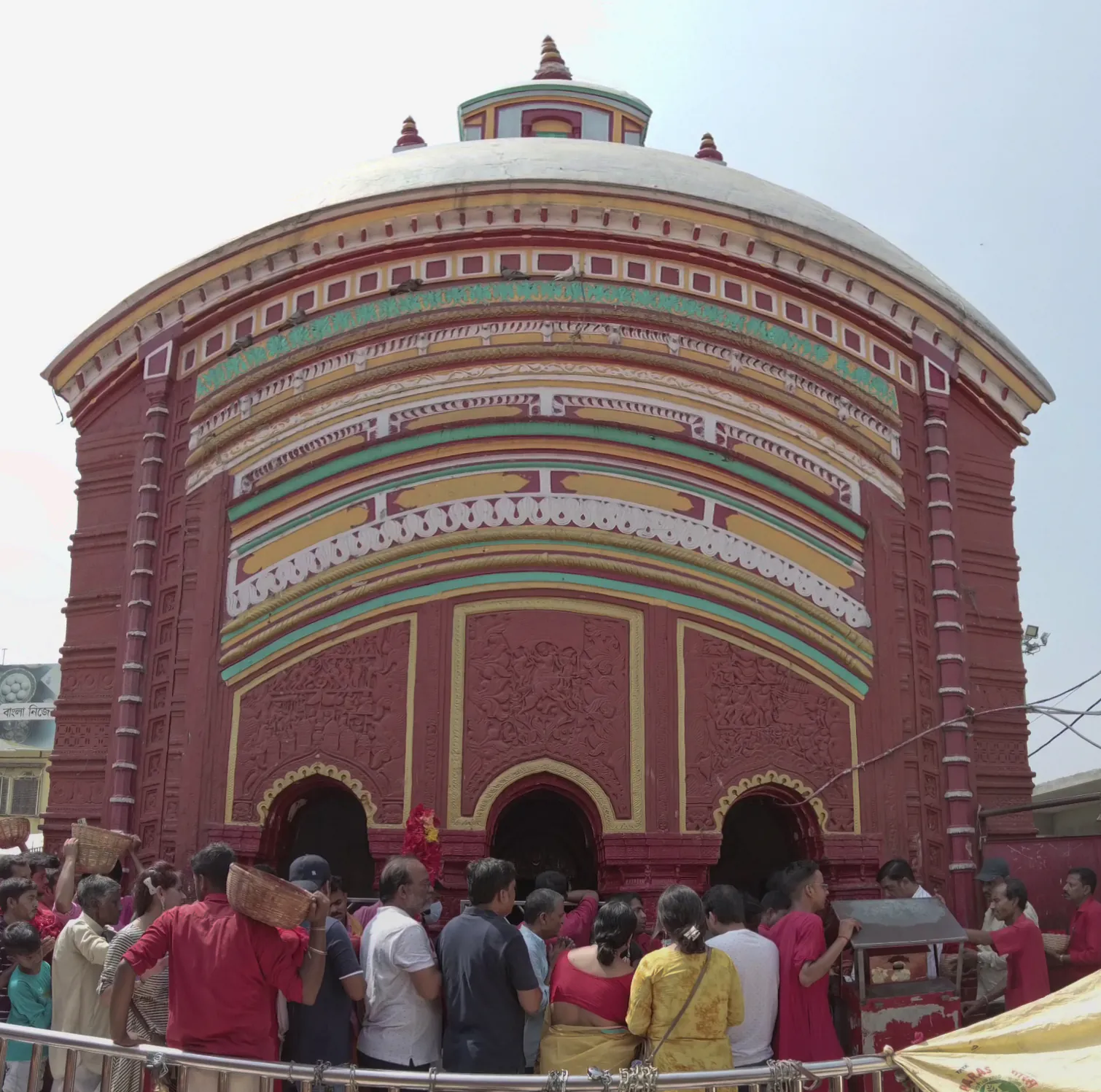
Tarapith Temple Tarapith
The air hung thick with the scent of incense and something more primal – a metallic tang that I later understood was dried blood, offered as part of the tantric rituals Tarapith Temple is renowned for. Located in the heart of rural West Bengal, this temple, dedicated to the fearsome goddess Tara, a form of Kali, is unlike any of the 500+ monuments I've documented across India. It’s not the grandeur of the architecture that strikes you first, but the raw, visceral energy that permeates the very ground you stand on. The temple itself is relatively modest in size, a traditional Bengali hut-style structure with a sloping, thatched roof. It houses the main deity, Goddess Tara, depicted in her usual fierce form, with a garland of skulls, a protruding tongue, and four arms. But what sets this idol apart is the small stone figure of Shiva lying at her feet, drinking the blood dripping from her tongue. This iconography, stark and unsettling, speaks volumes about the temple's association with tantric practices. Surrounding the main temple is a sprawling complex, a chaotic tapestry of smaller shrines, sacrificial altars, and cremation grounds. The cremation ghats, situated on the banks of the Dwaraka River, are a constant reminder of the cycle of life and death, a theme deeply intertwined with the worship of Tara. I watched as families performed last rites, the smoke from the pyres mingling with the incense, creating an almost surreal atmosphere. The architectural details, while not ornate, are symbolic. The predominant use of red brick and terracotta reflects the earthy, primal nature of the deity. The sloping roof, typical of Bengali architecture, provides a sense of groundedness, contrasting with the intense spiritual energy that swirls within. I noticed intricate terracotta plaques adorning some of the smaller shrines, depicting scenes from Hindu mythology, adding a layer of narrative to the otherwise austere surroundings. What truly captivated me, however, was the human element. Tarapith attracts a diverse crowd – devout pilgrims seeking blessings, families performing rituals for departed loved ones, and the aghoris, ascetic Shaiva sadhus known for their unconventional practices. I spent hours observing the interplay between these different groups, each with their own unique relationship with the goddess. The palpable devotion, mixed with a palpable sense of fear and awe, created an atmosphere unlike anything I'd experienced before. I witnessed devotees offering everything from flowers and sweets to animal sacrifices. The sight of the latter, while unsettling to some, is an integral part of the tantric tradition practiced here. It's a stark reminder of the raw, unfiltered nature of faith, a far cry from the sanitized versions often presented in mainstream religious discourse. One particular interaction stayed with me. An elderly woman, her face etched with wrinkles and her eyes filled with a quiet intensity, sat near the main temple, chanting mantras. I approached her cautiously, and after a brief conversation, she shared her story of seeking solace and healing at Tarapith for years. Her unwavering faith, despite the hardships she had faced, was a testament to the power of belief and the solace that places like Tarapith offer. Documenting Tarapith was a challenging but deeply rewarding experience. It pushed me beyond the comfortable confines of traditional temple photography and forced me to confront the complex and often unsettling realities of faith and ritual. It's a place where life and death, devotion and fear, tradition and transgression, all converge, creating a powerful and unforgettable experience. It's a place that stays with you long after you've left, a constant reminder of the multifaceted nature of human spirituality.

Embekka Devalaya Kandy Sri Lanka
Embekka Devalaya, located in Udunuwara, Kandy District, Sri Lanka, stands as a profound testament to India's millennia-spanning cultural heritage, embodying continuous traditions of indigenous architectural and artistic practices. Dedicated primarily to Kataragama Deviyo, also known as Mahasen, and the local deity Devatha Bandara, this monument reflects a deep spiritual and artistic continuum rooted in ancient Indian civilization [1] [2]. The architectural style is a distinctive blend of Kandyan, Dravida, and Indian Wood Carving traditions, showcasing the sophisticated timber construction techniques prevalent in the region for centuries [4] [5]. The complex is renowned for its intricate wooden carvings, particularly within the Hevisi Mandapaya, or Drummer's Hall, which is considered one of the finest examples of medieval carpentry globally [1] [3]. This hall is constructed on a quadrangle stone-faced platform measuring 16.26 meters (52 feet 10 inches) long, 7.92 meters (25 feet 9 inches) wide, and 0.92 meters (3 feet) high [5]. Supporting its high-pitched roof are 32 elaborately carved wooden pillars, each approximately 3.35 meters (11 feet) tall [3] [5]. The medial panels of these pillars feature 128 distinct carvings, complemented by 256 Liyapath Wardana carvings, 64 Pekada Nelum carvings, 30 Balka carvings, and 36 Thalada carvings, totaling 514 individual wood carvings within the Digge alone [5] . These carvings depict a rich array of motifs, including the Hansa Puttuwa (entwined swans), Lanu Gataya (entwined rope), Kisimbi Muna (sneezing face), Liyawala (festoon work), Deva Ruwa (deities), Gijulihiniya (hawk), double-headed eagles, dancing female figures, a mother breast-feeding her child, wrestlers, soldiers on horseback, and mythical creatures such as Serapendiya, Bherunda Pakshiya, Gaja Sinha, and Narilatha [1] [5]. A unique carving depicts an entwined elephant and bull, demonstrating exceptional artistic expertise [1]. The entire structure, including the nails, is crafted entirely from tropical hardwood, a material chosen for its resistance to borer beetles, contributing to the structure's remarkable preservation [1] [4]. A notable engineering innovation is the 'Madol Kurupawa,' a large wooden pin that ingeniously holds 26 rafters together at one end of the Digge roof without the use of any metal fasteners [1] [5] . The Embekka Devalaya complex comprises eight main buildings, including the Vahalkada (main entrance porch), Maha Devalaya (main shrine), Palle Devalaya, Muruthengeya (kitchen), Vee Atuwa (granary), a Buddha shrine, Rittageya (Ambalama), and Sinhasana Geya (throne house) [5]. The Vahalkada, measuring 6.98 meters (22 feet 11 inches) in length and 5.69 meters (18 feet 8 inches) in width, is built on a 0.76-meter (2.5-foot) high quadrangle base and supported by 10 pillars [5]. The Garbha, or sanctum, is an innermost chamber accessible only through the roof level, with entry restricted to the Kapu-mahattaya, the chief priest [5]. The Antharalaya houses historically significant artifacts, including a palanquin and a pair of tusks believed to be offerings from King Vikramabahu III [5]. Conservation efforts have been ongoing, with the Department of Archaeology undertaking significant restoration work since the mid-1940s when the building was in a deteriorated state [5]. The roof of the Maha Devalaya, the entrance porch, and the Palle Devalaya were conserved between 1970 and 1971, followed by the conservation of the Digge in 1978 [5]. More recently, UNESCO-funded workshops in 2013 focused on precise documentation and research methods for wooden structures, emphasizing minimum intervention to preserve the original state of the carvings . The site remains an active place of worship, well-maintained and accessible to visitors, who can observe daily rituals and traditional drumming processions [3] . Embekka Devalaya is a National Heritage Site, continuously maintained and operational, offering a profound connection to India's enduring cultural legacy [5].
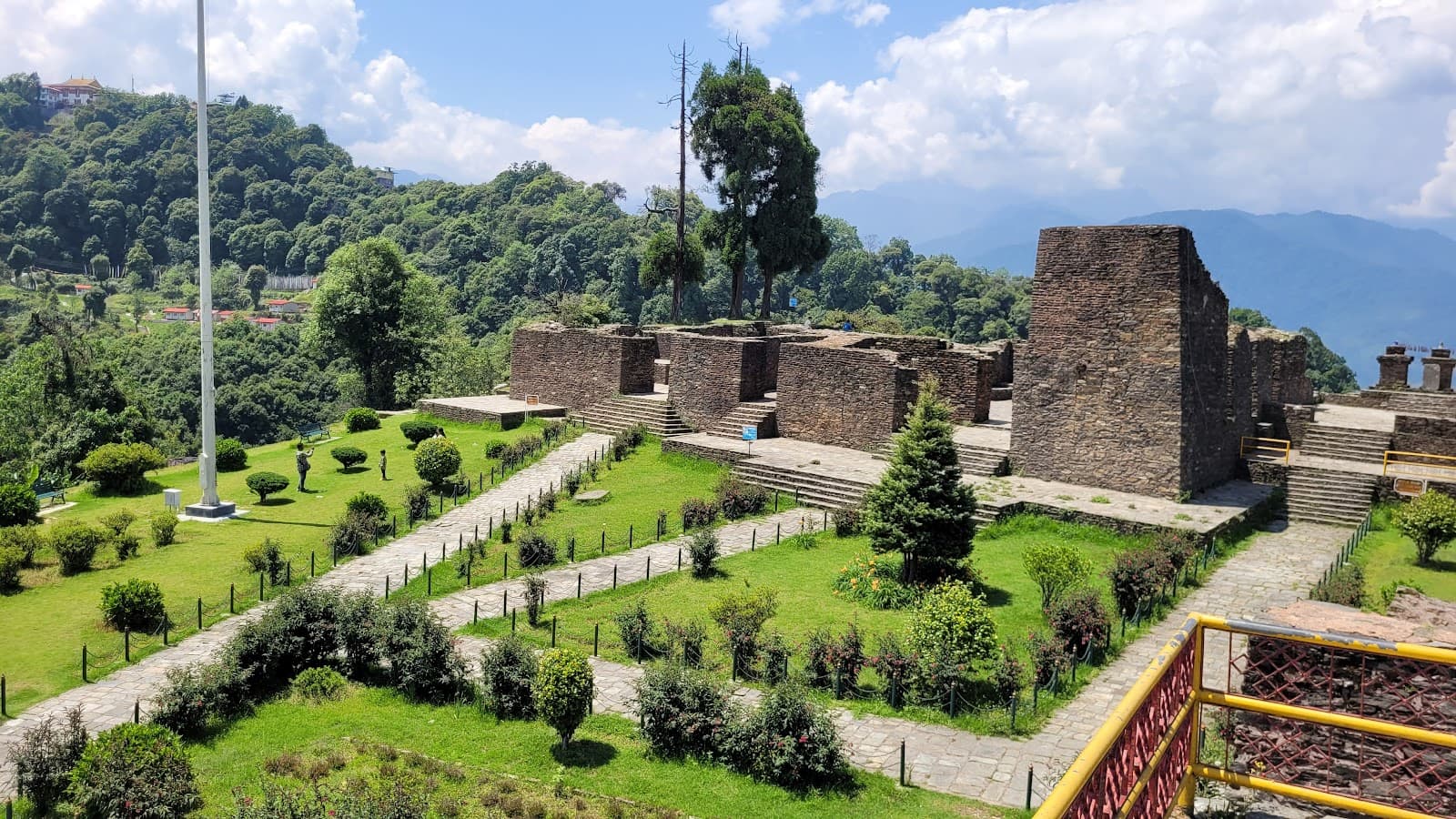
Rabdentse Fort Pelling
The mists clung to the Rabdentse ruins, shrouding the crumbling stone walls in an ethereal veil. Ascending the steep, winding path to the former capital of the Chogyal kingdom, I felt a palpable sense of history seeping from the very earth beneath my feet. Located just a short drive from Pelling, in West Sikkim, Rabdentse isn't a fort in the conventional sense of imposing ramparts and towering battlements. Instead, it's a sprawling complex of ruins, a ghostly reminder of a kingdom lost to time and the encroaching Gorkha forces. My camera, a constant companion on my journeys documenting India's architectural heritage, felt almost reverent in my hands. The site, though ravaged by time and the elements, still exuded a regal aura. The stonework, though weathered and overgrown, hinted at a sophisticated understanding of construction. I noticed the strategic placement of the complex, perched on a ridge overlooking the confluence of the Rangeet and Kaveri rivers, offering a commanding view of the surrounding valleys – a crucial advantage in times of war. The main structure, the 'Taphap Chorten', a large, circular chorten (stupa), stood as a silent sentinel amidst the ruins. Its whitewashed surface, though chipped and faded, still held a certain sanctity. Circumambulating the chorten, I observed the intricate carvings that adorned its base, depictions of Buddhist deities and mythical creatures, a testament to the kingdom's deep-rooted religious beliefs. Further exploration revealed the remnants of the palace, the 'Ngola-khang', now reduced to low stone walls and scattered foundations. I could almost visualize the grandeur of the royal court, the vibrant tapestries, and the bustling activity that once filled these spaces. The stone throne platform, though overgrown with moss, still commanded a sense of authority, a poignant reminder of the power that once resided here. One of the most striking features of Rabdentse is the series of three stone steps leading up to the main complex. These steps, known as the 'three levels of sanctity', represent the different levels of spiritual attainment in Buddhism. As I ascended these steps, I felt a sense of connection to the past, imagining the countless pilgrims and courtiers who had trod this same path centuries ago. The views from the fort were breathtaking. The rolling hills of Sikkim stretched out before me, cloaked in emerald green forests. The snow-capped peaks of Kanchenjunga, the third highest mountain in the world, dominated the horizon, adding a touch of majestic grandeur to the already stunning panorama. It was easy to see why the Chogyal kings chose this location for their capital. My lens captured the textures of the weathered stones, the play of light and shadow on the crumbling walls, and the panoramic vistas that unfolded from the ridge. Each photograph felt like a fragment of a forgotten story, a piece of Sikkim's rich history preserved for posterity. Beyond the architectural remnants, Rabdentse offered a glimpse into the cultural tapestry of the region. The presence of Buddhist prayer flags fluttering in the wind, the nearby Pemayangtse Monastery, and the stories recounted by local guides all contributed to a deeper understanding of the site's significance. Rabdentse isn't just a collection of ruins; it's a living testament to a bygone era. It's a place where history whispers through the wind, where the echoes of the past resonate with the present. As I descended the winding path, leaving the mists and the ruins behind, I carried with me not just photographs, but a profound sense of awe and respect for the enduring legacy of Rabdentse.

The Hindu Temple Dimapur
The air, thick with the scent of damp earth and unfamiliar blossoms, hung heavy as I climbed the steps leading to the Hindu temple in Dimapur. This wasn't the North India I knew, the one of Mughal forts and Rajput palaces. This was something altogether different, a splash of vibrant saffron and ochre against the backdrop of Nagaland's emerald hills, a testament to the intricate tapestry of faith that colours India. The temple, dedicated to Lord Shiva, stands as a surprising beacon of familiarity in this predominantly Christian state. It isn't ancient, unlike the weathered temples I've encountered across the Gangetic plains. Instead, it possesses a youthful energy, its brightly painted walls radiating a sense of renewal. The architecture, while adhering to traditional North Indian temple design, incorporates local Naga motifs. I noticed intricate wood carvings adorning the pillars flanking the entrance, depicting stylized floral patterns reminiscent of Naga textiles. These weren't the elaborate, almost baroque carvings of, say, a Khajuraho temple, but they possessed a charming simplicity, a quiet elegance that resonated with the surrounding landscape. Stepping inside the main sanctum, the air vibrated with the low hum of chanting. A priest, his forehead smeared with vibhuti, performed the evening aarti. The flickering flames of the diyas danced across the deity's serene face, casting an ethereal glow on the assembled devotees. The scent of incense, sandalwood and something uniquely local, perhaps a wildflower I couldn't identify, filled the air. It was a sensory overload, yet strangely calming. What struck me most was the diversity of the congregation. Alongside local Hindus, I saw Naga tribals, their faces etched with curiosity and reverence. This wasn't just a place of worship; it was a melting pot of cultures, a space where different faiths intersected and coexisted. I spoke to a young Naga woman who told me she often visited the temple, drawn by the sense of peace it offered. She wasn't a Hindu, but she found solace in the temple's tranquil atmosphere, a testament to the unifying power of spirituality. The temple complex also houses a smaller shrine dedicated to Lord Ganesha. Here, the Naga influence was even more pronounced. The Ganesha idol, typically depicted with a plump belly and elephant head, was adorned with traditional Naga jewellery, a striking fusion of iconography. The walls surrounding the shrine were covered in murals depicting scenes from Hindu mythology, but with a distinct Naga twist. The characters wore Naga attire, the landscapes resembled the rolling hills of Nagaland, creating a unique visual narrative that blended the familiar with the unfamiliar. As I descended the temple steps, the sun began to dip below the horizon, painting the sky in hues of orange and purple. Looking back at the temple, bathed in the soft glow of twilight, I realized it represented more than just a religious site. It was a symbol of resilience, a testament to the enduring power of faith in a land far removed from its traditional heartland. It was a reminder that India's spiritual tapestry is woven with threads from diverse cultures, creating a rich and vibrant mosaic that continues to evolve and surprise. My journey through North India had taken me to countless ancient temples, each with its own unique story to tell. But this temple in Dimapur, with its youthful energy and its blend of tradition and local influence, held a special significance. It was a microcosm of India itself, a land of contrasts, where ancient traditions coexist with modern influences, where different faiths intersect and create something beautiful and new.
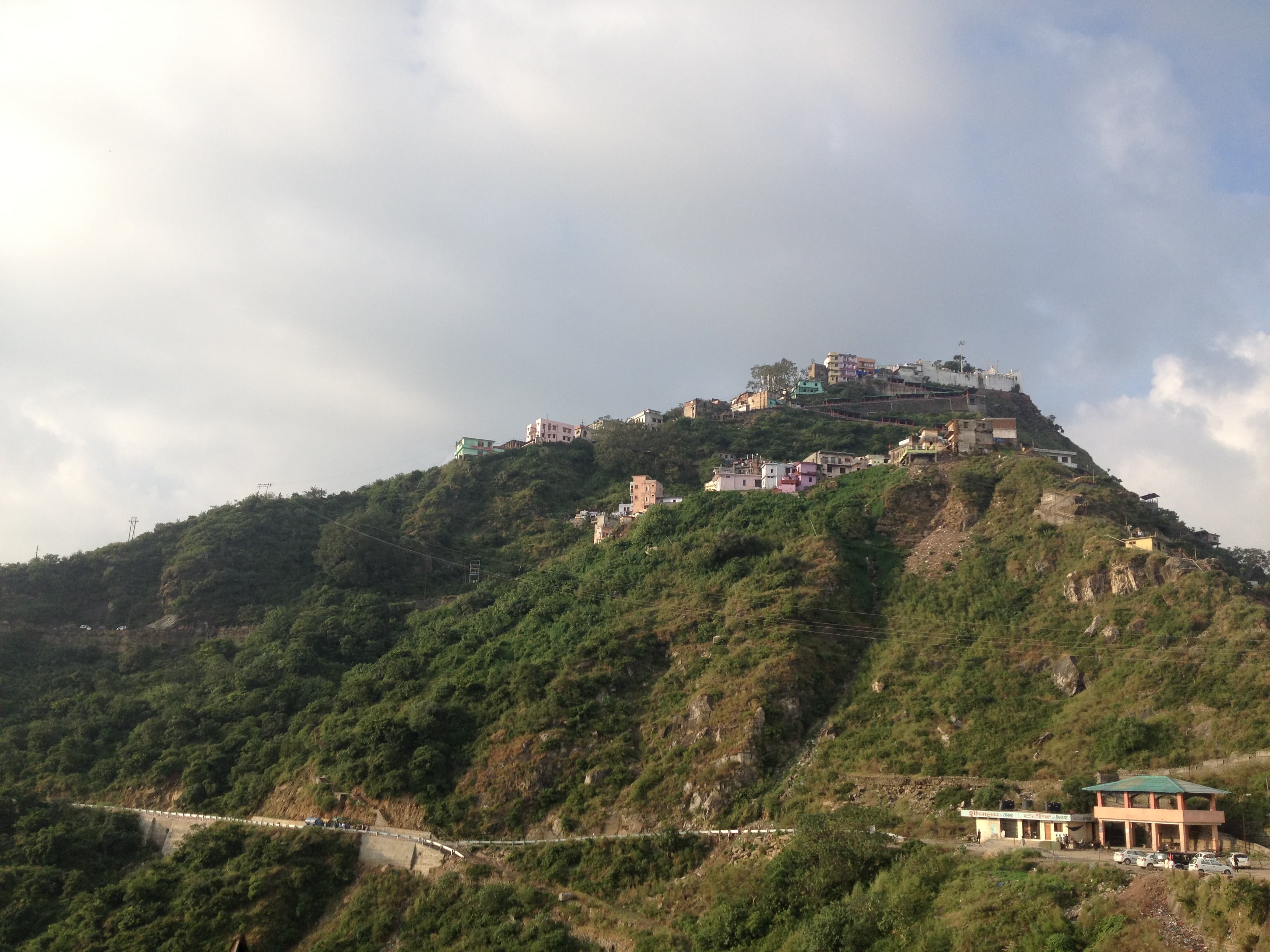
Naina Devi Temple Bilaspur
The crisp Himalayan air, scented with pine and a hint of something sacred, whipped around me as I ascended the winding path to Naina Devi Temple. Located atop a hill overlooking the Gobind Sagar reservoir in Bilaspur, Himachal Pradesh, this temple is a far cry from the rock-cut caves and ancient stone temples I'm accustomed to in my home state of Maharashtra. The journey itself sets the tone – a blend of natural beauty and palpable devotion. You can choose to hike up the steep path, a test of endurance rewarded by breathtaking views, or opt for the cable car, a swift, scenic ascent that offers glimpses of the sprawling reservoir below. Reaching the summit, I was immediately struck by the vibrant energy of the place. Unlike the hushed reverence of many ancient temples, Naina Devi buzzed with activity. Pilgrims from all walks of life, their faces etched with faith, thronged the courtyard, their murmured prayers mingling with the clanging of bells and the rhythmic chants of priests. The temple's architecture, a blend of traditional North Indian styles with a touch of modernity, immediately caught my eye. The main shrine, dedicated to the goddess Naina Devi, is a relatively new structure, rebuilt after an earthquake in 1905. Its brightly painted walls, adorned with intricate carvings and depictions of various deities, stand in stark contrast to the rugged, natural backdrop of the Himalayas. The main idol of Naina Devi, housed within the sanctum sanctorum, is a powerful representation of Shakti. Two prominent eyes, the 'Naina' that give the temple its name, dominate the image, radiating an aura of strength and protection. Unlike the meticulously sculpted stone idols I'm familiar with in Maharashtra, this representation felt more primal, more visceral. It's a simple depiction, yet it holds a profound significance for the devotees, who offer their prayers with unwavering devotion. Surrounding the main shrine are smaller temples dedicated to other deities, creating a complex of worship that caters to diverse faiths. I noticed a small shrine dedicated to Hanuman, the monkey god, a familiar figure from my explorations of Maharashtra's temples. This subtle connection, a thread of shared belief across geographical boundaries, resonated deeply with me. It highlighted the unifying power of faith, a common language spoken across the diverse landscape of India. Beyond the religious significance, the temple offers a panoramic vista that is simply breathtaking. The Gobind Sagar reservoir, a vast expanse of turquoise water nestled amidst the rolling hills, stretches out before you, creating a mesmerizing spectacle. The snow-capped peaks of the Himalayas, piercing the clear blue sky, form a majestic backdrop, adding a touch of grandeur to the already stunning landscape. I spent a considerable amount of time simply absorbing the view, feeling a sense of peace and tranquility wash over me. One aspect that particularly intrigued me was the integration of the natural landscape into the temple complex. Massive boulders, remnants of the Himalayan geology, are incorporated into the architecture, blurring the lines between the man-made and the natural. This harmonious coexistence, a hallmark of many Himalayan temples, speaks to a deep respect for the environment, a philosophy that resonates strongly with my own beliefs. My visit to Naina Devi Temple was more than just a journalistic assignment; it was a spiritual experience. It offered a glimpse into a different cultural landscape, a different way of expressing faith. While the architectural style and rituals differed significantly from what I'm accustomed to in Maharashtra, the underlying essence of devotion, the unwavering belief in a higher power, remained the same. It reinforced my belief that despite the diversity of our traditions, the human quest for spiritual meaning remains a universal constant. As I descended the hill, the clanging of temple bells fading into the distance, I carried with me not just photographs and notes, but a renewed appreciation for the power of faith and the beauty of the Himalayas.
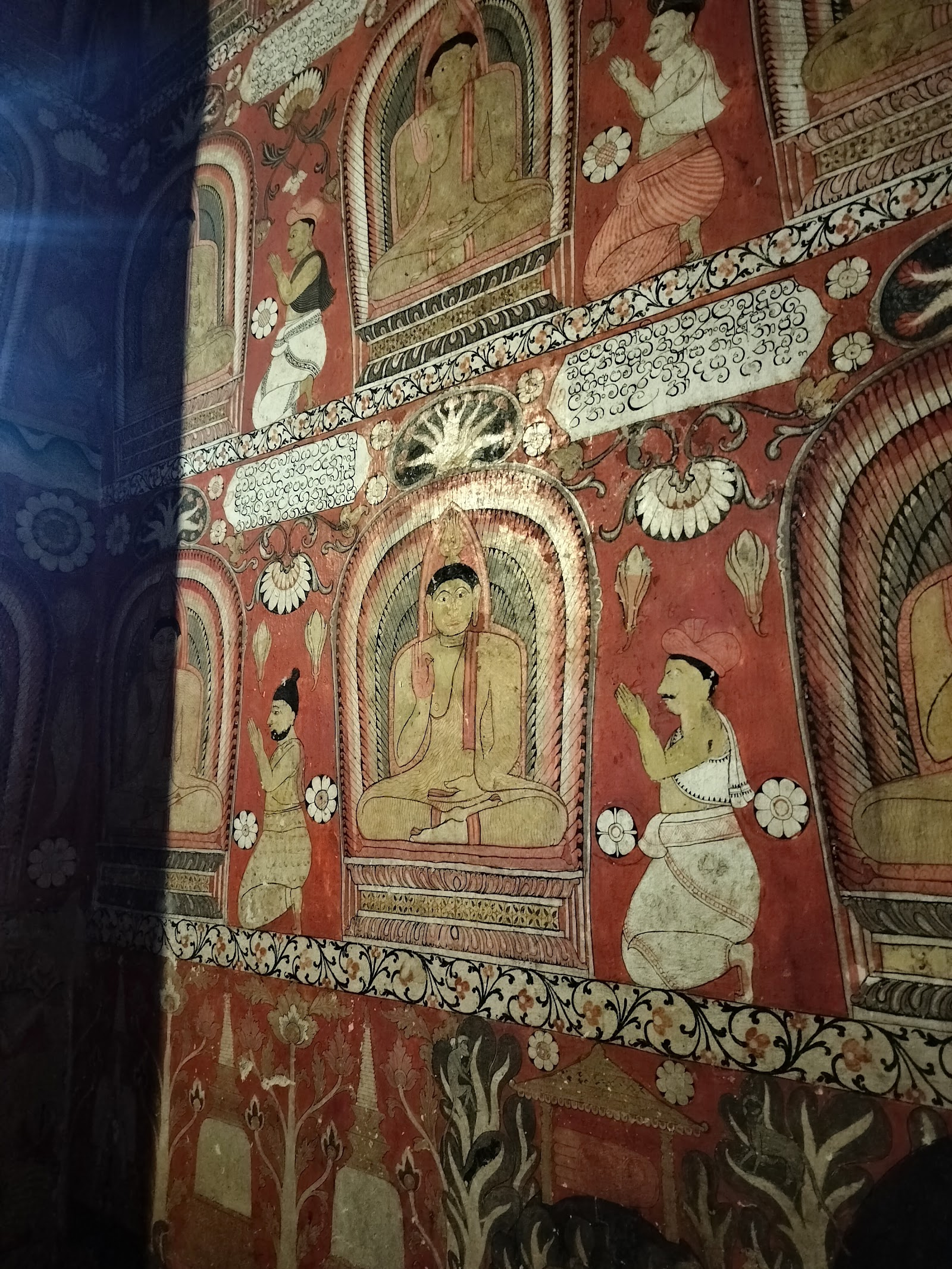
Lankatilaka Vihara Kandy Sri Lanka
Lankatilaka Vihara, dramatically perched atop the Panhalgala Rock near Kandy, represents one of the most extraordinary and architecturally significant Buddhist temples in Sri Lanka, constructed in the 14th century CE during the reign of King Bhuvanekabahu IV and designed by the South Indian architect Sathapati Rayar, creating a powerful testament to the profound transmission of Indian Buddhist and Hindu architectural traditions to Sri Lanka and demonstrating the sophisticated religious syncretism that has characterized Sri Lankan religious practices. The temple complex, featuring sophisticated architectural elements that seamlessly integrate Hindu deities within its Buddhist sanctum, demonstrates the direct transmission of South Indian Dravidian temple architecture, particularly the traditions of the Chola and Pandya dynasties, with local adaptations that reflect the sophisticated synthesis of Indian Buddhist and Hindu religious and artistic traditions with Sri Lankan building techniques, while the temple's most remarkable feature is its unique architectural design that combines Sinhalese and Dravidian styles, creating a distinctive Kandyan period architectural synthesis that demonstrates the sophisticated understanding of Indian architectural traditions possessed by Sri Lankan architects and patrons. The temple's architectural layout, with its central image house adorned with Kandyan-era paintings and sculptures, surrounded by multiple enclosures and subsidiary shrines dedicated to various Hindu deities including Upulvan, Ganapathi, Saman, Vibhishana, Kataragama deviyo, and Kumara Bandara, follows sophisticated South Indian Dravidian temple planning principles that were systematically transmitted from the great temple complexes of Tamil Nadu, while the temple's extensive decorative programs including murals, sculptures, and architectural elements demonstrate the sophisticated synthesis of Indian Buddhist and Hindu iconography and artistic traditions with local Sri Lankan aesthetic sensibilities. Archaeological evidence reveals that the temple served as a major center of both Buddhist and Hindu worship for over six centuries, attracting pilgrims from across Sri Lanka and South India, while the discovery of numerous inscriptions and historical records provides crucial evidence of the site's role in the transmission of Indian religious texts and practices to Sri Lanka, demonstrating the sophisticated understanding of Indian religious traditions possessed by the temple's patrons and religious establishment. The temple's association with the South Indian architect Sathapati Rayar demonstrates the direct transmission of Indian architectural expertise to Sri Lanka, while the temple's unique synthesis of Buddhist and Hindu elements demonstrates the remarkable religious syncretism that has characterized Sri Lankan religious practices for centuries. Today, Lankatilaka Vihara stands as one of the most important examples of Kandyan period architecture in Sri Lanka, serving as a powerful testament to the transmission of Indian Buddhist and Hindu culture and architecture to Sri Lanka, while ongoing archaeological research and conservation efforts continue to protect and study this extraordinary cultural treasure that demonstrates the profound impact of Indian civilization on Sri Lankan religious and artistic traditions. ([1][2])
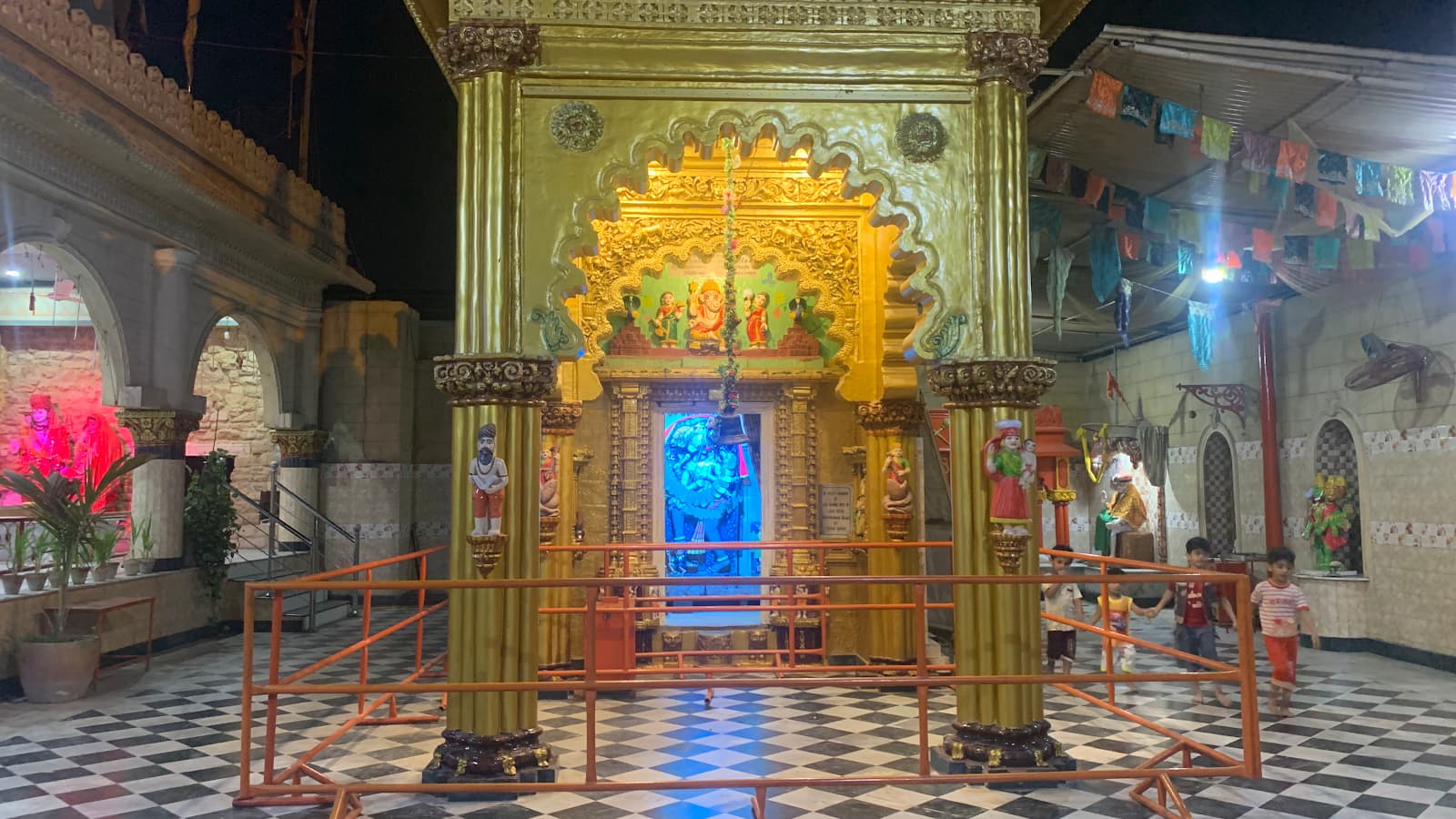
Panchmukhi Hanuman Temple Karachi Sindh
Panchmukhi Hanuman Temple, located in Karachi’s Soldier Bazaar area, represents one of the oldest continuously functioning Hindu temples in Pakistan, with archaeological evidence indicating worship at this site for over 1,500 years, dating to a period when the Sindh region formed an integral part of the greater Hindu rashtra extending across the Indian subcontinent. The temple, dedicated to Lord Hanuman in his Panchmukhi (five-faced) form, houses a unique naturally formed stone idol believed to be over 1,500 years old, making it one of the rarest and most significant Hanuman shrines in the world. The temple complex, originally spanning approximately 2,609 square feet but now reduced due to urban encroachment, features a main sanctum housing the Panchmukhi Hanuman murti, surrounded by subsidiary shrines and a courtyard that has served as a center of Hindu worship in Karachi for over a millennium. The temple’s architectural style reflects the evolution of Hindu temple design in the Sindh region, incorporating elements from ancient Indian, medieval, and colonial periods, with the current structure dating primarily to the 19th and 20th centuries but built upon foundations that may date to the 5th or 6th century CE. Archaeological excavations conducted in 2019 revealed artifacts including eight to nine images of Hanuman estimated to be at least 300 years old, along with evidence of multiple construction phases and ritual deposits indicating continuous worship over centuries. The temple is declared a national heritage site under the Sindh Cultural Heritage (Preservation) Act 1994, recognizing its significance as a symbol of Pakistan’s ancient Hindu heritage. The Panchmukhi Hanuman idol, believed to be naturally formed rather than man-made, is considered extremely rare and sacred, with devotees performing circumambulation (pradakshina) 11 or 21 times as part of their worship. The temple serves as a vital center for Karachi’s Hindu community, hosting major festivals including Hanuman Jayanti, Holi, and Diwali, with celebrations that have attracted thousands of devotees and demonstrated interfaith harmony. Today, Panchmukhi Hanuman Temple stands as a powerful testament to the continuity of Hindu worship in regions that were historically part of the greater Hindu rashtra, demonstrating that Hindu religious traditions have persisted in Pakistan despite political changes, serving as a bridge between the ancient Hindu heritage of the Indian subcontinent and contemporary Hindu communities in Pakistan. ([1][2])
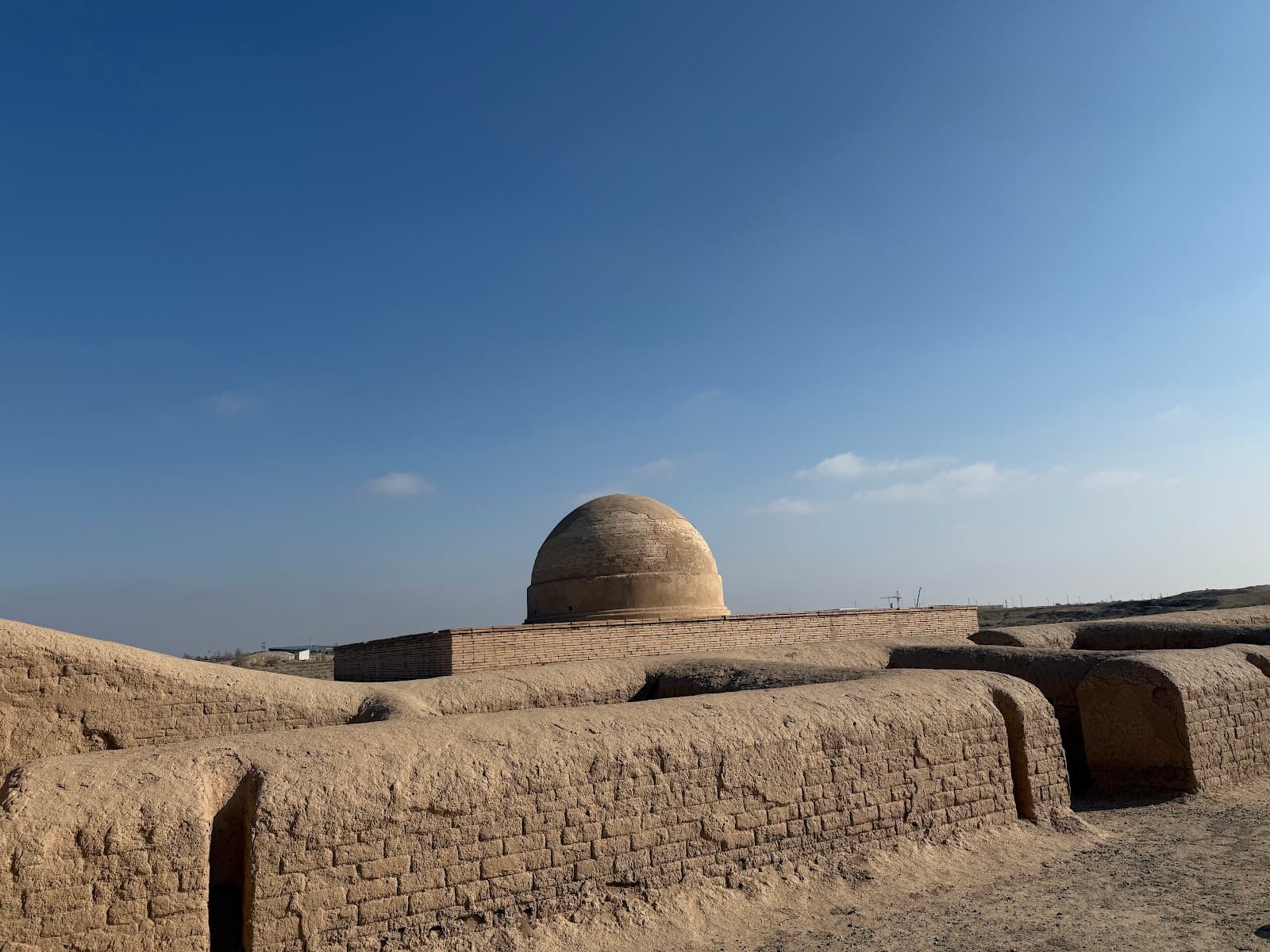
Fayaz Tepe Monastery Termez Uzbekistan
Fayaz Tepe Monastery, located near Termez in southern Uzbekistan, represents one of the most extraordinary and archaeologically significant Buddhist monastic complexes along the ancient Silk Road, constructed from the 1st to 3rd centuries CE during the height of the Kushan Empire, creating a powerful testament to the profound transmission of Indian Buddhist religious and architectural traditions to Central Asia. The monastery complex, comprising multiple structures including stupas, chapels, monastic cells, and assembly halls arranged around a central courtyard, features remarkable architectural elements that demonstrate the direct transmission of Indian Buddhist monastery architecture, particularly the traditions of northern India during the Kushan period, with local adaptations that reflect the sophisticated synthesis of Indian religious and artistic traditions with Central Asian building techniques. The site's most remarkable feature is the discovery of numerous Sanskrit inscriptions carved into stone and written on various materials, providing crucial evidence of the site's role as a major center for the transmission of Indian Buddhist texts and practices to Central Asia, while the architectural layout, with its central stupa surrounded by monastic cells and assembly halls, follows the classic Indian Buddhist monastery plan that was systematically transmitted from the great monastic centers of India including Taxila, Nalanda, and Gandhara. Archaeological excavations have revealed extraordinary Buddhist sculptures and reliefs executed in the distinctive Gandharan style, demonstrating the direct transmission of Indian Buddhist iconography and artistic traditions to Central Asia, while the discovery of numerous artifacts including coins, pottery, and ritual objects provides crucial evidence of the site's role as a major center of Buddhist learning and practice that attracted monks, traders, and pilgrims from across the Buddhist world. The monastery's location near Termez, a major Silk Road crossroads, underscores its significance as a center for the transmission of Buddhist teachings, art, and culture from India to Central Asia and beyond, while the site's architectural sophistication and extensive decorative programs demonstrate the sophisticated understanding of Indian Buddhist traditions possessed by the monks and artisans who created this extraordinary complex. Today, Fayaz Tepe stands as a UNESCO Tentative List site and represents one of the most important Buddhist archaeological discoveries in Central Asia, serving as a powerful testament to the transmission of Indian Buddhist culture and architecture to Central Asia, while ongoing archaeological research and conservation efforts continue to protect and study this extraordinary cultural treasure that demonstrates the profound impact of Indian civilization on Central Asian religious and artistic traditions. ([1][2])
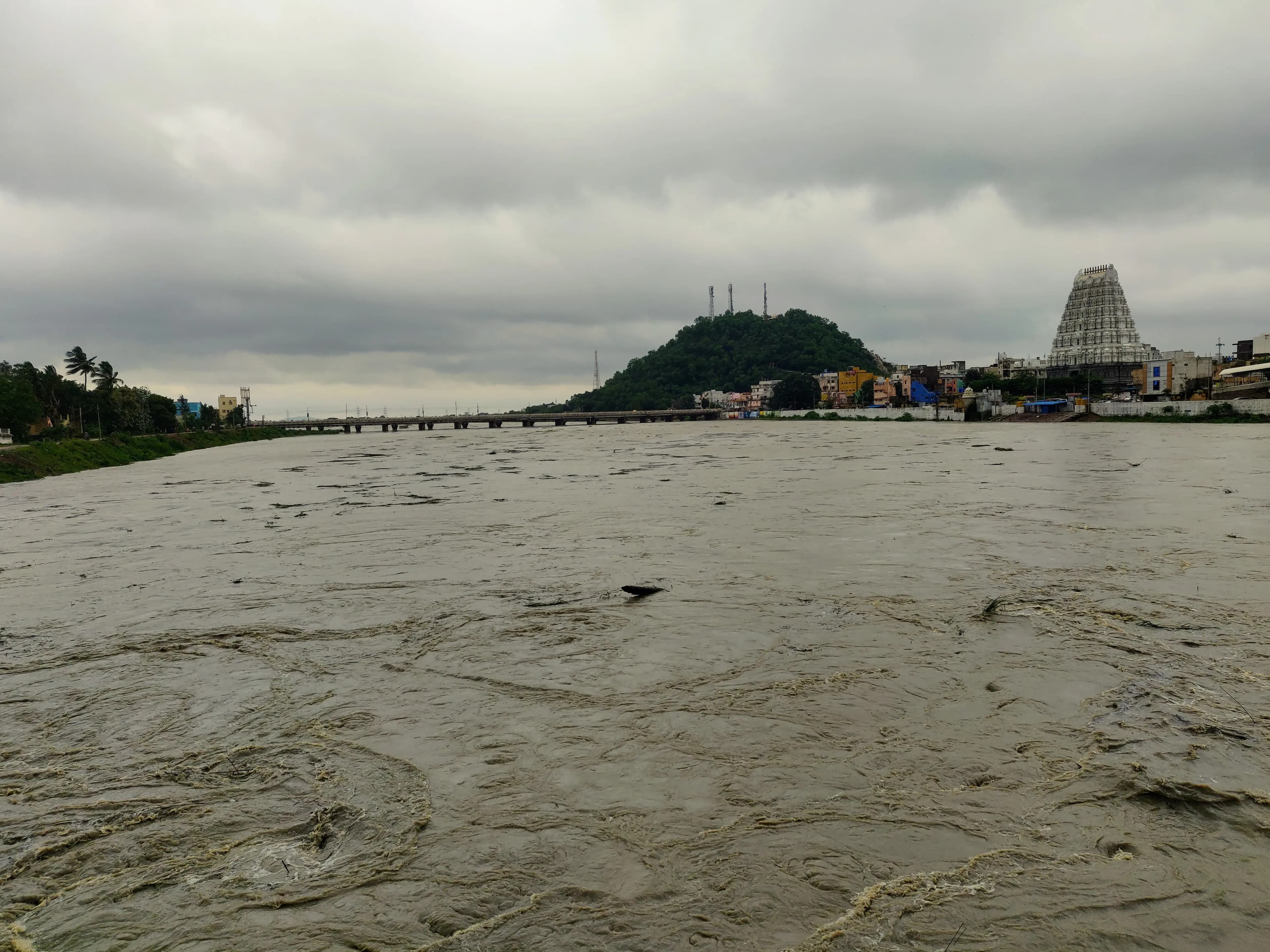
Srikalahasti Temple Srikalahasti
The air hung thick with incense and the murmur of chanting as I stepped through the towering gopuram of the Srikalahasti Temple. Sunlight, fractured by the intricate carvings, dappled the stone floor, creating an ethereal atmosphere. This wasn't just another temple on my UNESCO World Heritage journey across India; Srikalahasti held a different energy, a palpable sense of ancient power. Located in the Chittoor district of Andhra Pradesh, this temple, dedicated to Vayu, the wind god, is a testament to centuries of devotion and architectural brilliance. My eyes were immediately drawn upwards to the main Vimana, the Shikharam, soaring above the inner sanctum. This impressive structure, known as the Vayu Lingam, is not a sculpted idol but a natural rock formation believed to be a manifestation of Vayu. The flickering lamps surrounding it cast dancing shadows, adding to the mystique. The temple's Dravidian architecture is a marvel, with its intricate carvings depicting scenes from Hindu mythology. I spent a considerable amount of time studying the detailed friezes, each panel narrating a story, a testament to the skill of the artisans who crafted them centuries ago. The vibrant colours, though faded with time, still hinted at the temple's former glory. One of the most striking features of Srikalahasti is its massive, 100-pillar mandapam. The sheer scale of this hall is breathtaking. Each pillar is a work of art, adorned with elaborate carvings of deities, mythical creatures, and floral motifs. I could almost hear the echoes of ancient ceremonies and festivals that must have taken place within these hallowed walls. Walking through the mandapam, I felt a sense of connection to the generations of devotees who had walked this same path before me. The temple complex is vast, encompassing several smaller shrines dedicated to various deities. I explored each one, noting the unique architectural nuances and the distinct atmosphere they held. The shrine of Kalahasteeswara, a form of Shiva, is particularly noteworthy. The legend of the spider, the snake, and the elephant, each offering their devotion to Shiva in their own way, is deeply embedded in the temple's lore and adds another layer of spiritual significance to the site. Beyond the architectural grandeur, what truly captivated me at Srikalahasti was the palpable devotion of the pilgrims. From the elderly woman whispering prayers with closed eyes to the young family offering coconuts, the air was thick with faith. Witnessing this fervent devotion firsthand gave me a deeper understanding of the temple's significance, not just as a historical monument but as a living, breathing centre of spirituality. As I left the temple, the chanting still resonated in my ears. Srikalahasti is more than just a collection of stones and carvings; it's a testament to the enduring power of faith and the artistic brilliance of a bygone era. It's a place where history, mythology, and spirituality intertwine, creating an experience that stays with you long after you've left its sacred grounds. Of all the UNESCO sites I've visited in India, Srikalahasti holds a special place, a reminder of the rich tapestry of culture and belief that makes this country so unique. The wind, whispering through the temple towers, seemed to carry the echoes of centuries of prayers, a testament to the enduring spirit of this ancient sanctuary.
Mysore Palace Mysuru
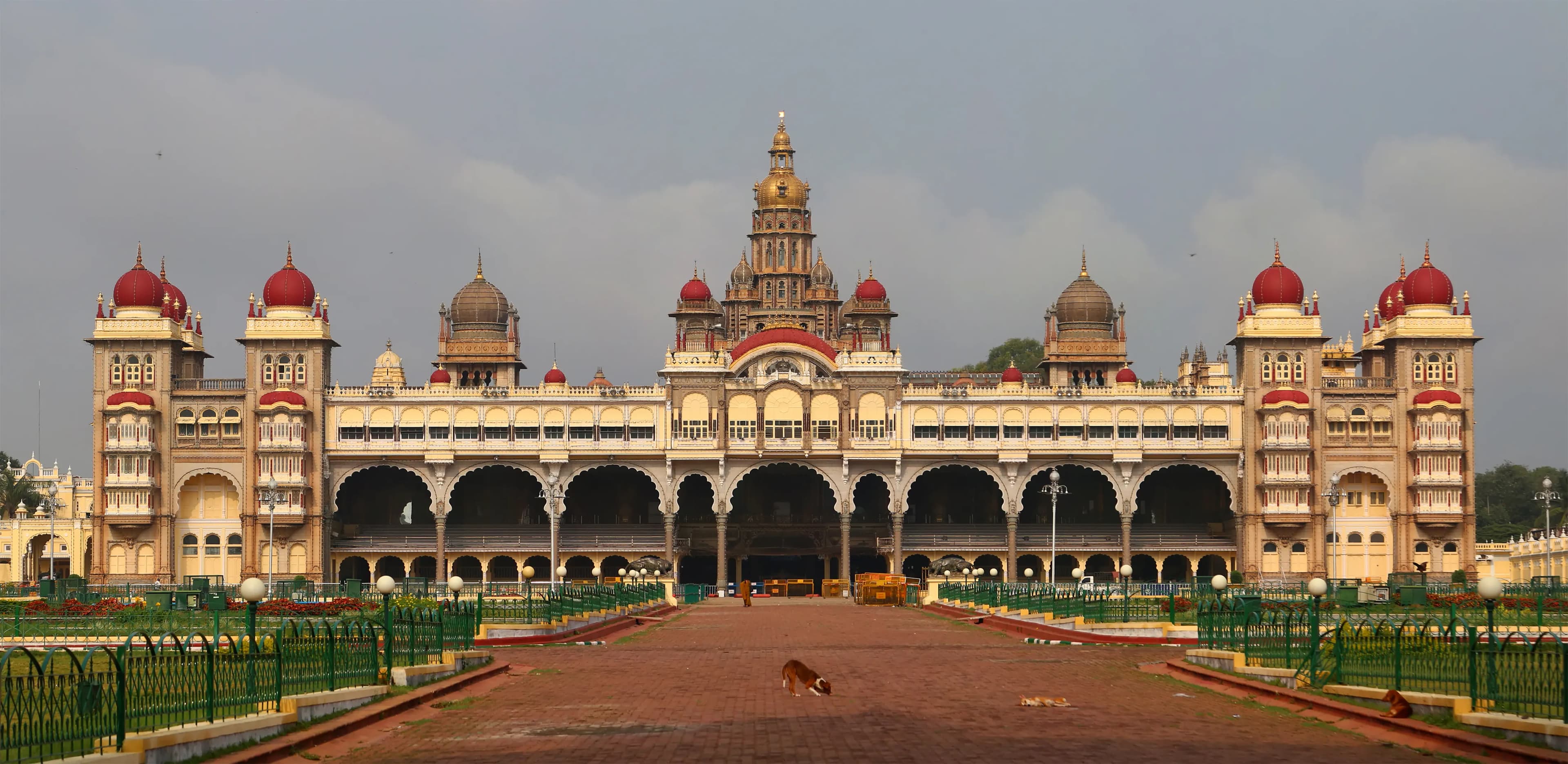
The Mysore Palace, or Amba Vilas Palace, isn't merely a structure; it's a statement. A statement of opulence, a testament to craftsmanship, and a living chronicle of a dynasty. As a Chennai native steeped in the Dravidian architectural idiom of South Indian temples, I found myself both captivated and challenged by the Indo-Saracenic style that defines this majestic palace. The blend of Hindu, Muslim, Rajput, and Gothic elements creates a unique architectural vocabulary, a departure from the gopurams and mandapas I'm accustomed to, yet equally mesmerizing. My first impression was one of sheer scale. The sprawling palace grounds, meticulously manicured, prepare you for the grandeur within. The three-storied stone structure, with its grey granite base and deep pink marble domes, stands as a beacon against the Mysore sky. The central arch, adorned with intricate carvings and flanked by imposing towers, draws the eye upwards, culminating in the breathtaking five-story gopuram. This fusion, the gopuram atop an Indo-Saracenic structure, is a powerful symbol of the cultural confluence that shaped Mysore's history. Stepping inside, I was immediately transported to a world of intricate detail. The Durbar Hall, with its ornate pillars, stained-glass ceilings, and intricately carved doorways, is a spectacle of craftsmanship. The pillars, far from being uniform, display a fascinating variety of designs, each a testament to the skill of the artisans. I noticed subtle variations in the floral motifs, the scrollwork, and even the miniature sculptures adorning the capitals. This attention to detail, reminiscent of the meticulous carvings found in Chola temples, spoke volumes about the dedication poured into this palace. The Kalyanamantapa, the marriage hall, is another jewel in the palace's crown. The octagonal hall, with its vibrant stained-glass ceiling depicting scenes from Hindu mythology, is a riot of color and light. The floor, paved with exquisite mosaic tiles, adds another layer of intricacy. While the overall style is distinctly different from the mandapas found in South Indian temples, I could appreciate the shared emphasis on creating a sacred, visually stunning space. Exploring further, I was particularly drawn to the Gombe Thotti, or Doll's Pavilion. This museum houses a remarkable collection of dolls from around the world, offering a glimpse into diverse cultures and artistic traditions. While not strictly architectural, it provided a fascinating cultural context for the palace and its inhabitants. The palace's exterior, particularly during the evening illumination, is truly magical. Thousands of bulbs outline the structure, transforming it into a shimmering spectacle. This, I felt, was a modern interpretation of the kuthuvilakku, the traditional oil lamps used to illuminate temple towers during festivals. While the technology is different, the effect is the same – a breathtaking display of light and shadow that enhances the architectural beauty. One aspect that particularly resonated with my background in South Indian temple architecture was the use of open courtyards. These courtyards, while smaller than the prakarams found in temples, serve a similar purpose – providing ventilation, natural light, and a sense of tranquility amidst the grandeur. They also offer framed views of different parts of the palace, creating a dynamic visual experience as one moves through the complex. The Mysore Palace is not just a palace; it's a living museum, a testament to the artistry and vision of its creators. It's a place where architectural styles converge, where history whispers from every corner, and where the grandeur of the past continues to captivate visitors from around the world. As I left the palace grounds, I carried with me not just images of its splendor, but a deeper appreciation for the rich tapestry of Indian architecture and the unique stories it tells.
Parshuram Kund Temple Lohit
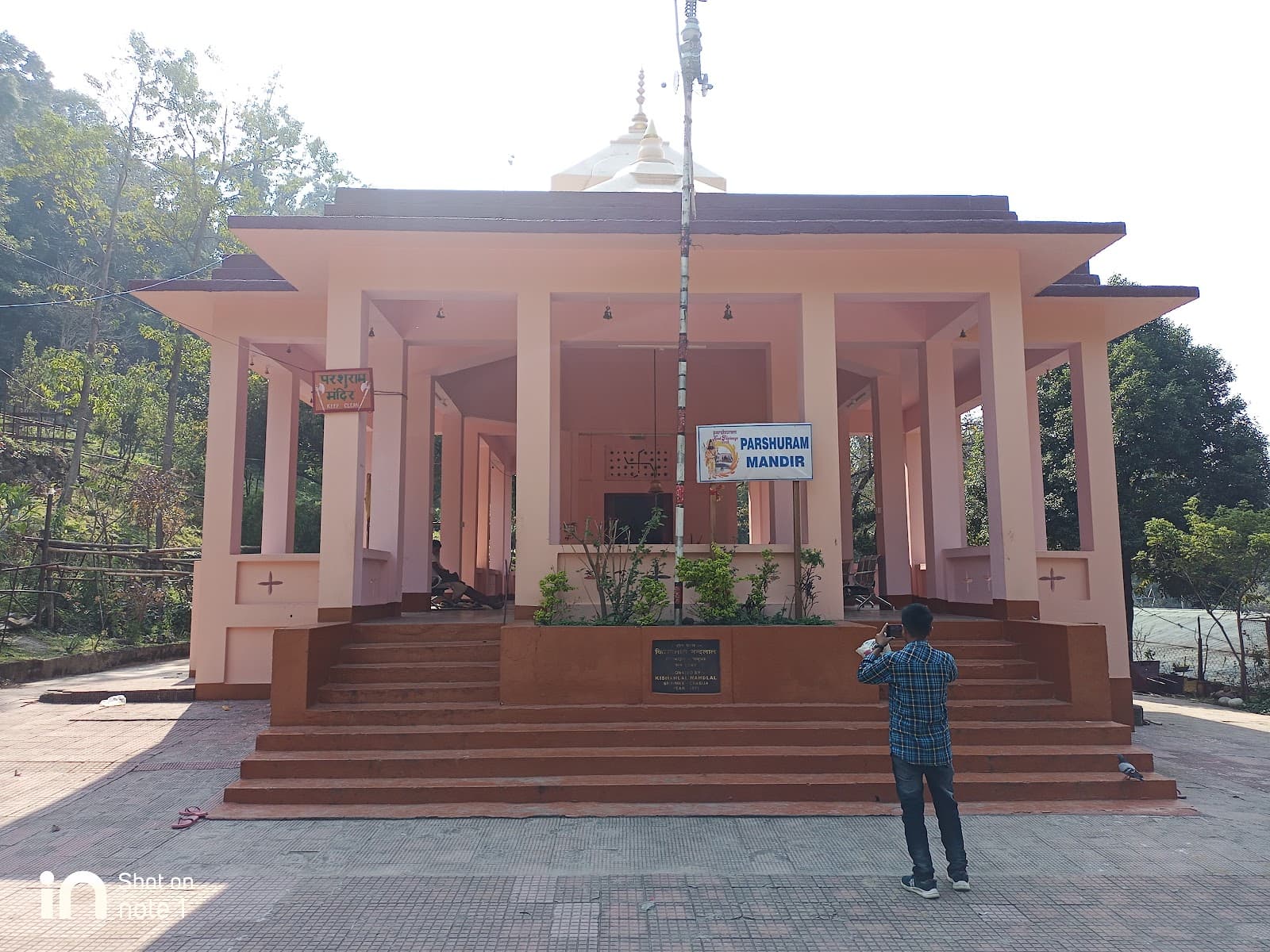
The biting January air, thin and crisp at 4,000 feet, whipped around me as I descended the steep steps towards Parshuram Kund. The roar of the Lohit River, a milky turquoise torrent surging through the gorge, filled the air, a constant, powerful presence that seemed to vibrate through the very rock on which the temple complex stood. This was no ordinary pilgrimage site; this was a place where the raw power of nature intertwined with deep-seated spiritual belief. Located in the remote Lohit district of Arunachal Pradesh, Parshuram Kund is more than just a temple; it's a confluence of mythology, natural beauty, and human devotion. Legend holds that this is where the warrior sage Parshuram washed away the sin of matricide, his axe, still stained crimson, cleansed by the sacred waters. That narrative resonated powerfully as I stood at the river’s edge, the icy spray misting my face, the sheer force of the current a tangible reminder of the cleansing power attributed to it. The main temple, dedicated to Lord Shiva, is a relatively modern structure, a stark white against the backdrop of the dark, imposing cliffs. While not architecturally ancient, it doesn't detract from the overall atmosphere. It feels less like a standalone monument and more like a focal point for the existing spiritual energy of the place. Smaller shrines dot the surrounding area, tucked into crevices and perched precariously on rocky outcrops, each a testament to the enduring faith of the pilgrims who journey here. What struck me most, however, wasn't the architecture, but the palpable sense of devotion. Having documented hundreds of temples across India, I've become accustomed to a certain level of ritualistic practice. But at Parshuram Kund, there was a rawness, an immediacy to the faith that was both humbling and inspiring. I watched as pilgrims, many having travelled for days, immersed themselves in the frigid waters, their faces etched with a mixture of reverence and determination. The chanting of mantras, the clang of bells, the scent of incense – all blended with the roar of the river to create an immersive sensory experience unlike any I’d encountered before. The architectural details, though simple, spoke volumes. The use of local stone in the construction of the shrines blended seamlessly with the natural surroundings, creating a sense of harmony between the man-made and the natural. The carvings, though weathered by the elements, hinted at a rich artistic tradition, depicting scenes from mythology and nature. I spent hours photographing these details, trying to capture the essence of the place, the interplay of light and shadow on the weathered stone, the textures of the rock face, the vibrant colours of the prayer flags fluttering in the wind. One particular detail that caught my eye was the prevalence of Trishuls, the trident of Shiva, embedded in the rocks surrounding the Kund. These tridents, some ancient and rusted, others newly placed and gleaming, served as a constant reminder of the presiding deity and the sanctity of the site. They were not mere decorations; they were symbols of faith, each one representing a prayer, a hope, a plea. As the sun began to dip below the horizon, casting long shadows across the gorge, I climbed back up the steps, leaving the roar of the river behind. The experience had been profound, a reminder of the power of faith and the enduring connection between humanity and nature. Parshuram Kund is more than just a temple; it’s a living testament to the enduring power of belief, a place where the spiritual and the natural converge in a symphony of sound, sight, and emotion. It’s a place that stays with you long after you’ve left, a memory etched in stone and water, echoing in the whispers of the wind.
Quick Links
Plan Your Heritage Journey
Get personalized recommendations and detailed visitor guides