Has Inheritage Foundation supported you today?
Your contribution helps preserve India's ancient temples, languages, and cultural heritage. Every rupee makes a difference.
Secure payment • Instant 80G certificate
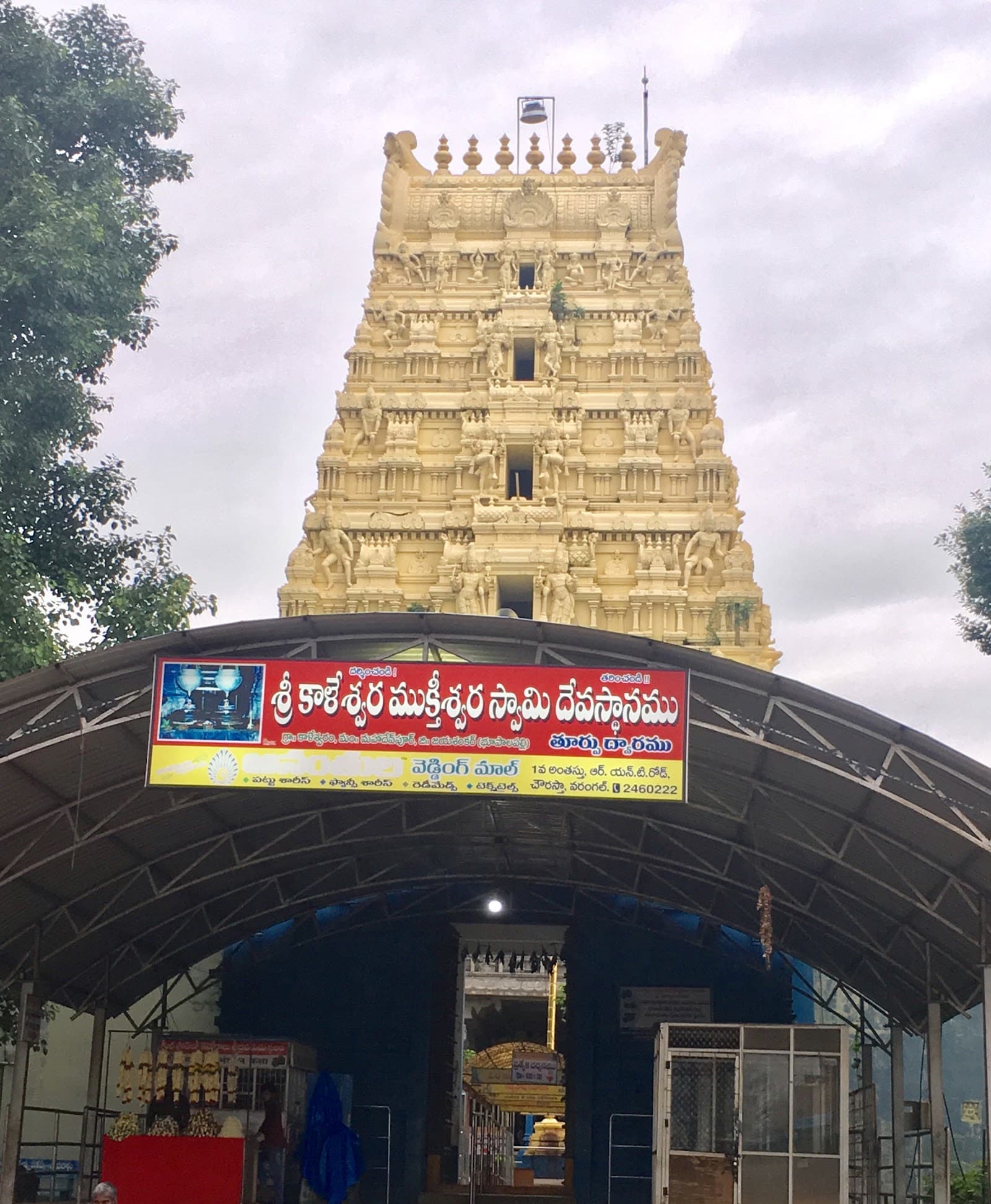
Kaleshwara Mukteswara Temple Kaleshwaram
The confluence of three rivers – the Godavari, Pranahita, and the mythical Saraswati – creates a sacred landscape at Kaleshwaram, where the Kaleshwara Mukteswara Swamy Temple stands as a testament to centuries of devotion and architectural prowess. My recent visit to this Telangana temple left me awestruck by its scale and the intricate details woven into its fabric. The temple complex, recently renovated, sprawls across a vast area, a modern marvel built upon ancient foundations. While the new construction gleams with polished stone, the core sanctums retain the weathered charm of history. The primary deity, Lord Shiva, is worshipped here as Kaleshwara Mukteswara Swamy, a name that resonates with the liberating power of time and divine grace. The temple's layout follows a traditional South Indian pattern, with multiple concentric enclosures or *prakarams* leading to the central shrine. However, the sheer scale of these *prakarams* and the towering *gopurams* (gateways) that punctuate them set Kaleshwaram apart. The use of light-colored stone, predominantly granite, creates a sense of grandeur and purity, amplified by the meticulous carvings that adorn every surface. One of the most striking features of the temple is the intricate sculpture work. Unlike the narrative panels common in many South Indian temples, Kaleshwaram’s carvings focus predominantly on floral motifs, geometric patterns, and divine figures. I noticed a distinct influence of the Chalukyan style in the sculpted *yalis* (mythical beasts) and the elaborate scrollwork that frames doorways and niches. The pillars, too, are marvels of craftsmanship, each one uniquely carved with intricate designs that seem to defy gravity. I spent a considerable amount of time observing the subtle variations in the floral patterns, each petal and leaf rendered with astonishing precision. The main *gopuram*, soaring high above the surrounding landscape, is a breathtaking sight. Its multiple tiers, adorned with vibrant stucco figures of deities and celestial beings, create a powerful visual statement. While the vibrant colours of the stucco work contrast with the muted tones of the stone, they add a layer of dynamism to the overall aesthetic. This interplay of colour and texture, of old and new, is a recurring theme throughout the temple complex. Moving beyond the main shrine, I explored the smaller shrines dedicated to various deities within the complex. The shrine of Goddess Parvati, consort of Lord Shiva, is particularly noteworthy for its elegant simplicity. The smaller *gopuram* leading to this shrine features intricate carvings of female deities and celestial musicians, a testament to the reverence accorded to the feminine principle in Hindu cosmology. My visit to Kaleshwaram wasn't just about observing the architecture; it was an immersion in a living tradition. The temple was bustling with devotees, their chants and prayers creating a palpable sense of devotion. Observing the rituals, the offerings, and the interactions between the priests and the devotees provided a glimpse into the enduring power of faith. The temple, despite its recent renovation, felt deeply connected to the past, a bridge between generations of worshippers. The integration of modern amenities, such as well-maintained pathways, clean restrooms, and clear signage, enhances the visitor experience without detracting from the temple's spiritual aura. This careful balance between preservation and modernization is commendable. Kaleshwaram is more than just a temple; it's a cultural landmark, a testament to the architectural ingenuity and religious fervour of the region. It's a place where history whispers from ancient stones, where faith finds expression in vibrant rituals, and where the confluence of rivers mirrors the confluence of the past, present, and future. My experience at Kaleshwaram was profoundly enriching, leaving me with a deep appreciation for the rich tapestry of South Indian temple architecture and the enduring power of sacred spaces.
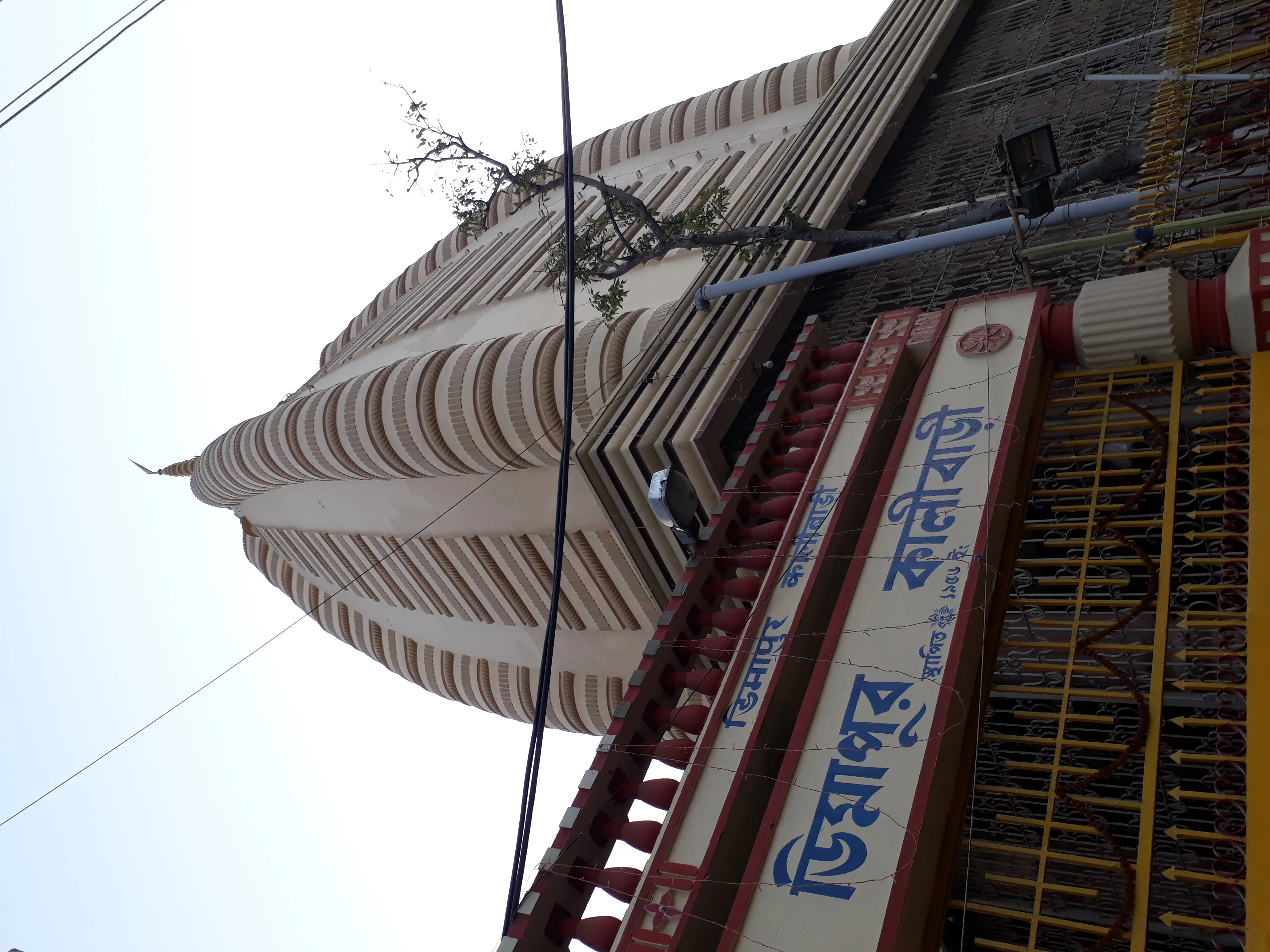
Dimapur Kalibari Dimapur
The air, thick with the scent of incense and marigold garlands, hung heavy as I stepped through the imposing gateway of the Dimapur Kalibari. This wasn't the Himalayas I was accustomed to, the familiar terrain of my North Indian explorations. This was Dimapur, Nagaland, and the vibrant colours, the unfamiliar lilt of the language, and the unique architecture of this temple instantly told me I was in a different world. The Kalibari, dedicated to the goddess Kali, stands as a striking testament to the Bengali community's presence in this northeastern state. It isn't tucked away in quiet contemplation; rather, it embraces the city's bustle, situated near the heart of Dimapur. The first thing that struck me was the sheer scale of the complex. The main temple, a two-storied structure, is painted a brilliant shade of orange, a hue that seems to amplify the tropical sun. Intricate white detailing adorns the façade, a delicate counterpoint to the bold colour. It’s a far cry from the muted sandstone and marble of North Indian temples, and yet, the reverence in the air felt instantly familiar. Climbing the steps to the main sanctum, I noticed the distinctive curved roof, reminiscent of traditional Bengali architecture, yet with a subtle Naga influence in the decorative motifs. The roofline is adorned with a series of miniature domes, or chhatris, each intricately carved and painted. These architectural flourishes speak to a cultural exchange, a blending of traditions that defines this unique place of worship. Inside, the atmosphere is charged with devotion. The scent of burning camphor and the rhythmic chanting of prayers filled the air. The idol of Kali, resplendent in her traditional garb, dominates the sanctum. Her fierce expression, usually interpreted as a symbol of destruction of evil, felt strangely comforting here, a powerful presence amidst the unfamiliar surroundings. Unlike the often hushed reverence of North Indian temples, here, the devotion is more expressive. Devotees offered prayers with a fervent energy, their voices rising and falling in unison. Stepping out onto the temple balcony, I was greeted by a panoramic view of Dimapur. The sprawling city, a mix of concrete buildings and lush greenery, stretched out before me. From this vantage point, the Kalibari felt like an anchor, a spiritual haven amidst the urban chaos. The temple complex also houses a smaller shrine dedicated to Lord Shiva. This shrine, while less elaborate than the main temple, possesses a quiet charm. The smooth, grey stone of the Shiva lingam offered a stark contrast to the vibrant colours of the Kali temple, creating a sense of balance within the complex. What truly sets the Dimapur Kalibari apart is its inclusive nature. While primarily a Hindu temple, it attracts visitors from various faiths and backgrounds. I saw local Naga families alongside Bengali devotees, all united in a shared sense of reverence. This intermingling of cultures, this quiet acceptance of different beliefs, is perhaps the most powerful testament to the spirit of this place. As I left the Kalibari, the scent of incense still clinging to my clothes, I felt a profound sense of connection. This wasn't just a temple; it was a microcosm of India's diverse cultural tapestry. It was a reminder that spirituality transcends geographical boundaries and architectural styles. It was a testament to the enduring power of faith, expressed in a myriad of ways, in a corner of India far removed from my familiar North.
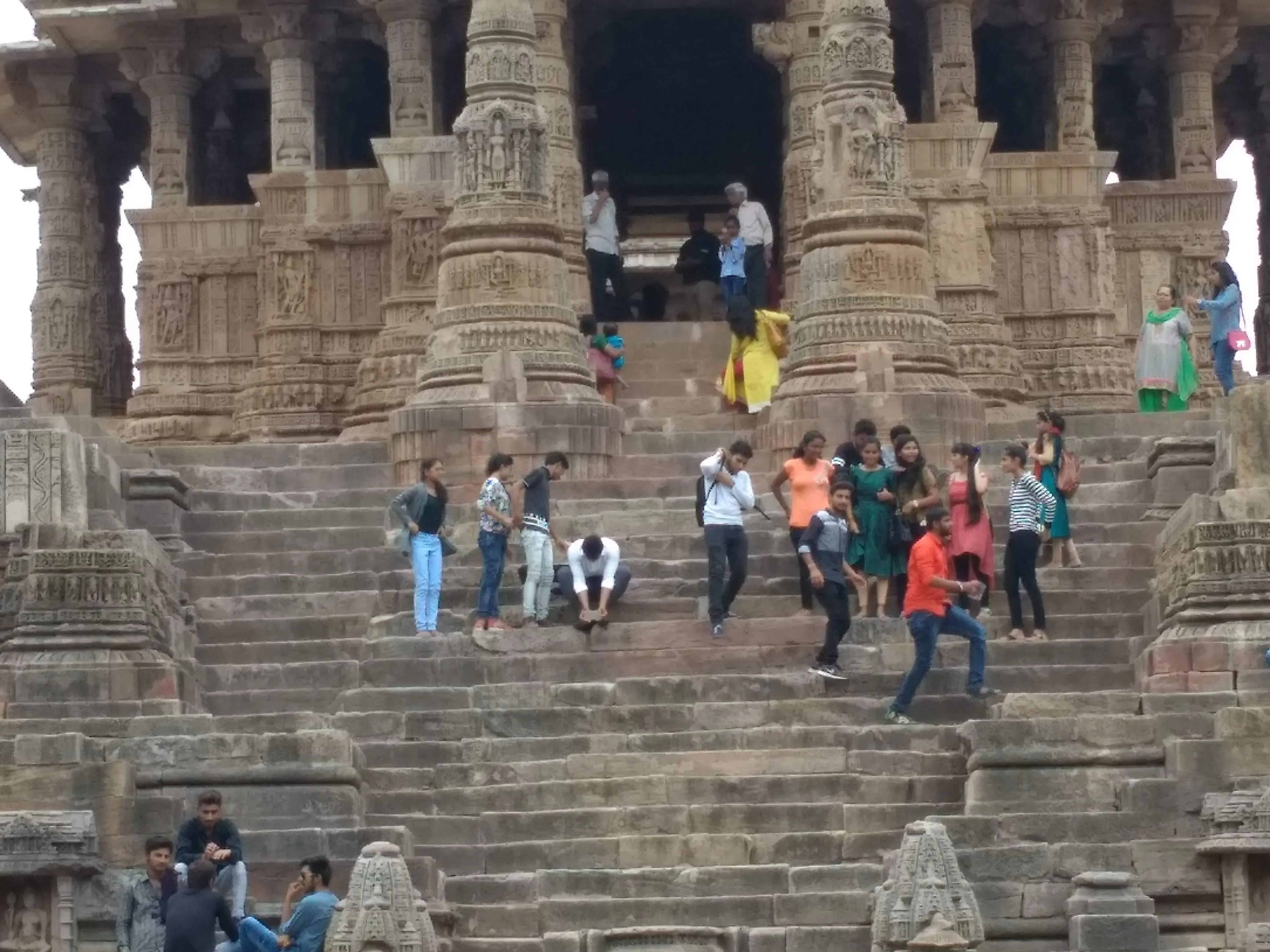
Modhera Sun Temple Mehsana
The dawn sun cast long shadows across the exquisitely carved stone, illuminating the Modhera Sun Temple in a way that felt almost reverential. Having explored countless temples across North India, from the soaring peaks of the Himalayas to the plains of the Gangetic belt, I thought I had become somewhat jaded to the grandeur of ancient architecture. Modhera, however, stopped me in my tracks. This wasn't just another temple; it was a symphony in stone, a testament to the Solanki dynasty's devotion to the sun god, Surya. Located in Modhera, a small village in Gujarat's Mehsana district, the temple complex is divided into three distinct parts: the Surya Kund (stepwell), the Sabha Mandap (assembly hall), and the Guda Mandap (sanctum sanctorum). My exploration began with the Surya Kund, a massive rectangular stepwell descending several stories into the earth. Unlike utilitarian stepwells I'd seen elsewhere, this one was ornate, with over 108 miniature shrines carved into its sides, dedicated to various deities. Imagine descending into the earth surrounded by intricate carvings of gods and goddesses, the cool air a welcome respite from the Gujarati heat. It felt like stepping back in time, witnessing a sacred ritual bath frozen in stone. From the stepwell, a flight of steps led me to the Sabha Mandap, the assembly hall. This pillared marvel is a masterpiece of intricate carvings. Each pillar tells a story, depicting scenes from the epics, celestial nymphs, and intricate geometric patterns. The play of light and shadow through the pillars created an ethereal atmosphere, making it easy to imagine the vibrant gatherings that must have once taken place within these walls. I spent a considerable amount of time simply circling the hall, tracing the carvings with my fingers, trying to decipher the stories they whispered. The sheer density of the ornamentation was breathtaking; every inch of the stone seemed to pulsate with life. Finally, I reached the Guda Mandap, the sanctum sanctorum, now bereft of its original idol. Even without the presiding deity, the space held a palpable sense of sanctity. The towering shikhara, though partially ruined, still reached towards the sky, a symbol of aspiration and devotion. The walls of the sanctum were covered in intricate carvings depicting Surya in his various forms, riding his chariot across the heavens. The level of detail was astonishing; the sculptor had captured the very essence of the sun god's power and radiance. One of the most striking aspects of the Modhera Sun Temple is its precise alignment with the cardinal directions. During the equinoxes, the first rays of the rising sun would illuminate the image of Surya in the sanctum, a feat of architectural ingenuity that underscores the deep astronomical knowledge of the Solanki architects. Although I wasn't there during the equinox, I could still visualize the spectacle, the sun's golden rays piercing the darkness and bathing the deity in light. As I walked away from the temple, the setting sun painting the sky in hues of orange and gold, I couldn't help but feel a sense of awe. Modhera is more than just a collection of stones; it's a living testament to the artistic and engineering prowess of a bygone era. It's a place where history, mythology, and architecture converge to create an experience that is both humbling and inspiring. For anyone seeking a glimpse into India's rich cultural heritage, the Modhera Sun Temple is an absolute must-see. It's a journey not just through space, but through time itself.
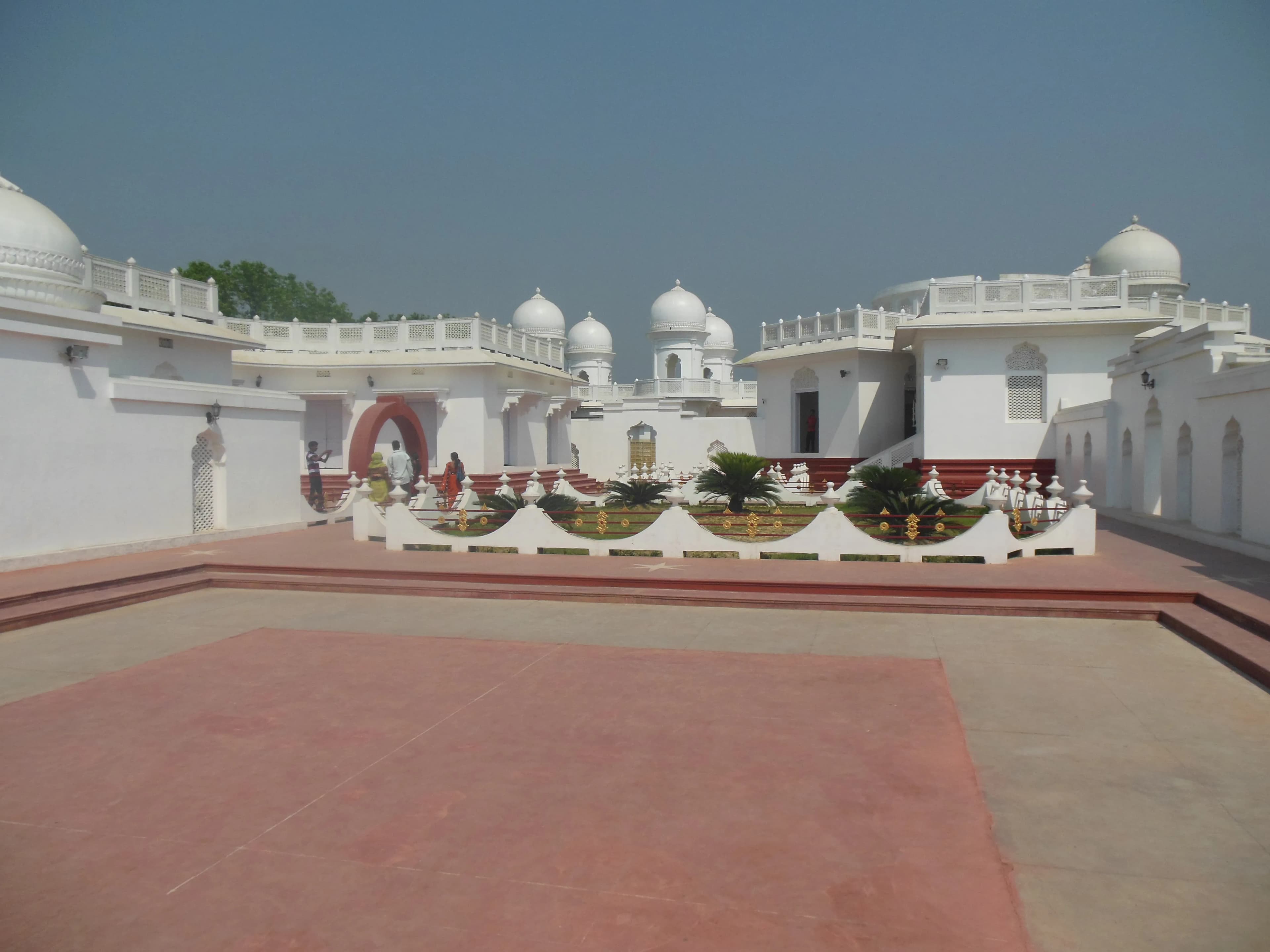
Neermahal Palace Melaghar Tripura
The shimmering reflection of Neermahal Palace rippled across Rudrasagar Lake, a sight that instantly justified the long journey to Melaghar, Tripura. The "Lake Palace," as it's often called, isn't the imposing sandstone behemoth one might expect from Rajasthan, but rather a unique blend of Hindu and Mughal architectural styles, a testament to Maharaja Bir Bikram Kishore Manikya Bahadur's vision in the early 20th century. Having documented over 500 monuments across India, I've become accustomed to the grandeur of empires past, but Neermahal held a distinct charm, a quiet dignity amidst the placid waters. The boat ride to the palace itself is an experience. The lake, vast and serene, creates a sense of anticipation, the palace gradually growing larger, its white and light pink facade becoming clearer against the backdrop of the green hills. As we approached, the intricate details began to emerge – the curved arches, the ornate domes, the delicate floral motifs. The blend of styles is striking. The domes and chhatris speak to the Mughal influence, while the overall structure, particularly the use of timber and the sloping roofs, leans towards traditional Hindu architecture. This fusion isn't jarring; it feels organic, a reflection of the cultural confluence that has shaped this region. Stepping onto the landing, I was immediately struck by the scale of the palace. It's larger than it appears from afar, spread across two courtyards. The western courtyard, designed for royal functions, is grand and open, while the eastern courtyard, the zenana, or women's quarters, is more intimate, with smaller rooms and balconies overlooking the lake. This segregation, typical of many Indian palaces, offers a glimpse into the social structures of the time. The interior, while sadly showing signs of neglect in places, still retains echoes of its former glory. The durbar hall, with its high ceilings and remnants of intricate plasterwork, speaks of lavish gatherings and royal pronouncements. The smaller rooms, once vibrant with life, now stand silent, their peeling paint and crumbling walls whispering stories of a bygone era. I spent hours exploring these spaces, my camera capturing the interplay of light and shadow, documenting the decay as much as the remaining beauty. One of the most captivating aspects of Neermahal is its setting. The lake isn't merely a backdrop; it's integral to the palace's identity. The reflection of the palace on the still water creates a mesmerizing visual, doubling its impact. The surrounding hills, covered in lush greenery, add another layer to the picturesque scene. I noticed several strategically placed balconies and viewing points, designed to maximize the views of the lake and surrounding landscape. It's clear that the Maharaja, a known connoisseur of beauty, intended for Neermahal to be a place of leisure and aesthetic appreciation. My visit to Neermahal wasn't just about documenting the architecture; it was about experiencing a place frozen in time. It was about imagining the lives lived within those walls, the laughter and music that once filled the courtyards, the boats gliding across the lake carrying royalty and guests. It was about witnessing the inevitable passage of time, the slow but relentless decay that affects even the grandest of structures. Neermahal, in its present state, is a poignant reminder of the impermanence of things, a beautiful ruin that continues to captivate and inspire. It's a place that deserves to be preserved, not just for its architectural significance, but for the stories it holds within its crumbling walls.
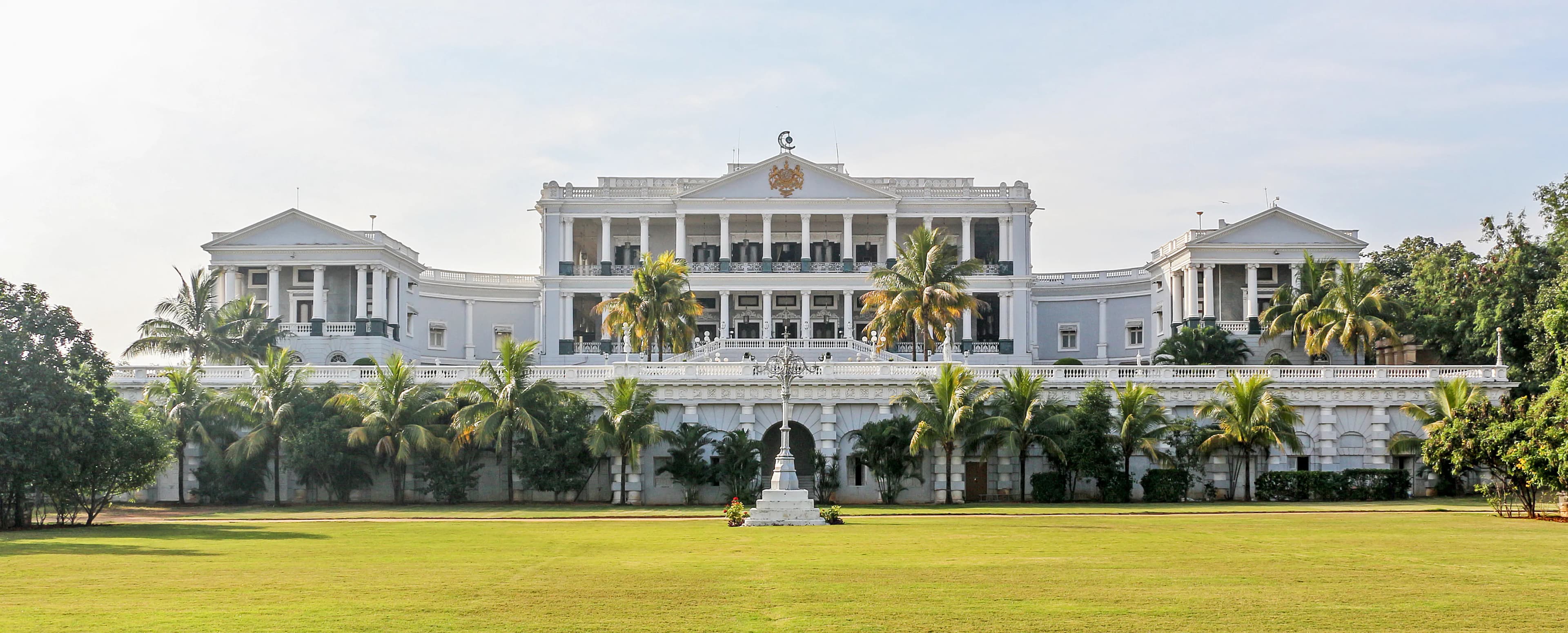
Falaknuma Palace Hyderabad
The Nizam’s carriages, gleaming under the Hyderabad sun, offered a fitting prelude to the grandeur that awaited me at Falaknuma Palace. Perched 2,000 feet above the city, this scorpion-shaped architectural marvel, meaning "Mirror of the Sky" in Urdu, truly lives up to its name. As I ascended the hill, the palace gradually revealed itself, a blend of Italian and Tudor influences against the backdrop of the Deccan plateau. The pale Italian marble, so striking against the azure sky, hinted at the opulence within. Stepping through the grand arched entrance felt like stepping back in time. The sheer scale of the entrance hall, with its soaring ceilings and intricate frescoes, was breathtaking. The jade collection, displayed in cabinets lining the walls, immediately caught my eye – a testament to the Nizam’s legendary wealth. Each piece, from delicate snuff bottles to intricately carved figurines, whispered stories of a bygone era. My guide, a seasoned historian, pointed out the intricate details of the palace's architecture. The blend of styles was seamless, a testament to the architects' vision. The stained-glass windows, imported from Venice, cast kaleidoscopic patterns on the marble floors. The intricate woodwork, particularly on the grand staircase, showcased the skill of local artisans. Everywhere I looked, there were stories etched in wood, marble, and glass. The state reception room, where the Nizam once entertained dignitaries, was a spectacle of Victorian grandeur. The furniture, upholstered in rich velvet and adorned with mother-of-pearl inlay, looked as if it had been prepared for a royal reception just yesterday. The massive chandeliers, glittering with hundreds of crystals, dominated the room, casting a warm glow on the priceless artifacts displayed around the room. I could almost imagine the Nizam, dressed in his finery, holding court in this magnificent space. The library, a personal favorite, was a haven for bibliophiles. Its walnut shelves, stacked with rare books and manuscripts, stretched towards the high, coffered ceiling. The scent of old paper and leather hung in the air, a comforting aroma that transported me to a world of scholarly pursuits. I spent a considerable amount of time admiring the collection, marveling at the breadth of knowledge contained within those walls. It was easy to see why the Nizam, a known patron of the arts and sciences, cherished this space. The dining hall, with its impossibly long table capable of seating 100 guests, was another highlight. The Nizam, known for his lavish hospitality, hosted extravagant banquets here. The stories of these legendary feasts, recounted by my guide, brought the space to life. I could almost hear the clinking of glasses, the murmur of conversations, and the strains of music that once filled this grand hall. Beyond the opulent interiors, the palace grounds offered breathtaking views of the city below. The manicured gardens, a blend of Mughal and English landscaping styles, provided a tranquil escape from the bustling city. The fountains, once a symbol of the Nizam's wealth and power, still gurgled softly, adding to the serene atmosphere. As I descended the hill, leaving the grandeur of Falaknuma behind, I couldn't help but feel a sense of awe. This wasn't just a palace; it was a time capsule, preserving a slice of India's rich history. It was a testament to the vision of the Nizams, their patronage of the arts, and their lavish lifestyle. Falaknuma Palace, truly a mirror of the sky, reflected not just the heavens above but also the grandeur of a bygone era. Having visited every UNESCO site in India, I can confidently say that Falaknuma holds a unique place, offering a glimpse into a world of princely splendor that is both captivating and unforgettable.
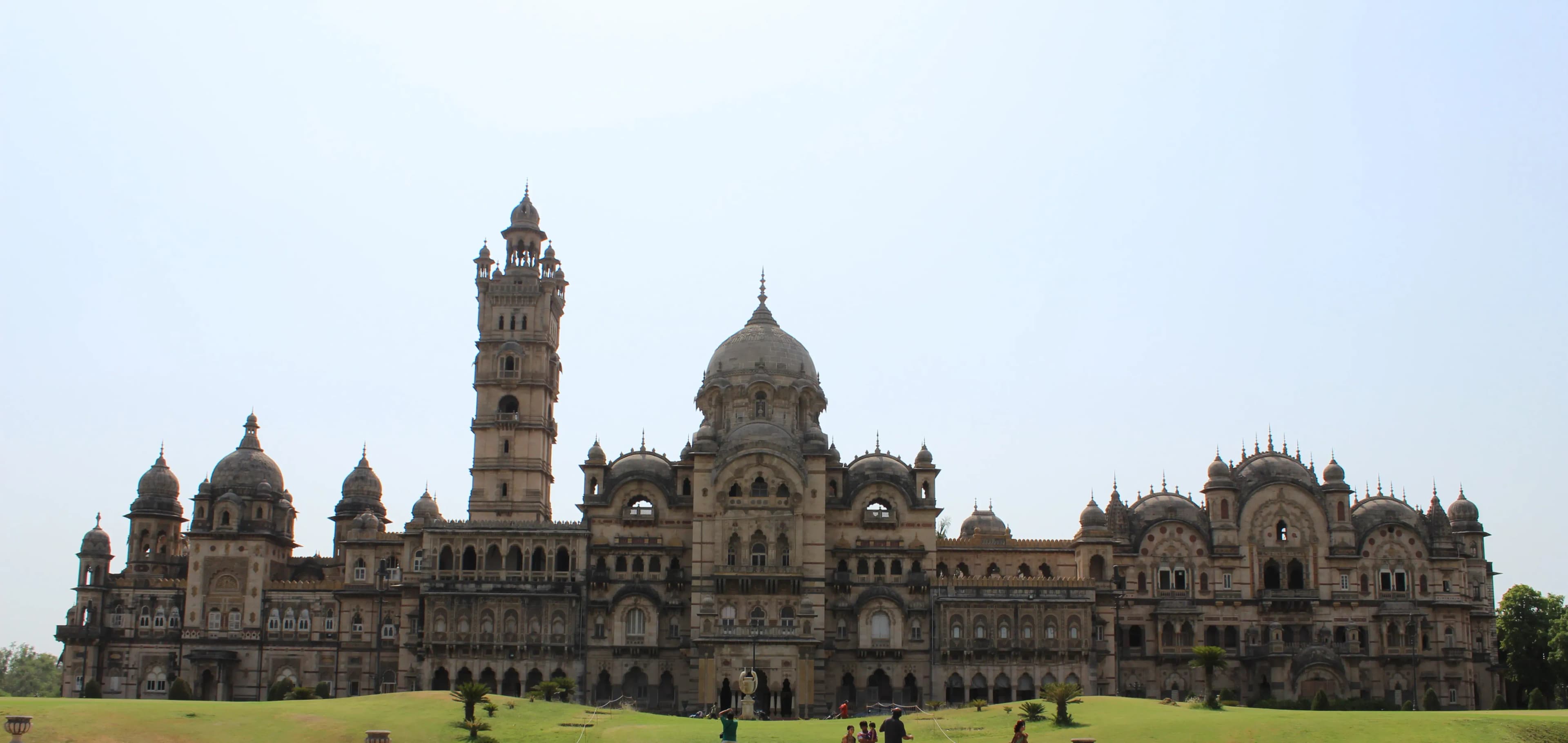
Laxmi Vilas Palace Vadodara
The wrought iron gates of Laxmi Vilas Palace, embellished with the Gaekwad coat of arms, seemed to whisper tales of a bygone era as I stepped onto the sprawling grounds. This wasn't merely a palace; it was a statement – a testament to the grandeur and vision of Maharaja Sayajirao Gaekwad III. The sheer scale of the Indo-Saracenic structure, dwarfing even the impressive structures I’m accustomed to in Kolkata, left me momentarily speechless. Built in 1890, it remains the largest private dwelling in India, four times the size of Buckingham Palace, a fact that continually echoed in my mind as I explored its vast expanse. The first thing that struck me was the seamless blend of architectural styles. While the domes and arches spoke of Mughal influence, the intricate carvings and jalis (perforated stone screens) were distinctly Gujarati. The use of European architectural elements, such as the Italian marble columns and stained-glass windows, added another layer of complexity, showcasing the Maharaja's cosmopolitan outlook. It wasn't just a fusion of styles, but a conversation between them, each element complementing the other in a harmonious symphony of stone and artistry. Inside, the Durbar Hall, with its Venetian mosaic floors and Belgian stained-glass windows depicting scenes from the Mahabharata, was breathtaking. The sheer opulence was almost overwhelming, yet there was a sense of restraint, a refusal to descend into gaudiness. The delicate floral motifs carved into the sandstone walls, the intricate chandeliers hanging from the high ceilings, and the portraits of the Gaekwad dynasty lining the walls all spoke of a refined aesthetic sensibility. I was particularly fascinated by the Navlakhi stepwell, tucked away in a corner of the vast gardens. Descending into its cool depths, I felt transported back in time. The intricate carvings on the stepwell walls, depicting deities and celestial beings, were remarkably well-preserved, a testament to the quality of the craftsmanship. It was a space of quiet contemplation, a stark contrast to the grandeur of the palace itself. The palace museum, housed within a section of the main building, provided a fascinating glimpse into the lives of the Gaekwad rulers. The collection of weaponry, including swords, guns, and armor, was impressive, but it was the personal artifacts – the Maharaja's vintage cars, his collection of clocks, and the portraits of his family – that truly captured my attention. These objects humanized the Maharaja, transforming him from a historical figure into a man with passions and interests. As I wandered through the manicured gardens, past fountains and sculptures, I couldn't help but reflect on the legacy of Maharaja Sayajirao Gaekwad III. He was not just a builder of palaces, but a visionary ruler who invested heavily in education, infrastructure, and social reforms. Laxmi Vilas Palace, therefore, is not just a symbol of his wealth, but a reflection of his progressive ideals. The palace continues to be the residence of the royal family, a living testament to a dynasty that shaped the history of Vadodara. Leaving the palace grounds, I felt a sense of awe and gratitude. Awe at the sheer magnificence of the structure and the artistry of its creators, and gratitude for the opportunity to witness a piece of history firsthand. Laxmi Vilas Palace is not just a building; it is a story etched in stone, a story of ambition, vision, and a deep appreciation for beauty. It is a must-see for anyone interested in Indian architecture and history, a place where the past comes alive in all its splendor.
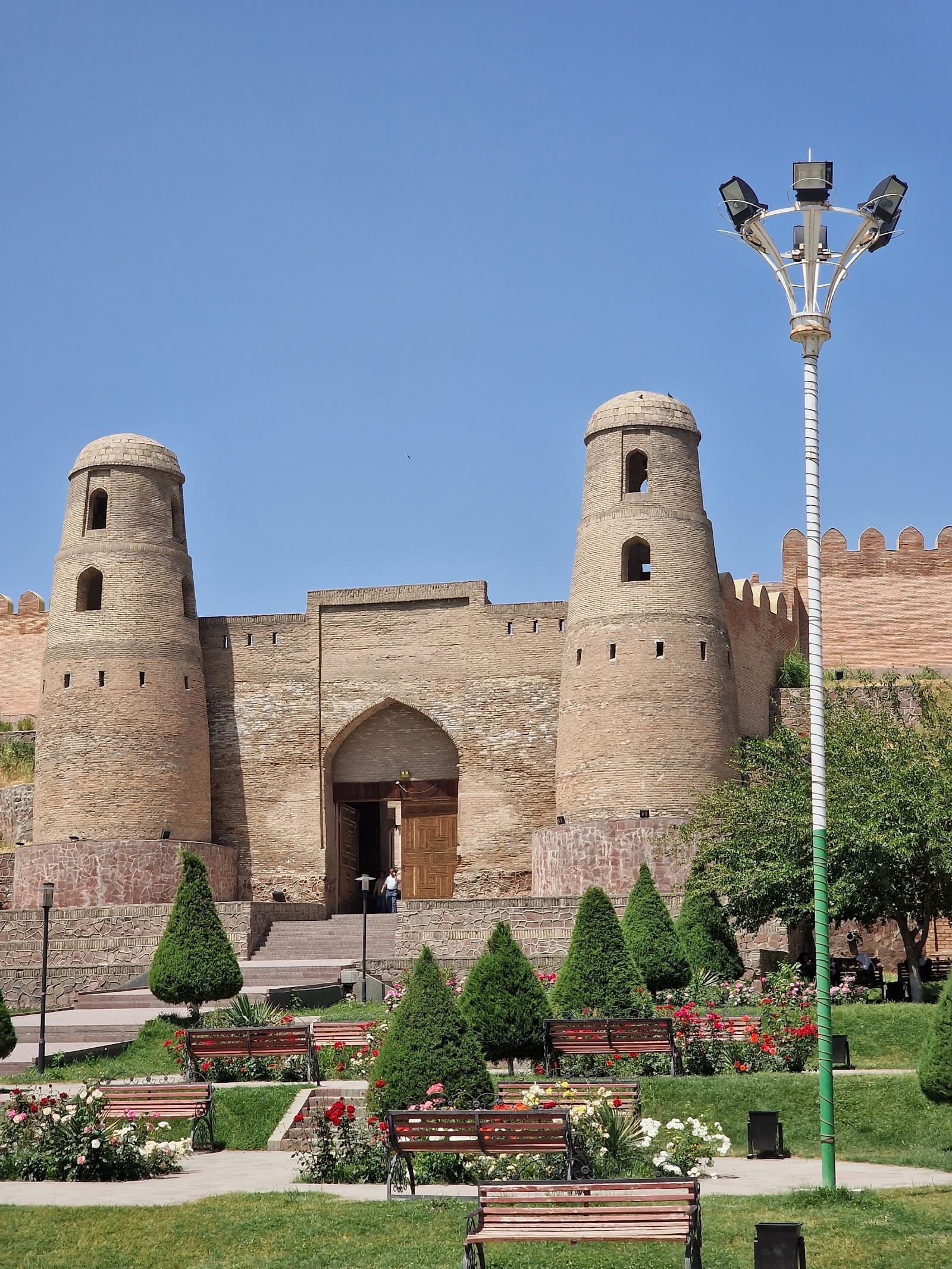
Hisor Fortress Complex Hisor Tajikistan
Hisor Fortress Complex, dramatically situated in the Hisor District of central Tajikistan, represents one of the most archaeologically significant fortified settlements in Central Asia, constructed over multiple periods from ancient times through the medieval period as a major defensive and administrative center with archaeological layers containing Buddhist remain fragments, creating a powerful testament to the transmission of Indian Buddhist religious and artistic traditions to Central Asia. The fortress complex, featuring sophisticated defensive architecture including fortified walls, towers, and gates that were constructed and reconstructed over centuries, contains archaeological layers that have yielded Buddhist remain fragments including sculptures, reliefs, and architectural elements that demonstrate clear Indian Buddhist iconographic influences, providing crucial evidence of the site's role as a center for the transmission of Indian Buddhist culture to Central Asia. Archaeological excavations have revealed extraordinary archaeological layers containing Buddhist remain fragments executed in styles that demonstrate clear Indian Buddhist iconographic influences, while the discovery of numerous artifacts including coins, pottery, and ritual objects provides crucial evidence of the site's role as a major center of trade and religious activity that attracted merchants, monks, and pilgrims from across the Buddhist world including India. The fortress complex's architectural layout, with its defensive walls, towers, and gates, follows sophisticated defensive planning principles, while the archaeological layers containing Buddhist remain fragments demonstrate the ways in which Indian Buddhist traditions were integrated into Central Asian fortified settlements. The fortress complex's location in the Hisor District, a major crossroads of ancient trade routes, underscores its significance as a center for the transmission of Buddhist teachings, art, and culture from India to Central Asia and beyond, while the site's archaeological layers demonstrate the sophisticated understanding of Indian Buddhist traditions possessed by the communities that inhabited this extraordinary complex. Today, Hisor Fortress Complex stands as a major archaeological site and represents one of the most important fortified settlements in Central Asia, serving as a powerful testament to the transmission of Indian Buddhist culture to Central Asia, while ongoing archaeological research and conservation efforts continue to protect and study this extraordinary cultural treasure that demonstrates the profound impact of Indian civilization on Central Asian religious and artistic traditions. ([1][2])
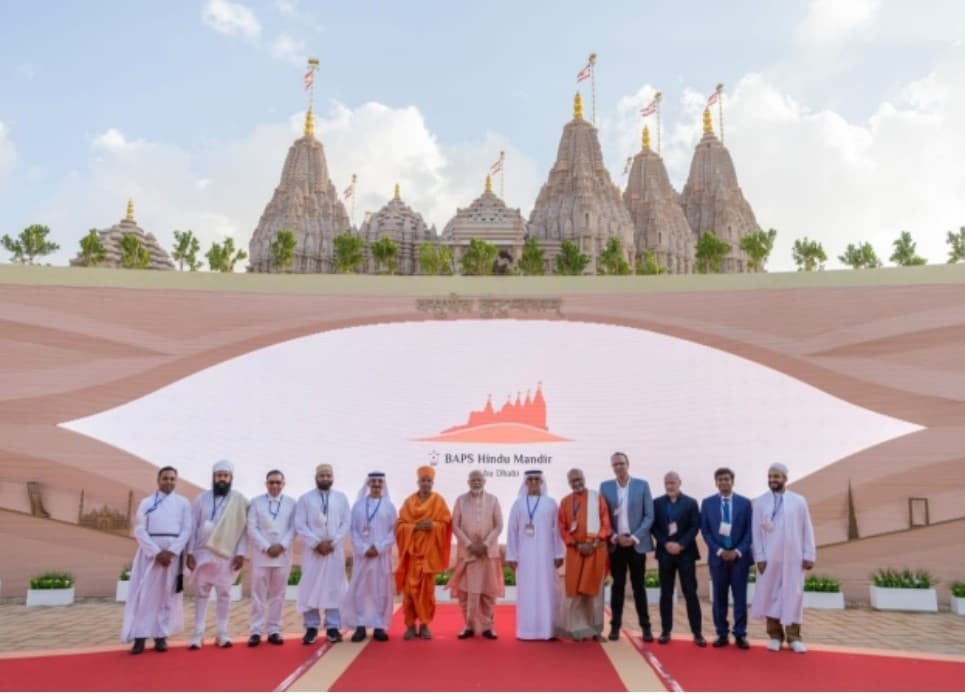
Maha Lakshmi Temple Abu Dhabi (BAPS Campus)
The Maha Lakshmi Temple forms the southern devotional wing of the BAPS Hindu Mandir campus in Abu Dhabi, providing a dedicated sanctum for Sri Mahalaxmi-Narayana with a Vaikuntha-inspired sinhasan crafted from Italian marble, gold-plated lotuses, and fibre-optic constellations that mirror Abu Dhabi's desert night sky ([1][2]). Consecrated alongside the main mandir in February 2024, the Lakshmi sanctum offers a quieter devotional experience focused on prosperity, education, and wellbeing—hosting specialised Lakshmi Pujas for entrepreneurs, students, and families moving to the Gulf. The hall seats 600 devotees, features carved marble columns, and integrates digital translation kiosks offering arti lyrics in Hindi, English, Malayalam, and Tagalog. Daily schedule aligns with the mandir's 6:00 AM-9:00 PM operations, but the Lakshmi wing hosts additional Friday evening Ashtalakshmi satsang, Saturday bridal blessings, and quarterly finance literacy workshops led by community volunteers. Donors can participate in Navagraha homa, Kuber puja, or annadhanam out of the adjoining seva kitchen. A micro-museum displays stories of Gulf entrepreneurs whose philanthropy supported the mandir and documents historic trade links between Gujarat, the Malabar coast, and the Trucial States.
Birla Mandir Jaipur
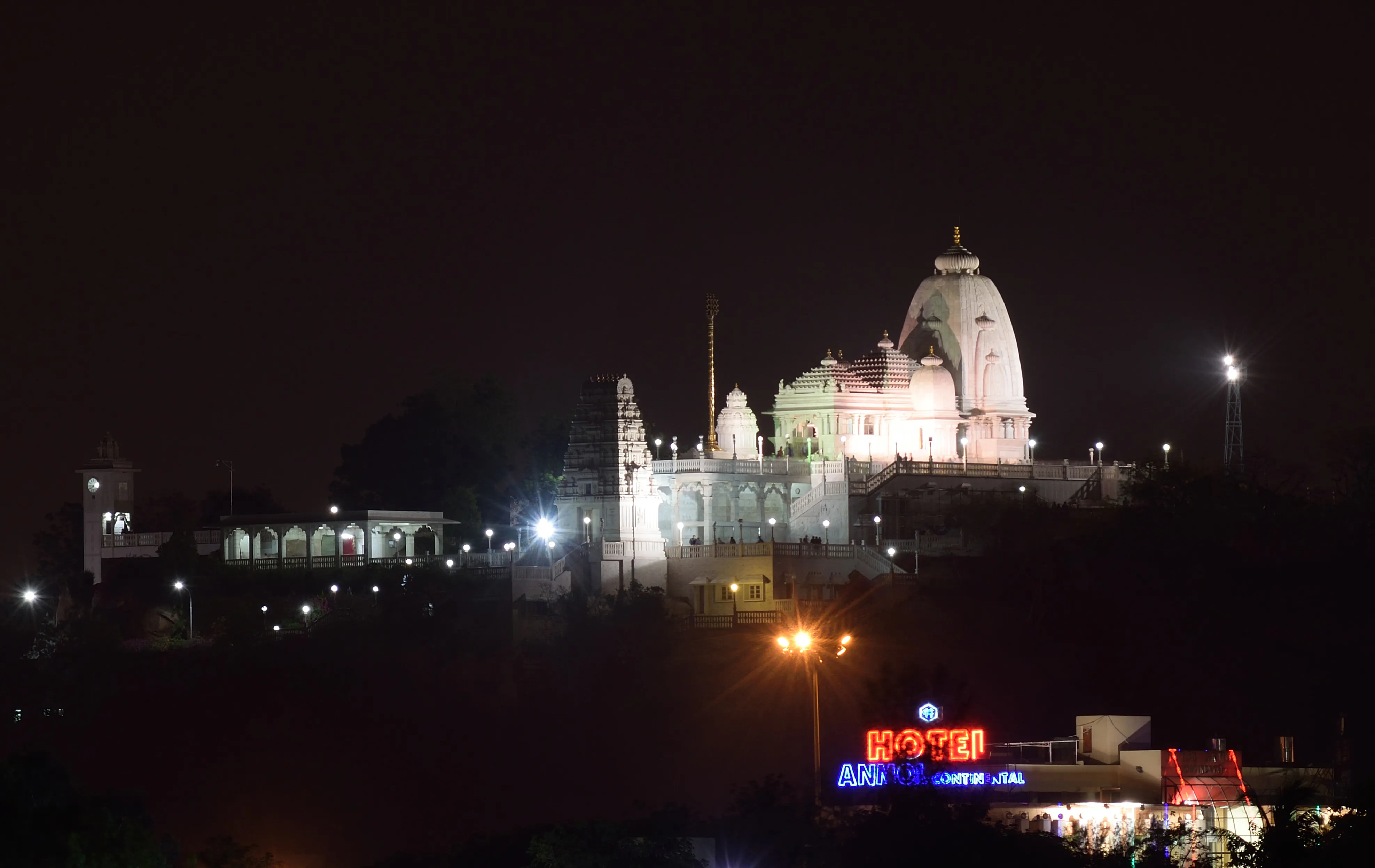
Emerging against Jaipur's skyline, the Birla Mandir, completed in 1988, offers a contemporary interpretation of Nagara temple architecture ([1]). Clad in white marble, a departure from the region's traditional sandstone, the temple presents an ethereal aesthetic ([2]). Dedicated to Lakshmi and Narayan, it embodies a fusion of traditional and modern design principles ([3]). Intricate carvings embellishing the walls depict scenes from the Mahabharata and Ramayana, showcasing the artistry of Rajasthani craftsmen ([4]). The towering Shikhara (spire) reflects the grandeur of North Indian temple architecture ([5]). Within the complex, smaller shrines are dedicated to other Hindu deities, each meticulously crafted ([1][3]). The temple's construction integrates modern materials like cement and steel alongside traditional stone ([2]). Stone platforms and foundations illustrate adherence to Vastu Shastra principles, the ancient Indian science of architecture ([2][4]). While specific textual references within the Vastu Shastras related to this modern temple are not documented, the general principles of site orientation and spatial arrangement are evident. The Birla family's patronage indicates a pan-Indian vision, incorporating elements from diverse regional styles ([1][5]). The use of white marble is also notable, as traditional temple architecture in Rajasthan often favored local sandstone. This choice reflects a modern sensibility while retaining the essence of Hindu temple design. The Mandir's design, while modern, echoes the principles outlined in ancient texts such as the Manasara Shilpa Shastra, which details proportions and layouts for sacred structures. As dusk settles, the temple emanates a serene radiance, inviting visitors to immerse themselves in its spiritual ambiance ([3]).
Karna Fort Karnal
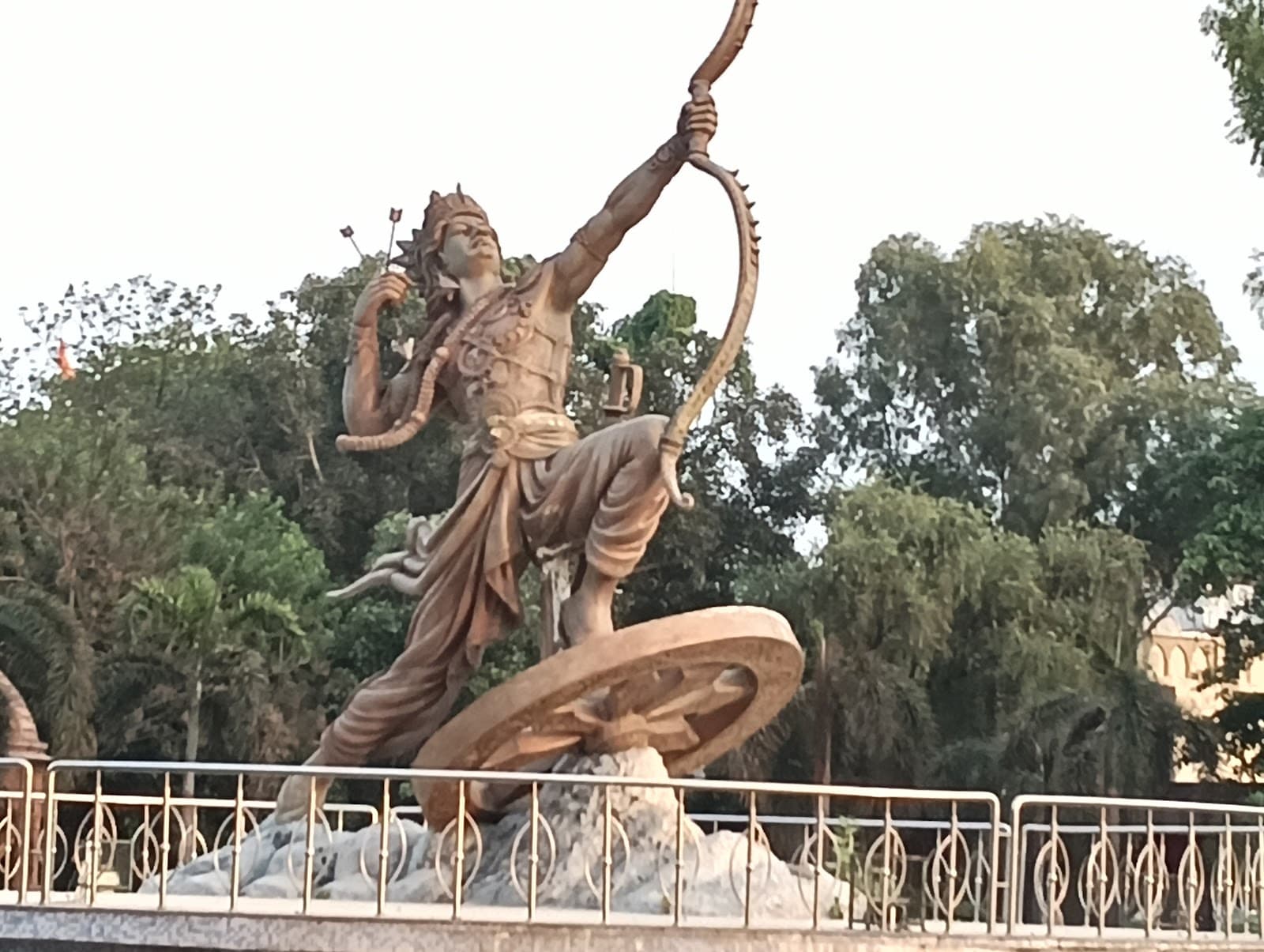
The imposing ramparts of Karna Fort, baked under the Haryana sun, rose before me, a stark silhouette against the cerulean sky. Dust swirled around my ankles as I crossed the threshold, stepping into a realm where whispers of the Mahabharata seemed to linger in the very stones. Located in present-day Karnal, this fort, attributed to the legendary warrior Karna, carries a weight of history that transcends its current dilapidated state. Unlike the meticulously preserved forts of Rajasthan, Karna Fort stands as a raw, almost skeletal testament to time's relentless march. Erosion has gnawed at its brick and mortar, leaving exposed sections that reveal the fort's construction techniques. I noticed the use of lakhori bricks, smaller and thinner than the standard size, a common feature in ancient Indian construction, particularly in the northern regions. These bricks, laid in a running bond pattern, speak of a pragmatic approach to building, prioritizing stability and resource efficiency. The fort's layout, though obscured by the ravages of time, suggests a strategic design. The remnants of what were likely guard towers still command a panoramic view of the surrounding plains, hinting at the fort's defensive importance. I could almost visualize sentries stationed here, their eyes scanning the horizon for approaching armies. The strategic location of Karnal, on the ancient trade routes, would have made this fort a crucial stronghold. Walking through the crumbling archways and along the fragmented walls, I was struck by the fort's stark beauty. The absence of elaborate ornamentation, so common in later Mughal architecture, lends it a certain austere elegance. The focus here was clearly on functionality, on creating a structure that could withstand sieges and safeguard its inhabitants. The few remaining carvings, weathered and worn, offered glimpses into the artistic sensibilities of the era. I noticed a recurring motif of stylized lotus flowers, a symbol deeply embedded in Indian iconography, representing purity and creation. One of the most intriguing aspects of Karna Fort is its connection to the Mahabharata. Local legends abound, linking the fort to Karna, the tragic hero of the epic. While historical evidence remains elusive, the very association imbues the site with a powerful aura of myth and legend. Standing within these crumbling walls, it was easy to imagine Karna, clad in his armor, strategizing within these very halls. The fort's current state of neglect is, however, a poignant reminder of the challenges faced in preserving India's rich architectural heritage. Overgrowth has claimed large sections of the fort, and the lack of proper conservation efforts has accelerated its decay. While some restoration work has been initiated, a more comprehensive approach is crucial to prevent further deterioration. My visit to Karna Fort was a journey through layers of history, a tangible connection to a bygone era. It was a stark reminder of the impermanence of empires and the enduring power of stories. While the fort may be in ruins, its spirit remains unbroken, a silent sentinel guarding the memories of a legendary past. It is a site that deserves greater attention, not just for its architectural significance but also for its cultural and historical value. Preserving Karna Fort is not just about saving bricks and mortar; it's about safeguarding a vital piece of India's collective memory.
Parasnath Jain Temple Shikharji
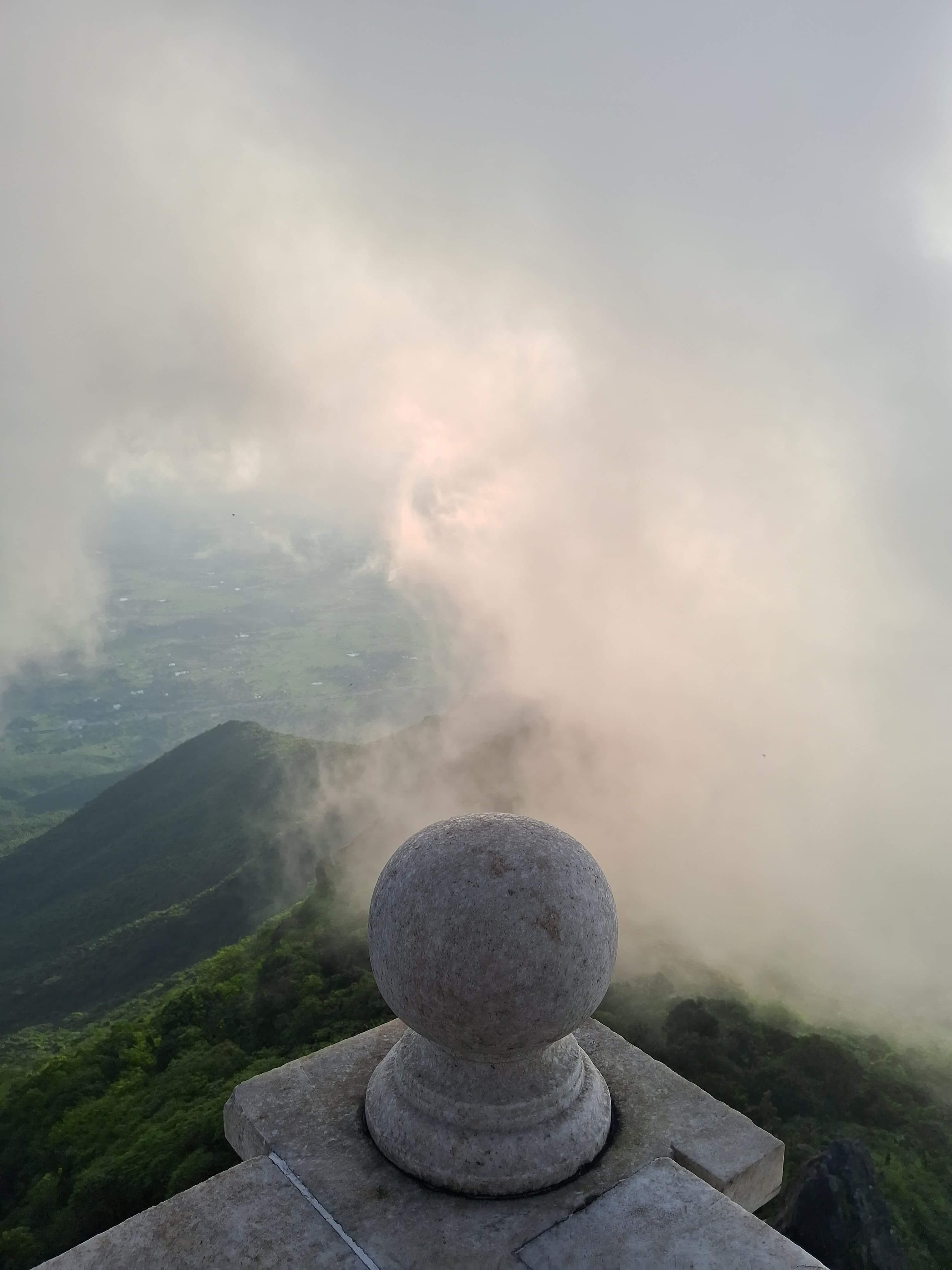
The crisp January air, thin at this altitude, whipped prayer flags into a frenzy around me as I ascended the stone steps leading to the Parasnath Jain Temple, perched atop the sacred Shikharji hill in Jharkhand. This wasn't just a temple; it was a pilgrimage, a living testament to centuries of Jain devotion. Shikharji, the highest peak of the Parasnath Hills, isn't merely a geographical landmark; it's the very heart of Jain spirituality, revered as the place where twenty of the twenty-four Jain Tirthankaras attained moksha, or liberation. The climb itself is an act of devotion. The paved pathway, though well-maintained, stretches for nearly 27 kilometers, winding through dense forests and offering breathtaking panoramic views of the surrounding landscape. I saw families, elderly pilgrims, and even young children undertaking the arduous journey, their faces etched with a quiet determination that spoke volumes about the spiritual significance of this place. The air hummed with chants and the rhythmic clinking of bells, creating an atmosphere of profound reverence. The temple complex itself is a tapestry of architectural styles reflecting different eras of construction and renovation. While simplicity and functionality are the overarching themes, intricate carvings and delicate ornamentation can be found adorning certain structures. The main temples, dedicated to the various Tirthankaras, are predominantly constructed from marble and sandstone, their pristine white surfaces gleaming against the backdrop of the blue sky. I noticed the distinct absence of elaborate idols within the sanctums. Instead, the focus is on the footprints or 'charan paduka' of the Tirthankaras, etched into stone slabs, symbolizing their final earthly presence before attaining liberation. One particular architectural element that captivated me was the use of toranas, or ornate gateways. These intricately carved structures, often depicting scenes from Jain mythology, serve as symbolic thresholds between the mundane and the sacred. The play of light and shadow on the deep carvings created a mesmerizing effect, adding another layer of depth to the spiritual experience. As I walked through the complex, I observed the palpable sense of peace that permeated the atmosphere. Pilgrims engaged in silent meditation, circumambulating the temples, or offering simple prayers. The absence of loudspeakers, so common in many Indian religious sites, amplified the tranquility. It was a refreshing change, allowing for genuine introspection and connection with the spiritual energy of the place. The 'Jal Mandir,' or water temple, nestled amidst lush greenery, was another highlight. The serene reflection of the temple in the surrounding pond created a picture of perfect harmony. I watched as devotees performed ritual ablutions, their movements slow and deliberate, reflecting the emphasis on purity and self-discipline within Jainism. Beyond the architectural marvels and the palpable spirituality, it was the human element that truly resonated with me. I witnessed acts of selfless service, with volunteers providing food and water to pilgrims, and local communities actively participating in the upkeep of the sacred site. This sense of collective responsibility and shared devotion underscored the enduring power of faith. Descending from Shikharji, I carried with me more than just memories and photographs. I carried a deeper understanding of Jain philosophy, a renewed appreciation for the power of simplicity, and a profound respect for the unwavering faith of the pilgrims who journey to this sacred mountain in search of liberation. The experience transcended mere tourism; it was a pilgrimage of the soul.
Sri Nagara Thandayuthapani Temple George Town Penang
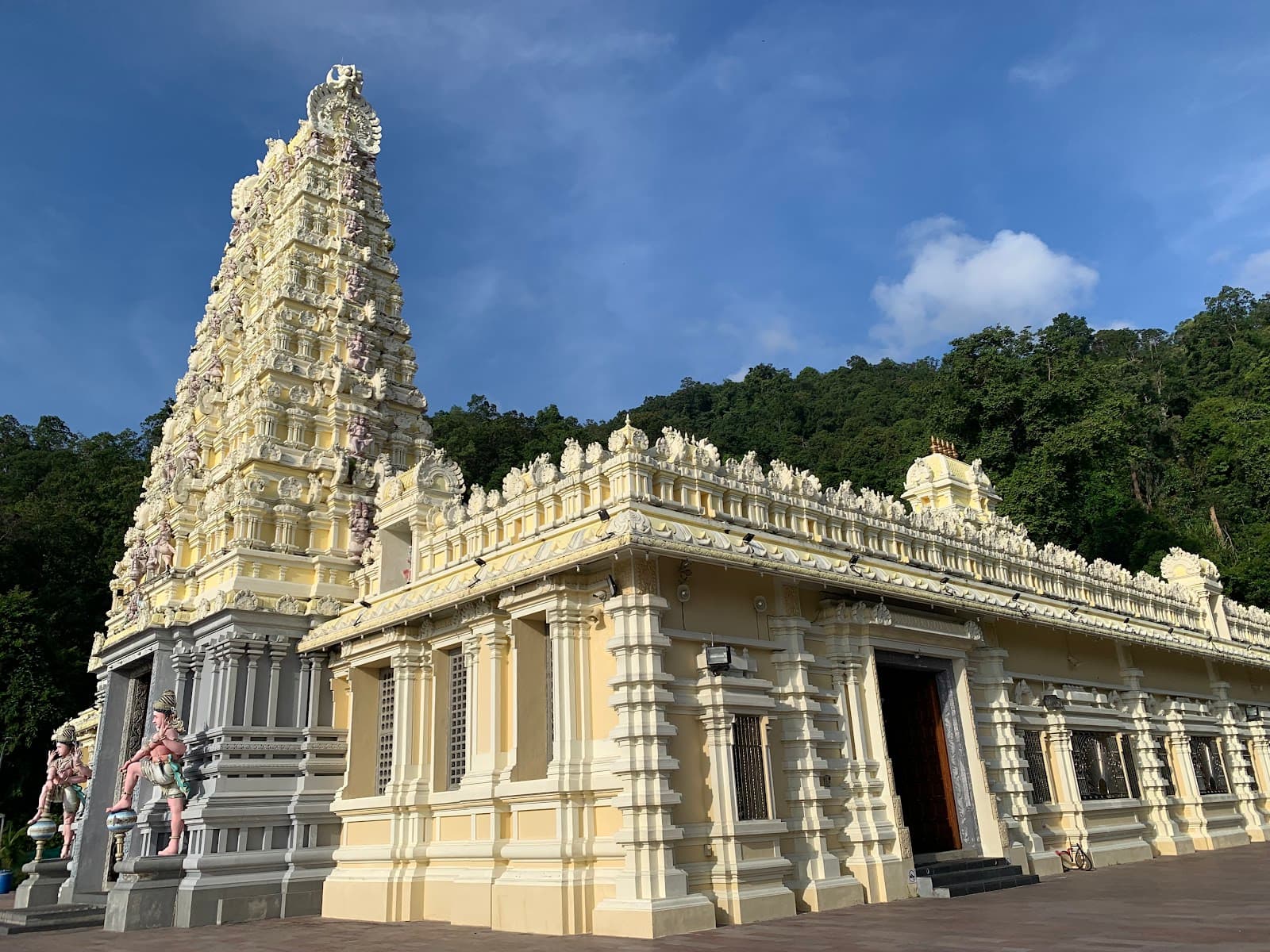
Sri Nagara Thandayuthapani Temple (1850) stands adjacent to Penang Botanic Gardens, celebrated for its granite-carved mandapa of 60 pillars, barrel-vaulted roof, and intricately sculpted 23-metre rajagopuram added in 2012, making it one of Malaysia’s most ornate Murugan temples outside Batu Caves ([1][2]). Devotees ascend 82 steps lined with nangkol tamarind trees to reach the sanctum, which houses Murugan with Valli-Deivanayai, Surapadman effigies, and a golden vel. Temple opens 6:00 AM-9:30 PM with six puja cycles, weekly vel puja, and annadhanam; festivals include Skanda Shasti, Aadi Krithigai, Panguni Uttiram, and the Penang Thaipusam finale where devotees break coconuts and receive blessings. The compound features a marriage hall, cultural school, archive, vegetarian kitchen, counselling rooms, and community centre providing welfare assistance, scholarships, and disaster relief staging. The temple’s management (Nattukottai Chettiar trust) coordinates with Penang Island City Council for heritage tours, festival logistics, and sustainability initiatives such as rainwater harvesting, solar, composting, reforestation, and crowd control. The temple’s granite panel murals depict Murugan’s legends, while its archive holds 19th-century palm leaf documents detailing Chettiar guild activities ([1][3]).
Quick Links
Plan Your Heritage Journey
Get personalized recommendations and detailed visitor guides