Has Inheritage Foundation supported you today?
Your contribution helps preserve India's ancient temples, languages, and cultural heritage. Every rupee makes a difference.
Secure payment • Instant 80G certificate
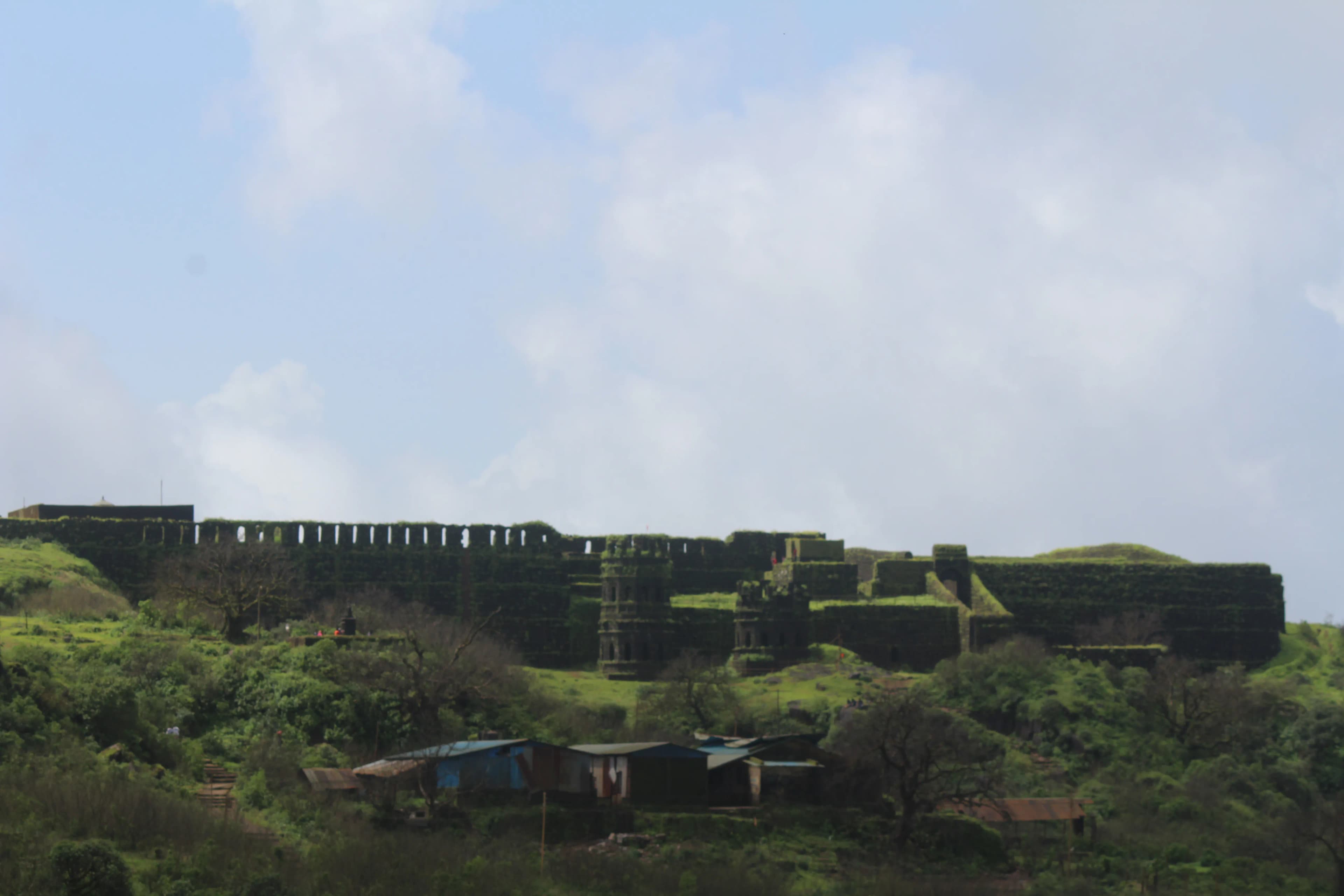
Raigad Fort Raigad
The imposing silhouette of Raigad Fort, etched against the Sahyadri mountain range, is a sight that commands reverence. Ascending via the ropeway, the sheer scale of the fortifications became immediately apparent. Unlike the granite behemoths of South India, Raigad’s laterite stone construction lends it a unique reddish-brown hue, a stark contrast to the verdant backdrop. The climb, even aided by the ropeway, instilled a sense of the strategic brilliance behind its location. One can only imagine the arduous journey undertaken by those who scaled it in centuries past. Stepping onto the Mahadarwaja, the main entrance, I was struck by the robust simplicity of its design. The absence of elaborate carvings, so characteristic of South Indian temple gateways, highlighted the fort's primarily defensive function. The massive basalt pillars flanking the entrance, however, hinted at a degree of ceremonial importance. The remnants of the once-formidable wooden doors, reinforced with iron studs, spoke volumes about the fort's resilience against sieges. The layout of the fort, spread across a plateau, is a testament to meticulous planning. The strategically placed granaries, water cisterns, and armories revealed a deep understanding of logistical necessities. The ruins of the market area, though overgrown, allowed me to visualize the bustling life that once thrived within these walls. The royal mint, with its surprisingly sophisticated equipment, offered a glimpse into the economic prowess of the Maratha empire. The Jagdishwar Temple, dedicated to Lord Shiva, stands as a poignant reminder of Chhatrapati Shivaji Maharaj's devout faith. While smaller and simpler than the grand temples of the South, its location within the fort complex underscored the integration of religious and secular life. The basalt construction of the temple, distinct from the laterite used for the fort walls, suggested that it might have pre-dated the fort itself, possibly repurposed and incorporated into the larger complex. The highlight of my visit was undoubtedly the Meghadambari, the royal palace. While only the foundations and a few walls remain, the sheer scale of the structure is awe-inspiring. I could almost picture the grandeur of the court, the vibrant tapestries, and the echoes of important discussions that once filled these halls. The panoramic view from the palace site, encompassing the surrounding valleys and hills, was breathtaking. It was easy to see why Shivaji Maharaj chose this location for his capital – a vantage point offering both strategic advantage and unparalleled natural beauty. One aspect that particularly intrigued me was the sophisticated water management system. The numerous rock-cut cisterns, strategically placed to collect rainwater, showcased a remarkable understanding of hydraulic engineering. This efficient system ensured a continuous supply of water, crucial for sustaining a large population within the fort, especially during prolonged sieges. The presence of several smaller fortifications and watchtowers scattered across the plateau further emphasized the emphasis on defense. The ingenious use of the natural terrain, incorporating cliffs and steep slopes into the defensive strategy, was a testament to the military acumen of the Maratha architects. Raigad Fort is more than just a historical monument; it's a living testament to the vision and resilience of Chhatrapati Shivaji Maharaj. While the grandeur of the South Indian temples I'm accustomed to is absent, the stark beauty and strategic brilliance of Raigad offer a different kind of architectural marvel. It's a place that resonates with history, echoing the footsteps of warriors, kings, and the everyday people who once called this fort their home. My visit to Raigad was not just a journey through time; it was an immersive experience that left me with a profound appreciation for the ingenuity and fortitude of the Maratha empire.
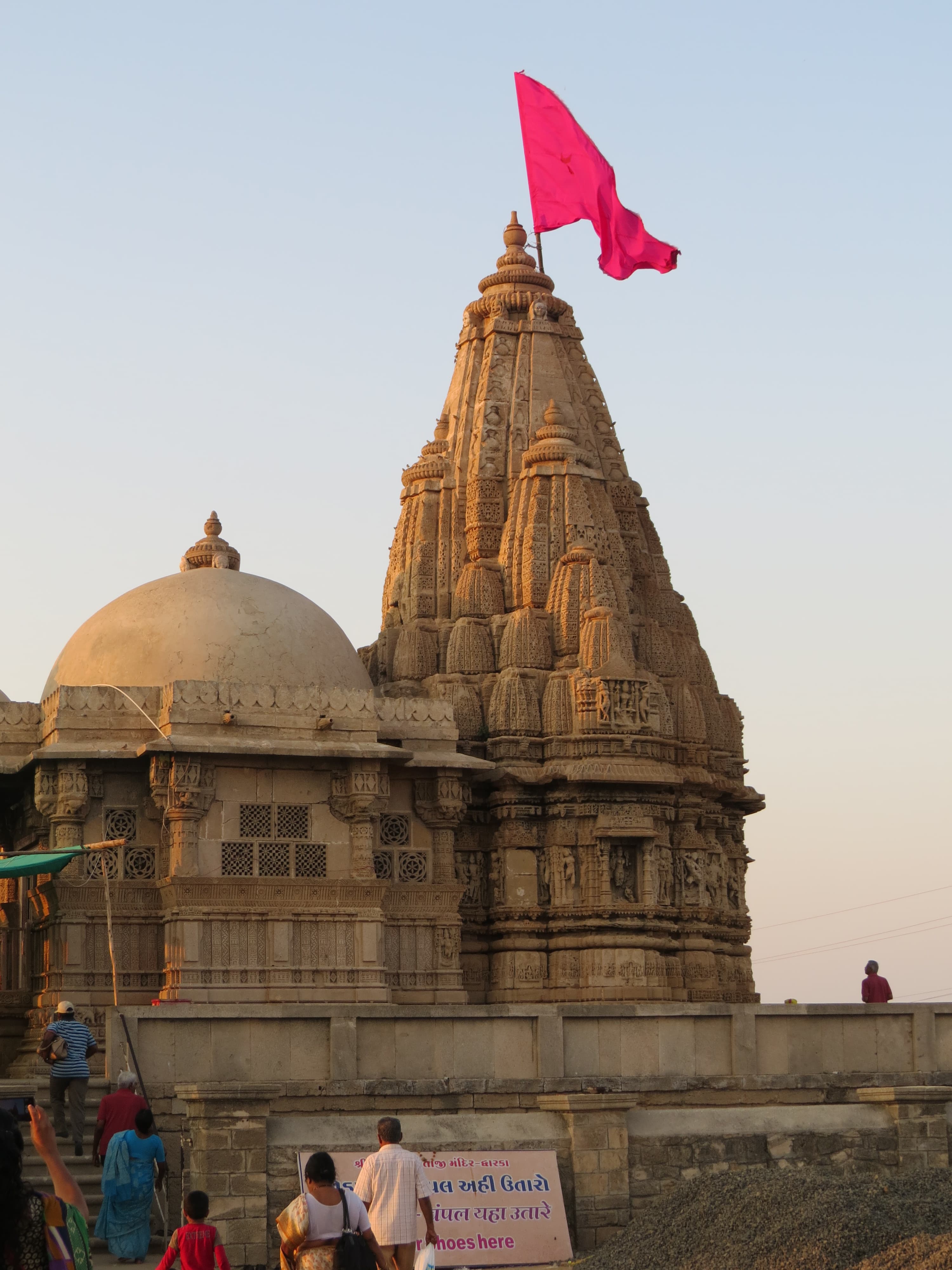
Rukmini Temple Dwarka
The sun beat down on the ochre sandstone of Rukmini Temple, its intricate carvings shimmering in the harsh Gujarat light. Located a short, dusty auto-rickshaw ride from the bustling heart of Dwarka, this 12th-century temple, dedicated to Krishna's consort, Rukmini, exudes a quiet serenity that contrasts sharply with the vibrant energy of its more famous neighbour, the Dwarkadhish Temple. Having visited every UNESCO site in India, I can confidently say that Rukmini Temple holds a unique charm, a subtle beauty that whispers stories of devotion and history. The first thing that struck me was the temple's relative isolation. Surrounded by dry, scrubby landscape, it stands as a solitary sentinel, its shikhara reaching towards the heavens. This isolation, however, only amplifies its presence. The exterior walls are a riot of sculpted figures – deities, celestial musicians, dancers, and intricate geometric patterns. The craftsmanship is breathtaking. I spent a good hour simply circumambulating the temple, tracing the narratives etched in stone, marveling at the skill of the artisans who, centuries ago, breathed life into these inanimate blocks. The main entrance is guarded by imposing sculpted dwarapalas, their stern expressions softened by the passage of time. Stepping inside, the atmosphere shifts. The air cools, the sounds of the outside world fade, and a sense of tranquility descends. The inner sanctum houses the deity of Rukmini, adorned with vibrant silks and garlands. Unlike the Dwarkadhish Temple, the atmosphere here is more intimate, less frenetic. I sat quietly for a while, observing the devotees, their faces etched with devotion, their whispered prayers filling the air. The temple's architecture is a fascinating blend of the Maru-Gurjara style, prevalent in Gujarat and Rajasthan. The shikhara, though not as towering as some of the temples I’ve seen in other parts of India, is beautifully proportioned, its intricate carvings drawing the eye upwards. The mandapa, or pillared hall, is supported by intricately carved pillars, each one a testament to the artistic prowess of the era. I noticed several depictions of Krishna and Rukmini, their stories immortalized in stone. One panel, particularly well-preserved, depicted their wedding procession, the figures full of movement and life. Local legend explains the temple's distance from the main Dwarkadhish Temple. The story goes that sage Durvasa, known for his fiery temper, cursed Rukmini to be separated from Krishna. Whether myth or reality, this separation adds to the temple's mystique. It stands as a testament to Rukmini's own strength and devotion, a place where her presence is felt independently of Krishna's. As I left the temple, the late afternoon sun casting long shadows across the landscape, I couldn't help but feel a sense of connection to the past. Rukmini Temple is not just a collection of stones and carvings; it's a living testament to a rich cultural heritage. It’s a place where history whispers, where devotion takes centre stage, and where the artistry of a bygone era continues to inspire awe. While it might often be overshadowed by its more famous neighbour, Rukmini Temple offers a unique and deeply rewarding experience for those willing to seek it out. It stands as a quiet reminder of the power of faith, the beauty of art, and the enduring legacy of India's rich past. My journey through India’s UNESCO sites has taken me to grand palaces and bustling cities, but it’s in these quieter, less-trodden corners, like Rukmini Temple, that I truly feel the pulse of India's vibrant heritage.
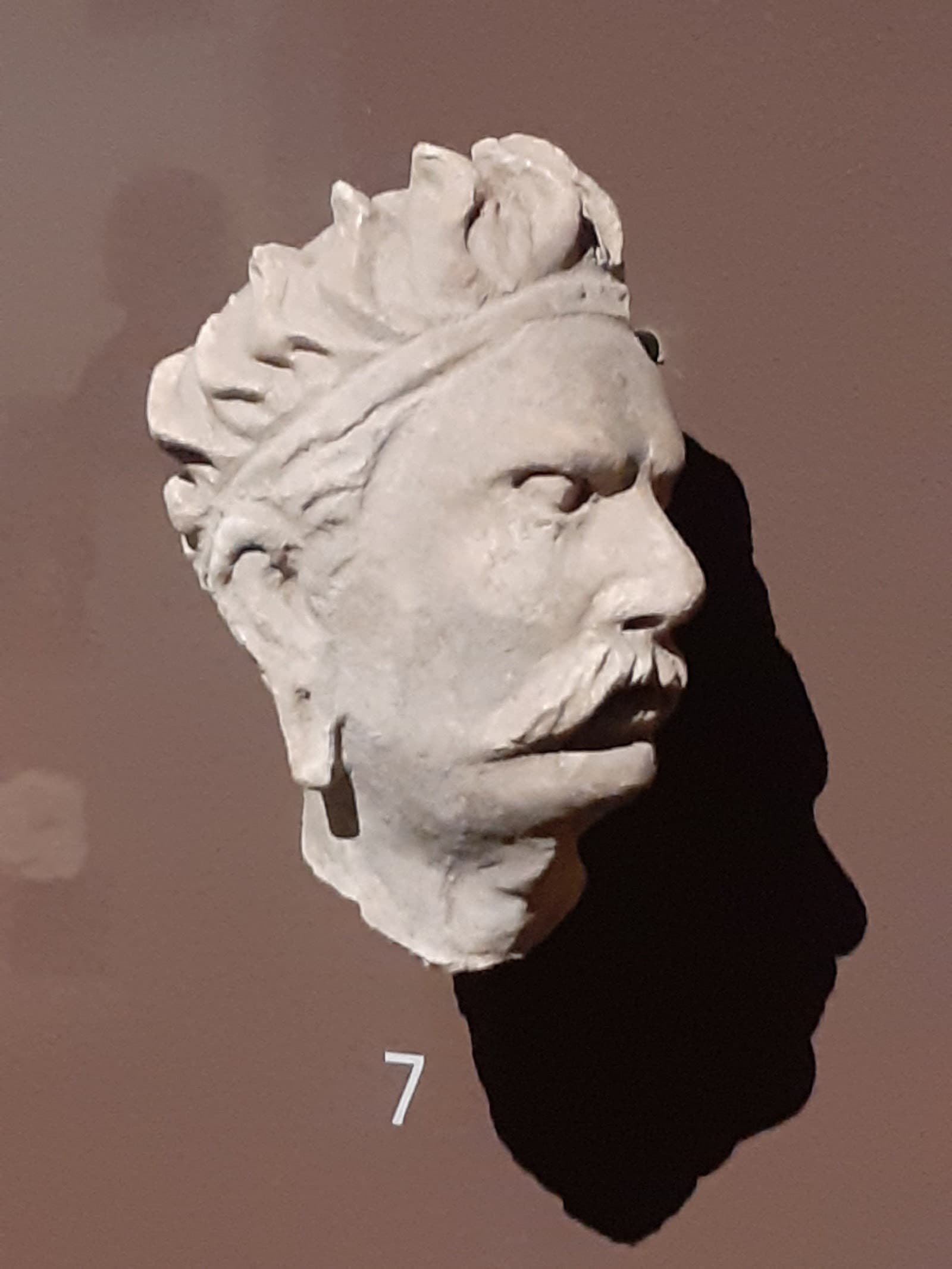
Hadda Monastery Complex Nangarhar Afghanistan
The Hadda Monastery Complex, situated in the Nangarhar Province of eastern Afghanistan, near the city of Jalalabad, represents a pivotal site in the millennia-spanning cultural heritage of India, embodying the profound and continuous tradition of Indian Buddhist civilization [1]. This extensive archaeological site, encompassing a network of Buddhist monasteries and stupas spread over an area of 4 to 5 square kilometers, showcases the sophisticated indigenous architectural styles and cultural practices that reflect India's deep historical roots [1] [3]. The complex is a prime example of Gandhara architecture, a distinctive style that emerged from the amalgamation of Indian, Hellenistic, and Persian aesthetics, yet fundamentally rooted in Indic Stupa architecture [3]. The structures primarily utilized stucco and clay for sculptures, alongside stone for foundational and structural elements, demonstrating advanced material handling and artistic techniques for the period [2] [3]. Architectural specifications reveal a complex arrangement of stupas, viharas (monastic cells), and chapels, with notable examples including Tapa Shotor, Chakhil-i-Ghoundi, and Tapa Kalan [2]. The stupas, central to Buddhist worship, often feature decorated niches and elaborate bases [2]. Sculptural elements are a hallmark of Hadda, with thousands of Greco-Buddhist sculptures, crafted from clay and plaster, depicting colossal Buddhas and Bodhisattvas [2] [3]. These figures often exhibit a unique blend of Indian iconography with Hellenistic artistic conventions, such as the depiction of Vajrapani resembling the Greek Heracles [1] [5]. Decorative elements include architectural reliefs, ornate borders, and Indo-Corinthian capitals, which integrate classical motifs with Buddhist narratives [2]. The construction techniques employed indicate a mastery of stucco work, a method so influential that it is believed to have inspired the colossal Bamiyan Buddhas [3]. While specific details on water management or defensive features are less documented for the entire complex, the strategic location controlling the route to India via the Khyber Pass suggests inherent importance for its sustenance and protection [1]. Currently, the Hadda Monastery Complex faces significant conservation challenges, including threats from looting and erosion [1]. Many of the excavated artifacts are housed in museums globally, such as the Musée Guimet in Paris, though a substantial portion of the collection at the National Museum in Kabul was tragically destroyed during iconoclastic campaigns in the early 2000s [1] [2]. Archaeological findings continue to inform scholarly research, revealing insights into the site's layered history and its role as a cultural crossroads [1] [3]. The site stands as a testament to India's enduring cultural legacy, spanning thousands of years, and its profound influence on the broader Asian continent [4]. While active programming and visitor flow are impacted by regional security, the site remains a national heritage site, requiring ongoing preservation efforts to maintain its historical integrity and accessibility for future study and appreciation [1]. The operational readiness of the site for extensive public visitation is contingent upon improved security and sustained conservation initiatives [1].
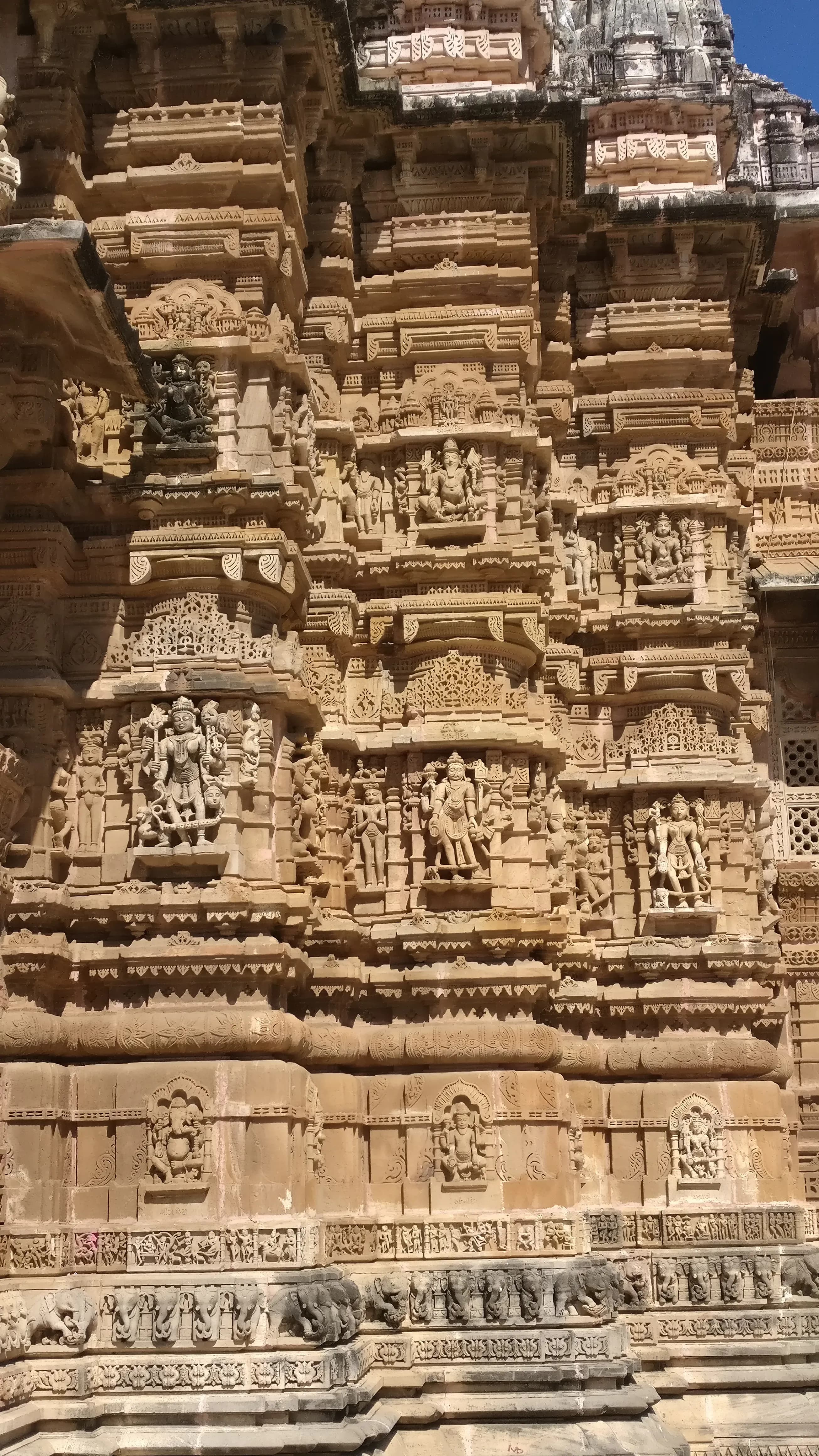
Shamlaji Temple Shamlaji
The crisp Gujarat air, scented with incense and marigold, welcomed me as I approached the Shamlaji temple. Nestled amidst the Aravalli hills, near the banks of the Meshwo river, this ancient shrine dedicated to Lord Vishnu, or more specifically, his Krishna avatar, felt instantly different from the cave temples of Maharashtra I'm so accustomed to. Here, sandstone replaces basalt, and the intricate carvings speak a different dialect of devotion. The temple complex, enclosed within a high fortified wall, immediately conveyed a sense of history and sanctity. Unlike the rock-cut architecture of my home state, Shamlaji showcases a stunning example of Maru-Gurjara architecture. The shikhara, the towering structure above the sanctum, is a masterpiece of intricate carvings. Its layered, ascending form, adorned with miniature shrines and celestial figures, draws the eye heavenward. I spent a good hour simply circling the temple, absorbing the sheer detail. Every inch seemed to narrate a story – episodes from the epics, celestial musicians, and intricate floral motifs, all carved with an astonishing precision. Stepping inside the main mandapa, or hall, I was struck by the play of light and shadow. The intricately carved pillars, each unique in its design, created a mesmerizing pattern as sunlight filtered through the jaalis, or perforated stone screens. The air was thick with the murmur of prayers and the scent of sandalwood. Devotees offered flowers and whispered their devotions to the deity, their faces illuminated by the flickering lamps. It was a scene that resonated with a deep sense of spirituality, a palpable connection to centuries of worship. The garbhagriha, the inner sanctum, houses the main deity, Shamlaji, a form of Krishna. While photography isn't permitted inside, the mental image I carry is vivid. The deity, bathed in the soft glow of oil lamps, exuded an aura of tranquility and power. The reverence of the devotees, the chanting of mantras, and the fragrance of incense created an atmosphere charged with devotion. What truly captivated me at Shamlaji was the confluence of influences. While the core architectural style is Maru-Gurjara, I noticed subtle hints of influences from other regions. Some of the sculptural elements reminded me of the Hoysala temples of Karnataka, while certain decorative motifs echoed the art of the Solankis of Gujarat. This fusion of styles speaks volumes about the historical and cultural exchanges that have shaped this region. Beyond the main temple, the complex houses several smaller shrines dedicated to other deities. I explored these with equal fascination, noting the variations in architectural style and the unique stories associated with each shrine. One particularly intriguing shrine was dedicated to Devi, the consort of Vishnu. The carvings here were more dynamic, depicting the goddess in her various forms, from the gentle Parvati to the fierce Durga. My exploration extended beyond the temple walls. The surrounding landscape, with its rolling hills and the meandering Meshwo river, added another layer to the experience. I learned that the river is considered sacred, and pilgrims often take a dip in its waters before entering the temple. This connection between the natural environment and the spiritual realm is something I’ve often observed in sacred sites across India, and it always resonates deeply with me. Leaving Shamlaji, I carried with me not just photographs and memories, but a deeper understanding of the rich tapestry of Indian art and spirituality. This temple, with its stunning architecture, its palpable sense of devotion, and its unique blend of cultural influences, stands as a testament to the enduring power of faith and the artistic brilliance of our ancestors. It’s a place I would urge anyone exploring the heritage of Western India to experience firsthand. It's a world away from the caves of Maharashtra, yet equally captivating, a testament to the diverse beauty of our nation's sacred spaces.
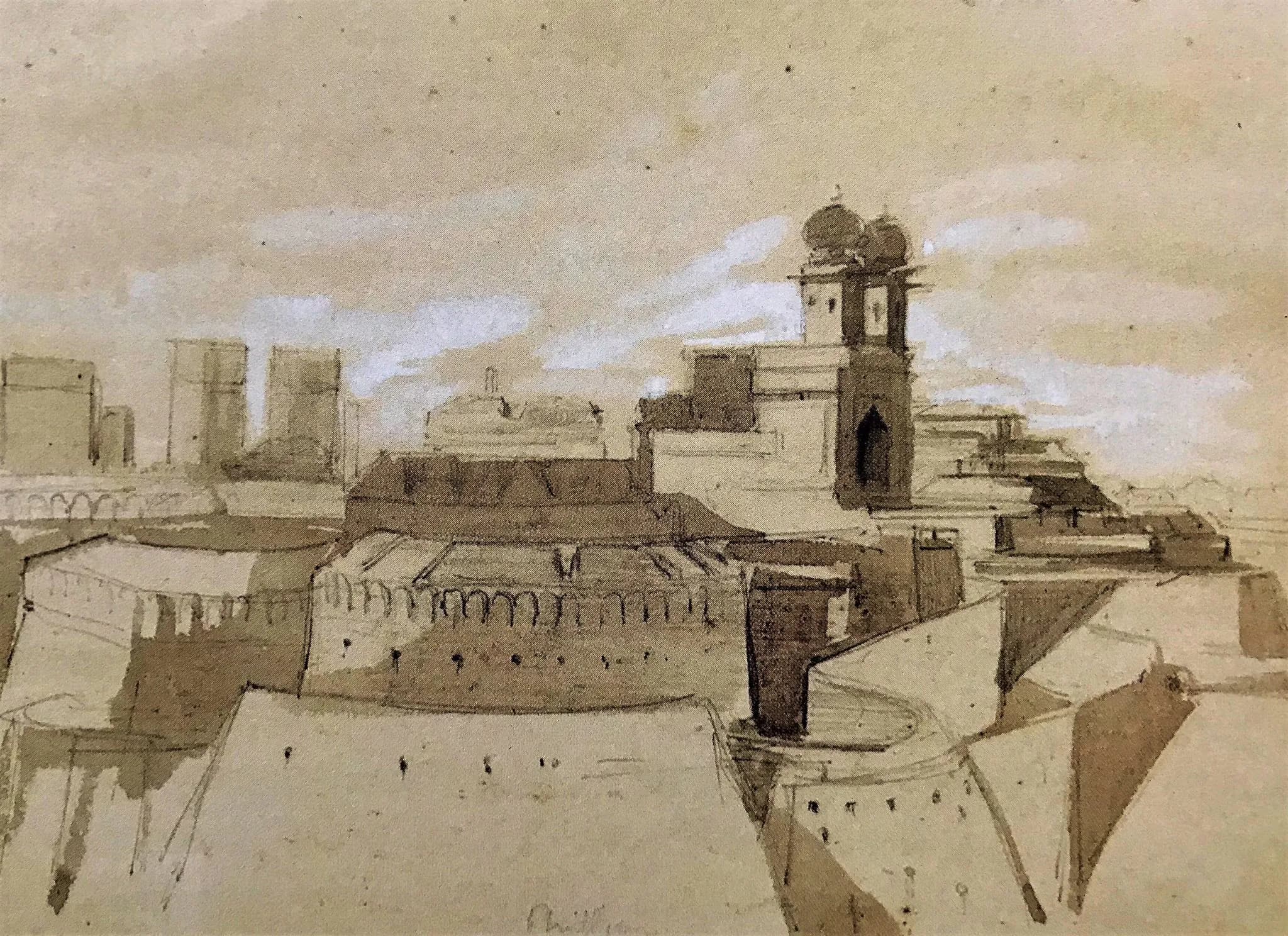
Phillaur Fort Jalandhar
The midday sun cast long shadows across the ochre walls of Phillaur Fort, baking the brickwork that had stood sentinel over the Sutlej River for centuries. Arriving from Madhya Pradesh, accustomed to the sandstone hues of our own ancient structures, the burnt orange of this Mughal-era fort struck me immediately. It wasn't the imposing grandeur of Gwalior or the intricate carvings of Khajuraho, but Phillaur possessed a quiet dignity, a subtle beauty born of its strategic location and layered history. The fort, now a heritage hotel, sits on the Grand Trunk Road, a testament to its historical importance as a crossroads of empires. As I stepped through the imposing gateway, the cacophony of the bustling highway faded, replaced by the gentle murmur of the river and the rustling of leaves in the courtyard trees. The transition was stark, a palpable shift from the present to the past. My camera, a constant companion, felt almost inadequate to capture the essence of the place. The main structure, a double-storied edifice, displayed a blend of Mughal and Sikh architectural influences. Rounded bastions, typical of Mughal military architecture, punctuated the fort's perimeter, while the decorative elements, particularly the delicate frescoes peeking from beneath layers of whitewash, hinted at later Sikh additions. I spent hours documenting these remnants, the faded floral patterns and depictions of warriors, each a whisper of the fort's rich past. The central courtyard, now a manicured lawn, was once a bustling hub of activity. I could almost envision the Mughal soldiers drilling, the horses being groomed, and the echoes of courtly life resonating within these walls. A small museum within the fort housed a collection of artifacts unearthed during restoration work – coins, pottery shards, and weaponry – tangible links to the people who once inhabited this space. Holding a corroded Mughal coin in my hand, I felt a tangible connection to that era, a sense of awe at the weight of history it represented. Climbing the narrow, winding staircase to the upper levels, I was rewarded with panoramic views of the surrounding landscape. The Sutlej River snaked its way through the plains, a silvery ribbon reflecting the bright sky. It was easy to understand why this location was so strategically important, commanding control over the river and the vital trade routes it supported. The wind whipped through the open arches, carrying with it the whispers of centuries past. One of the most captivating aspects of Phillaur Fort was its layered history. Originally built by Mughal Emperor Shah Jahan in the 17th century, it later fell into the hands of the Sikh ruler Maharaja Ranjit Singh, who further fortified and embellished it. This transition of power was reflected in the architecture itself, a fascinating palimpsest of styles. The Sikh additions, while respecting the original Mughal structure, added their own distinct flavor, creating a unique blend that spoke volumes about the region's complex past. As the sun began to dip below the horizon, casting long shadows across the courtyard, I felt a sense of melancholy wash over me. Leaving Phillaur Fort felt like saying goodbye to an old friend. It wasn't just a collection of bricks and mortar; it was a repository of stories, a testament to the ebb and flow of empires, and a poignant reminder of the passage of time. My photographs, I hoped, would capture not just the physical beauty of the fort, but also the intangible spirit of the place, the echoes of history that resonated within its ancient walls.
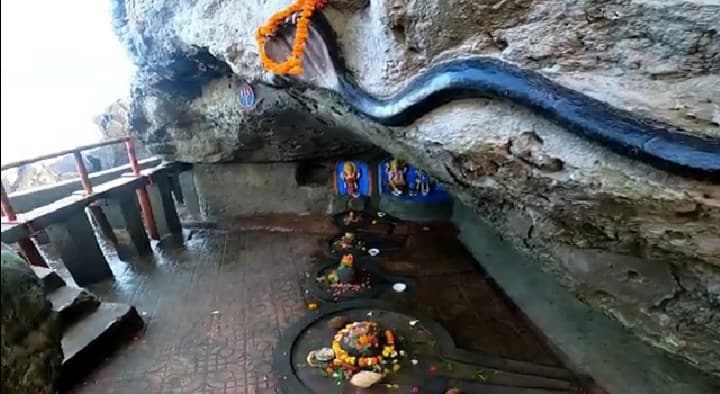
Gangeshwar Mahadev Temple Fudam Diu
The roar of the Arabian Sea was a constant, rhythmic backdrop to the serenity I found at the Gangeshwar Mahadev Temple. Tucked away near the fishing village of Fudam in Diu, this cluster of five ancient Shiva shrines isn't your typical grand temple complex. Carved directly into a cliff face overlooking the churning ocean, they feel intrinsically linked to the raw power of nature. Having explored countless temples across North India, from the towering peaks of the Himalayas to the plains of the Gangetic belt, I can confidently say this one holds a unique charm. The path down to the temples is a gentle descent, winding through weathered rocks smoothed by centuries of sea spray and wind. As I approached, the first thing that struck me was the seamless integration of the shrines with the natural landscape. It's as if the rock itself had yielded to the devotion of the artisans, revealing the deities within. Each of the five shrines is dedicated to Lord Shiva, represented by intricately carved Shiva lingams housed within these rock-cut chambers. Unlike the polished marble and ornate carvings I've seen in many North Indian temples, these lingams are more rugged, almost primal in their presentation. They are perpetually bathed in the cool, salty spray of the ocean waves that crash against the rocks just meters away, creating a truly mesmerizing spectacle. The architecture is simple yet striking. The shrines are not enclosed by elaborate structures, but rather open to the elements, protected only by the overhanging cliff face. This minimalist approach allows the natural beauty of the location to take center stage. The rock face itself forms the walls and ceiling of each shrine, and the constant interplay of light and shadow adds a dramatic dimension to the experience. I noticed intricate carvings adorning the entrances to some of the shrines, depicting various deities and mythological figures. While weathered by time and the elements, these carvings still bear testament to the skill and devotion of the artisans who created them centuries ago. The air at Gangeshwar Mahadev is thick with the scent of the sea and the murmur of prayers. Local fishermen, their faces etched with the wisdom of the ocean, often stop by to offer their respects before heading out to sea. This tangible connection between the temple and the local community is something I find deeply moving. It's a reminder that these sacred spaces are not just relics of the past, but living, breathing entities that continue to play a vital role in the lives of the people. I spent hours exploring the nooks and crannies of the temple complex, captivated by the interplay of nature and spirituality. The rhythmic crashing of the waves against the rocks, the salty breeze on my face, and the hushed reverence of the devotees created an atmosphere unlike any I've experienced before. I sat for a while, simply observing the waves and contemplating the enduring power of faith. One particular detail that caught my eye was the presence of small, naturally formed pools of seawater within the rock formations near the shrines. Locals believe that these pools hold sacred water and often use it for ritual cleansing. This intimate connection with the natural elements further reinforces the unique character of this temple. As the sun began to set, casting a warm golden glow over the Arabian Sea, I reluctantly made my way back up the path, leaving the roar of the ocean and the serenity of Gangeshwar Mahadev behind. The experience was more than just a visit to a temple; it was a profound encounter with the raw power of nature and the enduring spirit of devotion. It’s a testament to the fact that sometimes, the most powerful spiritual experiences are found not in grand structures, but in the quiet embrace of nature itself. This is a place I will undoubtedly revisit, drawn back by the unique blend of natural beauty and spiritual significance that sets it apart from any other temple I've encountered in my travels across North India.
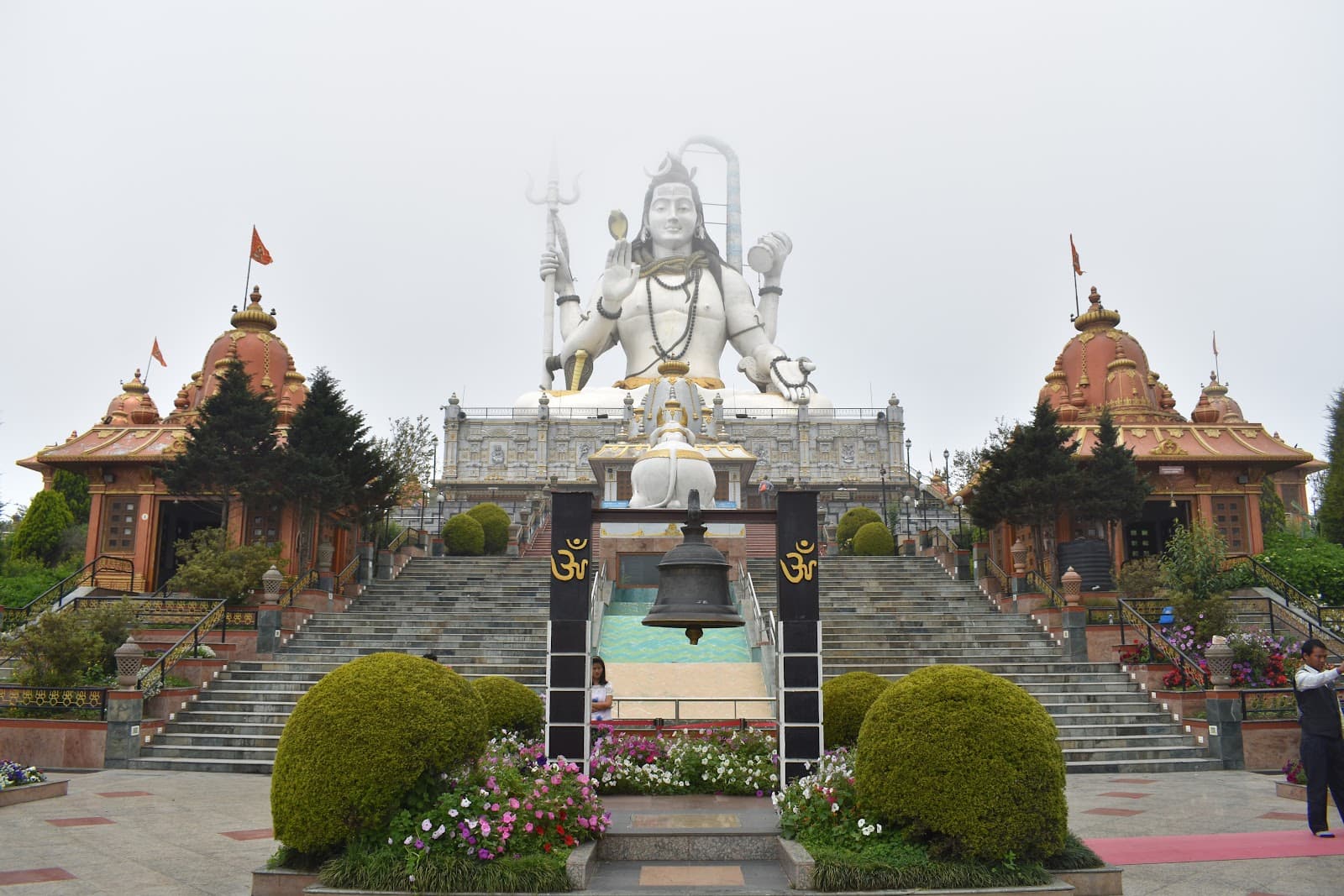
Solophok Chardham Namchi
The vibrant prayer flags snapping in the Himalayan breeze were my welcome to Solophok Chardham, a surprisingly recent addition to Sikkim’s spiritual landscape. Perched on the Solophok hilltop overlooking Namchi, this complex, completed in 2011, isn’t ancient in the way of many UNESCO sites, but its ambition is palpable. It aims to replicate the revered Char Dham pilgrimage circuit of India – Badrinath, Dwarka, Puri, and Rameshwaram – within a single location, making it accessible to those unable to undertake the arduous original journey. The centerpiece, and the first structure that caught my eye, is the towering 108-foot statue of Lord Shiva, known here as Siddheshwar. Its sheer scale is breathtaking, gleaming gold against the backdrop of the snow-capped Kanchenjunga range. The statue itself is a marvel of modern engineering, and I learned from a local priest that it was constructed using copper and plated with gold. The detailing on Lord Shiva’s form, from the intricate folds of his garments to the serene expression on his face, is remarkably precise. Circling the statue, I found myself immersed in the representations of the four Dhams. Each shrine is architecturally distinct, reflecting the style of its original counterpart. The Badrinath replica, dedicated to Lord Vishnu, features the characteristic sloping roof and brightly coloured facade I’d seen in Uttarakhand. Dwarka, dedicated to Lord Krishna, echoed the intricate carvings and sandstone hues of Gujarat’s coastal temples. The Jagannath temple of Puri, with its distinctive pyramidal roof and vibrant murals, transported me back to Odisha. Finally, the Rameshwaram replica, dedicated to Lord Shiva in his Ramalingeswara form, captured the Dravidian architectural style of Tamil Nadu with its towering gopuram. While the architectural mimicry is impressive, Solophok Chardham isn’t merely a copy-paste project. The complex incorporates elements of Sikkimese Buddhist architecture, creating a unique blend of styles. The prayer wheels lining the pathways, the colourful murals depicting Buddhist deities, and the presence of monks going about their daily rituals, all contribute to a syncretic atmosphere that feels distinctly Sikkimese. This fusion, I felt, was the most compelling aspect of the site. It speaks to the region’s history of religious harmony and the fluidity of faith in the Himalayas. Beyond the main shrines, the complex offers panoramic views of the surrounding valleys and mountains. I spent a considerable amount of time simply absorbing the scenery, the peace punctuated only by the fluttering prayer flags and the distant chanting from within the temples. There’s a palpable sense of serenity here, a quiet energy that encourages introspection. One aspect that struck me was the meticulous upkeep of the entire complex. Despite the constant flow of visitors, the grounds were impeccably clean, the gardens well-maintained, and the shrines themselves pristine. This speaks volumes about the reverence with which the site is held by both the local community and the managing authorities. My visit to Solophok Chardham was more than just ticking off another UNESCO site on my list. It was an immersion in a unique blend of architectural styles, religious traditions, and breathtaking natural beauty. While the complex is relatively new, it carries a weight of spiritual significance, offering a glimpse into the rich tapestry of faith and devotion that defines the Himalayan region. It’s a testament to the power of human ambition, not just in replicating architectural marvels, but in creating a space that fosters peace, reflection, and a deeper understanding of India’s diverse spiritual heritage. It’s a place I wouldn’t hesitate to recommend to anyone seeking a unique and inspiring travel experience.
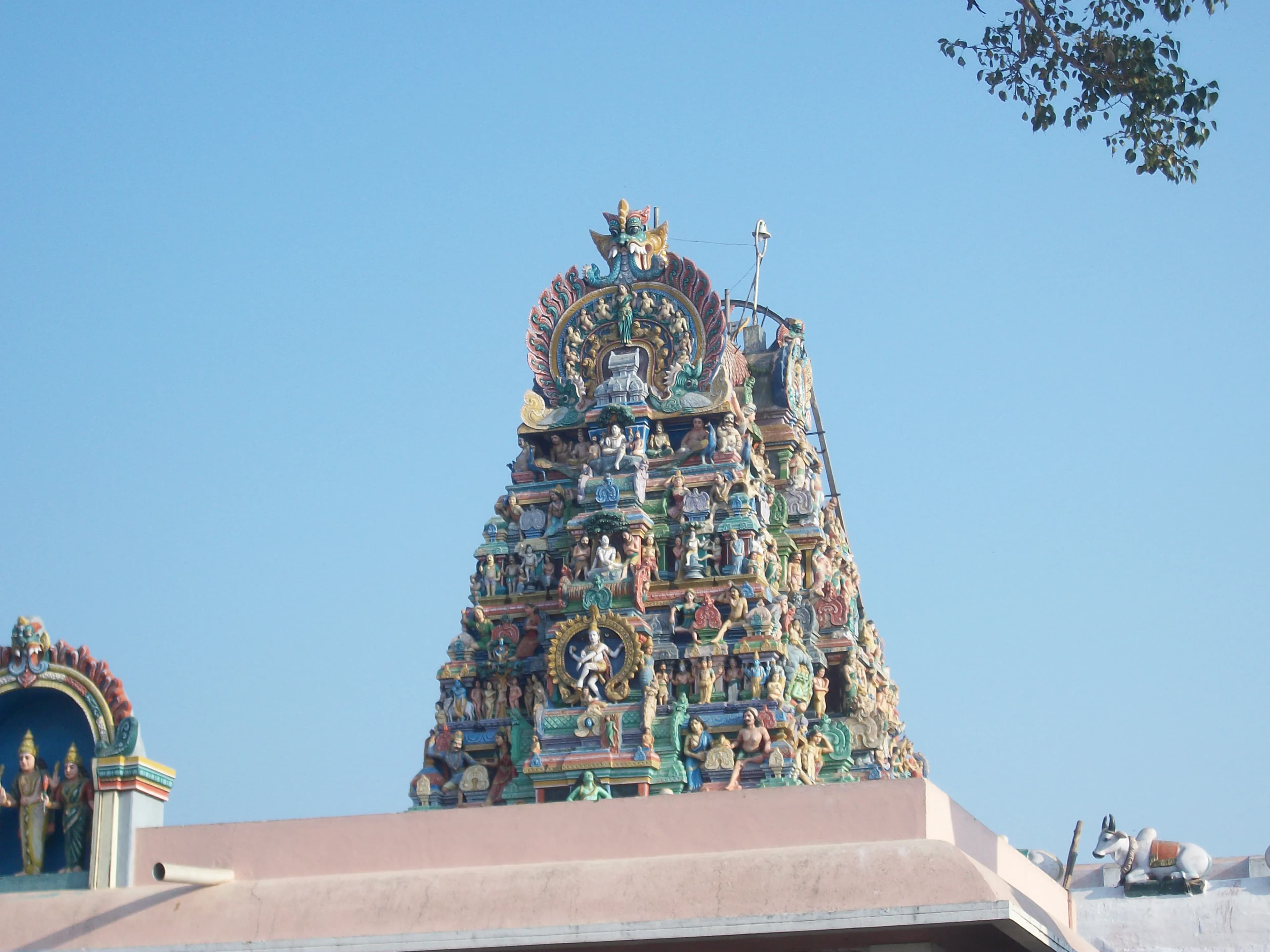
Palani Murugan Temple Palani
The air, thick with incense and the murmur of countless prayers, vibrated around me as I ascended the steep steps leading to the Palani Murugan Temple. Having explored the sandstone grandeur of Rajasthan's forts and palaces for years, I was eager to experience the distinct architectural and spiritual landscape of this South Indian pilgrimage site. The climb itself, a physical manifestation of devotion, offered glimpses of Palani sprawling below, the town cradled by the rolling hills. Pilgrims, some choosing the arduous penance of climbing barefoot, their faces etched with determination, moved with a quiet reverence that was palpable. Reaching the summit, I was immediately struck by the temple's unique construction. Unlike the ornate carvings and expansive courtyards I was accustomed to, the Palani temple, dedicated to Lord Muruga, presented a more austere aesthetic. The main shrine, known as the Dhandayuthapani Swami Temple, is built primarily from granite, its dark grey stone a stark contrast to the vibrant colours of the surrounding landscape. The architecture is characteristically Dravidian, with a gopuram, though smaller than those found in other major South Indian temples, marking the entrance. Instead of elaborate sculptures, the focus here seemed to be on the raw power of the deity and the unwavering faith of the devotees. Inside the sanctum sanctorum, the air crackled with an almost tangible energy. The deity, Lord Muruga, is represented by a statue not of stone or metal, but of a unique alloy called Navapashanam, said to possess potent medicinal properties. The simplicity of the idol, devoid of opulent adornments, seemed to amplify its spiritual significance. Photography is strictly prohibited within the inner sanctum, a rule I respected, allowing myself to fully absorb the atmosphere and the palpable devotion of the worshippers. The temple complex, though compact, is a labyrinth of smaller shrines, each dedicated to a different deity within the Hindu pantheon. I spent time exploring these, observing the intricate details of the metalwork on the doors and the subtle variations in the architectural styles. One particularly captivating feature was the golden chariot, used during festivals to carry the deity in procession. The craftsmanship was exquisite, the metal gleaming under the filtered sunlight that streamed through the temple corridors. Beyond the spiritual aspects, the temple also offered a fascinating glimpse into the social fabric of the region. The diversity of the pilgrims, representing different social and economic backgrounds, united in their devotion, was a powerful testament to the enduring influence of faith. I observed families sharing simple meals, vendors selling flowers and religious offerings, and the constant hum of chants and prayers creating a unique soundscape. Descending the hill, I chose the rope car, offering a panoramic view of the landscape. The experience, though physically demanding, was profoundly enriching. The Palani Murugan Temple, with its unique architecture, powerful spiritual energy, and the unwavering faith of its devotees, offered a starkly different, yet equally compelling, experience compared to the majestic forts and palaces of my home state. It was a reminder that the essence of heritage lies not just in the grandeur of structures, but in the intangible threads of faith, devotion, and the shared human experience that bind us across cultures and geographies.
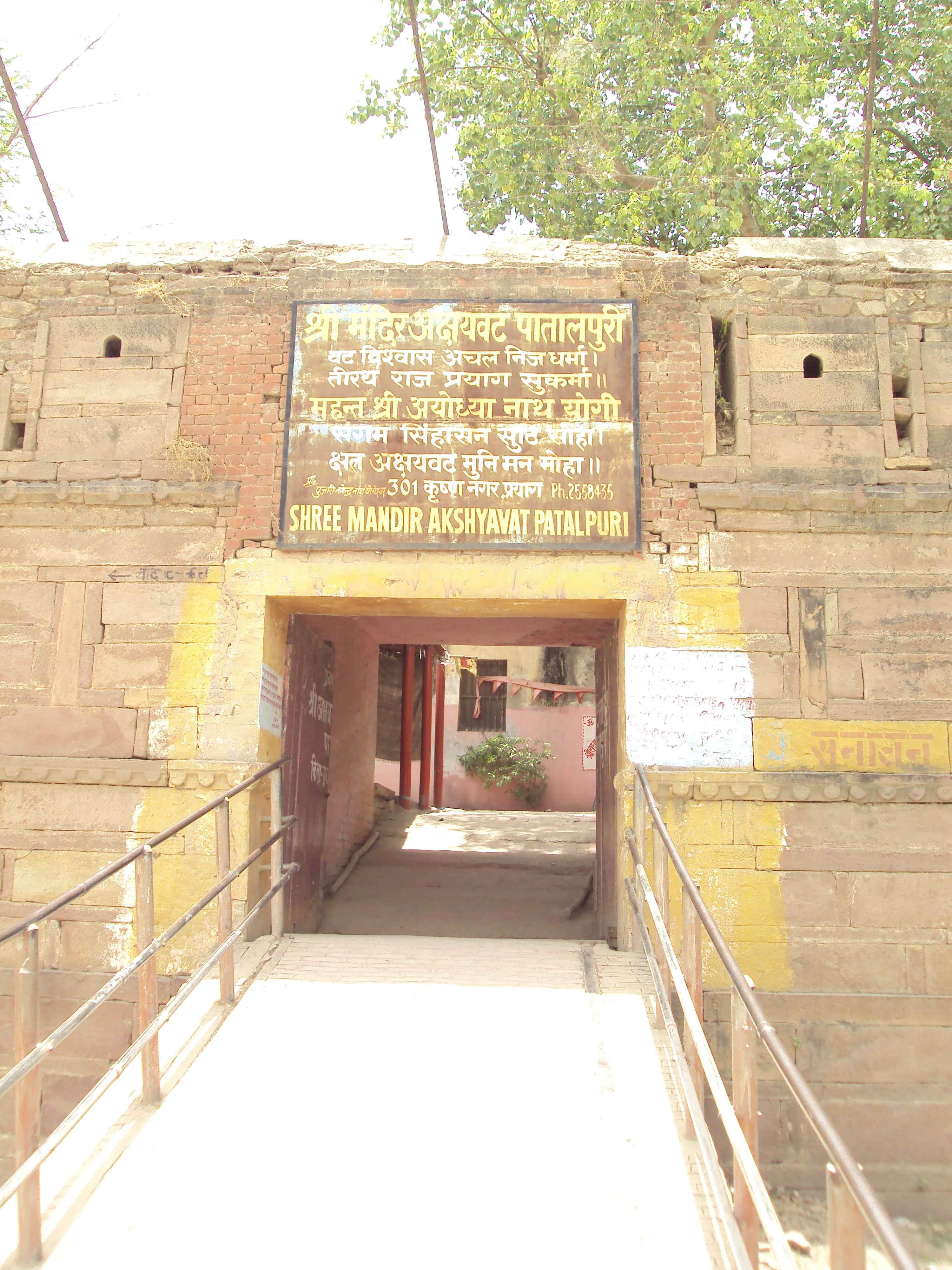
Allahabad Fort Prayagraj
The imposing sandstone ramparts of Allahabad Fort, erected in 1583 CE by the Mughal Emperor Akbar ([1][2]), dominate the sacred confluence, or *Triveni Sangam*, of the Ganga and Yamuna rivers. This strategic military construction exemplifies Mughal architectural prowess, designed to consolidate imperial power over the region ([1]). Within this fortified expanse, the sheer scale of Mughal military architecture is striking ([3]). Granite and sandstone blocks, meticulously carved, constitute the Ashoka Pillar, predating the fort and bearing inscriptions from Emperor Ashoka ([5]). This pillar connects the fort to the Mauryan Empire, underscoring the region's layered history ([5]). Intricate carvings adorning the Zenana (women's quarters) reveal the refined artistry of the Mughal era ([3]). The delicate *jaali* (latticework) exemplifies Mughal craftsmanship, providing both ventilation and privacy ([3]). Also within the fort's walls, the Akshayavat, an ancient banyan tree, holds deep reverence for its mythological significance ([4]). Local traditions connect it to Hindu cosmology, adding a spiritual dimension to the site ([4]). Presenting a contrasting architectural style, the Patalpuri Temple, an underground shrine, features a simpler and more ancient design than the Mughal structures above ([4]). As a confluence of cultures, religions, and empires, the fort's stones and light reverberate with history ([1][2][3][4][5]). The fort's design, while primarily Mughal, may incorporate certain principles of spatial arrangement reminiscent of *Vastu Shastra*, the ancient Indian science of architecture, adapted to the demands of military defense. Sophisticated planning ensured the fort's strategic importance and resilience, reflecting both Mughal innovation and the enduring legacy of the region's earlier empires. The fort stands as a powerful reminder of India's complex and interwoven past, where different traditions have converged and left their indelible marks.

Shri Ramnath Temple Bandora
The ochre walls of Shri Ramnath Temple, nestled amidst the emerald embrace of Bandora's foliage, exuded a tranquility that instantly captivated me. This wasn't the imposing grandeur of some of the larger Goan temples, but a quiet dignity, a whispered history etched into the laterite stone and whitewashed plaster. The temple, dedicated to Lord Rama, felt deeply rooted in the land, a testament to the enduring syncretism of Goan culture. My first impression was one of intimate enclosure. A modest courtyard, paved with uneven stones worn smooth by centuries of footsteps, welcomed me. The main entrance, a relatively unadorned gateway, didn't prepare me for the burst of colour within. The deep red of the main temple structure, contrasted against the white of the surrounding buildings, created a vibrant visual harmony. The architecture, while predominantly influenced by the regional Goan style, hinted at subtle elements borrowed from other traditions. The sloping tiled roof, a hallmark of Goan temple architecture, was present, but the detailing around the windows and doorways showcased a delicate intricacy reminiscent of some of the older temples I've encountered in Karnataka. Stepping inside the main sanctum, I was struck by the palpable sense of devotion. The air, thick with the fragrance of incense and flowers, hummed with a quiet energy. The deity of Lord Ramnath, flanked by Sita and Lakshman, held a serene presence. Unlike the ornate, heavily embellished idols found in some temples, these felt more grounded, more accessible. The simple adornments, the soft lighting, and the intimate scale of the sanctum fostered a sense of personal connection, a direct line to the divine. What truly fascinated me, however, were the intricate carvings that adorned the wooden pillars supporting the mandap, or the covered pavilion. These weren't mere decorative flourishes; they narrated stories. Episodes from the Ramayana unfolded in intricate detail, each panel a miniature masterpiece. The battle scenes were particularly captivating, the dynamism of the figures captured with remarkable skill. I spent a considerable amount of time studying these panels, tracing the narrative flow with my fingers, marveling at the artistry and the devotion that had gone into their creation. The temple complex also houses smaller shrines dedicated to other deities, including Lord Ganesha and Lord Hanuman. Each shrine, while distinct, maintained a stylistic coherence with the main temple. This architectural unity, this seamless blending of different elements, spoke volumes about the community that had built and maintained this sacred space. As I wandered through the courtyard, I noticed a small, almost hidden, well. The priest, noticing my interest, explained that the well was considered sacred and its water used for ritual purposes. This integration of natural elements into the temple complex, this reverence for water as a life-giving force, resonated deeply with me. It reminded me of the ancient Indian architectural principles that emphasized the harmonious coexistence of the built environment and the natural world. Leaving the Shri Ramnath Temple, I carried with me not just images of intricate carvings and vibrant colours, but a sense of having touched a living history. This wasn't just a monument; it was a vibrant hub of faith, a testament to the enduring power of belief, and a beautiful example of how architectural traditions can evolve and adapt while retaining their core essence. The quiet dignity of the temple, its intimate scale, and the palpable devotion within its walls left an indelible mark on my mind, a reminder of the rich tapestry of cultural narratives woven into the fabric of India.
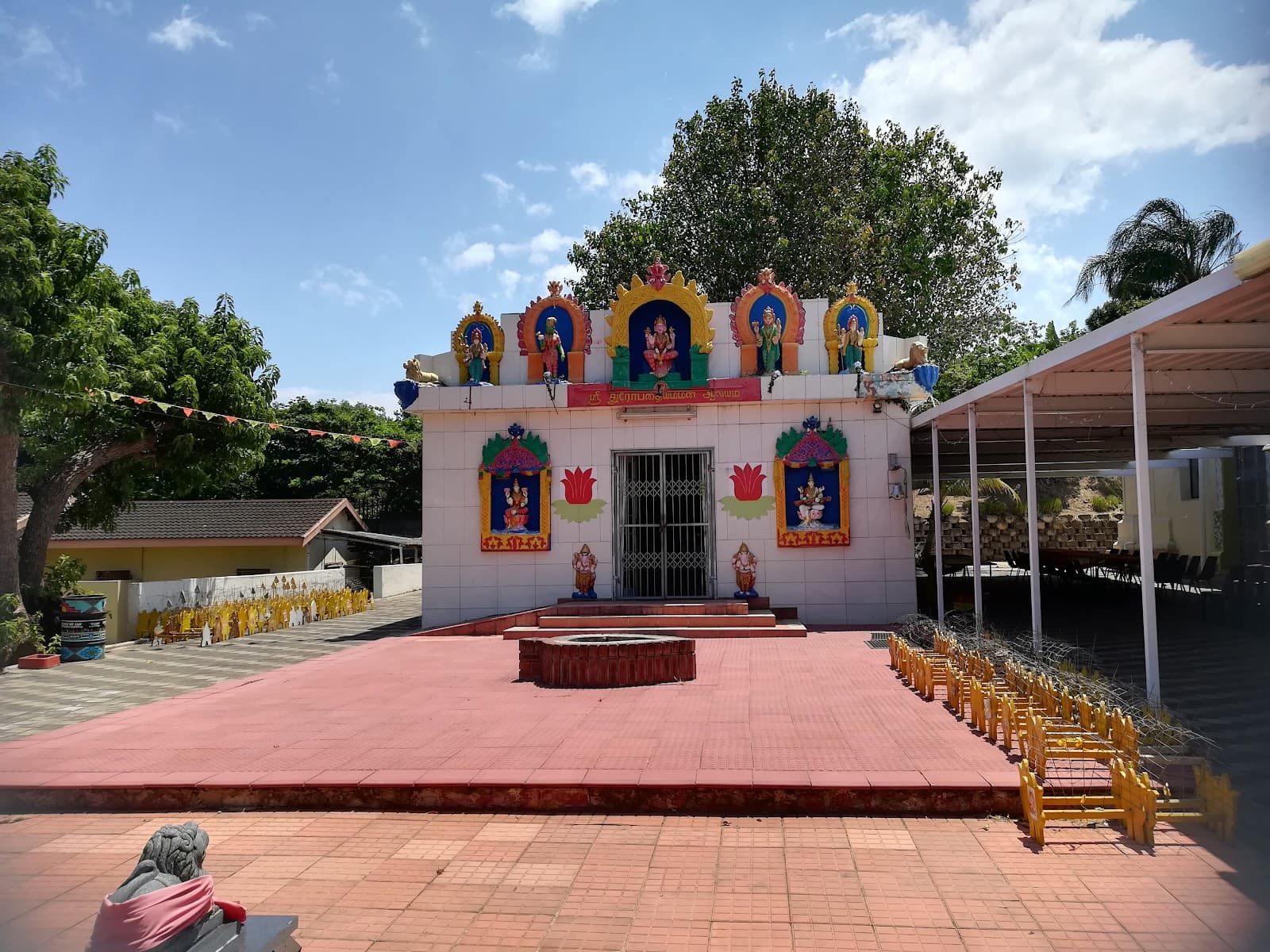
Shree Ayyappa Seva Sangam Temple Durban
The Shree Ayyappa Seva Sangam Temple, located at 359 Langton Road, Montclair, Durban, KwaZulu-Natal, South Africa, stands as a profound testament to India's millennia-spanning cultural heritage and the continuous tradition of Indic civilization [1] [2]. Dedicated to Lord Ayyappa, a revered deity primarily worshipped in South India, particularly Kerala, this temple embodies ancient indigenous architectural styles, materials, and cultural practices that reflect India's deep historical roots [3] [4]. The temple's design integrates elements of both Kerala Temple architecture and Dravida architecture, showcasing a synthesis of South Indian temple building traditions [1] [5]. Kerala temple architecture, characterized by its unique religious sanctuary design, often features circular or square ground plans, steeply sloping roofs covered with copper sheets or terracotta tiles, and extensive use of timber [5] [2]. These architectural choices are historically adapted to the region's heavy rainfall and tropical climate, emphasizing functionality alongside aesthetic and spiritual principles [2]. The structural elements typically involve a granite plinth (adhisthana), laterite walls, and a superstructure predominantly crafted from wood, adhering to canonical rules of proportionate systems detailed in ancient treatises [5] [4]. The Shree Ayyappa Seva Sangam Temple incorporates these principles, utilizing locally available materials while maintaining the traditional forms [1]. The temple complex is designed according to the Hindu practices of 'Vaastu Shastra' and 'Agama Shastra', ensuring auspicious orientation, spatial harmony, and ritualistic correctness [1]. This adherence to ancient texts underscores the continuity of architectural knowledge passed down through generations [5]. Dravida architectural influences are evident in the temple's overall layout and decorative motifs, which often include intricate carvings and sculptures [3]. While Kerala temples typically feature simpler exteriors, the broader South Indian temple style, from which Dravida architecture evolved, is known for its elaborate gopurams (entrance towers), vimanas (superstructures over the sanctum), and mandapas (pillared halls) [3]. Though the Durban temple may not possess the monumental scale of ancient Dravidian complexes, its design principles and decorative elements draw from this rich tradition, manifesting in detailed iconography and sacred geometry [1]. The temple's sanctum (sreekovil) houses the main deity, Lord Ayyappa, and is surrounded by a circumambulatory path (pradakshina-patha), facilitating traditional devotional practices [3]. The current state of the temple reflects ongoing maintenance and active programming, serving as a vital spiritual and cultural hub for the Malayali and Tamil diaspora in Durban [2]. It offers regular pujas, festivals, and cultural education, ensuring the preservation and transmission of Indic traditions [2]. The site is fully operational and accessible to devotees and visitors, upholding its role as a living heritage site [1].
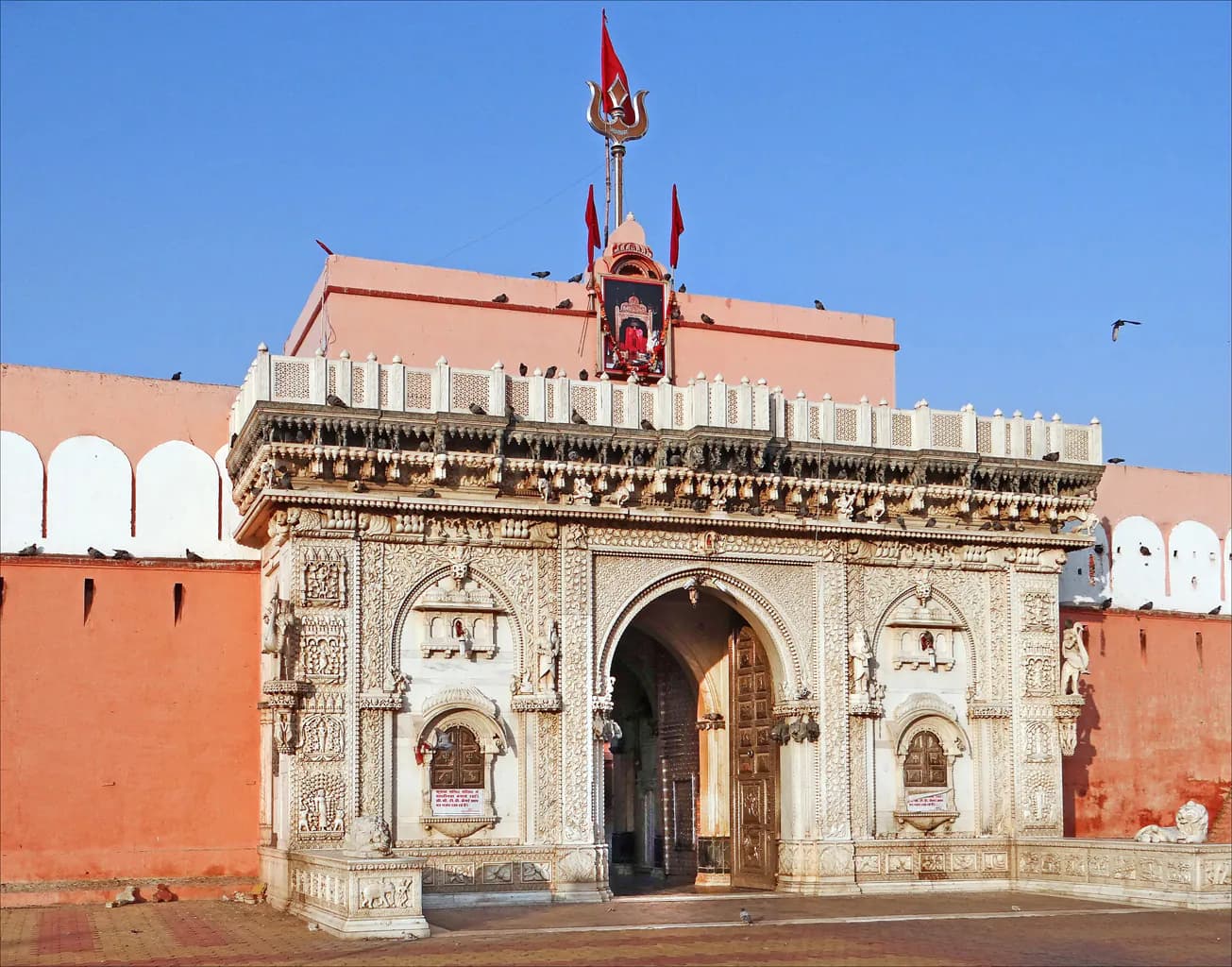
Karni Mata Temple Deshnoke
The cacophony hit me first. Not the kind of overwhelming noise one might expect from a bustling Indian temple, but a high-pitched, insistent squeaking that vibrated the very air. Thousands of tiny paws scurried across the marble floors of the Karni Mata Temple in Deshnoke, their collective presence both unsettling and strangely captivating. Rats. Not just a few stray rodents, but a teeming, writhing mass of them, revered as sacred within these hallowed walls. My camera, a constant companion for decades, felt almost inadequate to capture the sheer strangeness of the scene. The temple itself, a relatively modest structure compared to some of the architectural behemoths I've documented across India, is a fascinating blend of Mughal and Rajput styles. Intricate marble carvings, delicate jali screens, and silver doorways gleam against the backdrop of the desert landscape. But it's the inhabitants, the kabas as they are called, that truly define this place. The main entrance, guarded by imposing silver gates depicting scenes from the legend of Karni Mata, opens into a courtyard where the majority of the rats reside. They dart between the feet of devotees, scamper across offerings of milk and sweets, and even climb onto the statues of deities. Witnessing this firsthand, the initial apprehension gives way to a grudging respect for the deep-rooted faith of the worshippers. They believe these rats are reincarnations of Karni Mata's family and tribe, and harming one is considered a grave sin. Architecturally, the temple is a study in contrasts. The ornate silver work, a gift from Maharaja Ganga Singh of Bikaner, stands in stark contrast to the rough-hewn sandstone walls. The main sanctum, where the image of Karni Mata resides, is a relatively small chamber, dimly lit by oil lamps and the flickering light of faith. The marble floors, polished smooth by centuries of tiny feet, reflect the soft glow, creating an ethereal atmosphere. I noticed the intricate carvings on the marble pillars, depicting floral motifs and scenes from Hindu mythology, a testament to the skill of the artisans who crafted this unique space. One particular detail caught my eye: the numerous small holes and crevices in the walls, specifically designed to allow the rats free movement throughout the temple. This integration of the rats into the very fabric of the building is a powerful symbol of their sacred status. It's not just a temple that houses rats; it's a temple built for them. As I moved through the temple, navigating the constant flow of devotees and the ever-present scurrying of the kabas, I observed the rituals with fascination. Seeing a white rat is considered particularly auspicious, and I witnessed the hushed reverence as one emerged from the throng. Devotees offered food, touched the rats gently, and even allowed them to crawl over their bodies, a testament to their unwavering belief. Beyond the initial shock value, the Karni Mata Temple offers a profound insight into the diversity of religious beliefs and practices in India. It's a place where the seemingly mundane becomes sacred, where fear transforms into reverence, and where the constant squeak of thousands of tiny paws becomes a hymn of devotion. My lens, accustomed to capturing the grandeur of ancient forts and the intricate details of sculpted deities, found a new challenge in documenting this unique confluence of faith and nature. It's a testament to the power of belief, a reminder that the sacred can be found in the most unexpected of places.
Quick Links
Plan Your Heritage Journey
Get personalized recommendations and detailed visitor guides